

 Antarctica
 Argentina
 Bolivia
 Chile
 Colombia
 Ecuador
 Falkland Islands (Malvinas)
 French Guiana
 Guyana
 Paraguay
 Peru
 Suriname
 Uruguay
 Venezuela
 Austria
 Belgium
 Croatia
 Denmark
 Finland
 France
 Germany
 Greece
 Hungary
 Iceland
 Ireland
 Italy
 Luxembourg
 Norway
 Poland
 Portugal
 Slovakia
 Slovenia
 Spain
 Sweden
 Switzerland
 the Czech Republic
 the Netherlands
 the United Kingdom
 Turkey
 Bermuda
 Canada
 Greenland
 Mexico
 Saint Pierre and Miquelon
 the United States
 the Dominican Republic
 Japan
 Egypt
 South Africa
 Australia
 Fiji
 New Zealand
 Papua New Guinea
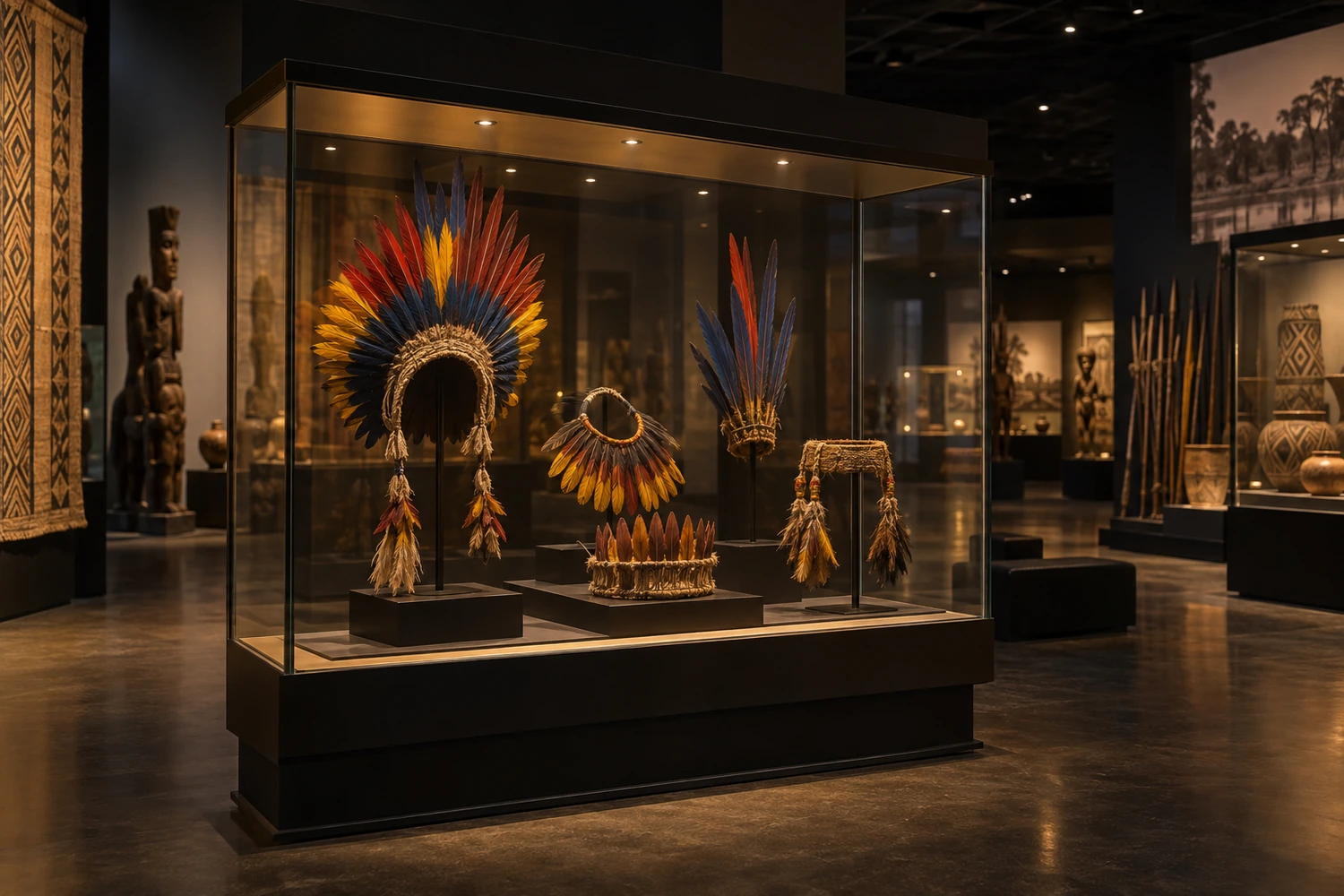
museum · Campo Grande, MS
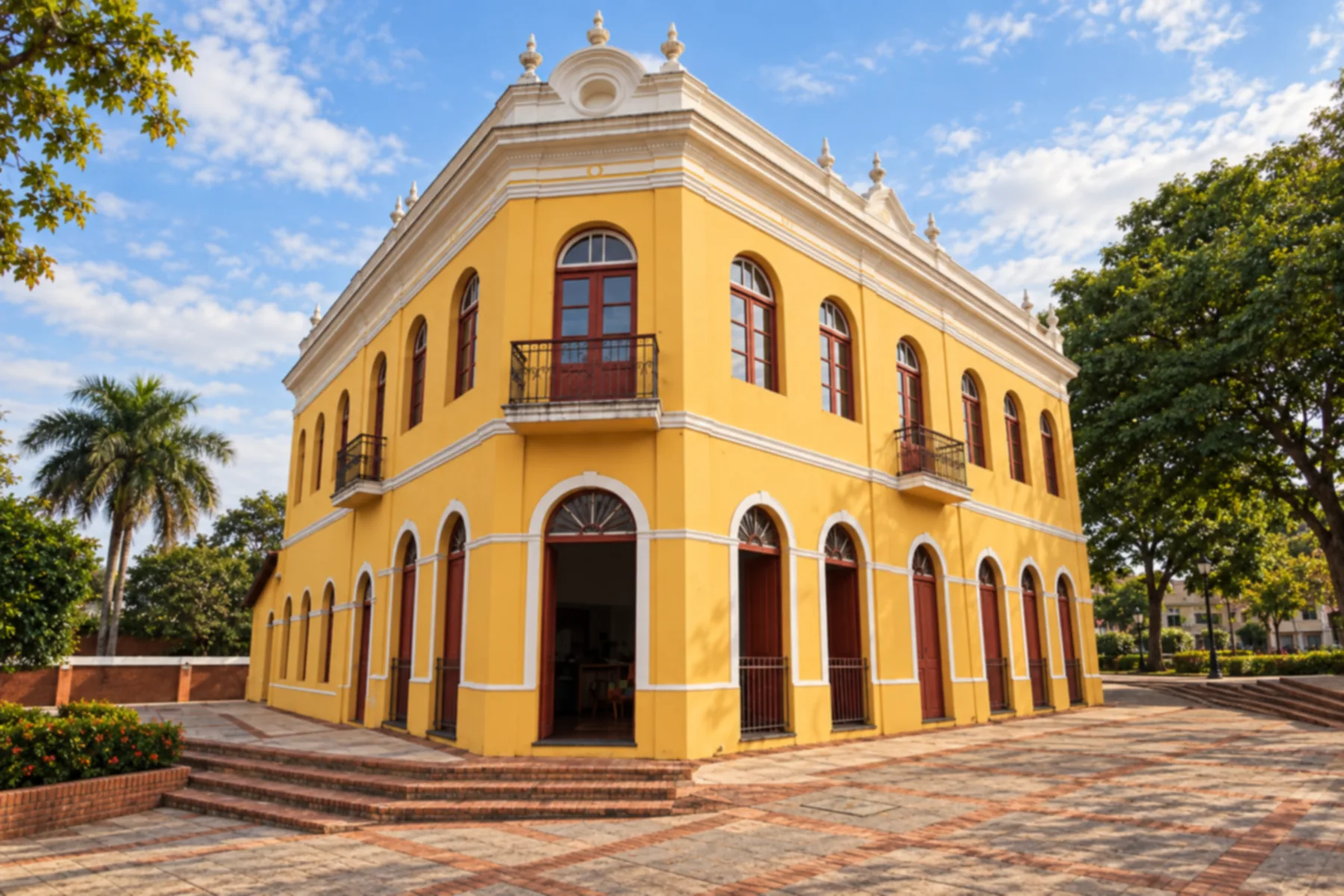
Museu das Culturas Dom Bosco
Created by Salesian priests and opened in 1951, it holds about 40,000 pieces of ethnography, archaeology, paleontology, mineralogy and zoology. Highlights include more than 5,000 objects from Indigenous peoples such as the Bororo and Xavante.
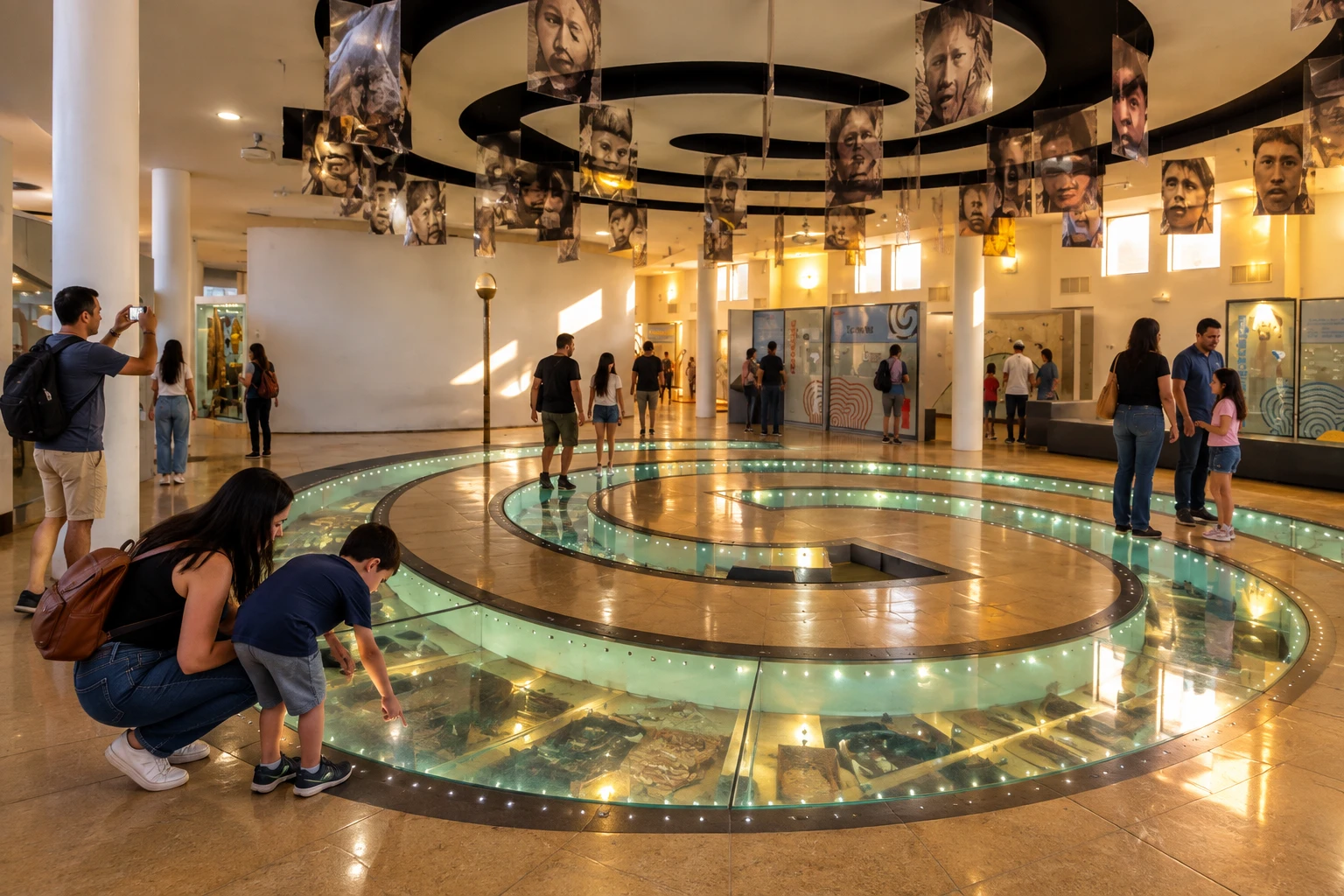
Illustrative images. The pictures in this guide are illustrations based on the real place, not photographs, and may differ from it.


A look at the place
Museu das Culturas Dom Bosco in pictures
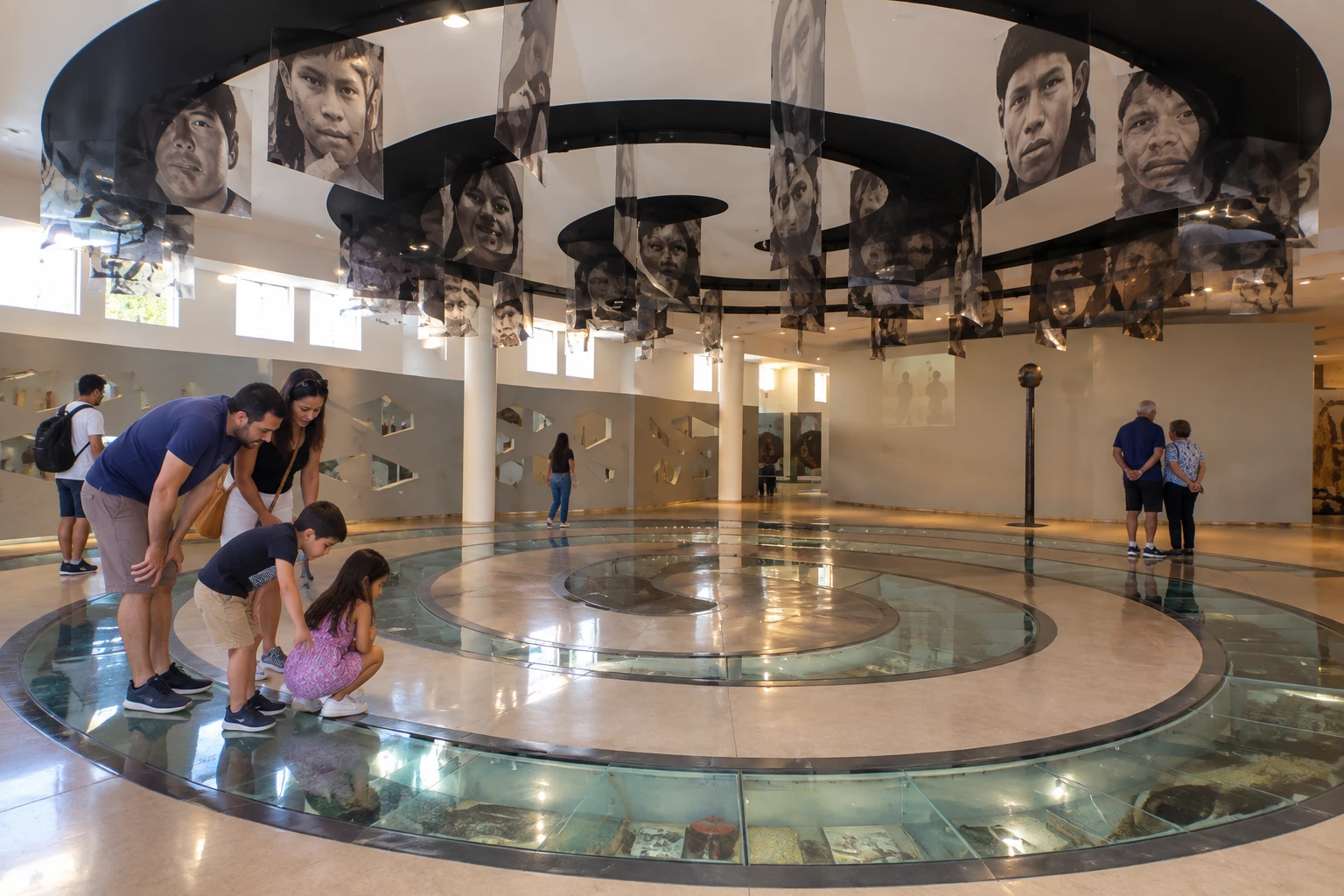
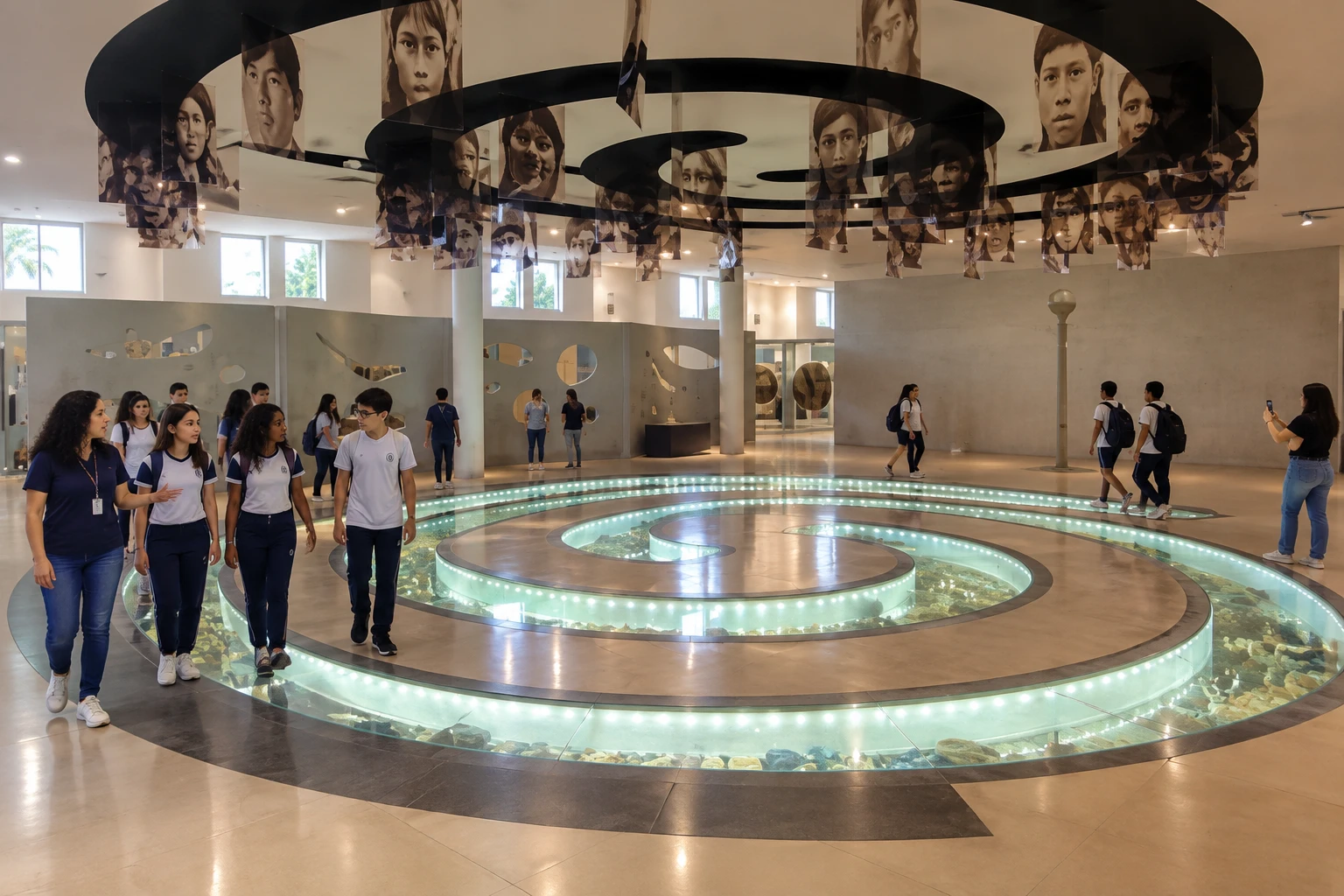
These pictures are illustrations based on the real place, not photographs. They may differ from the place.
Click the picture to enlarge it.
Discover
About Museu das Culturas Dom Bosco
The Museu das Culturas Dom Bosco is Campo Grande's best-known museum. Many people in the city still call it the Museu do Índio, because of its large collection of objects from Indigenous peoples.
The museum was created by the Salesian Mission of Mato Grosso and opened on October 27, 1951, in a room at the Colégio Dom Bosco. It later moved to another downtown address and now occupies its own building inside the Parque das Nações Indígenas. It is run by the Dom Bosco Catholic University (UCDB). In 1991, it was visited by Pope John Paul II.
The collection includes about 40,000 pieces of ethnology, archaeology, paleontology, mineralogy and zoology. In the Indigenous section, there are more than 5,000 objects from peoples such as the Bororo, Xavante and Karajá: feather ornaments, weapons, utensils and ritual pieces. In the natural science section, there are taxidermied Pantanal birds and mammals, shells, butterflies, insects, minerals and fossils.
The visit is relaxed and suitable for all ages, from school groups to families. The building has ramps, which makes it easier for wheelchair users and older visitors. You can combine the visit with a walk in the surrounding park.
Before you go
Practical information
Cidade Turismo reviews its information regularly, but something may have changed. Check with the place before planning your trip.
How much time to set aside
An hour and a half is enough to tour the Indigenous and natural science exhibitions at a relaxed pace.
Best time
Any time of year works, since the visit is indoors; on hot summer days, go in the morning and enjoy the park before the strong sun.
How to get there
It is inside the Parque das Nações Indígenas, on the upper part of Avenida Afonso Pena, in the Cidade Jardim neighborhood of Campo Grande. You can go by car, ride-hailing app or bus along Afonso Pena and enter through the park.
Tip
Check days and hours on the museum's official channel before you go and, if you are with a group or school, book a guided tour in advance.
Your questions
Frequently asked questions about Museu das Culturas Dom Bosco
Is there an entrance fee for the Museu das Culturas Dom Bosco?
Yes, there is an entrance fee. Check prices and opening days on the museum's official channel.
Where is the Museu Dom Bosco in Campo Grande?
Inside the Parque das Nações Indígenas, on the upper part of Avenida Afonso Pena.
Why is the museum called the Museu do Índio?
Because it holds more than 5,000 objects from Indigenous peoples such as the Bororo, Xavante and Karajá.
How long does the visit take?
About an hour and a half to see both exhibitions at a relaxed pace.
Is the museum wheelchair accessible?
Yes, the building has ramps that make access easier for wheelchair users and older visitors.