

 Antarctica
 Argentina
 Bolivia
 Chile
 Colombia
 Ecuador
 Falkland Islands (Malvinas)
 French Guiana
 Guyana
 Paraguay
 Peru
 Suriname
 Uruguay
 Venezuela
 Austria
 Belgium
 Croatia
 Denmark
 Finland
 France
 Germany
 Greece
 Hungary
 Iceland
 Ireland
 Italy
 Luxembourg
 Norway
 Poland
 Portugal
 Slovakia
 Slovenia
 Spain
 Sweden
 Switzerland
 the Czech Republic
 the Netherlands
 the United Kingdom
 Turkey
 Bermuda
 Canada
 Greenland
 Mexico
 Saint Pierre and Miquelon
 the United States
 the Dominican Republic
 Japan
 Egypt
 South Africa
 Australia
 Fiji
 New Zealand
 Papua New Guinea
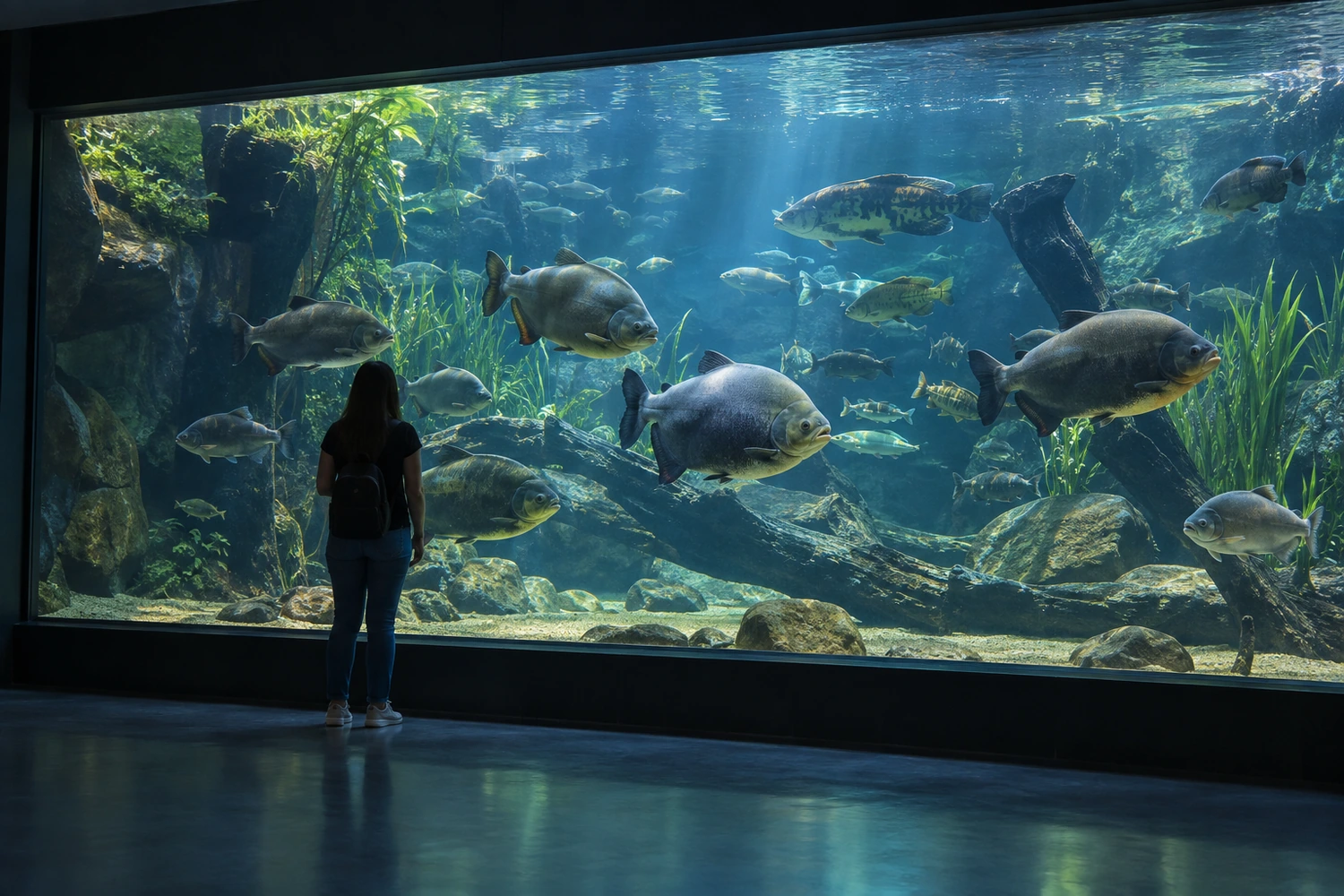
aquarium · Campo Grande, MS
Bioparque Pantanal
Opened in 2022, it is billed as the world's largest freshwater aquarium circuit, with about 220 species. Most of the fish come from the Pantanal, but there are also species from the Amazon, Africa and other continents.
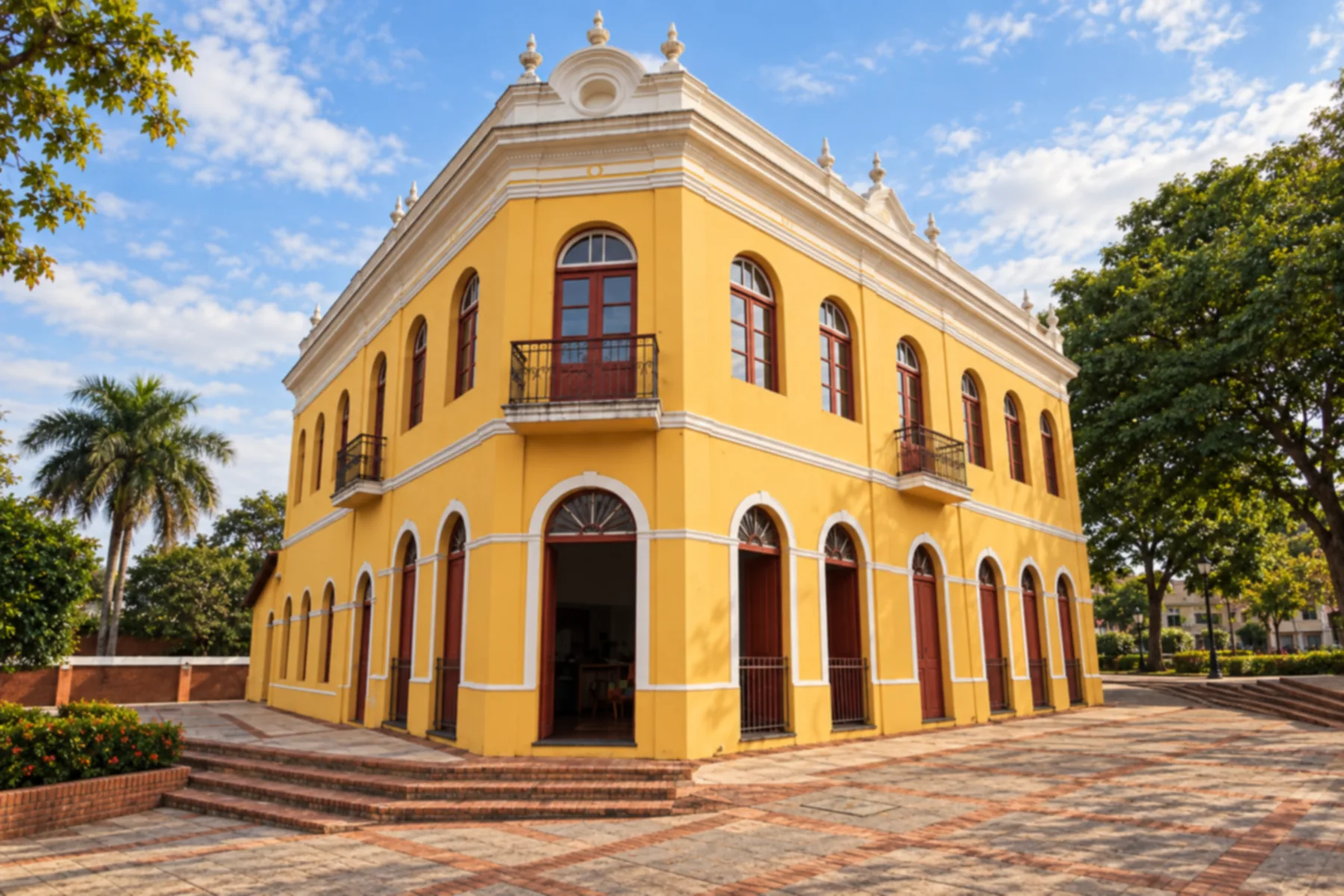
Illustrative images. The pictures in this guide are illustrations based on the real place, not photographs, and may differ from it.


A look at the place
Bioparque Pantanal in pictures
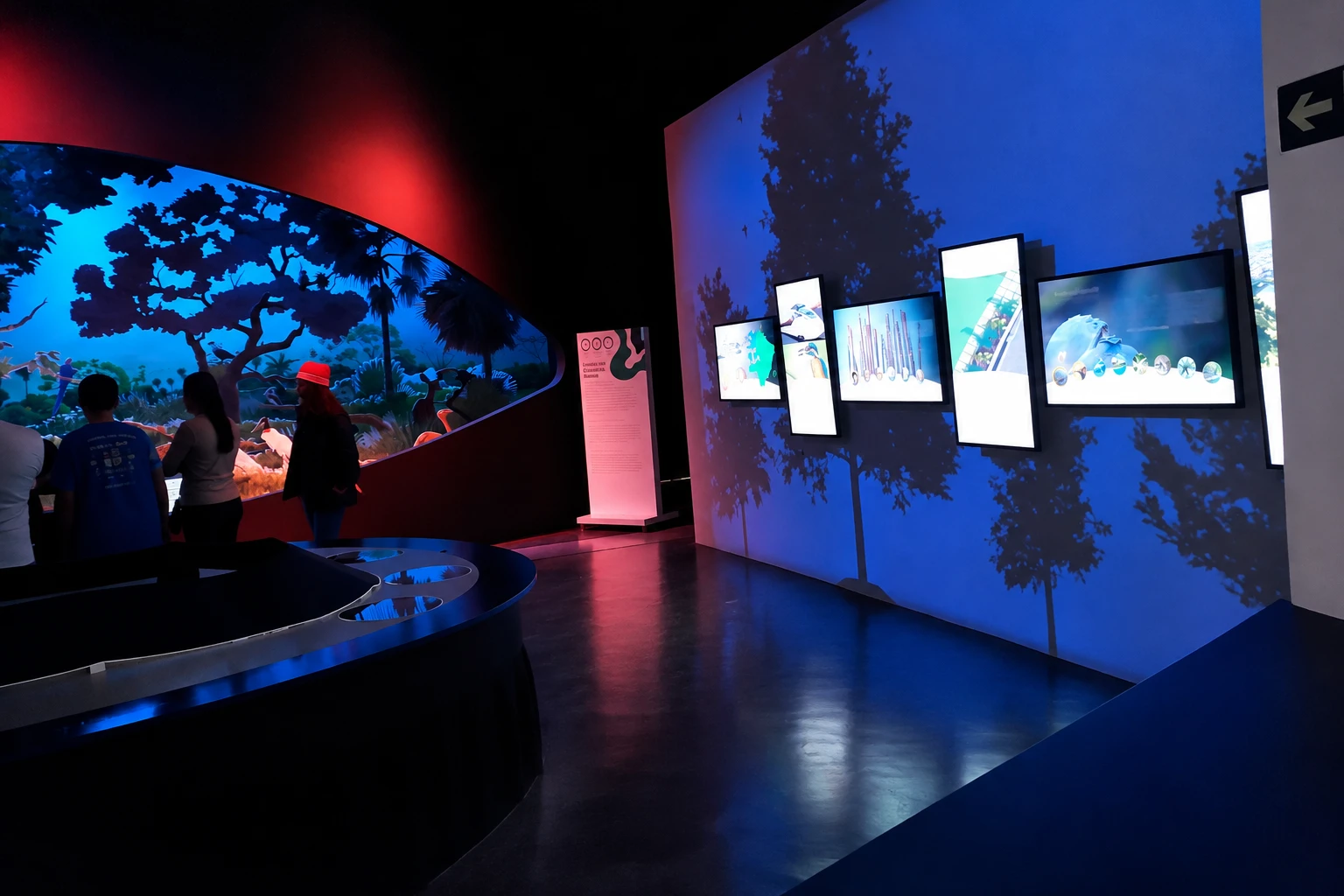
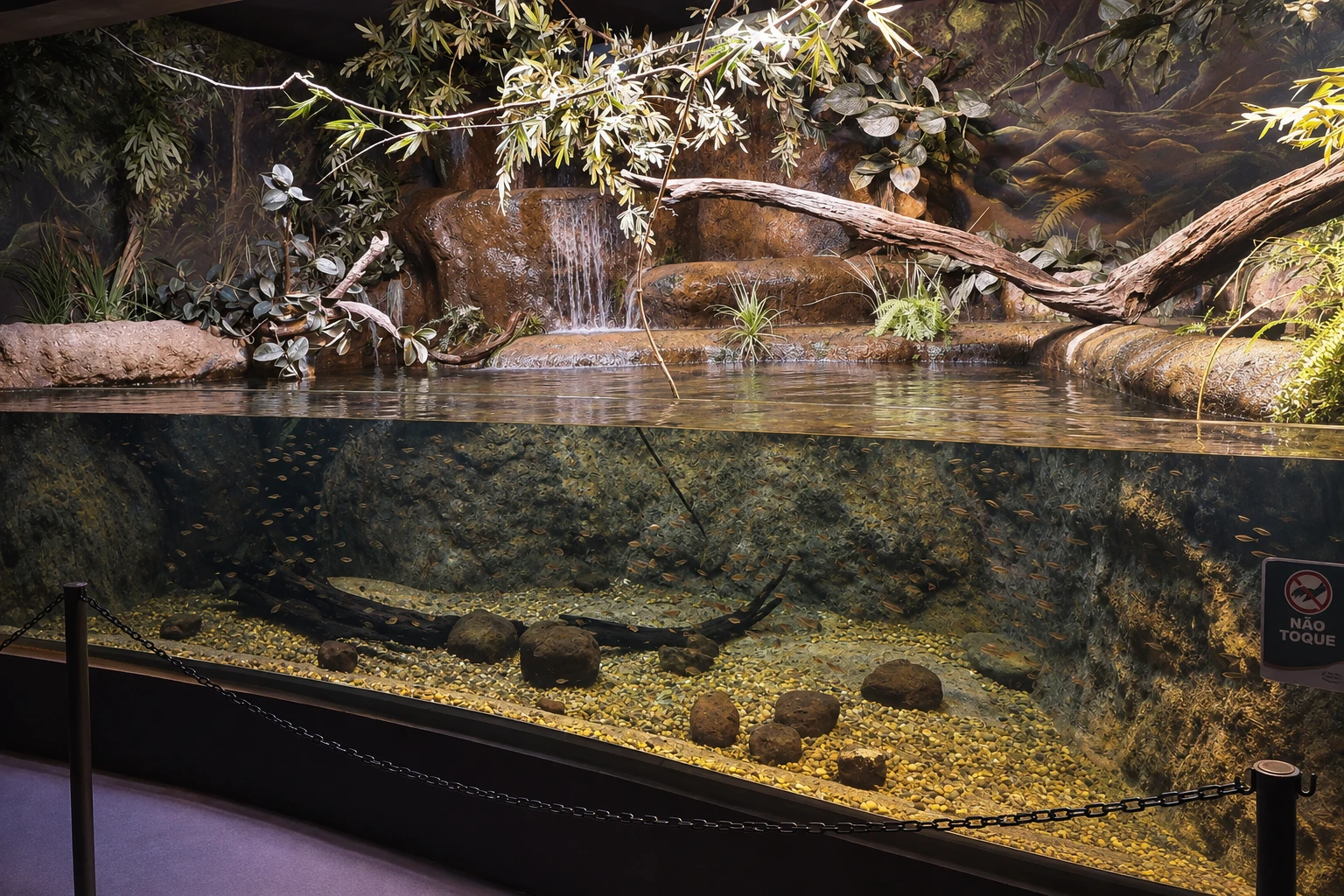
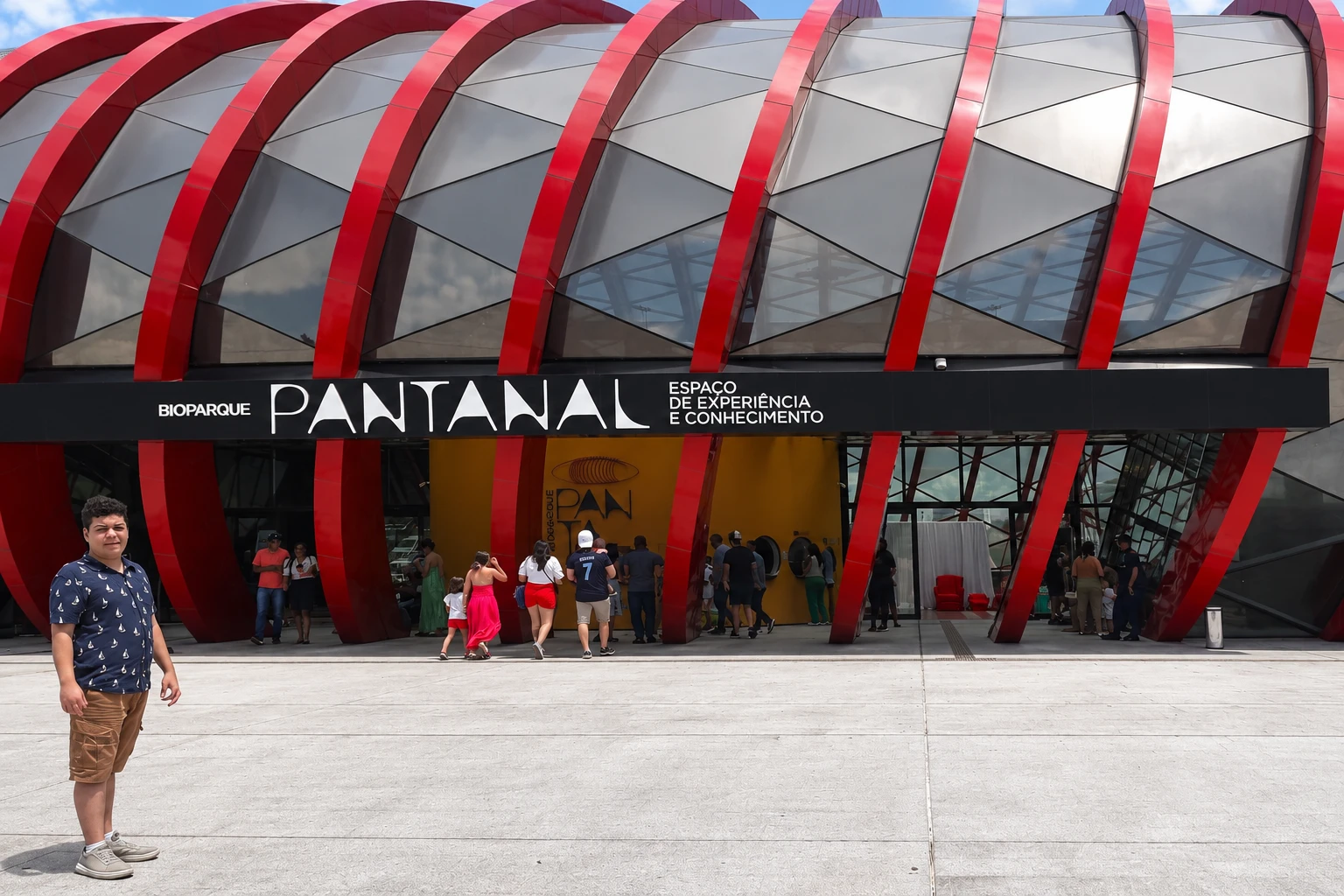
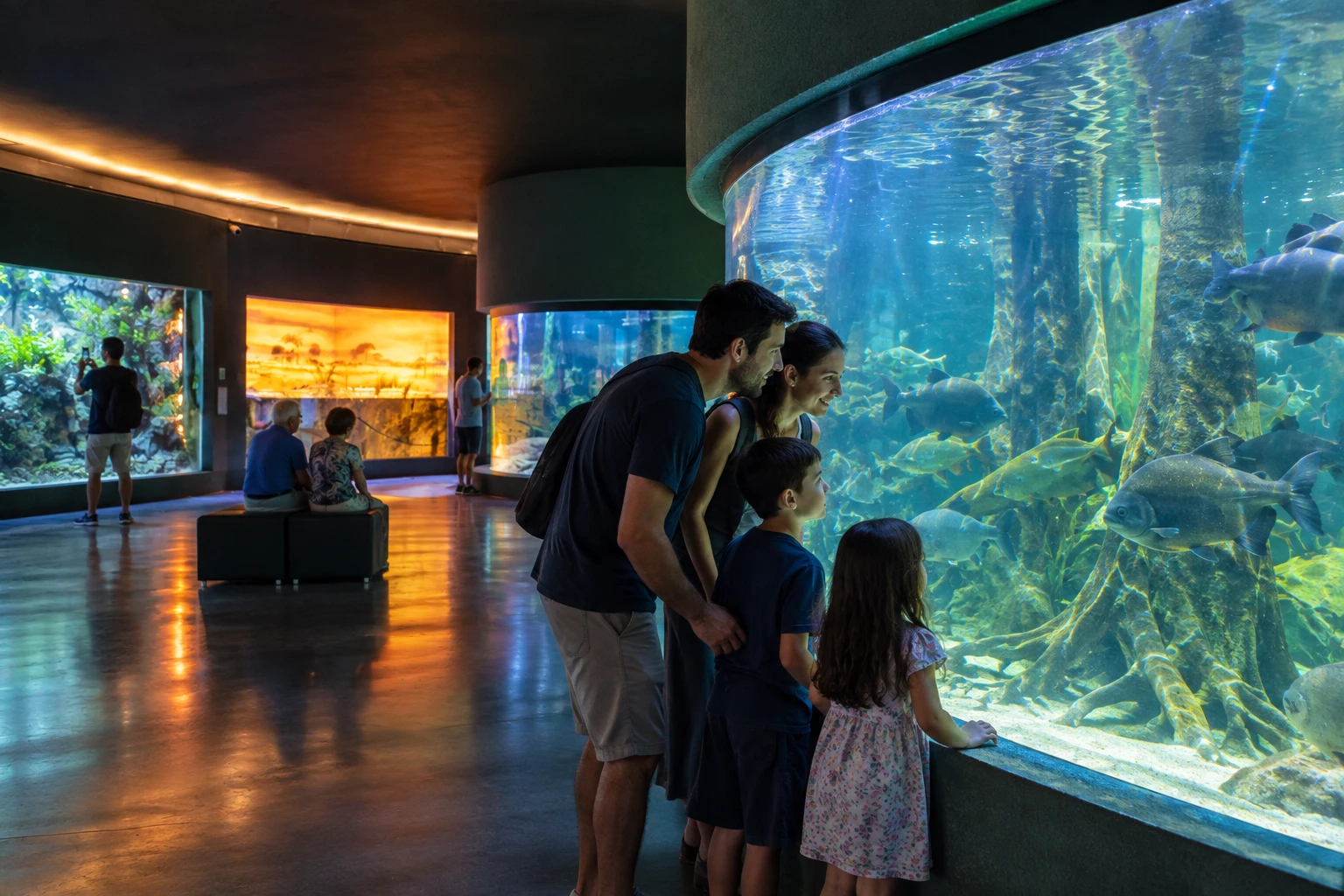
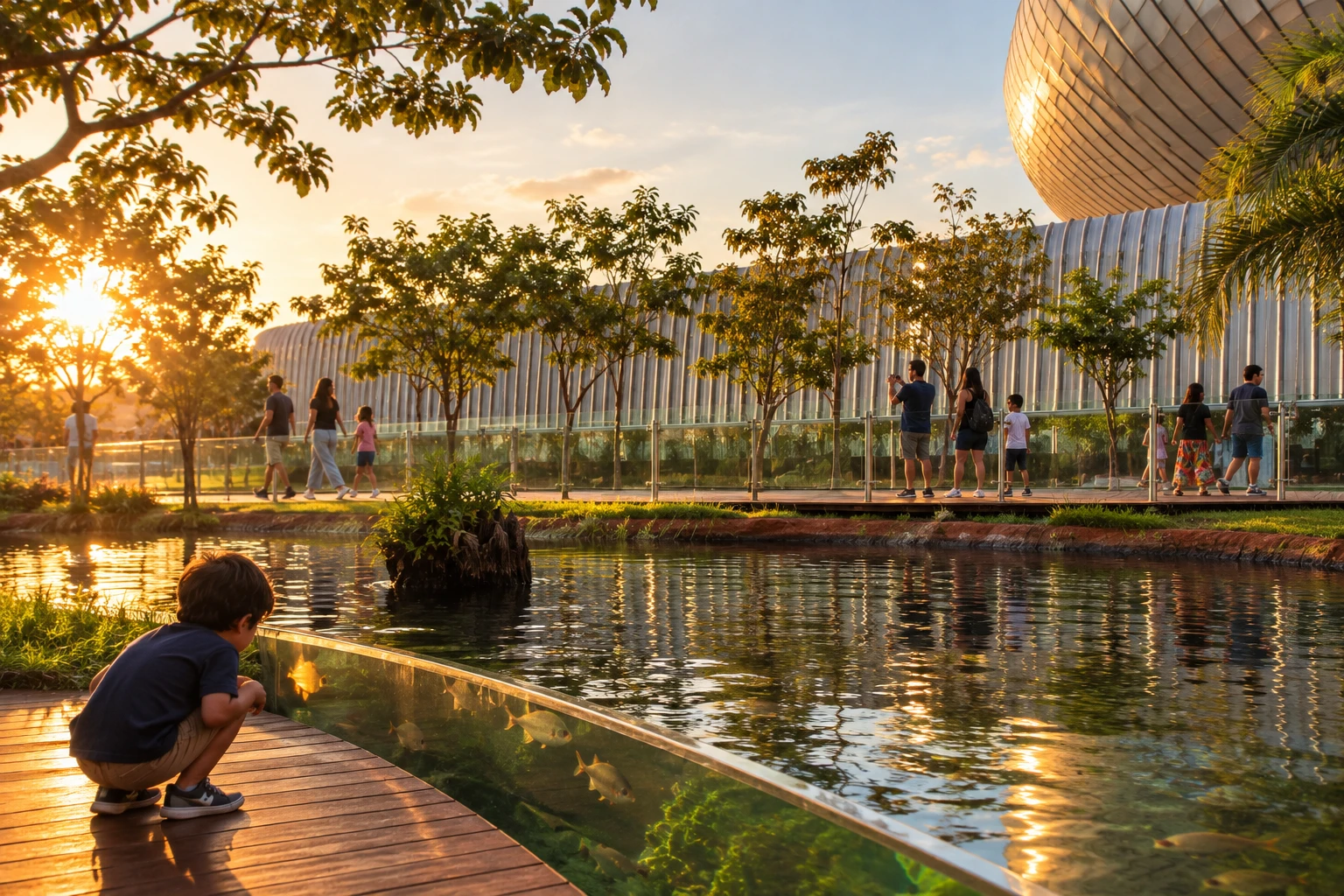
These pictures are illustrations based on the real place, not photographs. They may differ from the place.
Click the picture to enlarge it.
Discover
About Bioparque Pantanal
The Bioparque Pantanal is a freshwater aquarium complex in Campo Grande, billed as the largest circuit of its kind in the world. It holds about 5 million liters of water in tanks displaying fish from the Pantanal and other river basins, as well as reptiles and amphibians.
The building was designed by architect Ruy Ohtake and covers about 19,000 square meters in the Parque das Nações Indígenas, one of the city's largest green areas. Construction took many years, and the complex opened on March 28, 2022. Besides public visits, it has laboratories for research and breeding of native fish.
The route follows a circuit of aquariums of various sizes, some several meters tall, where you see species such as pacus and pirarucus. Most of the fish are from the Pantanal, but there are also species from the Amazon, Africa and other continents. There are information panels along the way and an interactive museum, MiBio, with projections and themed stations in Portuguese, English and Spanish.
The visit is indoors, relaxed and flat for much of the route, which appeals to families with children and people of all ages. It is a good option for hot or rainy days in Campo Grande.
Before you go
Practical information
Cidade Turismo reviews its information regularly, but something may have changed. Check with the place before planning your trip.
How much time to set aside
Allow about two hours to go through the aquarium circuit and the interactive museum without rushing.
Best time
Any time of year, since it is an indoor visit; weekday mornings outside school vacations are usually less crowded.
How to get there
It is at Avenida Afonso Pena, 6001, inside the Parque das Nações Indígenas, in eastern Campo Grande. You can get there by car, taxi, ride-hailing app or the buses that run along Afonso Pena.
Tip
Admission is free, but you must book in advance on the official booking website; the week's spots usually run out fast, so book ahead and check the hours before you go.
Official website
Your questions
Frequently asked questions about Bioparque Pantanal
Is there an entrance fee for the Bioparque Pantanal?
No. Admission is free, but you must book your visit in advance on the official booking website.
Do I need to book to visit the Bioparque Pantanal?
Yes. Visits are by online booking, and spots usually run out fast. Check available dates and times on the official website.
How long does a visit to the Bioparque Pantanal take?
About two hours to go through the aquarium circuit and the interactive museum at a relaxed pace.
Where is the Bioparque Pantanal?
At Avenida Afonso Pena, 6001, inside the Parque das Nações Indígenas, in Campo Grande (MS).
What animals can you see at the Bioparque Pantanal?
Mainly Pantanal fish, such as pacus, plus species from the Amazon, such as the pirarucu, and from other continents, as well as reptiles and amphibians.