Melbourne

Victoria

Melbourne

Graffitied laneways, cafés, museums and gardens in the city centre, the penguins of Phillip Island, the Dandenong Ranges steam train and the vineyards of the Yarra Valley.

Victoria (Melbourne)

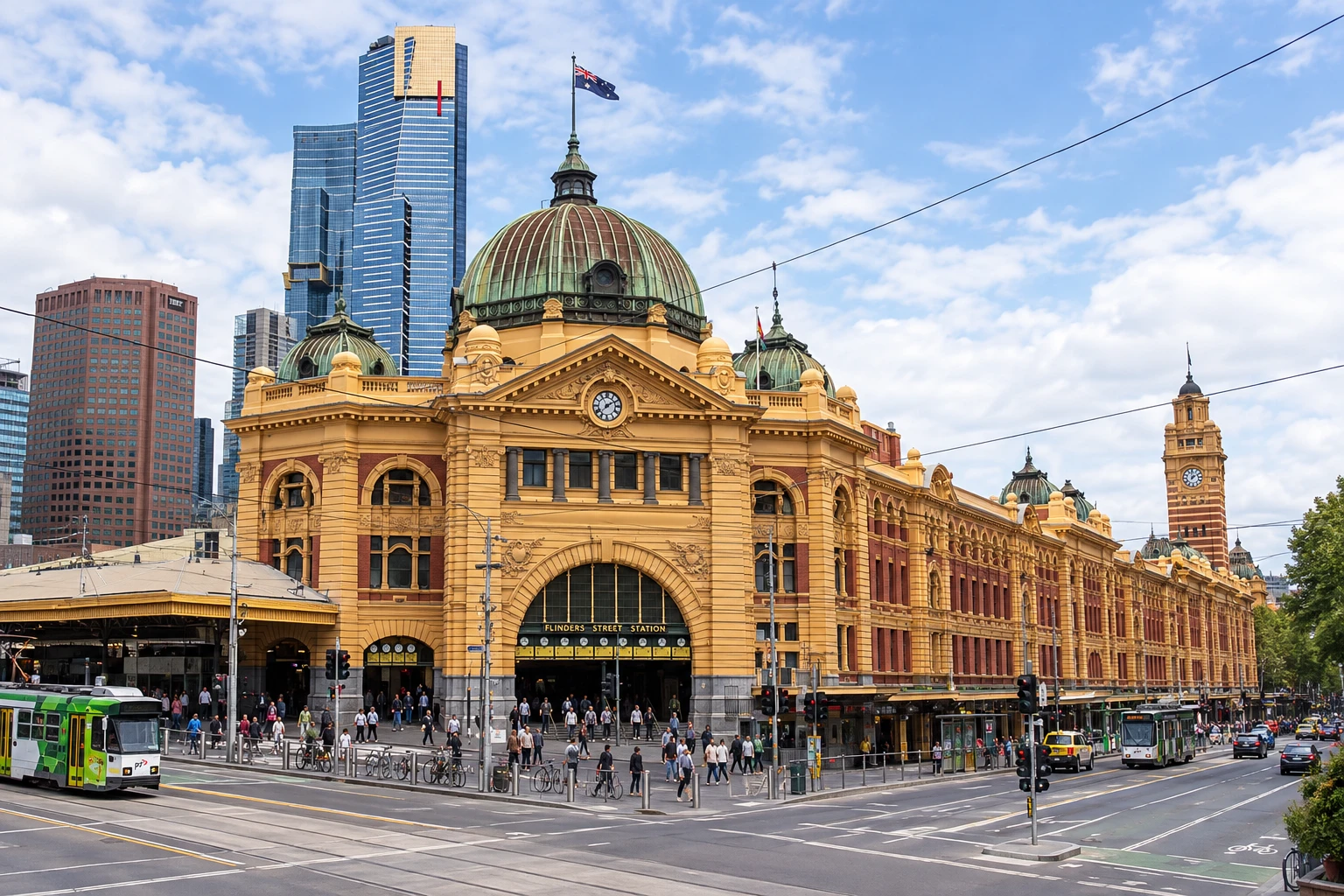
In the photo: Flinders Street Station, Melbourne

Illustrative images. The pictures in this guide are illustrations based on the real place, not photographs, and may differ from it.

Get it on Google Play

Get to know the place

A region to enjoy
at your own pace.

Melbourne is the capital of the state of Victoria and the second-largest city in Australia. It sits on the shores of Port Phillip Bay, along the Yarra River, and grew rapidly during the 1850s gold rush, which left a centre of Victorian buildings, covered arcades and wide boulevards, crossed by one of the world’s largest tram networks.

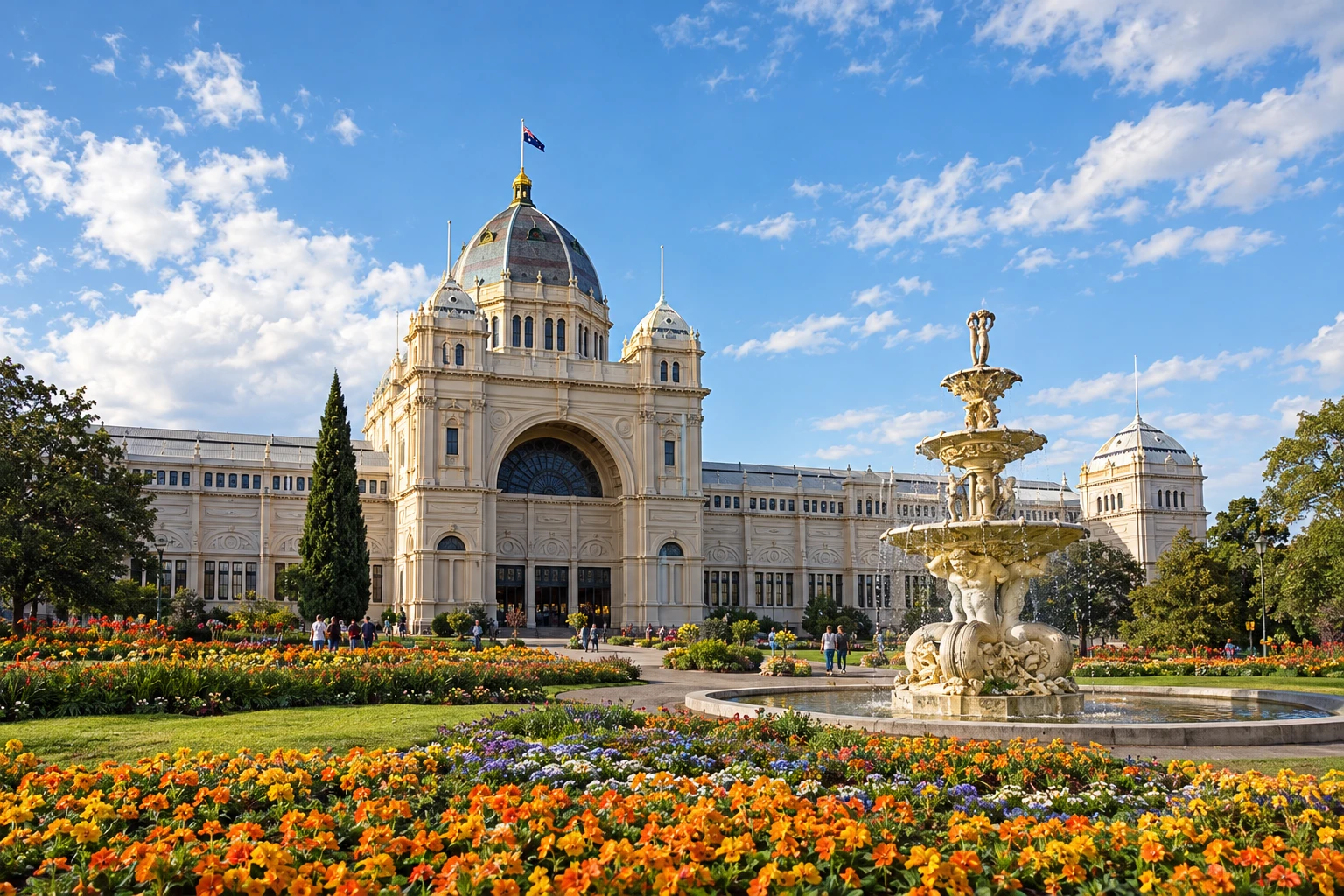
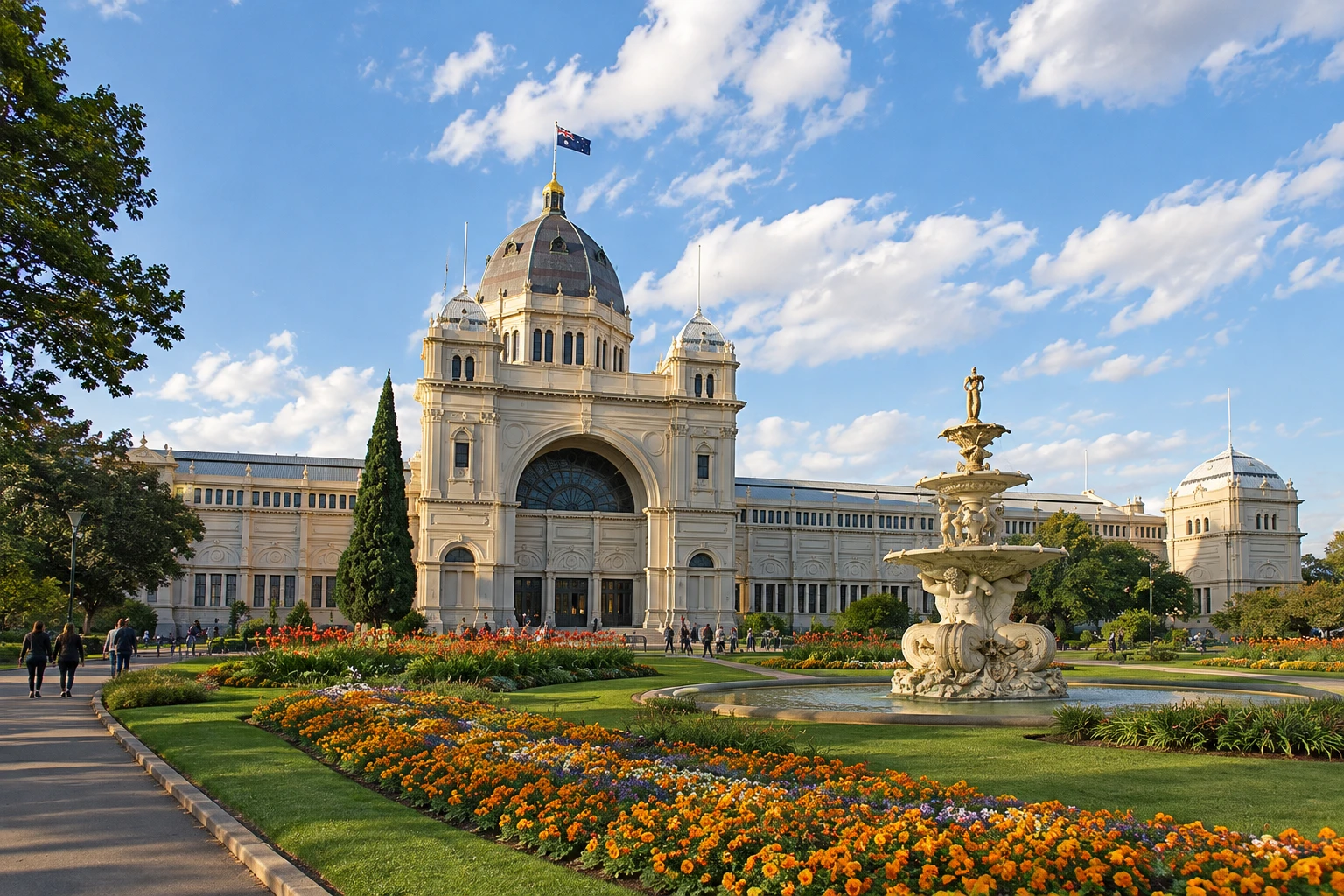
The city centre is made for walking. Between Federation Square and Flinders Street Station are the laneways full of cafés and street art, such as Hosier Lane and Degraves Street. To the north, the Royal Exhibition Building (1880) is a UNESCO World Heritage site; south of the river, the National Gallery of Victoria, the Royal Botanic Gardens and the Shrine of Remembrance line up along St Kilda Road.

The city is also the nation’s sporting capital: the Melbourne Cricket Ground hosts Australian rules football and cricket, and the Australian Open tennis is played there in January. On the bayfront, the St Kilda neighbourhood has Luna Park, a 1912 amusement park, and a pier where little penguins can be seen at dusk.

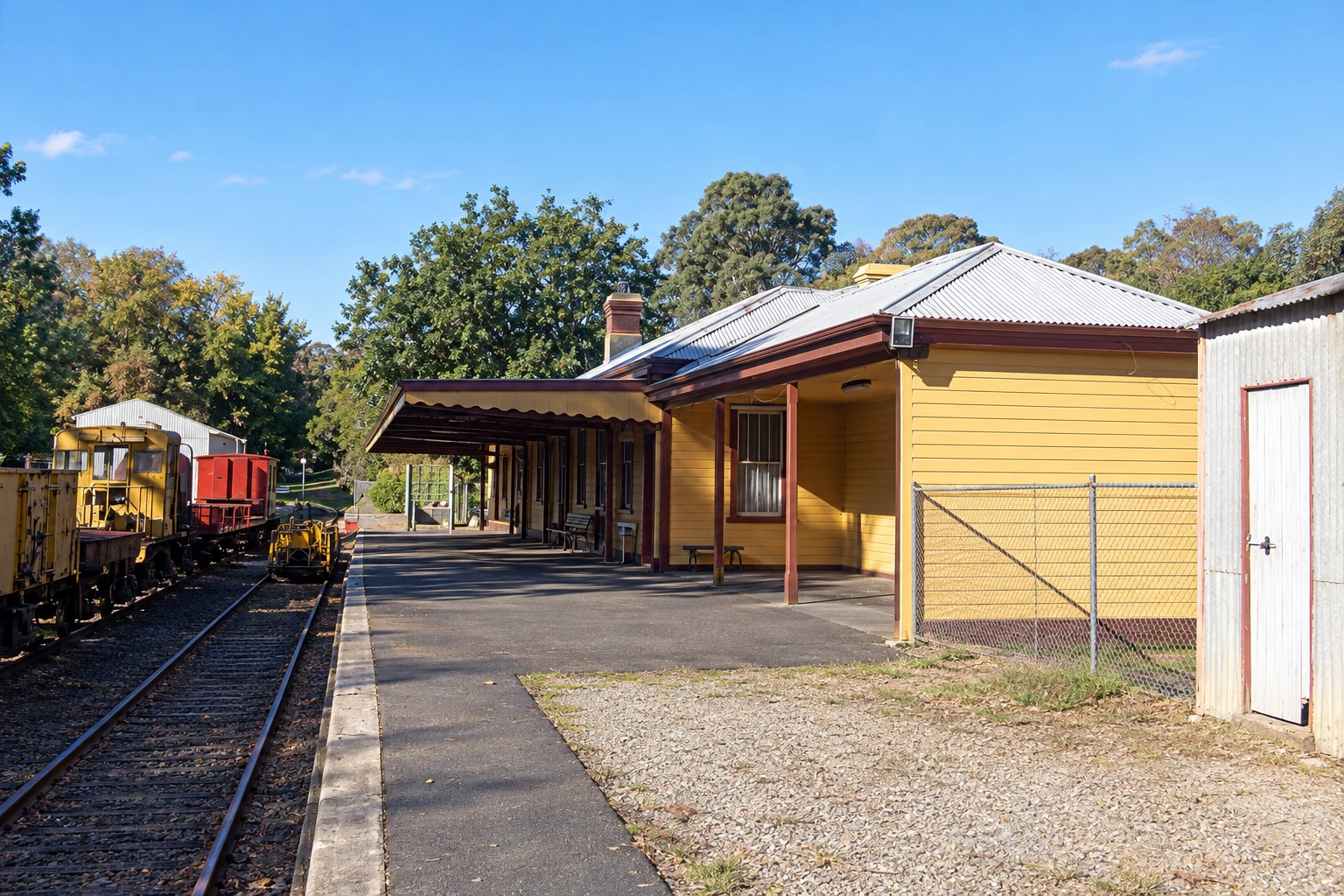
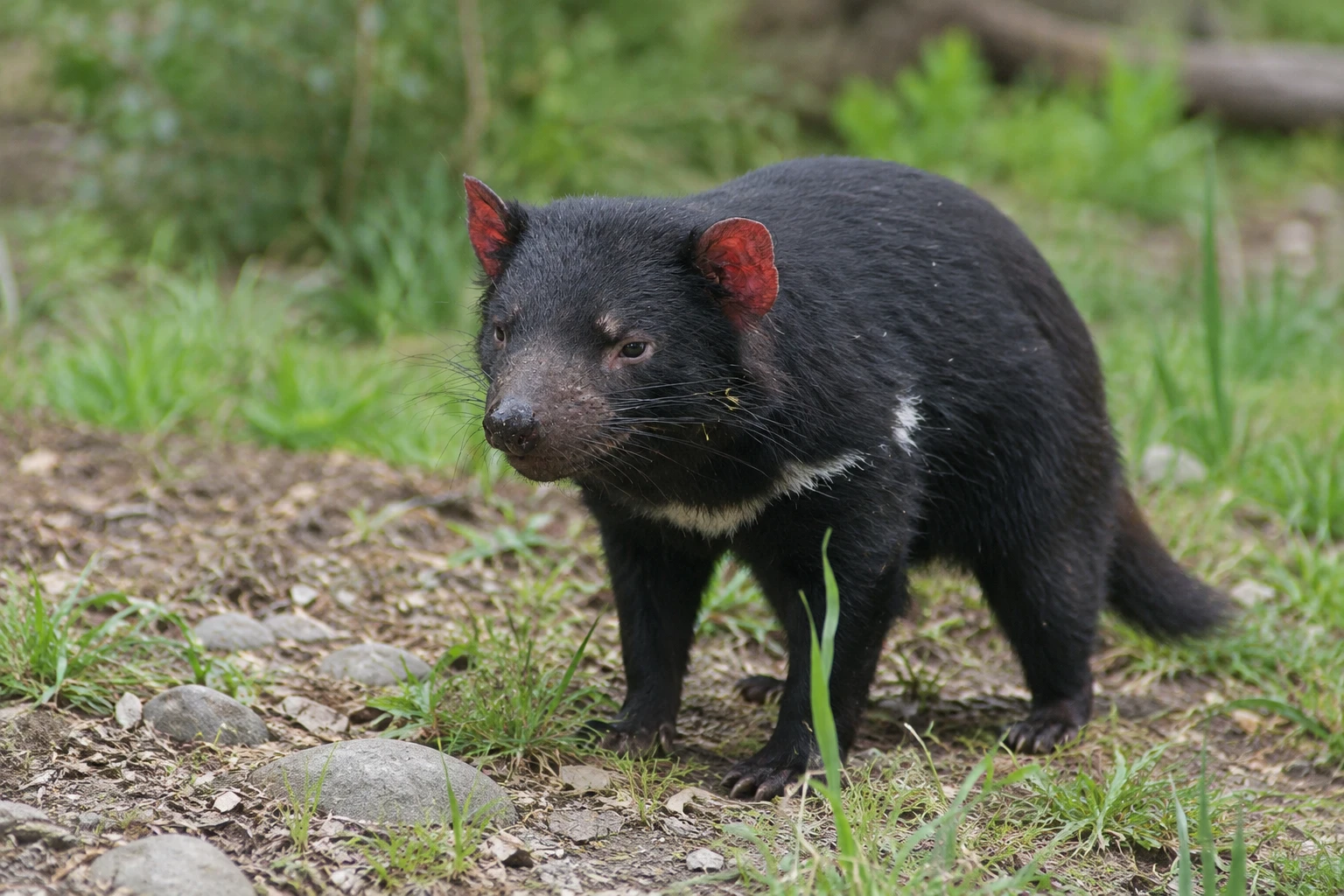
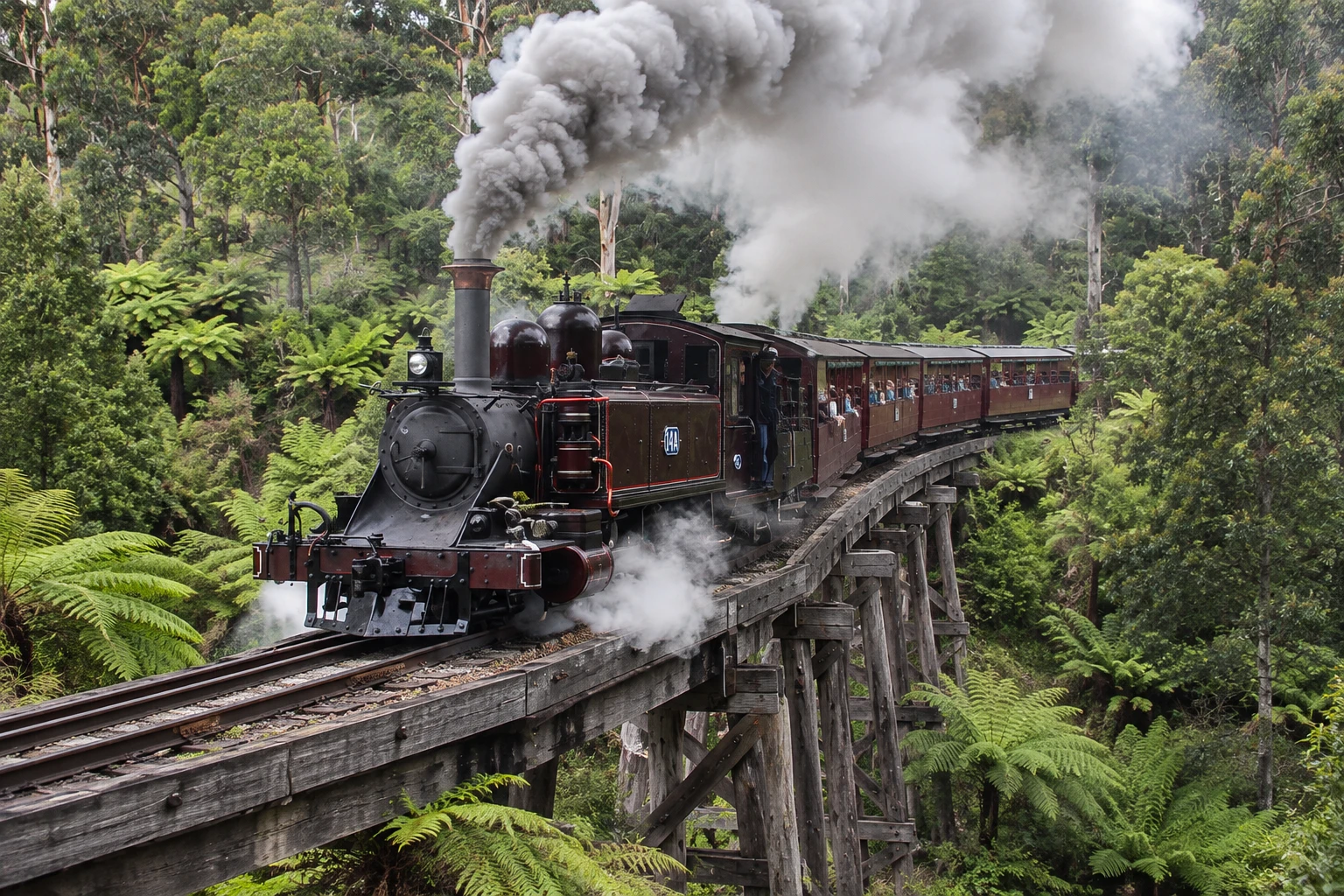
Outside the city, day trips are part of the experience: Phillip Island, with its sunset penguin parade, koalas and seals; the Dandenong Ranges, with the Puffing Billy steam train and eucalyptus forests; and the Yarra Valley, with wineries and the Healesville native animal sanctuary. The weather can change a lot in one day, and the time difference is 13 hours ahead of Brasília (14 during their daylight saving, October to April).

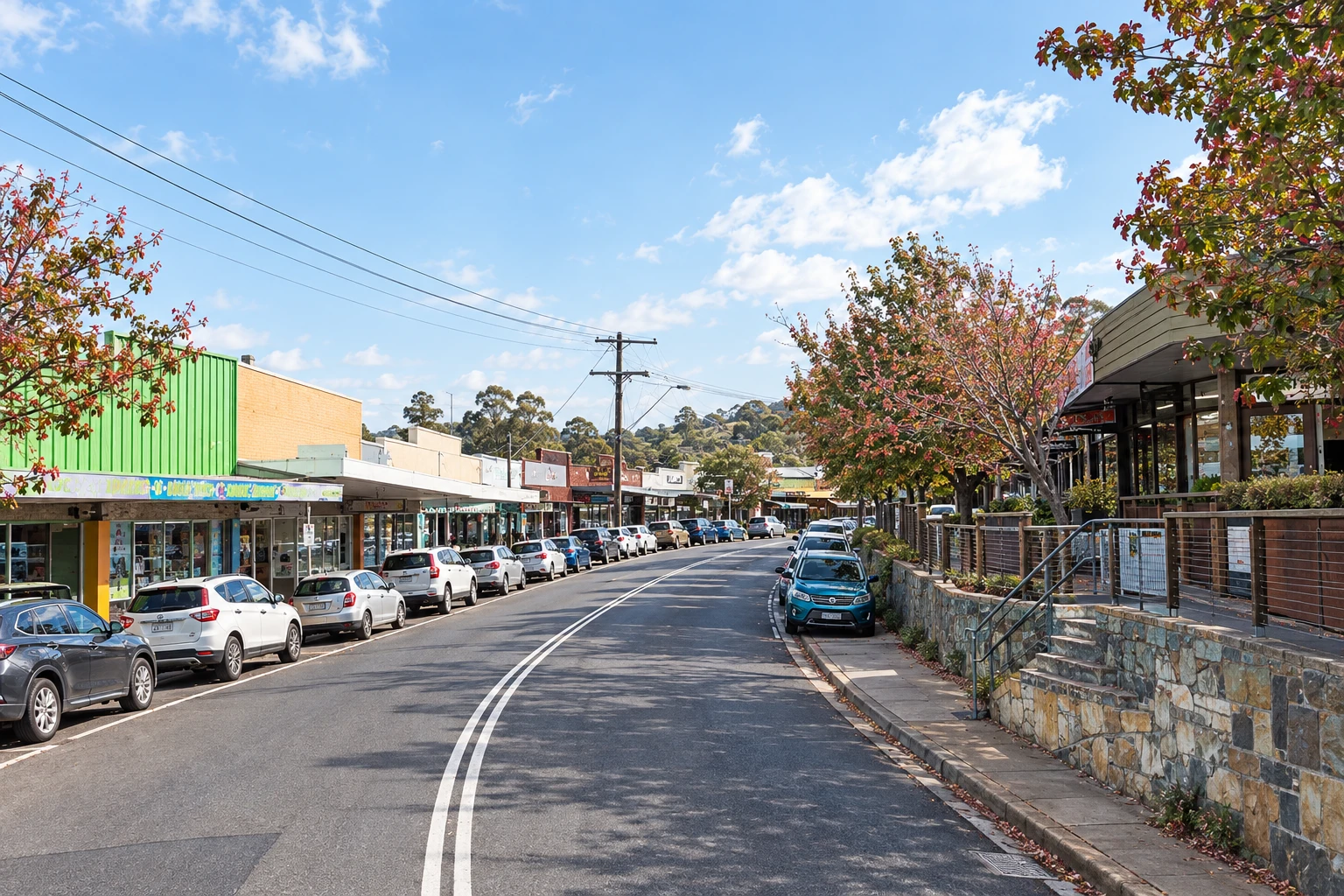
This destination brings together 4 cities: Melbourne, Healesville, Cowes, Belgrave.

Share: WhatsApp
Traveler, share your experiences through photos Up to 5 photos of each place you visited.

One destination, many paths

The cities on this trip

Start with one city or combine several in your itinerary.

Where Melbourne is The star marks the capital, Melbourne.
MelbourneHealesvilleCowesBelgrave

Boundaries: Australian Bureau of Statistics / geoBoundaries (CC BY 4.0). Adapted by Cidade Turismo.

How to get there: Melbourne

Melbourne Airport (Tullamarine) (MEL), in Tullamarine · 20 km to Melbourne

Connections from Brazil are usually with a stopover, commonly in Santiago de Chile or another city. Confirm before booking. Melbourne Airport (MEL), in Tullamarine, is about 20 km from the city centre, with an express bus to Southern Cross Station. From Sydney you can fly or take the train.

Suggested arrival point: Melbourne

Melbourne
Victoria · Melbourne Capital Suggested arrival point

Melbourne

Capital of Victoria and the second largest city in Australia, Melbourne has a Victorian centre crossed by trams and by laneways with cafés and street art. Federation Square, the National Gallery of Victoria, the Royal Botanic Gardens and the Shrine of Remembrance sit near the Yarra River; to the north, the Royal Exhibition Building is a UNESCO World Heritage site. The MCG is the country's sporting temple, and St Kilda, on the bay, has a beach, a pier and Luna Park.

The local experience

Things to do in Melbourne

Cowes · Victoria · Nature

Penguin Parade

At sunset, the little penguins come ashore and cross Summerland Beach to their burrows, viewed from grandstands and boardwalks.

Explore Penguin Parade

See 14 more places in Melbourne

Before you go

Practical information

A little planning leaves more time to enjoy the journey.

When to go

From October to April days are usually longer and warmer, good for Phillip Island and outdoor activities, with heatwaves in summer. Autumn, March to May, generally has stable weather and colour in the vineyards. Winter is cold and wet, but it’s a season for museums and wine. Weather changes quickly: always carry a warm layer.

The seasons shown are the most usual ones; nature doesn't always follow the calendar.

How many days to stay

3–4 days for the centre, museums, gardens, St Kilda and a day trip to Phillip Island. With 5–6 days you can add the Puffing Billy in the Dandenong Ranges and the Yarra Valley with the Healesville sanctuary. The Great Ocean Road requires at least one extra day.

Which city to stay in

The city centre (CBD), between Flinders Street and Southern Cross, makes everything walkable or reachable by tram, and trams are free within the central zone. Southbank, on the other side of the river, is close to the NGV and the gardens. St Kilda, on the bay, has a beach and nightlife. For Phillip Island, visitors who prefer not to return at night stay in Cowes to see the penguins.

Respect the place

Take your trash with you, follow the signs and support local businesses. In natural areas, follow the visiting guidelines.

Beyond the guide

Your questions

Frequently asked questions about Melbourne

How many days should I reserve for Melbourne?

3–4 days are enough for the centre, museums, gardens, St Kilda and Phillip Island. With one or two more days you can include the Puffing Billy in the Dandenong Ranges and the Yarra Valley.

Do I need a visa to go to Melbourne?

Brazilians need a valid passport and a visitor visa, applied for online before travel. Requirements can change: check the Australian government website before you travel.

Do you need a car in Melbourne?

In the city, no: trams, trains and buses cover everything, and trams are free within the central zone. For Phillip Island, the Yarra Valley and the Dandenong Ranges, a car or a tour is very helpful. In Australia you drive on the left.

What is Melbourne’s time difference compared to Brazil?

Melbourne is 13 hours ahead of Brasília, and 14 hours ahead during their daylight saving time, October to April.

What is the weather like in Melbourne?

Weather can change a lot in a single day: a cold morning can turn into a warm afternoon and then rain. Summer has heatwaves and winter is cold and wet. Pack layered clothing at any time of year.

Explore other destinations Search by state and city