Pijača · Japonska
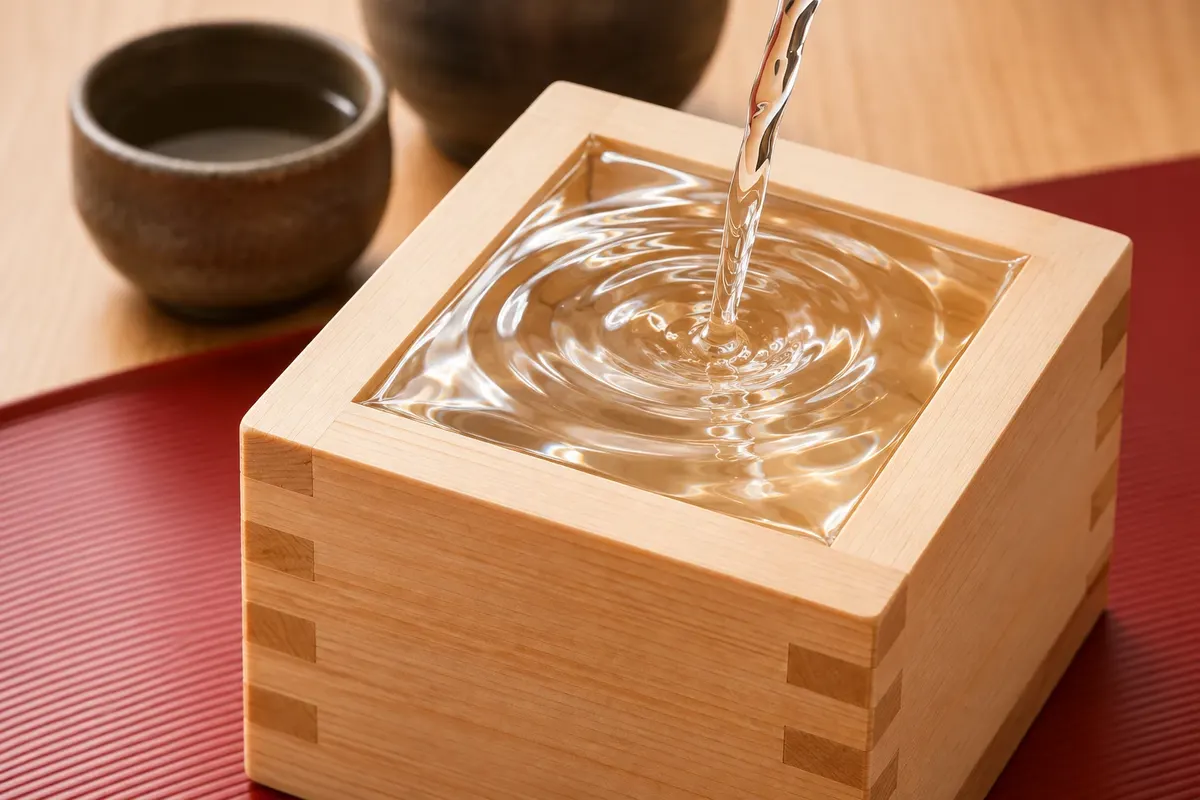
Nihonshu
Japanese sake, a fermented beverage made from rice, koji and water. It is an official geographical indication of Japan and is served chilled, at room temperature, or warm, in small cups.

 Išči
 Brazilija
 Antarktika
 Argentina
 Bolivija
 Čile
 Kolumbija
 Ekvator
 Gvajana
 Francoska Gvajana
 Falklandski otoki (Malvini)
 Paragvaj
 Peru
 Surinam
 Urugvaj
 Venezuela
 Nemčija
 Avstrija
 Belgija
 Hrvaška
 Danska
 Slovaška
 Slovenija
 Španija
 Finska
 Francija
 Grčija
 Nizozemska
 Madžarska
 Irska
 Islandija
 Italija
 Luksemburg
 Norveška
 Poljska
 Portugalska
 Združeno kraljestvo
 Češka
 Švedska
 Švica
 Turčija
 Bermudi
 Kanada
 Združene države Amerike
 Grenlandija
 Mehika
 Sveta Peter in Mihael
 Dominikanska republikaJaponskaTurčija
 Južnoafriška republika
 Egipt
 Avstralija
 Fidži
 Nova Zelandija
 Papua Nova Gvineja
Značilne jedi · Japonska
Tempura, ramen, sukiyaki and sake from all over the country, and the specialties of each region: Hokkaido’s jingisukan, Edo-style sushi in Tokyo, Osaka’s takoyaki, Kagawa’s udon and Okinawa’s awamori.
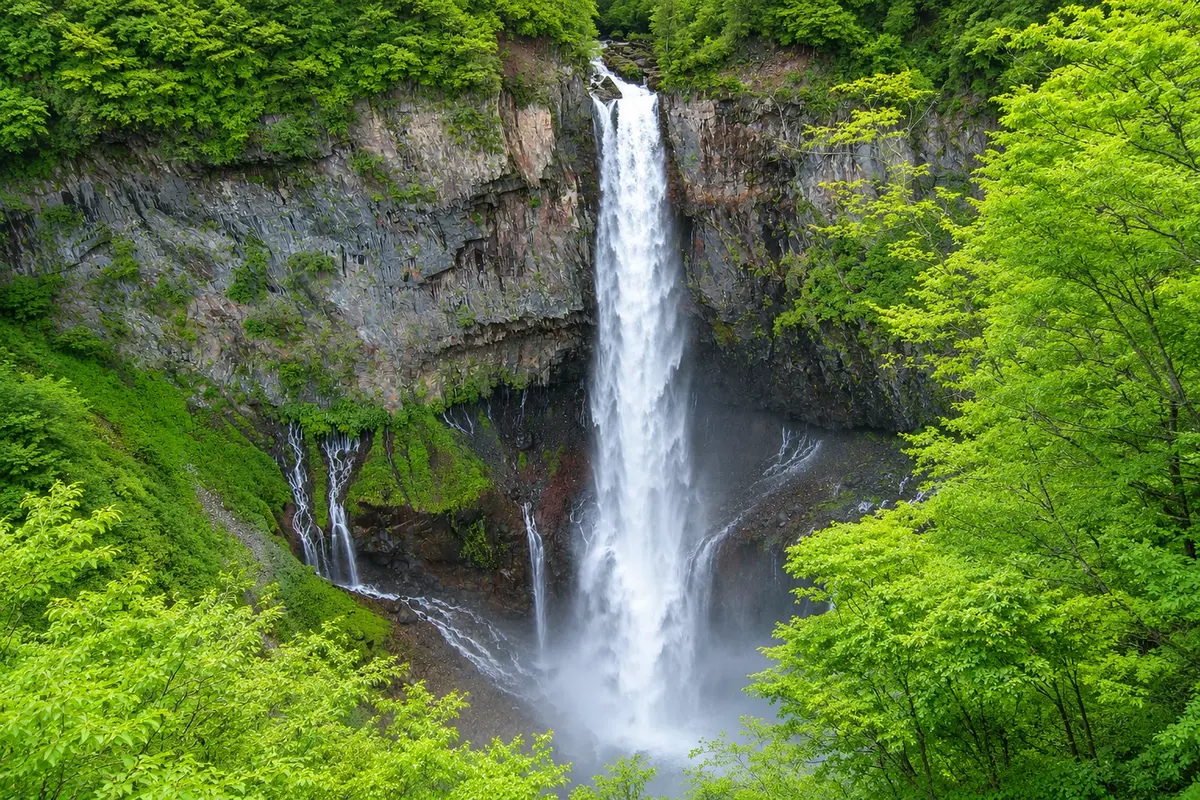
Na fotografiji: Cachoeira Kegon, Nikko
Illustrative images. The pictures in this guide are illustrations based on the real place, not photographs, and may differ from it.
Kuhinja
Japanese cuisine relies on rice, soy, fish and seasonal vegetables. The dashi broth, made from kombu seaweed and dried bonito, flavors soups, stews and sauces, and miso and shoyu appear in almost every meal. In 2013 UNESCO inscribed washoku, the traditional food customs of the Japanese people—especially those linked to New Year celebrations—on the Intangible Cultural Heritage list.
Some dishes are found throughout the country. Tempura, seafood and vegetables coated in a light batter and fried, spread from the food stalls of Edo, the old Tokyo. Ramen, wheat noodles in broth, developed regional styles. Sukiyaki, a hotpot of beef with vegetables and tofu, marks the introduction of meat to Japanese tables in the late 19th century. Nihonshu, rice sake, accompanies festivals, rituals and meals in every prefecture.
The archipelago stretches from the cold of Hokkaido to the subtropical climate of Okinawa, and each place has its own flavors, which the Ministry of Agriculture catalogs as local cuisine. In Hokkaido, jingisukan grills mutton on a domed plate. In Tokyo, Edo-style nigiri was born, and the Tsukishima neighborhood is known for monjayaki. In Tohoku, winter calls for Akita’s kiritanpo and Yamagata’s imoni; Sendai is famous for gyutan, grilled beef tongue. Kyoto preserves the mackerel sushi of the Saba Kaido; Osaka has takoyaki; Hiroshima is known for layered okonomiyaki.
There are also old and regional sushis, such as funazushi fermented in Lake Biwa, Toyama’s masuzushi and Nara’s kakinoha-zushi wrapped in persimmon leaves. Soba and udon vary by region: Iwate’s wanko soba, Shimane’s izumo soba, the mountain iya soba of Tokushima, Kagawa’s Sanuki udon and Ise udon, served to pilgrims to Ise. In the south, Nagasaki has champon and kasutera, legacies of ports opened to foreign trade; Kagoshima distills sweet potato shochu, and Okinawa has goya champuru, Okinawa soba and awamori.
Število lokalnih okusov: 44
Japanese sake, a fermented beverage made from rice, koji and water. It is an official geographical indication of Japan and is served chilled, at room temperature, or warm, in small cups.
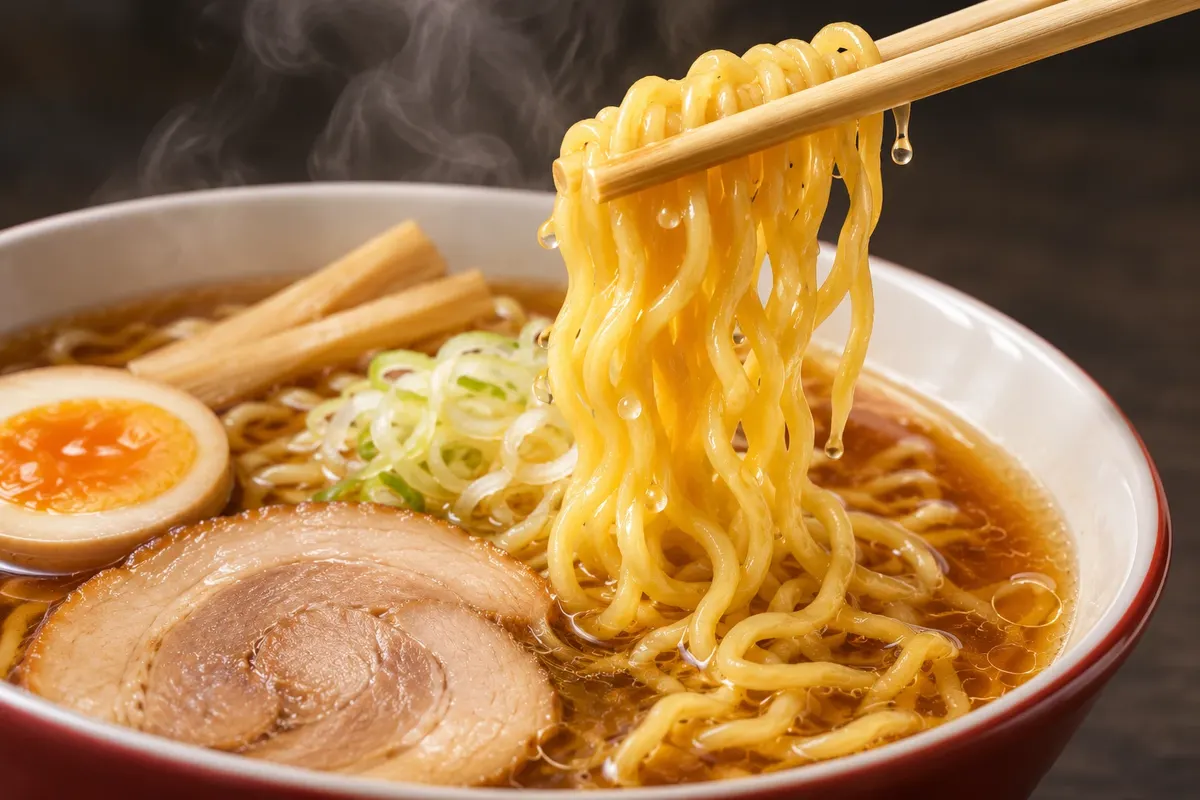
Wheat noodles in a hot broth seasoned with shoyu, miso, salt, or pork bone, served with slices of pork, scallions, and bamboo shoots. It’s one of Japan’s most common dishes, with regional styles throughout the country.
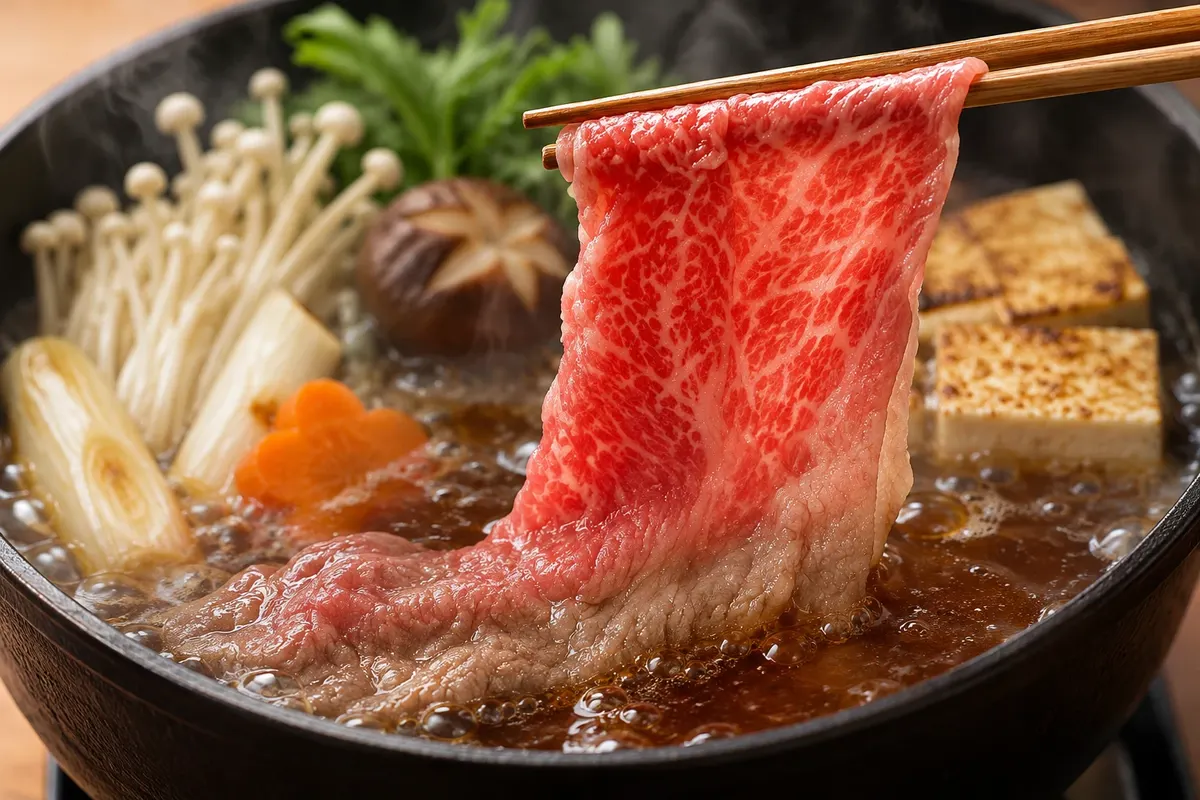
A shallow pot of thinly sliced beef, scallion, grilled tofu, shirataki and leafy greens, cooked in a sauce of soy sauce, sugar and sake. Each piece is dipped in beaten egg before eating.
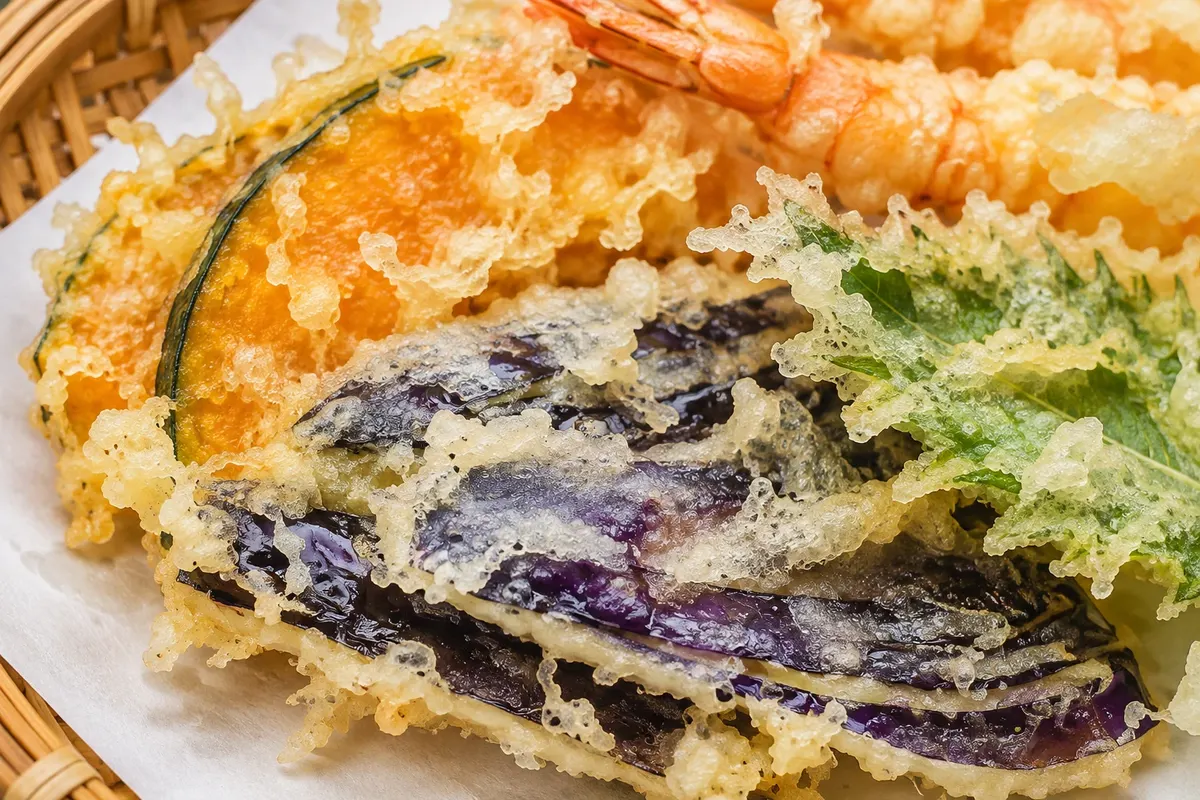
Shrimp, fish and seasonal vegetables coated in a light batter of wheat flour, egg and cold water and fried to order. They are eaten with tentsuyu broth and grated daikon or with salt, and also served over rice as tendon.
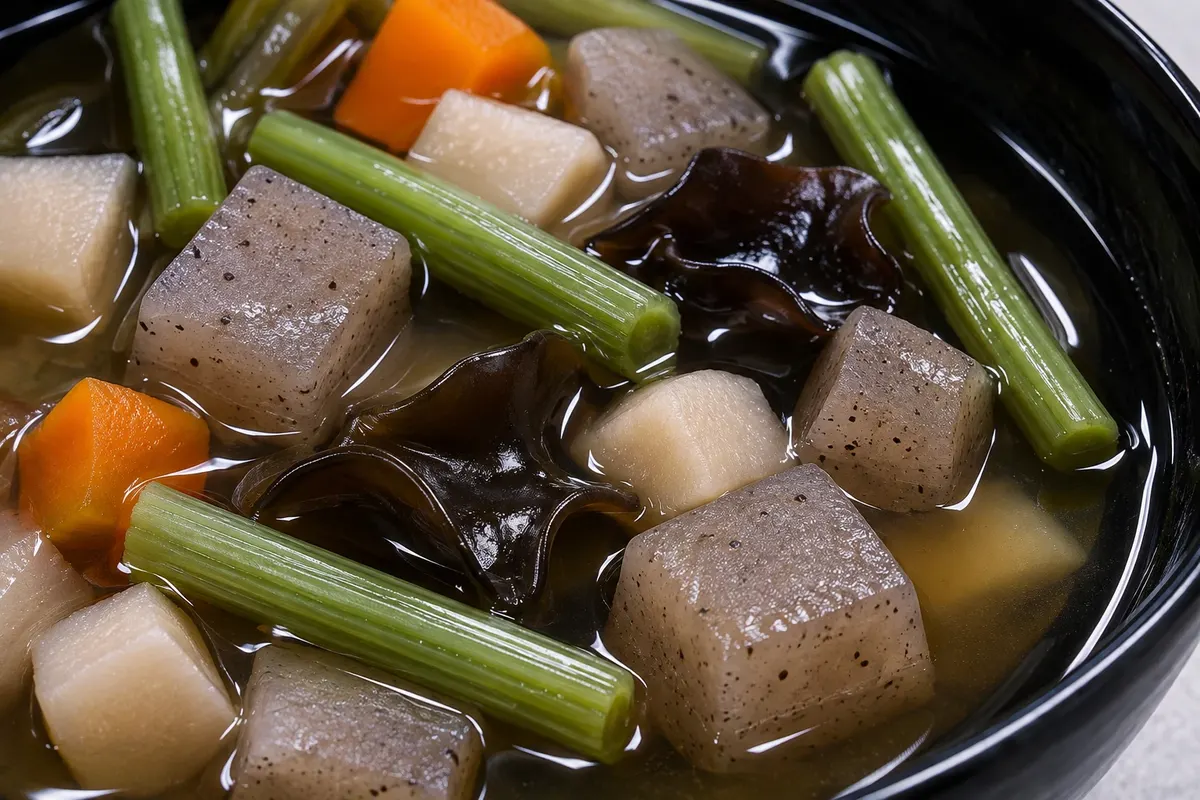
Aizu festive soup, made with dried scallop and dried shiitake broth, taro, carrot, mushrooms, bracken shoot, ginkgo and wheat-gluten balls (mamefu), served in the region’s lacquered bowls.
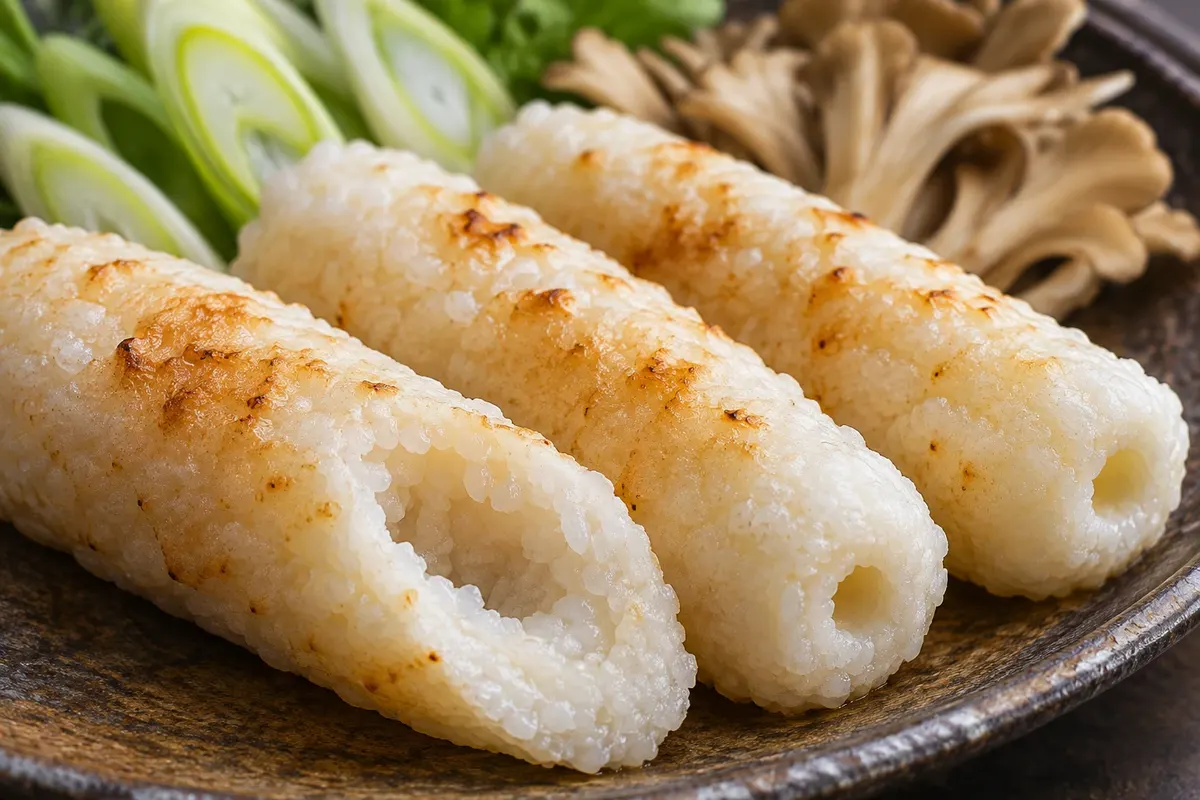
A pot of chicken-bone broth with mashed and toasted rice sticks (kiritanpo), burdock, mushrooms, scallions and seri. A dish from Akita, made at the time of the new rice harvest.
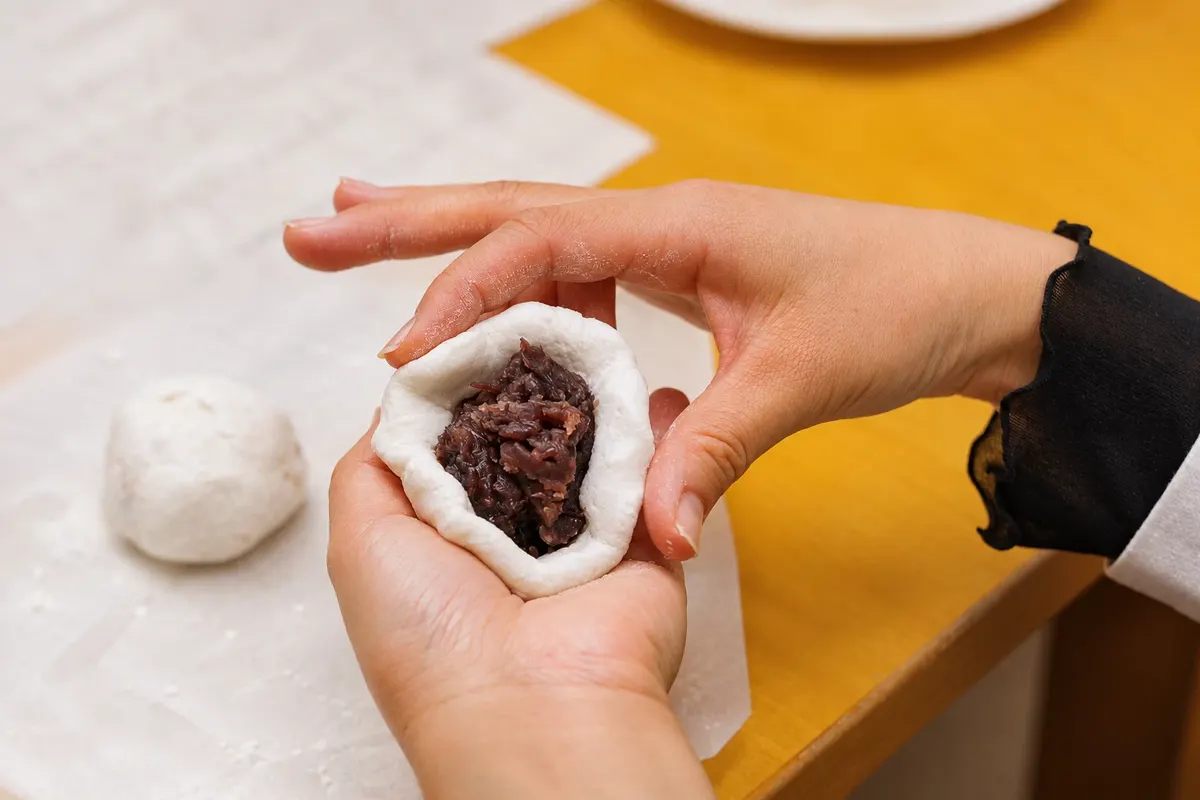
Thin rice‑cake filled with sweet azuki bean paste and toasted on both sides in an iron mold stamped with a plum blossom, the symbol of Dazaifu Tenmangu shrine. It’s the sweet of the shrine avenue in Dazaifu.
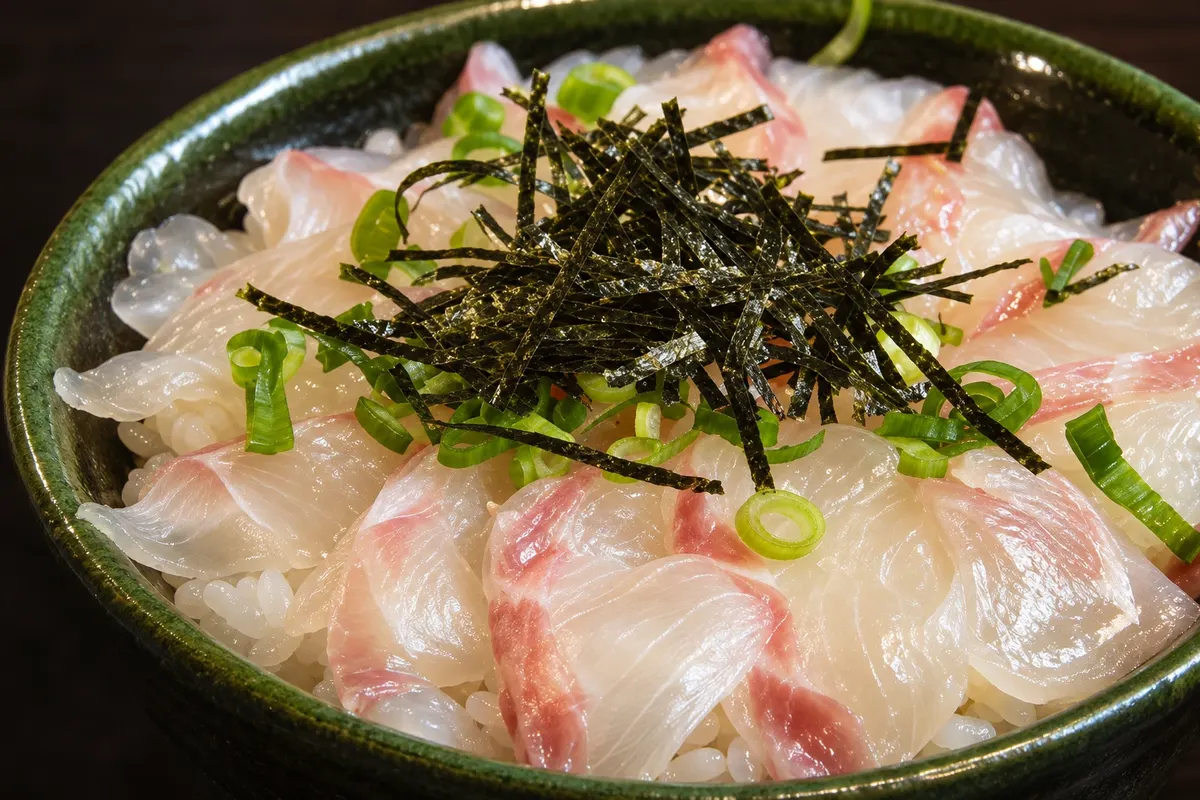
Red snapper and rice in two Ehime versions: in the north, the whole fish is cooked with the rice and shredded in the pot; in the south, raw slices marinated in soy sauce and egg are placed over the hot rice.
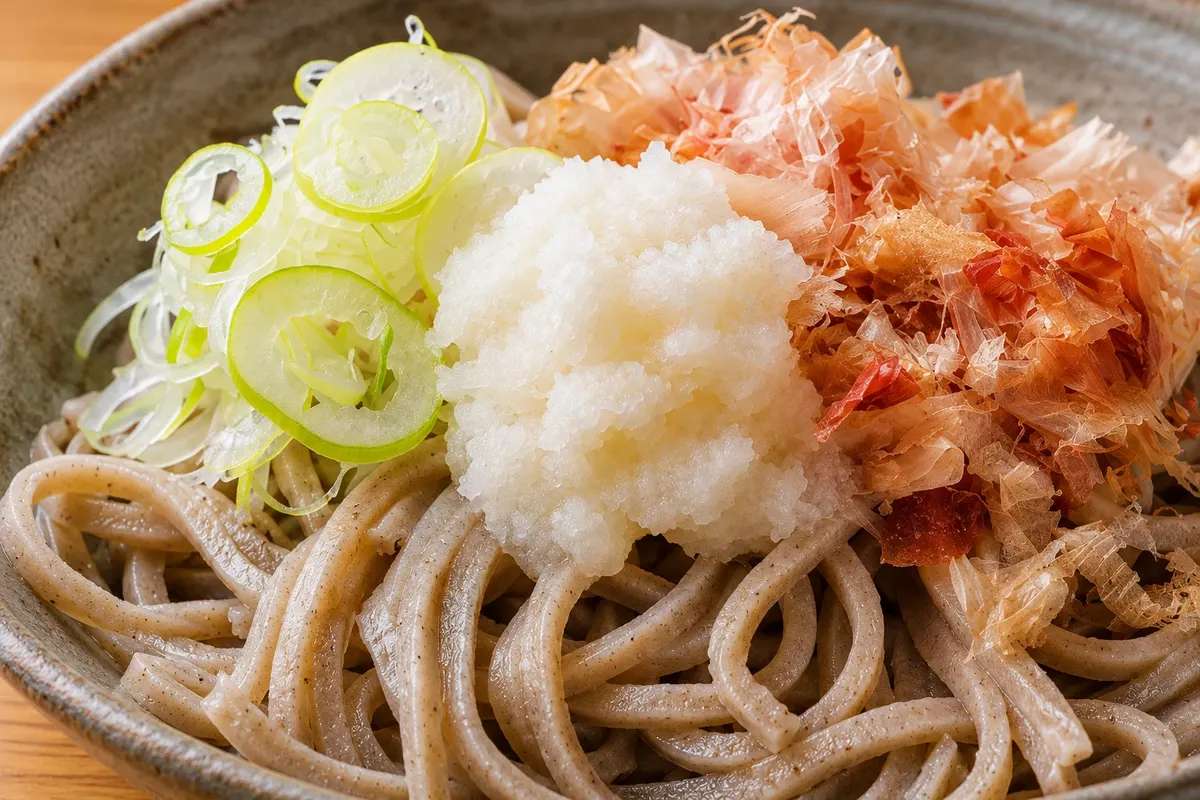
Cold soba with grated daikon radish, quite spicy, cold broth, katsuobushi and green onion. It’s the most eaten soba in Fukui, served at weddings, at the end of the year and at winter Buddhist ceremonies.
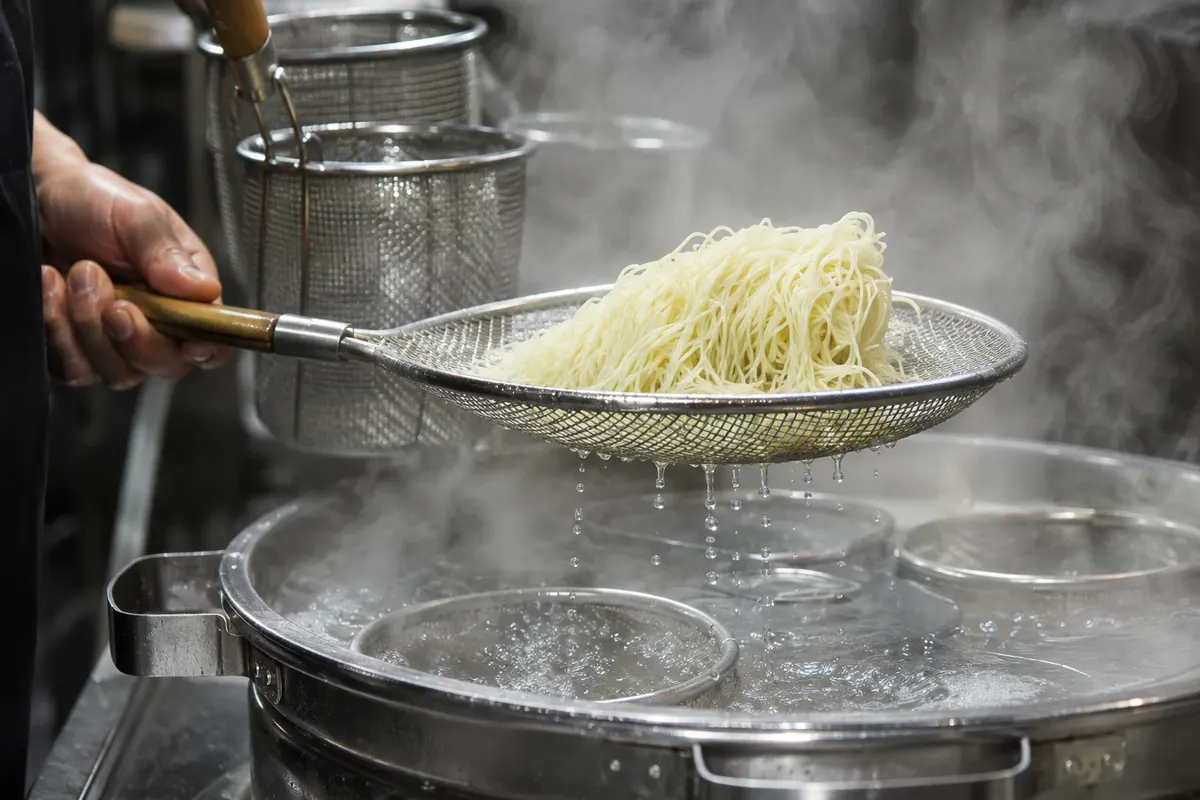
Rich, milky pork-bone broth ramen with thin, straight noodles, chashu and scallions. It’s named Hakata, another name for Fukuoka, and is eaten in ramen shops and the city’s yatai stalls.
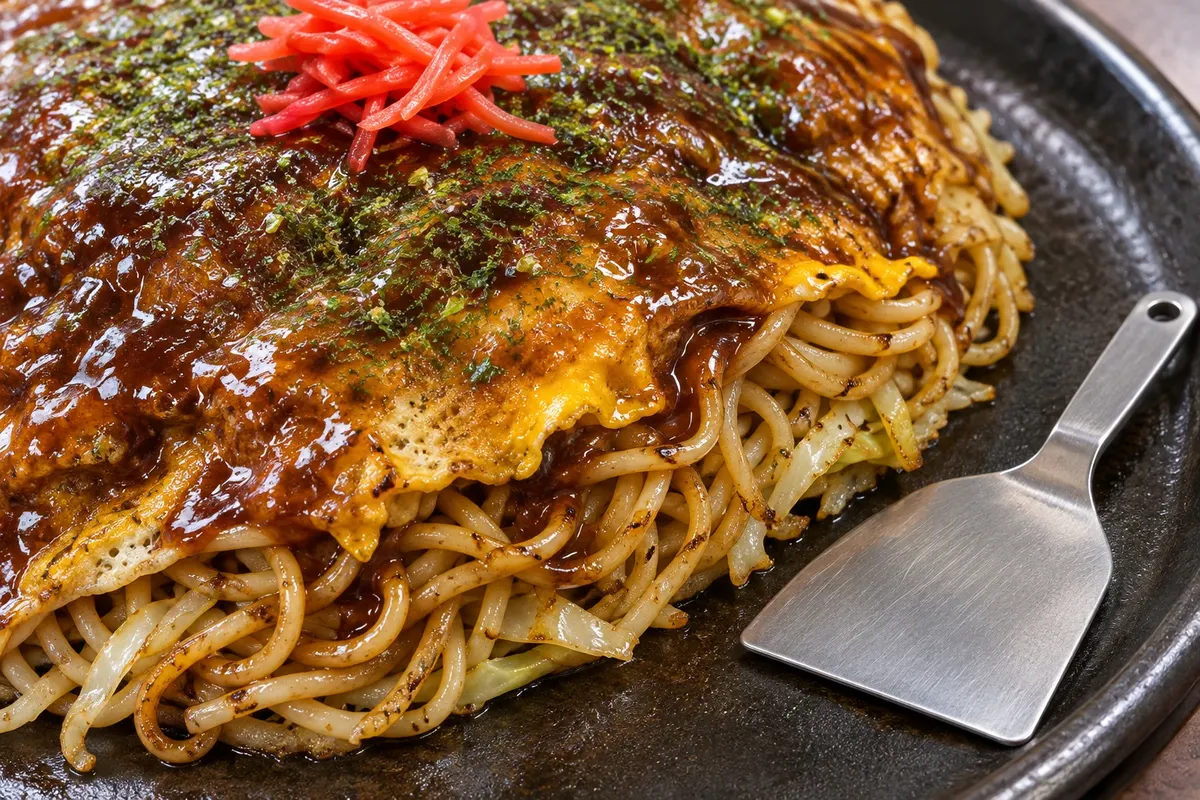
Layered pancake cooked on the griddle: thin wheat batter, lots of cabbage, slices of pork, fried noodles and egg, with a thick sweet sauce. In Hiroshima, it’s everyday food, served in specialized restaurants and eaten with a spatula.
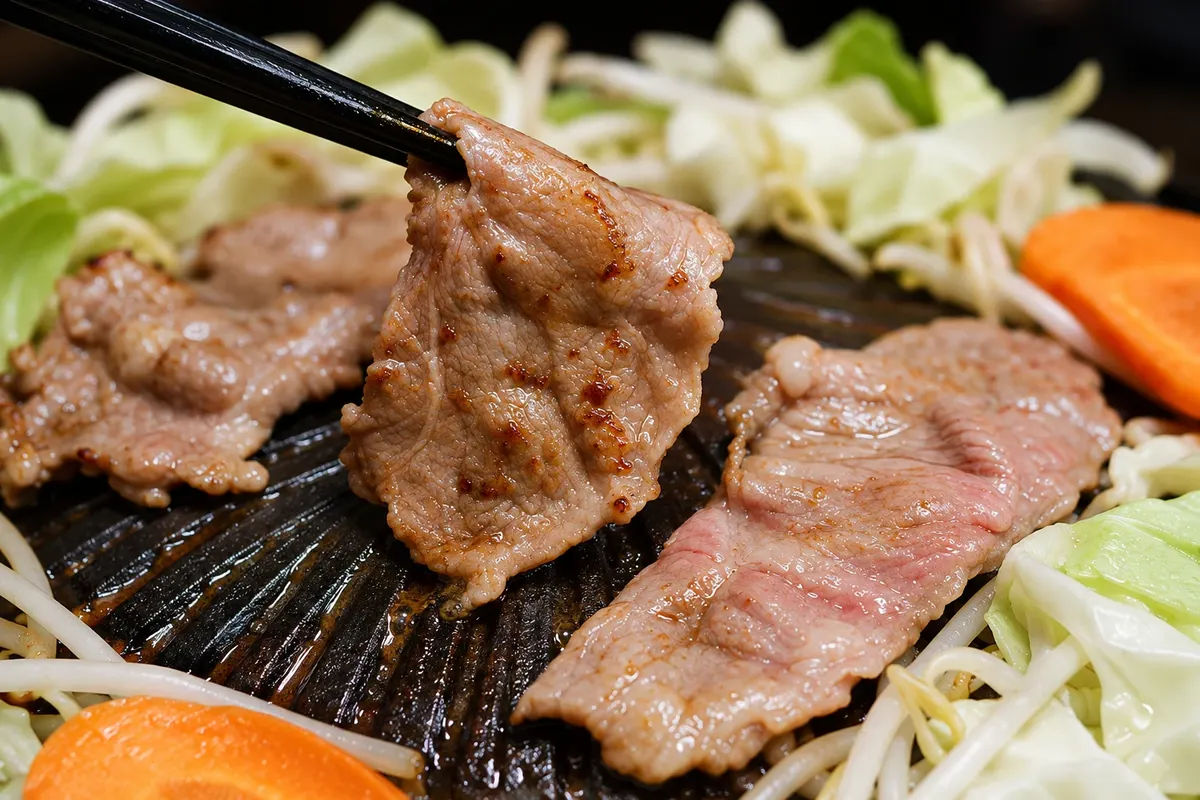
Grilled mutton or lamb on a rounded iron griddle, with vegetables that cook in the juices that run off. It’s Hokkaido’s best-known dish, eaten at home, in restaurants and on picnics.
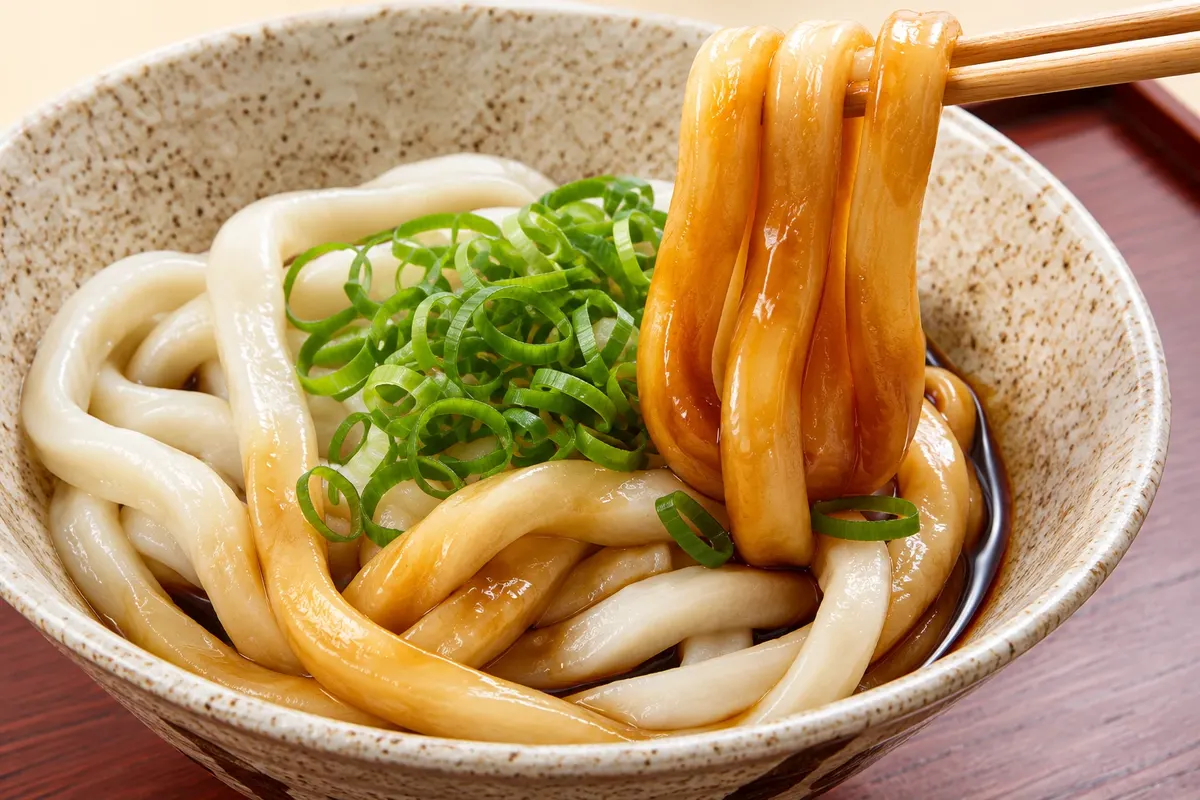
Very thick, soft udon served with almost no broth, topped with a dark, thick tamari–dashi sauce and scallions. A dish from the city of Ise, served for centuries to shrine pilgrims.
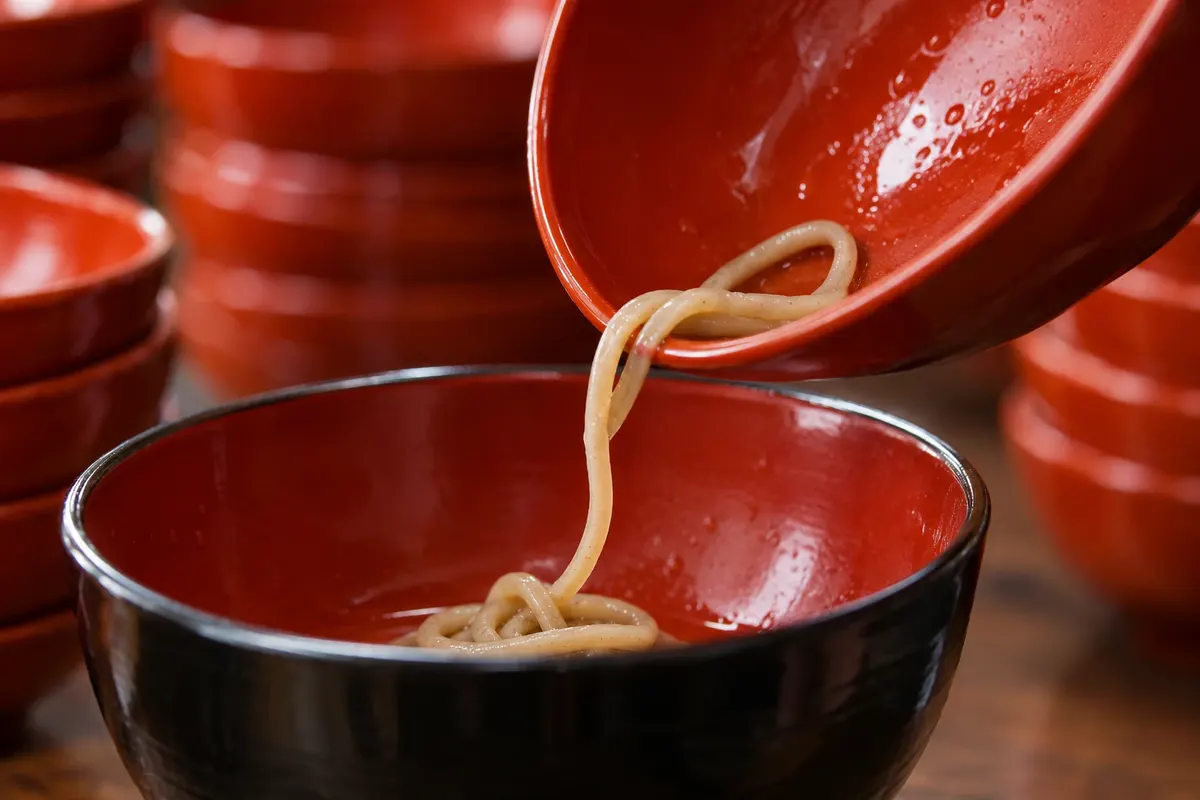
Soba served in one-bite portions in small bowls, refilled by the server until you cover the bowl. A tradition from Iwate that began as a way to welcome guests.
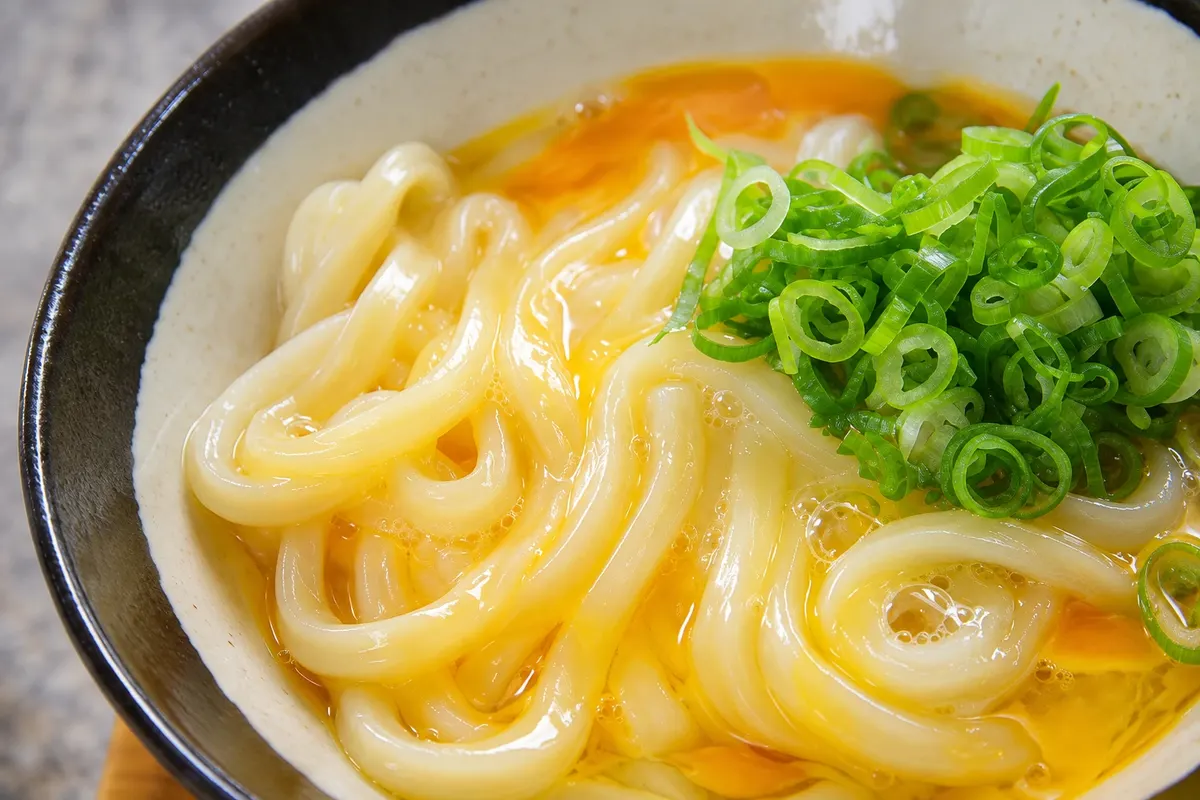
Kagawa udon: firm and elastic, with a smooth surface, served hot or cold, in iriko broth or simply with soy sauce. Kagawa is called the udon kingdom, with udon shops throughout the prefecture.

Sweet-potato shochu from Kagoshima, distilled using rice koji or sweet-potato koji. Satsuma is Japan’s official geographical indication for the shochu of the prefecture, which is enjoyed with hot water, on the rocks, or with cold water.
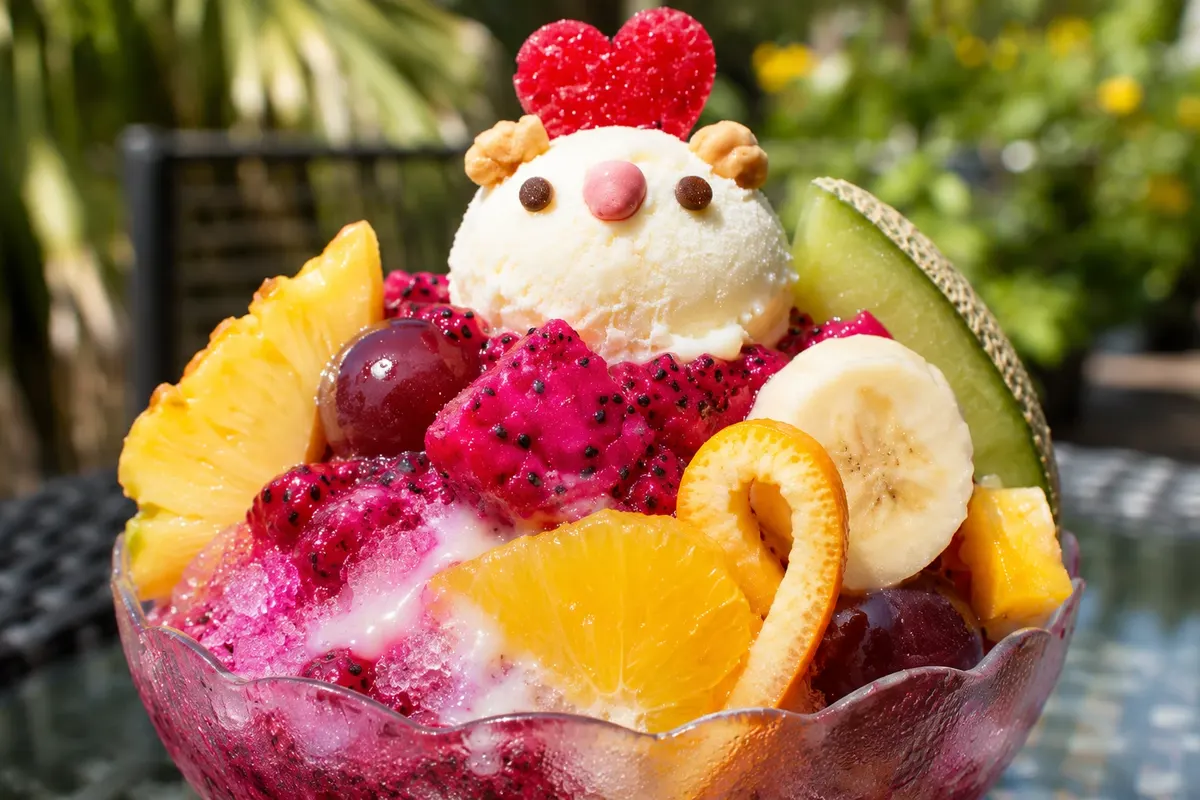
Shaved ice topped with condensed milk, colorful fruit, agar jelly cubes and azuki beans. The name, polar bear, comes from how it looks from above. A summer sweet from Kagoshima.
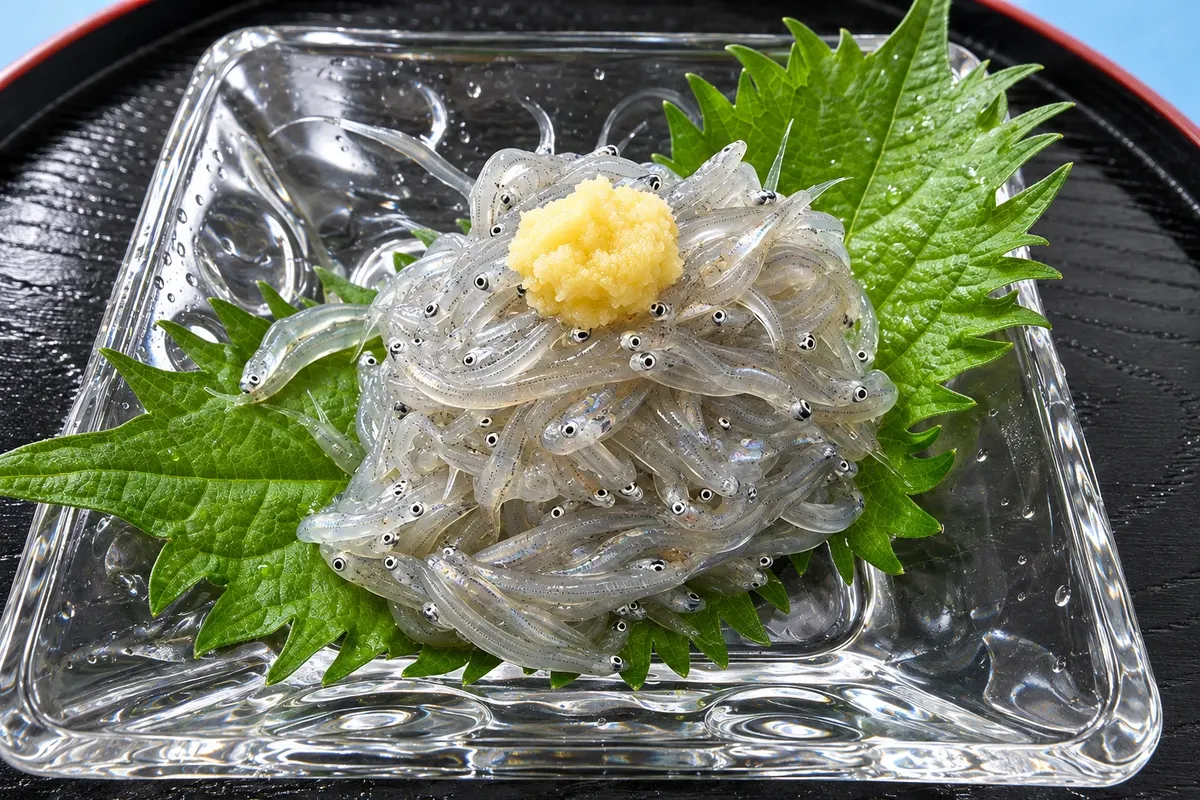
Bowl of rice topped with shirasu — translucent sardine fry, raw or cooked — served with soy sauce and ginger. A coastal Shonan (Kanagawa) dish made with the day’s catch from Sagami Bay.
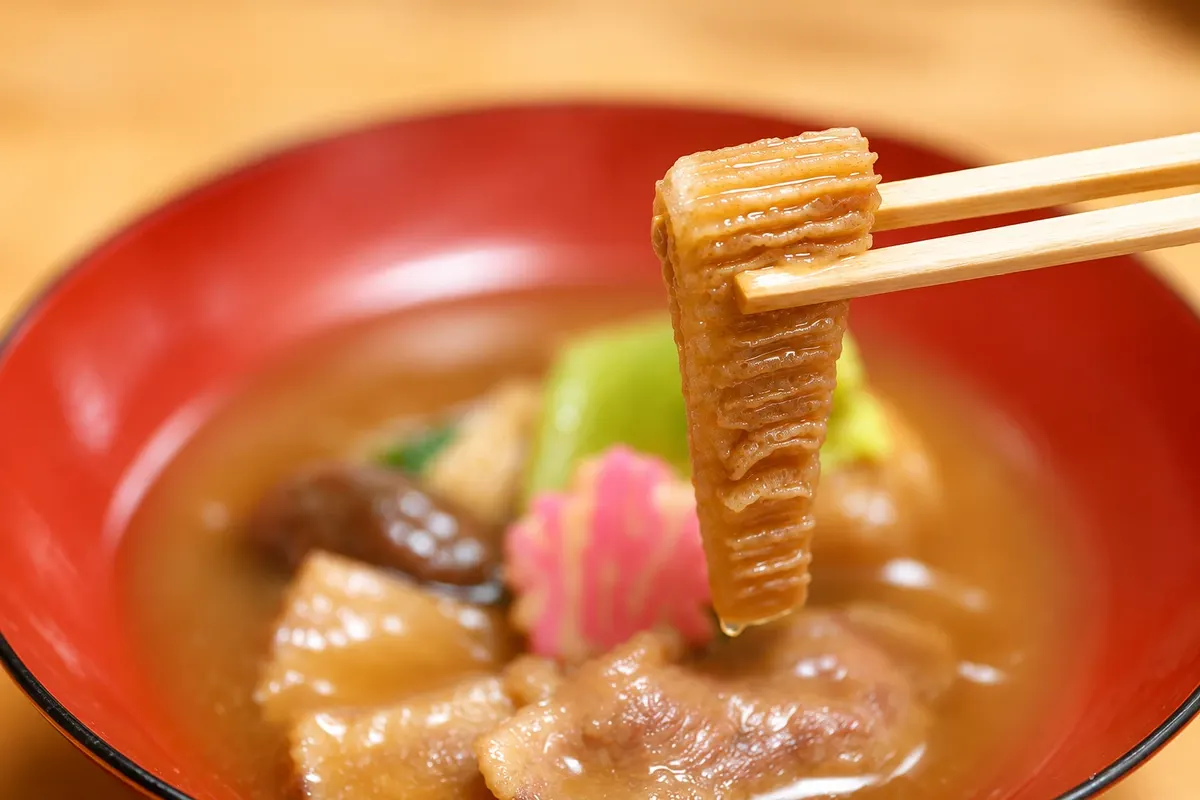
Duck dusted in flour and cooked with sudare-fu (wheat gluten), vegetables and mushrooms in a slightly thickened shoyu broth, served with wasabi. A dish of Kaga cuisine, traditional in Kanazawa.
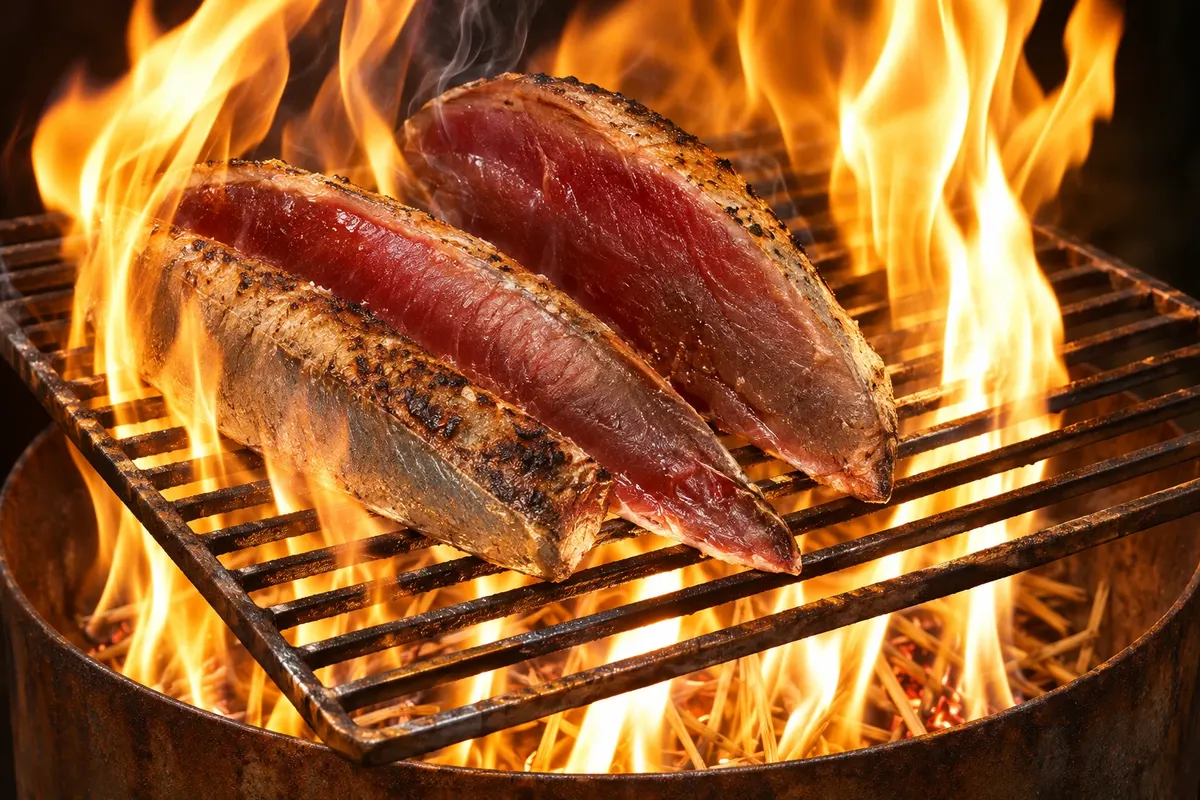
Bonito quickly seared over a high flame, often using straw, browned on the outside and raw inside, cut into thick slices and served with salt or a citrus soy sauce, garlic and scallion. Dish from Kōchi.
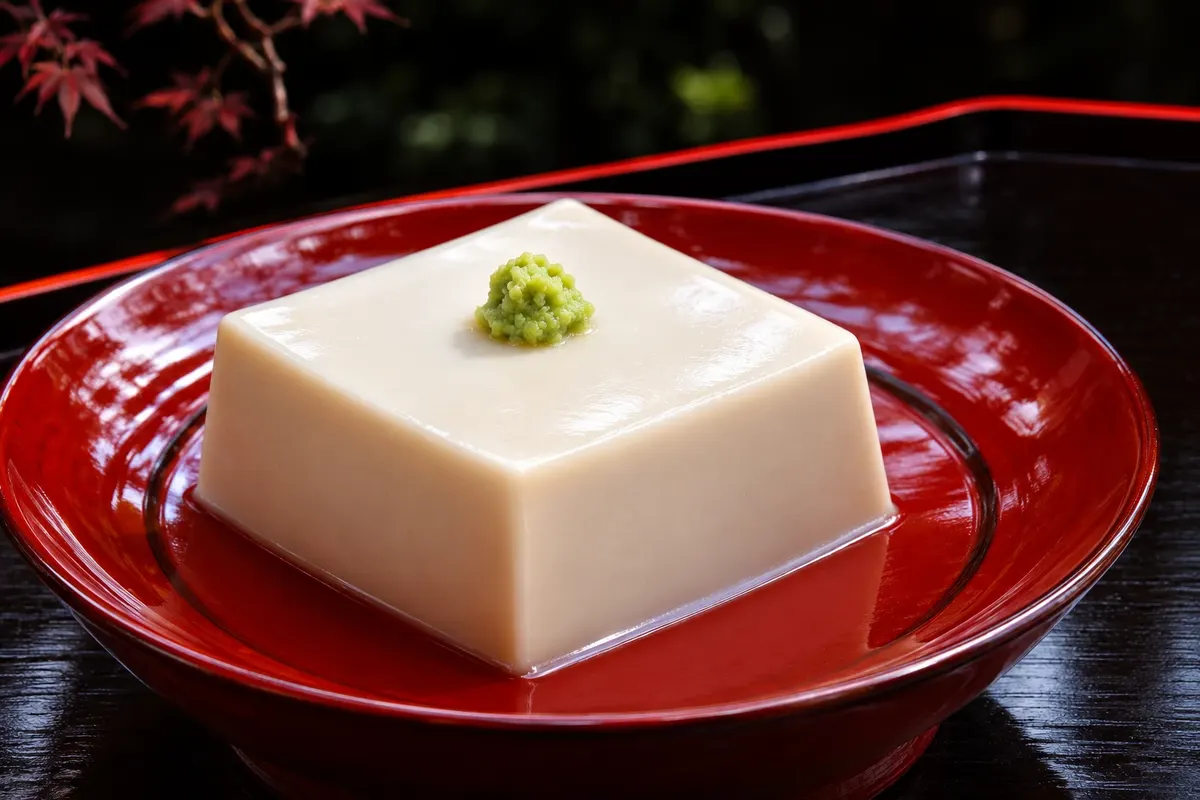
Firm sesame cream made from ground sesame, kuzu starch and water, served in cubes with wasabi and soy sauce. A dish from the vegetarian cuisine of the monks of Koyasan, the sacred mountain of Shingon Buddhism.
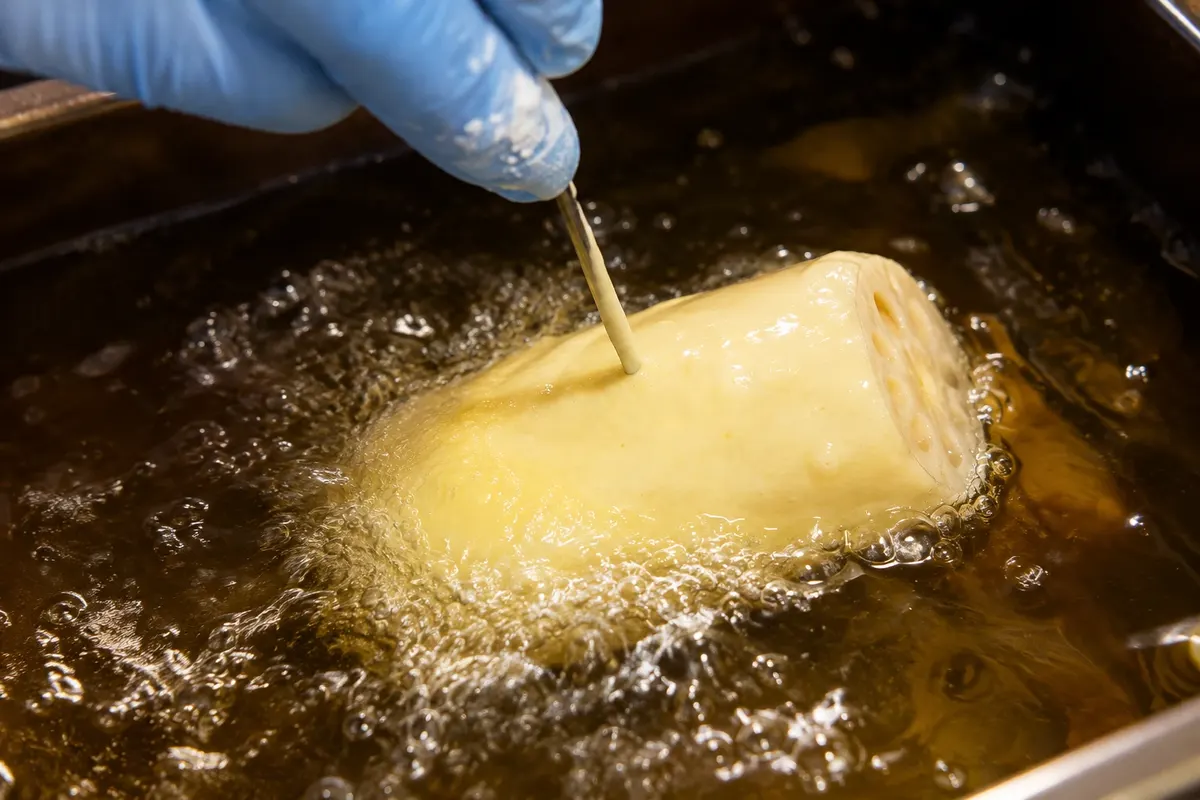
Lotus root with the holes filled with miso and Japanese mustard, breaded in a yellow batter and fried, served in slices. A dish from Kumamoto, traditionally linked to the Hosokawa lords.
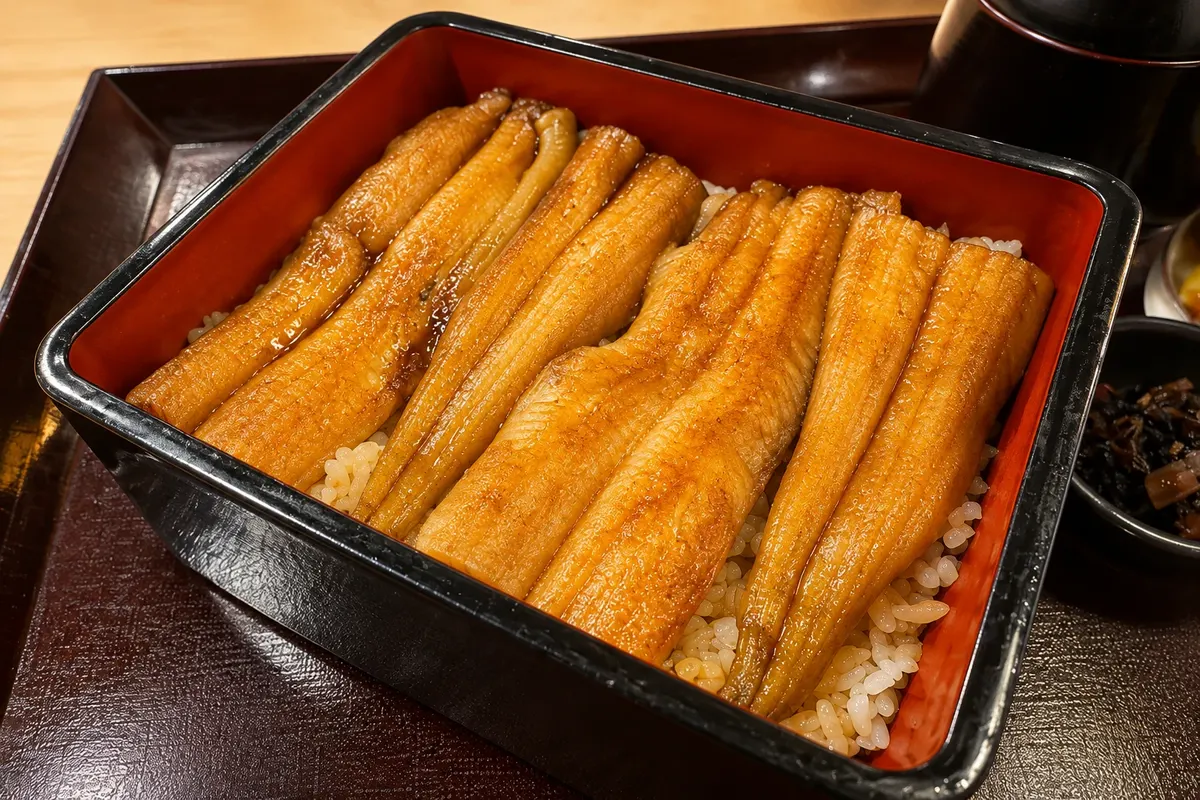
Grilled conger (anago) with shoyu sauce, sliced and arranged over rice cooked in broth. A Miyajima specialty, sold since 1901 as a train-station snack at the boarding point for the island.
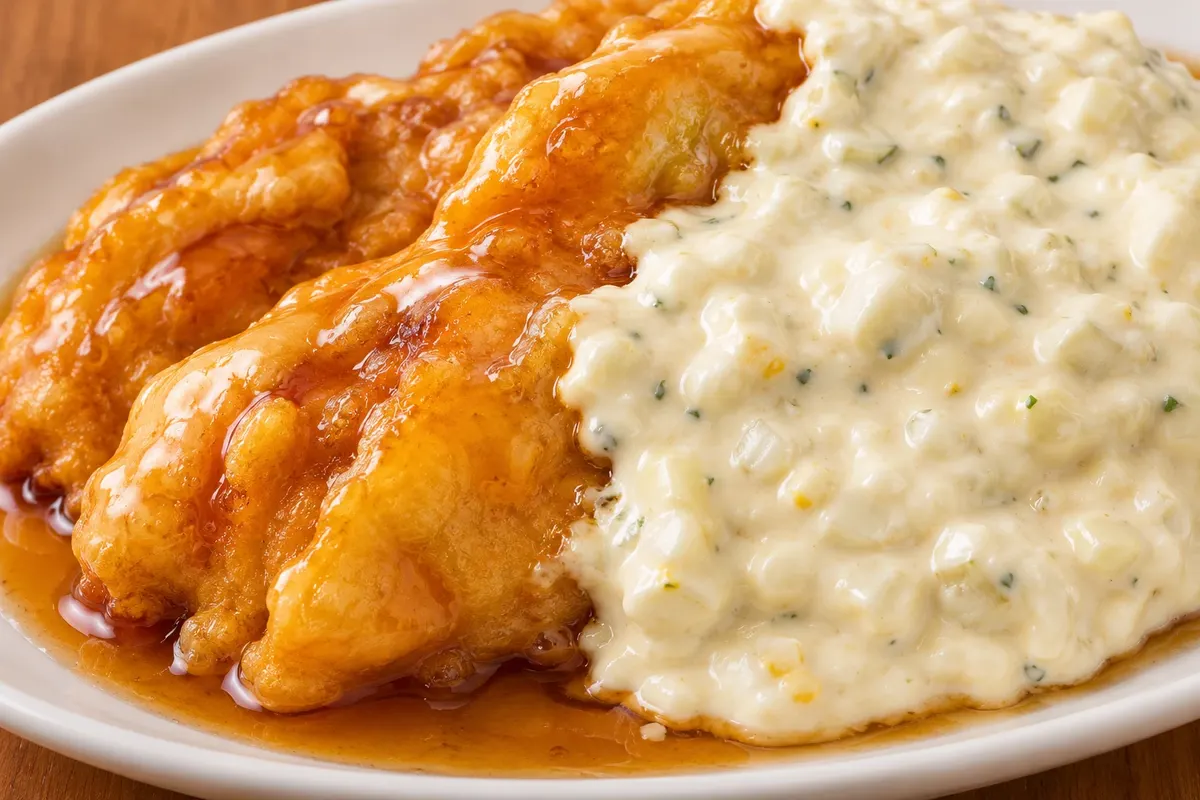
Breaded and fried chicken, dipped in a sweet-and-sour vinegar sauce and topped with tartar sauce. A Miyazaki dish, originating in Nobeoka in the 1950s and 1960s.
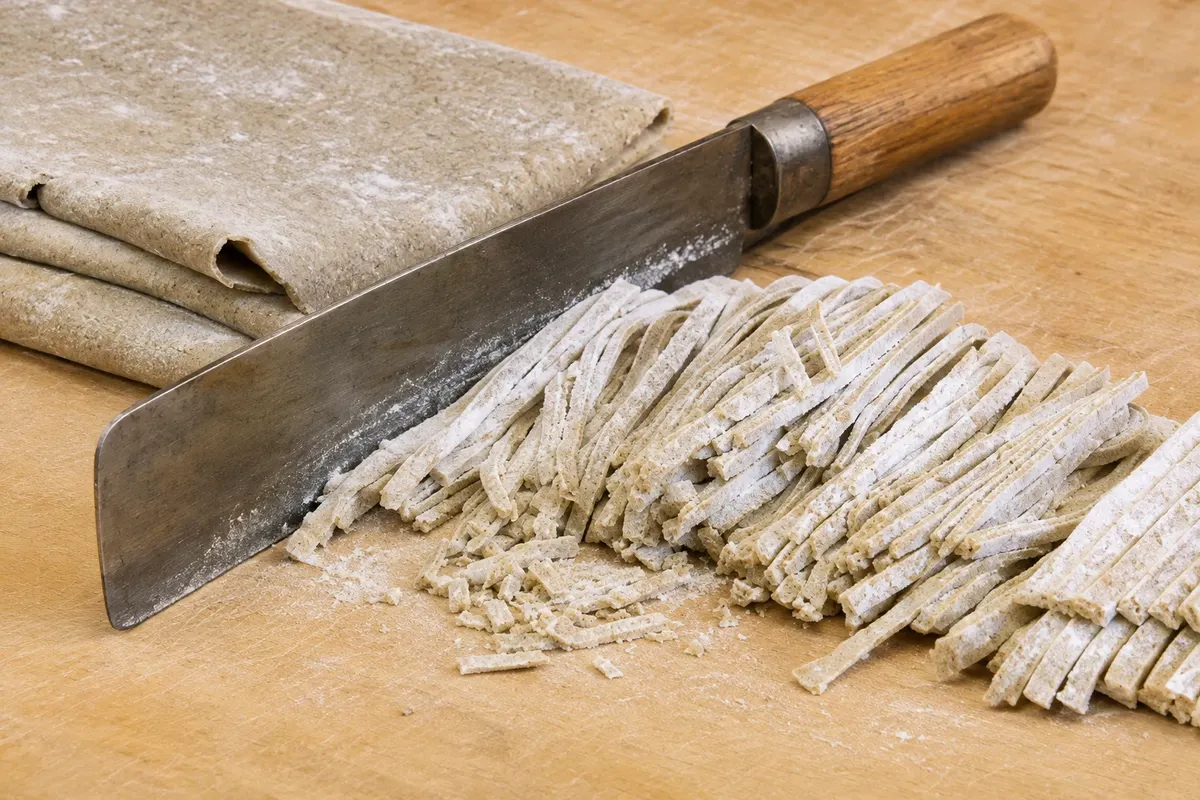
Thick, short soba made only from buckwheat from the Iya Valley, without binding wheat flour, served in hot broth with fried tofu, kamaboko, scallions and mountain greens. A dish from the Iya Valley, in Miyoshi.
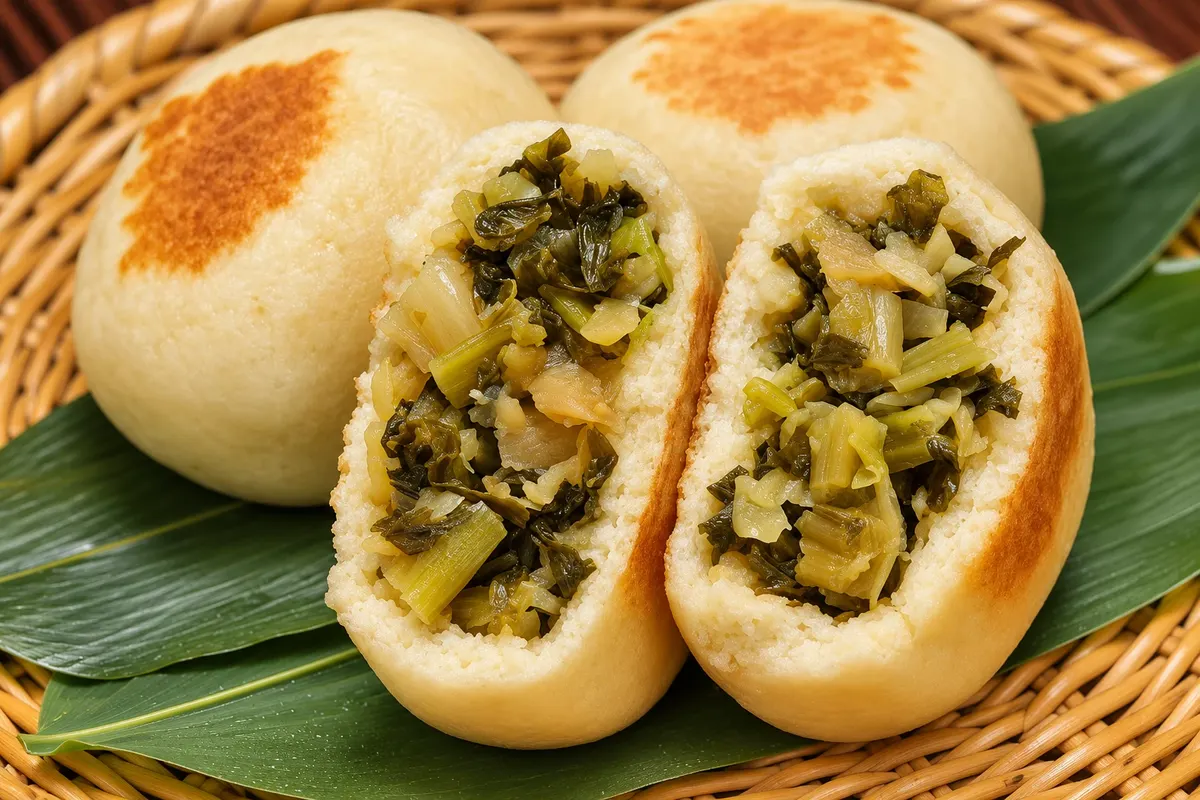
Dumpling made from wheat flour, sometimes mixed with buckwheat, filled with vegetables seasoned with miso or soy sauce, or with sweet bean paste; baked, steamed, or both. A dish from Nagano, from mountain villages.
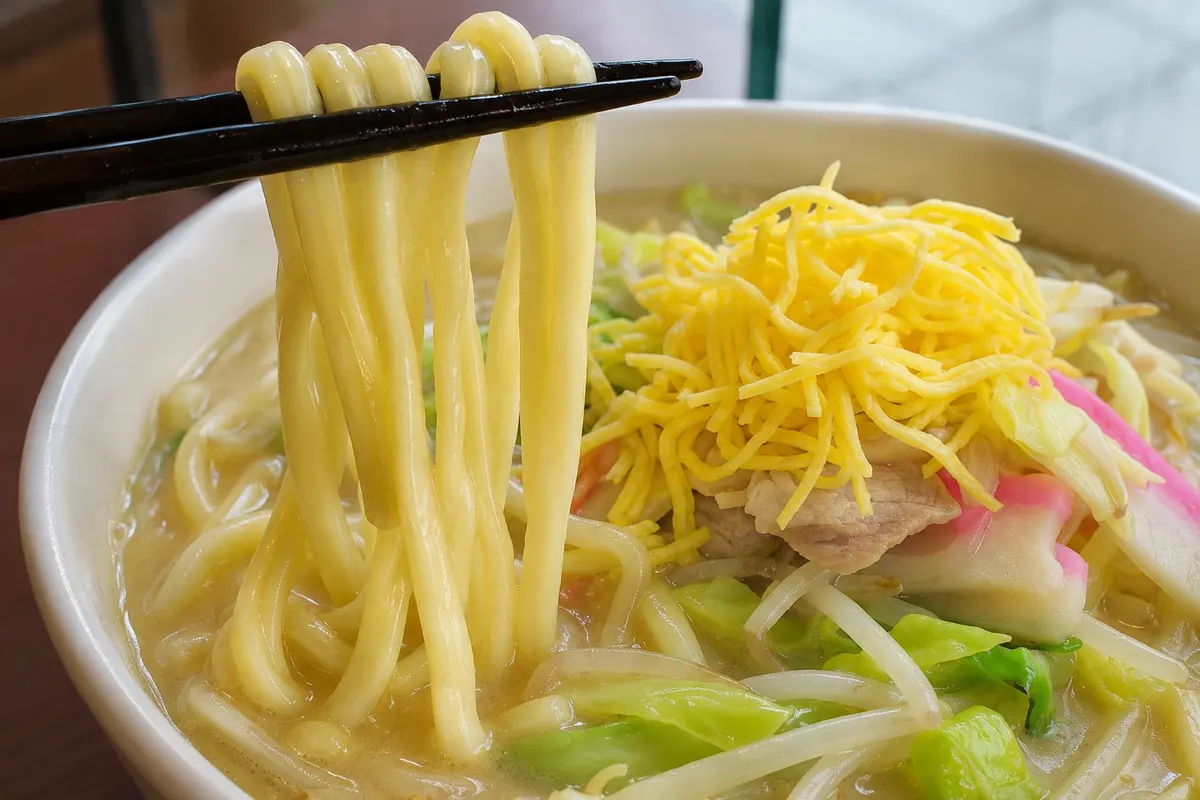
Thick noodles cooked in their own rich broth, with pork, seafood, kamaboko and many vegetables sautéed in the same pan. A Nagasaki dish tied to the city’s history as an open port.
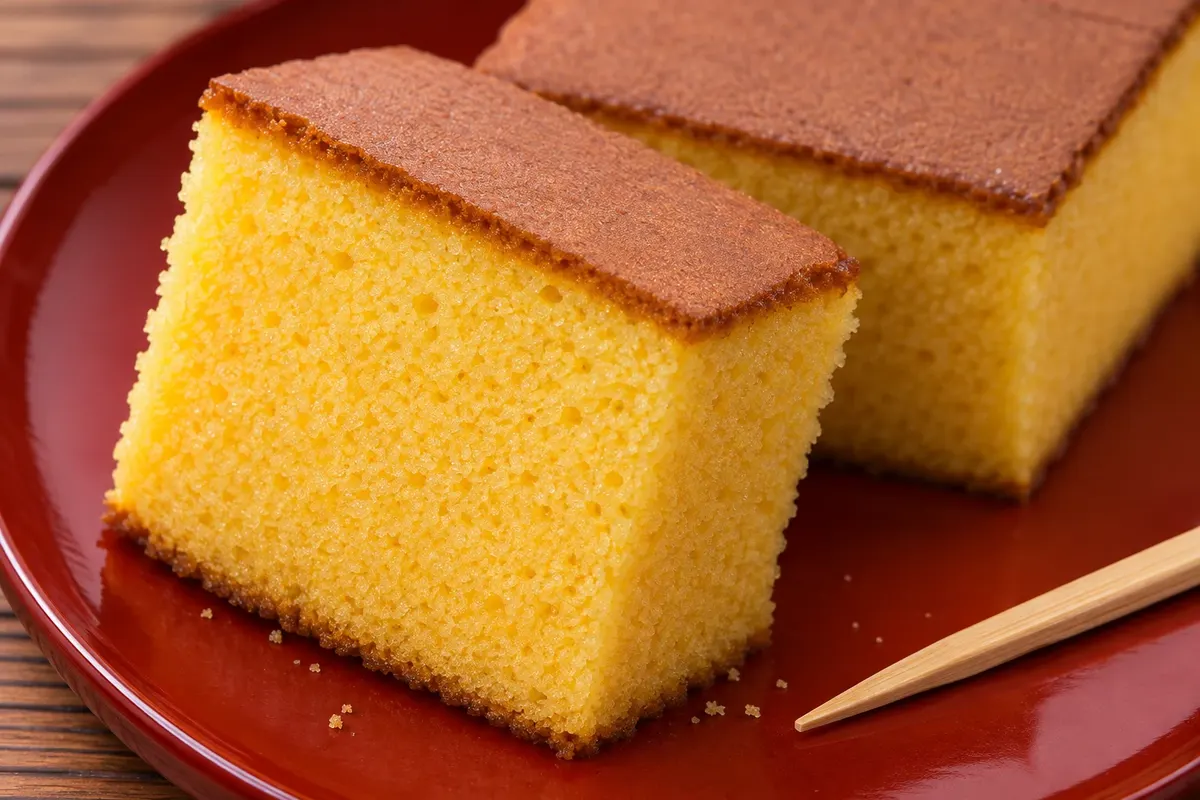
Rectangular castella sponge cake, moist with a yellow crumb, made of eggs, sugar, flour and starch syrup, with the top and bottom well browned. A sweet from Nagasaki that arrived with the Portuguese in the 16th century.
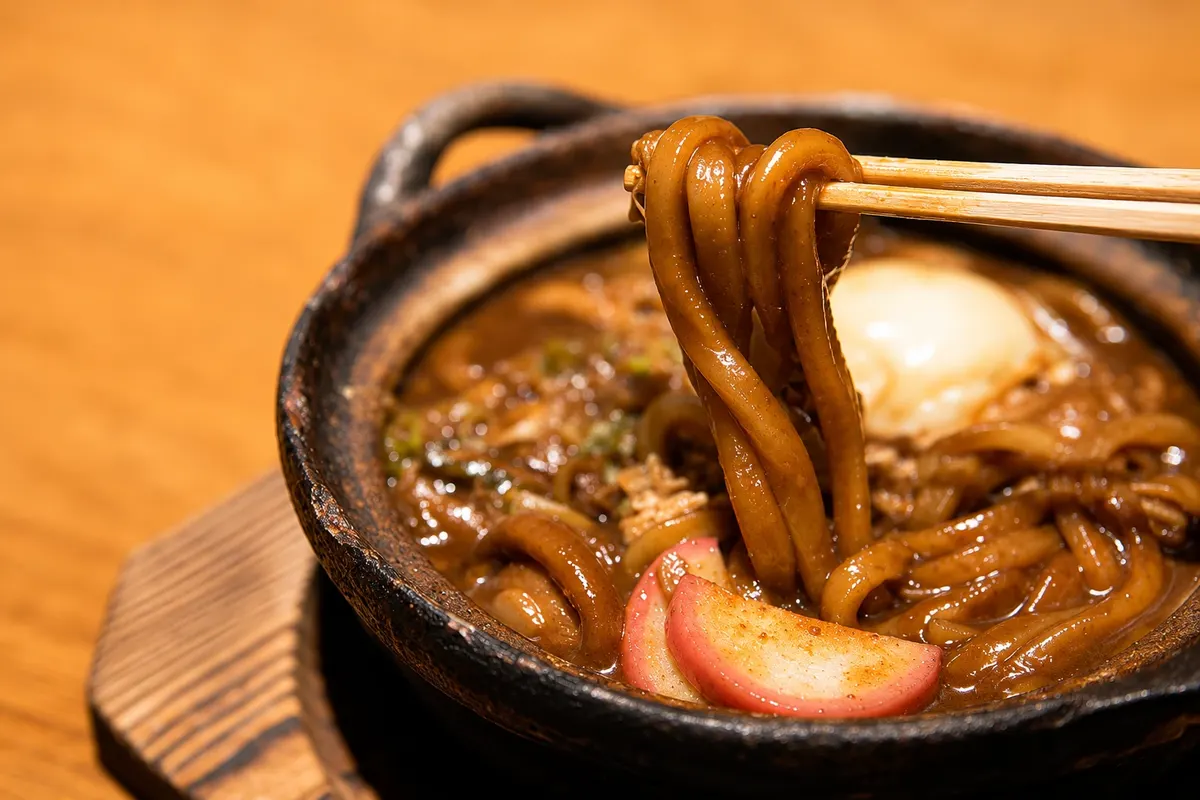
Firm udon, made without salt, cooked in an earthenware pot in a dark soy miso (haccho miso) broth, with chicken, fried tofu, scallion and egg. A dish from Nagoya and Aichi.
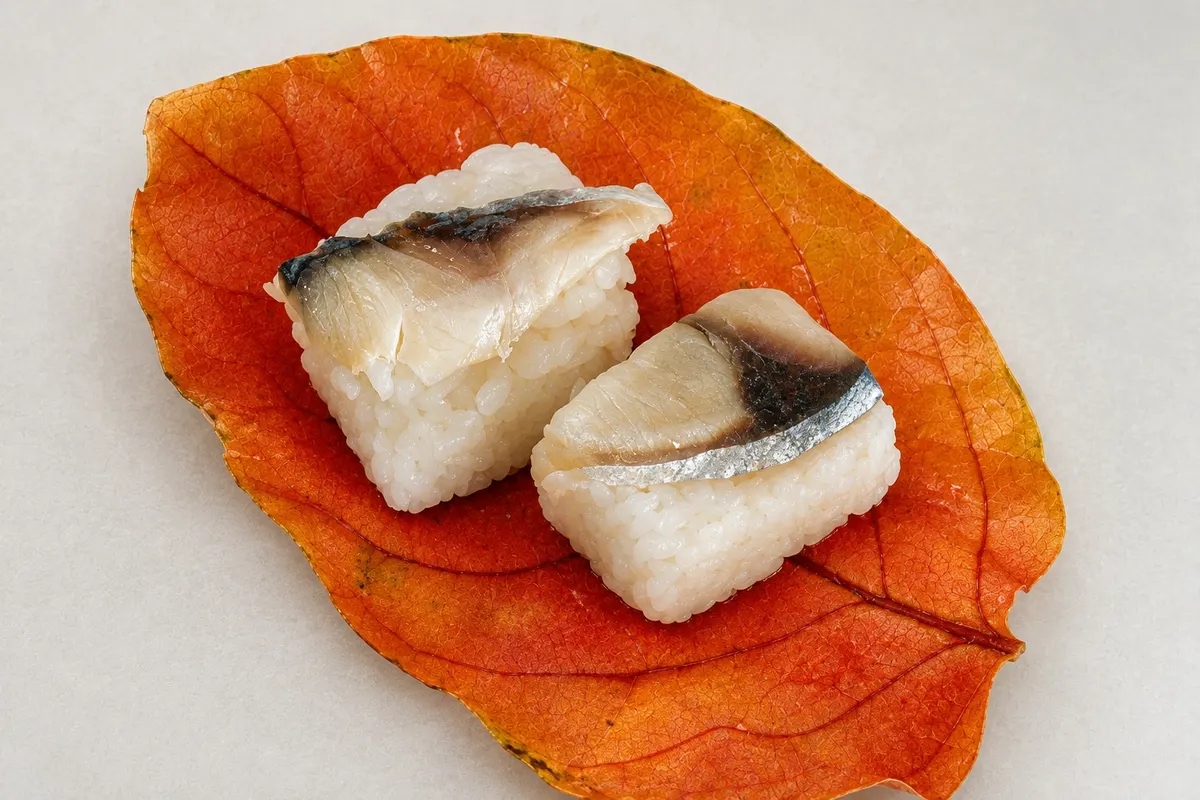
Small pressed sushis of salted mackerel on seasoned rice, each wrapped in a persimmon leaf. A dish from Nara, served at the summer festivals of Gojō and Yoshino.
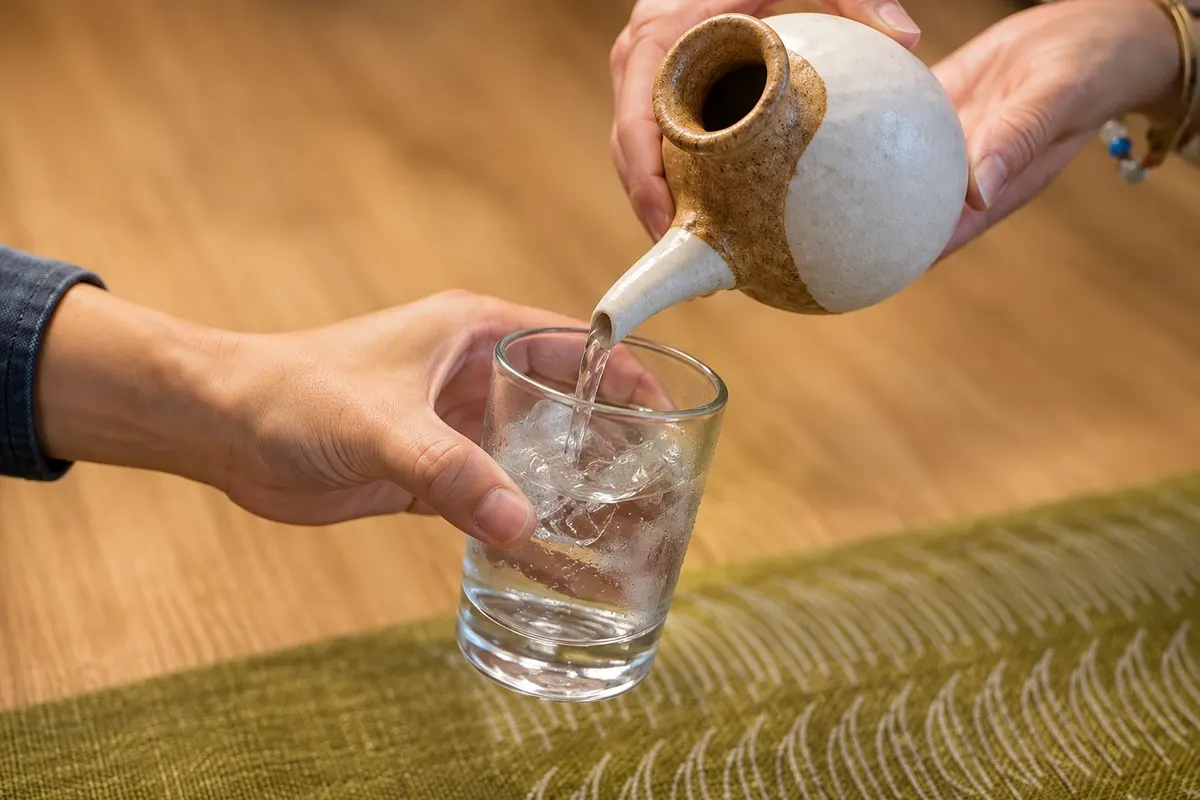
Rice spirit from Okinawa, made with black koji and sometimes aged for years (kusu). Ryukyu is Japan’s official geographical indication for awamori from the prefecture.
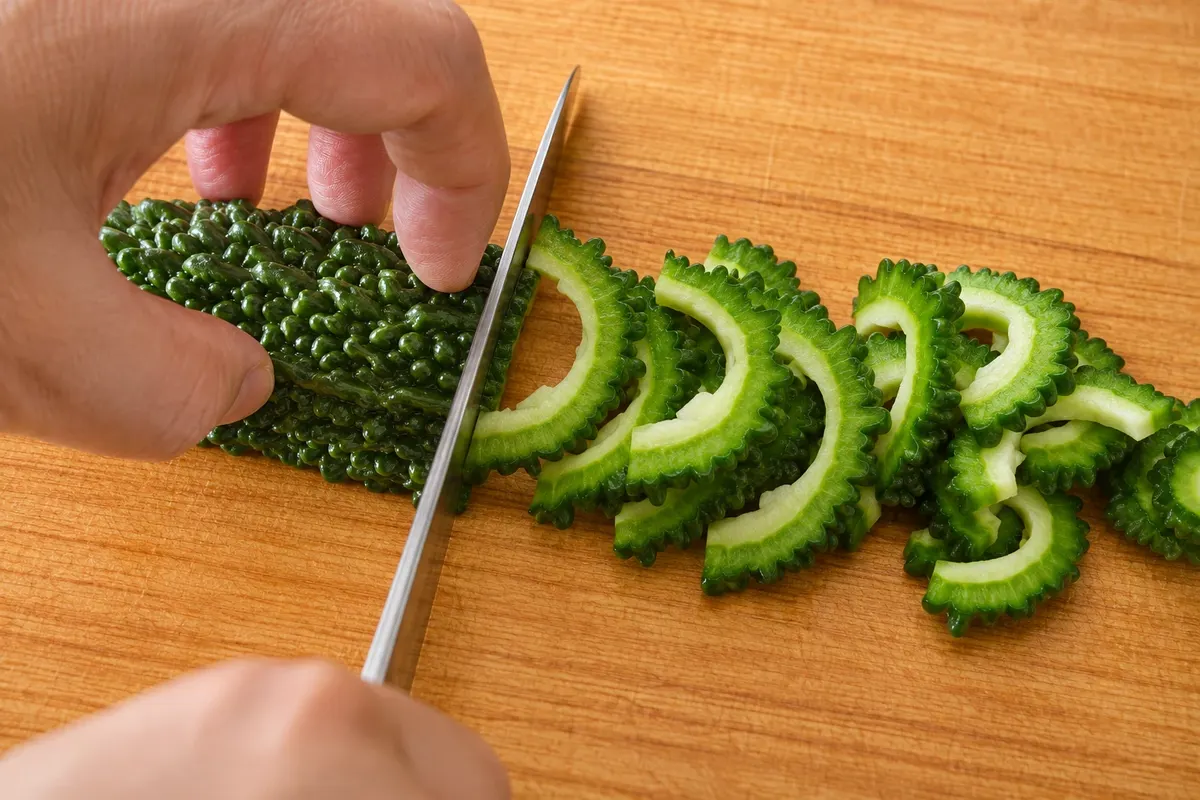
Stir-fry of goya, the bitter melão-de-são-caetano, with firm Okinawan tofu, egg and pork. It’s the best-known champuru from Okinawa, made at home and served in restaurants across the prefecture.
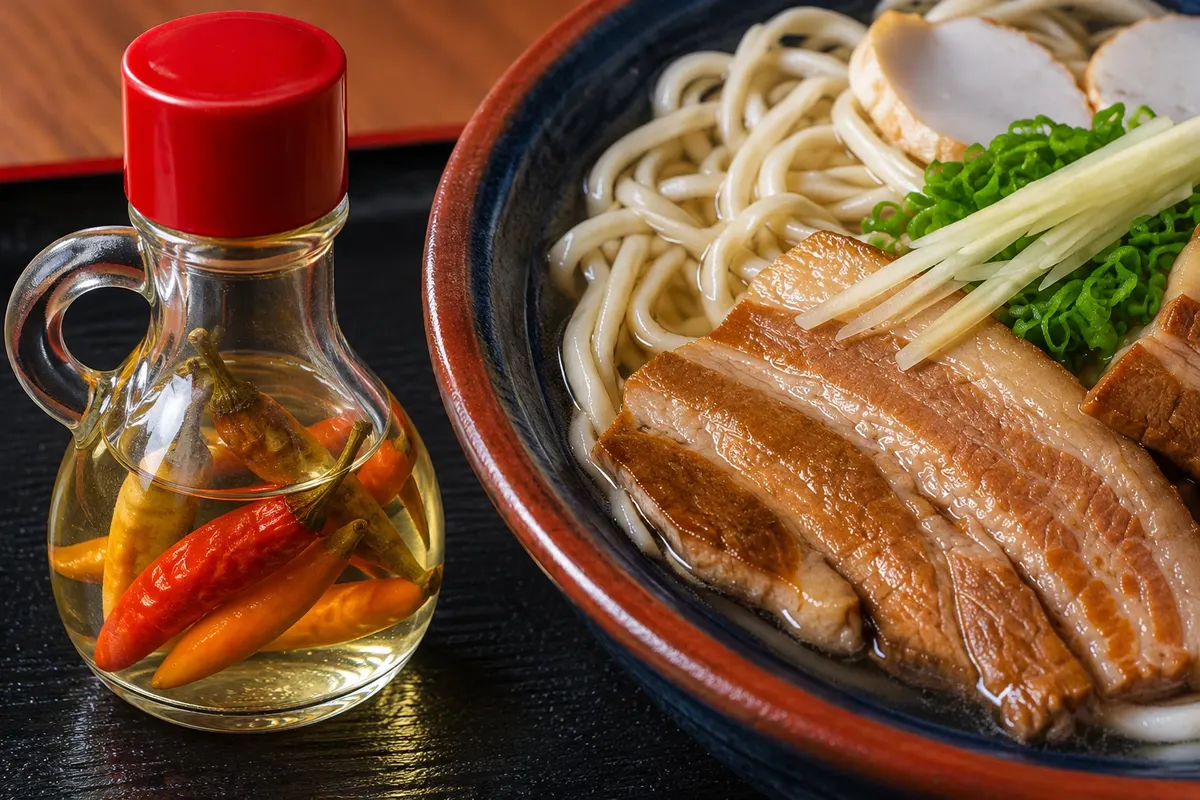
Thick wheat noodles, not buckwheat, in a pork-and-dried-bonito broth, topped with simmered pork belly, kamaboko, scallions and pickled red ginger. It’s an everyday dish in Okinawa.
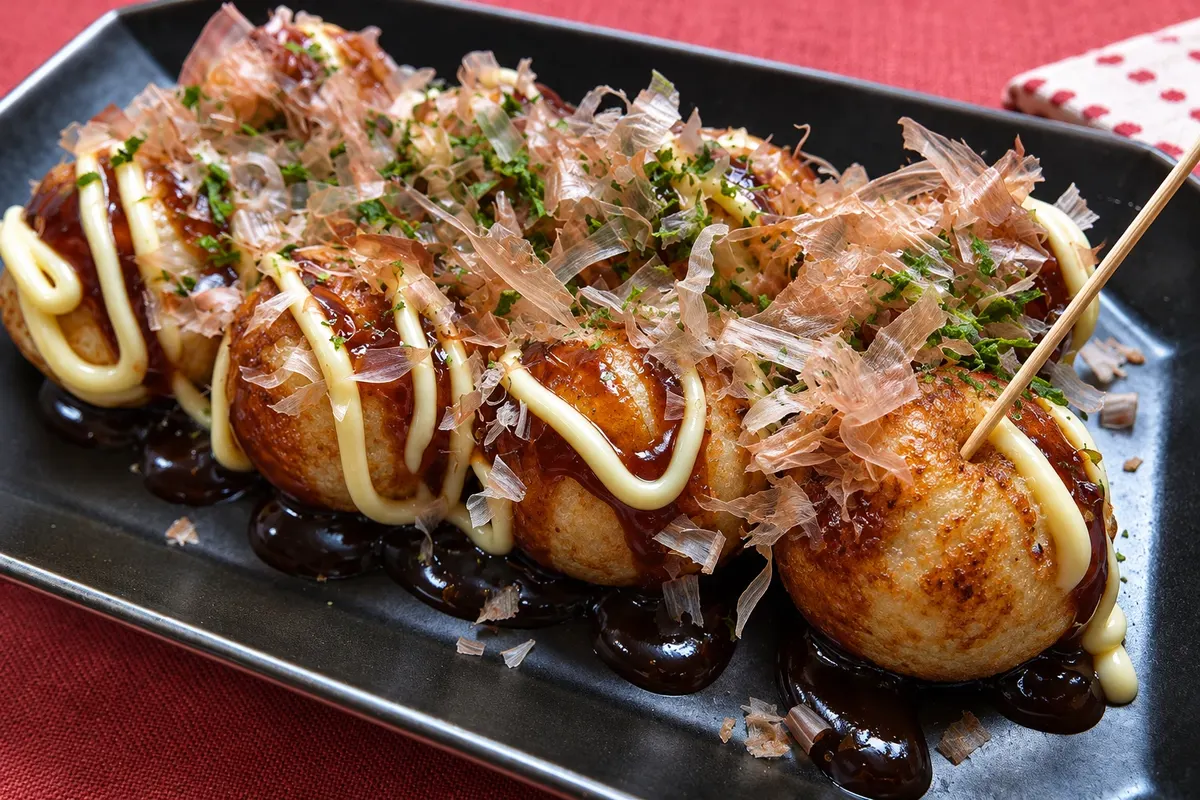
Dough balls made from flour, egg and dashi with pieces of octopus, cooked on a griddle with round hollows and topped with sauce, mayonnaise, seaweed and dried bonito flakes. It’s Osaka’s best-known flavor.
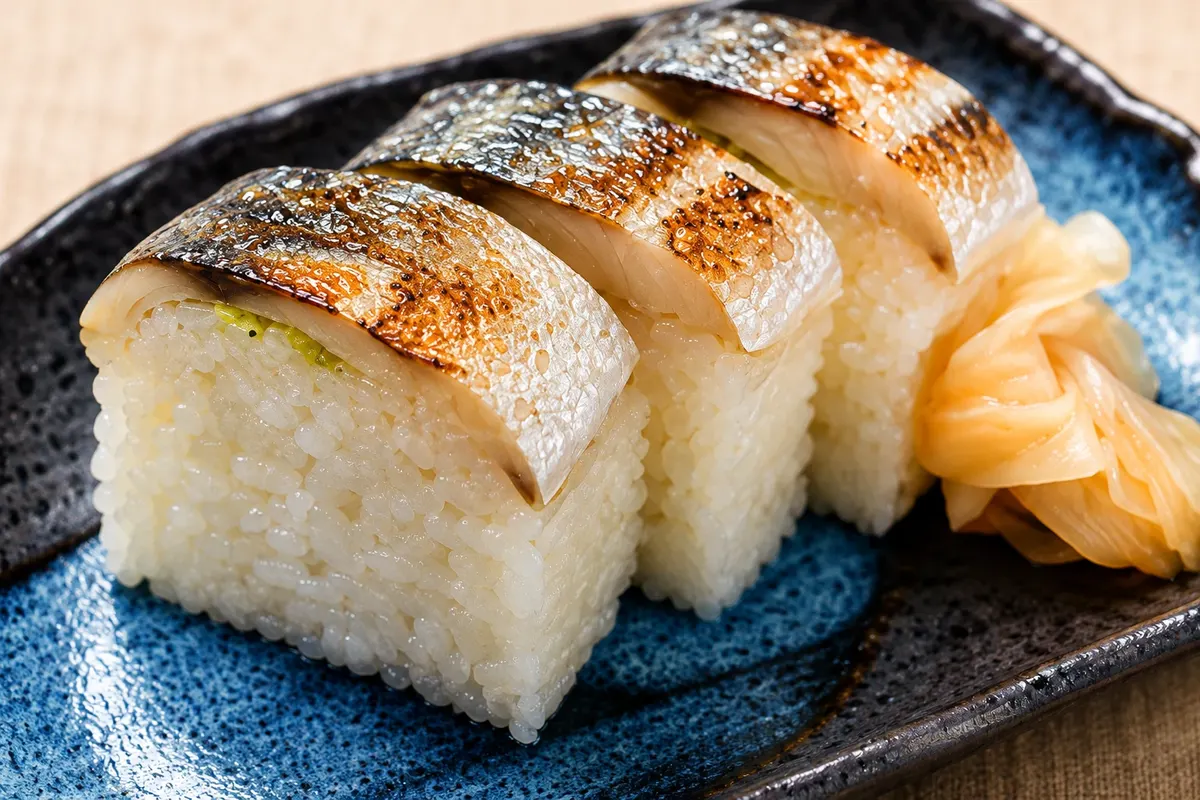
Salted and vinegar-marinated mackerel sushi on a rice log, wrapped in bamboo sheath. A celebratory dish of Kyoto, tied to the Saba Kaido, the route that brought mackerel from the Wakasa Sea.
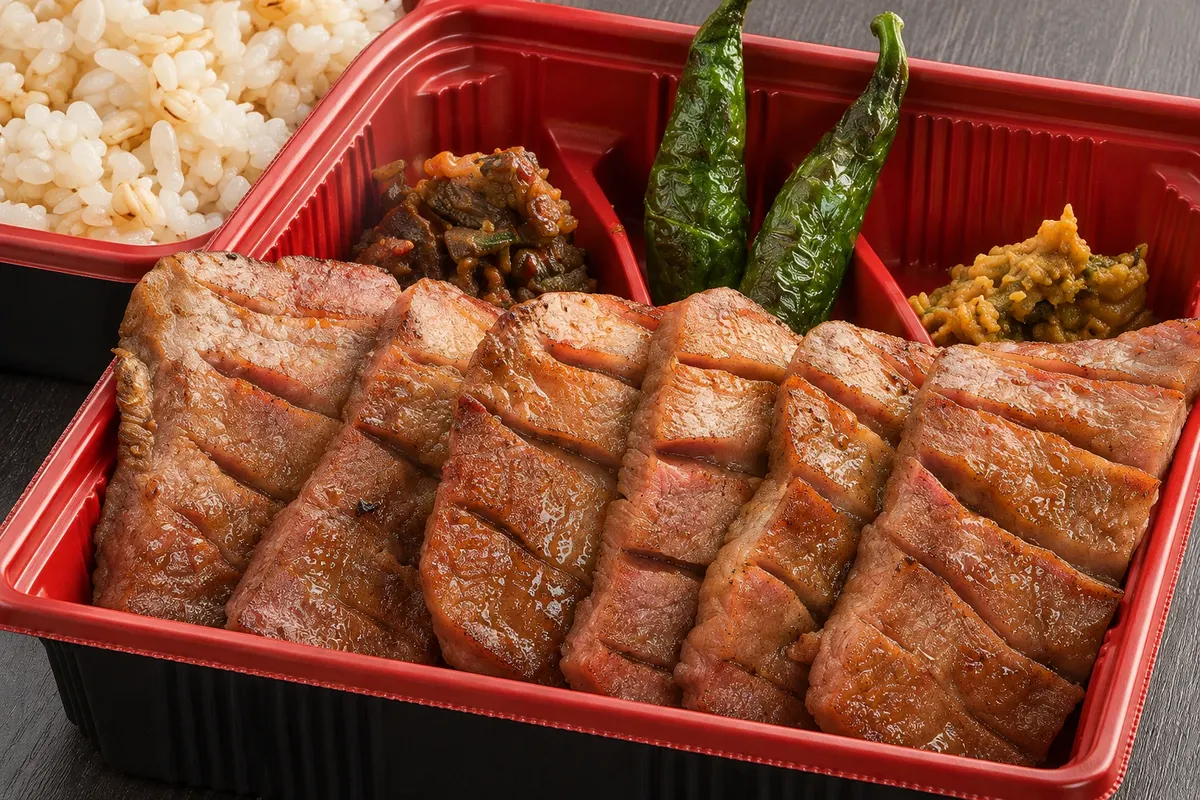
Sliced beef tongue, seasoned and grilled, served with barley rice, pickles and oxtail soup. It’s Sendai’s signature dish, created after World War II.
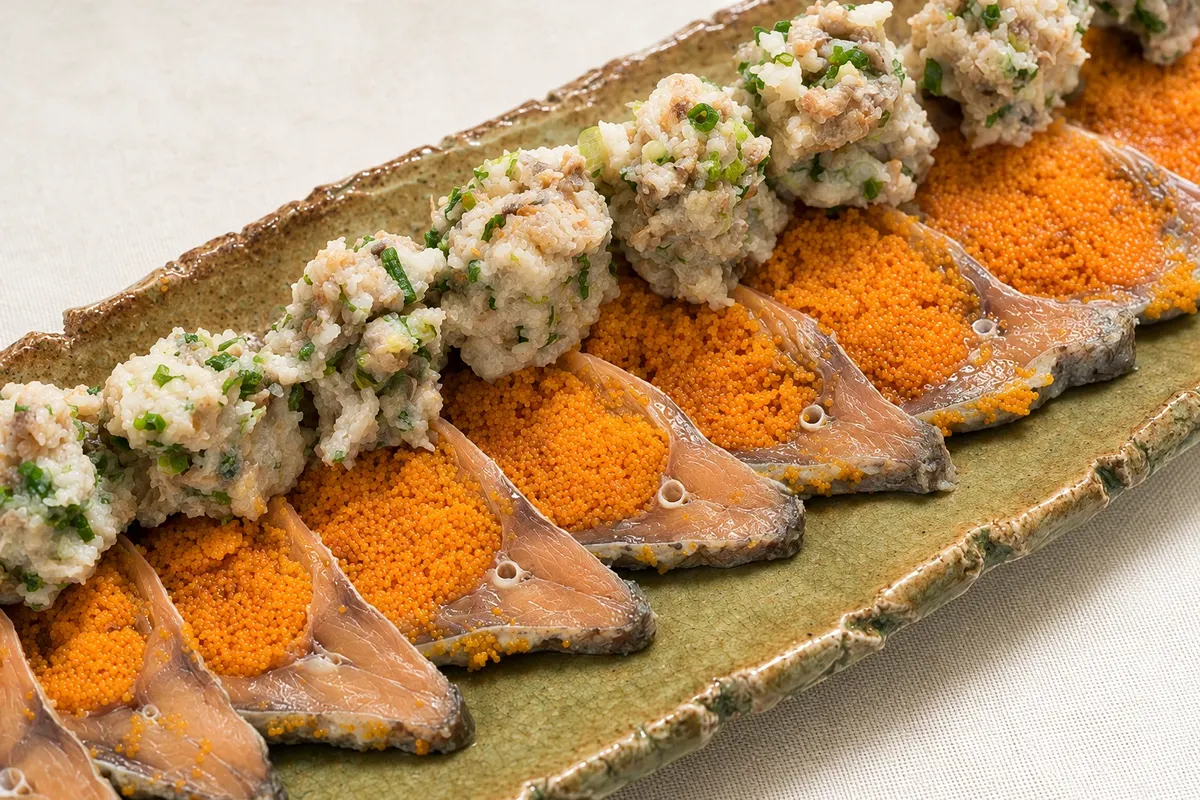
Nigorobuna carp from Lake Biwa, salted and fermented for months with rice: an ancient form of sushi with a strong taste and aroma. A dish from Shiga, deeply rooted in the prefecture’s culture.
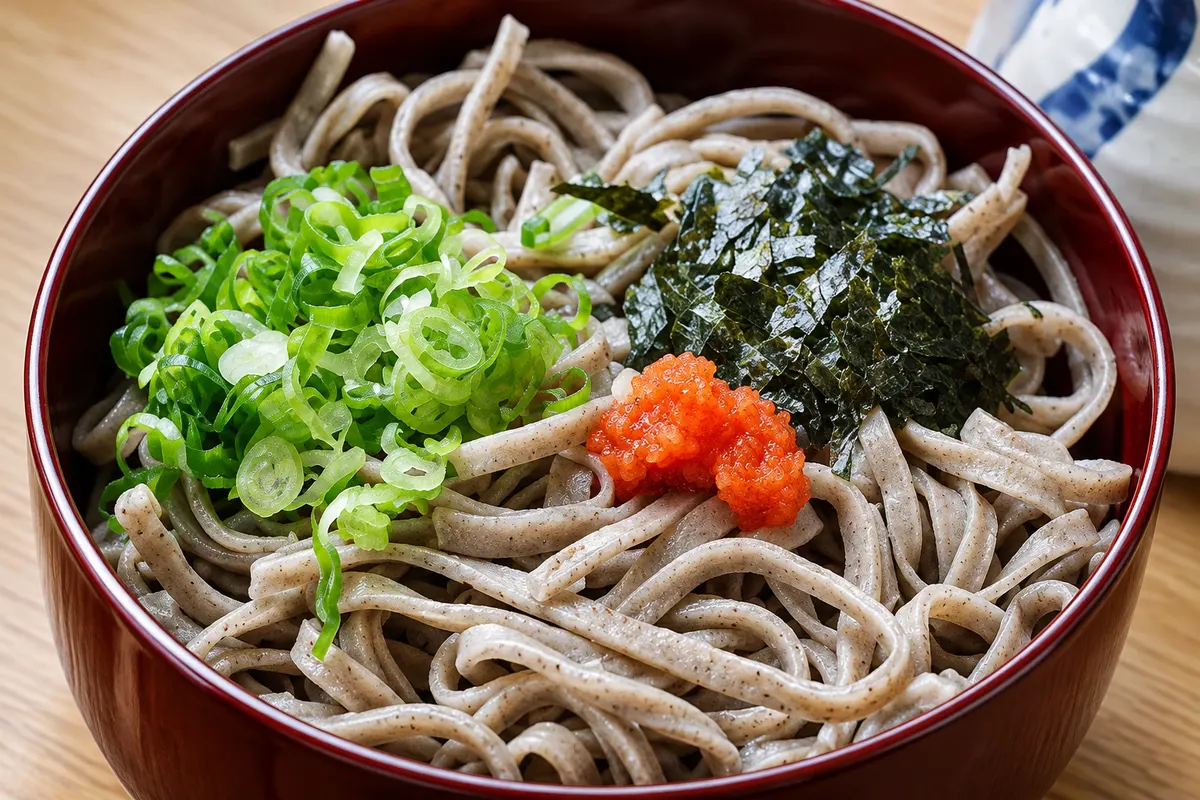
Dark, aromatic soba made from whole-ground buckwheat with the husk, served cold in stacks of round bowls (warigo) or hot, straight from the pot (kamaage). A dish from the Izumo region in Shimane.
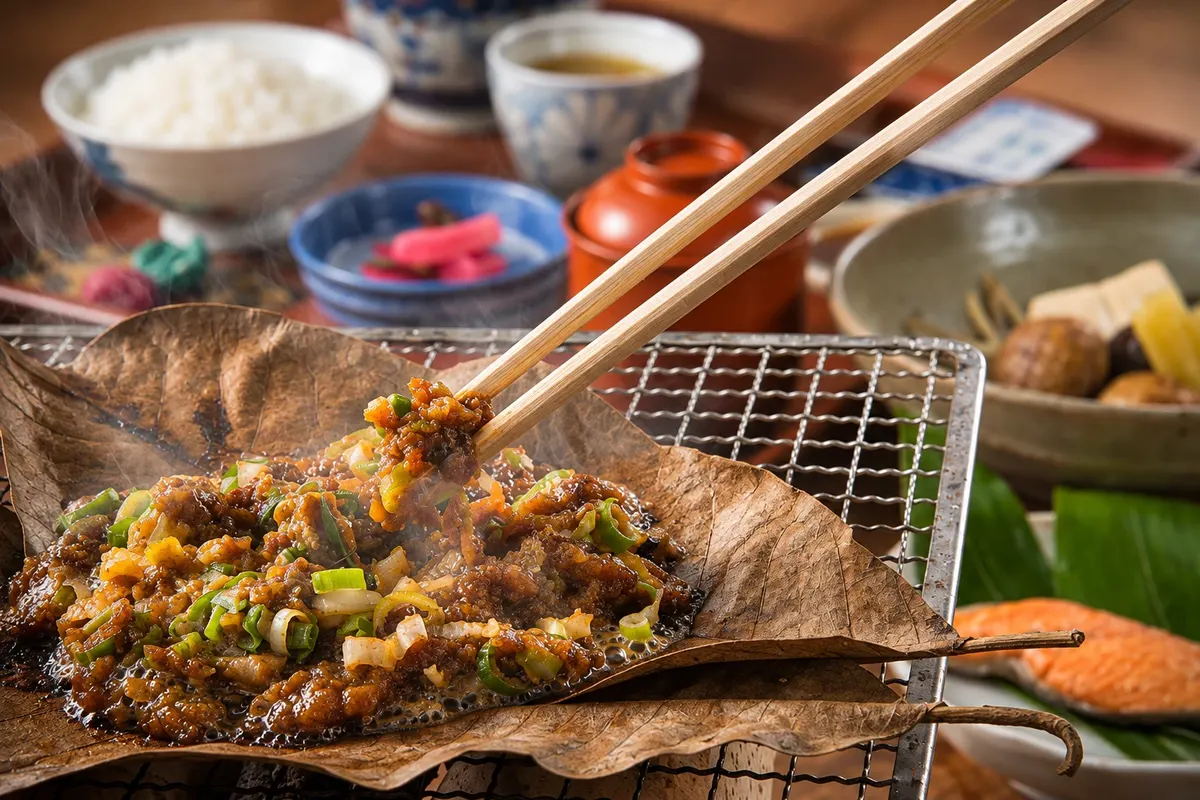
Koji miso with scallion and mushrooms, roasted on a dry magnolia leaf (hoba) over a small tabletop brazier. A dish from the Hida-Takayama region in the mountains of Gifu.
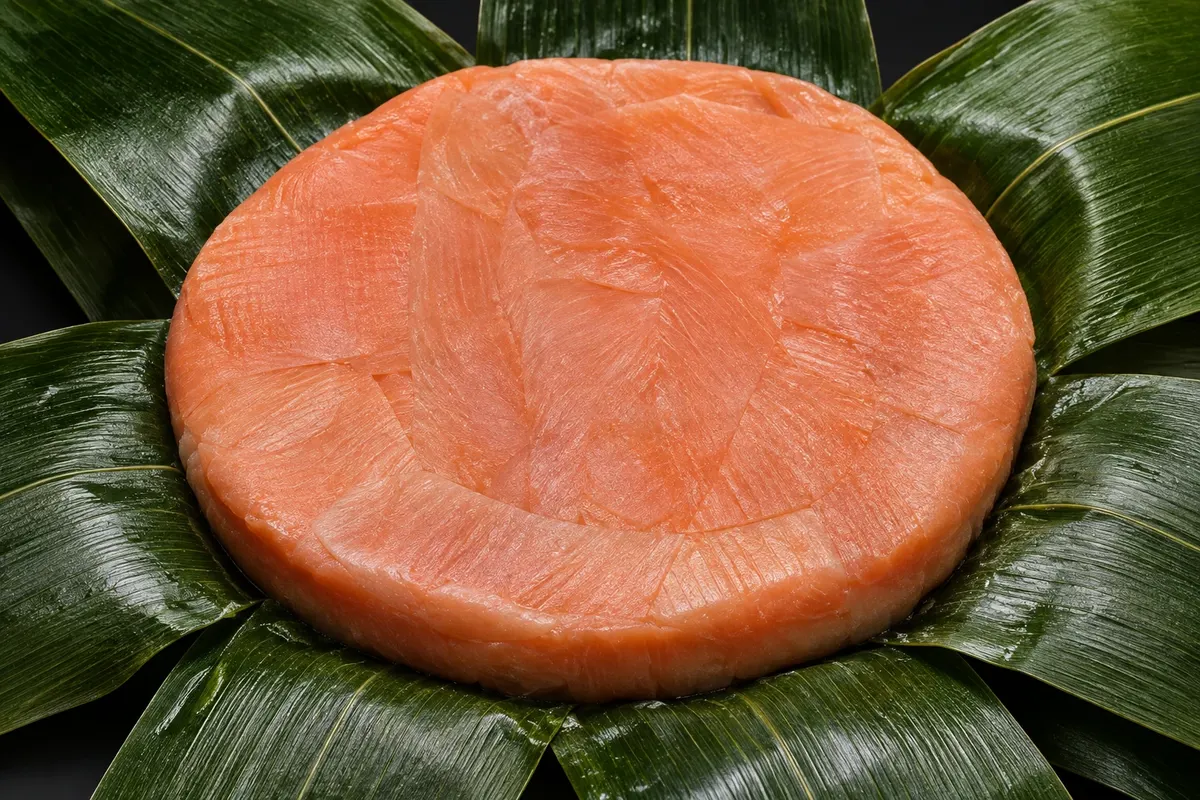
Pressed sushi of cured trout on seasoned rice, in a round wooden box lined with bamboo leaves. It’s Toyama’s most famous dish, sold in specialty shops and as a train snack.
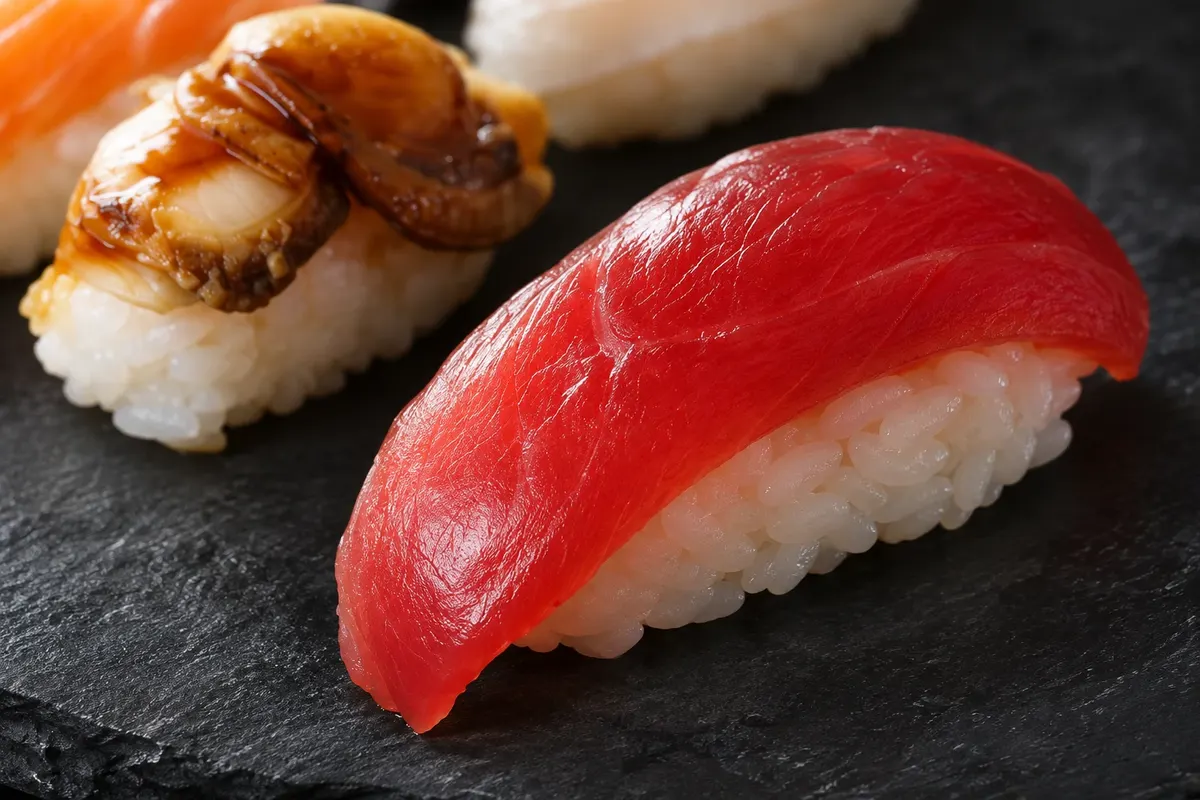
Nigiri in the Edo style, from old Tokyo: a small ball of vinegar-seasoned rice topped with cured, cooked, marinated, or raw fish. It originated as street-vendor food and spread around the world.
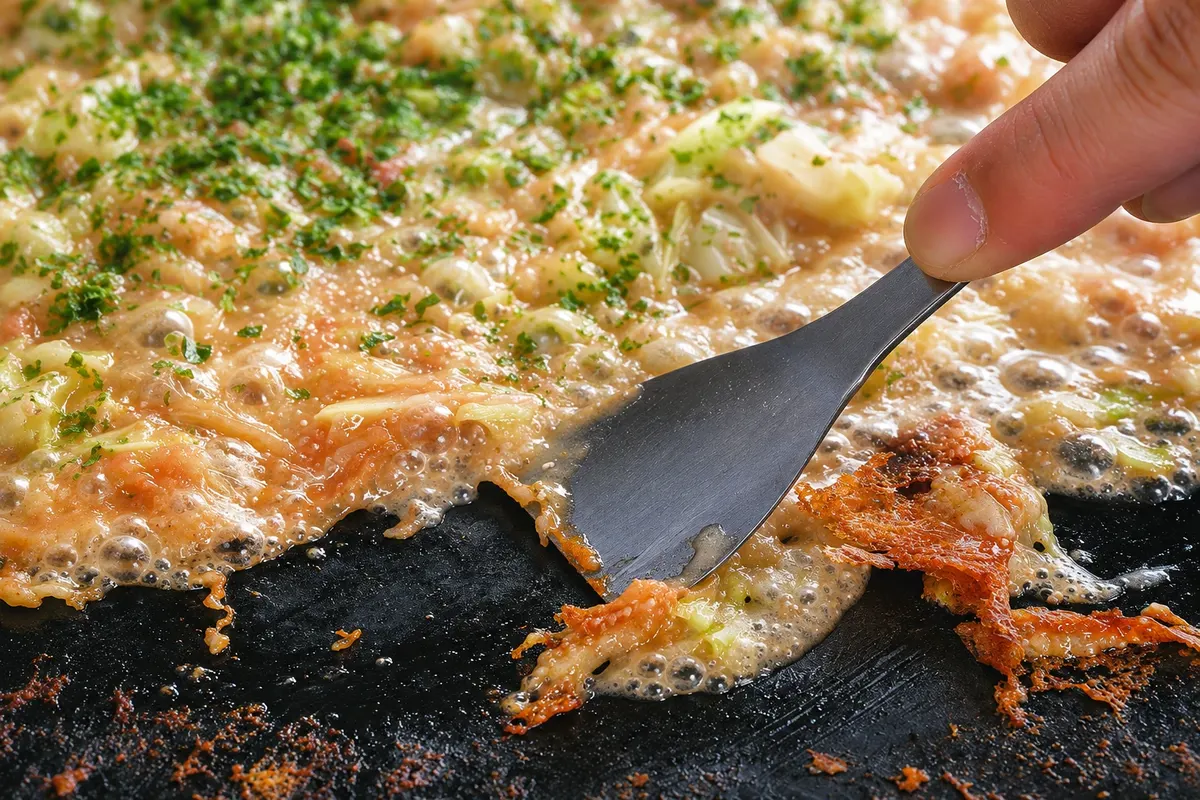
A very thin batter of wheat flour and broth, with cabbage and other ingredients, cooked on a griddle at the table and eaten bit by bit with small spatulas. A Tokyo dish associated with the Tsukishima neighborhood.
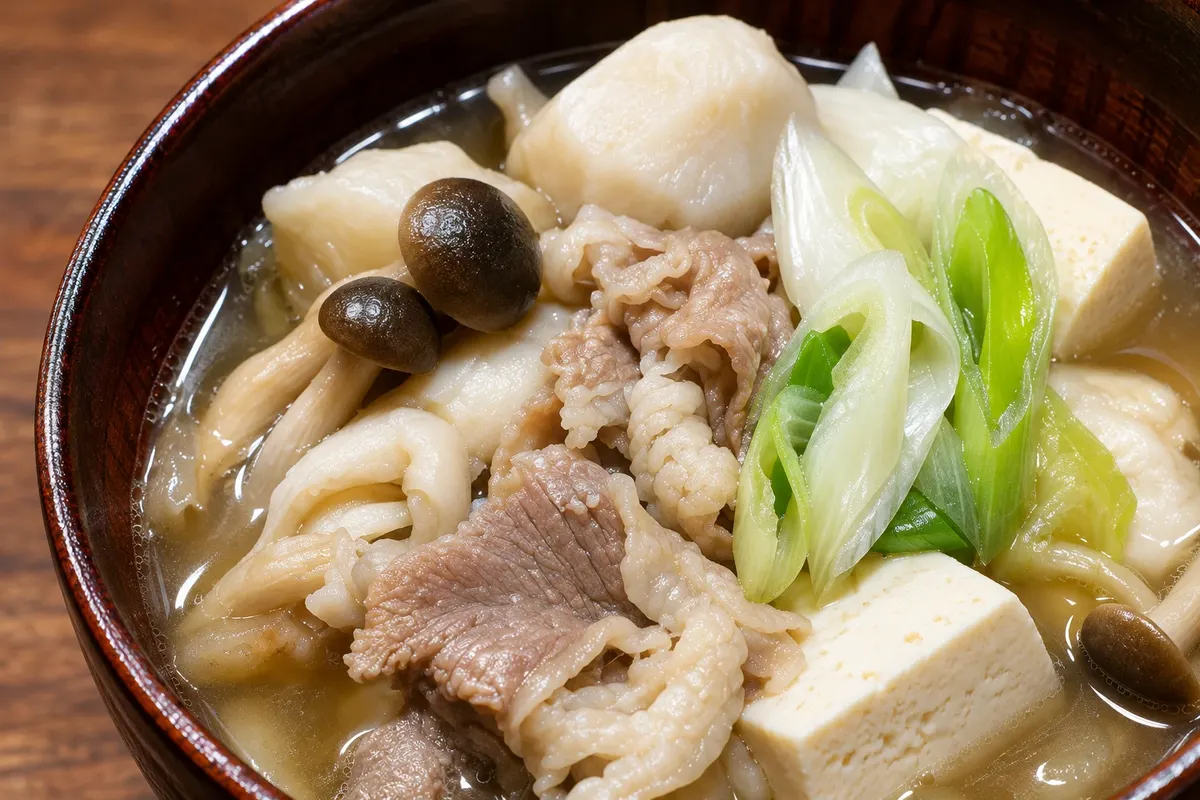
Taro stew with meat, konnyaku and scallion, cooked in large pots on riverbanks in autumn at Yamagata’s imonikai. Inland it includes beef and shoyu; on the Shonai coast it uses pork and miso.
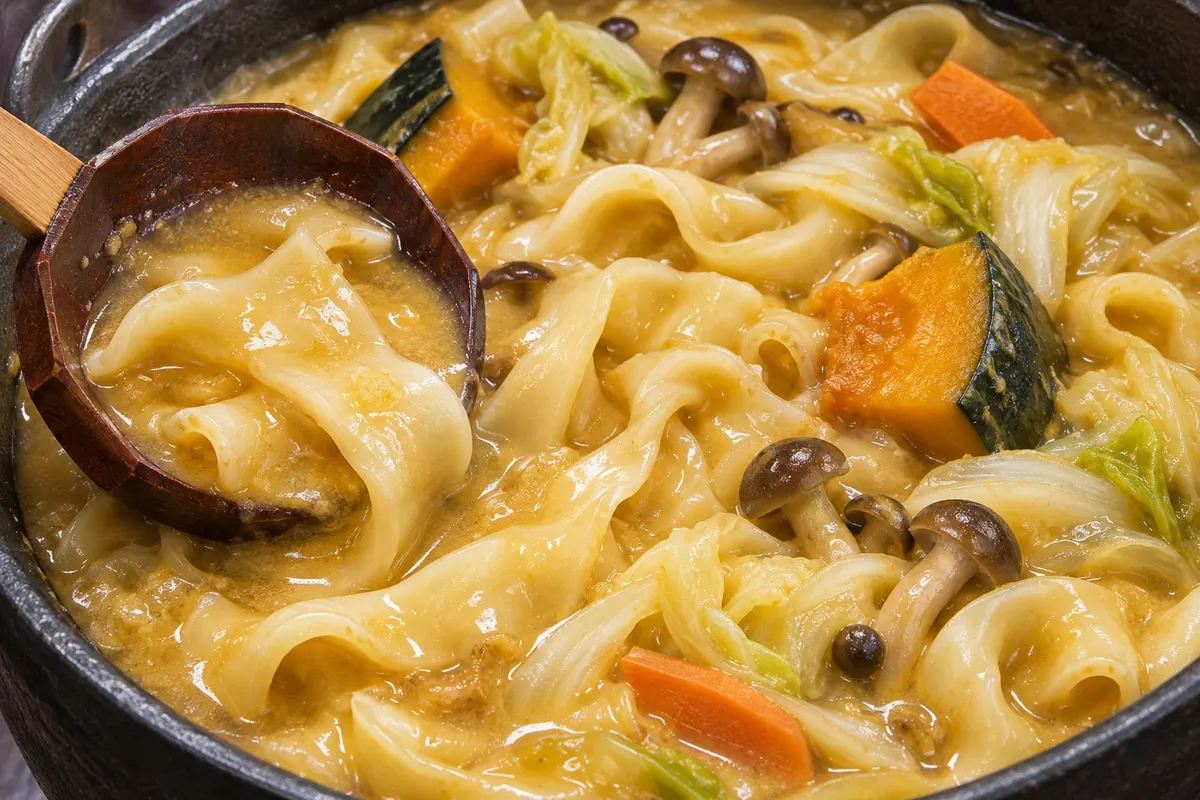
Thick, wide wheat dough cooked with pumpkin, vegetables and mushrooms in a miso broth, served in an iron pot. It is the most representative dish of Yamanashi, at the foot of Mount Fuji.
of Japonska – predlagajte značilno jed, sladico ali pijačo, ki je še ni na seznamu. Pred vključitvijo preverimo vire.
Okusi držav
Izberite državo in spoznajte njene značilne jedi, sladice in pijače.
Odgovori na vaša vprašanja
The basis is rice, with miso soup, seasonal fish and vegetables flavored with dashi and shoyu. Nationwide dishes include tempura, ramen, sukiyaki and sushi, and each prefecture has its own specialties, such as Hokkaido’s jingisukan, Osaka’s takoyaki and Okinawa’s goya champuru.
It is the name given to traditional Japanese cuisine. In 2013 UNESCO inscribed washoku, the traditional food customs of the Japanese people—especially those linked to New Year celebrations—on the Intangible Cultural Heritage list. The inscription highlights respect for seasonal ingredients and the custom of eating together as a family.
Yes. From north to south the climate, fish, grains and seasoning styles change. Japan’s Ministry of Agriculture compiles local dishes from every prefecture, such as Akita’s kiritanpo, Yamanashi’s hoto, Toyama’s masuzushi, Kochi’s katsuo no tataki and Nagasaki’s champon.
Nihonshu, rice sake, is the traditional drink throughout the country. Shochu, a distilled spirit, is common in the south, and in Kagoshima it is made from sweet potato. In Okinawa the traditional drink is awamori, a rice distillate. All three have official geographic indications.
Več kot vodnik