Boa Vista
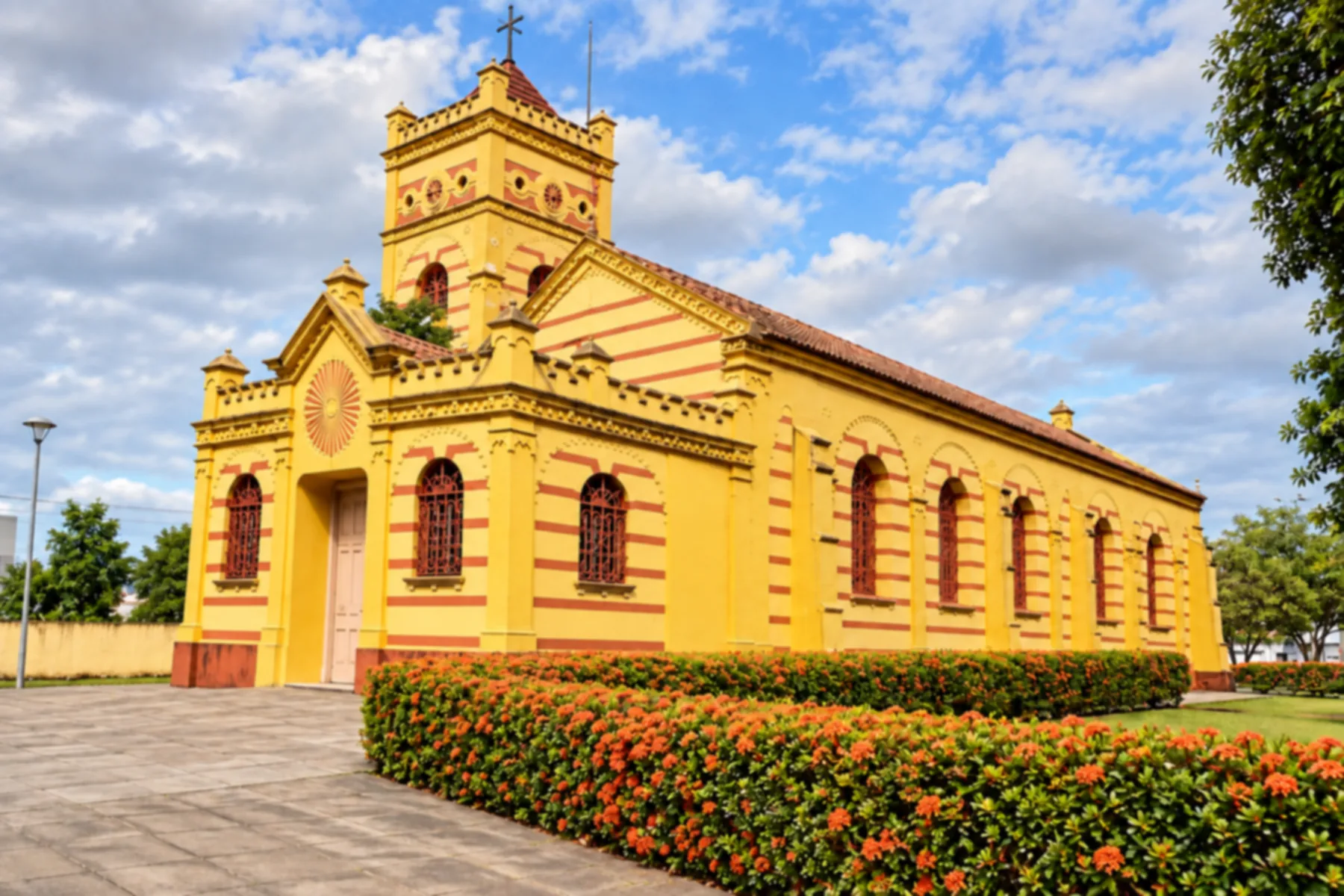
Boa Vista grew up beside the Rio Branco and has leisure spaces and historic heritage. The main church, the squares and the riverfront bring visitors close to the city's history and Roraima's landscapes.
RR · Brazil
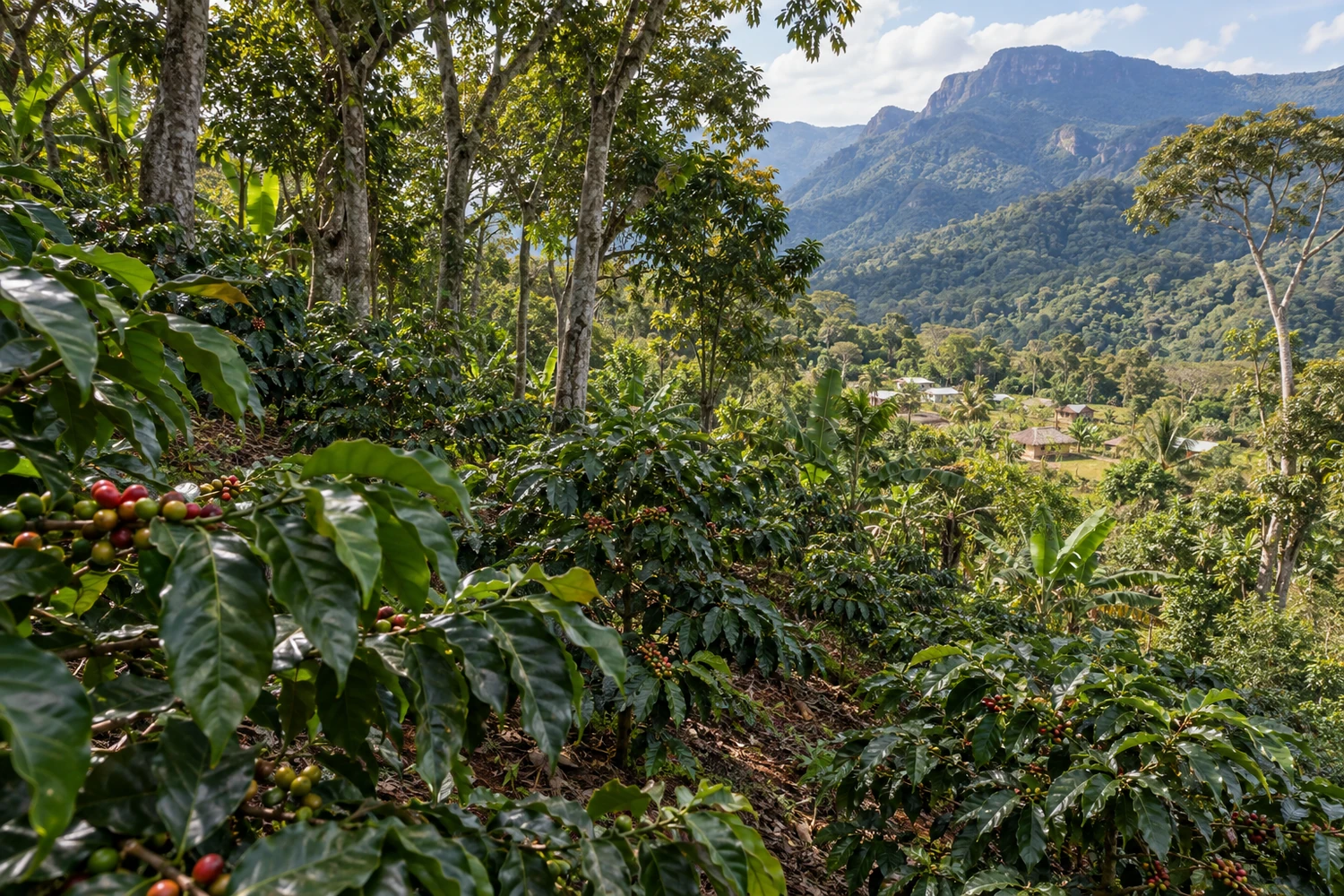
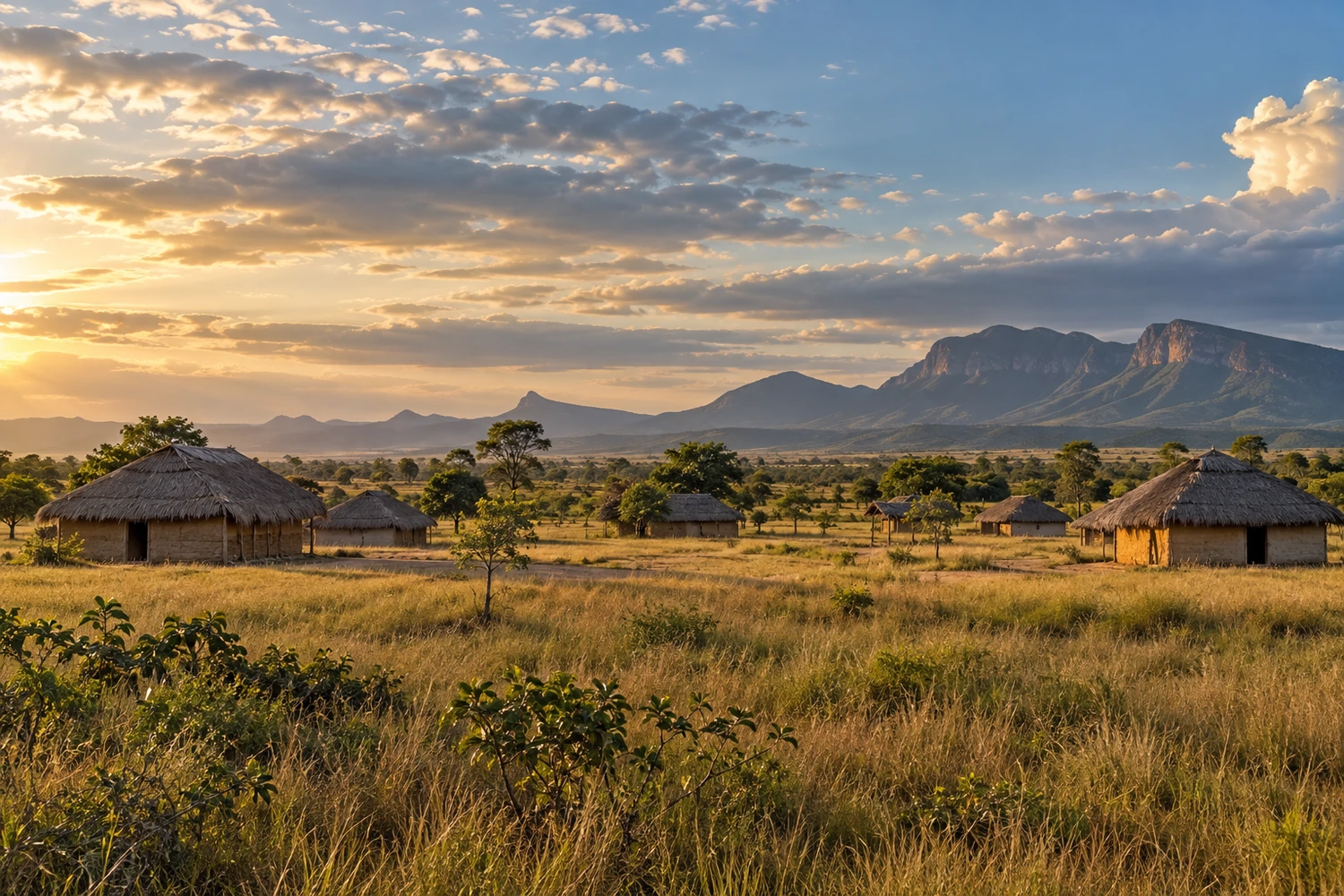
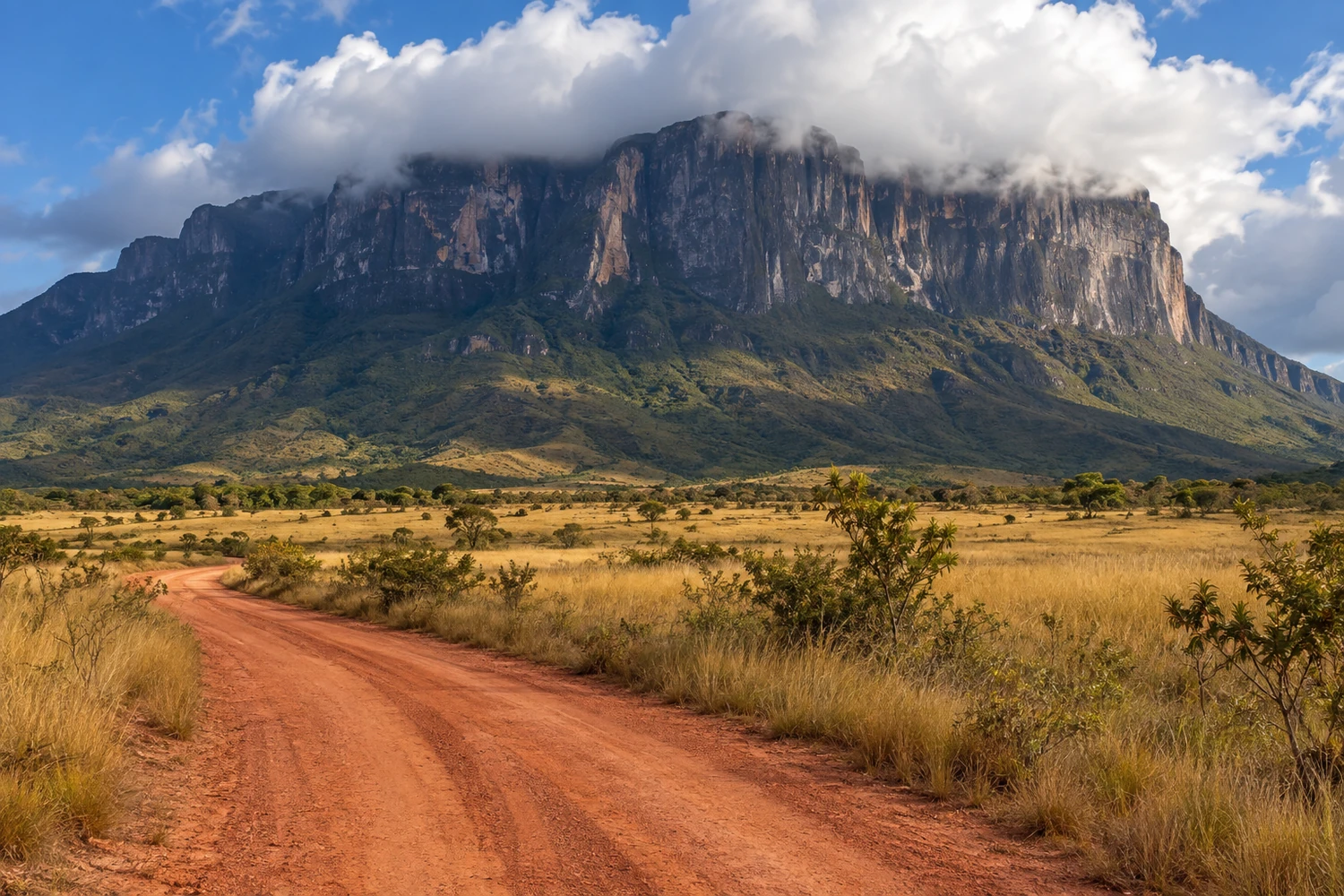
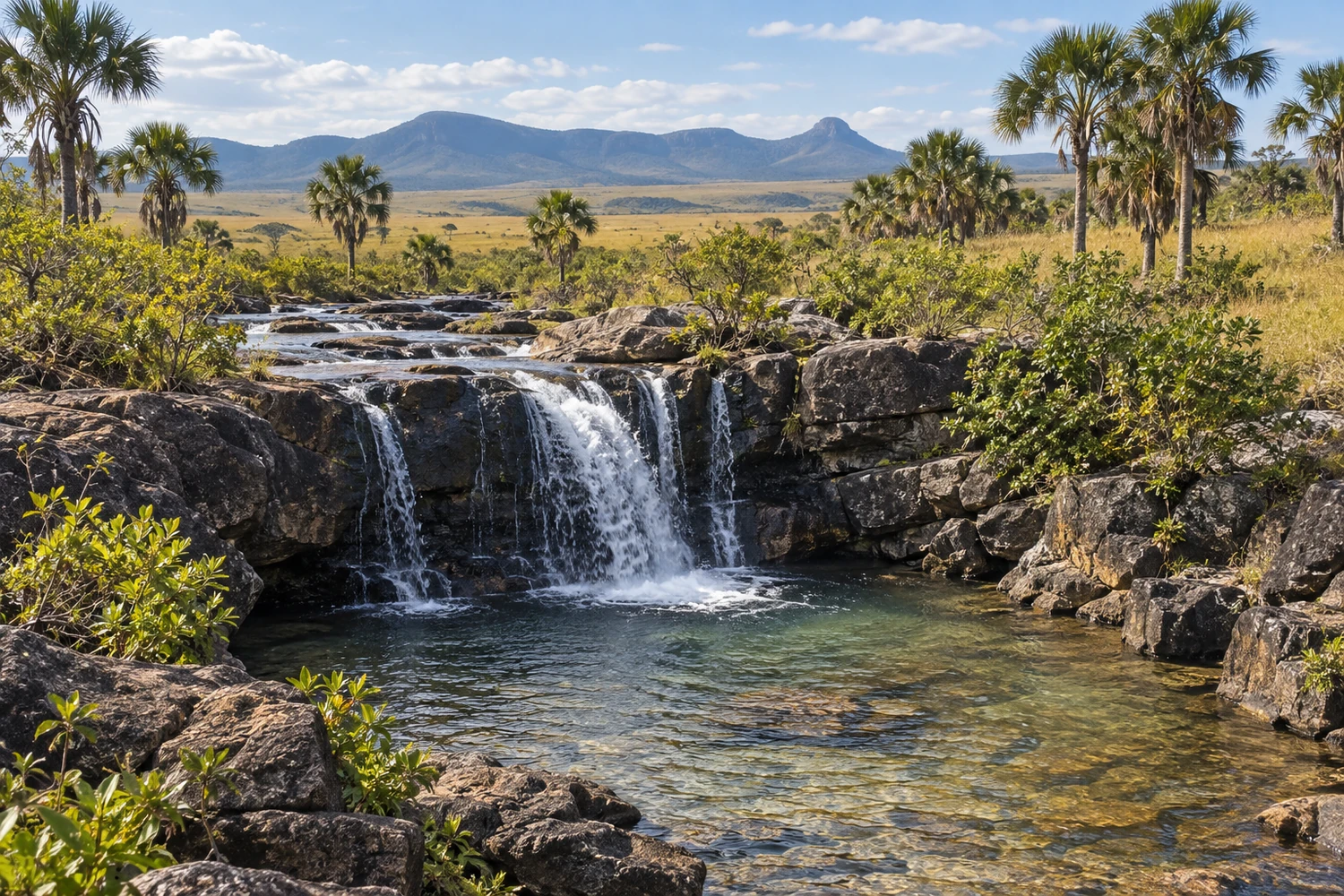
Illustrative images. The pictures in this guide are illustrations based on the real place, not photographs, and may differ from it.
Get to know the place
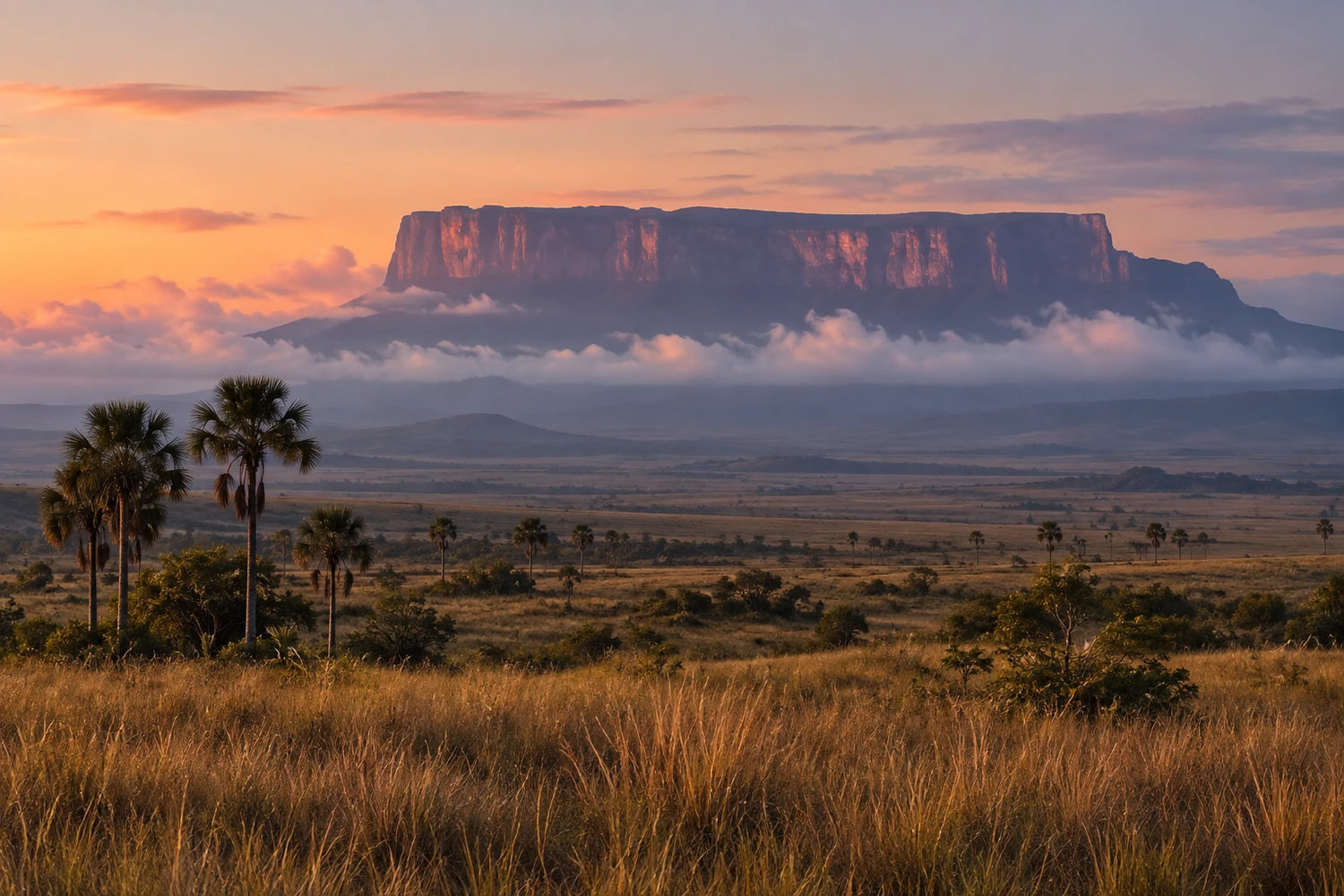
Brazil's far north is made of open savanna, flat-topped mountains and ranges that hide waterfalls and rock paintings. This is the starting point for the expedition to Monte Roraima, the 2,800-meter tepui on the triple border, and the place to discover the lavrado, the landscape of grassland and buriti palms typical of Roraima. It is a destination for travelers who want real adventure with few people around.
This destination brings together 5 cities: Boa Vista, Pacaraima, Uiramutã, Amajari, Normandia.
A look at the place
These pictures are illustrations based on the real place, not photographs. They may differ from the place.
Click the picture to enlarge it.
One destination, many paths
Start with one city or combine several in your itinerary.
Boa Vista grew up beside the Rio Branco and has leisure spaces and historic heritage. The main church, the squares and the riverfront bring visitors close to the city's history and Roraima's landscapes.
Pacaraima occupies a mountainous region in the far north of Roraima, on the border with Venezuela. The townscape among valleys and the meeting of cultures define the identity of this border town.
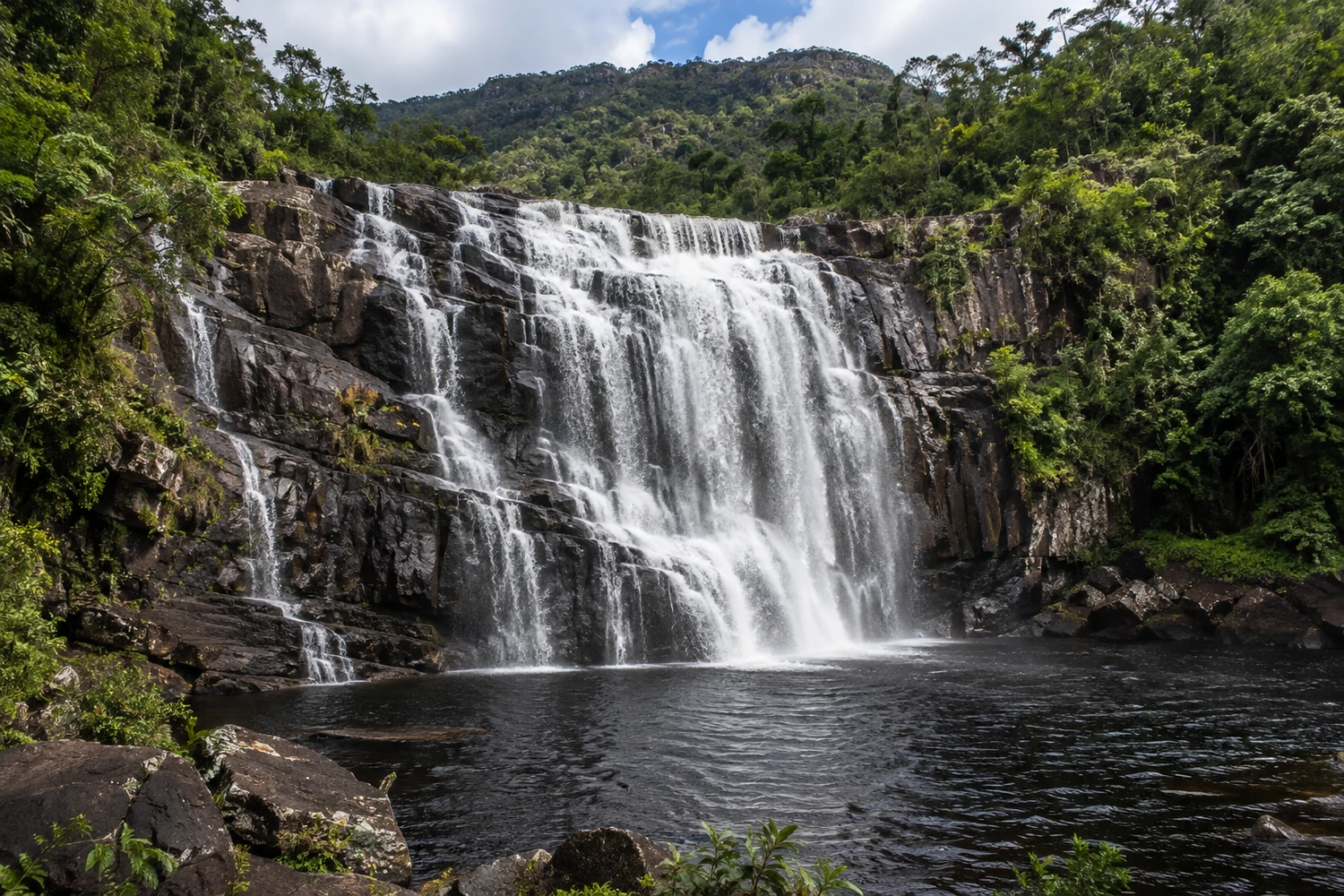
Uiramutã brings together mountains, waterfalls and Indigenous communities in the far north of Roraima. The waters of the Urucá and the town's landscapes show the natural and cultural diversity of this border region.
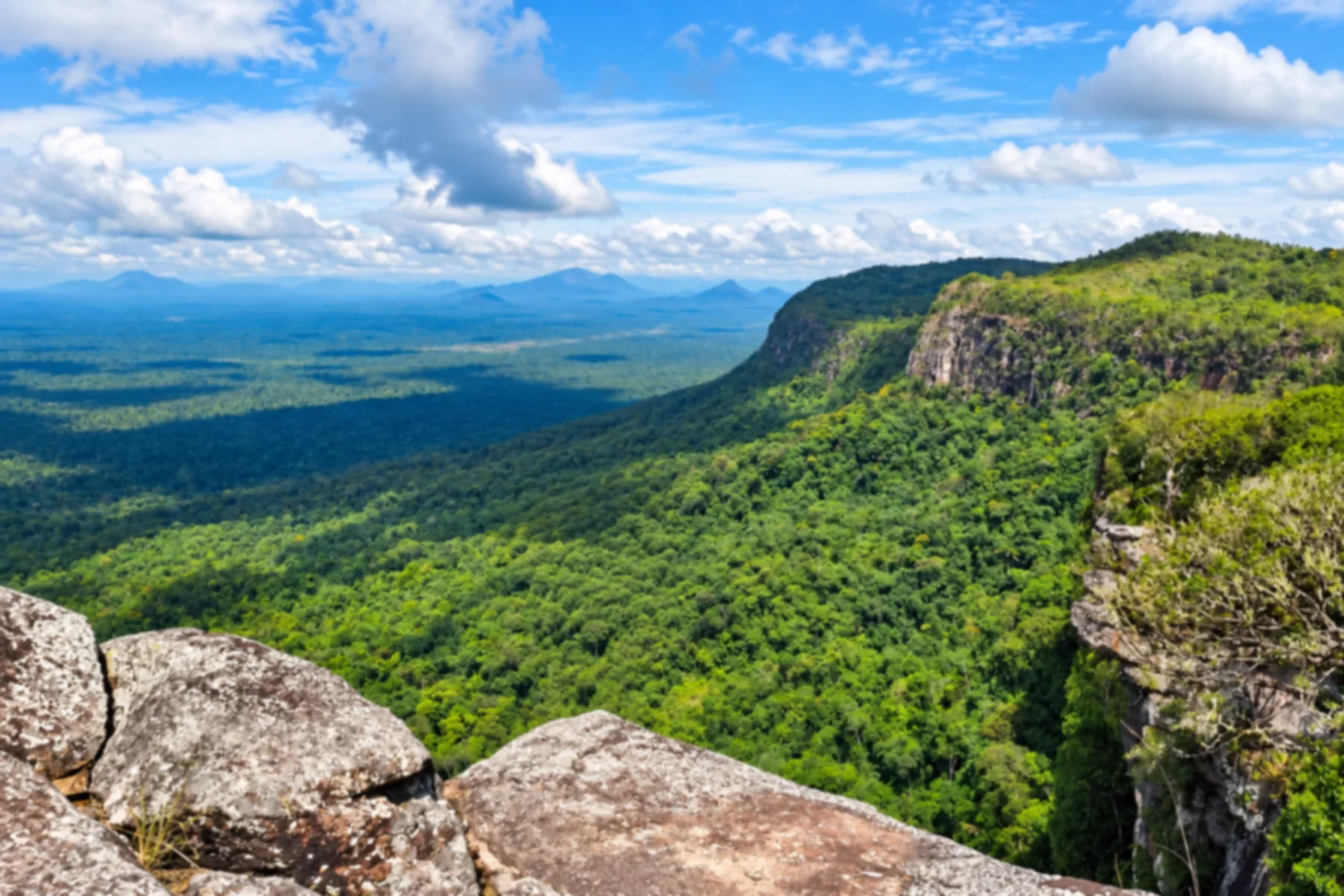
Amajari is home to the Serra do Tepequém, with viewpoints, waterfalls and landscapes that bear the marks of mining. The region's trails and communities reveal another side of Roraima's natural diversity.
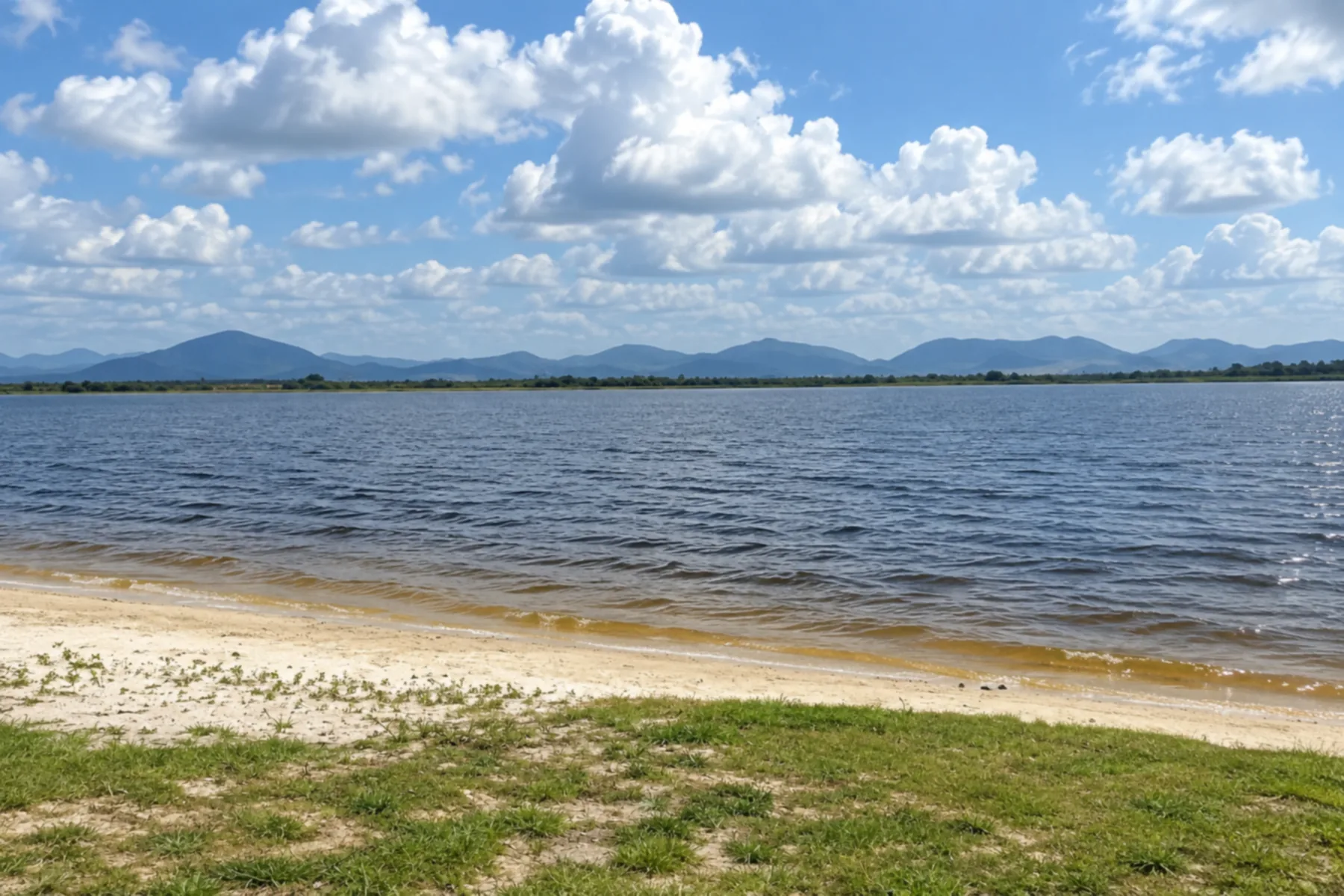
Normandia brings together lavrado landscapes and Indigenous communities in northeastern Roraima. Lago Caracaranã, surrounded by sandy beaches and vegetation, is one of the town's natural landmarks.
The local experience
The border marker installed by the Army when the boundary with Venezuela was demarcated gave rise to the settlement and the town's first name. It stands at the crossing point between the two countries, the overland gateway for travelers arriving from the neighboring country.
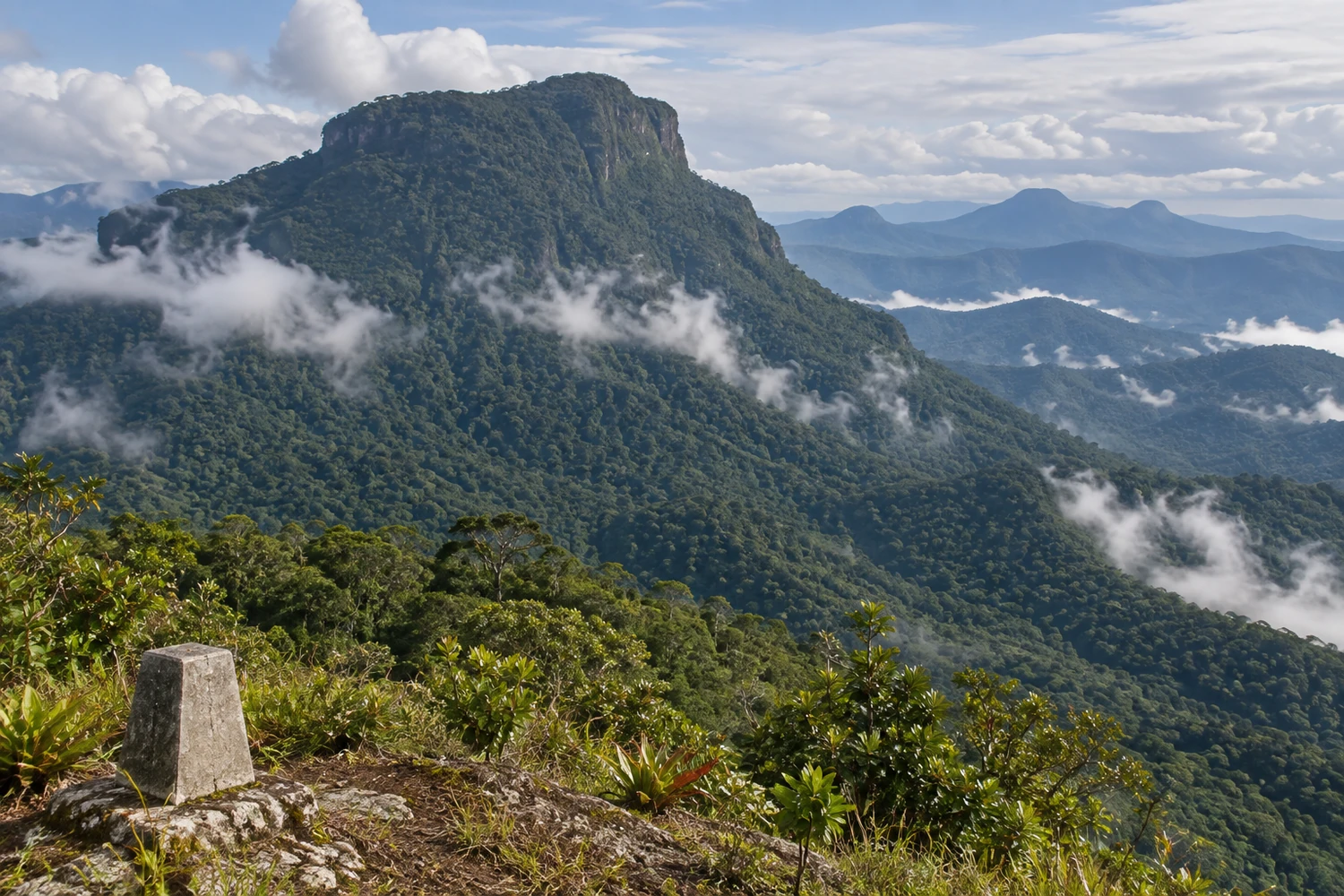
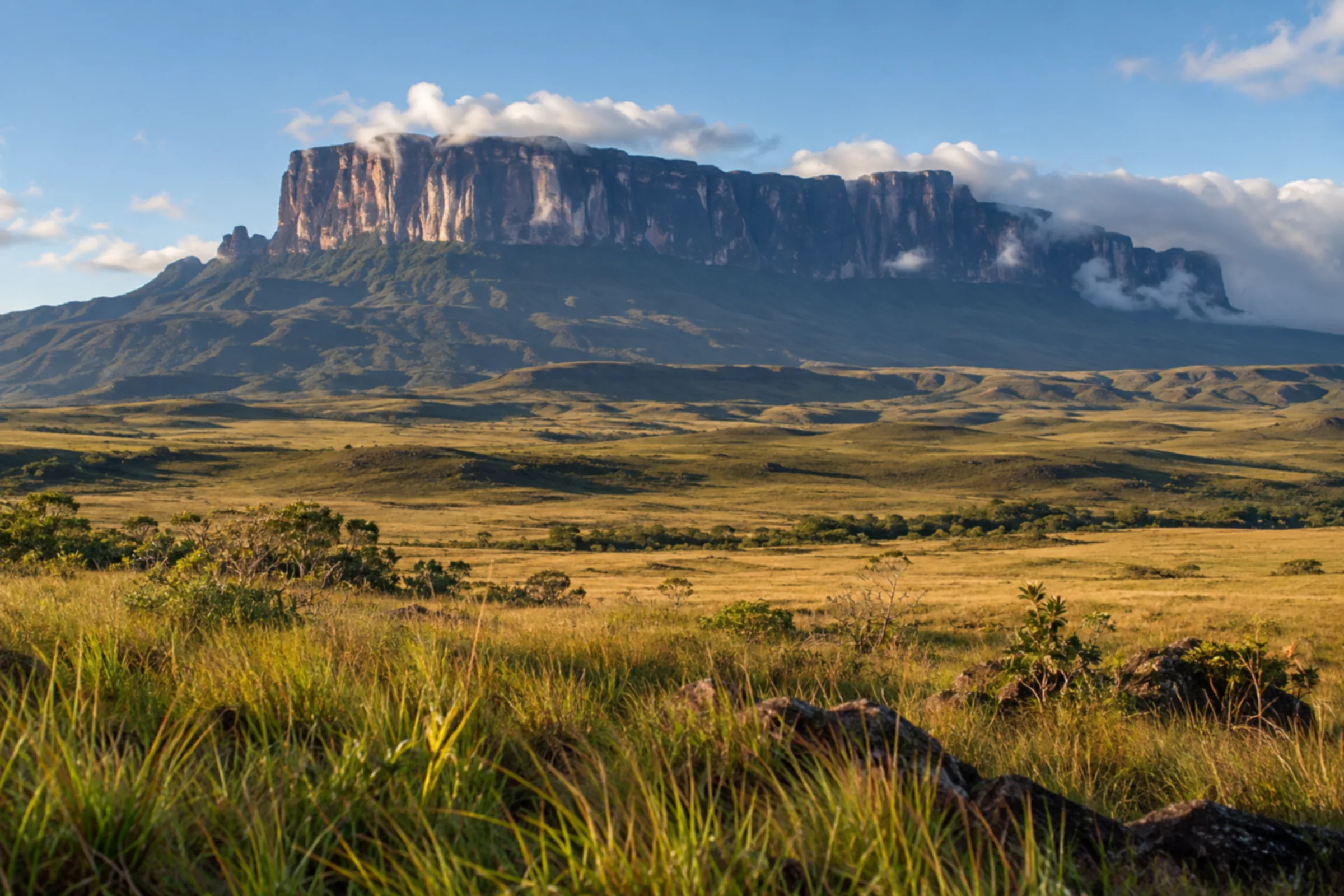
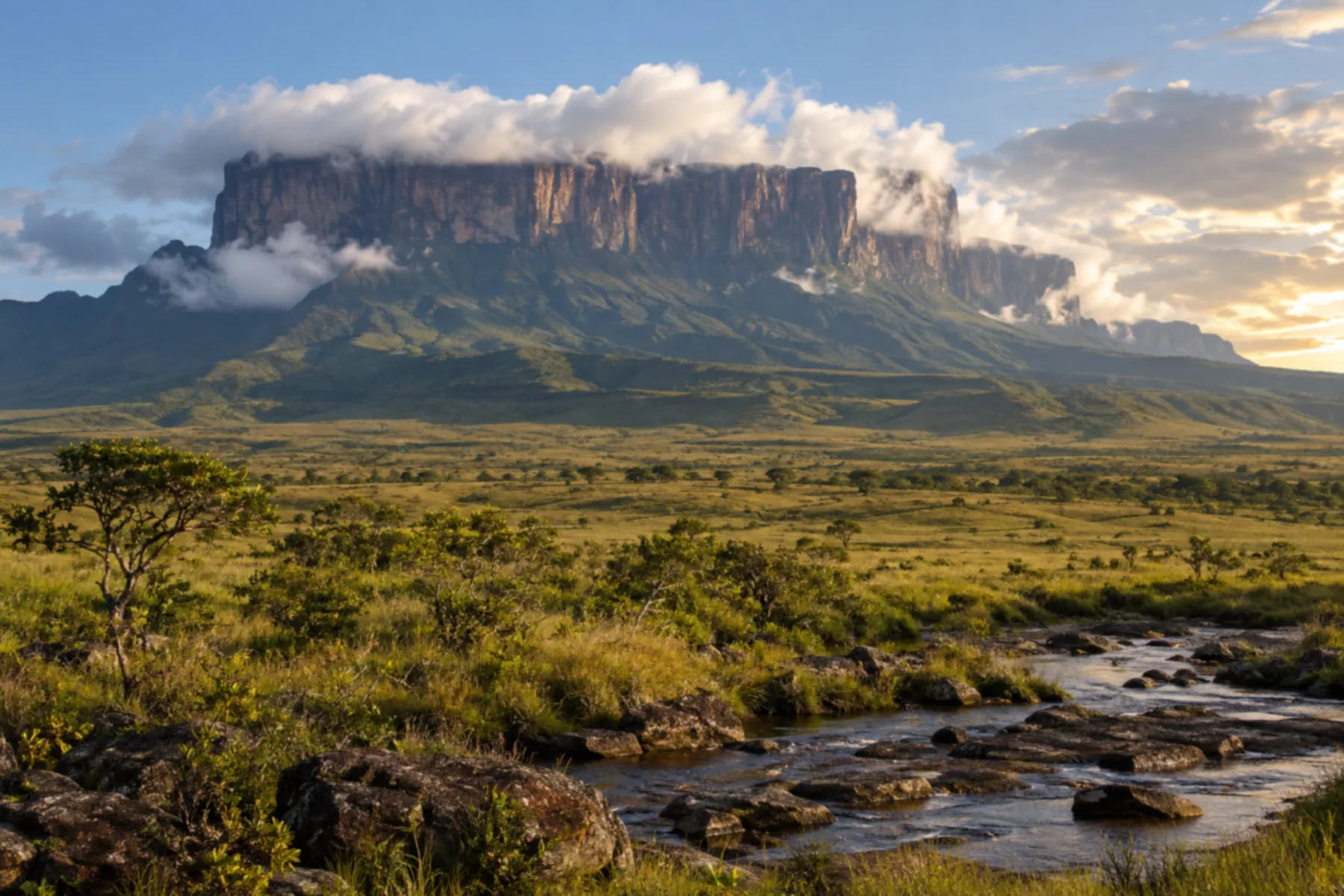
A flat-topped tepui on the triple border between Brazil, Venezuela and Guyana, inside the Parque Nacional do Monte Roraima. The trek takes several days of hiking and is one of the great expeditions in South America.
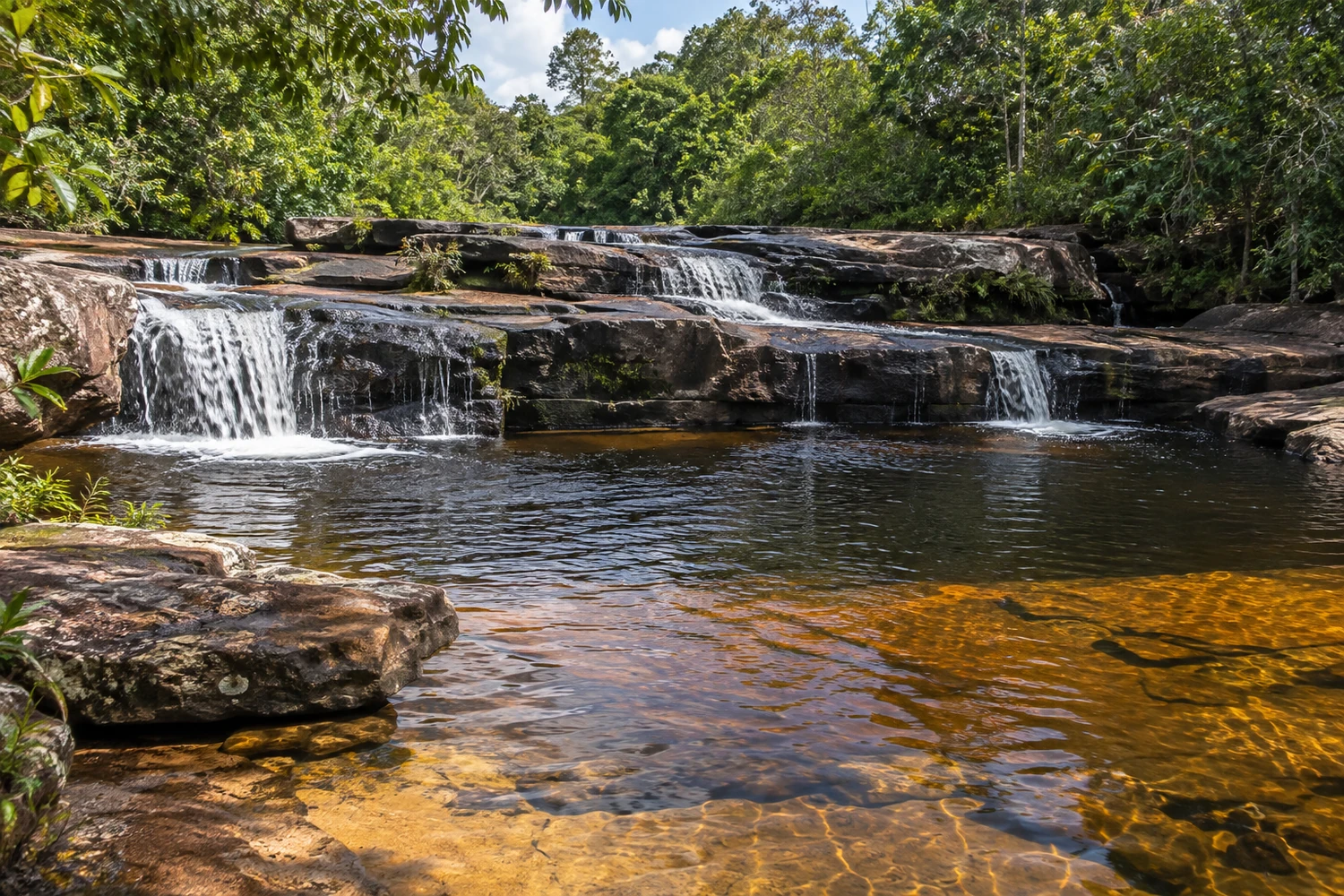
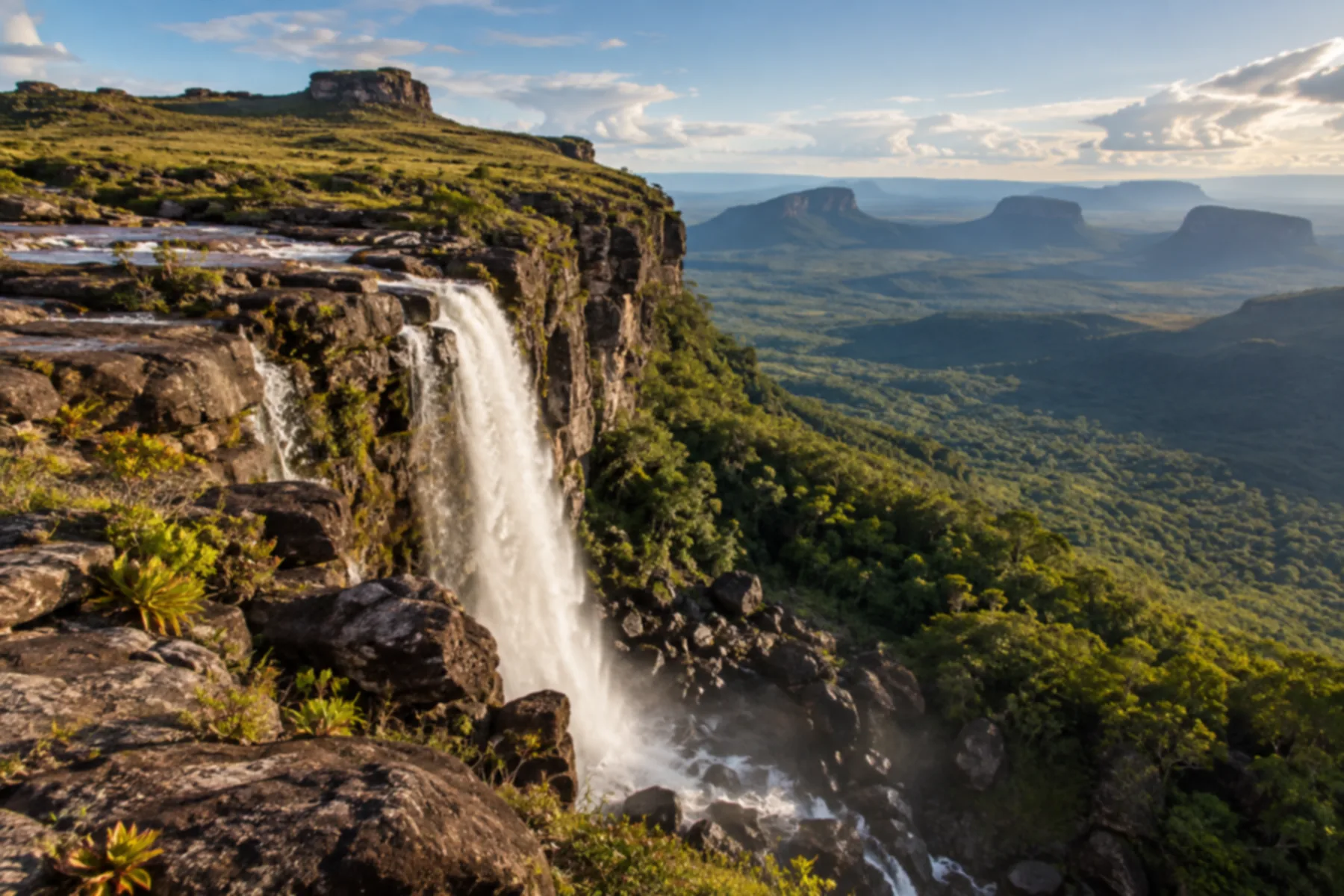
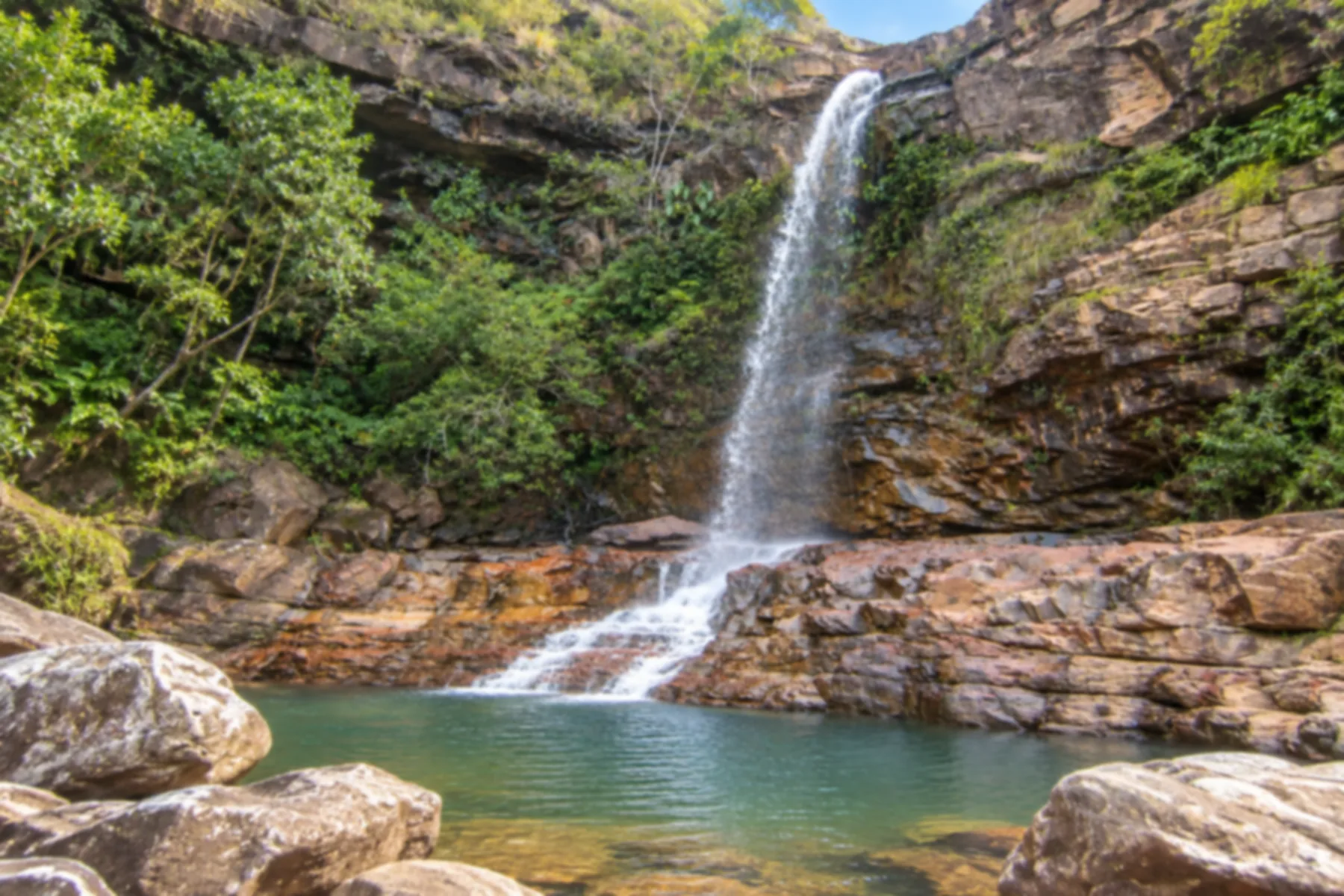
A waterfall in the Serra do Tepequém, with a drop and pools surrounded by mountain vegetation. The area bears the marks of the old diamond mining, which helped shape the natural pools.
A Macuxi and Taurepang village in Alto Miang, inside the Raposa Serra do Sol Indigenous Territory, with visits organized by the community itself through an Indigenous tourism agency. The itinerary includes a waterfall, agroforestry systems and arabica coffee growing.
Discover Comunidade Indígena Kauwê
A Macuxi village in the Raposa Serra do Sol Indigenous Territory that pioneered a visitation plan approved by Funai; it hosts tourists in family homes, in tents or hammocks. The experience includes the parixara dance, pottery and basketry workshops and traditional cooking.
Discover Comunidade Indígena Raposa I
A plateau at about 600 meters of altitude, with a mild climate, waterfalls and old diamond mining areas. It is the weekend getaway for people from Roraima.
A waterfall in the Raposa I Indigenous Community, reached by the Trilha Cultural, marked by a Macuxi totem. Since it is on Indigenous land, it can only be visited on tours organized by the community, according to the visitation plan approved by Funai.
With calm-water pools, it is the best choice for families looking for a relaxed swim in the Serra do Tepequém. It is at the top of the mountain, where the landscape shifts from lavrado to mountain vegetation.
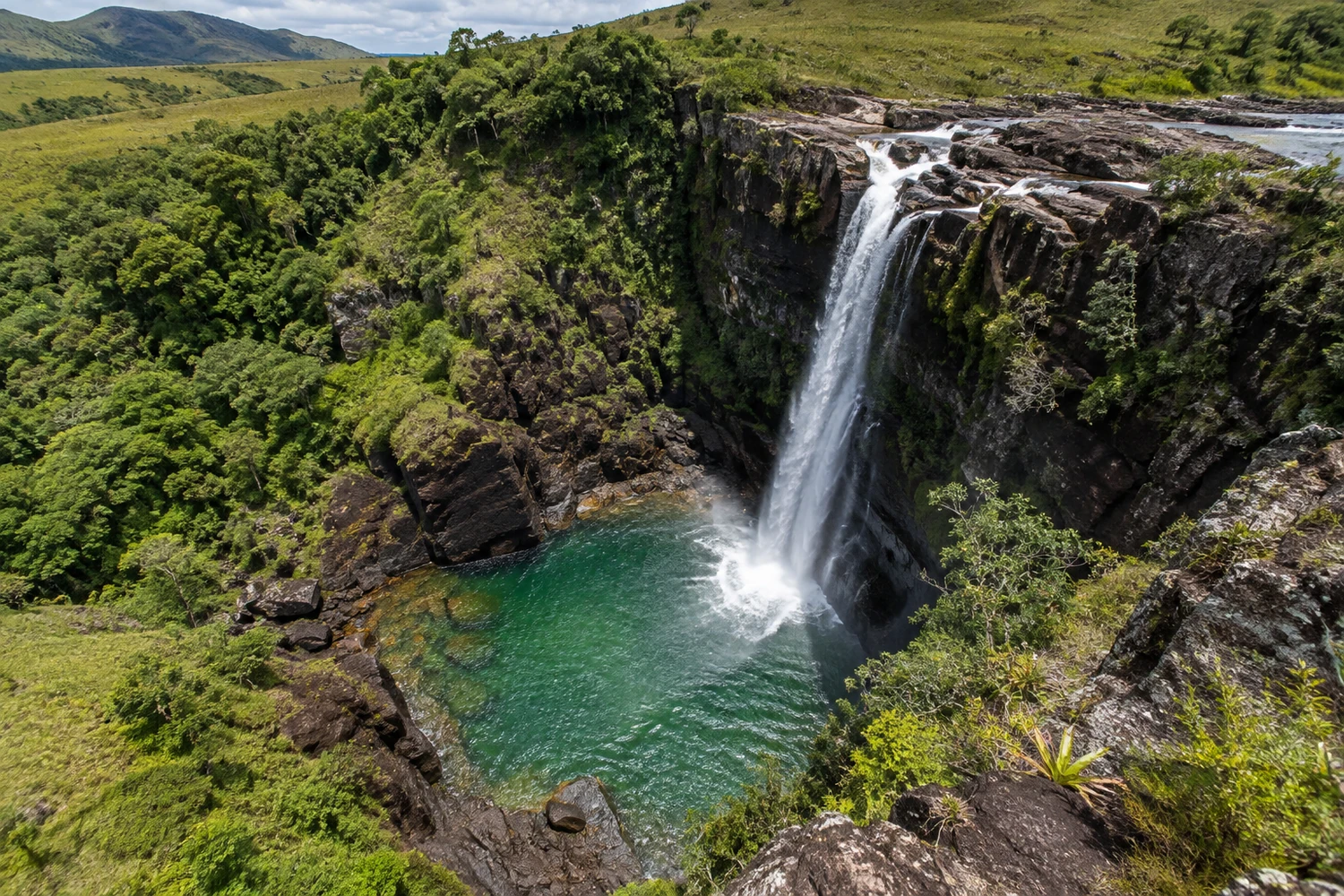
It is about 13 km from town, in the Raposa Serra do Sol Indigenous Territory, and stands out for its emerald-green water. Visits are organized by the municipal tourism department, which refers visitors to licensed Indigenous guides.
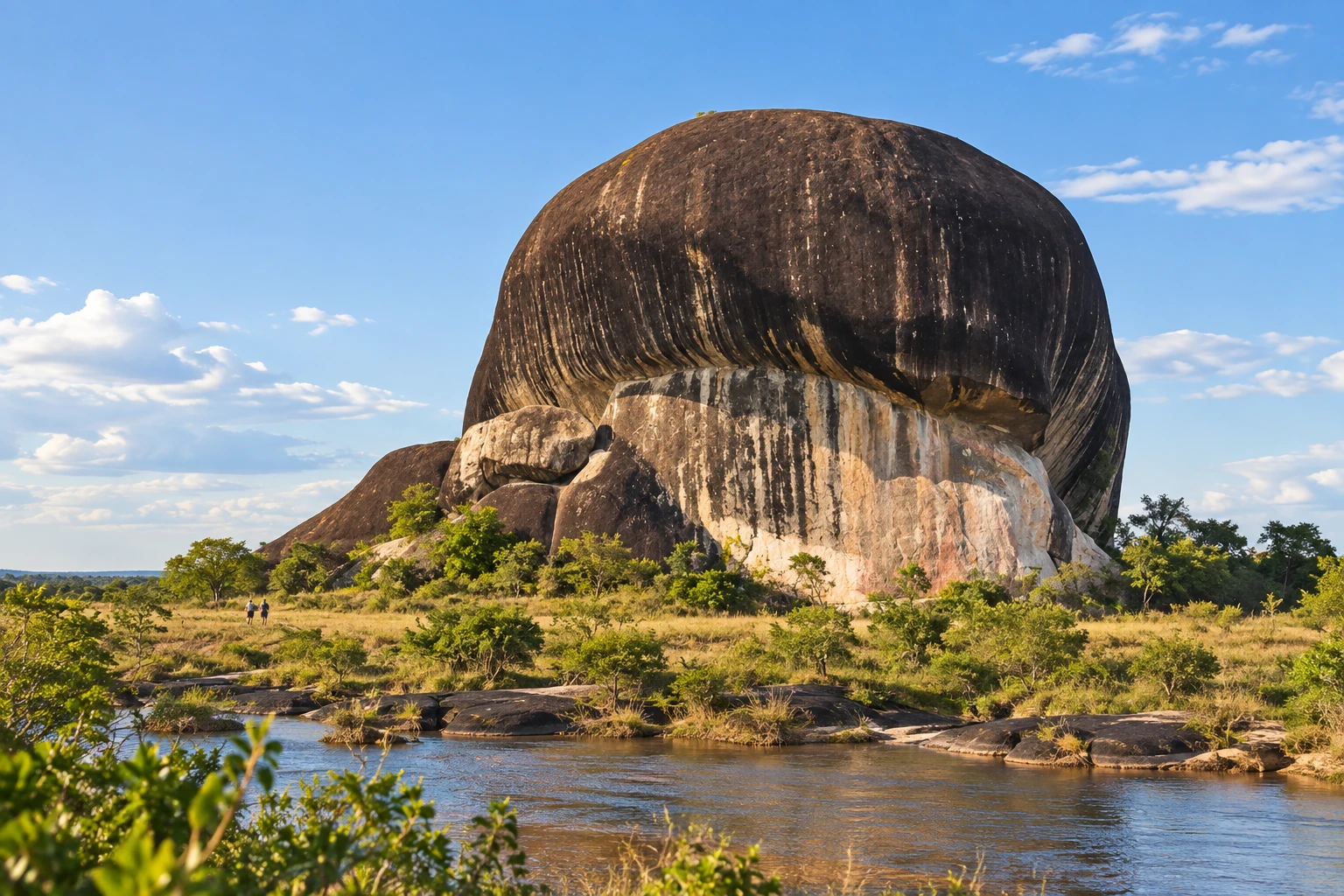
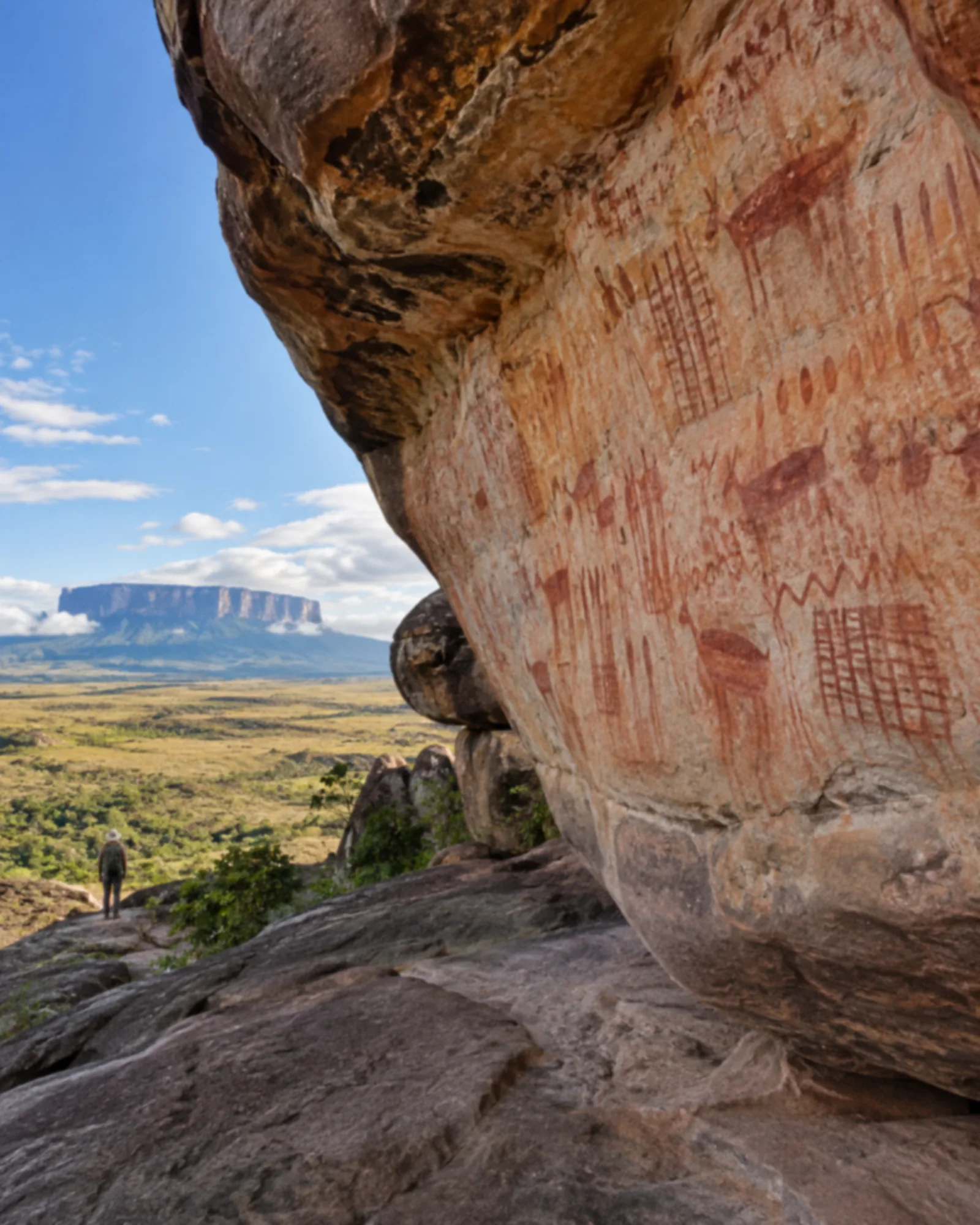
A rock formation dozens of meters tall in the middle of the lavrado, with a shelter at its base covered in thousands-of-years-old rock paintings that reveal very ancient human occupation. It is in the São Marcos Indigenous Territory, and visits require authorization from Funai.
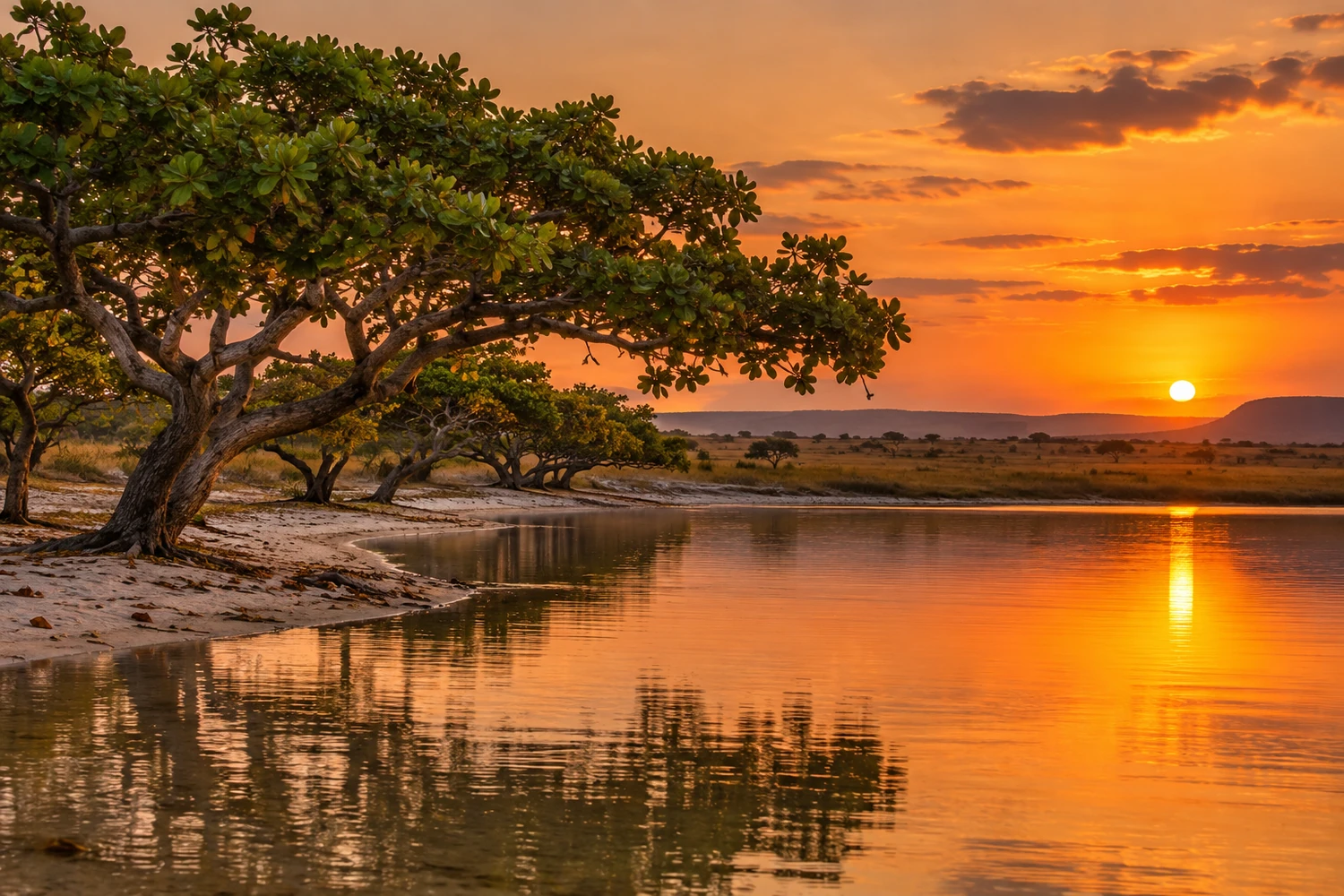
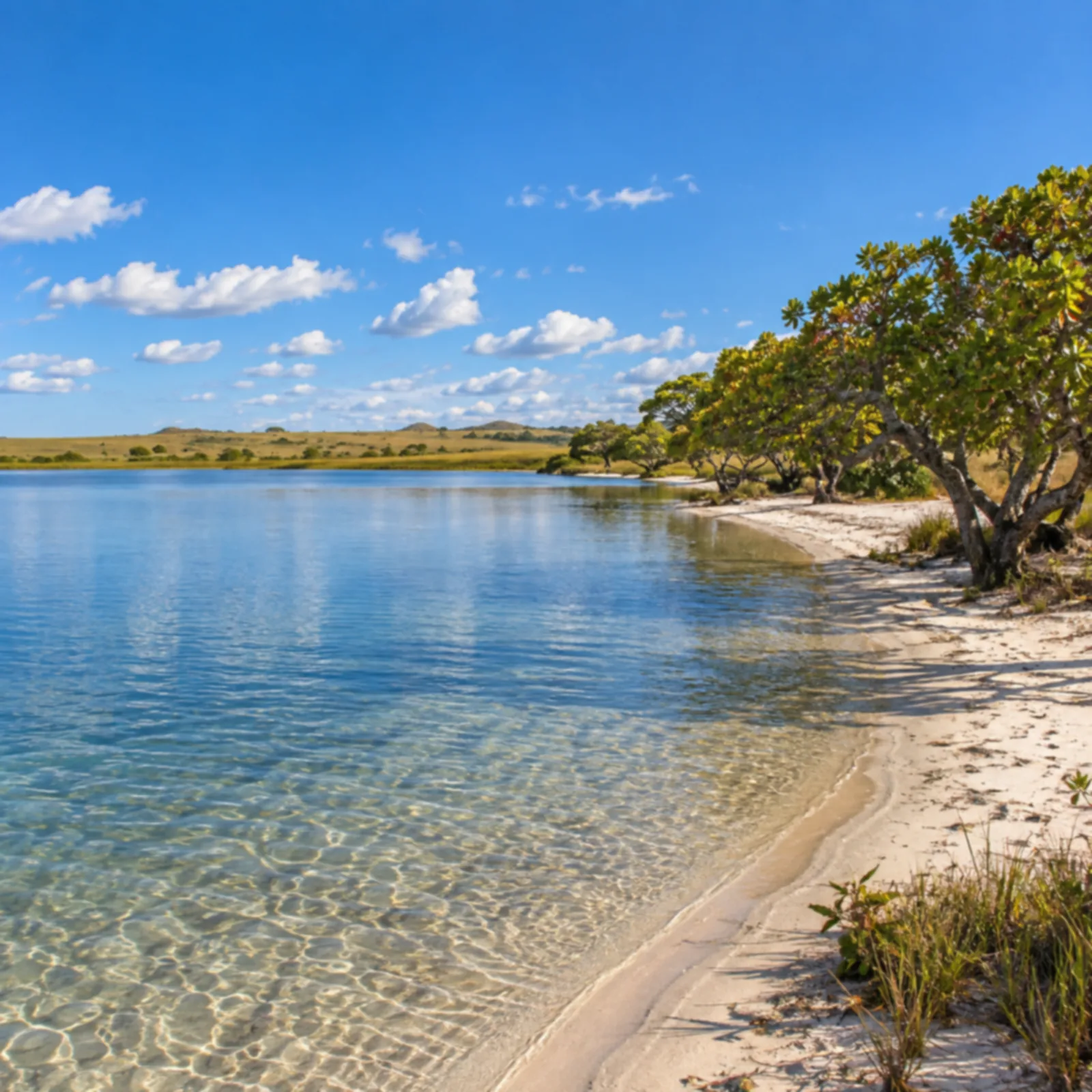
A clear-water lake surrounded by cashew trees and a strip of sand, in the middle of the lavrado. A good stop for a swim and a rest on the eastern route through the state.
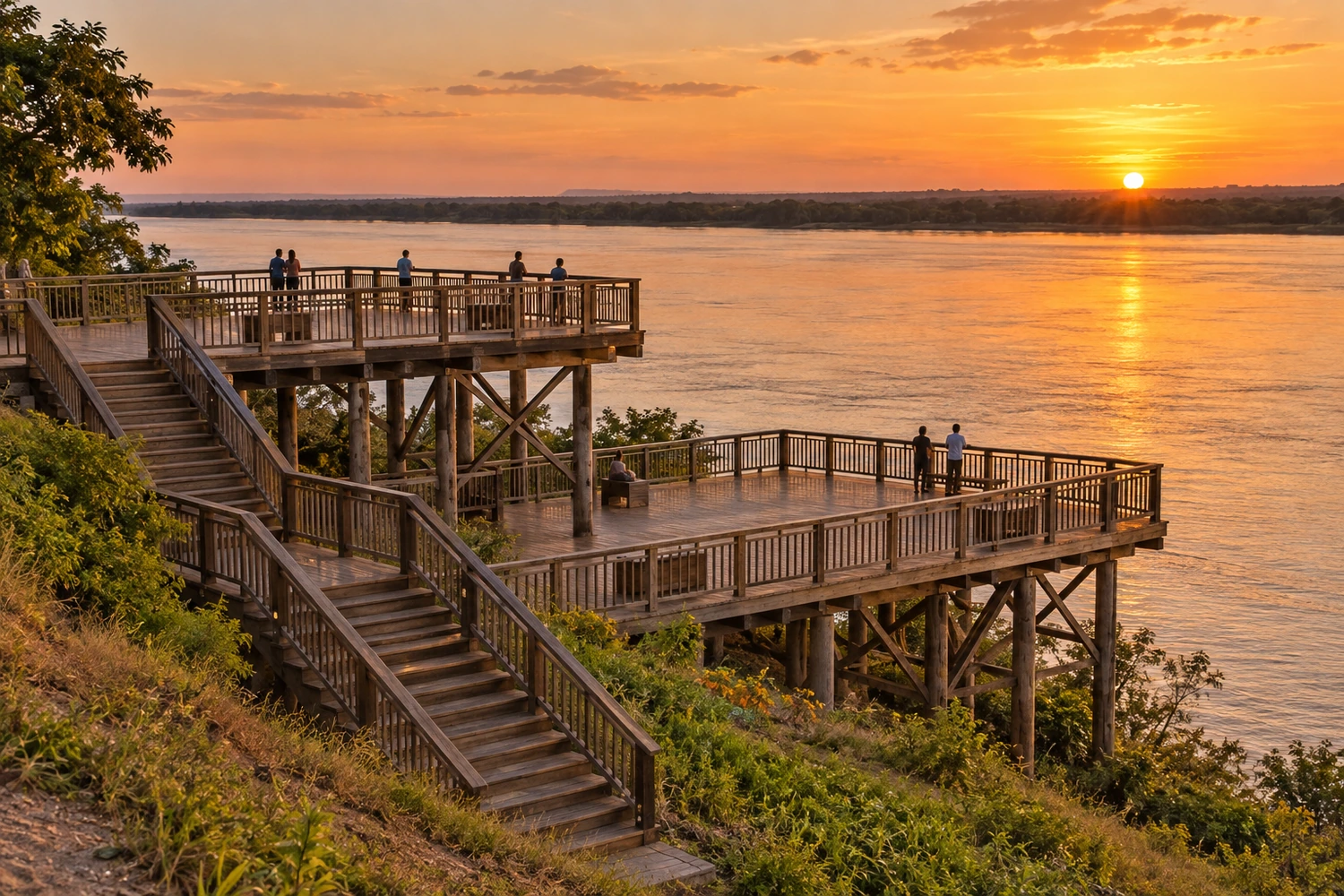
Opened in 2004, the structure raised over the right bank of the Rio Branco is next to the spot where the capital's original settlement began. From the platforms you can see São Sebastião island, the Ponte dos Macuxis (bridge) and, in the distance, the Serra Grande.
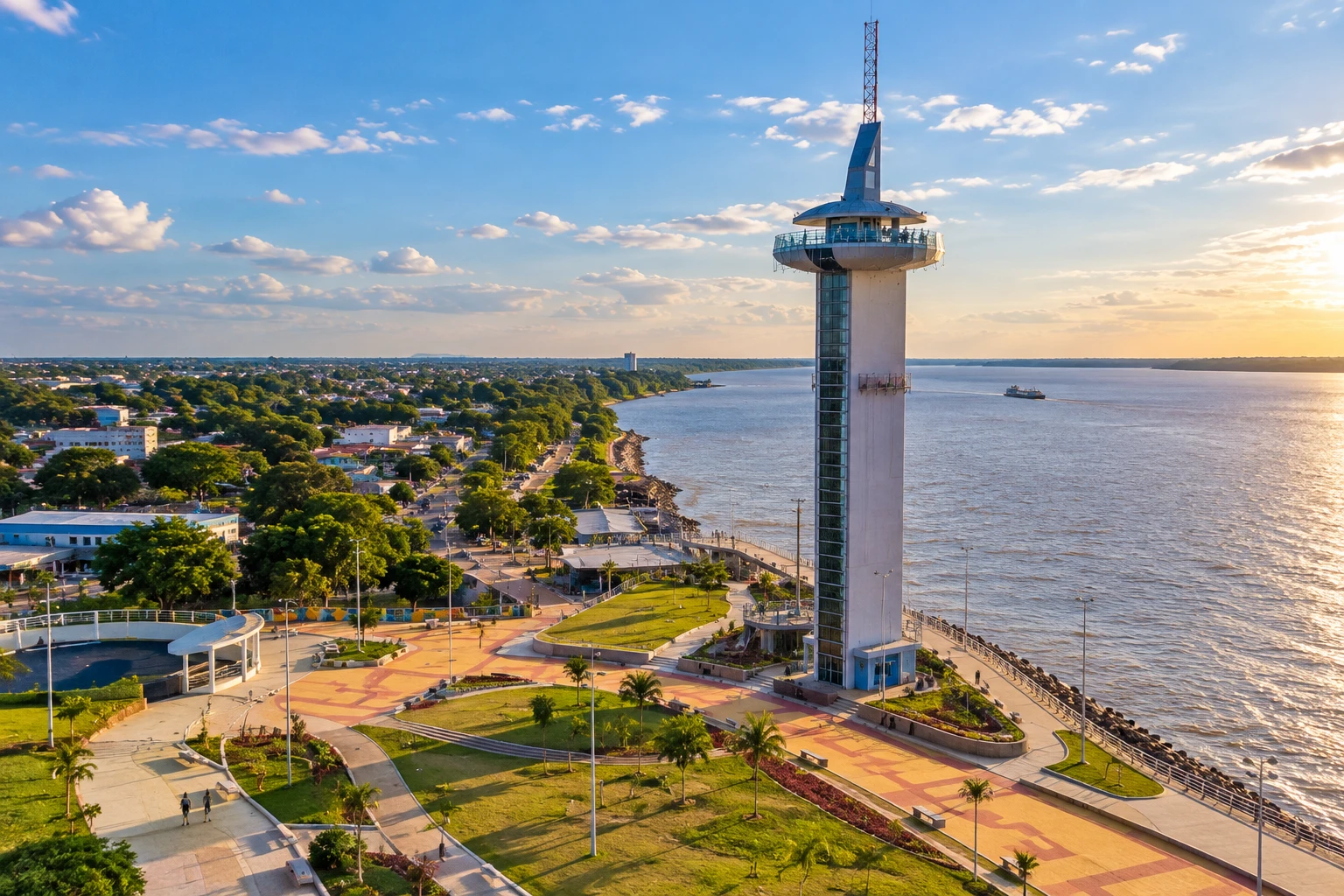
At 120 meters tall, the tower opened in December 2020 in the Parque do Rio Branco offers a panoramic view of the whole city and the river. Access to the observation deck requires advance online booking.
A landmark of the northernmost point of Brazilian territory, on the border with Guyana. Access requires a guided expedition, and it attracts travelers who collect the country's extreme points.
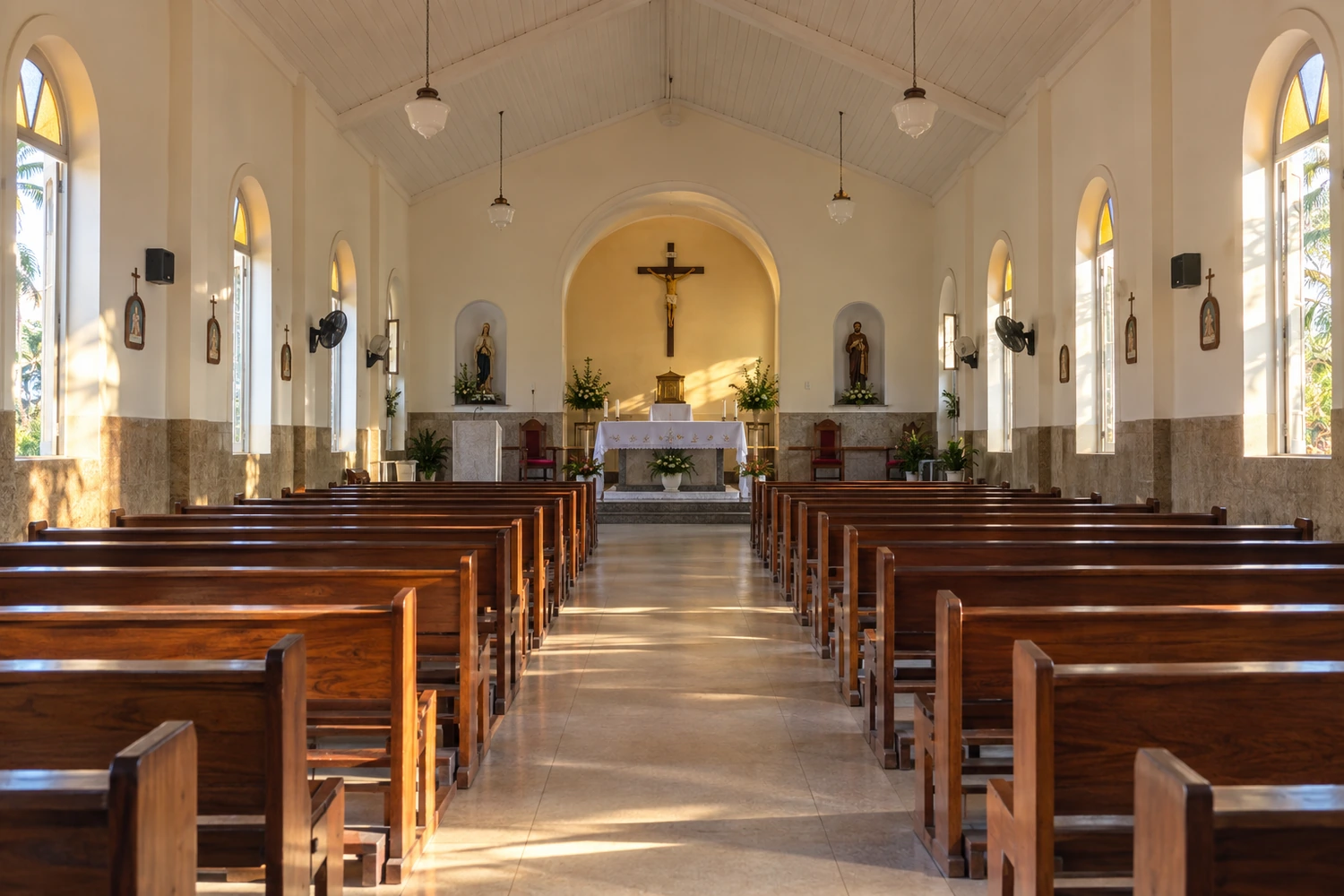
The parish dates back to 1856, and the current church was rebuilt by Benedictine monks in the 1920s, with touches of Germanic architecture. Protected by municipal law, it was restored between 2005 and 2007, when the original wall paintings were rediscovered.
Discover Igreja Matriz de Nossa Senhora do Carmo
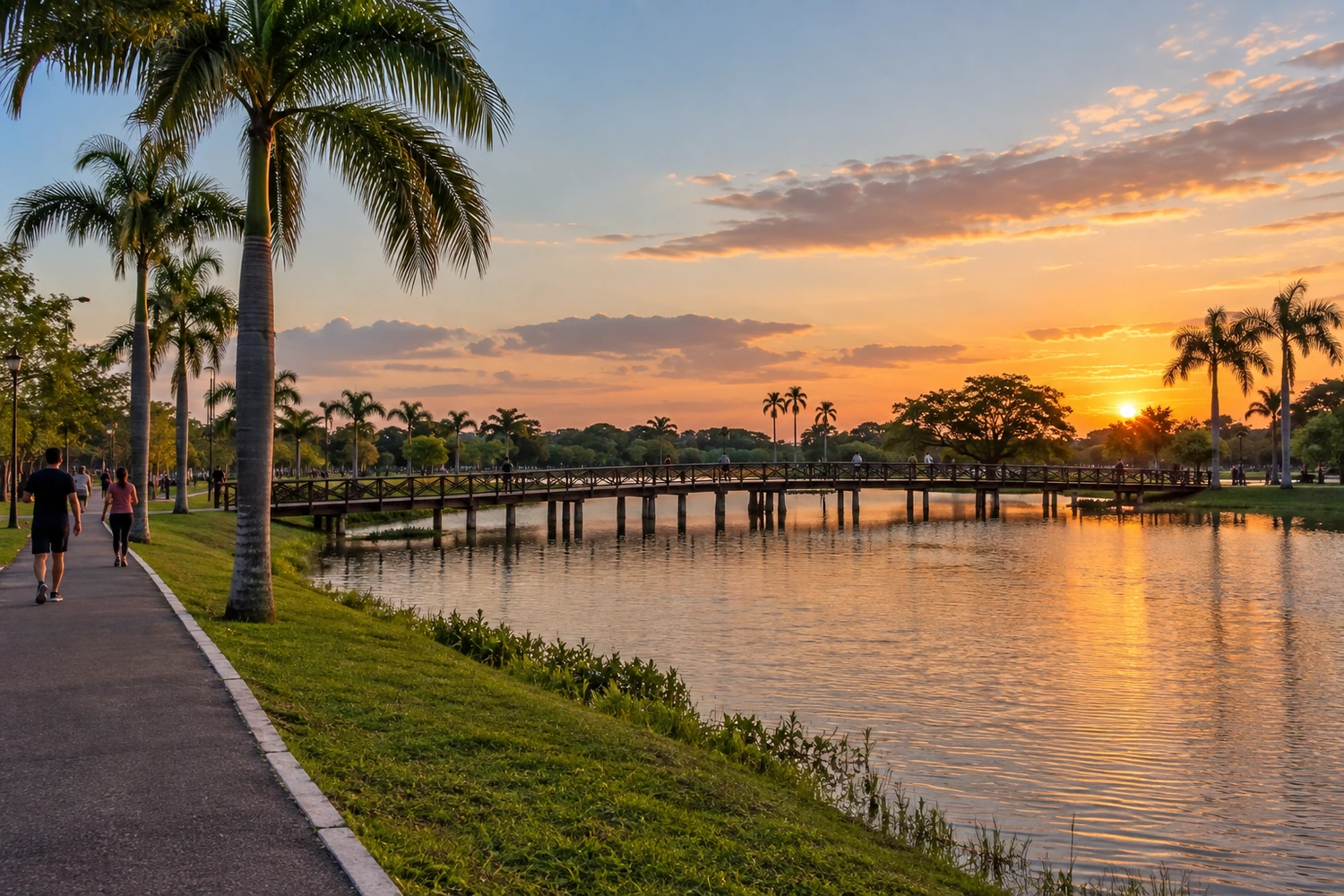
The capital's largest green leisure area, with lakes, walking paths and event space. It is where the city gathers in the late afternoon.
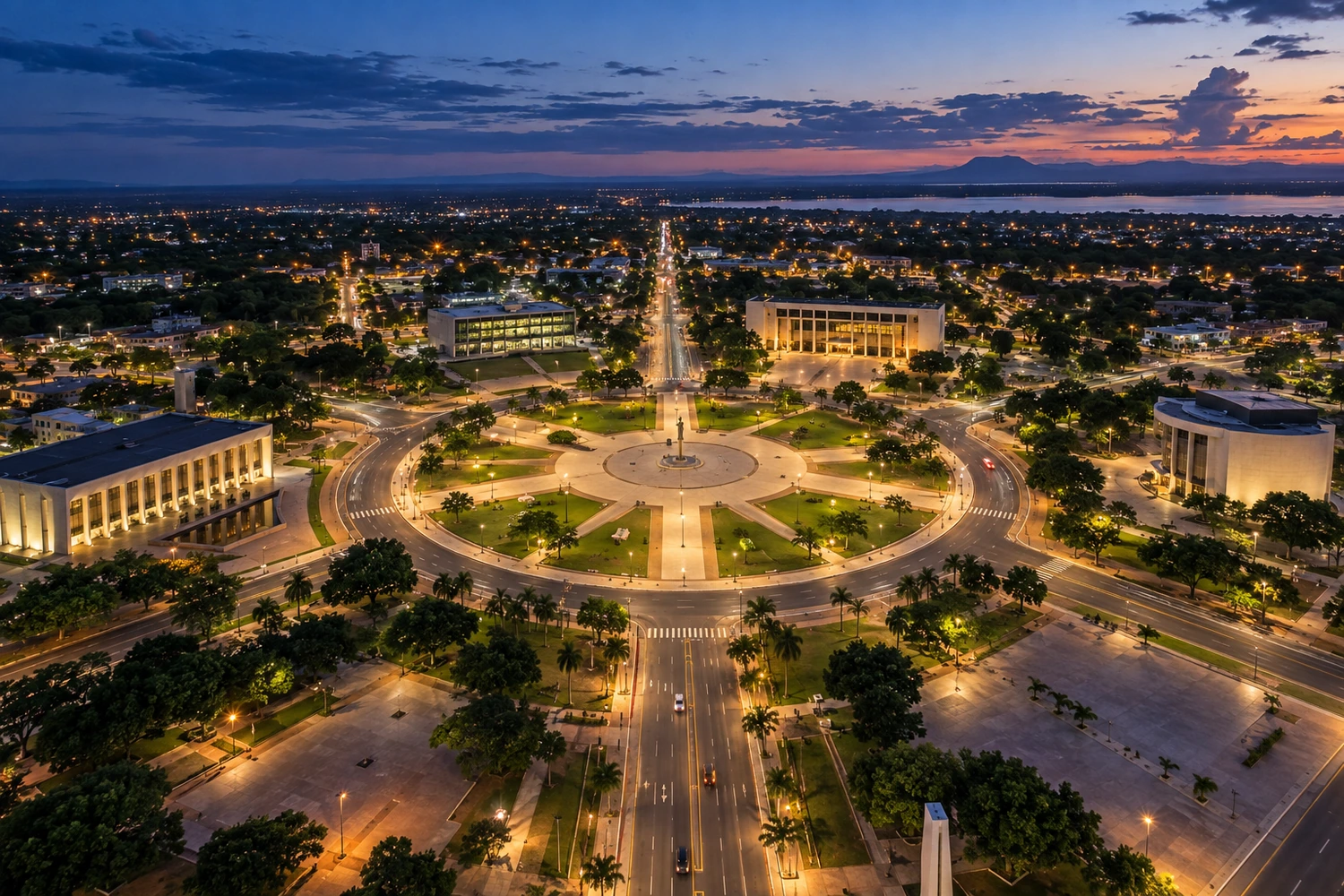
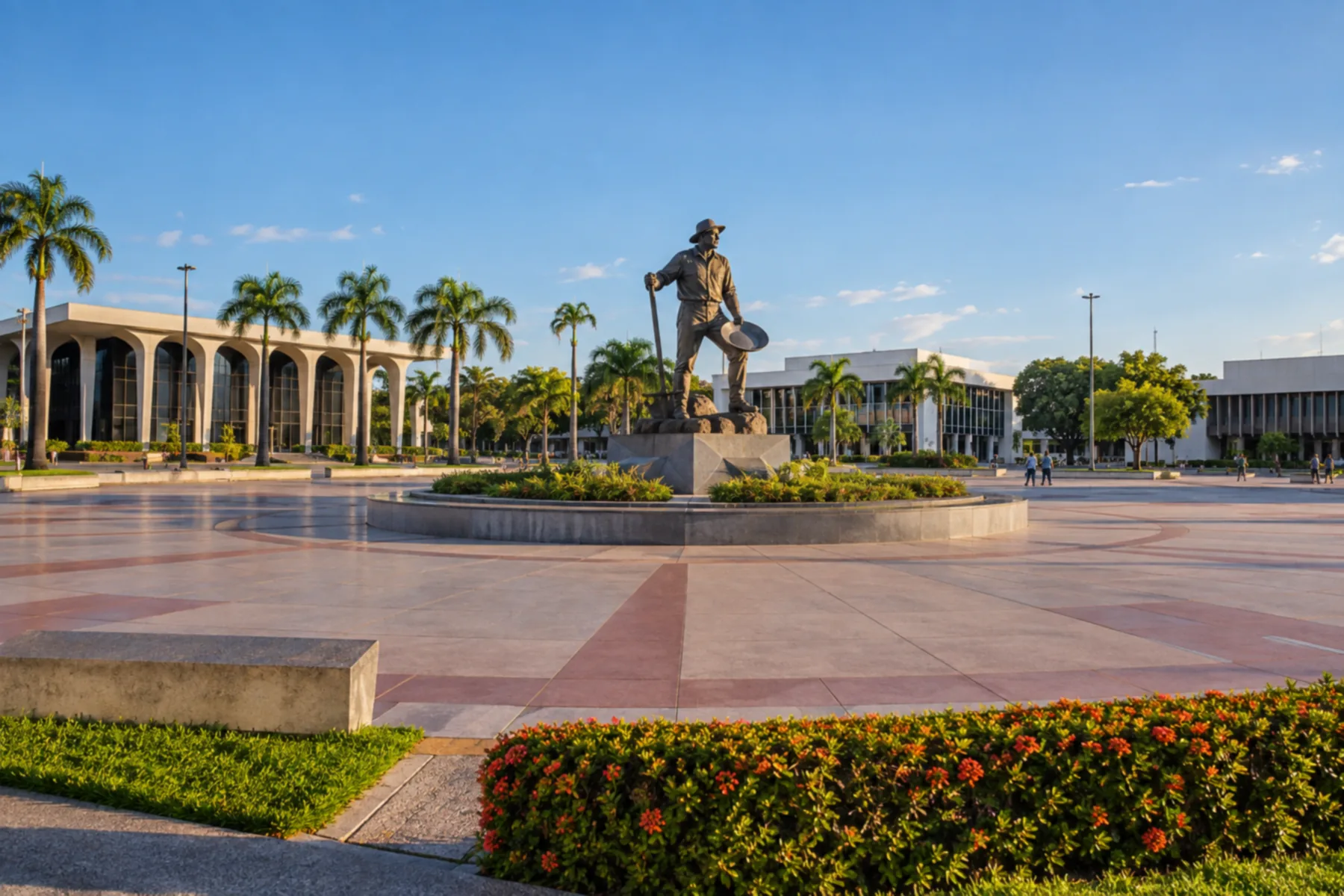
The center of the fan-shaped layout that gives Boa Vista its unique city plan, with the statue honoring the gold miners. The starting point for city tours of the capital.
Discover Praça do Centro Cívico e Monumento ao Garimpeiro
Your base to explore
Where you stay is part of the trip. Choose the area that best fits your itinerary.
Chalets, a hammock area and a campground on the shore of Lago Caracaranã, in the Raposa Serra do Sol Indigenous Territory, in Normandia, run by the Indigenous community. The chalets have no beds; they are for hanging hammocks, and suit travelers who want to sleep by the lake.
A Sesc Roraima hotel in the Serra do Tepequém, about 210 km from Boa Vista, facing the Pedra do Índio and near waterfalls. Recommended for travelers exploring the mountains who want full board.
A hotel and pousada on Avenida Ceci Mota, in the town of Uiramutã, with air-conditioned rooms. It is a base for exploring the mountains and waterfalls of Roraima's far north.
A chain hotel on Avenida João Alencar, a few kilometers from Boa Vista airport. It is a practical option for business travelers or anyone passing through the capital.
A traditional hotel on the Praça do Centro Cívico, in the heart of Boa Vista. It suits travelers who want to stay downtown, near government offices and the square's attractions.
A simple pousada in the village of Tepequém, at the top of the mountain of the same name, in Amajari, with its own restaurant. It suits travelers looking for rest who use the village as a base for the Paiva and Barata waterfalls.
A boutique hotel on Rua Castelo Branco, in the Calungá neighborhood of Boa Vista, with a pool and made-to-order breakfast. Recommended for couples and business travelers looking for more comfortable lodging in the capital.
Flavors of the destination
A family restaurant by the BR-174, in Pacaraima, with simple, affordable meals. It is a handy stop for travelers heading to the Venezuelan border.
A traditional fish restaurant in Boa Vista on Avenida Major Williams, specializing in fish dishes such as tambaqui. It has a kids' area and serves lunch and dinner for families and groups.
An all-you-can-eat rodízio churrascaria (Brazilian steakhouse) on the BR-174, near Shopping Pátio Roraima, known for its striking building. It is open mainly for lunch and caters to people looking for a hearty barbecue in the capital.
A branch of the Coco Bambu chain opened in June 2025 at Pátio Roraima Shopping, in Boa Vista, with a menu of seafood and shrimp dishes. It caters to families and groups looking for a spacious restaurant in the capital.
Before you go
A little planning leaves more time to enjoy the journey.
Fly to Boa Vista International Airport (BVB); from there, take the BR-174 toward Pacaraima and the BR-401 to the eastern side of the state.
From October to April, the driest period in the lavrado and the safest for treks and mountain trails.
Take your trash with you, follow the signs and support local businesses. In natural areas, follow the visiting guidelines.