Cartagena

Bolívar · Colombia

Cartagena

The walled city of the Colombian Caribbean: streets of colorful colonial houses and flowered balconies, bastions over the sea, the Castillo San Felipe, the Getsemaní neighborhood and the islands of Rosário an hour by boat.

Caribe

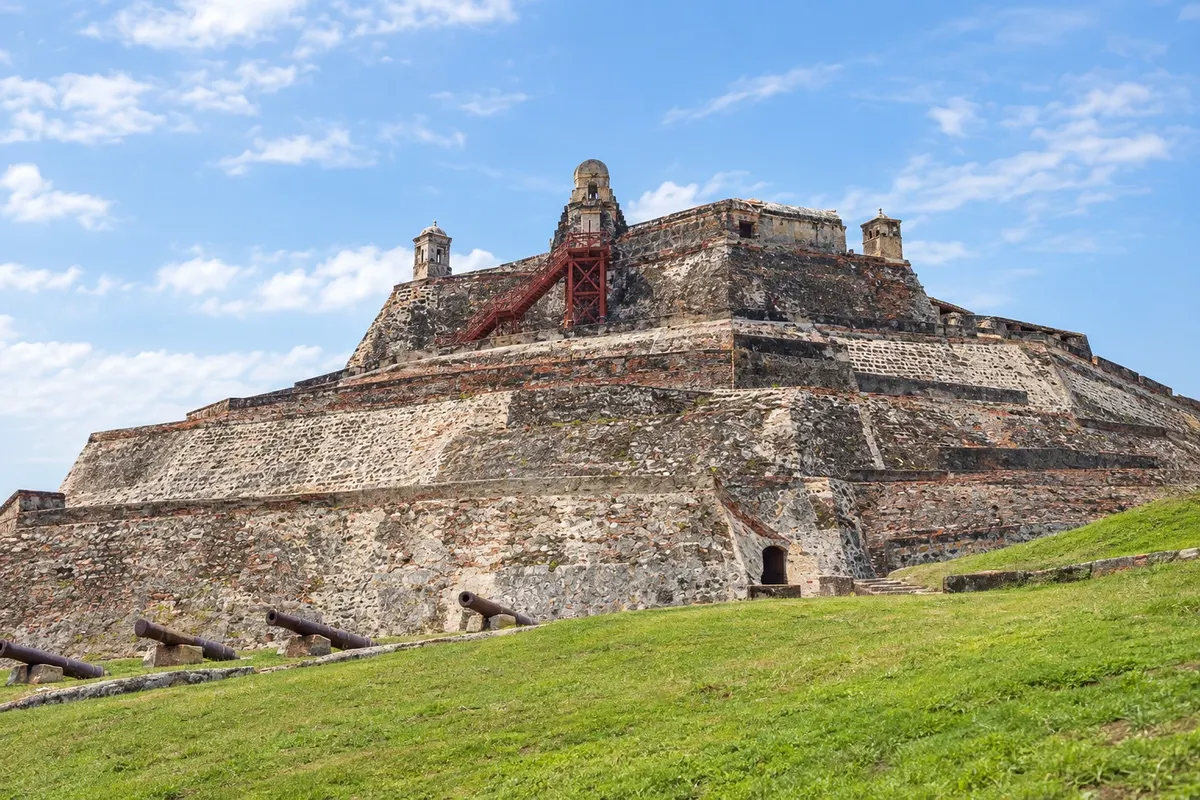
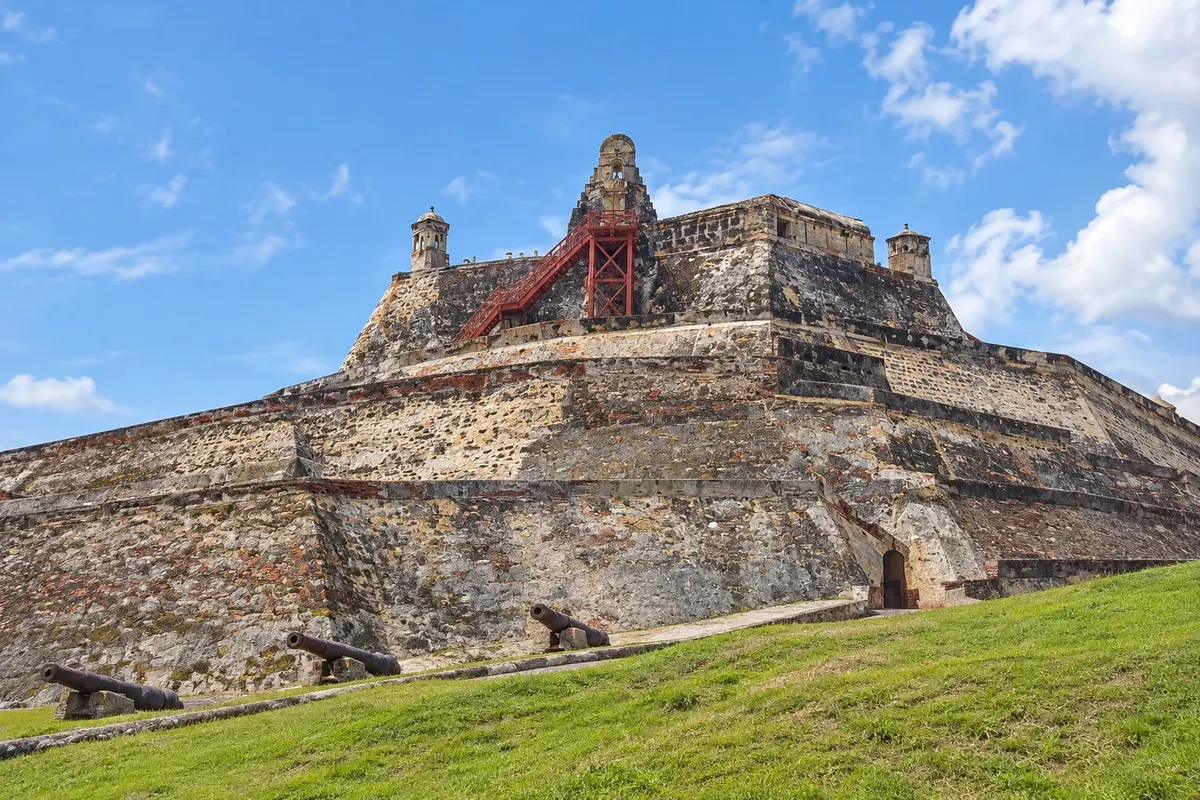
In the photo: Castillo San Felipe de Barajas

Illustrative images. The pictures in this guide are illustrations based on the real place, not photographs, and may differ from it.

Get it on Google Play Send your photos

Get to know the place

A region to enjoy
at your own pace.

Cartagena de Indias lies on the coast of the Colombian Caribbean, in a bay protected by islands and peninsulas. Founded in 1533, it was one of the main ports of the Spanish empire in the Americas: silver and gold from the continent left through it, and goods and enslaved people brought from Africa arrived. To defend against pirates and enemy fleets, the city was surrounded by walls and forts over two centuries. The port, the fortifications and the colonial ensemble are a UNESCO World Heritage Site since 1984.

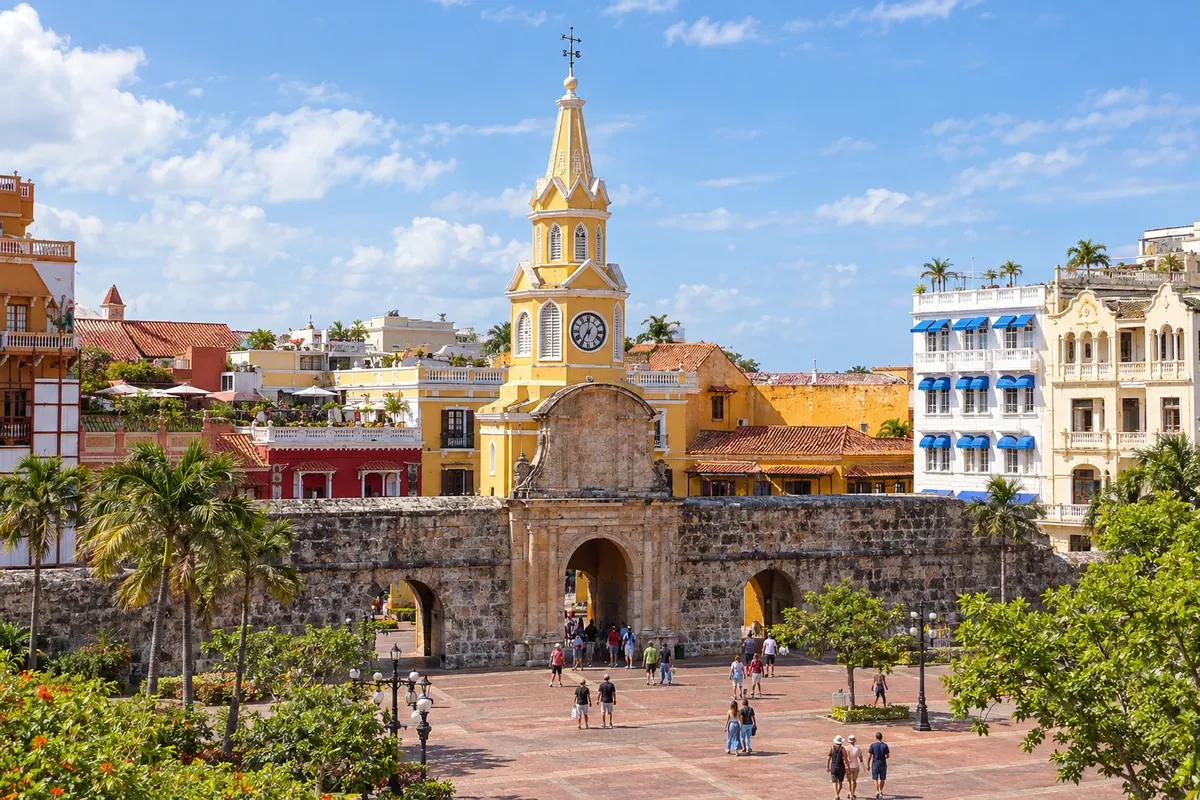
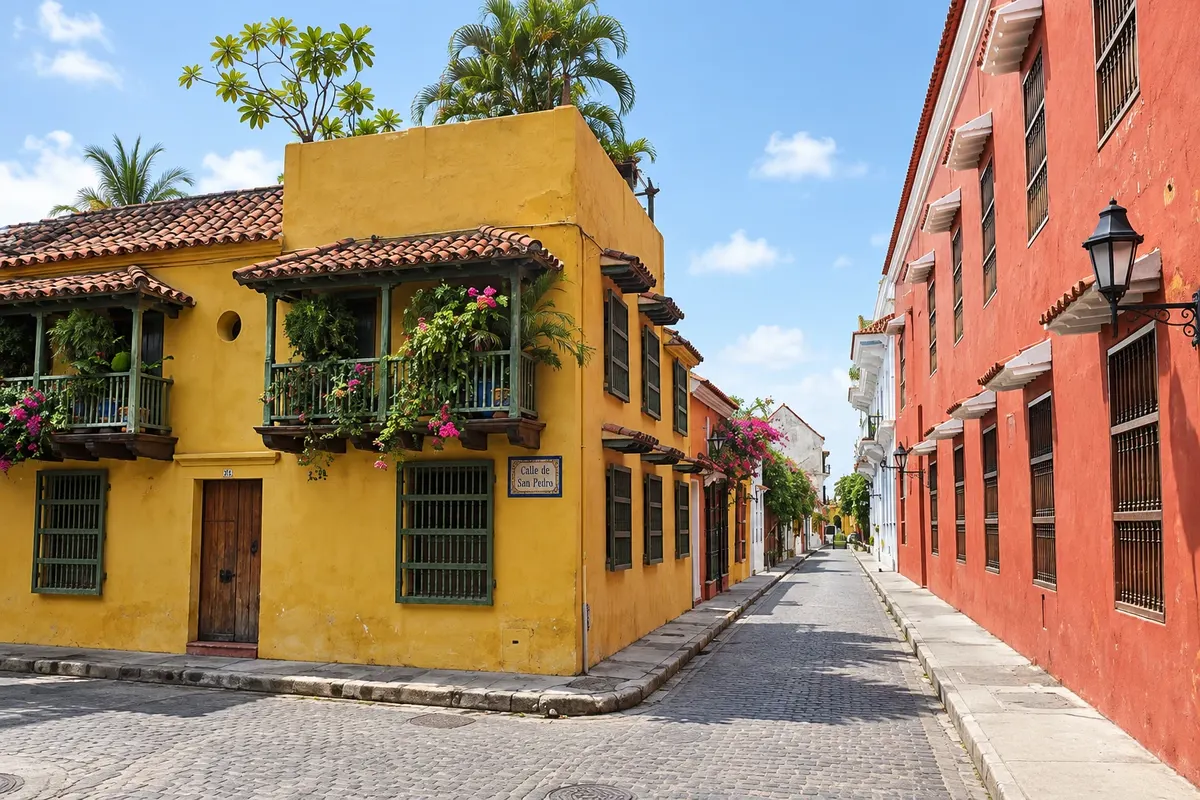
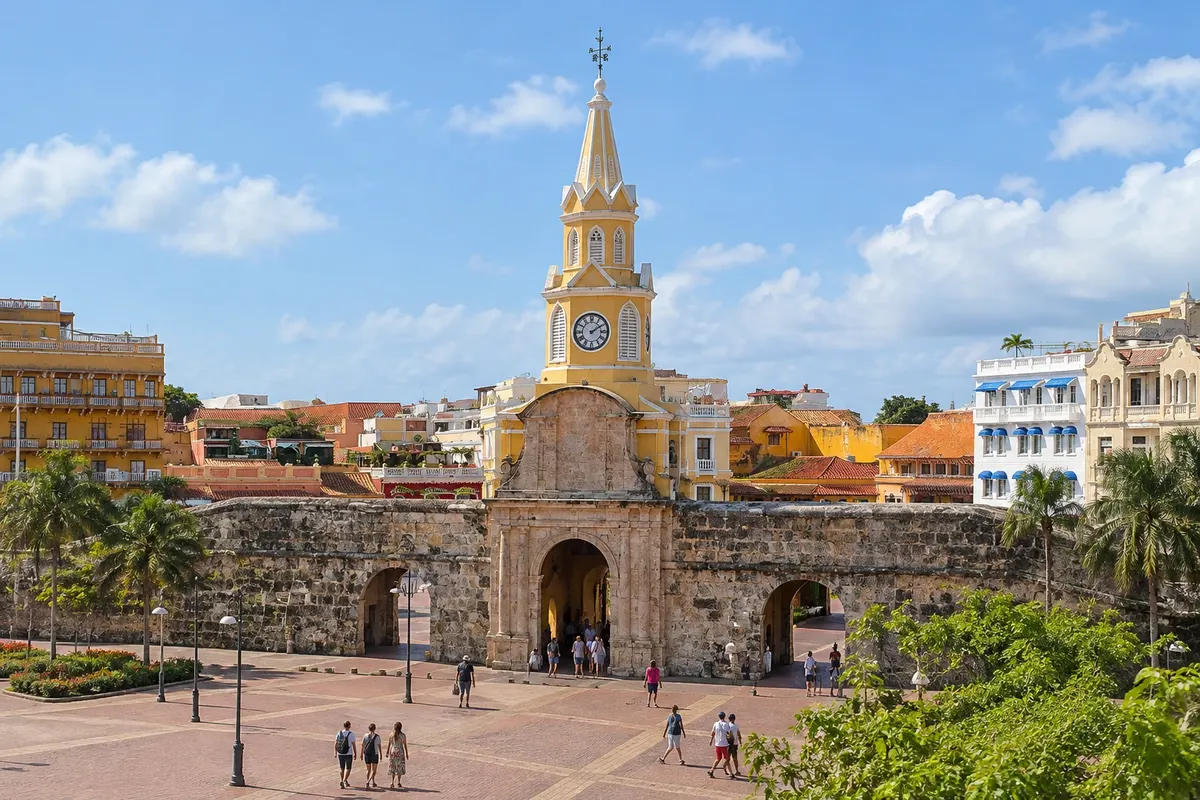
The historic center, inside the walls, is the part you visit on foot: squares such as Santo Domingo, Bolívar and San Diego, churches and convents, two‑story manor houses painted yellow, orange and blue, with wooden balconies covered in bougainvillea. The main entrance is the Torre del Reloj. Outside the walls, Getsemaní, a former artisans' neighborhood, has murals, small plazas and nightlife; and on the San Lázaro hill stands the Castillo San Felipe de Barajas, the fortress that defended the city by land.

The modern city grows to the south, along the Bocagrande peninsula, with tall buildings and urban beaches. For clear water, head out by boat to the archipelago of Islas del Rosario, a national park area with coral reefs, or go by road to Playa Blanca on the island of Barú. From the top of the Cerro de la Popa, the 17th‑century convent overlooks the whole bay.

The climate is warm and humid year‑round, with a sea breeze in the late afternoon.

This destination brings together 1 city: Cartagena.

Share: WhatsApp
Traveler, share your experiences through photos Up to 5 photos of each place you visited.

One destination, many paths

The cities on this trip

Start with one city or combine several in your itinerary.

Where Cartagena is
Cartagena

Contornos: Natural Earth (domínio público). Adaptação do Cidade Turismo.

How to get there: Cartagena

✈ Aeropuerto Internacional Rafael Núñez (CTG), in Crespo · 3 km to Cartagena

Check before buying. The Aeropuerto Internacional Rafael Núñez is about 3 km from the historic center, in the Crespo neighborhood; by taxi the trip takes 10 to 20 minutes. Flights from Bogotá and Medellín are short. Santa Marta is about 230 km by road via Barranquilla, with buses and vans.

The local experience

Things to do in Cartagena

Centro Histórico de Cartagena
Cartagena · Bolívar · Neighborhood

Centro Histórico de Cartagena

The city within the walls: squares, churches, convents and colorful colonial mansions with wooden balconies and flowers, in an area you explore on foot. UNESCO World Heritage Site.

Murallas de Cartagena
Cartagena · Bolívar · Fortress

Murallas de Cartagena

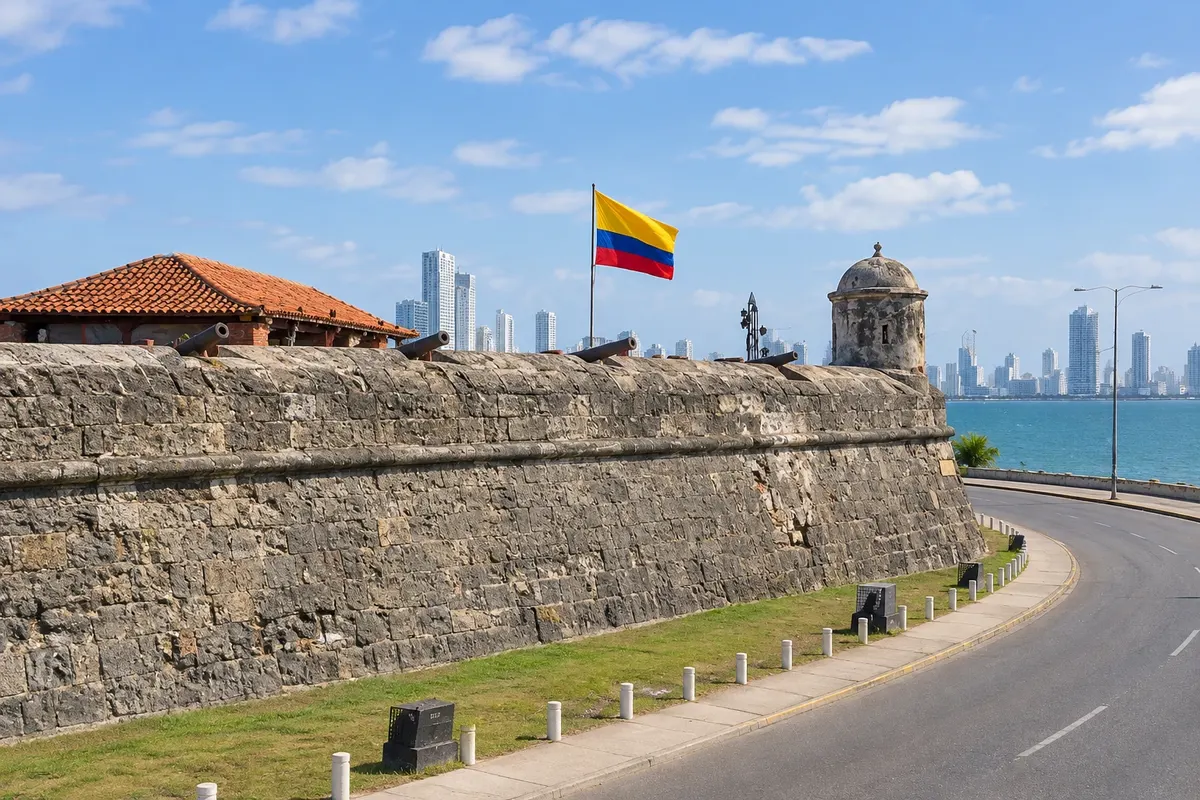
About 11 km of coral stone walls with bastions, built between the 16th and 18th centuries to protect the port. You can walk on top of them, with views of the sea and the city center.

Torre del Reloj
Cartagena · Bolívar · Monument

Torre del Reloj

The main entrance to the walled city: a three-arched gateway in the wall, with the clock tower added at the end of the 19th century. On one side is the Plaza de los Coches; on the other, the route to Getsemaní.

Castillo San Felipe de Barajas
Cartagena · Bolívar · Fortress

Castillo San Felipe de Barajas

The large Spanish fortress on the hill of San Lázaro, with ramps, bastions and tunnels, built from 1639 to protect Cartagena by land. Views of the city and the bay.

See 7 more places in Cartagena
Getsemaní
Cartagena · Bolívar · Neighborhood

Getsemaní

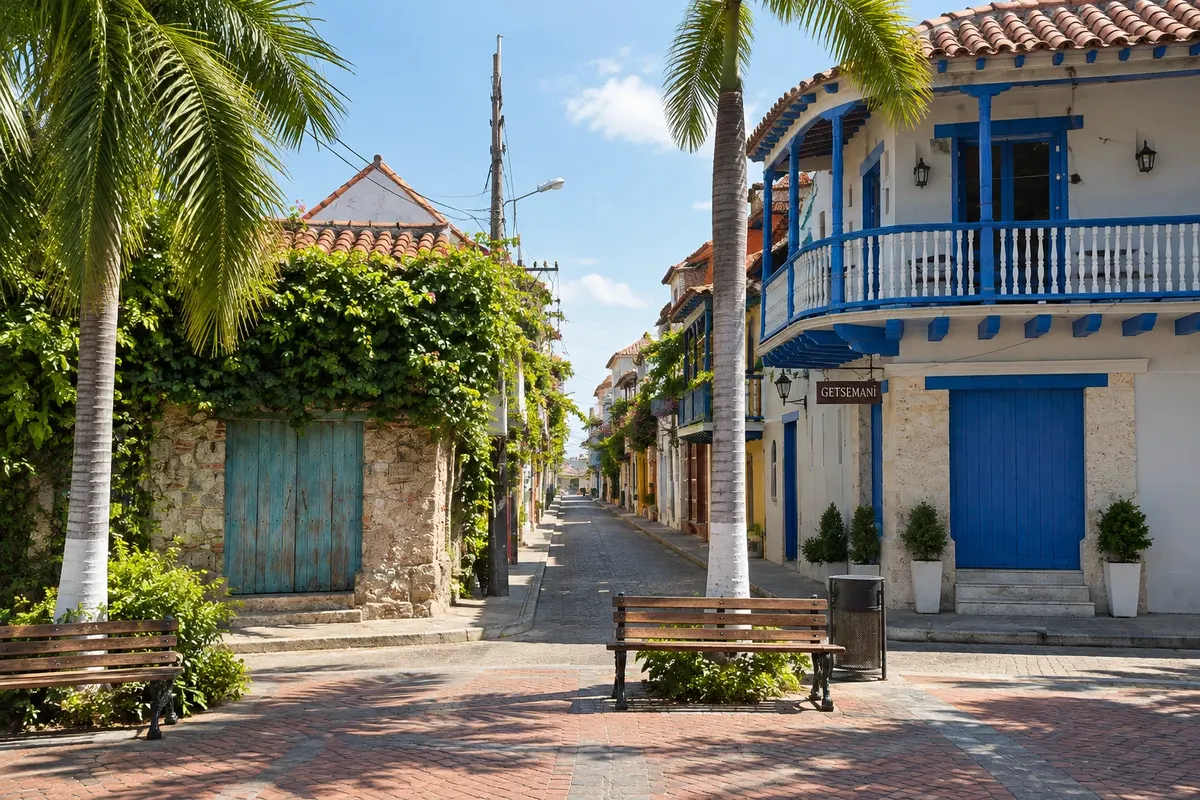
The old neighborhood of artisans and workers outside the walls, today featuring murals, little flags in the streets, the Plaza de la Trinidad and the music from the bars at night.

Palacio de la Inquisición
Cartagena · Bolívar · Museum

Palacio de la Inquisición

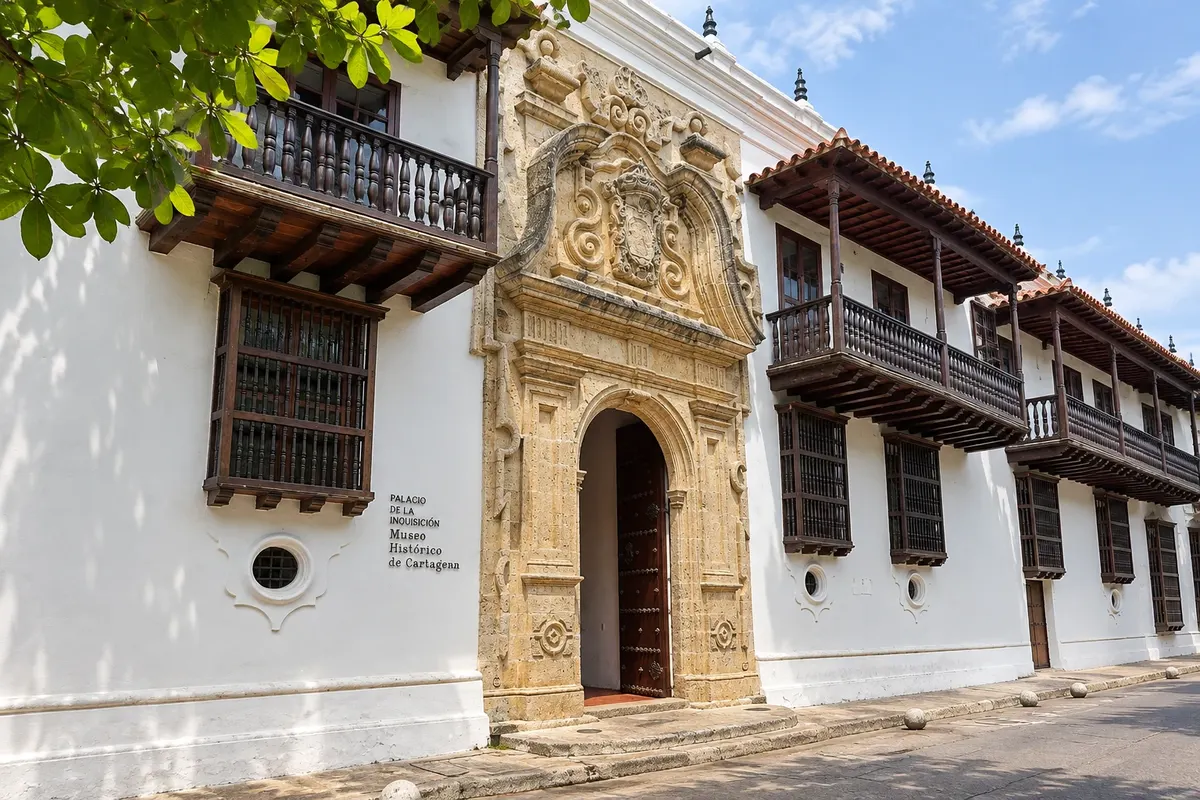
The baroque palace of the Tribunal of the Inquisition on Plaza de Bolívar, completed in 1770, is today home to the Museo Histórico de Cartagena, presenting the city's history and the Inquisition in the colonies.

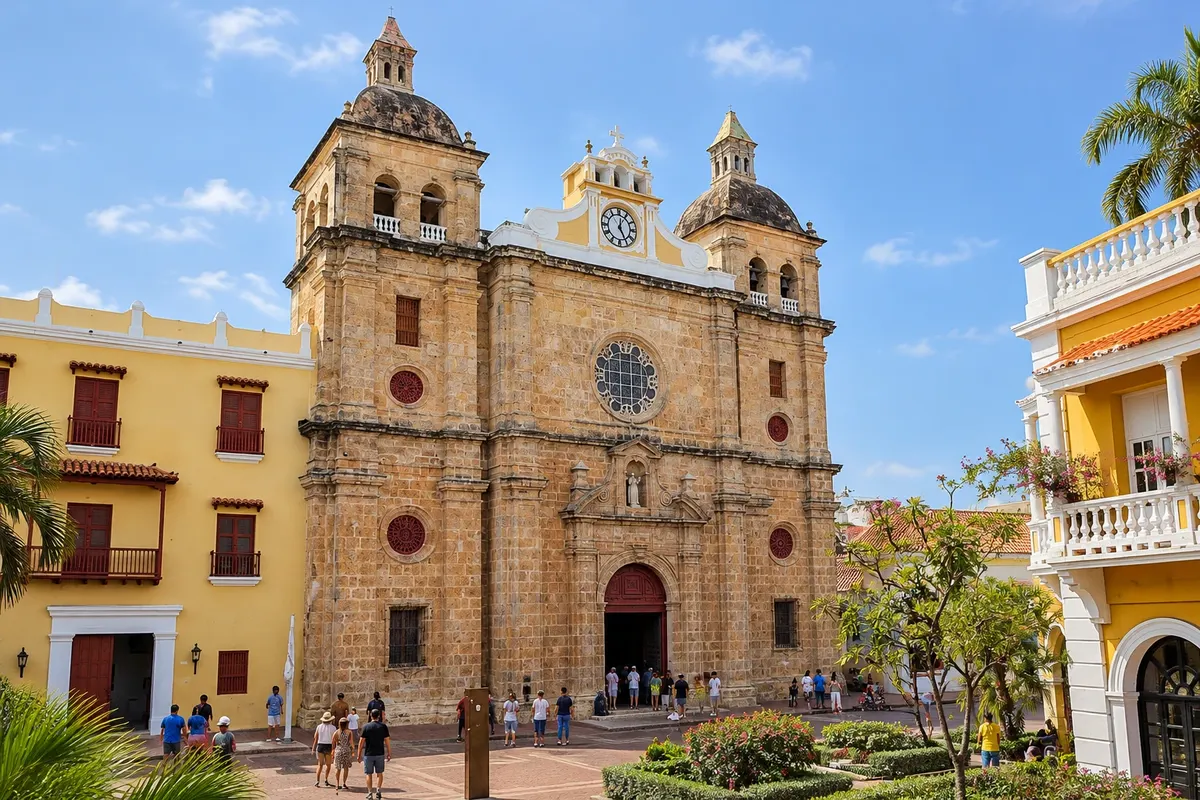
Iglesia de San Pedro Claver
Cartagena · Bolívar · Church

Iglesia de San Pedro Claver

Jesuit church and convent from the 17th and 18th centuries beside the wall, dedicated to Pedro Claver, the priest who ministered to the enslaved Africans arriving at the port. His remains lie beneath the altar.

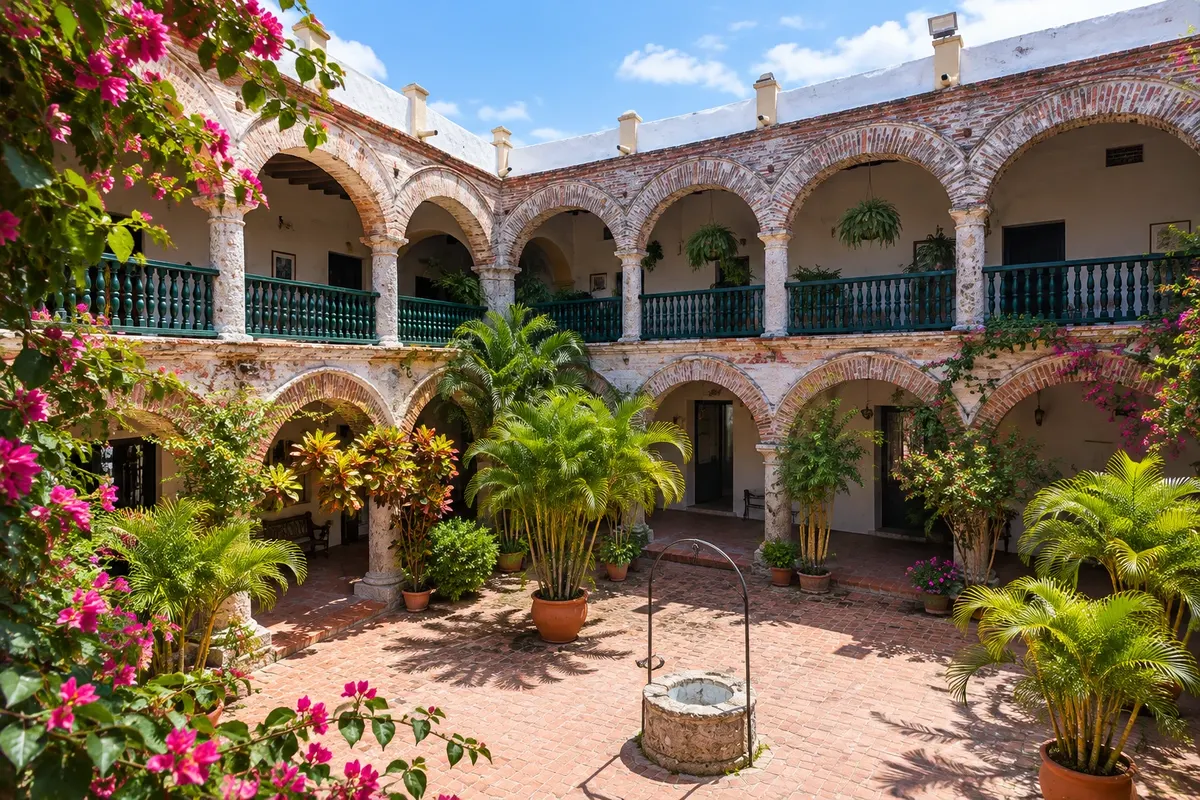
Convento de La Popa
Cartagena · Bolívar · Monastery

Convento de La Popa

The 17th‑century Augustinian convent on the summit of Cerro de la Popa, about 150 meters high, with a flowered cloister, the chapel of the Virgen de la Candelaria and panoramic views over all of Cartagena and the bay.

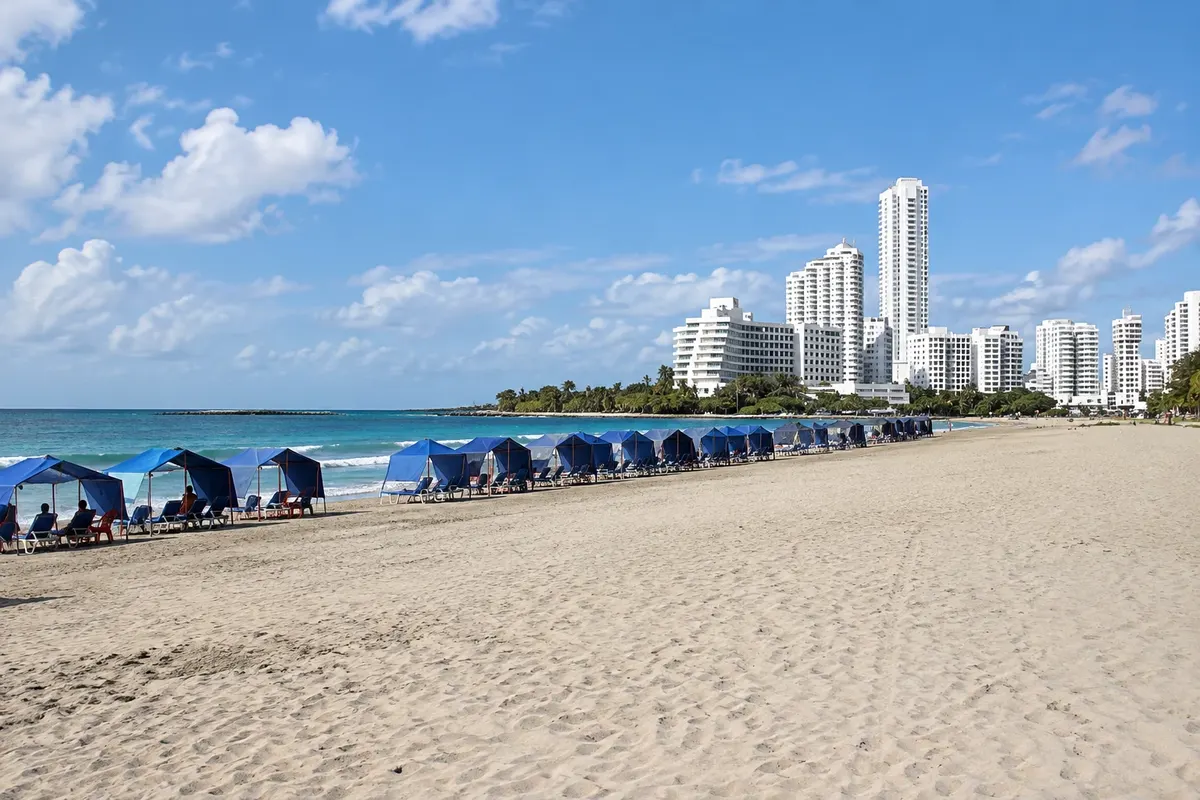
Bocagrande
Cartagena · Bolívar · Beach

Bocagrande

Cartagena’s modern peninsula, with high‑rise buildings, hotels, restaurants and urban beaches facing the Caribbean, just minutes from the historic center.

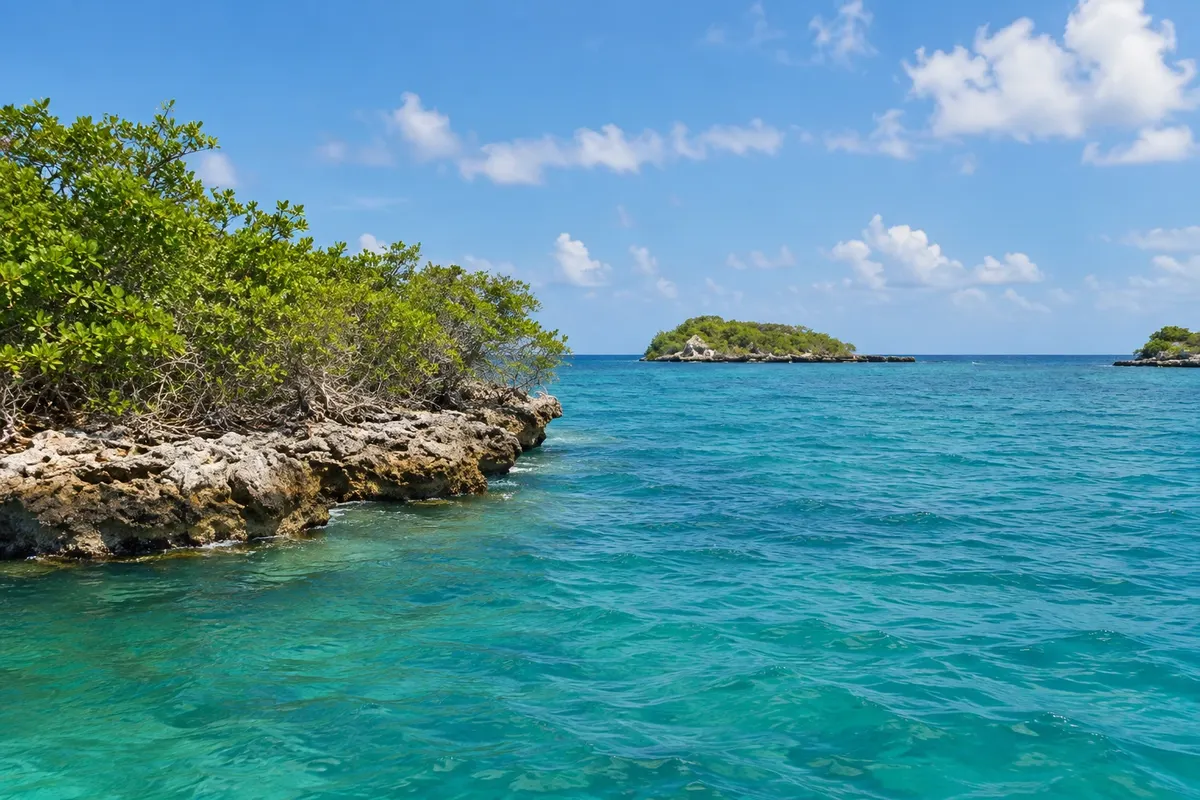
Islas del Rosario
Cartagena · Bolívar · Boat tour

Islas del Rosario

Archipelago of low islands and coral reefs about an hour by boat from Cartagena, inside the Parque Nacional Corales del Rosario y San Bernardo, with clear water for swimming and snorkeling.

Playa Blanca
Cartagena · Bolívar · Beach

Playa Blanca

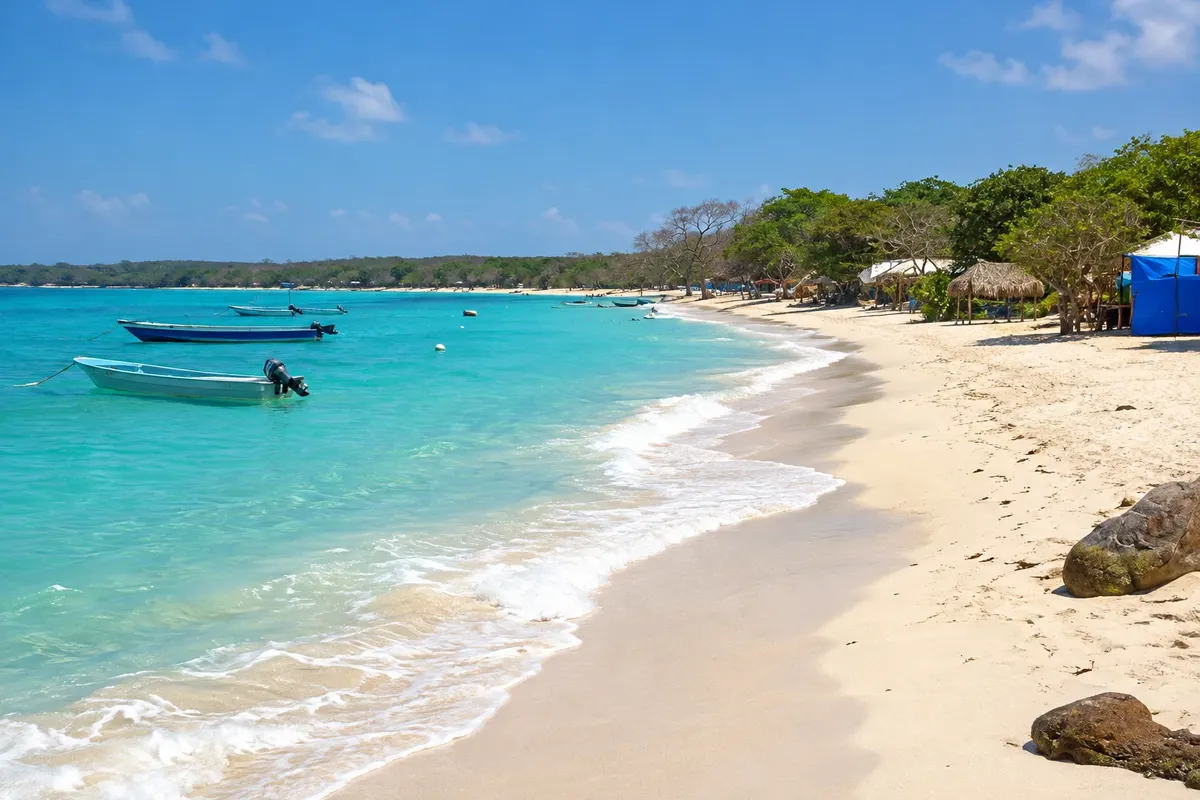
White-sand beach with light-blue water on the island of Barú, about an hour from Cartagena by boat or road. Busy with stalls and activity during the day, calm after the boats leave.

Before you go

Practical information

A little planning leaves more time to enjoy the journey.

When to go

It's hot year‑round, around 30 °C during the day. From December to April it usually rains less and the trade winds cool the afternoons; this is also the busiest period, with year‑end holidays and Holy Week. From May to November there are more downpours, typically stronger from September to November. In November the city celebrates independence with parades and street festivities.

The seasons shown are the most usual ones; nature doesn't always follow the calendar.

How many days to stay

Three days are enough for the historic center, Getsemaní, the Castillo San Felipe and a day trip by boat to Islas del Rosario or Playa Blanca. With four or five days you can include the Cerro de la Popa, an afternoon in Bocagrande and relaxed beach days. Those continuing to Santa Marta can go by road.

Which city to stay in

The historic center, inside the walls, has hotels in colonial houses and is within walking distance of everything. Getsemaní, just outside the walls, has guesthouses and hostels and is the neighborhood for bars and music. Bocagrande and El Laguito, on the southern peninsula, concentrate large seafront hotels, with a few minutes by taxi to the center. For quieter beaches there are hotels on the islands and on Barú.

Respect the place

Take your trash with you, follow the signs and support local businesses. In natural areas, follow the visiting guidelines.

Get your questions answered

Frequently asked questions about Cartagena

How many days to stay in Cartagena?

Three days cover the historic center, Getsemaní, the Castillo San Felipe and a boat trip to the islands. With four or five days there's time left for the Cerro de la Popa and beach days.

Does Cartagena have good beaches in the city?

Bocagrande's beaches are urban, with dark sand and rougher seas in some months. For clear water, go to Islas del Rosario or to Playa Blanca on Barú.

Is it very hot in Cartagena?

Yes, around 30 °C year‑round, with high humidity. Plan walks for early morning and late afternoon, use sunscreen and drink water.

Can you go from Cartagena to Santa Marta by road?

Yes. It's about 230 km, four to five hours, passing through Barranquilla. There are buses and shared vans that depart from hotels and the terminal.

Do I need a car in Cartagena?

No. The center and Getsemaní are walkable, and taxis cover the Castillo San Felipe, La Popa and Bocagrande. The islands are visited by boat, and Playa Blanca by boat, bus or taxi.

Explore other destinations Search by state and city
Back