Birchermüesli was born in Zurich at the turn of the 19th to 20th century, created by physician Maximilian Oskar Bircher-Benner (1867–1939). A proponent of eating more raw fruits and vegetables, he devised a simple meal for his patients and called it Apfeldiätspeise, apple diet dish. At home and in the clinic it was known simply as d'Spys, the food.
Bircher-Benner put his ideas into practice at the sanatorium he opened on the Zürichberg, the hill above Zurich, where patients followed a diet rich in raw foods, with exercise and fresh air. The name Birchermüesli, a diminutive of Mues, porridge, soon came to designate the recipe. The family-named clinic operated in Zurich until 1994.
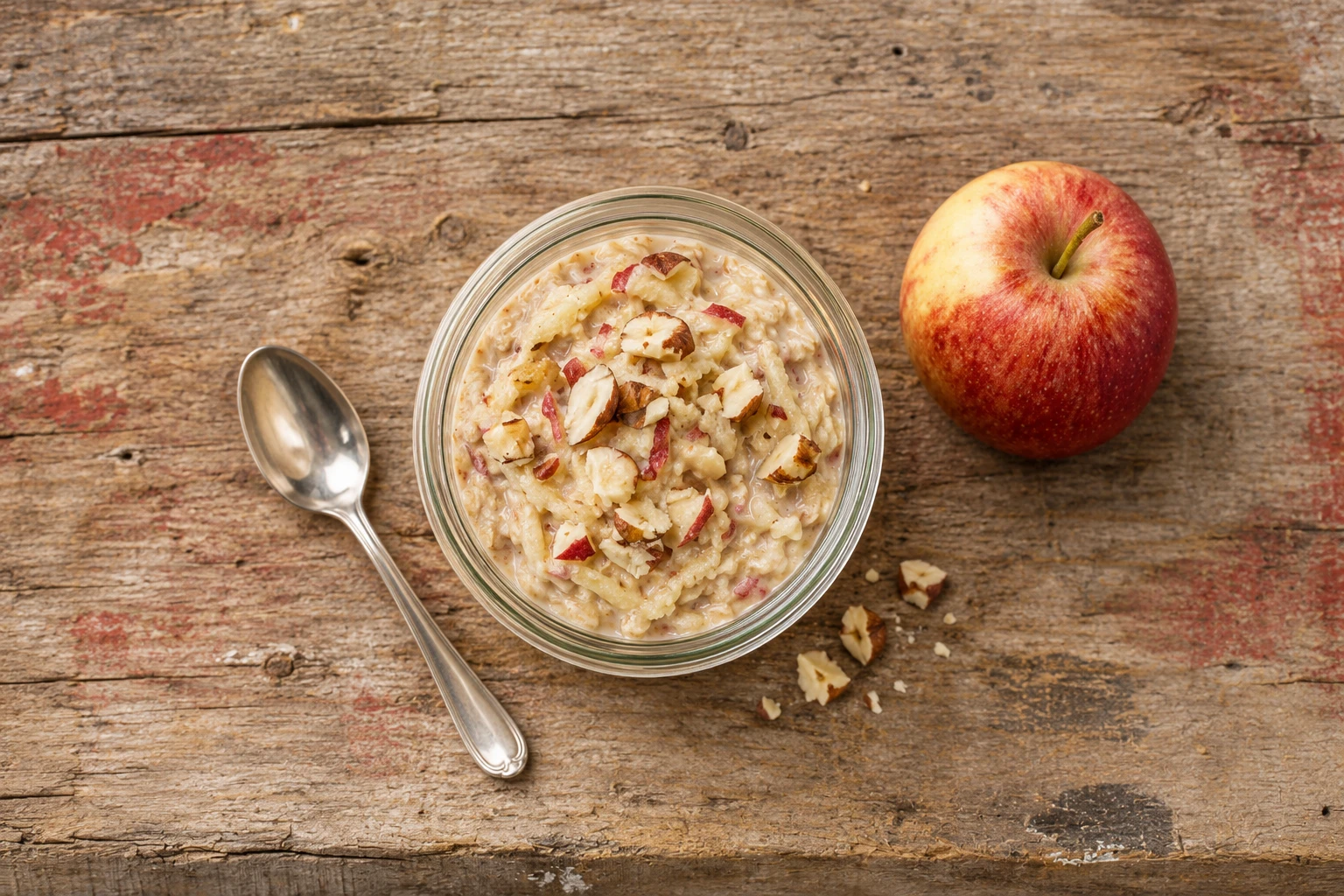
In the original recipe, the essential ingredient was the apple, not the cereal: a spoonful of rolled oats soaked in water for hours, mixed with condensed milk, lemon juice and a whole apple grated with its skin, finished with grated walnuts or almonds. To ease the work, a special apple grater was developed in Switzerland, known as the Bircherraffel.
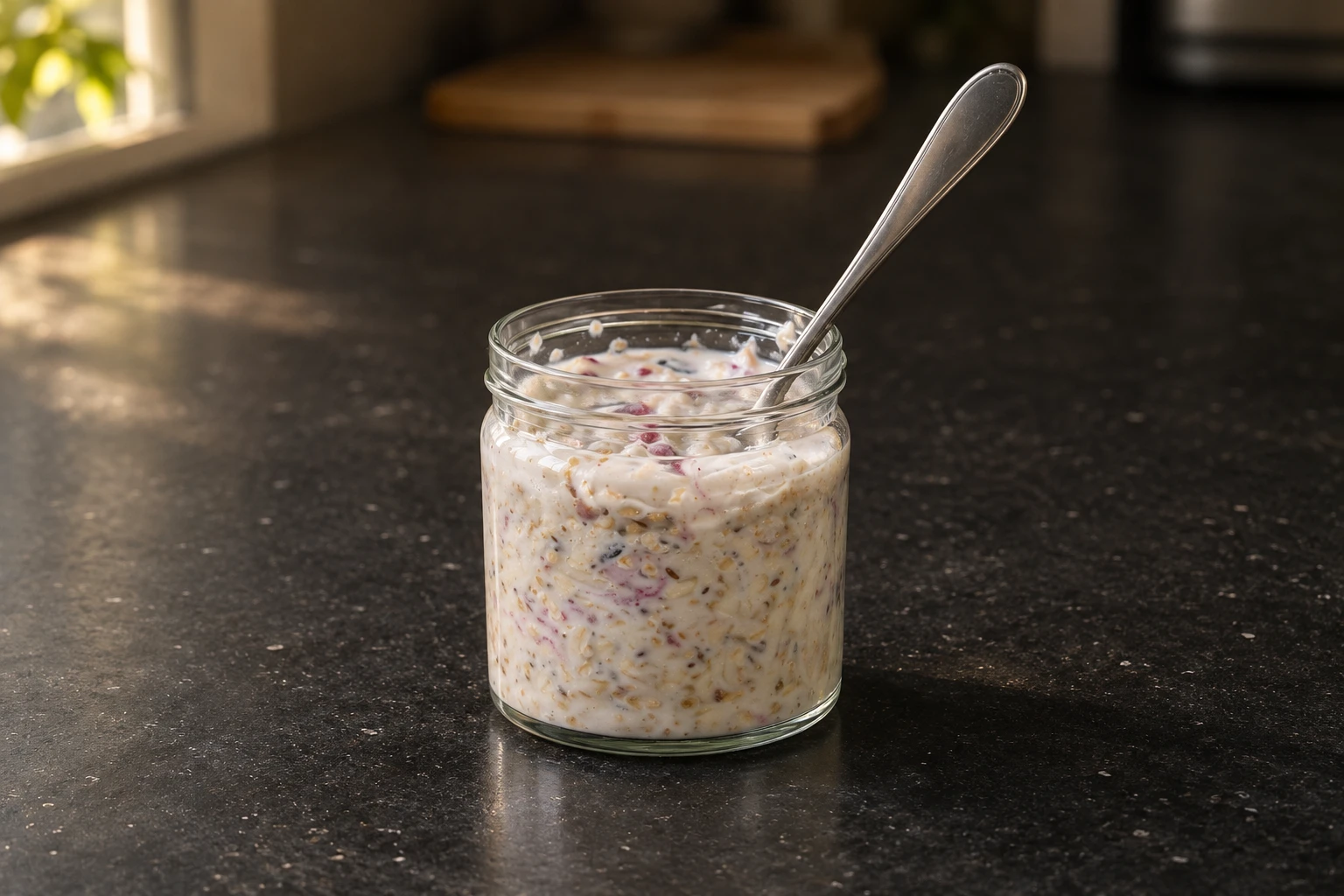
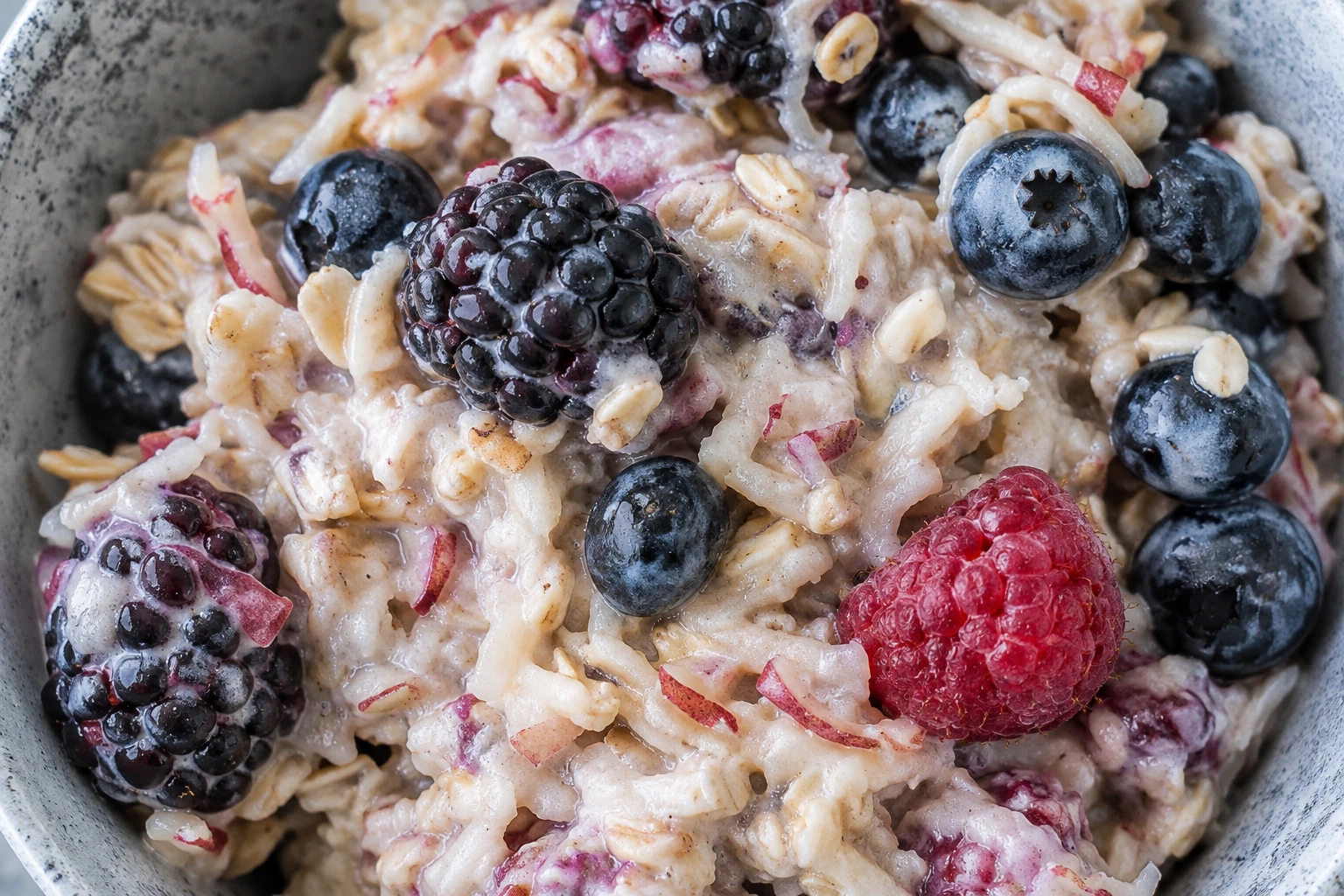
Between the 1930s and 1940s, Birchermüesli became part of Swiss family habits as well as school, hospital and barracks menus, and ready mixes reached shops. Over time, versions began to use yogurt, cream, berries and more oats than the doctor’s recipe called for. The cereal muesli sold around the world descends from this creation.
In Switzerland, Birchermüesli is served in the morning and afternoon and, in some homes, also at dinner, accompanied by coffee with milk, bread, butter and jam.


 Brazilija
 Antarktika
 Argentina
 Bolivija
 Čile
 Kolumbija
 Ekvator
 Gvajana
 Francoska Gvajana
 Falklandski otoki (Malvini)
 Paragvaj
 Peru
 Surinam
 Urugvaj
 Venezuela
 Nemčija
 Avstrija
 Belgija
 Hrvaška
 Danska
 Slovaška
 Slovenija
 Španija
 Finska
 Francija
 Grčija
 Nizozemska
 Madžarska
 Irska
 Islandija
 Italija
 Luksemburg
 Norveška
 Poljska
 Portugalska
 Združeno kraljestvo
 Češka
 Švedska
 Turčija
 Bermudi
 Kanada
 Združene države Amerike
 Grenlandija
 Mehika
 Sveta Peter in Mihael
 Dominikanska republika
 Japonska
 Južnoafriška republika
 Egipt
 Avstralija
 Fidži
 Nova Zelandija
 Papua Nova Gvineja