Switzerland does not grow cacao, but in the 19th century it became one of the centers of chocolate manufacture. Pioneers learned the trade in other countries and returned with their own ideas, at a time when chocolate was mainly a drink.
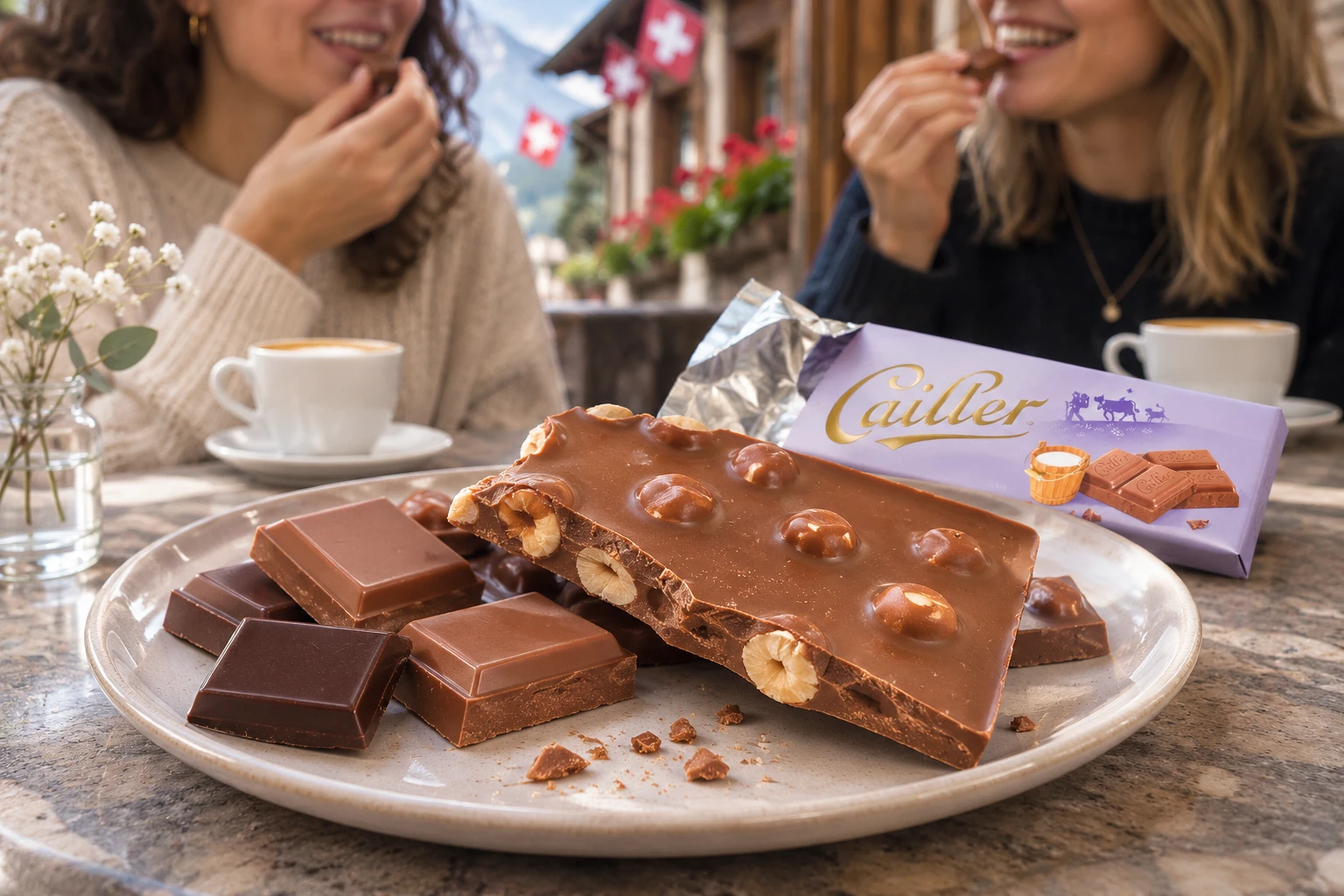
In 1819 François‑Louis Cailler opened one of the country’s first mechanized chocolate factories in Corsier, near Vevey on the shores of Lake Geneva, after years of training in Turin. The brand he founded is the oldest still in existence among Swiss chocolates. In the following decades other houses appeared, such as Suchard in Neuchâtel, Kohler in Lausanne, and Sprüngli in Zurich.
In Vevey Daniel Peter, Cailler’s son‑in‑law, opened his factory in 1867. After years of trials he succeeded in 1875 in combining chocolate and milk in a stable way, using condensed milk: milk chocolate was born. In Bern, in 1879, Rodolphe Lindt created conching, a process of prolonged mixing and heating of the chocolate mass that produced the first fondant chocolate, a texture that melts in the mouth. Both inventions helped establish the world reputation of Swiss chocolate.
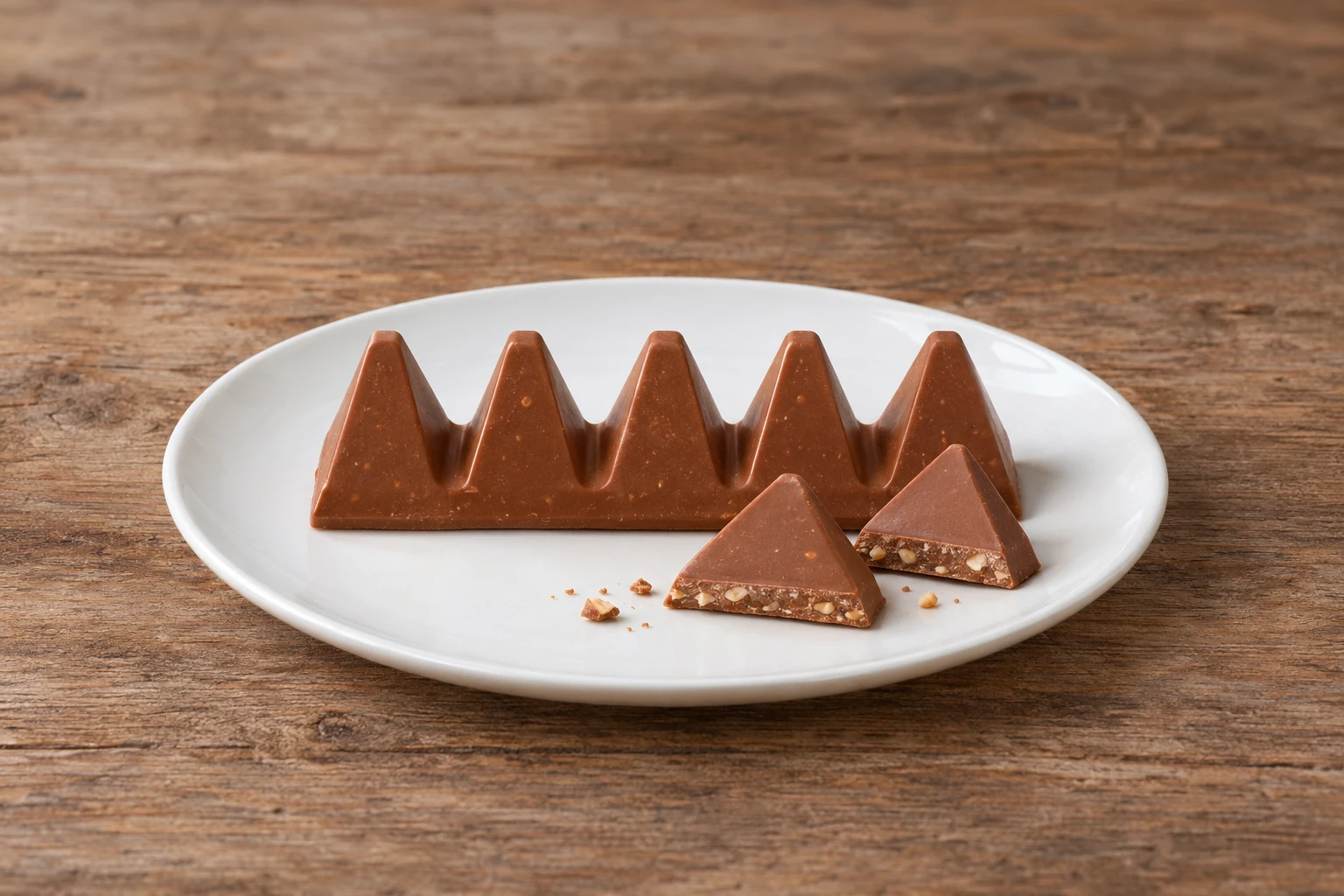
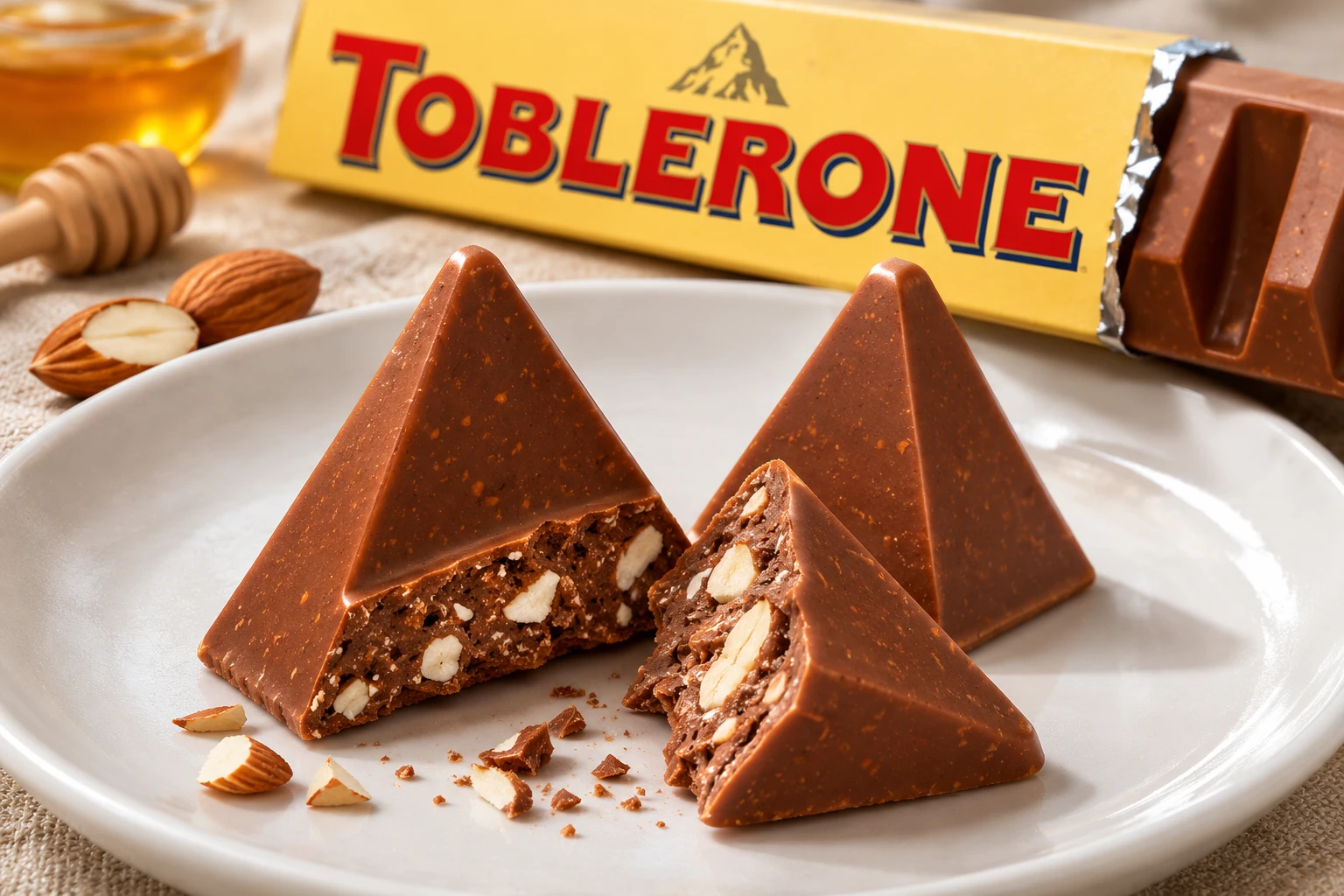
Also in Bern, in 1908, Theodor Tobler and Emil Baumann launched Toblerone, a milk chocolate with honey and almond nougat, in a bar of triangular sections. From the late 19th century the country came to be seen as a chocolate power.
Throughout the 20th century several of these brands became part of large international groups, while others remained Swiss companies. Chocolate remains present in everyday life — Switzerland is among the highest per‑capita consumers in the world — and in factories and visitor sites open to the public across several regions.


 Brazilija
 Antarktika
 Argentina
 Bolivija
 Čile
 Kolumbija
 Ekvator
 Gvajana
 Francoska Gvajana
 Falklandski otoki (Malvini)
 Paragvaj
 Peru
 Surinam
 Urugvaj
 Venezuela
 Nemčija
 Avstrija
 Belgija
 Hrvaška
 Danska
 Slovaška
 Slovenija
 Španija
 Finska
 Francija
 Grčija
 Nizozemska
 Madžarska
 Irska
 Islandija
 Italija
 Luksemburg
 Norveška
 Poljska
 Portugalska
 Združeno kraljestvo
 Češka
 Švedska
 Turčija
 Bermudi
 Kanada
 Združene države Amerike
 Grenlandija
 Mehika
 Sveta Peter in Mihael
 Dominikanska republika
 Japonska
 Južnoafriška republika
 Egipt
 Avstralija
 Fidži
 Nova Zelandija
 Papua Nova Gvineja