Hokey pokey
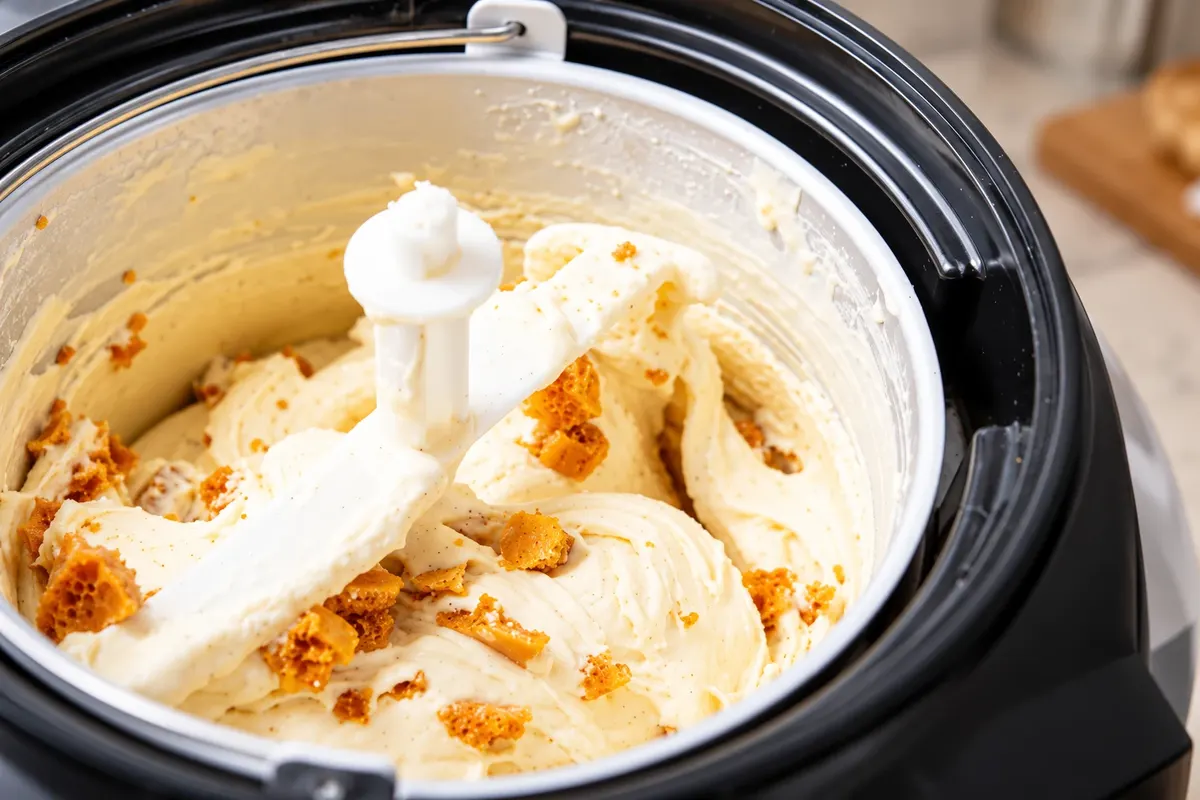
Vanilla ice cream with crunchy bits of aerated caramel, hokey pokey. It’s New Zealand’s second most popular ice cream flavor after plain vanilla, and its origin is disputed between towns in the country.
AntarktikaOkusi · West Coast
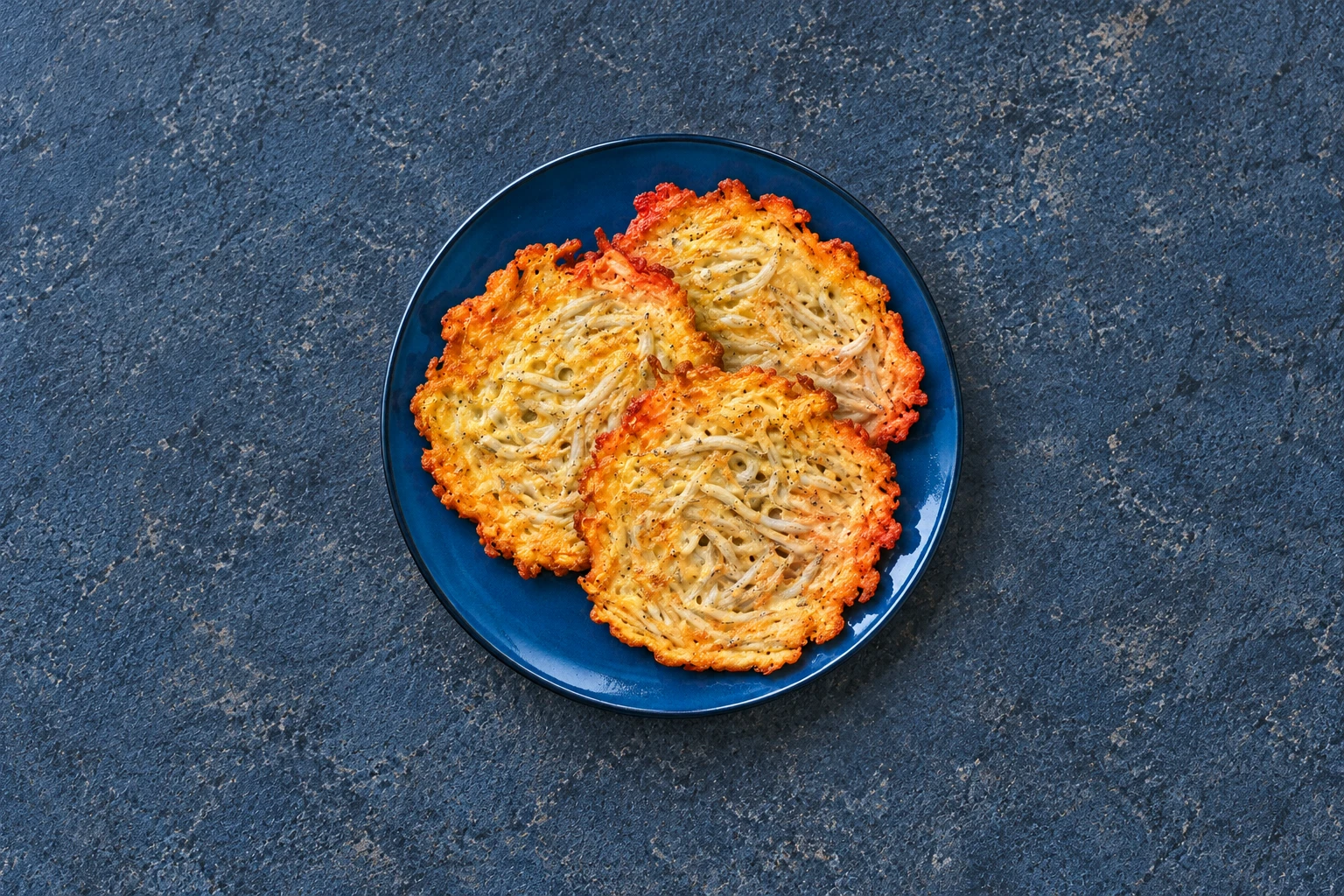
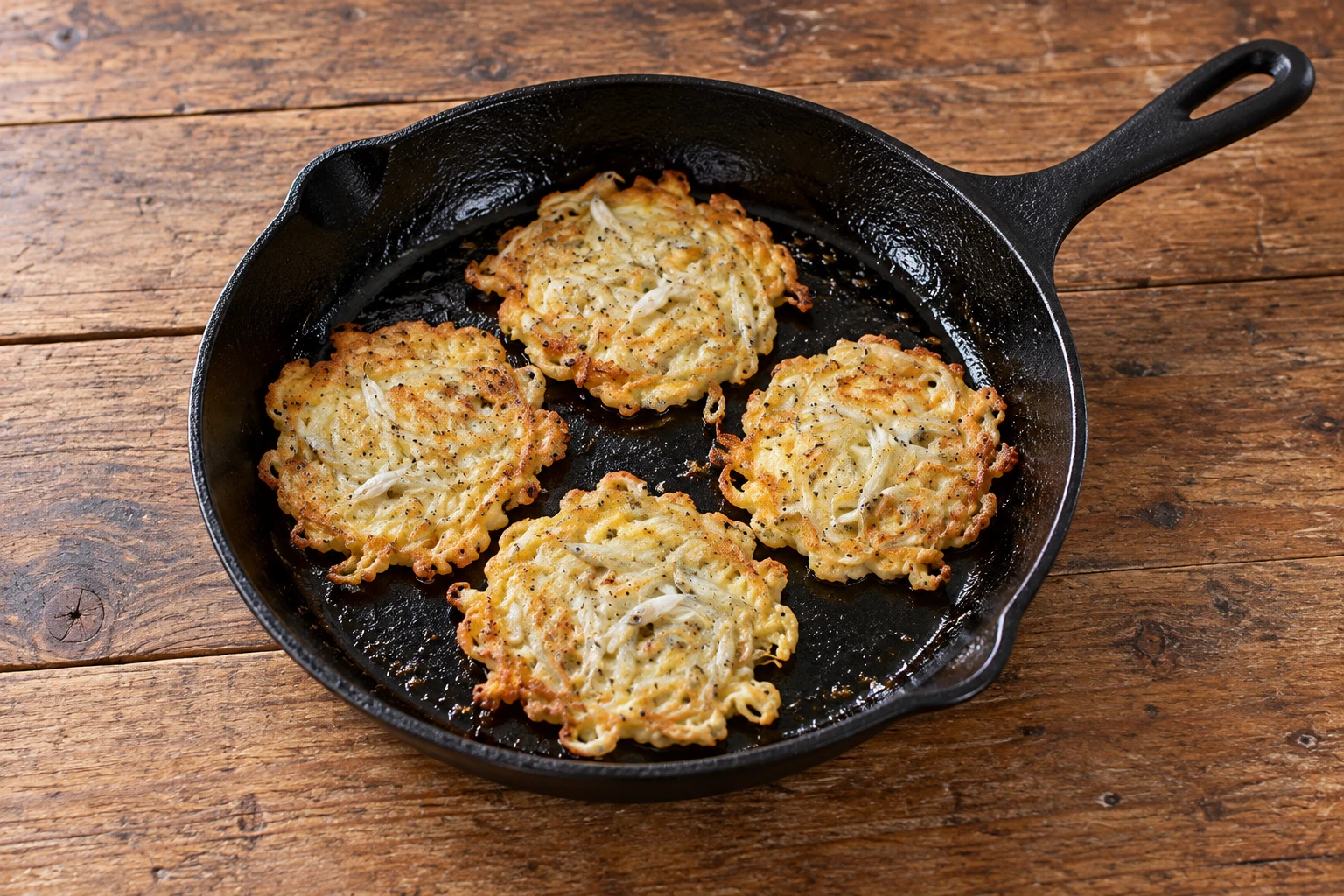
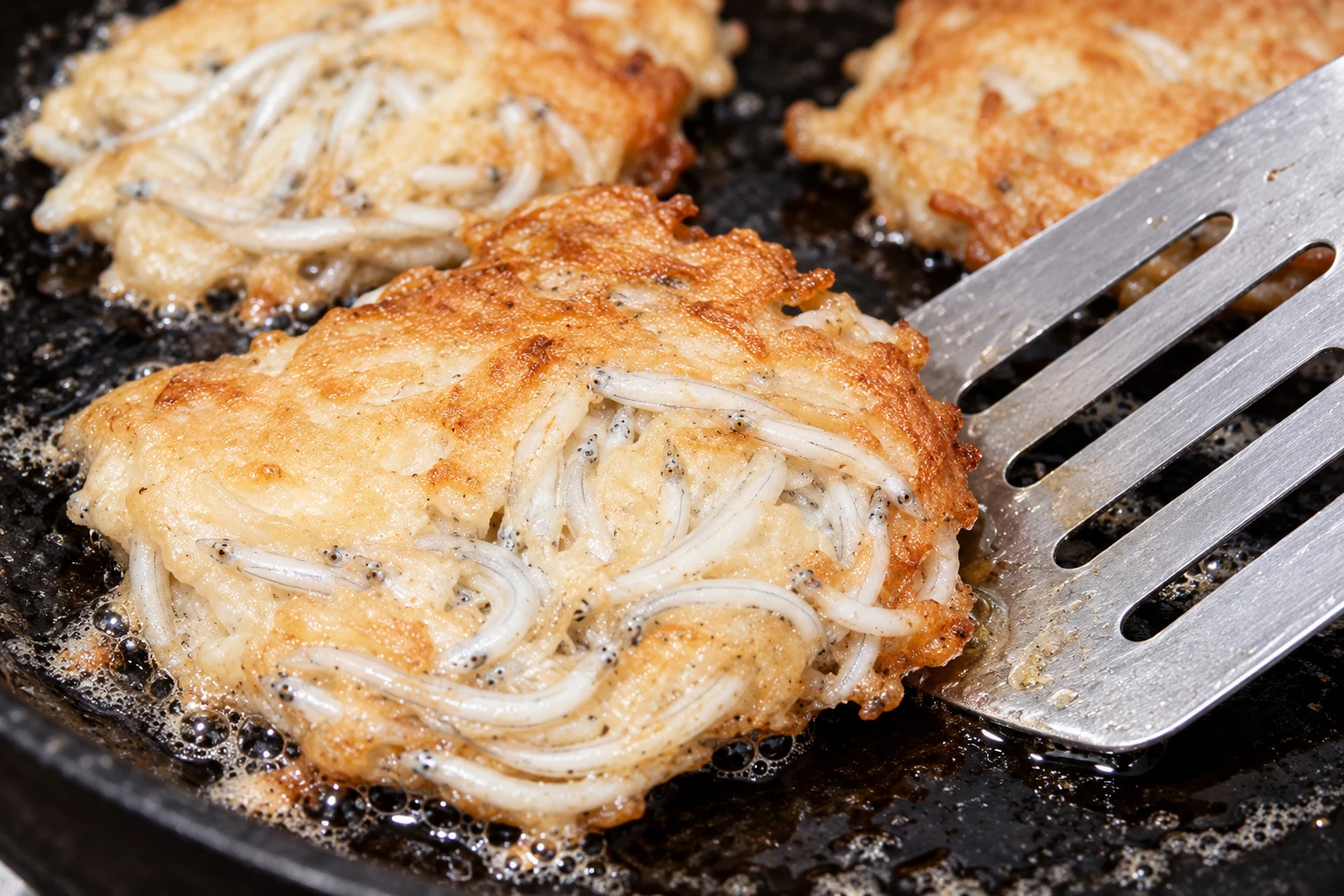
A small cake of beaten egg with whitebait, the juvenile fish of native species that move up rivers in spring, fried in butter or oil. On the West Coast, where catching and eating whitebait is part of local life, it is often served between slices of buttered bread.
Traditional jed izWest Coast
Druga imena: whitebait fritters, whitebait patty, whitebait pattie
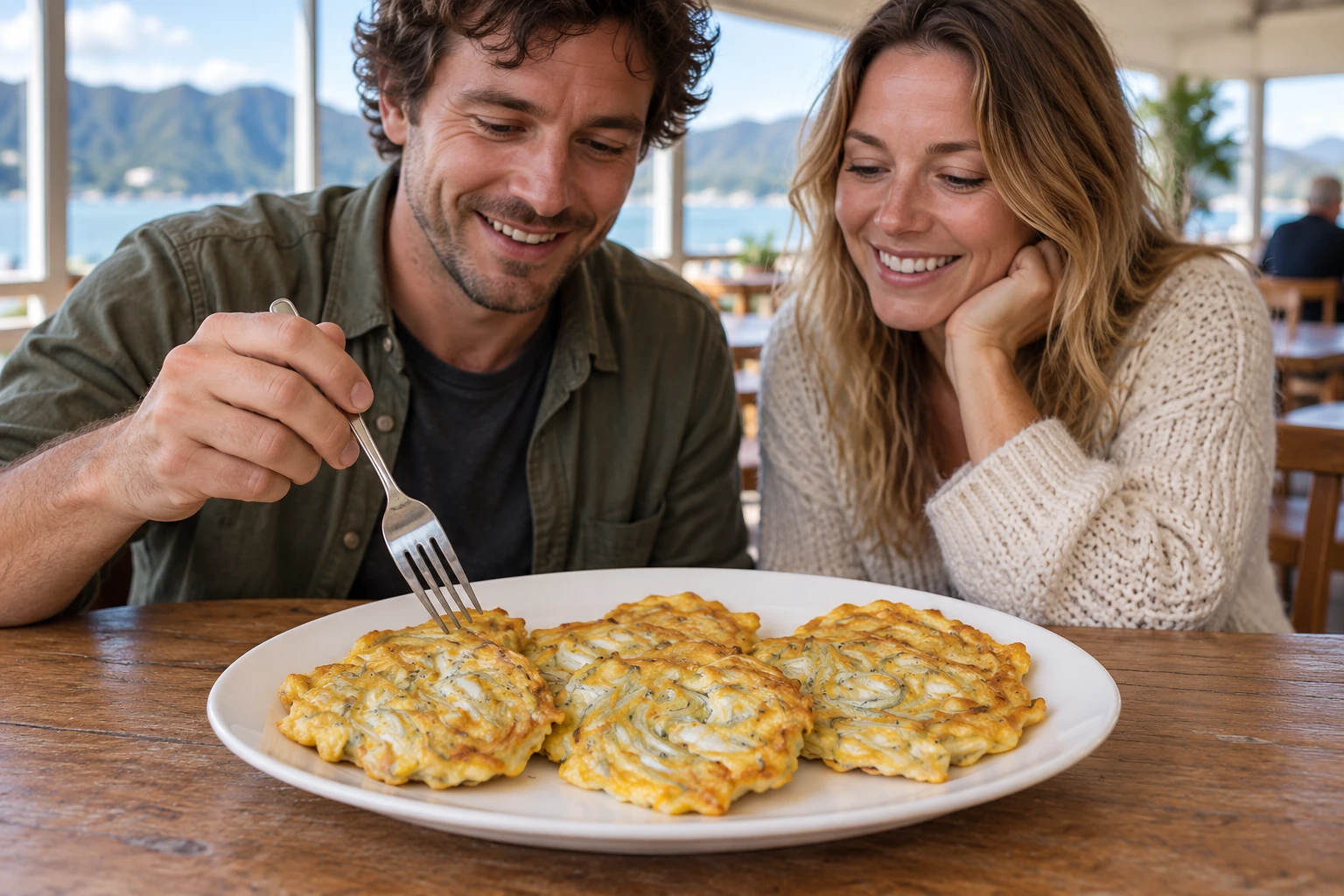
Illustrative images. The pictures in this guide are illustrations based on the real place, not photographs, and may differ from it.
Kliknite fotografijo za povečavo.
Whitebait fritter — West Coast, Nova Zelandija
In New Zealand, whitebait is the name given to the juvenile fish, 4 to 5 centimeters long, of five native species of the galaxiid family and also of the smelt. The most common in many rivers is the īnanga; the others are the kōaro, the banded kōkopu, the giant kōkopu and the shortjaw kōkopu. In the īnanga life cycle, the adults spawn in estuary vegetation, the larvae spend the winter at sea and, in spring, the juveniles move up the rivers. It is during that run that whitebait are caught.
The most common preparation is the fritter, or patty: eggs, a little flour, baking powder, salt and plenty of whitebait mixed and fried by the spoonful in butter or oil. The result is a flattened, soft cake in which the whole small fish appear within the egg. Often it is placed between two slices of white bread with butter. On West Coast menus it also appears in sandwiches and in omelets.
Catching and eating whitebait is part of life on the West Coast, the west coast of the South Island. During the season, many fishers spend weeks by riverbanks in trailers or simple huts and fish from fixed platforms called stands. The South Westland area has the best-known and largest whitebait runs in the country. the region’s tourism body describes whitebait as part of local tradition and notes its place in the customs and diet of Poutini Ngāi Tahu, the Māori people of the coast.
Fishing is managed by the Department of Conservation under the 2021 regulations, and is only permitted from September 1 to October 30; the Chatham Islands have a different season. Outside that period, fishing for whitebait is prohibited. The rules leave some fish to pass so they can grow and spawn again, because runs have declined across much of the country as spawning areas have been lost. Because it is seasonal and sought after, fresh whitebait has been considered a delicacy since the 1920s.
During the season, whitebait appears in fishmongers, markets and regional menus. Outside it may be unavailable. Check before you go.

Whitebait (juvenile native fish, especially īnanga), eggs, a little flour and baking powder, salt. Fried in butter or oil.
Hot, right after frying. Often between two slices of white bread with butter as a sandwich; also on its own or in an omelet.
Spring, during the regulated fishing season from September 1 to October 30. Outside that period, fresh whitebait may be unavailable.
Odgovori na vaša vprašanja
A small cake of beaten egg with whitebait, the juvenile fish of native species, fried in butter or oil. On the West Coast it is usually served between two slices of white bread with butter.
Fishing is only permitted from September 1 to October 30 across the country except on the Chatham Islands, which have a different season. It is at that time that fresh whitebait appears in markets and on menus. Check before you go.
They are not a single species: they are the juveniles of five native galaxiid species, such as īnanga, the most common, and also of the smelt. They measure 4 to 5 centimeters when they move from estuaries into rivers.
Lokalni okusi – of Nova Zelandija

Vanilla ice cream with crunchy bits of aerated caramel, hokey pokey. It’s New Zealand’s second most popular ice cream flavor after plain vanilla, and its origin is disputed between towns in the country.

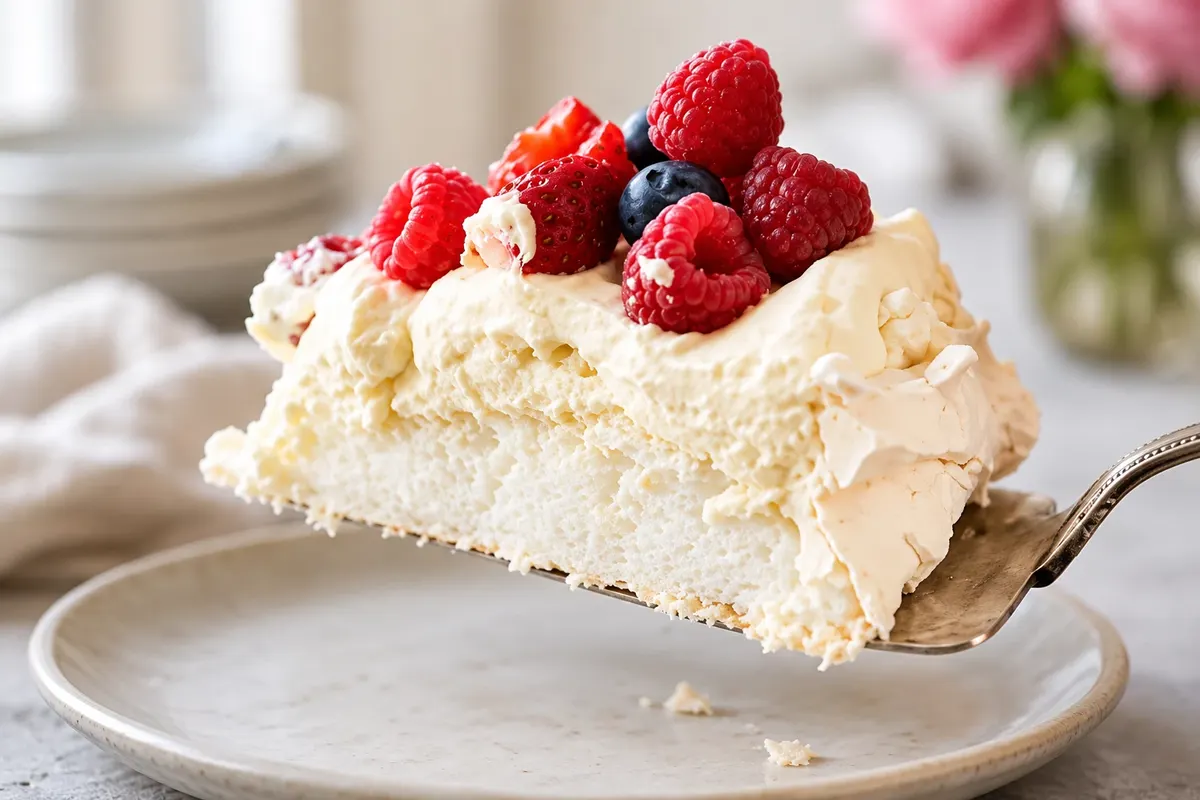
Baked meringue with a crisp shell and soft interior, topped with cream and fruit, often kiwi. New Zealanders regard it as a national dessert and dispute its origin with Australia; researcher Helen Leach, of Otago, collected the oldest recipes.

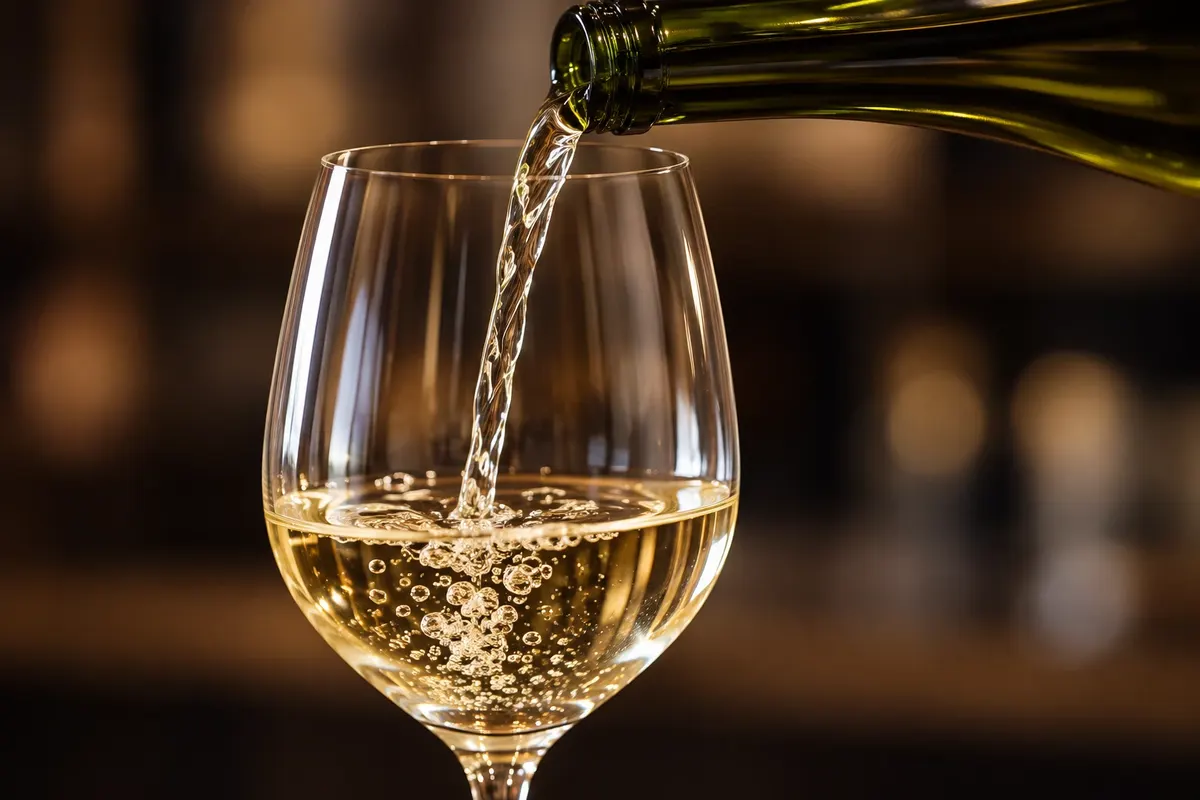
Dry white wine from the sauvignon blanc grape, intensely aromatic, with herbal notes and tropical fruit. Marlborough, in the north of the South Island, is New Zealand’s largest wine region, and the name has been a registered geographical indication since 2018.

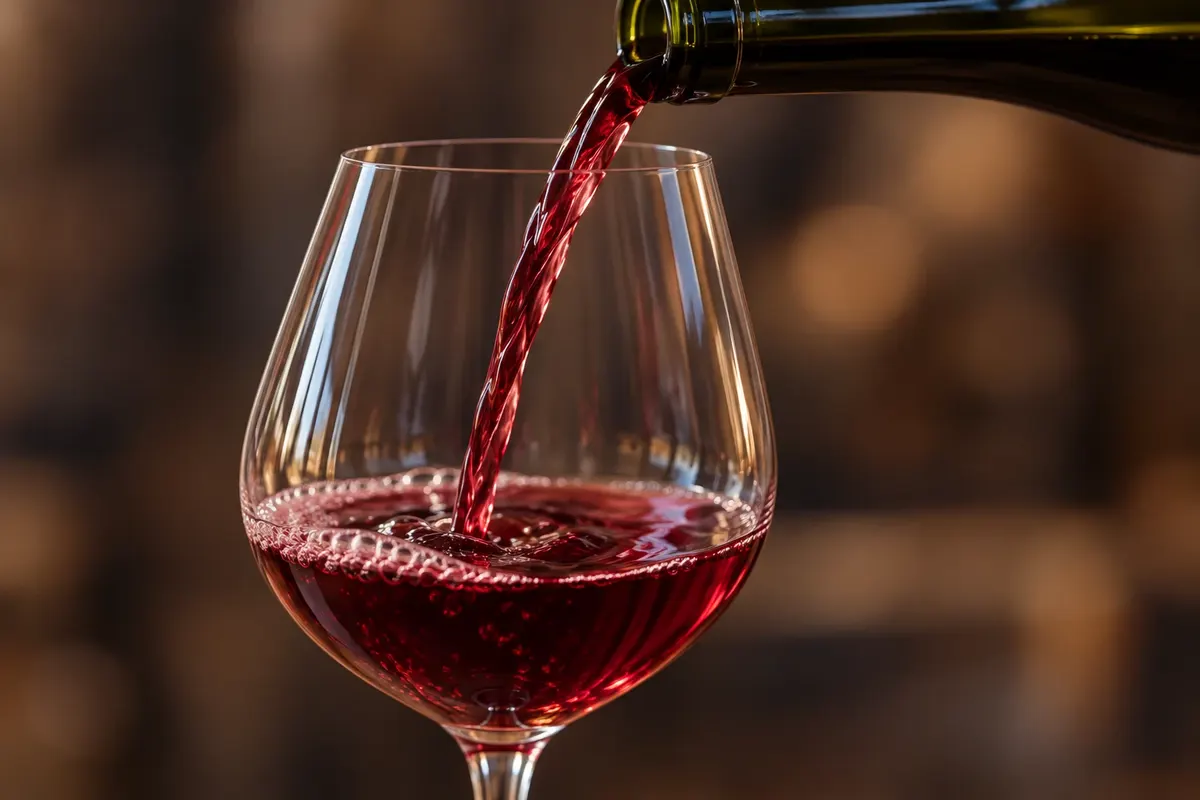
Red wine from the pinot noir grape, the standout variety of Central Otago, the southernmost wine region of New Zealand, set among the inland lakes and mountains of Otago. Fragrant, with intense fruit and a silky texture; the name has been a registered geographical indication since 2018.

Maori meal of meats and vegetables cooked in steam from an earth oven, a tradition throughout the country. In Rotorua, the village of Whakarewarewa cooks hāngī using geothermal steam, in boxes placed over hot springs, without the heated stones of the pit.

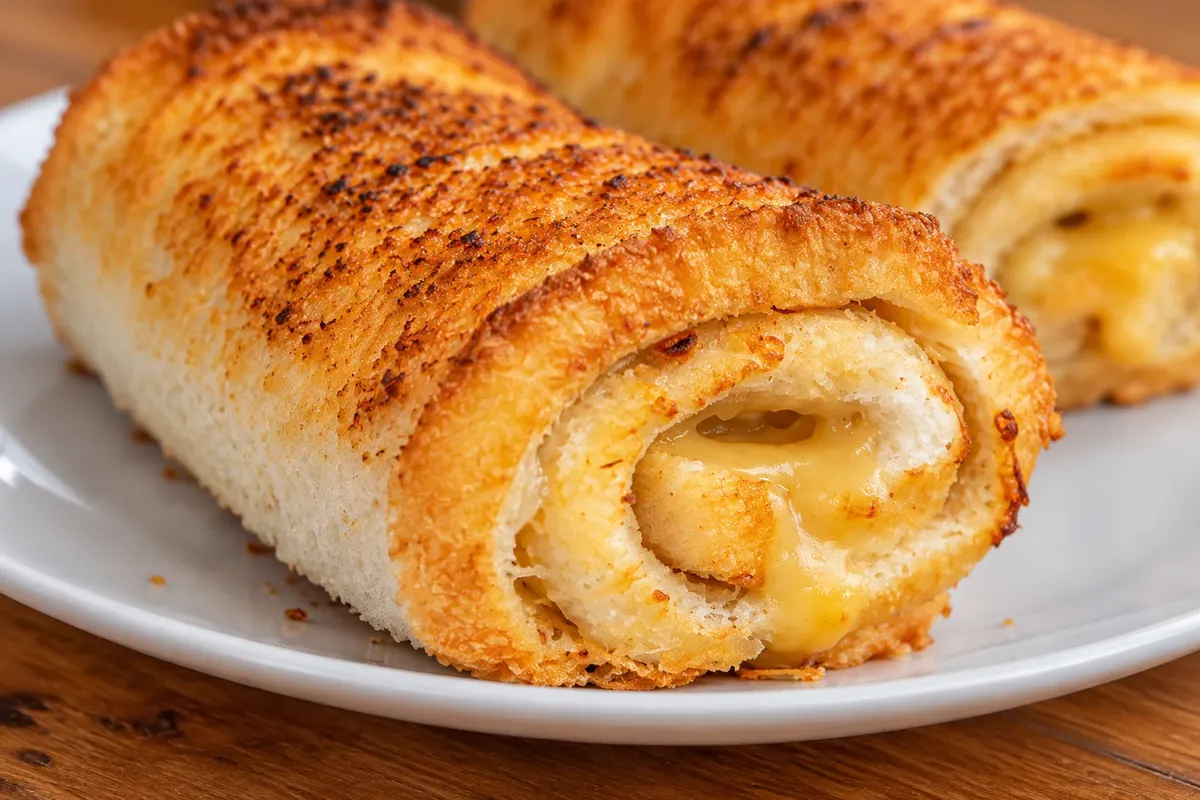
A slice of white sandwich bread spread with a cheesy cream, rolled up and toasted until golden. It’s traditional in cafés, bakeries and fundraising events in Southland, at the far south of New Zealand, where it earned the nickname southern sushi.
Več kot vodnik