Hokey pokey
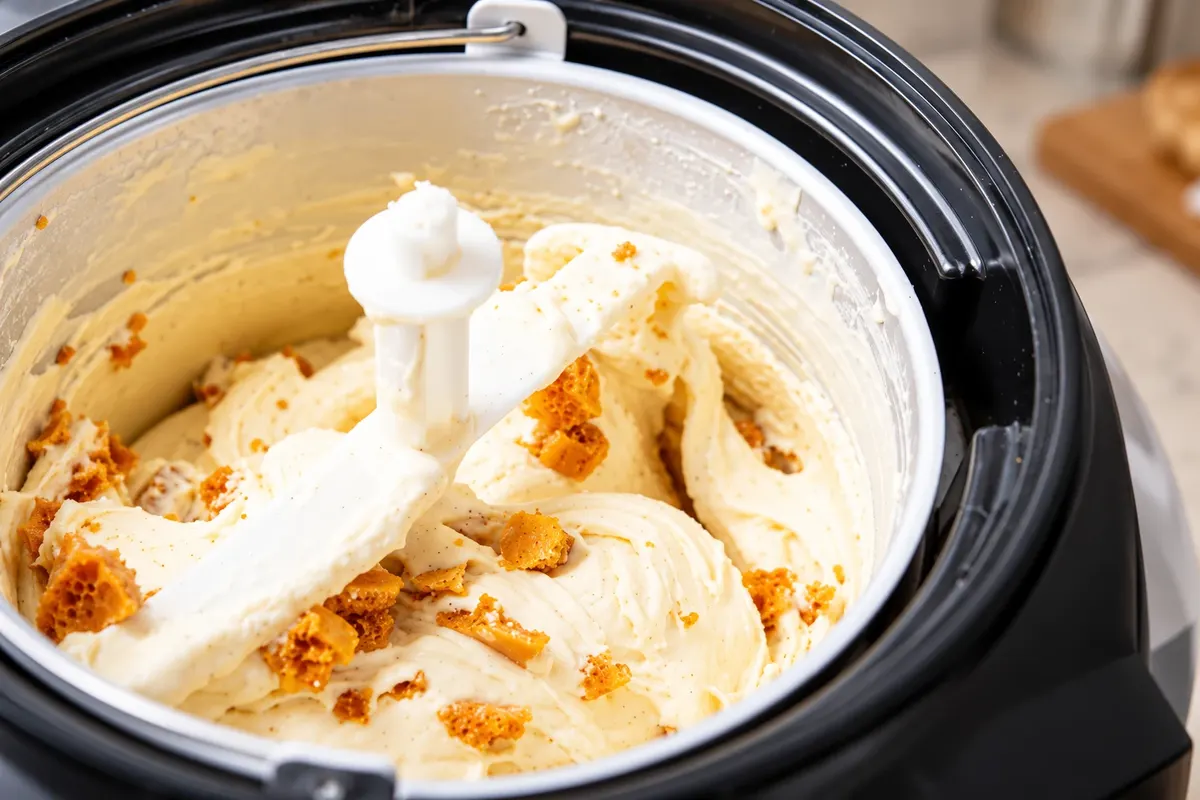
Vanilla ice cream with crunchy bits of aerated caramel, hokey pokey. It’s New Zealand’s second most popular ice cream flavor after plain vanilla, and its origin is disputed between towns in the country.
AntarktikaOkusi · Southland
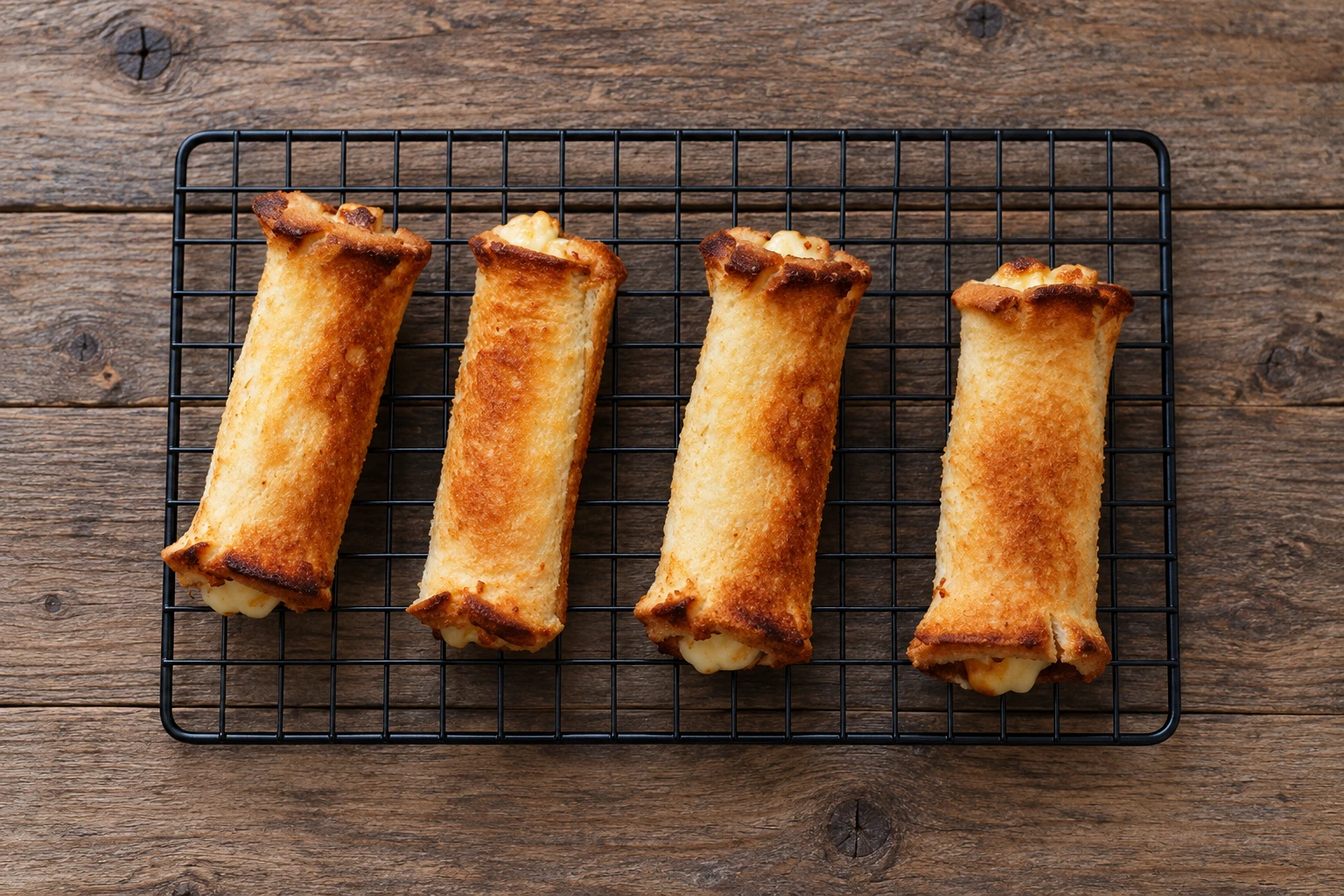
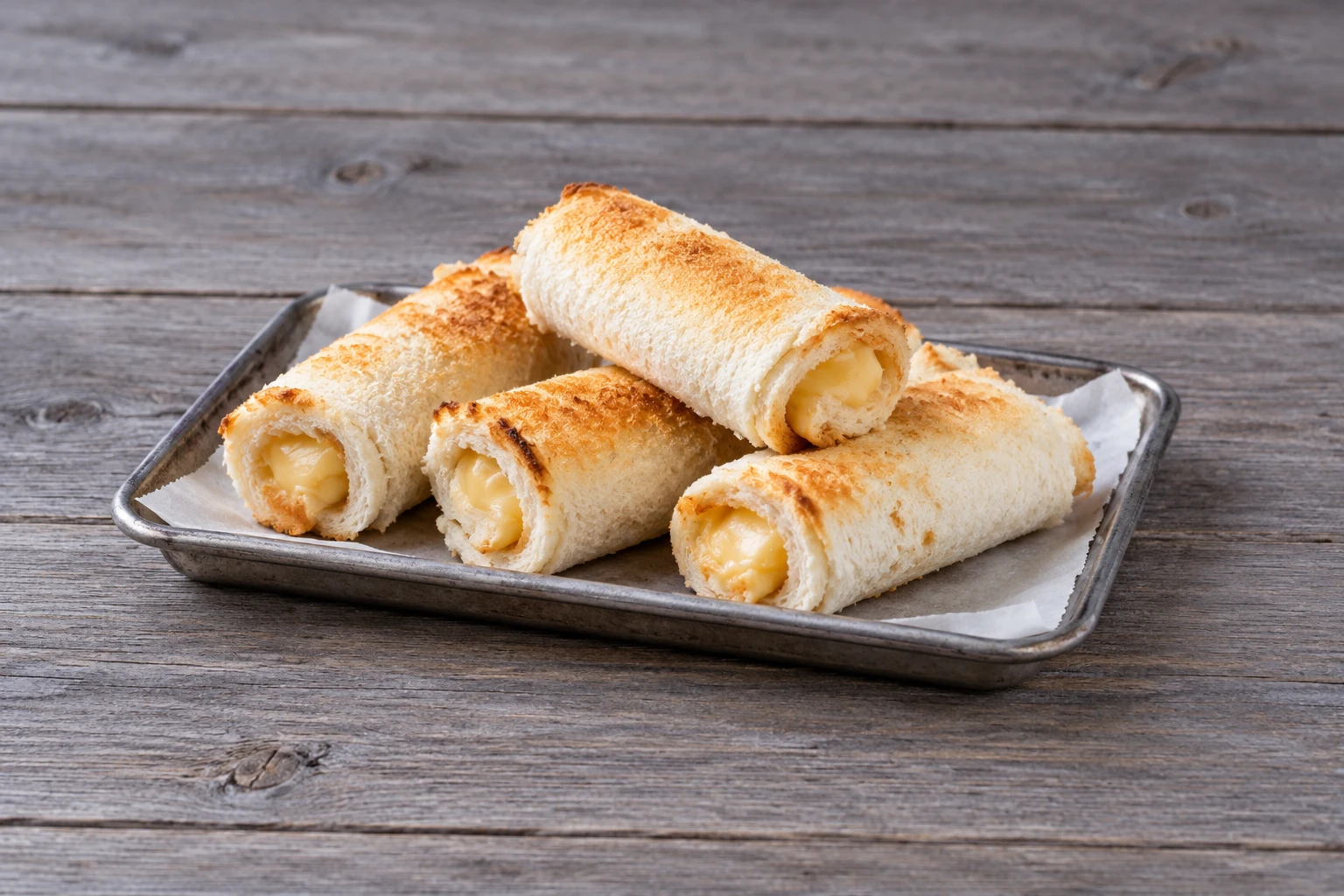
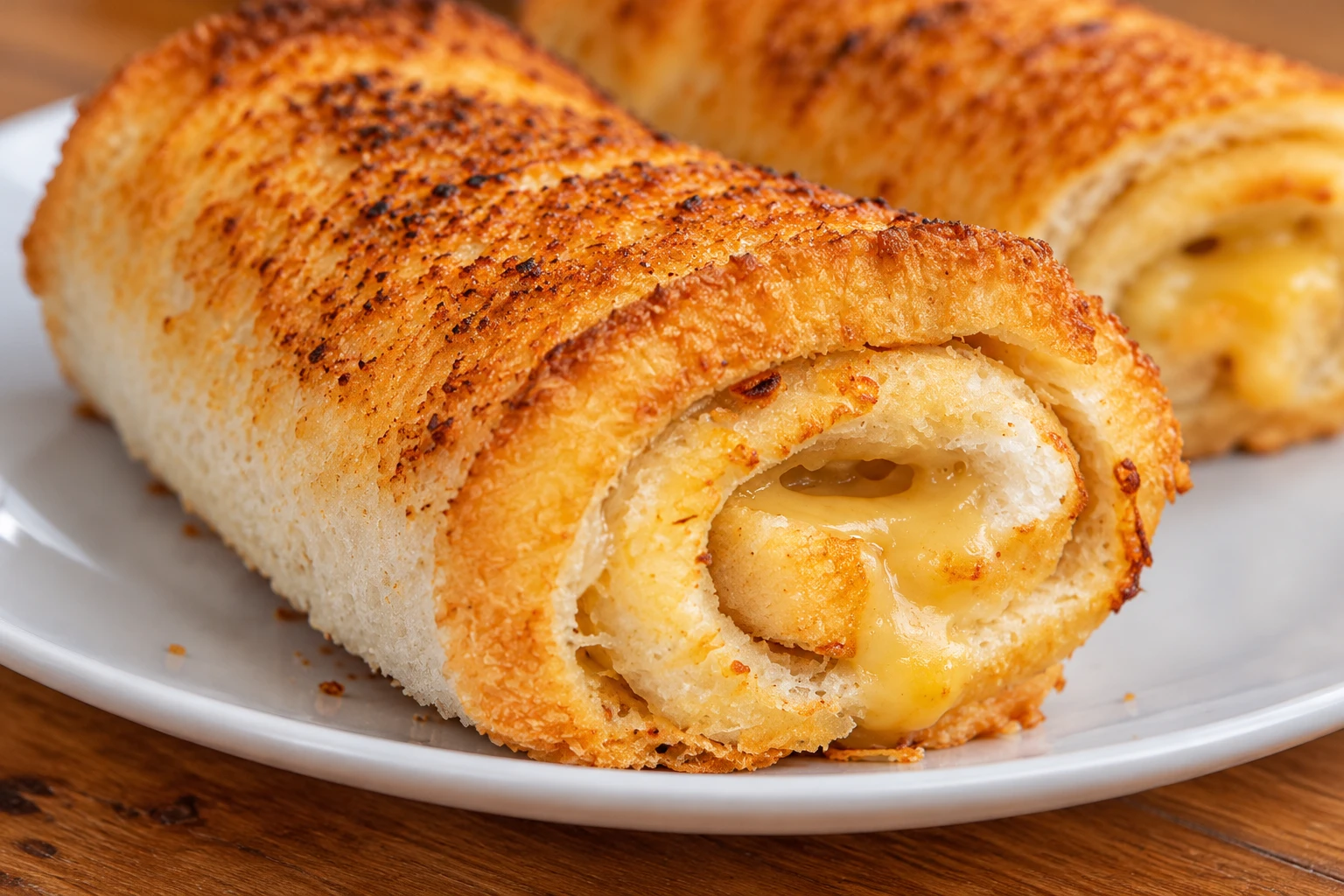
A slice of white sandwich bread spread with a cheesy cream, rolled up and toasted until golden. It’s traditional in cafés, bakeries and fundraising events in Southland, at the far south of New Zealand, where it earned the nickname southern sushi.
Traditional jed izSouthland
Druga imena: cheese rolls, Southland cheese roll, southern sushi, Southland sushi
Illustrative images. The pictures in this guide are illustrations based on the real place, not photographs, and may differ from it.
Kliknite fotografijo za povečavo.
Cheese roll — Southland, Nova Zelandija
The cheese roll is a slice of white sandwich bread covered with a creamy cheese mixture, rolled and toasted on a grill or in the oven until crisp on the outside. The most common filling today includes grated cheese, dehydrated onion soup mix and evaporated milk, sometimes with chopped onion. Every family and every cook has their own recipe.
In Southland, the country’s southernmost region, the cheese roll is treated as a local tradition. The regional tourism organization presents it as the Southland cheese roll and recommends trying it in cafés, bakeries, bars and restaurants throughout the region. The nickname southern sushi, or Southland sushi, comes from the constant presence of the rolls in shop windows. They also appear at school fairs, sporting events and family gatherings, and are sold frozen in large quantities to raise funds. In Invercargill, the region’s main city, the city council once placed the creation of the cheese roll on a plaque among the three most notable events in local history.
The origin has no date or single author. Researcher Helen Leach of the University of Otago saw the cheese roll as the natural evolution of recipes rather than a single invention. Newspapers in the country published recipes called cheese rolls from the early 20th century that were different dishes. In the 1930s appear recipes of rolled bread with cheese toasted. A church cookbook from Dunedin, from the early 1950s, contains one of the oldest known versions, with mustard, vinegar and Worcestershire sauce. In 1964, a cookbook published in Bluff, in Southland, put raw onion and egg in the filling, and the version with dehydrated onion soup mix and evaporated milk appears, according to Leach, in a 1972 book from Wānaka.
Popularity grew after sliced sandwich bread became common in the 1950s. Today there are versions with lobster, chorizo, sheep’s milk cheese and even deep-fried varieties, alongside the traditional recipe. The cheese roll is also common in Otago, the neighboring region, but it is in Southland that it became a symbol.

White sandwich bread; filling of grated cheese, dehydrated onion soup mix and evaporated milk, sometimes with chopped onion. Recipes vary from family to family.
Hot, right after toasting, as a snack. It’s sold in cafés and bakeries and also frozen, to toast at home.
All year. Very common at school fairs, sporting events, family gatherings and fundraising campaigns.
Odgovori na vaša vprašanja
A slice of sandwich bread covered with a cheese cream, usually made with grated cheese, dehydrated onion soup mix and evaporated milk, rolled and toasted until golden. It’s a typical snack of Southland and Otago, in the south of New Zealand.
It’s a playful nickname: the rolls are everywhere in the country’s south, in café and bakery windows and at fundraising fairs. In Southland, people also call it Southland sushi.
In cafés, bakeries and bars across the region, and at school fairs and local events. It’s also sold frozen. Not every place serves it year-round; check before you go.
Lokalni okusi – of Nova Zelandija

Vanilla ice cream with crunchy bits of aerated caramel, hokey pokey. It’s New Zealand’s second most popular ice cream flavor after plain vanilla, and its origin is disputed between towns in the country.

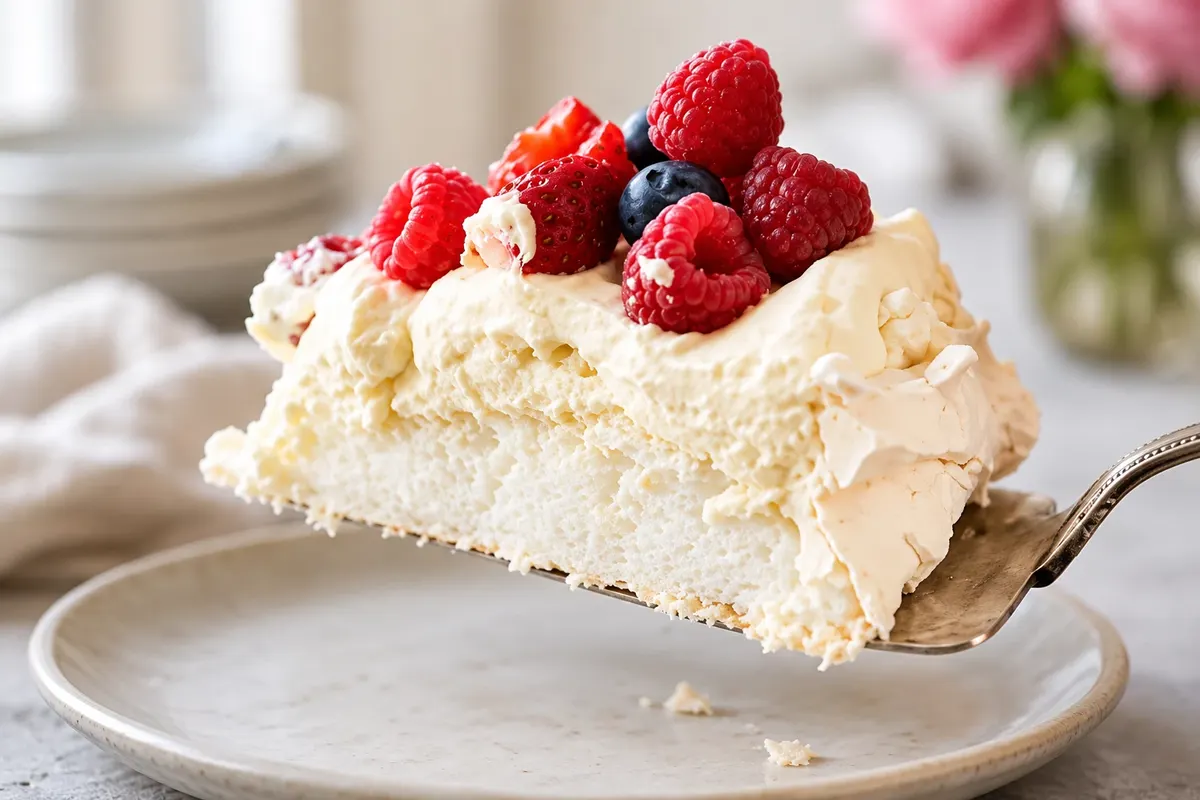
Baked meringue with a crisp shell and soft interior, topped with cream and fruit, often kiwi. New Zealanders regard it as a national dessert and dispute its origin with Australia; researcher Helen Leach, of Otago, collected the oldest recipes.

Dry white wine from the sauvignon blanc grape, intensely aromatic, with herbal notes and tropical fruit. Marlborough, in the north of the South Island, is New Zealand’s largest wine region, and the name has been a registered geographical indication since 2018.

Red wine from the pinot noir grape, the standout variety of Central Otago, the southernmost wine region of New Zealand, set among the inland lakes and mountains of Otago. Fragrant, with intense fruit and a silky texture; the name has been a registered geographical indication since 2018.

Maori meal of meats and vegetables cooked in steam from an earth oven, a tradition throughout the country. In Rotorua, the village of Whakarewarewa cooks hāngī using geothermal steam, in boxes placed over hot springs, without the heated stones of the pit.

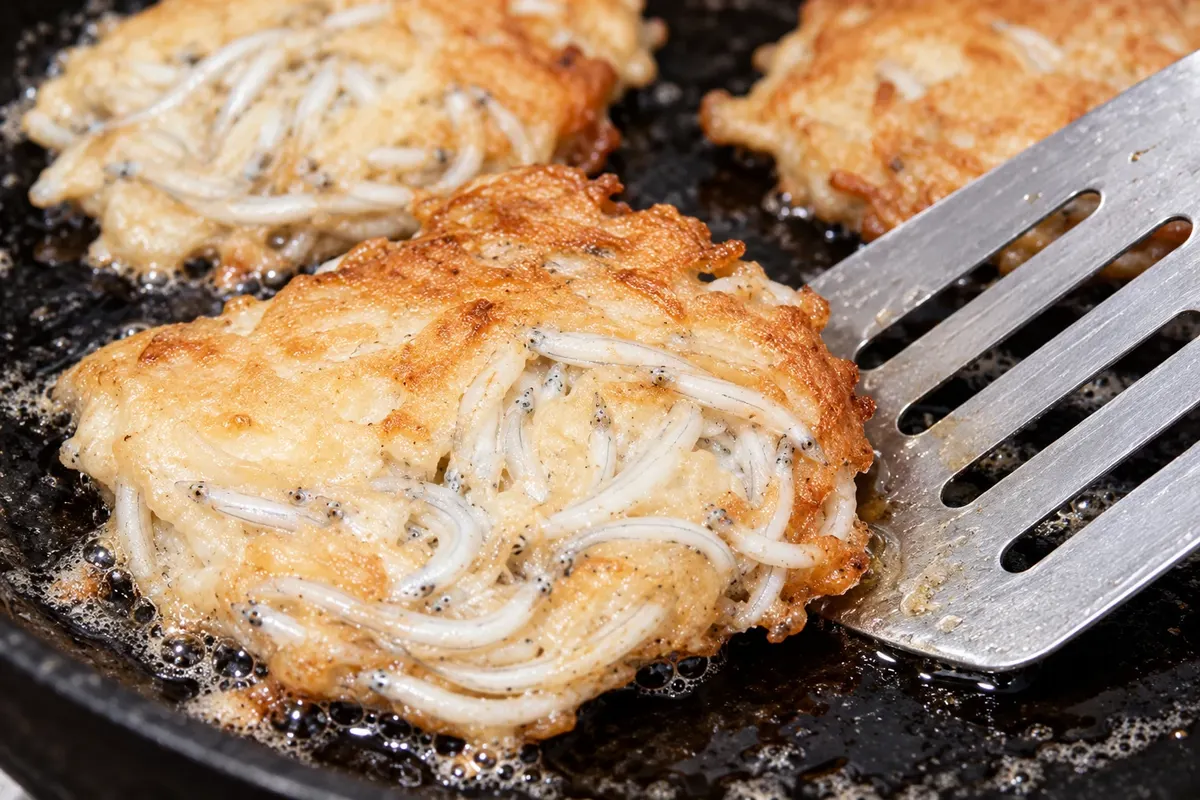
A small cake of beaten egg with whitebait, the juvenile fish of native species that move up rivers in spring, fried in butter or oil. On the West Coast, where catching and eating whitebait is part of local life, it is often served between slices of buttered bread.
Več kot vodnik