Hokey pokey
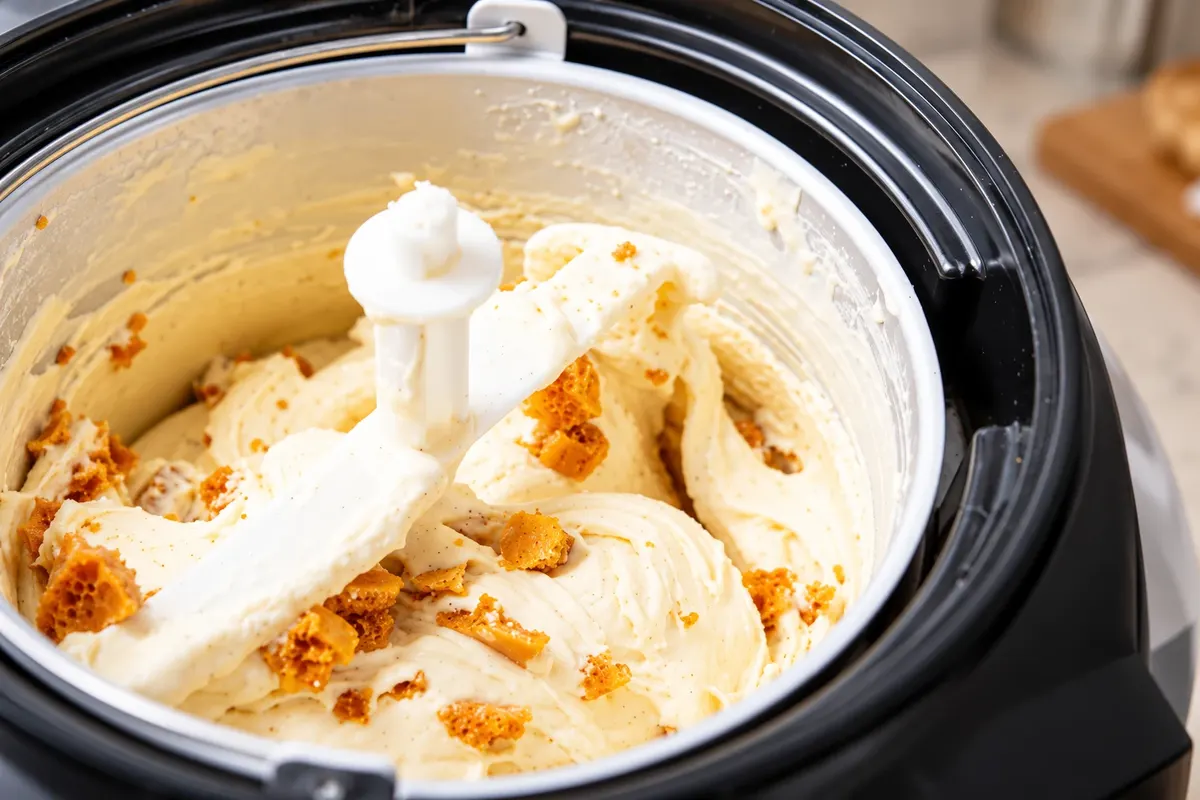
Vanilla ice cream with crunchy bits of aerated caramel, hokey pokey. It’s New Zealand’s second most popular ice cream flavor after plain vanilla, and its origin is disputed between towns in the country.
Antarktika
Značilne jedi · Nova Zelandija
West Coast whitebait fritters, Southland cheese rolls, Rotorua’s steam-cooked hāngī, and the wines of Marlborough and Central Otago.
Na fotografiji: Sky Tower, Auckland
Illustrative images. The pictures in this guide are illustrations based on the real place, not photographs, and may differ from it.
Kuhinja
New Zealand food begins with the Māori. Polynesian ancestors brought kūmara (a sweet potato), yam and taro from their islands and learned to cultivate them in a cooler climate. From the forest came ferns, wild fruits and birds; from the rivers, eels; from the sea, fish and shellfish such as pipi, pāua and kina. For cooking large quantities they used the hāngī, an earth oven heated with stones, which remains part of gatherings and celebrations.
European settlers arrived in the 19th century with European cooking methods, first using open fires and later iron stoves. The electric stove, which spread from the 1920s, encouraged baking and home recipes, many collected in church, school and community cookbooks. Later, the country’s table absorbed influences from Asia and Pacific islands, and fish, seafood and lamb remain central to the cuisine.
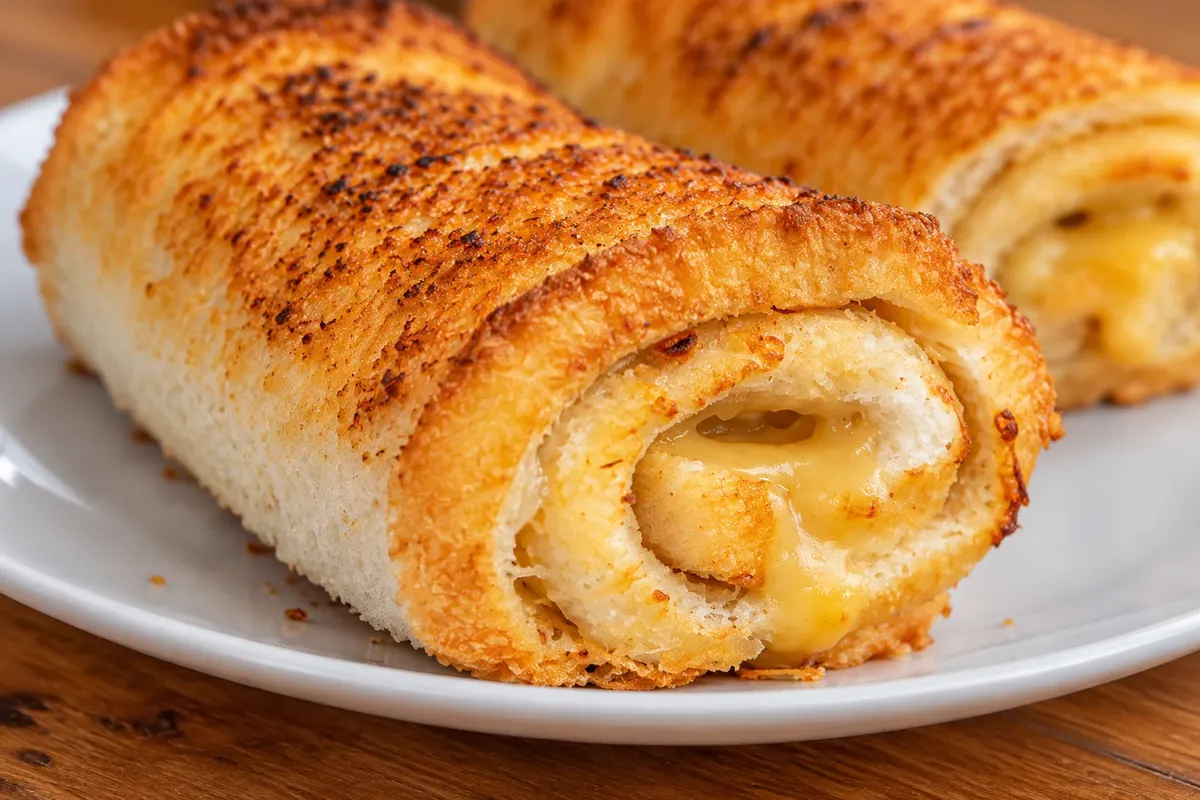
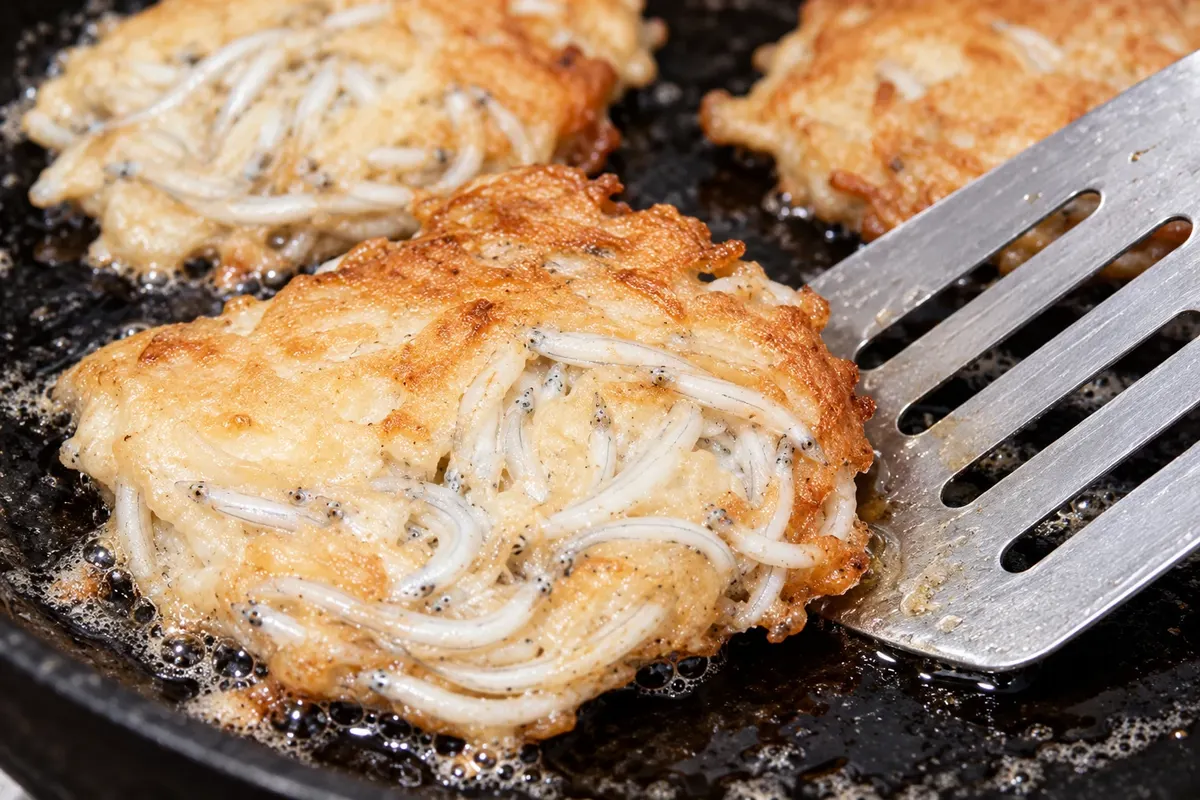
Some specialties are tied to particular regions. On the West Coast, the western shore of the South Island, whitebait—tiny native fish caught in rivers in spring—becomes an egg-based fritter, the whitebait fritter. In Southland, at the far south, the cheese roll—bread rolled with a cheese filling and toasted—is so common it earned the nickname “southern sushi.” In Rotorua, where steam rises from the ground, the village of Whakarewarewa cooks hāngī in geothermal steam boxes, its own version of a Māori tradition found across the country.
Wine also has its addresses. Marlborough, in the north of the South Island, is the country’s largest wine region and became famous for sauvignon blanc from the 1980s onward. Central Otago, set among lakes and mountains, is New Zealand’s southernmost wine region and is known for pinot noir. Both names are registered geographical indications.

Število lokalnih okusov: 7

Vanilla ice cream with crunchy bits of aerated caramel, hokey pokey. It’s New Zealand’s second most popular ice cream flavor after plain vanilla, and its origin is disputed between towns in the country.

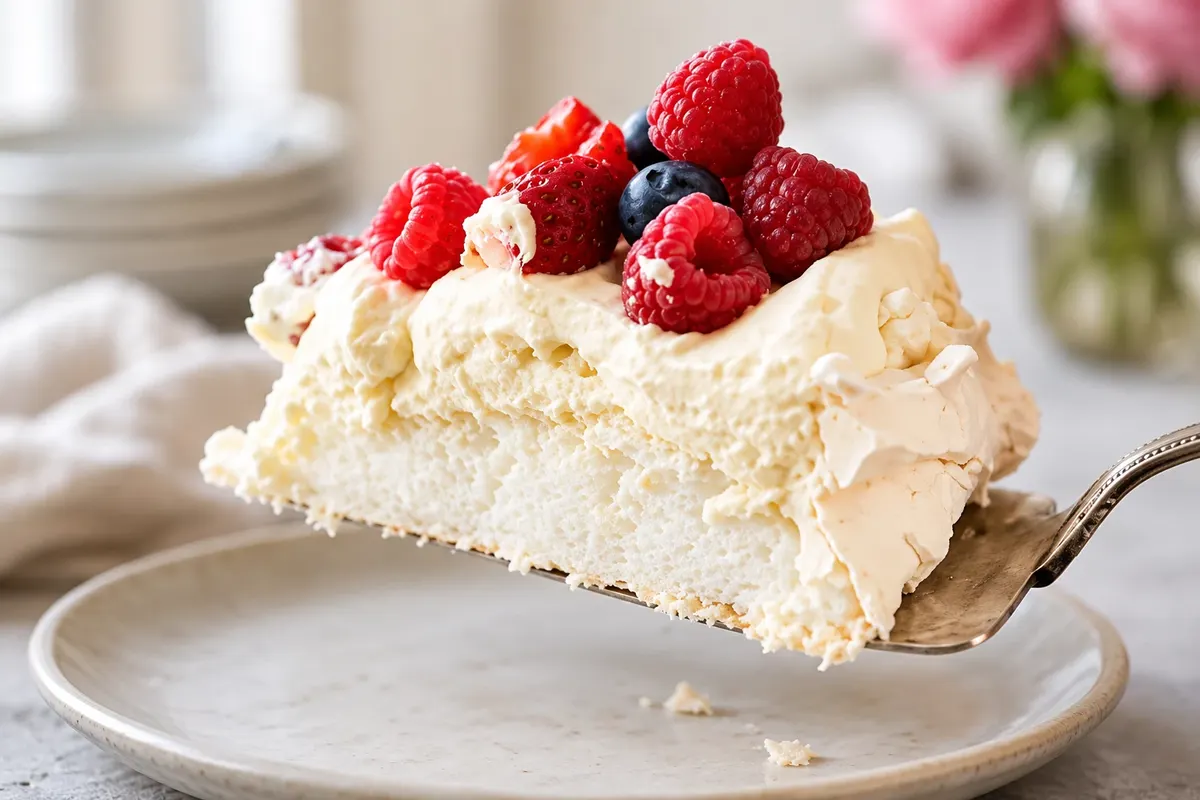
Baked meringue with a crisp shell and soft interior, topped with cream and fruit, often kiwi. New Zealanders regard it as a national dessert and dispute its origin with Australia; researcher Helen Leach, of Otago, collected the oldest recipes.

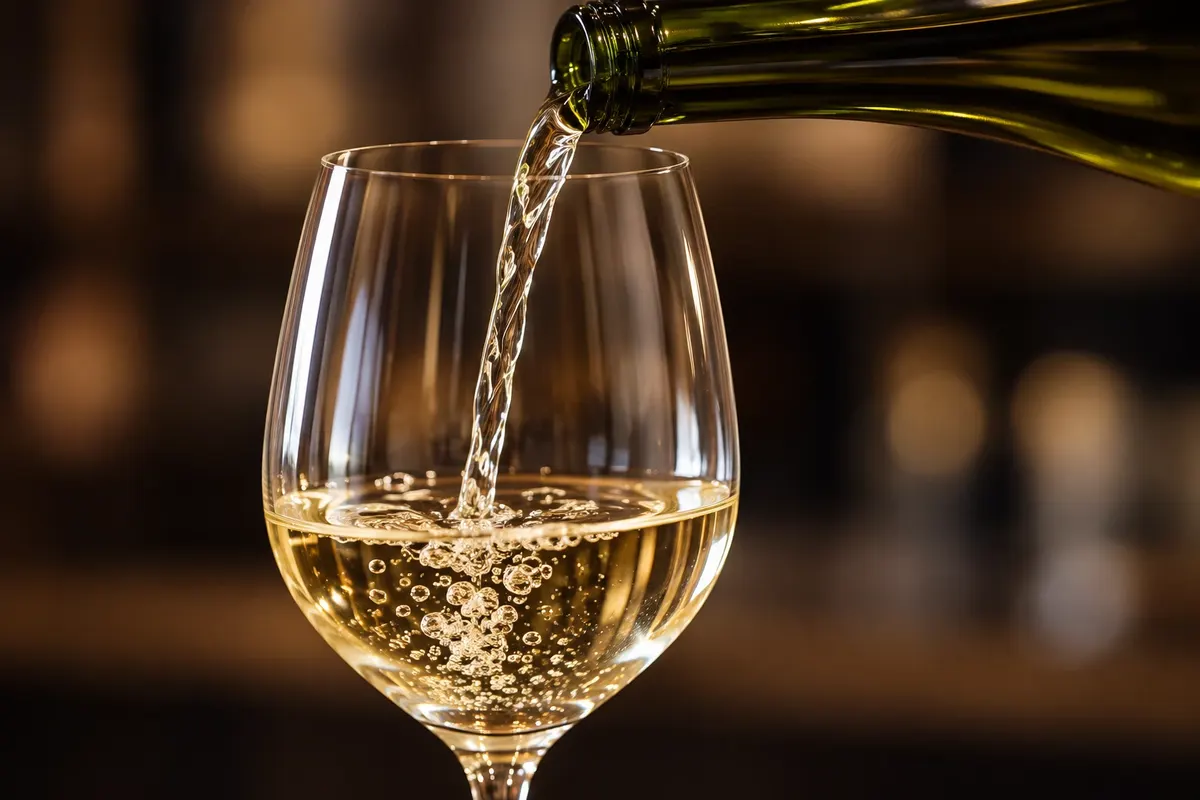
Dry white wine from the sauvignon blanc grape, intensely aromatic, with herbal notes and tropical fruit. Marlborough, in the north of the South Island, is New Zealand’s largest wine region, and the name has been a registered geographical indication since 2018.

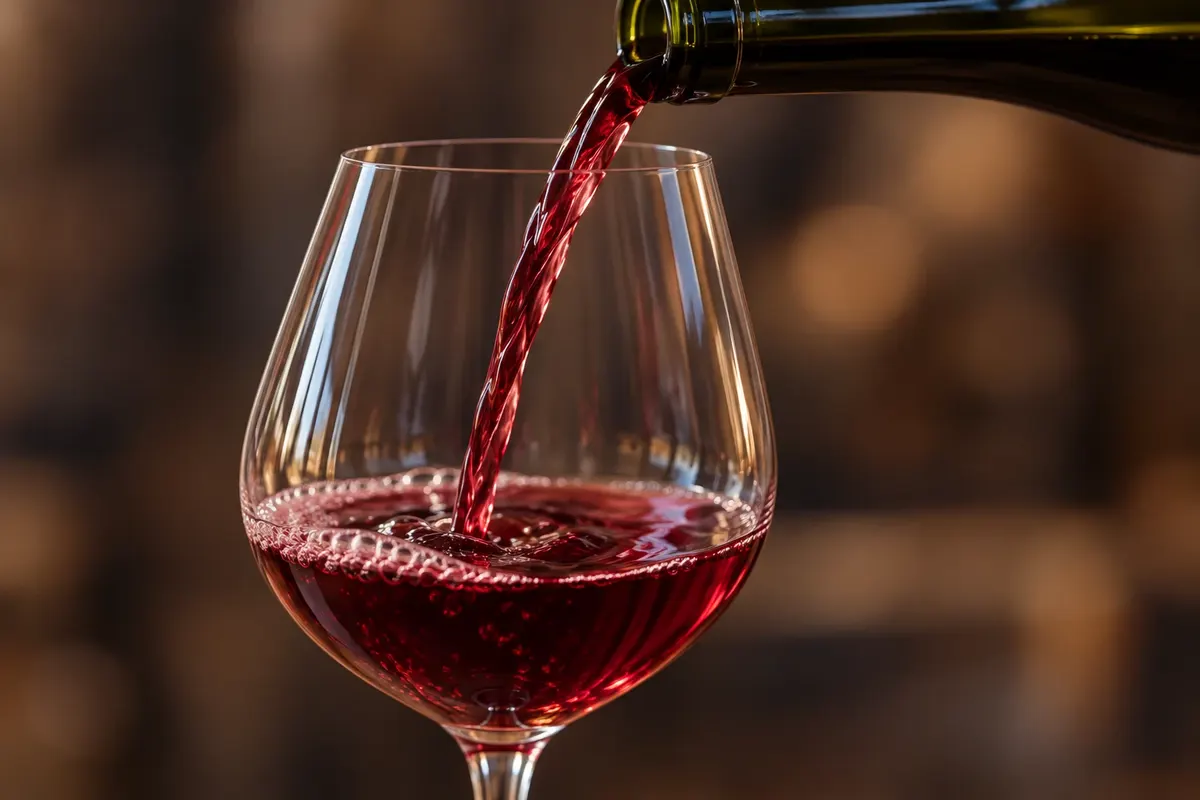
Red wine from the pinot noir grape, the standout variety of Central Otago, the southernmost wine region of New Zealand, set among the inland lakes and mountains of Otago. Fragrant, with intense fruit and a silky texture; the name has been a registered geographical indication since 2018.

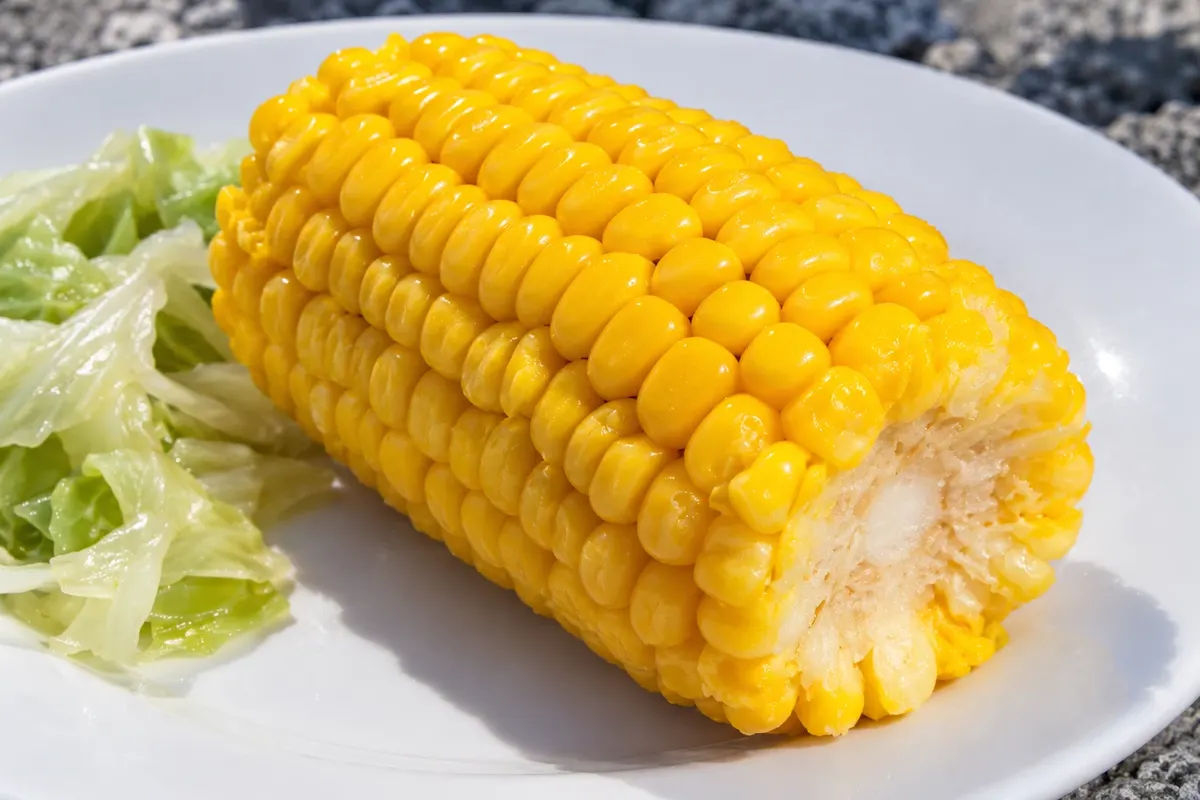
Maori meal of meats and vegetables cooked in steam from an earth oven, a tradition throughout the country. In Rotorua, the village of Whakarewarewa cooks hāngī using geothermal steam, in boxes placed over hot springs, without the heated stones of the pit.

A slice of white sandwich bread spread with a cheesy cream, rolled up and toasted until golden. It’s traditional in cafés, bakeries and fundraising events in Southland, at the far south of New Zealand, where it earned the nickname southern sushi.

A small cake of beaten egg with whitebait, the juvenile fish of native species that move up rivers in spring, fried in butter or oil. On the West Coast, where catching and eating whitebait is part of local life, it is often served between slices of buttered bread.
of Nova Zelandija – predlagajte značilno jed, sladico ali pijačo, ki je še ni na seznamu. Pred vključitvijo preverimo vire.
Okusi držav
Izberite državo in spoznajte njene značilne jedi, sladice in pijače.
Odgovori na vaša vprašanja
New Zealand cuisine brings together Māori tradition—kūmara, seafood and hāngī—with the heritage of European settlers and influences from Asia and the Pacific. Some specialties are region-specific: the whitebait fritter in the West Coast, the cheese roll in Southland, the geothermal hāngī in Rotorua, sauvignon blanc in Marlborough and pinot noir in Central Otago.
It is the Māori earth oven and the meal prepared in it. Hot stones and water create steam in a pit; meat and vegetables cook there for several hours, covered with leaves or cloth and earth. It is made for large groups at celebrations and gatherings.
It is the name for the juvenile fish of several native species that swim from estuaries into rivers in spring. Fishing is regulated and seasonal. The most common preparation is the whitebait fritter, an egg-based fried patty.
The best-known are Marlborough sauvignon blanc—the country’s largest wine region—and Central Otago pinot noir—the southernmost wine region in New Zealand. Marlborough and Central Otago are registered geographical indications.

Več kot vodnik