Hokey pokey
Vanilla ice cream with crunchy bits of aerated caramel, hokey pokey. It’s New Zealand’s second most popular ice cream flavor after plain vanilla, and its origin is disputed between towns in the country.
AntarktikaOkusi · Otago
Red wine from the pinot noir grape, the standout variety of Central Otago, the southernmost wine region of New Zealand, set among the inland lakes and mountains of Otago. Fragrant, with intense fruit and a silky texture; the name has been a registered geographical indication since 2018.
Traditional pijača izOtago
Druga imena: Central Otago Pinot
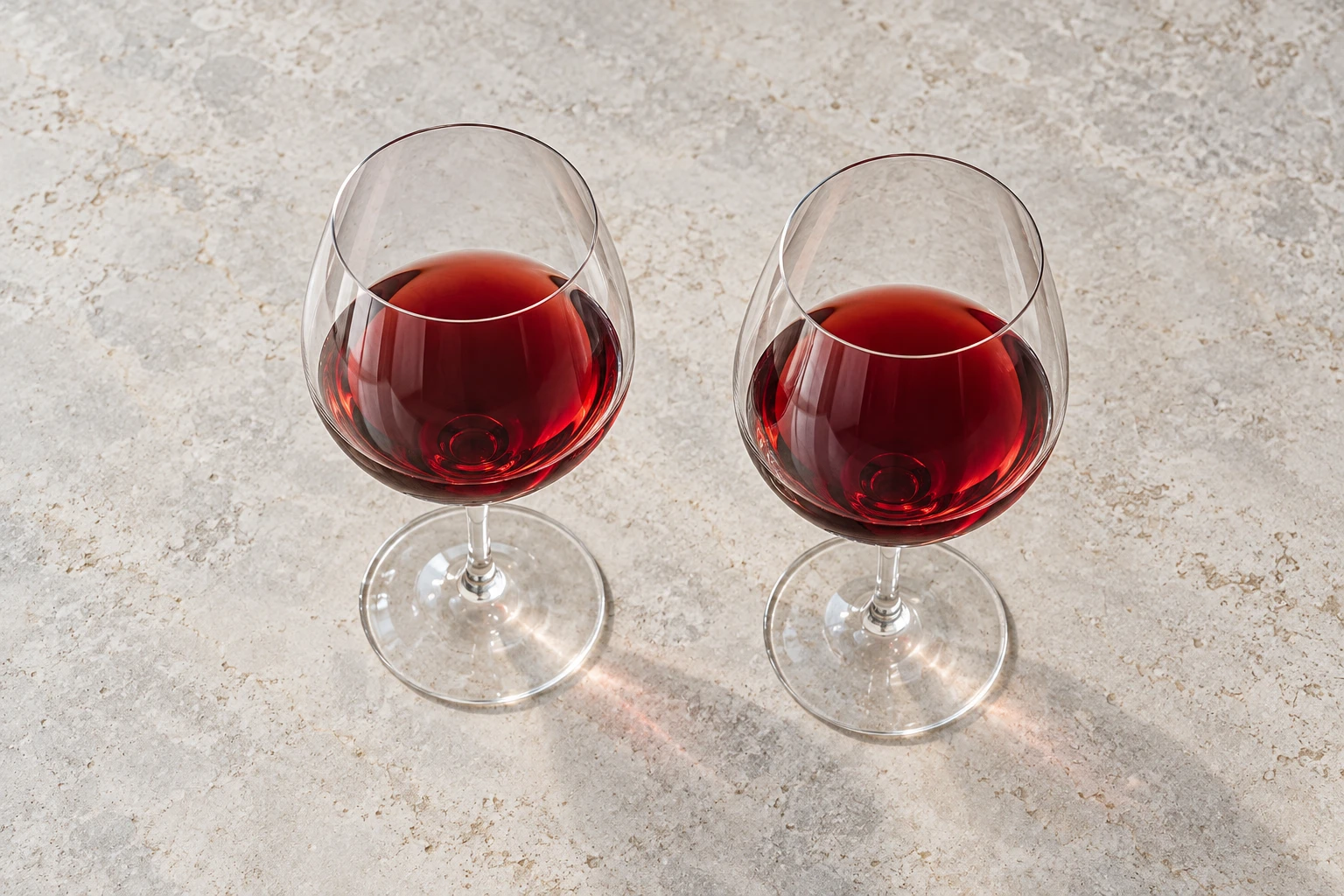
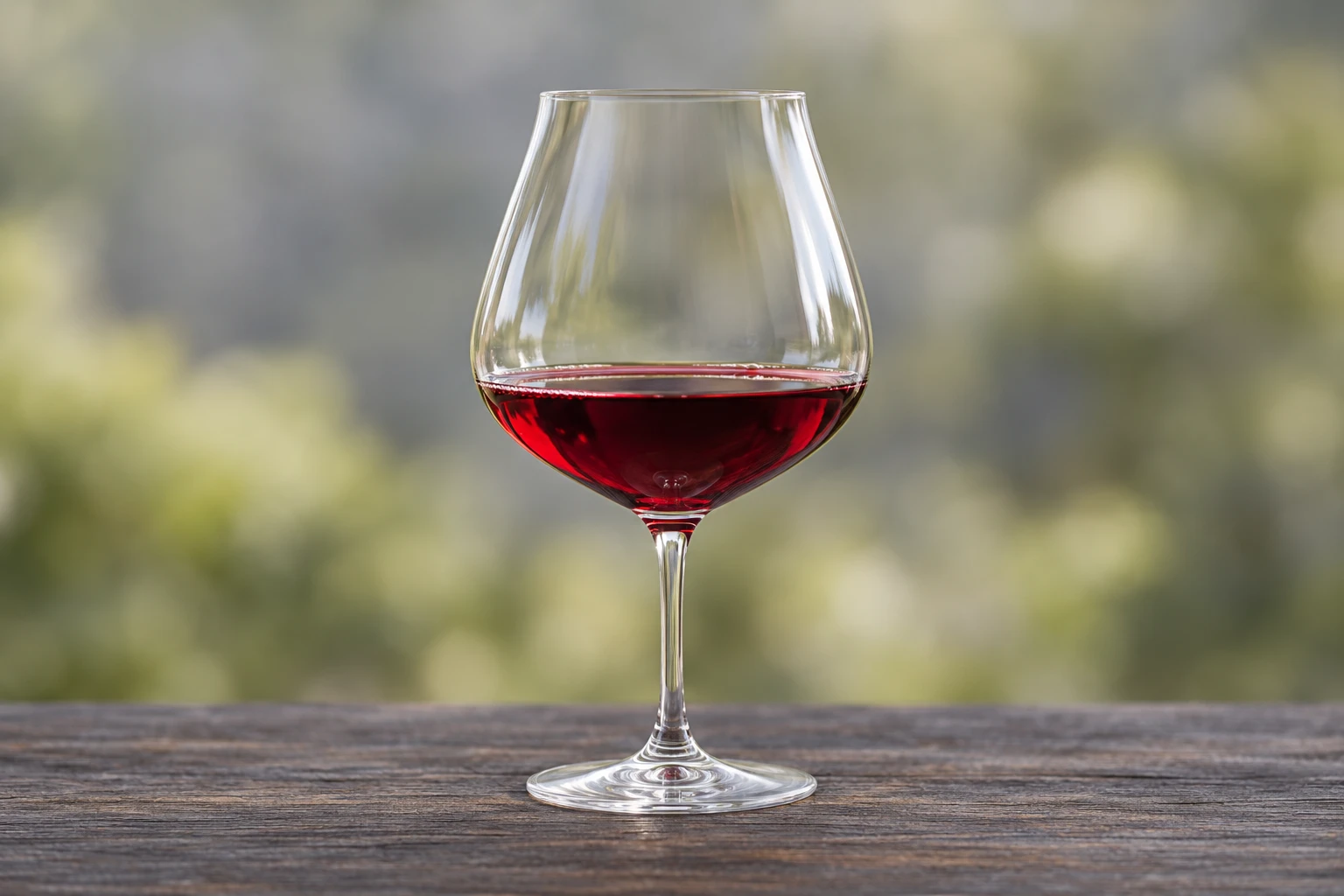
Illustrative images. The pictures in this guide are illustrations based on the real place, not photographs, and may differ from it.
Kliknite fotografijo za povečavo.
Central Otago Pinot Noir — Otago, Nova Zelandija
Central Otago Pinot Noir is the red wine from the pinot noir grape produced in Central Otago, in the interior of the Otago region in the southern part of the South Island. Pinot noir is the region’s signature variety. The style is described as fragrant, with intense fruit, firm structure and a silky texture, and it varies from one subregion to another.
Central Otago is the southernmost wine region of New Zealand. The climate is one of extremes: cold winters, summers with strong sun, long dry autumns and cool, clear nights, with a large temperature difference between day and night up to harvest. This range of temperatures requires careful site selection for each slope and helps give personality to the wines of each place.
The first vines were planted in the 1860s, near Clyde and Alexandra, during the gold rush, and the Frenchman Jean Désiré Féraud is considered the maker of the region’s first wine. By the 1880s wines from there were already winning awards, but that success did not continue for nearly a century, and orchards replaced vineyards. Modern winemaking restarted in 1976 with a vineyard in Wānaka, and the first commercial pinot noir of the new era, from Gibbston, was released in 1987.
The region has subregions with distinct profiles: Gibbston, east of Queenstown, the highest; Bannockburn, on the south bank of the Kawarau River, one of the warmest and driest, with its own geographical indication since 2022; Cromwell, Lowburn and Pisa, by Lake Dunstan; Bendigo, on stony slopes; Wānaka, cooler, by the lake; and Alexandra, the southernmost subregion. Central Otago was registered as a geographical indication for wine in 2018 on behalf of the region’s growers association, based in Cromwell.

Pinot noir grape grown in Central Otago. Dry red wine.
Served in a red wine glass.
Year‑round.
Odgovori na vaša vprašanja
A red wine made from the pinot noir grape in Central Otago, in the interior of Otago in the south of New Zealand. It is fragrant, with intense fruit and a silky texture. The name Central Otago is a registered geographical indication.
In the interior of Otago, among lakes and mountains: in Gibbston, east of Queenstown; in Bannockburn and Cromwell, by the Kawarau River and Lake Dunstan; in Bendigo; near Wānaka; and in Alexandra, the southernmost subregion.
The climate has summers with strong sun and cool nights, with a large day–night temperature difference, and long, dry autumns. The grape ripens slowly, and each subregion produces wines with its own profile.
Lokalni okusi – of Nova Zelandija

Vanilla ice cream with crunchy bits of aerated caramel, hokey pokey. It’s New Zealand’s second most popular ice cream flavor after plain vanilla, and its origin is disputed between towns in the country.

Baked meringue with a crisp shell and soft interior, topped with cream and fruit, often kiwi. New Zealanders regard it as a national dessert and dispute its origin with Australia; researcher Helen Leach, of Otago, collected the oldest recipes.

Dry white wine from the sauvignon blanc grape, intensely aromatic, with herbal notes and tropical fruit. Marlborough, in the north of the South Island, is New Zealand’s largest wine region, and the name has been a registered geographical indication since 2018.

Maori meal of meats and vegetables cooked in steam from an earth oven, a tradition throughout the country. In Rotorua, the village of Whakarewarewa cooks hāngī using geothermal steam, in boxes placed over hot springs, without the heated stones of the pit.

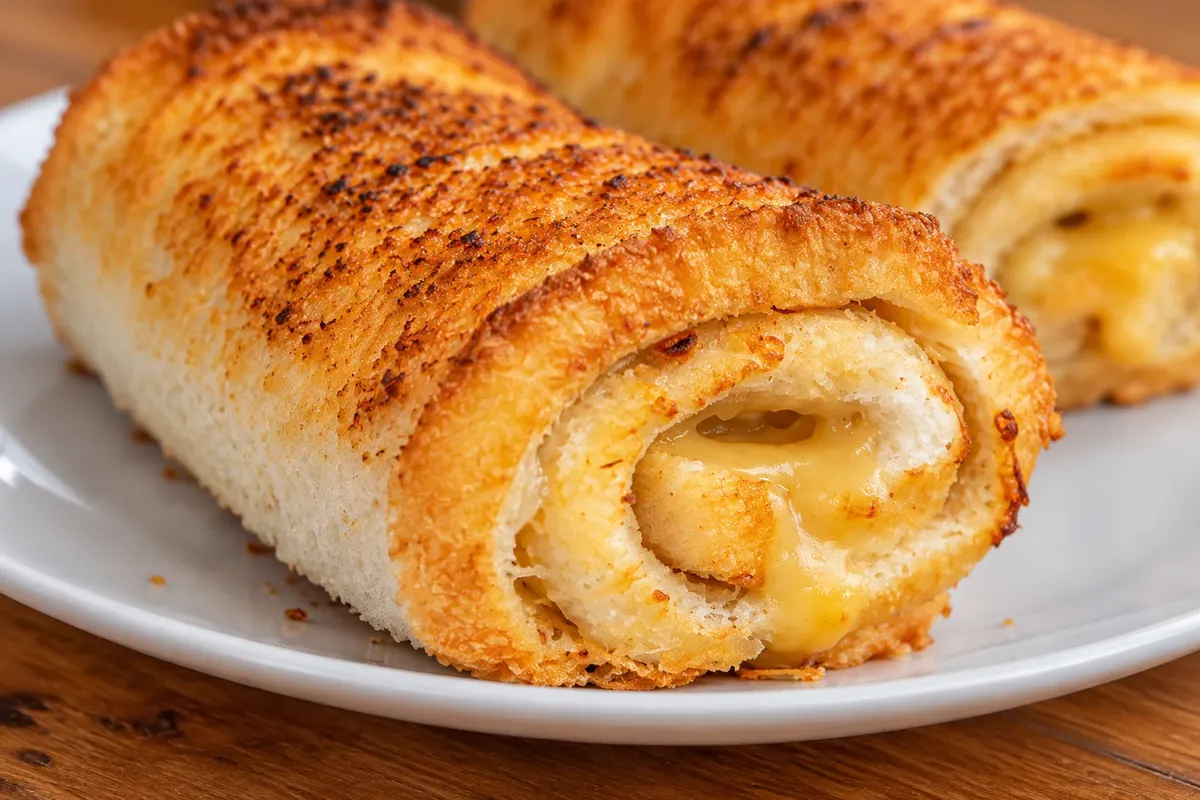
A slice of white sandwich bread spread with a cheesy cream, rolled up and toasted until golden. It’s traditional in cafés, bakeries and fundraising events in Southland, at the far south of New Zealand, where it earned the nickname southern sushi.

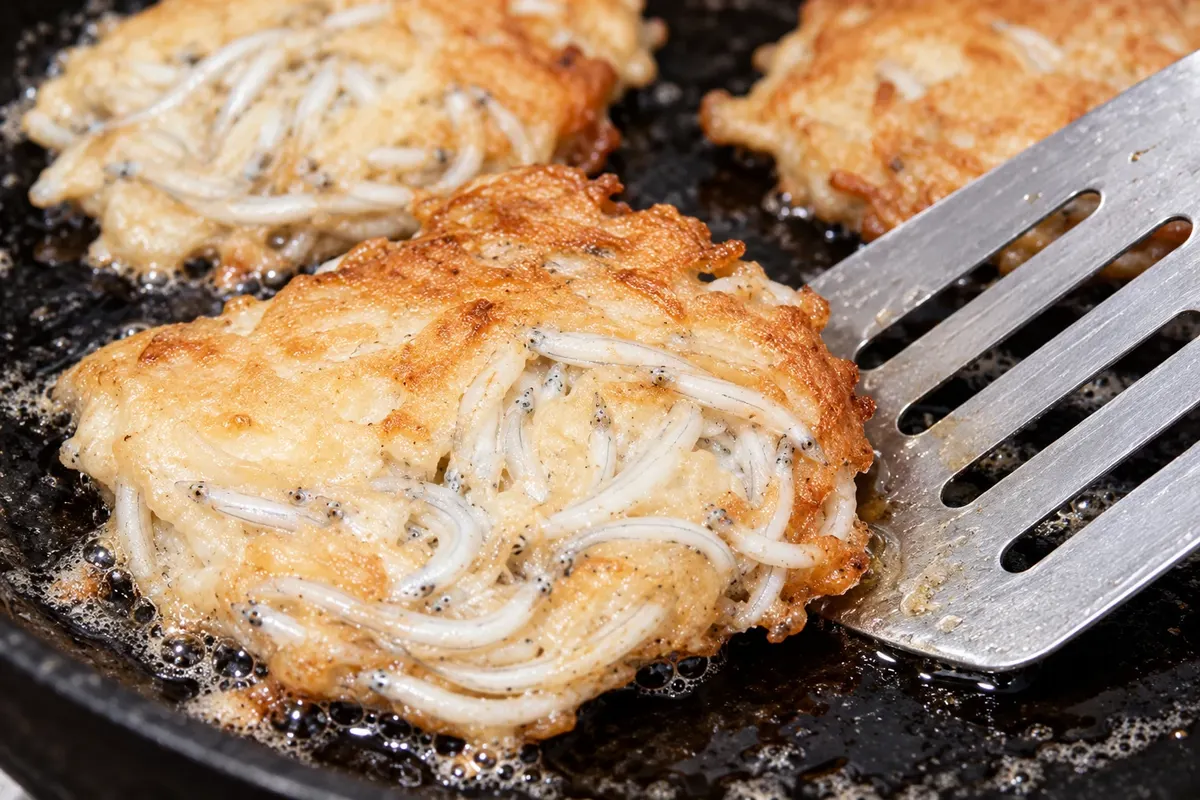
A small cake of beaten egg with whitebait, the juvenile fish of native species that move up rivers in spring, fried in butter or oil. On the West Coast, where catching and eating whitebait is part of local life, it is often served between slices of buttered bread.
Več kot vodnik