Hokey pokey
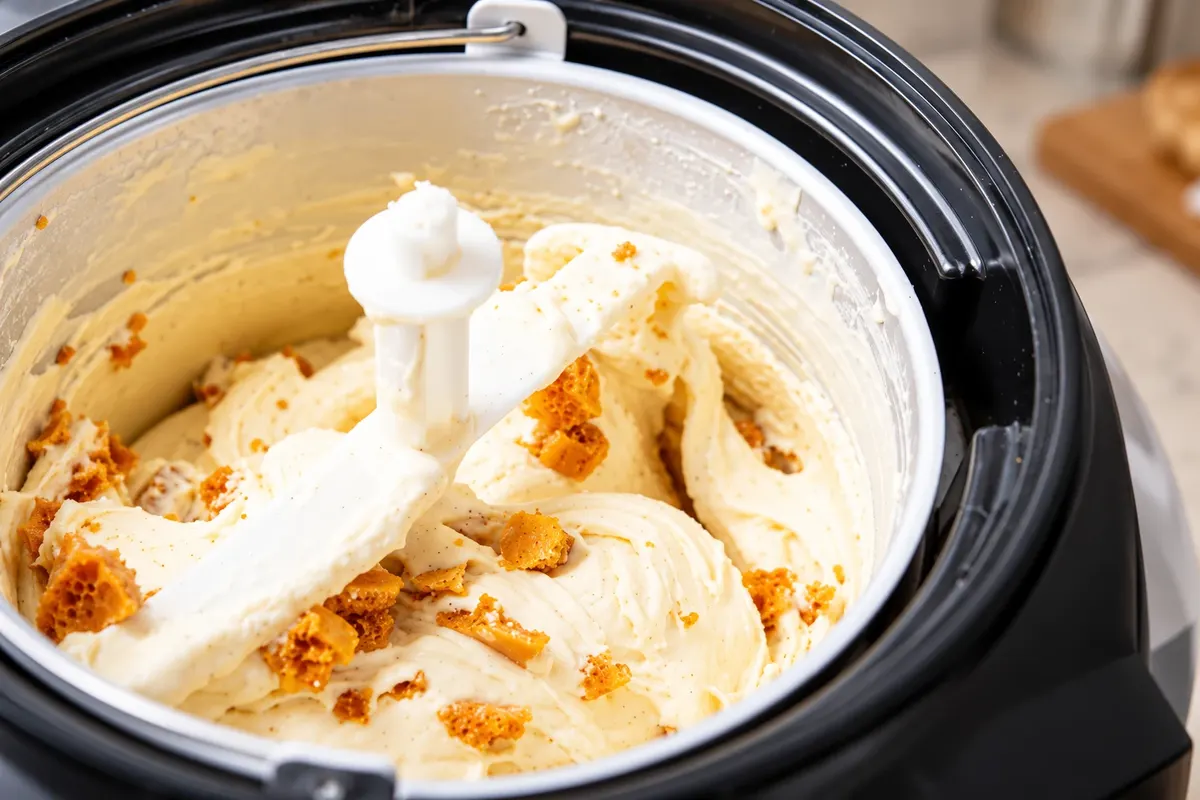
Vanilla ice cream with crunchy bits of aerated caramel, hokey pokey. It’s New Zealand’s second most popular ice cream flavor after plain vanilla, and its origin is disputed between towns in the country.
AntarktikaOkusi · Rotorua
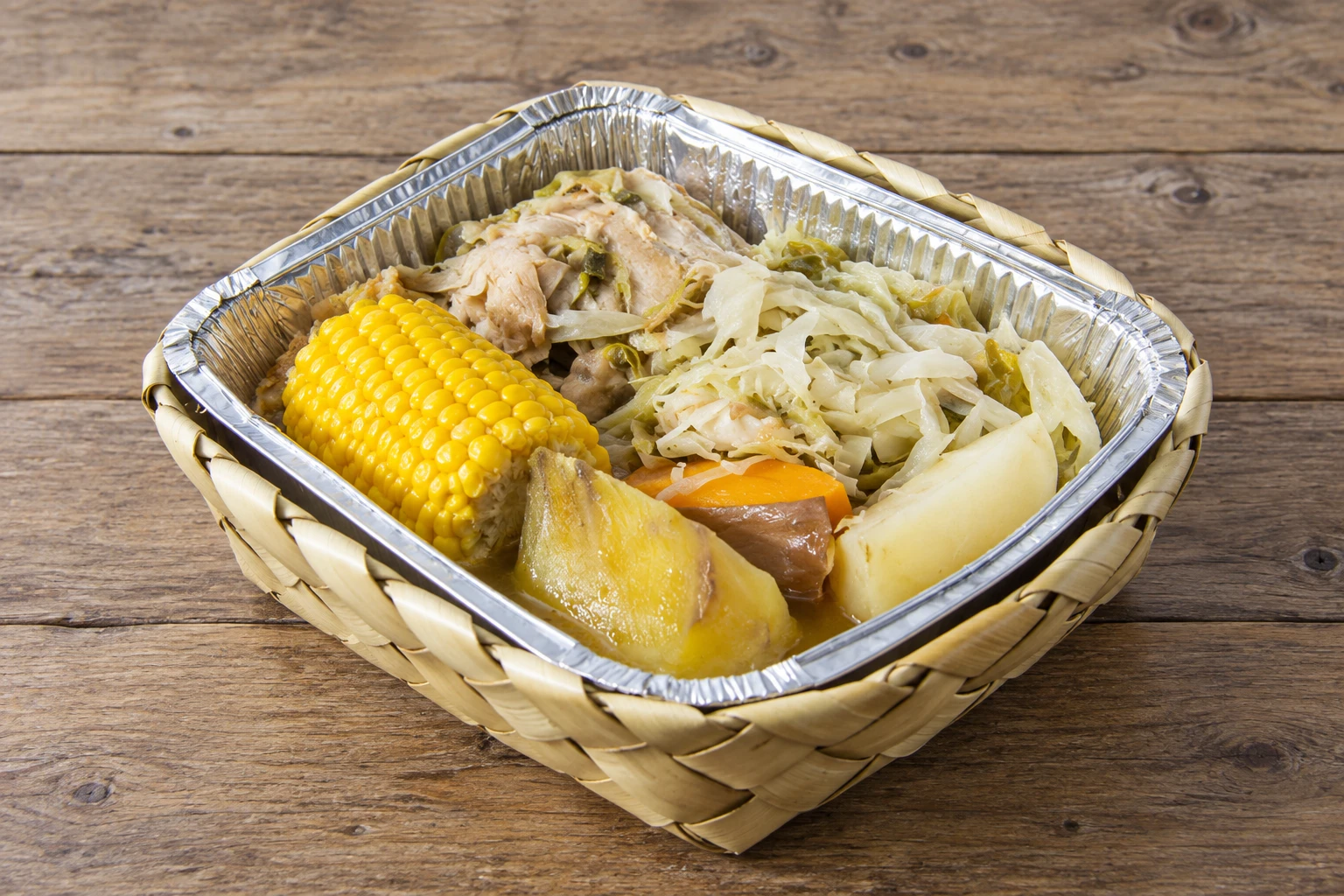
Maori meal of meats and vegetables cooked in steam from an earth oven, a tradition throughout the country. In Rotorua, the village of Whakarewarewa cooks hāngī using geothermal steam, in boxes placed over hot springs, without the heated stones of the pit.
Traditional jed izRotorua, Bay of Plenty
Druga imena: hangi, umu
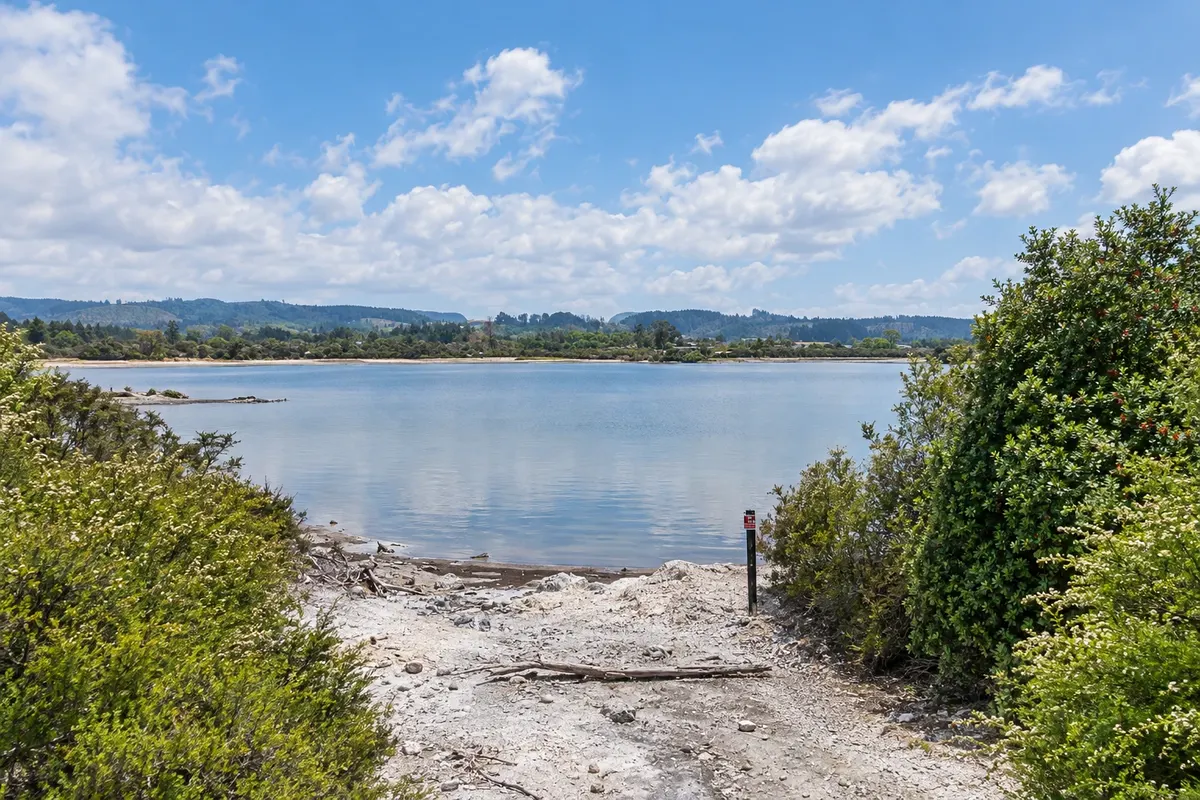
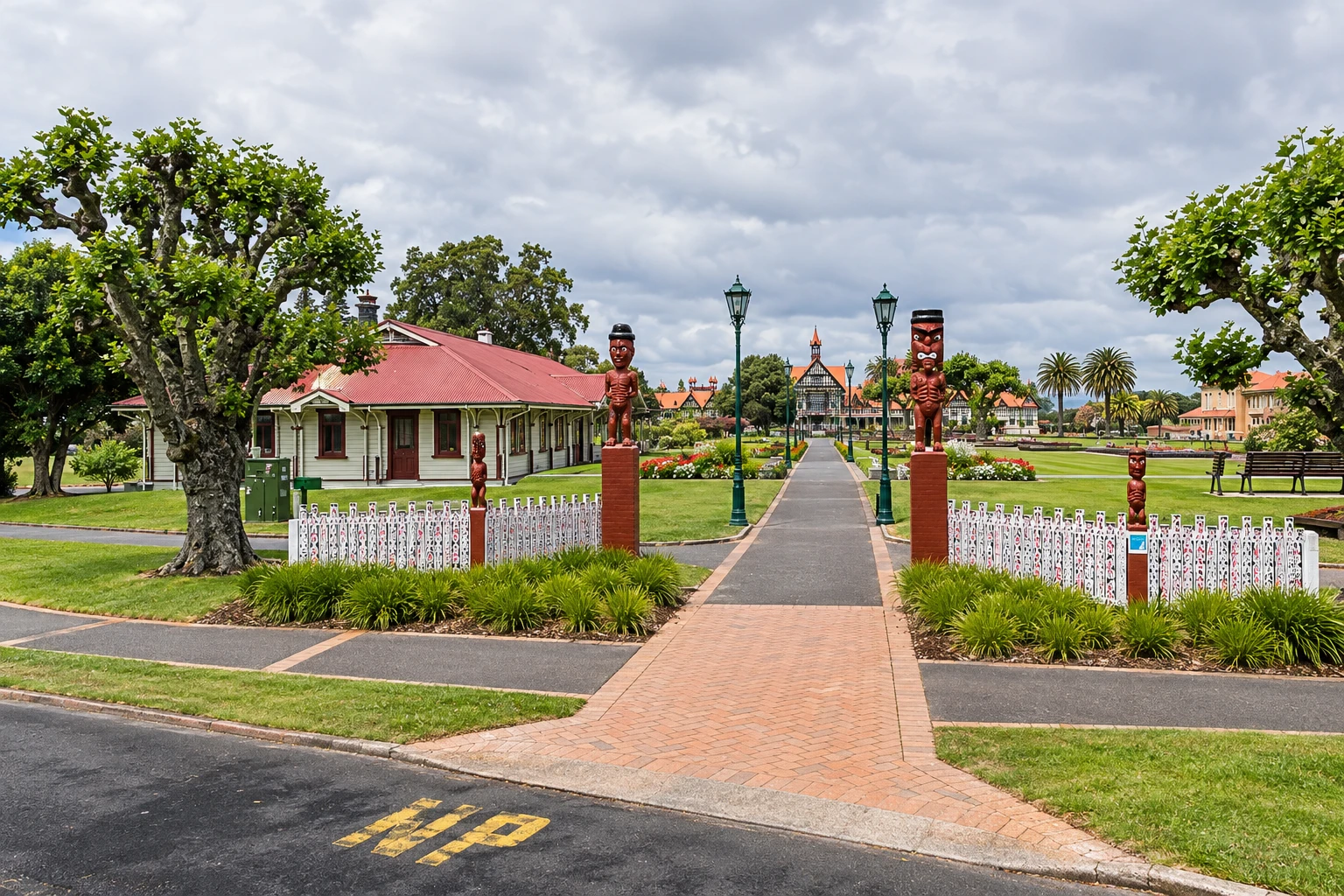
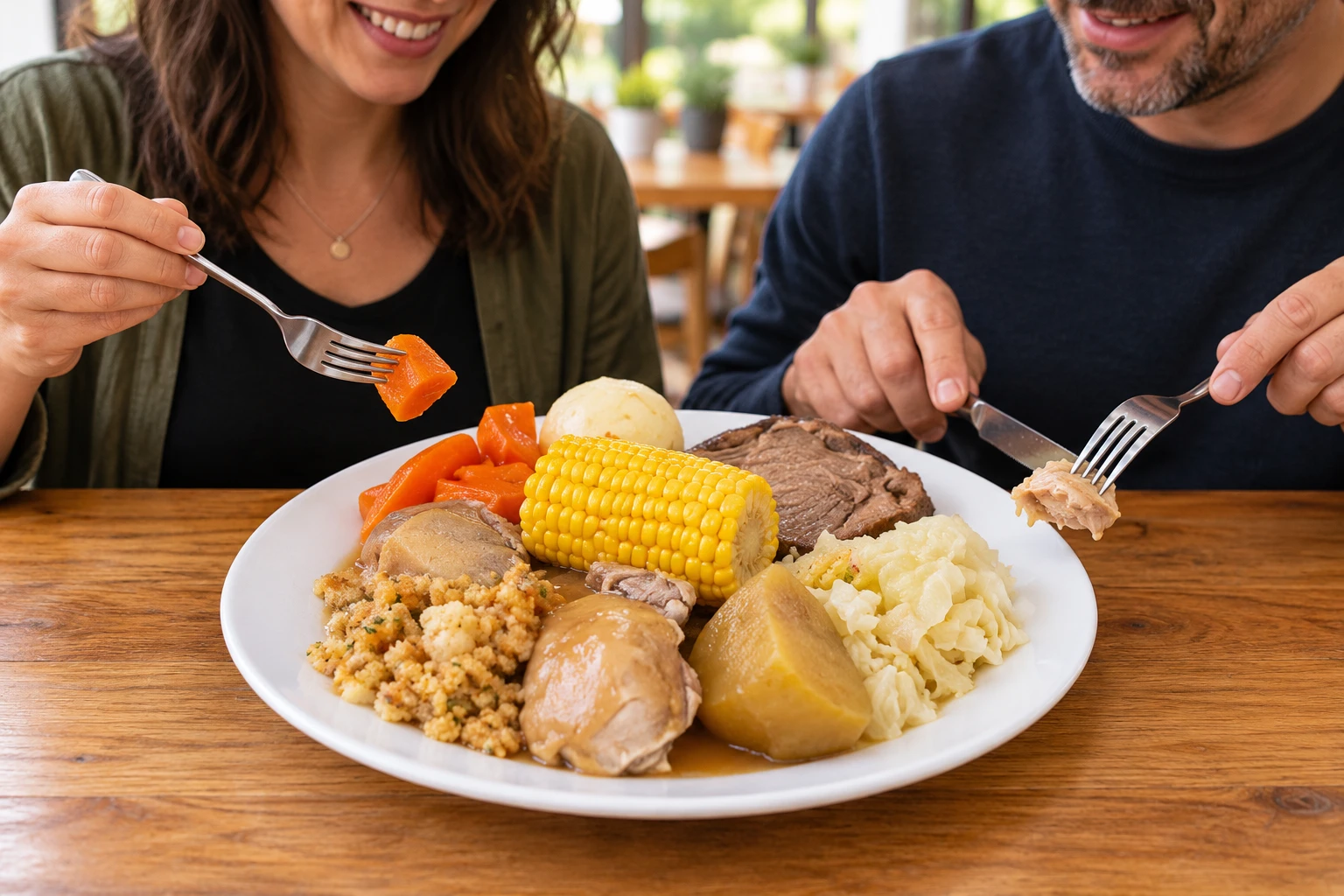
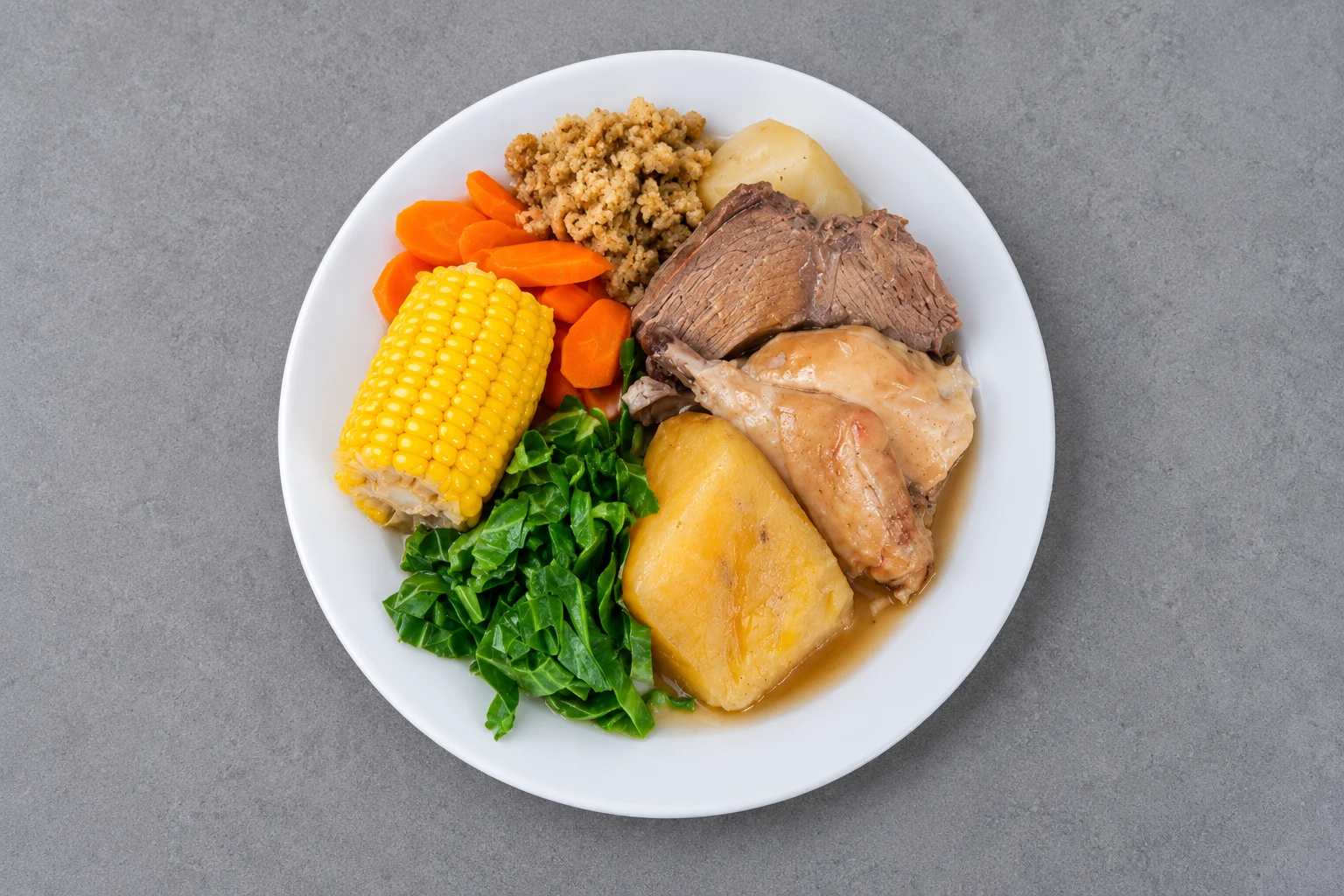
Illustrative images. The pictures in this guide are illustrations based on the real place, not photographs, and may differ from it.
Kliknite fotografijo za povečavo.
Hāngī — Rotorua, Nova Zelandija
Hāngī is the Maori earth oven and the meal cooked in it. Heated stones and water create steam in a shallow pit dug into the ground. Meat goes in first, then the vegetables, and everything is covered with leaves, flax mats or, more recently, bags and cloths; soil is piled on top to trap the steam. Cooking takes several hours, depending on the quantity. In the past fish and kūmara, the Maori sweet potato, were used; today pork, lamb, potato, pumpkin and cabbage are also common.
Hāngī is made across New Zealand, especially when many people must be fed — at parties, celebrations and gatherings. It is tied to manaakitanga, Maori hospitality: preparing and serving the food is a way of welcoming guests.
In Rotorua, on the central North Island, the heat comes from the earth itself. For centuries the local Maori have cooked hāngī with geothermal steam. Photographs from 1901 show residents of the village of Whakarewarewa cooking in two ways: with food in baskets lowered by ropes into a hot spring, and in a hāngī heated by the warmth of the ground. Both methods are still used.
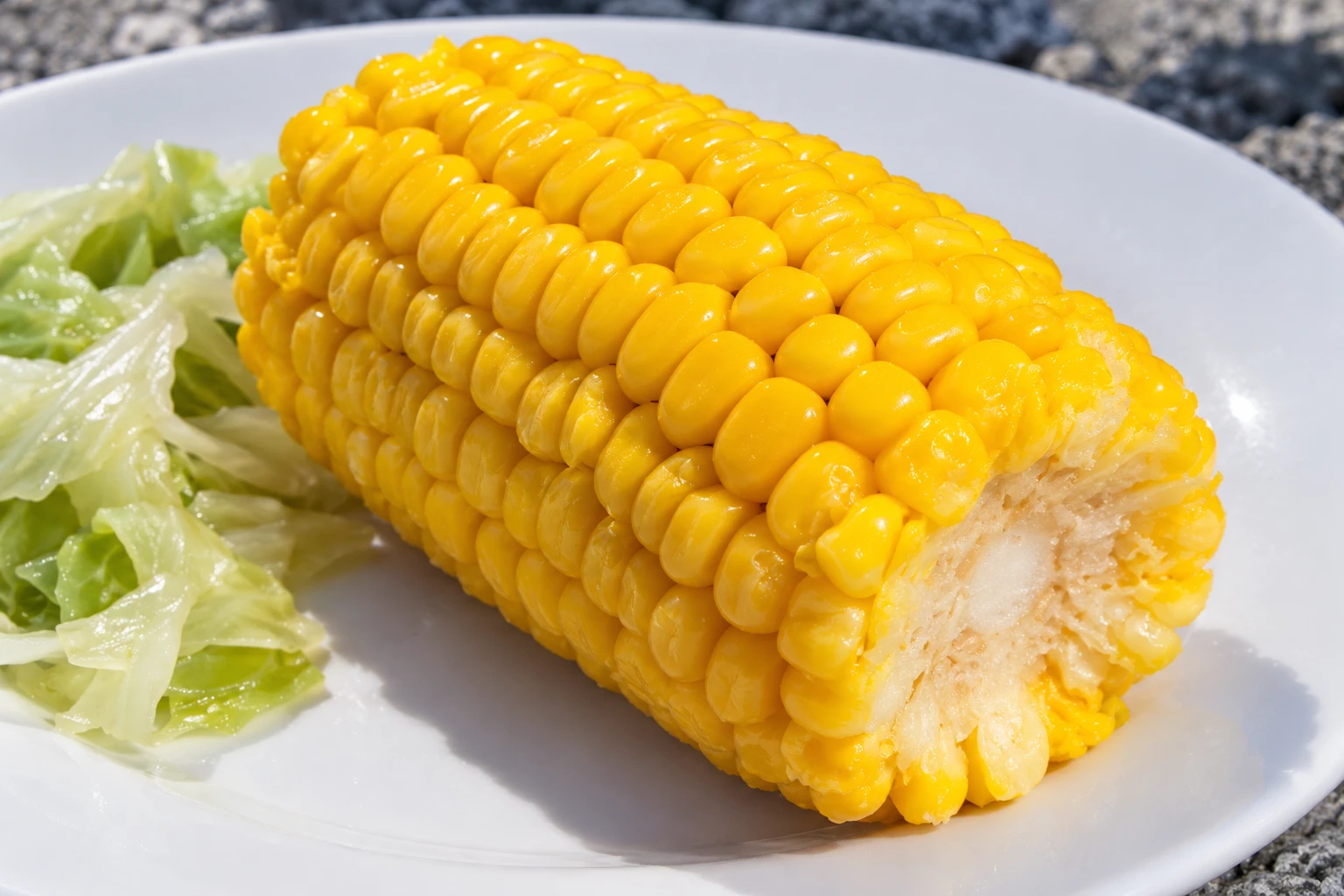
Whakarewarewa is the home of Tūhourangi Ngāti Wāhiao, whose ancestors from the Te Arawa people settled the valley in 1325, according to the village. The residents own and manage the village. There the hāngī does not rely on heated stones: meat and roots cook in geothermal steam boxes, while vegetables, seafood and corn cook in Parekohuru, the village’s largest thermal spring.
For visitors, the Rotorua hāngī is usually part of a cultural visit and requires a reservation. The springs and steam boxes are community-used sites; follow the guides’ directions. There are meat and vegetarian versions. Confirm in advance.

Rotorua , Bay of Plenty
Hāngī is a Maori tradition across the country; in Rotorua, the village of Whakarewarewa cooks it with geothermal steam, a method documented in 1901 photos and still in use.
Meats (chicken, pork, lamb), kūmara, potato, pumpkin and cabbage; traditionally, fish and kūmara. In Whakarewarewa, corn, vegetables and seafood cooked in the thermal spring.
Served hot as soon as the oven or steam boxes are opened, in a communal meal with meats and vegetables together on the plate. In Rotorua it is usually part of a cultural visit.
Parties, celebrations and gatherings that bring many people together, year-round. In Rotorua, offered to visitors as part of cultural experiences, by reservation.
Odgovori na vaša vprašanja
It is the Maori earth oven and the meal prepared in it. Meats and vegetables cook for several hours in steam created by heated stones in a pit covered with soil. It is made throughout the country, especially to feed large groups at parties and gatherings.
In the village of Whakarewarewa, the heat comes from the ground: meat and roots cook in steam boxes set over the hot springs, and corn and vegetables cook in the Parekohuru thermal spring. Heated pit stones are not used.
No. Hāngī is a Maori tradition across New Zealand, traditionally prepared in a pit with heated stones. Rotorua has its own version, cooked with geothermal steam because of the region’s hot springs.
Lokalni okusi – of Nova Zelandija

Vanilla ice cream with crunchy bits of aerated caramel, hokey pokey. It’s New Zealand’s second most popular ice cream flavor after plain vanilla, and its origin is disputed between towns in the country.

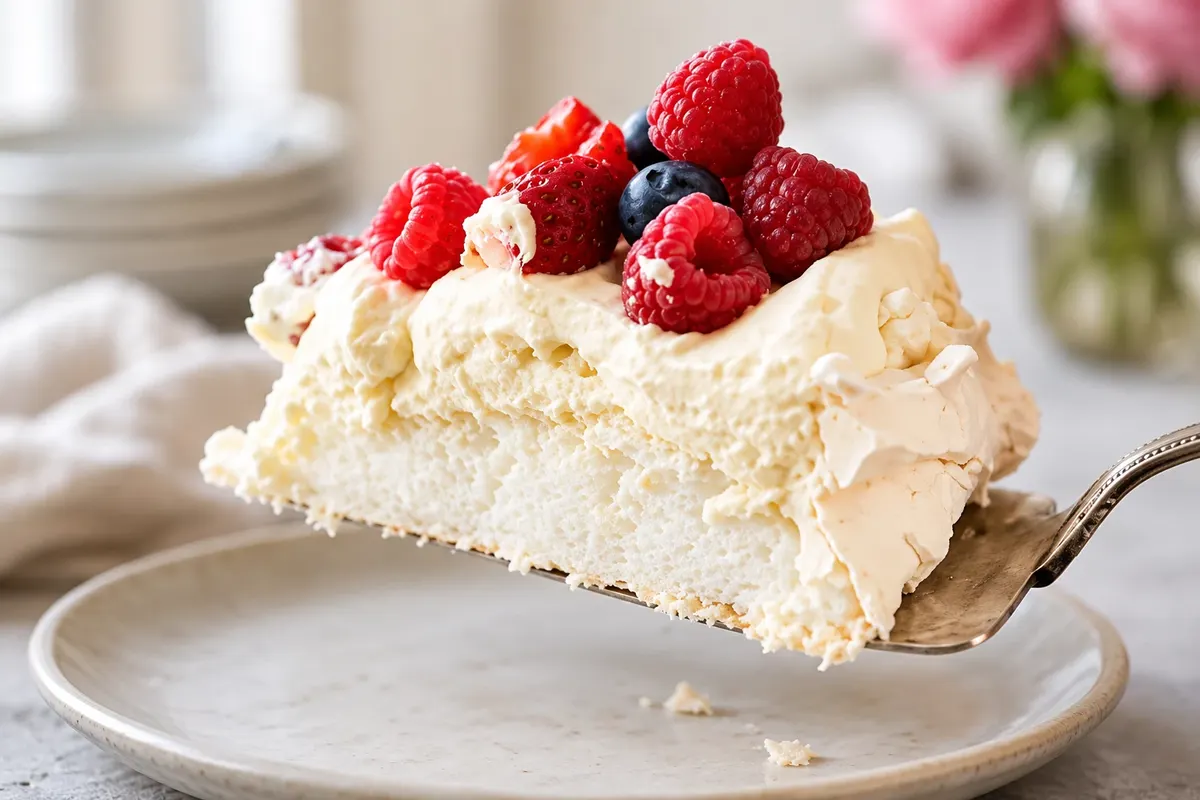
Baked meringue with a crisp shell and soft interior, topped with cream and fruit, often kiwi. New Zealanders regard it as a national dessert and dispute its origin with Australia; researcher Helen Leach, of Otago, collected the oldest recipes.

Dry white wine from the sauvignon blanc grape, intensely aromatic, with herbal notes and tropical fruit. Marlborough, in the north of the South Island, is New Zealand’s largest wine region, and the name has been a registered geographical indication since 2018.

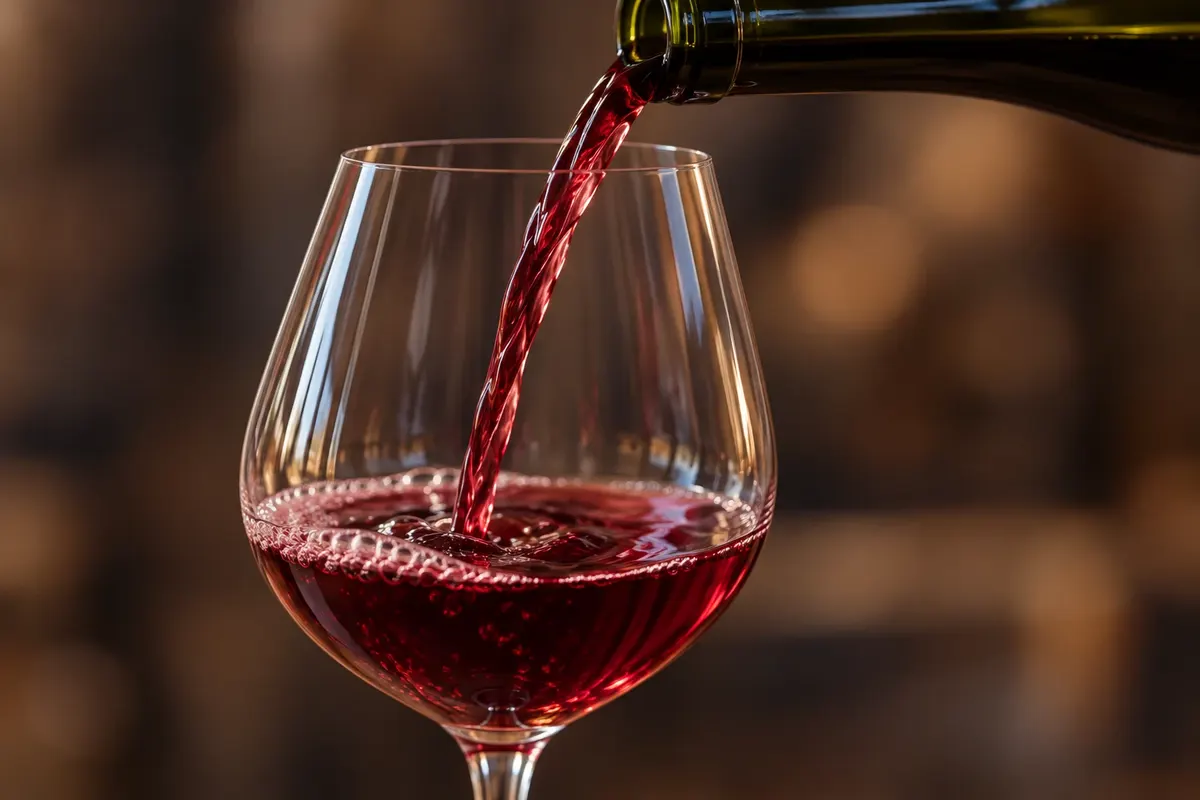
Red wine from the pinot noir grape, the standout variety of Central Otago, the southernmost wine region of New Zealand, set among the inland lakes and mountains of Otago. Fragrant, with intense fruit and a silky texture; the name has been a registered geographical indication since 2018.

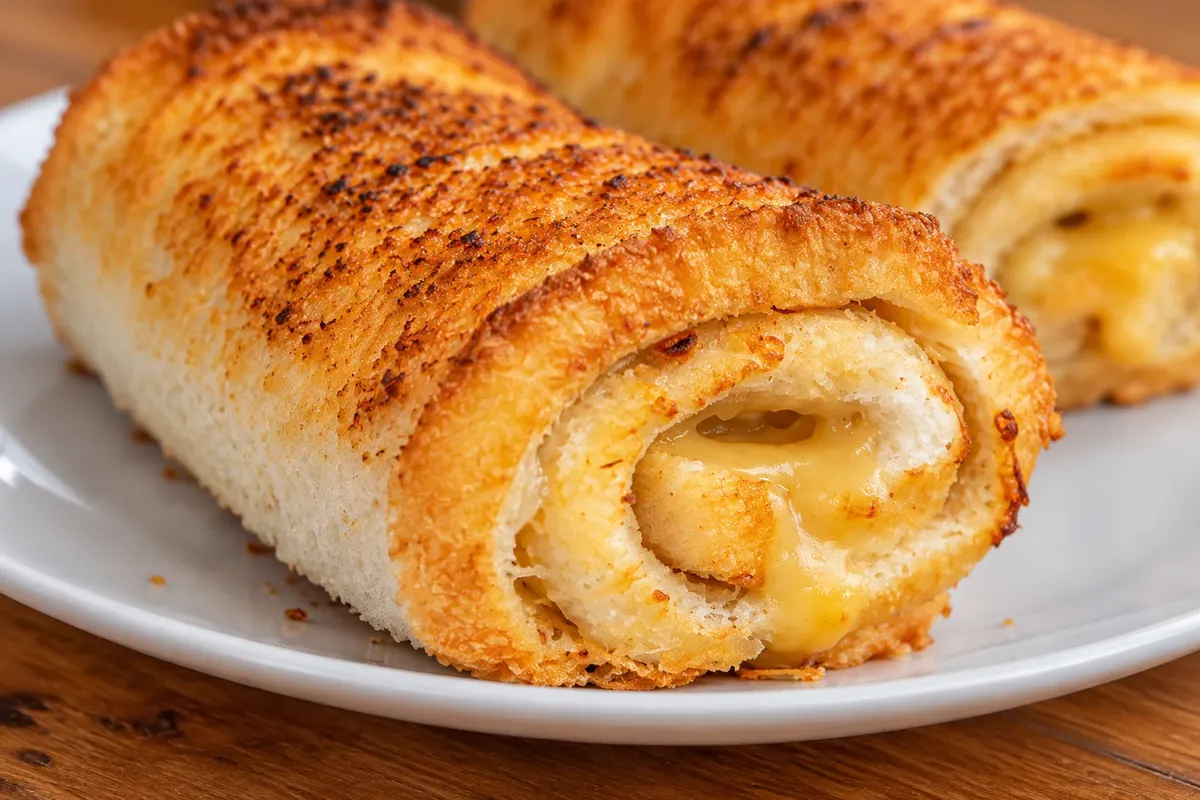
A slice of white sandwich bread spread with a cheesy cream, rolled up and toasted until golden. It’s traditional in cafés, bakeries and fundraising events in Southland, at the far south of New Zealand, where it earned the nickname southern sushi.

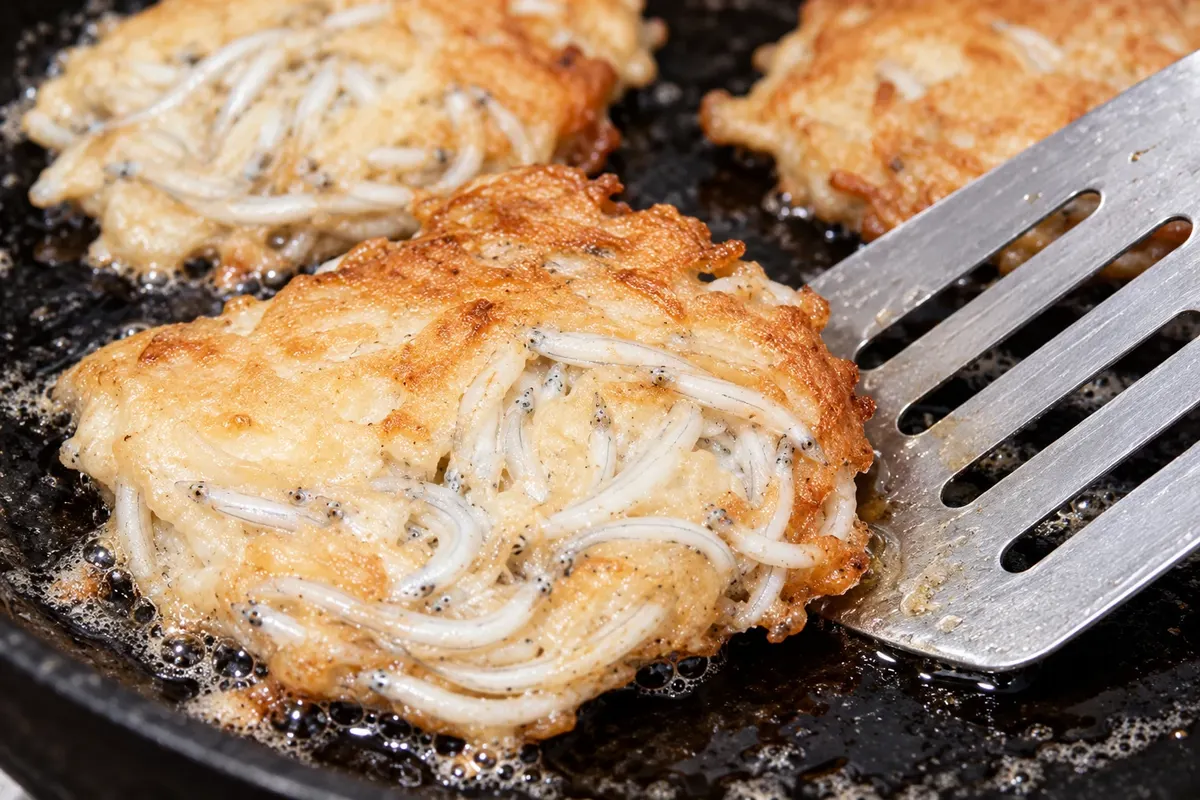
A small cake of beaten egg with whitebait, the juvenile fish of native species that move up rivers in spring, fried in butter or oil. On the West Coast, where catching and eating whitebait is part of local life, it is often served between slices of buttered bread.
Več kot vodnik