Petrópolis
Petrópolis is a mountain town shaped by imperial history and the Atlantic Forest. Walks through the historic center can be combined with cultural visits and outings in the mountains.
Antarktika
RJ · Brazilija
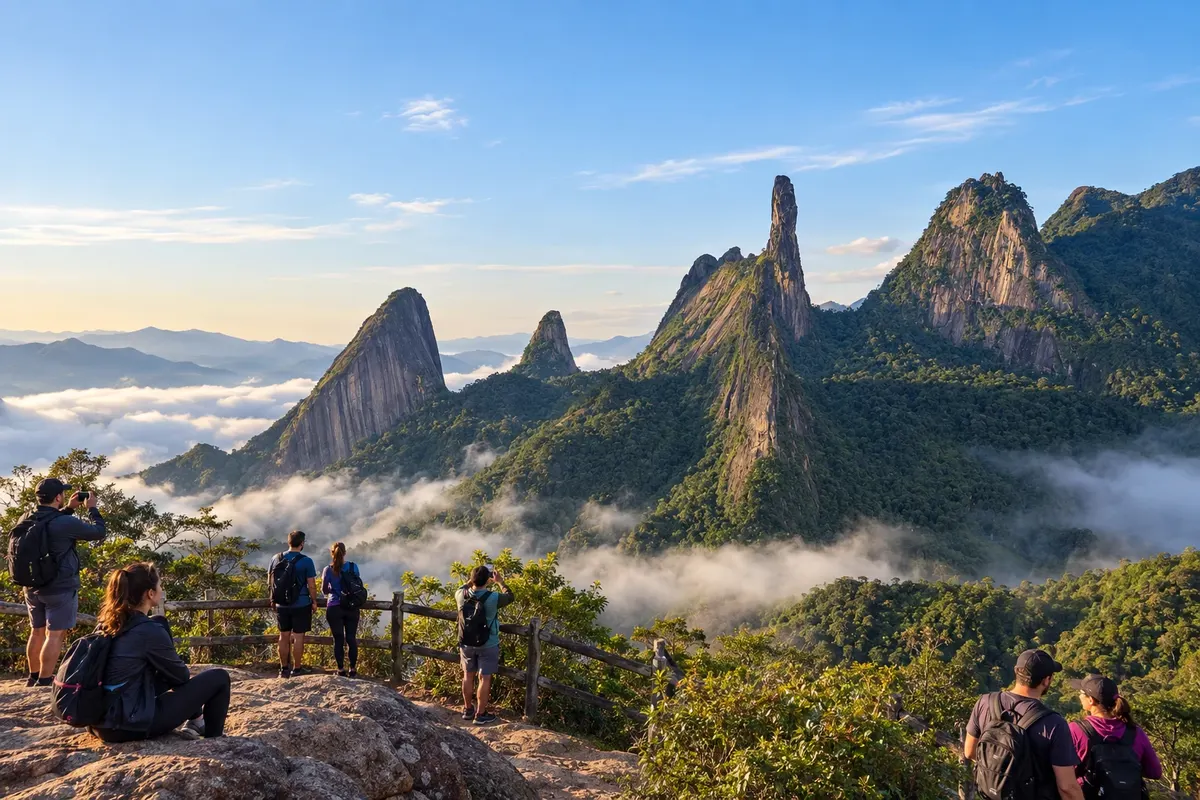
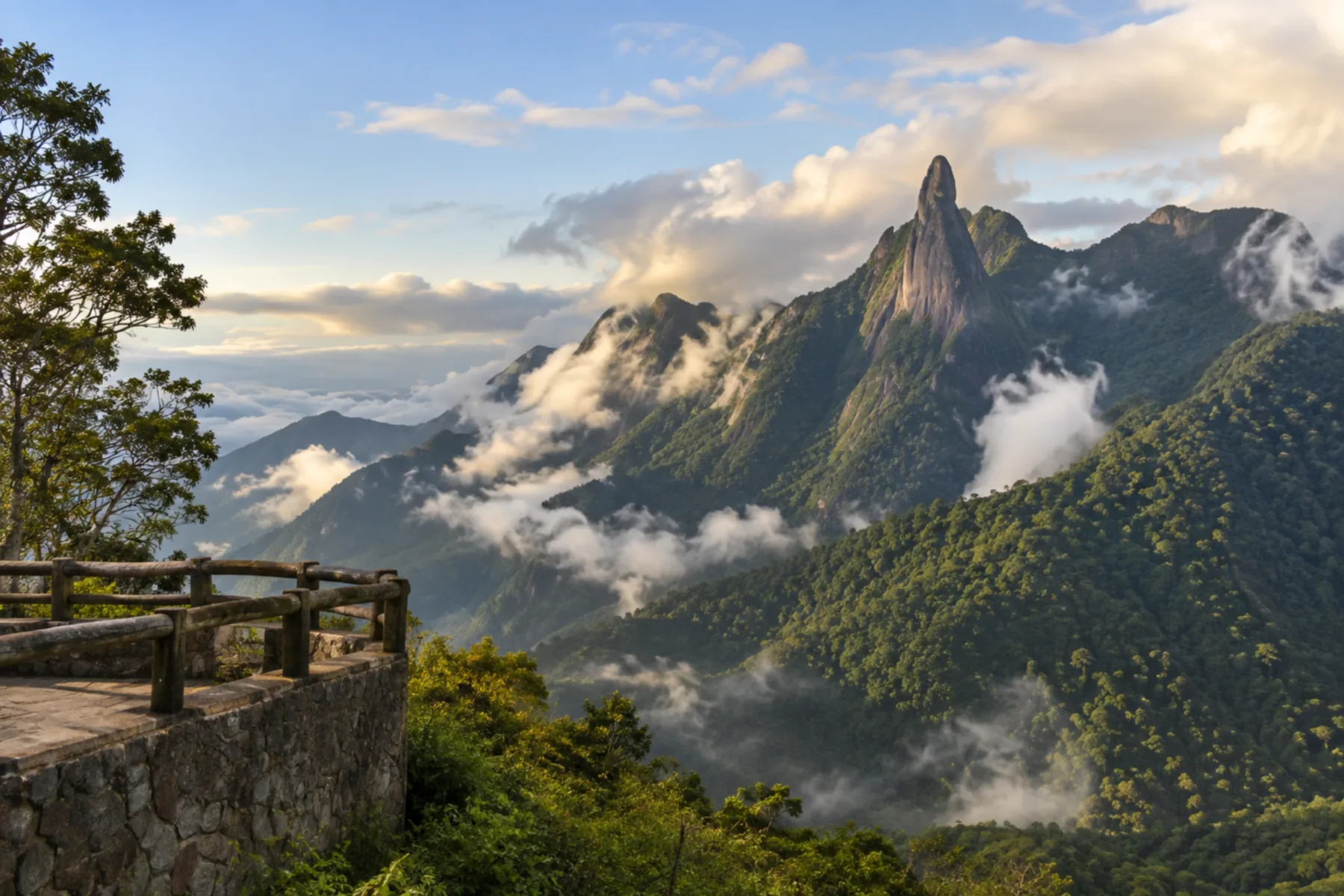
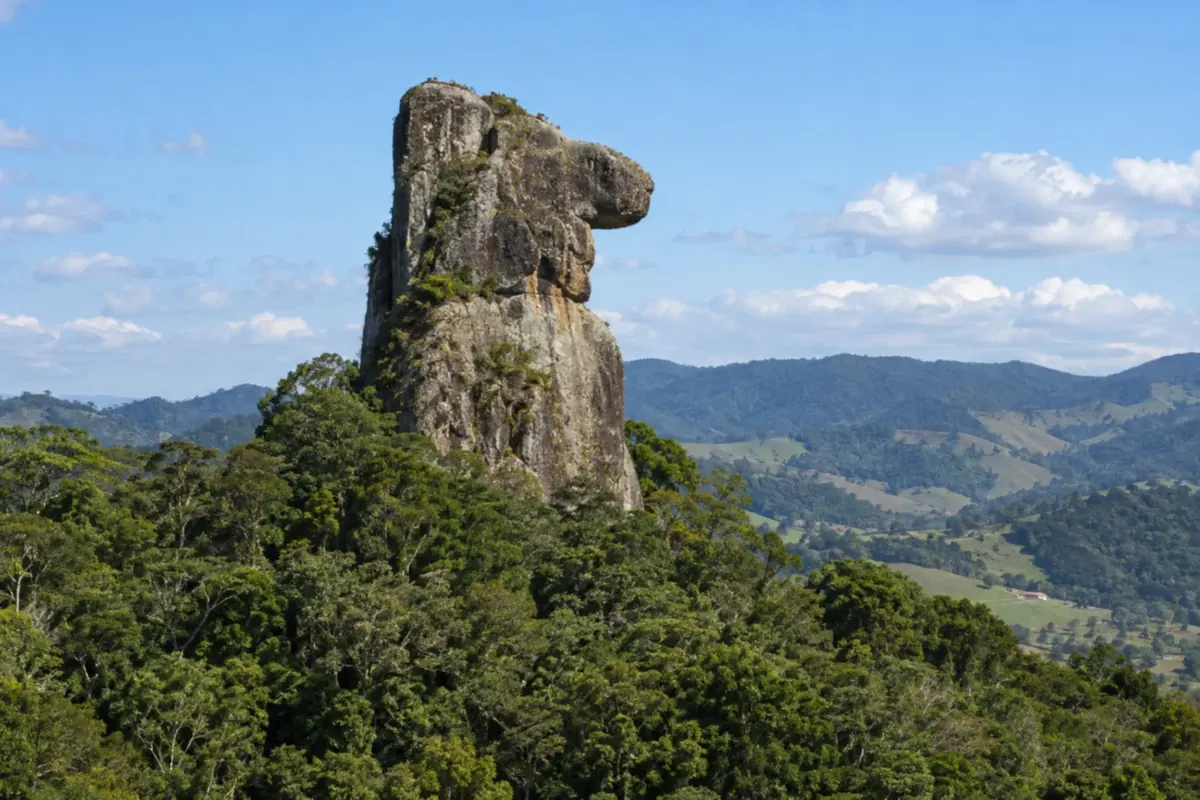
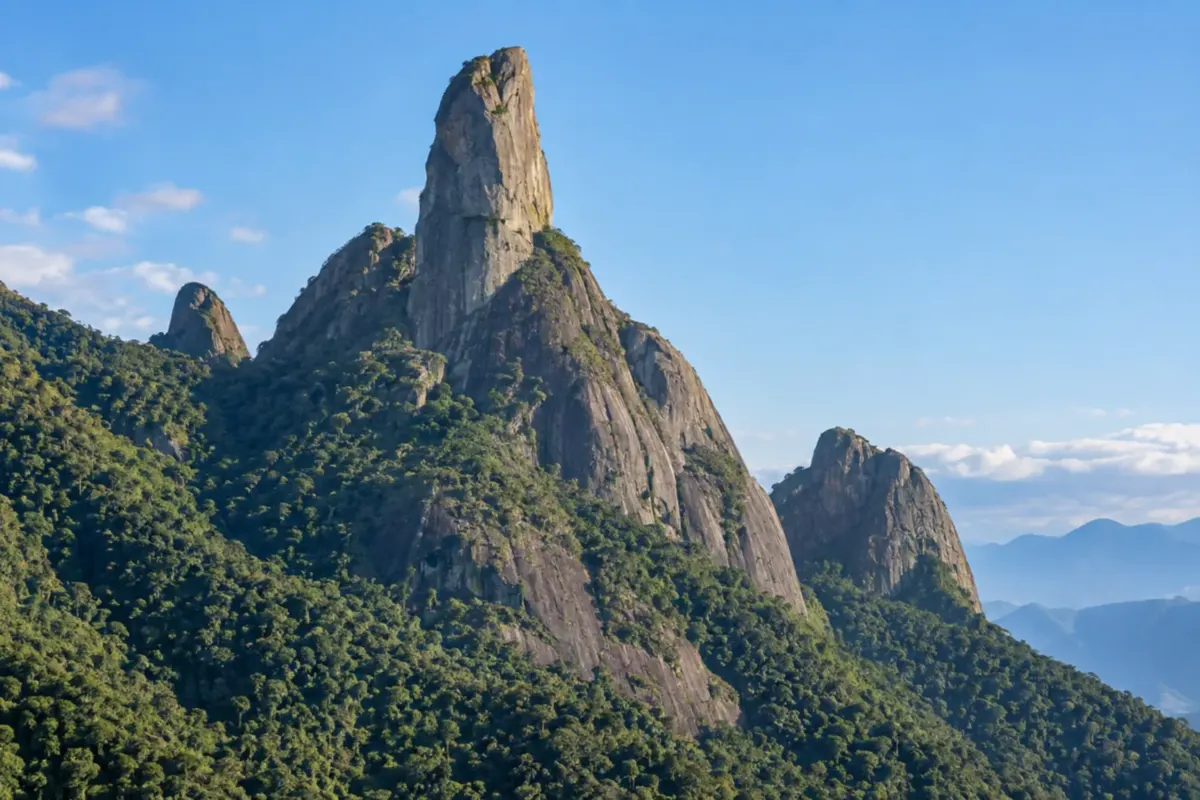
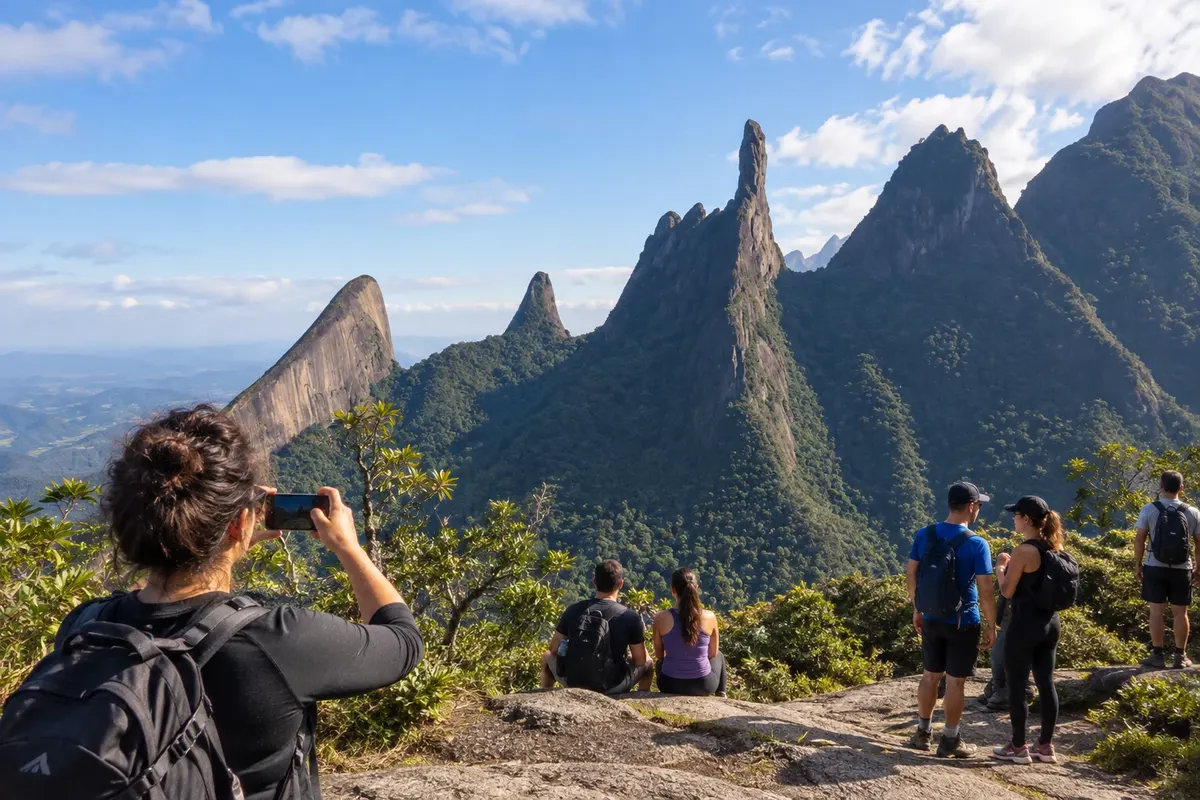
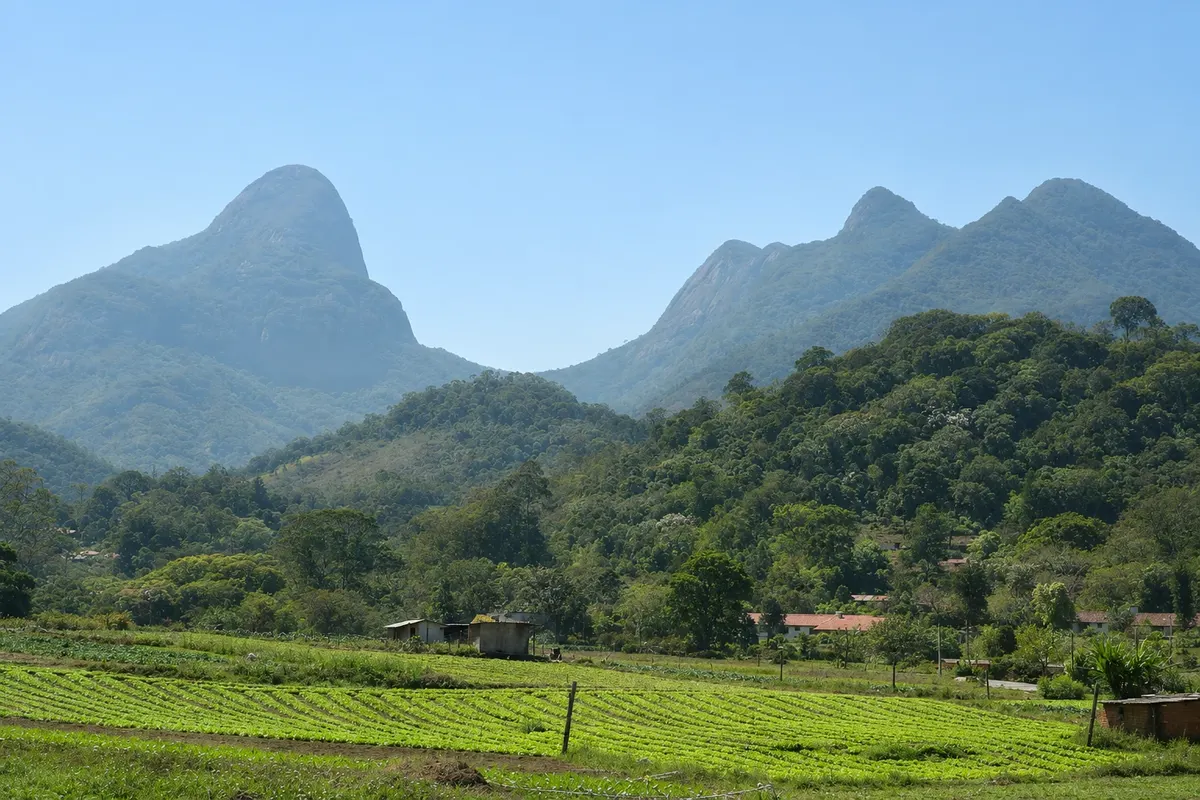
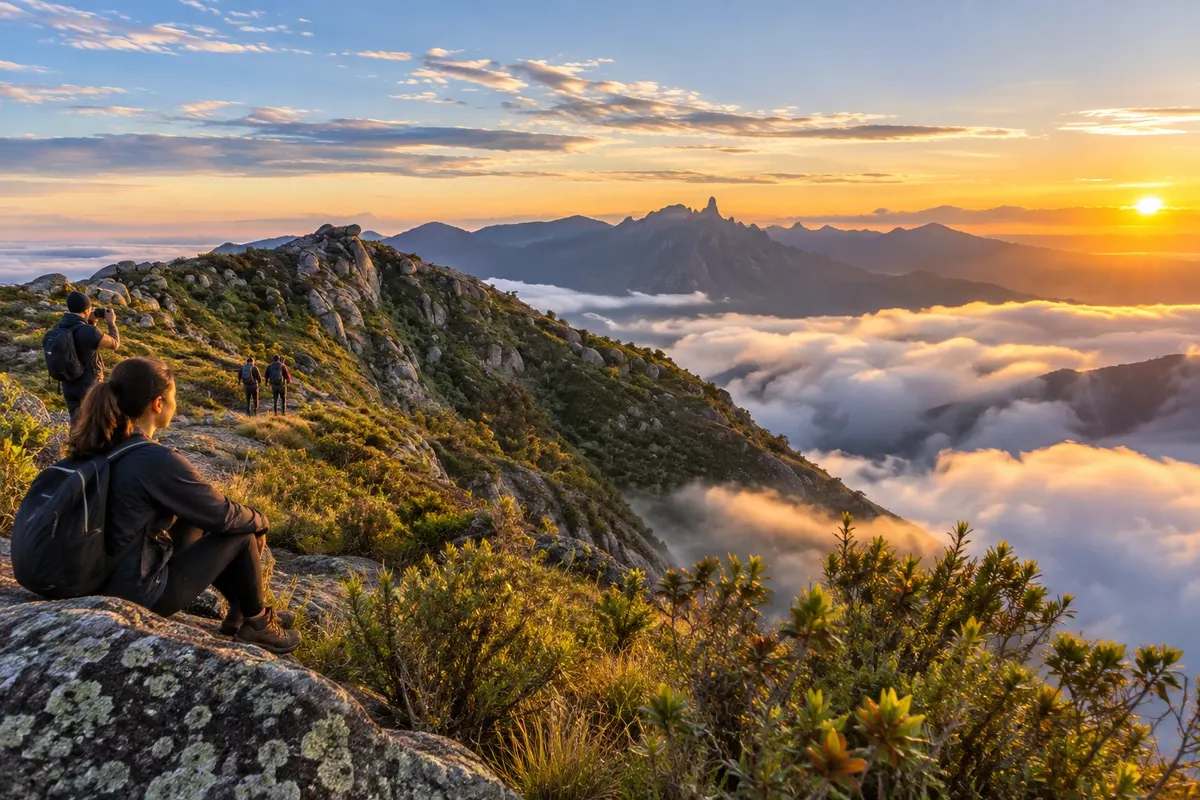
Na fotografiji: Dedo de Deus, Serra dos Órgãos
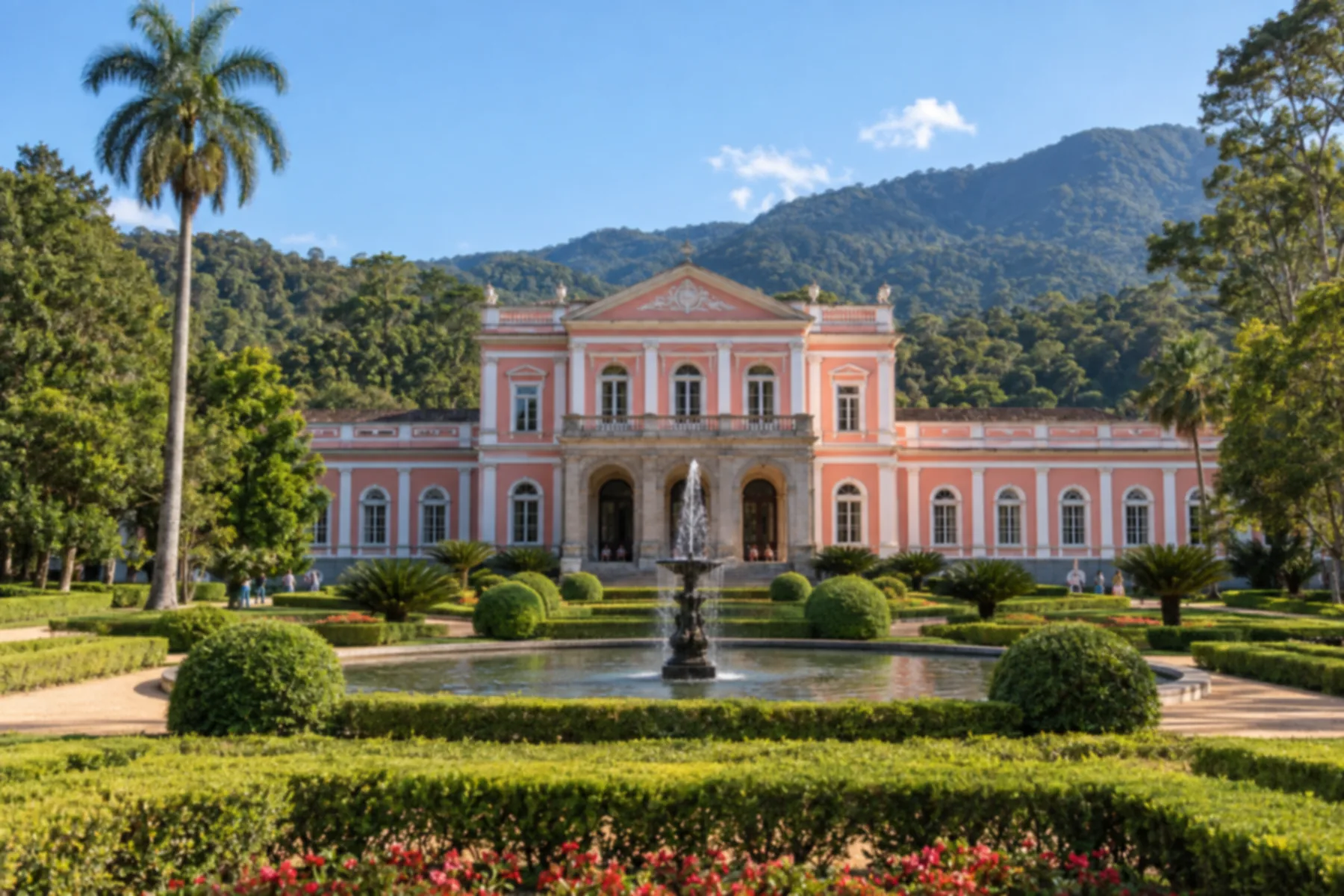
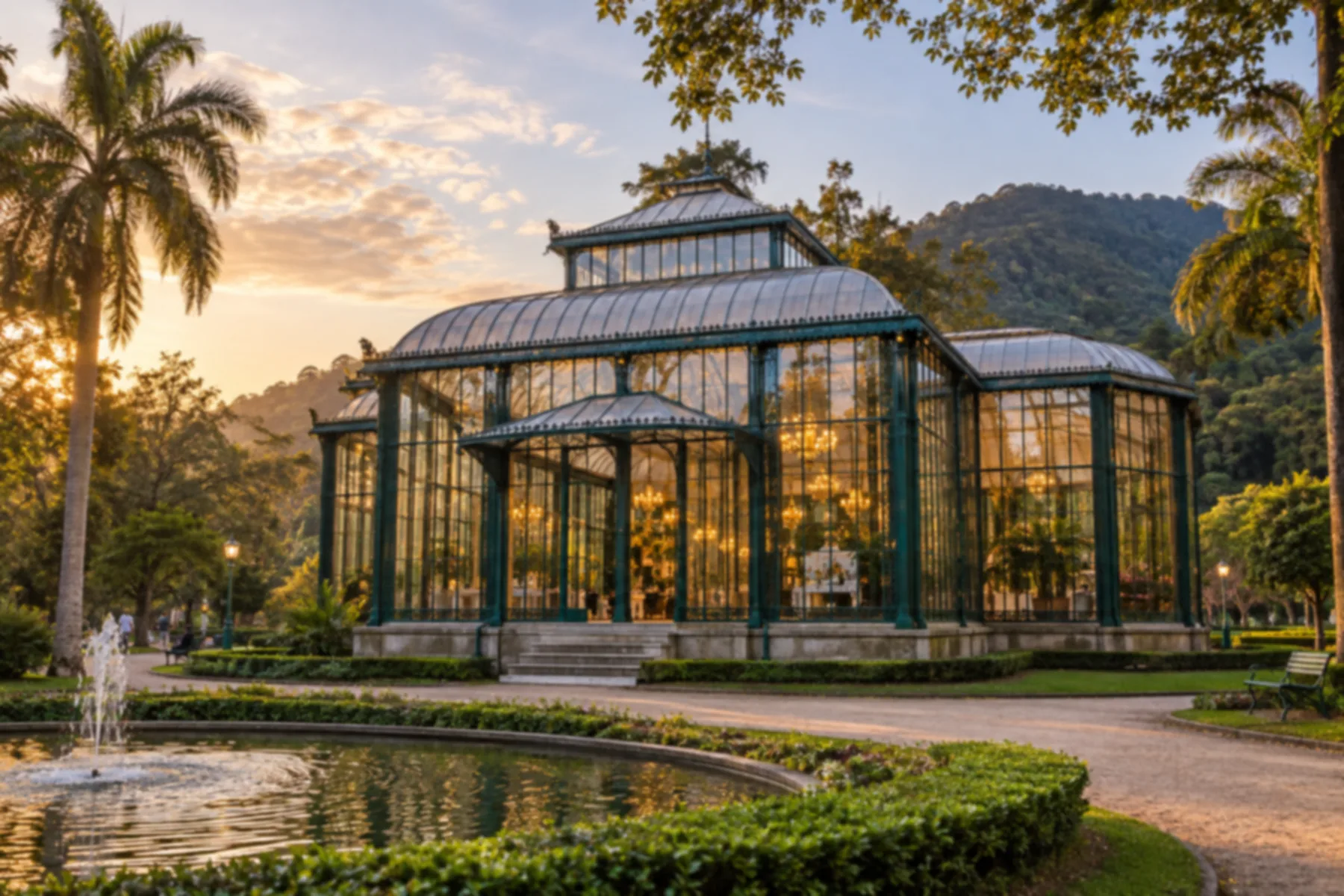
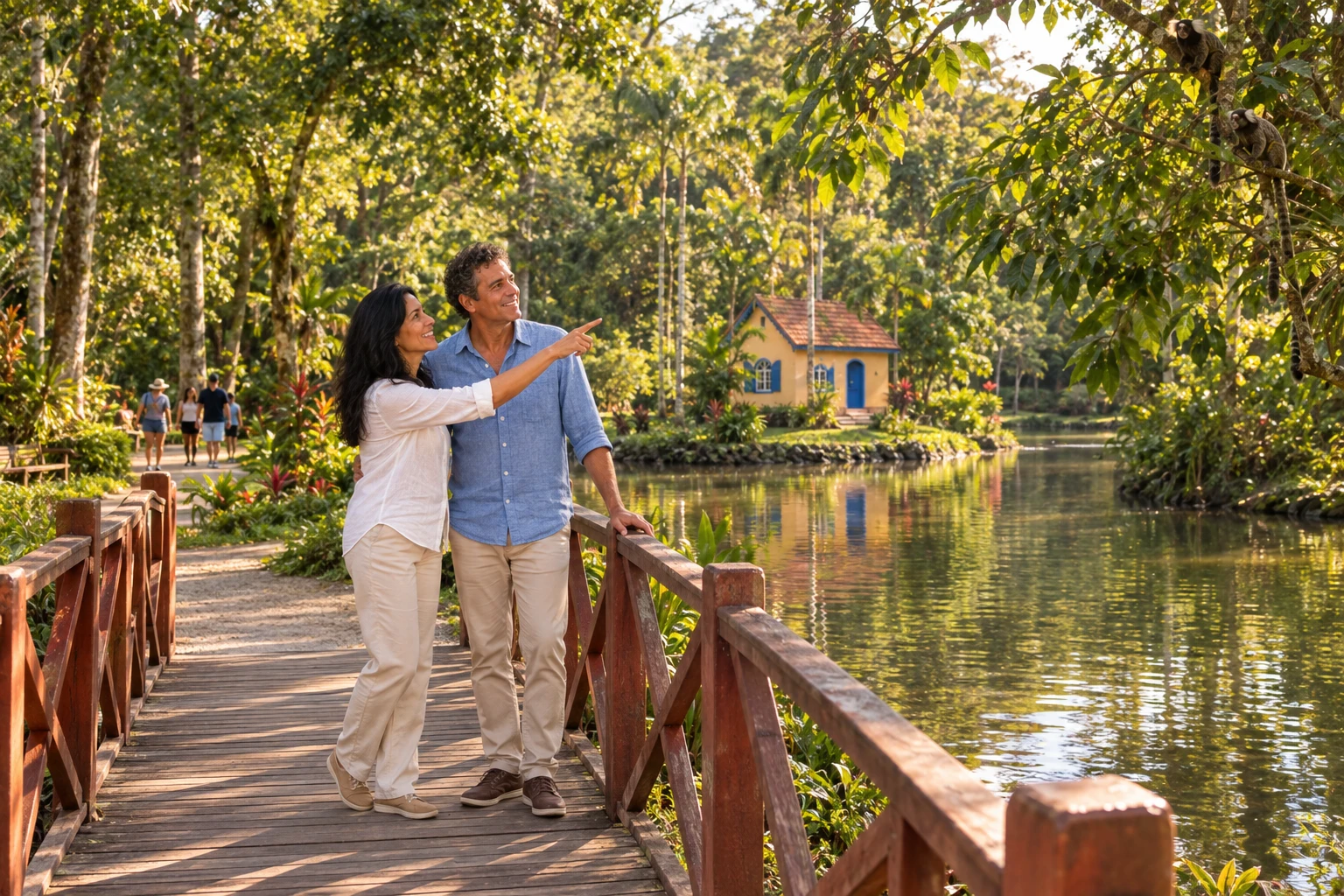
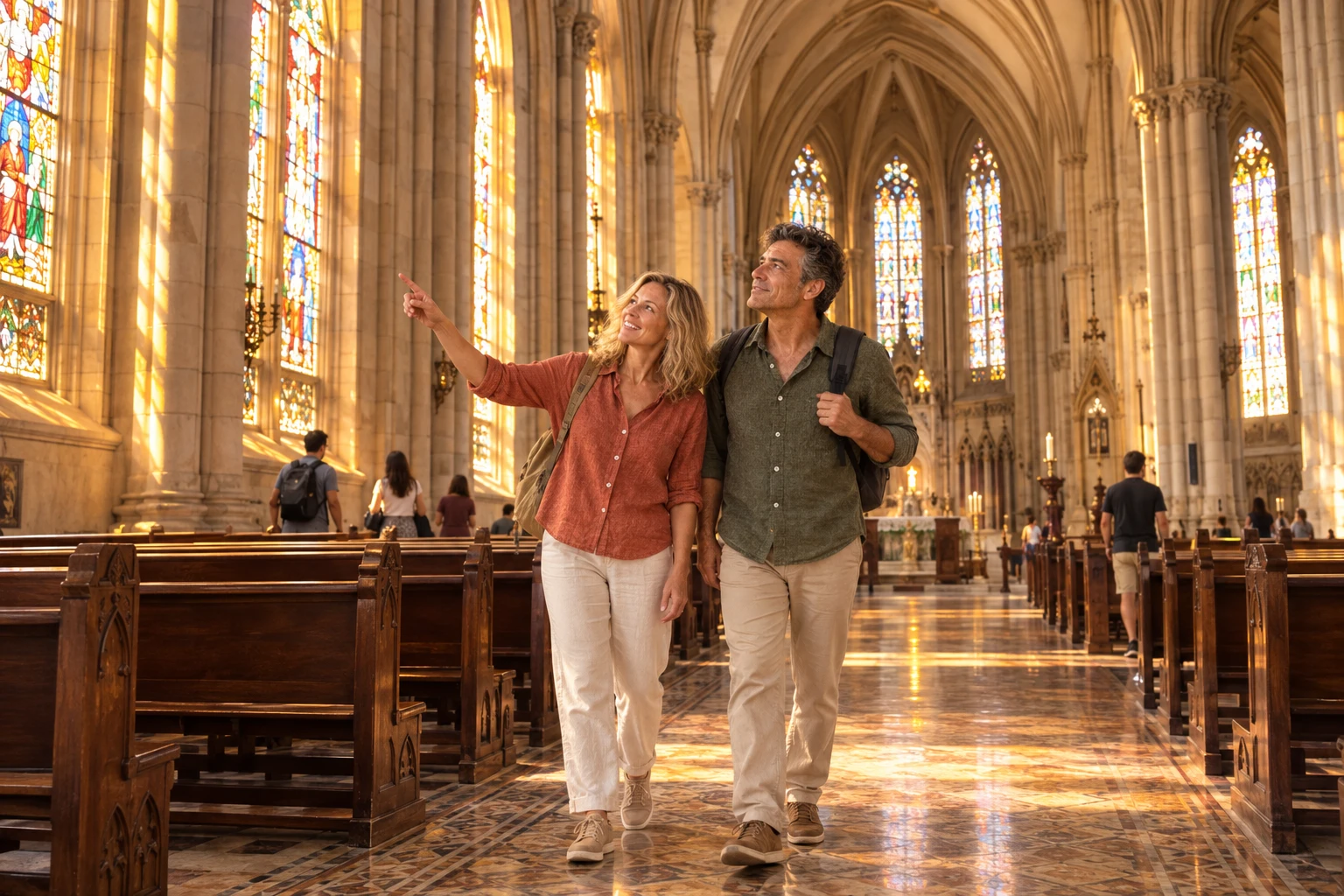
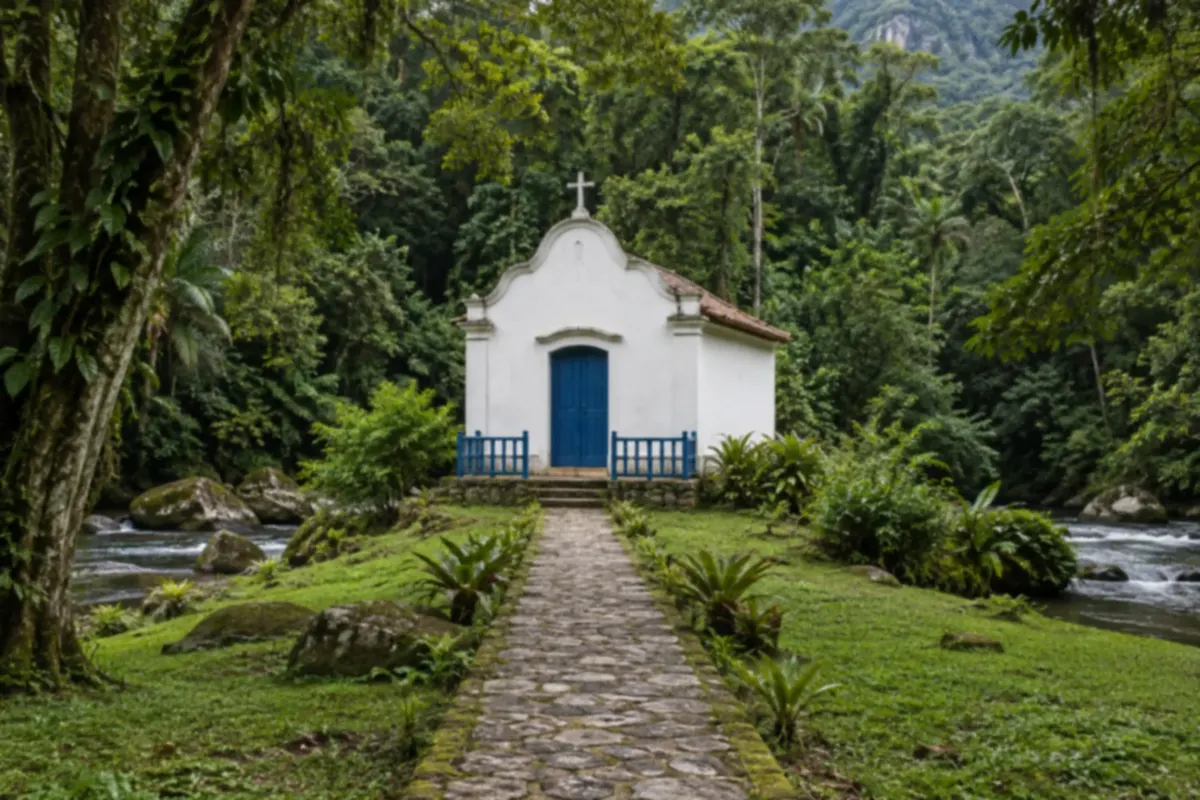
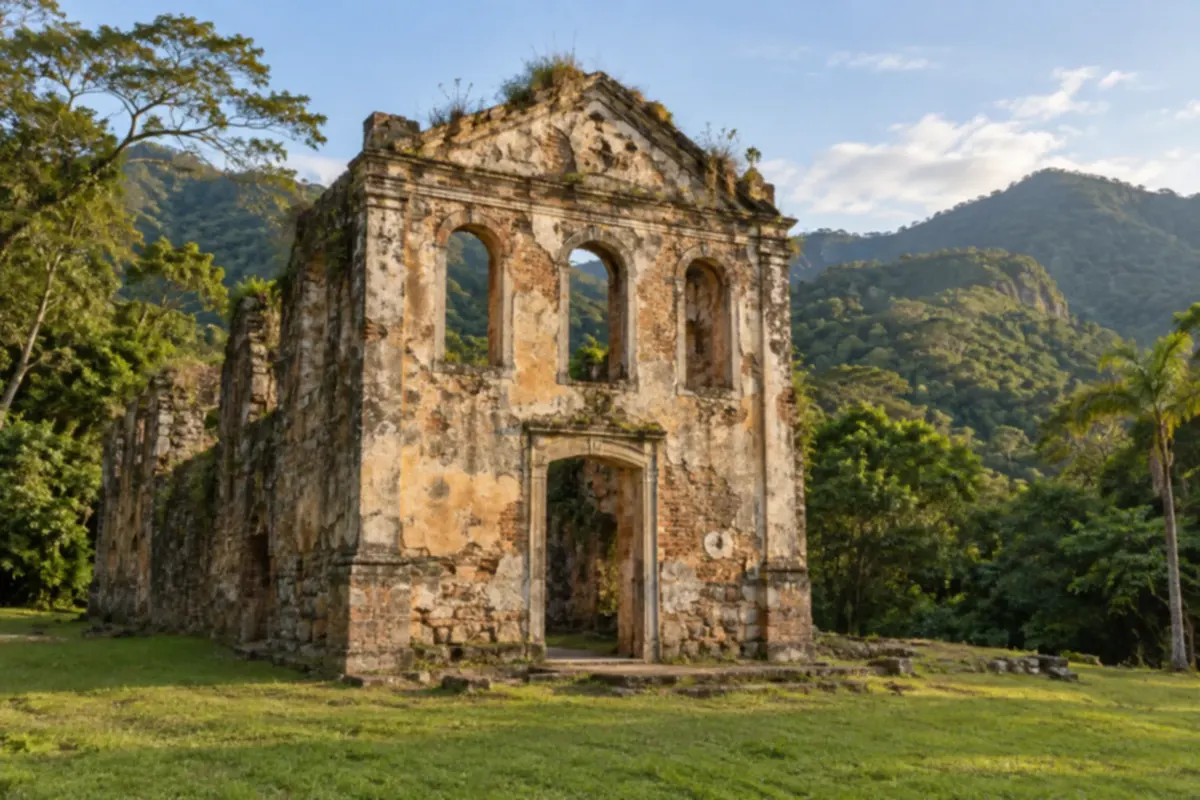
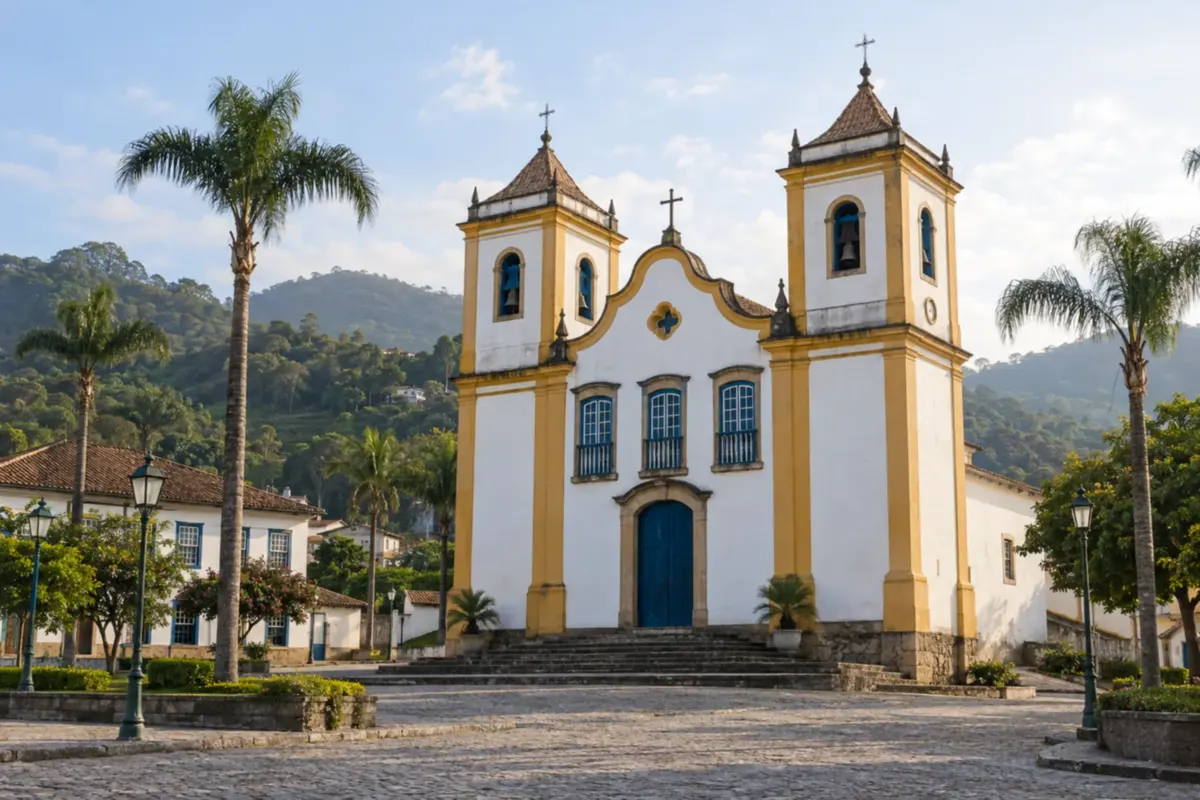
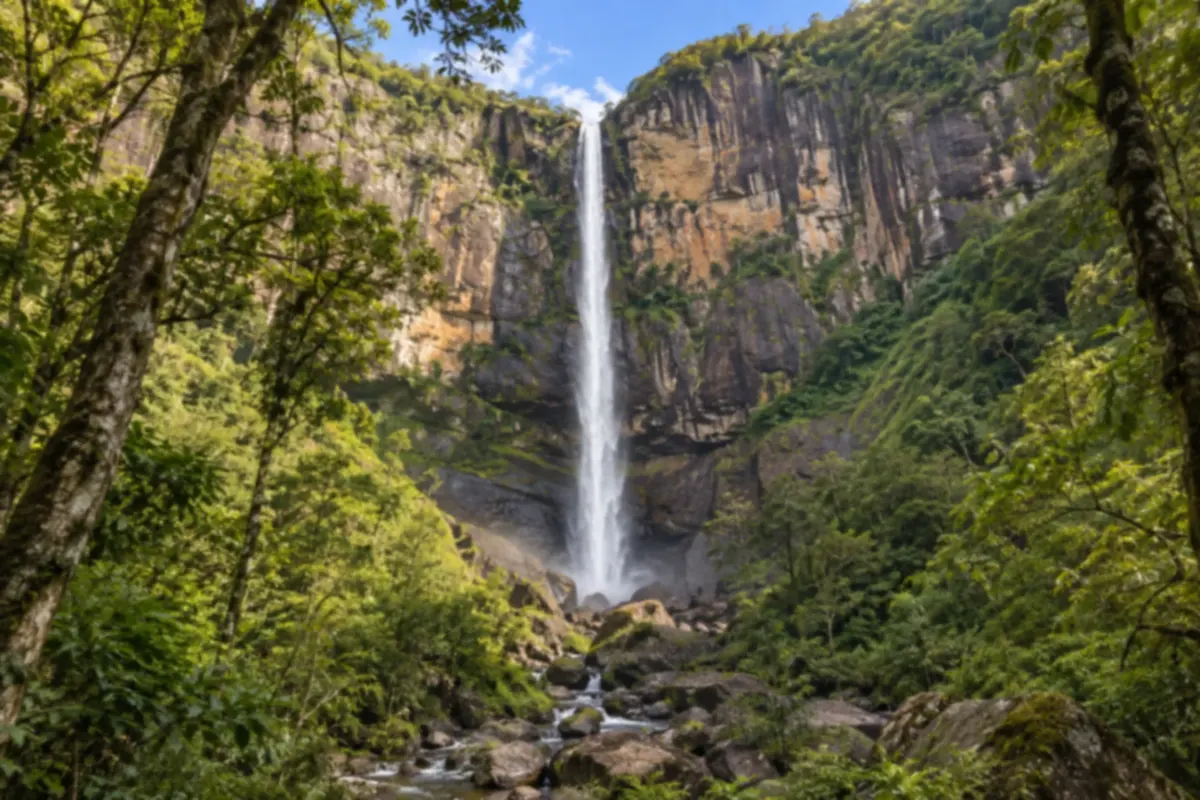
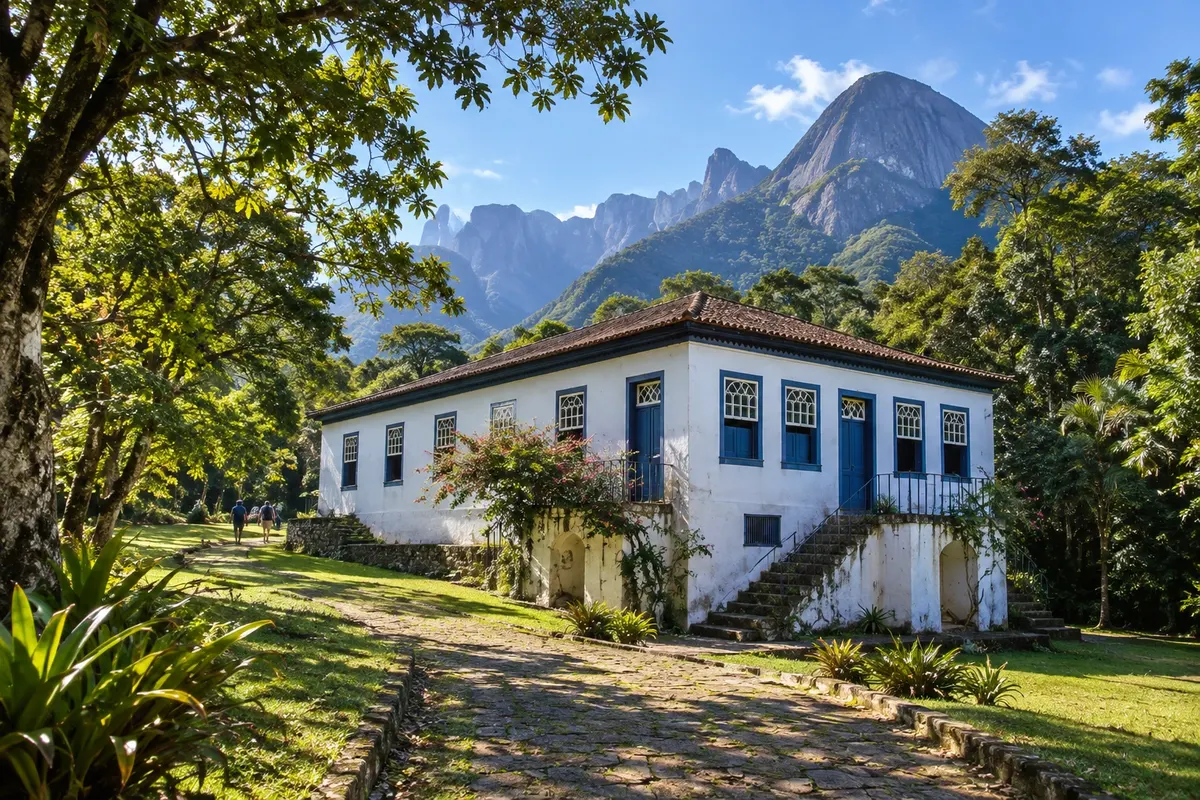
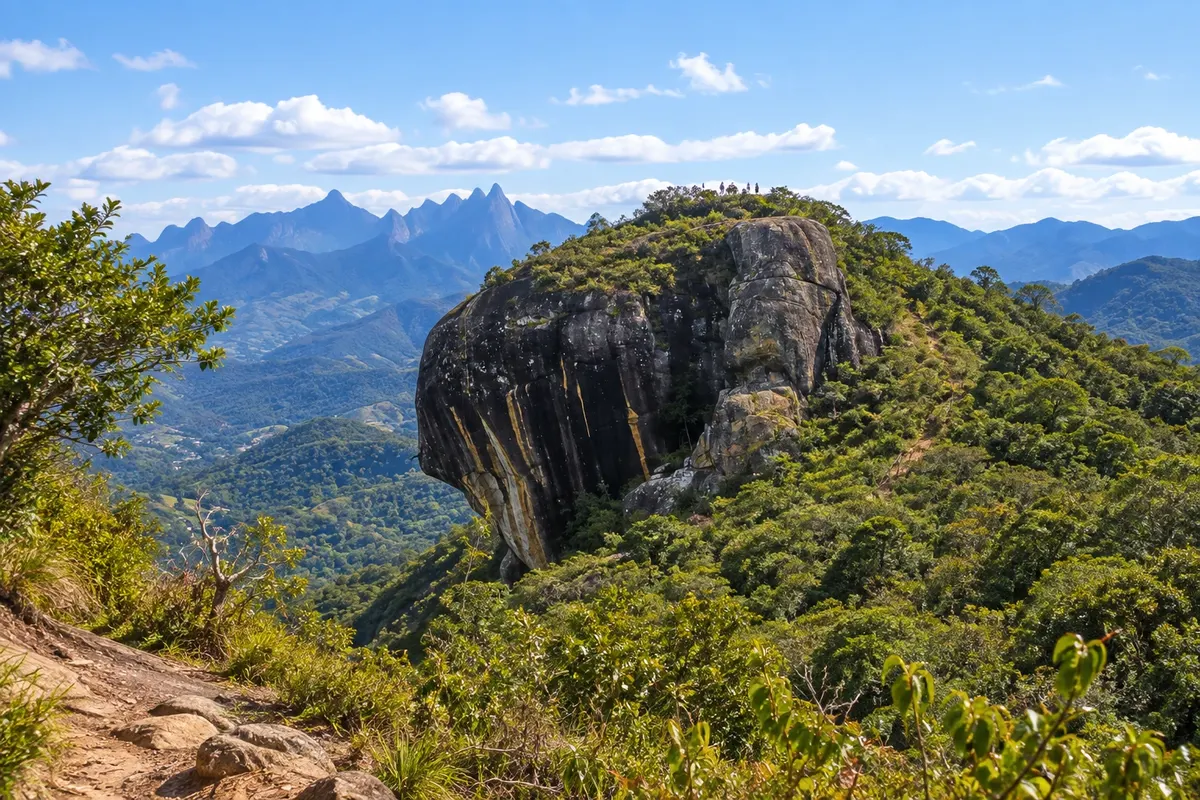
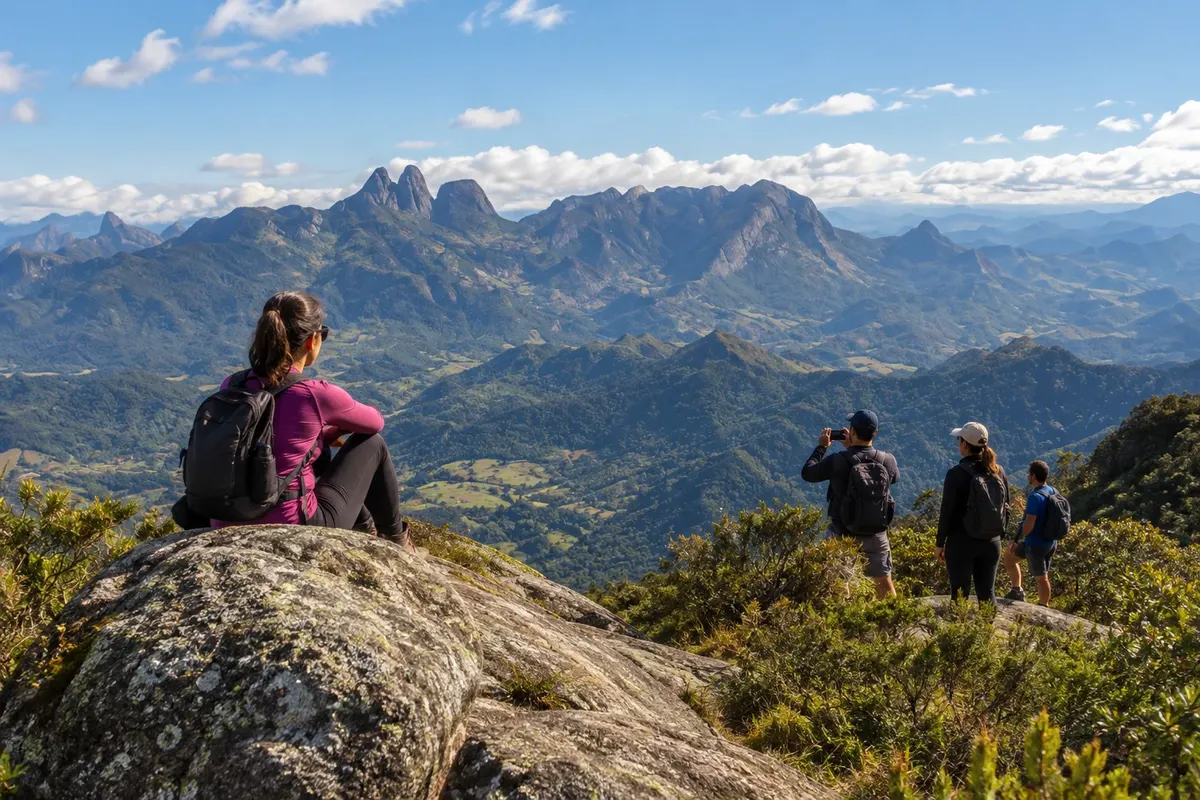
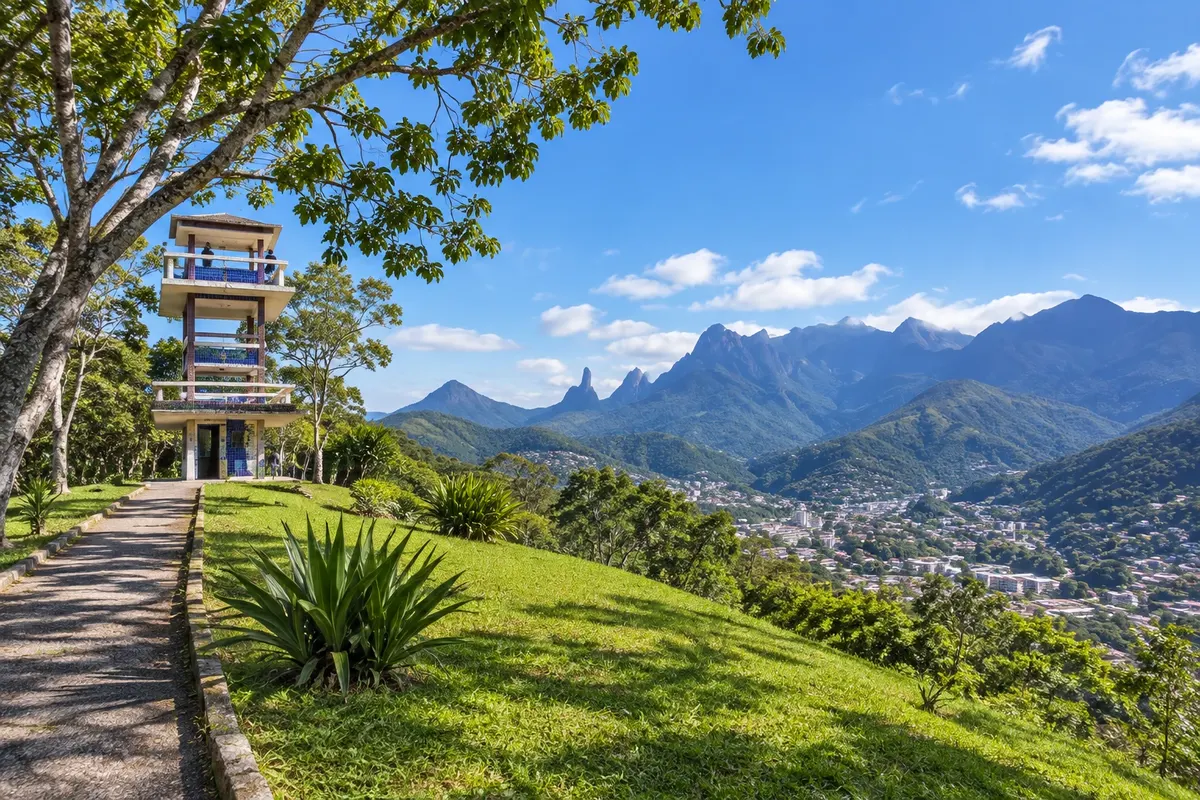
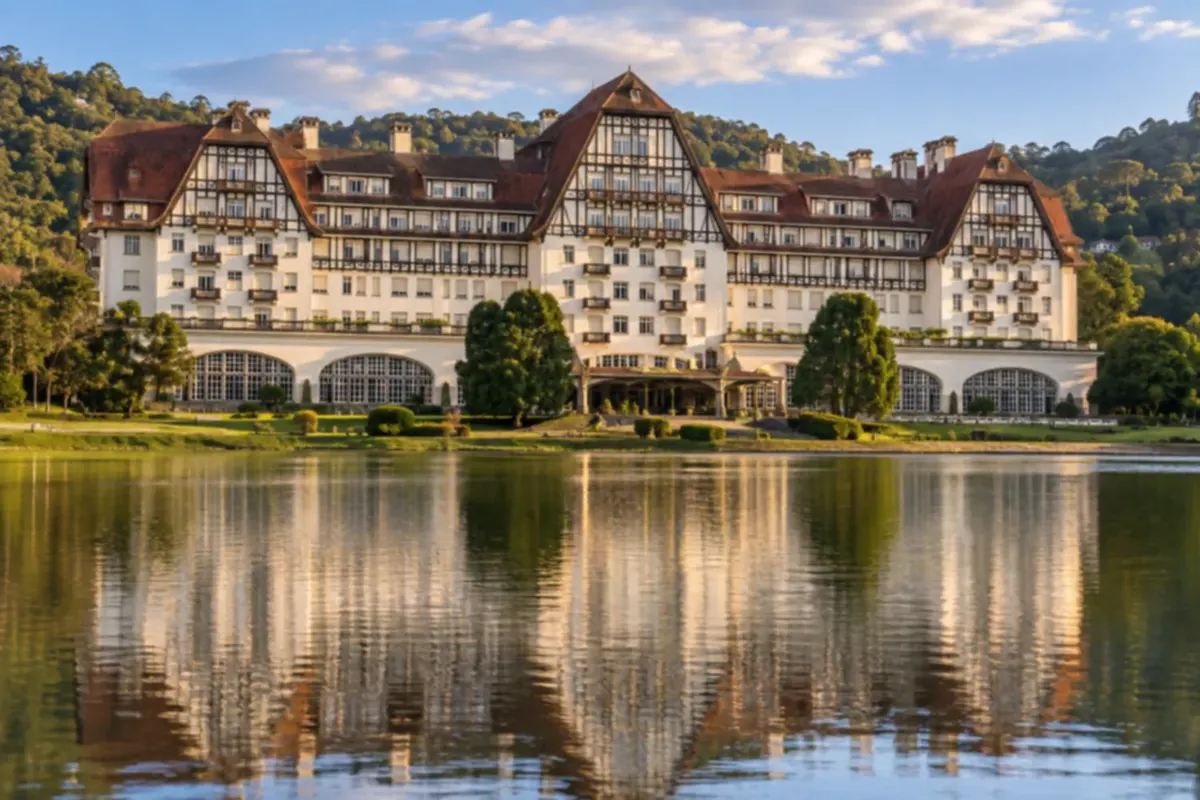
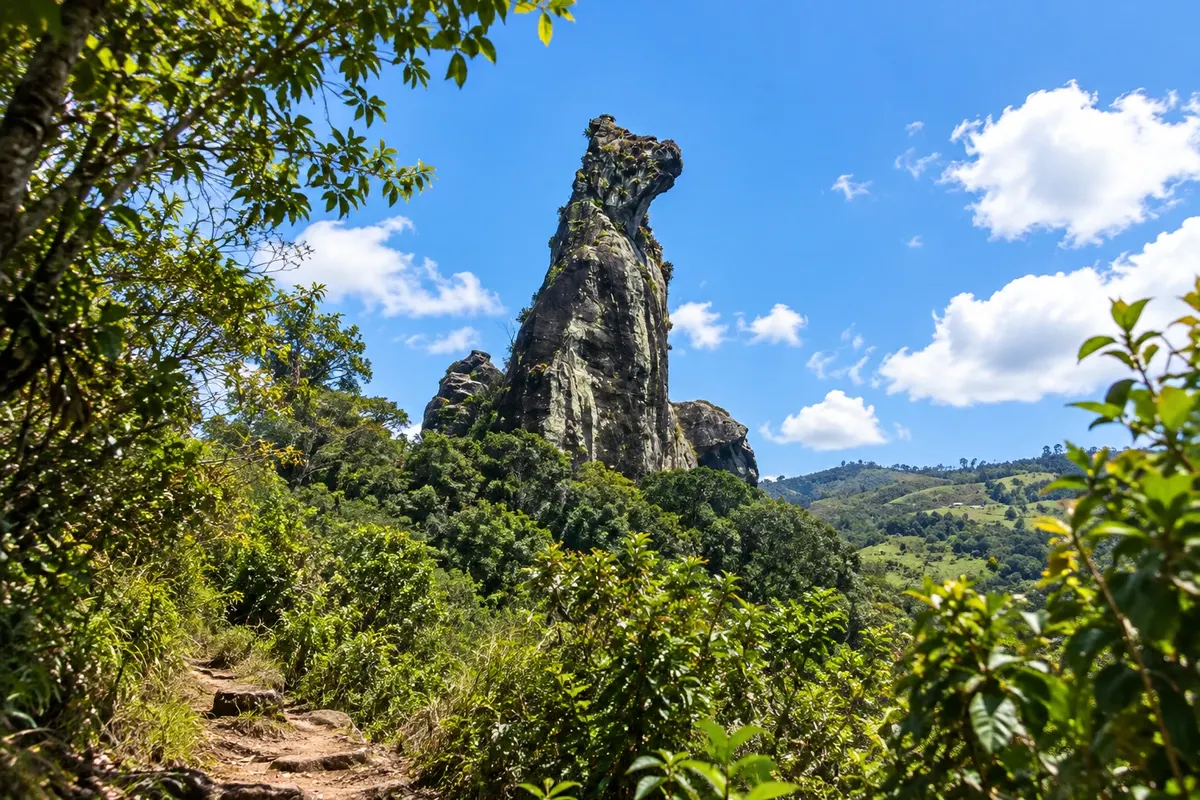
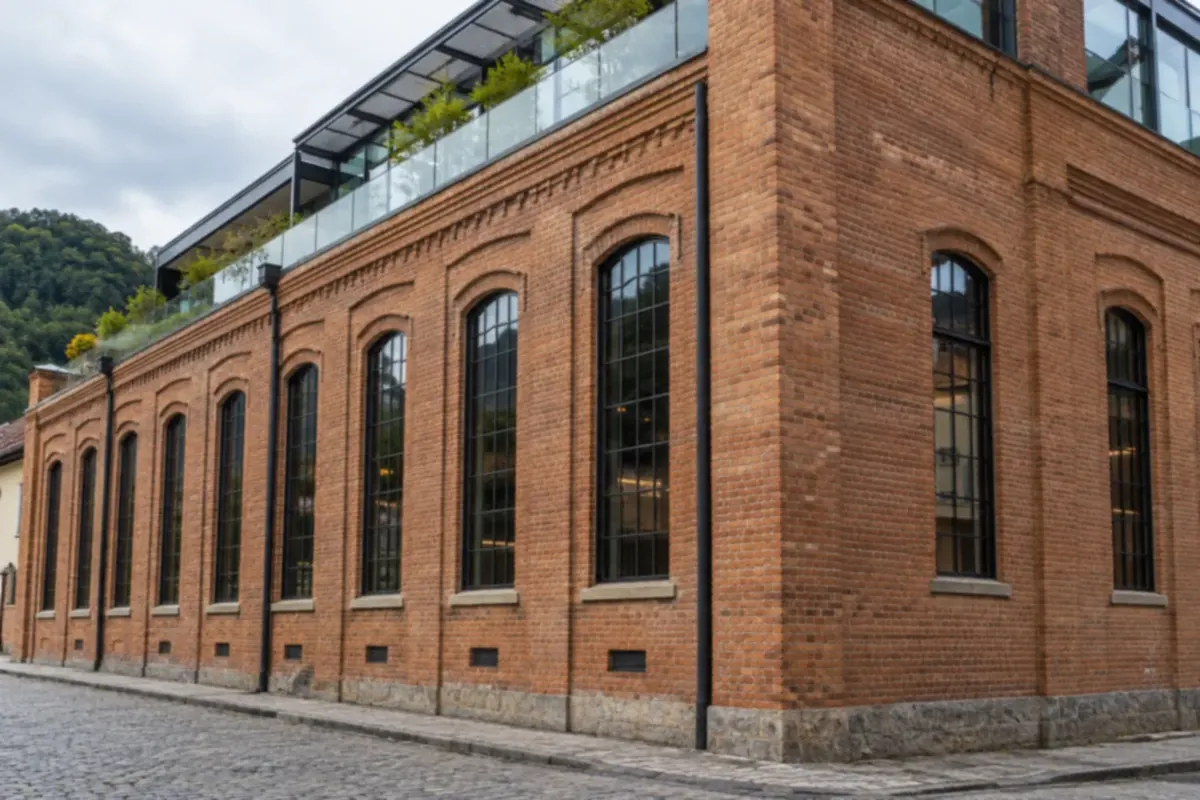
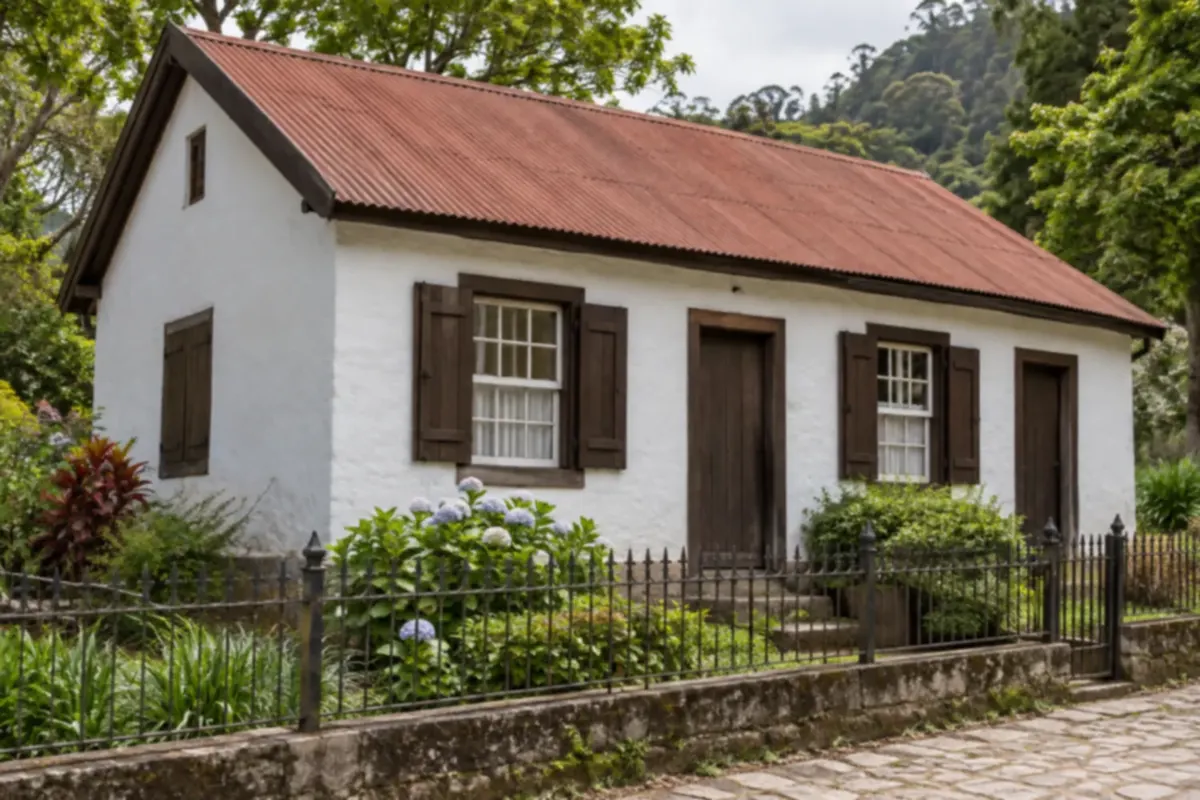
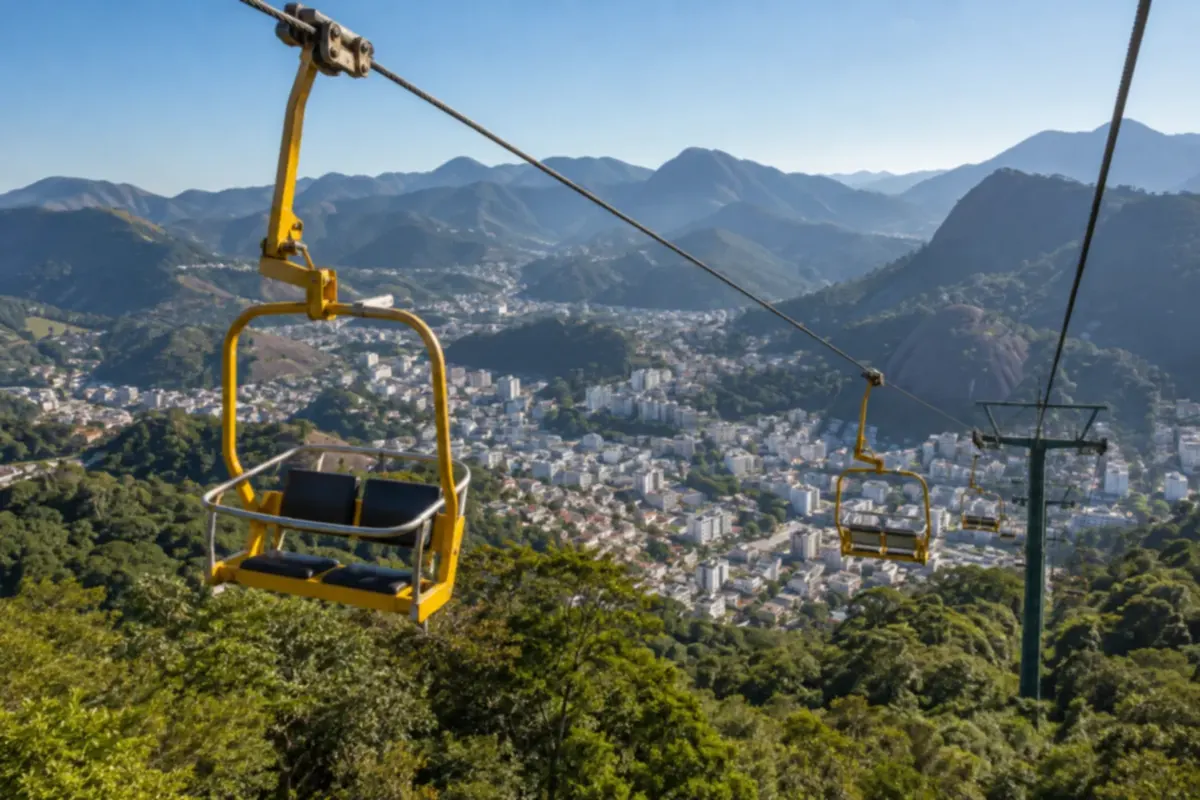
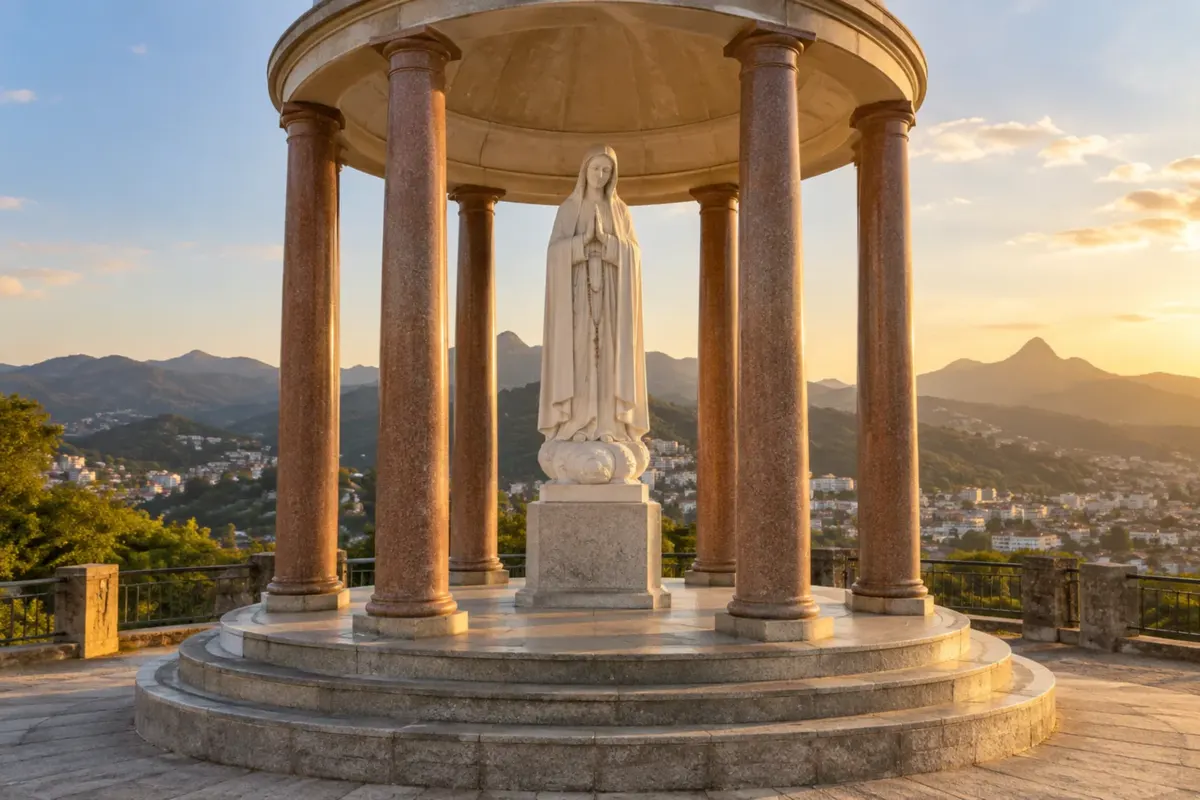
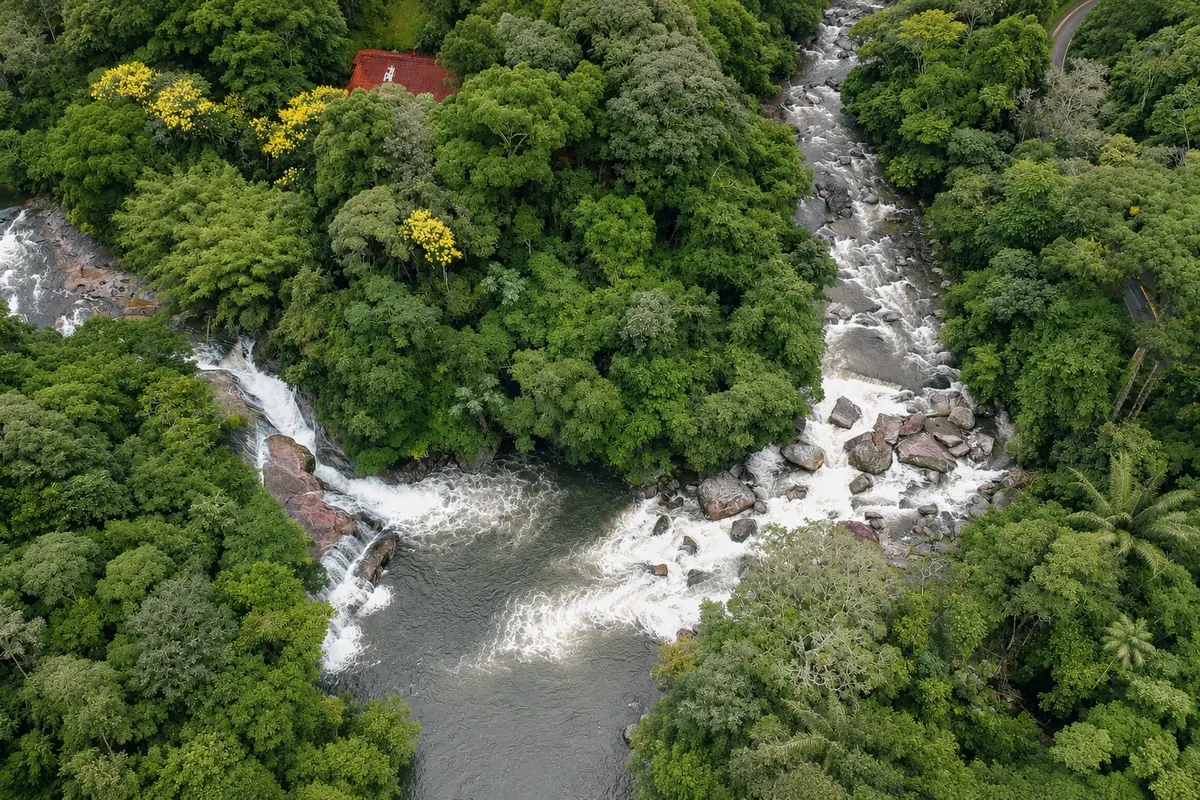
Illustrative images. The pictures in this guide are illustrations based on the real place, not photographs, and may differ from it.
Spoznajte kraj
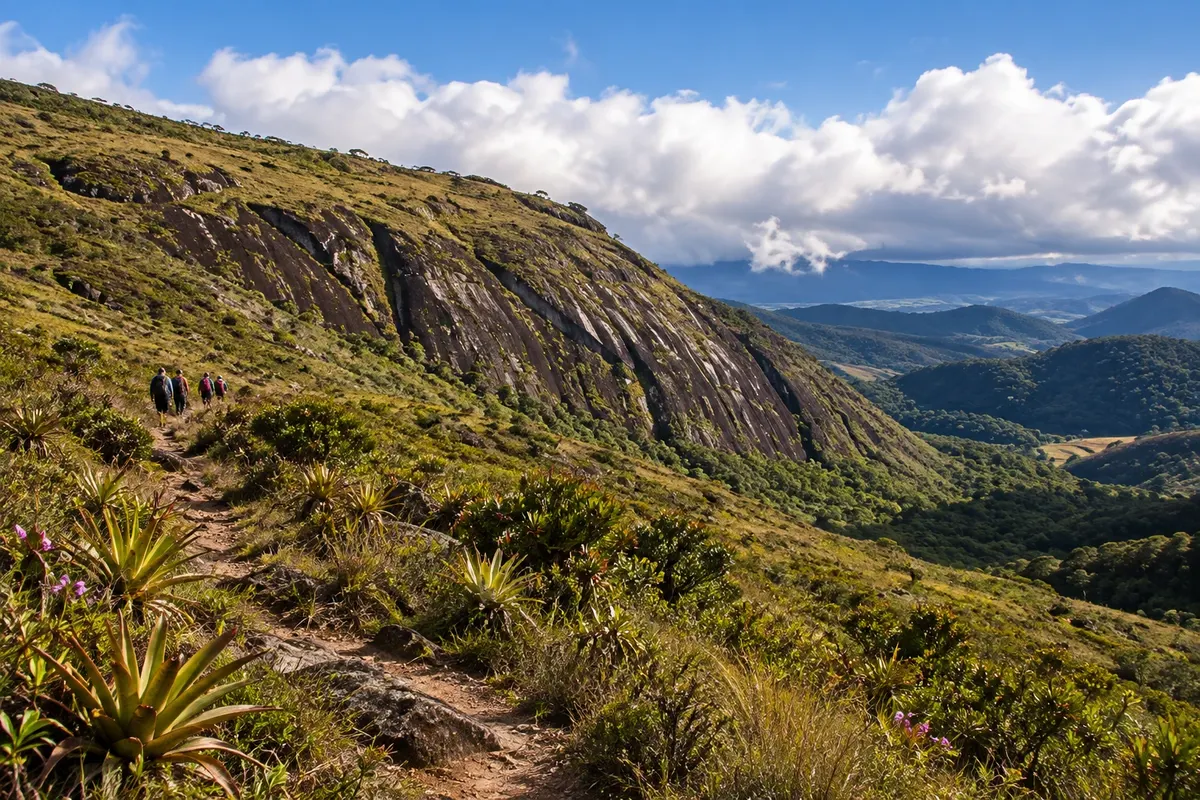
These are the mountains just above Rio de Janeiro, where the imperial family escaped the heat and left behind palaces, neo-Gothic cathedrals and streets of mansions that are now museums. In a few hours you trade air conditioning for a fireplace, eat fondue at a mountain pousada (inn) and wake up to the jagged Serra dos Órgãos in your window. It is also one of the birthplaces of Brazilian mountaineering, with the Dedo de Deus, the Pedra do Sino and the Petrópolis-Teresópolis traverse.
This destination brings together 7 cities: Petrópolis, Teresópolis, Nova Friburgo, Guapimirim, Cachoeiras de Macacu, São José do Vale do Rio Preto, Sumidouro.
Pogled na kraj
These pictures are illustrations based on the real place, not photographs. They may differ from the place.
Kliknite fotografijo za povečavo.
Fotografije popotnikov
Ena destinacija, več poti
Začnite v enem mestu ali v načrt poti vključite več mest.
Zemljevid: @svg-maps/brazil, CC BY 4.0
✈ Aeroporto Internacional do Galeão (GIG), kraj: Rio de Janeiro· 53 km do cilja (Petrópolis)
✈ Aeroporto Santos Dumont (SDU), kraj: Rio de Janeiro· 68 km do cilja (Petrópolis)
It is about an hour and a half from Galeão International Airport, via the BR-040 for Petrópolis and the BR-116 (Rio-Teresópolis) for Teresópolis and Nova Friburgo.
Predlagana točka prihoda:Petrópolis
Petrópolis is a mountain town shaped by imperial history and the Atlantic Forest. Walks through the historic center can be combined with cultural visits and outings in the mountains.
Teresópolis sits beside the mountains of the Serra dos Órgãos and is a base for exploring the Atlantic Forest. A stay combines nature walks with outings through its neighborhoods and mountain flavors.
Nova Friburgo combines city life and rural districts among Atlantic Forest mountains. You can explore the immigrants' heritage and head out for walks and meals in the mountain villages.
A rural district with dozens of waterfalls, river pools with natural slides, rafting and good country cooking. Together with neighboring São Pedro da Serra, it is the heart of ecotourism in Nova Friburgo.
Guapimirim stretches from the mangroves of Guanabara Bay to the slopes of the Serra dos Órgãos. It is a place to hike trails and explore the river landscapes in the Atlantic Forest.
Cachoeiras de Macacu lies at the foot of the mountains, in a region of rivers and vast areas of Atlantic Forest. Outdoor outings can be combined with discovering its rural historic heritage.
São José do Vale do Rio Preto is laid out between the river and the rural landscapes of the Rio de Janeiro mountains. Country roads let you discover rural life and traces of local history.
Sumidouro has rural landscapes marked by granite outcrops and waterfalls. A visit can combine taking in the Cascata Conde d'Eu (waterfall) with trips along the country roads.
Praznovanja in dogodki
Datumi se vsako leto spreminjajo. Pred potovanjem preverite letošnji datum.
junij/julijBetween late June and early July, always including June 29, German Settler Day, a municipal holiday in Petrópolis.
Petrópolis’s German Settler festival, featuring traditional German food and beer, folk dance groups, and events around the Crystal Palace.
julij/avgustOnce a year, between the second half of July and the beginning of August, during winter break.
The Sesc winter festival in the Mountain Region, with concerts, theater, dance and circus at Sesc Quitandinha, in Itaipava and other venues in Petrópolis.
avgustOnce a year, in August, from Thursday to Sunday.
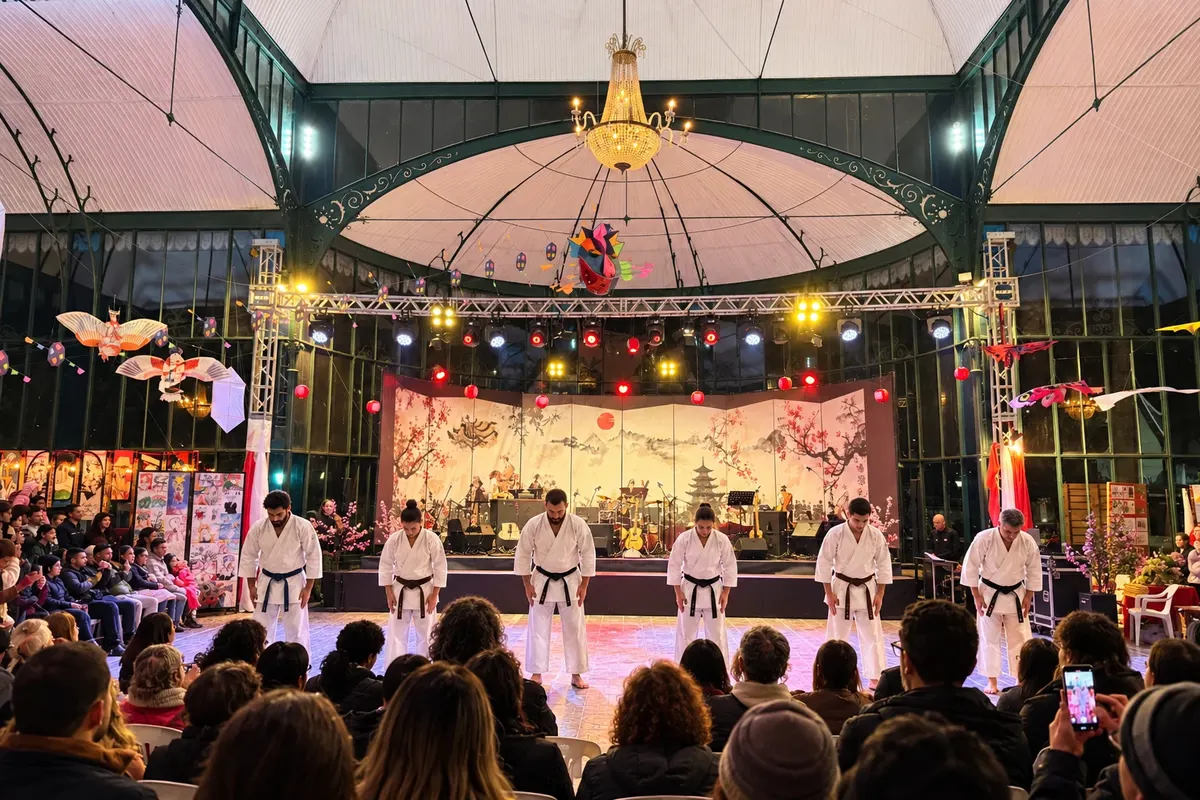
The Japanese culture festival of Petrópolis, held at the Palácio de Cristal, with traditional dances and music, martial arts, workshops, Japanese food and a cosplay contest.
september/oktoberOnce a year, usually in September, sometimes in October.
The Italian culture festival of Petrópolis at the Palácio de Cristal, with Italian food stalls, music, workshops and a masked ball.
oktober/novemberOnce a year, across two consecutive weekends between late October and early November.
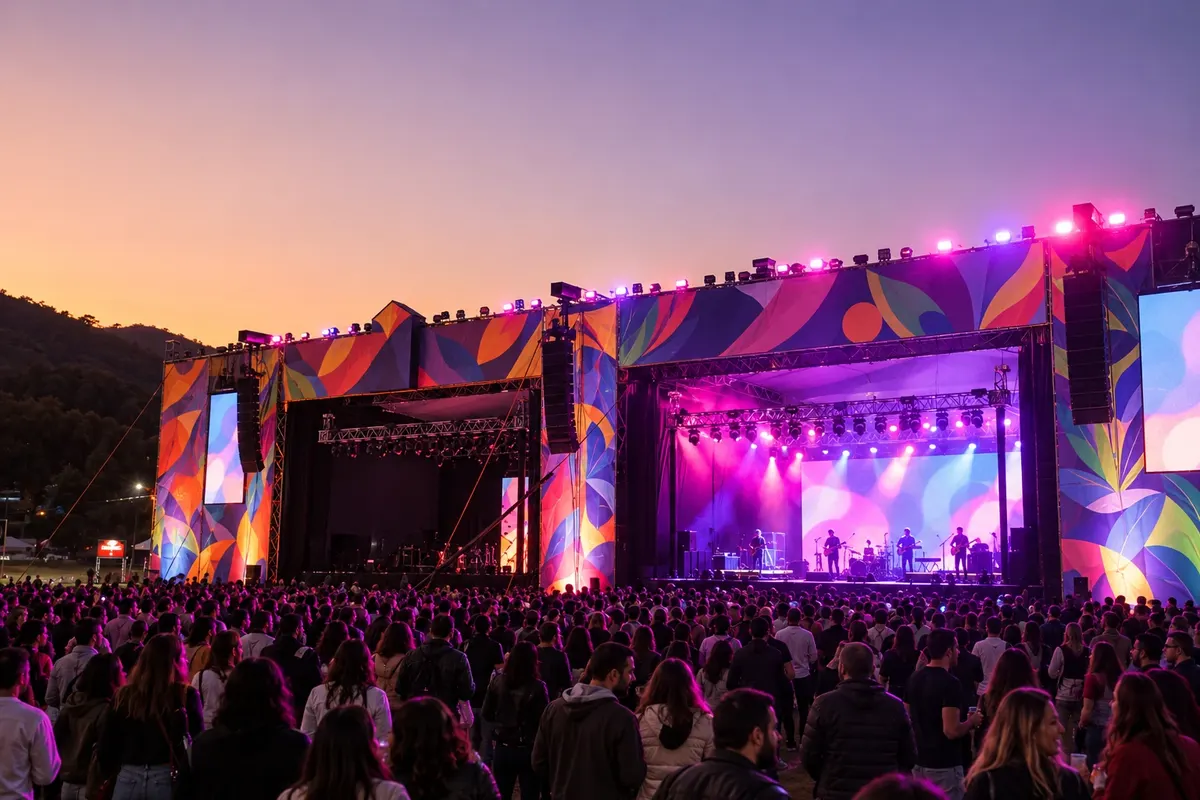
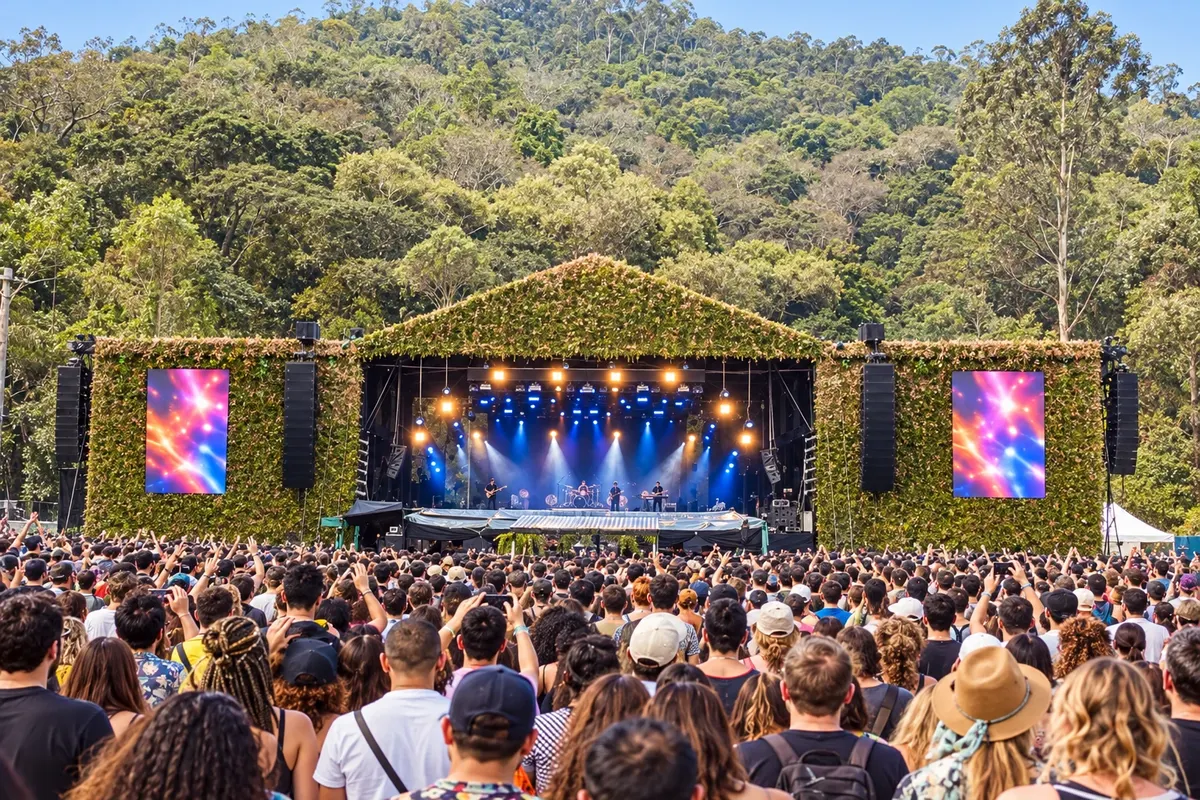
Itaipava’s music and arts festival, held in the mountains of Petrópolis, featuring multiple stages, Brazilian and international artists, and outdoor programming.
november/december/januarFrom late November to early January, throughout the Christmas season.
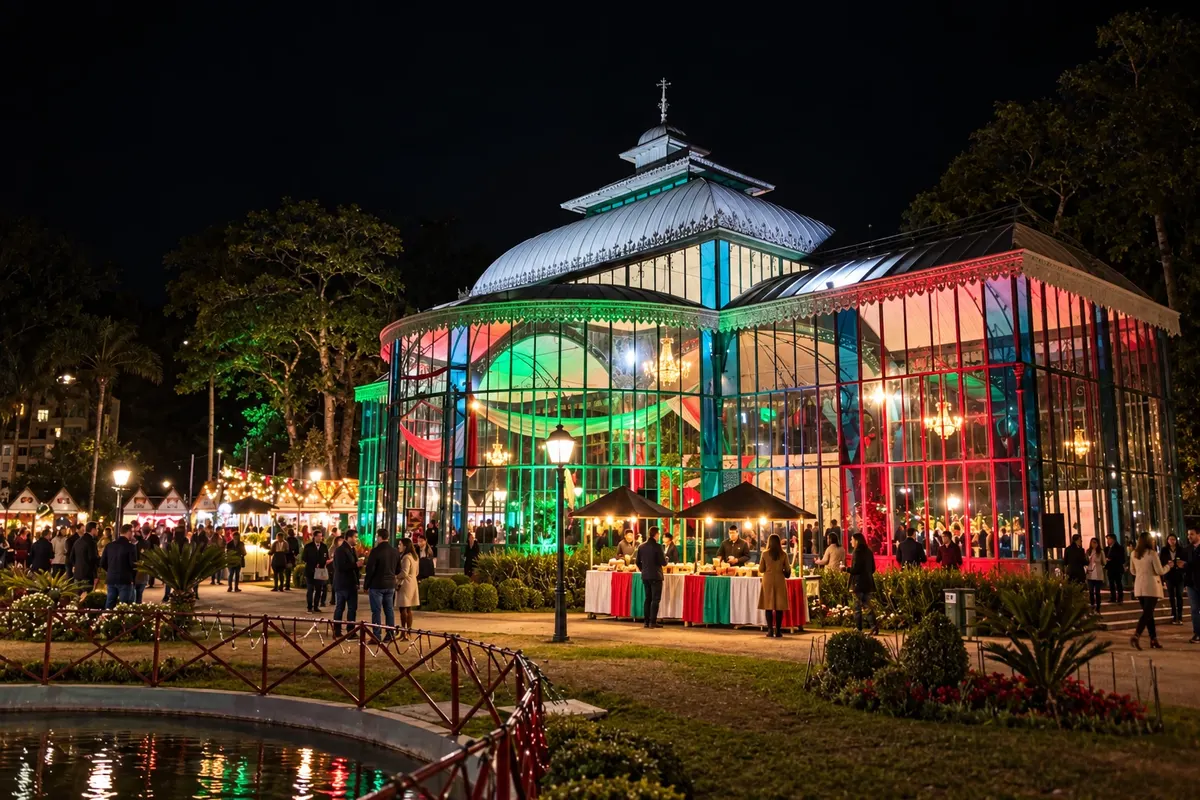
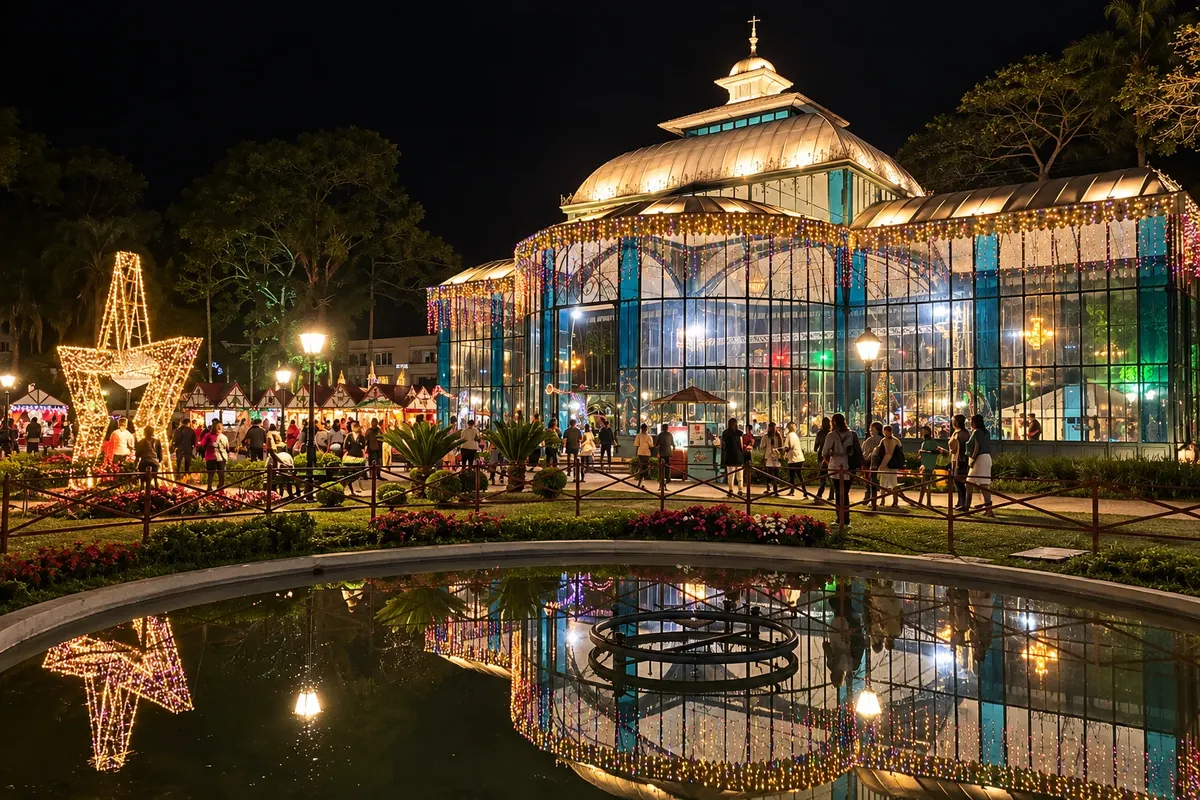
Petrópolis’ Christmas season, with the Crystal Palace lit up, concerts, choirs and children’s attractions in the historic center of the Imperial City.
Doživite kraj
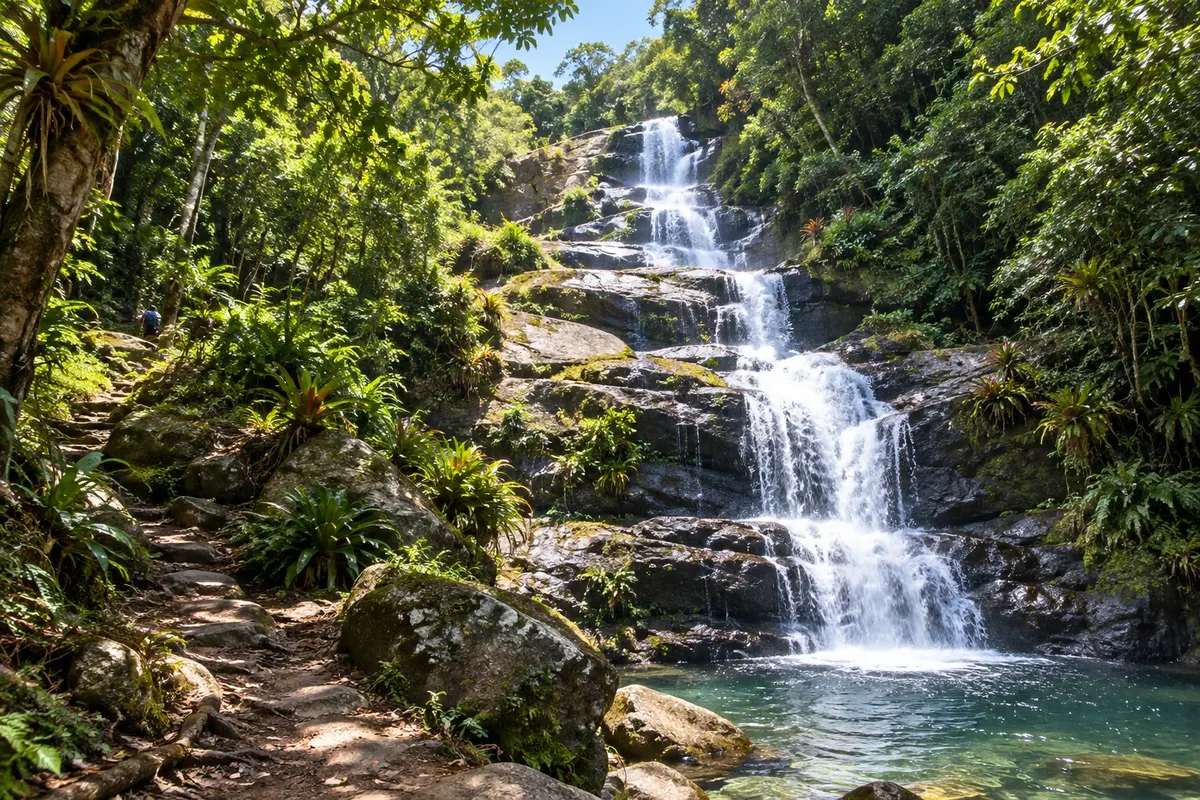
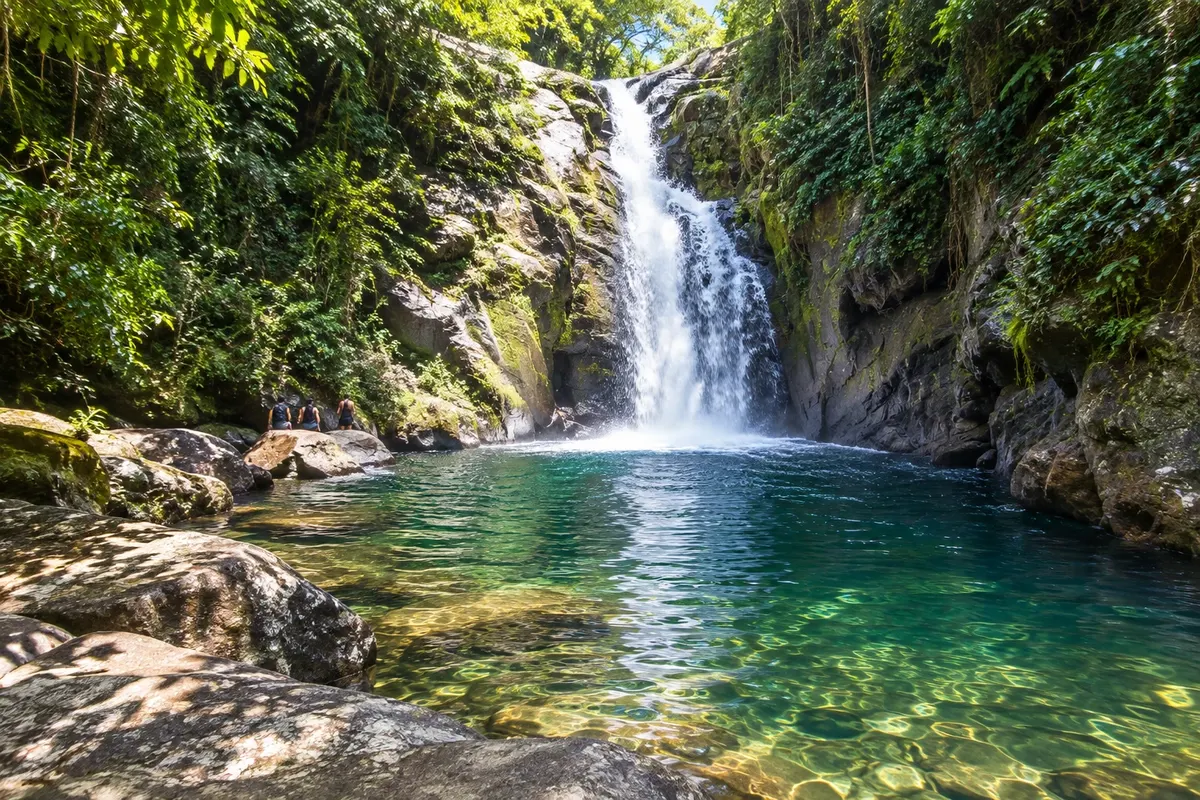
In the district of Boca do Mato, inside the Parque Estadual dos Três Picos (state park), it is the town's main postcard sight, with a drop of about 60 meters. The trail passes pools such as Pocinho and Furna da Onça before reaching the waterfall.
Raziščite Cachoeira das Sete Quedas
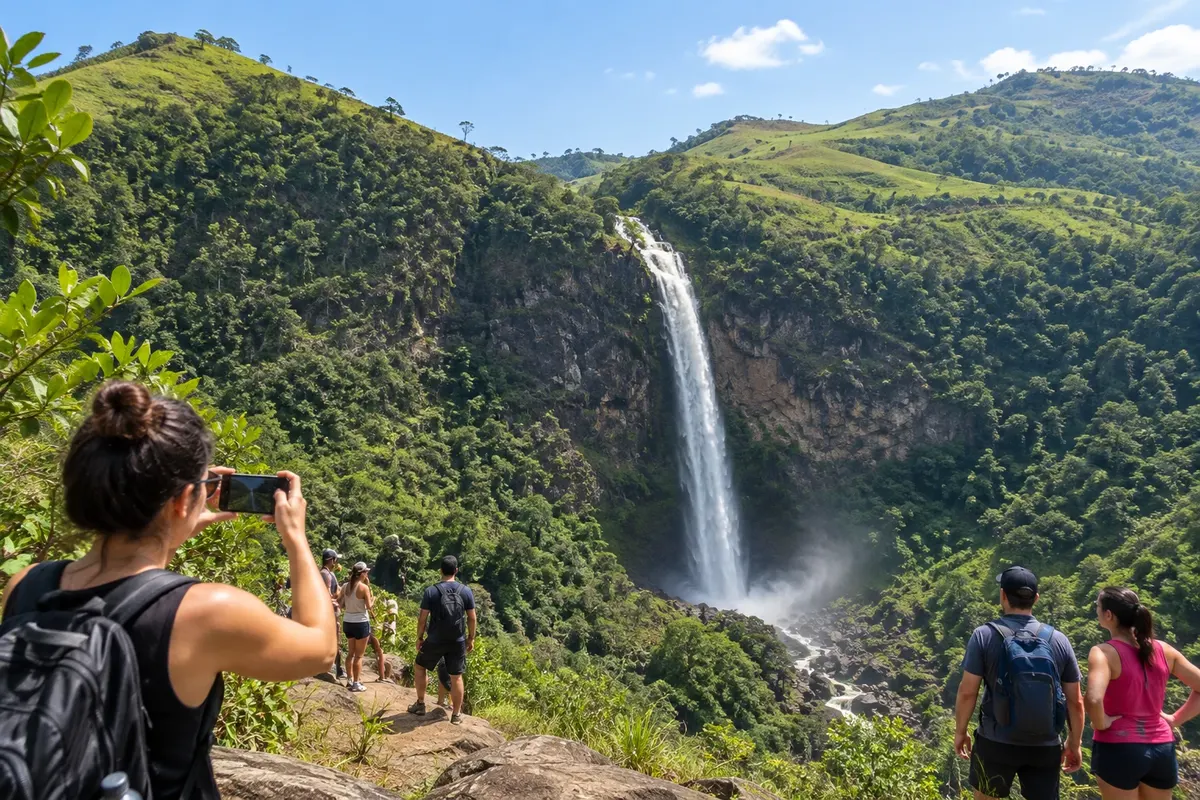
Formed by the Rio Paquequer, it is considered the tallest free-falling waterfall in the state, with an estimated height of 127 to 160 meters. Access is by a dirt road and an easy trail of less than 2 kilometers.
A protected area created in 2005 in the Serra do Capim, with high-altitude grasslands rich in bromeliads and orchids and a summit of almost 1,200 meters. From the top, on clear days, you can see the Dedo de Deus and other mountains of the Serra dos Órgãos.
Raziščite Monumento Natural da Pedra das Flores
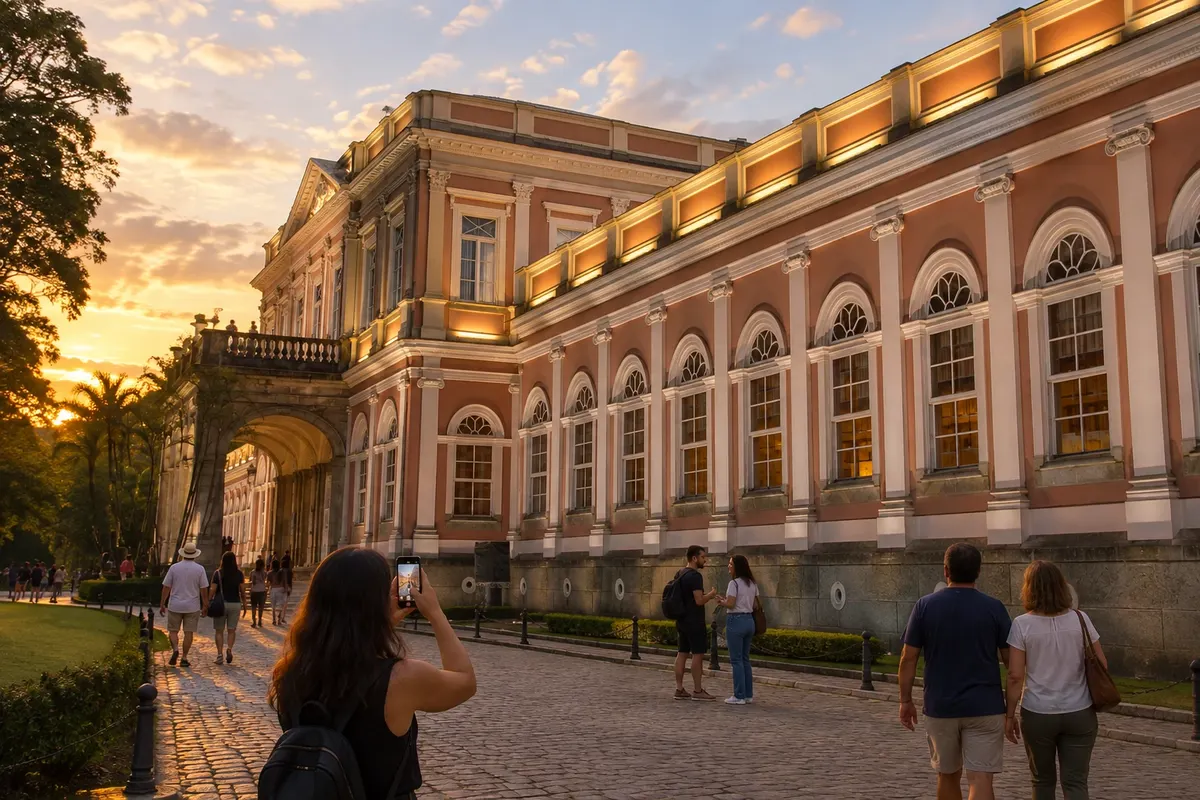
Housed in Dom Pedro II's former summer palace, it holds hundreds of thousands of items from the imperial period, including the emperor's crown. Visitors walk through the halls in felt slippers to protect the original floors.
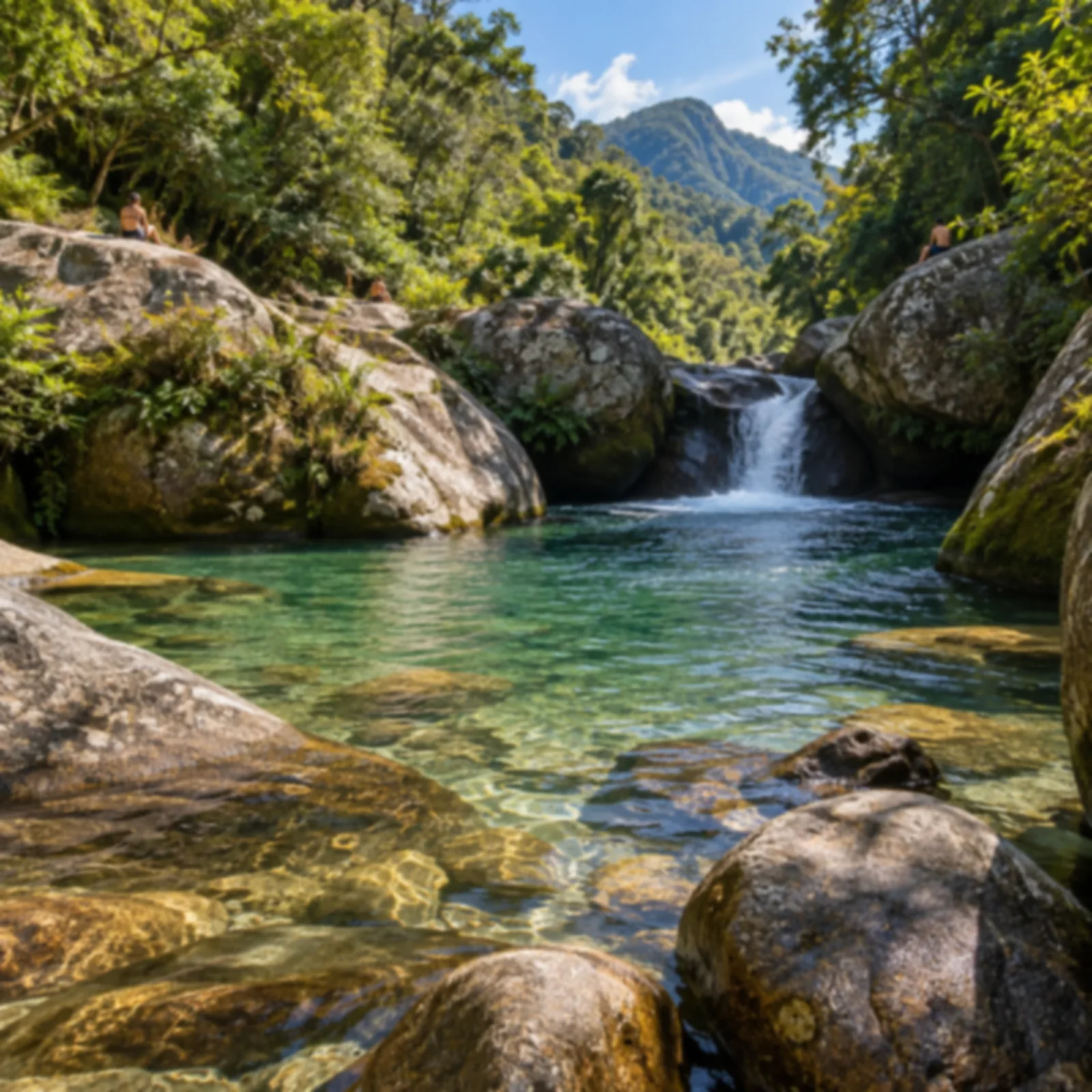
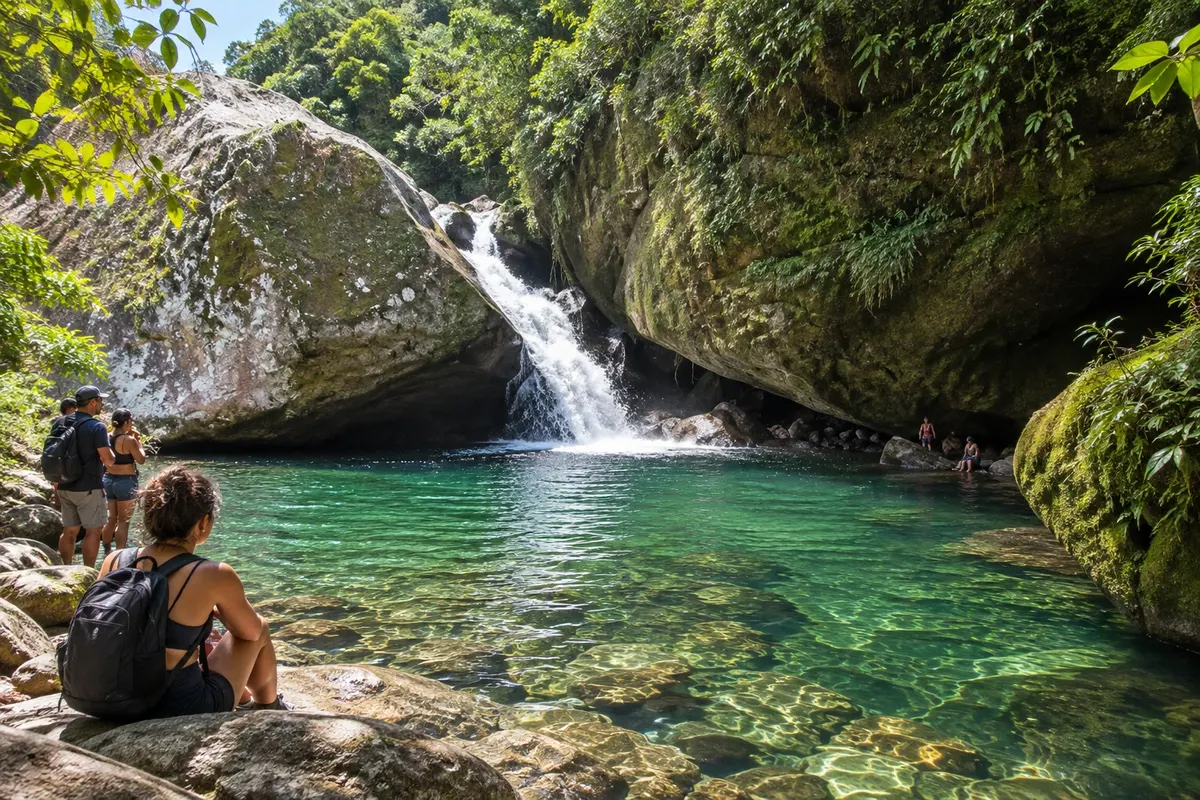
The main attraction at the town's headquarters of the Parque Nacional da Serra dos Órgãos, it is a series of waterfalls, rapids and pools on the Rio Soberbo. It is about a 20-minute walk from the visitor center and popular for swimming.
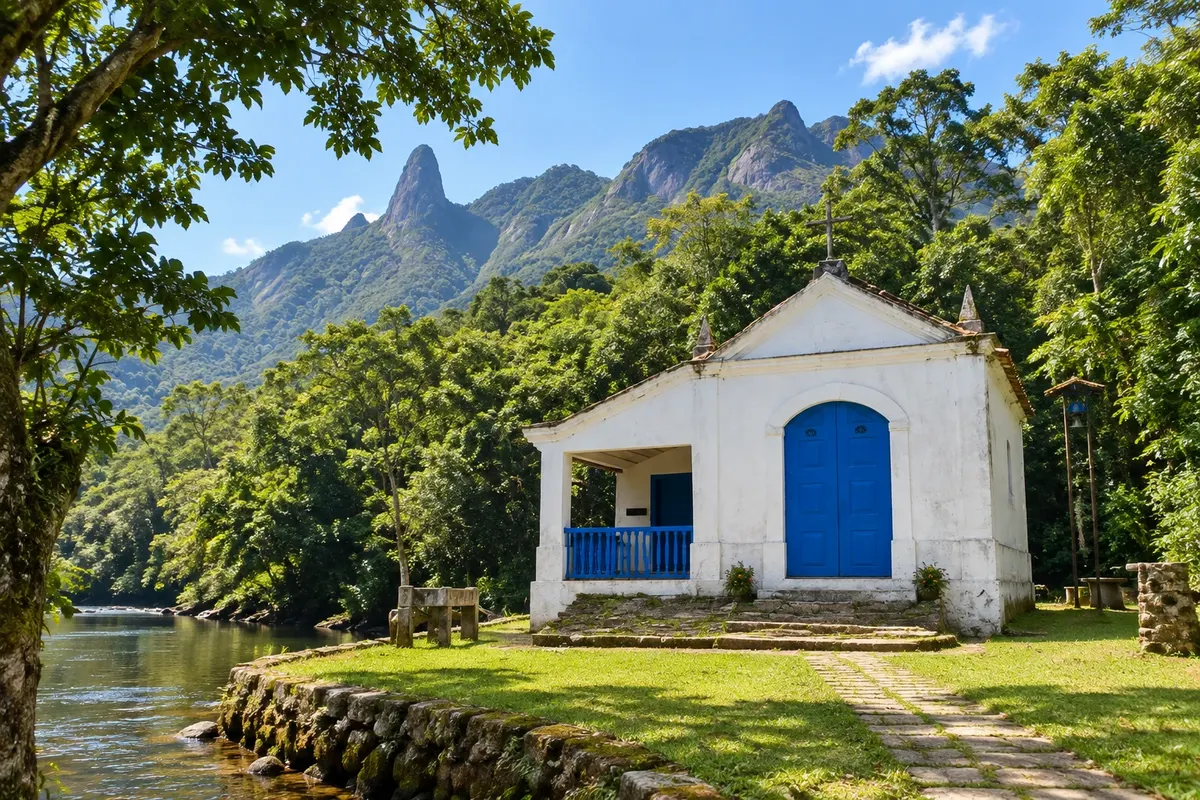
Built in 1713 beside the old road that climbed the mountains, it has been listed as a state heritage site since 1989. The small colonial chapel is within the Parque Nacional da Serra dos Órgãos and still holds religious services.
Raziščite Capela de Nossa Senhora da Conceição do Soberbo
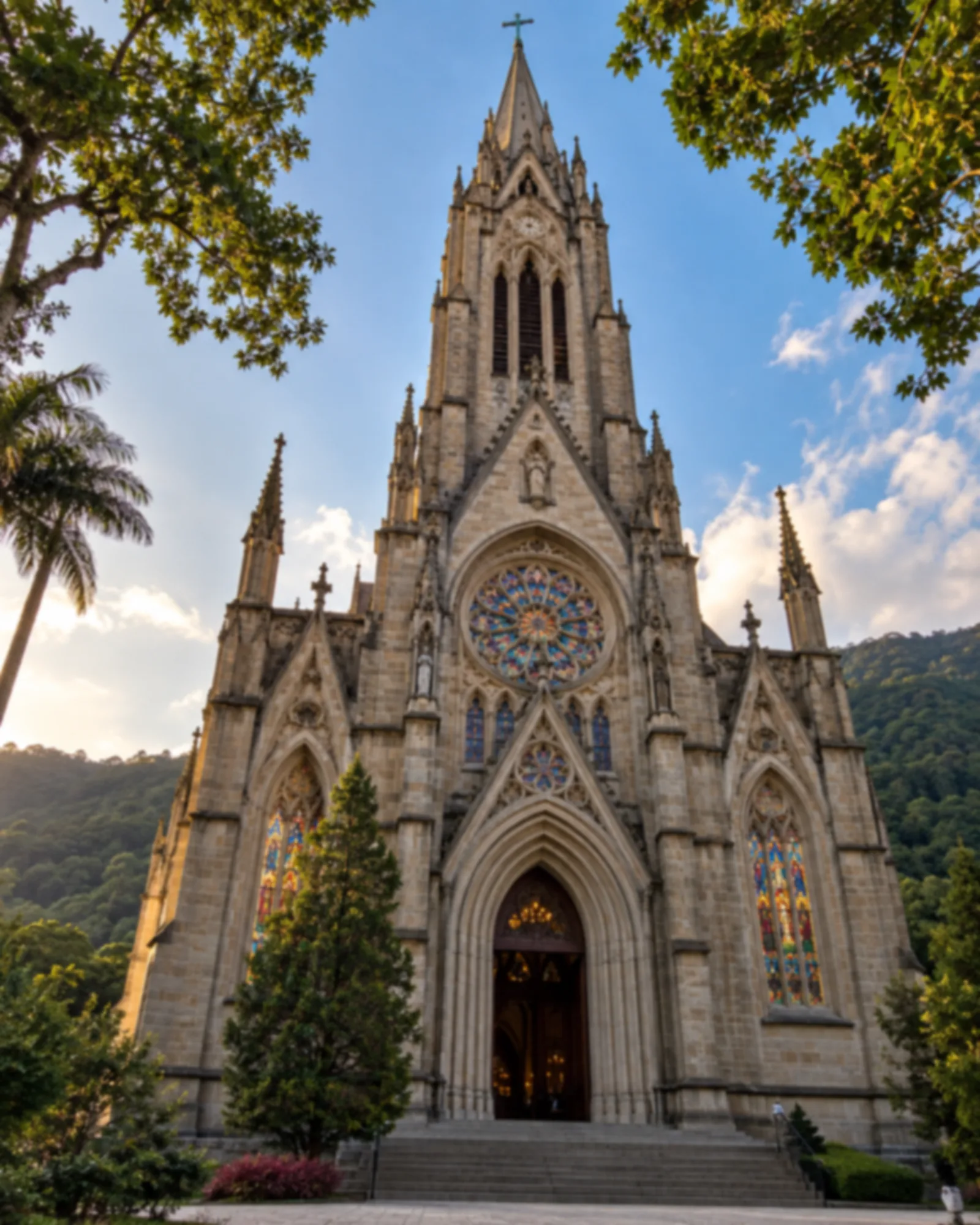
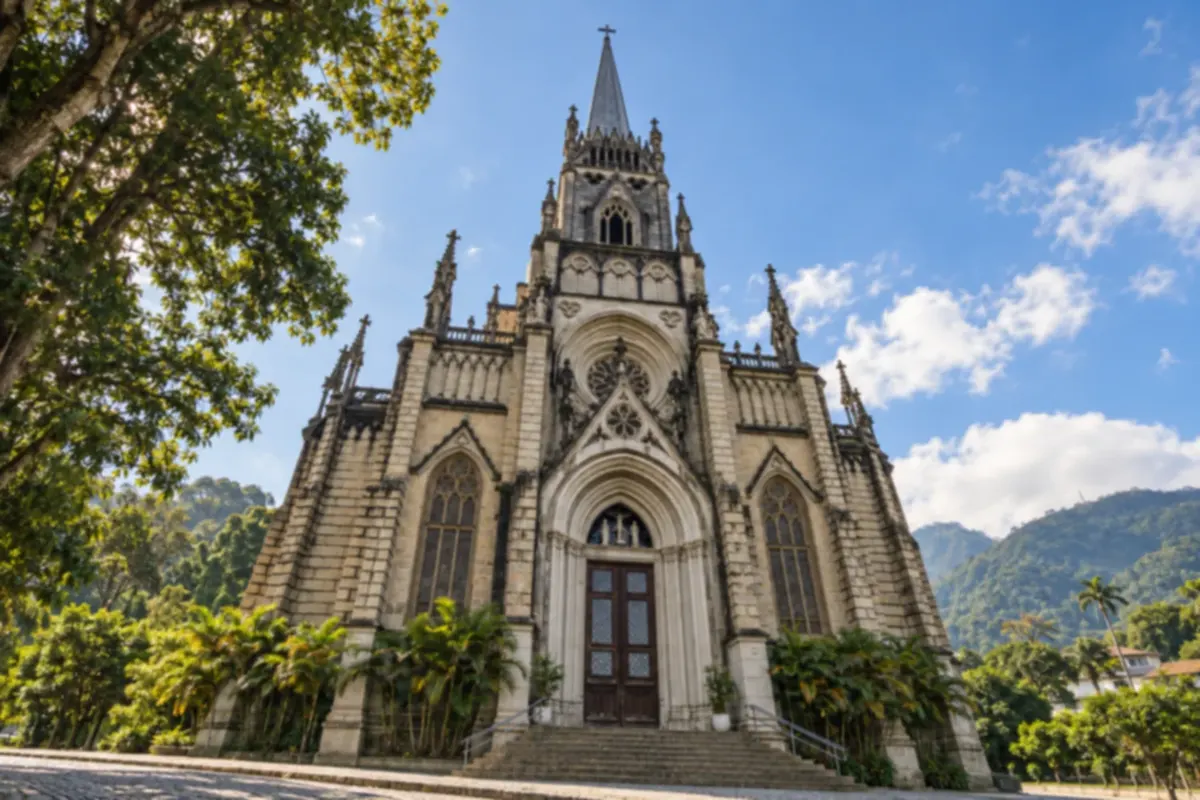
A neo-Gothic cathedral about 70 meters tall, built over almost a century. It houses the Imperial Mausoleum, with the tombs of Dom Pedro II and Empress Teresa Cristina.
Raziščite Catedral de São Pedro de Alcântara
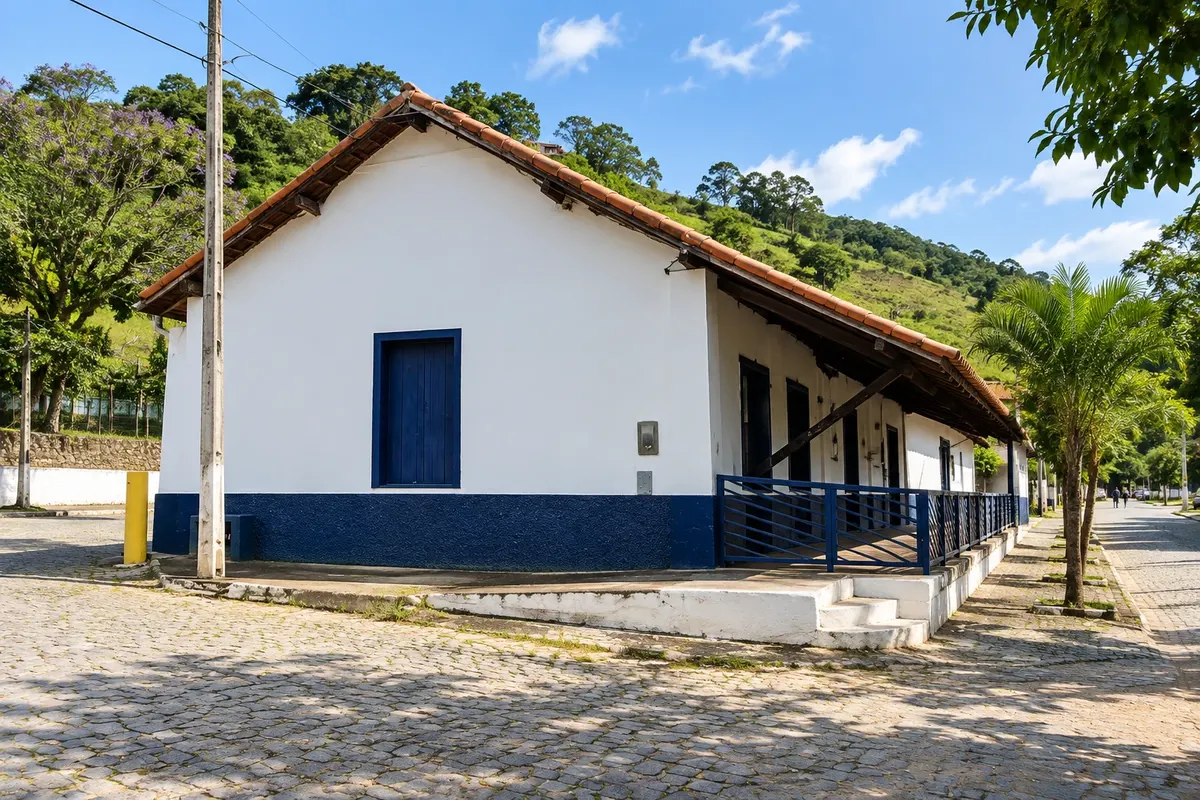
Opened in 1886 on the railroad branch line that served the region, closed in 1947, it is the only station on that line still standing. Restored by the community, it now houses a municipal office and serves as a cultural space.
Raziščite Estação Ferroviária Águas Claras
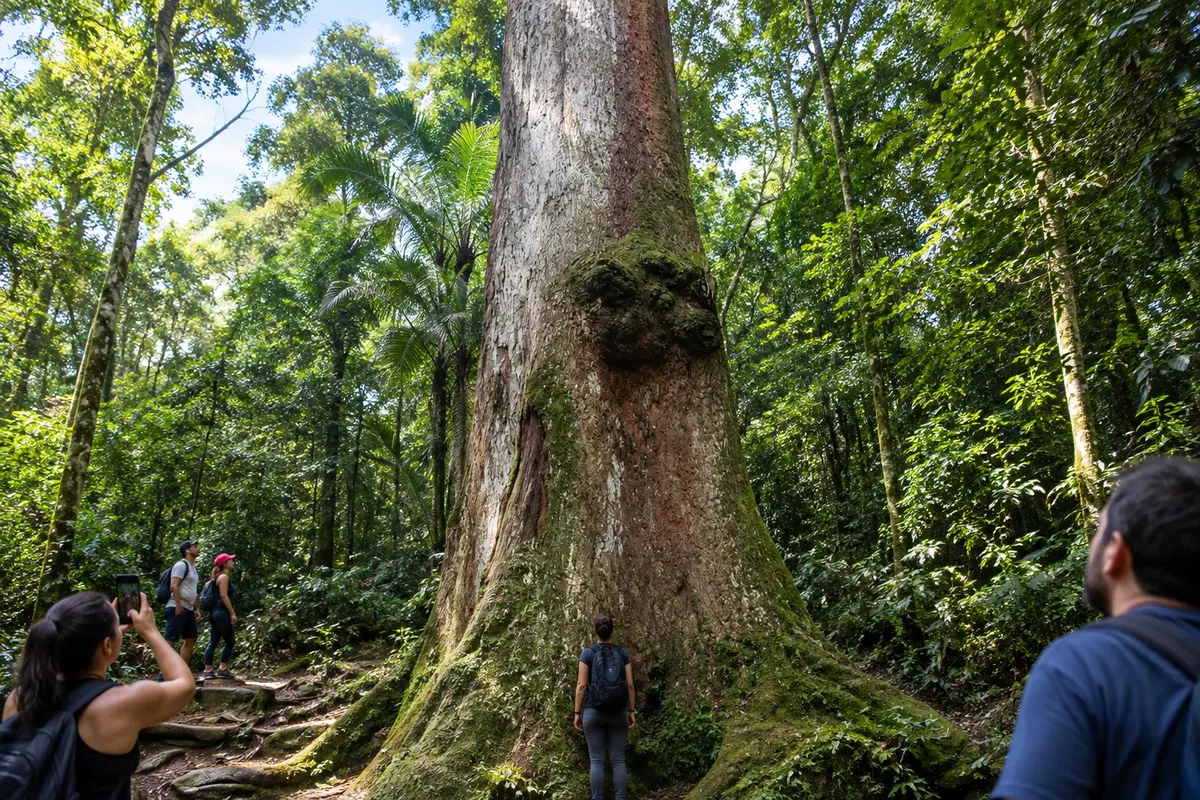
At the Jequitibá headquarters of the Parque Estadual dos Três Picos, a 400-meter interpretive trail leads to a thousand-year-old jequitibá-rosa tree. The tree is about 40 meters tall and 19 meters around at the base.
Raziščite Jequitibá-Rosa do Parque dos Três Picos
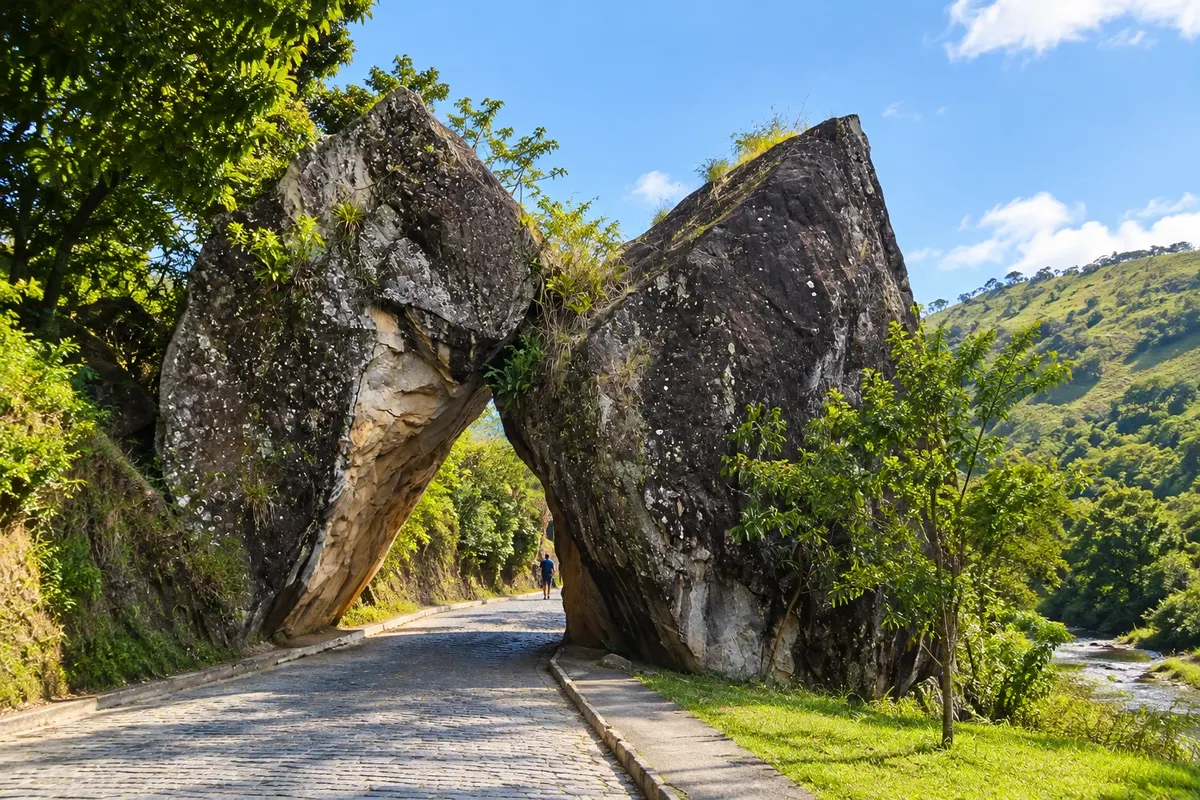
A formation of two large rocks about 30 meters tall that create a kind of gateway at the entrance to town. It is considered the local postcard sight and has easy trails nearby.
Housed in a restored 19th-century mansion, it honors the German naturalist Carl von Martius, author of Flora Brasiliensis. It has a permanent photo exhibit, a scale model of the park and botanical collections.
Raziščite Centro de Visitantes Museu von Martius
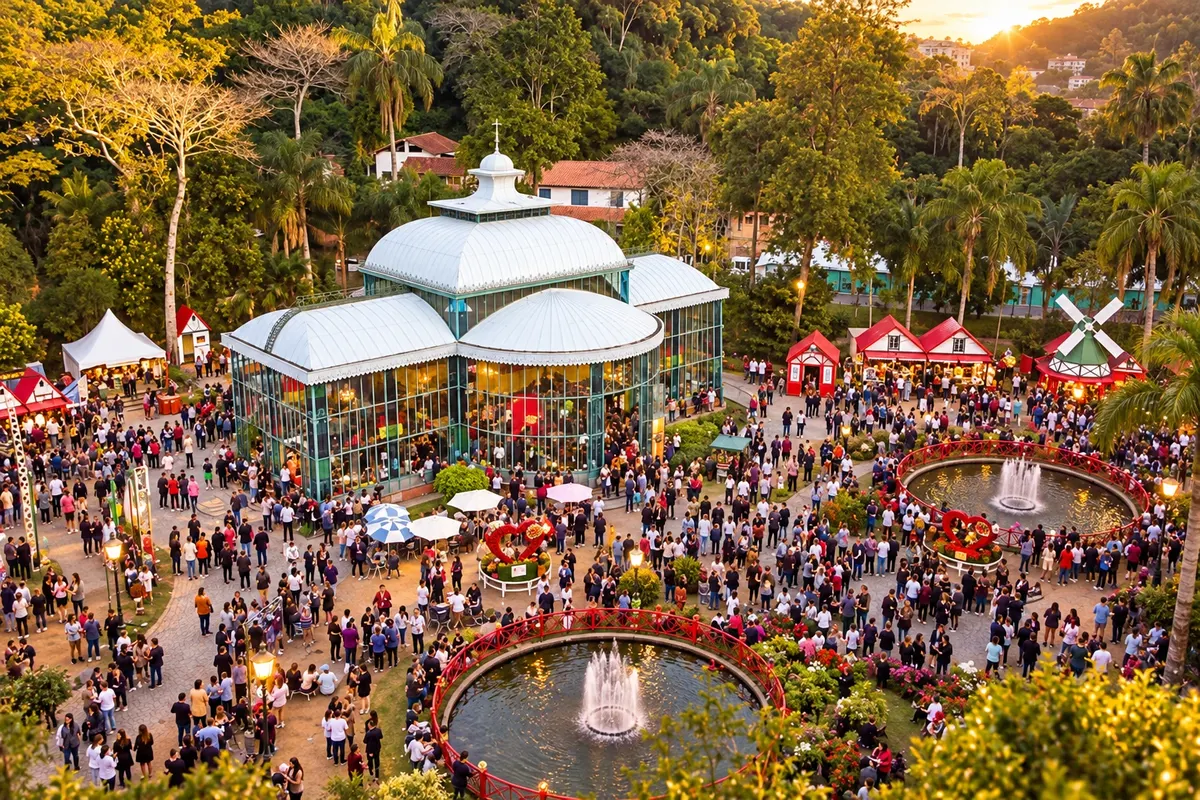
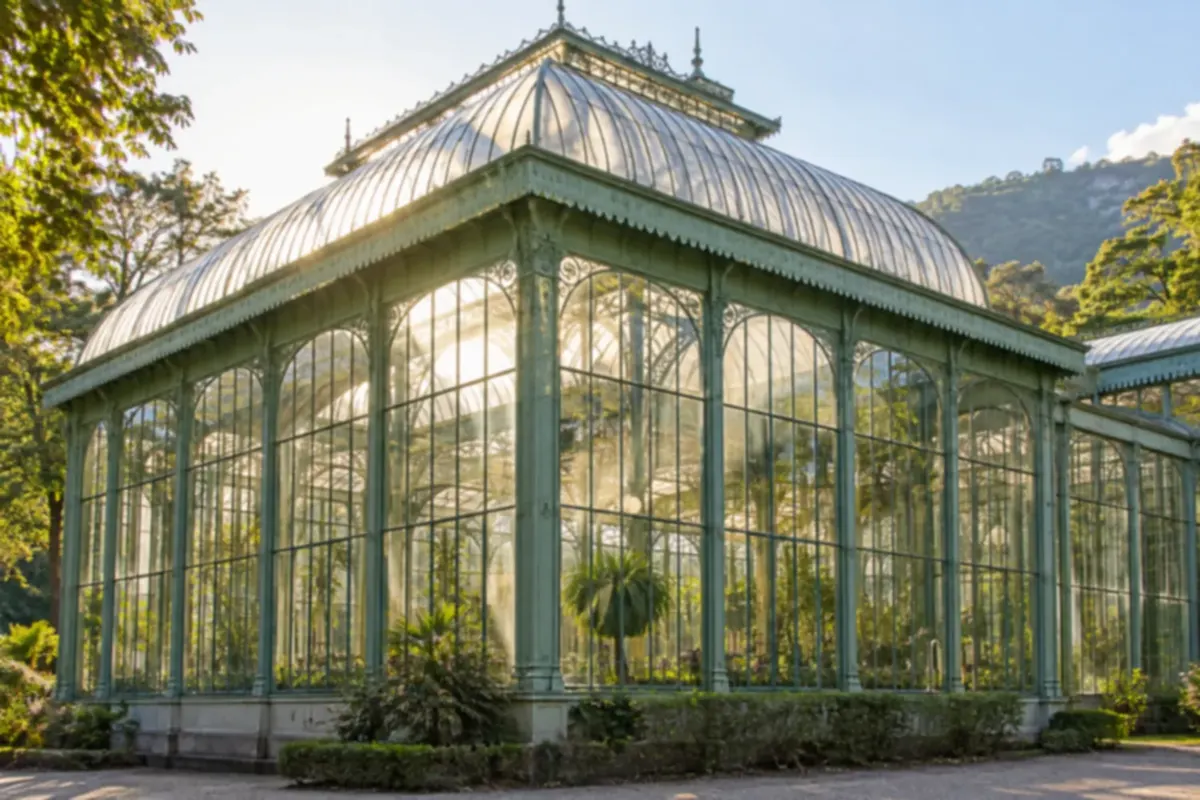
A cast-iron and glass pavilion assembled in 1884 for horticultural exhibitions, ordered from France and now used for cultural events. It is one of the city's most recognizable images.
Created in 2009, it protects about 4,400 hectares of Atlantic Forest and the headwaters of the Piabanha, Preto and Paquequer rivers. The Pedra da Tartaruga area, the park's symbol, gives access to trails, viewpoints and climbing areas.
Raziščite Parque Natural Municipal Montanhas de Teresópolis
At 2,257 meters, it is one of the highest points of the Serra do Mar, and its summit is reached by a staircase of 632 steps. From the top you can see the mountains of the region and vast areas of Atlantic Forest.
A private reserve recognized by Inea, it brings together preserved forests and restored wetlands with the Serra dos Órgãos in the background. It is a top spot for birdwatching and offers marked trails and guided walks.
Raziščite Reserva Ecológica de Guapiaçu (Regua)
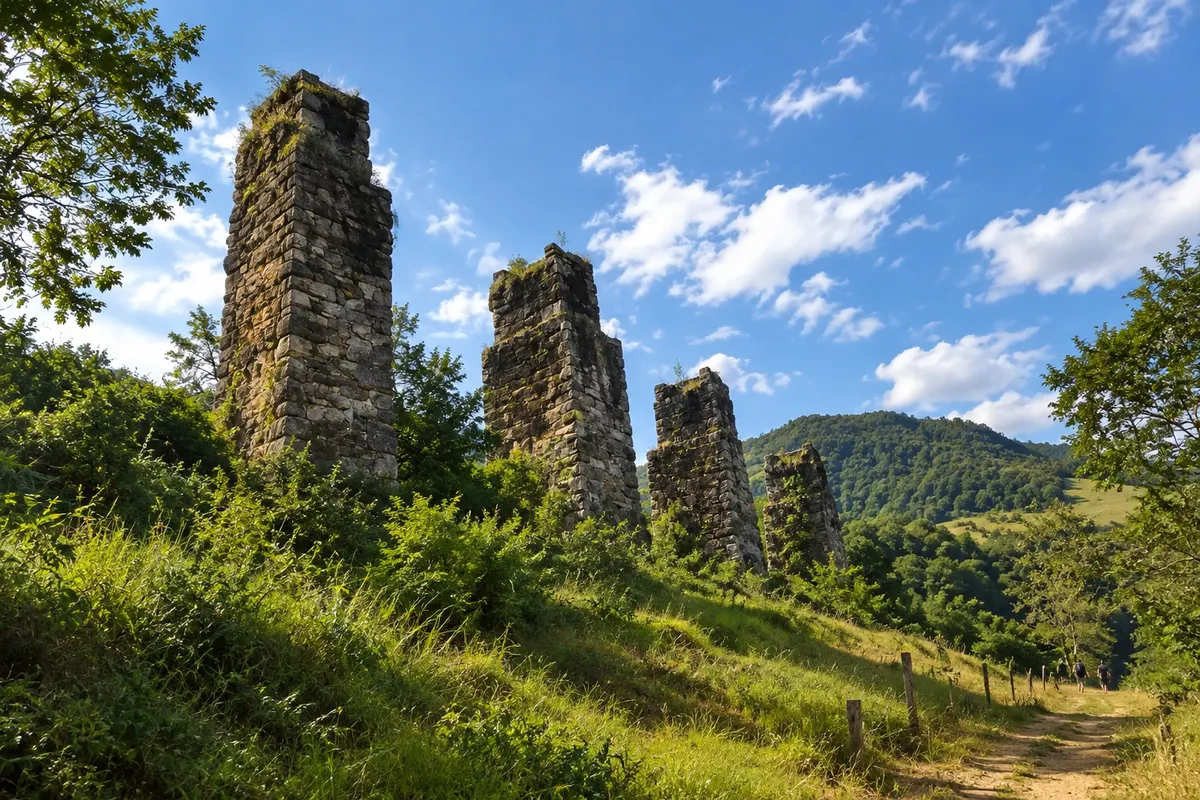
Nine large stone pillars still stand from the railroad viaduct opened in 1888 on the Leopoldina branch line that linked the region to Nova Friburgo. The lone columns on top of a small hill are one of the most photographed scenes in the municipality.
Raziščite Ruínas da Ponte Seca
Located in the Boa Vista area, it has a drop of about 12 meters and a natural pool of roughly 200 square meters. Its cold, crystal-clear water makes it one of the most popular waterfalls in town.
Raziščite Cachoeira do Tenebroso
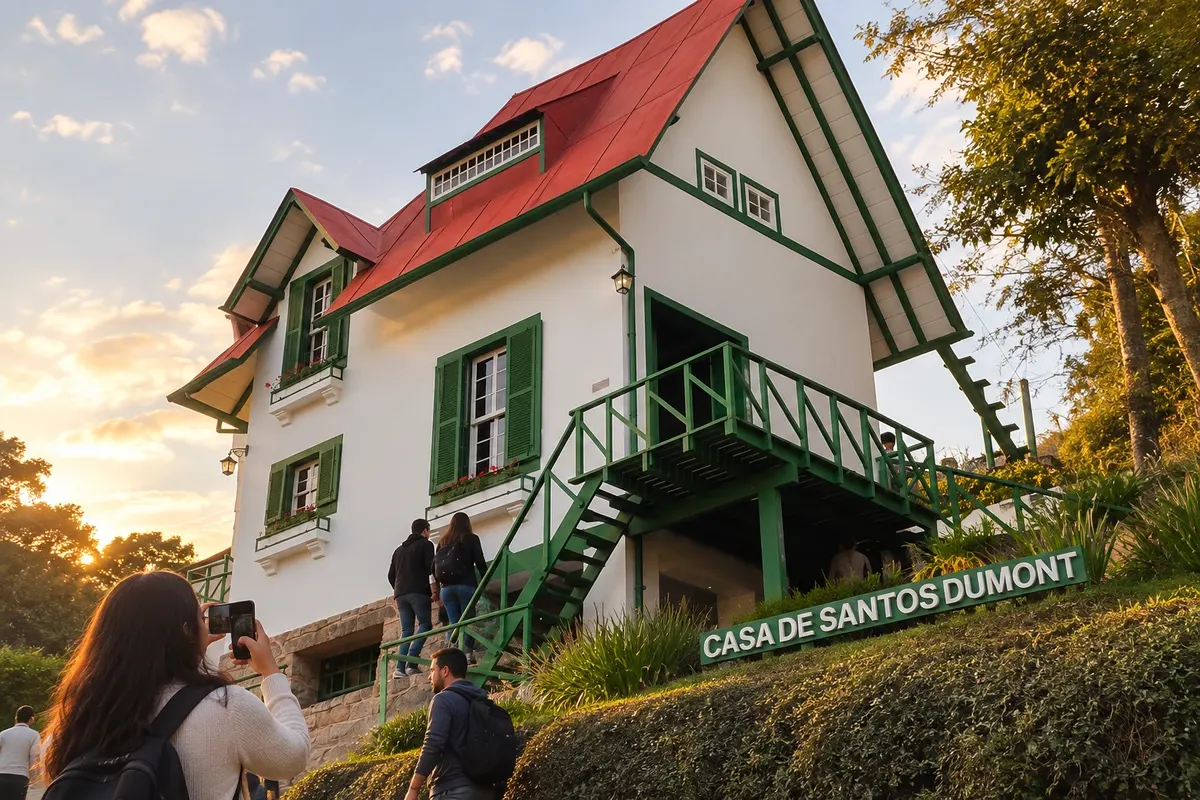
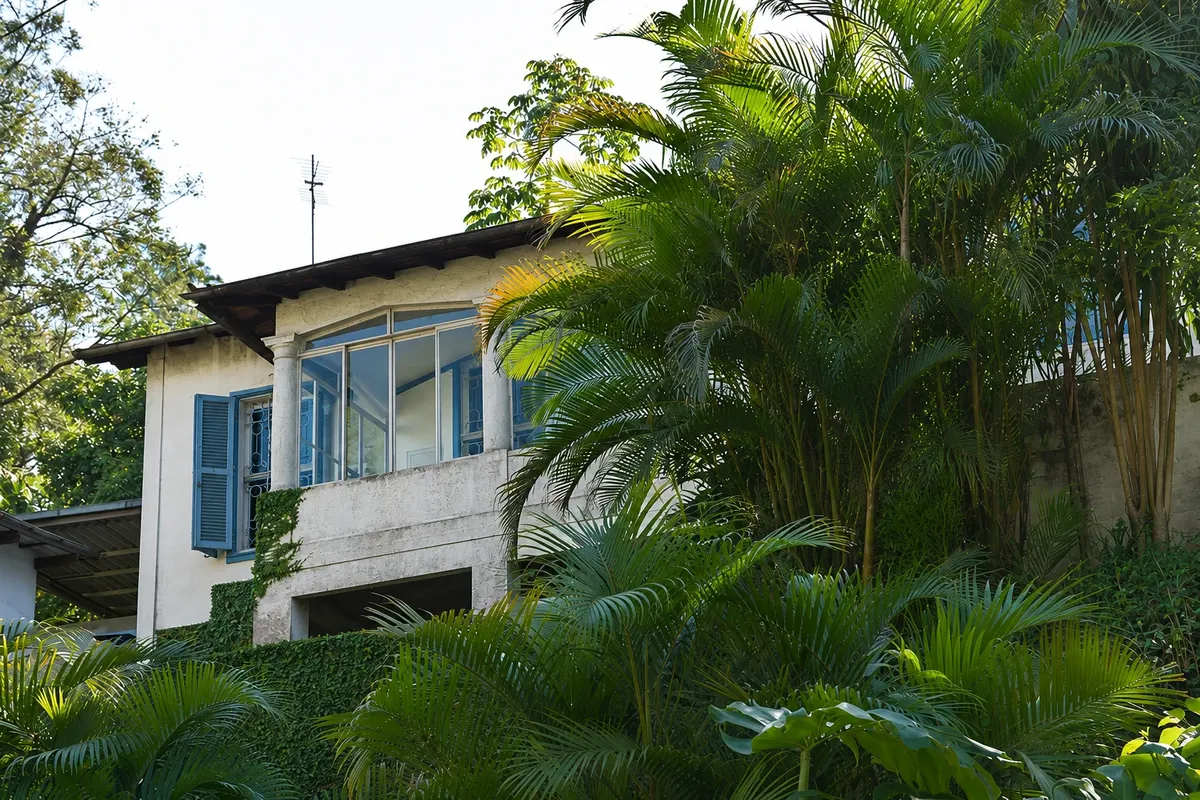
A small summer house designed by the inventor himself in 1918, which he nicknamed A Encantada, full of eccentric touches such as the staircase with alternating steps. It holds personal belongings and an observatory on the terrace.
Raziščite Casa de Santos Dumont
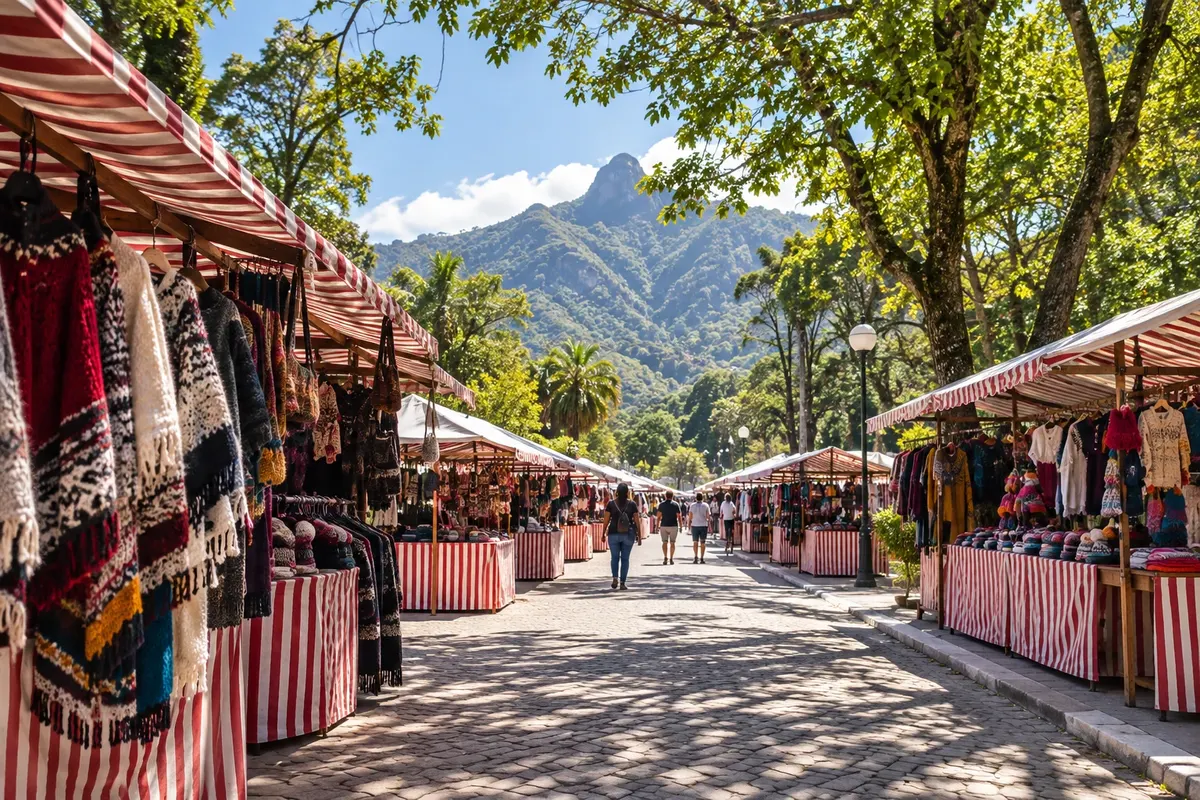
Started around 1973 on Praça Higino da Silveira, in the Alto neighborhood, it brings together hundreds of vendors on weekends and holidays. Products include clothing from small manufacturers, wood and bamboo crafts, sweets and regional food.
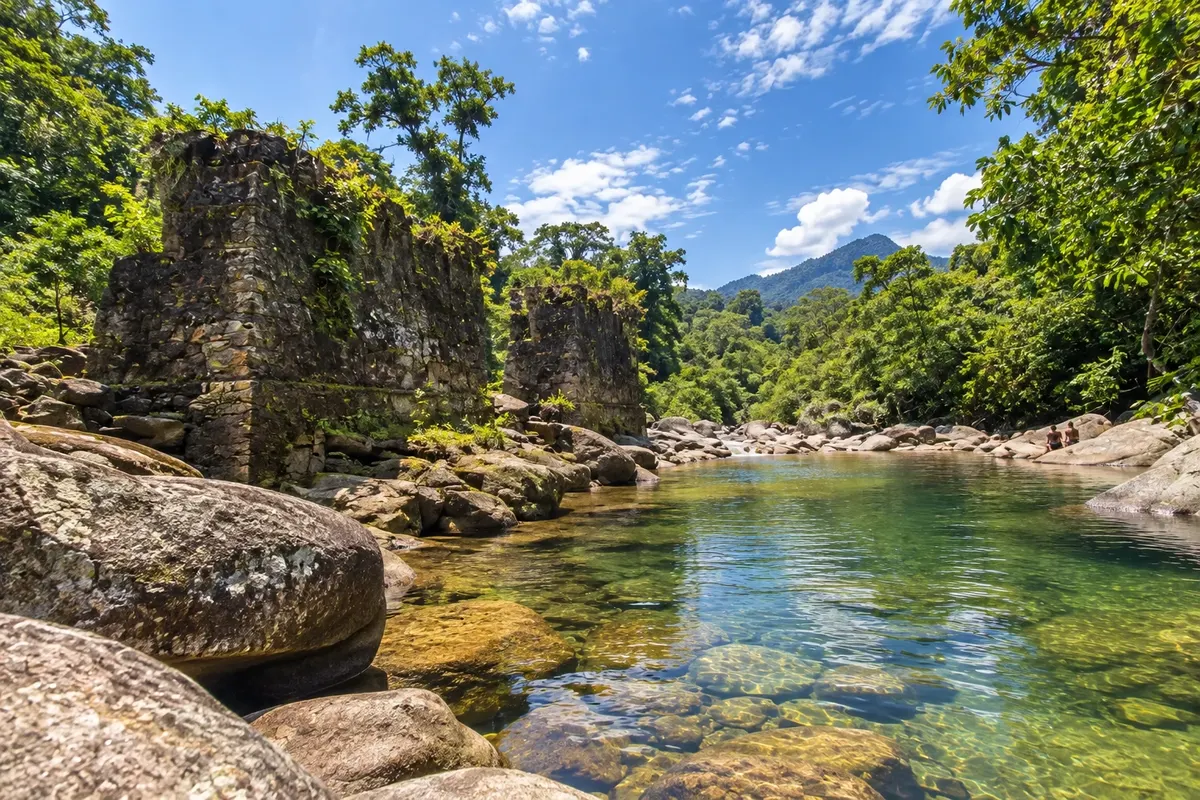
A calm-water pool beside the ruins of a bridge on an old royal road, at the headquarters of the Parque Nacional da Serra dos Órgãos. Access is easy, with parking a few meters away.
A formation of three great granite peaks in the district of Salinas, whose Pico Maior, at 2,316 meters, is the highest point of the Parque Estadual dos Três Picos. It has more than a hundred climbing routes and trails through high-altitude grasslands.
Raziščite Três Picos de Salinas
In the Fazendinha neighborhood, it offers an aerial view of the urban area surrounded by the mountains of the Serra dos Órgãos, the Parque dos Três Picos and the municipal park. The site has a paragliding launch ramp.
A viewpoint on the Rio-Teresópolis road with a head-on view of the Dedo de Deus (God's Finger), the granite peak pointing at the sky that became a symbol of the state. On clear days the view reaches Guanabara Bay.
Raziščite Mirante do Soberbo e Dedo de Deus
Built in 1944 to be the largest casino in Latin America, it lost its purpose two years later, when gambling was banned in the country. Today it hosts exhibitions and events, and the lake in front is shaped like the map of Brazil.
A rock formation about 100 meters tall whose profile looks like a sitting dog, in the group of caves and boulders known as Furnas do Catete. A trail of about 1 kilometer, with rustic bridges and stairs, leads to the viewpoints.
Raziščite Pedra do Cão Sentado
The oldest brewery in Brazil, from 1853, turned into a beer museum in the factory's historic building. The tour covers the history and the brewing process and ends with a tasting.
A protected area created in 1939 with about 200 kilometers of trails, natural pools and climbing walls. The Pedra do Sino, at 2,275 meters, is the highest point in the range and the classic destination for hikers who sleep at the shelter to watch the sunrise.
Raziščite Parque Nacional da Serra dos Órgãos e Pedra do Sino
A half-timbered house built by the first German immigrants around 1847 and opened as a museum in 1976. It tells the daily life of the settlers who built the city, before the imperial period it became known for.
A group of granite peaks in the Três Picos State Park whose profile resembles a reclining woman, visible from the Teresópolis–Friburgo road. The trail to the Seio, the most sought-after point, is steep, has technical sections and takes a full day.
A cable car that climbs the Morro da Cruz and delivers a 360-degree view of the city nestled among mountains. At the top there is a viewpoint, a chapel and short trails.
Raziščite Teleférico do Morro da Cruz
A rural district with dozens of waterfalls, river pools with natural slides, rafting and good country cooking. Together with neighboring São Pedro da Serra, it is the heart of ecotourism in Nova Friburgo.
A fourteen-meter monument with a statue of Our Lady of Fátima, on a hilltop a few minutes from downtown. It is worth it for the open view of the historic center and the surrounding mountains.
Place where the Bonito River flows into the Macaé River, about 6 km from Lumiar’s main square, with clear-water pools among rocks and forest. It lies inside an environmental protection area and is one of the most popular river baths in the district.
Raziščite Meeting of the Rivers
A clothing shopping street since 1916, known for knitwear sold at factory prices. There are hundreds of shops along a gentle slope, busy all year round.
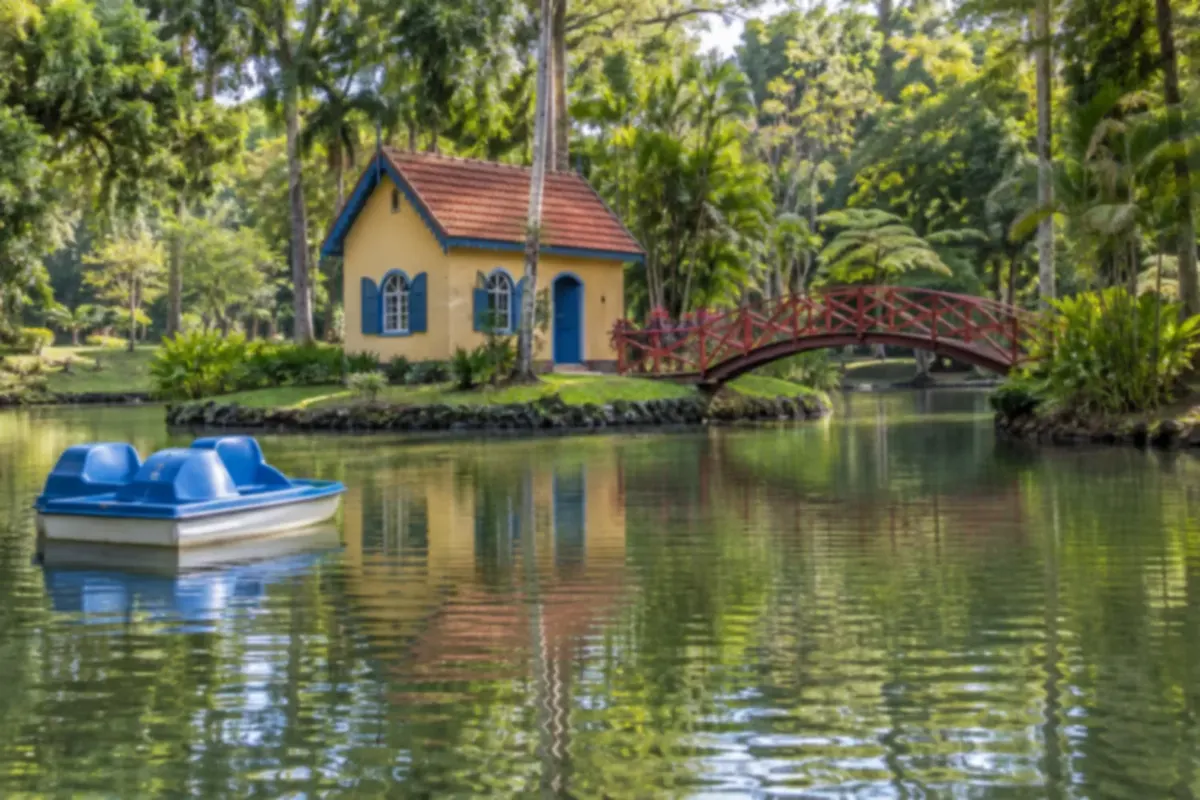
More than forty thousand square meters of Atlantic Forest with a lake, pedal boats, a playground and a picnic area. It is the place for an afternoon with no plans, in the middle of the mountains.
A district about fifteen kilometers from downtown, home to many restaurants, shops and pousadas. It is usually the base for people looking for the more rural, quieter side of the mountains.
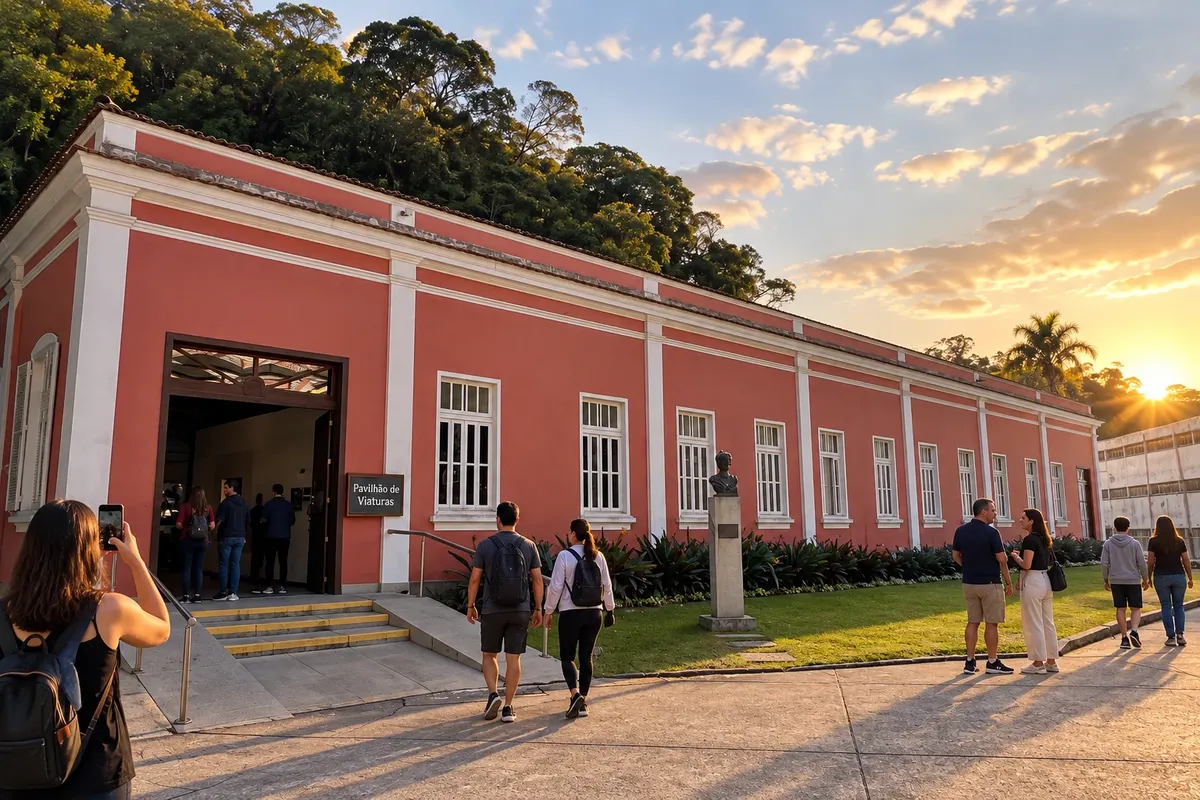
Exhibition annex of the Museu Imperial that brings together 19th-century carriages and vehicles. The highlight is the Berlinda de Aparato, the emperor's state carriage, in a space that reveals the technique, etiquette and transportation of the Brazilian court.
Raziščite Pavilhão de Viaturas
Classic mountain crossing that traverses the high Serra dos Órgãos inside PARNASO, linking the Sede Petrópolis to the Teresópolis sector. Landscapes of granite ridges, high-altitude fields and viewpoints such as Castelos do Açu and Pedra do Sino.
Raziščite Travessia Petrópolis-Teresópolis
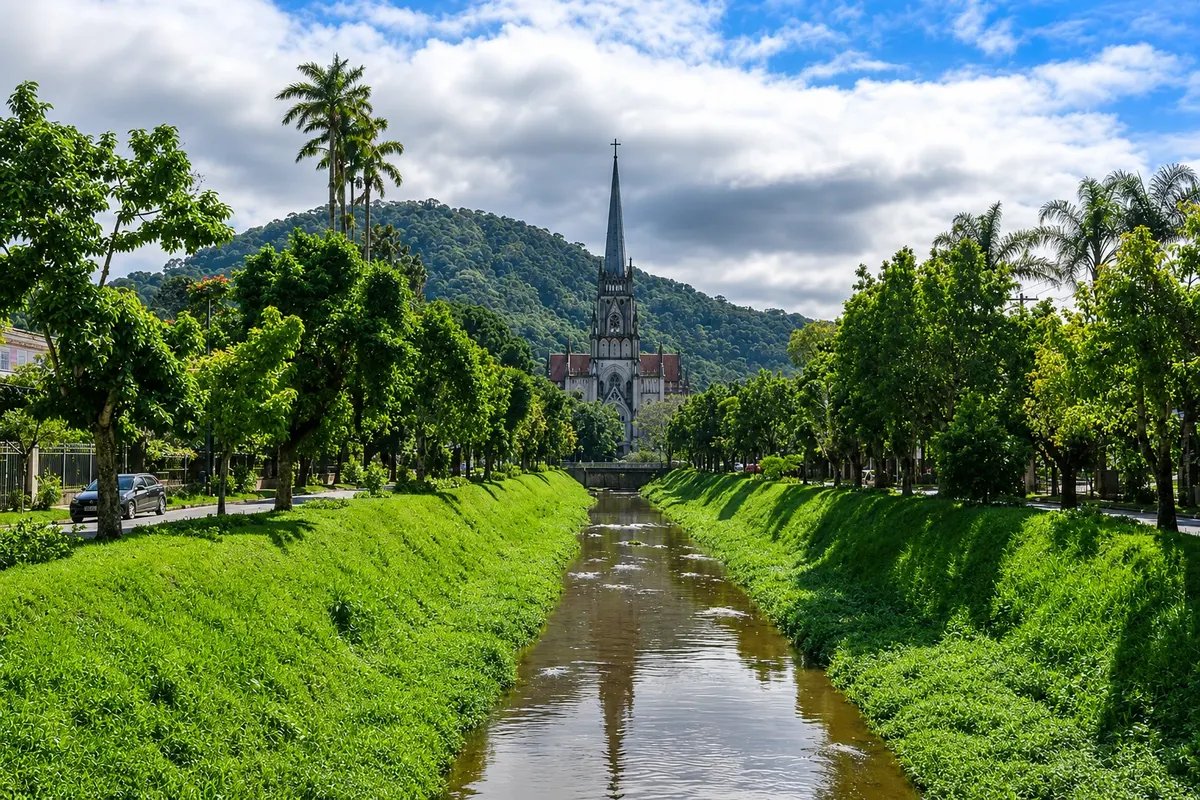
Avenue of about 300 meters along the Quitandinha River in the historic center, with 19th-century mansions, the Casa da Princesa Isabel and the Palácio Rio Negro. From the west end, the view of the canal with the Cathedral in the background is one of the city’s postcards.
Small house in the Valparaíso neighborhood where the Austrian writer Stefan Zweig lived his final months, in 1941 and 1942. Today it is a museum and a memorial to the writers, artists and scientists who went into exile in Brazil to escape Nazism.
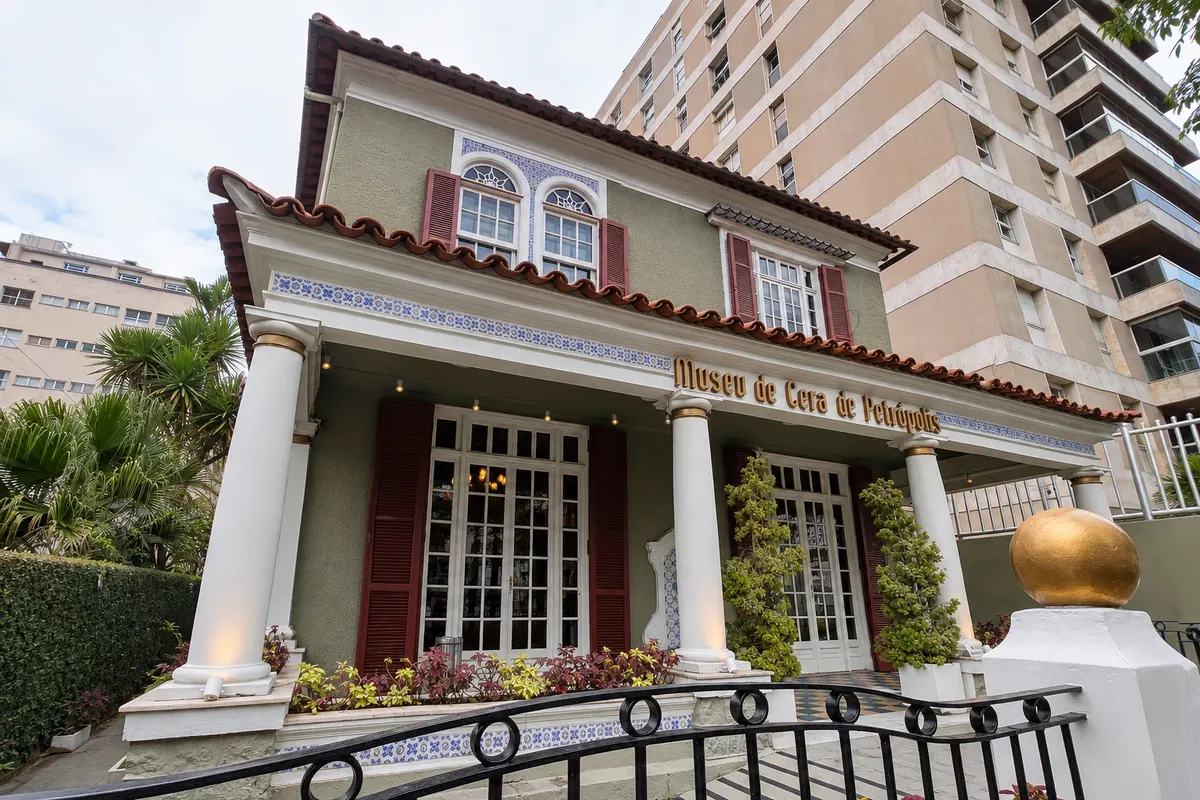
A wax museum with life-size figures in a historic mansion downtown, near Praça da Liberdade. It brings together characters from Brazil’s history, politics, sports, music and cinema, displayed in rooms across the house’s two floors.
Raziščite Petrópolis Wax Museum
Kaj izbrati pred odhodom
Izhodišče, trajanje, potek, vključene storitve in okvirna cena vsakega izleta.
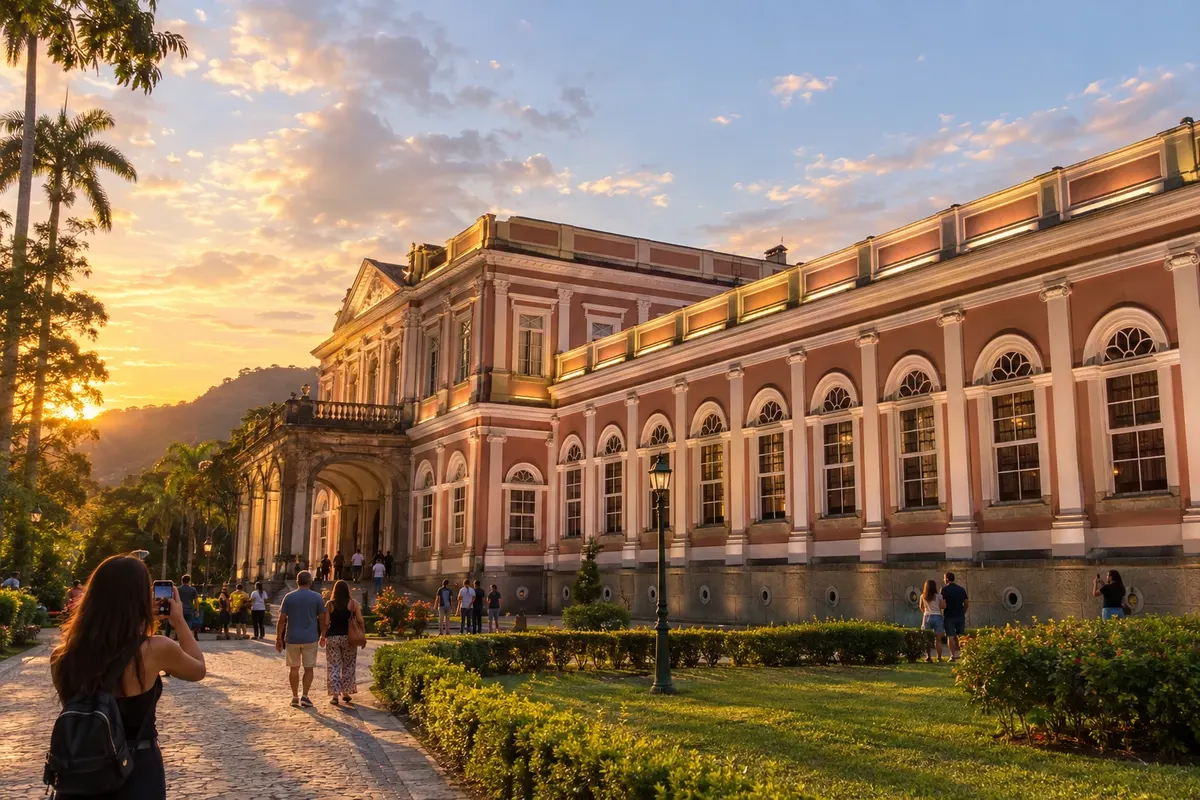
The Museu Imperial occupies the former summer palace of Dom Pedro II, completed in 1847, when Petrópolis became the summer capital of the Empire. The visit goes through rooms with furniture, portraits, china and objects of the imperial family, and the collection includes ceremonial pieces of the monarchy. The gardens around the palace are included with the same ticket and provide a break between the wings. The museum is administered by the Instituto Brasileiro de Museus and is open Tuesday through Sunday and on holidays, except Labor Day, Christmas and New Year’s Day. Admission is free on Sundays, so it gets busier that day. The ticket office accepts cash and Pix. It is a few blocks from the Catedral and the Palácio de Cristal, which allows you to combine the visit with a walk through the Centro Histórico.
Kraji na poti: Museu Imperial, Rua da Imperatriz, gardens of the Museu Imperial.
Vključuje: Admission to the palace and the gardens. There is half-price admission and a family package on the official tariff.
Nasvet: Arrive at the beginning of the opening period to see the rooms with fewer people. The museum is closed on Mondays. Bring cash or use Pix at the ticket office.
Najboljši čas za obisk: All year round; from May to September it rains less and the gardens are easier to enjoy.
R$ 10 · per person, full adult· uradna cenaThe layout of the Centro Histórico was designed by the engineer Júlio Frederico Koeler, with streets running along the rivers. The Catedral São Pedro de Alcântara, in French neogothic style, has stained glass, paintings by Carlos Oswald and, right at the entrance, the mausoleum with the mortal remains of Dom Pedro II, Empress Teresa Cristina, Princess Isabel and the Count d'Eu. The cathedral tower can be visited on some days of the week, with tickets sold at the shop next door. The Palácio de Cristal, an iron-and-glass structure brought from France and inaugurated in 1884, hosts fairs and the Bauernfest. Along Avenida Koeler are the Casa da Princesa Isabel, visible from the garden and the sidewalk, and the Palácio Rio Negro, a summer residence of presidents of the Republic. Those who want a viewpoint over the Centro can drive or take a taxi up to the Trono de Fátima, a 14-meter statue in the Valparaíso neighborhood.
Kraji na poti: Catedral São Pedro de Alcântara, Palácio de Cristal, Casa da Princesa Isabel, Avenida Koeler, Palácio Rio Negro, Trono de Fátima.
Vključuje: Self-guided walk. The climb to the cathedral tower is paid separately; check the current rates.
Nasvet: Start at the cathedral, follow Avenida Koeler and finish at the Palácio de Cristal, which is near the Museu Imperial. Wear sneakers: there are stone sidewalks.
Najboljši čas za obisk: All year; from May to September the weather is usually dry. In June and July the Bauernfest takes over the Palácio de Cristal.
A Encantada was Alberto Santos Dumont's summer house in Petrópolis, designed by him on a slope in the Centro. The building is small and full of unique solutions. The entrance staircase has cut-out steps that force the visitor to start with the right foot. In the bathroom is the hot-water shower heated by alcohol, one of the aviator's domestic inventions. The visit goes through the workshop, the photography laboratory, the bedroom, the library and the observatory on the terrace, with furniture, books, letters and personal objects. There is a short film about his life and a tactile model for people with visual impairments. The house is closed on Mondays.
Kraji na poti: Museu Casa de Santos Dumont, A Encantada.
Vključuje: Admission to the house-museum and film screening. Ticket sold separately; check the current price list.
Nasvet: The house is small and fills up on holidays; go early. Combine it with the Museu Imperial, a few minutes' drive away.
Najboljši čas za obisk: Vse leto.
The Quitandinha was built in the 1940s as a hotel-casino, with a Norman-style façade and interior halls decorated in Rococo style. Today it operates as the Centro Cultural Sesc Quitandinha, with exhibitions in the halls, guided tours, theatre and show programming and a bistro. There is also an audio tour for cell phones, which requires earphones. Around the palace is the Lago Quitandinha, which can be walked around when the weather is fine. The cultural center is open Tuesday to Sunday and on holidays. In winter the palace is one of the venues for the Festival Sesc de Inverno, with paid performances.
Kraji na poti: Palácio Quitandinha, Centro Cultural Sesc Quitandinha, Lago Quitandinha.
Vključuje: Access to the exhibitions and the area around the lake. Performances and special visits may require tickets; check the current schedule.
Nasvet: Check Sesc's schedule before you go: on event days some rooms are reserved. The palace is about a 15-minute drive from the Centro Histórico.
Najboljši čas za obisk: All year; in July the Festival Sesc de Inverno takes place.
Petrópolis was granted by state law the title of State Capital of Beer, and Rua Alfredo Pachá concentrates part of that. At Cervejaria Bohemia there are two visit options: the Tour Cervejeiro, with a self-guided visit and three tastings, and the Chave do Mestre, fully guided, with four tastings and access to the production area of the nanobrewery, in limited groups. The complex has a shop, cellar, restaurant and bar. The tour runs from Thursday to Sunday. Under-18s enter free, always accompanied by their guardians. A few steps away are other venues on the beer route, such as Duas Torres, Odin and Brewgarden, which allows tasting local labels on the same walking route.
Kraji na poti: Cervejaria Bohemia, Rua Alfredo Pachá, Duas Torres, Odin, Brewgarden.
Vključuje: On the Tour Cervejeiro: self-guided visit and three tastings. On the Chave do Mestre: guided visit and four tastings. Prices at the official ticket office; check the current price list.
Nasvet: Chave do Mestre has limited spots and fixed schedules: book in advance. If you drive, leave the car at the hotel and do the route on foot.
Najboljši čas za obisk: All year; in June and July the Bauernfest takes place at the Palácio de Cristal, in the same area.
Itaipava is a district of Petrópolis about 20 kilometers from the Centro, connected by BR-040 or by the Estrada União e Indústria. The road is home to restaurants, cafés, small shopping centers and craft breweries such as Alter and Rocky Garden, which are part of the city's beer route. The Hortomercado brings together producers selling vegetables, cheeses and pastéis on weekends. The Feirinha de Itaipava, next to BR-040, has hundreds of stalls selling clothing and handicrafts and is open Friday to Sunday and on holidays. Along the way are the districts of Corrêas, with more breweries, and Pedro do Rio. The outing works as an afternoon of shopping and lunch, away from the bustle of the Centro Histórico.
Kraji na poti: Itaipava, Estrada União e Indústria, Feirinha de Itaipava, Hortomercado de Itaipava, Corrêas, Pedro do Rio.
Vključuje: Self-guided outing. Meals and shopping not included.
Nasvet: On Saturdays and Sundays traffic on the Estrada União e Indústria slows in the afternoon; have lunch early. Book restaurants for winter holidays.
Najboljši čas za obisk: All year round; from May to August the cold brings more people to the restaurants.
Rua Teresa is the fashion hub of Petrópolis, with hundreds of local clothing shops along a long street that runs from the Centro toward the Alto da Serra. Knitwear, sweaters, winter clothing, beachwear and children's fashion share space with wholesale and retail stores. Many people come from Rio just to shop. Stores are open from Monday (only in the afternoon) through Saturday; on Sunday many are closed. It is a commercial street without historical appeal, and suits a morning visit before heading to the Centro Histórico or the brewery route.
Kraji na poti: Rua Teresa.
Vključuje: Self-guided walk.
Nasvet: Go on a weekday to encounter fewer people and park more easily. Ask about a wholesale price if you plan to buy several items.
Najboljši čas za obisk: All year; from April to June the winter collections arrive.
The Parque Nacional da Serra dos Órgãos, created in 1939 and managed by ICMBio, has more than 200 kilometers of trails across Teresópolis, Petrópolis, Magé and Guapimirim. At the Teresópolis headquarters you’ll find the short walks. The Trilha Suspensa is about 1.3 kilometers of wooden boardwalk with a handrail, up to eight meters above the ground, near the tree canopy, and is wheelchair accessible. The Trilha Mozart Catão, 800 meters long, climbs to the Mirante Alexandre Oliveira, with views of the town and the peaks of the Parque Estadual dos Três Picos. The Trilha Cartão Postal, 1.2 kilometers and of moderate difficulty, reaches a viewpoint facing the Dedo de Deus. The park is open Tuesday through Sunday and on holidays, closed on Mondays, and limits vehicle entry on a first-come, first-served basis.
Kraji na poti: Parque Nacional da Serra dos Órgãos, Trilha Suspensa, Trilha Mozart Catão, Mirante Alexandre Oliveira, Trilha Cartão Postal, Dedo de Deus.
Vključuje: Access to the trails at the park headquarters. At the moment the park does not charge an entrance fee; check the current rule before you go.
Nasvet: Bring a photo ID and CPF, required at the entrance. Arrive early on weekends, because the parking lot has a daily limit. Pets are not allowed.
Najboljši čas za obisk: From May to September, with less rain and a greater chance of clear skies at the viewpoints.
Pedra do Sino is the highest point of the Serra dos Órgãos, at about 2,263 meters of altitude. The trail starts at the Teresópolis headquarters, a little over a thousand meters, and totals about 11 kilometers of steady climb through the mata atlântica up to the high-altitude fields. On clear days the summit usually reveals the Baía de Guanabara, the Dedo de Deus and the Vale do Paraíba. For those doing a day trip, entry at the park gate is only allowed early in the morning, and each gate has a daily visitor limit on a first-come, first-served basis. At the upper area there is a shelter and a camping zone, with overnight stays by reservation at ICMBio. Hiring a guide is not mandatory; the park maintains a list of accredited guides.
Kraji na poti: Pedra do Sino, Parque Nacional da Serra dos Órgãos, Baía de Guanabara.
Vključuje: Trail access. Guide, if hired, is paid separately.
Nasvet: Fill out the risk acknowledgment form at the Visitor Center and bring photo ID and CPF. Bring a waterproof jacket, warm clothing, water, food and a flashlight: at the summit it's windy and it cools off even in summer.
Najboljši čas za obisk: From May to September, during the mountaineering season, with drier, colder weather on the summit.
The Guapimirim headquarters is at the foot of the mountain range, beside BR-116, on the route between Rio and Teresópolis. The main attraction is the Rio Soberbo, which forms rapids and cold-water pools. Poço da Preguiça is about a 15-minute walk from the Centro de Visitantes, and Poço Verde, a set of pools and small falls, about 20 minutes away via an easy trail. The Centro de Visitantes operates in a 19th-century manor house, the Museu von Martius, with an exhibit about the park, a scale model of the range and works by the botanist who gives the place its name. It is the most popular headquarters for river swimming, especially in summer and on weekends.
Kraji na poti: Parque Nacional da Serra dos Órgãos, Poço Verde, Poço da Preguiça, Rio Soberbo, Centro de Visitantes Museu von Martius.
Vključuje: Access to the natural pools and the Visitor Center. At the moment the park does not charge an entrance fee; check the current rule.
Nasvet: Bring photo ID and CPF. Glass bottles and cups are not allowed. After heavy rain the river rises quickly: follow the instructions of park staff.
Najboljši čas za obisk: From November to March for bathing, with warmer weather; from May to September the water is colder and the river is lower.
The Mirante do Soberbo is located at the entrance to Teresópolis, at the top of the ascent of the mountain range on BR-116. From there you can see Dedo de Deus, a granite peak about 1,692 meters high, considered the starting landmark of rock climbing in Brazil, and on clear days the Baía de Guanabara and the city of Rio down below. It's a quick stop, made by those driving up from Rio or returning from a day in the park. Climbing Dedo de Deus requires experience, a guide and prior booking with ICMBio, and is not part of the visit to the viewpoint.
Kraji na poti: Mirante do Soberbo, Dedo de Deus, Baía de Guanabara.
Vključuje: Informal roadside stop.
Nasvet: Stop early, before the fog usually rises up the slope. Coordinate with the Guapimirim park headquarters, which is further down the same road.
Najboljši čas za obisk: From May to September, when the sky tends to be clearer.
The Feirinha do Alto occupies Praça Higino da Silveira, also called Praça do Alto, a few minutes from the entrance to the Teresópolis headquarters of Parque Nacional da Serra dos Órgãos. There are hundreds of stalls selling locally made clothing, knitwear and winter coats, handicrafts, costume jewelry, sweets and typical foods. The market operates on Saturdays, Sundays and holidays. Around the square there are cafés and restaurants, and the Bairro do Alto concentrates much of the commerce aimed at visitors.
Kraji na poti: Feirinha do Alto, Feirarte, Praça Higino da Silveira, Alto.
Vključuje: Self-guided outing. Shopping not included.
Nasvet: Fit the fair into the afternoon after a morning hike in the park next door. On long holiday weekends, arrive early to park.
Najboljši čas za obisk: All year on weekends; from May to August there is a greater selection of cold-weather clothing.
The crossing goes through the high part of the Serra dos Órgãos between the Petrópolis and Teresópolis park headquarters, covering about 30 kilometers of ascents and descents. It is usually done in three days, with overnight stays in park shelters or in authorized camping areas. The route passes the Castelos do Açu, granite blocks on the top of the plateau with views of the Baía de Guanabara, high-altitude fields and stretches of exposed rock, and ends by descending the Pedra do Sino down to Teresópolis. There are sections that are difficult to navigate, especially in fog, and the initial ascent from Bonfim is long. Overnight stays require prior reservation with ICMBio.
Kraji na poti: Petrópolis-Teresópolis crossing, Castelos do Açu, Pedra do Sino, Parque Nacional da Serra dos Órgãos.
Vključuje: Trail access. Overnight in a shelter or campsite by reservation; guide hired separately, if desired.
Nasvet: If you don't know the route, go with a guide accredited by the park. Bring clothing for intense cold at night, a raincoat, a camp stove and water for the first section. Arrange your return: the end of the crossing is about 35 km from the start by road.
Najboljši čas za obisk: From May to September, during the dry, cold season in the mountain range.
The Petrópolis headquarters of the park is in Bonfim, in the district of Corrêas, with the last access stretch on a dirt road. It is the gate where the crossing route starts, but it also has short hikes. Poço Paraíso is about a 15-minute walk from the entrance gate via an easy trail. Continuing on, the trail reaches the Gruta do Presidente, used for climbing and rappelling, with a pool beside it, and then the Cachoeira Véu da Noiva, with more than 30 meters of drop. The Cachoeira das Andorinhas, further up, requires a steeper climb. It usually has less traffic than the Teresópolis and Guapimirim headquarters.
Kraji na poti: Bonfim, Poço Paraíso, Gruta do Presidente, Cachoeira Véu da Noiva, Cachoeira das Andorinhas.
Vključuje: Access to the headquarters' trails. At the moment the park does not charge an entrance fee; check the current rule.
Nasvet: Bring photo ID and CPF. Go by car or arrange transport: there are no shops near the park entrance.
Najboljši čas za obisk: From November to March for bathing; from May to September for hiking in dry weather.
The Nova Friburgo cable car departs from Praça do Suspiro in the Centro in open chairs. The line is about 1,400 meters long and has two stages. The first stage has a leisure center with a viewpoint, restaurant and games. The second reaches Morro da Cruz, a grassy hill from which you can see the town and the surrounding mountains. Tickets are sold at the plaza ticket office, with prices for the first stage and for the full ride, and there is a difference between weekdays and weekends. It is also possible to drive up to the leisure center.
Kraji na poti: Nova Friburgo cable car, Praça do Suspiro, Morro da Cruz.
Vključuje: Ascent and descent by cable car. Ticket purchased separately; check current rates at the ticket office.
Nasvet: The chairs are open: if you're afraid of heights you may prefer to go up by car. Bring a jacket, because it's windier at the top.
Najboljši čas za obisk: From May to September, with less rain and a greater chance of clear skies.
Lumiar and São Pedro da Serra are districts of Nova Friburgo, about 30 kilometers from the Center, in a lower, warmer area of the mountains cut by the Macaé and Bonito rivers. Near Lumiar is Poço Feio, with a calm-water pool and a strip of sand, on private land with paid entrance, and Encontro dos Rios, where the two rivers form tubs between the rocks. Further on, Cachoeira Toca da Onça has a pool and a bar, accessible via a dirt road. Cachoeira São José has facilities with a bar and a leisure area, also with paid entrance. Poço Belo sits by the road to São Pedro da Serra, a village six kilometers ahead, with more restaurants and nighttime activity. Pedra Riscada, a natural monument alongside the RJ-142, has a medium-level trail.
Kraji na poti: Lumiar, São Pedro da Serra, Poço Feio, Poço Belo, Encontro dos Rios, Cachoeira Toca da Onça, Cachoeira São José, Pedra Riscada.
Vključuje: Self-guided outing. Some pools on private property charge a separate entrance fee.
Nasvet: Go by car: the pools are spread out along dirt roads. Allow two or three days if you want to explore at a relaxed pace. In winter the water is very cold.
Najboljši čas za obisk: From November to April for river bathing; from May to September it's cold and the water becomes very cold.
The Parque Estadual dos Três Picos is managed by Inea and stretches across Nova Friburgo, Teresópolis, Cachoeiras de Macacu and other mountain municipalities. In Nova Friburgo, Pico da Caledônia is one of the most visited viewpoints, offering views of the town and the surrounding mountains. Visiting the trail to the peak requires prior booking by e-mail with the park administration, has entries in fixed time slots in the morning and early afternoon, allows stays of up to two hours and has a daily visitor limit. In the district of Salinas are the Três Picos formations, which give the park its name and are popular with mountaineers and climbers. Cars may only stop in designated areas.
Kraji na poti: Parque Estadual dos Três Picos, Pico da Caledônia, Salinas, Três Picos.
Vključuje: Access to the trail by reservation and signing a liability waiver.
Nasvet: Book in advance and provide the guide's name, if you have one. Bring a jacket: the wind up high is usually strong.
Najboljši čas za obisk: From May to September, with drier, cooler weather.
Cachoeiras de Macacu lies at the foot of the mountain range, on the RJ-116, on the route between Rio and Nova Friburgo. The Boca do Mato region gathers the most popular river bathing spots. Poço das Bruxas is a five-minute trail from the road, and Poço do Valério, in an urban area, is a few minutes by car. The Cachoeira Sete Quedas, near the headquarters of Parque Estadual dos Três Picos in the municipality, has a trail of about one hour with four pools. The park headquarters has parking, restrooms and an exhibit. For a historic detour, the Ruínas de São José da Boa Morte are set away from the center and pair well with the Cachoeira da Quizanga.
Kraji na poti: Cachoeiras de Macacu, Boca do Mato, Poço das Bruxas, Poço do Valério, Cachoeira Sete Quedas, Parque Estadual dos Três Picos, Ruínas de São José da Boa Morte.
Vključuje: Self-guided walk.
Nasvet: Use the municipality as a stop on the way up to Nova Friburgo via the RJ-116. There is a toll on the RJ-116; check the current rates.
Najboljši čas za obisk: From November to March for bathing, when it's warmer; avoid days immediately after heavy rain.

Po dnevih
Predlogi za načrtovanje poti. Vrstni red dni prilagodite vremenu in razpoložljivosti izletov.
Morning at the Museu Imperial de Petrópolis. After lunch, a walk through the Centro Histórico: Catedral São Pedro de Alcântara, Avenida Koeler and Palácio de Cristal. Late afternoon at the Cervejaria Bohemia and on the beer route along Rua Alfredo Pachá.
Morning at the Museu Casa de Santos Dumont and then at the Palácio Quitandinha, with a walk around Lago Quitandinha. In the afternoon, head to Itaipava via Estrada União e Indústria for a late lunch, the Hortomercado and the Feirinha de Itaipava.
Leave early via BR-495 to Teresópolis. Morning at Parnaso's Teresópolis headquarters, with Trilha Suspensa and Trilha Mozart Catão. In the afternoon, Feirinha do Alto, if it's the weekend. Return to Rio via BR-116, with a stop at Mirante do Soberbo.
Museu Imperial de Petrópolis in the morning. In the afternoon, walk the Centro Histórico and visit the Museu Casa de Santos Dumont. Evening on the Centro's beer route.
Morning of shopping on Rua Teresa. Then, Palácio Quitandinha. In the afternoon, visit the Cervejaria Bohemia (Thursday to Sunday). If there's time left, dinner in Itaipava.
Follow BR-495 to Teresópolis. Morning at Parnaso's Teresópolis headquarters: Trilha Mozart Catão to Mirante Alexandre Oliveira and Trilha Cartão Postal with a view of Dedo de Deus. Late afternoon at Feirinha do Alto.
Take RJ-130 to Nova Friburgo, about 76 kilometers through rural scenery. In the afternoon, the Teleférico de Nova Friburgo to Morro da Cruz. If scheduled in advance, swap the cable car for the Pico da Caledônia trail in Parque Estadual dos Três Picos.
Morning in Lumiar and São Pedro da Serra, with a swim at Poço Feio or Encontro dos Rios, depending on the season. Return to Rio via RJ-116, with a stop in Cachoeiras de Macacu to visit Poço das Bruxas.
Museu Imperial de Petrópolis in the morning. In the afternoon, walk the Centro Histórico, including the Catedral, Avenida Koeler and Palácio de Cristal, and the Museu Casa de Santos Dumont. Evening at Cervejaria Bohemia or on the beer route.
Morning at the Petrópolis headquarters of Parnaso, in Bonfim, with Poço Paraíso and Cachoeira Véu da Noiva. In the afternoon, Itaipava via Estrada União e Indústria, with the Hortomercado and the Feirinha de Itaipava.
Morning at Palácio Quitandinha. Follow BR-495 to Teresópolis. Late afternoon on the short trails at Parnaso's Teresópolis headquarters and at Feirinha do Alto, if it's the weekend.
Full day on the Trilha da Pedra do Sino, starting from the gate early in the morning. Bring warm clothing and snacks. Those who prefer something lighter can swap it for the Trilha Cartão Postal and the Trilha Suspensa.
Descend the mountain to Parnaso's Guapimirim headquarters for a swim in Poço da Preguiça and Poço Verde and a visit to the Centro de Visitantes Museu von Martius. On the way back, stop at Mirante do Soberbo to see Dedo de Deus.
Take RJ-130 to Nova Friburgo. In the afternoon, the Teleférico de Nova Friburgo to Morro da Cruz, or the Pico da Caledônia trail in Parque Estadual dos Três Picos, with prior booking. Stay overnight in Lumiar or São Pedro da Serra.
Morning at the pools of Lumiar and São Pedro da Serra. Descend via RJ-116 and stop in Cachoeiras de Macacu for Poço das Bruxas or Cachoeira Sete Quedas before heading to Rio.
Najboljši čas za obisk
From May to August, when the mountain chill sets the mood for fireplaces, fondues and food festivals, and the dry weather is good for mountain trails.
The seasons shown are the most usual ones; nature doesn't always follow the calendar.
Rainiest month · Summer vacation
Hot summer for the mountains, with muggy afternoons and heavy downpours almost every day, usually in the afternoon. The swimming holes of Guapimirim, Lumiar and Cachoeiras de Macacu fill up with people during school holidays. Long trails like Pedra do Sino often have fog and slippery ground. Schedule outdoor activities in the morning and save museums for the afternoon.
Carnival in the mountains · Summer rain
It's still a rainy summer, with afternoon showers and daytime heat. Carnival, in February or March depending on the year, fills Petrópolis, Teresópolis and Nova Friburgo with visitors from Rio. Book in advance. River bathing works well in the mornings; in the afternoon the rain usually interrupts.
End of summer · Rain still frequent
Rains remain frequent but begin to subside in the second half of the month. Nights become milder. Outside holidays, the museums of Petrópolis and the short trails of Parnaso are less busy. When Carnival falls in March, the start of the month gets crowded.
Transition to the dry season · Holy Week
Transition month: it rains less than in summer and nights cool down. Holy Week, in March or April depending on the year, usually fills the mountains. Rivers still have good volume for swimming on hot days. Shops on Rua Teresa and at Feirinha do Alto begin to receive winter collections.
Start of mountaineering season · Clearer skies
The dry season begins and opens the mountaineering season in Parnaso, which runs from May to September. Stable days and cold nights favor Pedra do Sino, the Petrópolis–Teresópolis crossing and the viewpoints. The water in the pools already gets cold. Moderate crowds outside holidays.
Bauernfest in Petrópolis · Cold and dry weather
Dry winter, with sunny days and cold early mornings, more intense in Nova Friburgo and the highlands. The Bauernfest, a German-tradition festival at the Palácio de Cristal, usually runs from the end of June to the beginning of July. Restaurants in Itaipava and in the mountains fill up on weekends. Good time for long hikes.
Festival Sesc de Inverno · July vacation
The coldest month and one of the driest. The Festival Sesc de Inverno brings concerts and theatre to Petrópolis, Teresópolis and Nova Friburgo throughout July. School holidays increase crowds at museums and fairs. On the summits of Parnaso the nights are usually very cold; bring clothing for very low temperatures.
Dry winter · Clear skies at the viewpoints
Still dry and cold, with clear skies most days and less activity than in July. It's a good time for Pedra do Sino, Pico da Caledônia and the Nova Friburgo cable car. River bathing is for the bravest: the water is freezing.
End of the dry season · Spring
Weather remains stable for most of the month and temperatures begin to rise. It is the end of the mountaineering season, still with good conditions on long trails. The first spring rains may appear at the end of the month. Except for the September 7 holiday, the mountain region is quiet.
Return of the rains · Greener vegetation
Rains return gradually, usually as afternoon showers. The vegetation becomes greener and the rivers start to gain volume. The October 12 holiday often attracts visitors from Rio. Do hikes in the morning and leave afternoons for museums, breweries and shopping.
Start of the rainy season · Heat returns
The rainy season sets in, with frequent stormy afternoons and warmer days. Pools and waterfalls gain more water, but trails can become slippery. November holidays bring crowds to Petrópolis and Teresópolis. Check the forecast before long hikes.
Summer rains · Year-end celebrations
One of the rainiest months, with heavy afternoon showers. Cities put up Christmas decorations and crowds grow for year-end celebrations. River bathing works on sunny mornings. Parks may close trails on days of heavy rain; follow guidance from park entrance staff.
Načrtujte pot
The region has no regular commercial flights. Arrival airports are in Rio de Janeiro. Aeroporto Internacional do Rio de Janeiro/Galeão (Tom Jobim), on Ilha do Governador, receives flights from across the country and is about 53 kilometers from Petrópolis, with access via the Linha Vermelha and BR-040. Aeroporto Santos Dumont, in downtown Rio, handles the air shuttle to São Paulo and is about 68 kilometers from Petrópolis. From the airport, proceed by rental car, taxi, app or transfer, or go to Rodoviária Novo Rio to catch a bus to the mountain region. For Teresópolis and Nova Friburgo, Galeão is also the closest, via the Linha Vermelha exit to BR-116 and RJ-116.
Frequent buses depart from Rodoviária Novo Rio to the three cities. To Petrópolis, Única-Fácil makes the trip in just over an hour, without traffic, to Rodoviária Governador Leonel Brizola, in the Fazenda Inglesa neighborhood, about 6 km from the center; city buses link the terminal to the center. To Teresópolis, Viação Teresópolis takes about 2 hours to Terminal Rodoviário José de Carvalho Janotti in the Agriões neighborhood. To Nova Friburgo, Viação 1001 makes the trip in about 3 hours to Rodoviária Sul. 1001 also connects Rio to Cachoeiras de Macacu. There are overnight buses from São Paulo to Petrópolis, and services between Teresópolis, Petrópolis and Nova Friburgo. Buy tickets in advance for holidays and winter weekends.
From Rio to Petrópolis, about 70 kilometers via Linha Vermelha and BR-040 (Rodovia Washington Luís), with a mountain climb. The stretch between Rio and Juiz de Fora has tolls. To Teresópolis, about 94 kilometers via BR-116 (Rodovia Santos Dumont), also with tolls; the ascent passes the sede Guapimirim do Parnaso and Mirante do Soberbo. To Nova Friburgo, about 136 kilometers, climbing via RJ-116 through Itaboraí and Cachoeiras de Macacu, with a toll plaza. From São Paulo to Petrópolis is about 450 kilometers via Via Dutra (BR-116) to Rio and then BR-040. From Belo Horizonte, about 375 kilometers directly via BR-040, passing Juiz de Fora and Três Rios. All access roads are paved. Check the current toll schedule.
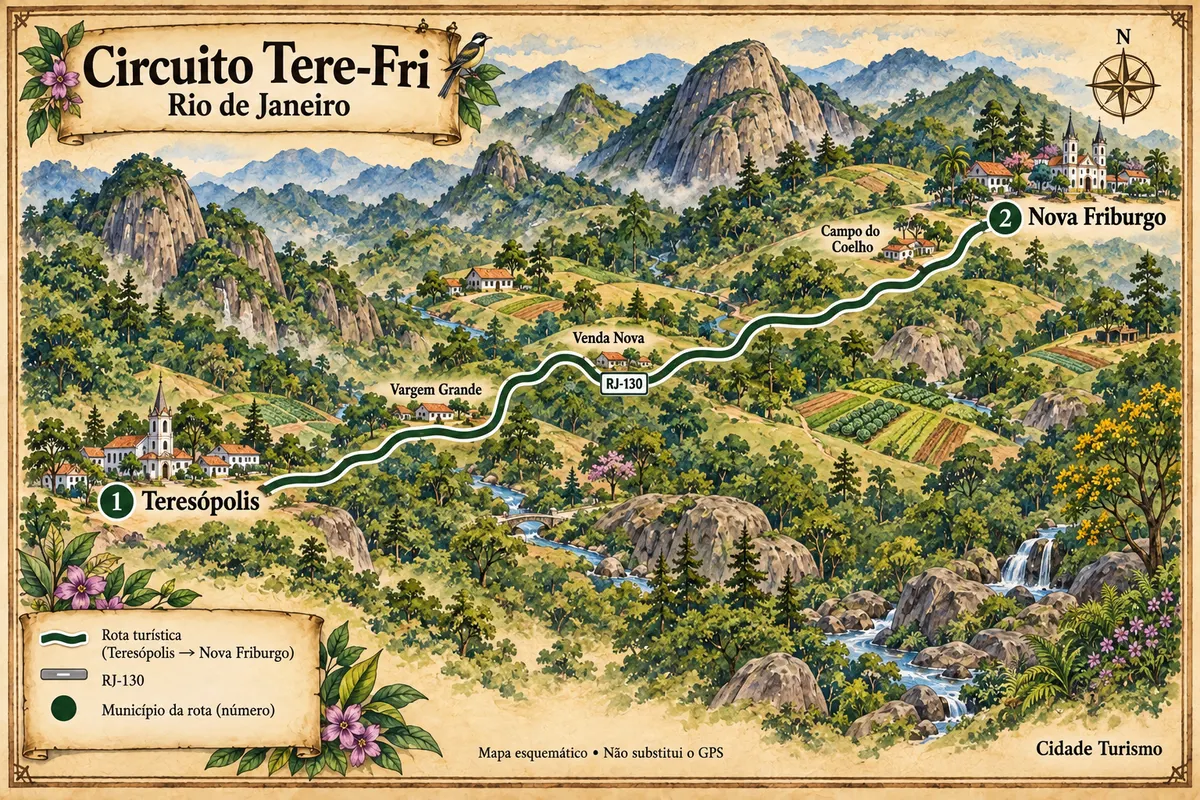
The three cities form a circuit that works well by car. From Petrópolis to Teresópolis the connection is via BR-495, about 35 kilometers of mountain road from Itaipava. From Teresópolis to Nova Friburgo it's about 76 kilometers on RJ-130, the Teresópolis–Friburgo road, passing agricultural areas of Vale do Bonsucesso, without tolls. From Nova Friburgo, RJ-116 descends to Cachoeiras de Macacu and Rio, closing the loop. Lumiar and São Pedro da Serra are about 30 kilometers from Nova Friburgo's center. There are also intercity buses between the three towns, but parks, swimming holes and districts depend on a car.
In Petrópolis, the Historic Center is easily explored on foot: Museu Imperial, Catedral, Avenida Koeler, Palácio de Cristal and the beer route are close together. For Palácio Quitandinha, Rua Teresa and Casa de Santos Dumont, take a taxi, ride‑hail app or city bus. Itaipava and Bonfim are farther away and require a car. In Teresópolis, the Alto neighborhood hosts the Feirinha do Alto and the Parnaso headquarters. In Nova Friburgo, the Centro and Praça do Suspiro are walkable, but Pico da Caledônia, Lumiar and São Pedro da Serra depend on a car. On winter weekends and holidays, traffic slows on the approaches to Itaipava and Alto.
Petrópolis works well without a car: you can arrive by bus from Rio and get around on foot and by taxi in the Historic Center. Rio agencies sell round‑trip day tours to Petrópolis with transport and a guide, useful if you only have one day. For the full mountain itinerary—including Teresópolis, Nova Friburgo, the Parnaso headquarters, Lumiar and Cachoeiras de Macacu—a car gives more freedom, because attractions are spread out and public transport doesn't reach many of them. On Pedra do Sino and the Petrópolis–Teresópolis crossing, those without experience can hire a guide/leader accredited by the park.
Izhodišče za raziskovanje
Partnerji vodnika Cidade Turismo
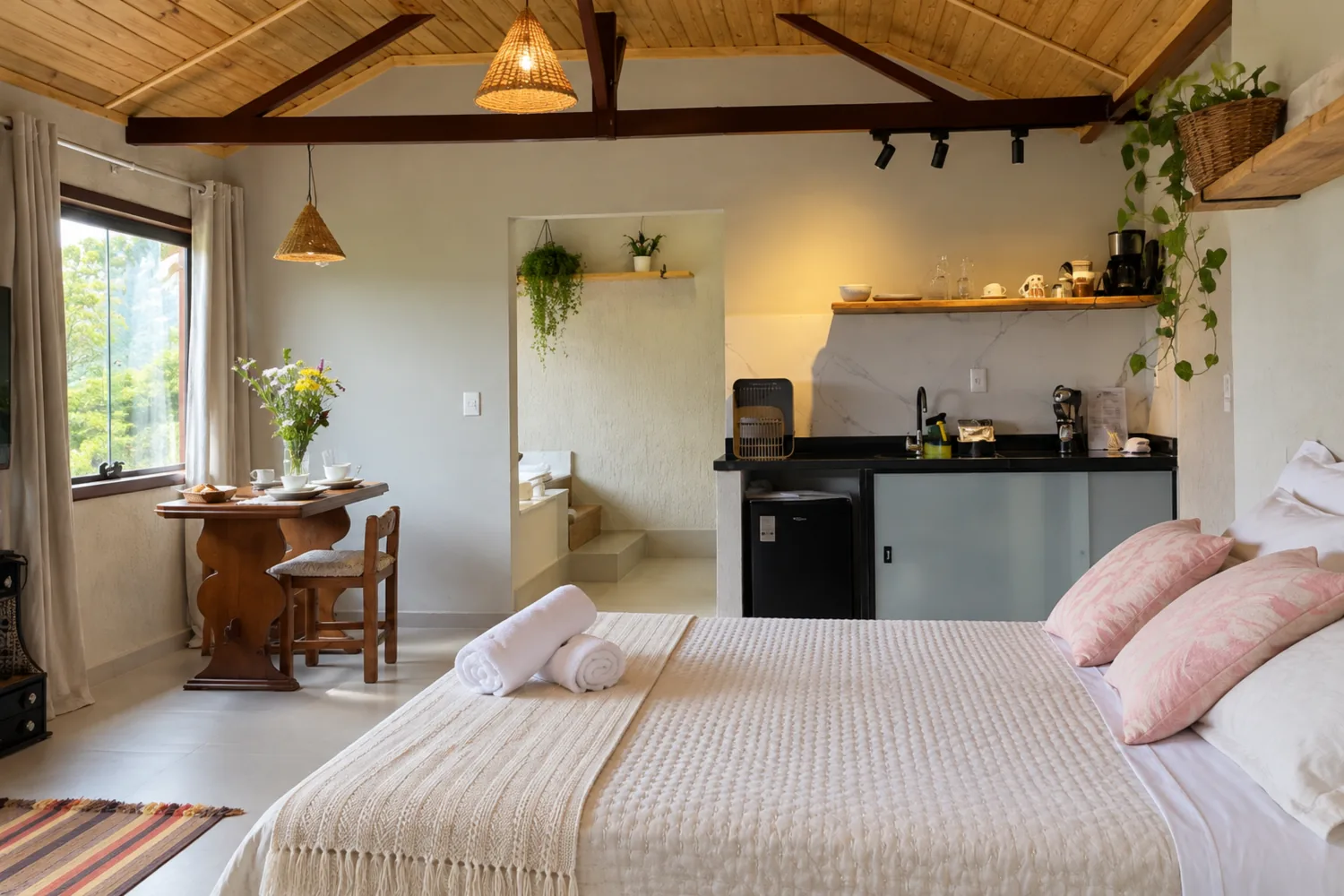
A retreat in the middle of nature in Corrêas, on the way between downtown Petrópolis and Itaipava.
Pred odhodom
Z nekaj načrtovanja boste imeli več časa za uživanje na poti.
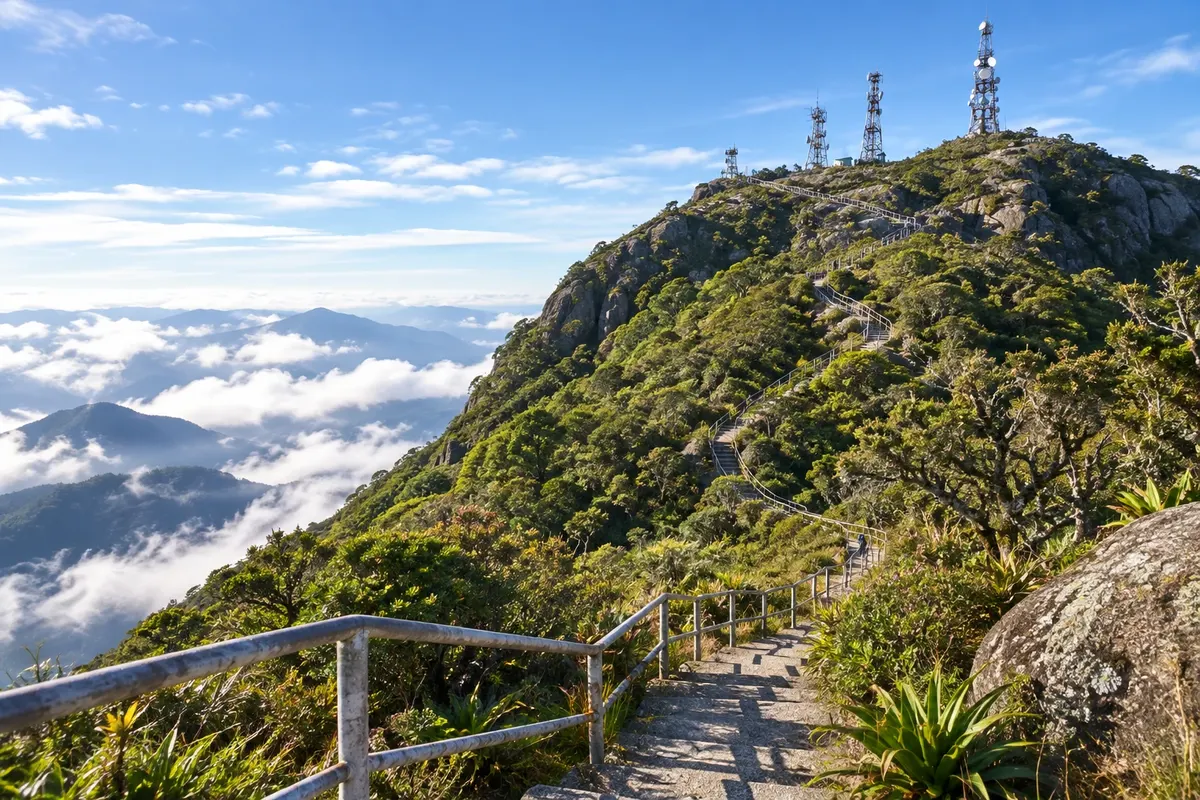
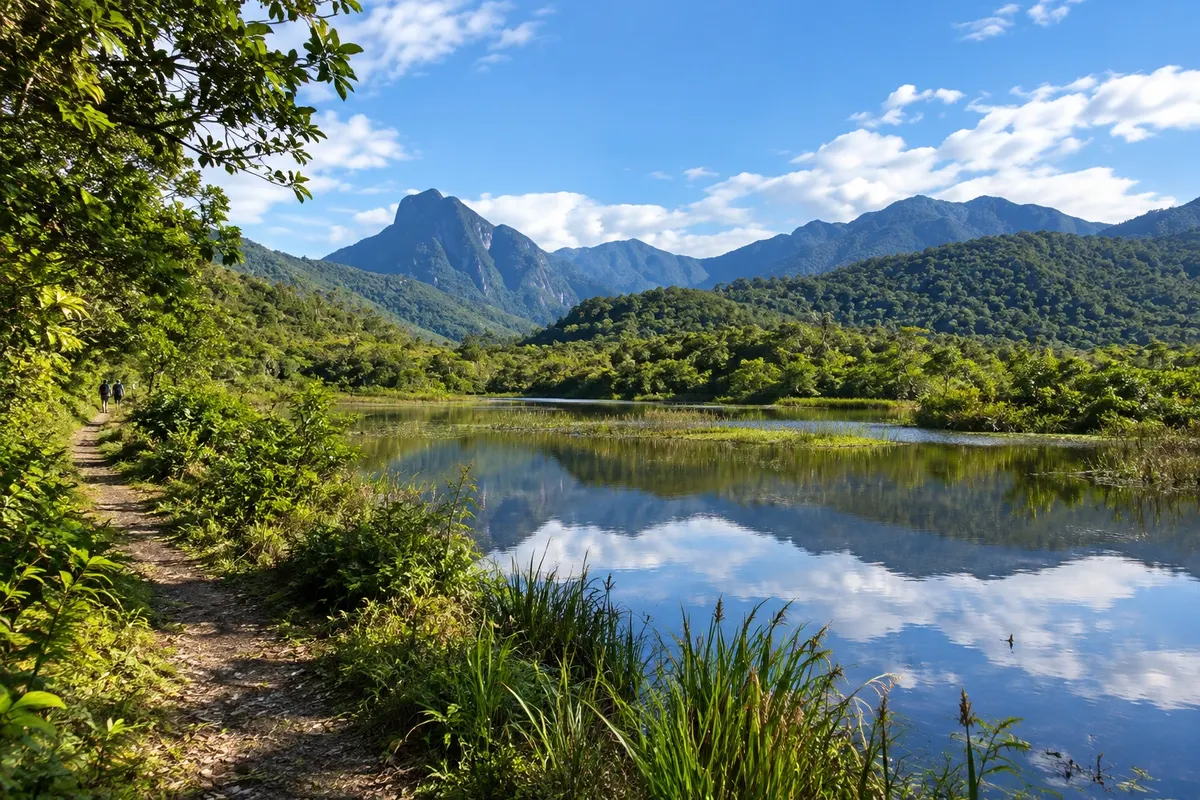
From May to August, when the mountain chill sets the mood for fireplaces, fondues and food festivals, and the dry weather is good for mountain trails.
The seasons shown are the most usual ones; nature doesn't always follow the calendar.
Odnesite svoje odpadke, upoštevajte oznake in podprite lokalne ponudnike. V naravi upoštevajte navodila za obiskovalce.
Brazilske poti
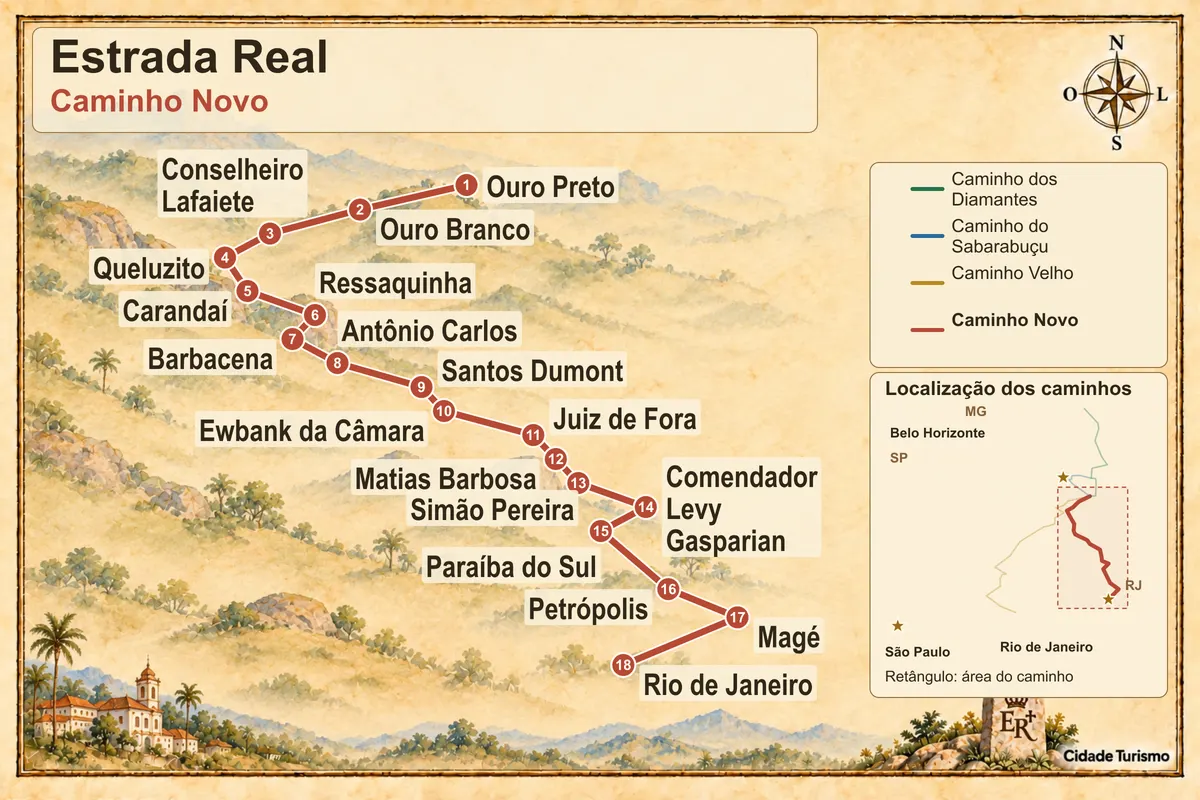
Between the mines and Guanabara Bay, the Caminho Novo connects Ouro Preto to Porto Estrela and is historically completed in Rio de Janeiro.
Brazilske poti
Teresópolis and Nova Friburgo connected by the RJ-130, passing through agricultural valleys, Atlantic Forest and mountains of the Mountain Region.
Več kot vodnik