Brazil
 Argentina
 Chile
Chile Colombia
 Peru
Peru Uruguay
 Germany
 Belgium
 Spain
Spain France
 Greece
 the Netherlands
 Ireland
 Portugal
 the United Kingdom
 Switzerland

Úmbria · Úmbria
Capital
Suggested arrival point
Perúgia
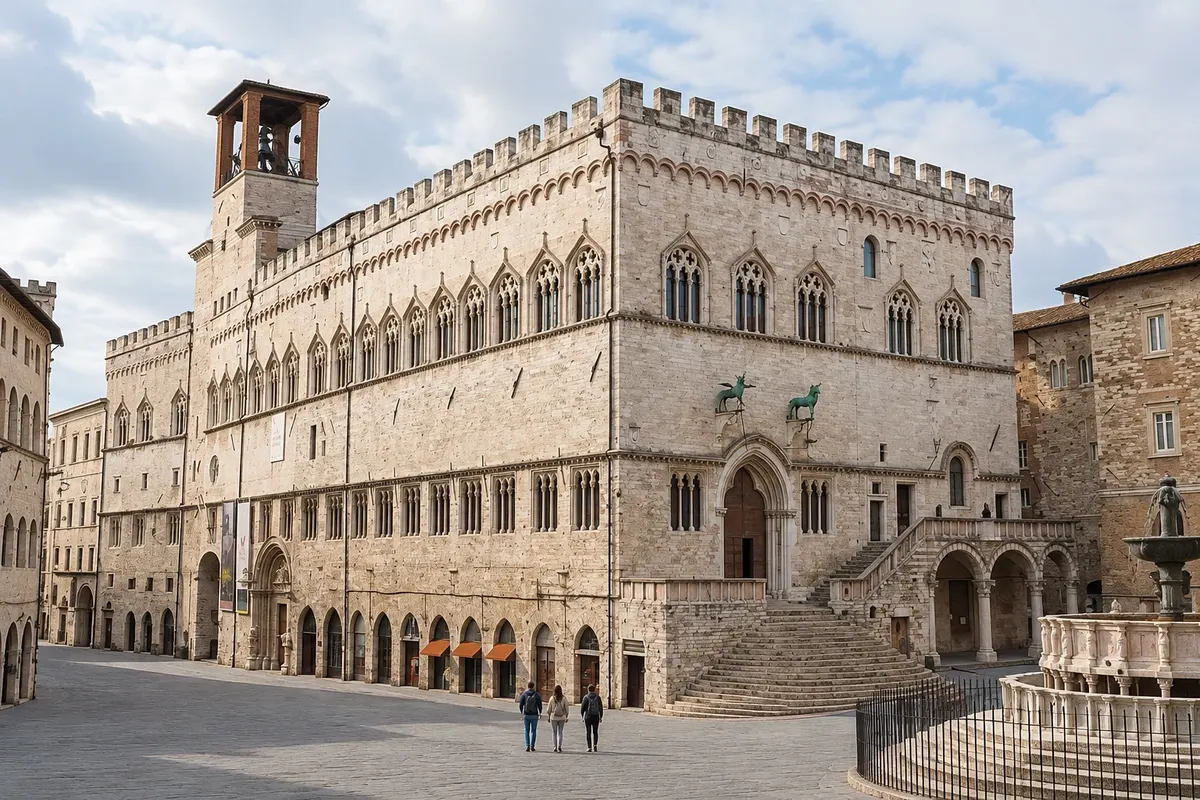
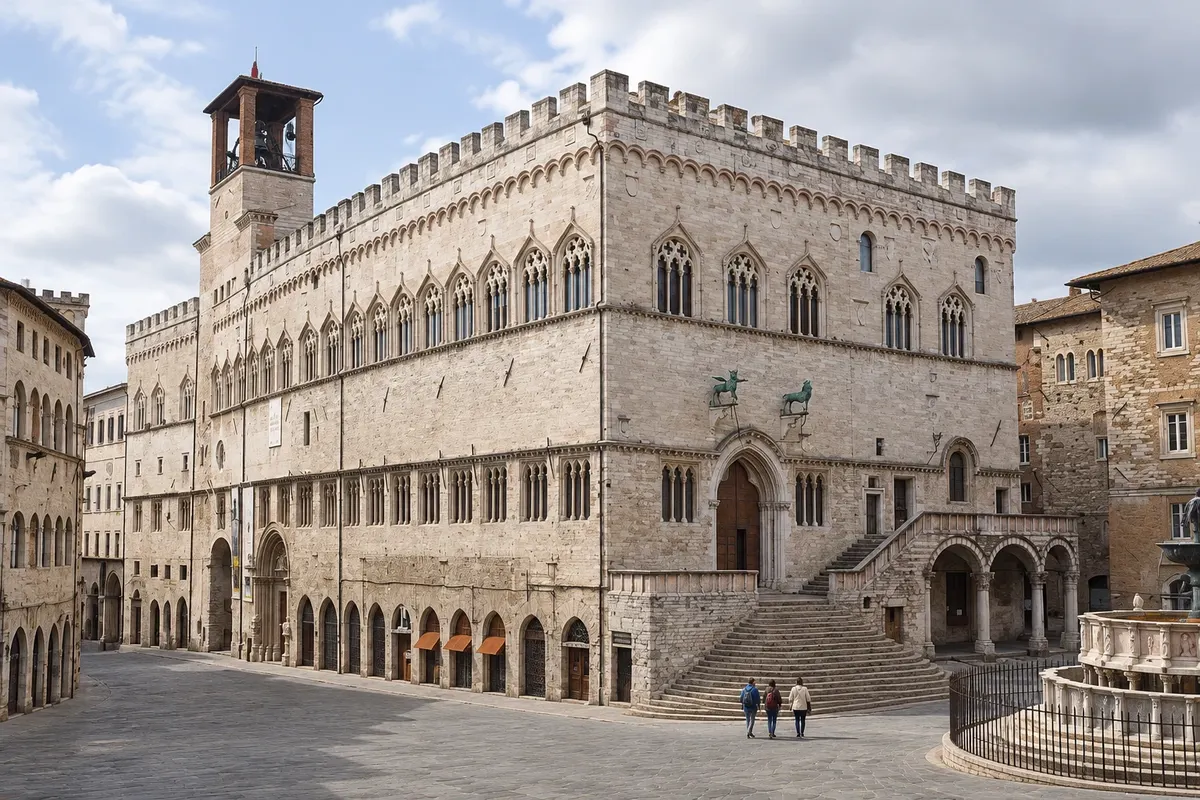
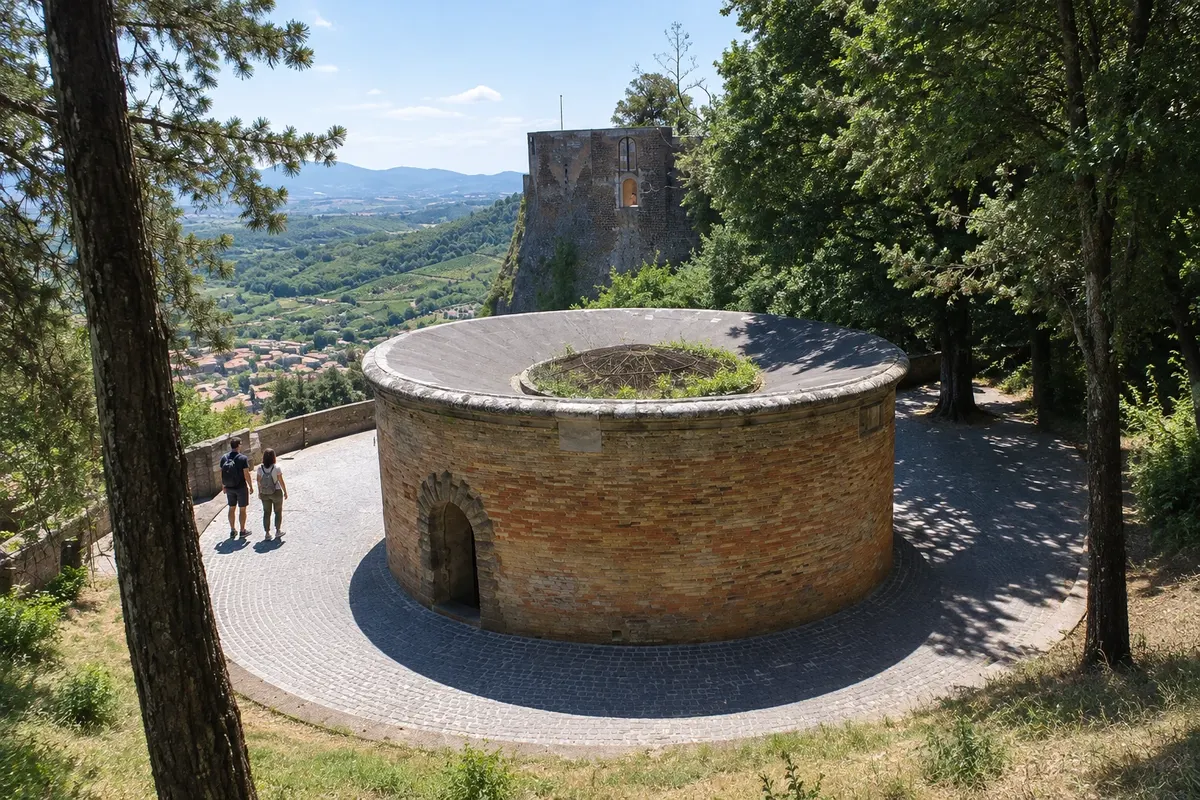
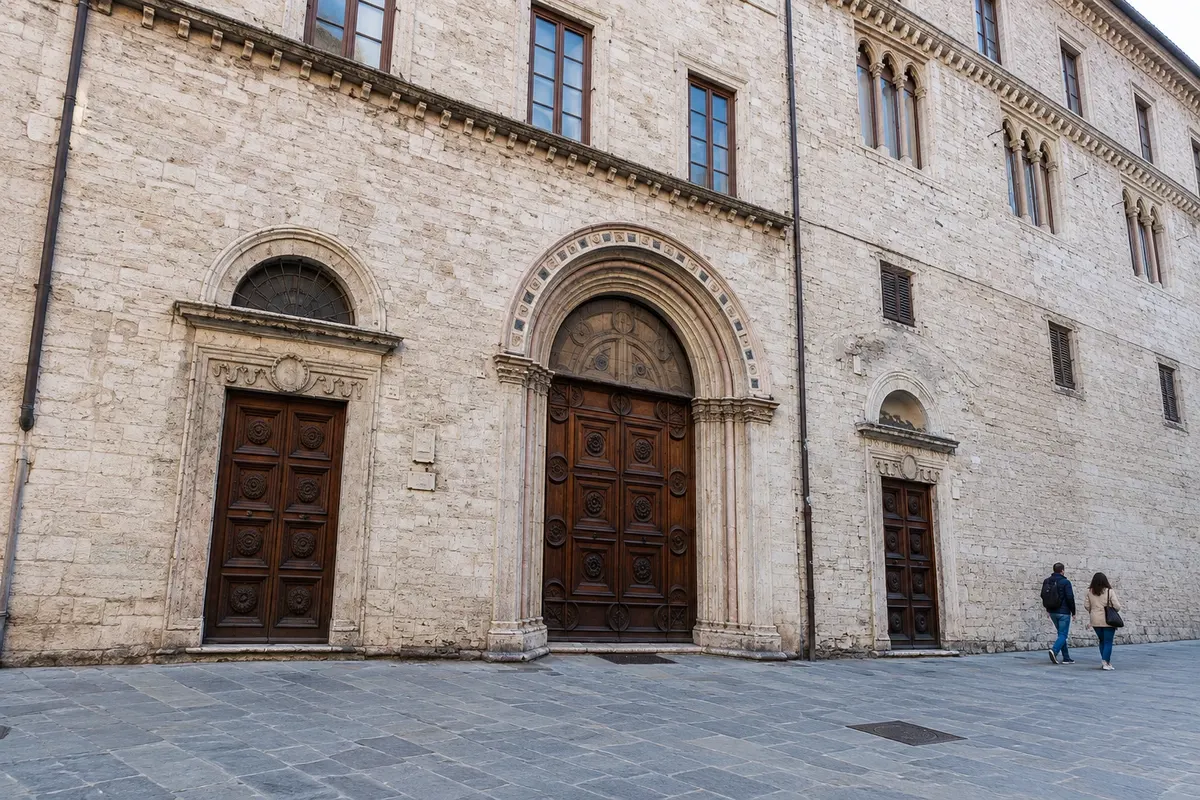
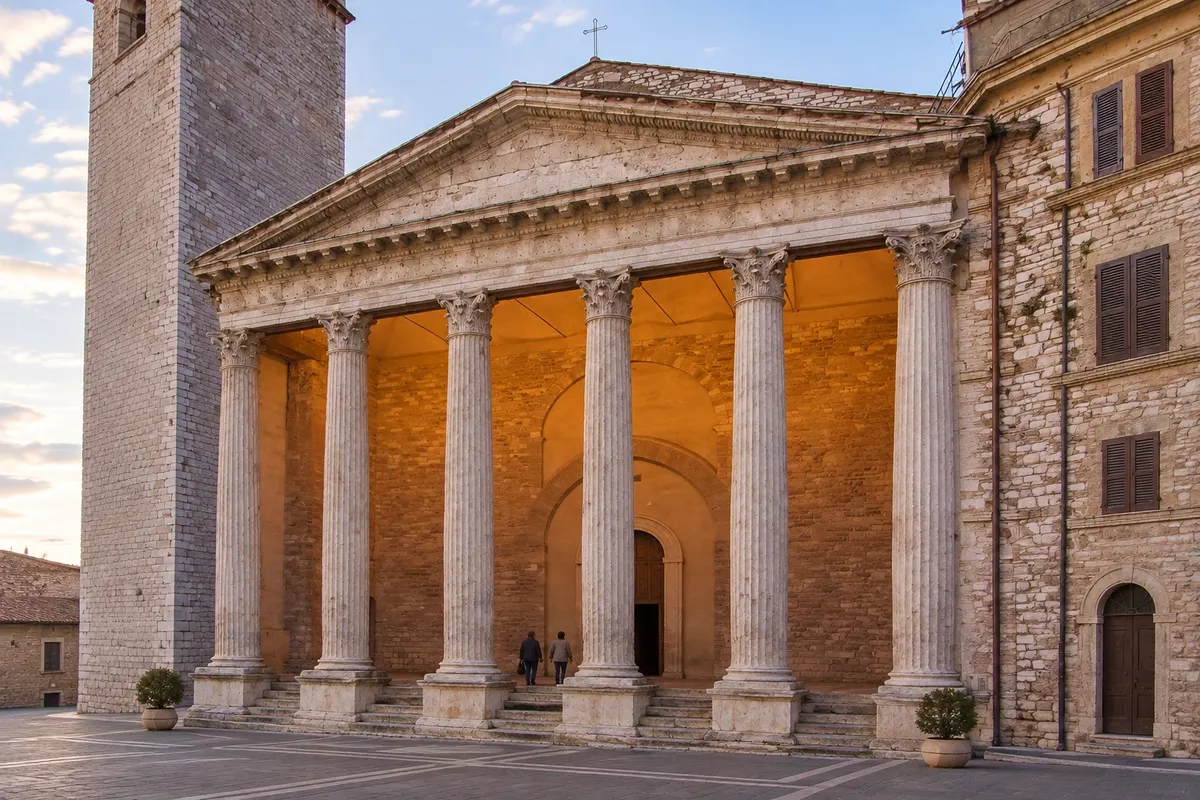
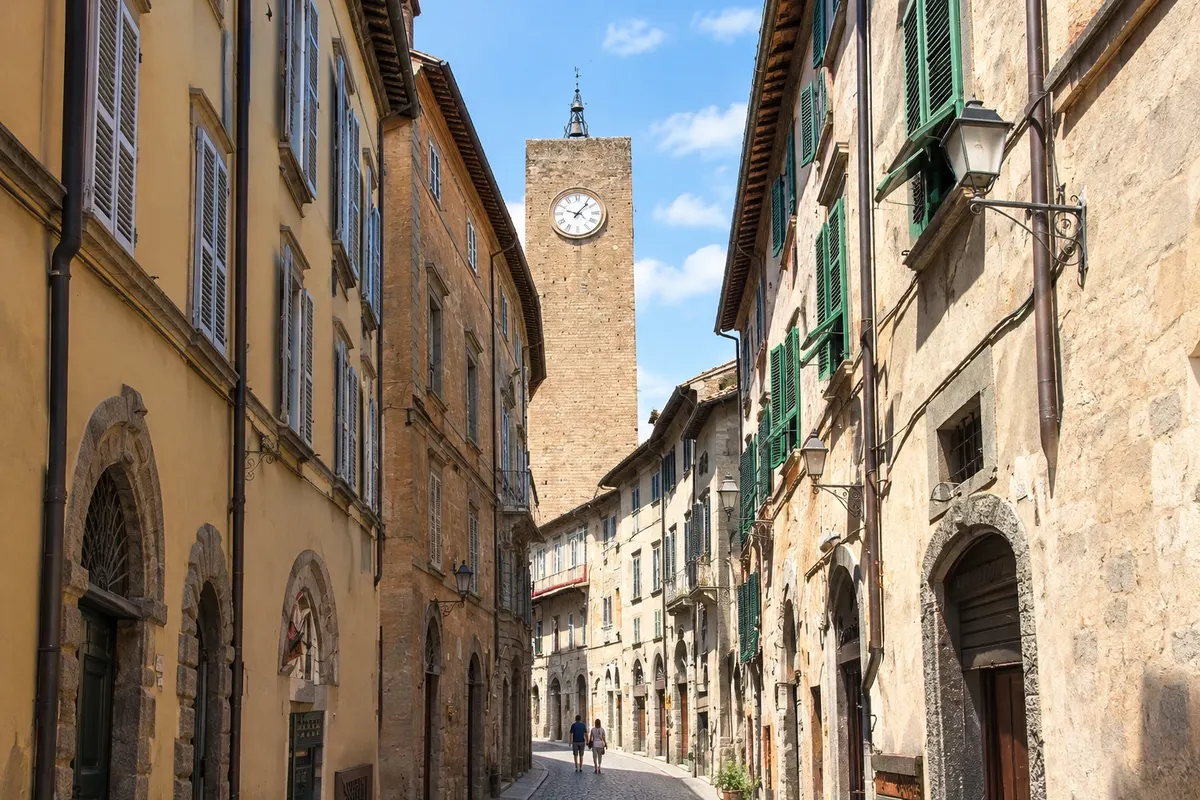
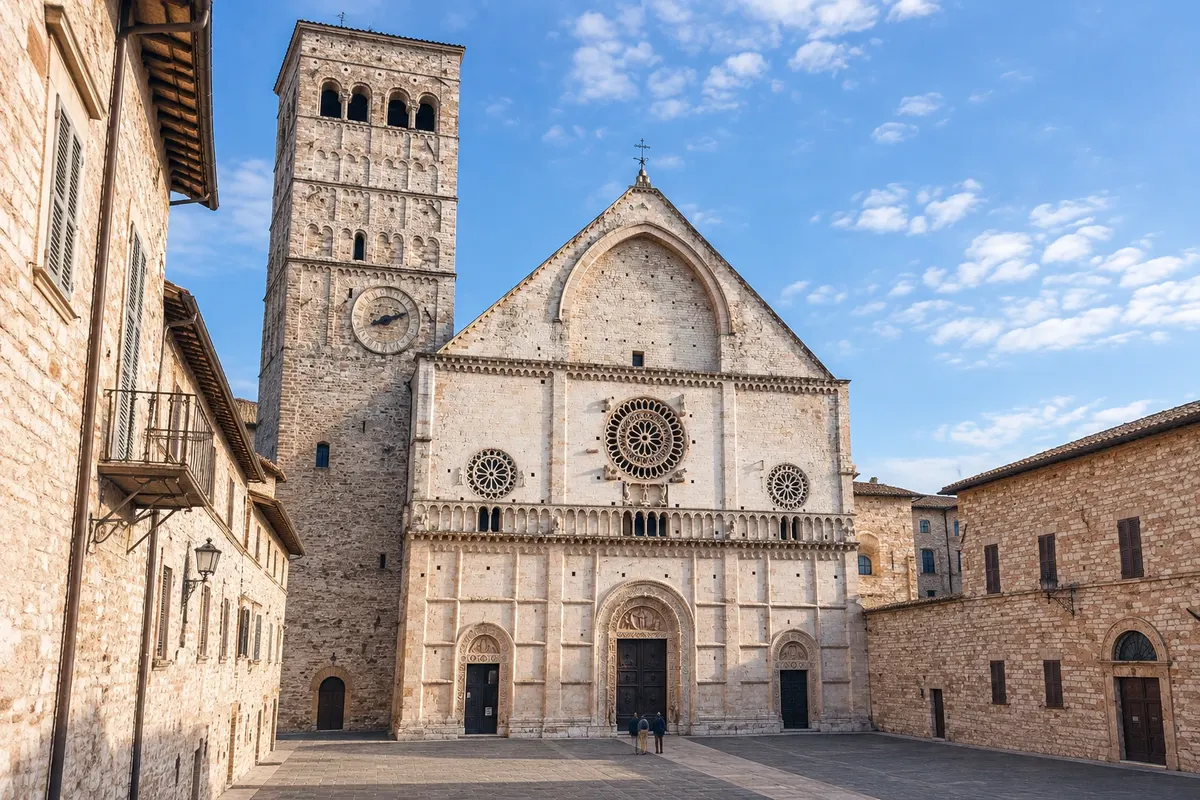
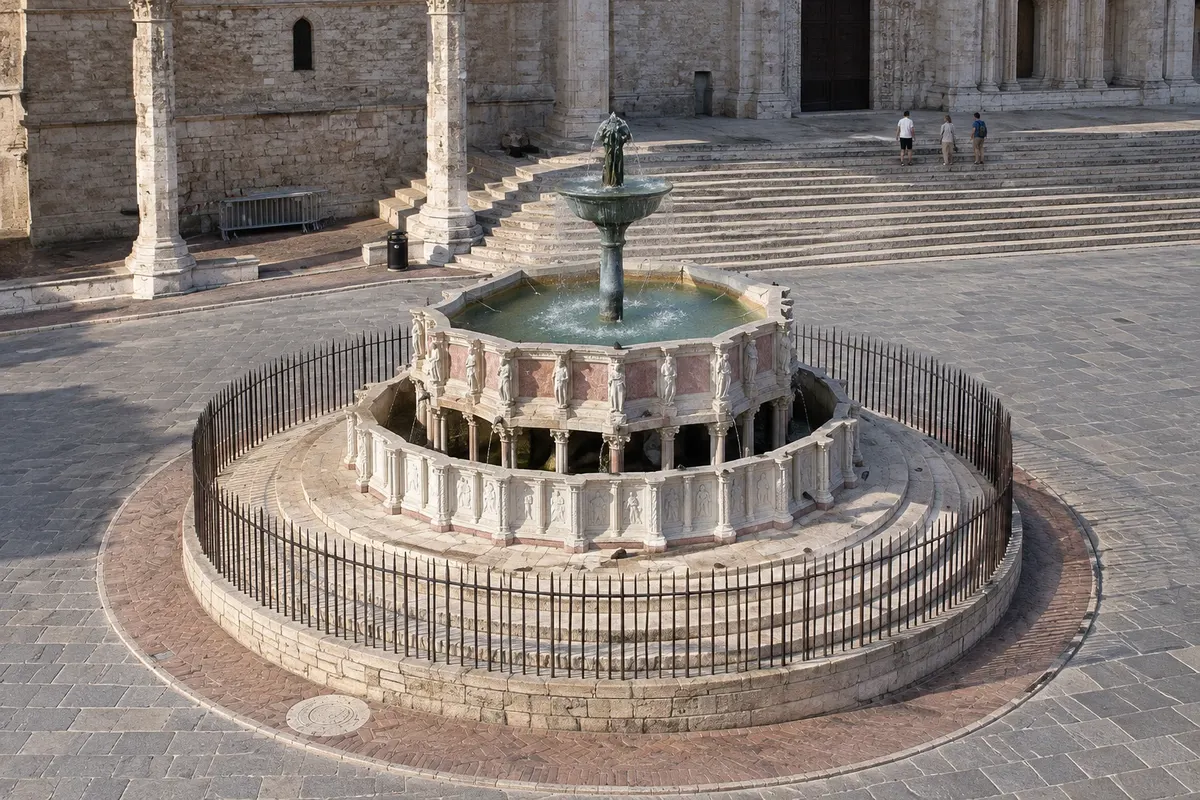
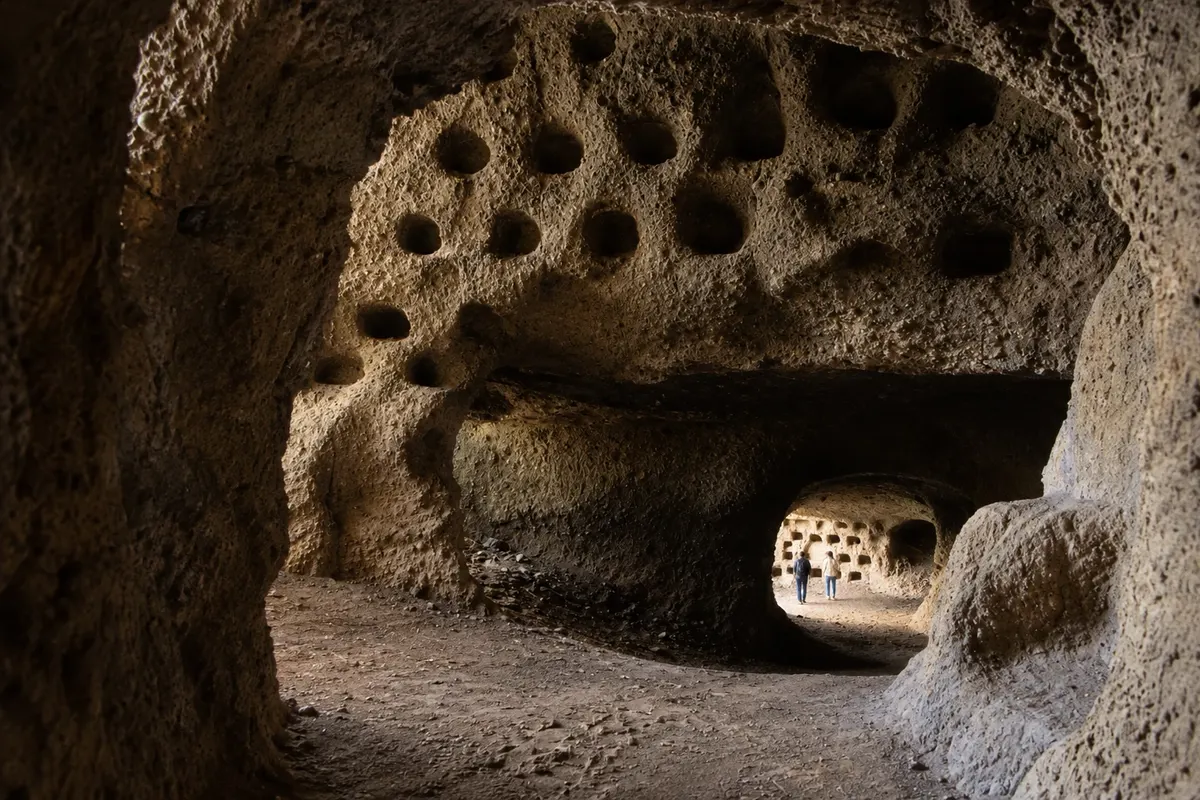
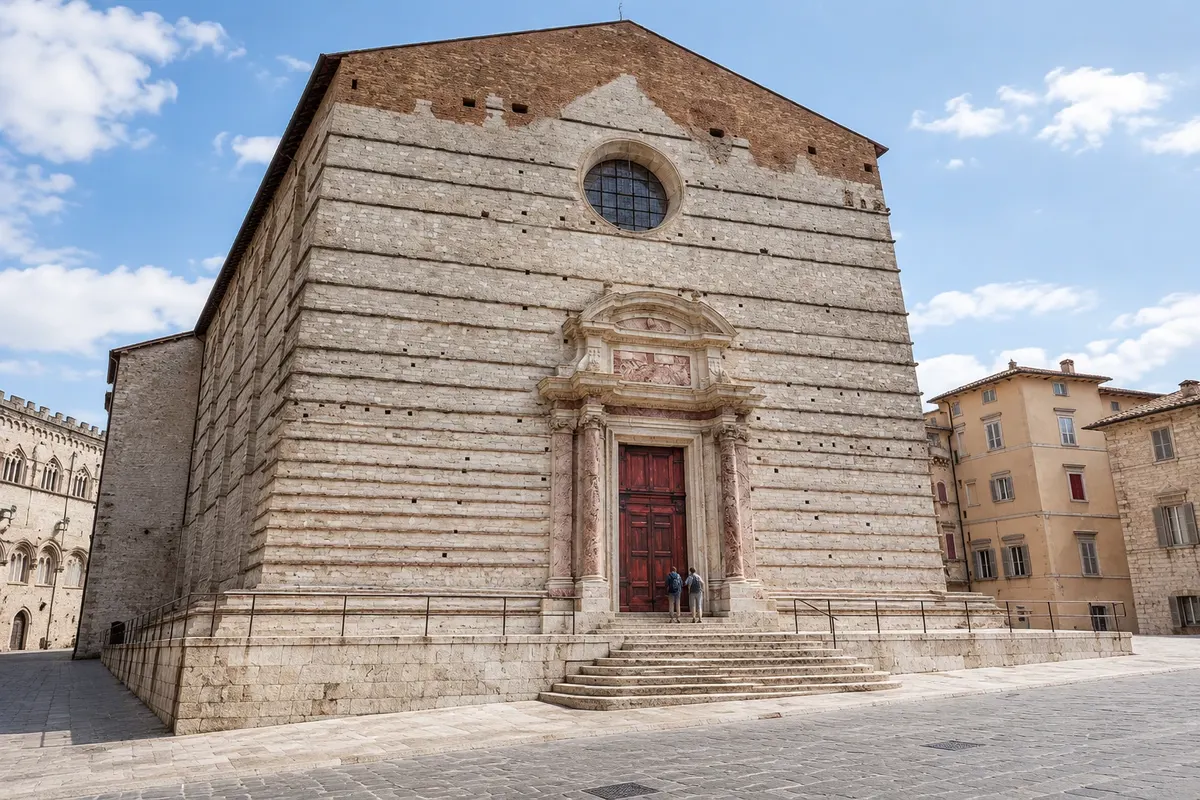
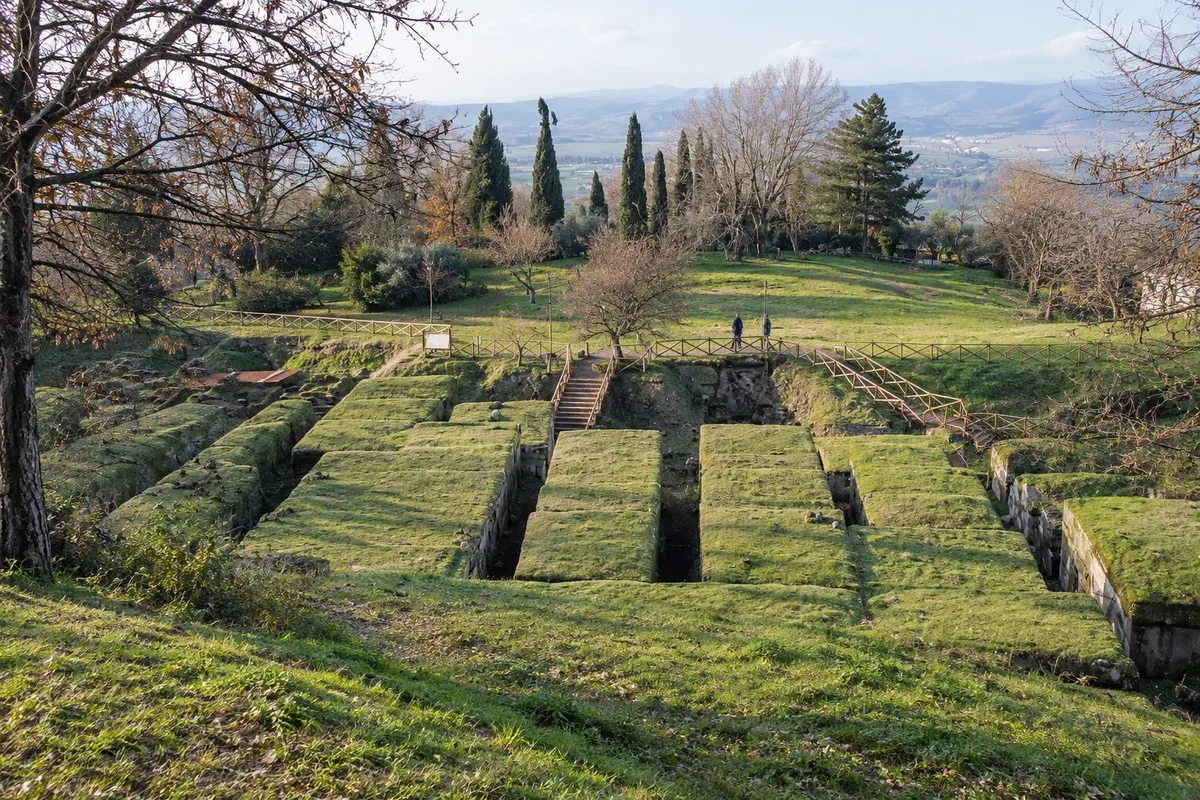
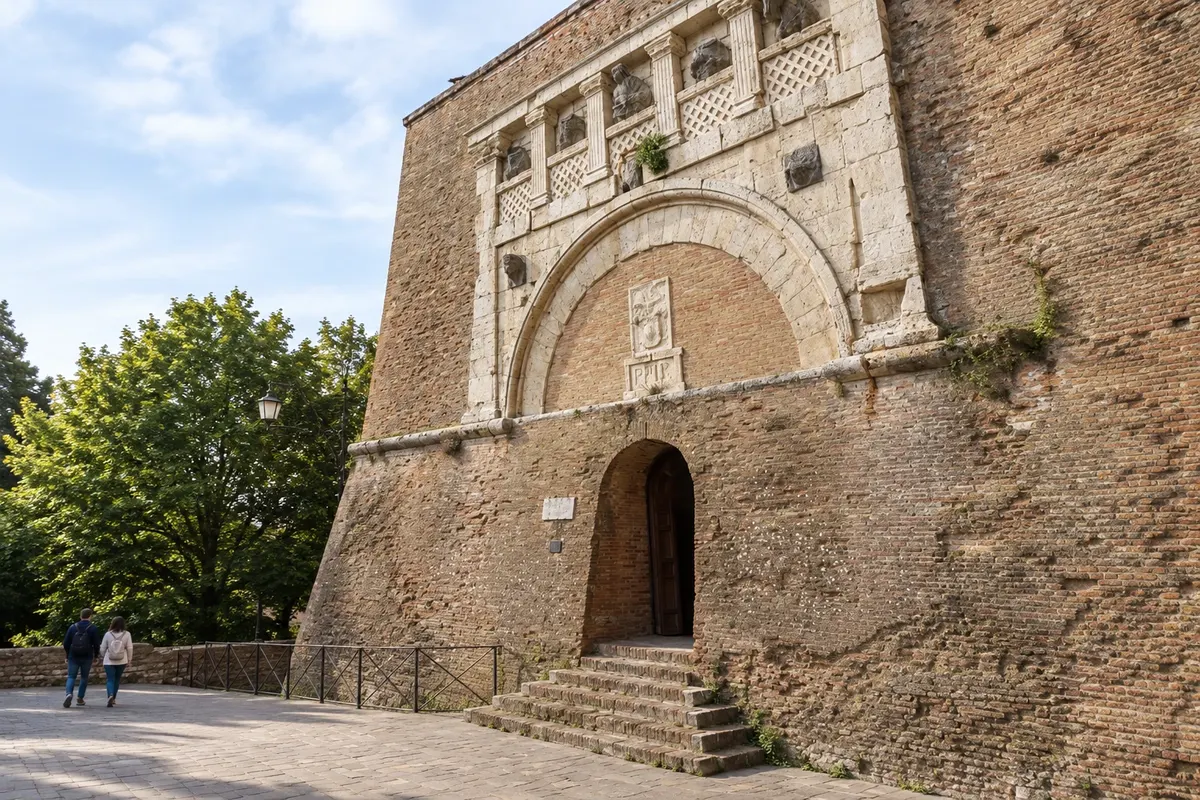
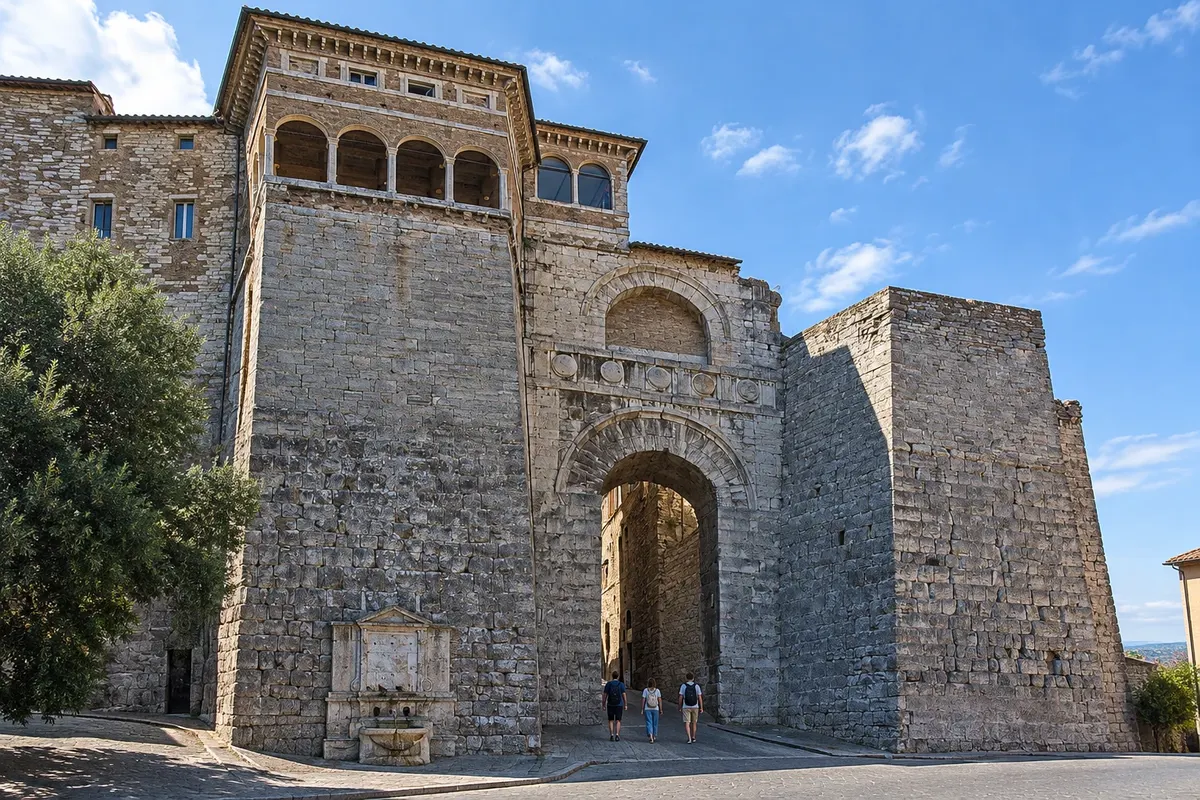
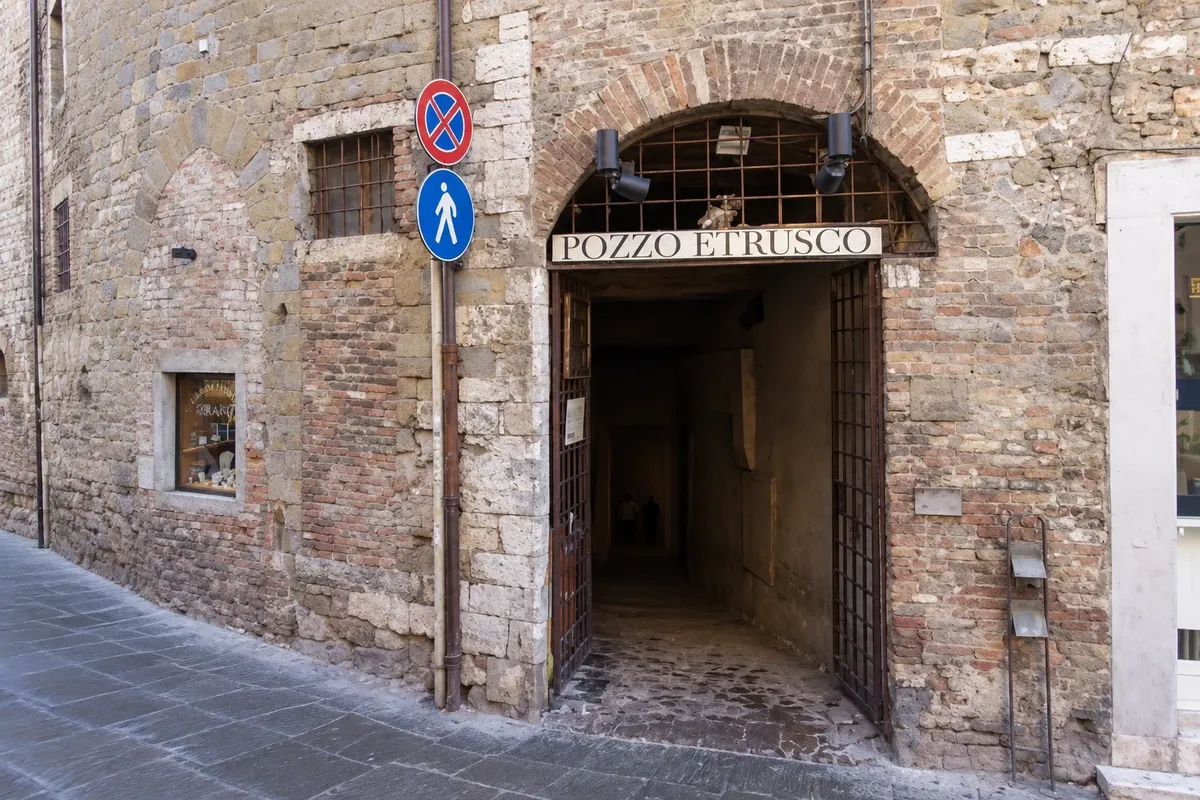
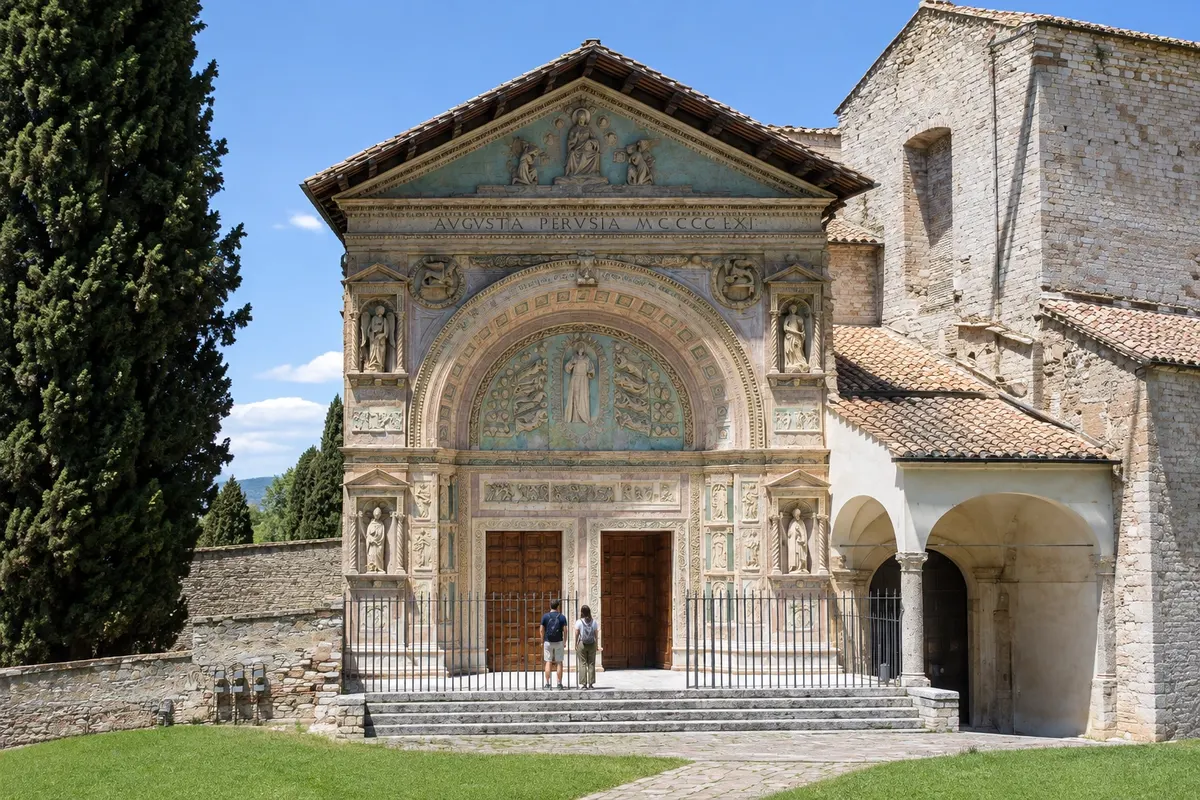
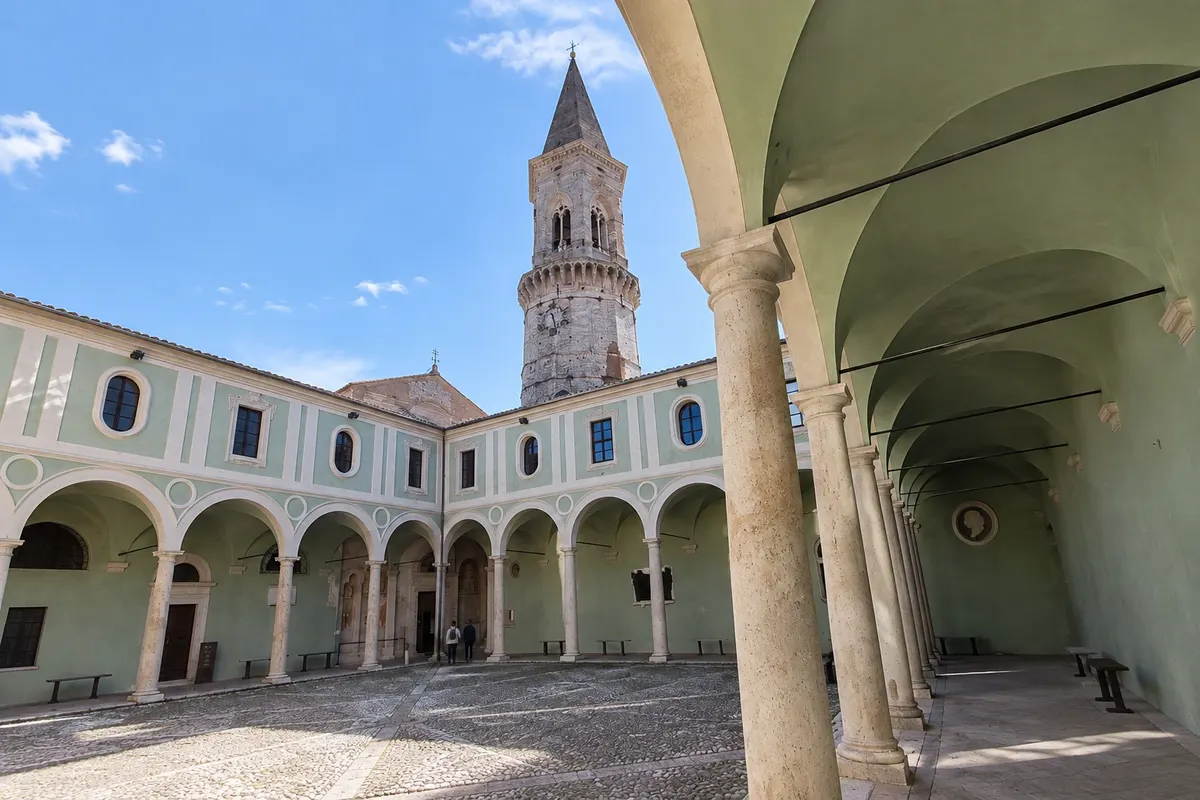
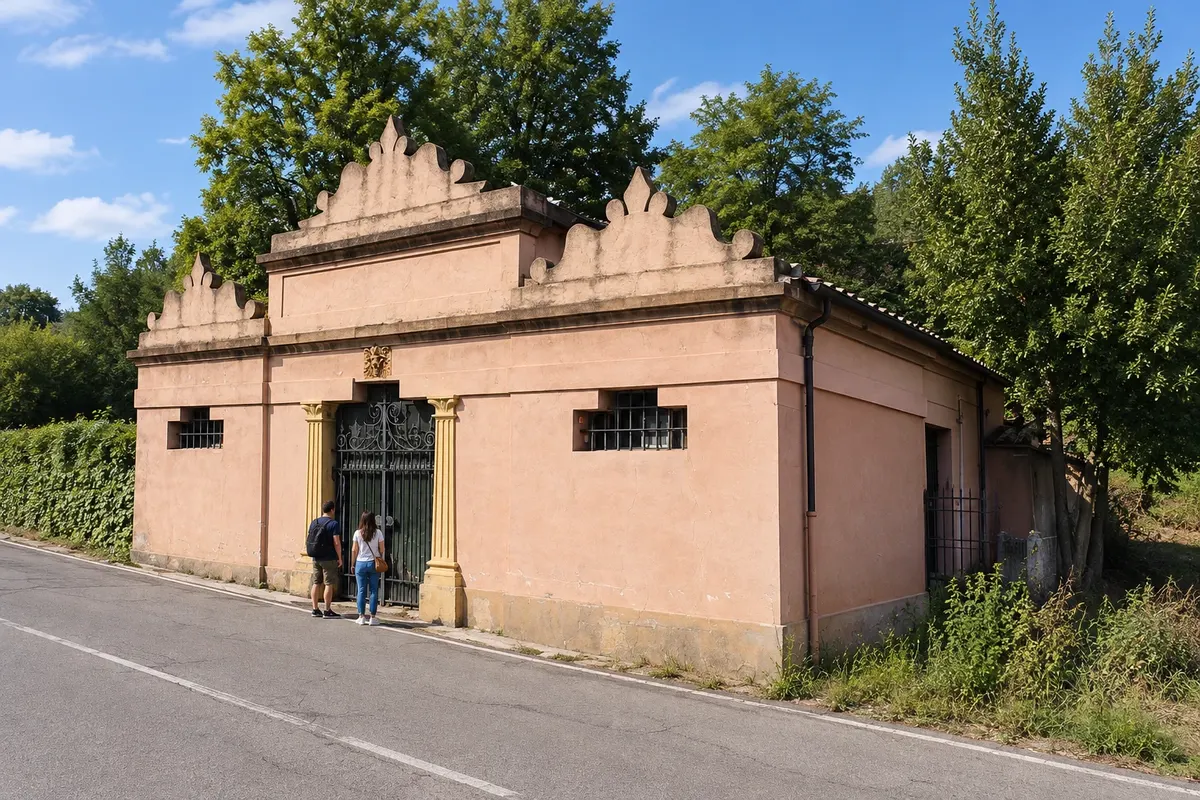
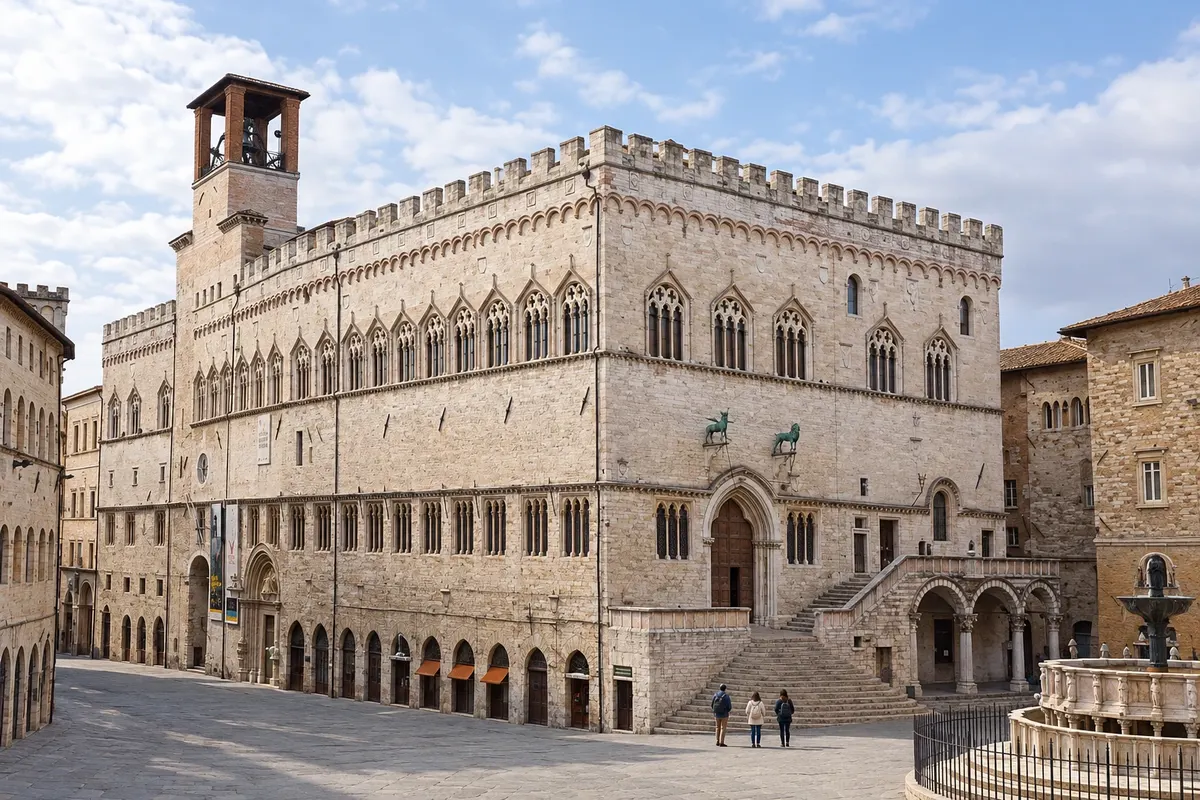
Perúgia, capital of Úmbria, sits atop a hill about 450 metres above sea level, with views over the Tiber valley and Assis. It is a university city of Etruscan origin: the Arco Etrusco and the Pozzo Etrusco recall that past. In the centre, the Fontana Maggiore stands between the Cattedrale di San Lorenzo and the Palazzo dei Priori, which houses the Galleria Nazionale dell'Umbria and the Collegio del Cambio. Under the city, the Rocca Paolina shelters medieval streets.