

 Brazil
 Argentina
 Chile
Chile Colombia
 Peru
Peru Uruguay
 Germany
 Belgium
 Spain
Spain France
 Greece
 the Netherlands
 Ireland
 Portugal
 the United Kingdom
 Switzerland
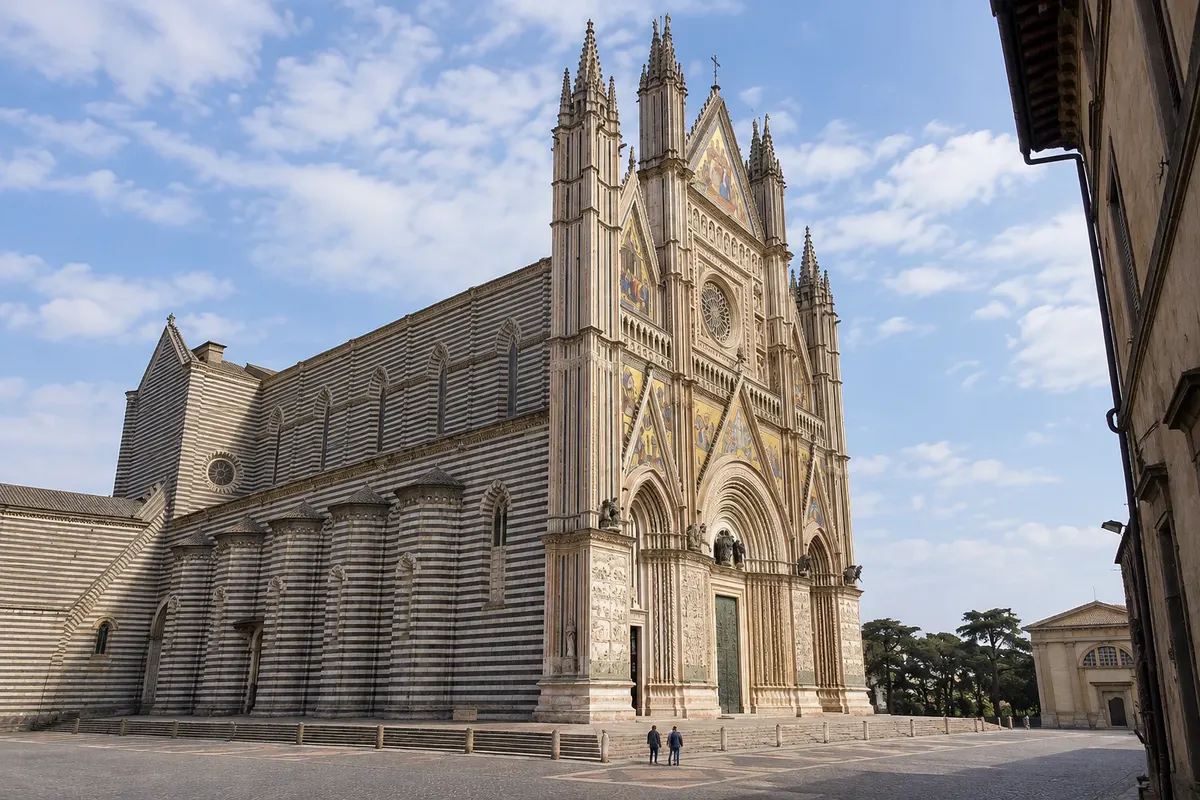
Cathedral
Duomo di Orvieto
Gothic cathedral begun in 1290, with a façade of golden mosaics and reliefs by Lorenzo Maitani, the Cappella di San Brizio painted by Luca Signorelli and the relic of the miracle of Bolsena.
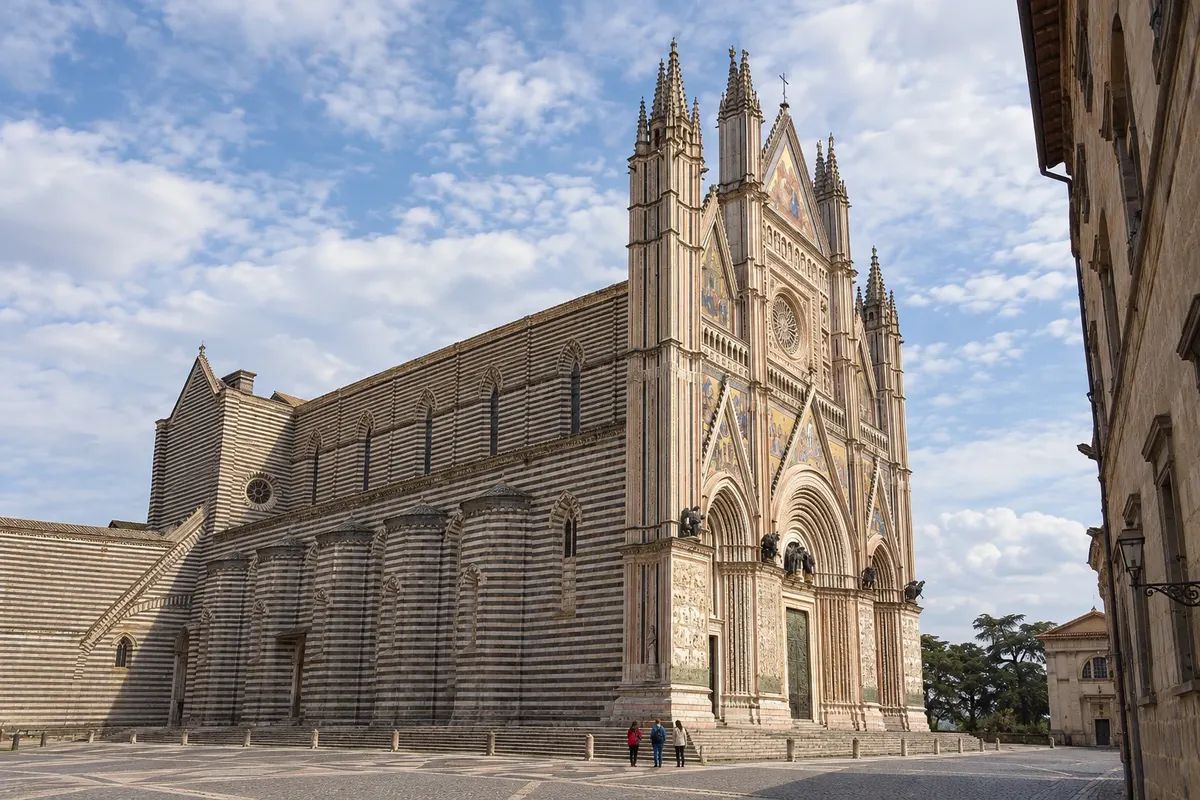
Úmbria · Italy
In the destination Úmbria.
In the photo: Duomo de Orvieto, Úmbria
Illustrative images. The pictures in this guide are illustrations based on the real place, not photographs, and may differ from it.
The city
Orvieto sits atop a rock of volcanic tuff, with vertical cliffs over the valley of the river Paglia, in the southwest of Úmbria. The Duomo di Orvieto has a mosaic façade and the frescoes by Signorelli. The city has Etruscan origins, as shown by the Necropoli del Crocifisso del Tufo and the Museo Claudio Faina, and it is excavated underneath: Orvieto Underground, the Pozzo della Cava and the Pozzo di San Patrizio. The Torre del Moro commands views over the whole rock.
There's no accommodation in the guide yet in Orvieto.
There are no restaurants in the guide yet in Orvieto.
Know a good one? Recommend it to ushow to get there · how many days · itinerary · questions
The local experience
Gothic cathedral begun in 1290, with a façade of golden mosaics and reliefs by Lorenzo Maitani, the Cappella di San Brizio painted by Luca Signorelli and the relic of the miracle of Bolsena.
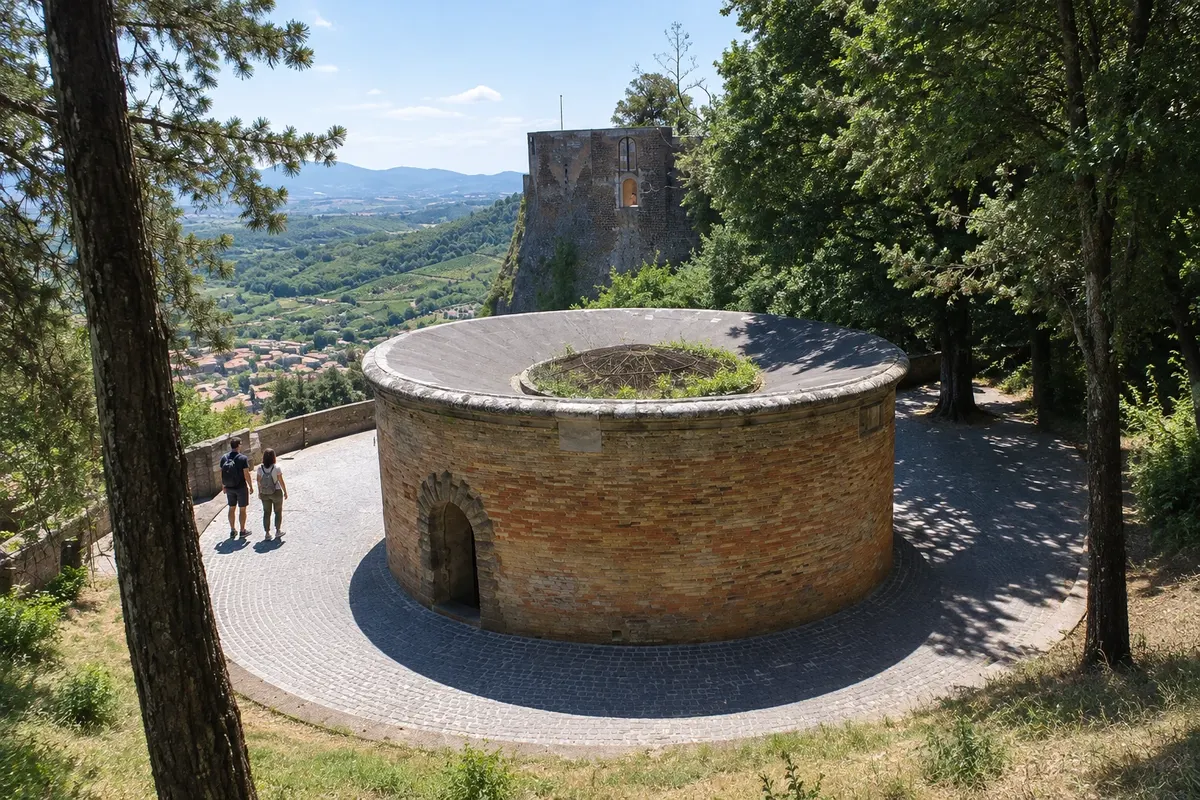
Renaissance well 54 metres deep excavated in the tuff by order of Pope Clement VII, with two spiral staircases that do not cross, lit by 72 windows.
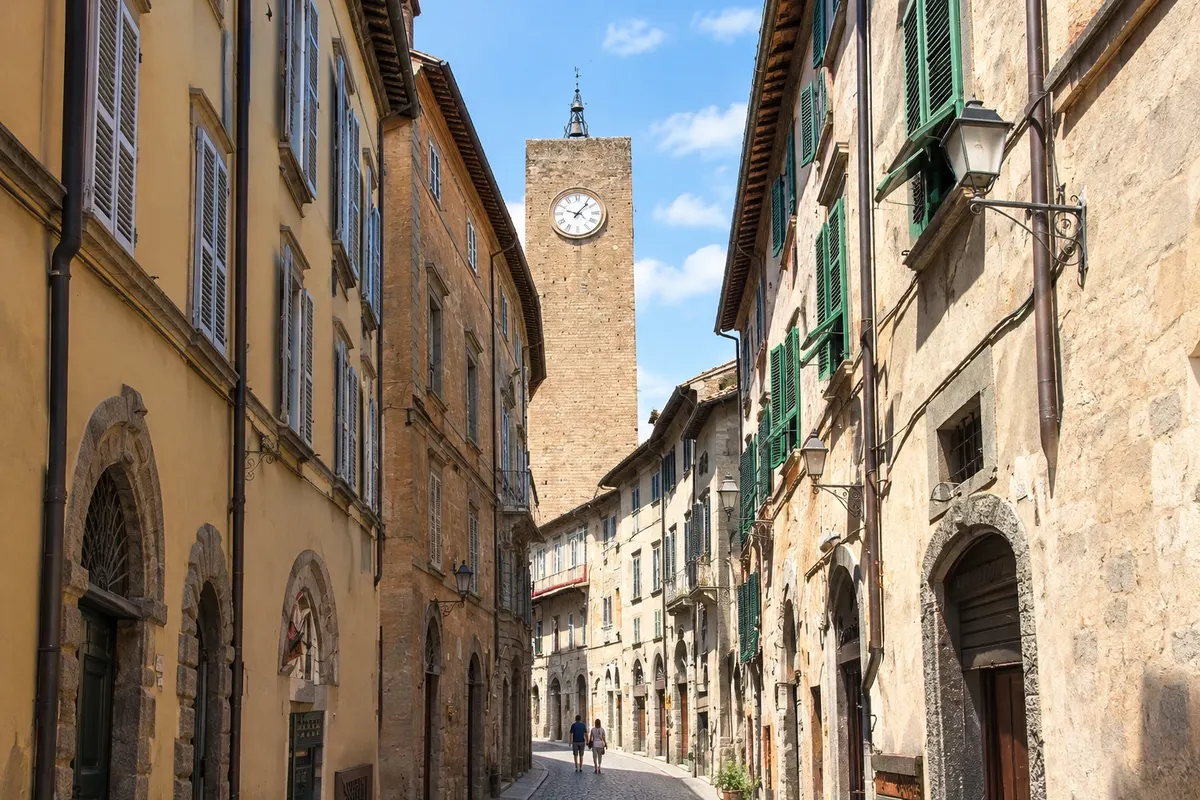
Civic tower of 47 meters, with an elevator on the first section, at the junction of Orvieto's main streets, with a clock and bell. From the top you can see the whole town, the Duomo façade and the Paglia River valley.
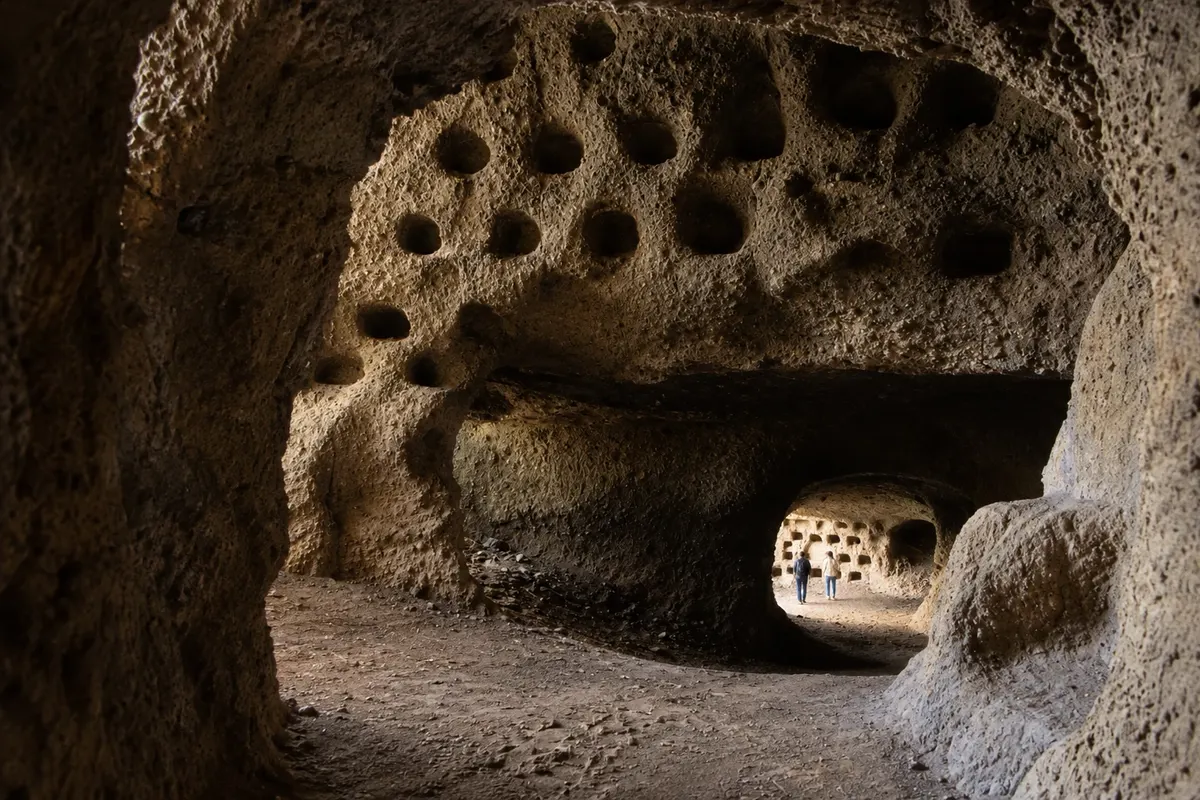
Guided tour of the caves excavated in the tuff beneath Orvieto over 2,500 years: Etruscan wells, an ancient olive press and medieval dovecotes opened into the cliff.
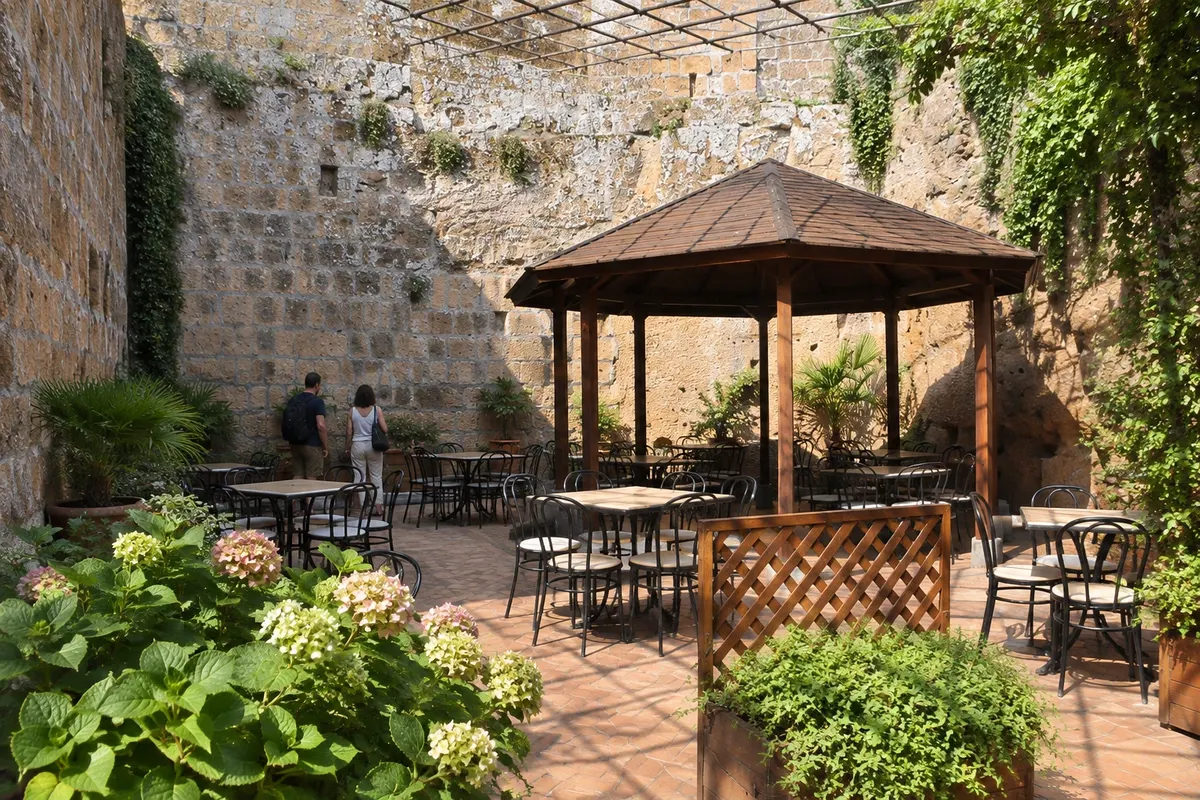
Etruscan-origin well 36 meters deep, reopened by Pope Clement VII and rediscovered in 1984, amid nine caves with a medieval pottery kiln and Etruscan remains.
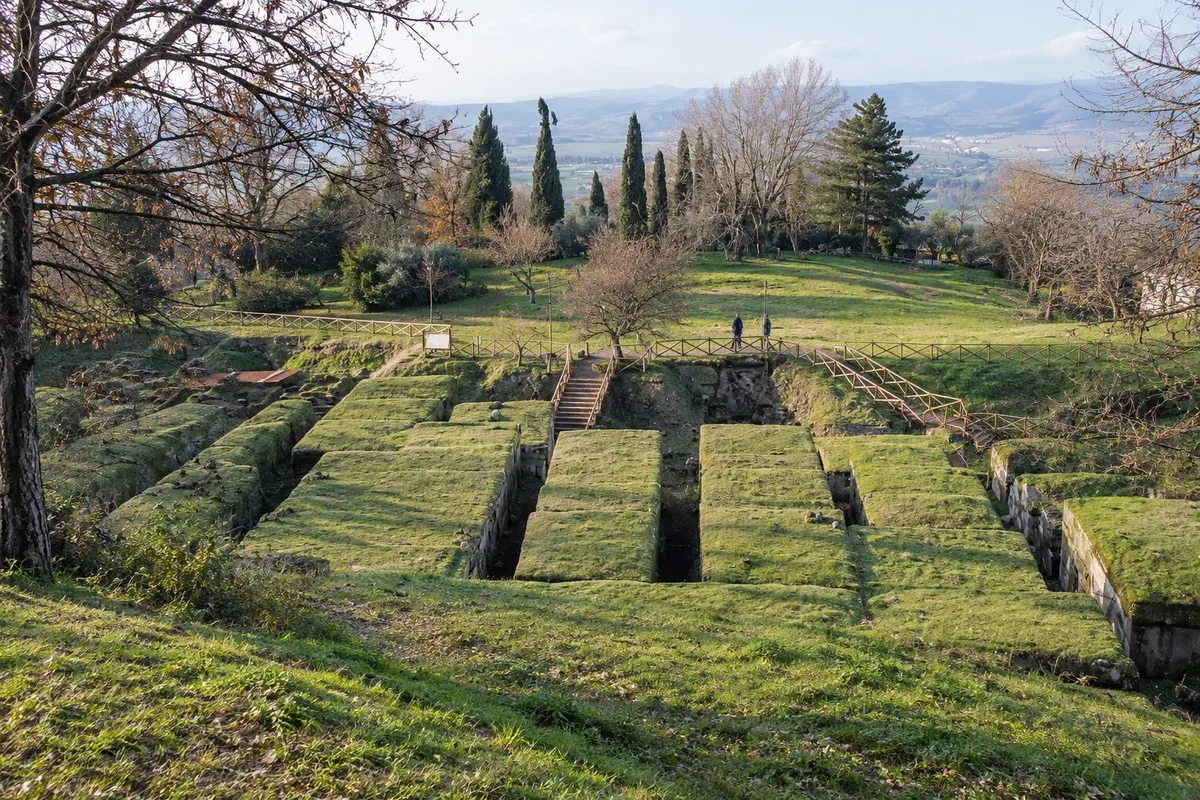
Etruscan cemetery from the 6th century BC at the foot of Orvieto's rock, with more than 200 tombs made of tuff blocks arranged along streets, many with the deceased's name carved on the entrance.
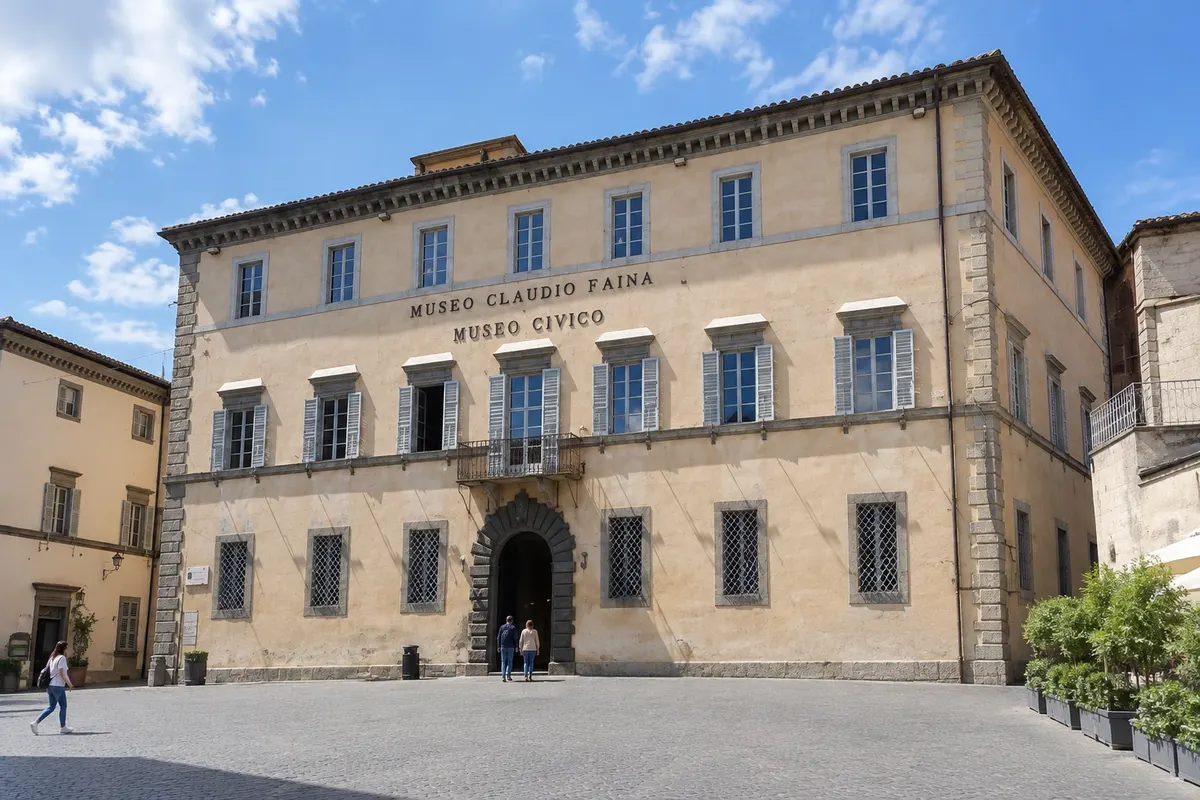
Archaeological museum in a palace opposite the Duomo, with Greek vases, Etruscan urns and bronzes, coins and, on the ground floor, the Venere di Cannicella. The windows look onto the cathedral façade.