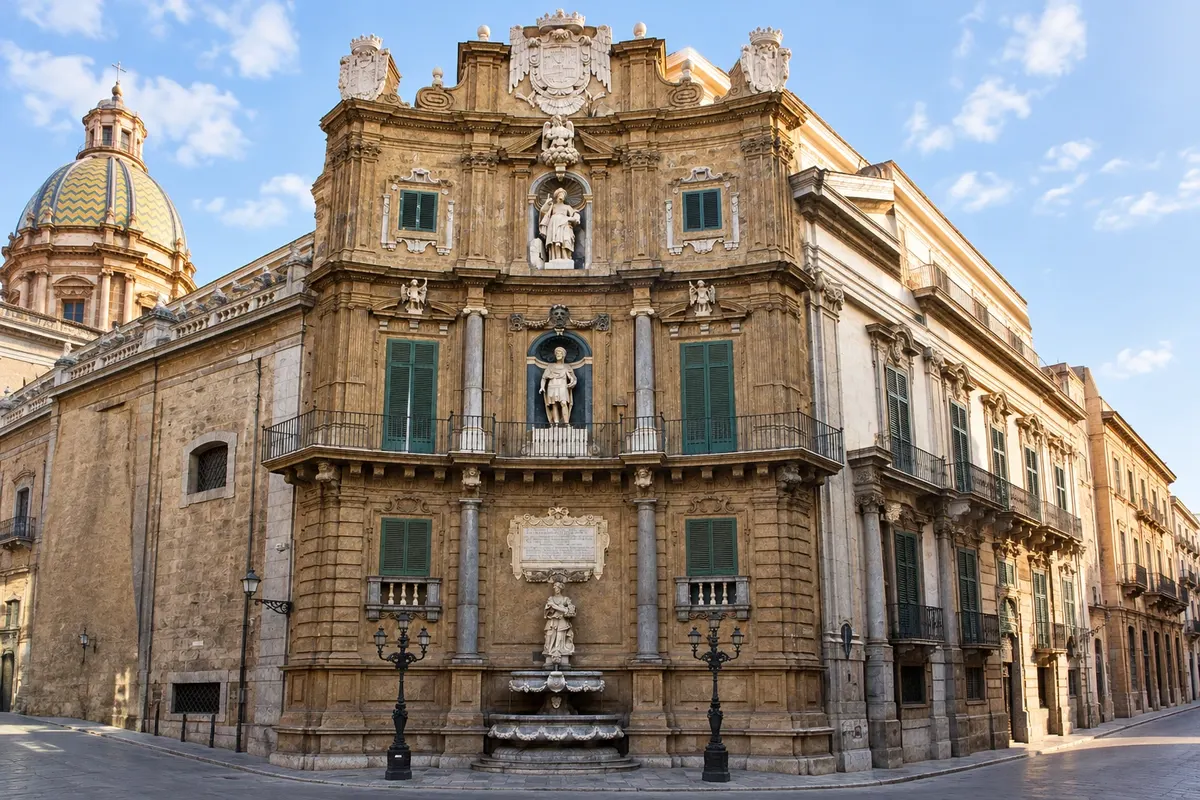
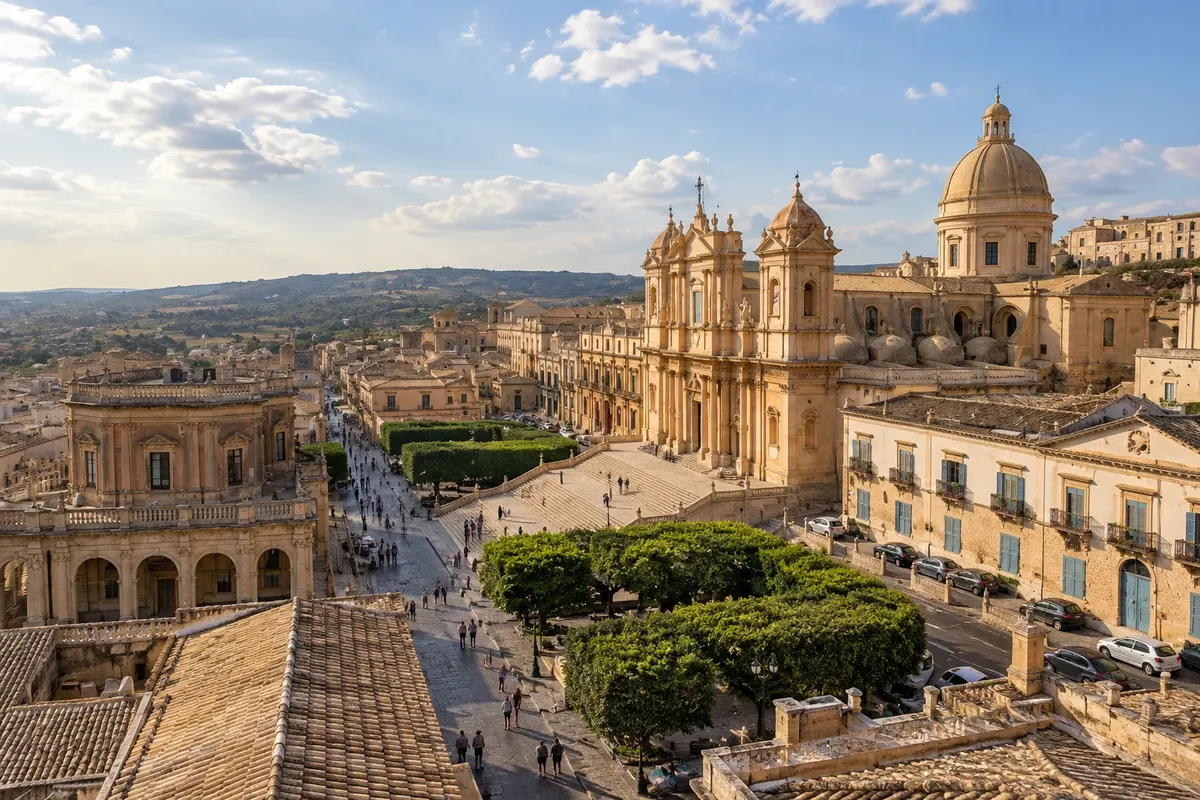
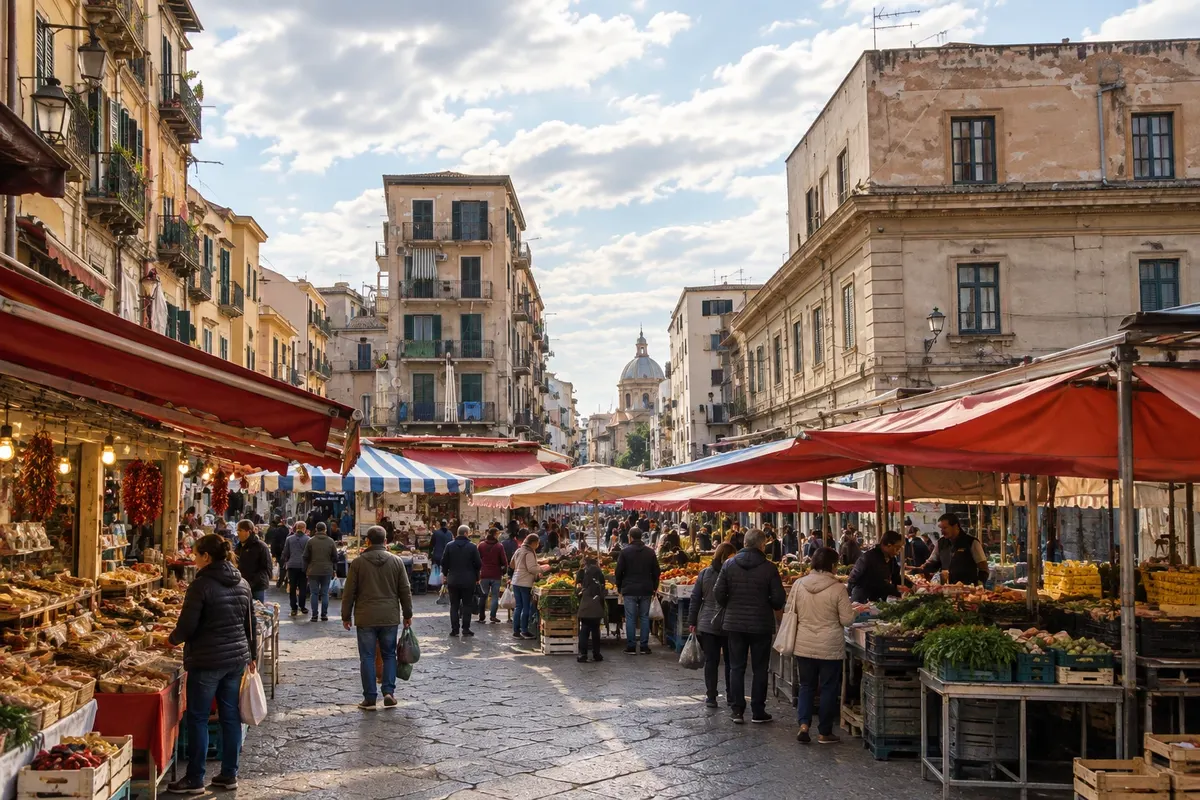
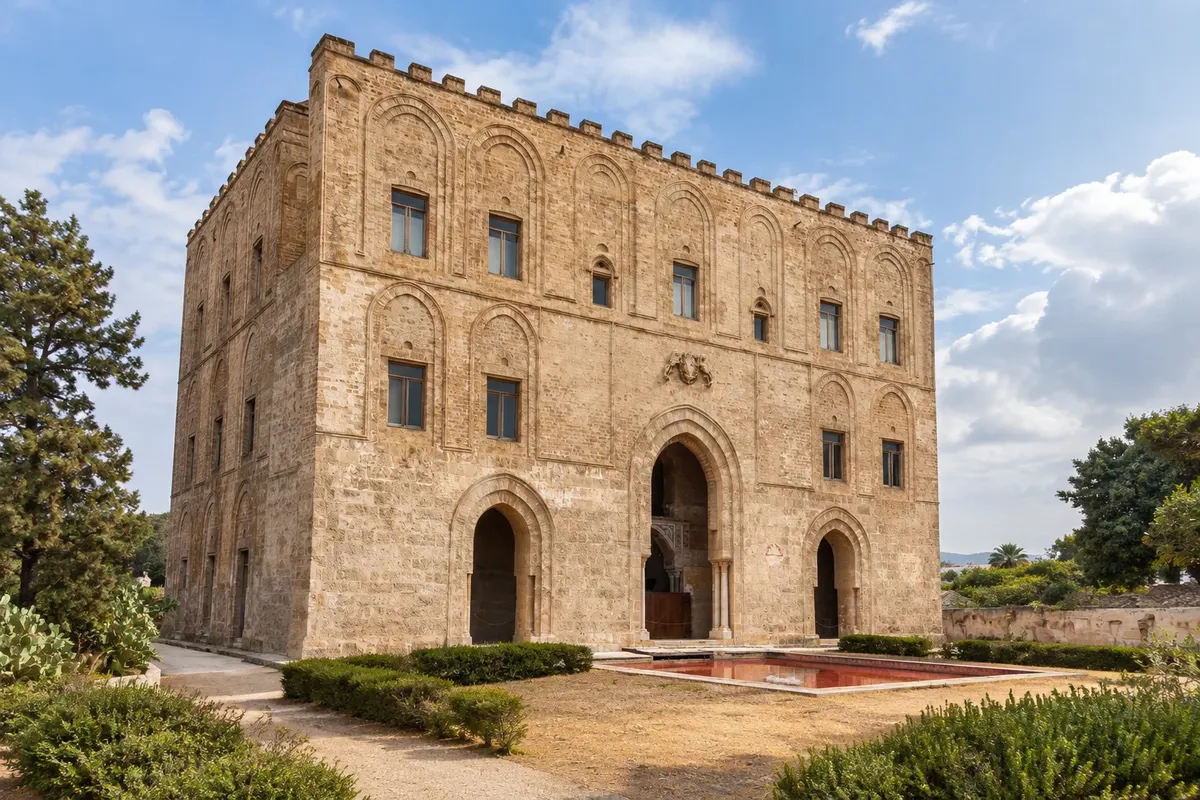
Sicília is the largest island in the Mediterranean and an autonomous region of Italy, separated from Calabria by the Strait of Messina. Greeks, Romans, Byzantines, Arabs, Normans and Spaniards have passed through here, and each left a mark on the architecture, the food and the dialect. Doric temples, golden mosaics, baroque churches and street markets appear along the same itinerary.
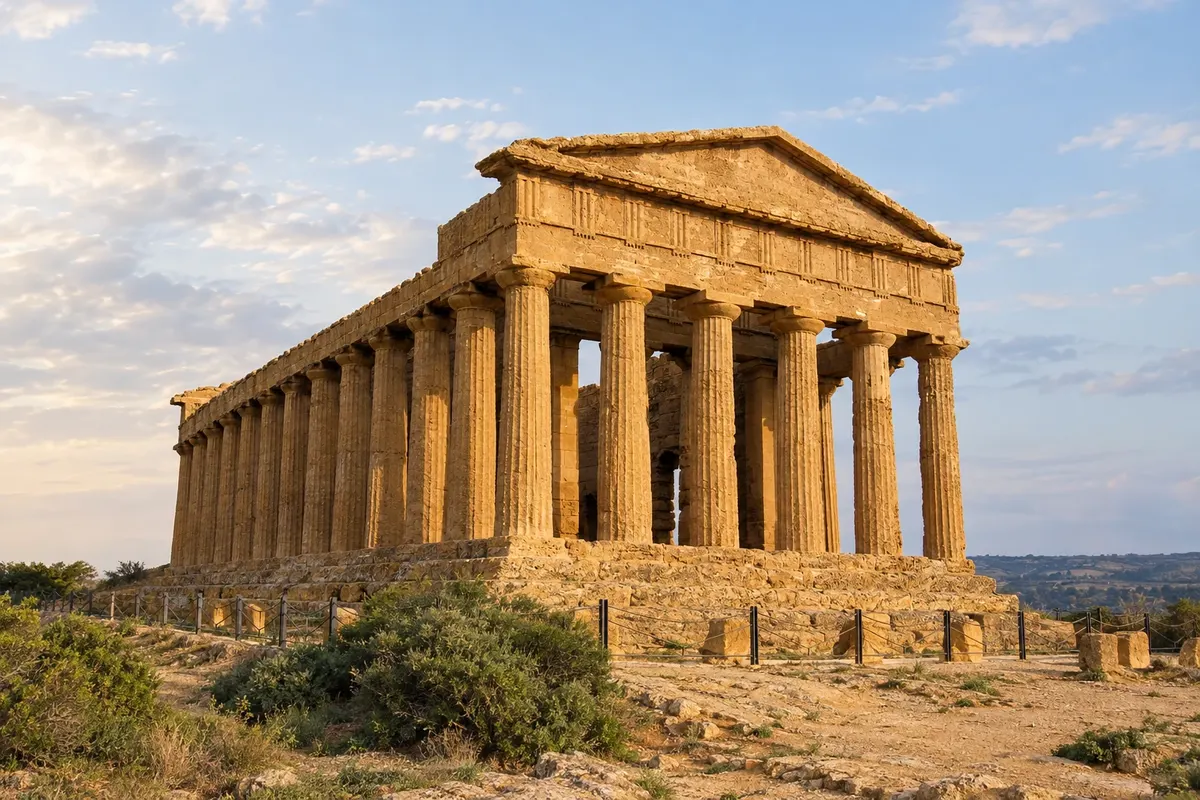
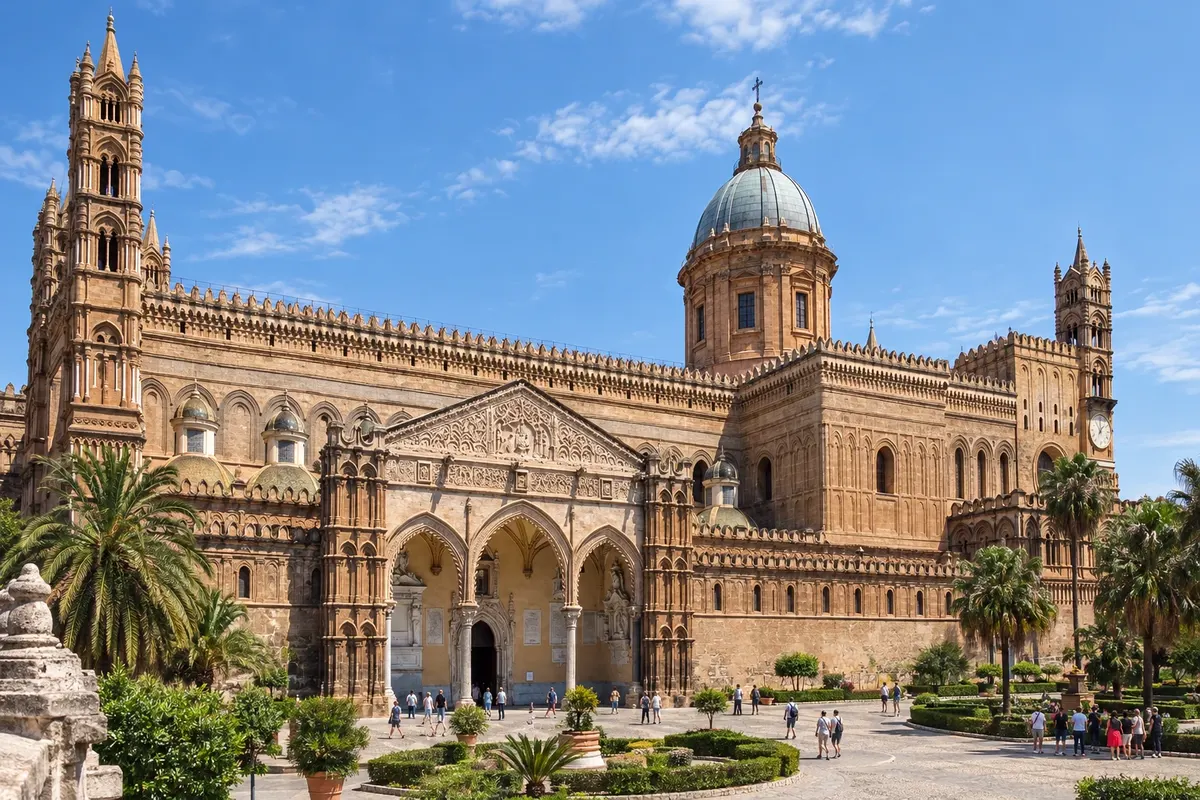
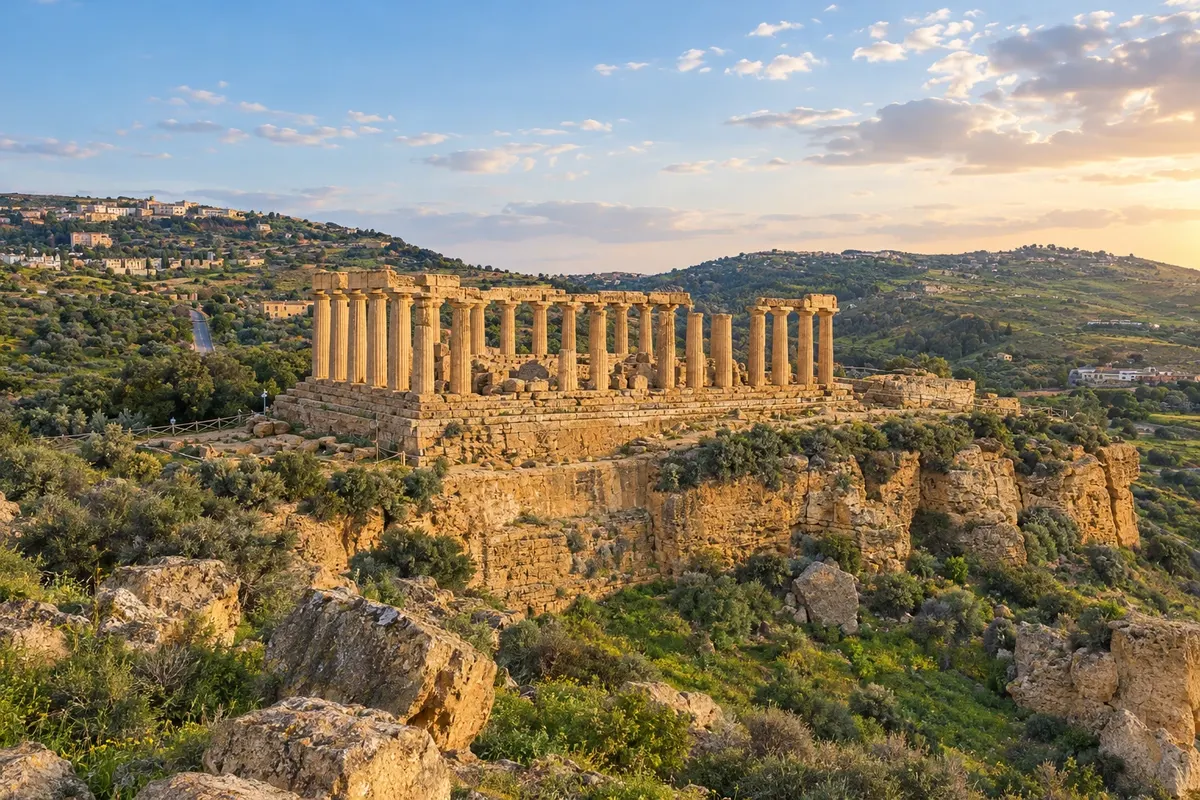
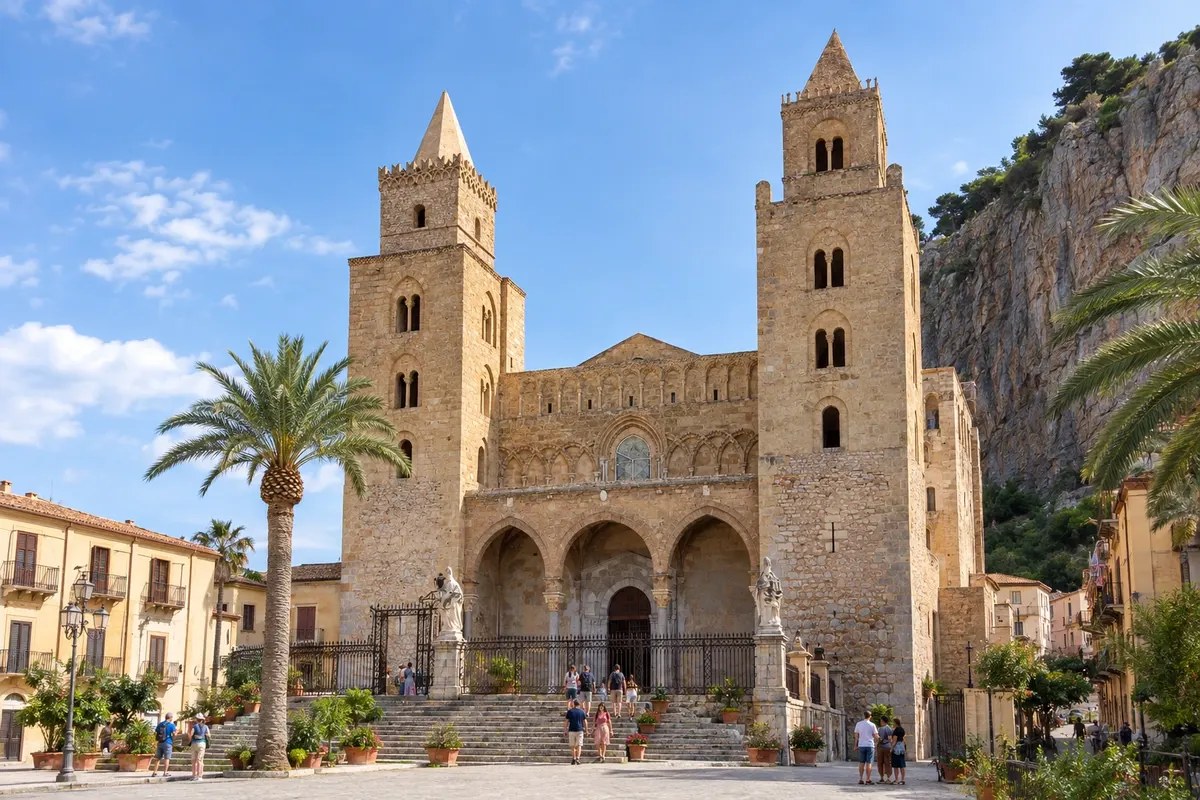
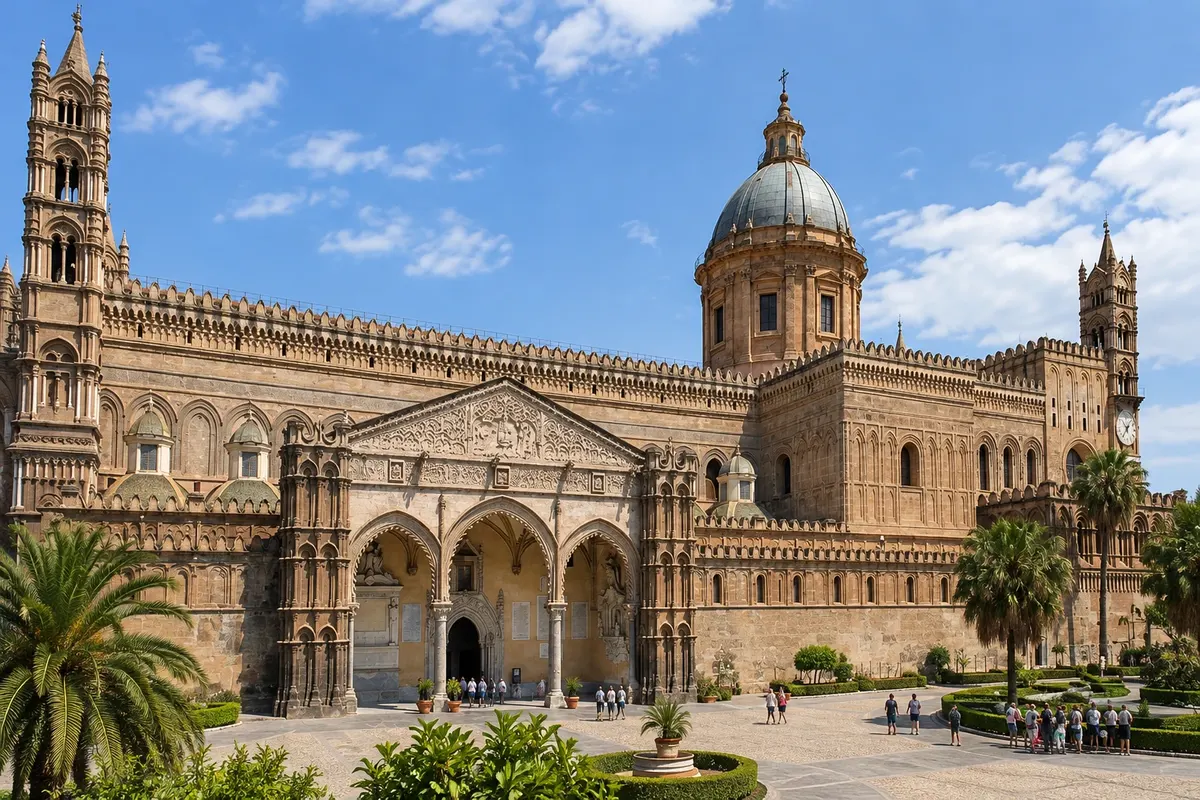
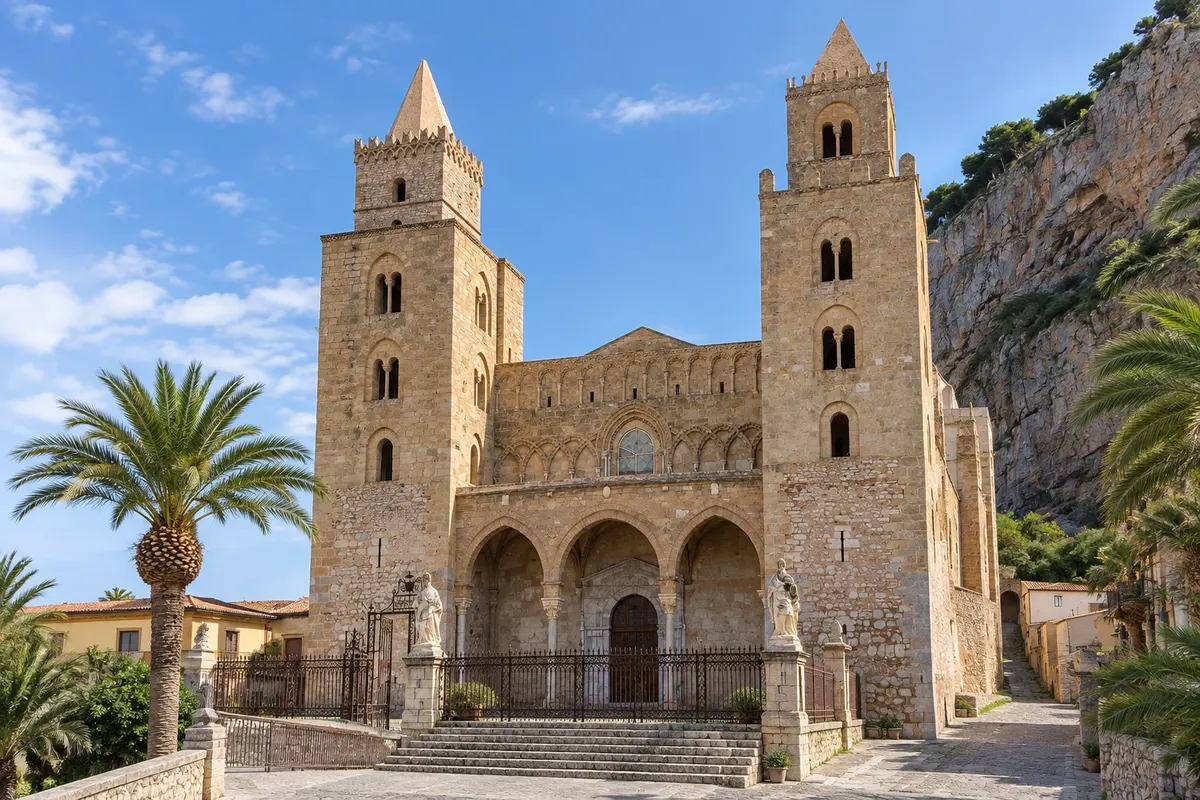
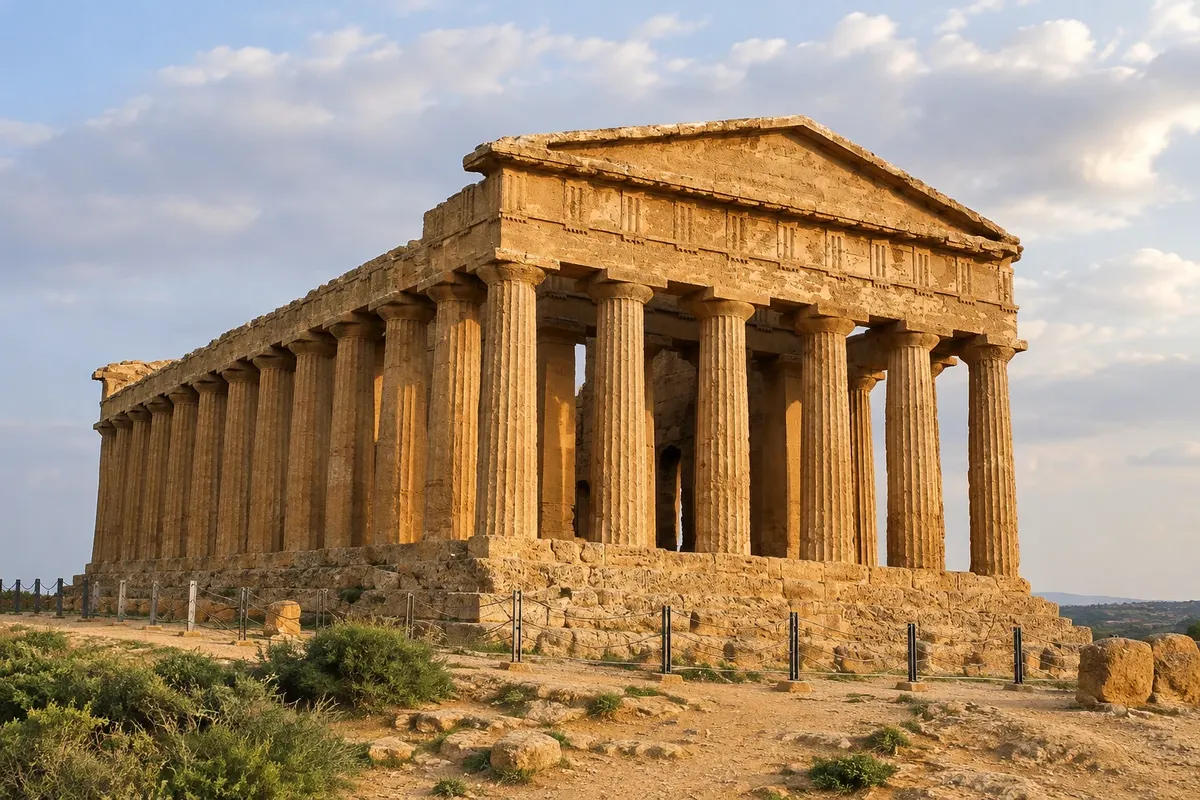
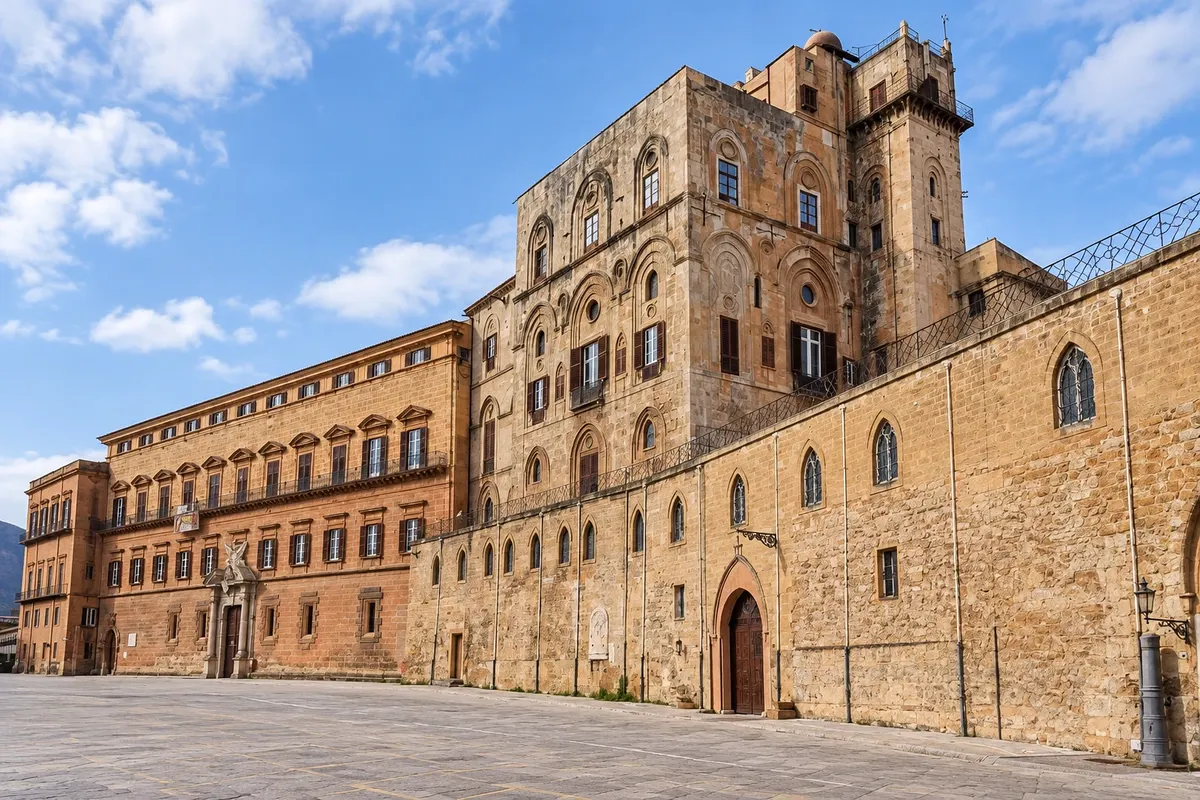
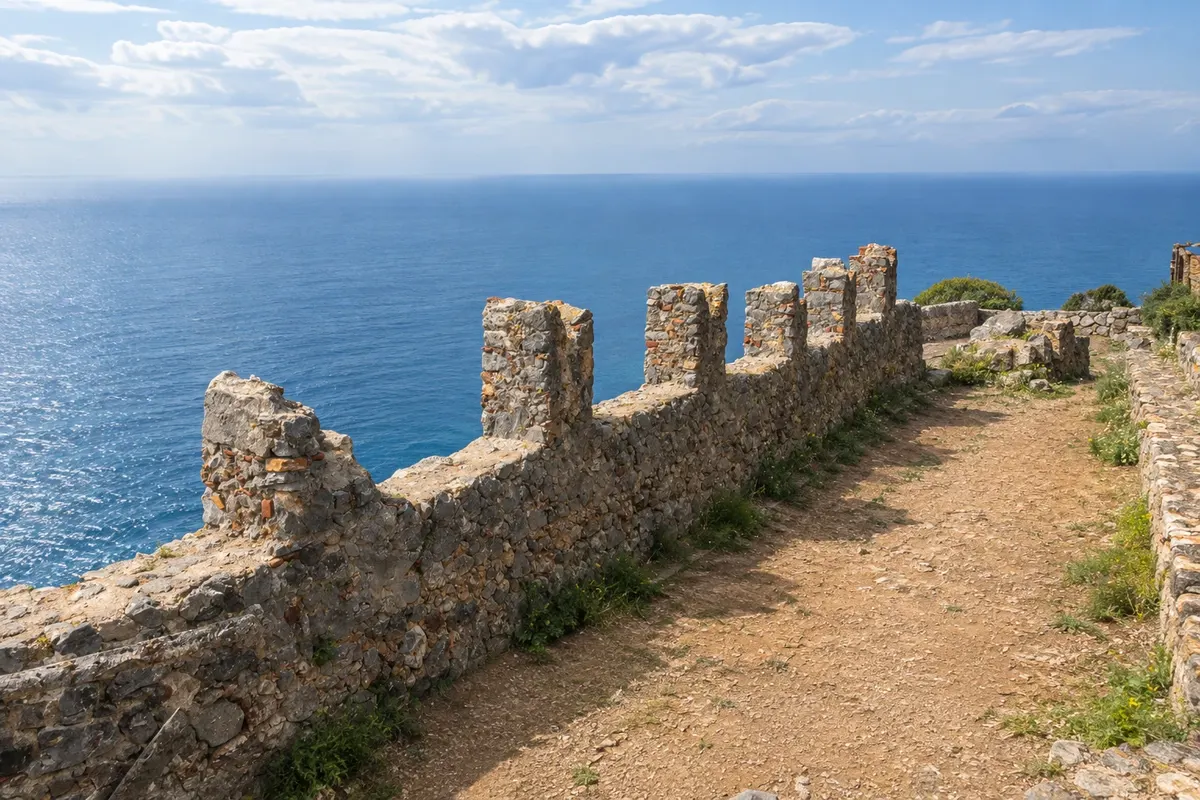
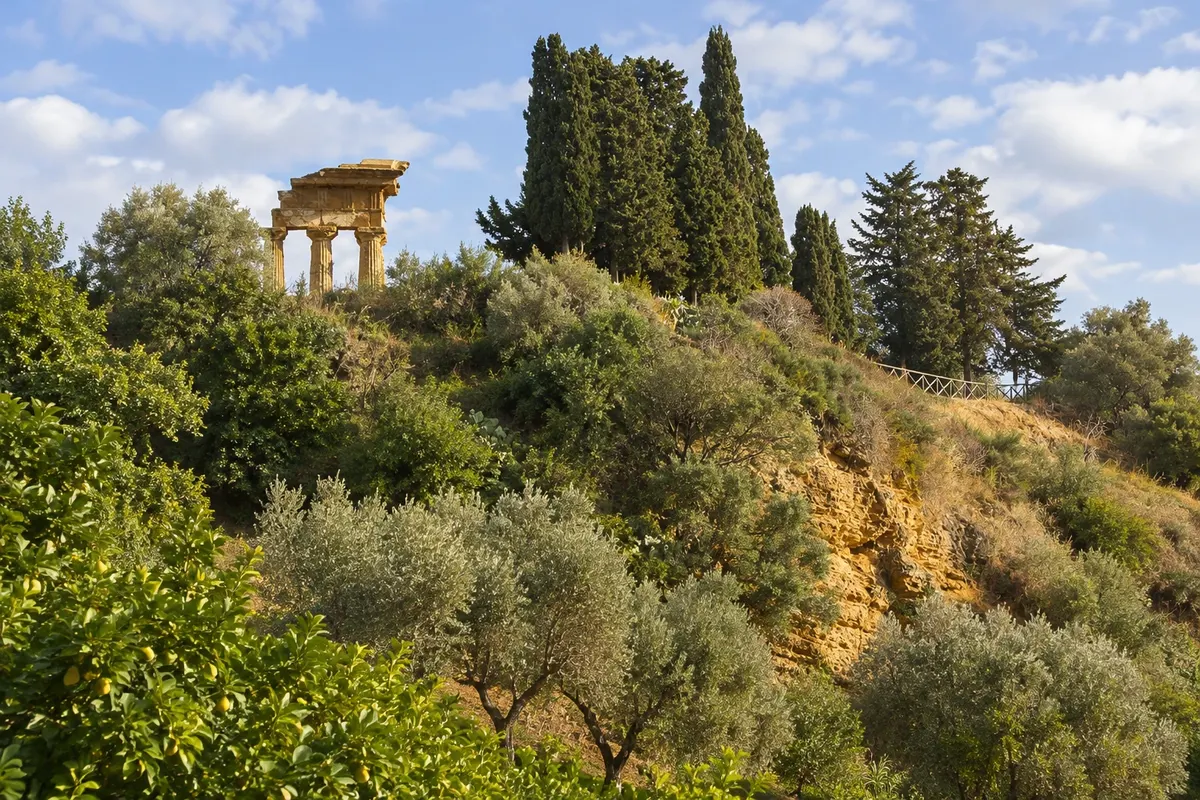
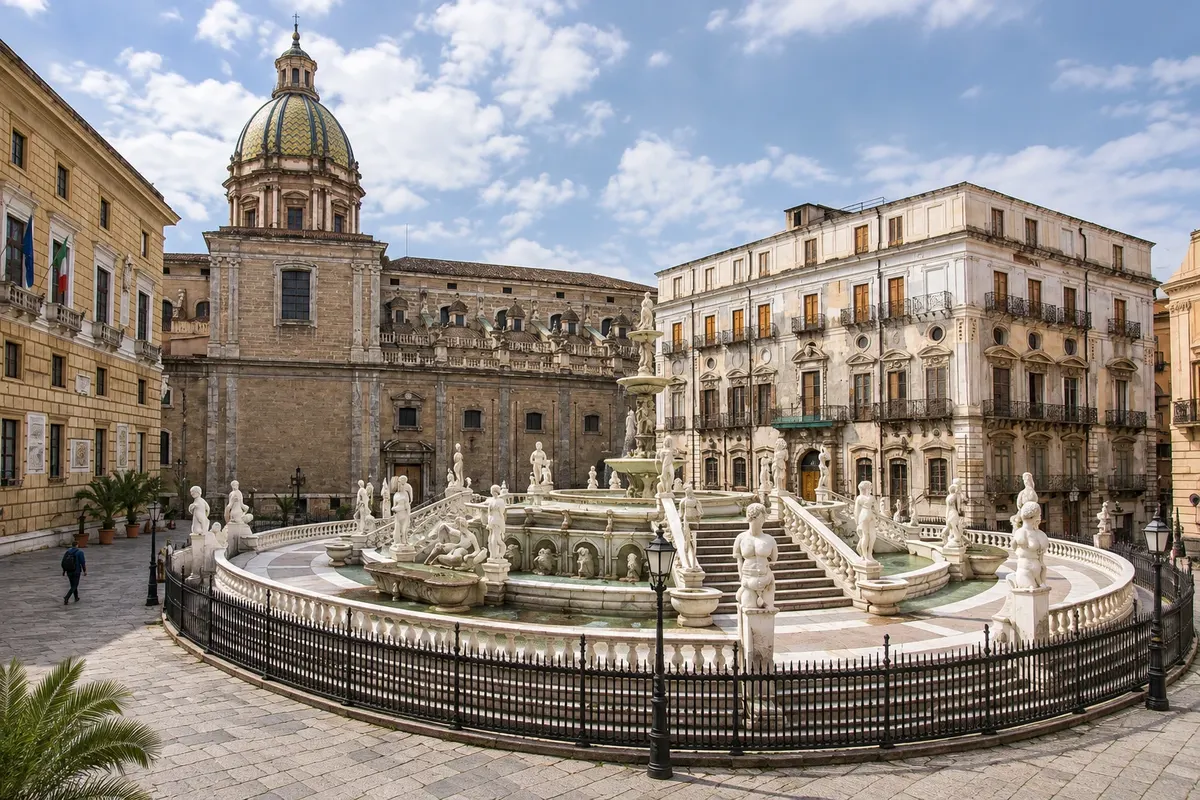
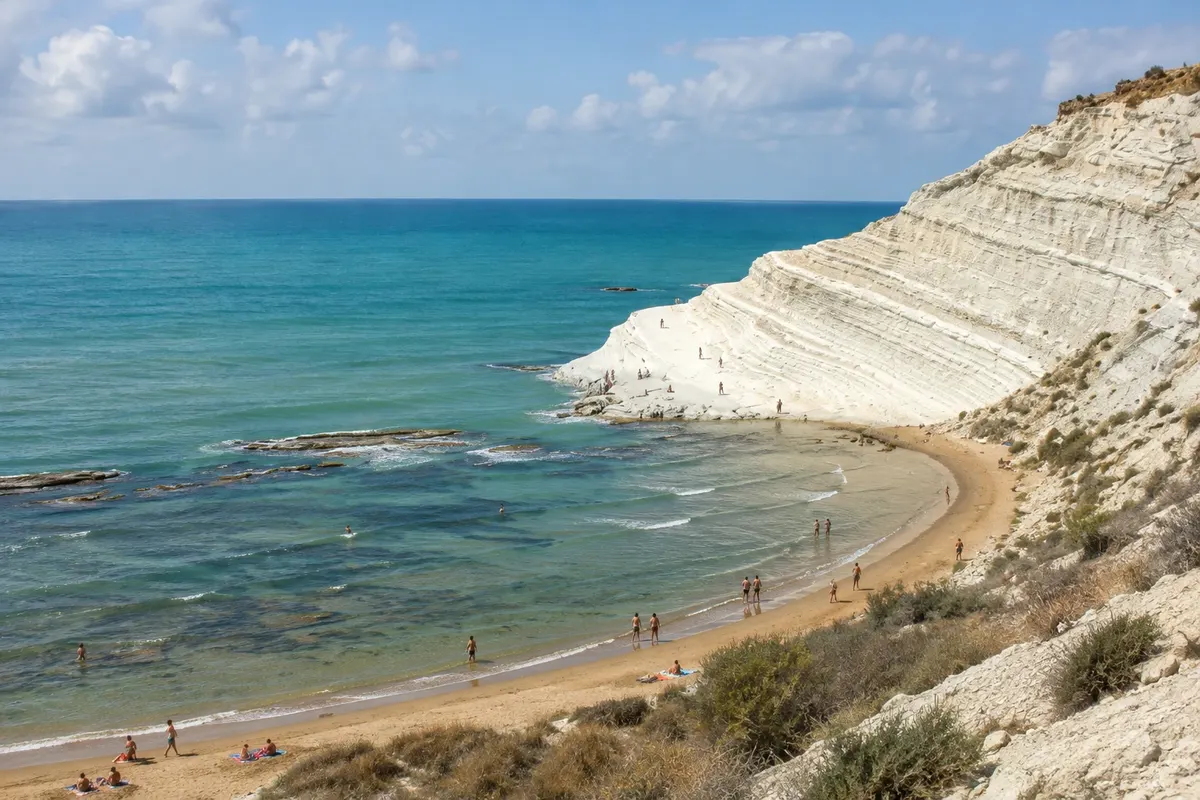
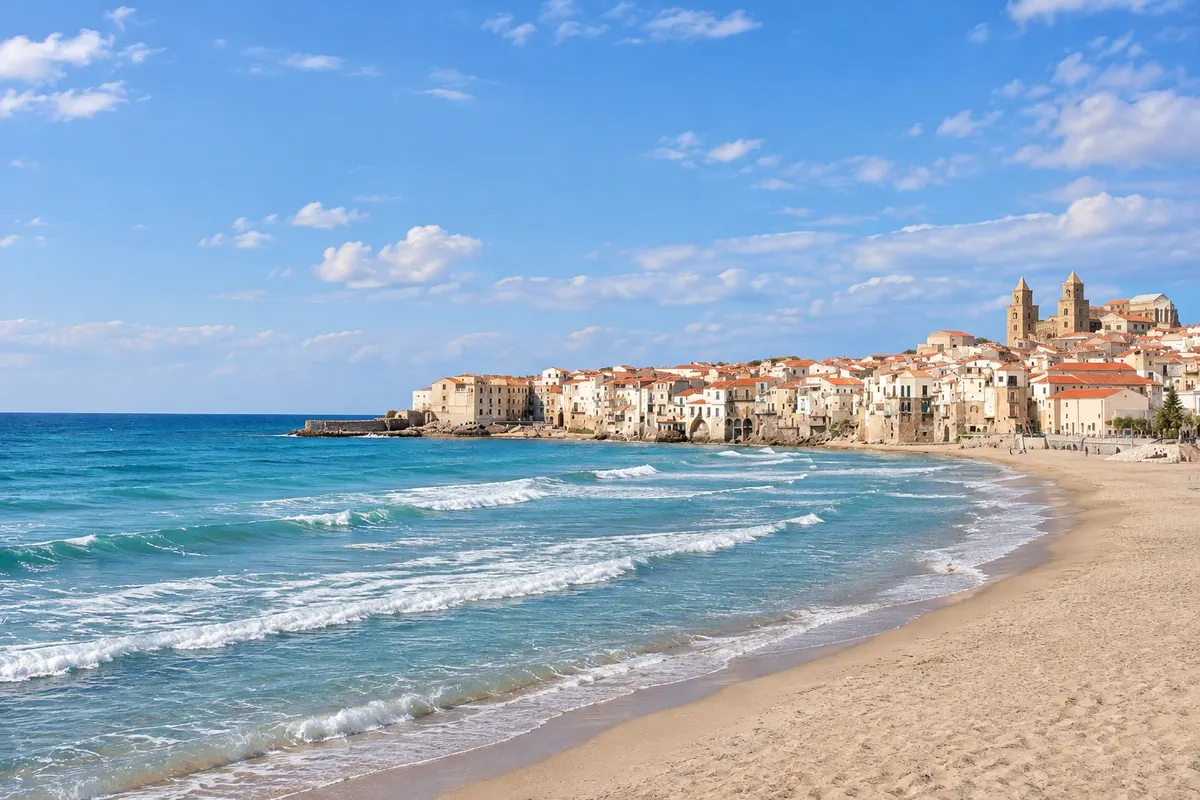
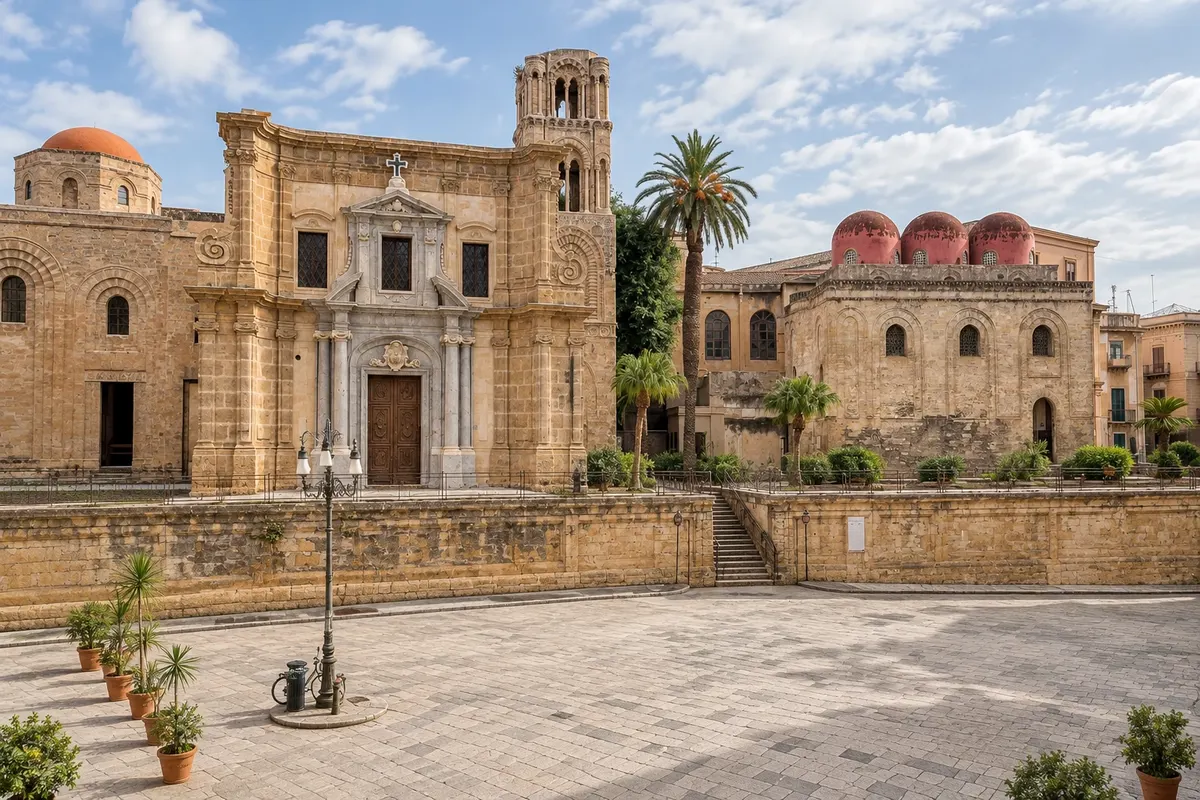
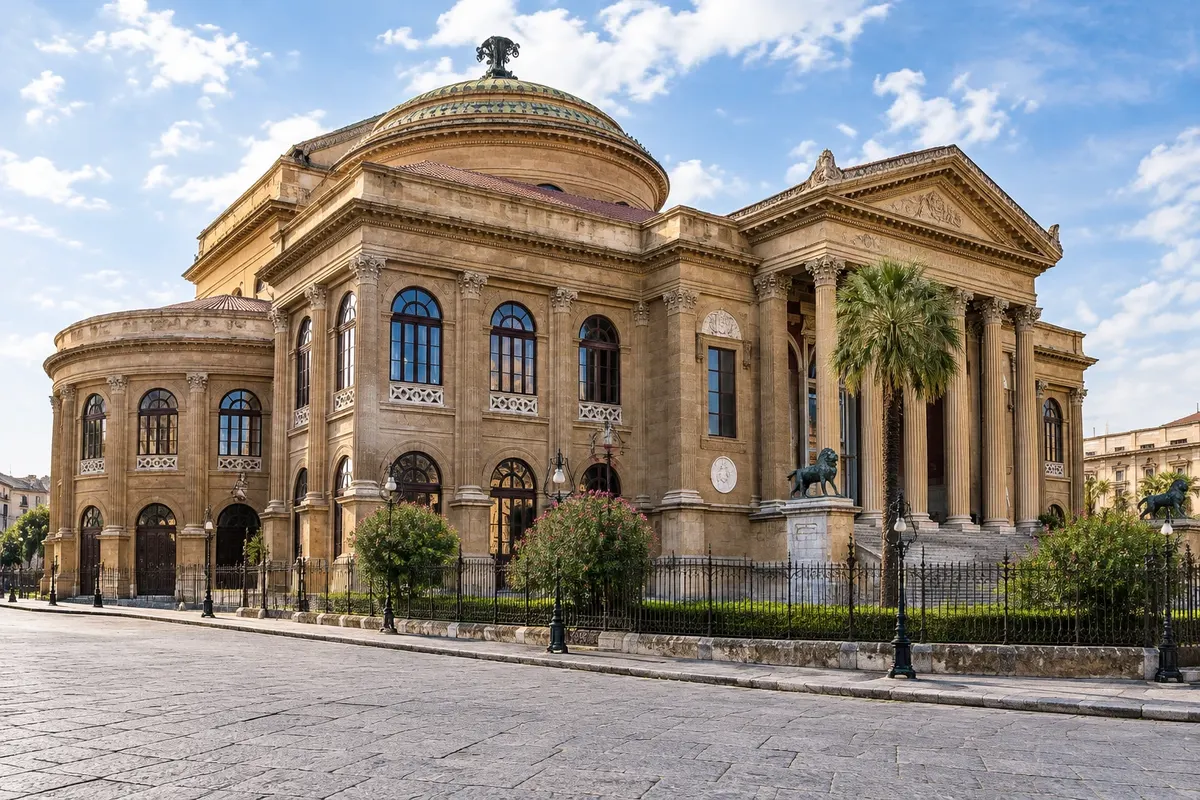
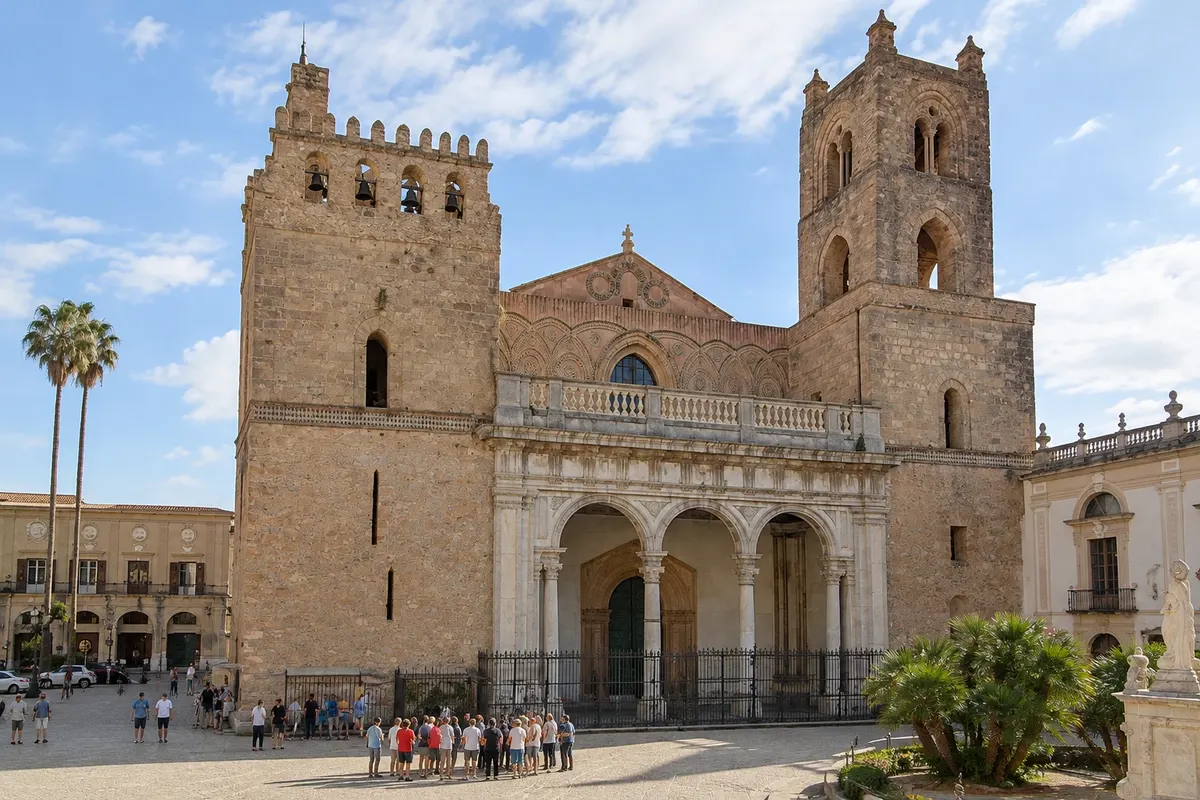
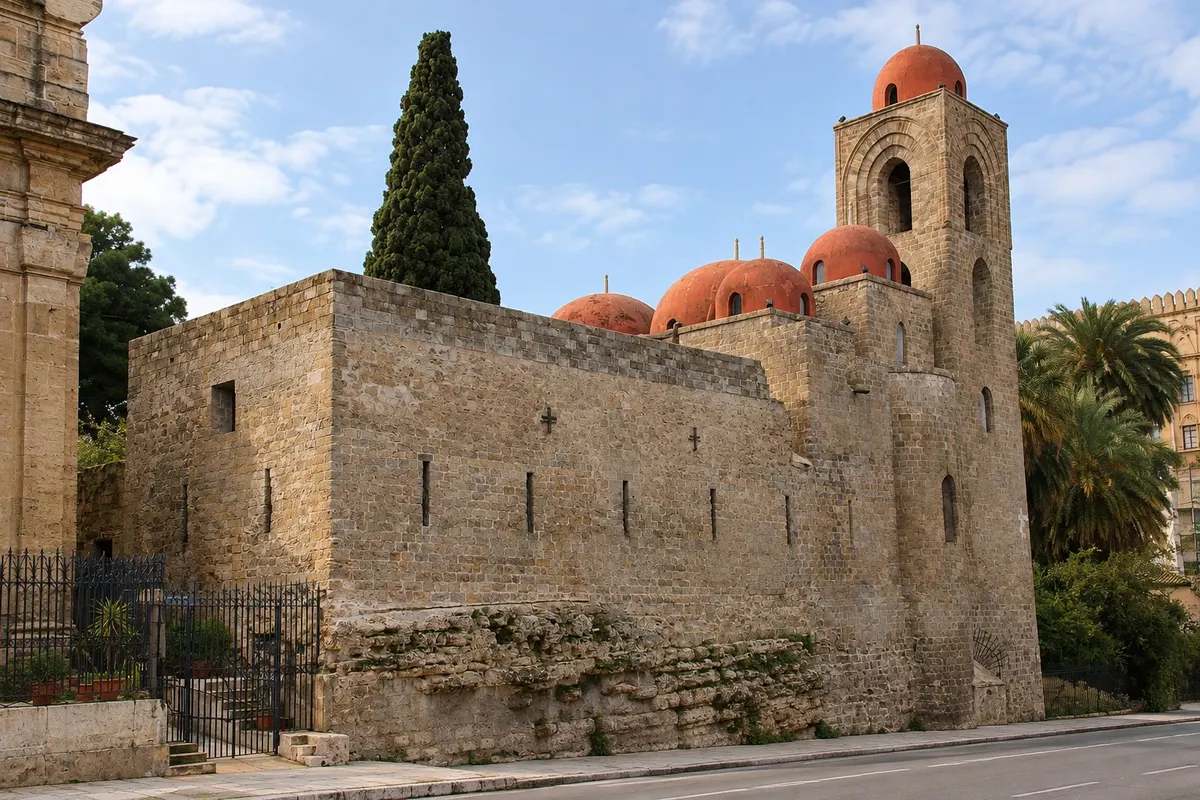
Palermo, the capital, is the gateway on the western side. The cathedral, the Palazzo dei Normanni with the Cappella Palatina, the Martorana and the Duomo di Monreale form the Arab‑Norman ensemble recognized as a UNESCO World Heritage Site, together with the cathedral of Cefalù. Cefalù is about an hour by train, sitting between the beach and a rock nearly 270 meters high. To the south, Agrigento holds the Valle dei Templi, with the Tempio della Concordia, and the Scala dei Turchi on the neighboring coast.
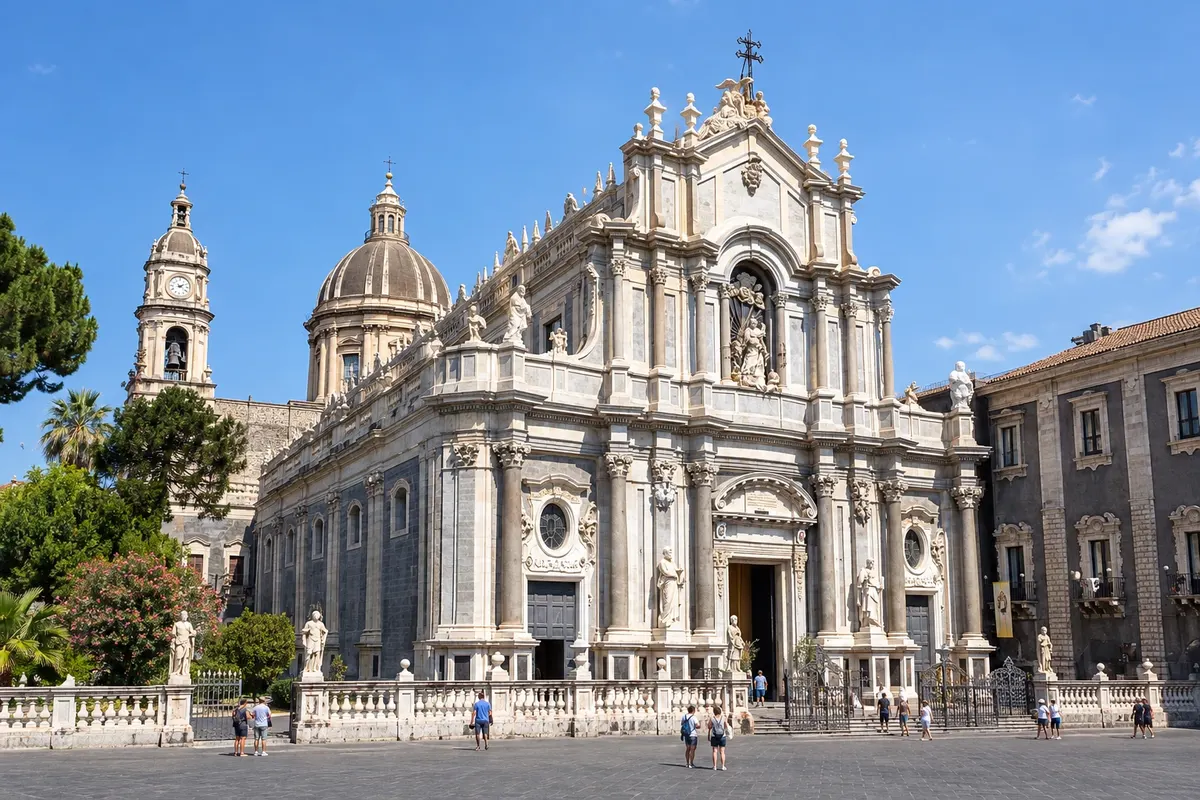
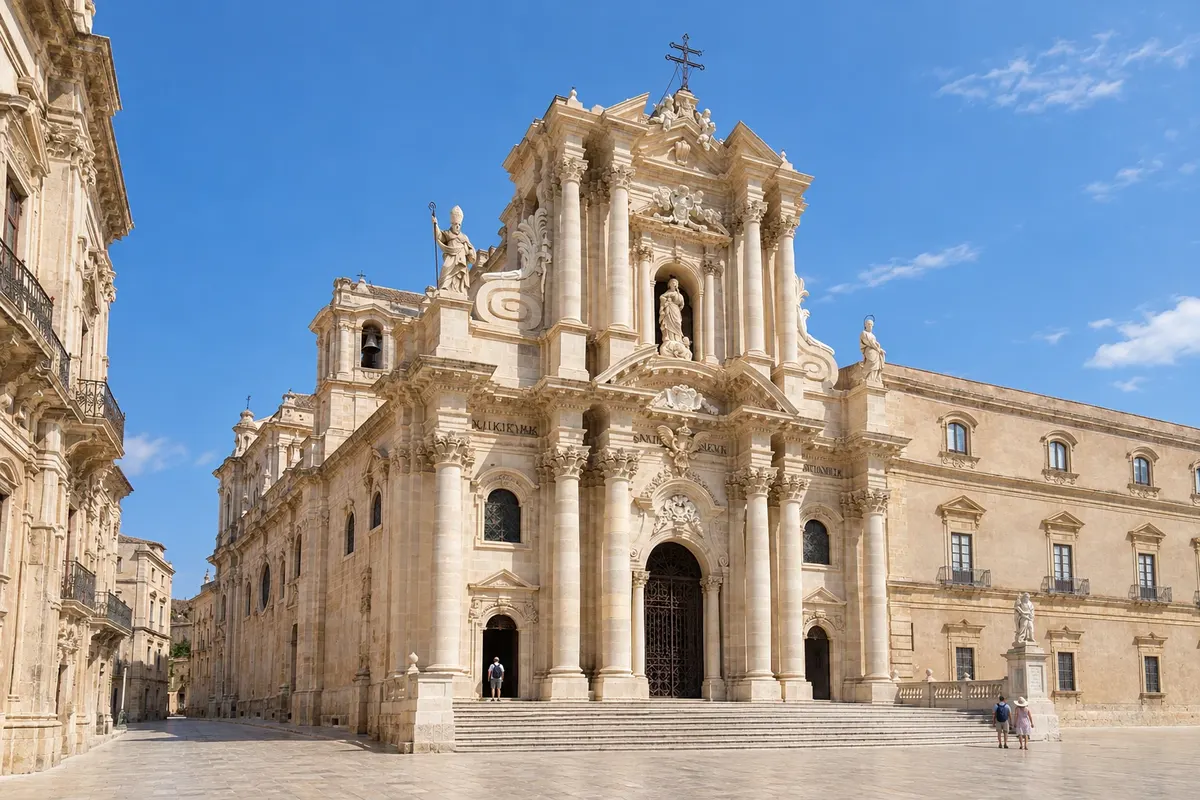
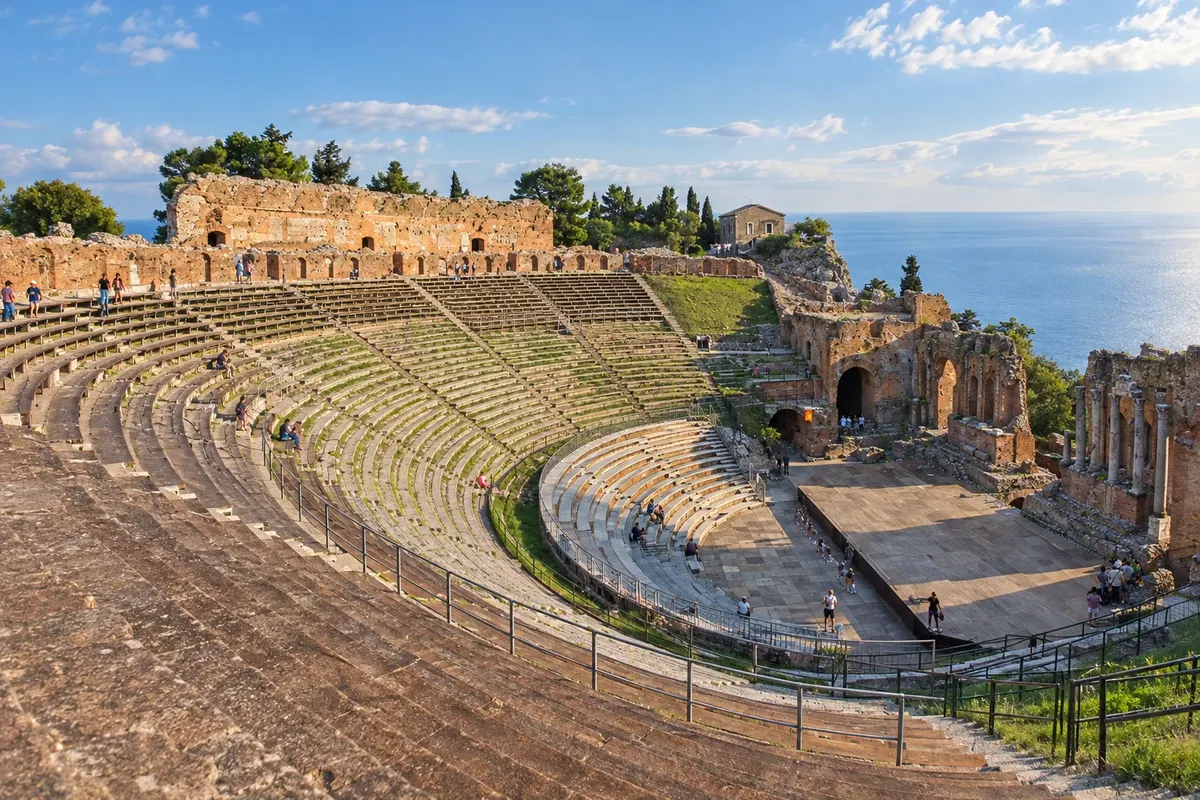
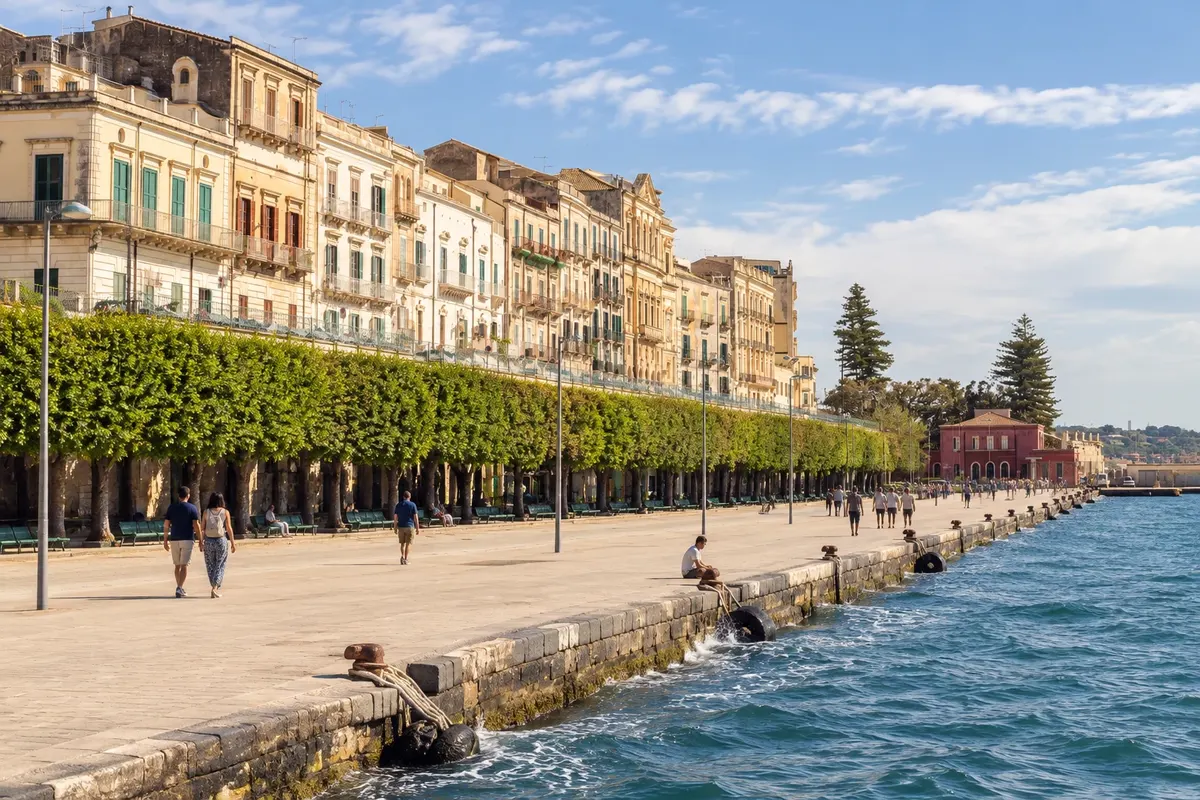
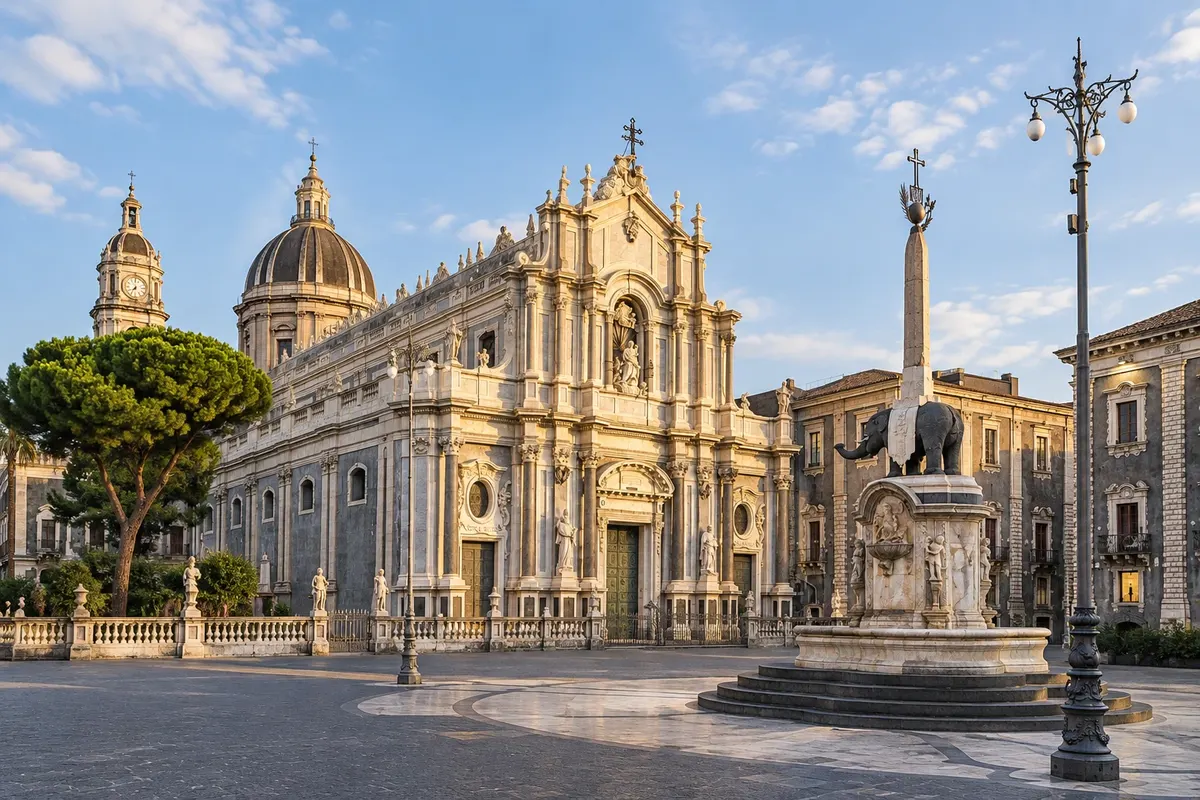
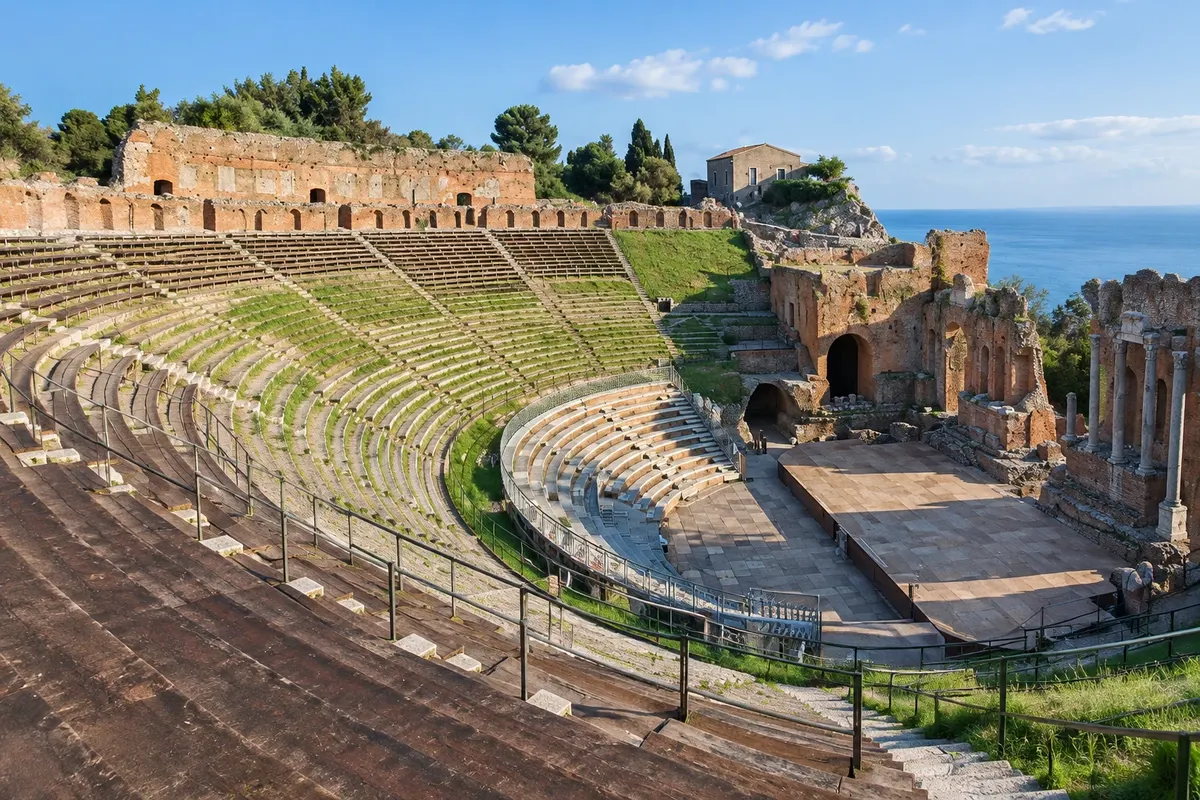
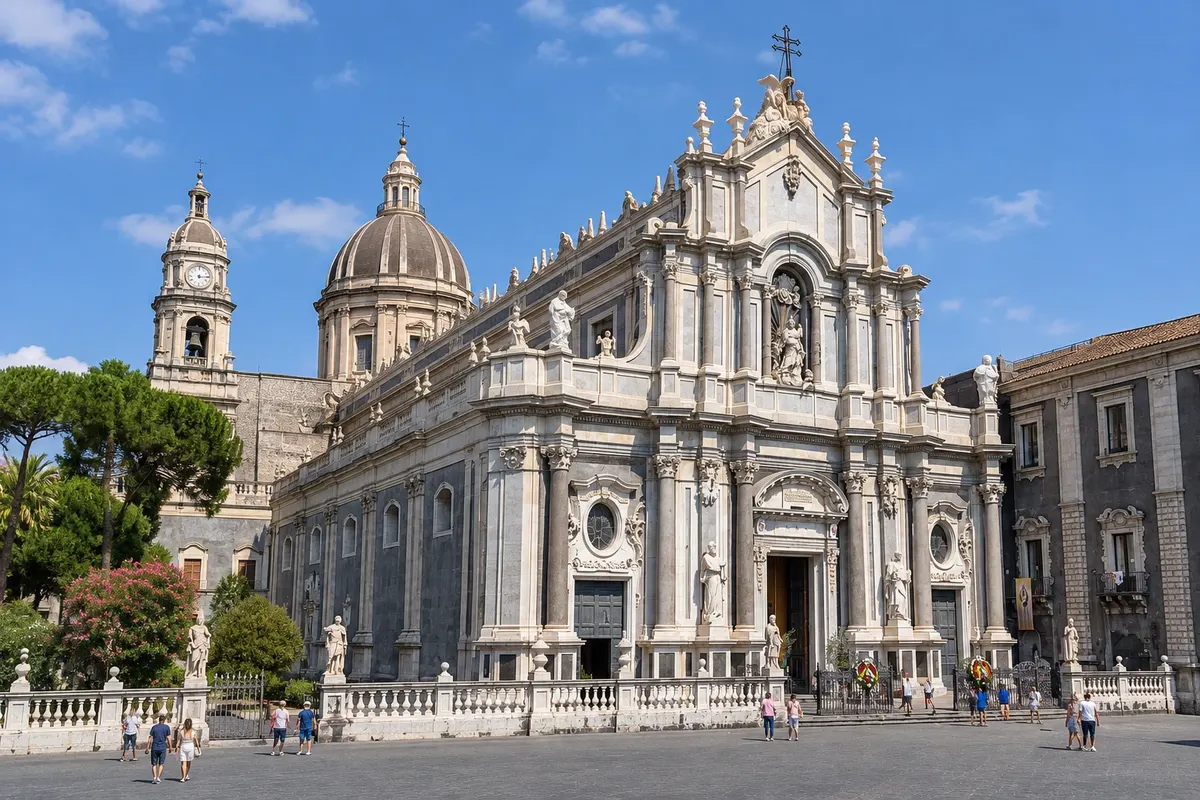
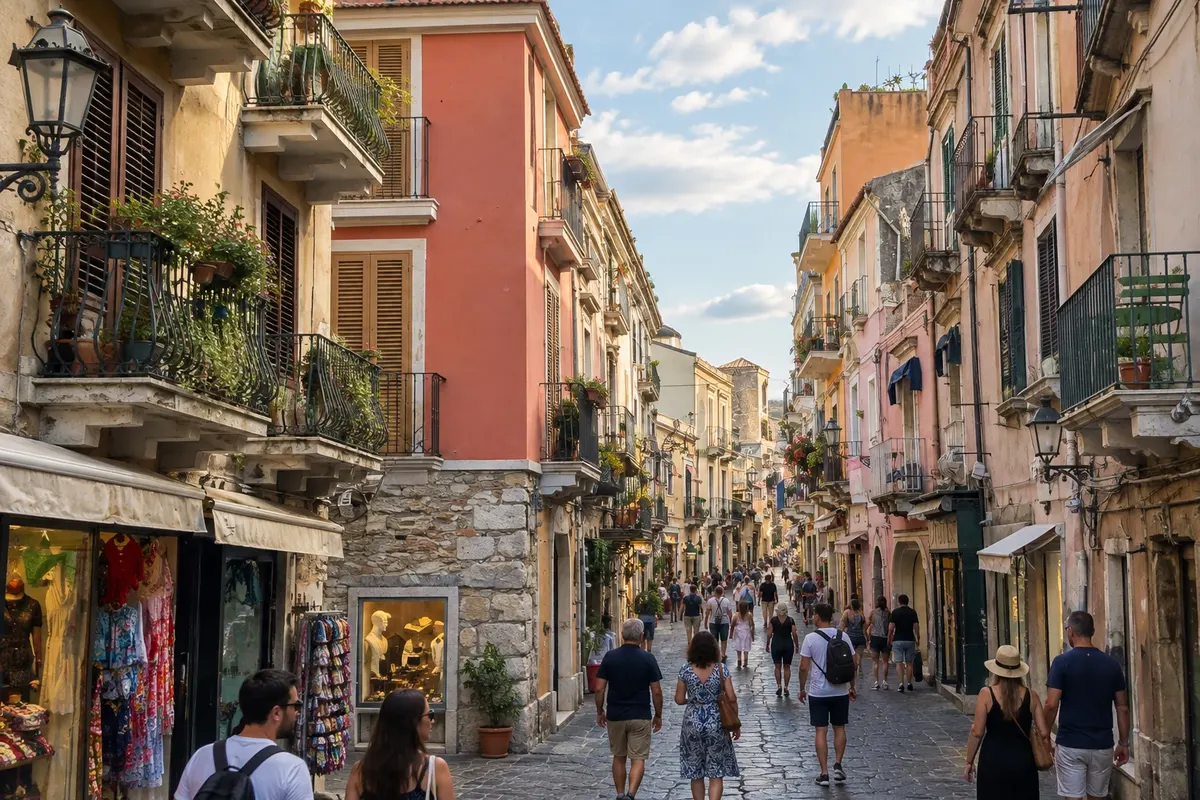
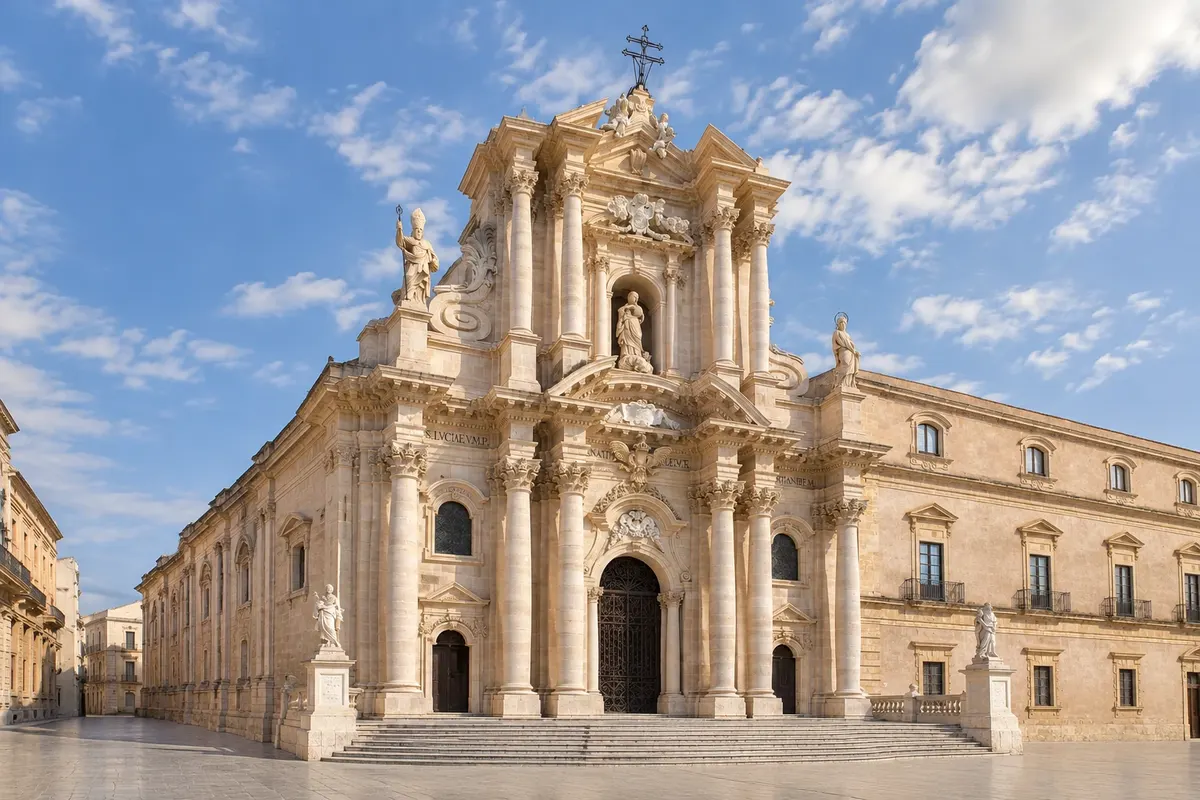
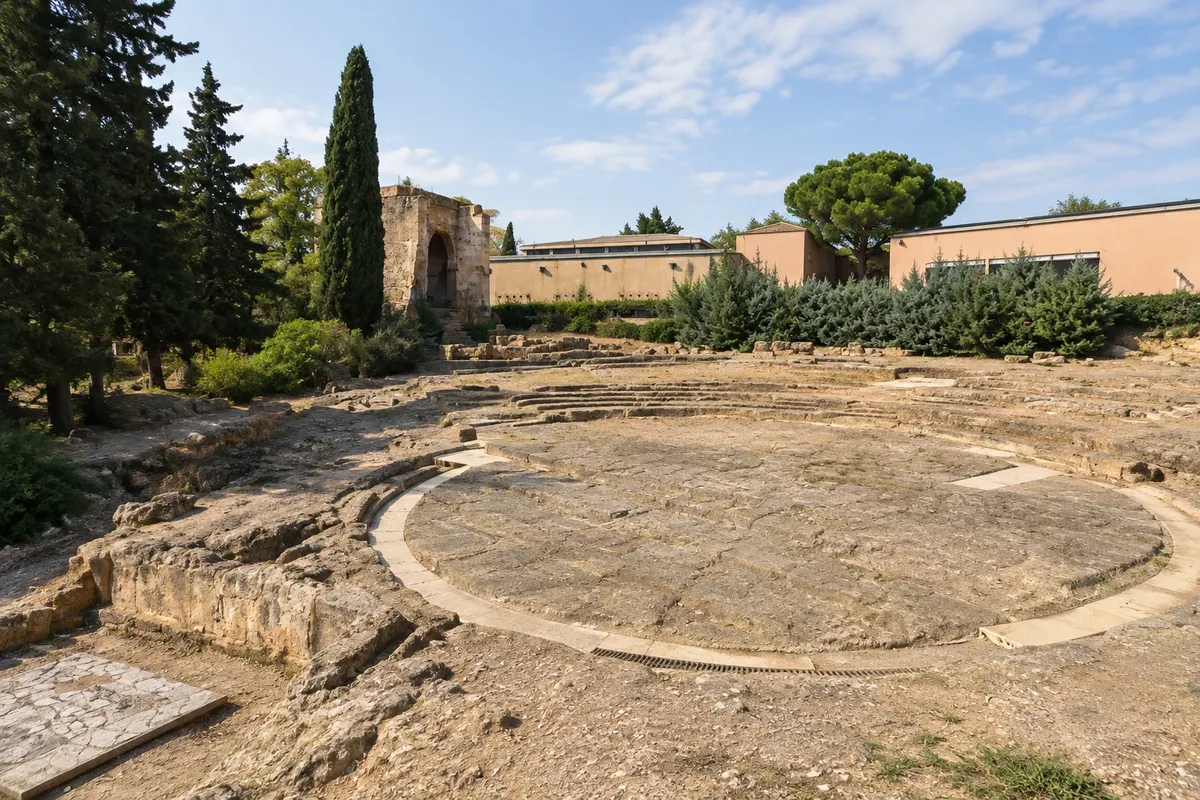
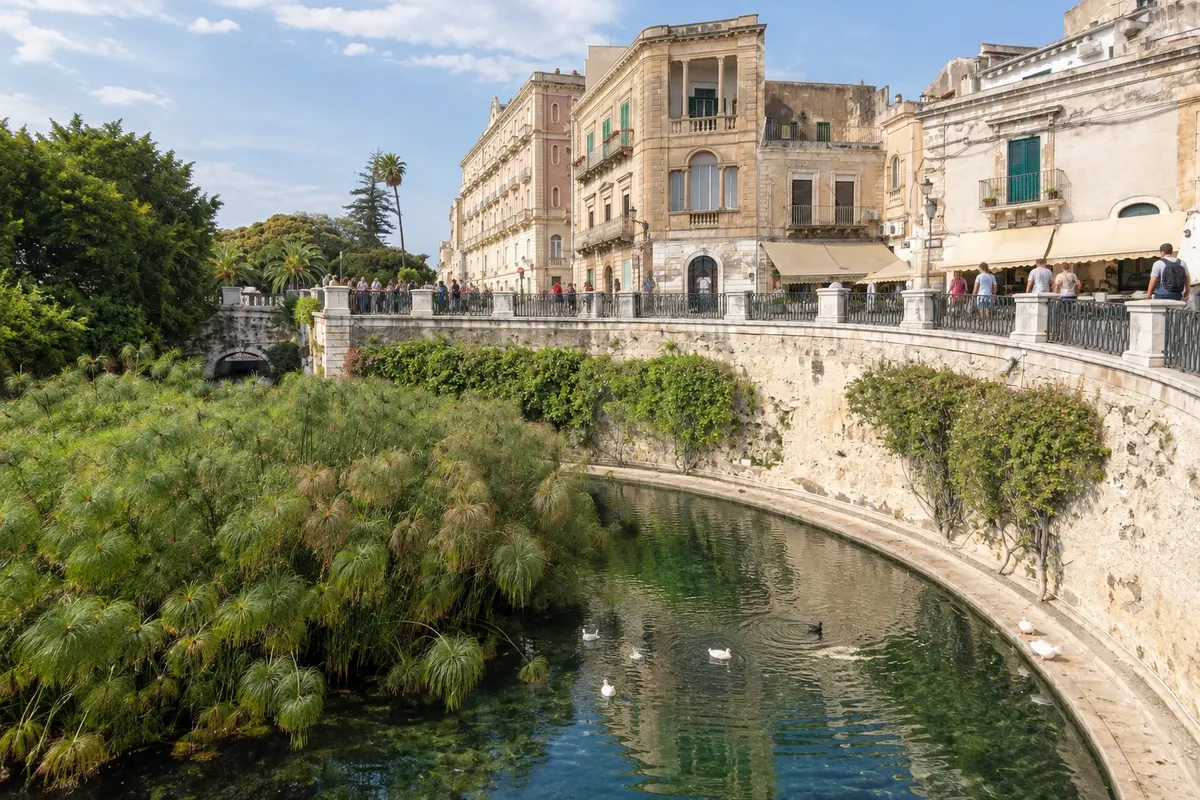
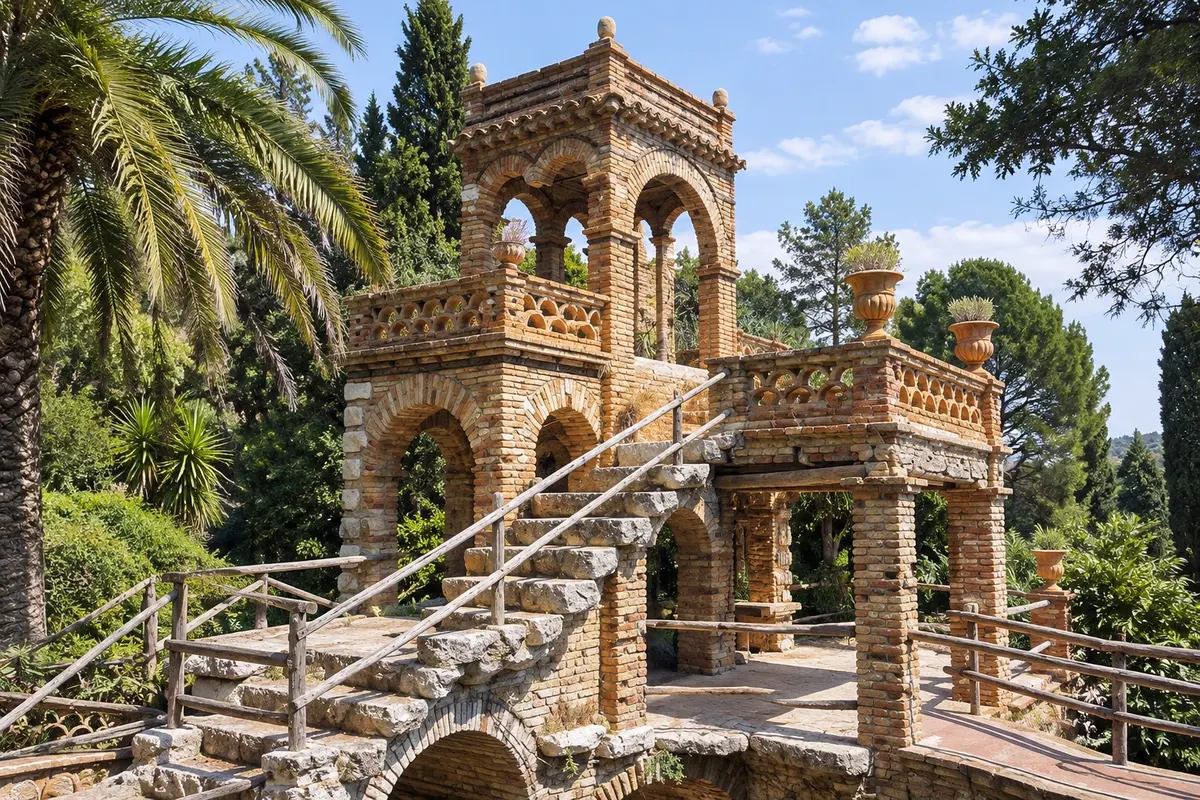
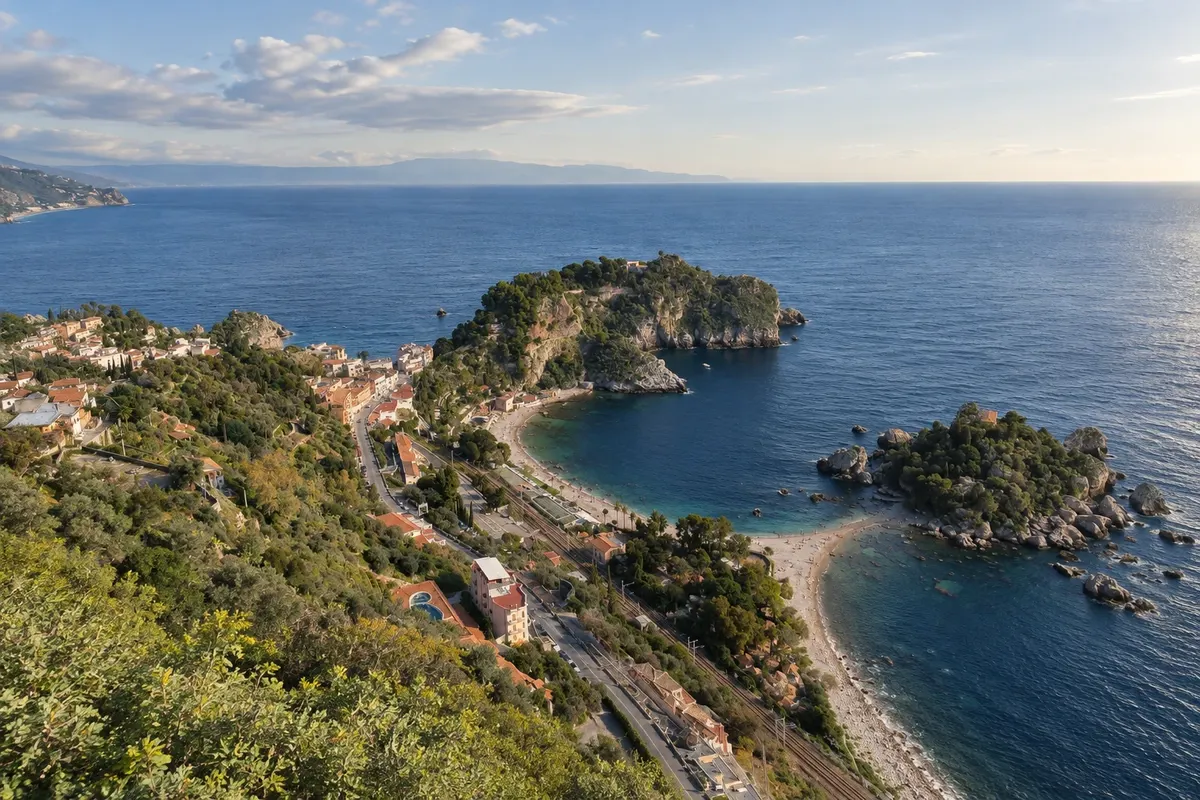
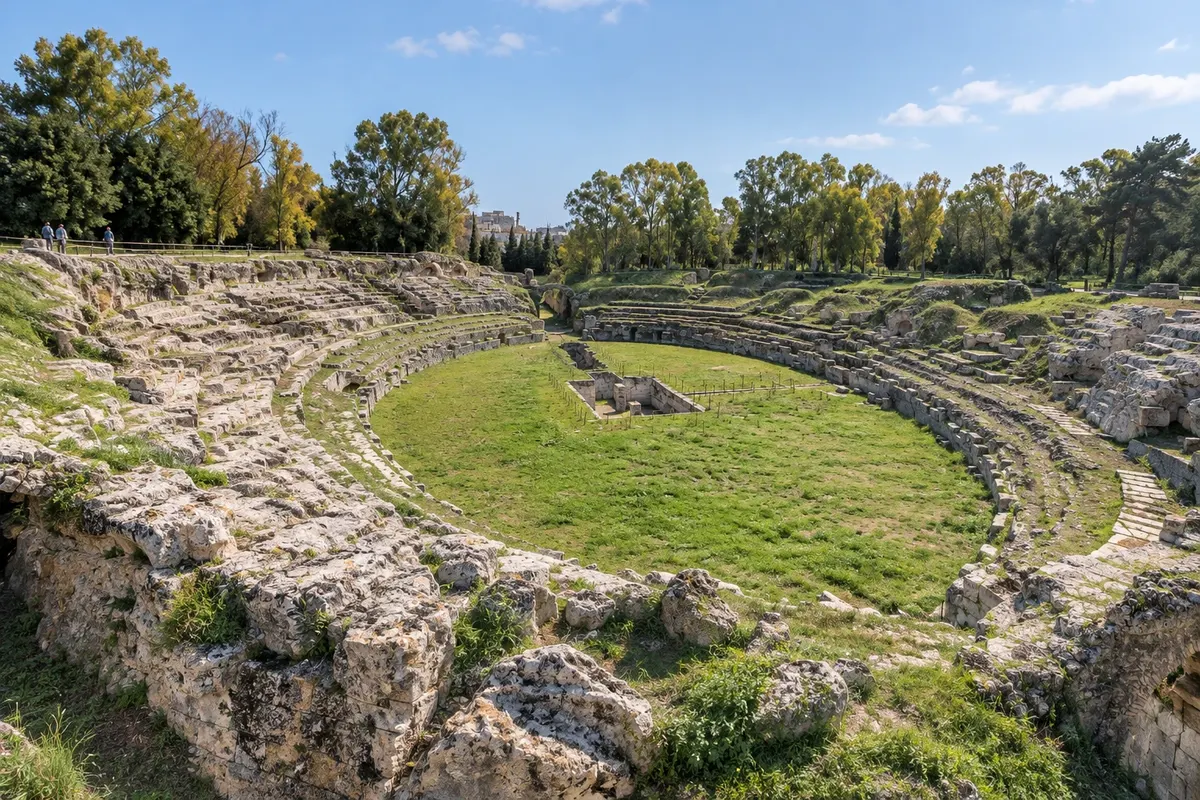
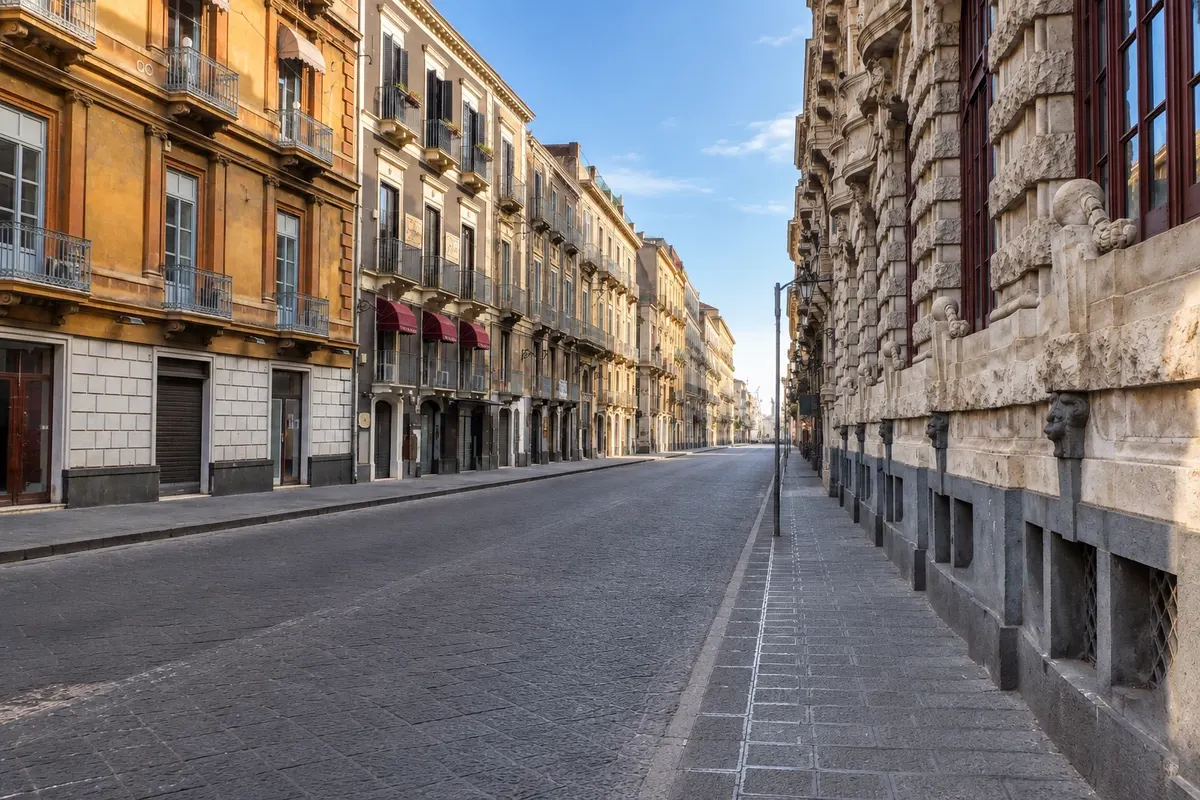
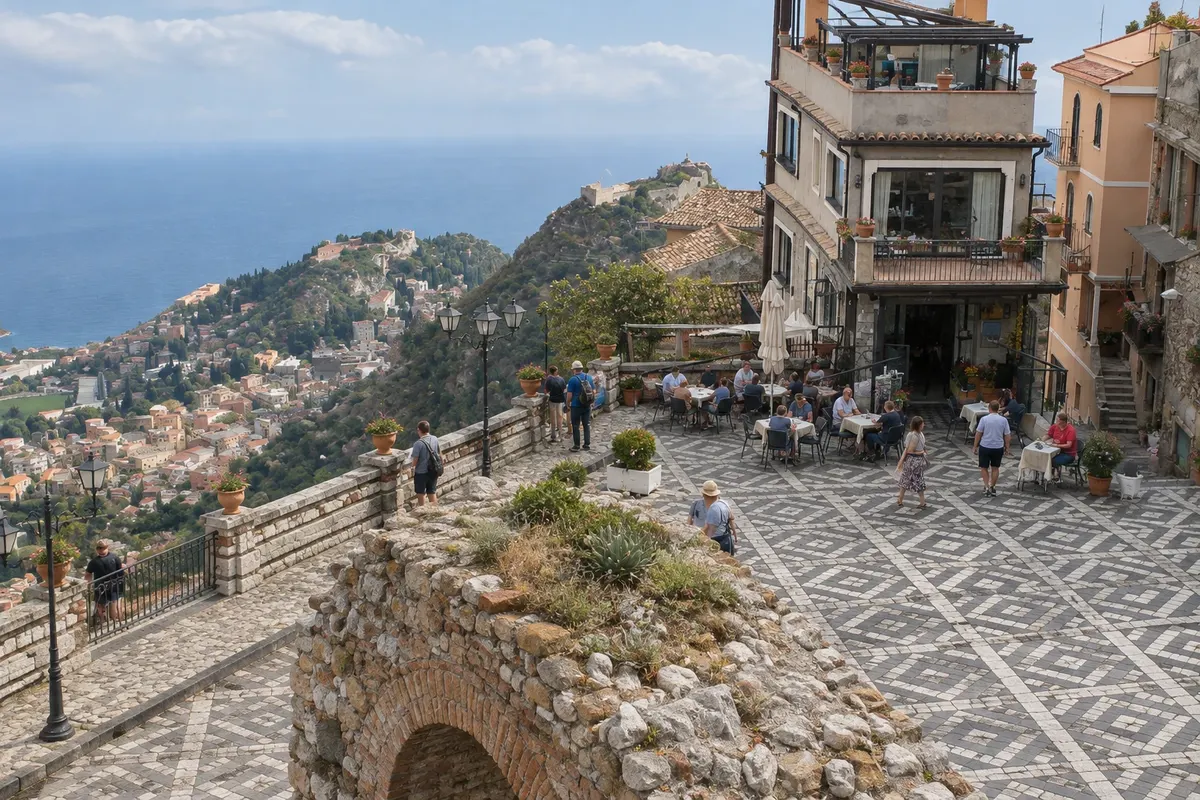
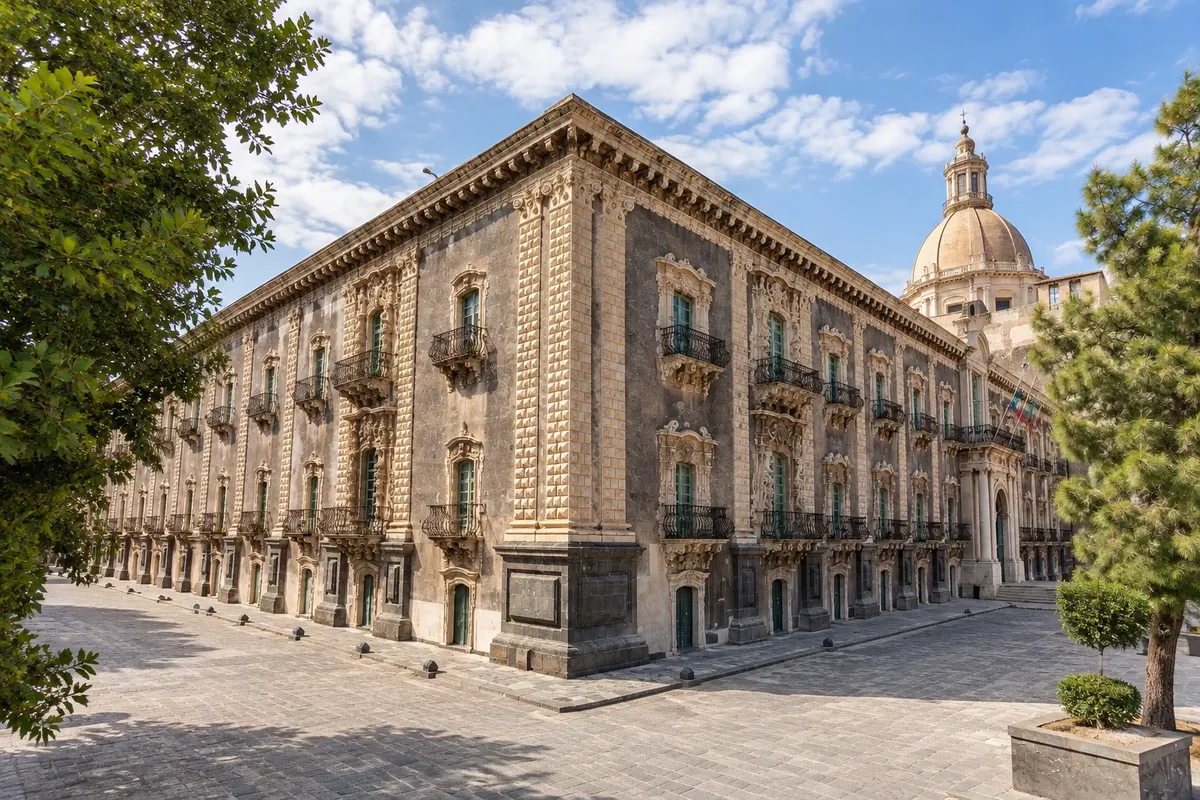
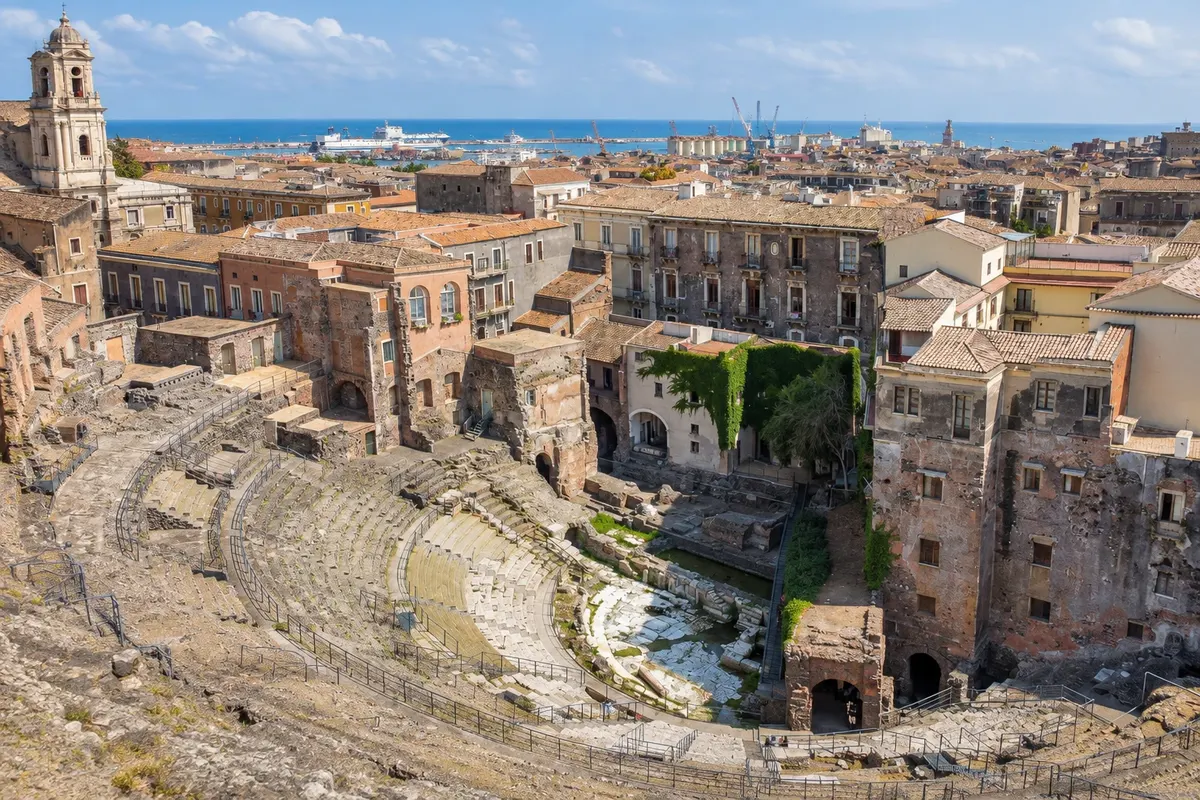
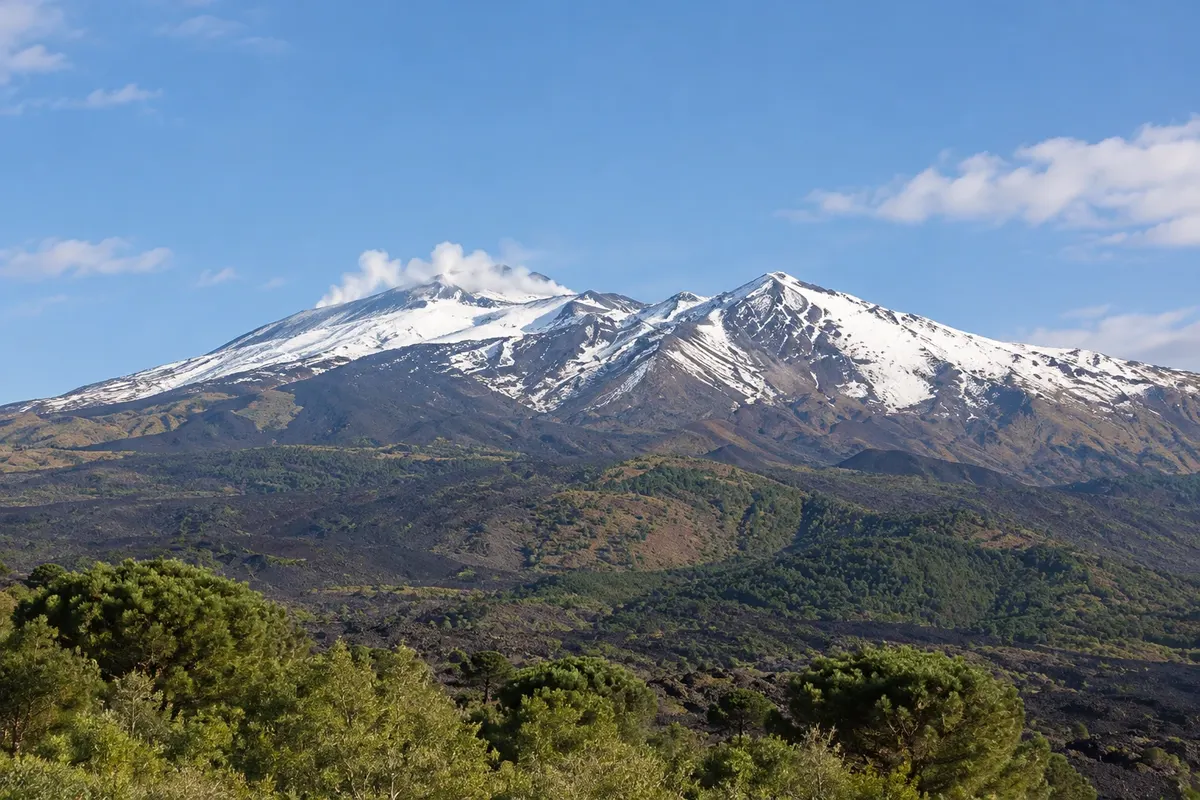
On the eastern side, Catânia is the baroque city at the foot of the Etna, the active volcano that dominates the landscape at over 3,300 meters. Taormina perches on a hill above the Ionian Sea, with the ancient theatre facing the volcano. Siracusa has the island of Ortigia and the Neapolis archaeological park, with the Greek theatre.
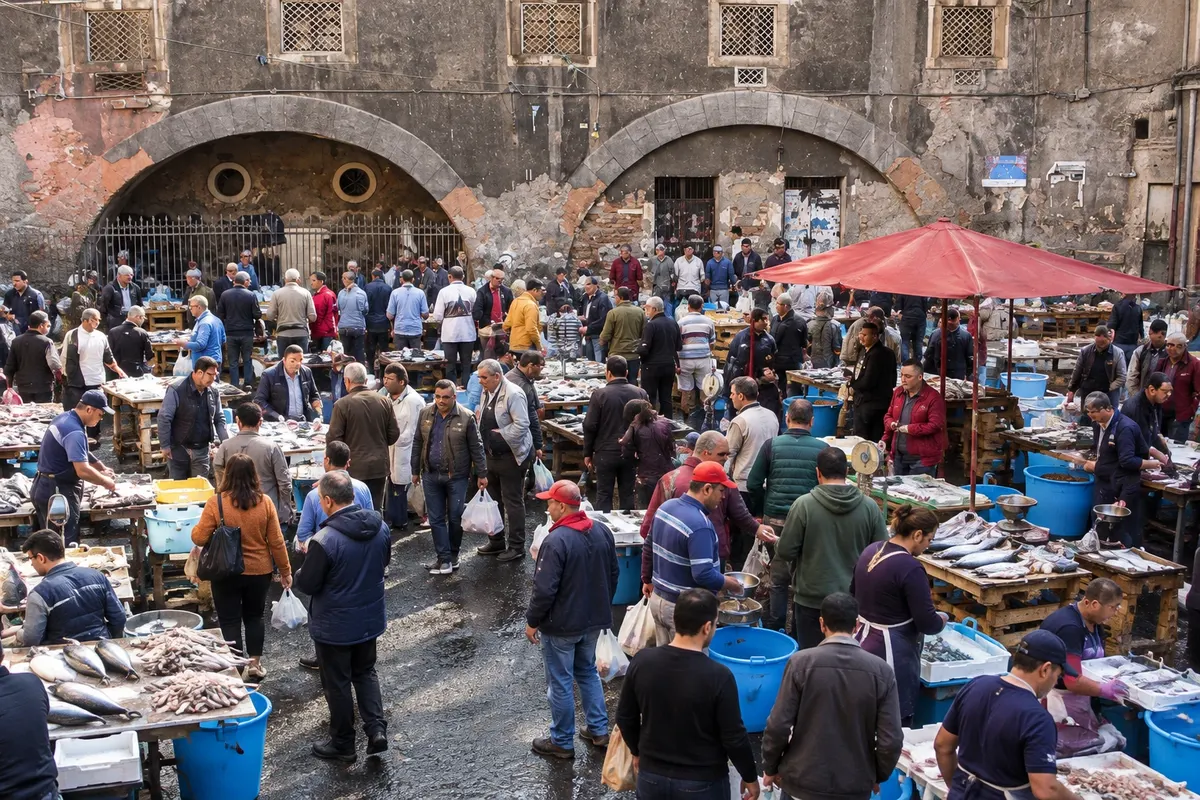
Food is part of the trip: arancina, cannolo, granita with brioche, caponata and fresh fish. The pace is slower than in northern Italy, and many places close in the early afternoon.
This destination brings together 6 cities: Catânia, Palermo, Agrigento, Cefalù, Siracusa, Taormina.


 Brazil
 Argentina
 Chile
Chile Colombia
 Peru
Peru Uruguay
 Germany
 Belgium
 Spain
Spain France
 Greece
 the Netherlands
 Ireland
 Portugal
 the United Kingdom
 Switzerland