Brazil
 Argentina
 Chile
Chile Colombia
 Peru
Peru Uruguay
 Germany
 Belgium
 Spain
Spain Greece
 the Netherlands
 Ireland
 Italy
Italy Luxembourg
 Portugal
 the United Kingdom
 Switzerland
Bridge
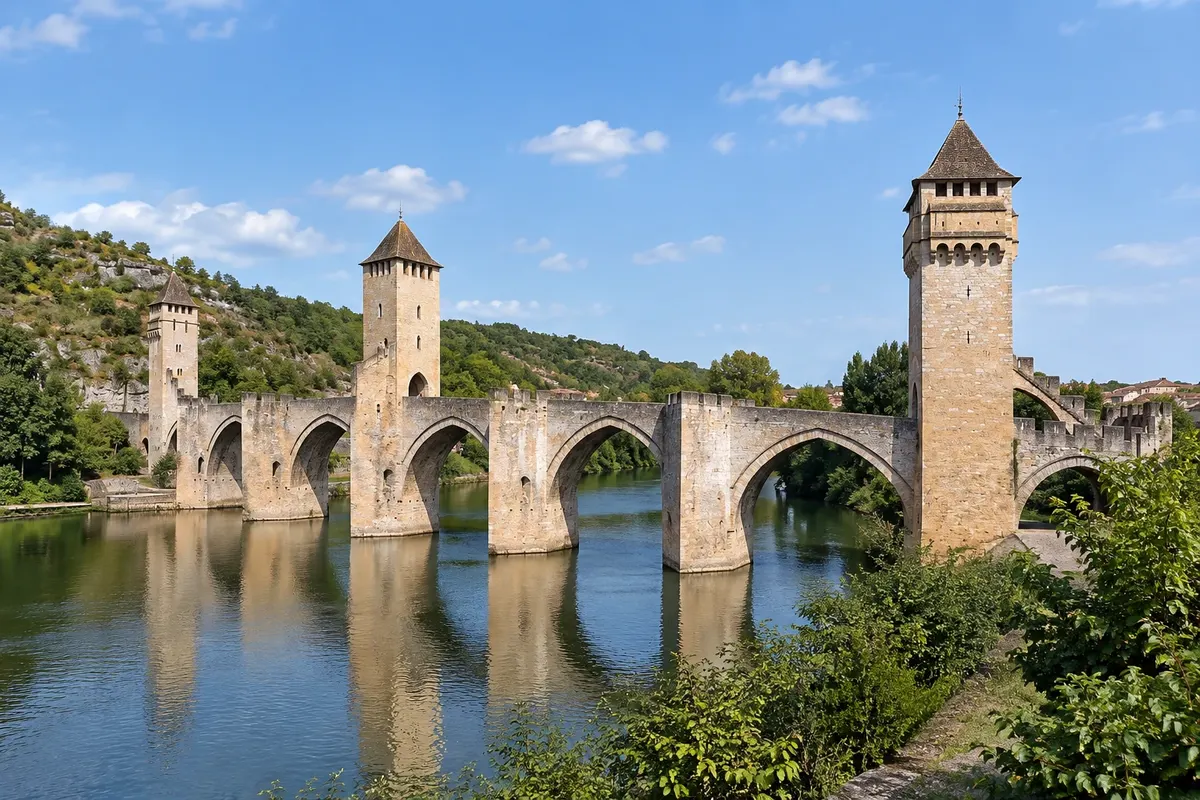
Pont Valentré
The 14th-century fortified bridge over the Lot, with three towers and six Gothic arches, a World Heritage site and the symbol of Cahors. Pedestrian only.
Occitânia · France
In the destination Le Puy, Conques and the Vale do Lot.
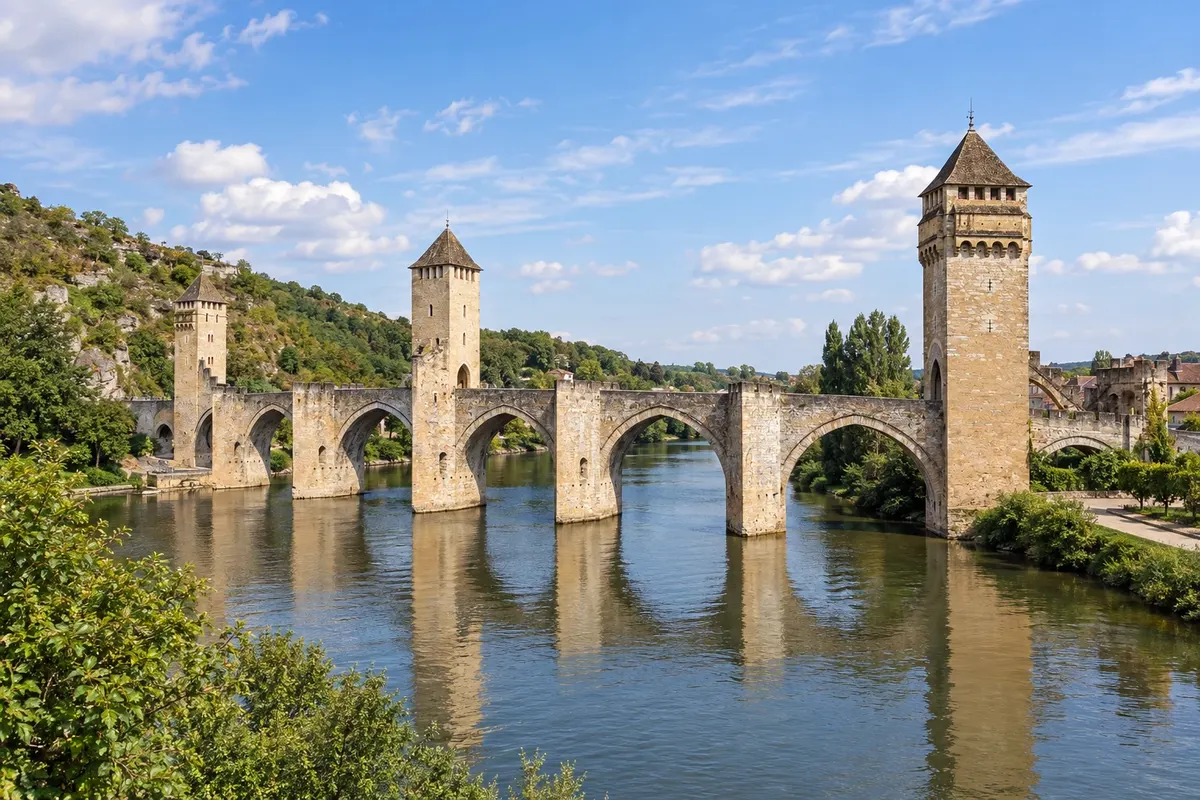
In the photo: Pont Valentré over the Lot river, in Cahors.
Illustrative images. The pictures in this guide are illustrations based on the real place, not photographs, and may differ from it.
The city
Cahors sits on a bend of the Lot, in the Quercy, and is known for the Pont Valentré, the 14th-century fortified bridge and World Heritage site, and for the red wine named after the town, made mainly from malbec. It has the cathedral of Saint-Étienne, with domes and a cloister, a medieval centre with towers and hidden gardens, and the viewpoint of Mont Saint-Cyr. Nearby are the village of Saint-Cirq-Lapopie and the prehistoric cave of Pech Merle.
There's no accommodation in the guide yet in Cahors.
There are no restaurants in the guide yet in Cahors.
Know a good one? Recommend it to ushow to get there · how many days · itinerary · questions
The local experience
The 14th-century fortified bridge over the Lot, with three towers and six Gothic arches, a World Heritage site and the symbol of Cahors. Pedestrian only.
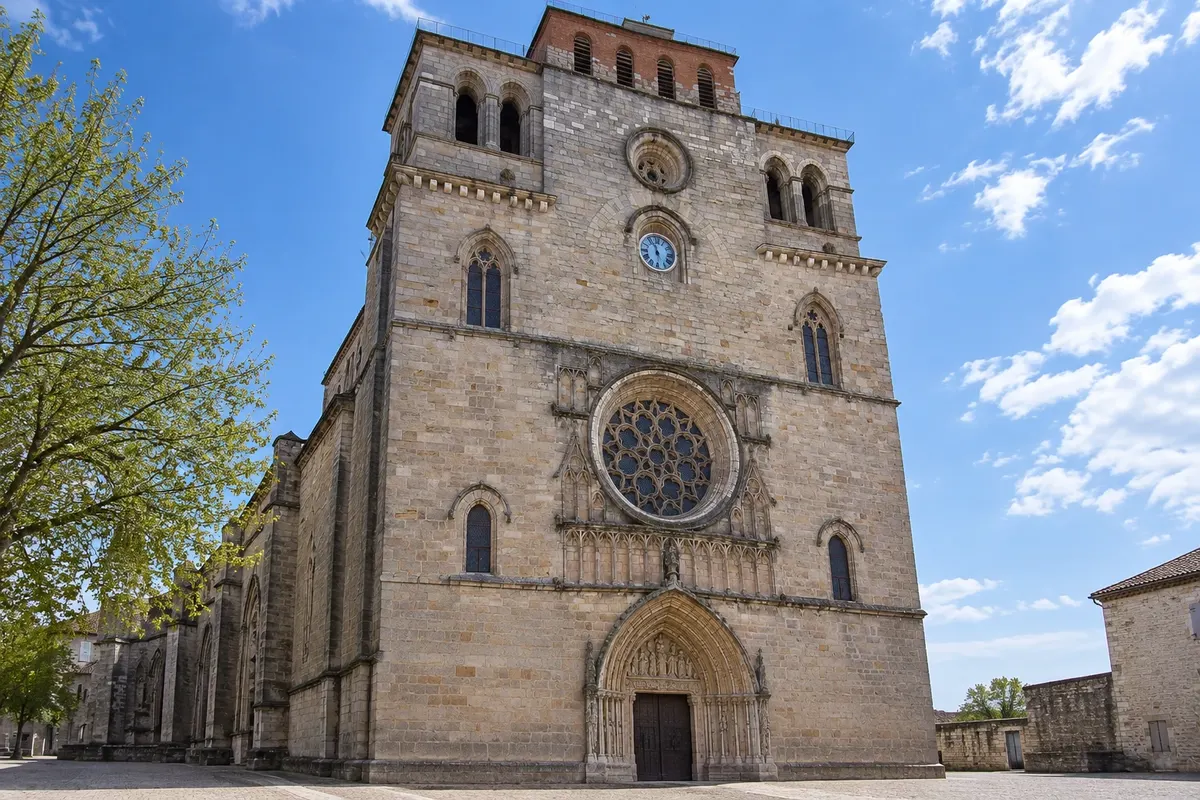
The 12th-century cathedral, one of the largest domed churches in France, with a sculpted Romanesque portal, a Gothic cloister and the relic of the Sainte Coiffe. World Heritage.
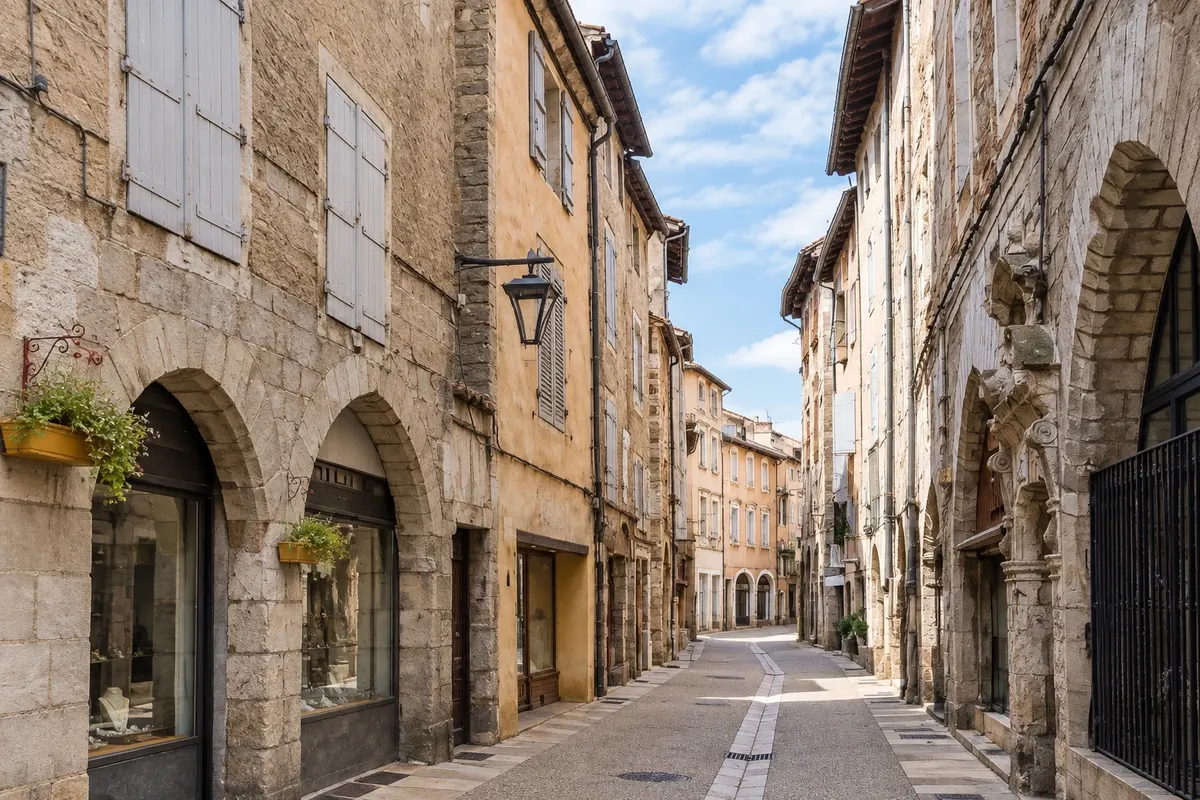
The medieval centre of Cahors, between the cathedral and the north of the town, with the tower of Pope John XXII, the Barbacane, the tower Saint-Jean and the secret gardens.
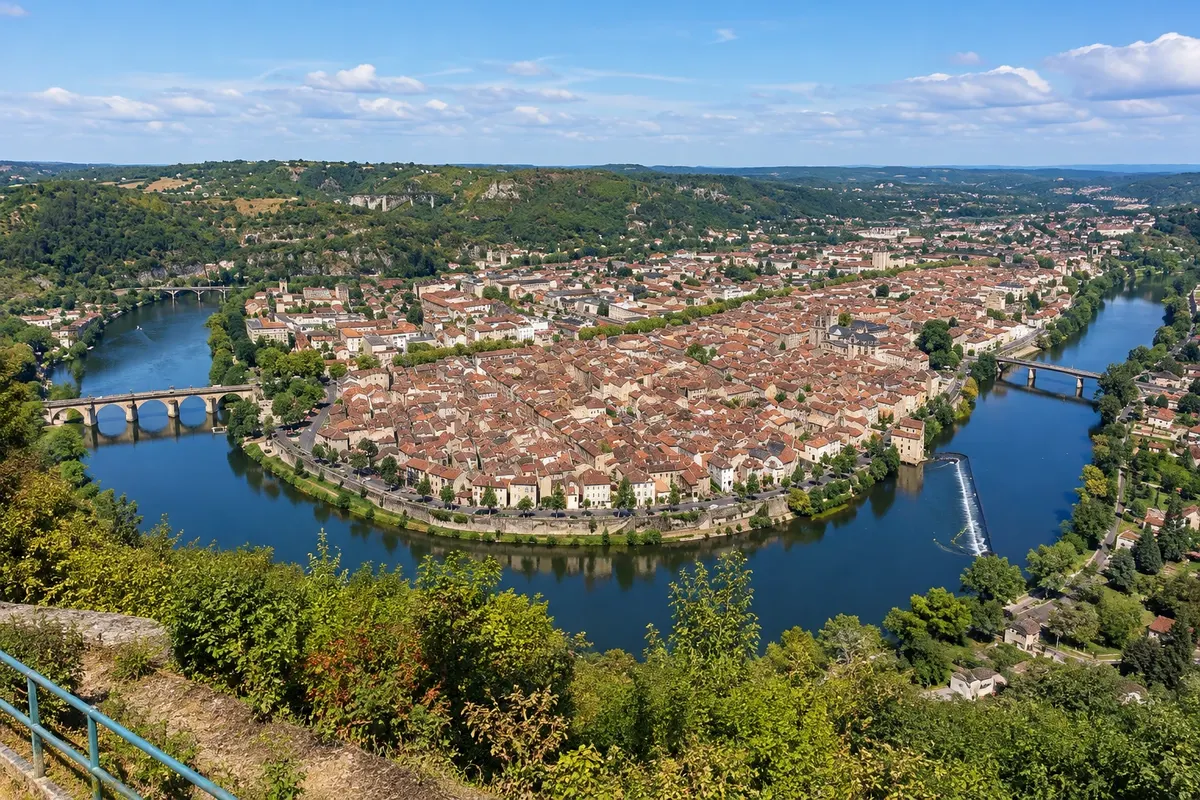
The hill south of the Lot, opposite Cahors, with the viewpoint from which the whole town can be seen inside the bend of the river.
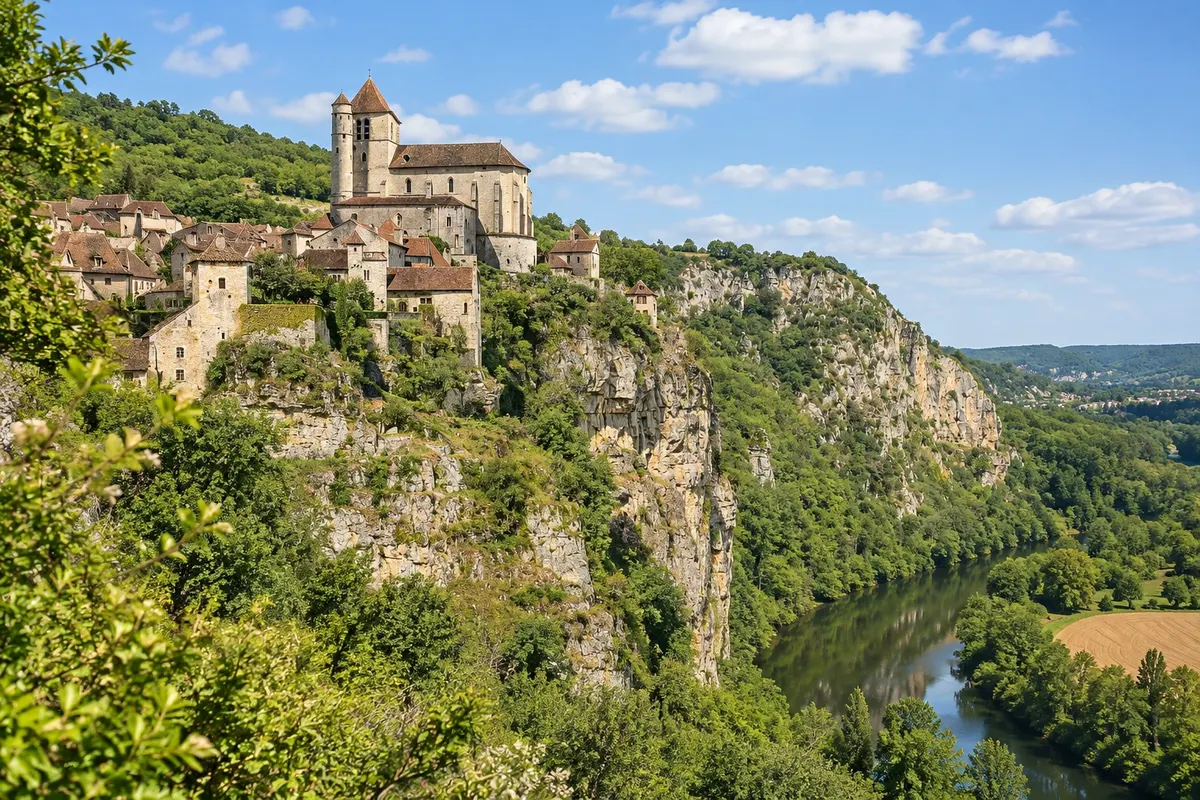
Medieval village on a cliff 100 metres above the Lot, about 30 km from Cahors, ranked among the most beautiful in France. It began to attract artists in the 20th century.
Cave with prehistoric paintings dating to around 25,000 years ago, such as the painted horses and negative hand stencils — one of the few caves in France where the original paintings are open to the public.
Routes in France
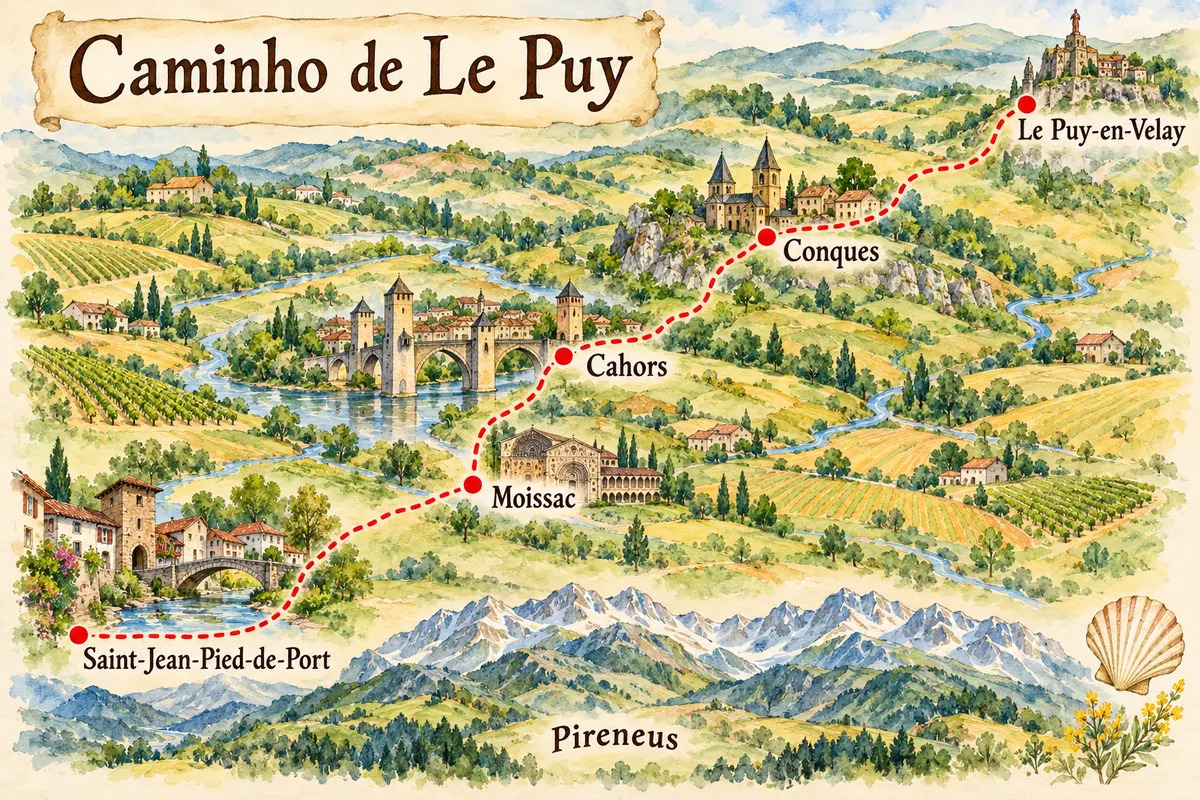
The most traveled Way of St. James in France: from Le Puy-en-Velay to the Pyrenees, on foot, across the Aubrac plateau, via Conques, Cahors and Moissac, to Saint-Jean-Pied-de-Port, where the Camino Francés begins.