Le Puy, Conques and the Vale do Lot

Auvérnia-Ródano-Alpes · Occitânia · France

Le Puy, Conques and the Vale do Lot

From the sanctuary of Le Puy, among volcanic rocks, to the abbey of Conques, the Pont Valentré of Cahors and the cloister of Moissac, along the most visited Camino de Santiago in France.

South

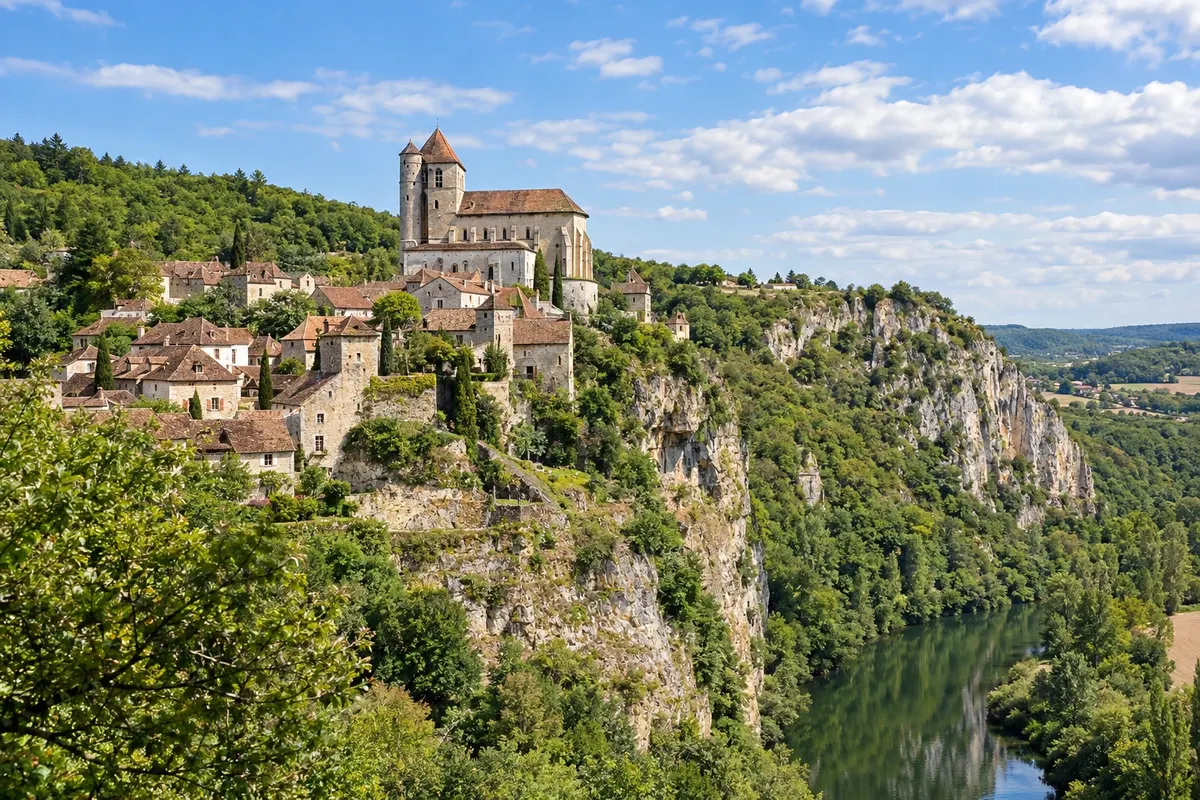
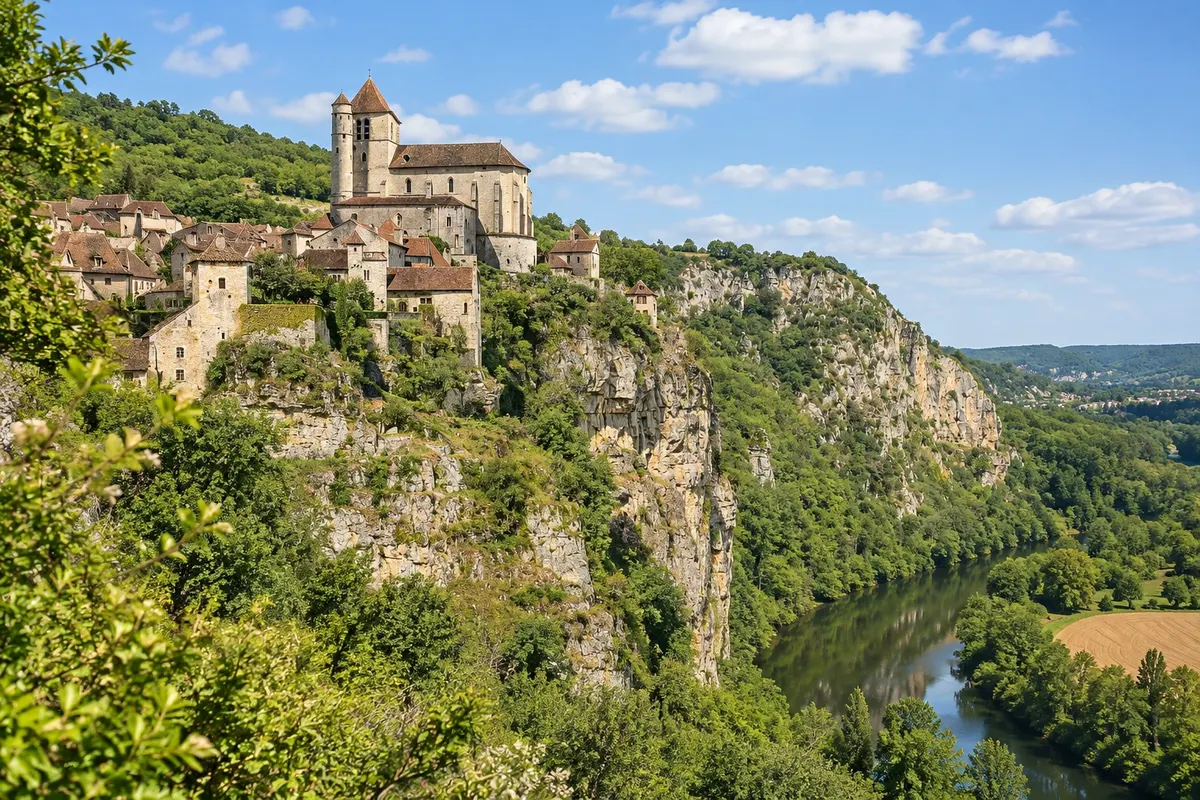
In the photo: Saint-Cirq-Lapopie on the cliff above the Vale do Lot.

Illustrative images. The pictures in this guide are illustrations based on the real place, not photographs, and may differ from it.

Get it on Google Play Send your photos

Get to know the place

A region to enjoy
at your own pace.

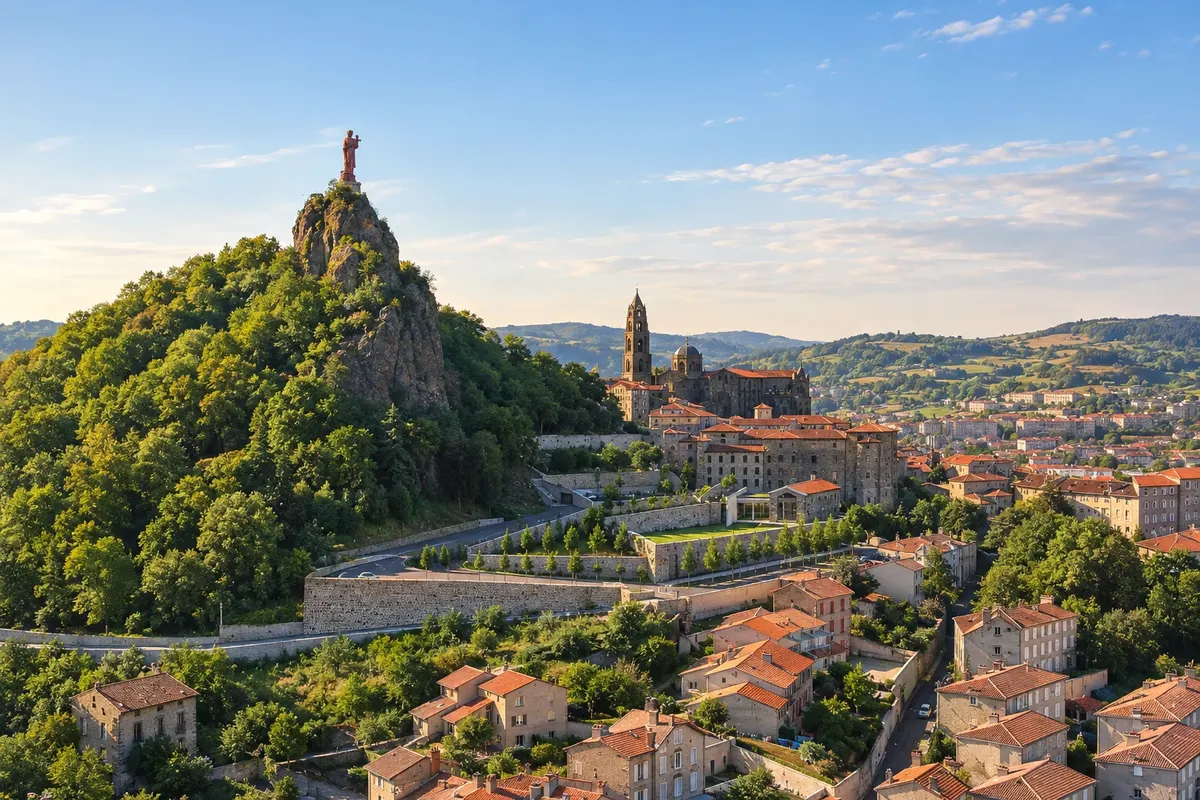
The destination follows the Via Podiensis route, the Le Puy Way, the most walked pilgrimage route to Santiago in France. It starts in Le Puy-en-Velay, in the Massif Central, a town of volcanic rocks with the cathedral of Notre-Dame on the summit, the chapel of Saint-Michel on a rock needle and the statue of Notre-Dame de France on the Corneille rock.

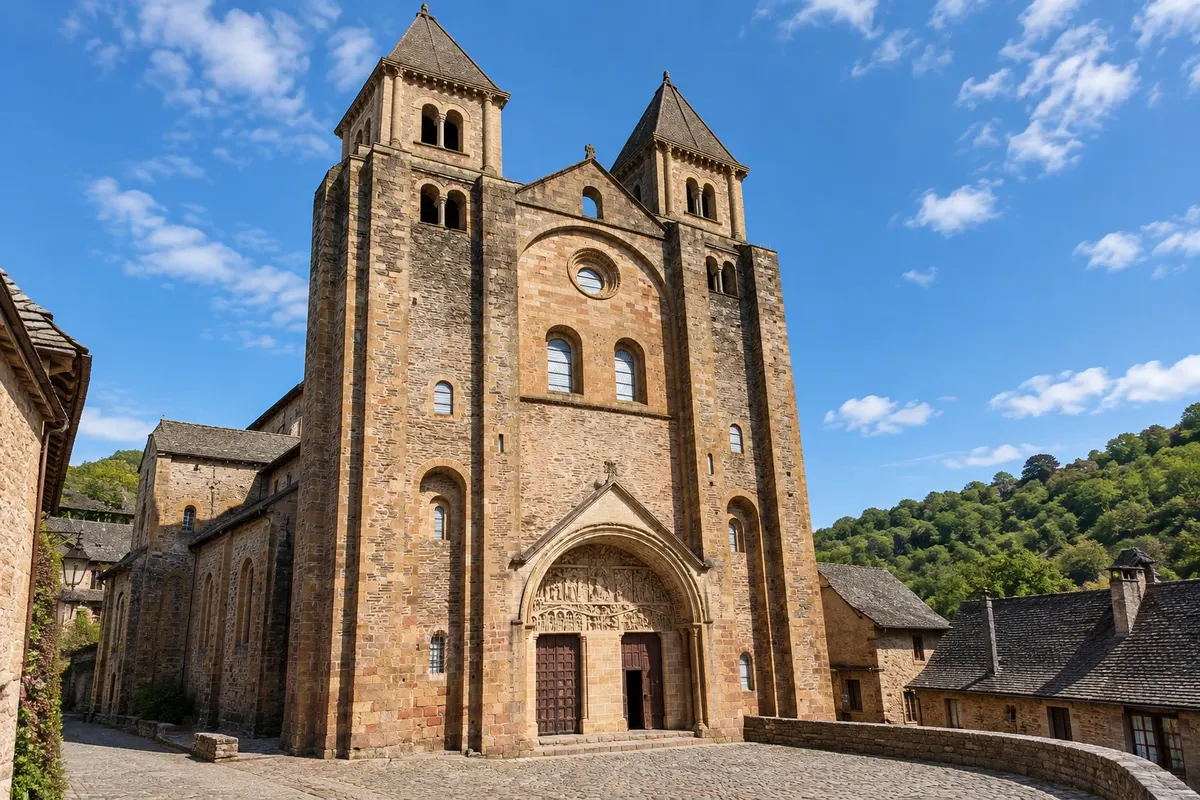
After crossing the Aubrac plateau, the route descends into the Dourdou valley, where Conques sits, a medieval village around the abbey of Sainte-Foy, with the Last Judgment tympanum and the goldsmiths' treasure. Further west, Cahors lies on a bend of the Lot, with the Pont Valentré, the domed cathedral and the vineyards of Cahors wine. Nearby are the village of Saint-Cirq-Lapopie, perched on a cliff above the Lot, and the prehistoric cave of Pech Merle.

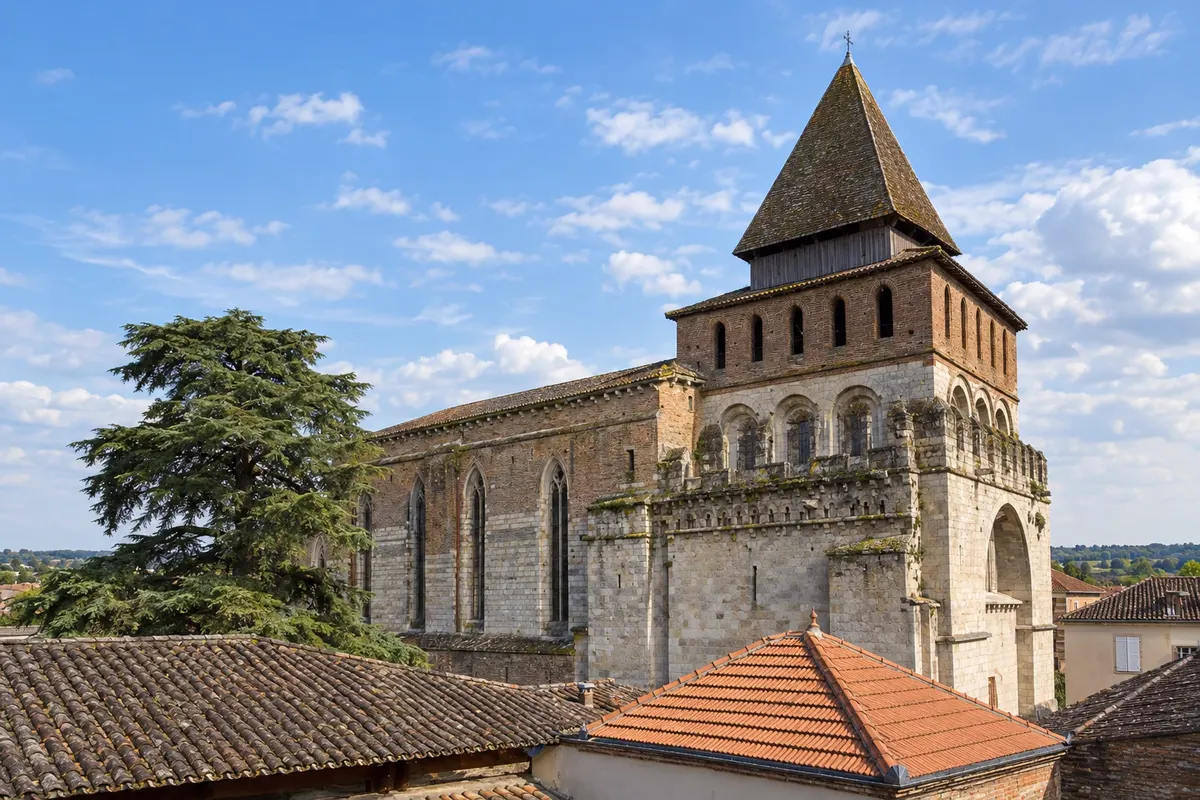
Moissac, on the banks of the Tarn, completes the set with the abbey of Saint-Pierre, the Apocalypse tympanum and a 12th-century cloister. Several of these monuments are part of the UNESCO World Heritage as Santiago routes in France.

Distances between towns are large and public transport is limited between Le Puy and Conques: a car makes things easier.

This destination brings together 4 cities: Le Puy-en-Velay, Conques, Cahors, Moissac.

Share: WhatsApp
Traveler, share your experiences through photos Up to 5 photos of each place you visited.

One destination, many paths

The cities on this trip

Start with one city or combine several in your itinerary.

Where Le Puy, Conques and the Vale do Lot is
Le Puy-en-VelayConquesCahorsMoissac

Contornos: © IGN, ADMIN EXPRESS, Licence Ouverte 2.0. Adaptação do Cidade Turismo.

How to get there: Le Puy, Conques and the Vale do Lot

✈ Aéroport du Puy-en-Velay - Loudes (LPY), in Chaspuzac · 12 km to Le Puy-en-Velay

✈ Aéroport Lyon-Saint-Exupéry (LYS), in Colombier-Saugnieu · 160 km to Le Puy-en-Velay

Check before booking. Le Puy is reachable by train from Lyon, changing at Saint-Étienne. Cahors and Moissac are on lines departing from Toulouse. For Conques, driving or taking a bus from Rodez is most practical.

Suggested arrival point: Le Puy-en-Velay

Le Puy-en-Velay
Auvérnia-Ródano-Alpes · Le Puy, Conques and the Vale do Lot Suggested arrival point

Le Puy-en-Velay

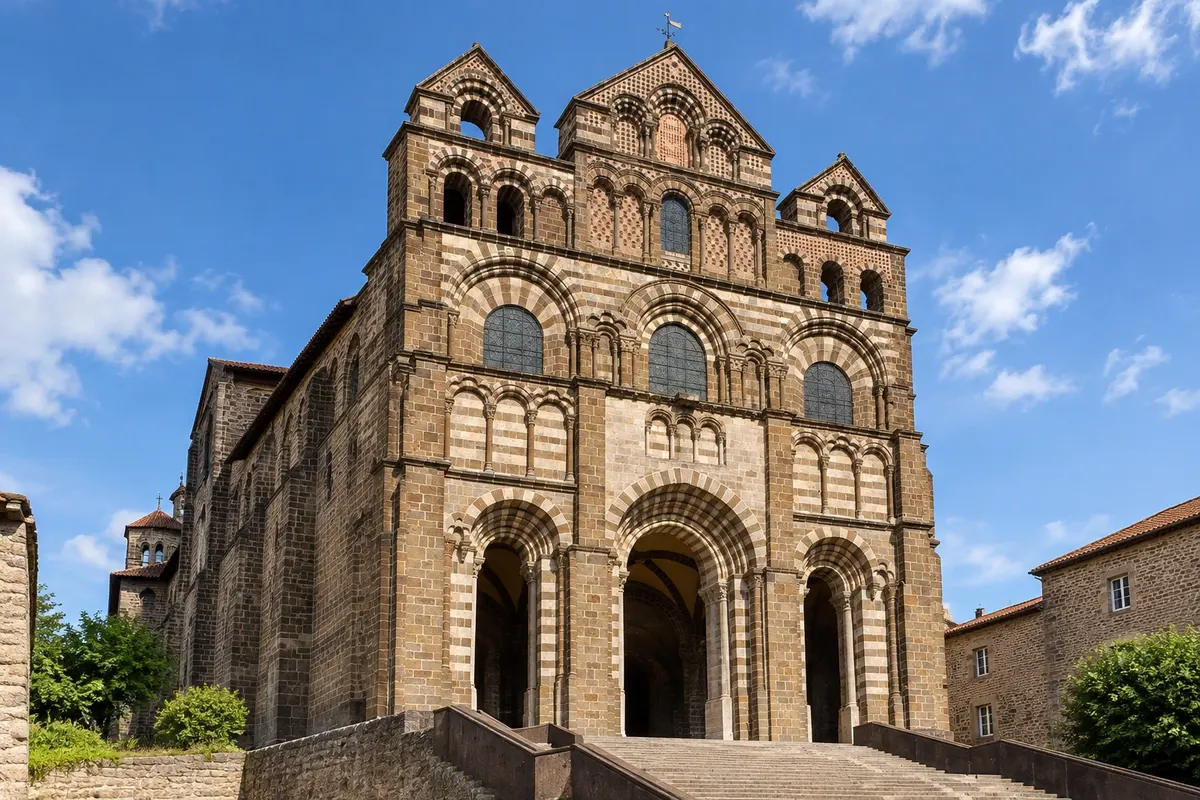
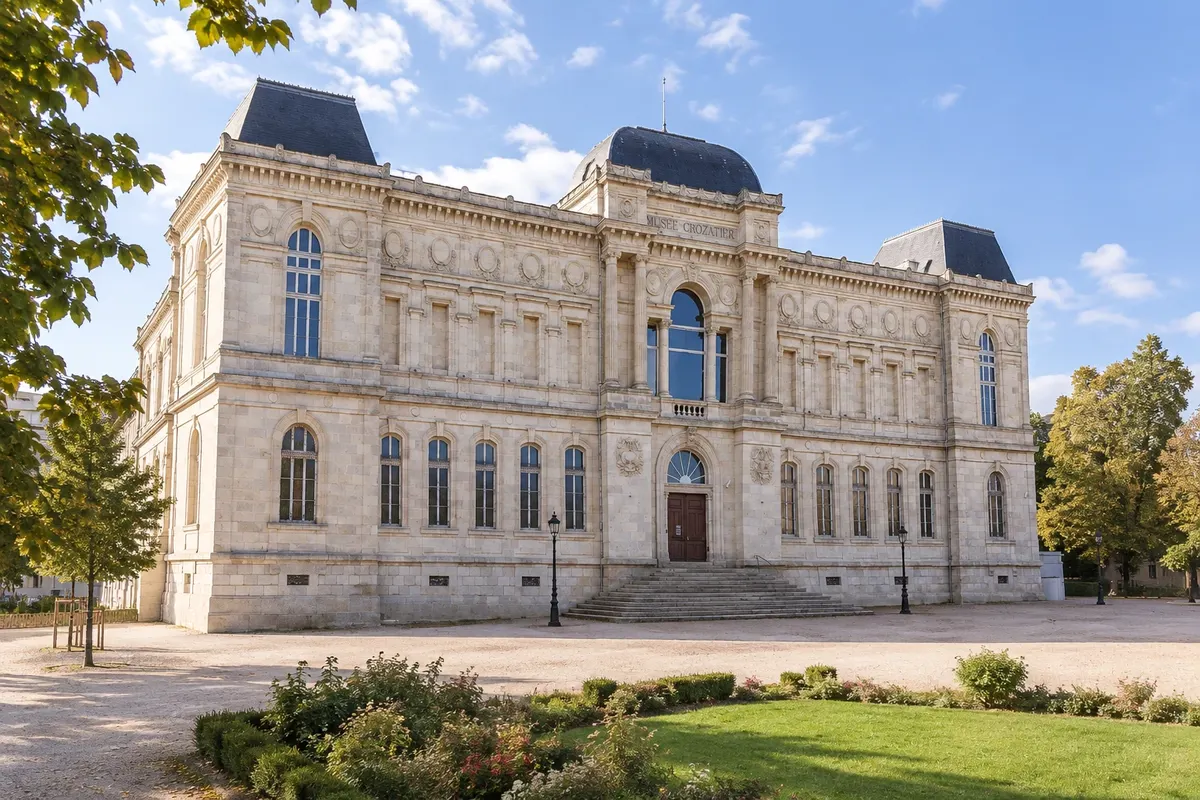
Le Puy-en-Velay is the town of volcanic rock pinnacles in the French Massif Central, and the starting point of the Le Puy route to Santiago. The cathedral of Notre-Dame, a World Heritage site, rises via a staircase atop the old town; beside it, the Corneille rock has the statue of Notre-Dame de France at its summit, and the chapel of Saint-Michel perches on the needle of Aiguilhe. It is also land of bobbin lace, green lentils and the Musée Crozatier.
Cahors
Occitânia · Le Puy, Conques and the Vale do Lot

Cahors

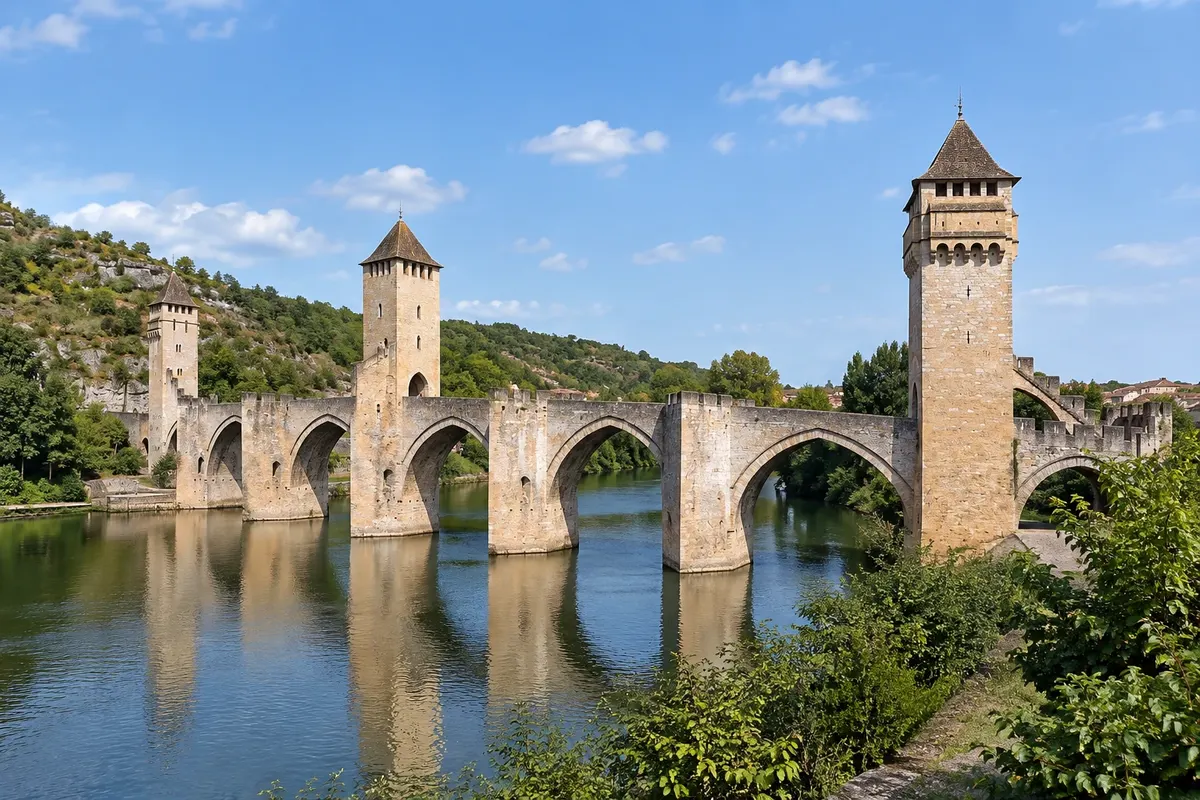
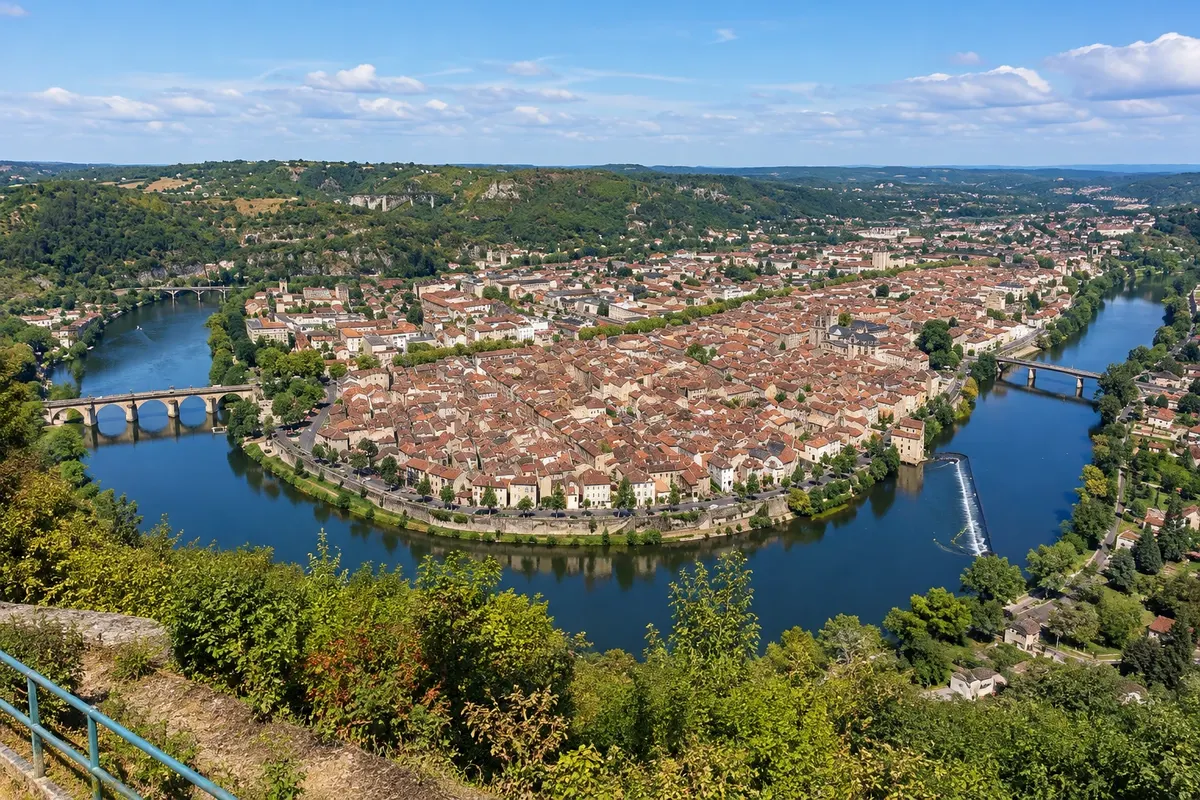
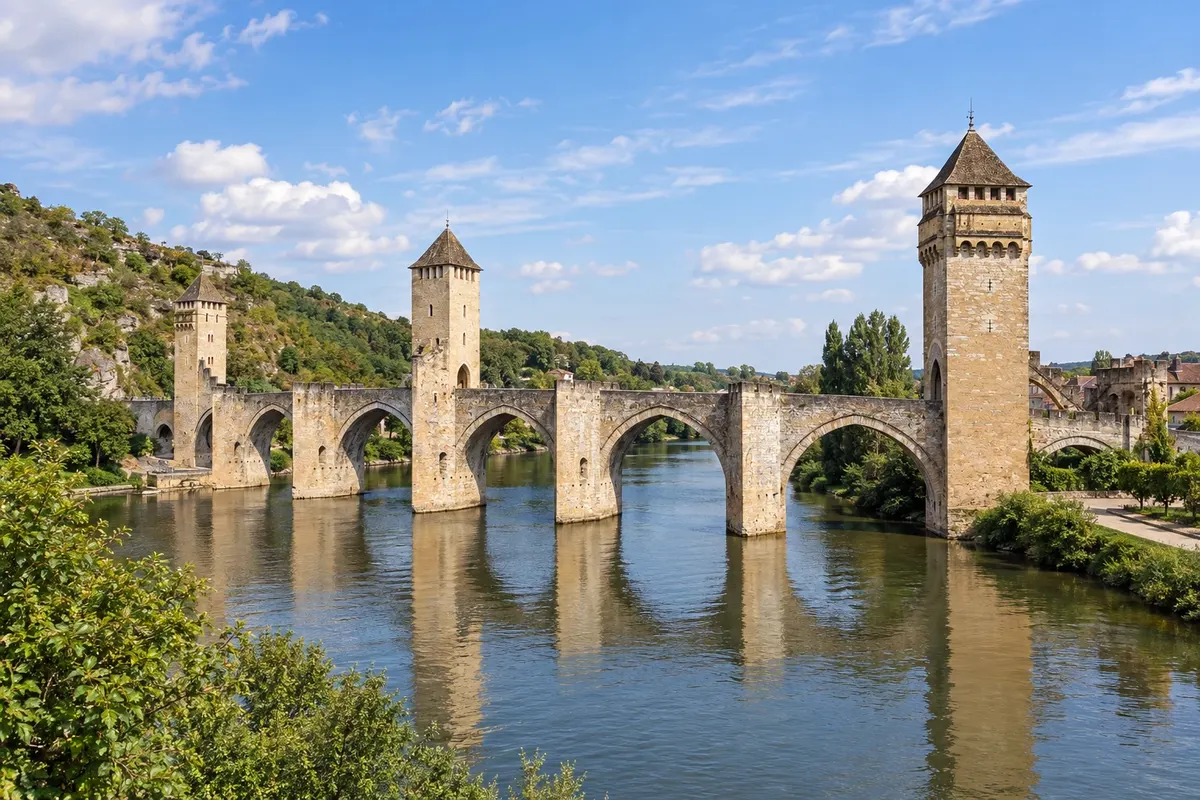
Cahors sits on a bend of the Lot, in the Quercy, and is known for the Pont Valentré, the 14th-century fortified bridge and World Heritage site, and for the red wine named after the town, made mainly from malbec. It has the cathedral of Saint-Étienne, with domes and a cloister, a medieval centre with towers and hidden gardens, and the viewpoint of Mont Saint-Cyr. Nearby are the village of Saint-Cirq-Lapopie and the prehistoric cave of Pech Merle.

The local experience

Things to do in Le Puy, Conques and the Vale do Lot

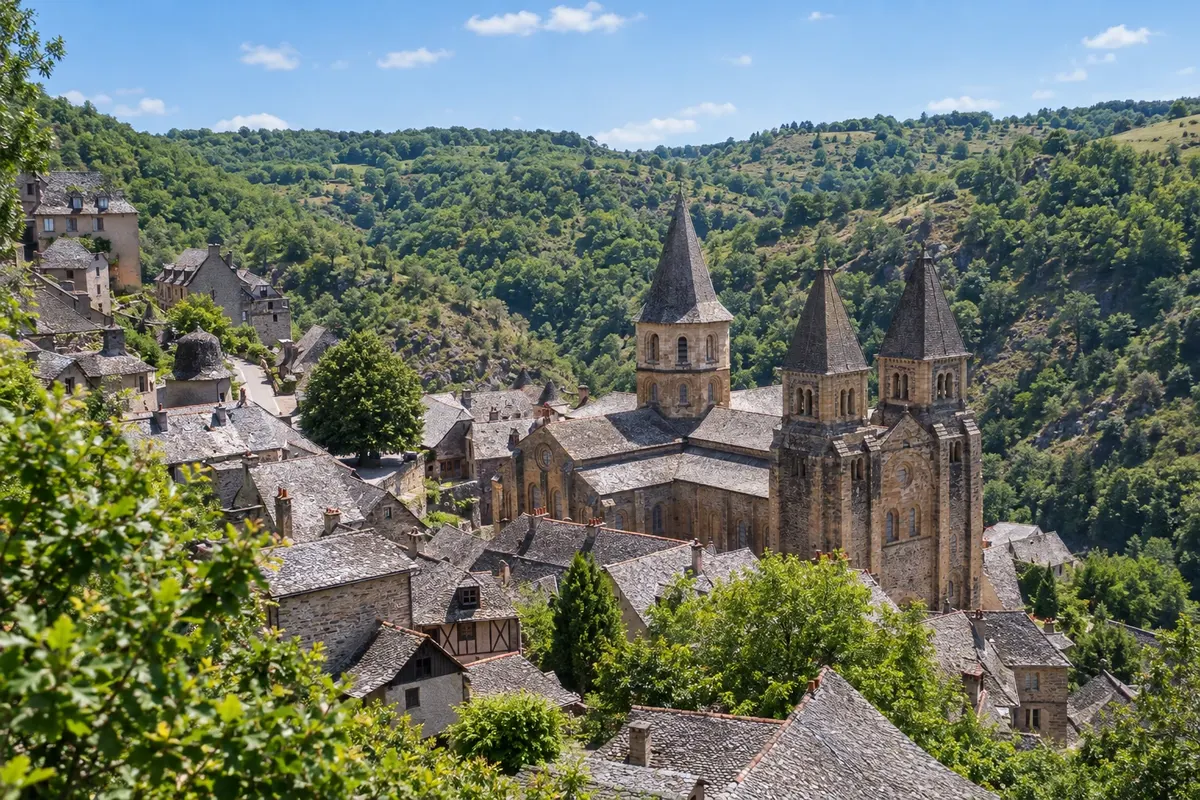
Abbatiale Sainte-Foy de Conques
Conques · Occitânia · Church

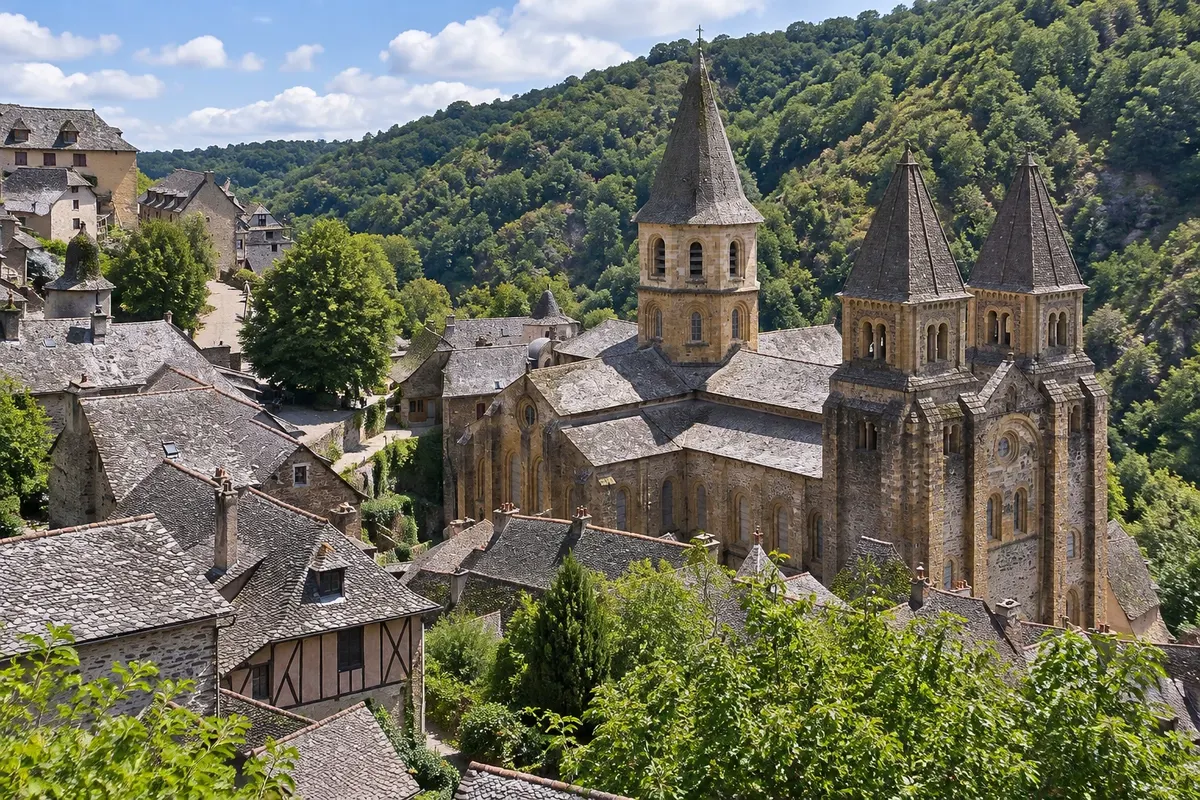
Abbatiale Sainte-Foy de Conques

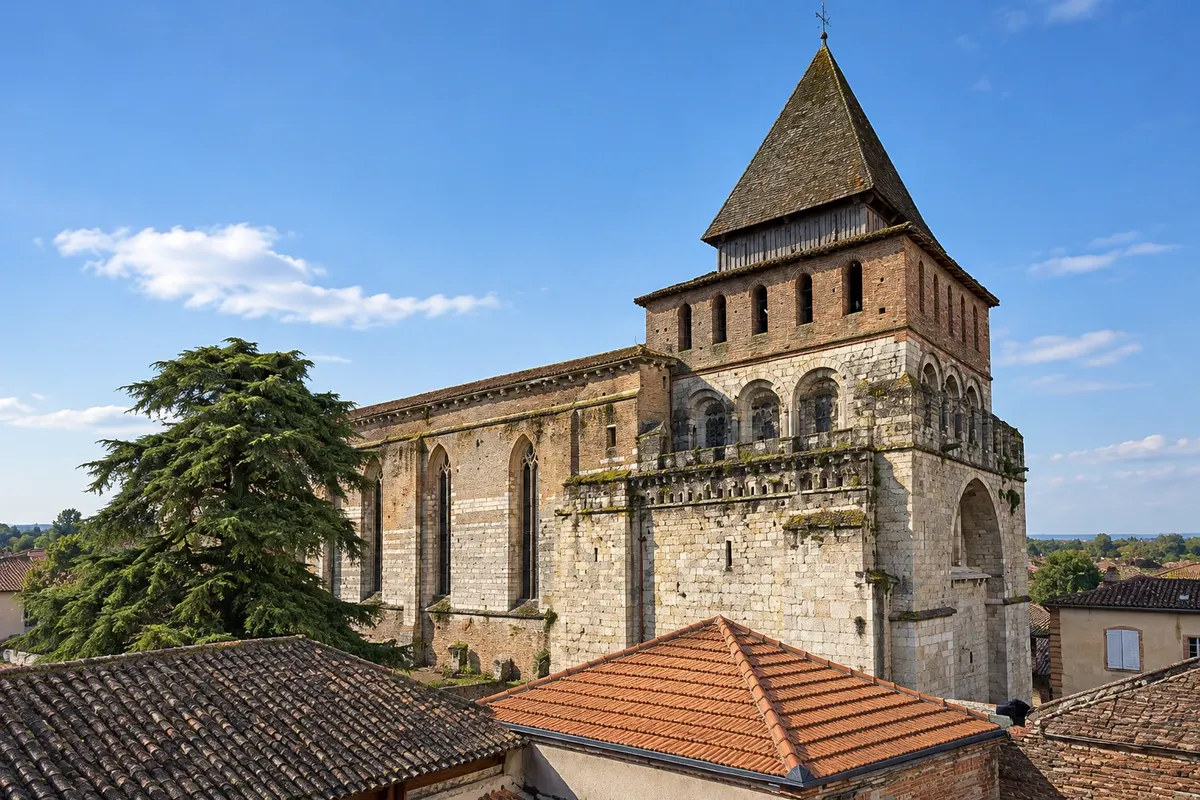
The Romanesque abbey church built from 1041, a model for the great pilgrimage churches of the Caminho de Santiago, with the tympanum of the Last Judgment and stained-glass windows by Pierre Soulages.

Abbaye Saint-Pierre de Moissac
Moissac · Occitânia · Church

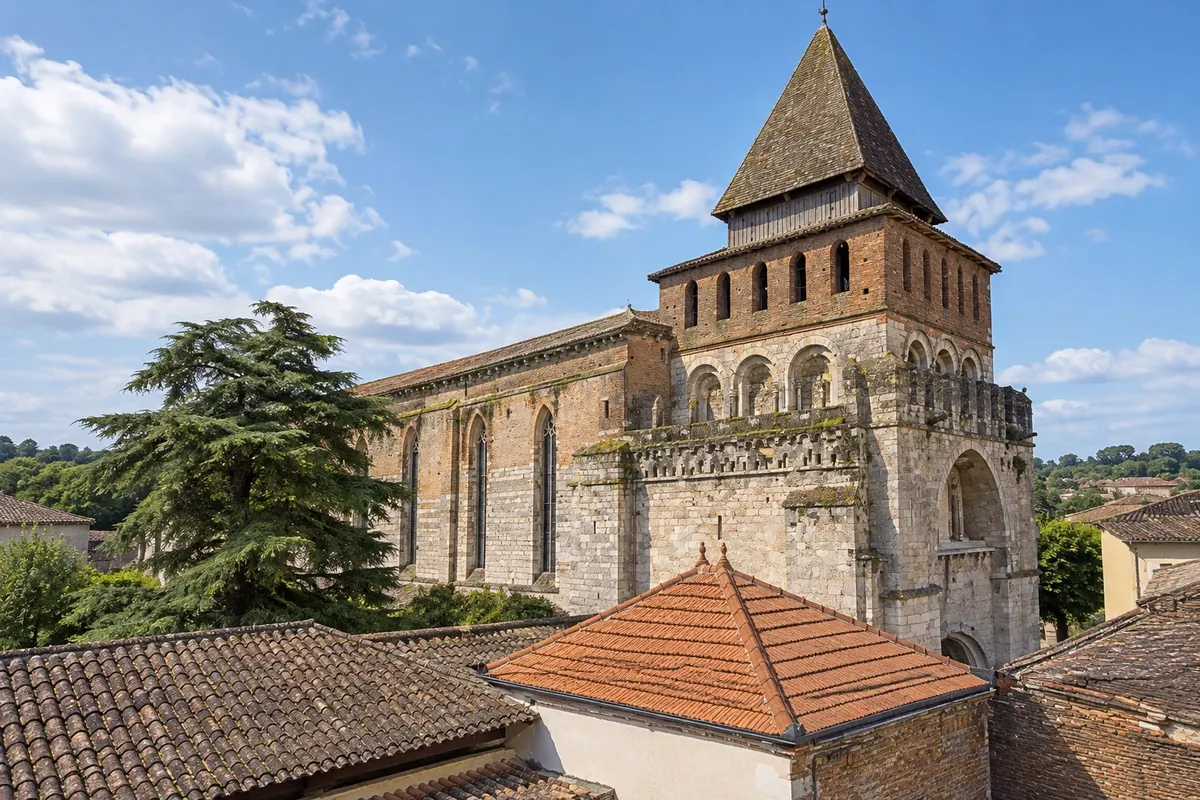
Abbaye Saint-Pierre de Moissac

The former Benedictine abbey of Moissac, a World Heritage site, with the church of Saint-Pierre and the tympanum of the south portal, from the 12th century, depicting the vision of the Apocalypse.

Cathédrale Notre-Dame du Puy
Le Puy-en-Velay · Auvérnia-Ródano-Alpes · Church

Cathédrale Notre-Dame du Puy

The Romanesque cathedral atop the old town, a World Heritage site as part of the Routes of Santiago in France, with the Black Madonna, the fever stone and a cloister of polychrome arches.

Pont Valentré
Cahors · Occitânia · Bridge

Pont Valentré

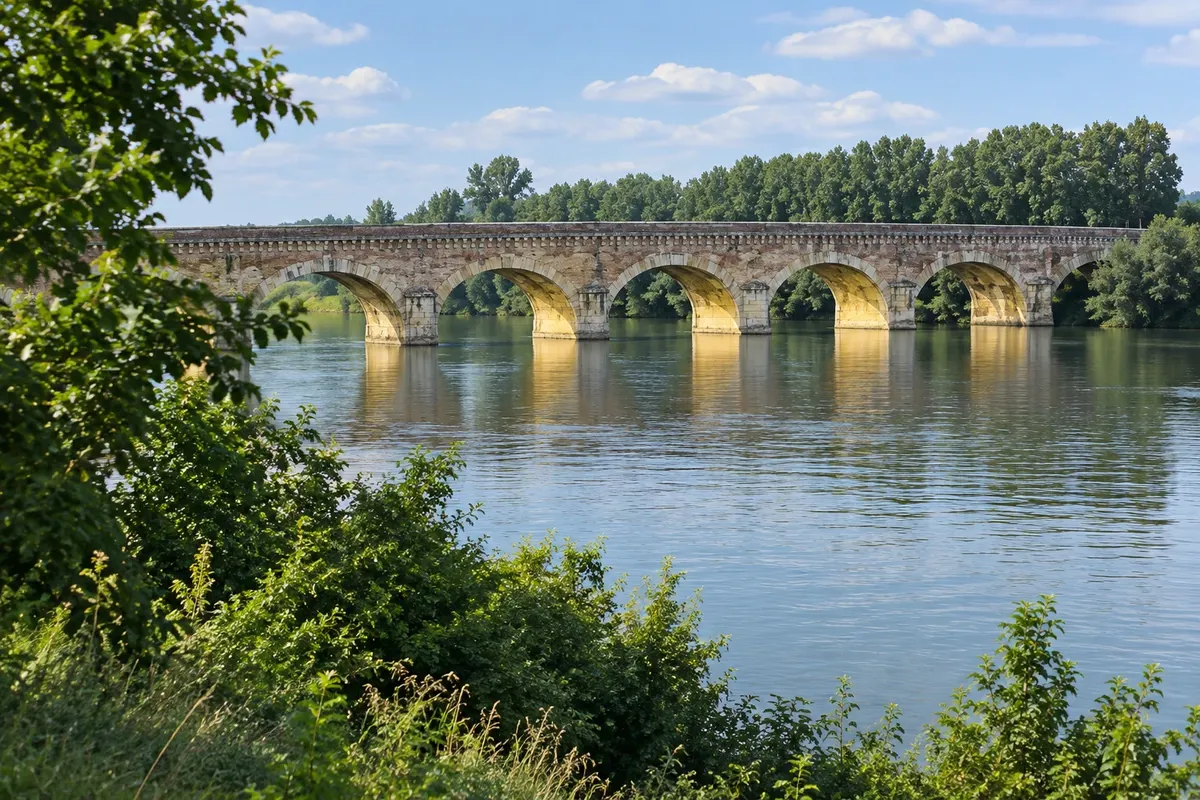
The 14th-century fortified bridge over the Lot, with three towers and six Gothic arches, a World Heritage site and the symbol of Cahors. Pedestrian only.

See 14 more places in Le Puy, Conques and the Vale do Lot
Cathédrale Saint-Étienne de Cahors
Cahors · Occitânia · Church

Cathédrale Saint-Étienne de Cahors

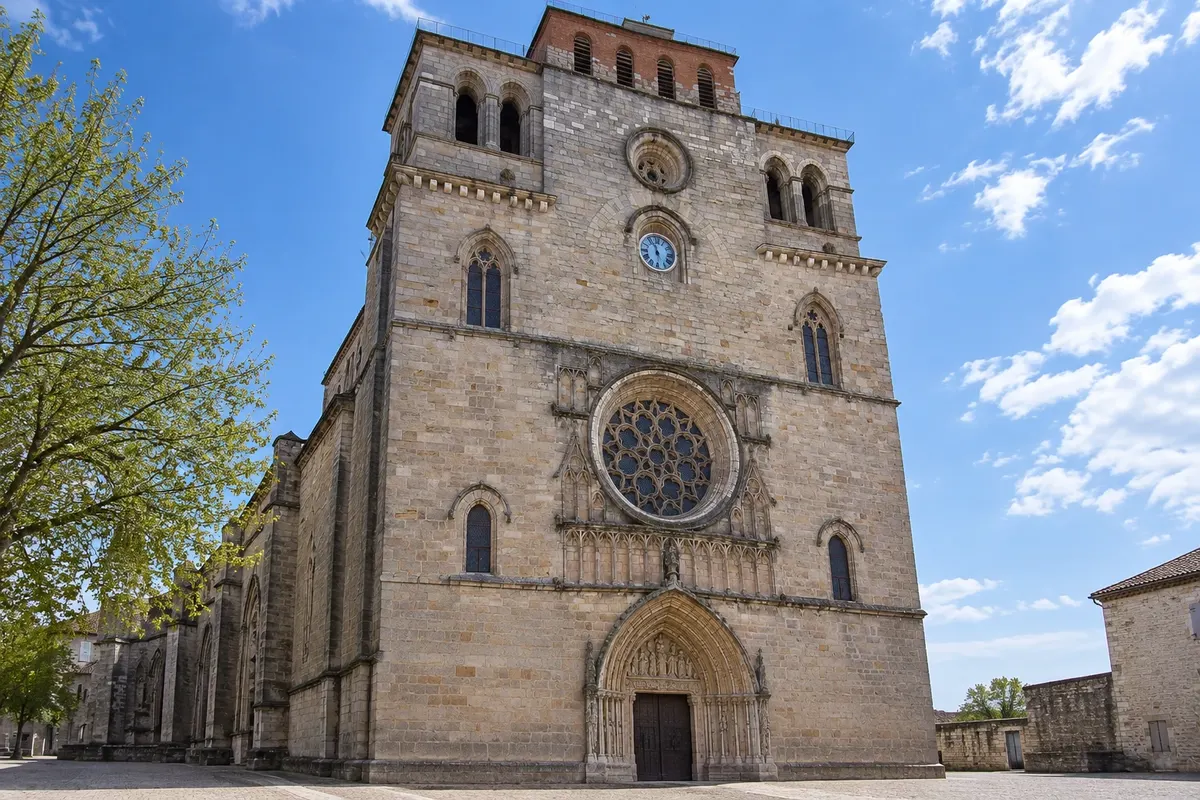
The 12th-century cathedral, one of the largest domed churches in France, with a sculpted Romanesque portal, a Gothic cloister and the relic of the Sainte Coiffe. World Heritage.

Cloître de Moissac
Moissac · Occitânia · Cloister

Cloître de Moissac

The Romanesque cloister dated to 1100, one of the oldest in Europe, with 76 carved capitals, 46 of them with scenes from the Bible and the lives of the saints.

Rocher Saint-Michel d'Aiguilhe
Le Puy-en-Velay · Auvérnia-Ródano-Alpes · Church

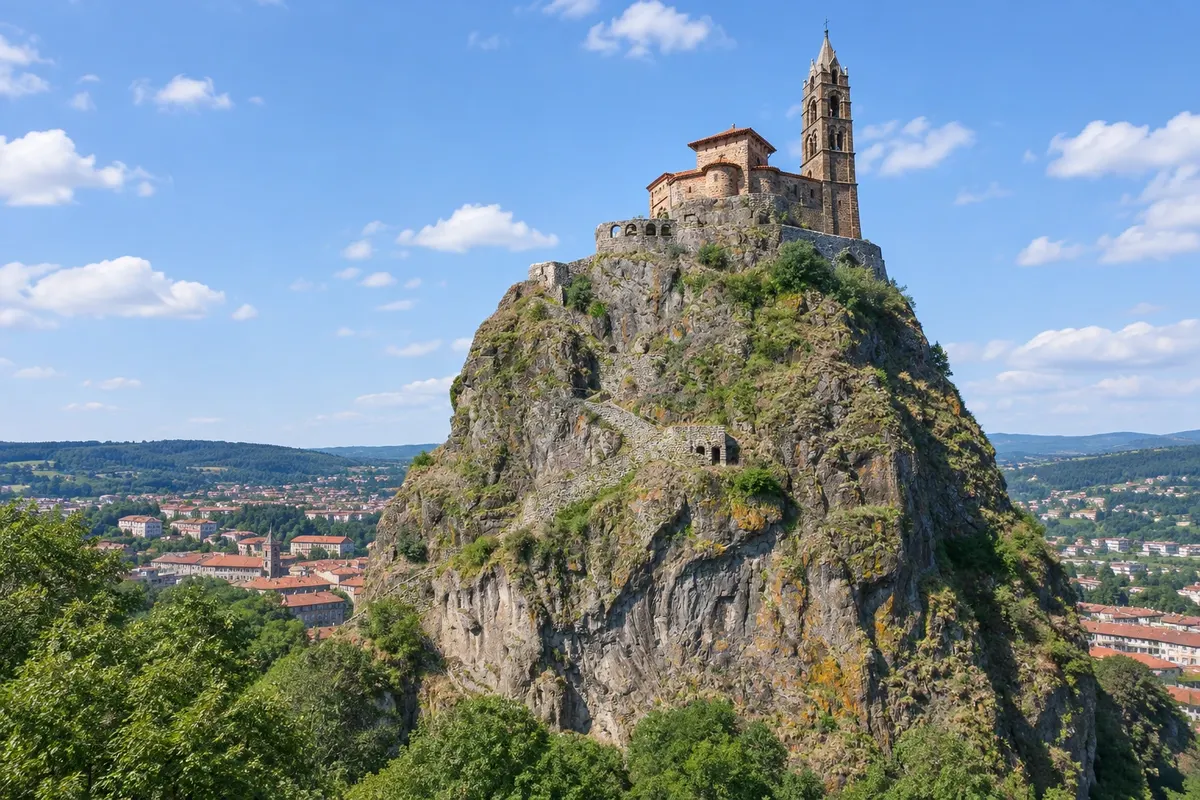
Rocher Saint-Michel d'Aiguilhe

The chapel of Saint-Michel, from the 10th century, atop an 82-meter volcanic rock needle, reached by a stairway of 268 steps.

Trésor de Conques
Conques · Occitânia · Museum

Trésor de Conques

The abbey's goldsmithing treasury, with pieces from the 9th to the 16th centuries, including the statue-reliquary of Sainte Foy, covered in gold and gemstones.

Pont romain de Conques
Conques · Occitânia · Bridge

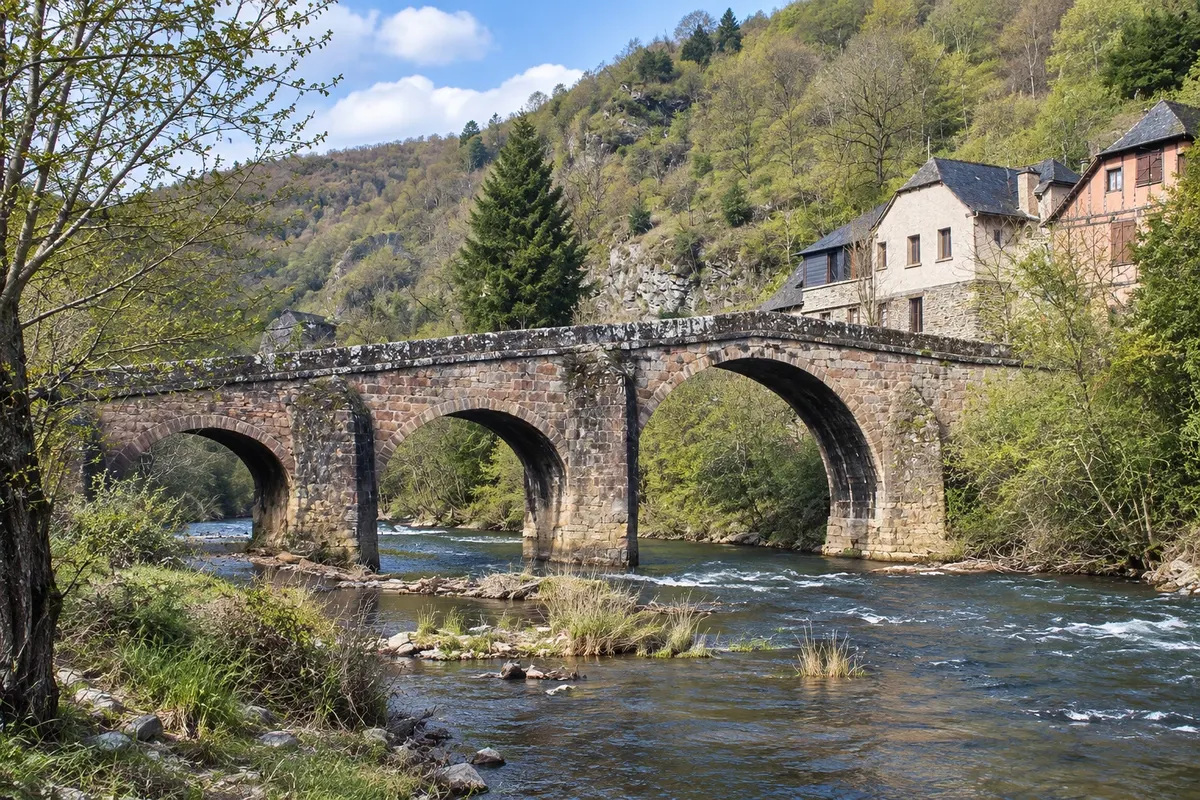
Pont romain de Conques

The medieval bridge over the Dourdou river, at the exit of the village, through which pilgrims of the Caminho de Le Puy pass. It is part of the World Heritage.

Pont-canal du Cacor
Moissac · Occitânia · Canal

Pont-canal du Cacor

The bridge that carries the Canal Lateral à Garonne over the river Tarn, at the exit of Moissac, with a waterside path for pedestrians and cyclists.

Quartier médiéval de Cahors
Cahors · Occitânia · Historic centre

Quartier médiéval de Cahors

The medieval centre of Cahors, between the cathedral and the north of the town, with the tower of Pope John XXII, the Barbacane, the tower Saint-Jean and the secret gardens.

Rocher Corneille et Notre-Dame de France
Le Puy-en-Velay · Auvérnia-Ródano-Alpes · Viewpoint

Rocher Corneille et Notre-Dame de France

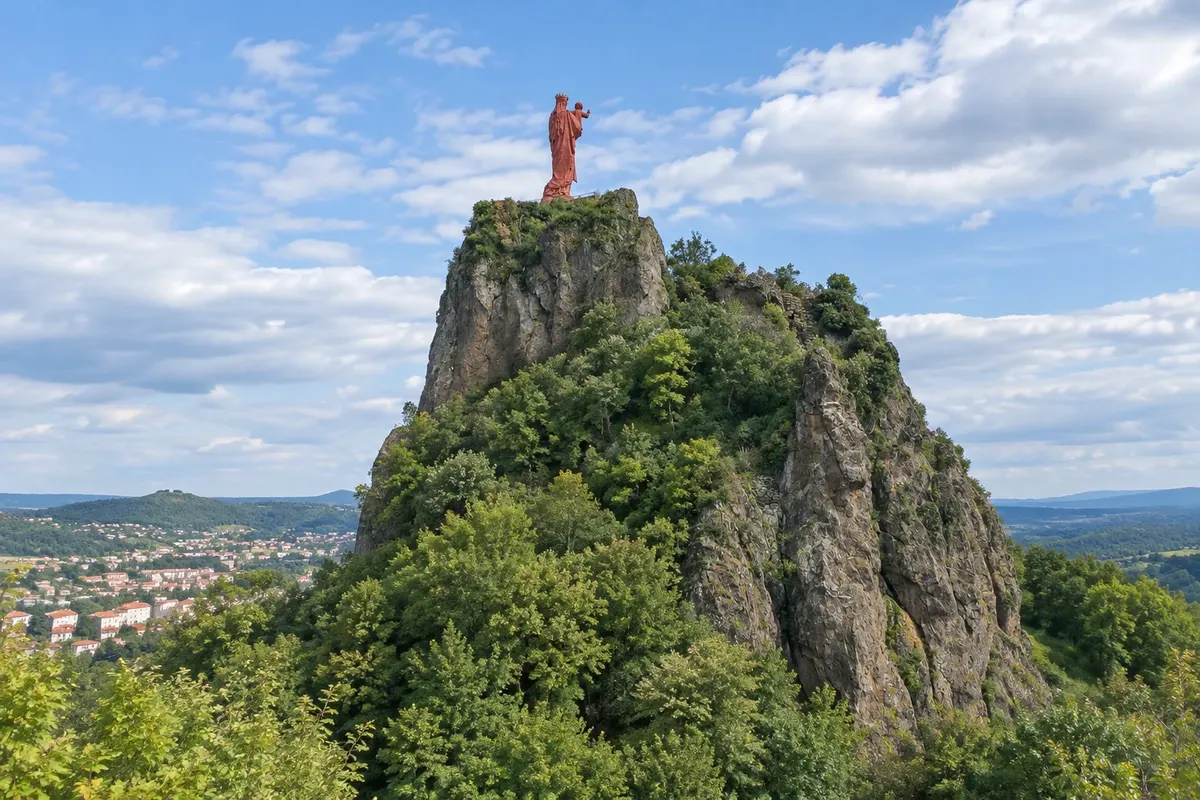
The volcanic rock behind the cathedral, about 750 metres above sea level, with the statue of Notre-Dame de France on top, made in the 19th century from the metal of cannons from Sebastopol.

Mont Saint-Cyr
Cahors · Occitânia · Viewpoint

Mont Saint-Cyr

The hill south of the Lot, opposite Cahors, with the viewpoint from which the whole town can be seen inside the bend of the river.

Musée Crozatier
Le Puy-en-Velay · Auvérnia-Ródano-Alpes · Museum

Musée Crozatier

Encyclopaedic museum founded in 1820, in the Jardin Henri-Vinay, with fine arts, archaeology, natural history, technical objects and a collection of Puy lace. It reopened after a lengthy renovation.

Centre historique du Puy
Le Puy-en-Velay · Auvérnia-Ródano-Alpes · Historic centre

Centre historique du Puy

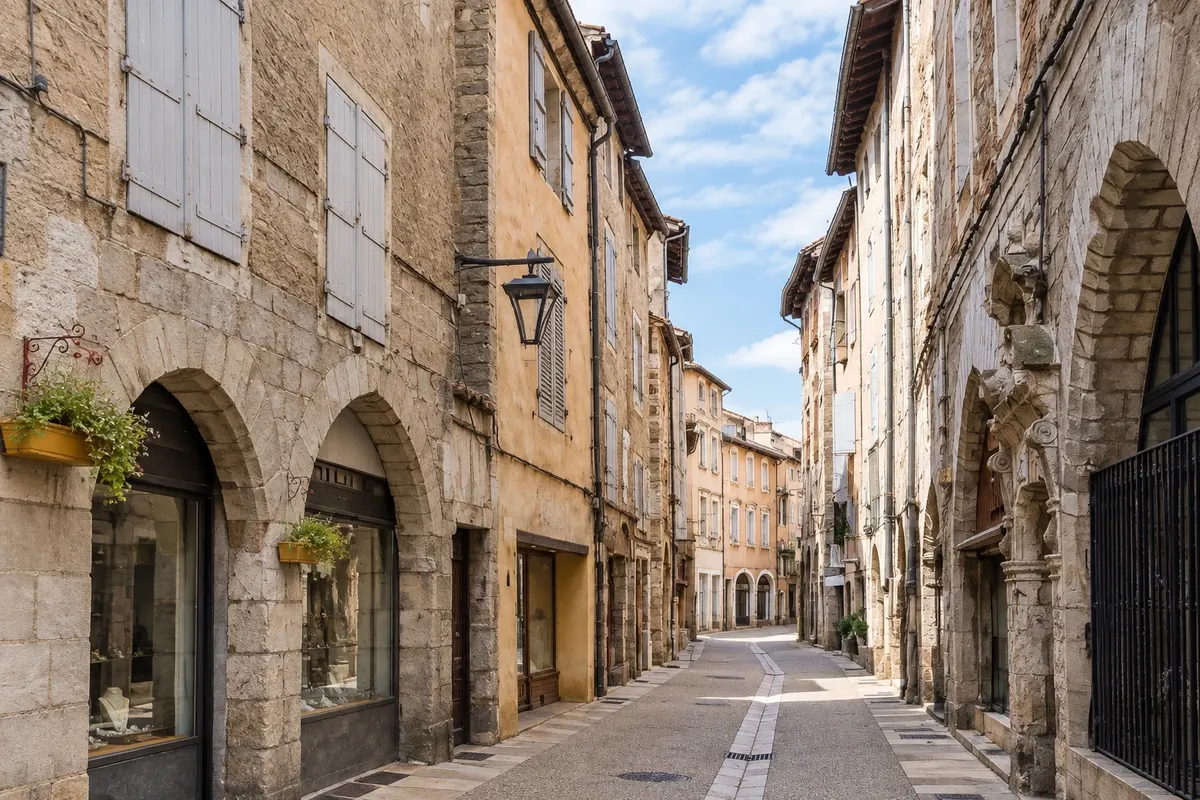
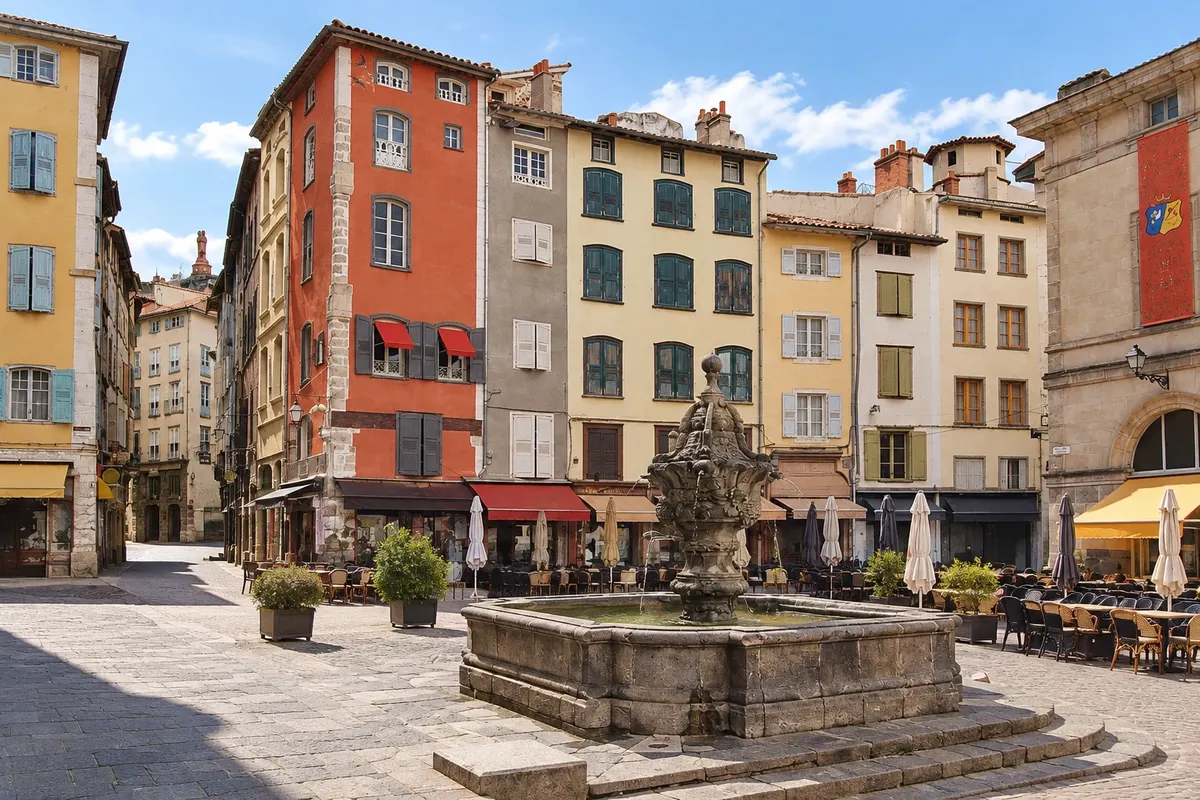
The stone streets that climb from the place du Plot up to the cathedral via the rue des Tables, with old houses, workshops and bobbin-lace shops, and the Saturday market.

Saint-Cirq-Lapopie
Cahors · Occitânia · Village

Saint-Cirq-Lapopie

Medieval village on a cliff 100 metres above the Lot, about 30 km from Cahors, ranked among the most beautiful in France. It began to attract artists in the 20th century.

Forteresse de Polignac
Le Puy-en-Velay · Auvérnia-Ródano-Alpes · Castle

Forteresse de Polignac

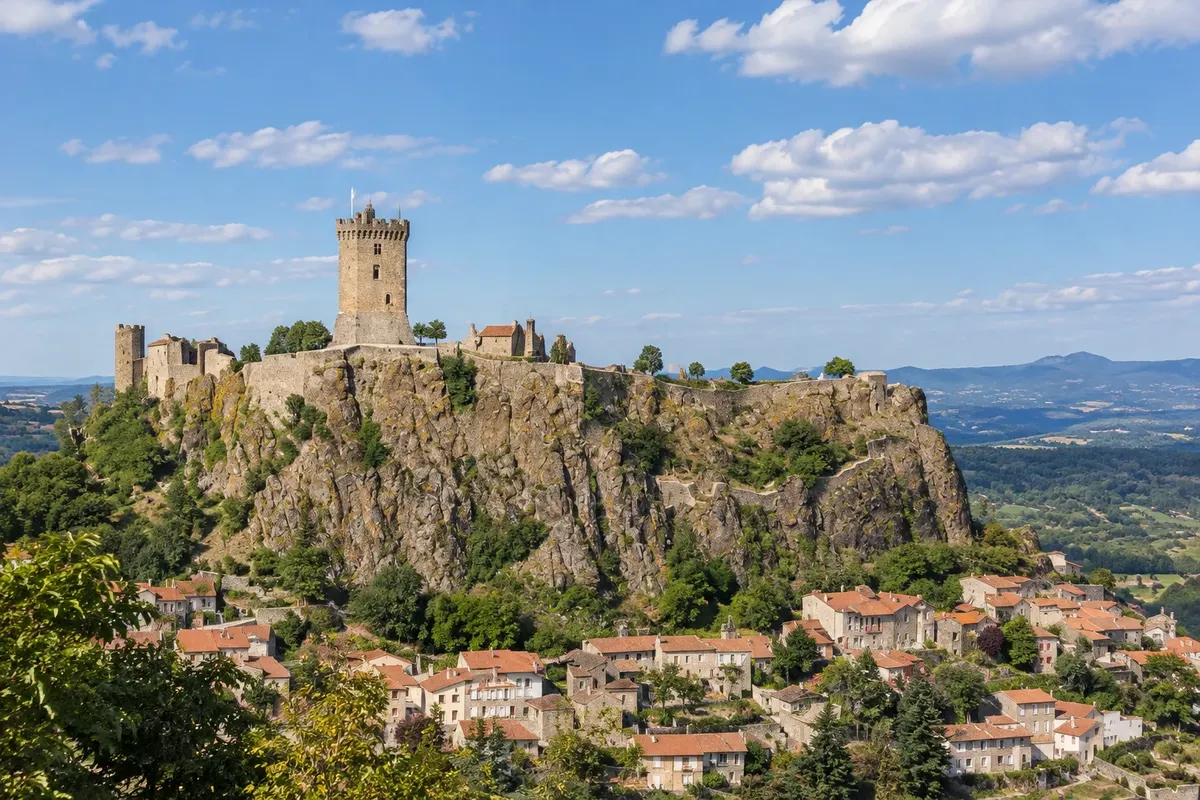
The ruins of the fortress of the viscounts of Polignac, on a basalt plateau 5 km from Le Puy, with the keep and the view over the valley.

Cahors · Occitânia · Cave

Grotte du Pech Merle

Cave with prehistoric paintings dating to around 25,000 years ago, such as the painted horses and negative hand stencils — one of the few caves in France where the original paintings are open to the public.

Before you go

Practical information

A little planning leaves more time to enjoy the journey.

When to go

From May to October the weather is usually good and attractions and transport operate every day. July and August are hot in the Lot valley and in Moissac. Le Puy and the Aubrac plateau lie above 600 metres, with cold winters and possible snow. The grape harvest takes place in September and October.

The seasons shown are the most usual ones; nature doesn't always follow the calendar.

How many days to stay

By car, 4 to 6 days cover the four towns: one in Le Puy, one in Conques, two in Cahors including Saint-Cirq-Lapopie and Pech Merle, and one in Moissac. On foot, the Le Puy Way to Moissac takes about 19 days, and to Saint-Jean-Pied-de-Port around five weeks.

Which city to stay in

In Le Puy, the old town near the cathedral makes everything walkable; near the station there are practical options for those arriving by train. In Conques, staying inside the village lets you see it empty in the morning and evening. In Cahors, the centre inside the Lot bend is the best base; to the west the vineyards offer country houses and properties with rooms. In Moissac, the centre near the abbey and the canal. Pilgrims use hostels and guesthouses along the route, which usually require booking one or two days in advance.

Respect the place

Take your trash with you, follow the signs and support local businesses. In natural areas, follow the visiting guidelines.

Get your questions answered

Frequently asked questions about Le Puy, Conques and the Vale do Lot

Do I need a car to visit the destination?

It helps a lot. Le Puy, Cahors and Moissac have train connections, but Conques, Saint-Cirq-Lapopie and Pech Merle have limited public transport. Without a car, use Rodez as a base for Conques and organized tours from Cahors.

Can you visit the destination without walking?

Yes. The four towns can be visited by car or train, without walking the route. Many visitors come for the Romanesque art and the wines.

What's the best time to go?

From May to October, with everything operating. September and October are harvest time and are cooler than summer.

How long does the walking route from Le Puy to Moissac take?

About 19 days, in stages of 20 to 25 km, covering roughly 425 km. To Saint-Jean-Pied-de-Port in the Pyrenees it's about 755 km, taking around five weeks.

What is Cahors wine?

A dark red wine made mainly from the malbec grape, called côt there, in the vineyards of the Vale do Lot west of Cahors.

Routes in France

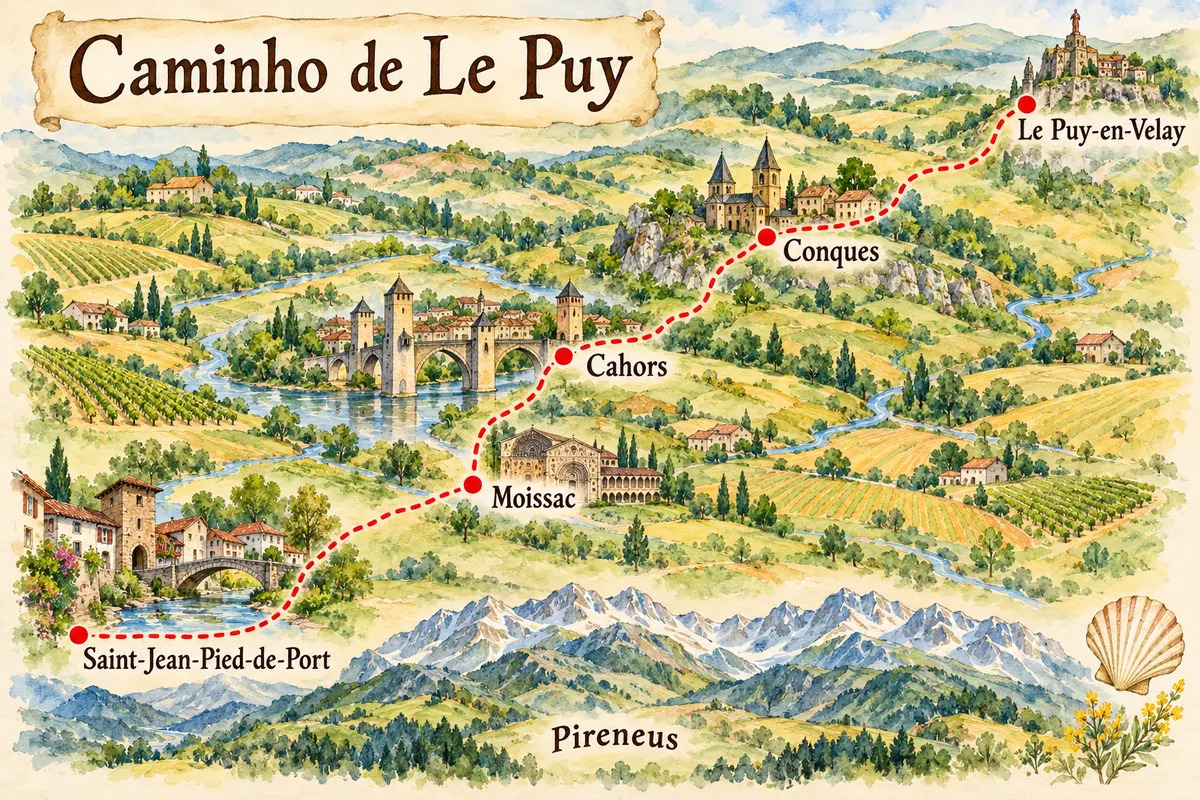
Le Puy, Conques and the Vale do Lot is on the Le Puy route on foot

The most traveled Way of St. James in France: from Le Puy-en-Velay to the Pyrenees, on foot, across the Aubrac plateau, via Conques, Cahors and Moissac, to Saint-Jean-Pied-de-Port, where the Camino Francés begins.

Illustrative map, not to scale. Tap a city to open its page.
Illustrated map of Le Puy route on foot
Explore the Le Puy route on foot
Explore other destinations Search by state and city
Back