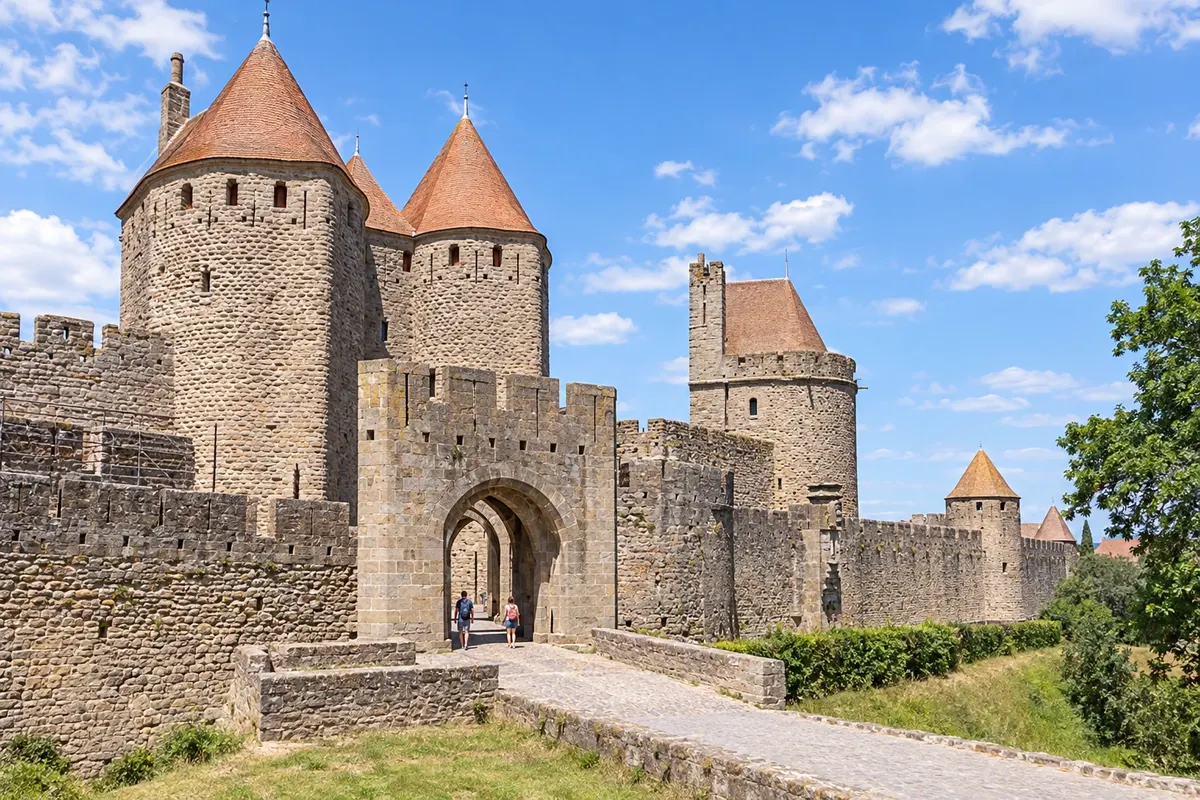
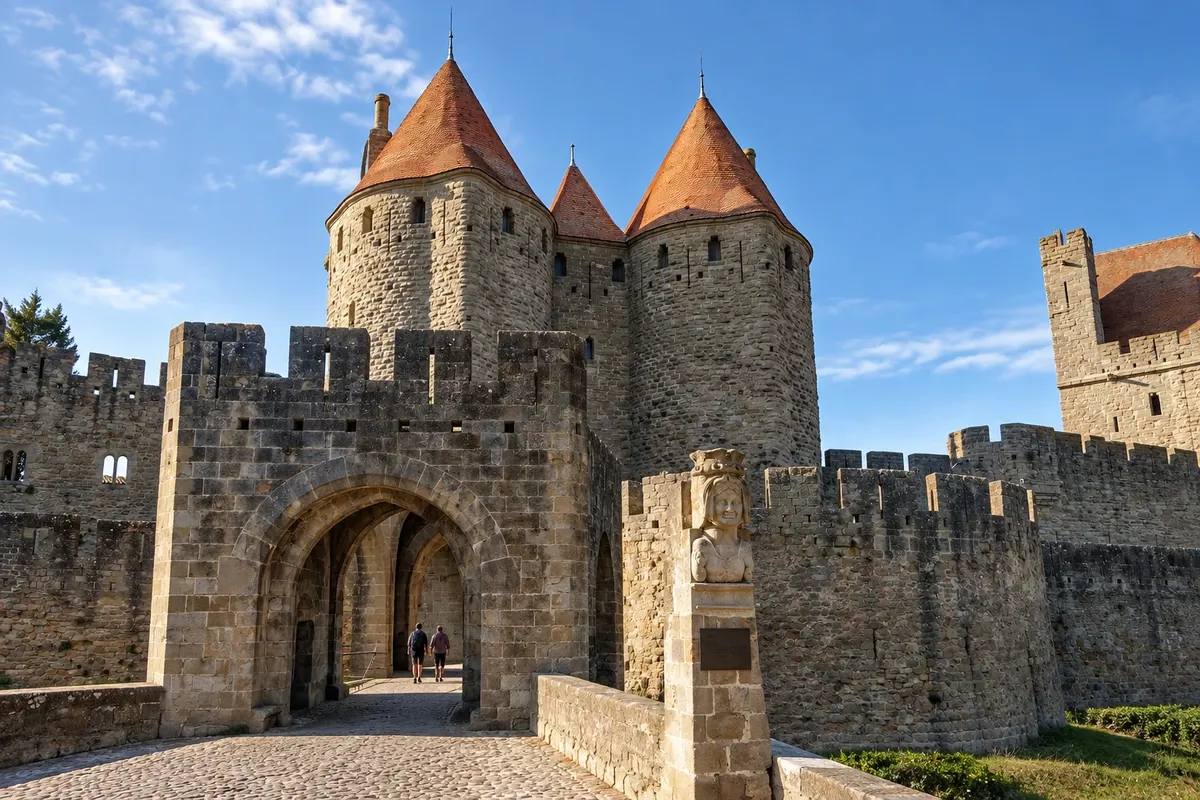
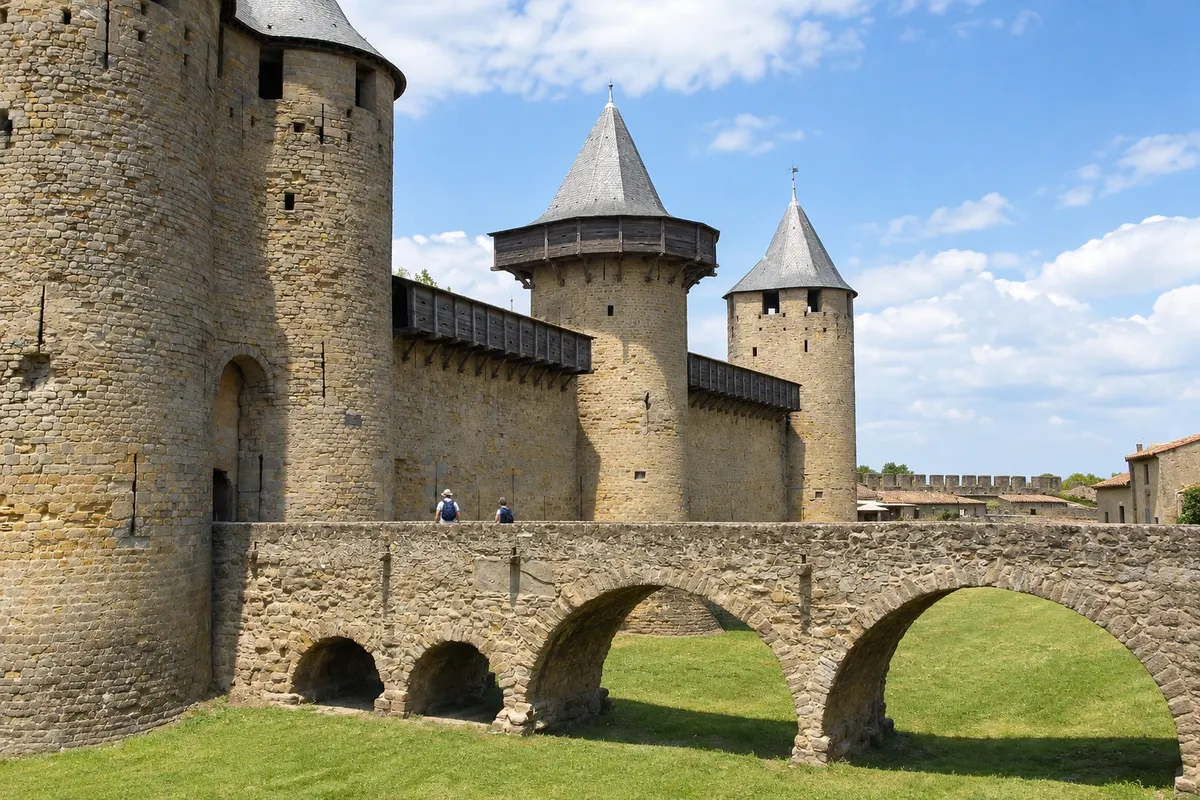
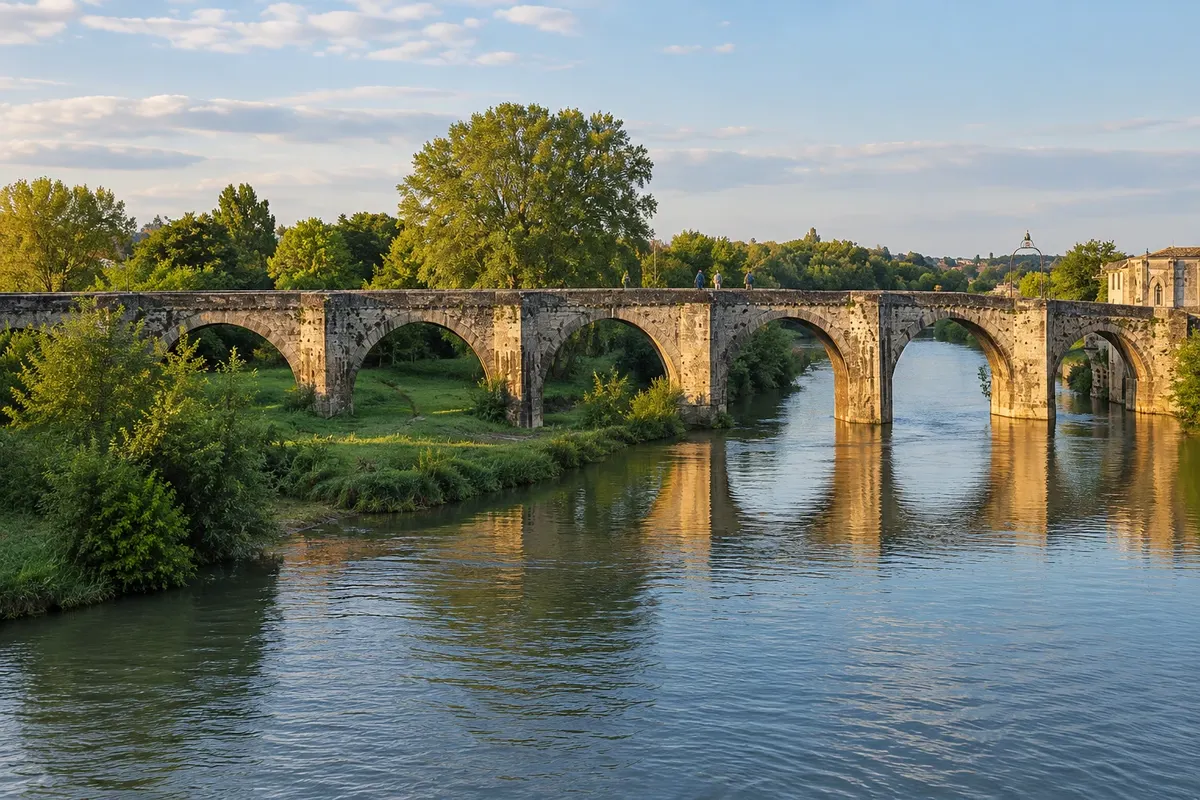
Toulouse and Carcassonne are in Occitanie, in southern France, about 90 km from each other. Toulouse is the regional capital and the fourth-largest city in the country; Carcassonne is much smaller and known worldwide for the Cité, the medieval city surrounded by a double wall with 52 towers.
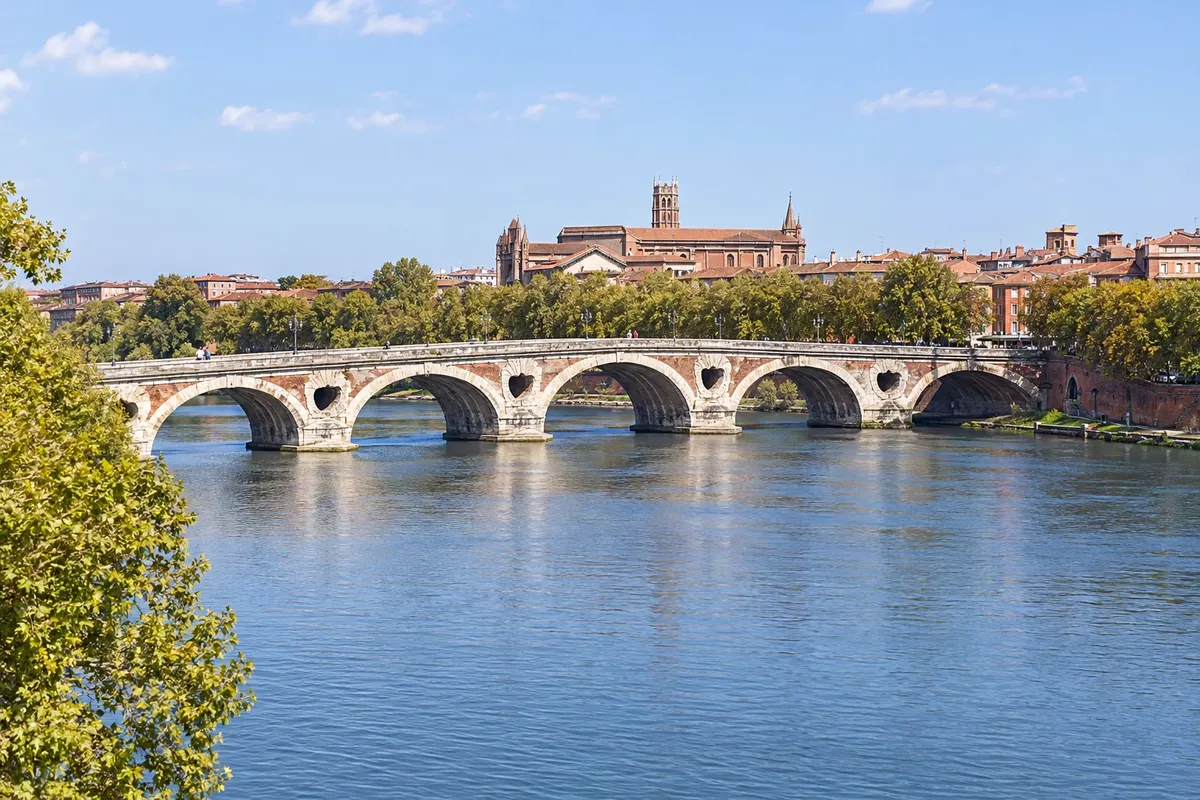
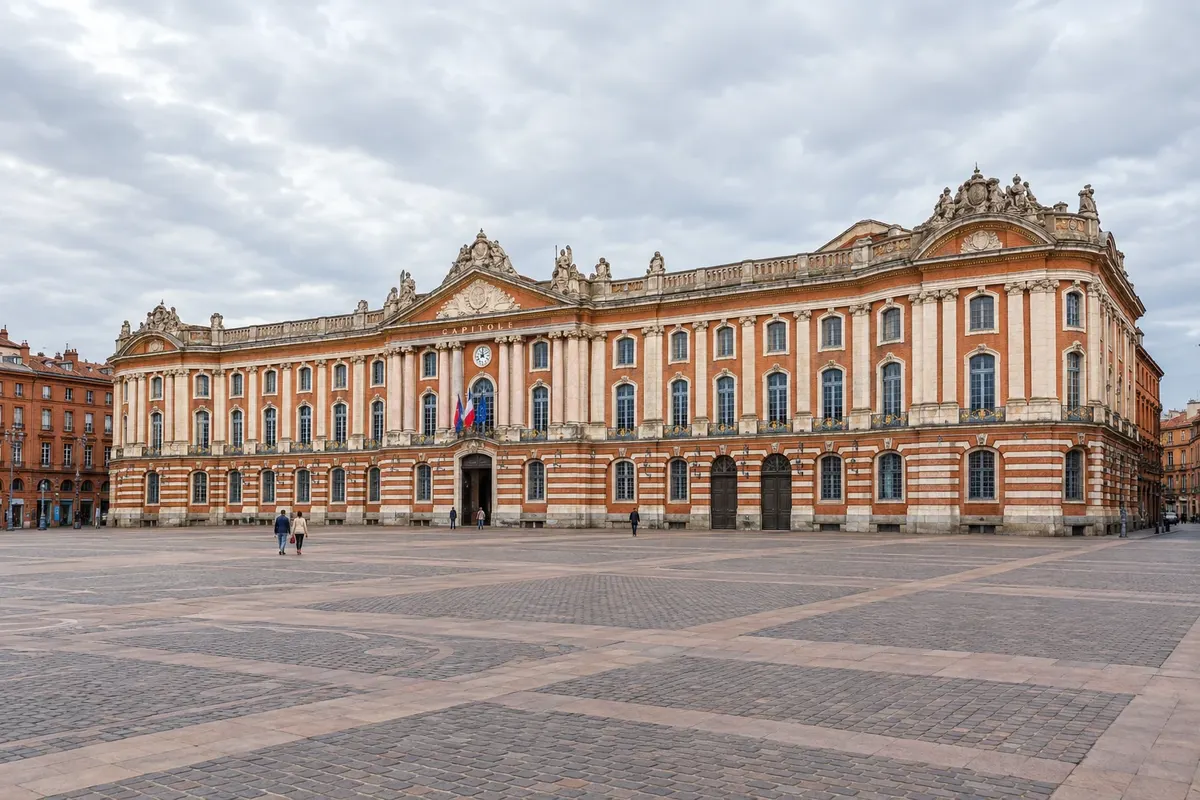
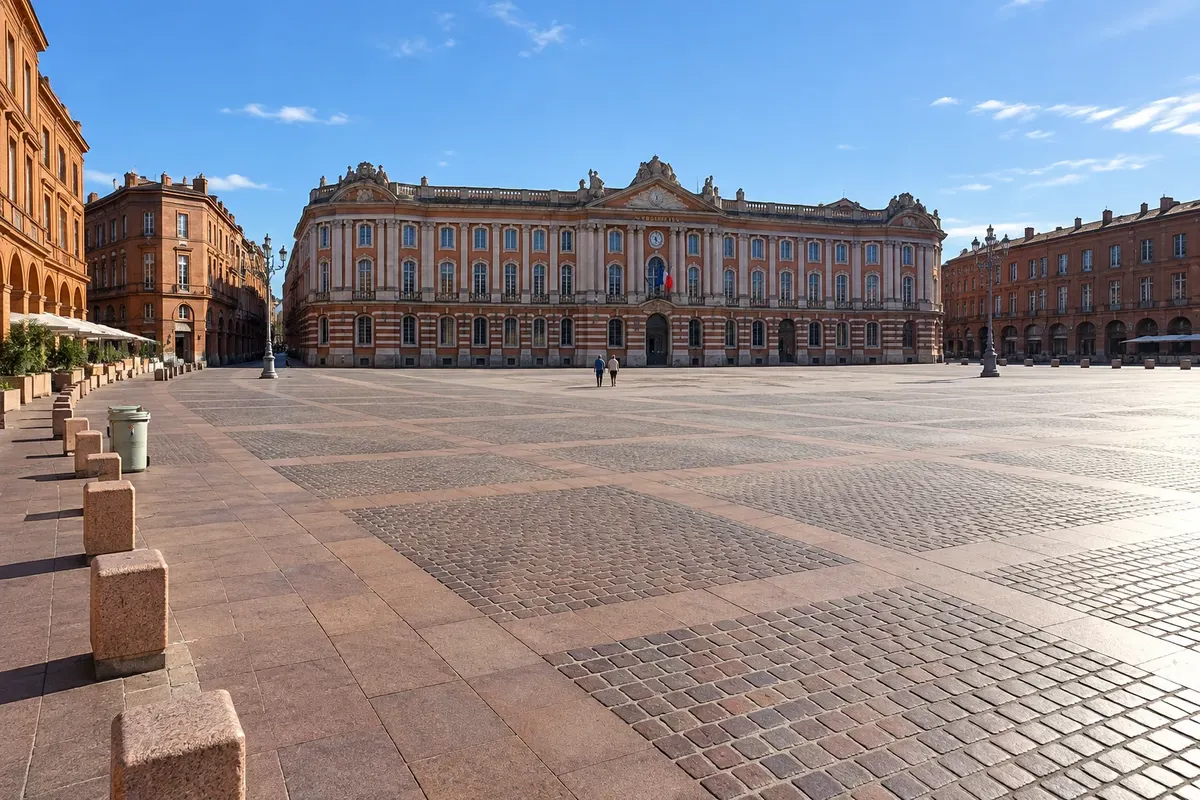
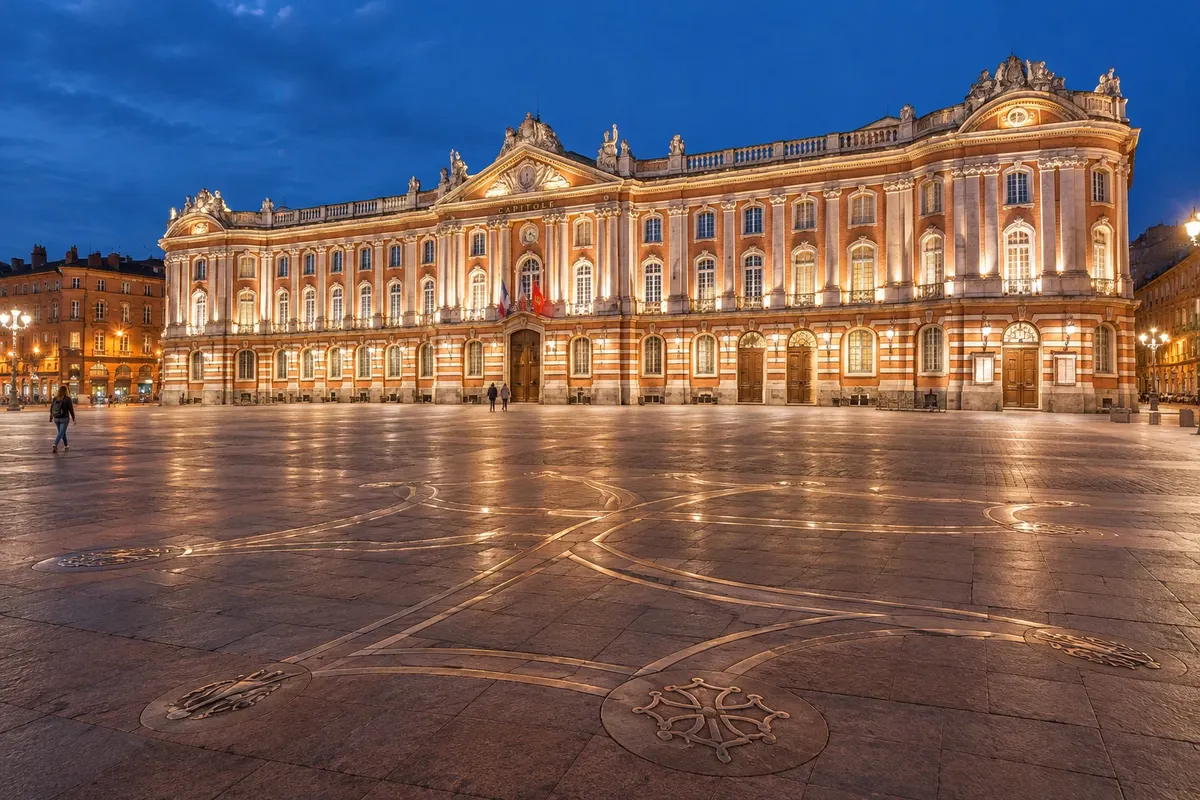
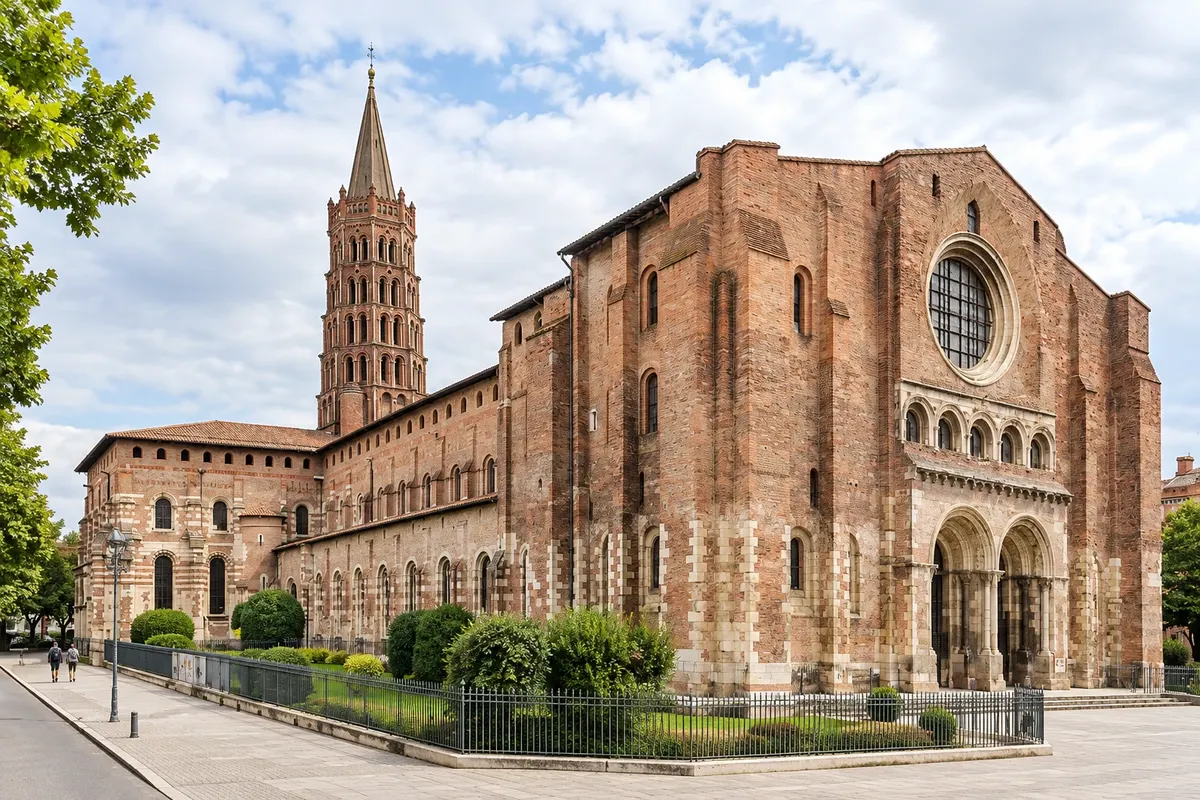
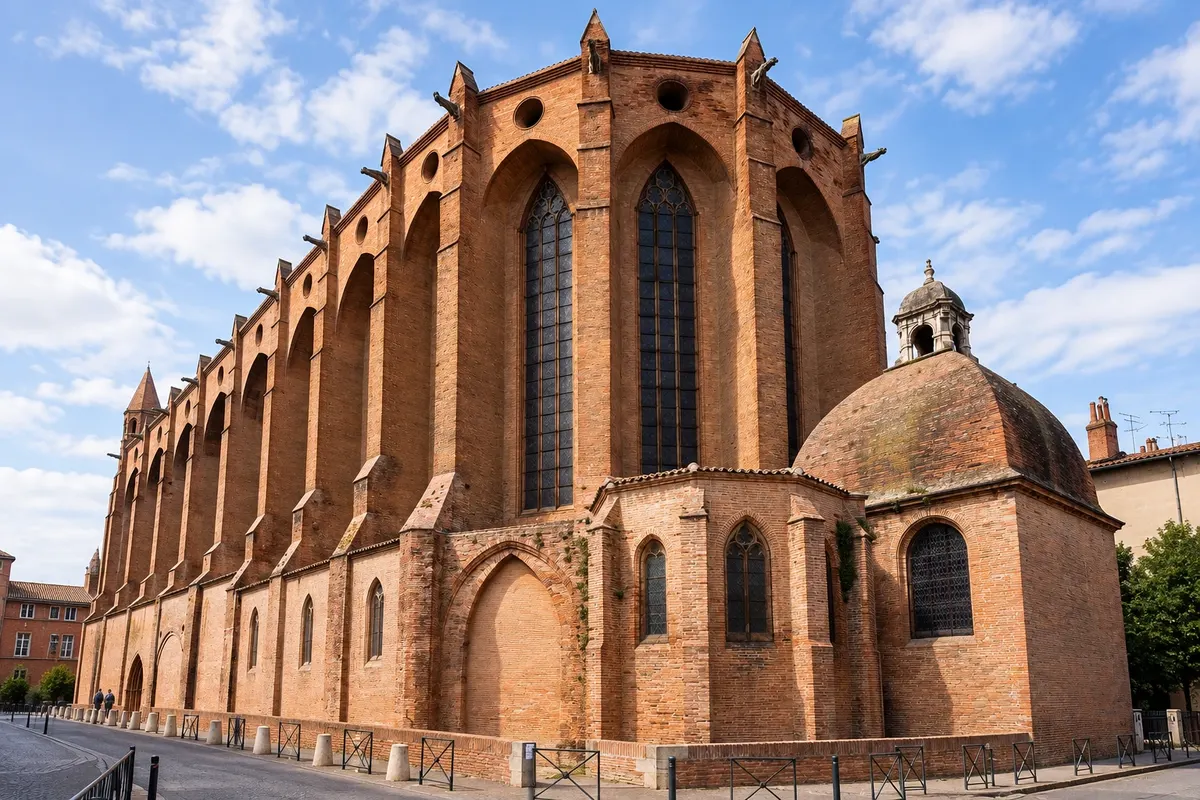
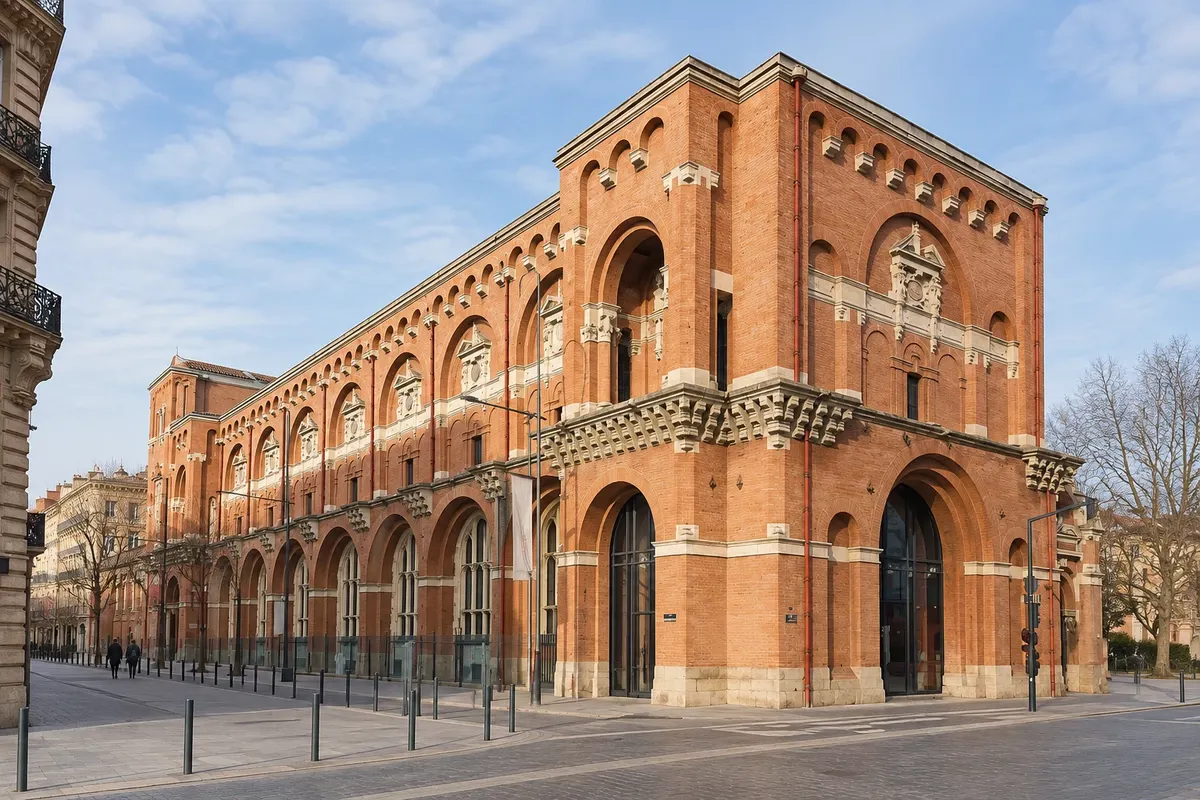
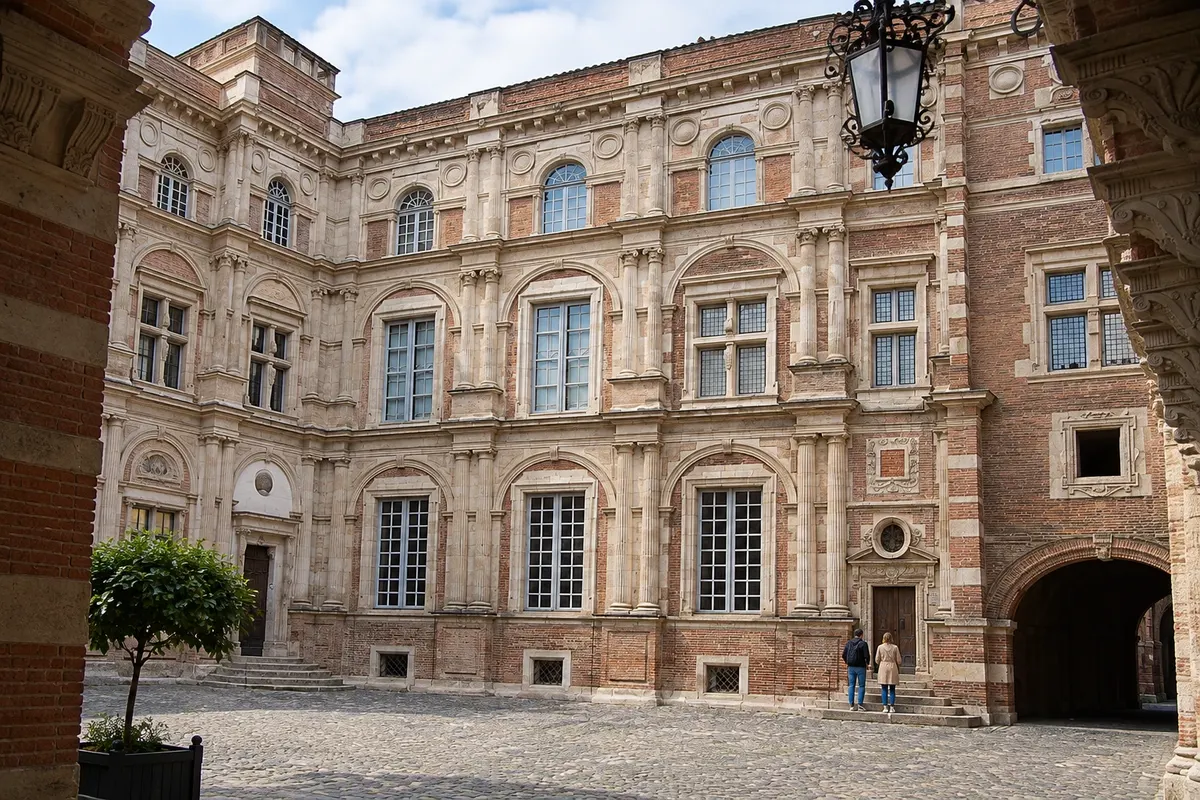
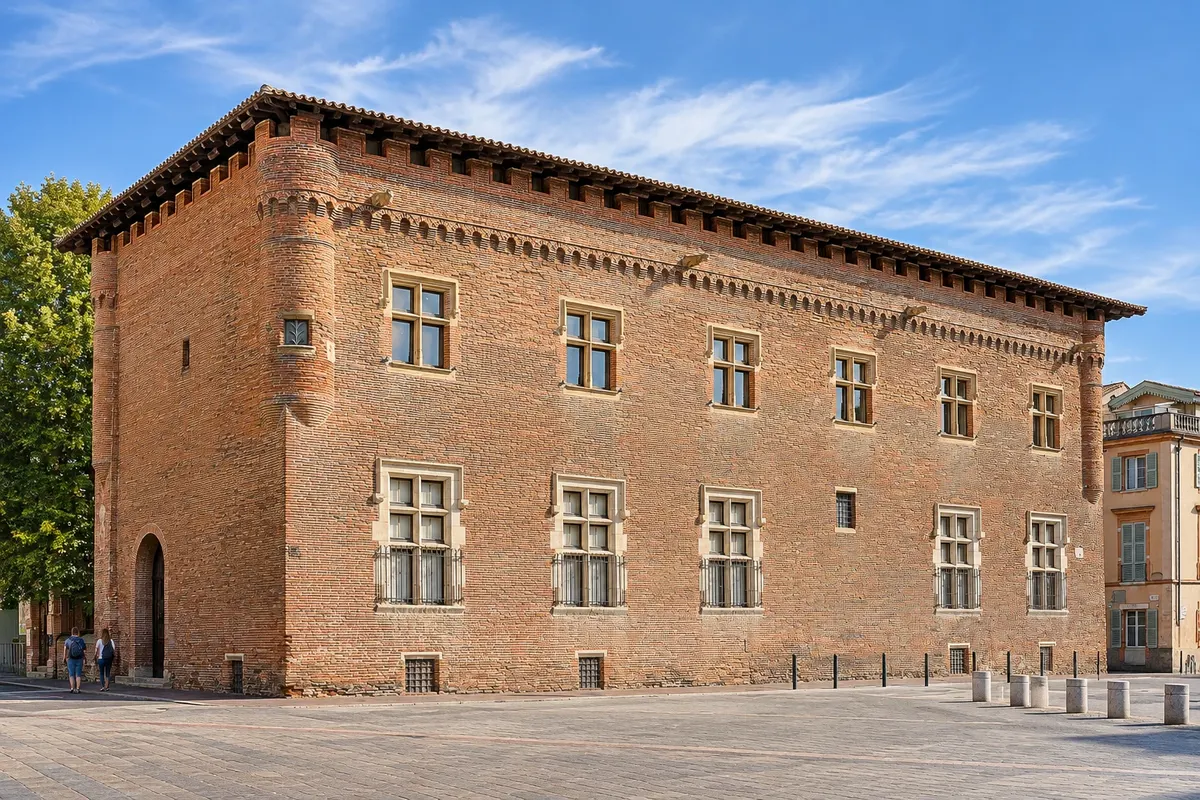
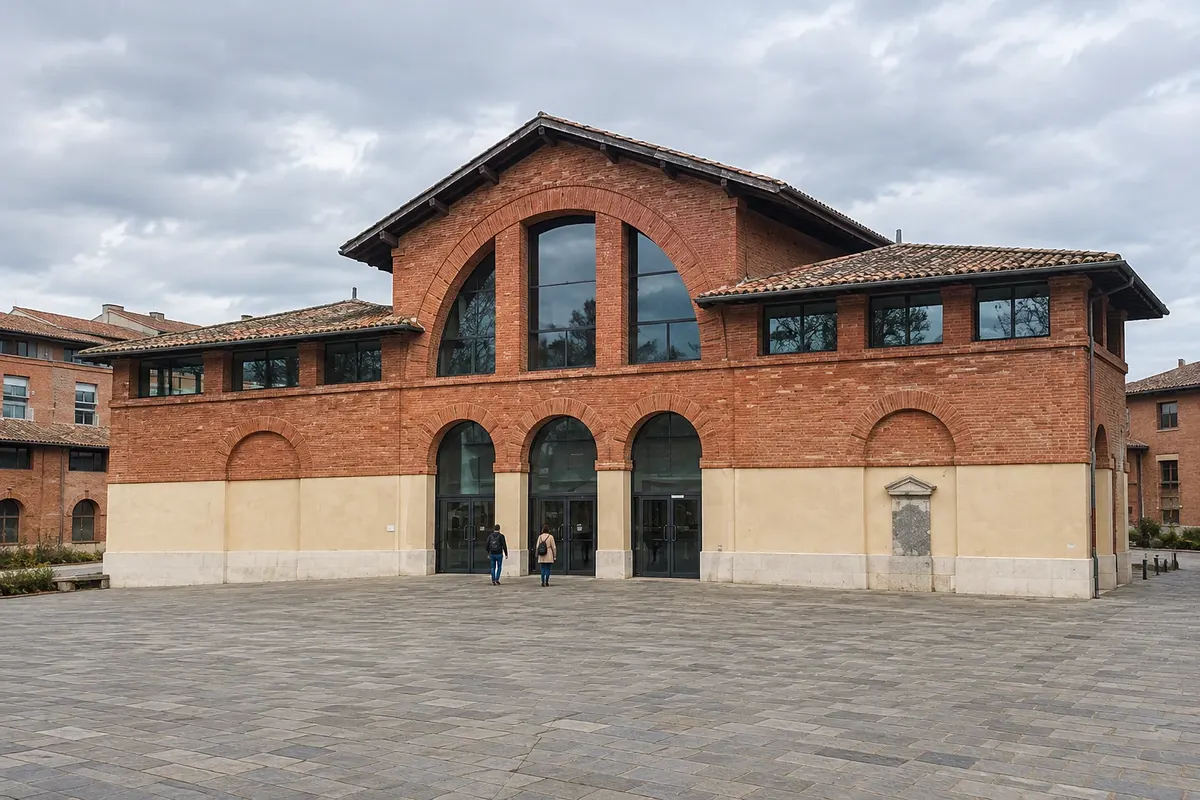
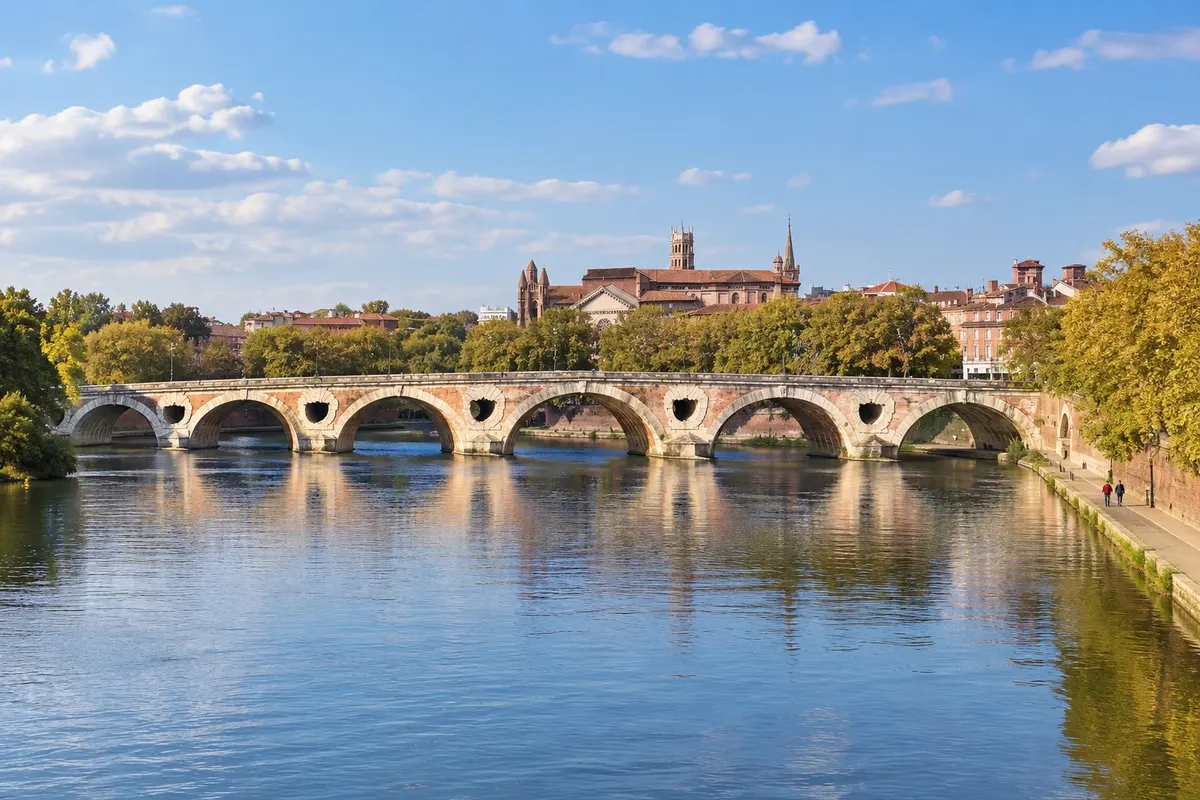
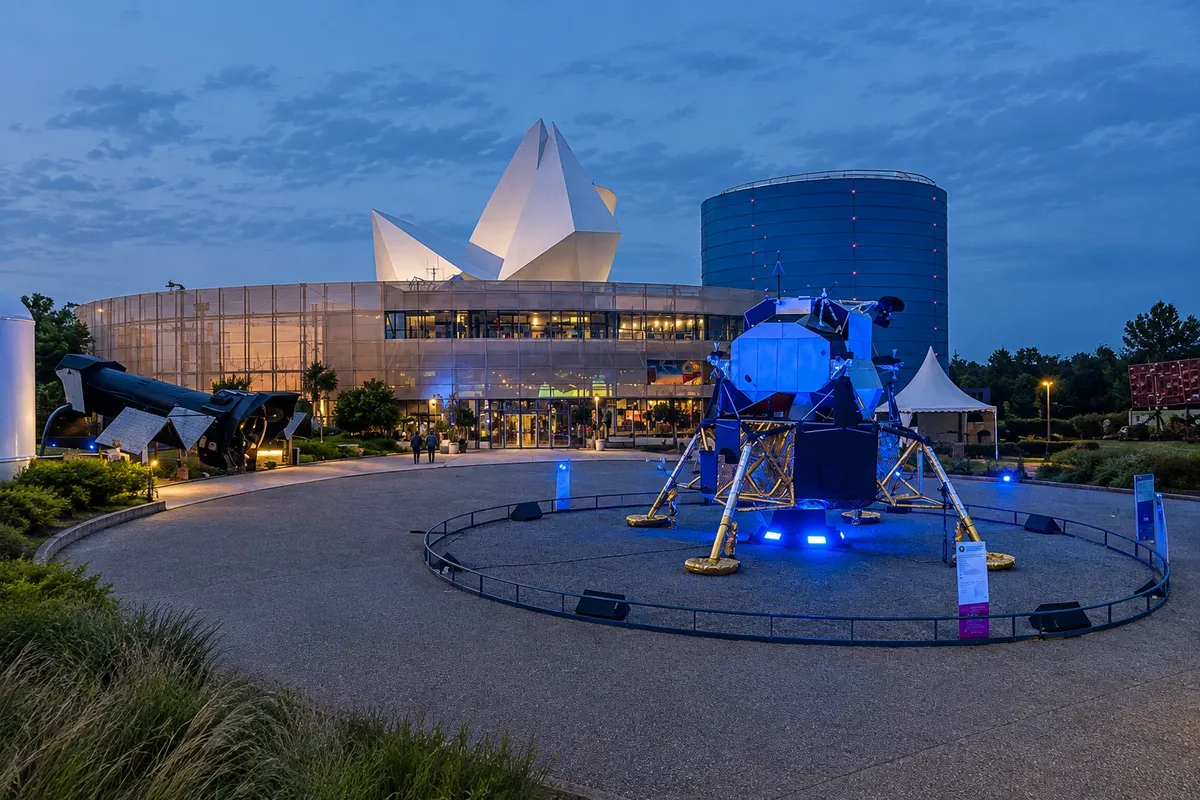
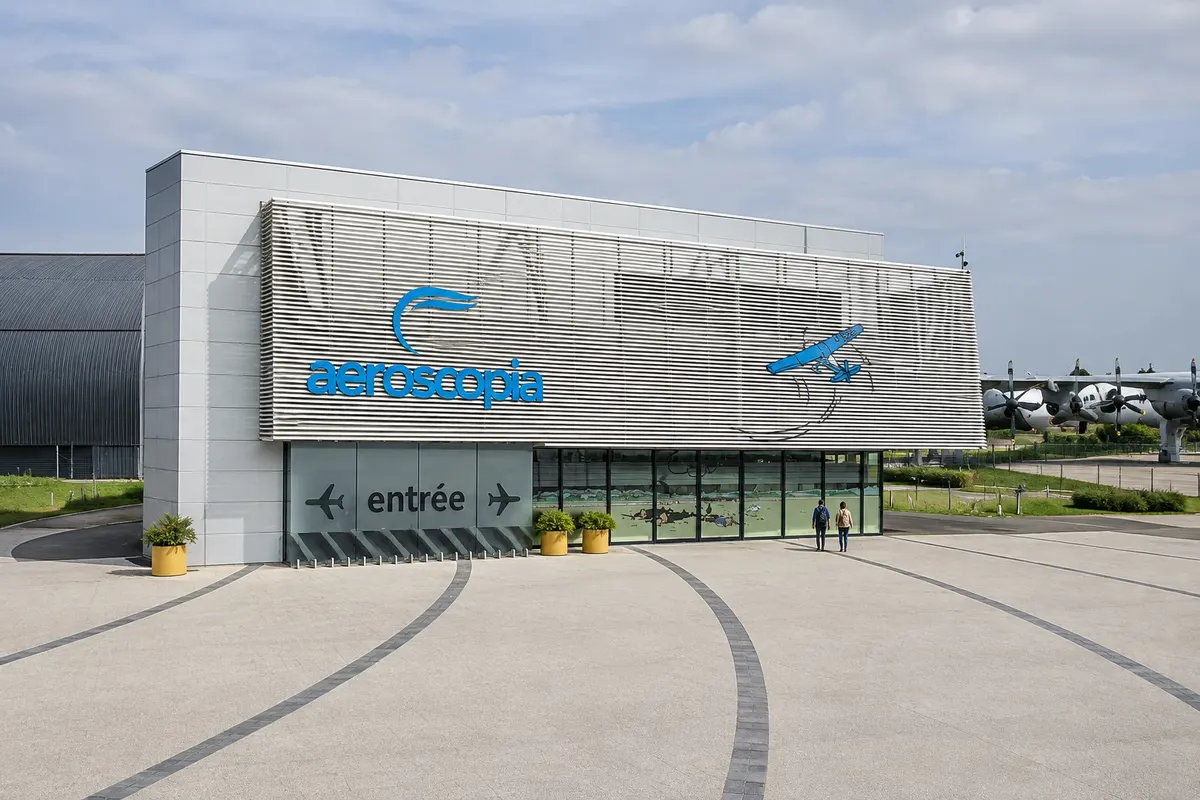
Toulouse has the nickname ville rose, the pink city, because of the brique foraine, the fired clay brick that dominates churches, townhouses and houses in the centre and takes on a pinkish or orangey hue depending on the light. The Basilique Saint-Sernin, the Capitole and the Couvent des Jacobins are there. The city is also home to Airbus and is one of Europe’s main aerospace centres, which explains the Cité de l'espace and the Aeroscopia museum.
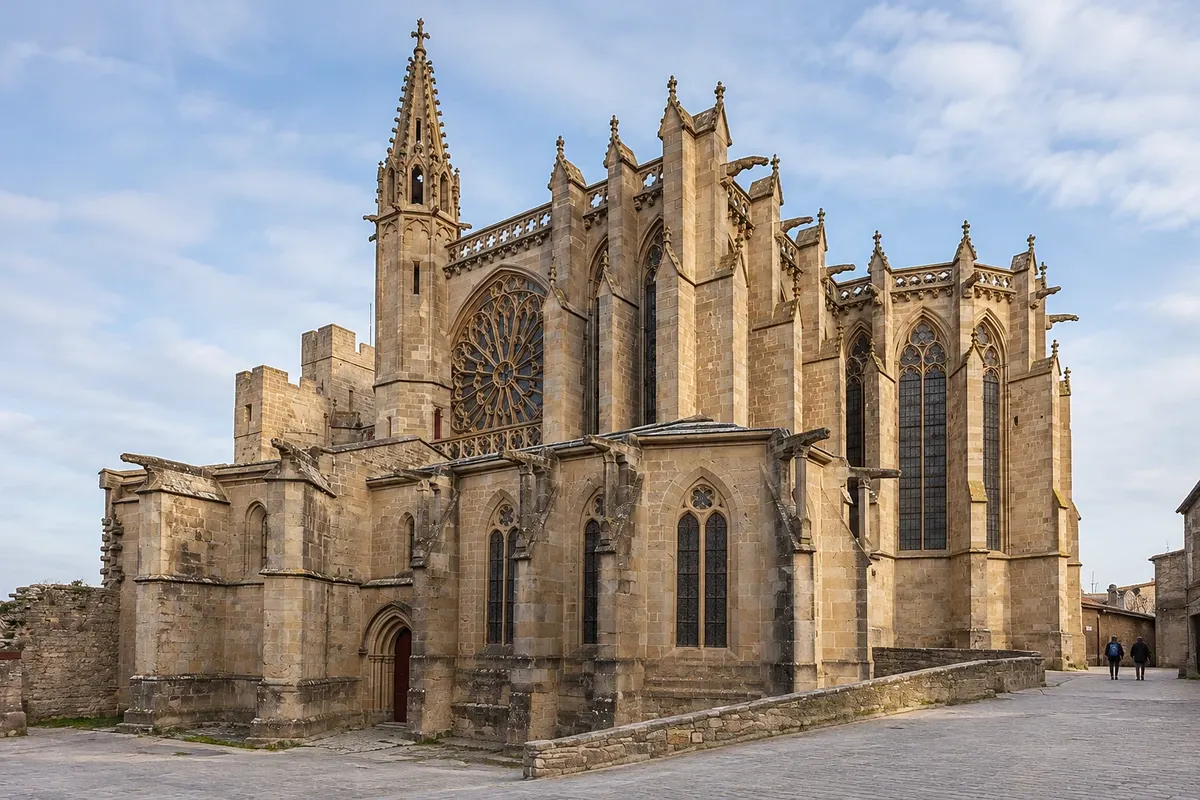
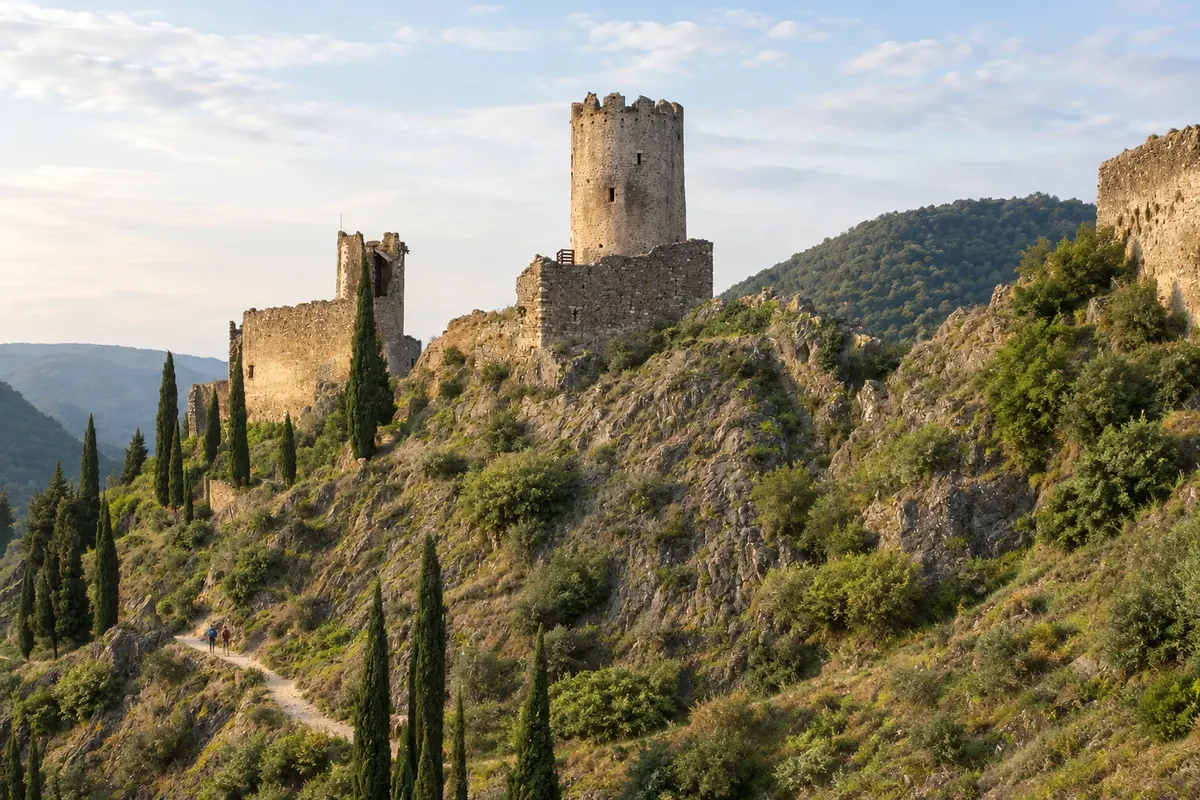
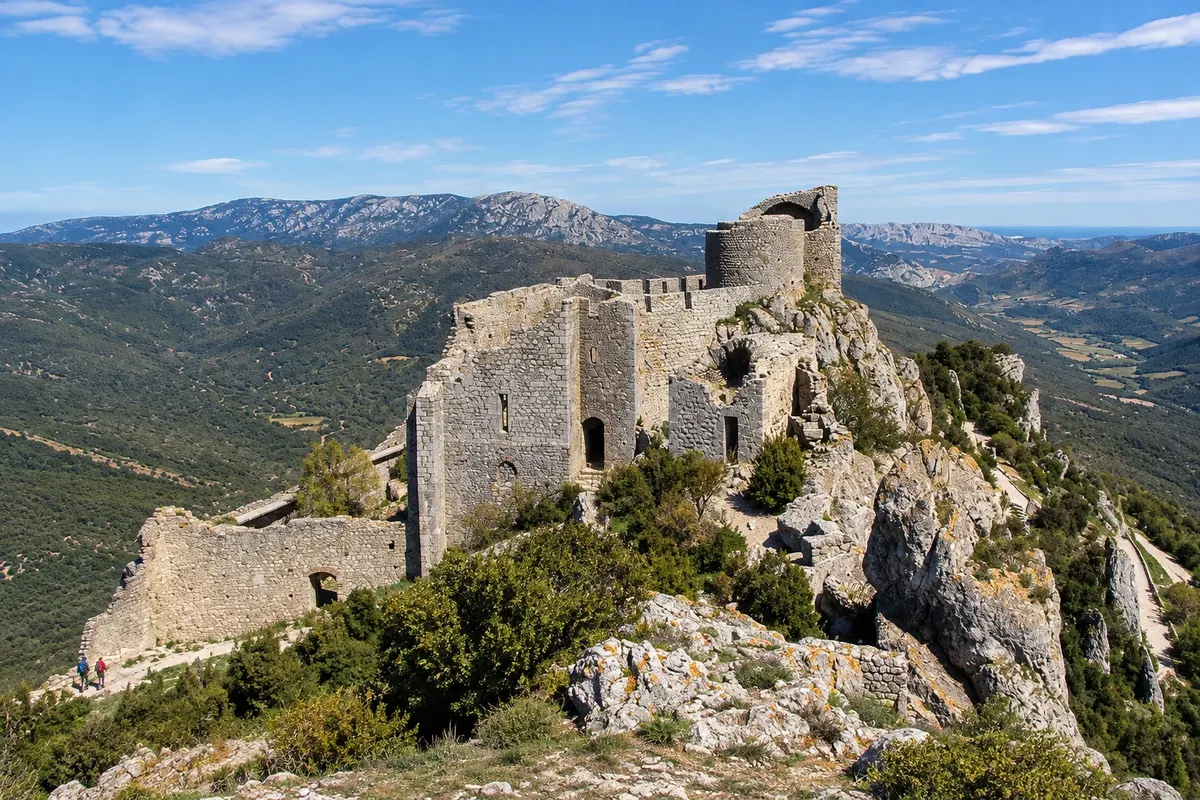
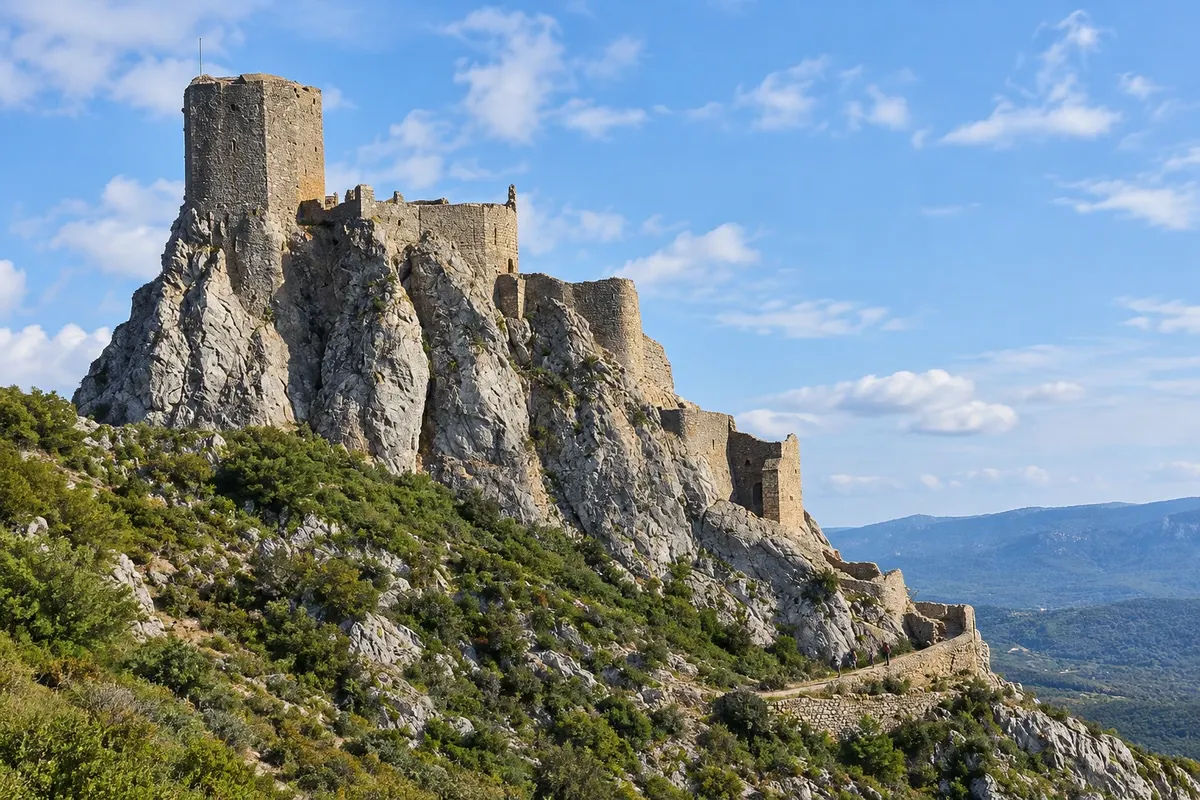
Carcassonne has two parts: the Cité, on top of the hill, a UNESCO World Heritage Site since 1997, and the Bastide Saint-Louis, the lower town with a grid of streets, where the train station and shops are. Around it, in the Corbières and the Montagne Noire, lie ruined castles linked to the history of the Cathars, such as Lastours, Peyrepertuse and Quéribus.
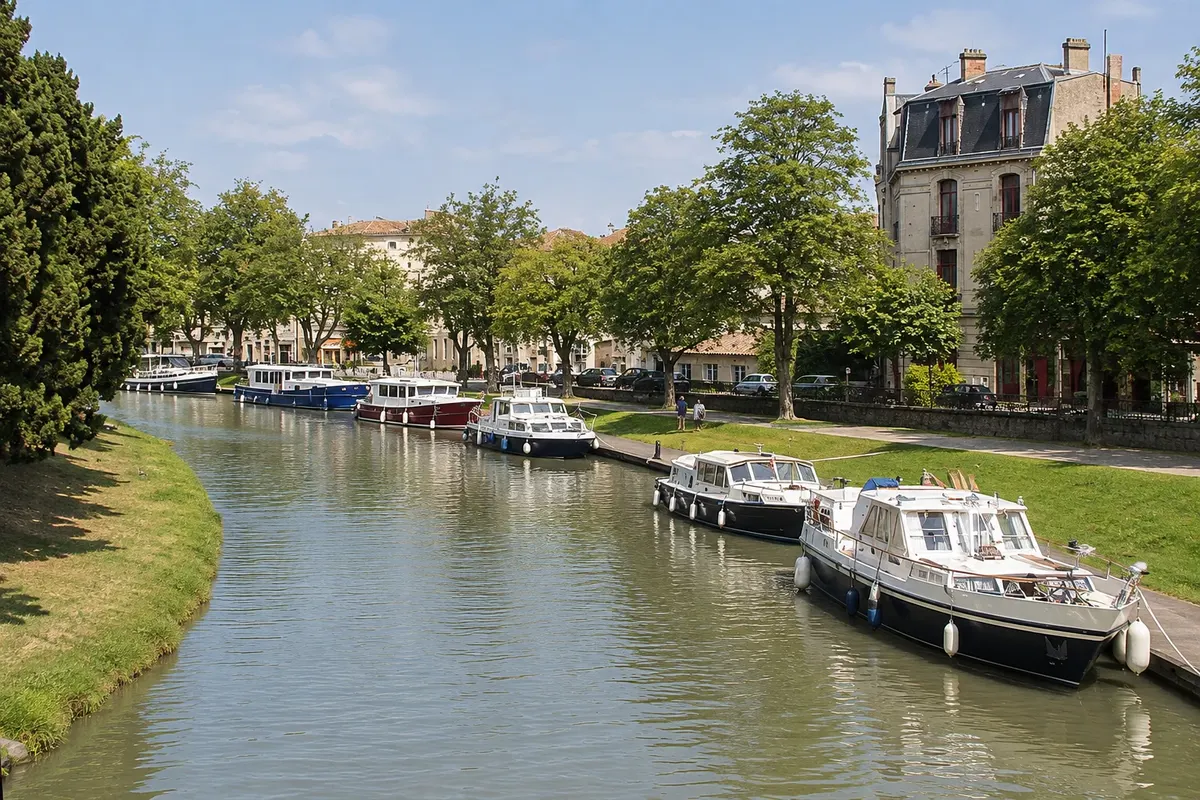
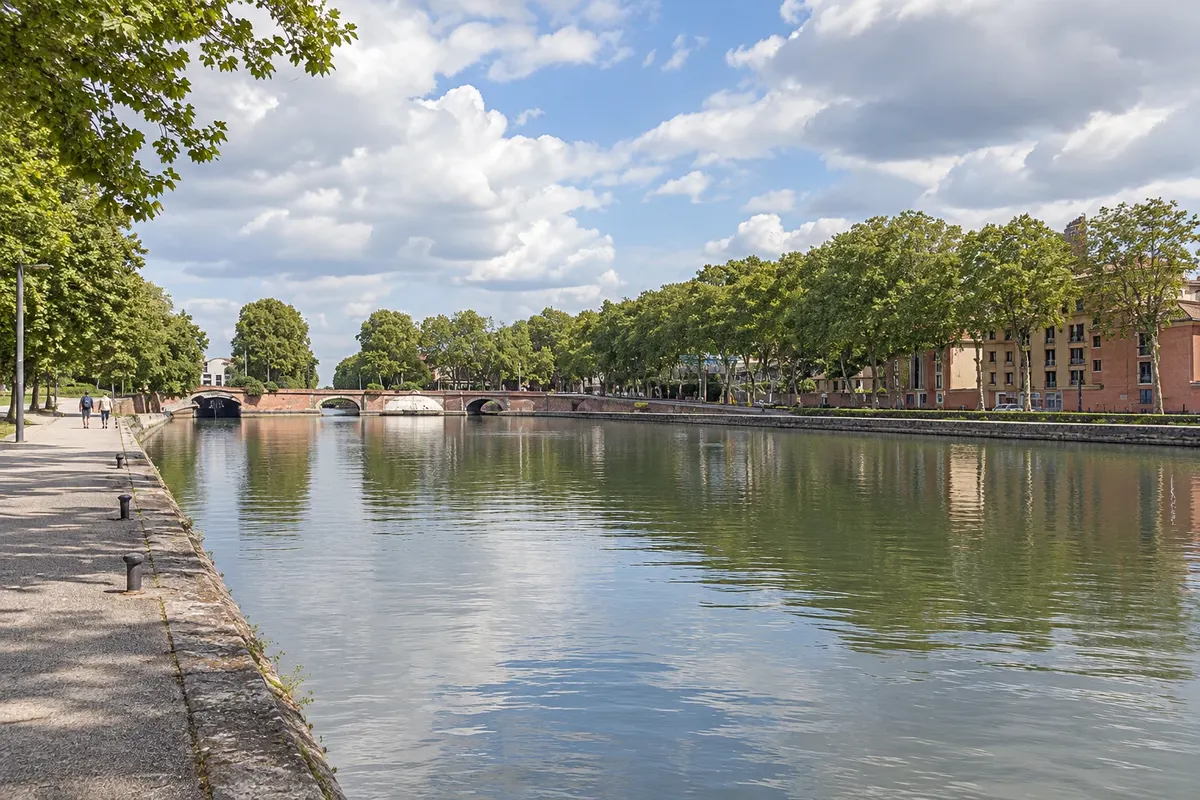
What links the two cities is the Canal du Midi, opened in the 17th century to connect Toulouse to the Mediterranean and a World Heritage Site since 1996. On the table, the region’s dish is cassoulet, a stew of white beans with meats, cooked in an earthenware pot called a cassole.
This destination brings together 2 cities: Toulouse, Carcassonne.


 Brazil
 Argentina
 Chile
Chile Colombia
 Peru
Peru Uruguay
 Germany
 Belgium
 Spain
Spain Greece
 the Netherlands
 Ireland
 Italy
Italy Portugal
 the United Kingdom
 Switzerland