Salvaterra
Salvaterra combines beaches and historic remains on the eastern coast of Marajó Island. The village of Joanes, the grasslands and the local communities bring visitors close to Marajó's landscapes and culture.
PA · Brazil
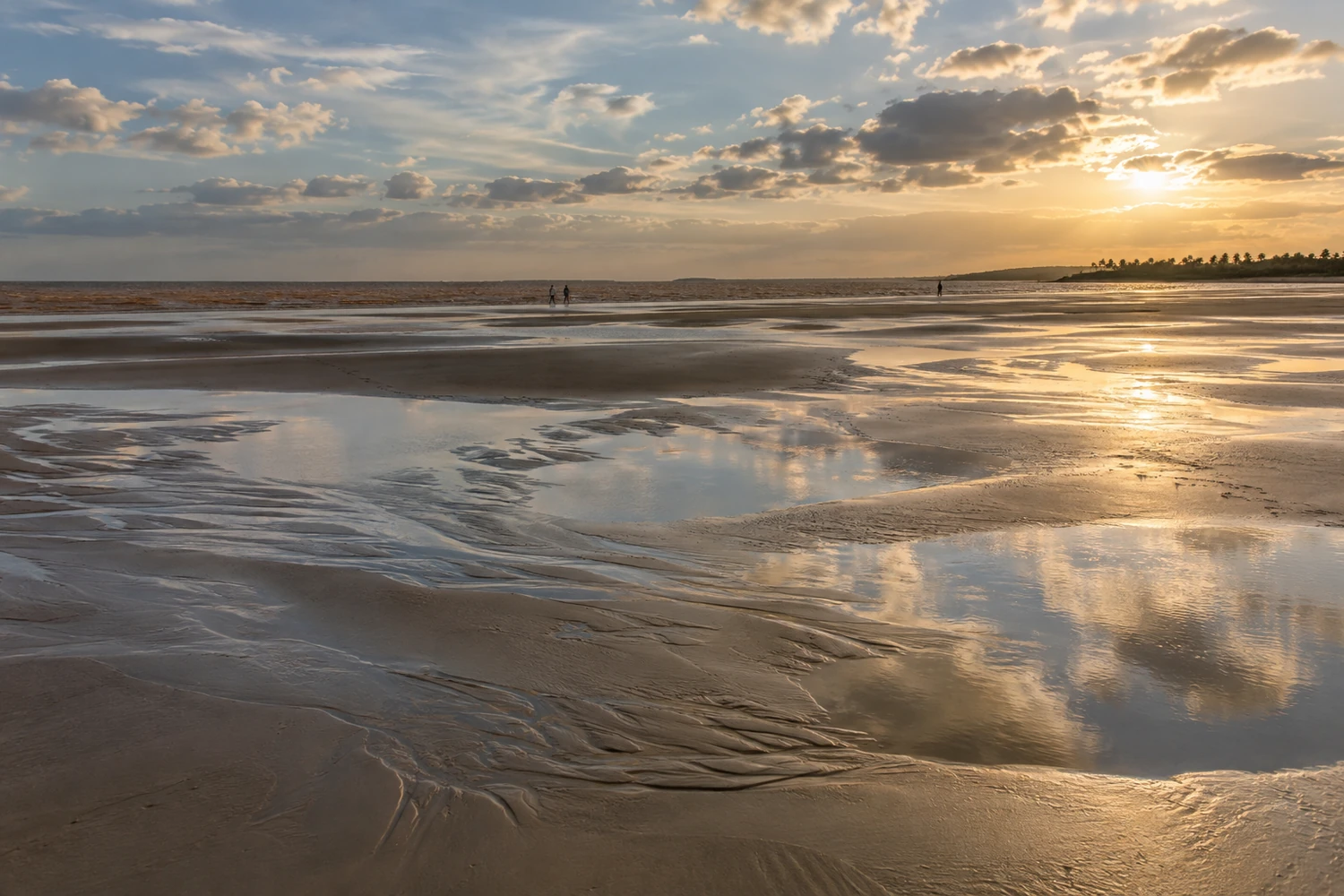
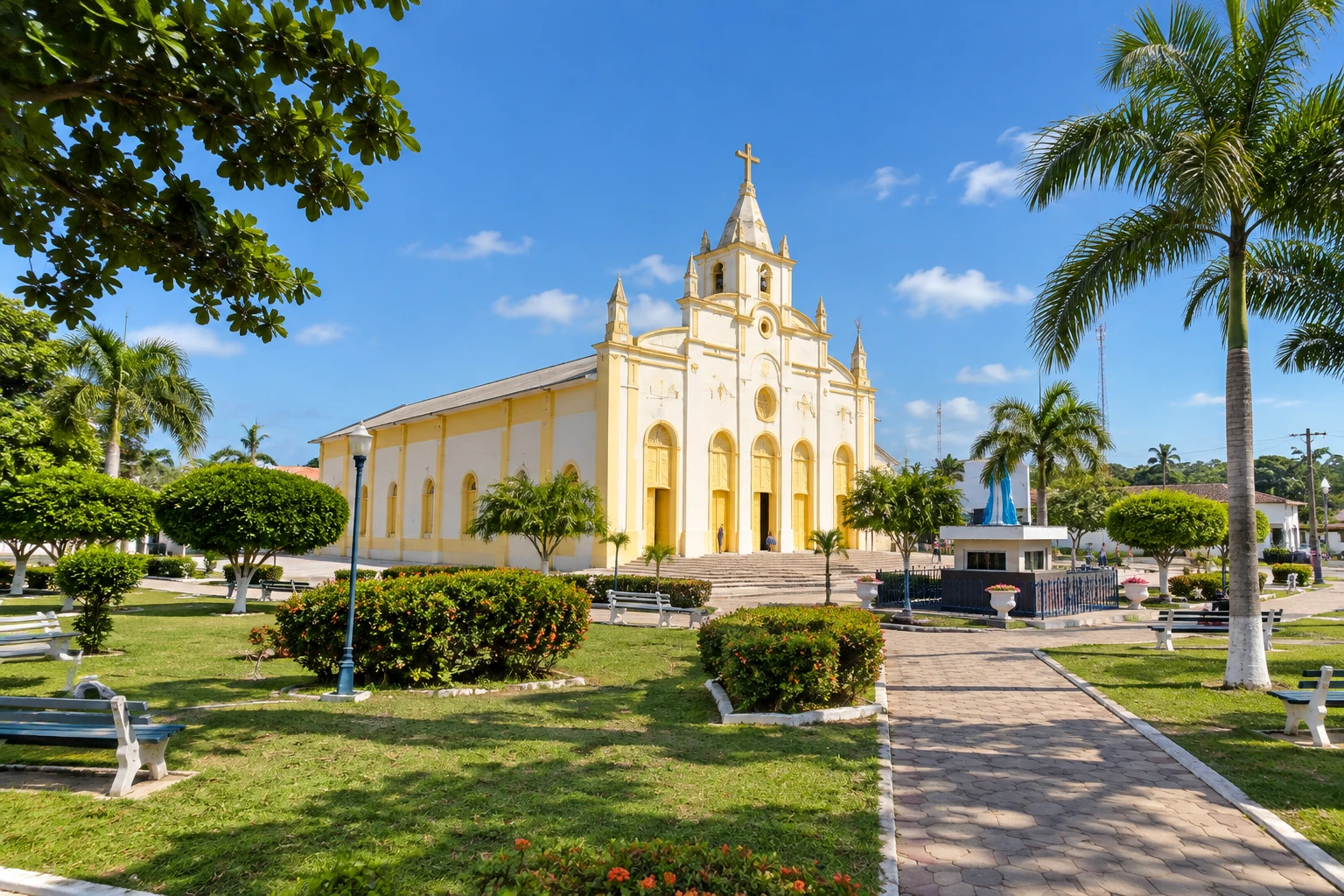
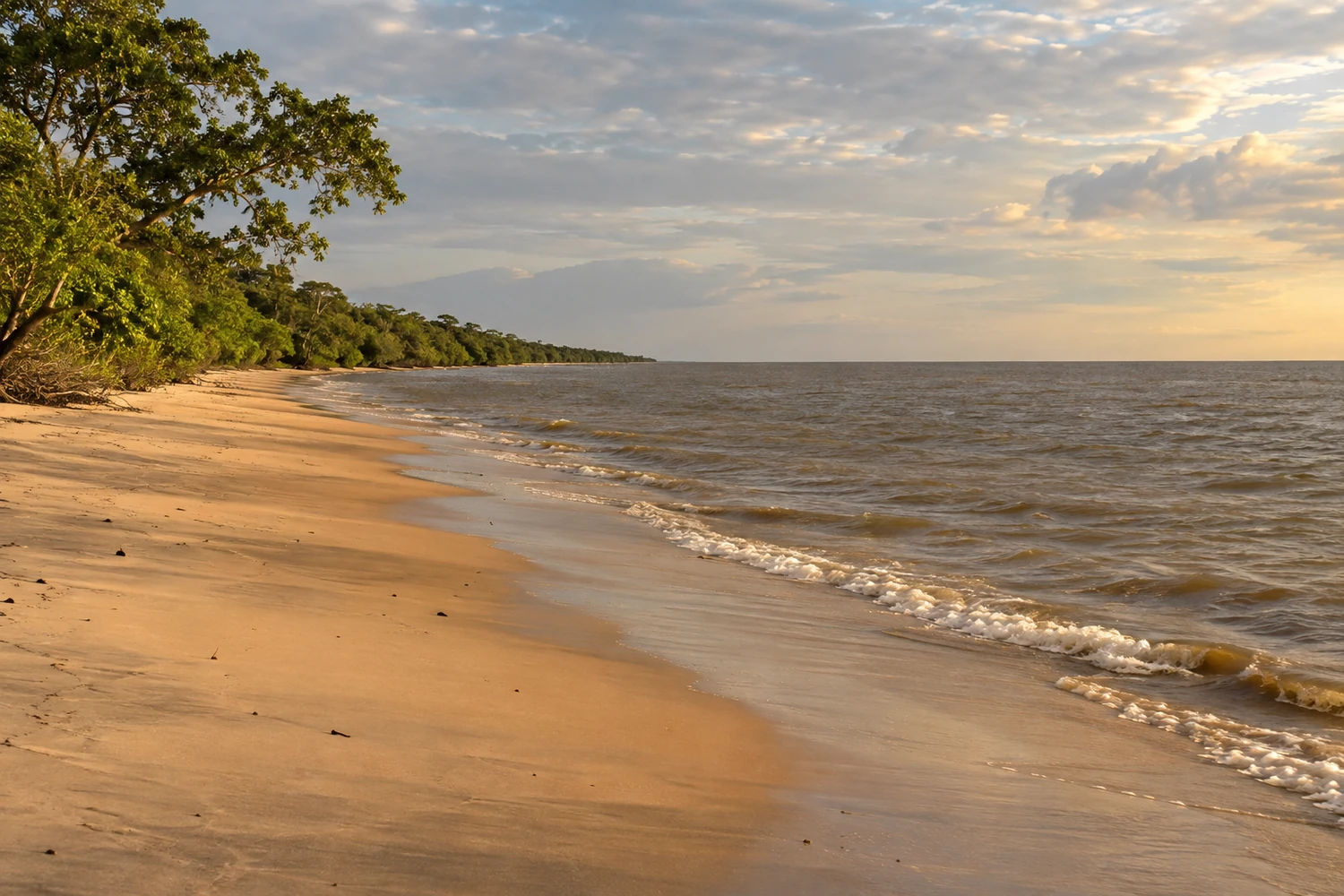
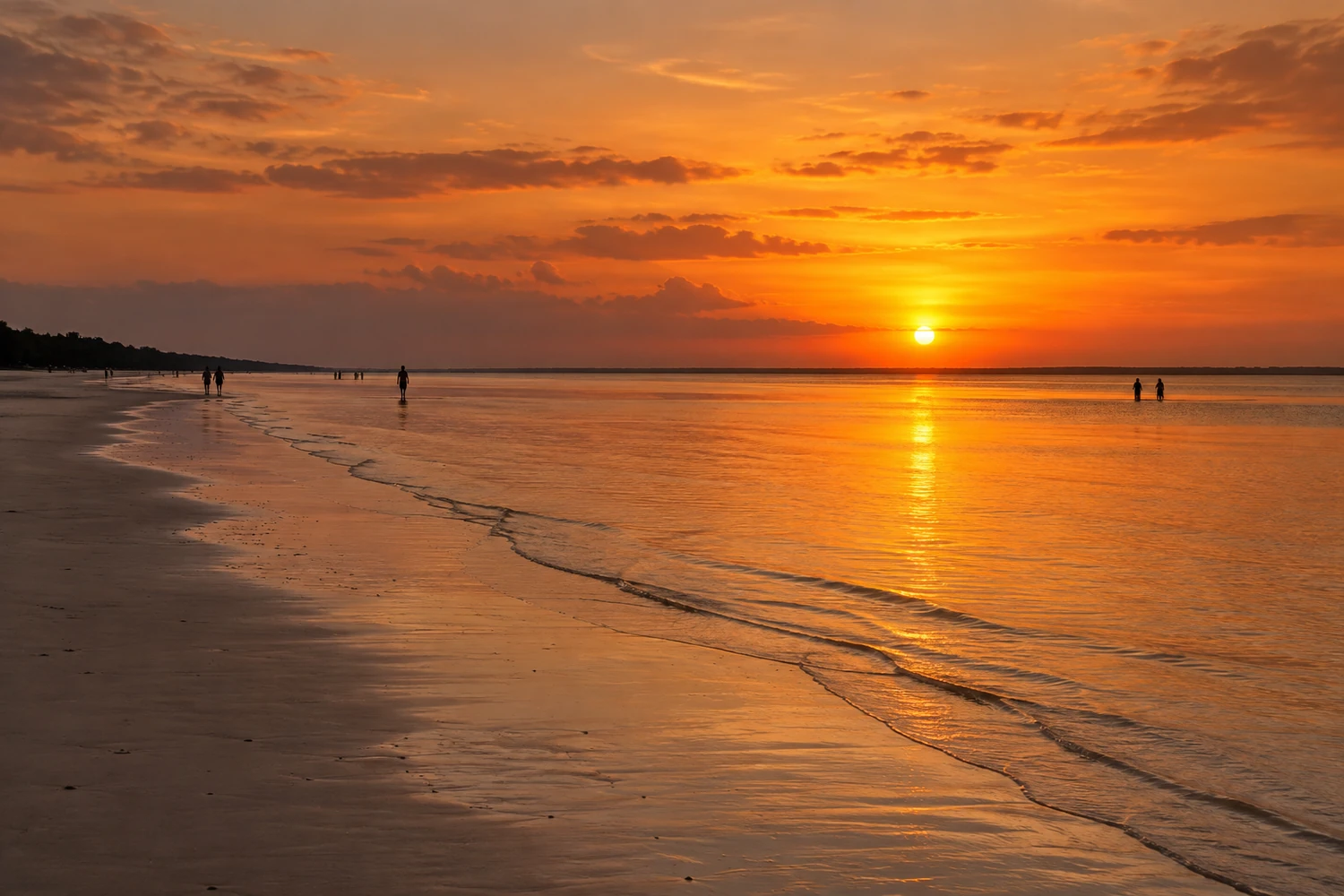
Illustrative images. The pictures in this guide are illustrations based on the real place, not photographs, and may differ from it.
Get to know the place
The largest river-sea island in the world has water buffalo walking down the street, brackish-water beaches with mangroves and a pace that slows down any visitor. In Soure and Salvaterra you can swim in tea-colored igarapés (forest creeks), eat buffalo steak with Marajó cheese and buy pottery inspired by the peoples who lived there centuries ago. It is the most original face of Pará.
This destination brings together 5 cities: Salvaterra, Soure, Cachoeira do Arari, Ponta de Pedras, Breves.
A look at the place
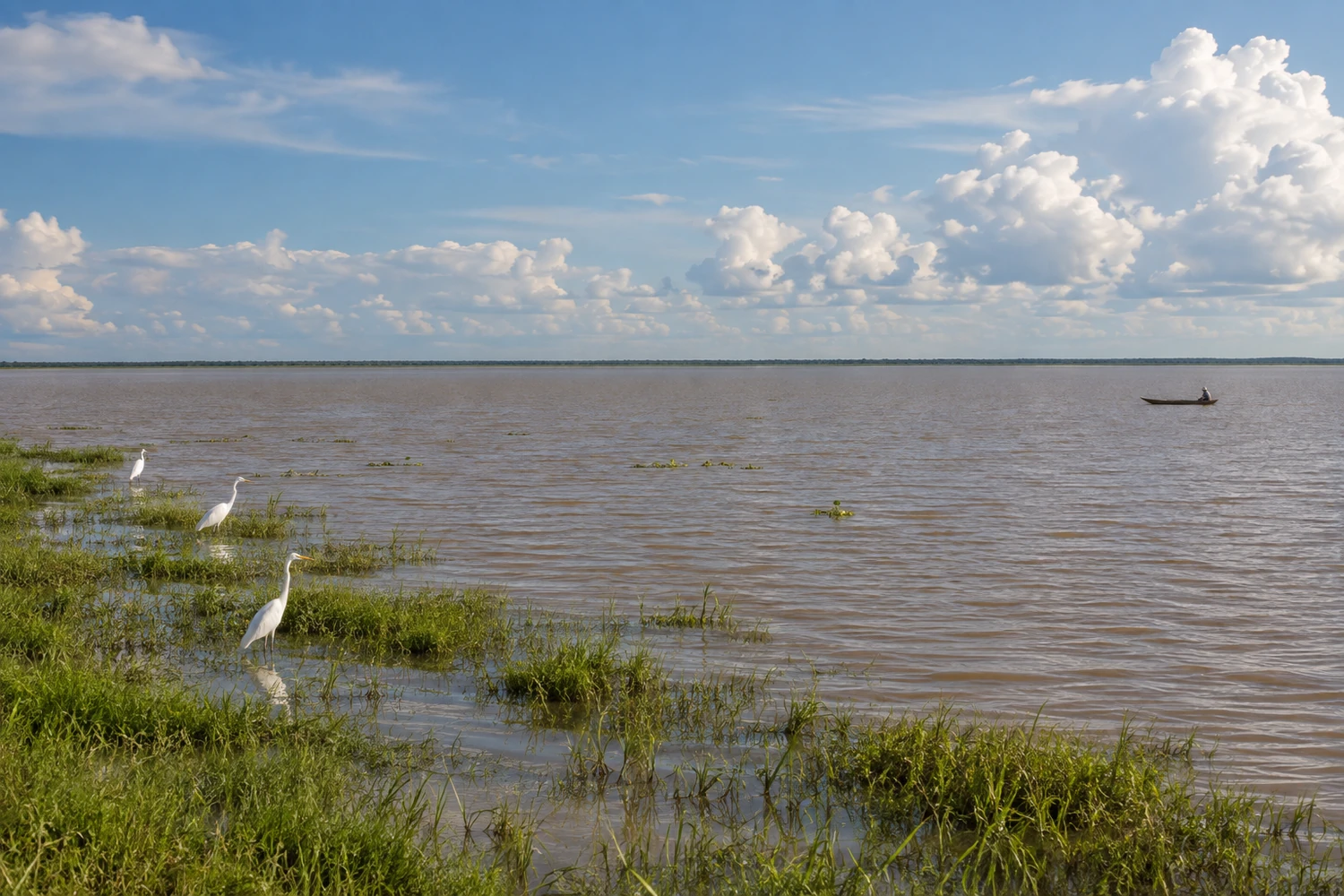
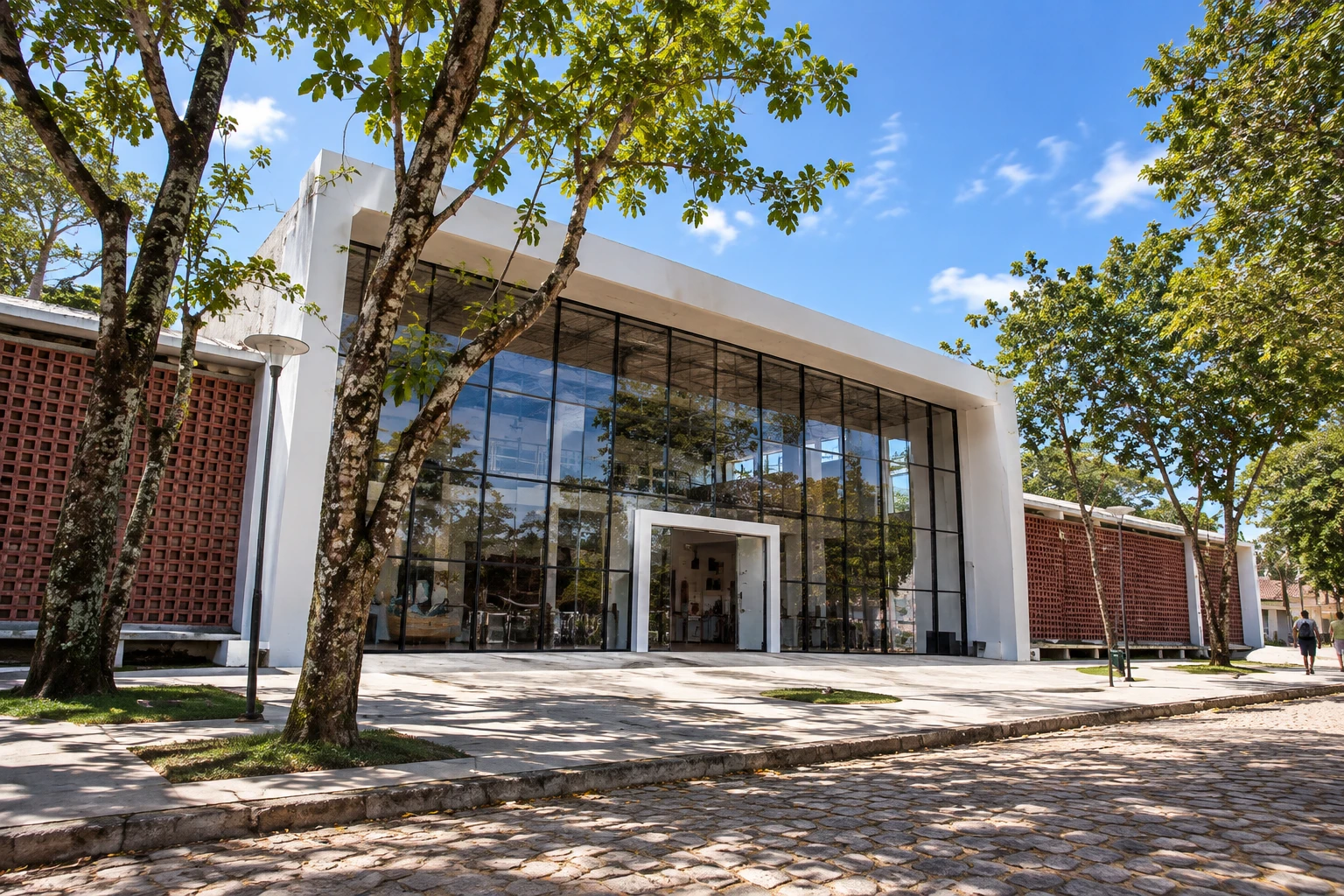
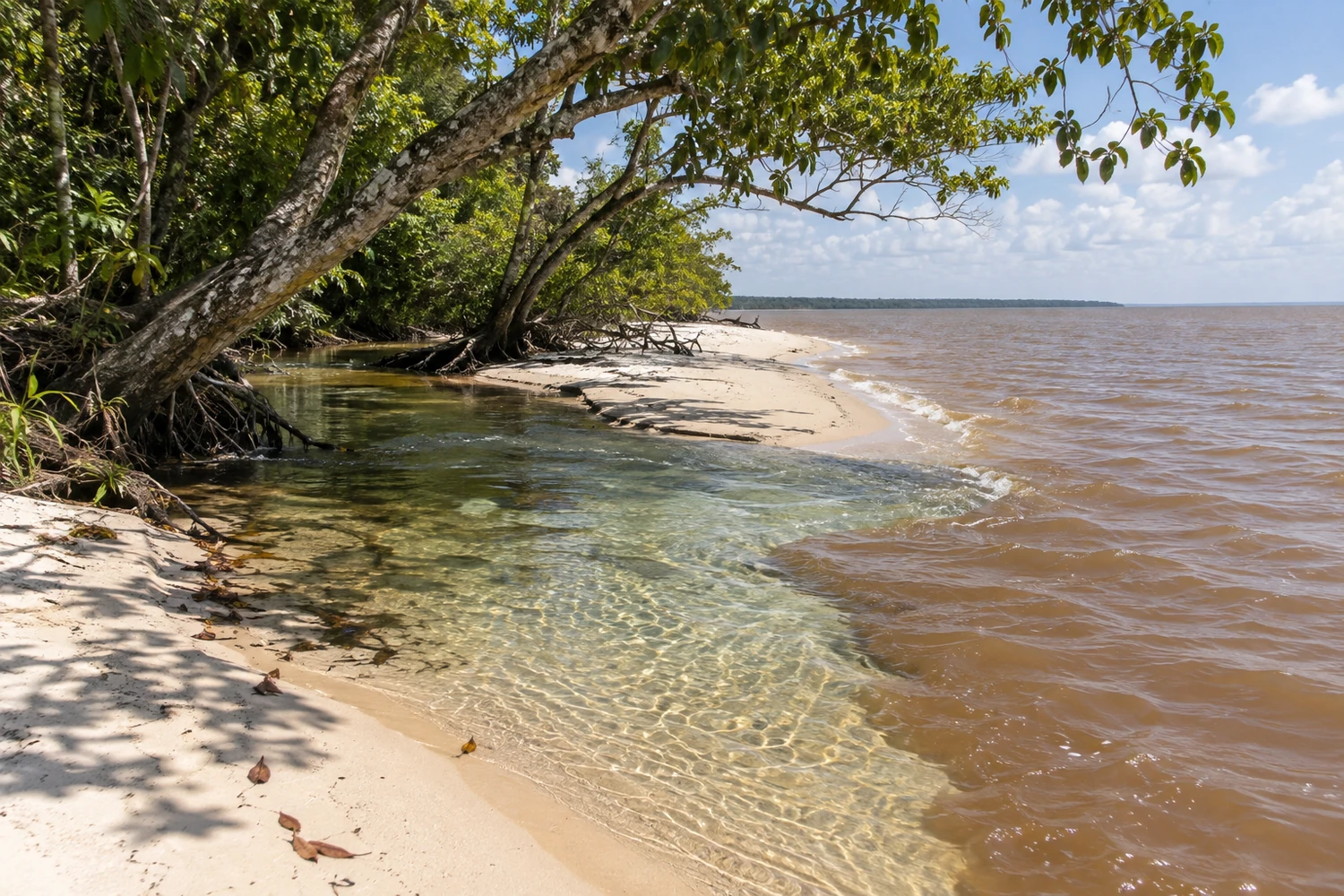
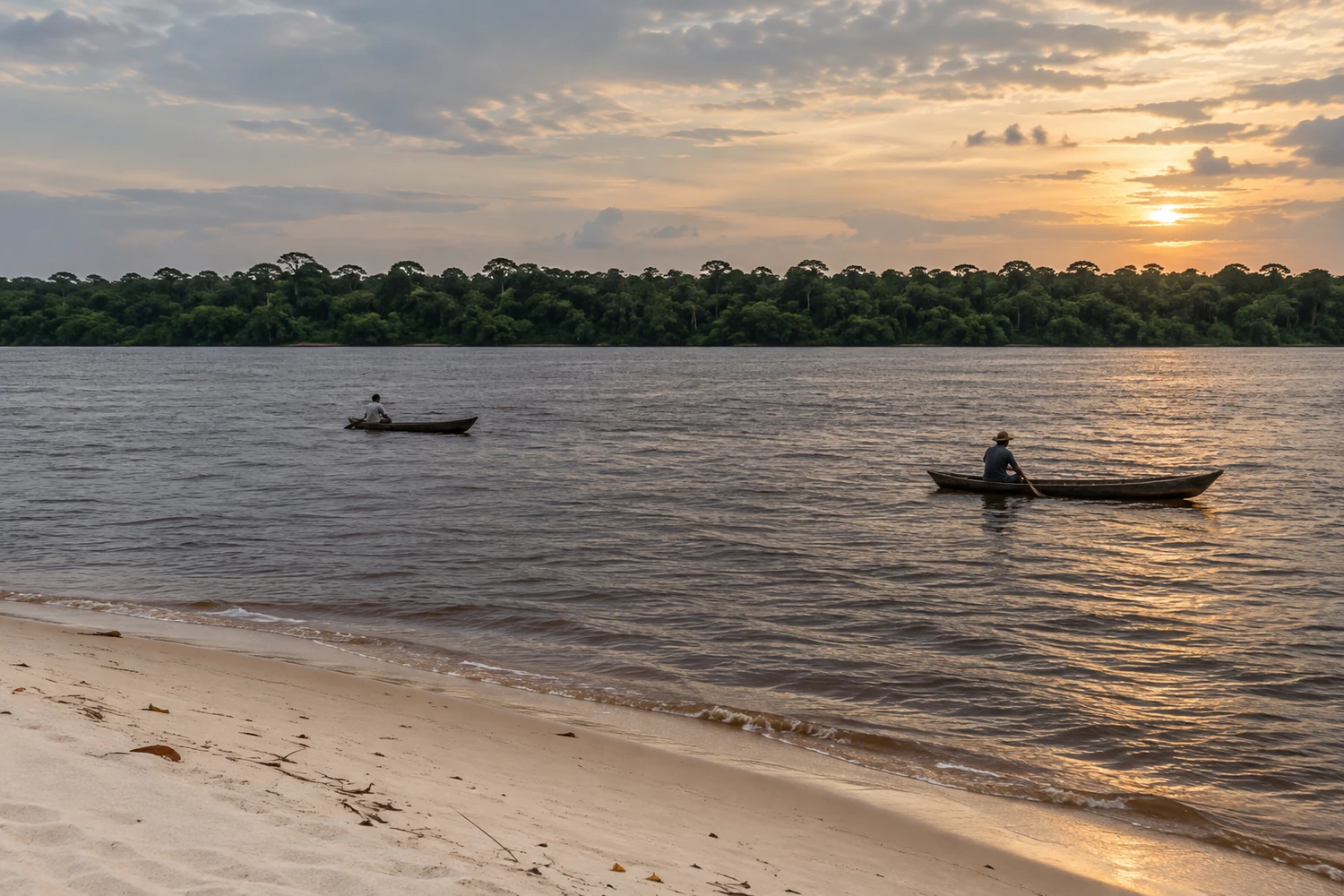
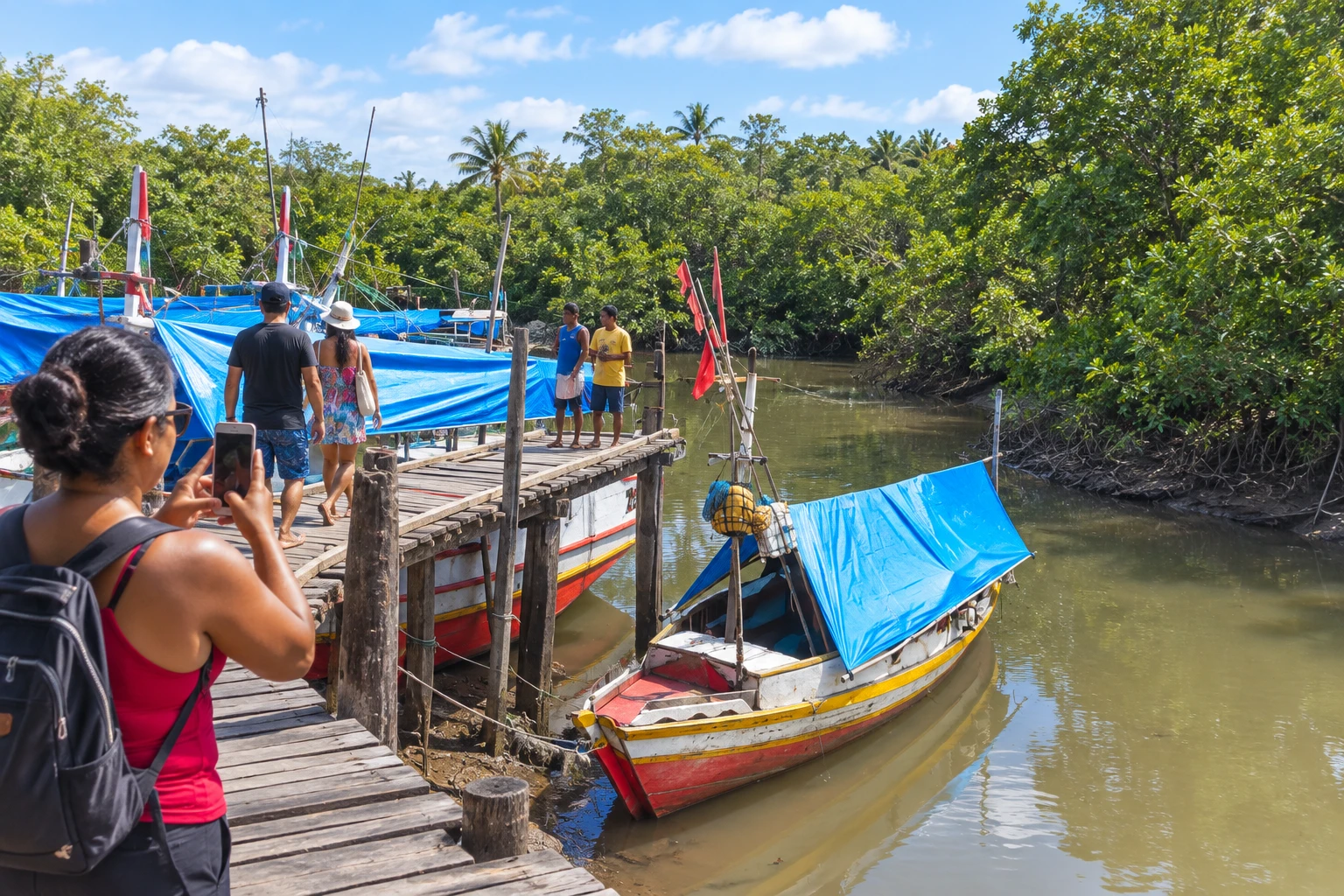
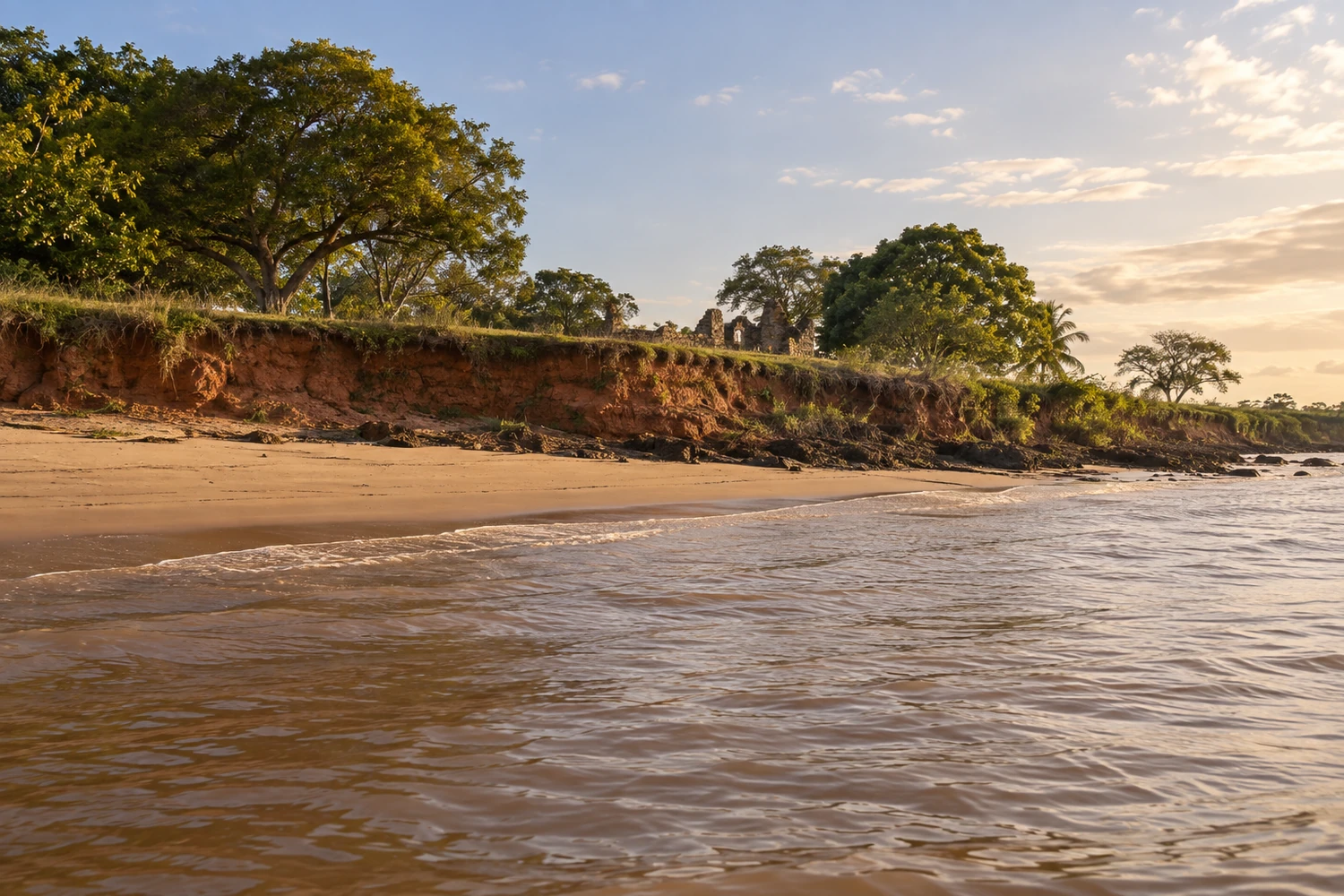
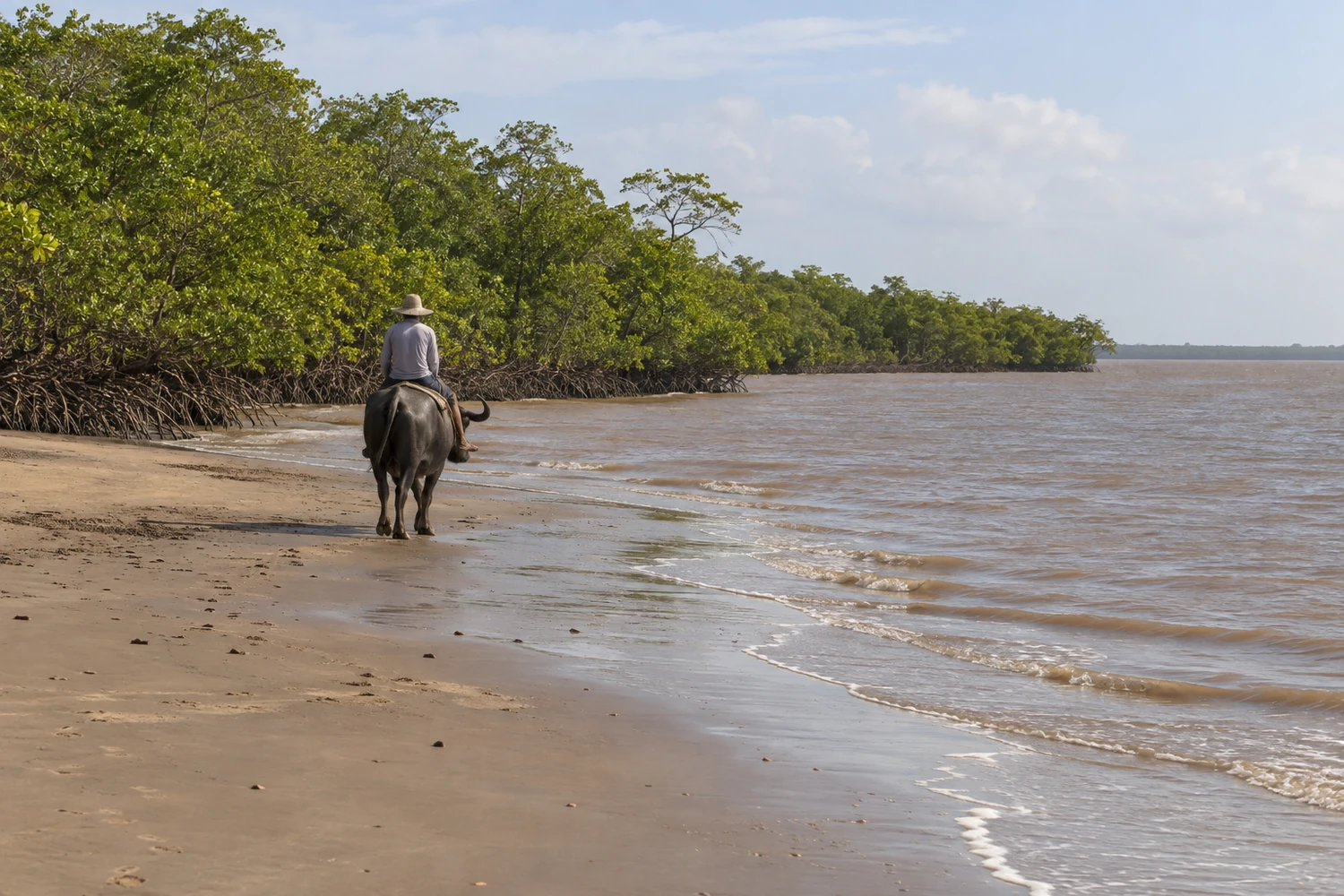
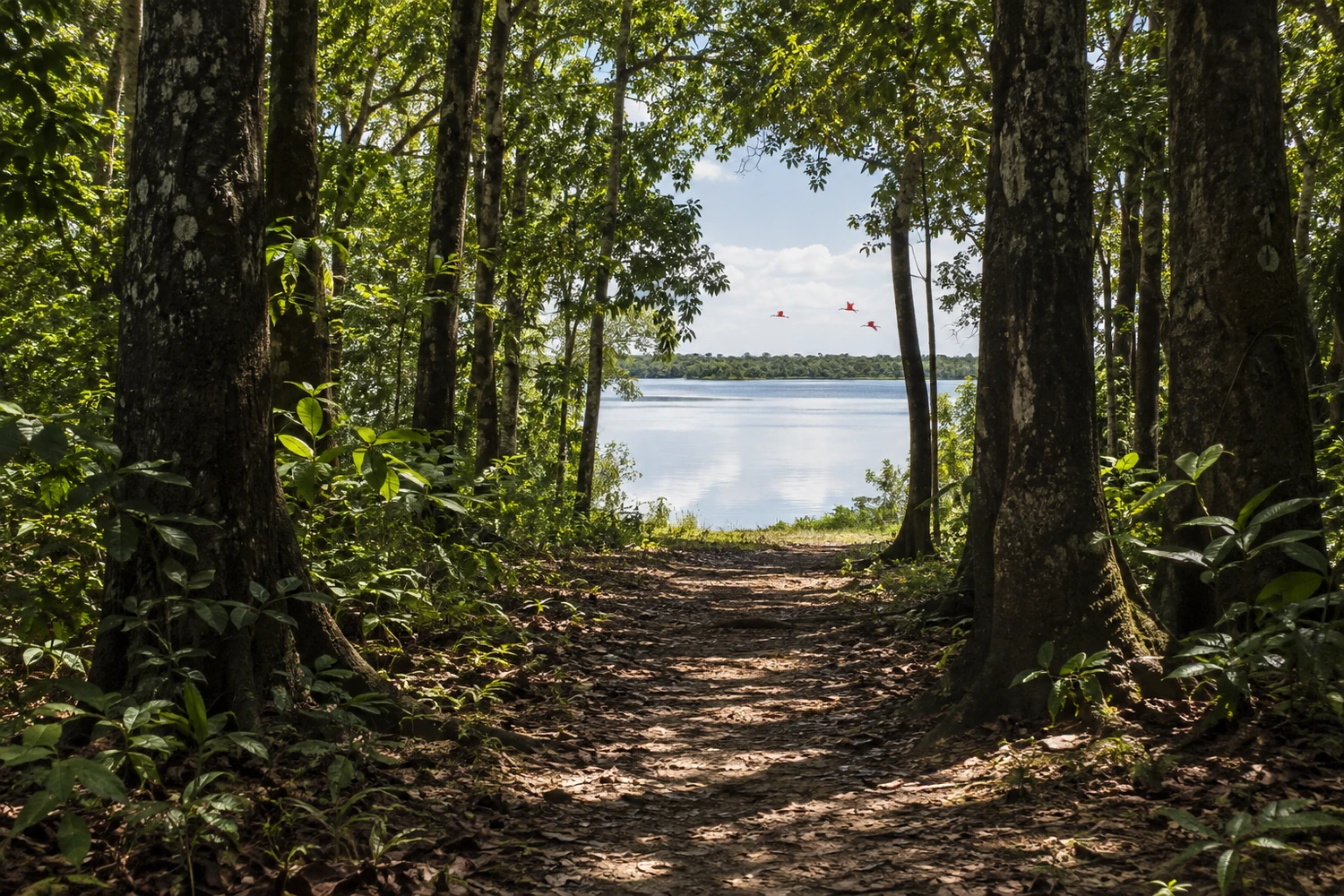
These pictures are illustrations based on the real place, not photographs. They may differ from the place.
Click the picture to enlarge it.
One destination, many paths
Start with one city or combine several in your itinerary.
Salvaterra combines beaches and historic remains on the eastern coast of Marajó Island. The village of Joanes, the grasslands and the local communities bring visitors close to Marajó's landscapes and culture.
Soure brings together beaches, mangroves and natural grasslands on Marajó Island. The landscape of Pesqueiro and the daily life of the communities reveal the connection between the waters, fishing and Marajó culture.
Cachoeira do Arari brings together Marajó grasslands, riverside life and cultural heritage. The Museu do Marajó presents the history and knowledge of the region, in dialogue with the daily life of local communities.
Ponta de Pedras brings together floodplain landscapes and riverside communities in the Marajó archipelago. Fishing, açaí and its religious heritage help you understand the town's relationship with its waters.
Breves grew up on the banks of the Rio Parauaú, in a region of Amazon islands and channels. The boat traffic and the downtown heritage reveal how rivers shape life on Marajó.
The local experience
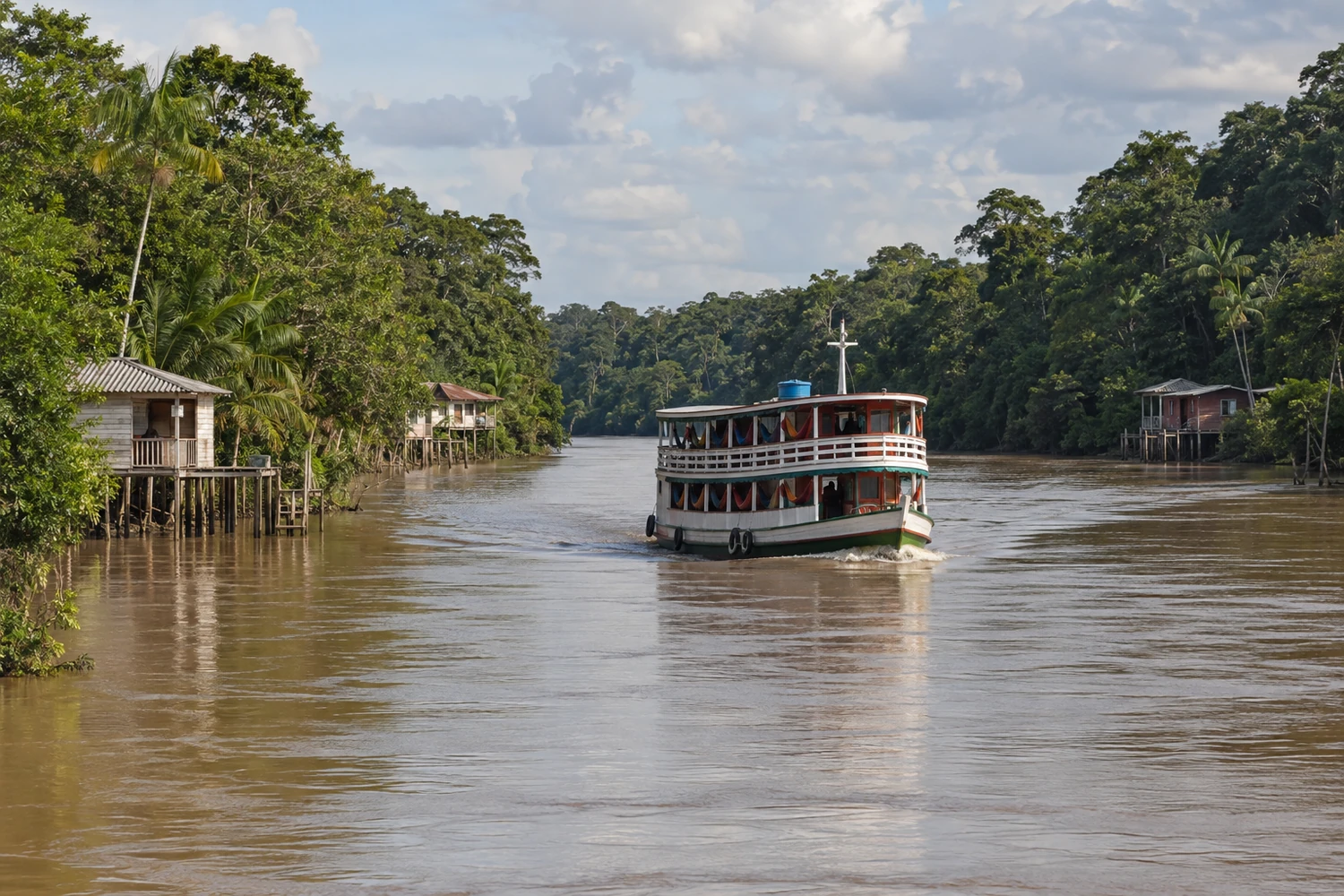
A network of small rivers, channels and islands linking the Amazon River to the Rio Pará, it is a route for boats crossing the Marajó archipelago. The trip reveals floodplain forests and riverside communities along the banks.
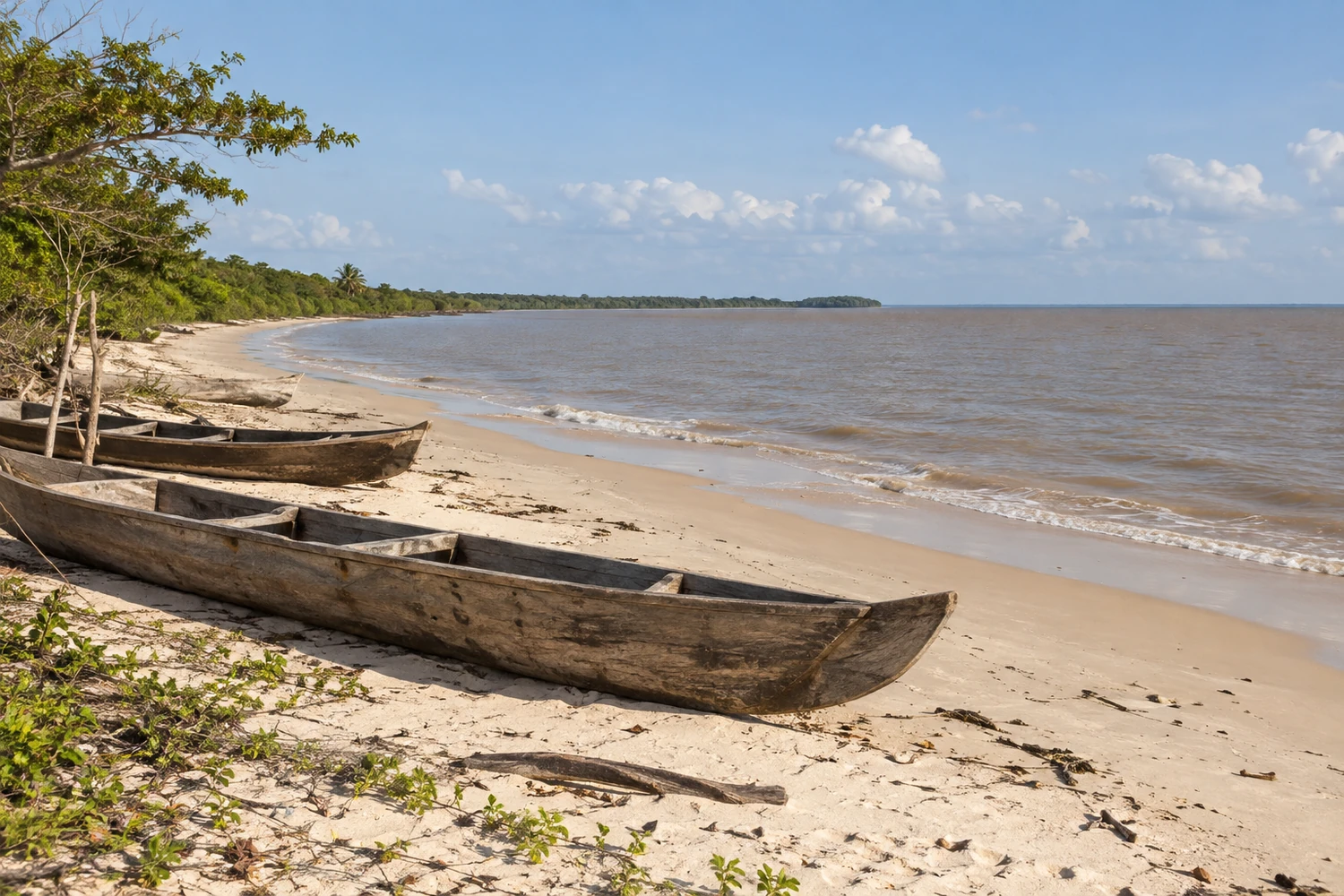
Washed by the fresh waters of Marajó Bay, it stretches for about 2 km and is 10 km from downtown. The beach's name inspired the town's first name, later replaced by the current one, a reference to the local rocks.
A wide beach with coconut palms, fried fish stalls and warm, yellowish water. It is the busiest and best-equipped beach on the island.
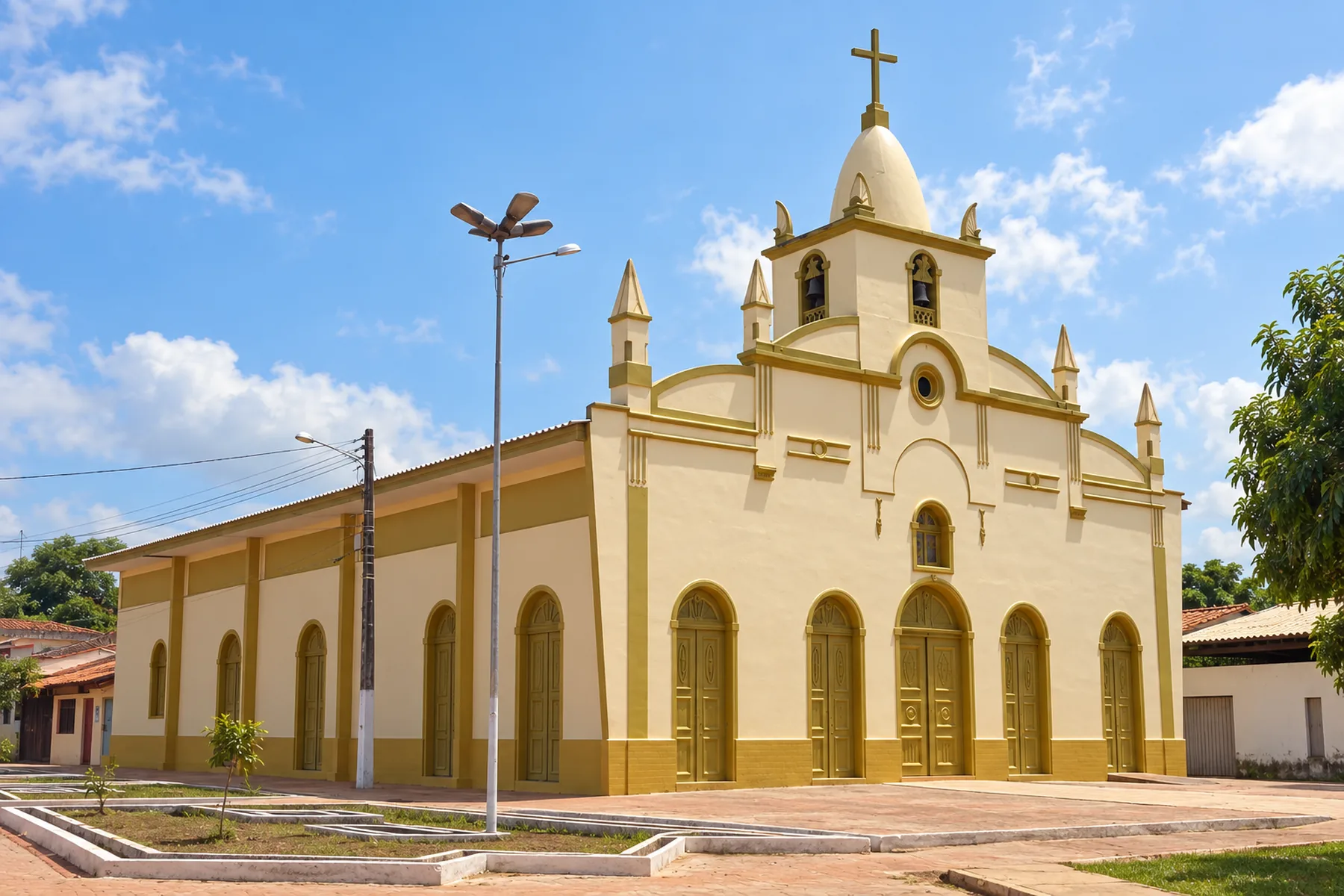
Built in 1923, it is the seat of the parish created in 1747 that gave rise to the town. On the third Sunday of December, it hosts the Círio de Nossa Senhora da Conceição, a procession in honor of the patron saint.
Discover Igreja Matriz de Nossa Senhora da Conceição
With construction begun in 1861, it is on Avenida Presidente Getúlio Vargas and is dedicated to the town's patron saint. The saint's festival, held every year on July 26, includes a procession and religious events.
Facing Marajó Bay, it is about 8 km from downtown and is one of the main swimming and leisure spots for locals. Nearby there is a community plant-fiber processing unit.
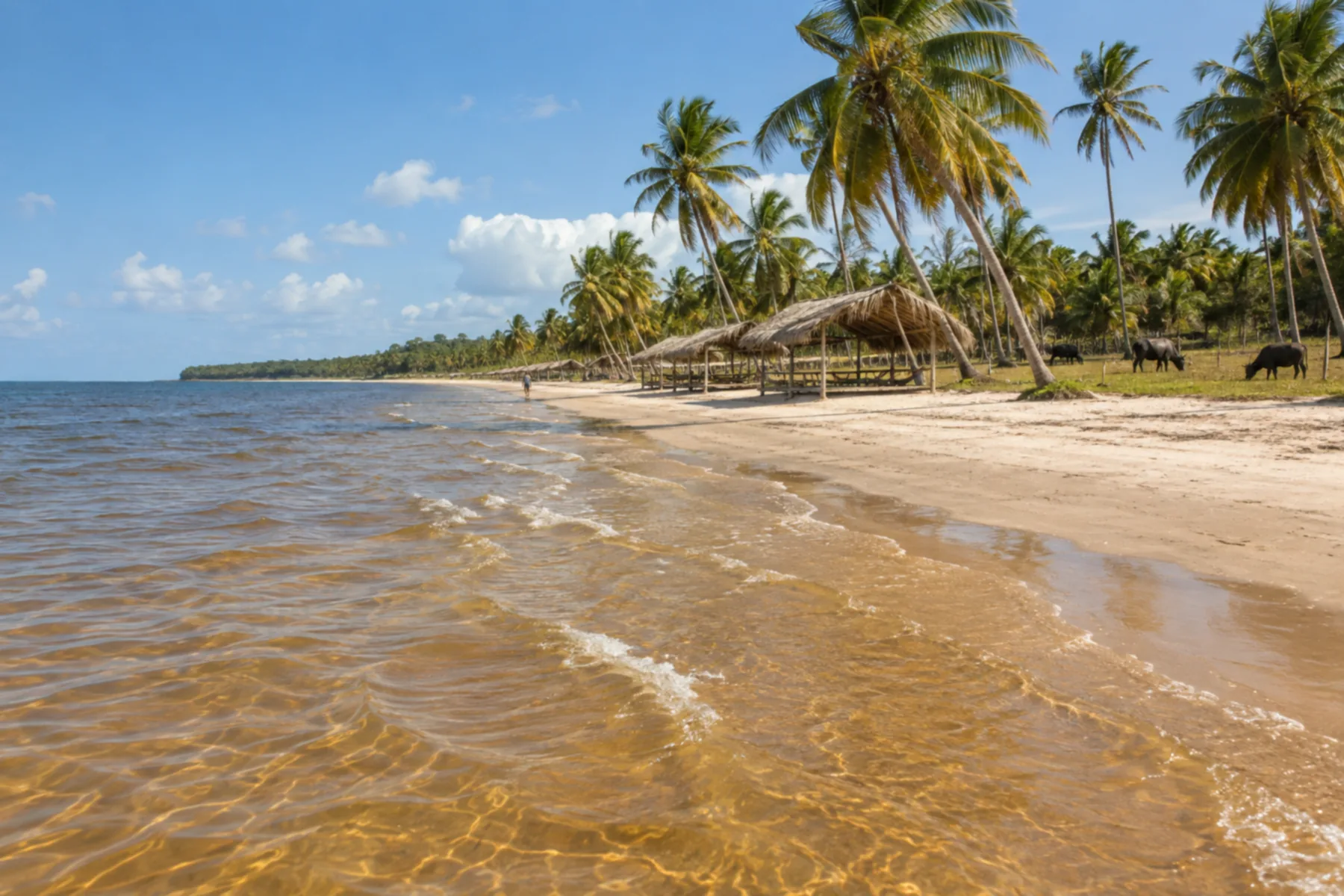
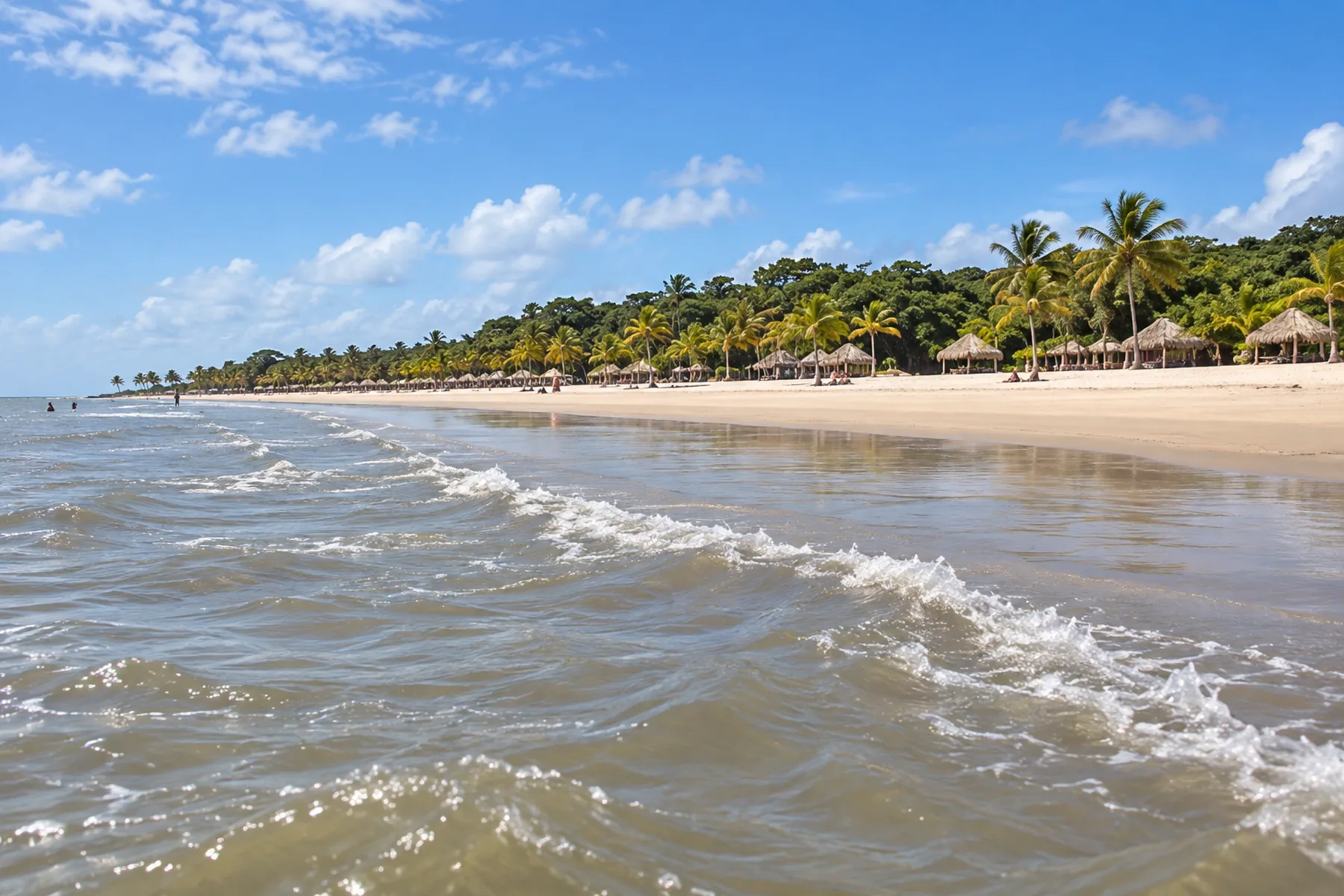
A long stretch of light sand with a calm sea and wide-open sunsets over the water. It has many bars and kiosks with live music from Pará.
Discover Praia Grande de Salvaterra
The largest depression on Marajó Island, it is up to 18 km long and 7 km wide and is shared with the neighboring town of Santa Cruz do Arari. It is part of the Marajó Archipelago Environmental Protection Area, created in 1989.
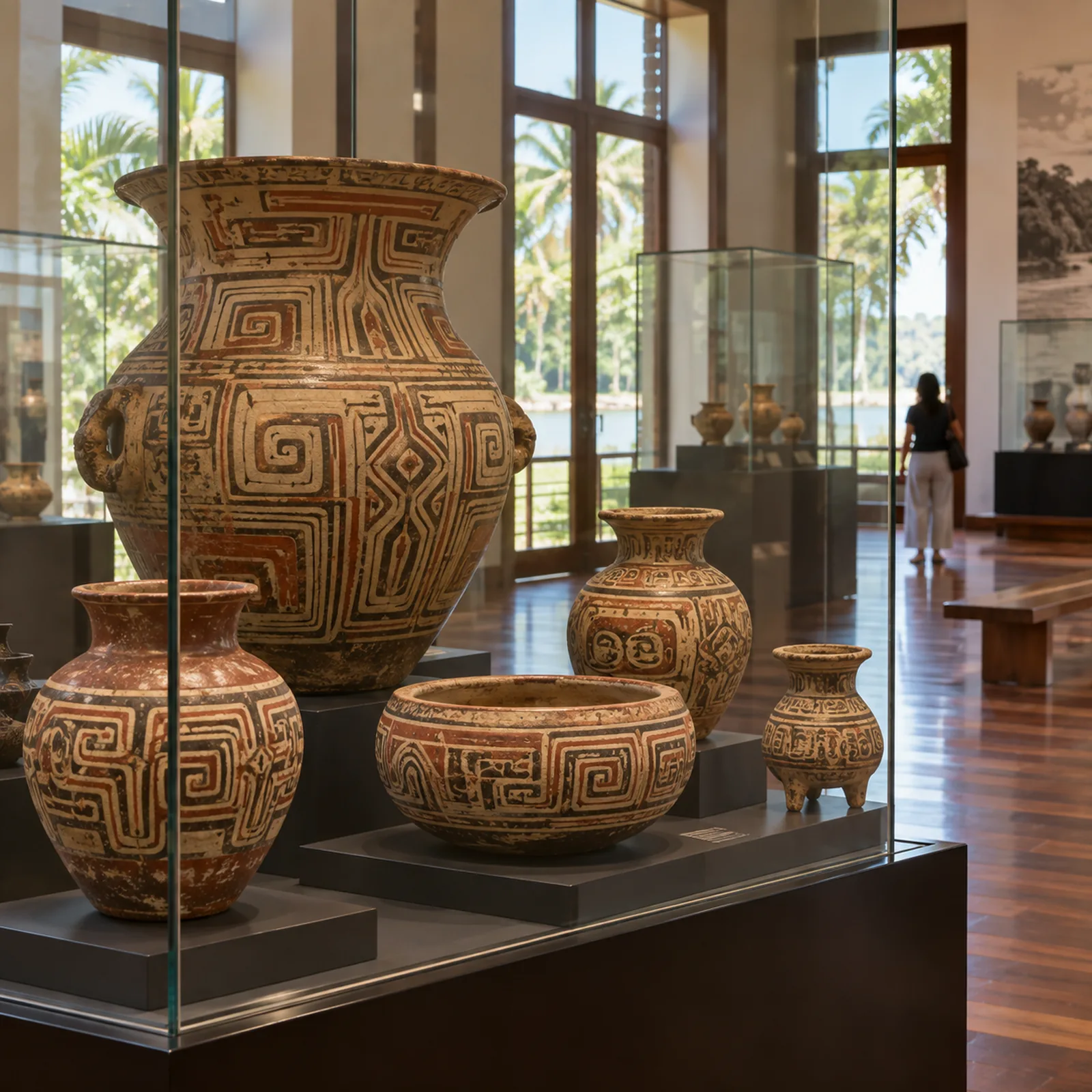
A collection devoted to Marajoara pottery, riverside culture and the island's history, assembled through a local initiative. A good stop for understanding the designs that appear in local crafts.
Formed by crystal-clear igarapés, it is washed by Marajó Bay. Smaller and more secluded than the neighboring beaches, it has calm water and natural pools that appear at low tide.
The town's main swimming spot, on the banks of the Rio Parauaú. The river, long and navigable along its entire course, is one of the waterways surrounding the town.
A settlement that grew up with the arrival of Jesuit friars in the region in the 18th century, it is now one of the municipality's rural communities. It preserves a church and remains of old religious buildings from the colonial period.
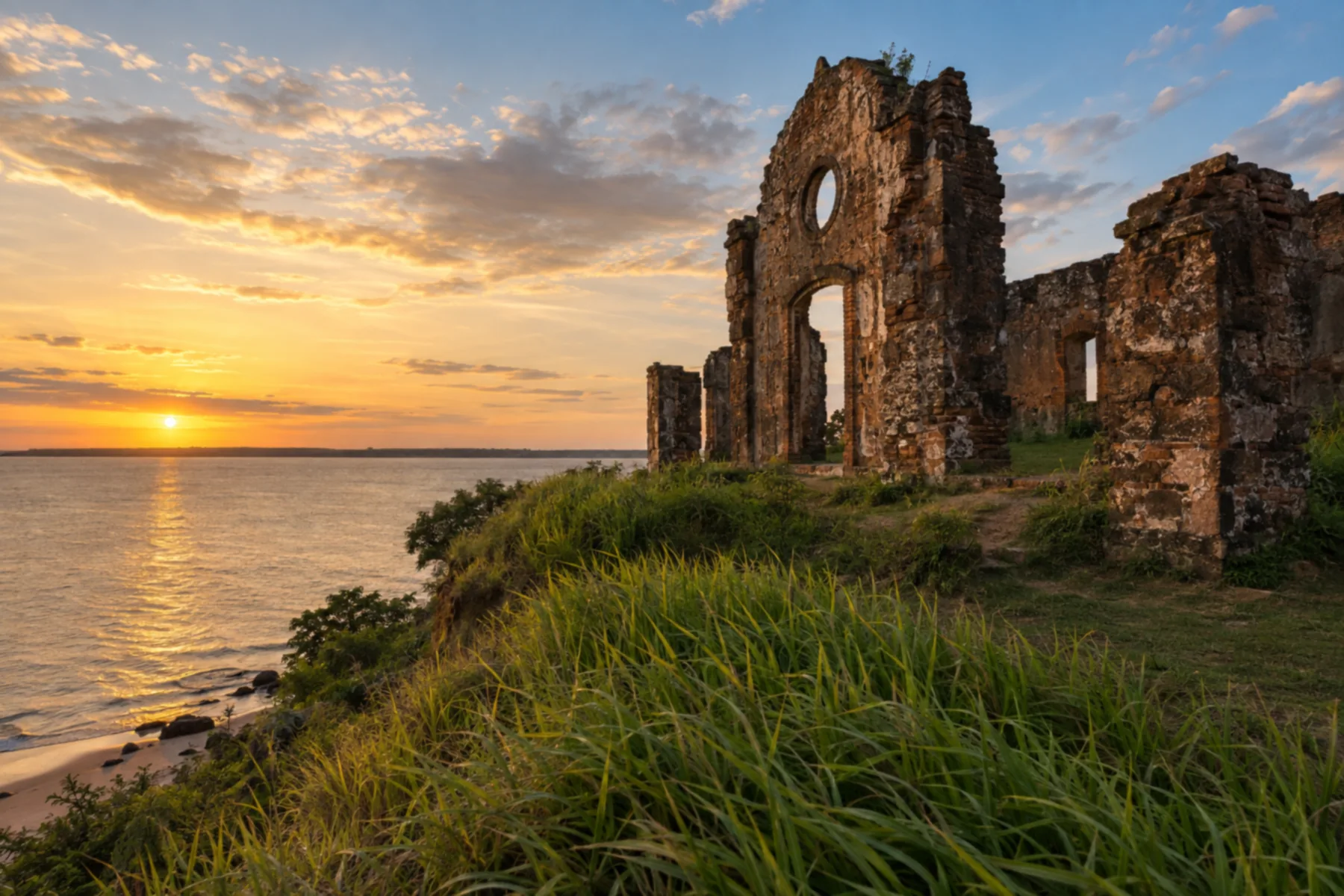
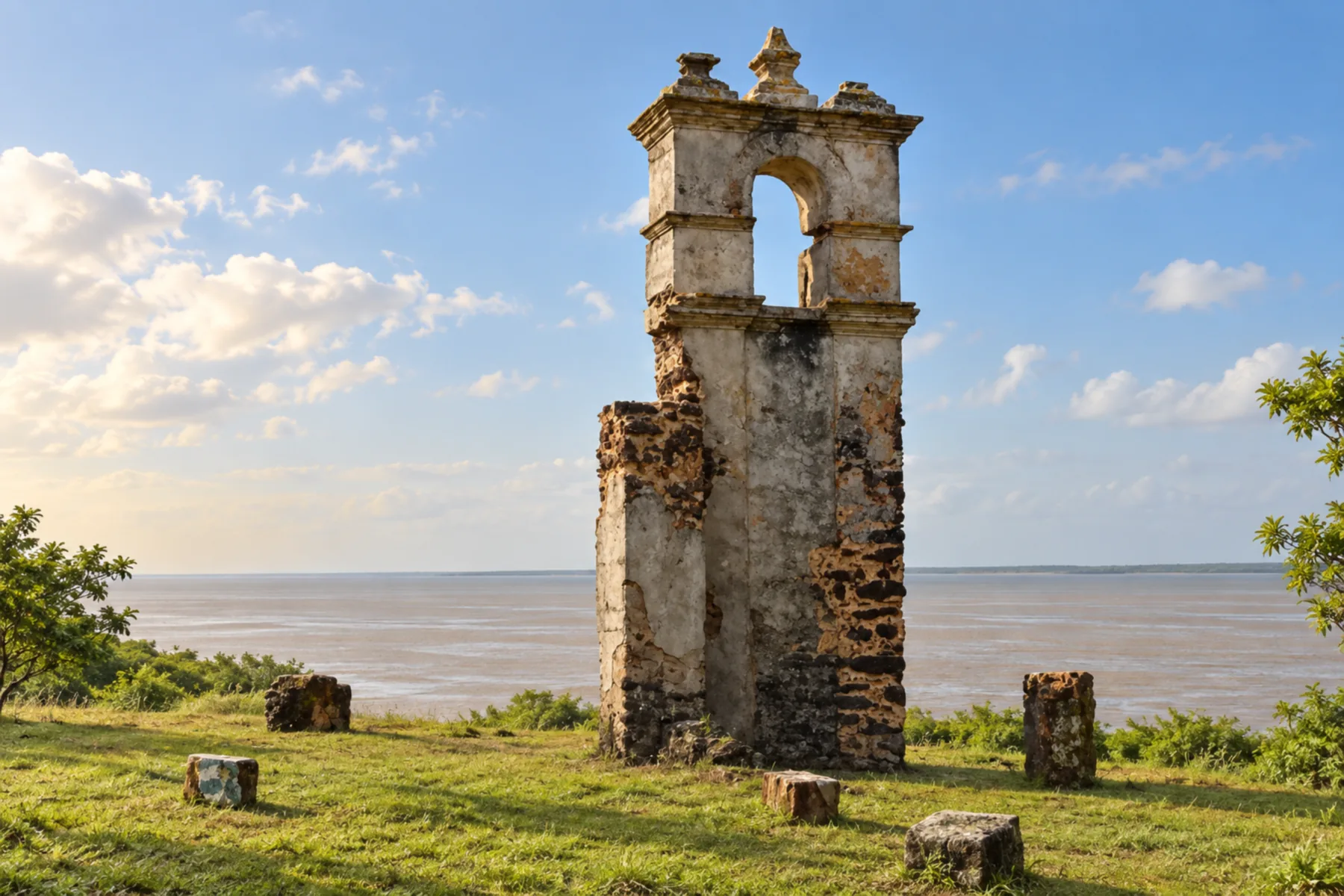
A beachside village with the ruins of a 17th-century Jesuit church on the bluff. The contrast between old stone and sea is the most photographed image of Marajó.
Discover Vila e ruínas de Joanes
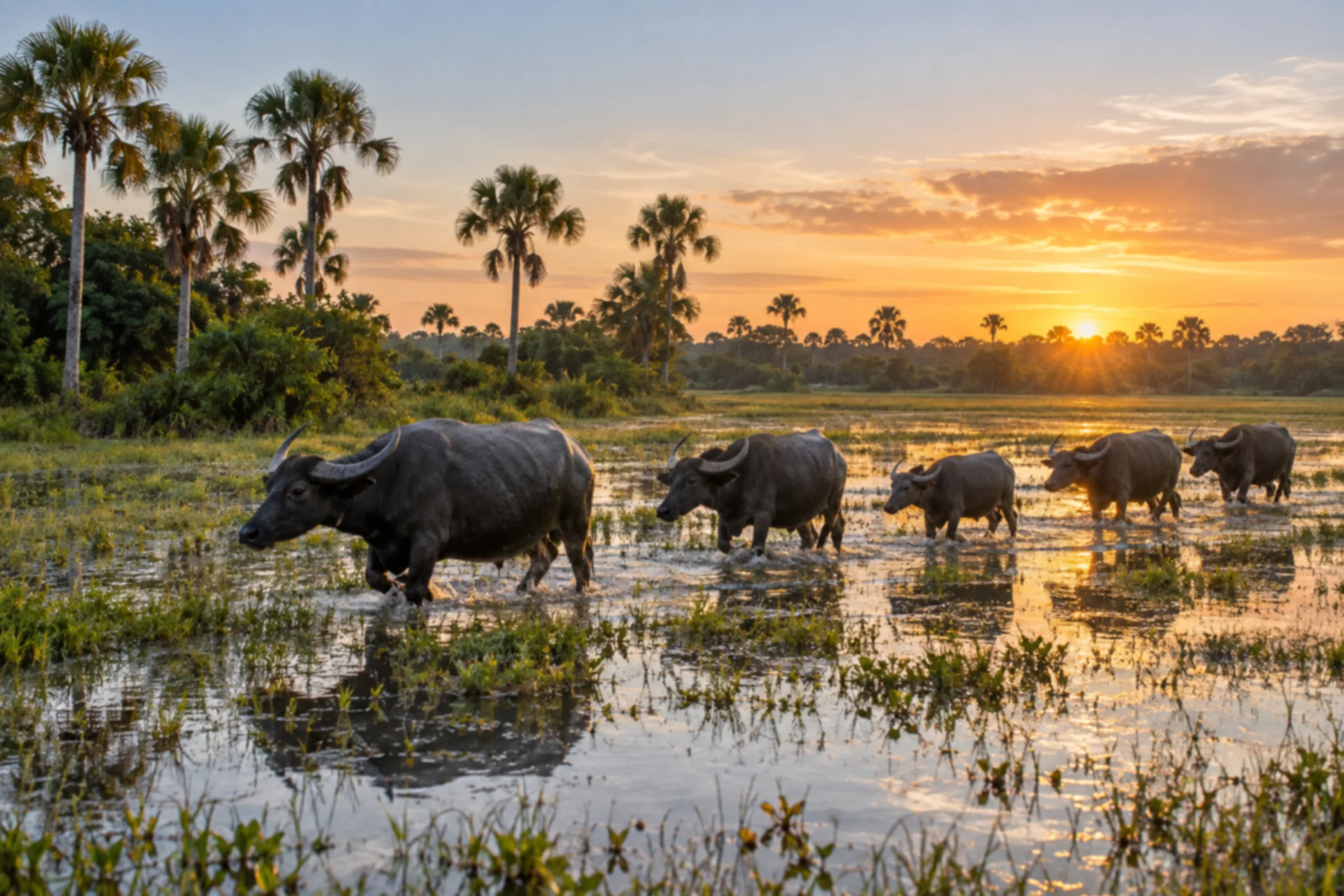
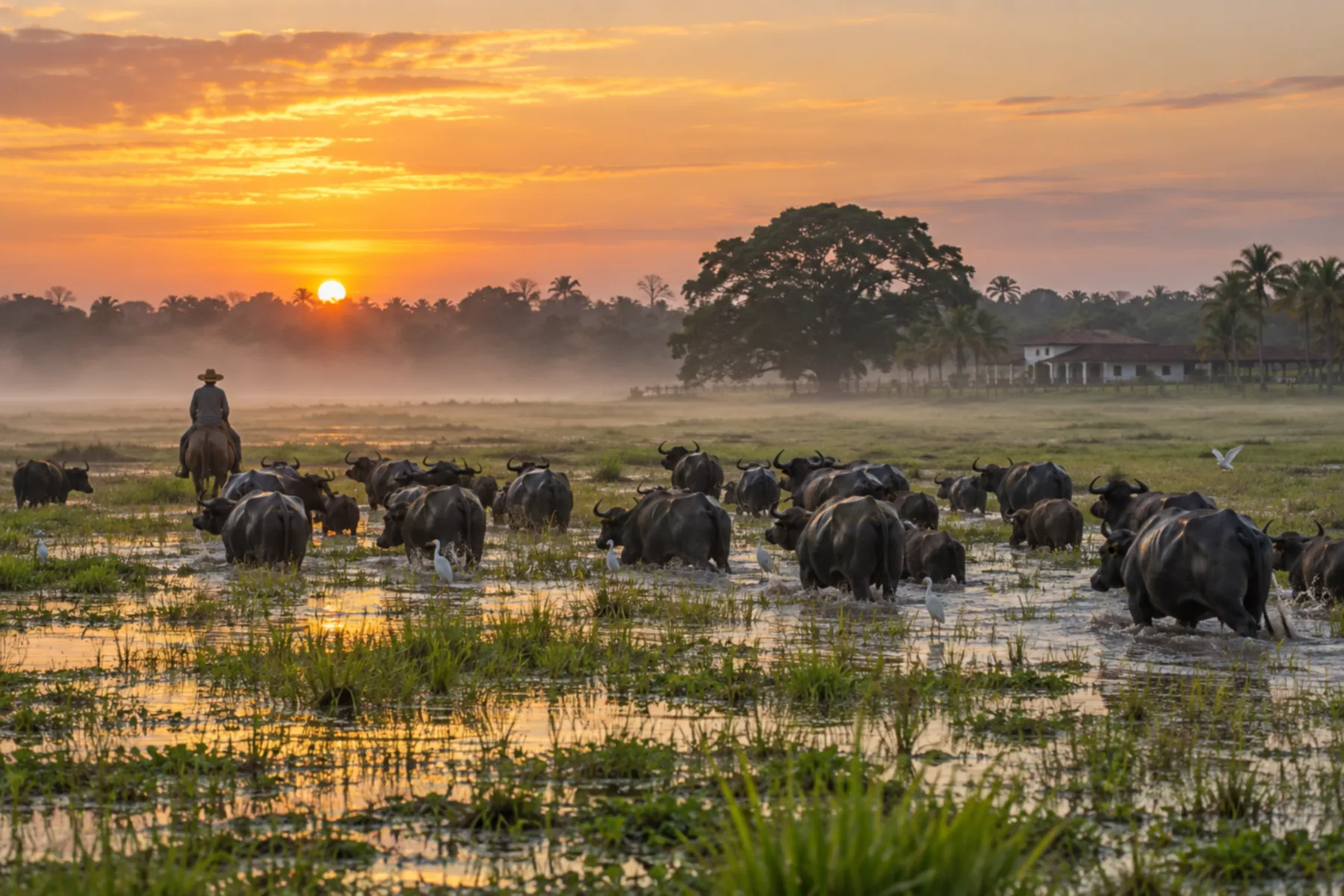
A water buffalo farm open to visitors, with cart rides, milking and tastings of cheese and sweets made on site. It shows how buffalo ranching became part of the island's identity.
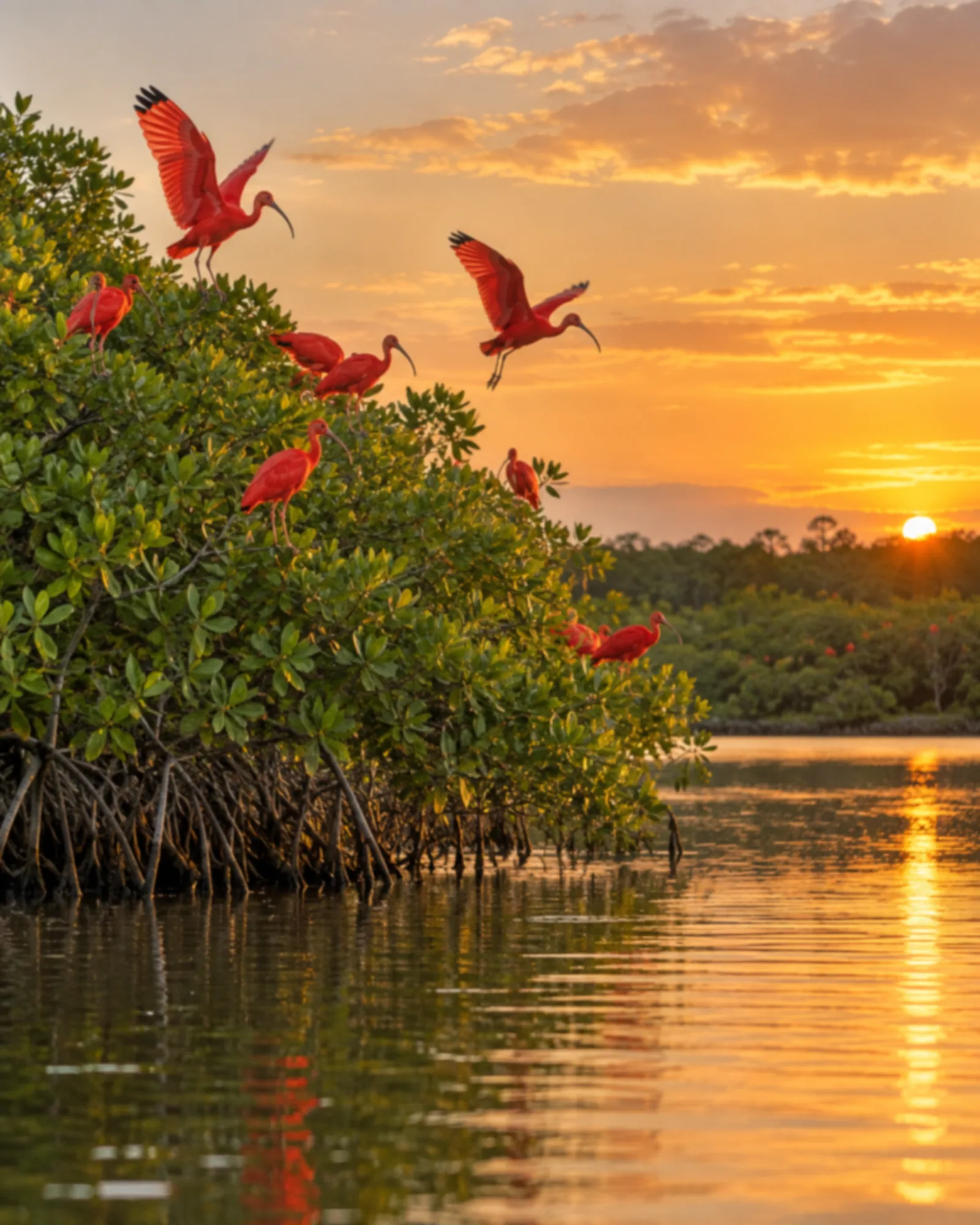
A trail through native forest of bacuri trees that ends at a lake where flocks of scarlet ibises arrive in the late afternoon. Tours are guided by local residents.
Discover Mata do Bacurizal e Lago dos Guarás
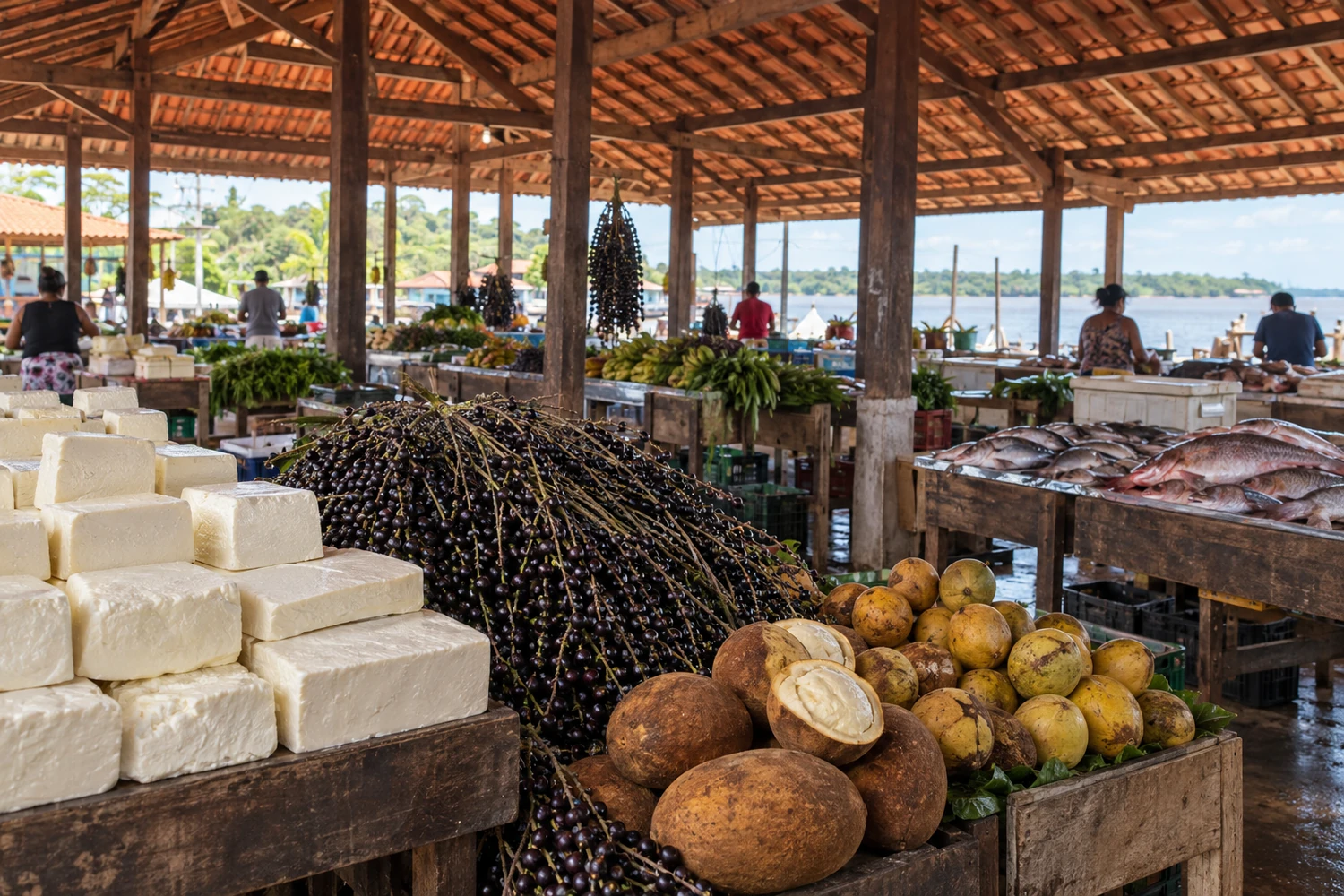
The town's meeting point, with fresh fish, regional fruit, buffalo cheese and Marajoara pottery. A good place to buy directly from the producers.
Discover Mercado Municipal de Soure
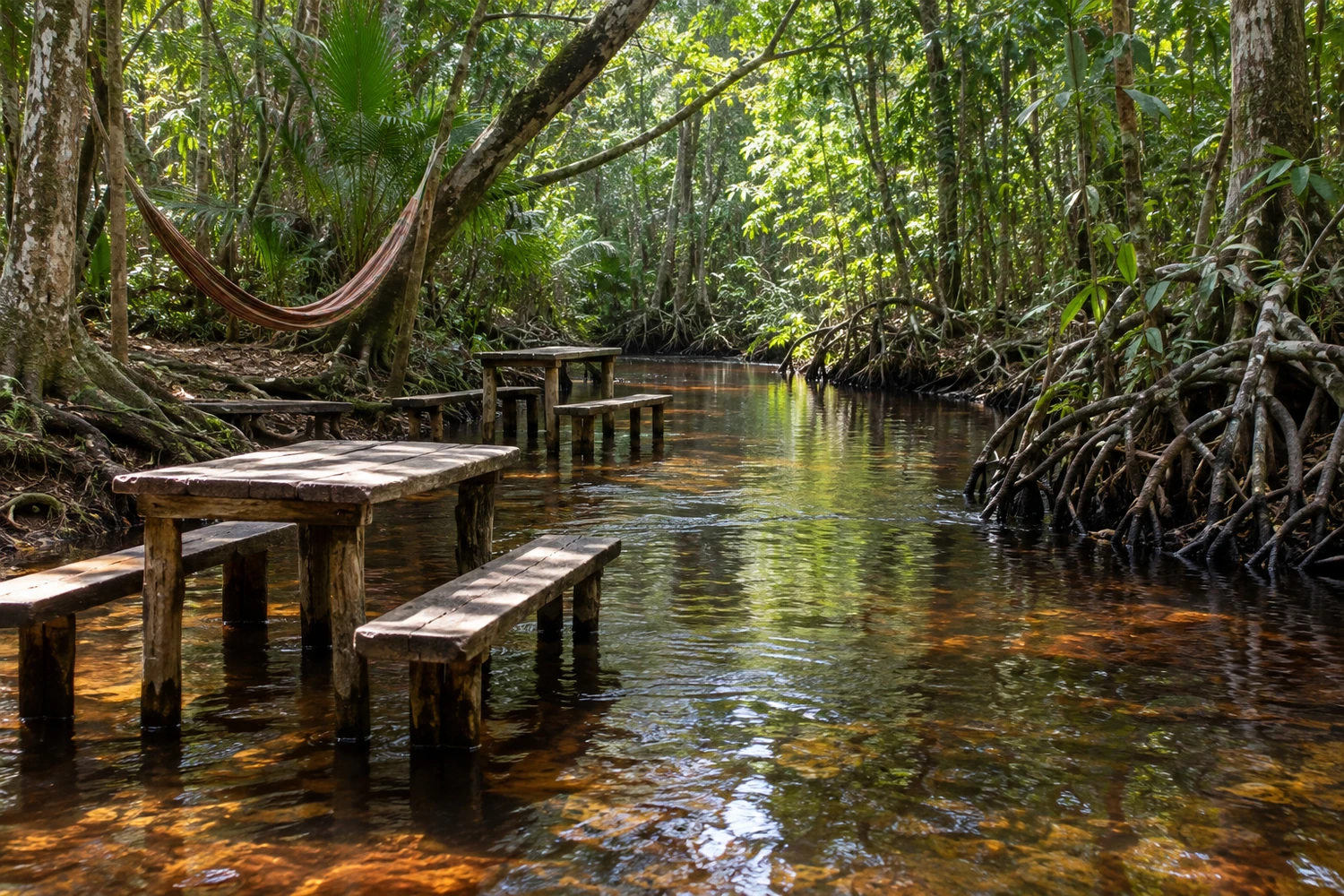
A dark-water igarapé (forest creek) surrounded by mangroves, with hammocks and tables in the water. It is the most refreshing swim on the island, ideal in the middle of the day.
Your base to explore
Where you stay is part of the trip. Choose the area that best fits your itinerary.
A hotel on Travessa Dois, in the Matinha neighborhood of Soure, reopened in November 2025 after seven years closed and a complete renovation. It has rooms and suites, two restaurants serving Amazonian cuisine and event space, and caters to tourists and groups.
A hotel on Avenida Rio Branco, in downtown Breves, with air-conditioned rooms, a pool, a restaurant and breakfast. It serves business and leisure travelers in the largest town on Marajó.
A pousada on Praia Grande in Salvaterra, with direct beach access and a large area of native vegetation, a pool and a restaurant. It is popular with families and travelers who want to stay by the sea.
A hotel on Rua Doutor Tancredo Neves, in downtown Breves, near the port, with air-conditioned rooms and breakfast. It is a practical option for travelers arriving by boat in the largest town on Marajó.
A pousada on the Rodovia Alcindo Cacela, in the Coqueirinho neighborhood of Salvaterra, with cabins, suites, a hammock area and a campground. It organizes trips to buffalo farms, beaches and trails and has been welcoming travelers for more than 20 years.
A pousada on Rua Sexta, in the São Pedro neighborhood, about 1 km from downtown Soure, with a garden, regional breakfast and bike rentals. It suits travelers looking for a quiet base for exploring the island.
A lodging on Rua 4, near the historic center of Soure, with air-conditioned rooms, a pool and a restaurant serving Pará food. It suits travelers who want to stay near downtown and the town's beaches.
A pousada in downtown Salvaterra, mentioned by the Pará press as an option close to the town's main attractions. It suits travelers who want to stay in the urban area, with easy access to Praia Grande.
Flavors of the destination
The restaurant of the Hotel Ilha do Marajó, on Travessa Dois, in the Matinha neighborhood, with contemporary regional cuisine led by chef Delano Souza. The menu features fish of the season, crayfish risotto and Marajó cheese with honey, and it welcomes guests and visitors.
A restaurant on Travessa 36, in the Tucumanduba neighborhood of Soure, dedicated to Marajó cooking. It works with fish, buffalo meat and dishes made with island ingredients, and is popular with people who want to try the local cuisine.
A simple restaurant on Travessa 14, in downtown Soure, known for its regional dishes, especially buffalo meat with Marajó cheese. It serves lunch and dinner to locals and tourists.
Before you go
A little planning leaves more time to enjoy the journey.
Fly to Belém (BEL) and cross by speedboat or ferry from the Icoaraci terminal to Camará, in Salvaterra, then continue by road to Soure.
From July to December, in the Amazon summer, when it rains less and the beaches are wider.
Take your trash with you, follow the signs and support local businesses. In natural areas, follow the visiting guidelines.