
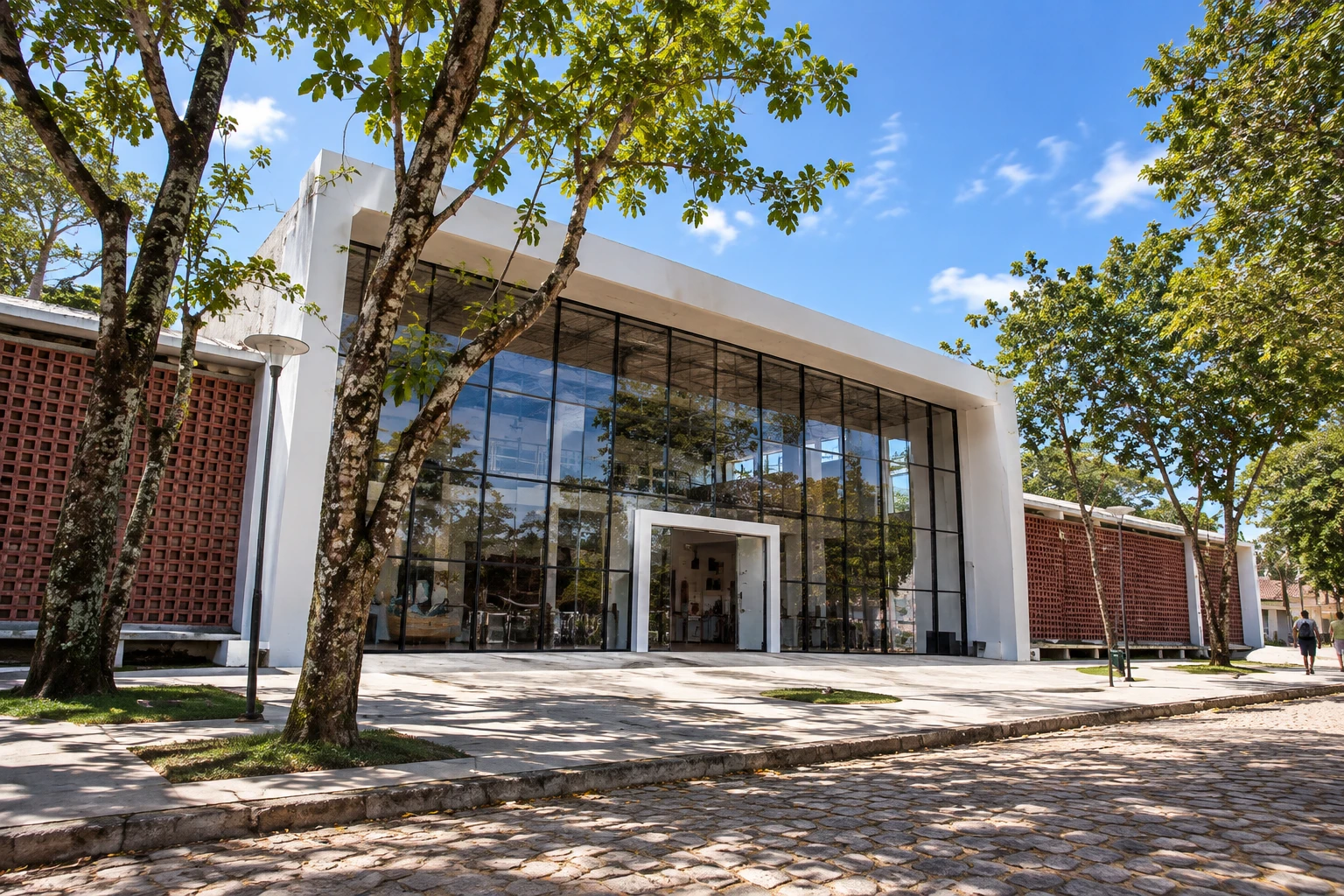
museum · Cachoeira do Arari, PA
Museu do Marajó
A collection devoted to Marajoara pottery, riverside culture and the island's history, assembled through a local initiative. A good stop for understanding the designs that appear in local crafts.
Illustrative images. The pictures in this guide are illustrations based on the real place, not photographs, and may differ from it.
Discover
About Museu do Marajó
The Museu do Marajó Padre Giovanni Gallo, in Cachoeira do Arari, is one of the most important museums about Marajó Island. The collection includes archaeological Marajoara pottery, everyday objects of cowboys, fishermen and riverside dwellers, hunting and fishing tools and specimens of the island's wildlife and plants.
The museum was founded in the 1970s by the Italian Jesuit priest Giovanni Gallo, who lived on Marajó for decades. He began the collection in Santa Cruz do Arari, with help from residents, and later moved it to Cachoeira do Arari. The idea was a museum made with the community and for it. Today the museum is part of the Pará Department of Culture's museum system.
The visit shows the island from several angles: the archaeology of the Indigenous peoples, the life of the cowboys and the buffalo culture, life on the rivers and the African heritage. A hallmark of the museum is the "computadores caipiras" (country computers), interactive panels of wood and string created by Father Gallo, where visitors pull, turn and open pieces to discover answers.
It is a stop that helps you understand the Marajoara pottery designs that appear in the crafts sold on the island. The visit is relaxed, requires no physical effort and appeals to children and adults.
Before you go
Practical information
How much time to set aside
An hour to an hour and a half is enough to see the exhibit at a relaxed pace and play with the interactive panels.
Best time
Any time of year works, since it is indoors; in the rainy months, at the start of the year, it is a good option for wet days. Go in the morning, before the strongest heat.
How to get there
The museum is in the urban area of Cachoeira do Arari, on Travessa Major Emiliano Santos. The town is served by boats from Belém and also has a road link to the eastern side of the island, where Salvaterra and the port of Camará are. The town is small, and the museum is in the urban area.
Tip
Check the opening days and hours with the Pará Department of Culture or the museum itself beforehand, because travel within Marajó depends on boats and roads and you do not want a wasted trip.
A look at the place
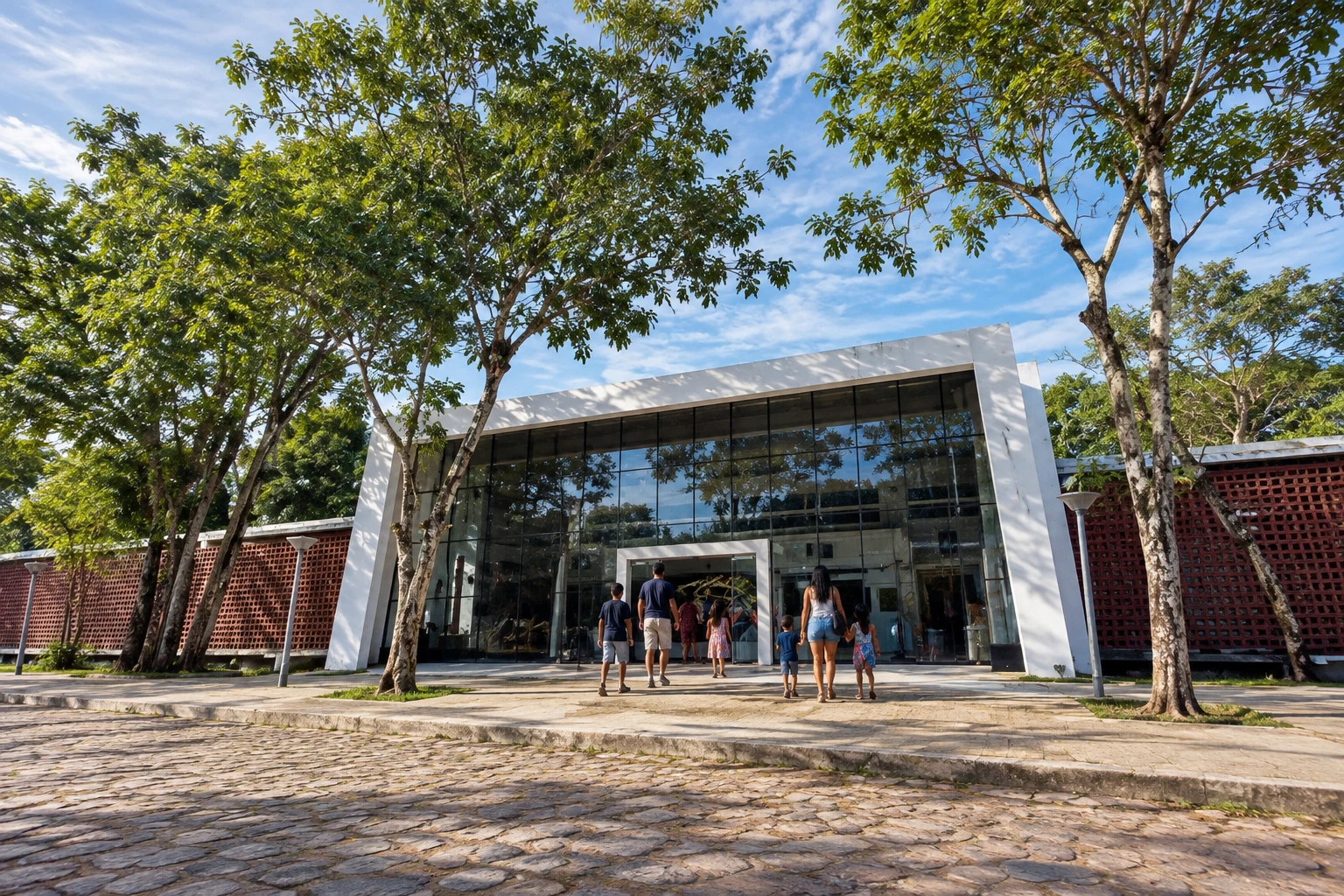
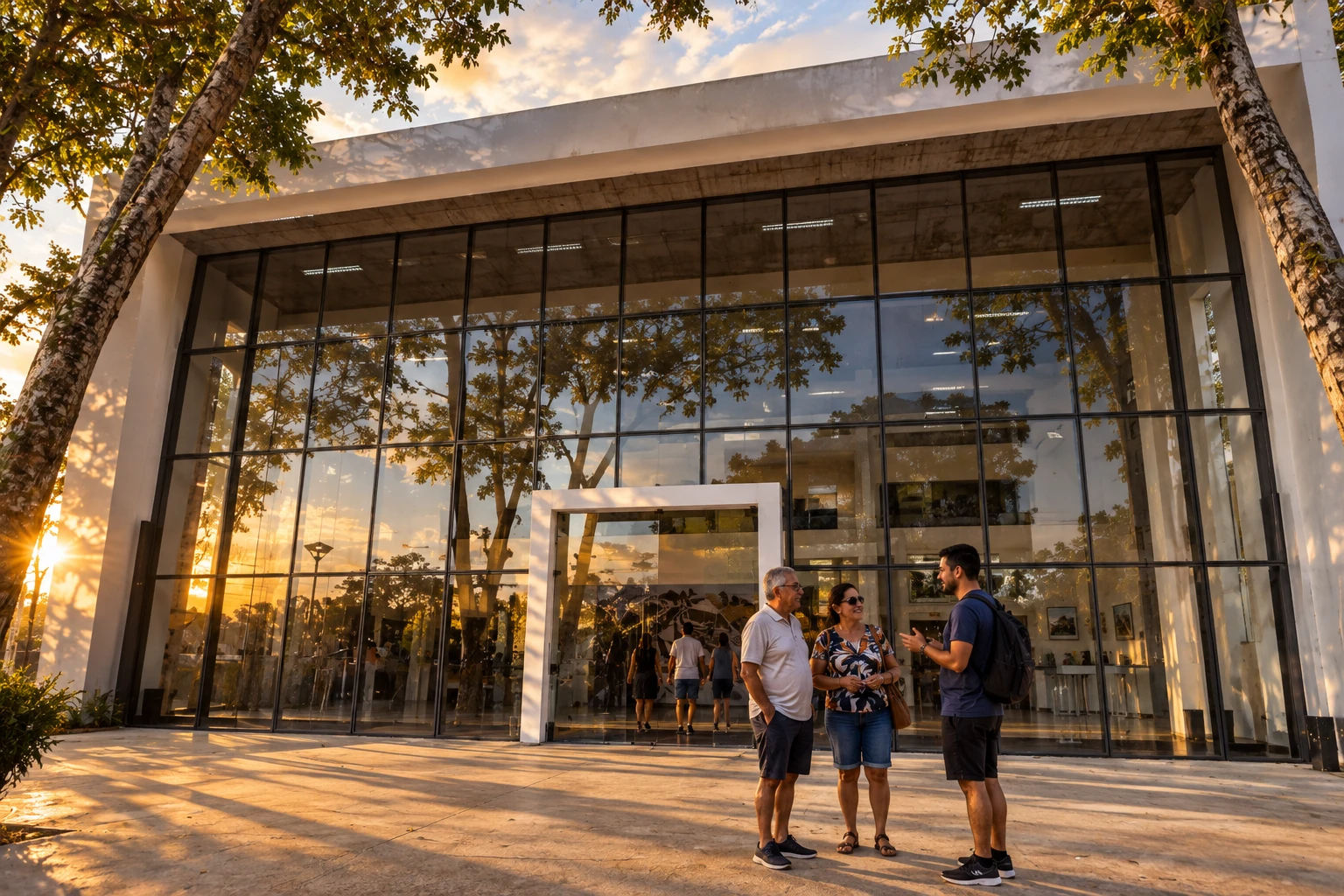
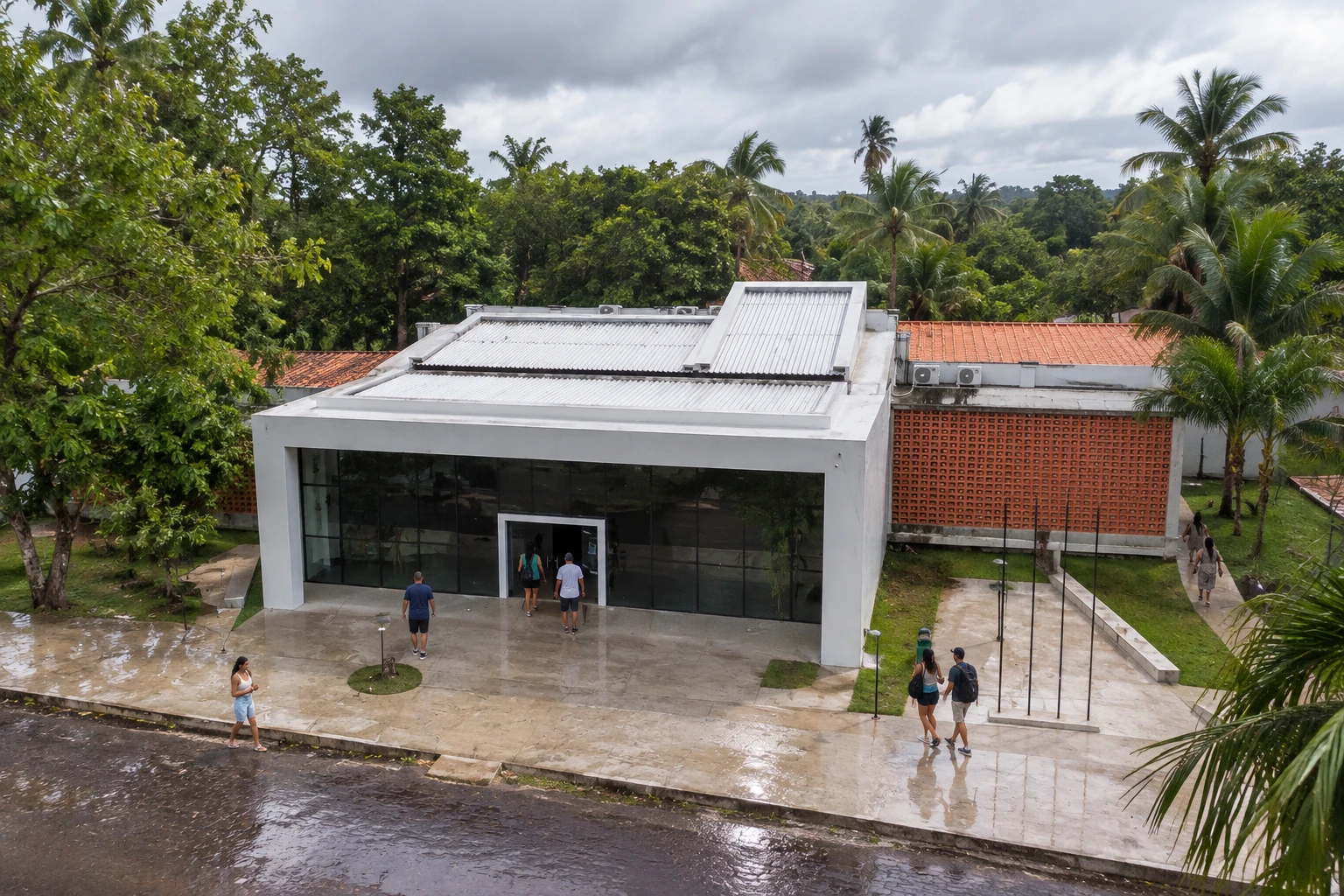
Museu do Marajó in pictures
These pictures are illustrations based on the real place, not photographs. They may differ from the place.
Click the picture to enlarge it.
Get your questions answered
Frequently asked questions about Museu do Marajó
What is there to see at the Museu do Marajó?
Archaeological Marajoara pottery, objects from the lives of cowboys, fishermen and riverside dwellers, hunting and fishing tools and specimens of the island's wildlife and plants, plus the interactive panels created by Father Giovanni Gallo.
Who created the Museu do Marajó?
Jesuit priest Giovanni Gallo, in the 1970s, together with Marajó residents. The collection began in Santa Cruz do Arari and later moved to Cachoeira do Arari.
What are the computadores caipiras?
They are interactive panels made of wood, string and moving parts, created by Father Gallo. Visitors move the pieces to discover answers about the island.
How long does the visit take?
About an hour to an hour and a half to see the exhibit at a relaxed pace.
Is it worth taking kids?
Yes. The interactive panels usually hold children's attention, and the visit requires no physical effort.