Colônia and Düsseldorf

Renânia do Norte-Vestfália · Germany

Colônia and Düsseldorf

Two neighboring cities on the banks of the Reno: Colônia's Gothic cathedral and Romanesque churches, Düsseldorf's art and the Königsallee, each with its own beer.

Oeste

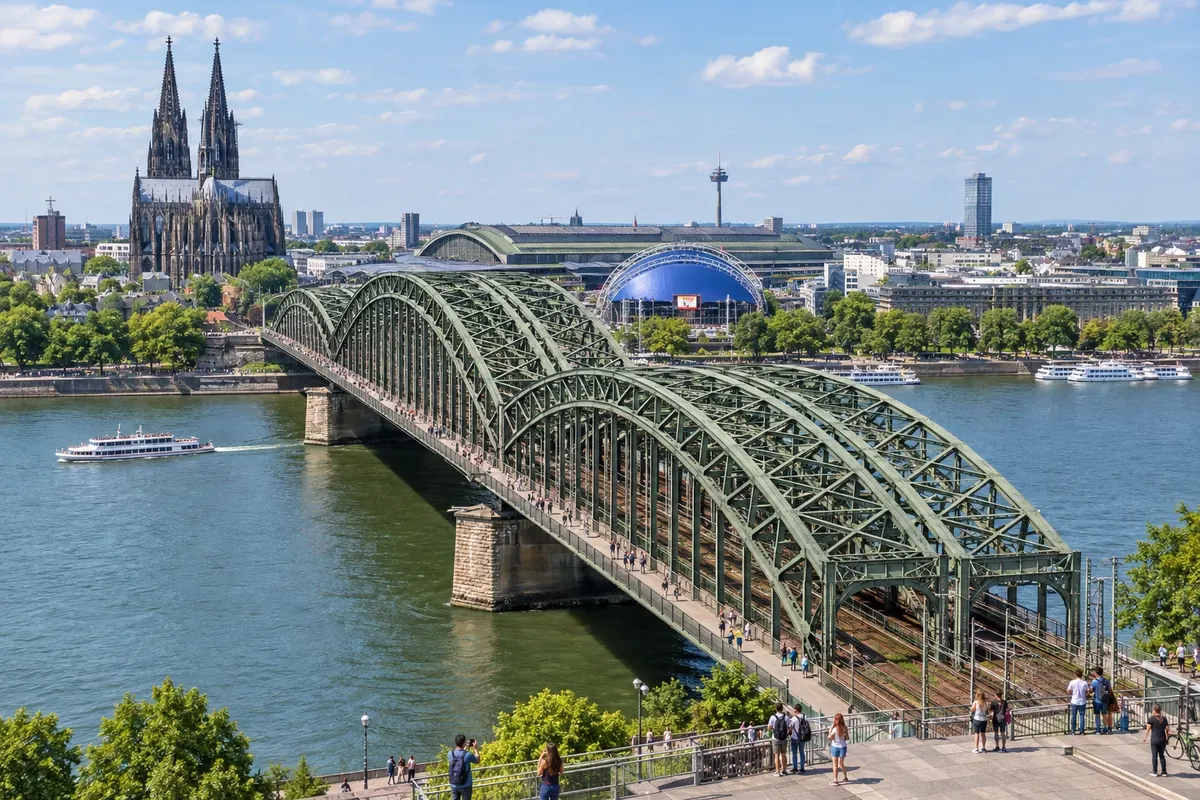
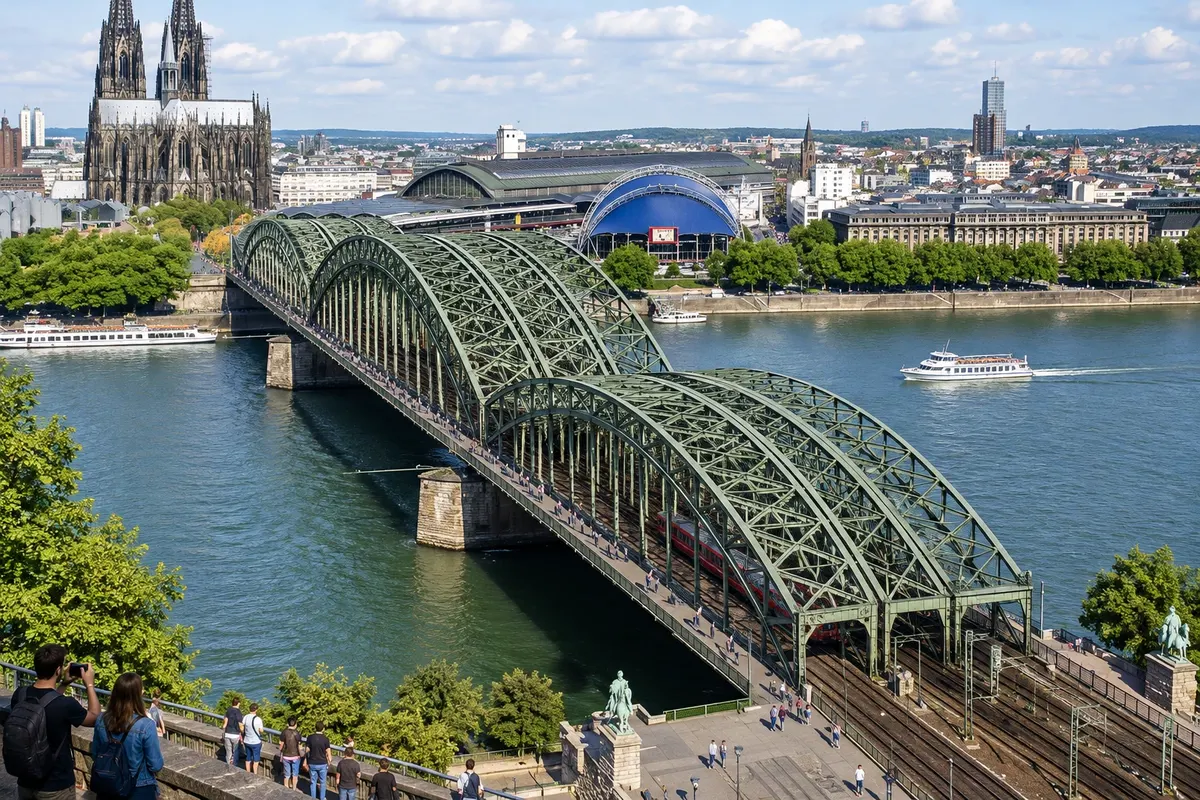
In the photo: Hohenzollernbrücke, Colônia

Illustrative images. The pictures in this guide are illustrations based on the real place, not photographs, and may differ from it.

Get it on Google Play Send your photos

Get to know the place

A region to enjoy
at your own pace.

Colônia (Köln, in German) and Düsseldorf are about 40 km apart, both on the banks of the Reno, in the state of Renânia do Norte-Vestfália, in western Germany. Regional trains and the ICE connect the two main stations in under half an hour, which lets you use one city as a base and visit the other on the same day.

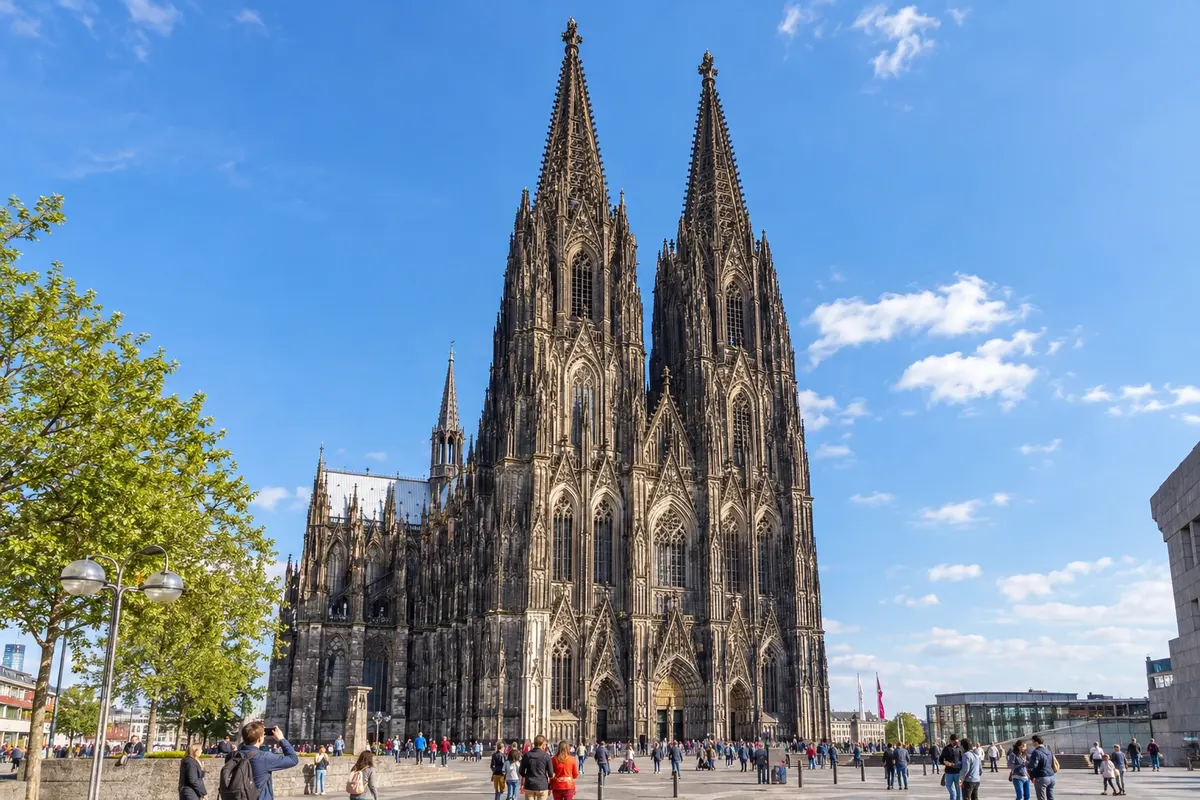
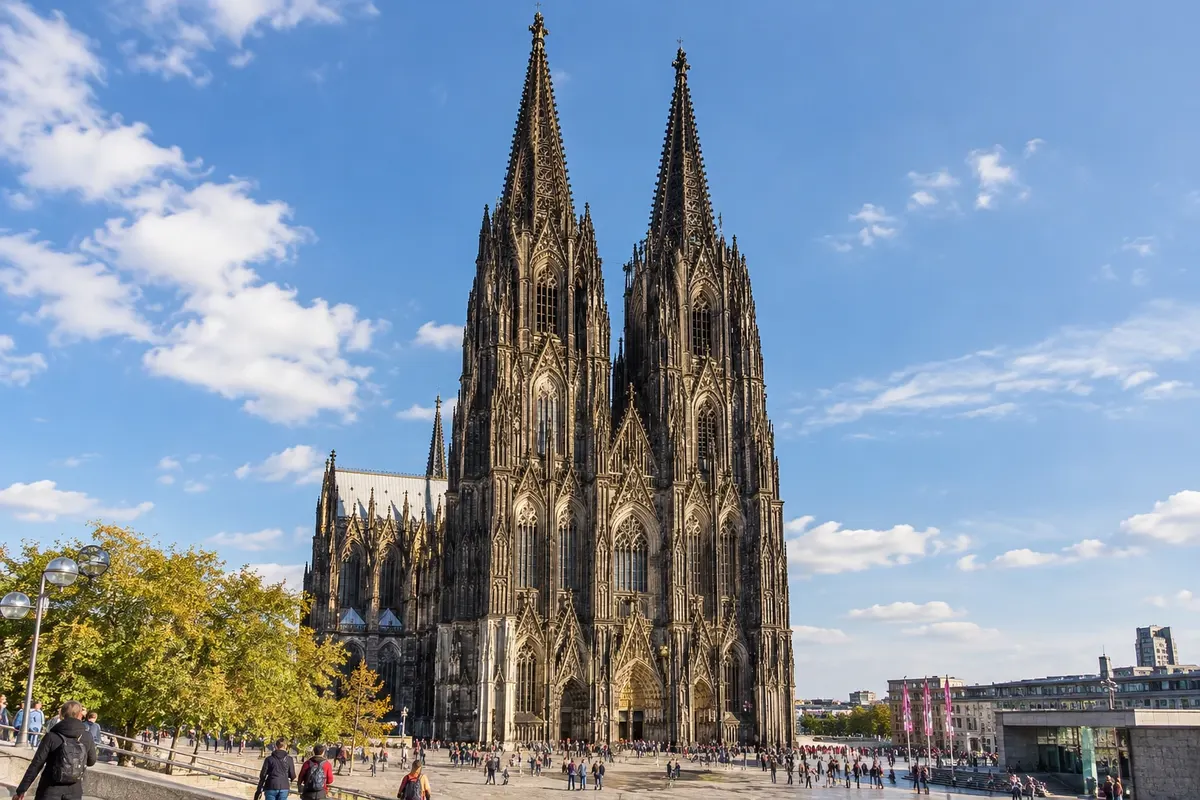
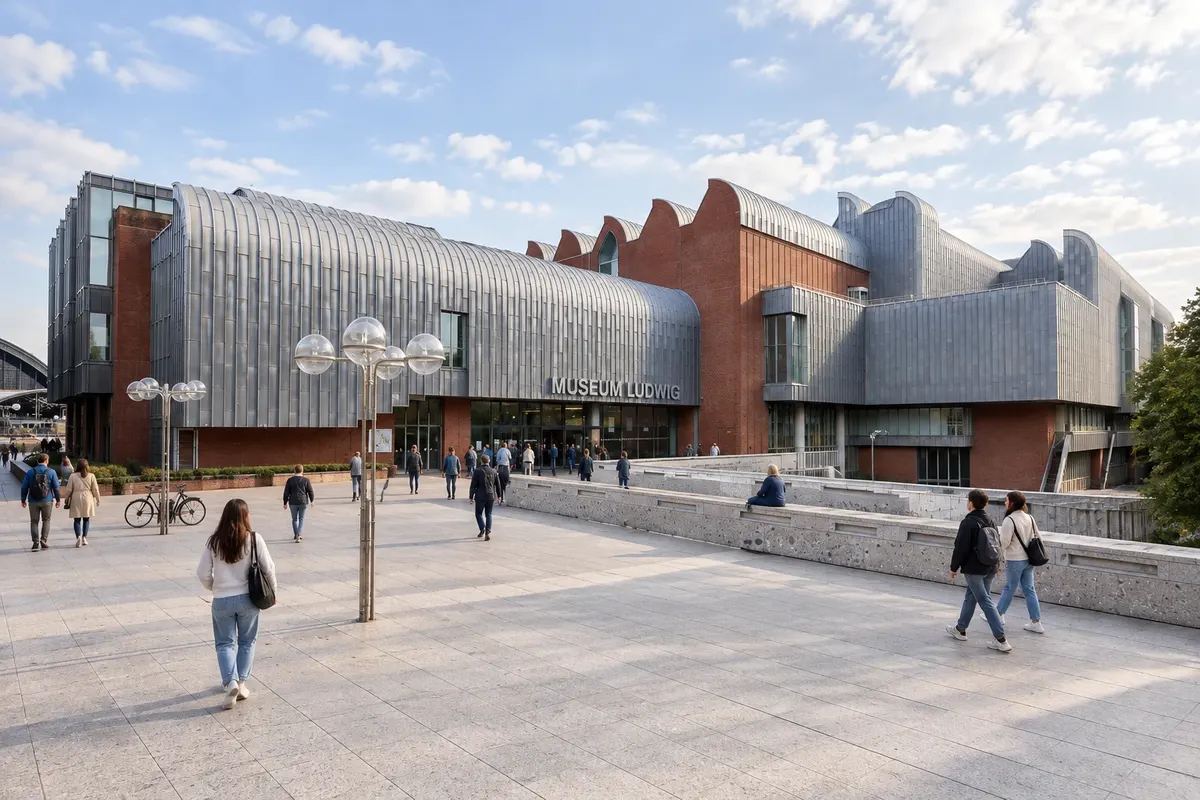
Colônia was founded by the Romans and preserves that heritage in museums and sections of the old wall. The center revolves around the Kölner Dom, the Gothic cathedral that began to be built in 1248 and was only completed in 1880, next to the central station. From there you can walk to the Hohenzollernbrücke, the Alter Markt, the Romanesque church Groß St. Martin and the Museum Ludwig, with modern art and pop art.

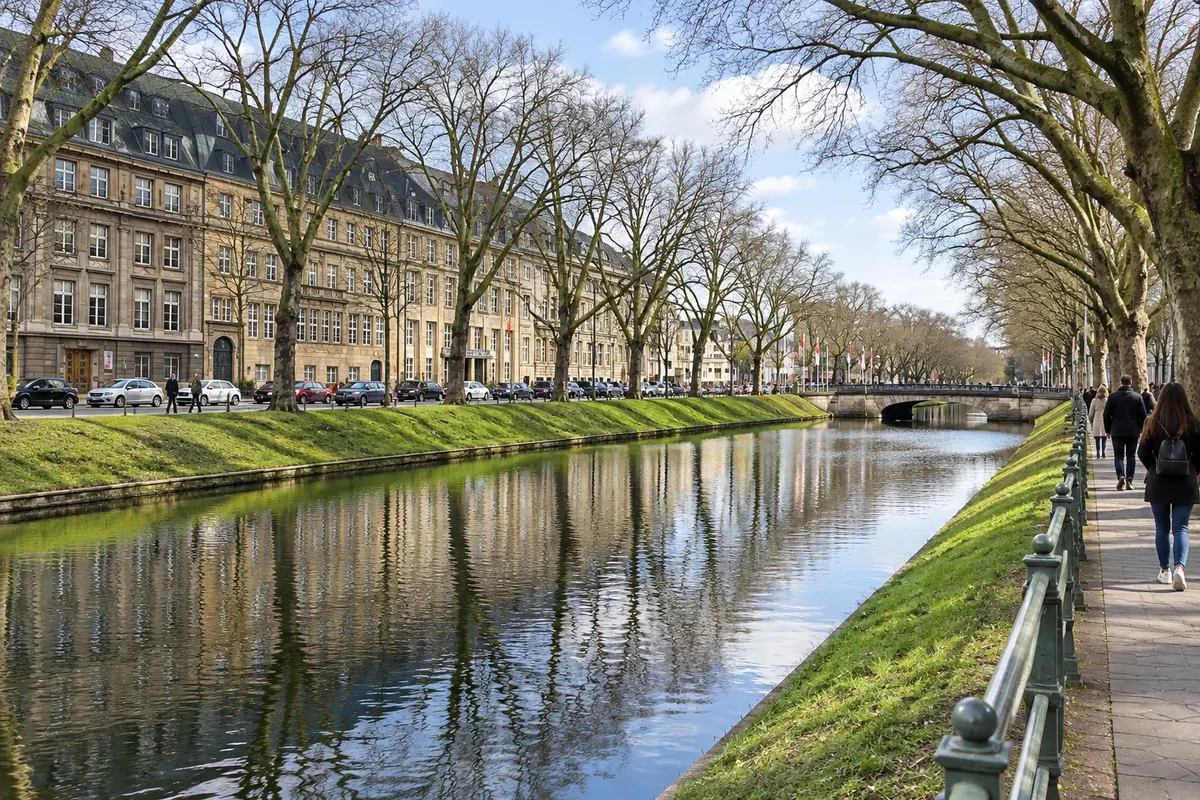
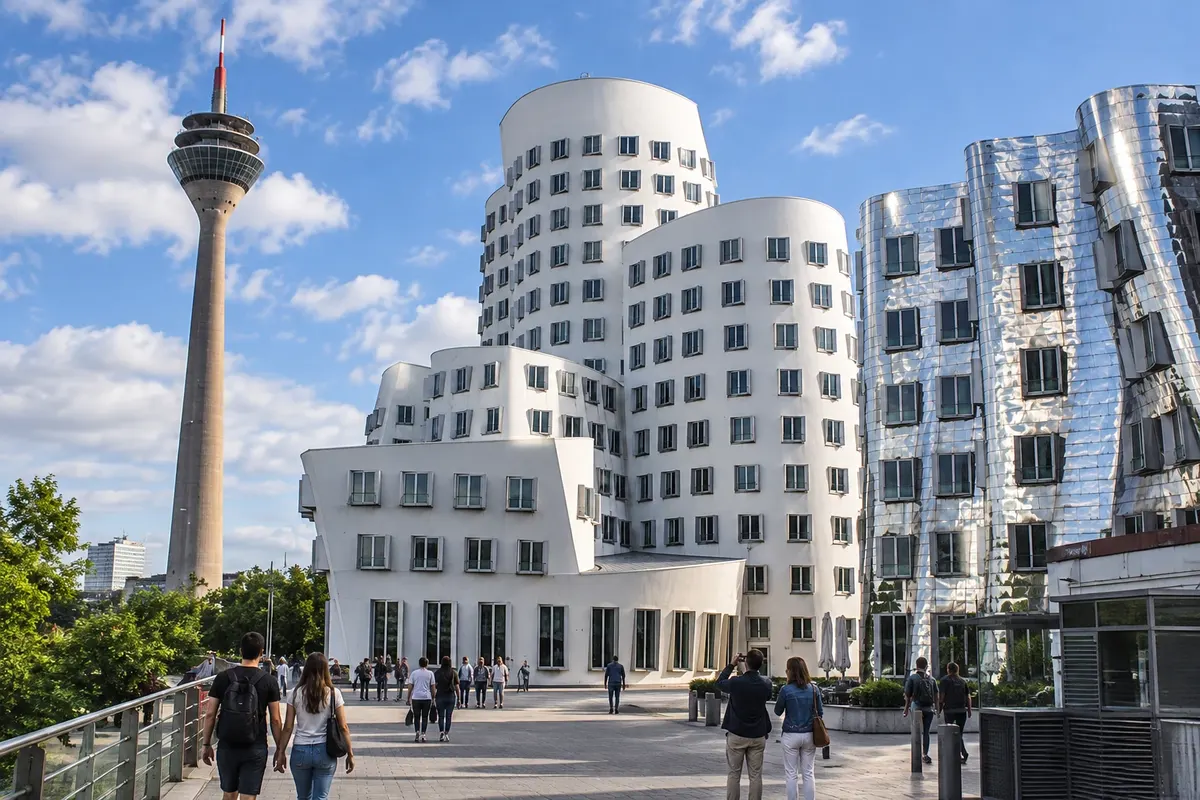
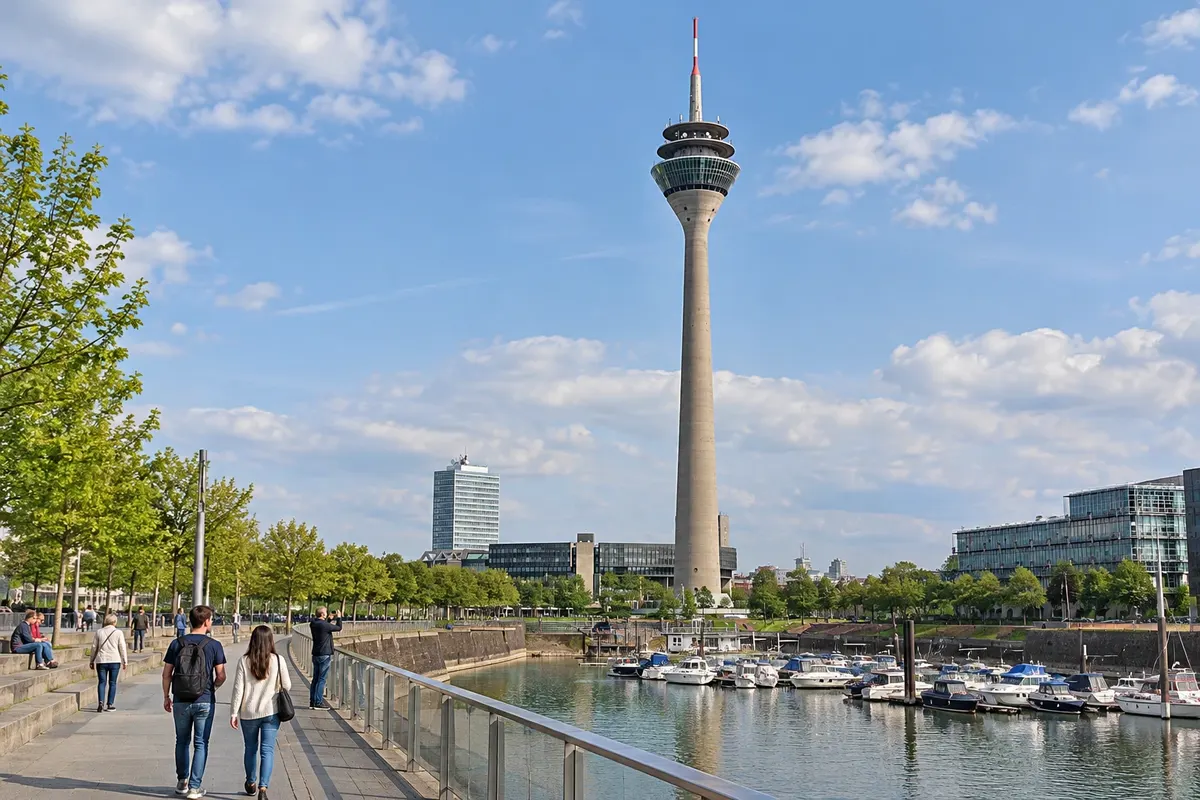
Düsseldorf is the state capital. The Altstadt, the old town, brings together hundreds of bars and breweries near the river; the Rheinuferpromenade runs along the bank to the Rheinturm and the MedienHafen, with buildings by Frank Gehry. The Königsallee, the Kö, is the shopping boulevard with a canal in the middle, and the museums K20, K21 and Kunstpalast show art from the 20th century to the present.

The two cities have a long, good-humored rivalry that shows up in the beer: in Colônia people drink Kölsch, a pale beer, in thin 0.2‑liter glasses; in Düsseldorf, Altbier, a dark beer. Carnival is also big in both, with the peak in the week before Ash Wednesday.

This destination brings together 2 cities: Colônia, Düsseldorf.

Share: WhatsApp
Traveler, share your experiences through photos Up to 5 photos of each place you visited.

One destination, many paths

The cities on this trip

Start with one city or combine several in your itinerary.

Where Colônia and Düsseldorf is
ColôniaDüsseldorf

Contornos: © BKG (2026), dl-de/by-2-0. Adaptação do Cidade Turismo.

How to get there: Colônia and Düsseldorf

✈ Flughafen Köln/Bonn (CGN) · 17 km to Colônia

The airports are Colônia/Bonn (CGN) and Düsseldorf (DUS), both linked to the city centers by train. Check before booking. You can also get there by train from Frankfurt: the ICE takes about 1 hour to Colônia.

Suggested arrival point: Colônia

The local experience

Things to do in Colônia and Düsseldorf

Altstadt
Düsseldorf · Renânia do Norte-Vestfália · Historic neighborhood

Altstadt

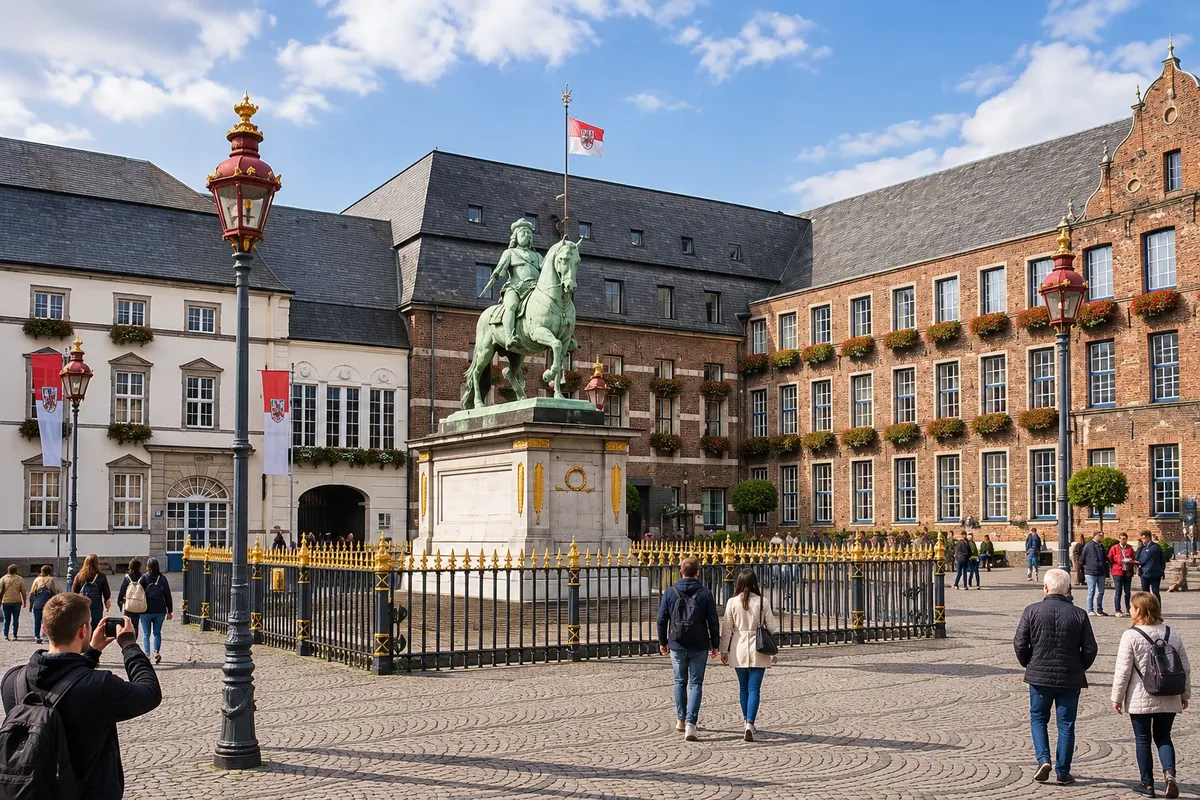
Düsseldorf's old town by the Rhine: narrow streets with more than 300 bars, restaurants and Altbier breweries, the town hall, the Burgplatz square with the tower of the old castle and the crooked-tower church St. Lambertus.

Kölner Dom
Colônia · Renânia do Norte-Vestfália · Cathedral

Kölner Dom

Gothic cathedral with 157-metre towers, begun in 1248 and completed in 1880, a UNESCO World Heritage Site. It houses the reliquary of the Three Kings and has a walk-up to a platform in the south tower.

Domschatzkammer
Colônia · Renânia do Norte-Vestfália · Museum

Domschatzkammer

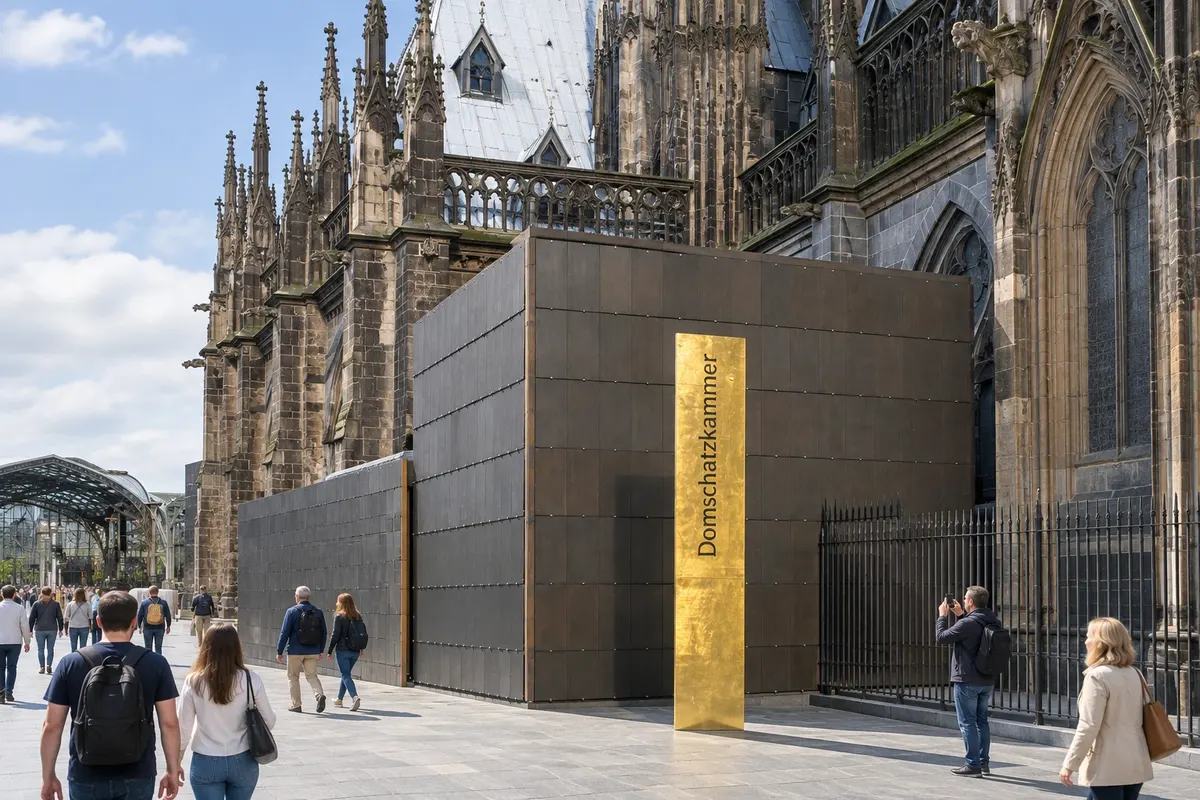
The cathedral treasury, in medieval underground chambers next to the Dom, with reliquaries, crosses, goldsmithing and liturgical vestments from the 4th to the 20th century.

Rheinuferpromenade
Düsseldorf · Renânia do Norte-Vestfália · Street

Rheinuferpromenade

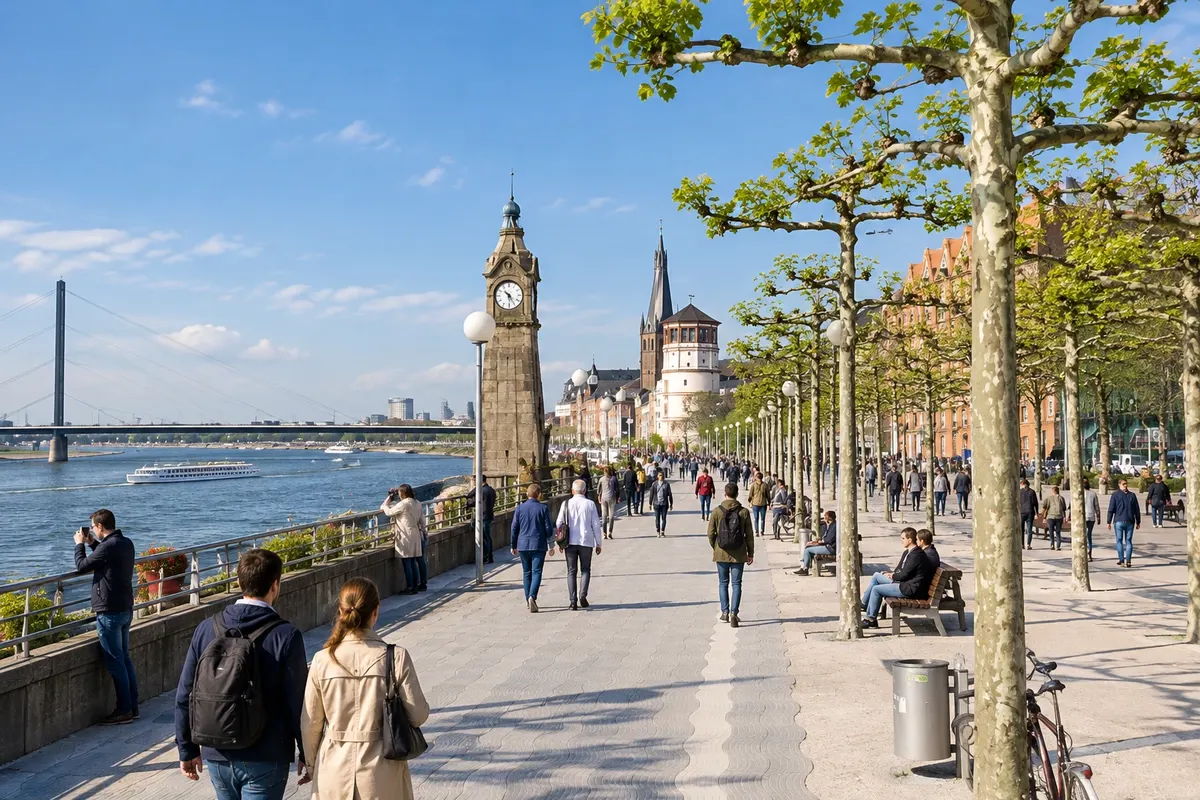
The riverside promenade along the Rhine that links the Altstadt to the Rheinturm and the MedienHafen, with steps, benches and cafés. It was created after the riverside avenue was placed into a tunnel.

See 15 more places in Colônia and Düsseldorf
Hohenzollernbrücke
Colônia · Renânia do Norte-Vestfália · Bridge

Hohenzollernbrücke

Steel-arched railway bridge over the Reno, aligned with the cathedral. It has a pedestrian walkway and thousands of love locks attached to the railings.

Königsallee
Düsseldorf · Renânia do Norte-Vestfália · Street

Königsallee

Düsseldorf's shopping boulevard, the Kö, with a tree-lined canal down the middle, luxury shops on one side and banks on the other, and the Triton fountain at the northern end.

Alter Markt
Colônia · Renânia do Norte-Vestfália · Historic neighborhood

Alter Markt

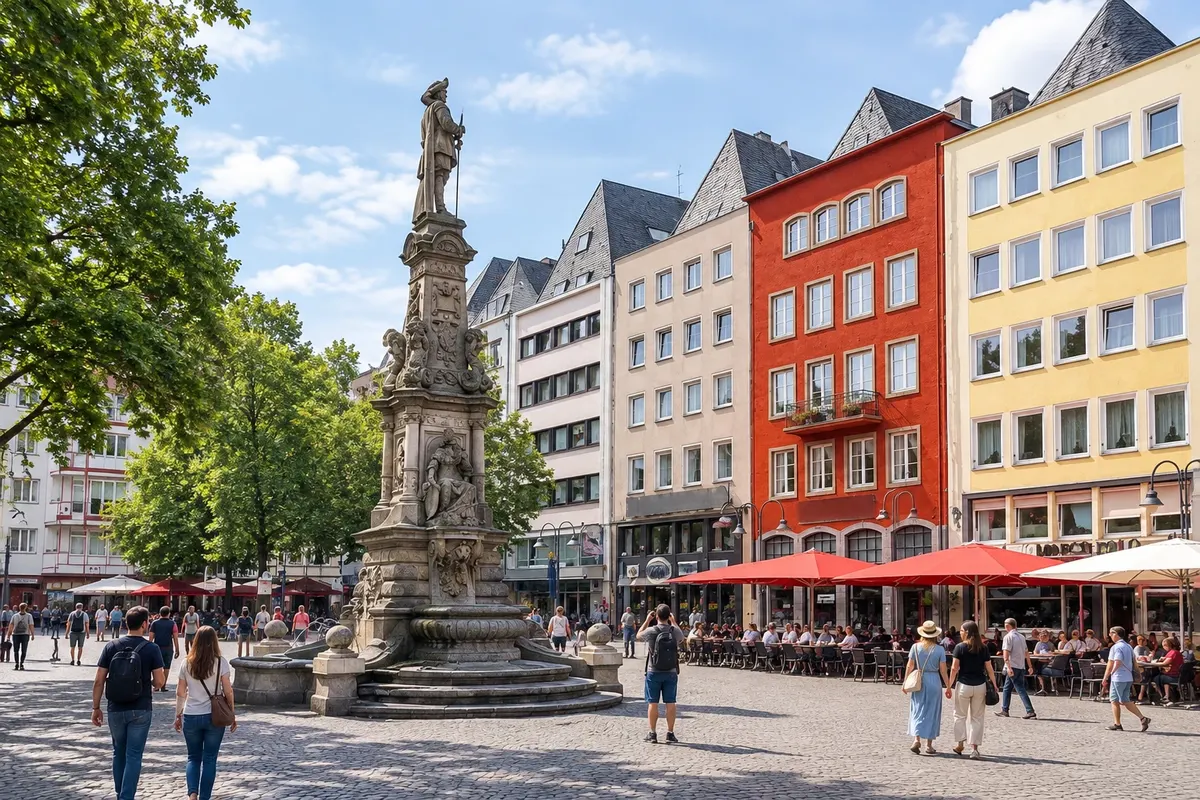
Square in Colônia’s old town, between the cathedral and the Reno, with narrow colorful houses, the historic town hall and traditional Kölsch breweries around it.

MedienHafen
Düsseldorf · Renânia do Norte-Vestfália · Port

MedienHafen

Former port area transformed into a district of offices, restaurants and contemporary architecture, featuring Frank Gehry's three wavy buildings, the Neuer Zollhof.

Groß St. Martin
Colônia · Renânia do Norte-Vestfália · Church

Groß St. Martin

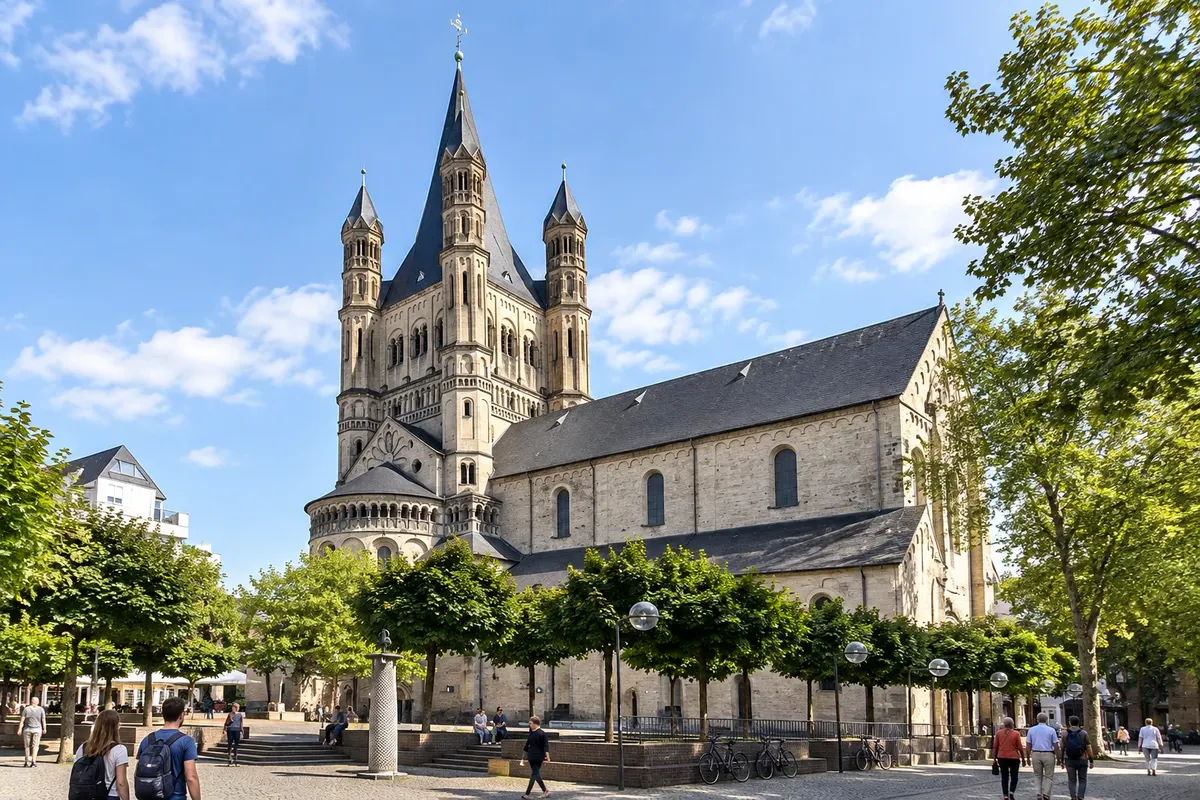
Romanesque church from the 12th century beside the Reno, with a large square tower that defines the Altstadt skyline. It is one of Colônia’s twelve major Romanesque churches.

Rheinturm
Düsseldorf · Renânia do Norte-Vestfália · Observation deck

Rheinturm

240-metre telecommunications tower on the Rhine, with a glassed-in viewing platform at 168 metres, a rotating restaurant and a light clock on the façade.

K20 Grabbeplatz
Düsseldorf · Renânia do Norte-Vestfália · Museum

K20 Grabbeplatz

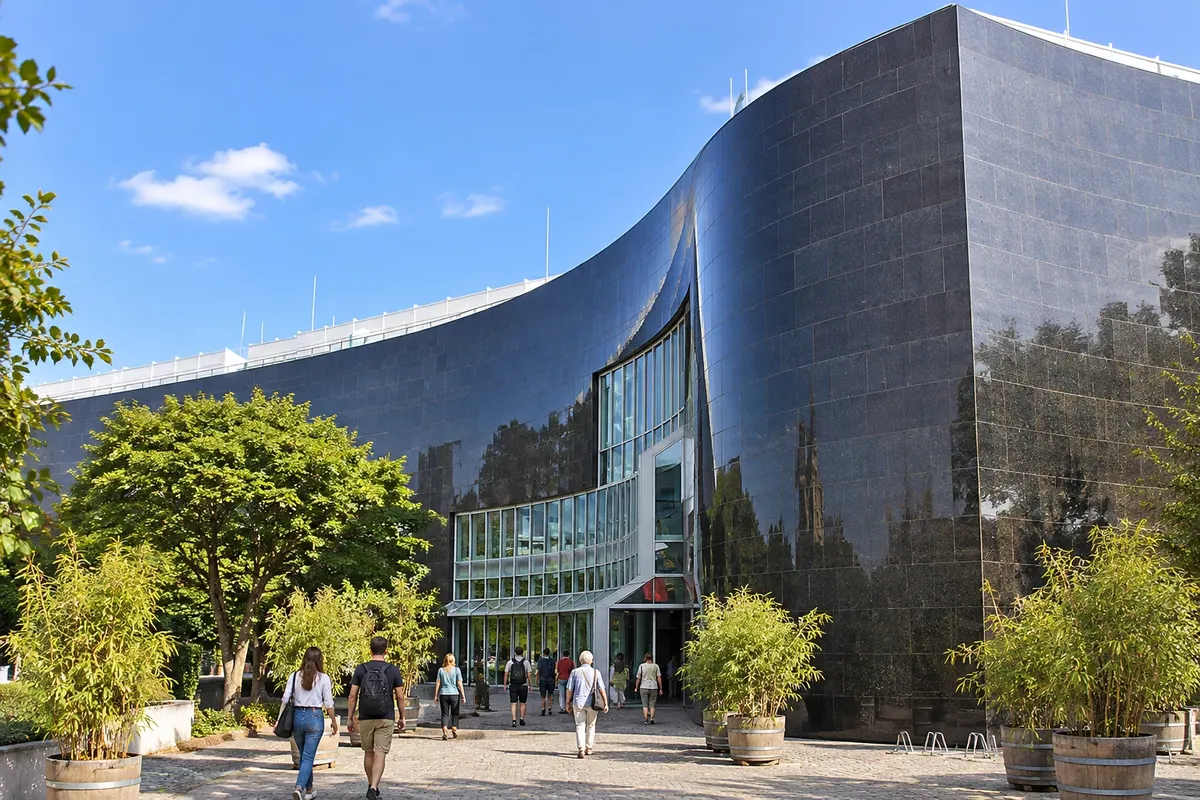
20th-century art museum in the Altstadt, with a curved black granite façade and works by Picasso, Matisse and a large collection of Paul Klee.

Museum Ludwig
Colônia · Renânia do Norte-Vestfália · Museum

Museum Ludwig

Museum of 20th- and 21st-century art next to the cathedral, with the largest pop art collection in Europe, one of the largest Picasso collections in the world, and German Expressionism.

K21 Ständehaus
Düsseldorf · Renânia do Norte-Vestfália · Museum

K21 Ständehaus

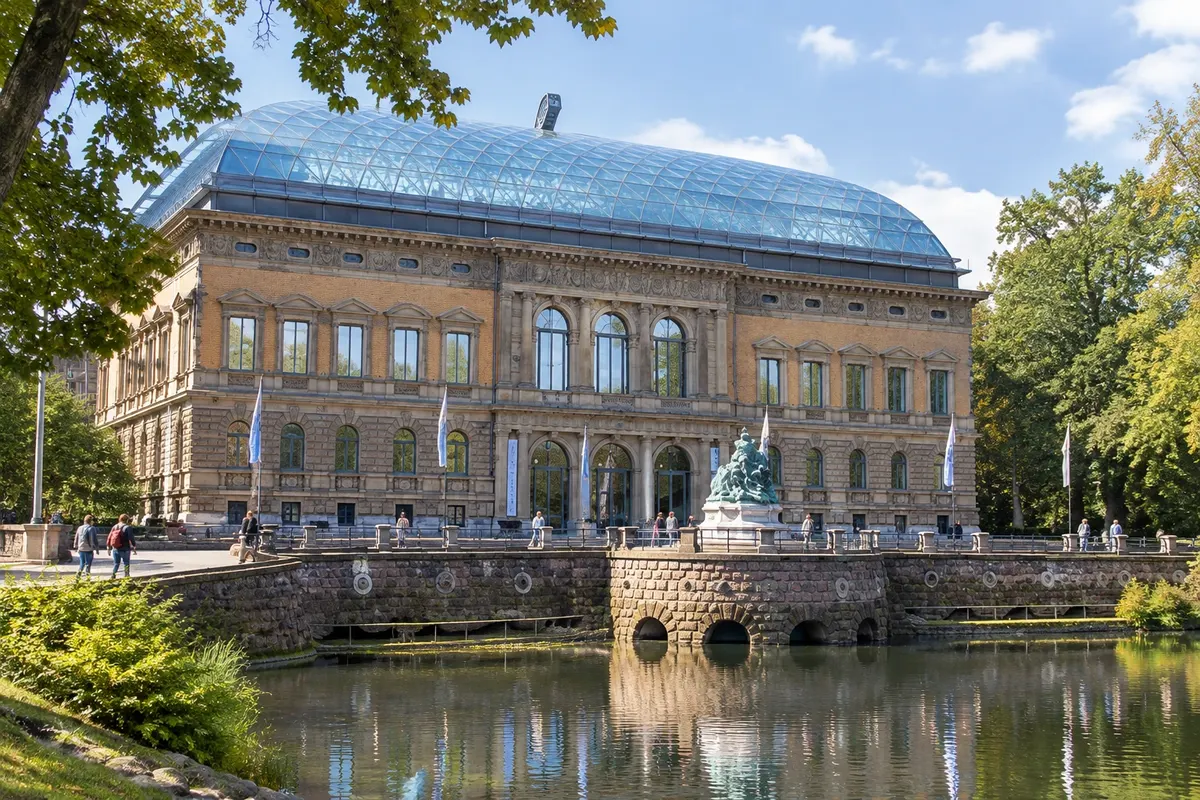
Contemporary art museum in an 1880 palace that was once the seat of the parliament, on the shore of a lake in the Kaiserteich park, with a glass dome.

Schokoladenmuseum
Colônia · Renânia do Norte-Vestfália · Museum

Schokoladenmuseum

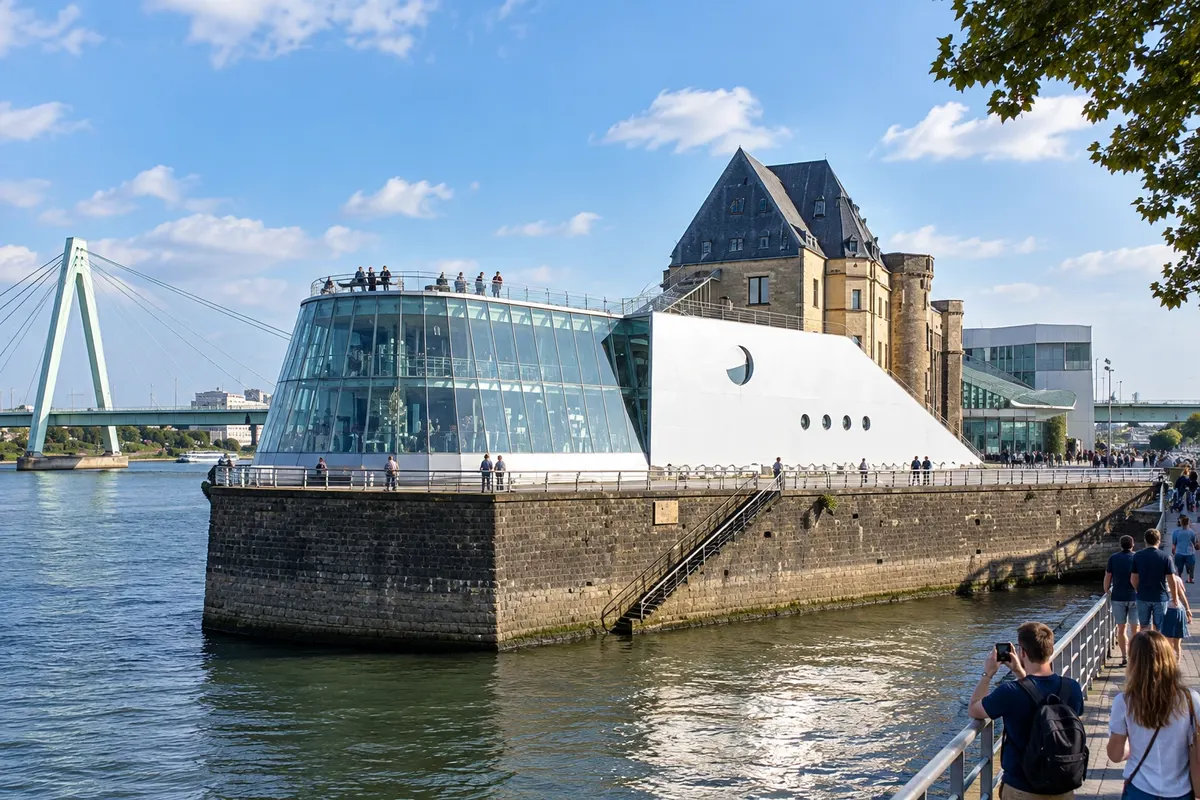
Museum about the history of cocoa and chocolate on a peninsula in the Rheinauhafen, with a tropical greenhouse, a small glass-enclosed chocolate factory, and a café overlooking the Reno.

Kunstpalast
Düsseldorf · Renânia do Norte-Vestfália · Museum

Kunstpalast

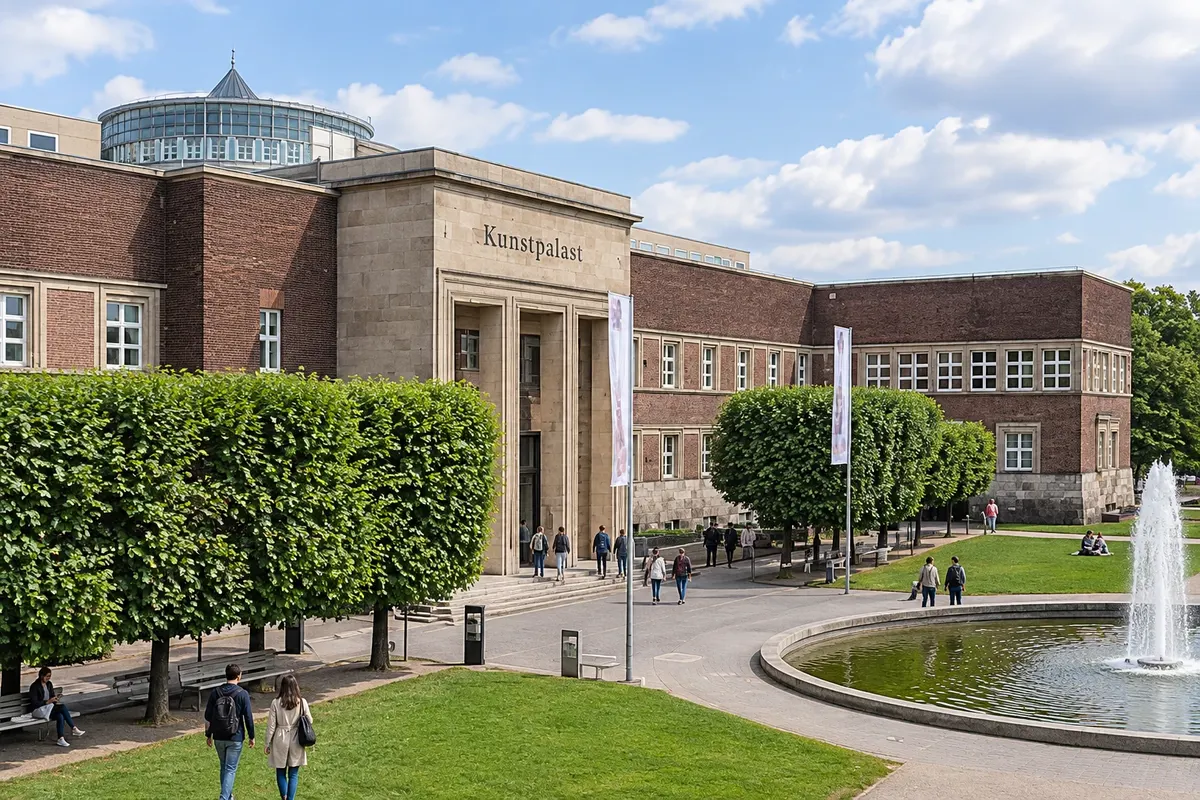
Düsseldorf's art museum in the Ehrenhof complex, beside the Reno, with a collection that ranges from old masters to design and a glass museum.

Rheinpark
Colônia · Renânia do Norte-Vestfália · Park

Rheinpark

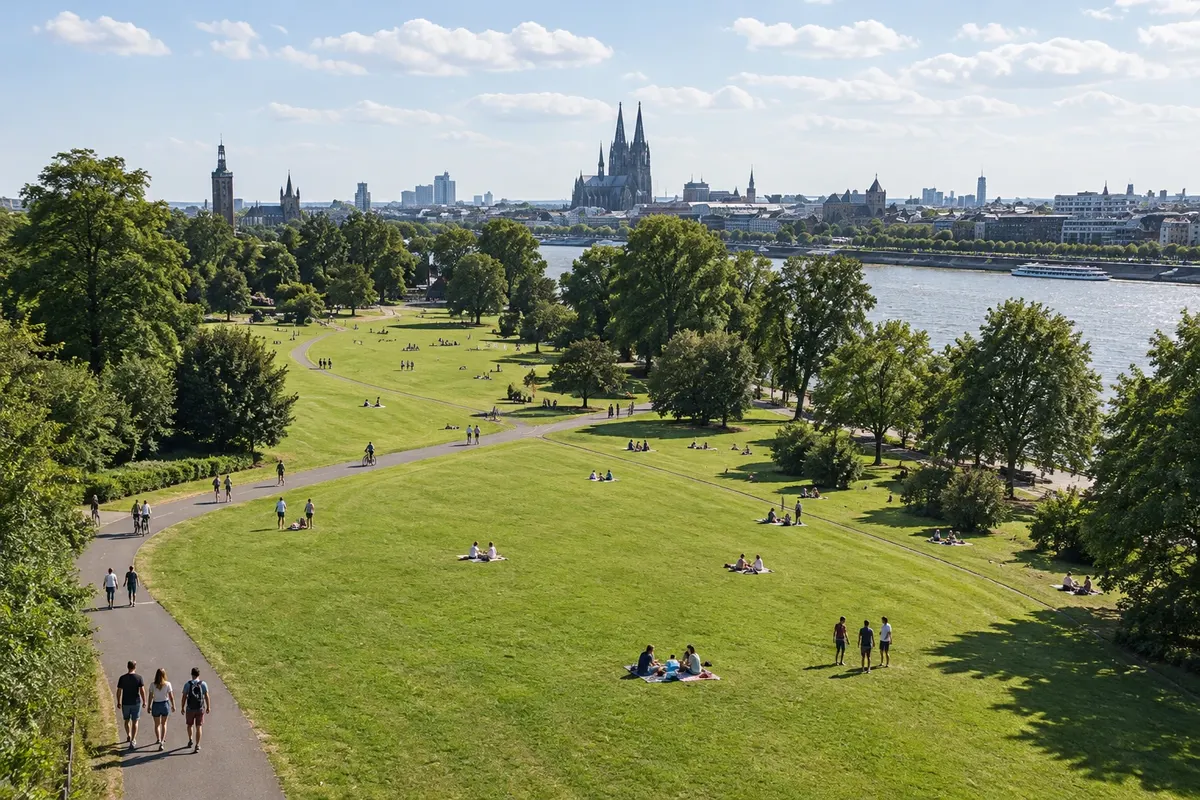
Large park on the right bank of the Reno, between Deutz and Mülheim, with lawns, gardens and wide views of the cathedral and the old town across the river.

KölnTriangle
Colônia · Renânia do Norte-Vestfália · Observation deck

KölnTriangle

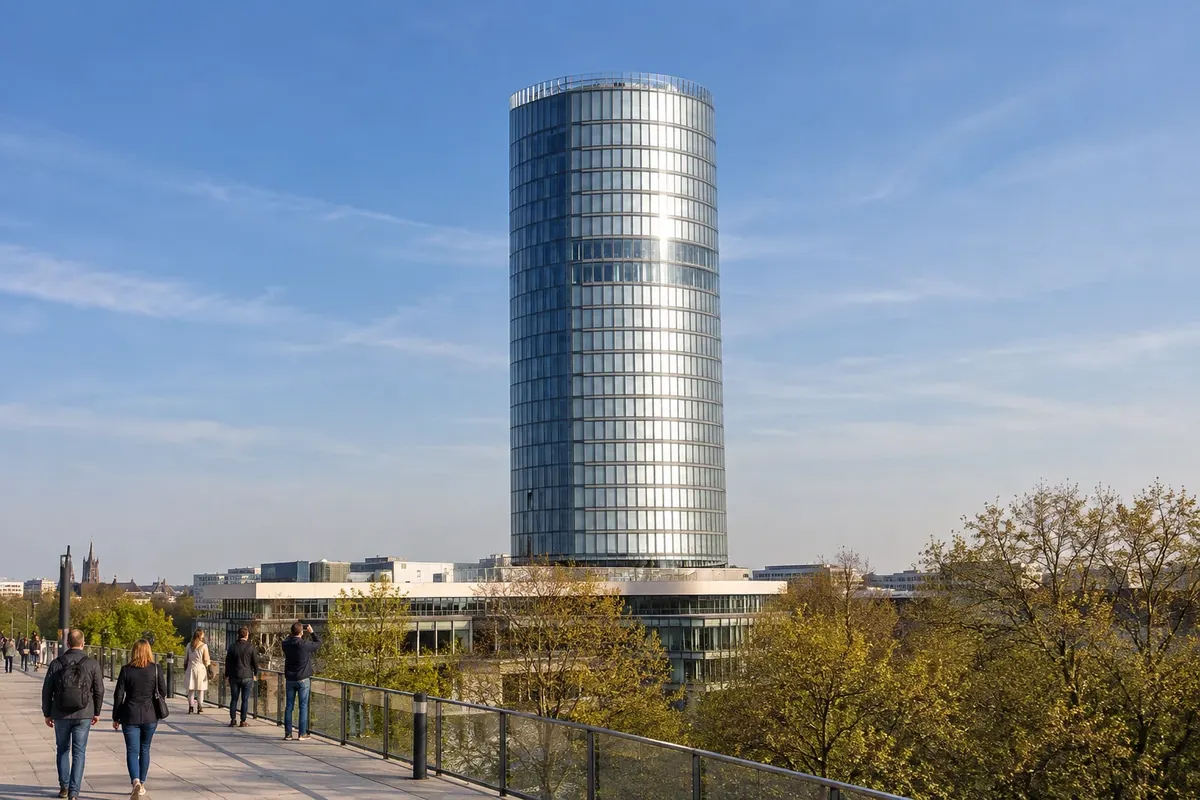
A 103-meter office building in Deutz with a glass-enclosed panoramic platform on the 29th floor, facing the cathedral, the bridge and the old town.

Schloss Benrath
Düsseldorf · Renânia do Norte-Vestfália · Palace

Schloss Benrath

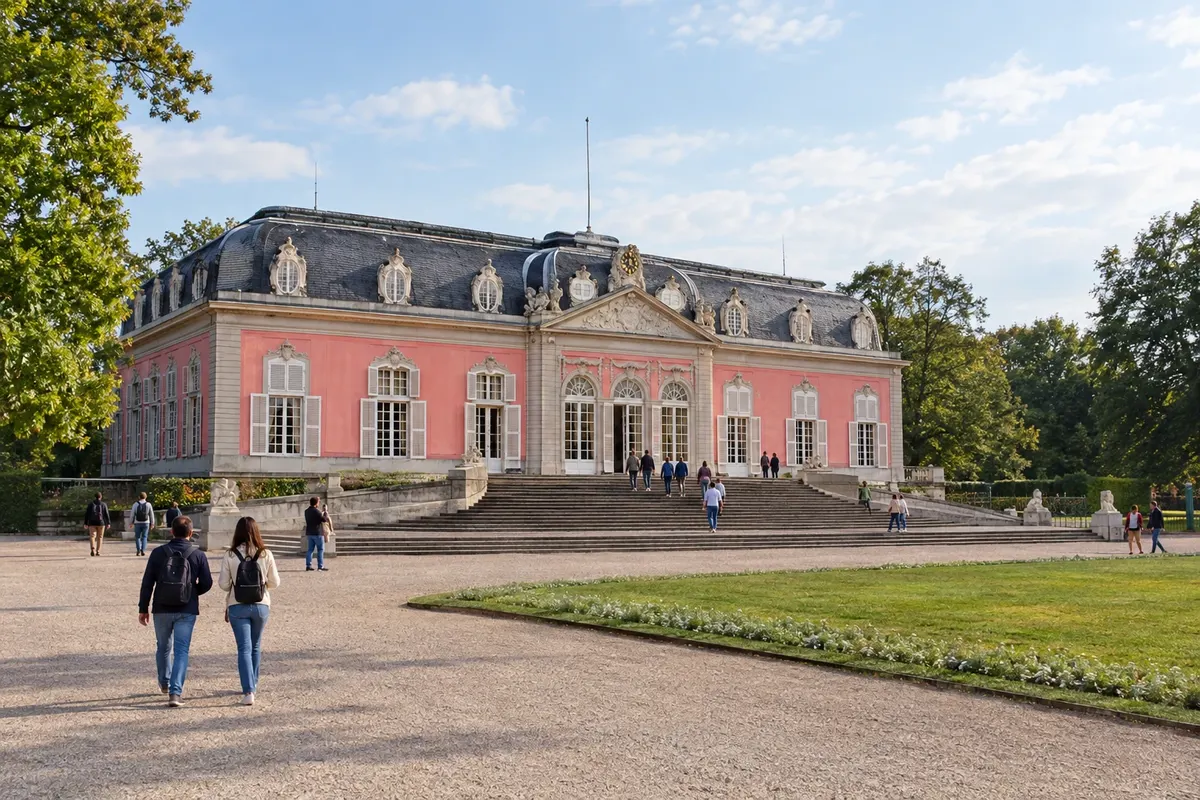
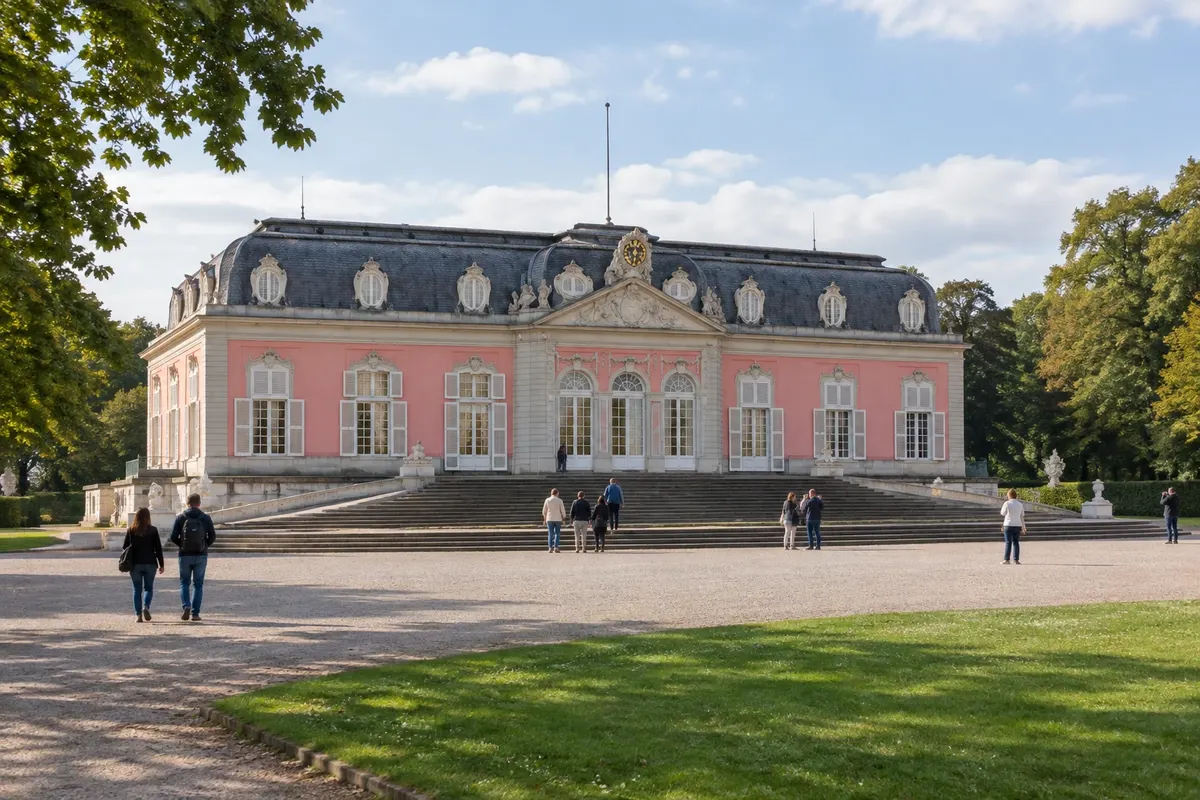
18th-century Baroque summer and hunting palace in the south of Düsseldorf, with gardens and a park that extend to the Reno and three museums housed in the ensemble's buildings.

NS-Dokumentationszentrum der Stadt Köln
Colônia · Renânia do Norte-Vestfália · Memorial

NS-Dokumentationszentrum der Stadt Köln

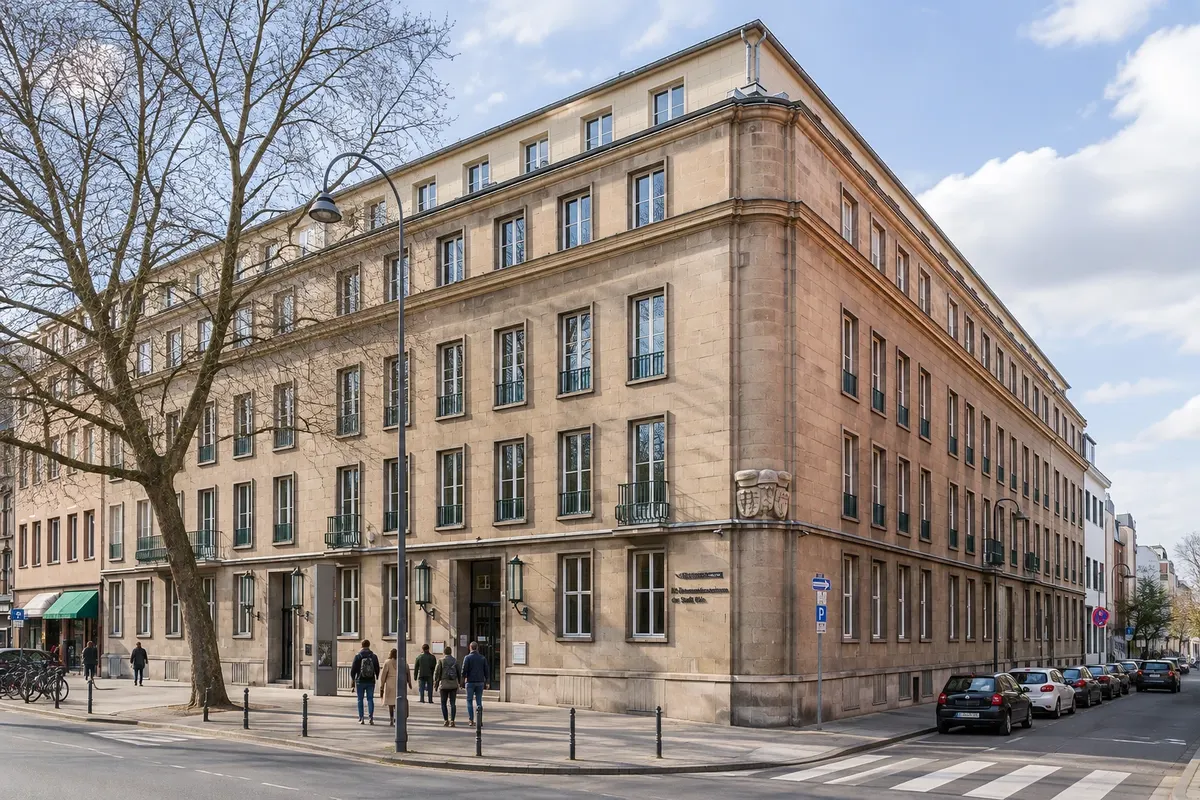
Museum and memorial in the EL-DE-Haus, the former Gestapo headquarters in Cologne, with cells in the basement where prisoners left hundreds of inscriptions on the walls.

Before you go

Practical information

A little planning leaves more time to enjoy the journey.

When to go

From May to September the days are long and the riverside along the Reno fills up; summer runs from June to August. From December to February it is cold and it gets dark early, but the Christmas markets usually run from the end of November until close to Christmas. For Carnival, the peak is typically in February or March, in the week before Ash Wednesday.

The seasons shown are the most usual ones; nature doesn't always follow the calendar.

How many days to stay

Two days in Colônia are enough to cover the cathedral, the old town, two or three museums and the opposite bank of the Reno. Düsseldorf needs at least a full day for the Altstadt, the Königsallee, the riverfront and the MedienHafen; a second day allows you to include the museums and Schloss Benrath. With three or four days you can see both cities properly.

Which city to stay in

In Colônia, near the central station and the cathedral, everything is within walking distance; the Altstadt, between the Dom and the Heumarkt, has traditional breweries; the Belgisches Viertel neighborhood, west of the center, has shops and cafés; Deutz, on the other side of the river, is next to the fairgrounds and Köln Messe/Deutz station. In Düsseldorf, the Altstadt is lively at night; the area between the Königsallee and the central station is convenient for train arrivals; Unterbilk is close to the MedienHafen.

Respect the place

Take your trash with you, follow the signs and support local businesses. In natural areas, follow the visiting guidelines.

Get your questions answered

Frequently asked questions about Colônia and Düsseldorf

How many days should I allocate for the two towns?

Three to four days work well: two in Colônia and one or two in Düsseldorf. Since the central stations are less than half an hour apart by train, you can base yourself in one city and visit the other as a day trip.

Can you do Düsseldorf as a day trip from Colônia (or vice versa)?

Yes. There are regional trains and ICE services all day between Köln Hauptbahnhof and Düsseldorf Hauptbahnhof, with a journey of about 20 to 30 minutes depending on the train.

Do I need a car?

No. Both cities have metro, tram and S‑Bahn, and the main sights are close to the central stations. A car only complicates things: parking in the center is difficult, and Colônia and Düsseldorf have an environmental zone (Umweltzone) that requires a sticker on the windshield.

What's the best time to go?

From May to September, with long days and the Reno riverside full of people. In December there are Christmas markets, which usually run from the end of November until close to Christmas. At Carnival, whose peak is the week before Ash Wednesday, both cities fill up and hotels get more expensive: book early.

Explore other destinations Search by state and city
Back