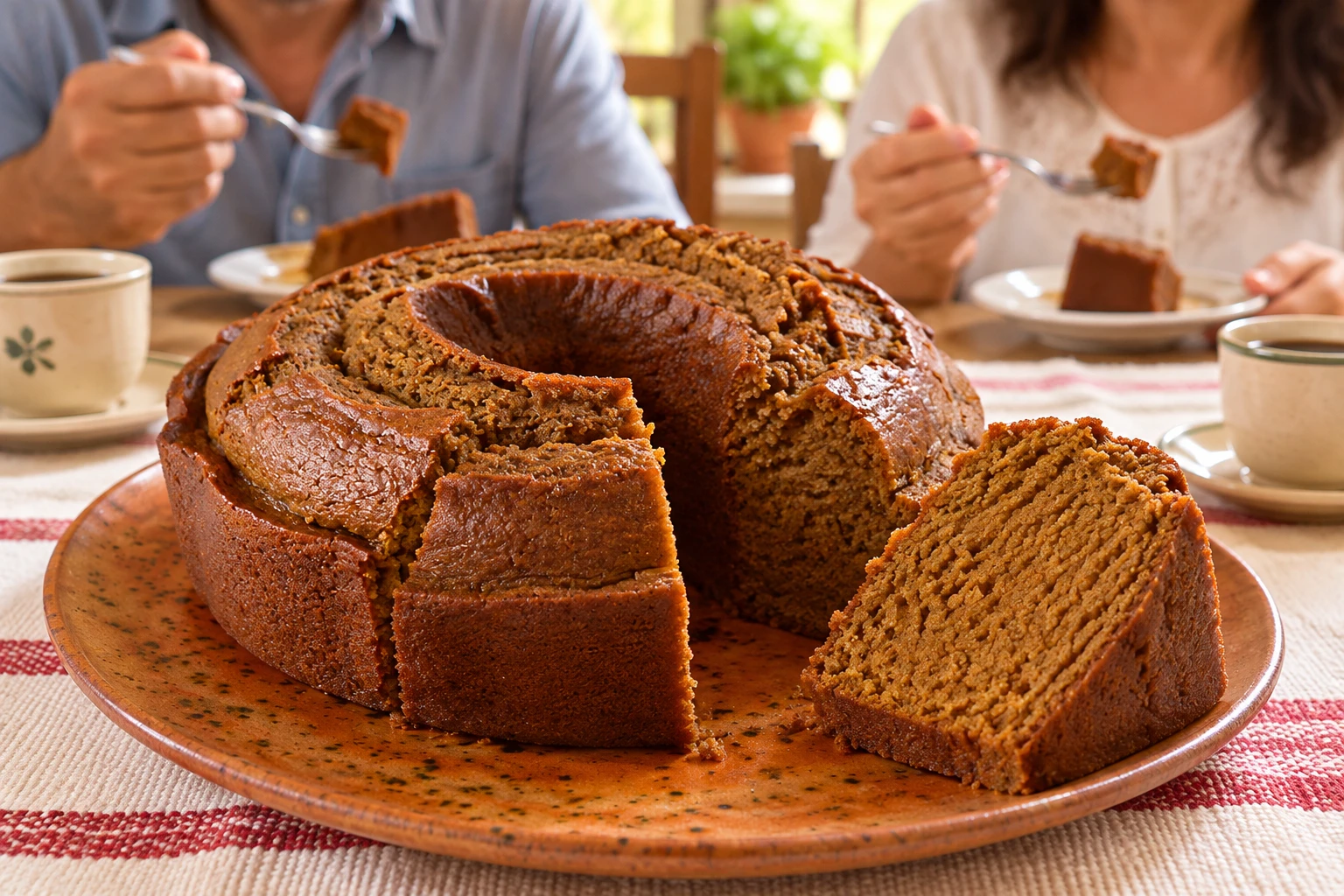
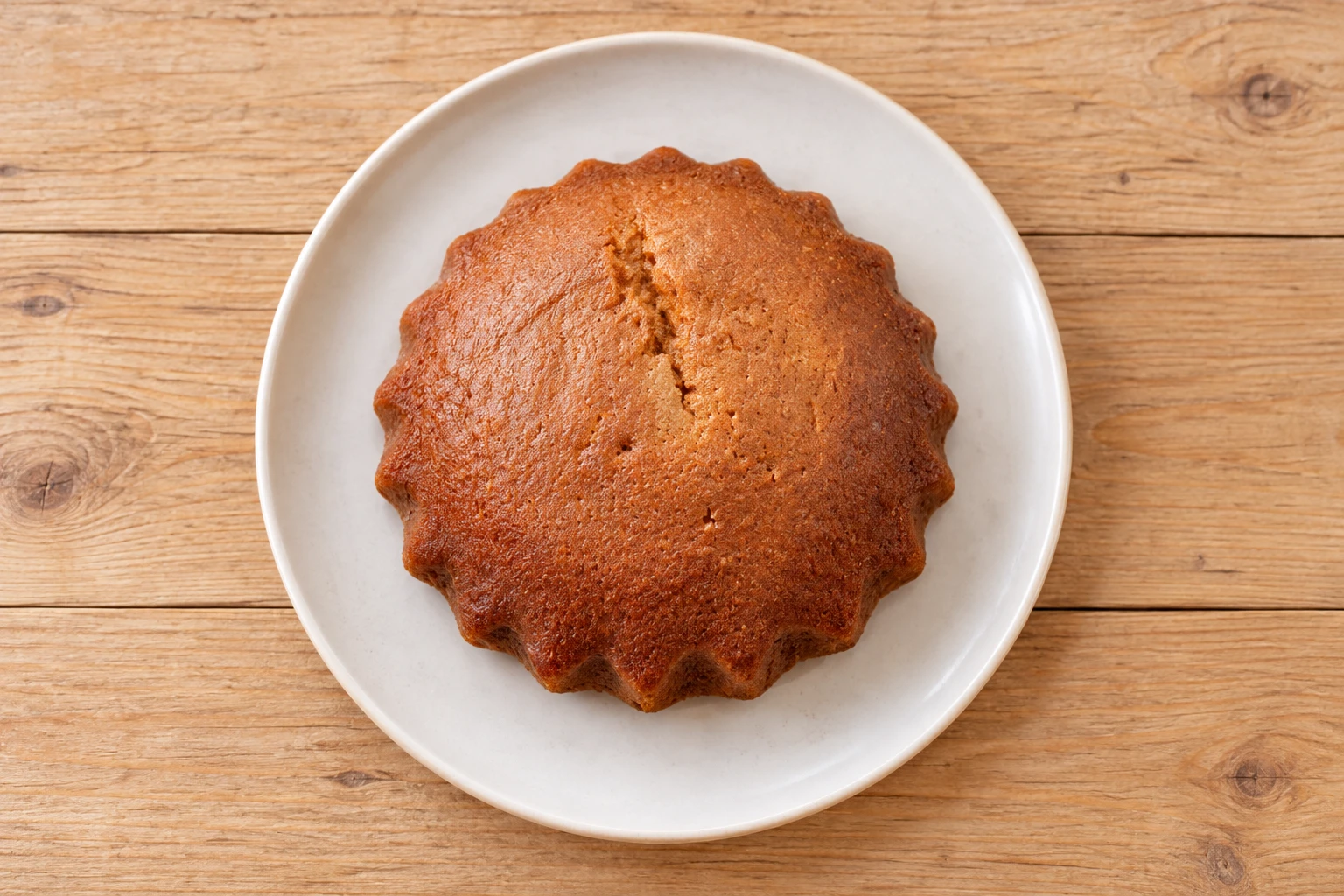
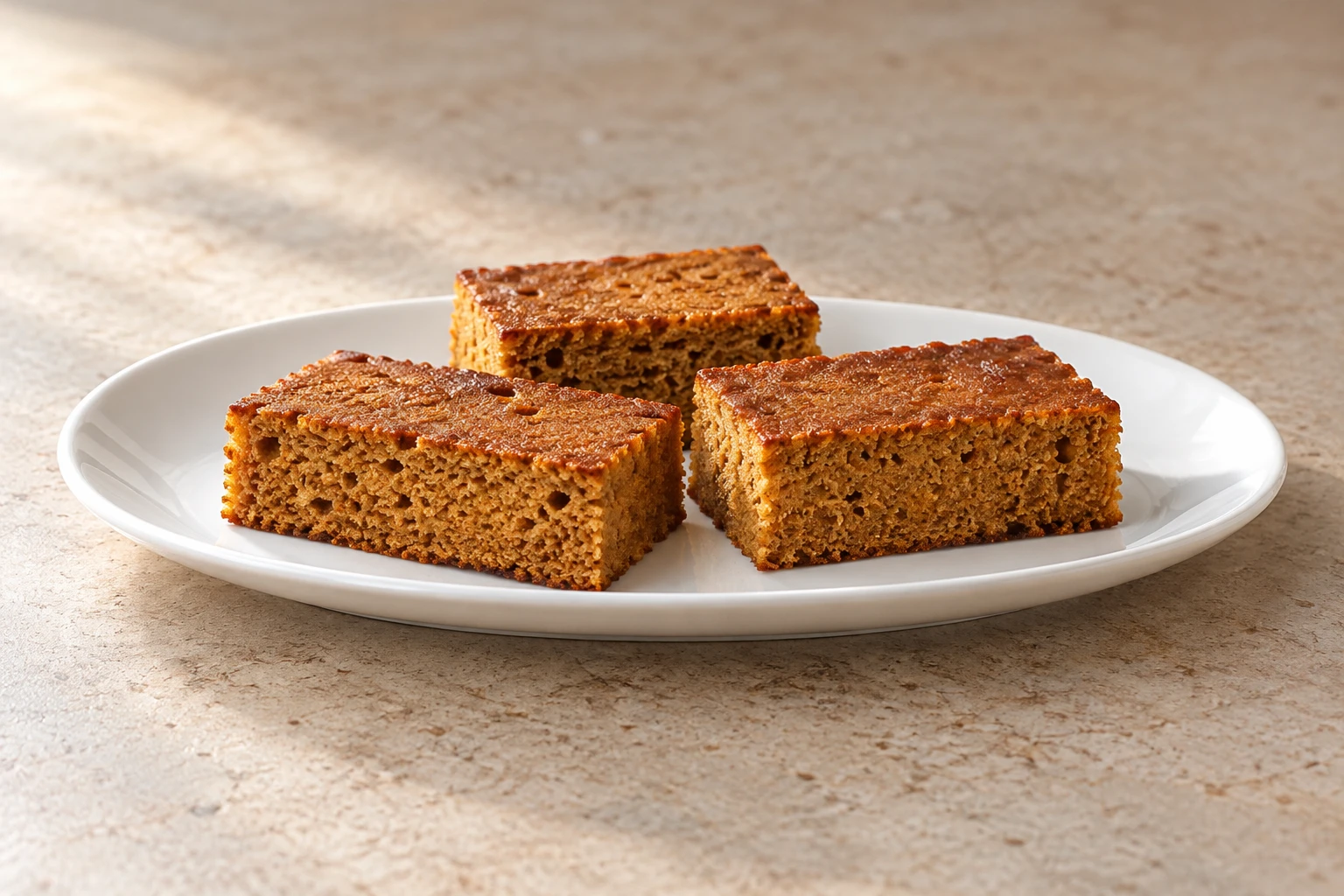
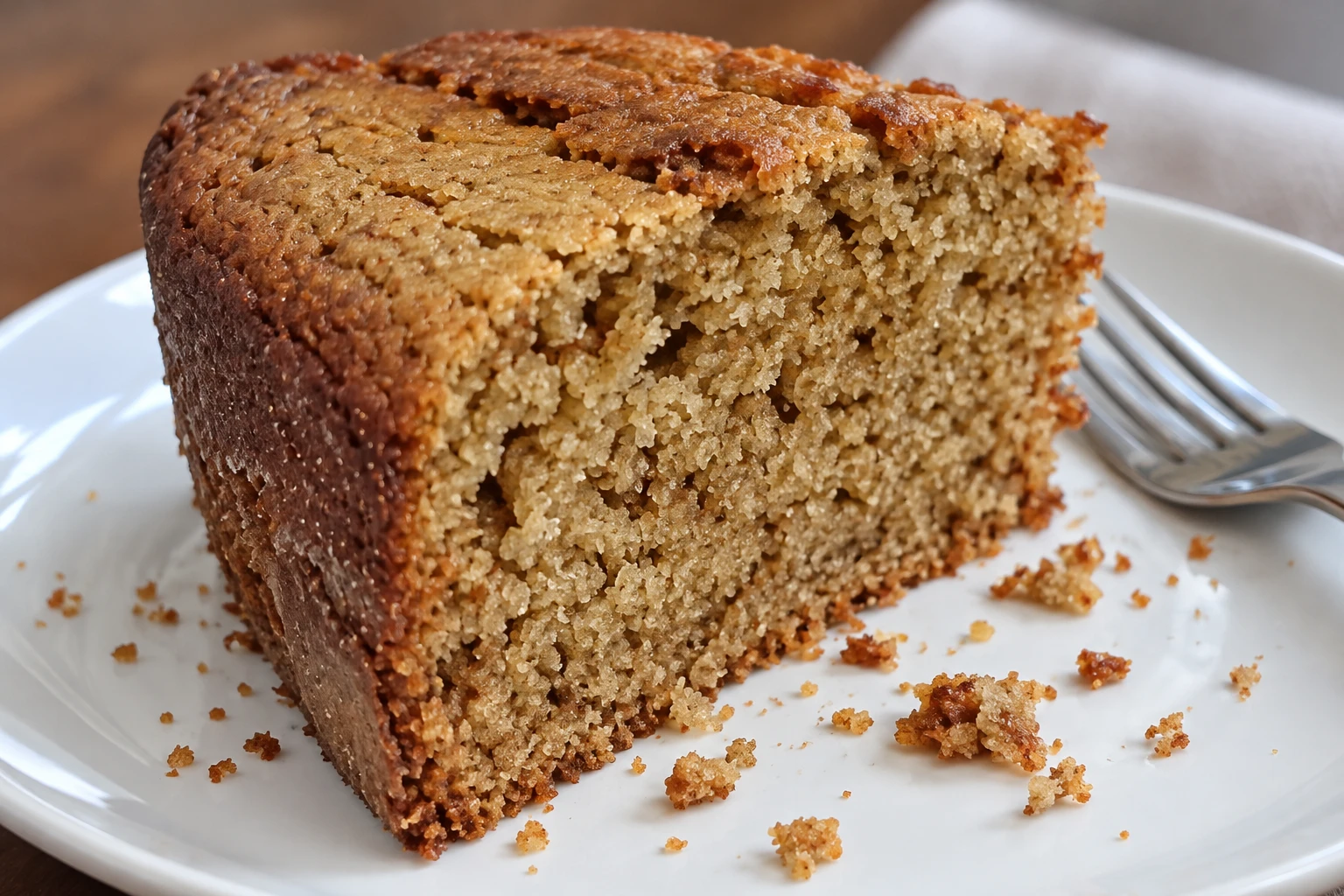
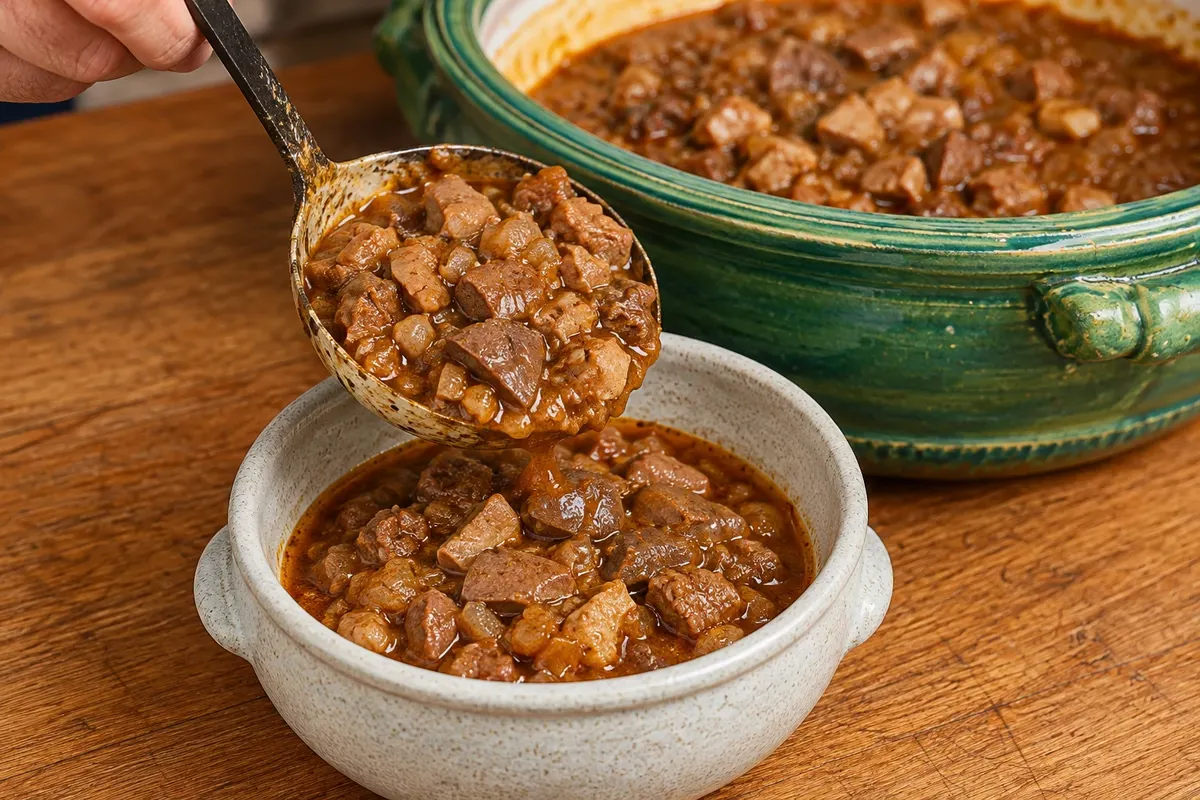
The torta de miel, also called torta hũ, is a wheat-flour cake sweetened with miel de caña, the dark molasses obtained by boiling sugarcane juice. The batter also contains a little fat or oil and baking soda, which makes it rise without yeast. Many recipes add orange or lemon zest or juice, and some people add chopped banana.
According to Paraguayan historian Margarita Miró Ibars, the sweet originated as an adaptation: neither wheat nor sugarcane are native to the country, but the molasses was made in almost every community and was always on hand. The confection spread further with immigrants who arrived after the War of the Triple Alliance, in the late 19th century.
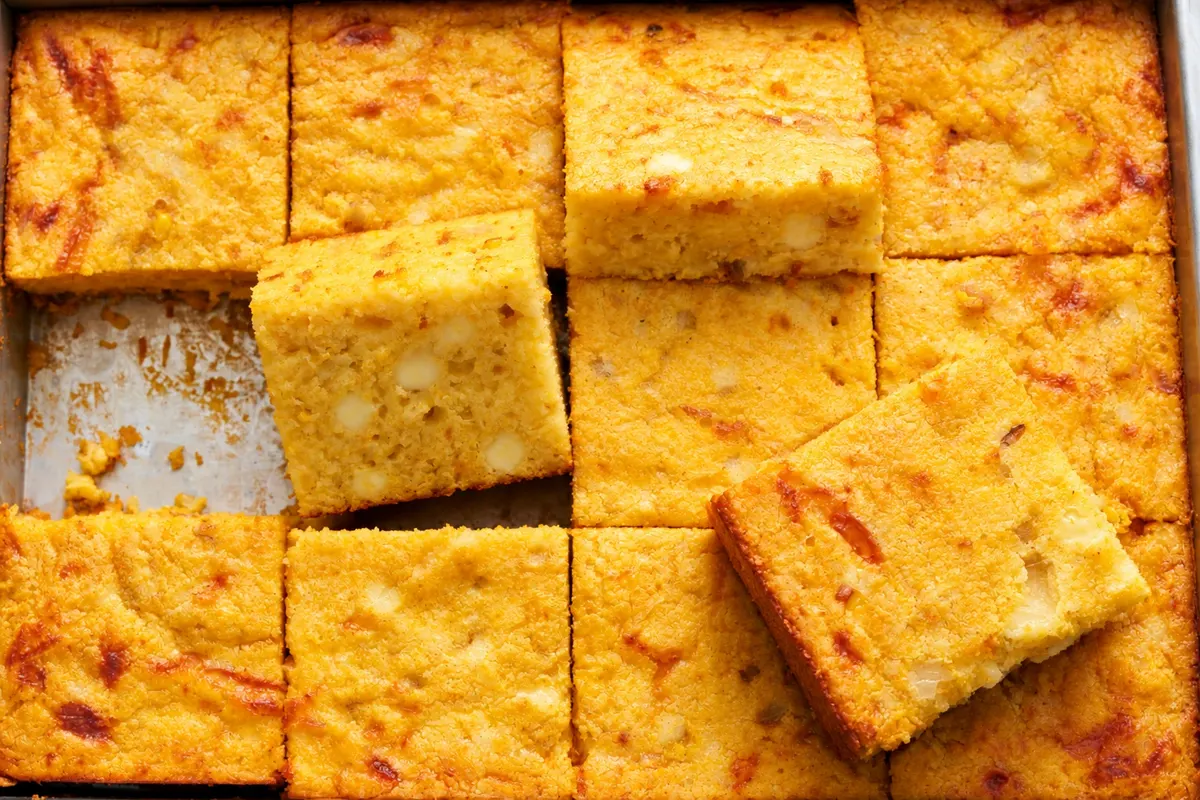
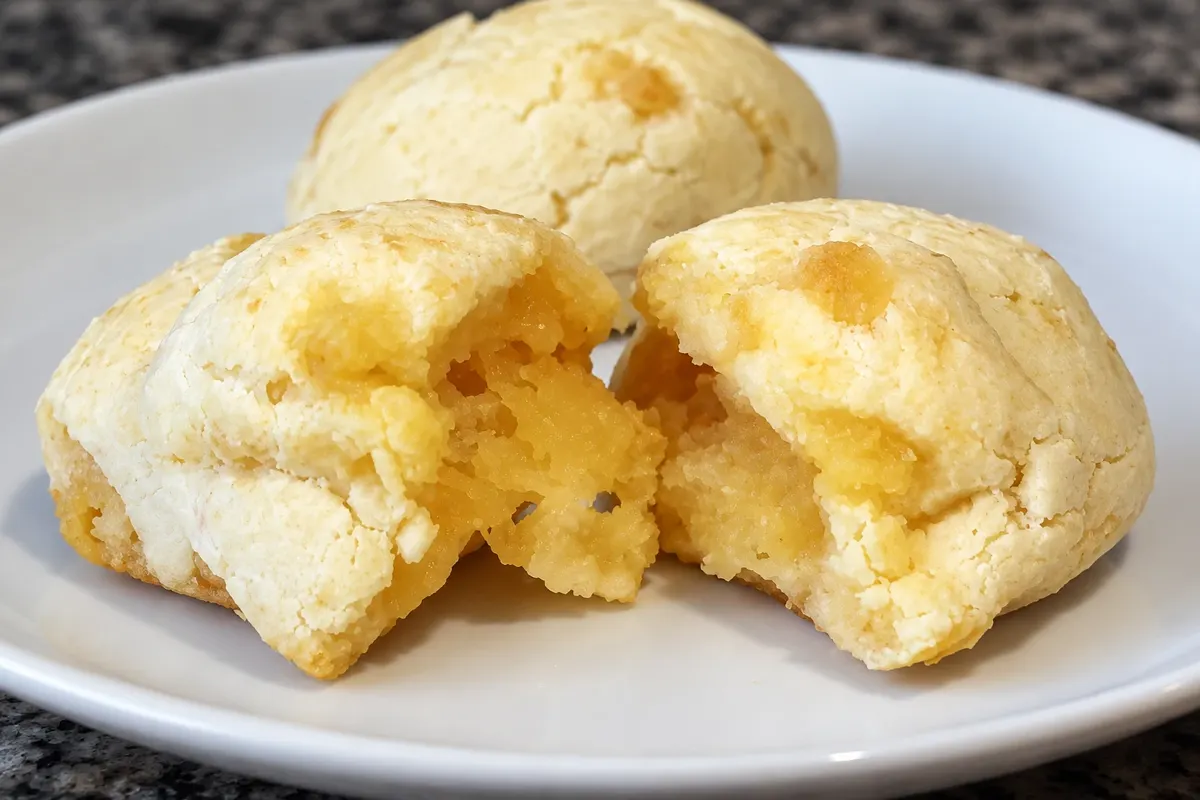
The same batter makes pan hũ and boquerón, small round or rectangular honey rolls. Boquerón was sold in schools at recess and in neighborhood stores; no one knows for sure where the name comes from.
Itá, 37 km from Asunción, officially presents itself as the city of the clay water jar and honey. The historian records that, for several decades, the municipality has been the keeper of the production of melado, pan hũ, boquerón and peanut sweet. The production of miel de caña follows the cultivation of cane on the fertile lands of the municipality, and the mel and cake factories, in Itá’s rural compañías, are part of what the city shows visitors.


 Brazilija
 Antarktika
 Argentina
 Bolivija
 Čile
 Kolumbija
 Ekvator
 Gvajana
 Francoska Gvajana
 Falklandski otoki (Malvini)
 Peru
 Surinam
 Urugvaj
 Venezuela
 Nemčija
 Avstrija
 Belgija
 Hrvaška
 Danska
 Slovaška
 Slovenija
 Španija
 Finska
 Francija
 Grčija
 Nizozemska
 Madžarska
 Irska
 Islandija
 Italija
 Luksemburg
 Norveška
 Poljska
 Portugalska
 Združeno kraljestvo
 Češka
 Švedska
 Švica
 Turčija
 Bermudi
 Kanada
 Združene države Amerike
 Grenlandija
 Mehika
 Sveta Peter in Mihael
 Dominikanska republika
 Japonska
 Južnoafriška republika
 Egipt
 Avstralija
 Fidži
 Nova Zelandija
 Papua Nova Gvineja