Lechazo asado
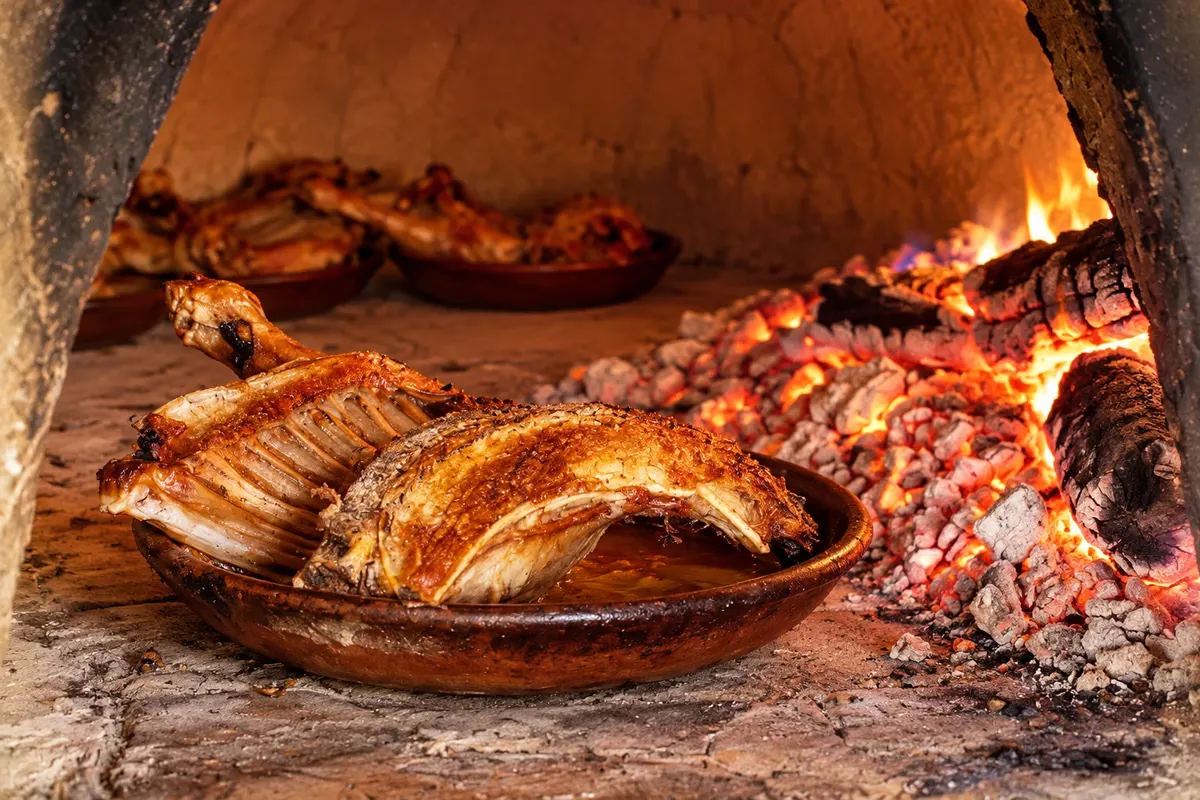
Suckling lamb slowly roasted in a wood-fired oven, in a clay baking dish, with only water and salt. It is the dish chosen to represent Castile and León and the meat is protected by the IGP Lechazo de Castilla y León.
AntarktikaAvtonomna skupnost · Central
Illustrative images. The pictures in this guide are illustrations based on the real place, not photographs, and may differ from it.
Lokalni okusi – of Španija
Destinacije
Mesta

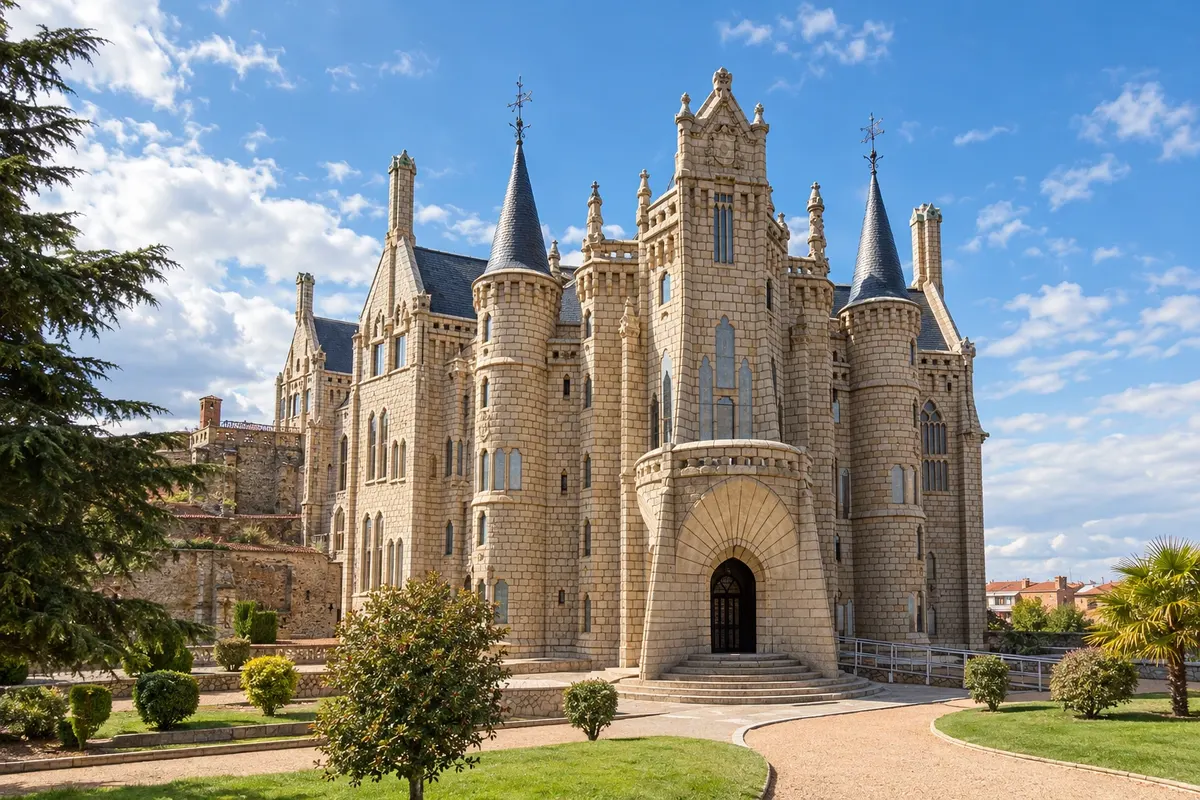
Astorga is a small town in the province of León, capital of the Maragatería, on a hill surrounded by more than 2 km of Roman-origin wall. Founded as Asturica Augusta, it preserves Roman remains and a museum in the former ergástula. The Palácio Episcopal de Gaudí stands next to the Gothic cathedral, and in the Plaza Mayor two maragato figures strike the hours. The town is known for chocolate, mantecadas and the cozido maragato. It is where the Caminho Francês meets the Via de la Plata. The village of Castrillo de los Polvazares is 5 km away. Spanish is spoken.

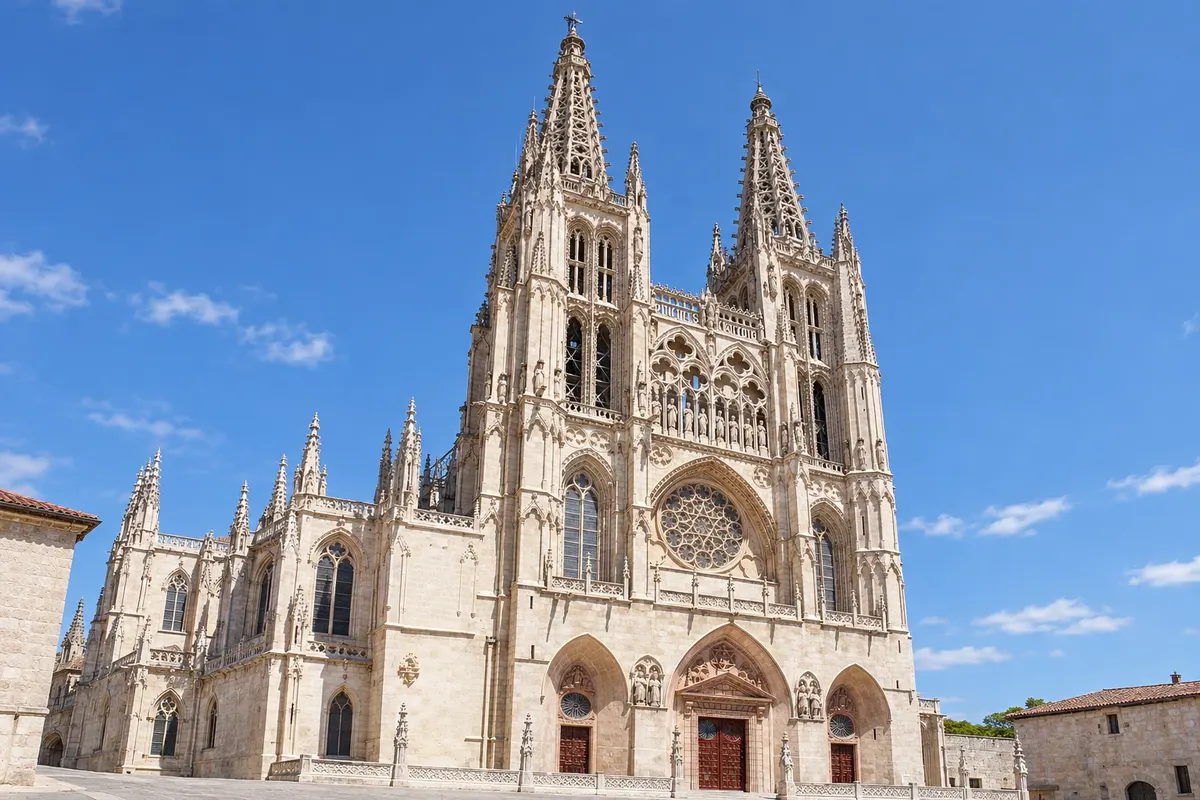
Burgos is a city in Castilla y León on the banks of the rio Arlanzón, the former capital of Castilla and the land of El Cid. The Gothic cathedral, a World Heritage Site, features lace-like spires, the capela do Condestável and El Cid's tomb. Pilgrims enter the centre through the Arco de Santa María. The city also has the royal monastery of Las Huelgas, the cartuxa de Miraflores, the Casa del Cordón and the castle on the hill. The Museu da Evolução Humana displays the Atapuerca fossils, a prehistoric World Heritage site about 15 km away. Spanish is spoken.

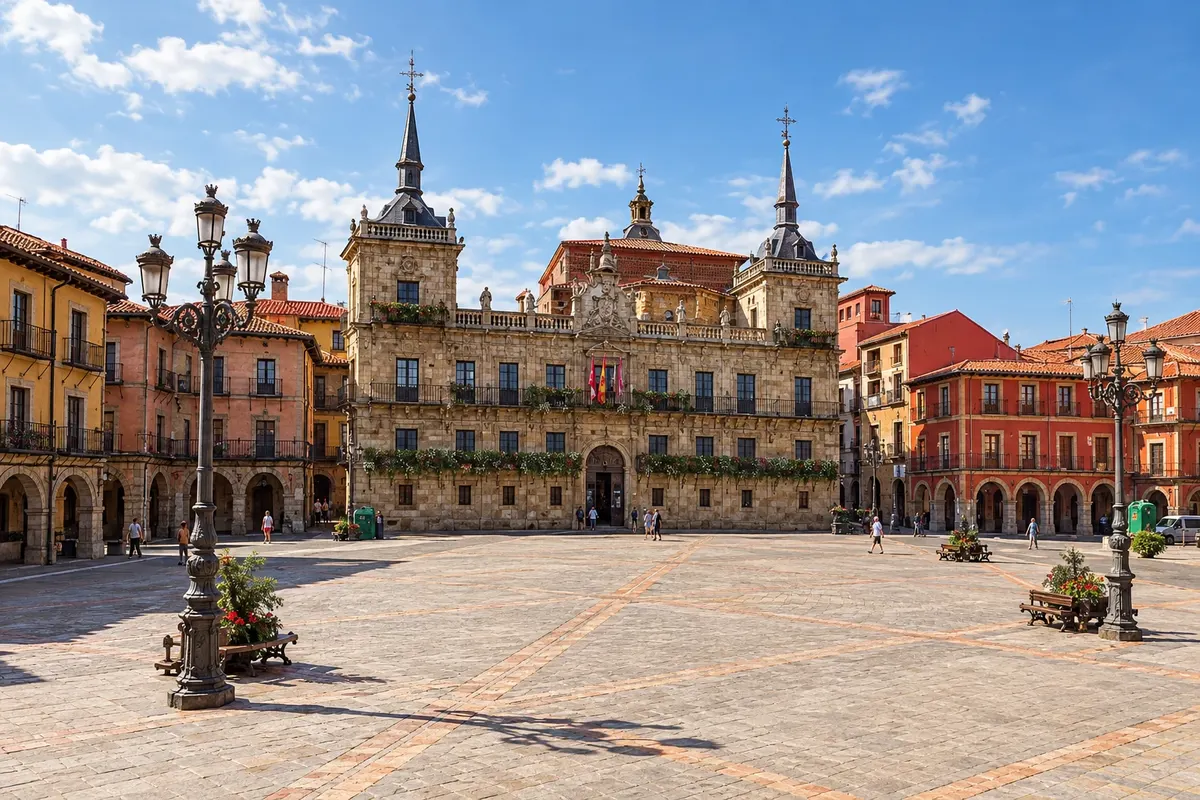
León is the capital of the province of the same name, in Castile and León, born from a Roman camp and the capital of the old Kingdom of León. It is one of the main stops on the Caminho Francês. The Gothic cathedral has one of the largest sets of medieval stained-glass windows in the world, and San Isidoro houses the Pantheon of the Kings, with Romanesque paintings. Gaudí left the Casa Botines, now a museum, and the Hostal de San Marcos has a plateresque façade. The MUSAC displays contemporary art. At night, the Barrio Húmedo around the Plaza Mayor fills with tapas bars. Spanish is spoken.

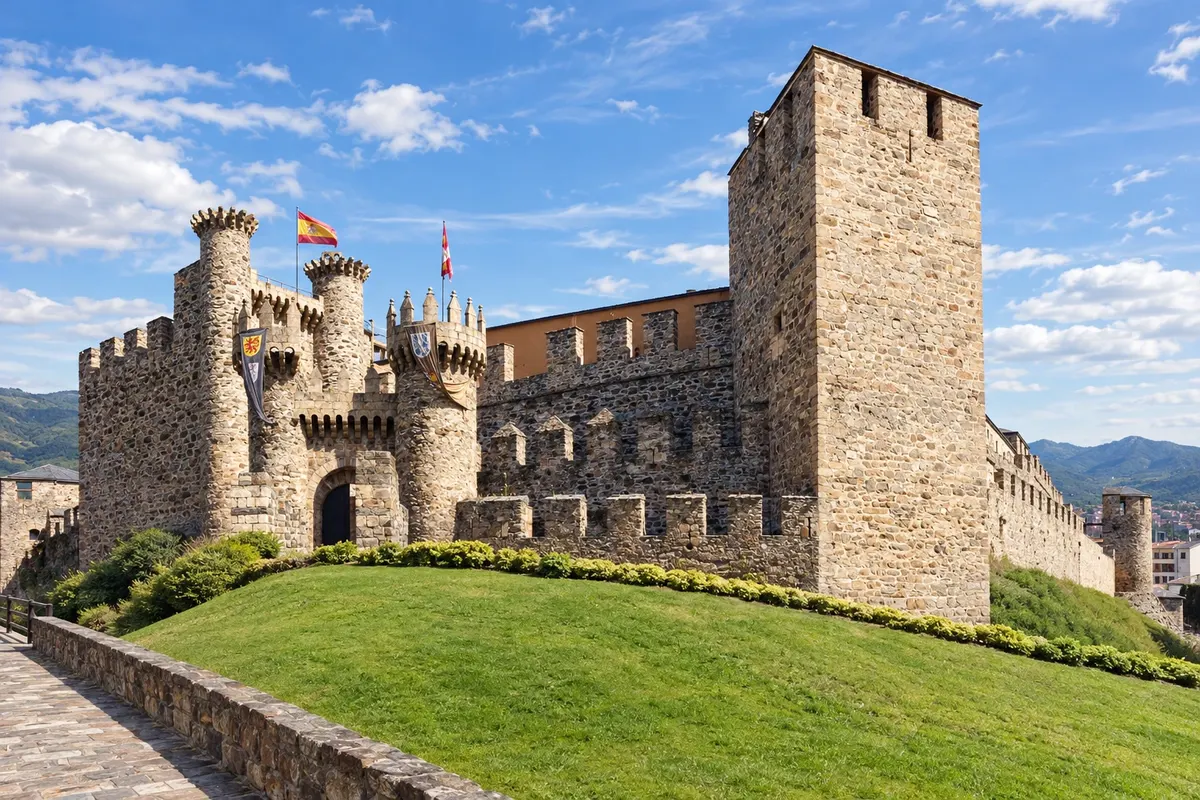
Ponferrada is the capital of the comarca of Bierzo, in the west of the province of León, at the meeting of the rivers Sil and Boeza. The name comes from the iron-reinforced bridge built in the 11th century for pilgrims, and the town remains a stop on the Caminho Francês. The castelo dos Templários dominates the old town, alongside the basílica da Encina and the Museu do Bierzo. The old power station became the Museu da Energia. Nearby are the Médulas, Roman gold mines that are a World Heritage Site, and Peñalba de Santiago, with a Mozarabic church from the 10th century. Spanish is spoken.

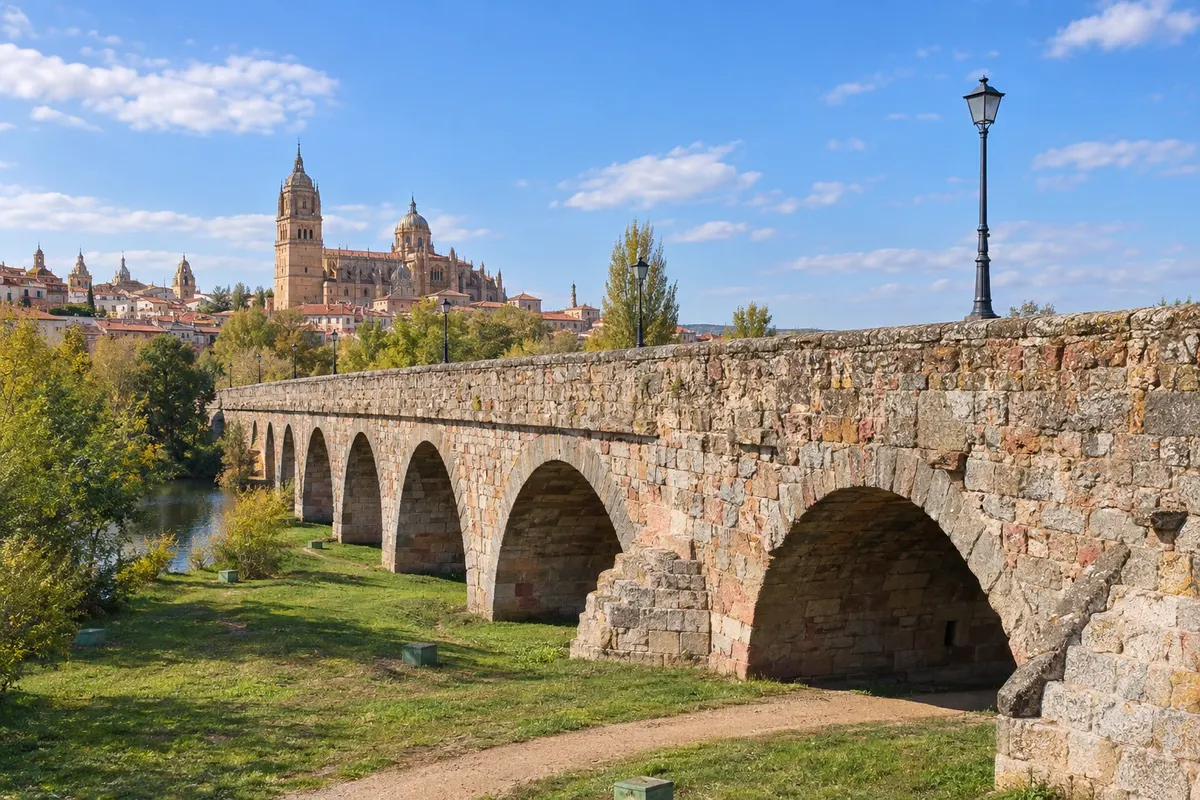
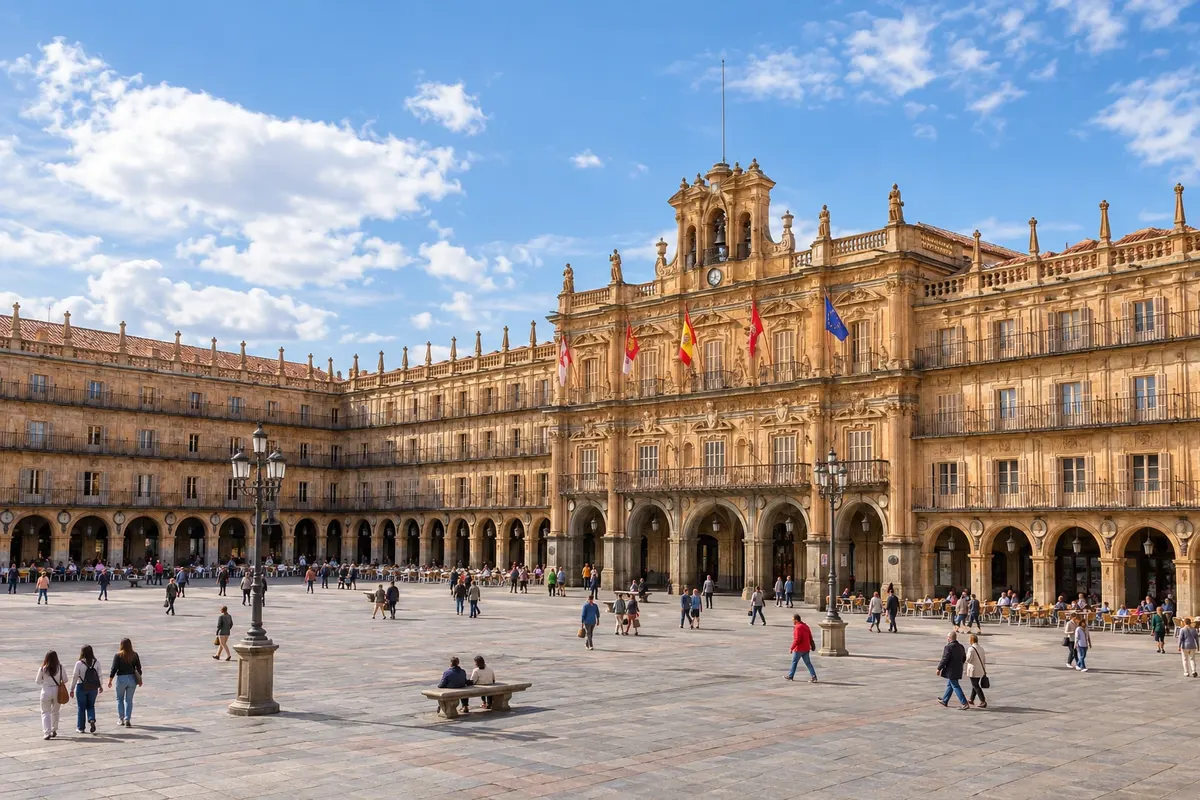
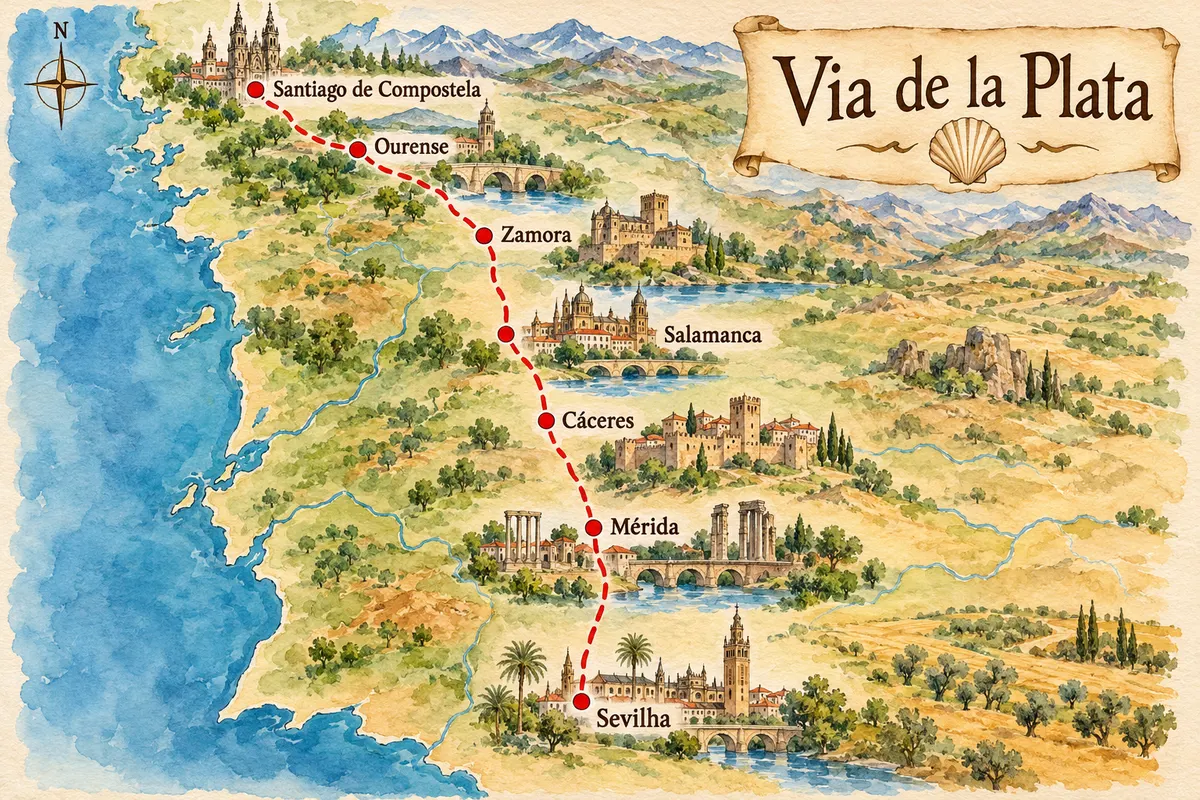
Salamanca is the university city of Castile and León, on the banks of the Tormes, home to the oldest university in Spain still in operation. The golden-stone historic centre, a World Heritage Site, brings together the Baroque Plaza Mayor, the plateresque façade of the Escuelas Mayores, the Catedral Vieja and Catedral Nueva, and the Casa de las Conchas. At night, the streets fill with students.

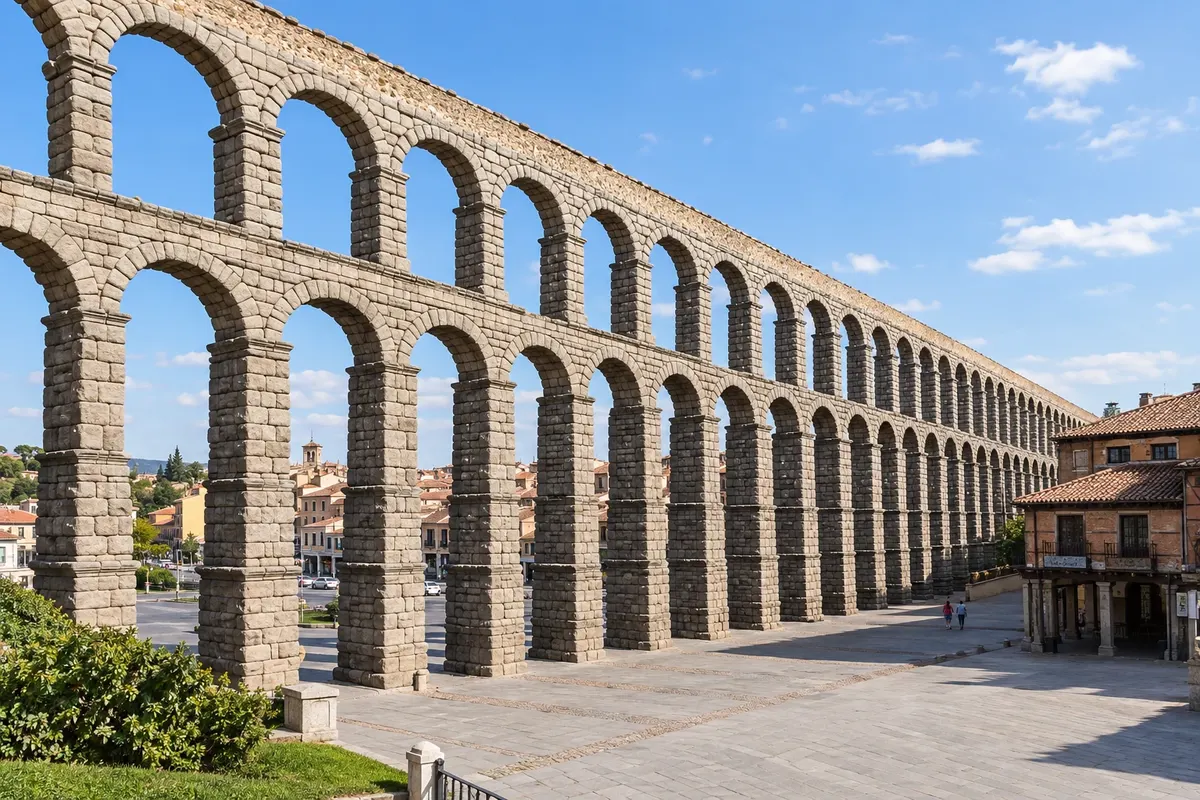
Segóvia, in Castela e Leão, sits on a rocky outcrop about 1,000 meters above sea level, north of the serra de Guadarrama. The historic center and the Aqueduto romano are a World Heritage Site. Besides the Aqueduto, the city has the Alcázar, the Gothic Cathedral, the Plaza Mayor, the Judería and Romanesque churches such as San Millán. In the valley lie the monastery of El Parral, the Casa de Moneda and the Vera Cruz; 13 km away is the Palácio de La Granja. The language is Spanish.

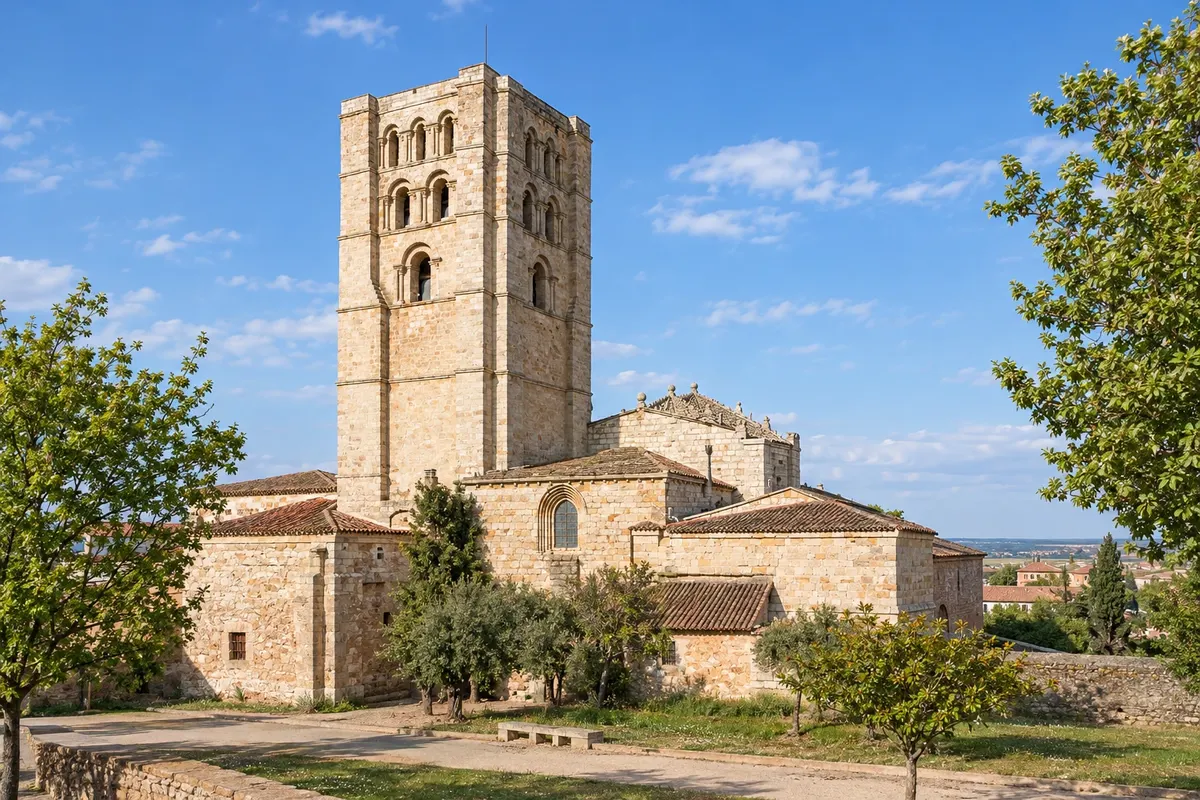
Zamora sits on a rocky plateau on the banks of the Duero river, 66 km from Salamanca, with a long old town enclosed by walls. It is one of the cities with the most Romanesque churches in Europe: the cathedral with its scaled dome (cimborium), the castle, Magdalena and San Pedro y San Ildefonso. It also has the stone bridge, the aceñas on the river and the Plaza Mayor, and is a stop on the Via de la Plata.

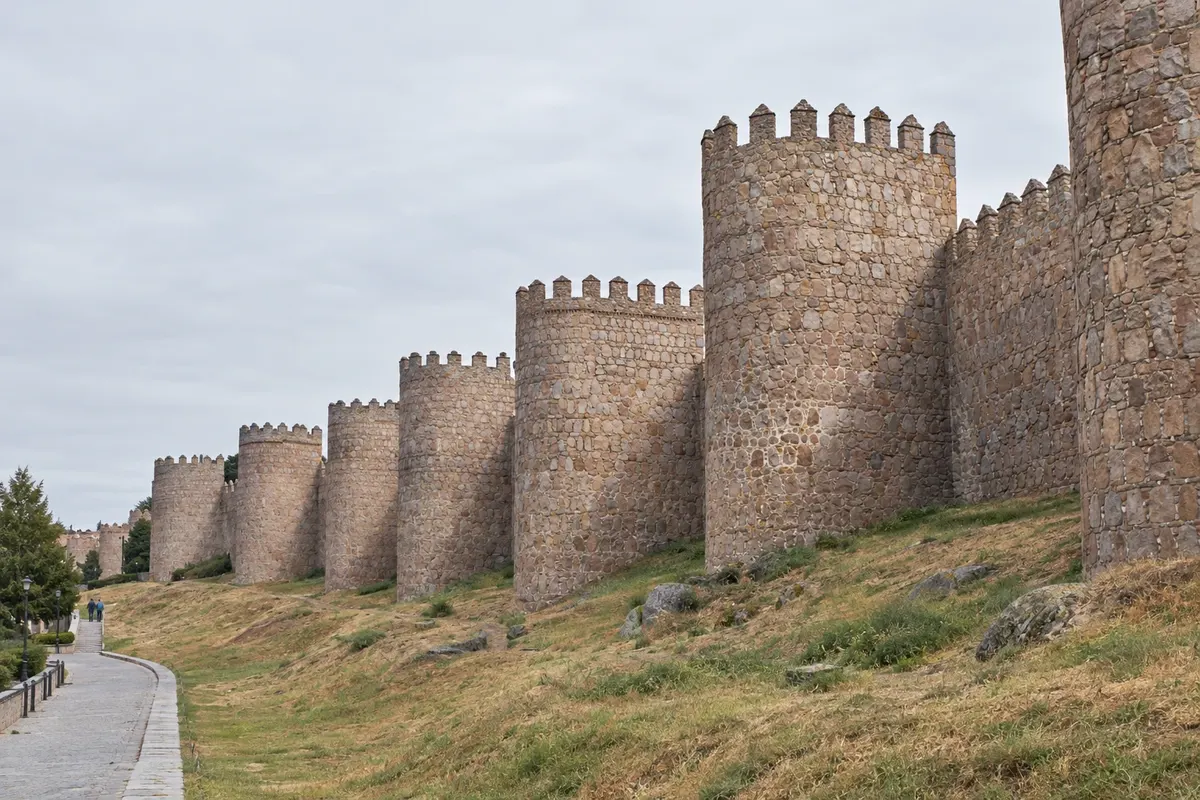
Ávila, in Castela y Leão, is the highest provincial capital in Spain, over 1,100 metres above sea level. The old town is enclosed by a complete medieval wall, with 87 towers, and is a World Heritage site. Inside and around it are the Cathedral, the Basilica of San Vicente, the Monastery of Santo Tomás and the places associated with Santa Teresa: the convent where she was born and the Convent of the Encarnación. The language is Spanish.
Poti

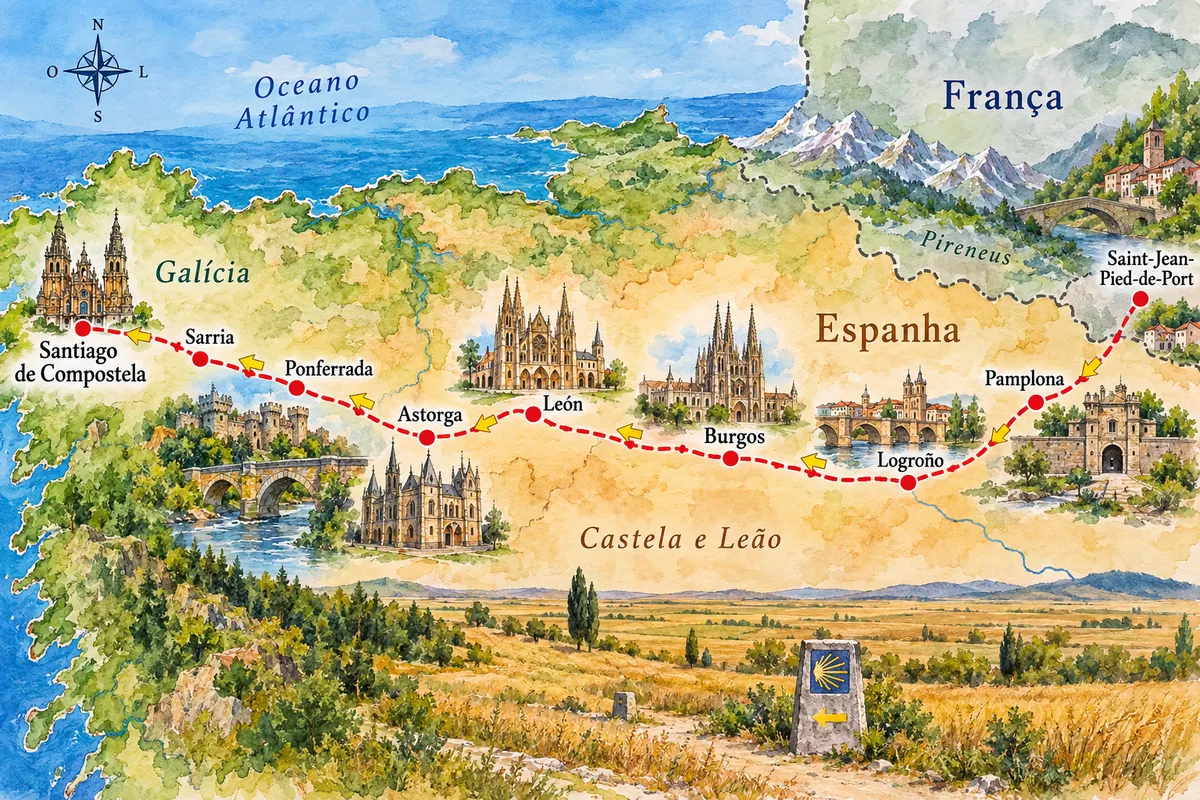
The most travelled pilgrimage route to Santiago de Compostela: from the French Pyrenees to Galicia, on foot, via Pamplona, Burgos and León, following the yellow arrows.

The longest Camino de Santiago in Spain: from Seville to Santiago de Compostela along the country’s west, following the old Roman road, via Mérida, Cáceres, Salamanca, Zamora and Ourense.
Več kot vodnik