Število mest: 3

 Išči
 Brazilija
 Antarktika
 Argentina
 Bolivija
 Čile
 Kolumbija
 Ekvator
 Gvajana
 Francoska Gvajana
 Falklandski otoki (Malvini)
 Paragvaj
 Peru
 Surinam
 Urugvaj
 Venezuela
 Nemčija
 Avstrija
 Belgija
 Hrvaška
 Danska
 Slovaška
 SlovenijaŠpanija
 Finska
 Francija
 Grčija
 Nizozemska
 Madžarska
 Irska
 Islandija
 Italija
 Luksemburg
 Norveška
 Poljska
 Portugalska
 Združeno kraljestvo
 Češka
 Švedska
 Švica
 Turčija
 Bermudi
 Kanada
 Združene države Amerike
 Grenlandija
 Mehika
 Sveta Peter in Mihael
 Dominikanska republika
 JaponskaTurčija
 Južnoafriška republika
 Egipt
 Avstralija
 Fidži
 Nova Zelandija
 Papua Nova Gvineja
Avtonomna skupnost · Mediterranean
Illustrative images. The pictures in this guide are illustrations based on the real place, not photographs, and may differ from it.
Destinacije
Mesta
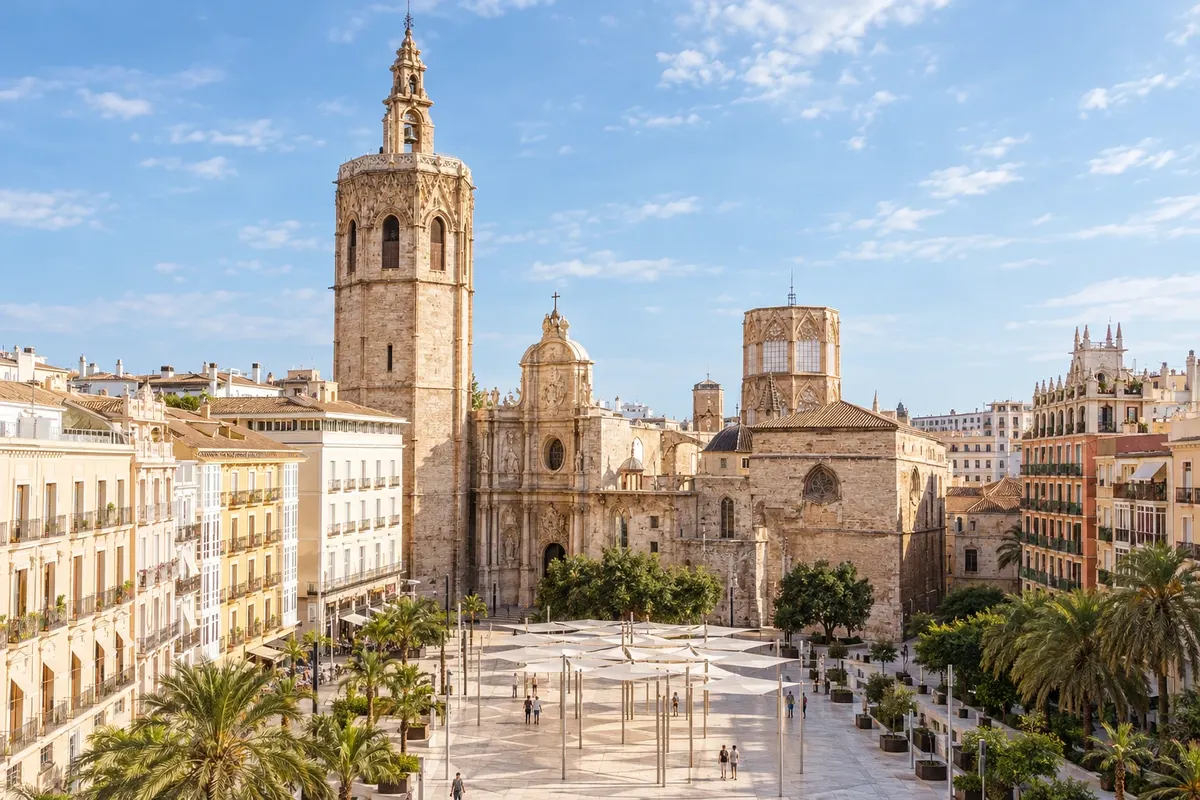
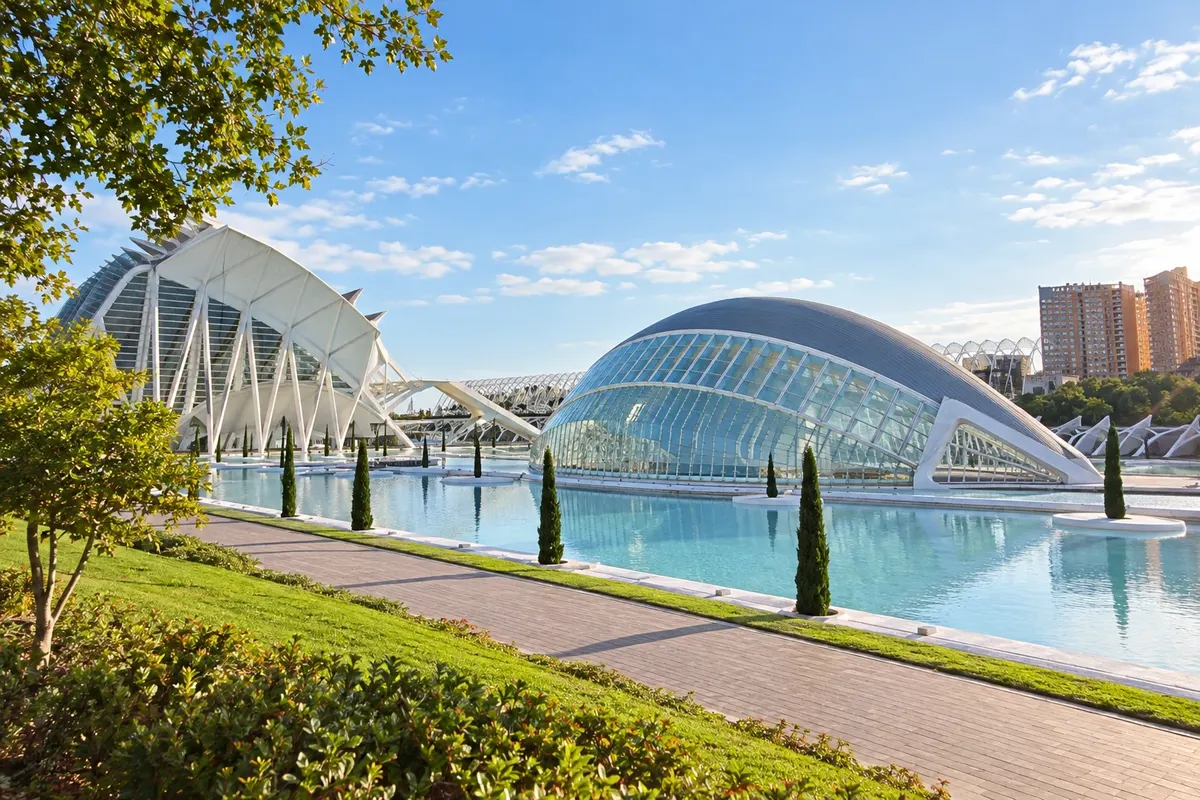
Valência, capital of the Valencian Community, sits on the Mediterranean and blends the Gothic centre of the Llotja de la Seda and the cathedral with the white architecture of the Ciutat de les Arts i les Ciències. The old Túria riverbed became a 9 km park that links one end of the city to the other. It has urban beaches, the Albufera lagoon to the south, and is the home of paella and the Fallas.
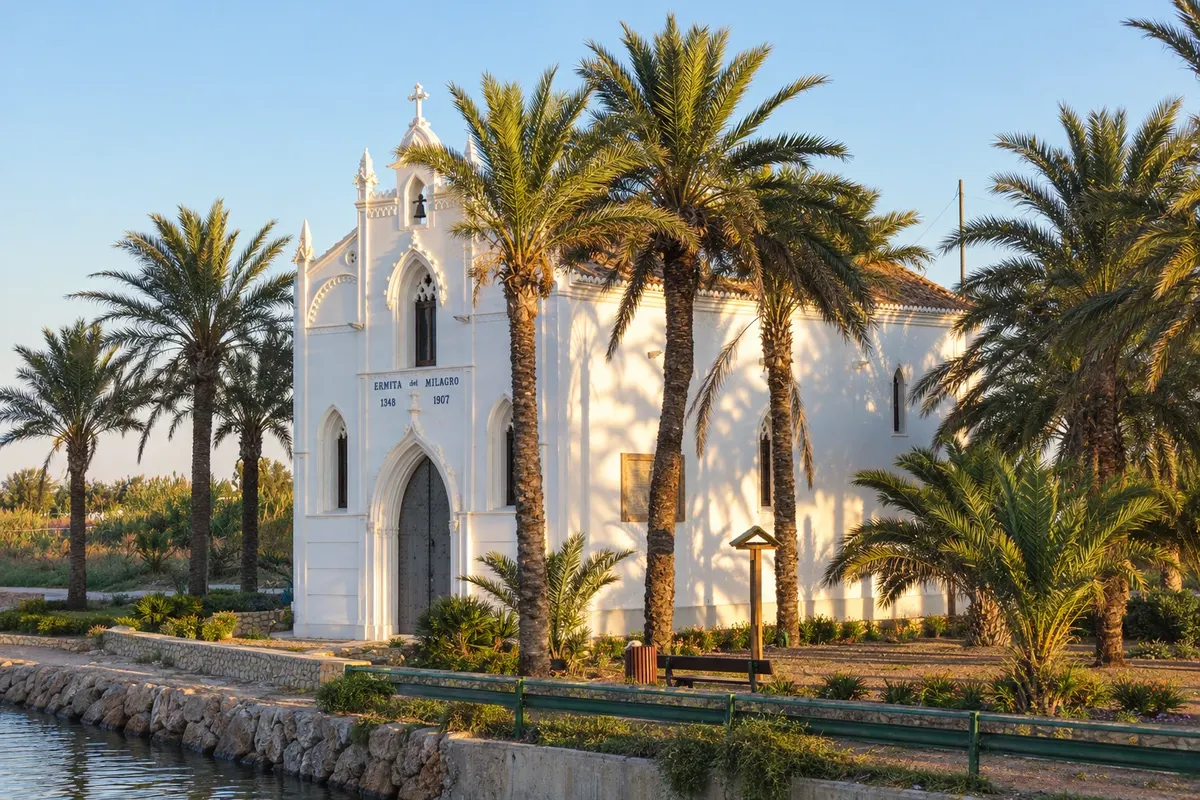
Municipality in the Horta Nord adjoining Valencia, set between chufa fields and the sea. It is known as the birthplace of chufa horchata (orxata) and hosts the council of the Denomination of Origin Chufa de Valencia. It has the Patacona beach, continuous with La Malvarrosa, and, at the mouth of the Carraixet ravine, the Ermita dels Peixets, which commemorates a 1348 miracle told by tradition.
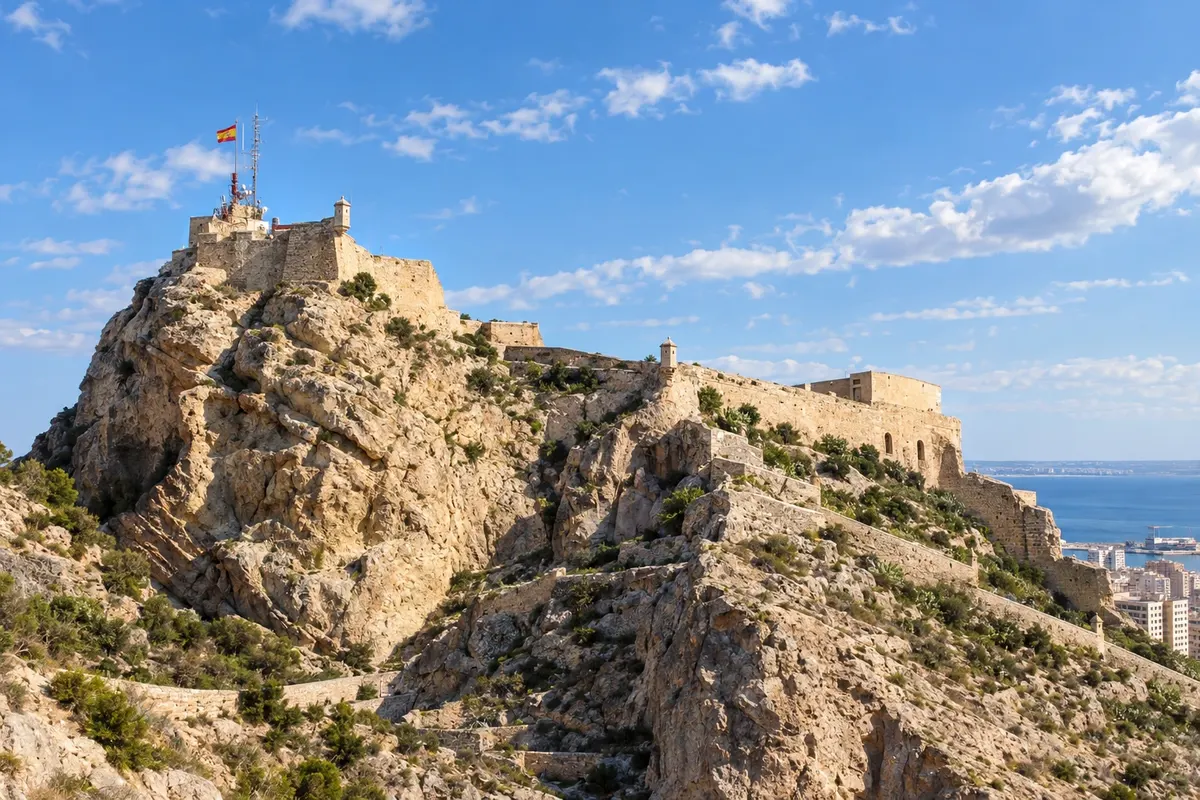
Alicante (Alacant in Valencian) is the capital of the province of the same name and the gateway to the Costa Blanca. The Castillo de Santa Bárbara dominates the city from the top of Monte Benacantil, and below are the Explanada de España, the old quarter of Santa Cruz and Postiguet beach in the center. Boats depart from the port to Tabarca island.
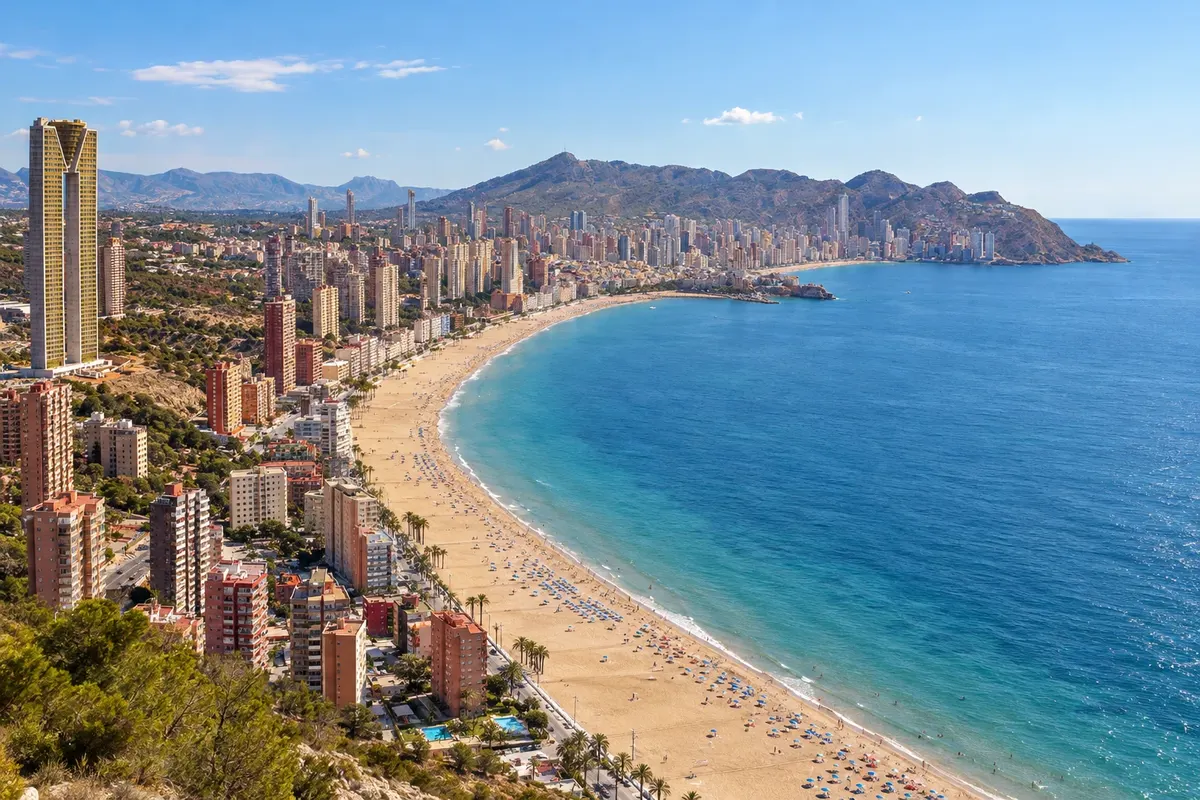
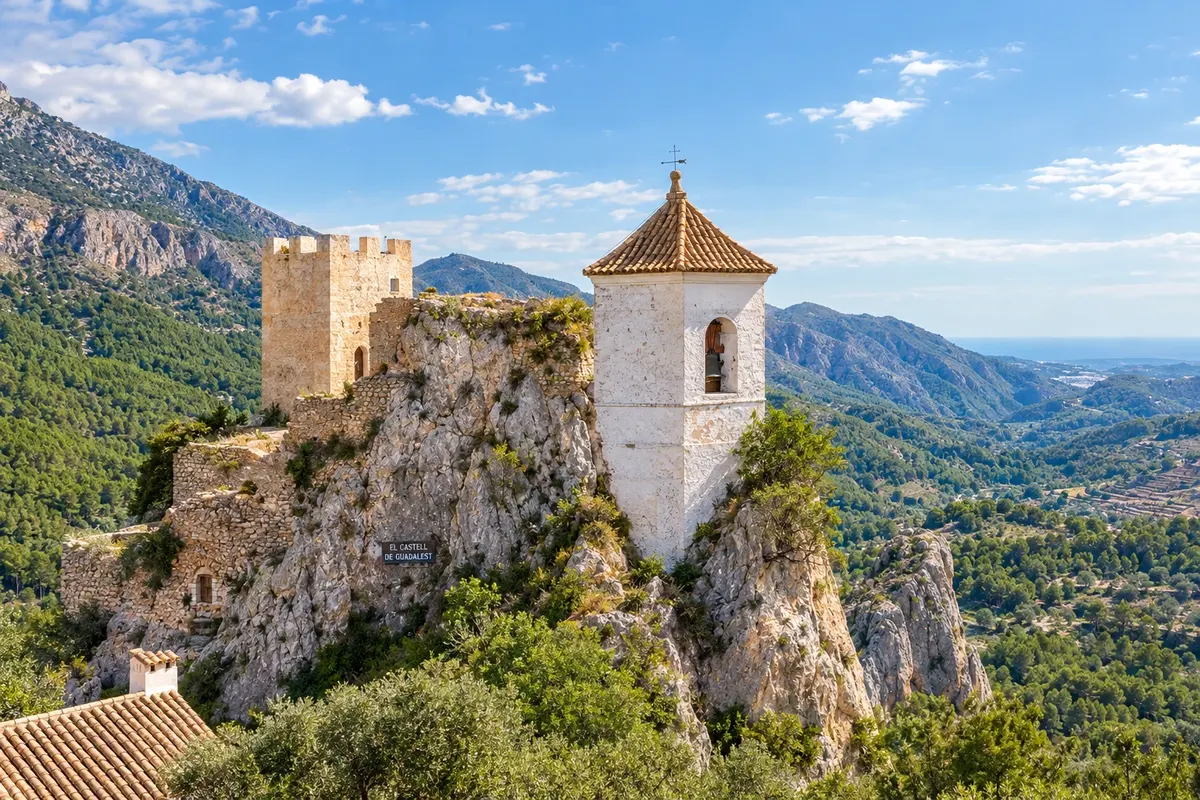
Benidorm is the beach town of the Costa Blanca, 45 km from Alicante, known for the skyline of skyscrapers that began to rise in the 1960s, when the fishing village shifted from fishing to tourism. It has two long beaches, Levante and Poniente, separated by the old town and the viewpoint Balcón del Mediterráneo. It serves as a base for the island of Benidorm, Guadalest and Fonts de l'Algar.
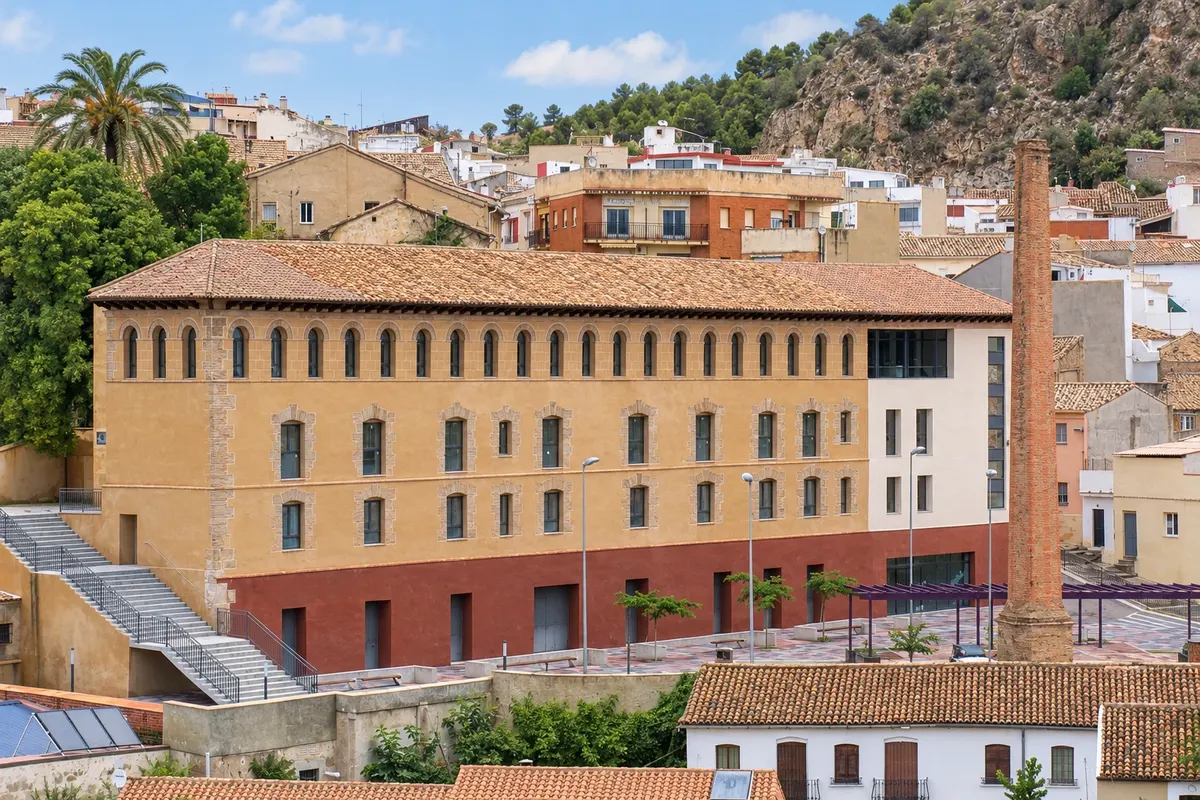
Inland town in the province of Valencia, in the comarca of Hoya de Buñol, surrounded by mountain ranges and crossed by the Buñol River. The old town is organized around a castle of Islamic origin, from the 11th and 12th centuries, which still has houses inhabited within the walls. It is known worldwide for La Tomatina, the tomato battle held at the end-of-summer festivities, and for mojete, a flour-based dish from the local cuisine.
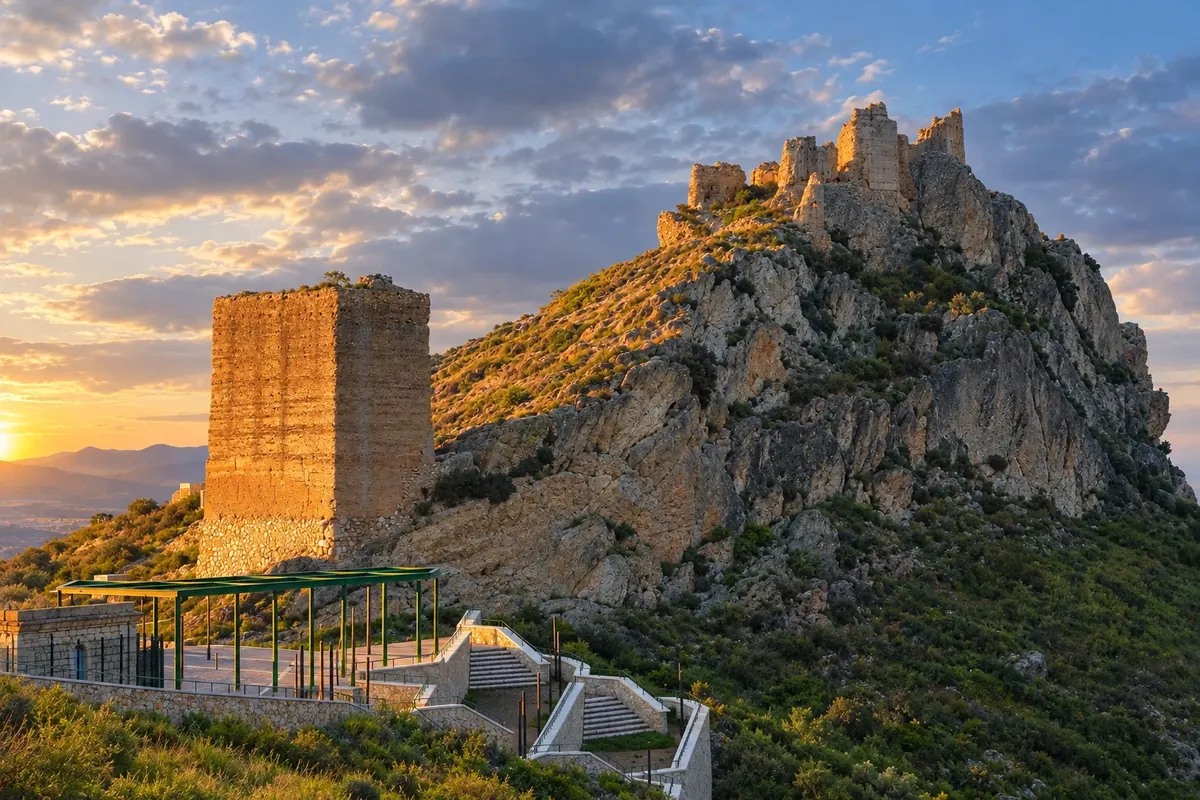
Mountain town inland from Alicante, also called Jijona, at the foot of a hill crowned by the ruins of the Almohad castle of Torre Grossa. It is the home of turrón: the two Protected Geographical Indications Jijona and Turrón de Alicante are produced there, and the local tradition is documented since the 16th century. The center preserves the Renaissance archpriestal church and steep streets.
Več kot vodnik