Asado
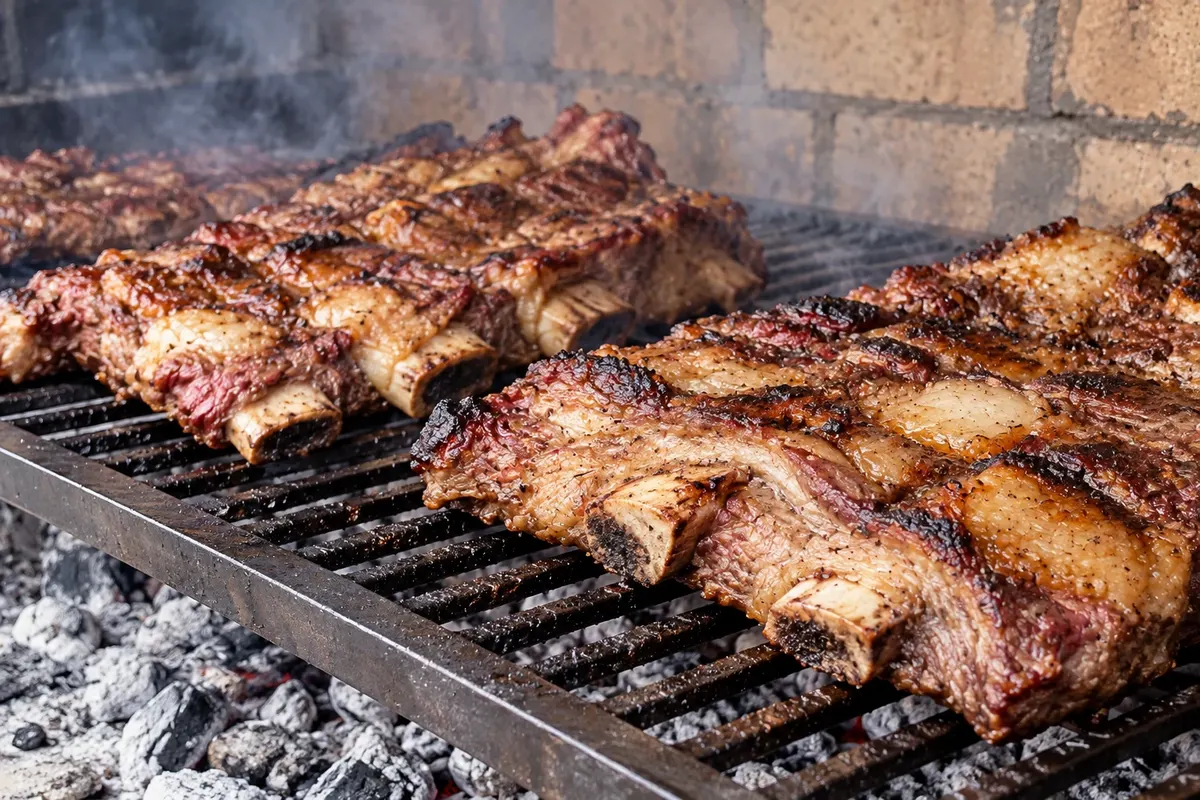
Beef and pork cuts, sausages and offal slowly roasted over embers, on a grate or on a cross. More than a dish, it’s a gathering around the fire led by the asador, and it bears the seal of Argentina’s cultural, food and gastronomic heritage.
AntarktikaOkusi · Chubut
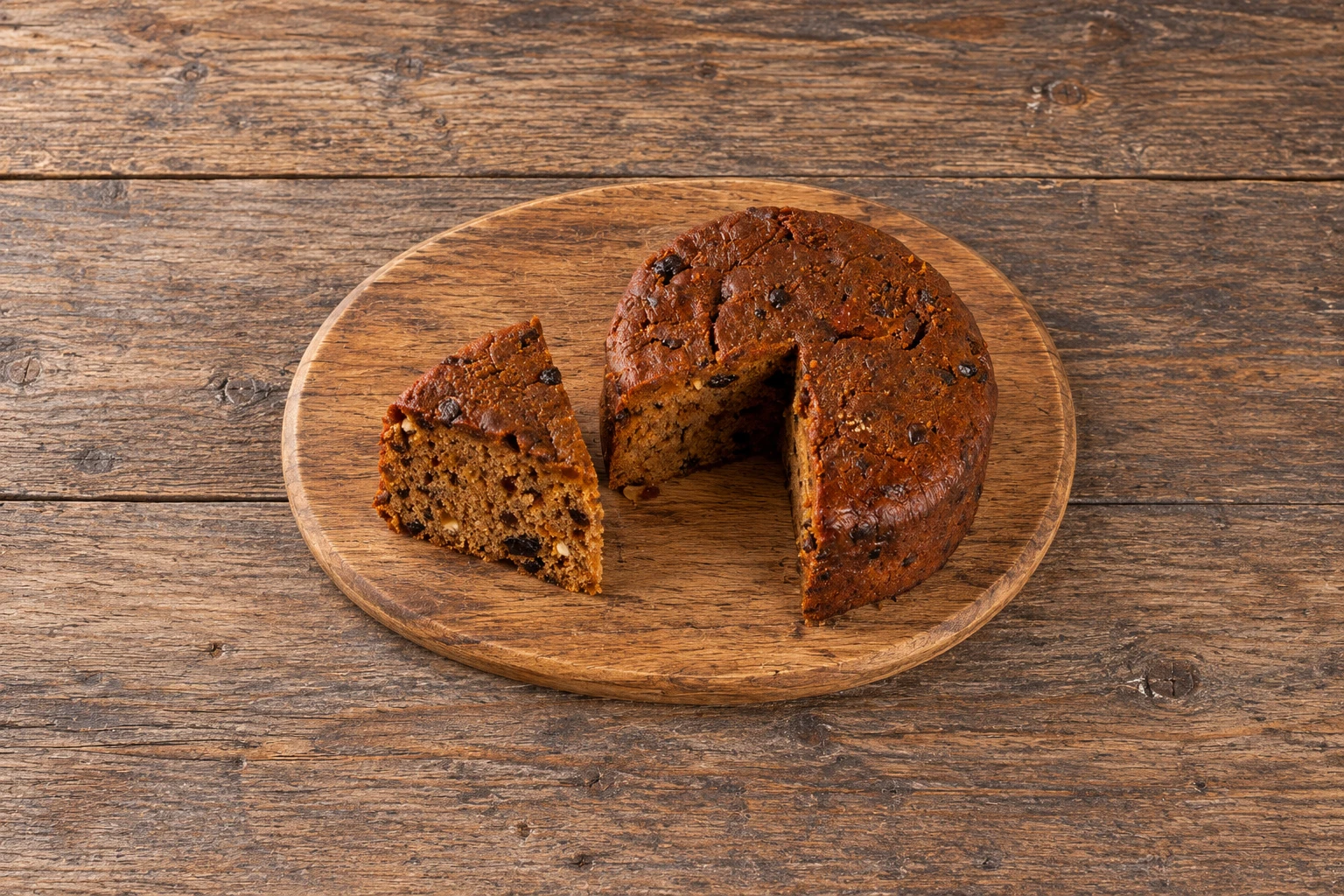
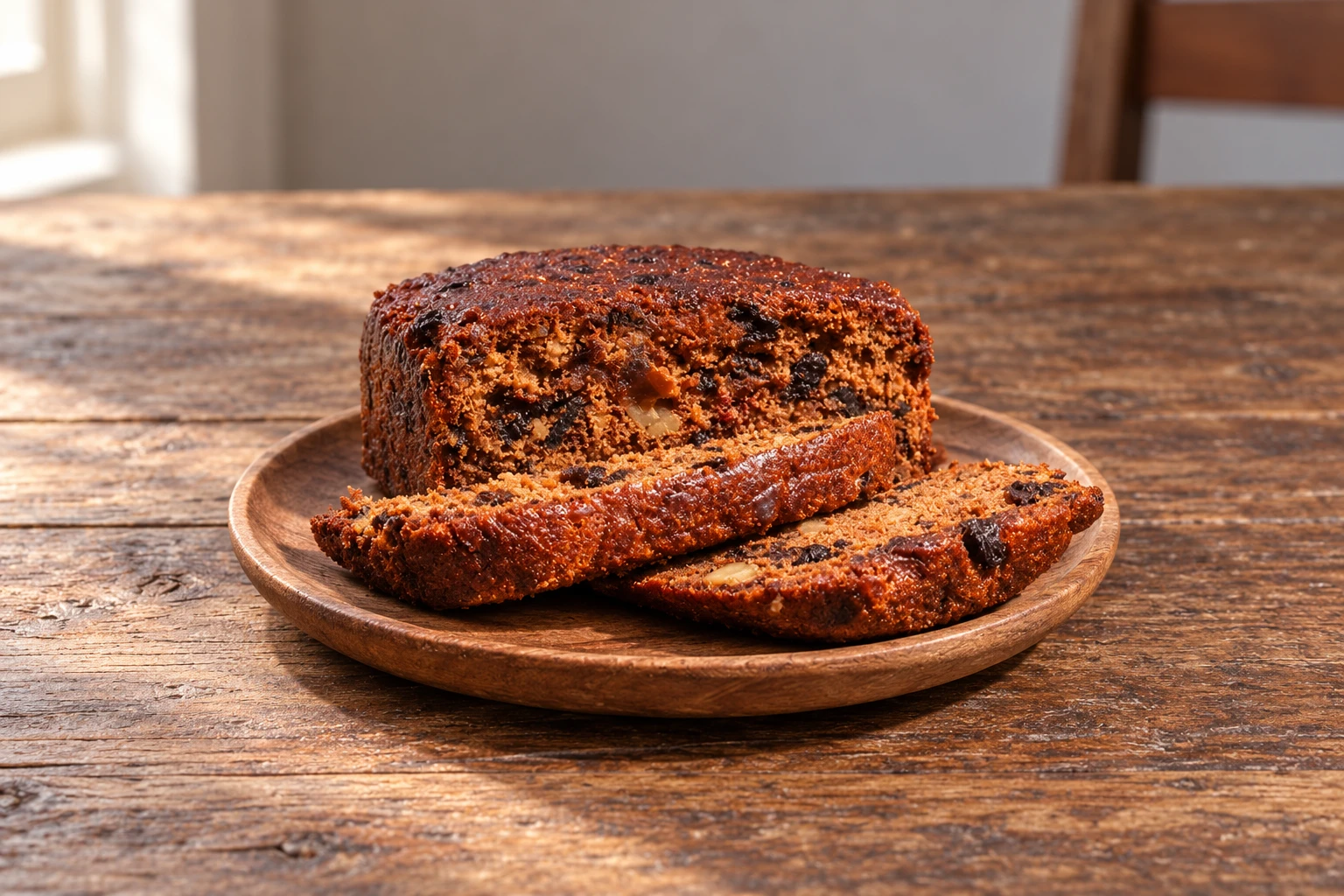
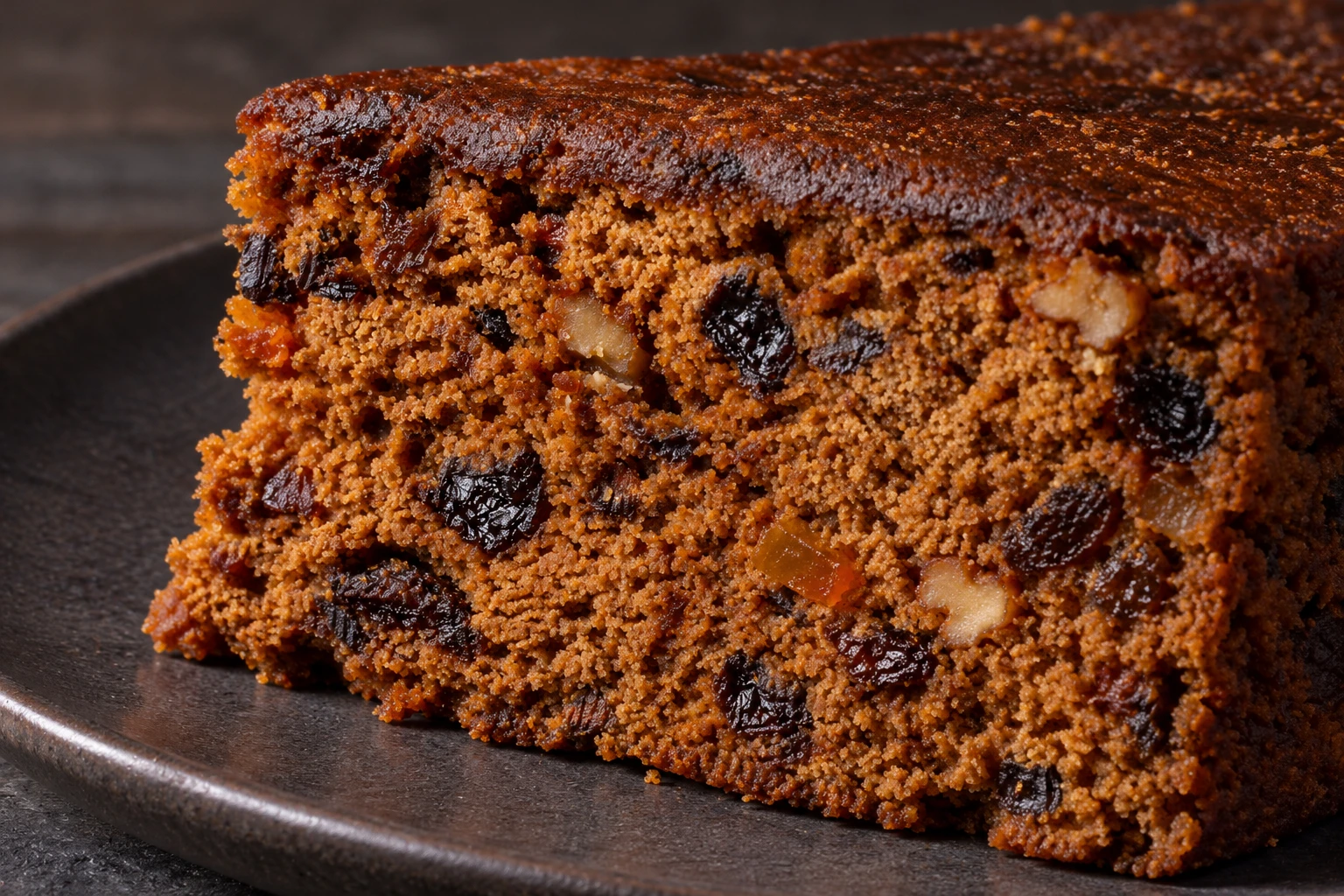
Dark, dense cake fragrant with dried fruit, nuts, brown sugar and spices — a legacy of the Welsh settlers who arrived in Chubut in 1865. It is the centerpiece of the Welsh tea and can be kept for a long time.
Traditional sladica izChubut
Druga imena: torta galesa, torta negra, torta negra galesa del Chubut
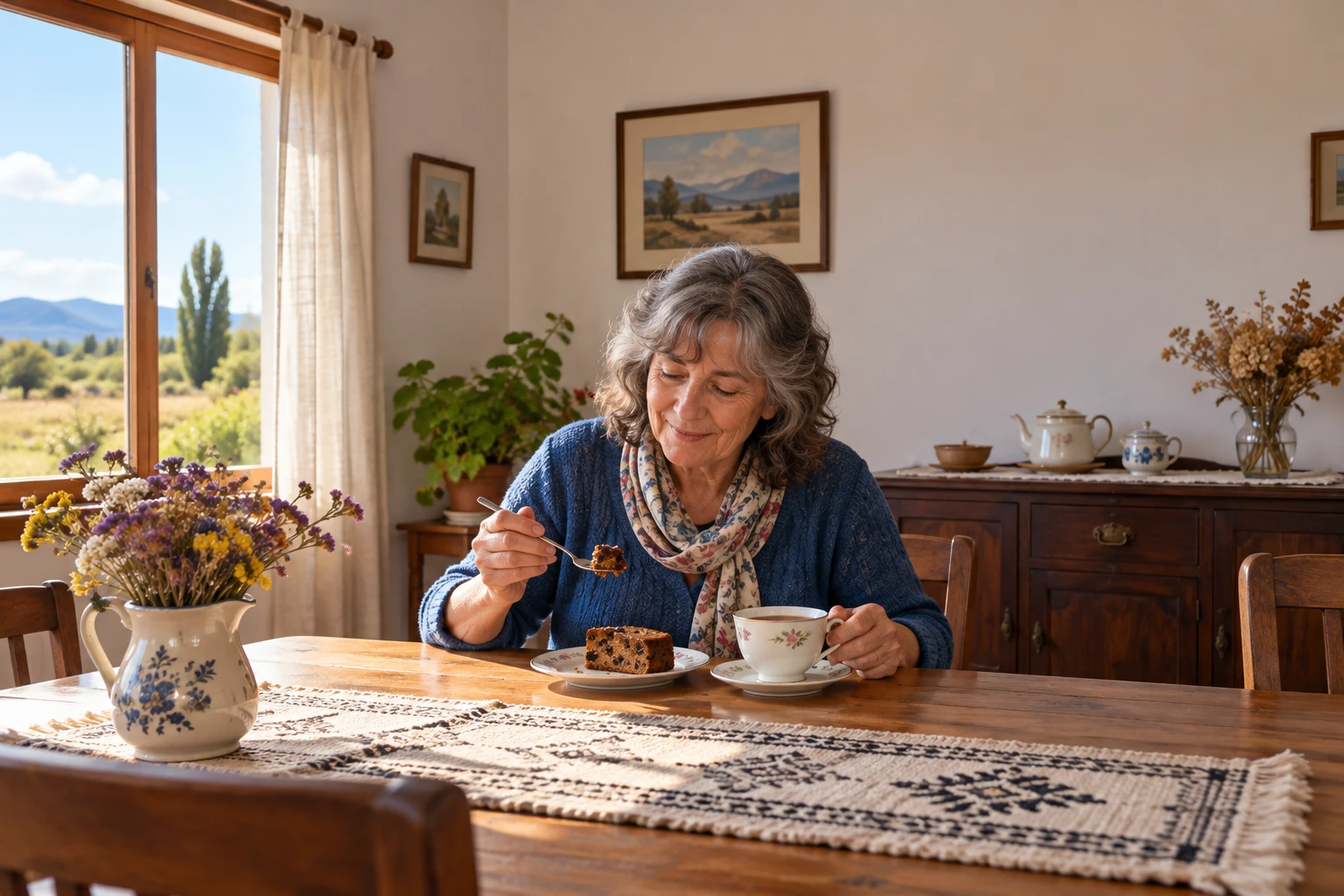
Illustrative images. The pictures in this guide are illustrations based on the real place, not photographs, and may differ from it.
Kliknite fotografijo za povečavo.
Torta negra galesa — Chubut, Argentina
The Welsh black cake is the dessert most closely associated with the Welsh colonization of Argentine Patagonia. The first Welsh settlers landed on July 28, 1865 on the Chubut coast and settled in the lower Chubut River valley, where cities such as Rawson, Trelew and Gaiman later developed. Later, a group settled at the foot of the mountain range, where Esquel and Trevelin are now located.
It is a round, tall cake, dark brown in color, with an amount of fruit similar to the amount of batter. It contains brown sugar, raisins, candied fruit, walnuts and almonds, and spices such as cinnamon, cloves and nutmeg; many recipes include an alcoholic beverage, such as whisky or brandy. It is baked slowly, often in a water bath. The recipe is often associated with the Welsh bara brith, but how it originated in Chubut is not precisely documented.
The cake keeps for a long time when well stored, which made it a travel gift and a dessert for special occasions. In Valle 16 de Octubre, near Trevelin, there is a custom of keeping part of the cake from a baptism or a wedding to eat long afterward. There they say the mountain-range version is different from the coastal one.
The cake is the centerpiece of Welsh tea, served with breads, scones and other cakes in the tearooms of Gaiman, Trevelin and other valley towns. Every July 28, a provincial holiday that commemorates the settlers’ arrival, Welsh chapels in Gaiman and Dolavon serve tea to the community.
The Chubut government, together with INTA and producers from several towns, is conducting a process to request recognition of the torta negra galesa del Chubut as a geographical indication. Trelew and Trevelin hold festivals dedicated to it.

Chubut
The Welsh black cake is a dessert throughout the province of Chubut, with versions from the lower valley and from Valle 16 de Octubre, and it is the subject of a provincial geographical indication process.
Flour, brown sugar, butter, eggs (optional in some recipes), raisins, candied fruit, walnuts and almonds, cinnamon, cloves, nutmeg and often whisky, brandy or rum.
In thin slices with black tea at the Welsh tea in the afternoon, alongside breads, scones and other cakes.
All year in tearooms; especially on July 28, the anniversary of the Welsh settlers’ arrival, and at weddings and baptisms.
Odgovori na vaša vprašanja
Because of the large amounts of sugar, dried and candied fruit and, in many recipes, alcoholic beverage, plus the slow baking. When well stored, it keeps for a long time; that is why it is a travel gift and a celebration dessert.
In the tearooms of Gaiman and Trevelin and in other towns of the Chubut River valley. On July 28, the Welsh chapels of Gaiman and Dolavon also serve tea to the community.
It is often associated with Welsh bara brith, but it is a recipe distinct to Chubut, made by the settlers with the ingredients they had. Researchers note the exact origin is not documented.
Lokalni okusi – of Argentina

Beef and pork cuts, sausages and offal slowly roasted over embers, on a grate or on a cross. More than a dish, it’s a gathering around the fire led by the asador, and it bears the seal of Argentina’s cultural, food and gastronomic heritage.

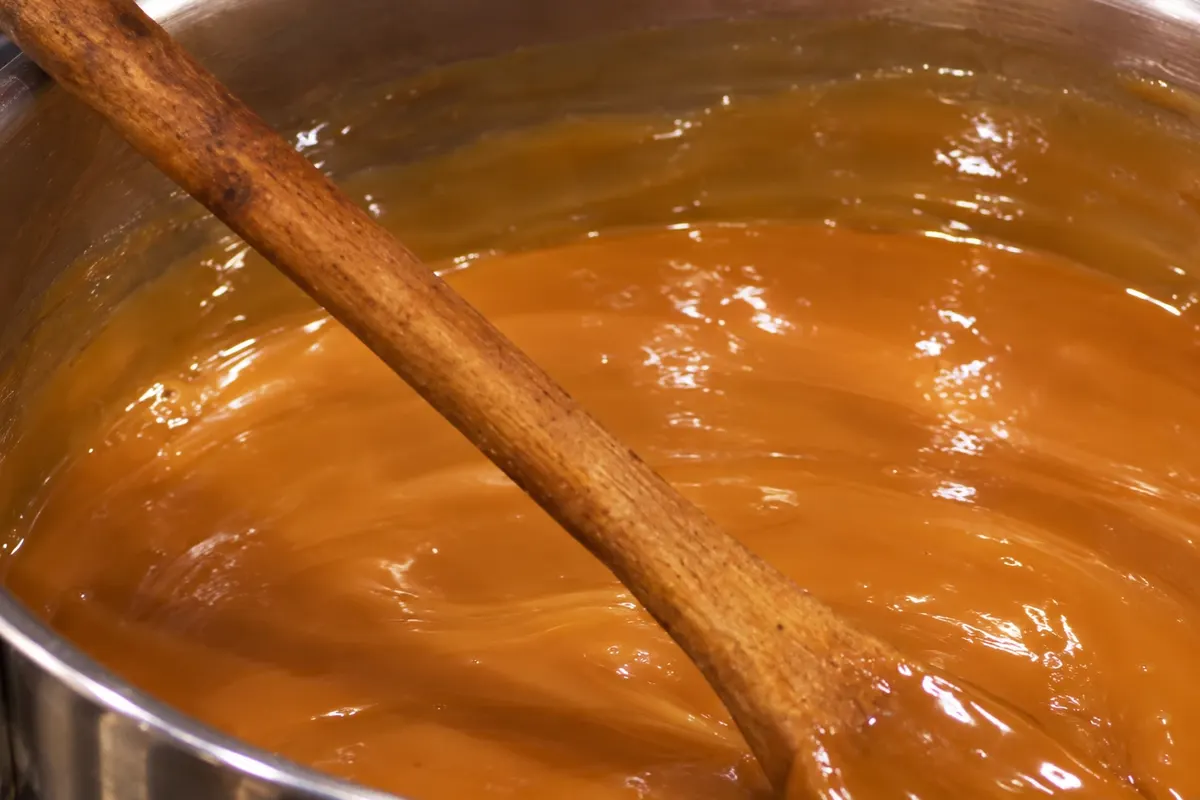
Milk and sugar cooked slowly while stirring until they form a thick, caramel-colored cream. In Argentina it fills alfajores, pancakes and cakes and is spread on bread at breakfast; the country recognizes it as culinary and food heritage and Uruguay also claims it as its own.

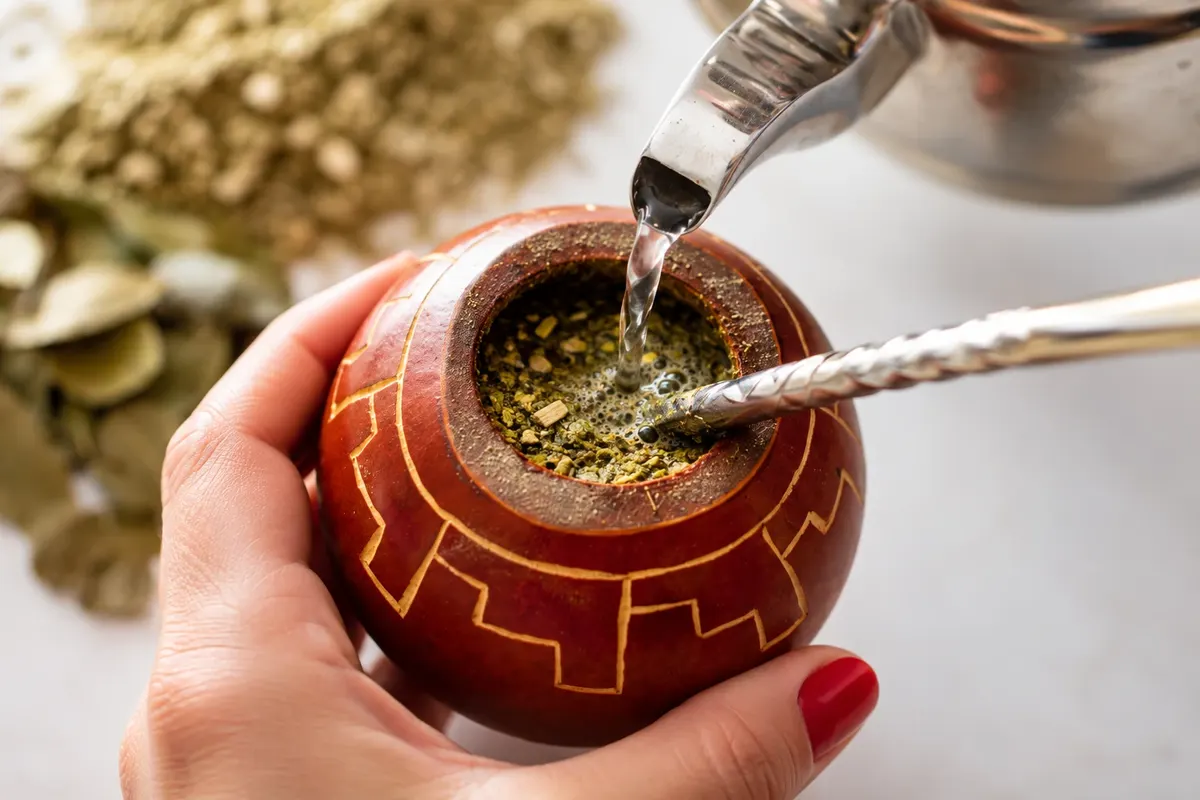
Infusion of yerba mate with hot water, drunk through a bombilla from a container also called a mate and shared in a circle. A 2013 law declared it Argentina’s national infusion, and November 30 is National Mate Day.

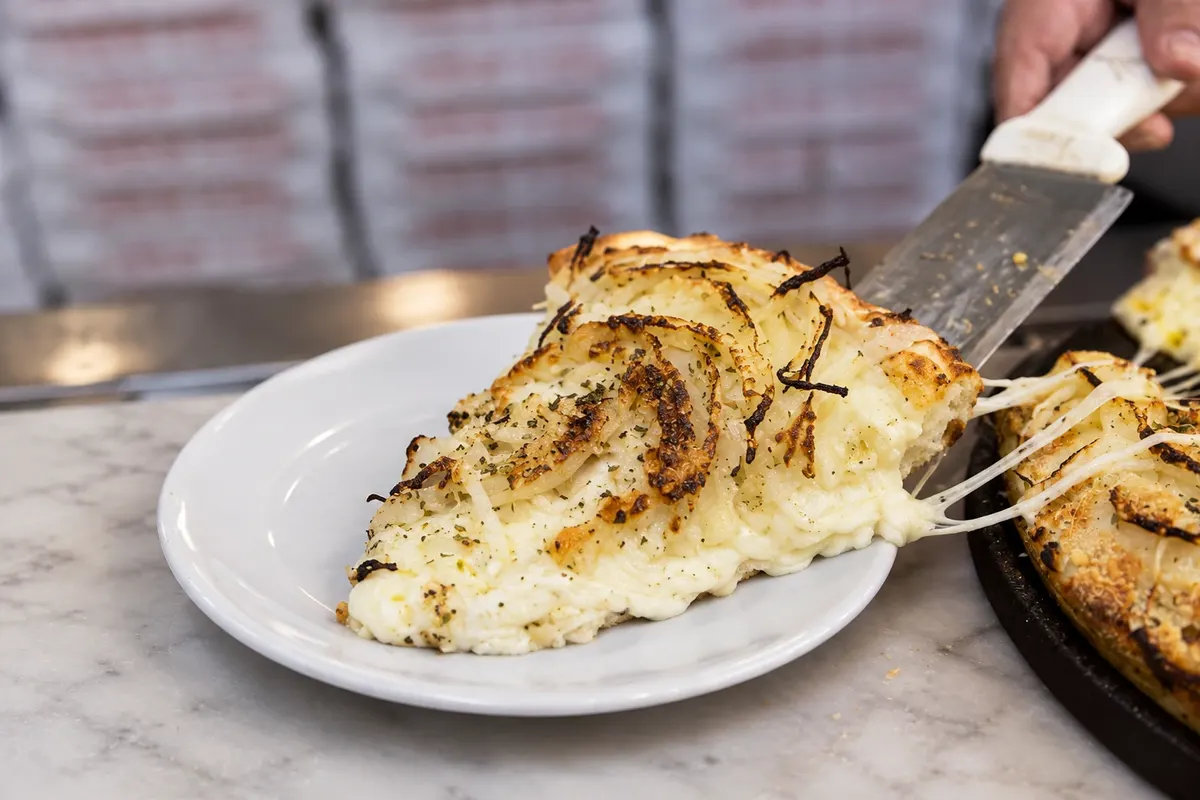
The Buenos Aires pizza: thick dough baked in a pan, topped with plenty of mozzarella and eaten in portions, often standing at the counter. It includes the fugazzeta, filled with cheese and topped with onion, and the fainá made from chickpea flour that accompanies it.

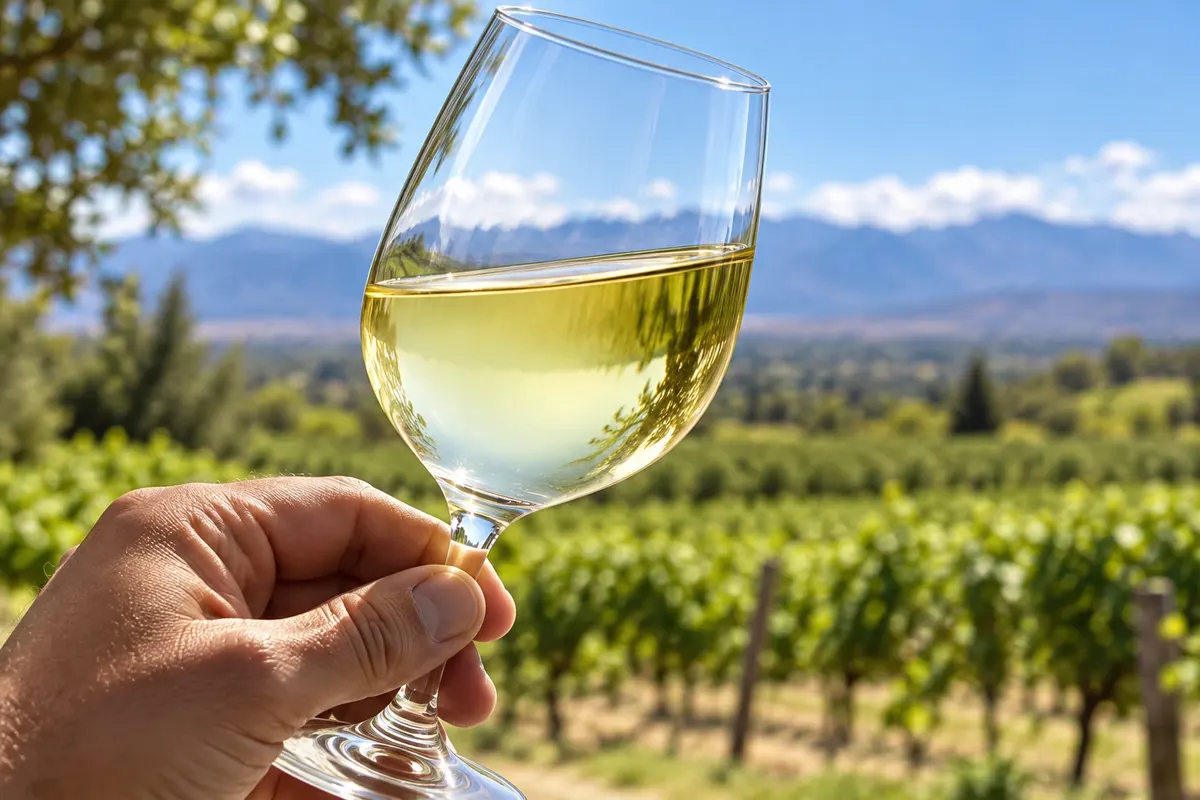
Aromatic white wine from a grape born in Argentina, with floral and fruity aroma. In the high vineyards of the Cafayate valley, in Salta, it has one of its best-known expressions and an annual week of celebrations.

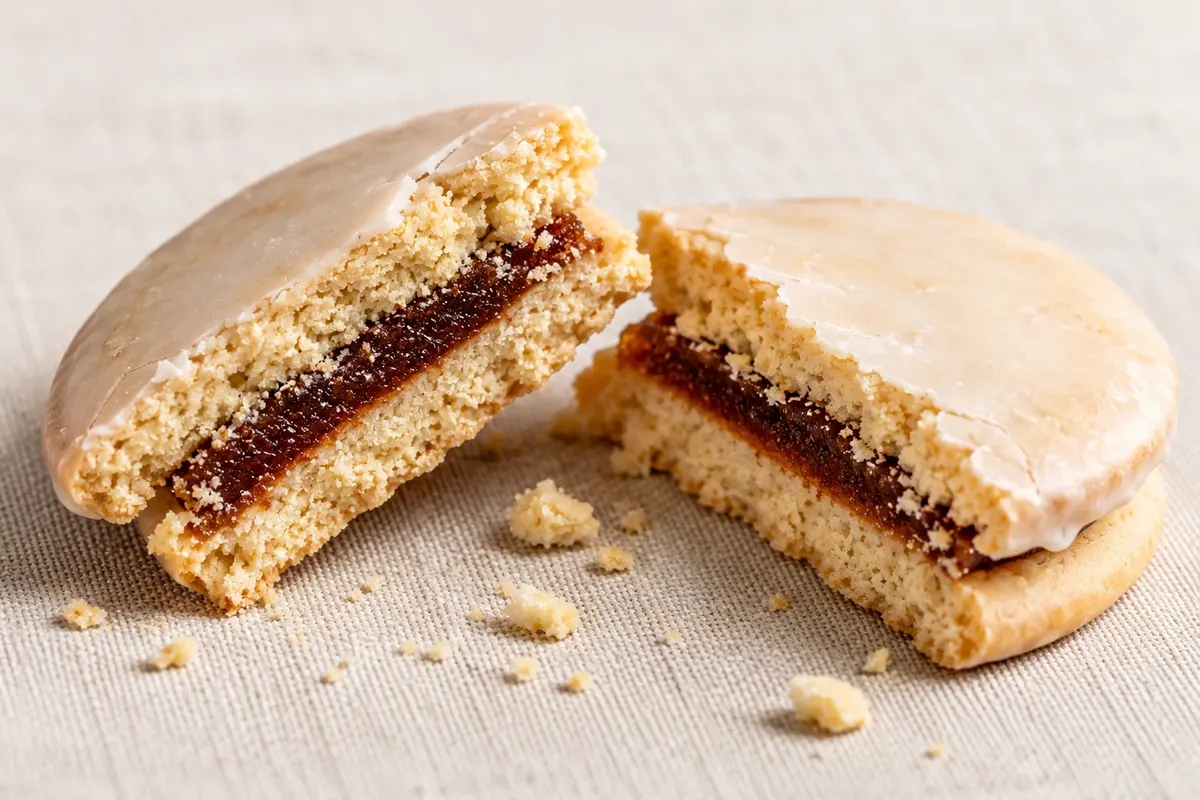
Alfajor from the province of Córdoba, with a soft dough made with honey, filled with fruit jam such as quince or pear, or with dulce de leche, and covered by a thin layer of white icing, without chocolate.

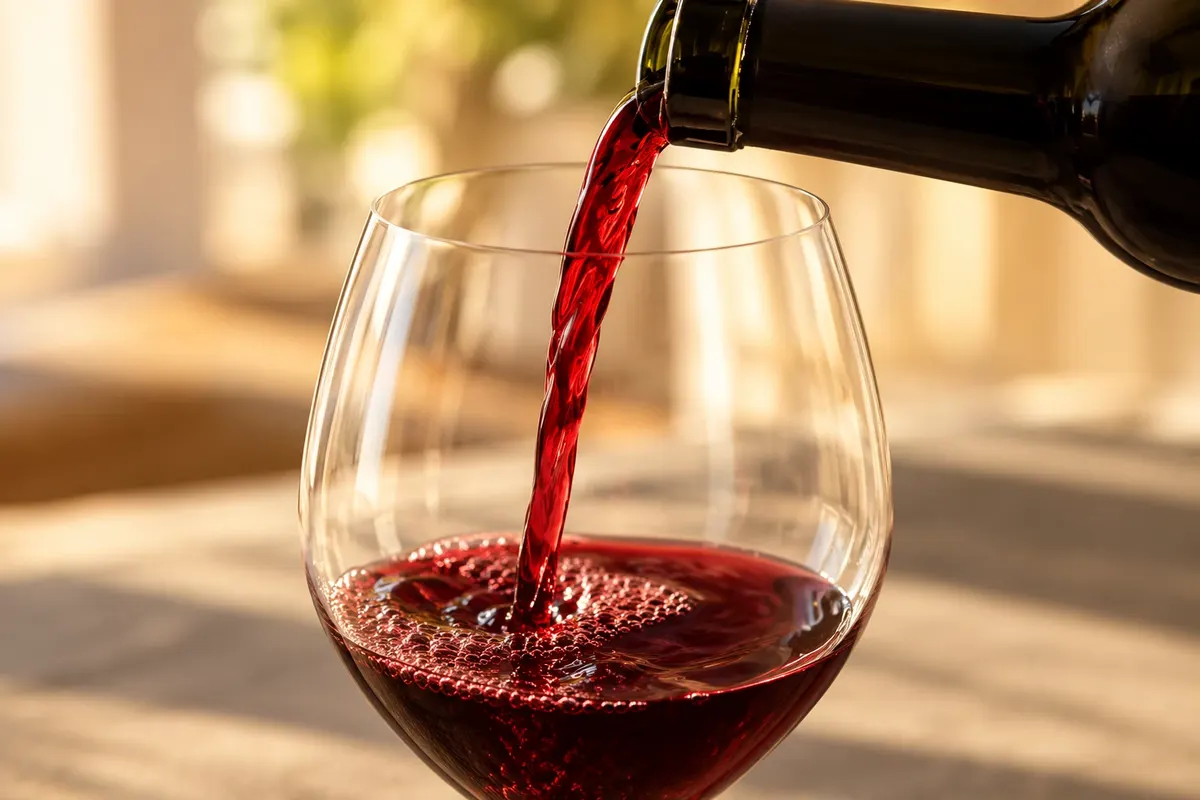
Malbec red wine from the old vineyards of Luján de Cuyo, in Mendoza, protected by the Denominación de Origen Controlada Luján de Cuyo, considered the first of the Americas, with rules on grape variety, alcohol content and aging.

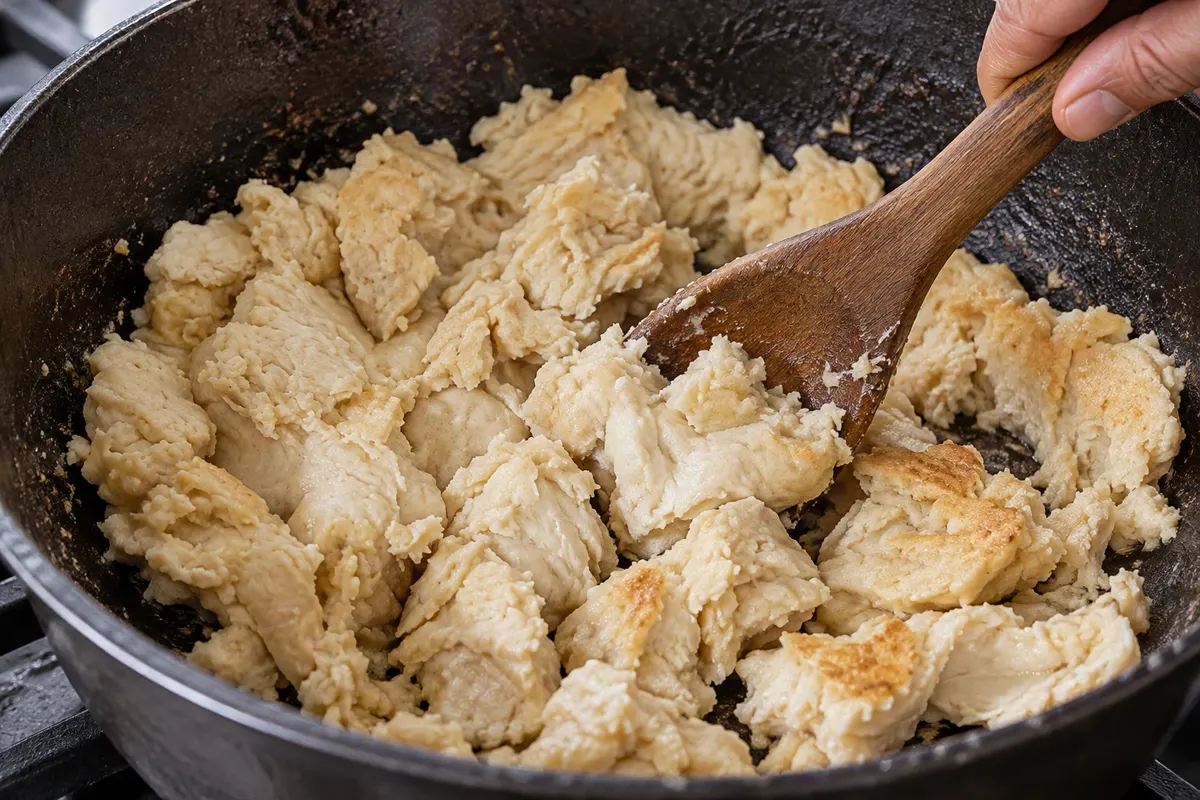
A simple dish from Misiones, made of flour, water and salt, sometimes with egg, stirred in the pot until it becomes a crumbly mass. It was born in the province’s yerba mate plantations, among the yerba-mate workers, and is eaten with mate cocido at breakfast.

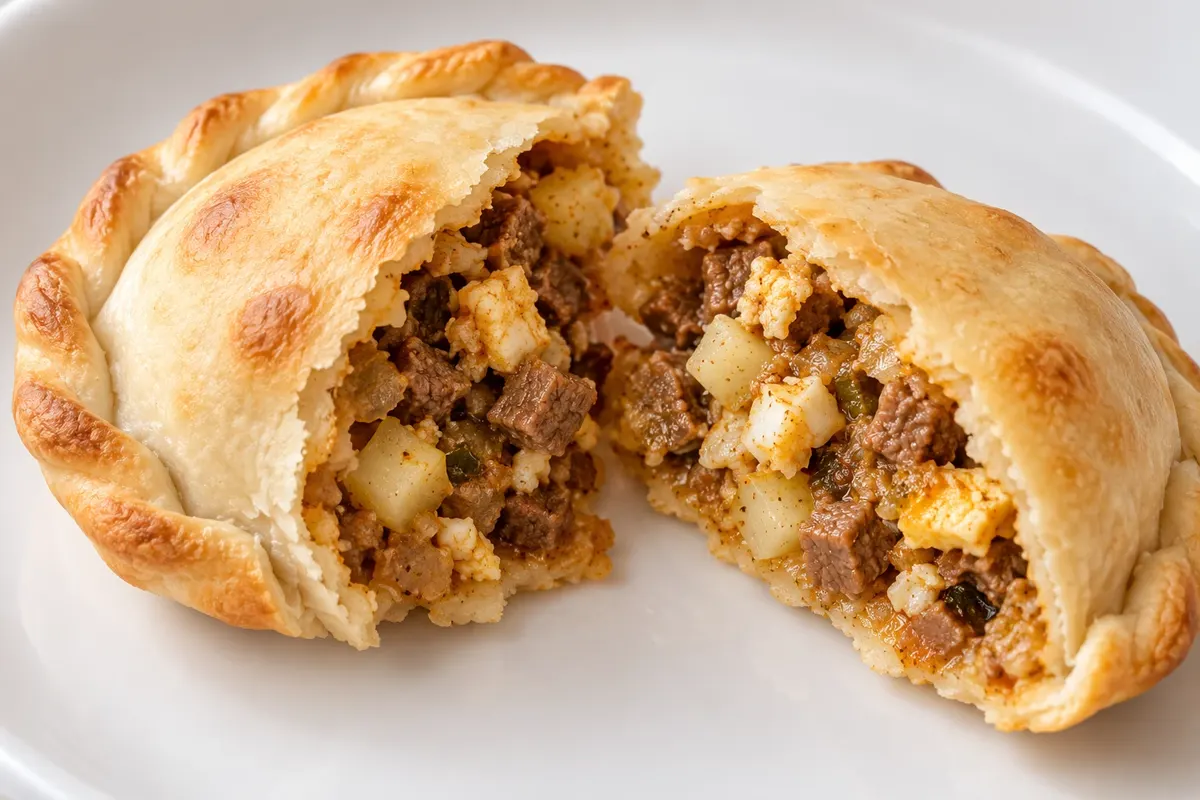
Small, very juicy empanada from Salta, filled with knife-cut beef in small cubes, potato, scallion, hard‑boiled egg, paprika and cumin, preferably baked in a clay oven and served very hot, with spicy sauce on the side.
Več kot vodnik