Asado
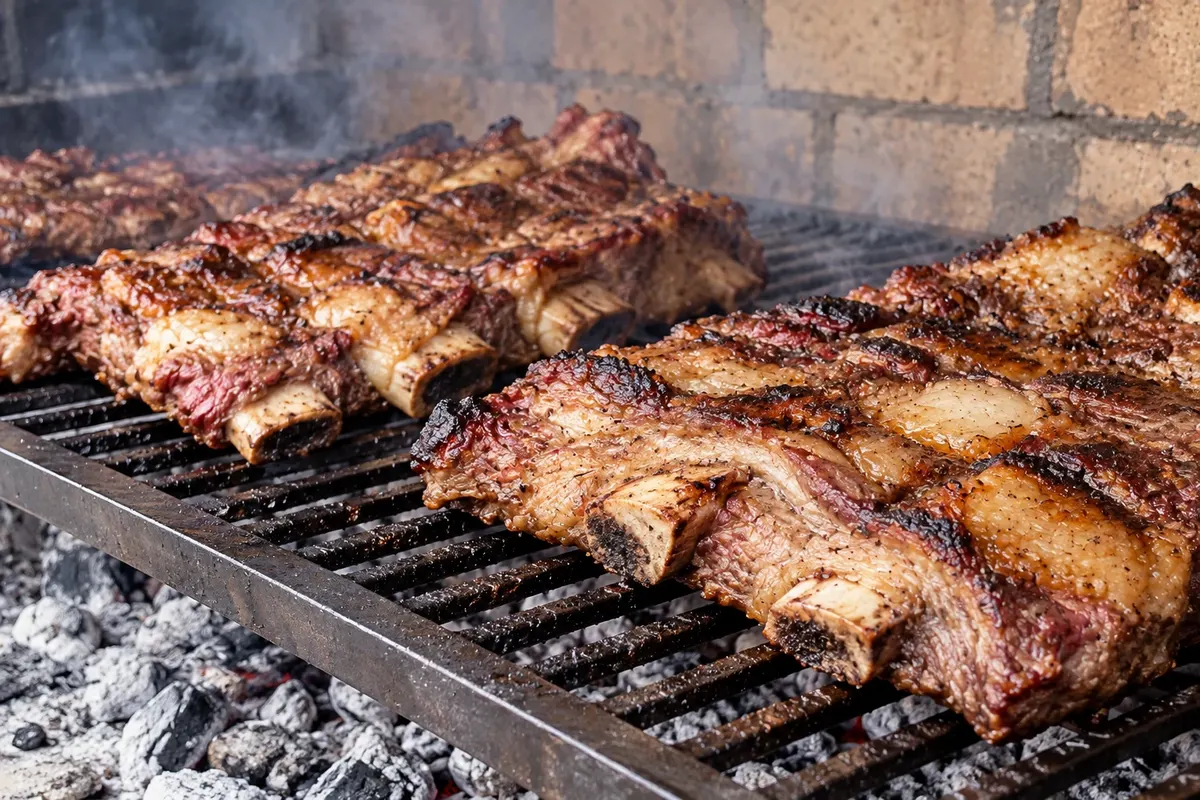
Beef and pork cuts, sausages and offal slowly roasted over embers, on a grate or on a cross. More than a dish, it’s a gathering around the fire led by the asador, and it bears the seal of Argentina’s cultural, food and gastronomic heritage.
AntarktikaOkusi · Cafayate
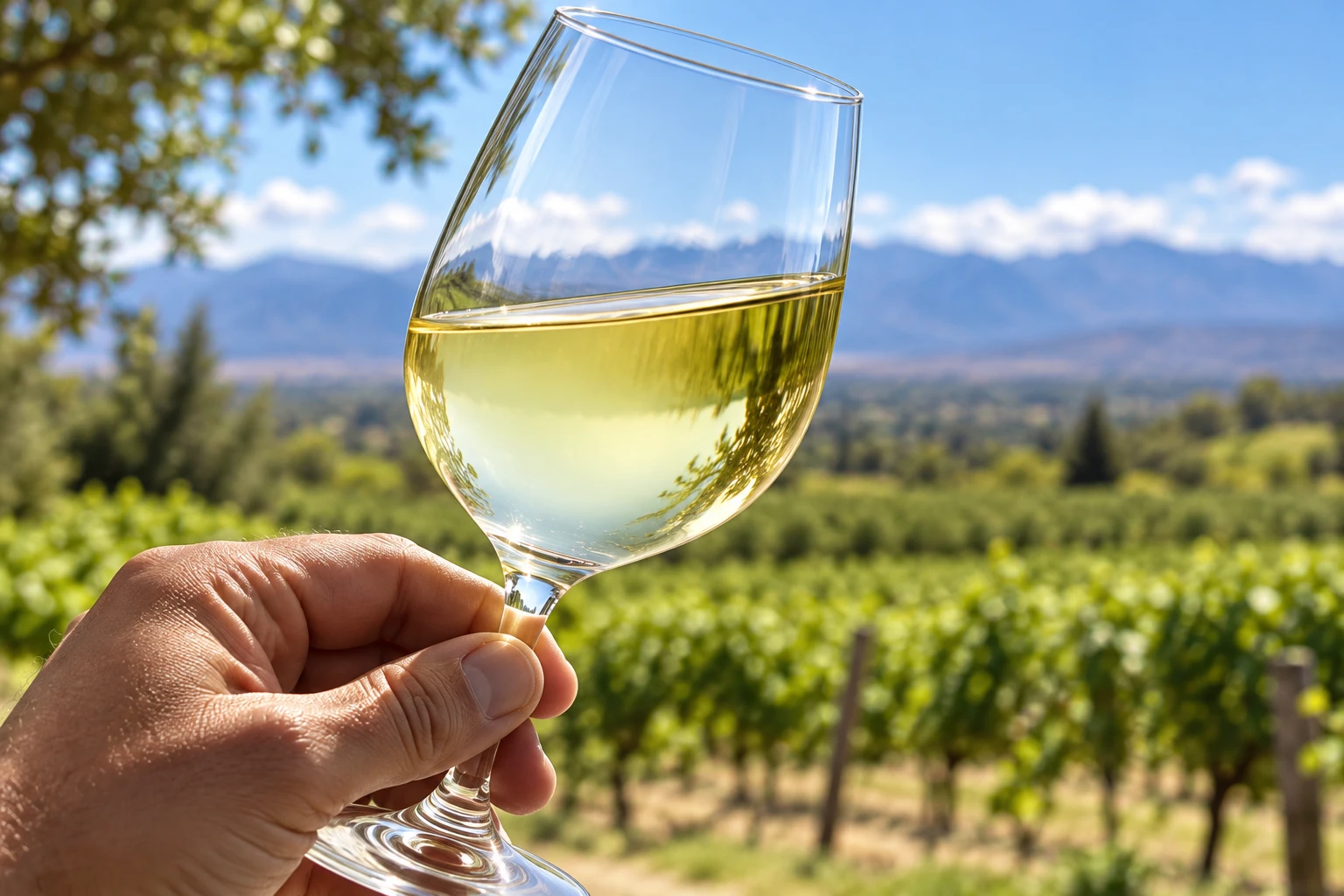
Aromatic white wine from a grape born in Argentina, with floral and fruity aroma. In the high vineyards of the Cafayate valley, in Salta, it has one of its best-known expressions and an annual week of celebrations.
Traditional pijača izCafayate, Salta
Druga imena: Torrontés Riojano, Torrontés de Cafayate, Torrontés de altura, Torrontes
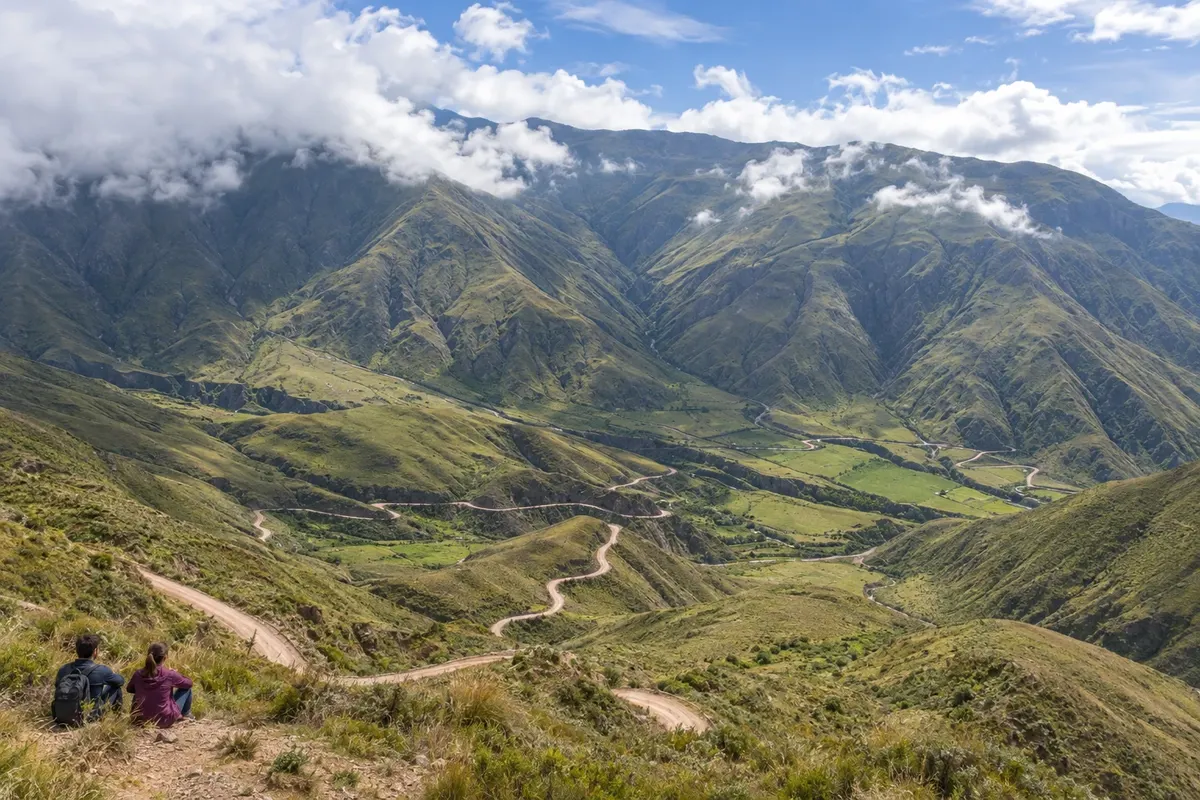
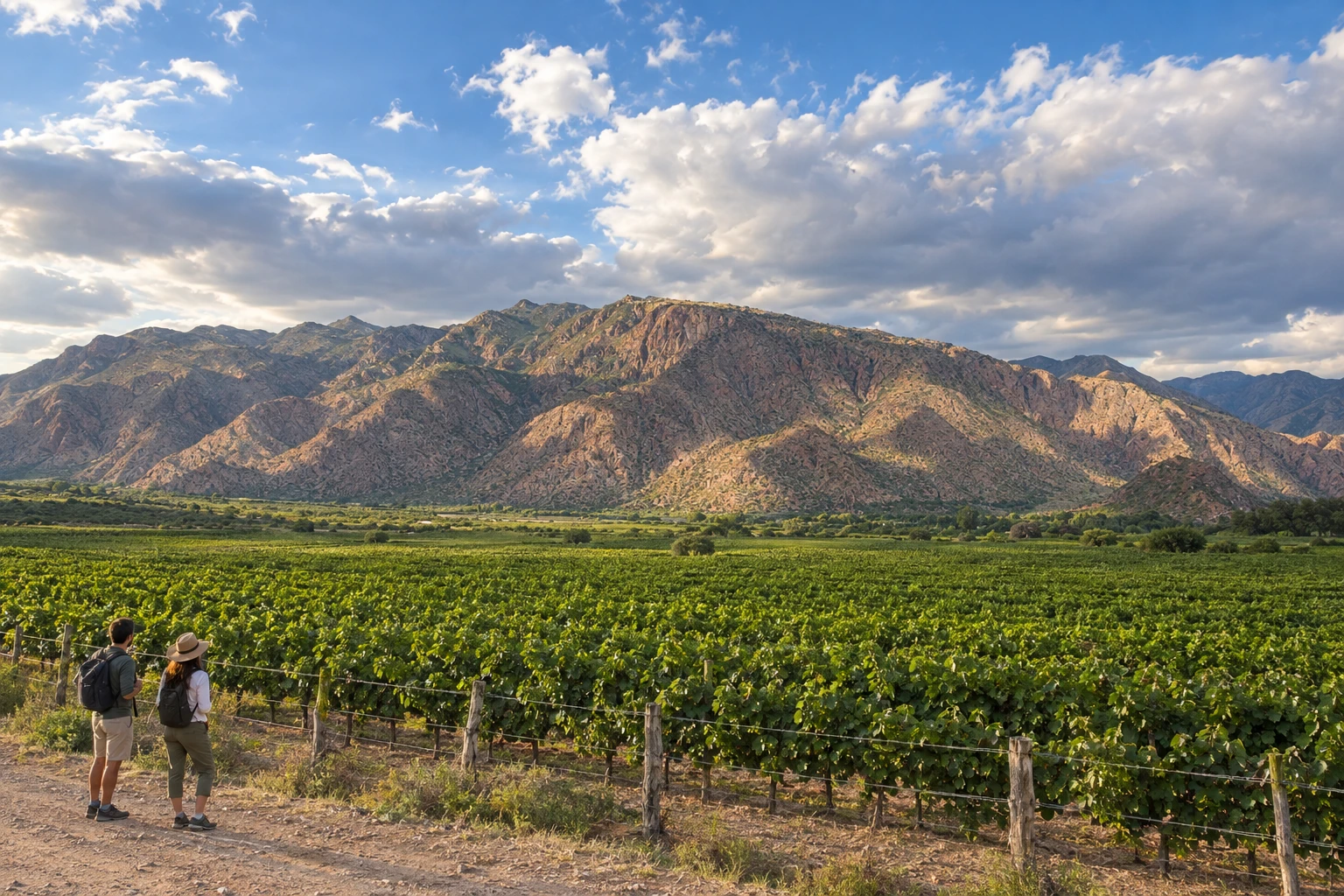
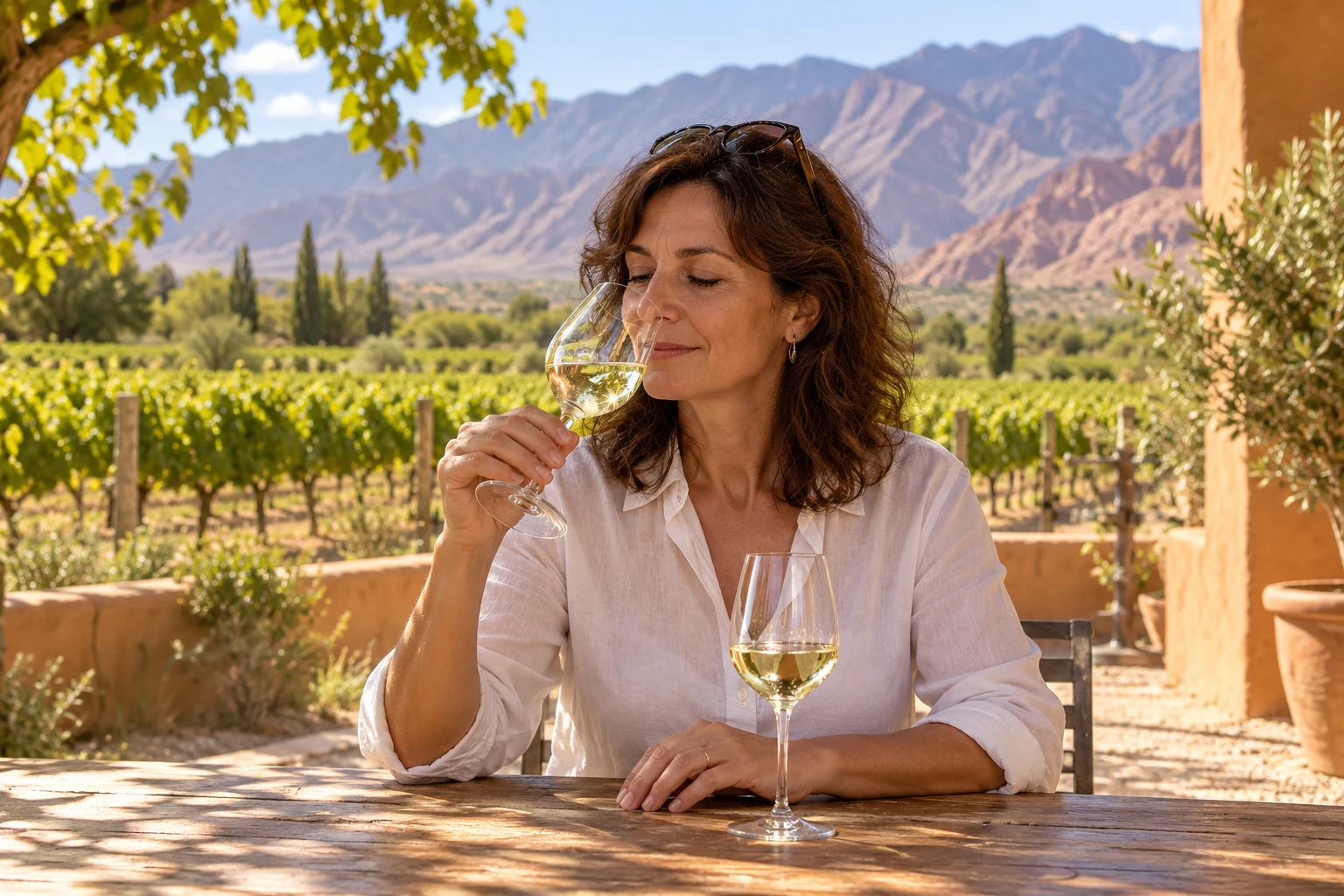
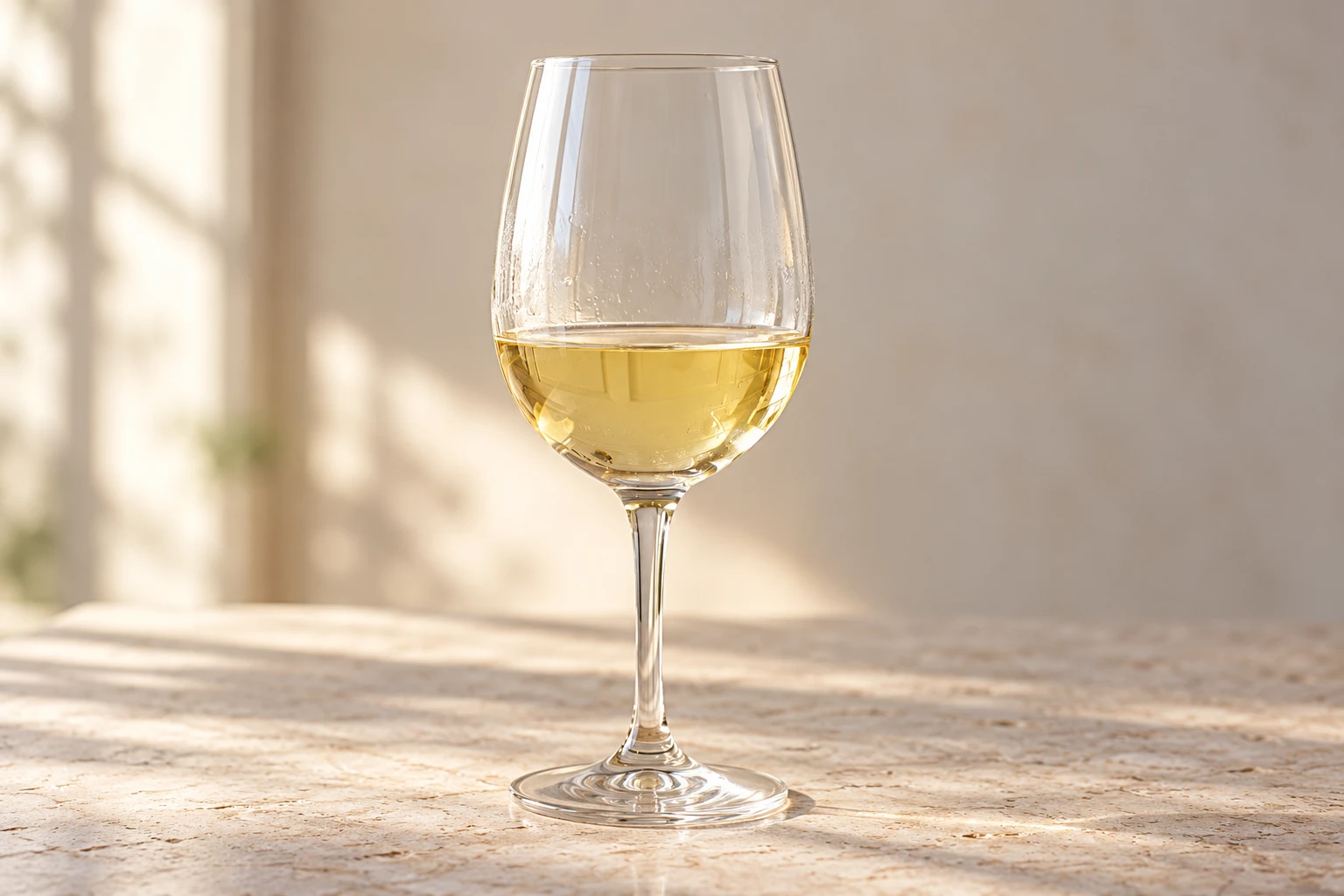
Illustrative images. The pictures in this guide are illustrations based on the real place, not photographs, and may differ from it.
Kliknite fotografijo za povečavo.
Torrontés — Cafayate, Argentina
Torrontés is the white wine most associated with Argentina. It comes from the Torrontés Riojano grape which, according to the National Institute of Vitiviniculture, is with a high degree of probability descended from a cross between Muscat of Alexandria and Criolla Chica, a grape introduced in the colonial period. For that reason it is treated in the country as an autochthonous variety. There are also Torrontés Sanjuanino and Mendocino, different varieties, but the Riojano accounts for the vast majority of vineyards.
Cafayate, in the southern Calchaquí Valleys in the province of Salta, is the town most linked to this wine. The valley’s vineyards sit above 1,700 meters, with strong sun during the day, cool nights and little rain. According to winemakers in the region, that temperature difference between day and night enhances the grape’s aromas. Argentina’s official tourism calls the valley the home of the variety.
The wine typically has an intense perfume, floral and of white fruits, reminiscent of Muscat, with a dry palate and balanced acidity. It is served cold, as an aperitif or with light dishes, fish and seafood, and pairs well with northwest cuisine such as empanadas and humita. There are also sweet and sparkling versions.
In Cafayate, the high-altitude wine route brings together large and small bodegas, and many welcome visitors to see the vineyards and taste the wine. Every year in October the town hosts the Semana del Torrontés de Altura, a tourist and cultural event dedicated to the grape with tastings and wine-related activities.
Torrontés Riojano takes its name from the province of La Rioja, where it is also emblematic, and it is also grown in Mendoza, San Juan and other provinces. Each region gives the wine its own style. Enjoy in moderation.

Cafayate , Salta
Cafayate concentrates the high-altitude Torrontés vineyards in Salta and hosts the Semana del Torrontés de Altura each year.
Torrontés Riojano grape. The varietal wine contains at least 85% of that grape, according to Argentine labeling rules.
Served cold, in a white wine glass, as an aperitif or with fish, seafood, empanadas and northwest dishes. In Cafayate bodegas it is usually tasted at the winery itself.
All year round. In October, Cafayate hosts the Semana del Torrontés de Altura.
Odgovori na vaša vprašanja
Yes. The National Institute of Vitiviniculture indicates that Torrontés Riojano is, with a high degree of probability, descended from a cross between Muscat of Alexandria and Criolla Chica, which took place in Argentina itself.
Because the vineyards of the Cafayate valley are above 1,700 meters, with strong sun, cool nights and little rain—conditions that enhance the grape’s aromas. The town concentrates bodegas and hosts the Semana del Torrontés de Altura.
With appetizers, fish, seafood and light dishes. In northwest Argentina it pairs well with empanadas and humitas. It should be served cold.
Lokalni okusi – of Argentina

Beef and pork cuts, sausages and offal slowly roasted over embers, on a grate or on a cross. More than a dish, it’s a gathering around the fire led by the asador, and it bears the seal of Argentina’s cultural, food and gastronomic heritage.

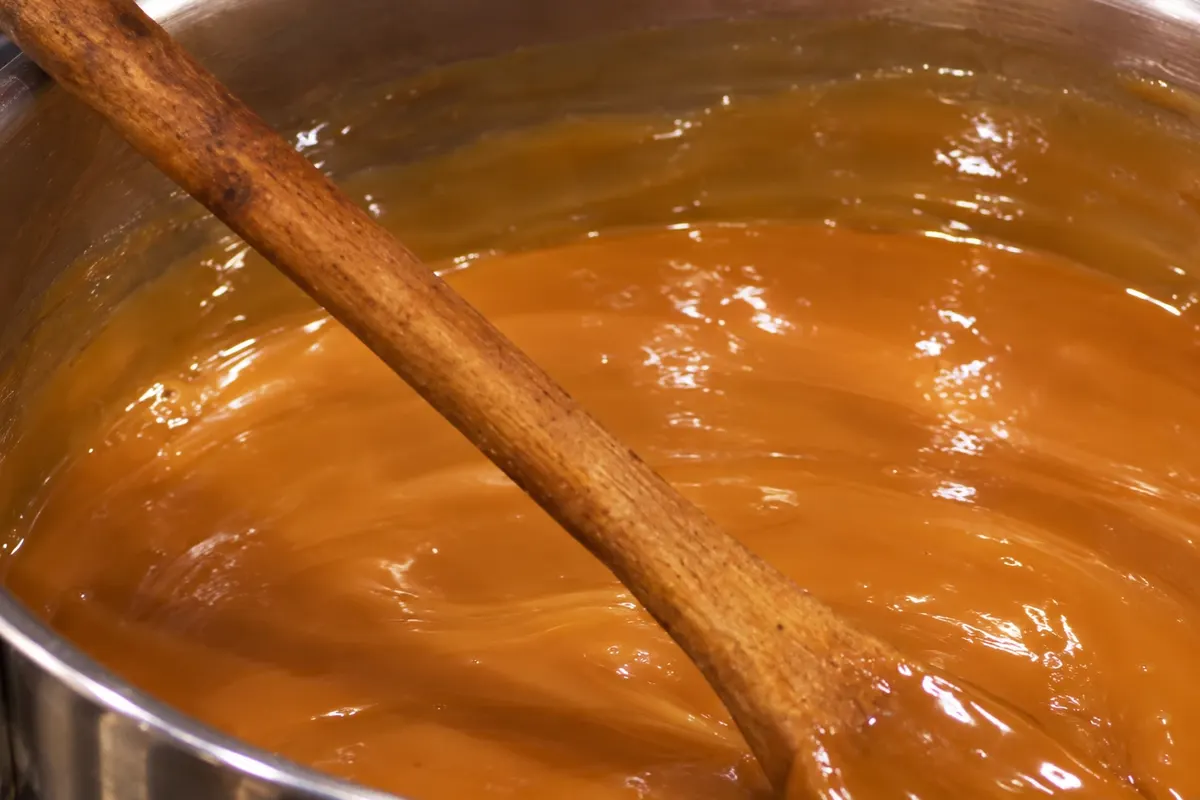
Milk and sugar cooked slowly while stirring until they form a thick, caramel-colored cream. In Argentina it fills alfajores, pancakes and cakes and is spread on bread at breakfast; the country recognizes it as culinary and food heritage and Uruguay also claims it as its own.

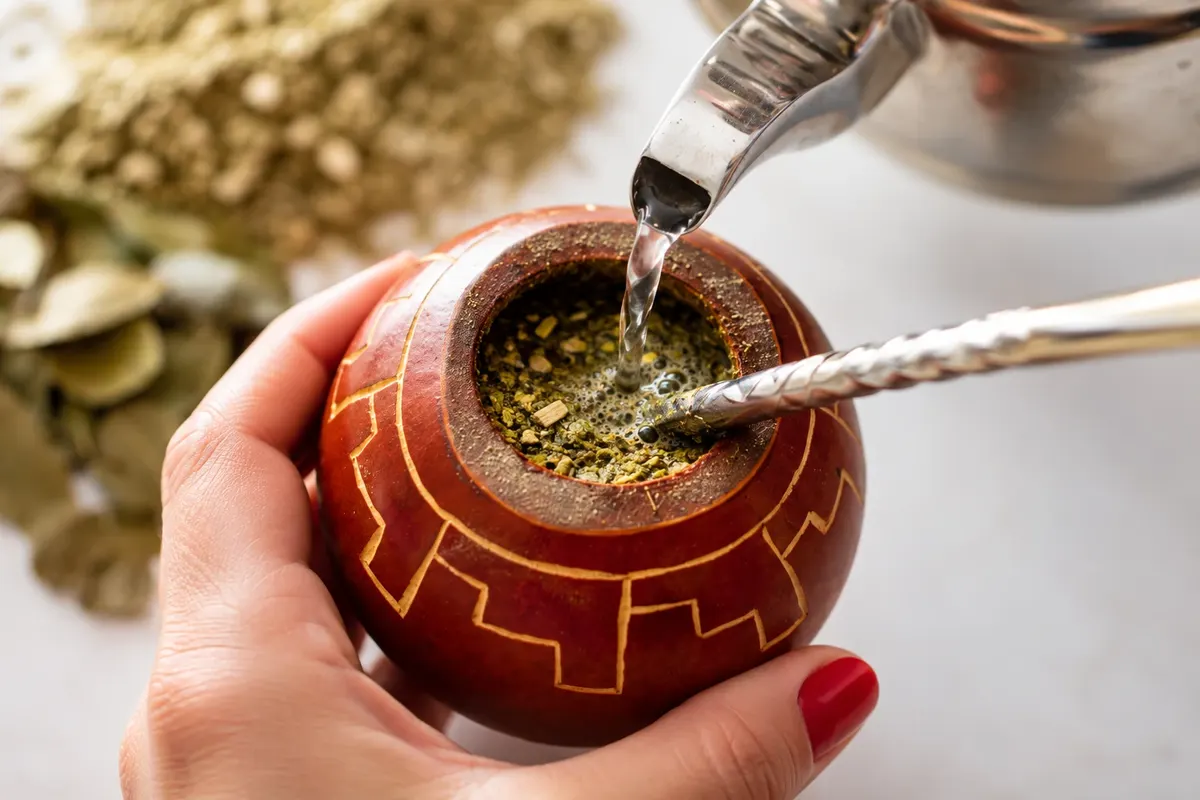
Infusion of yerba mate with hot water, drunk through a bombilla from a container also called a mate and shared in a circle. A 2013 law declared it Argentina’s national infusion, and November 30 is National Mate Day.

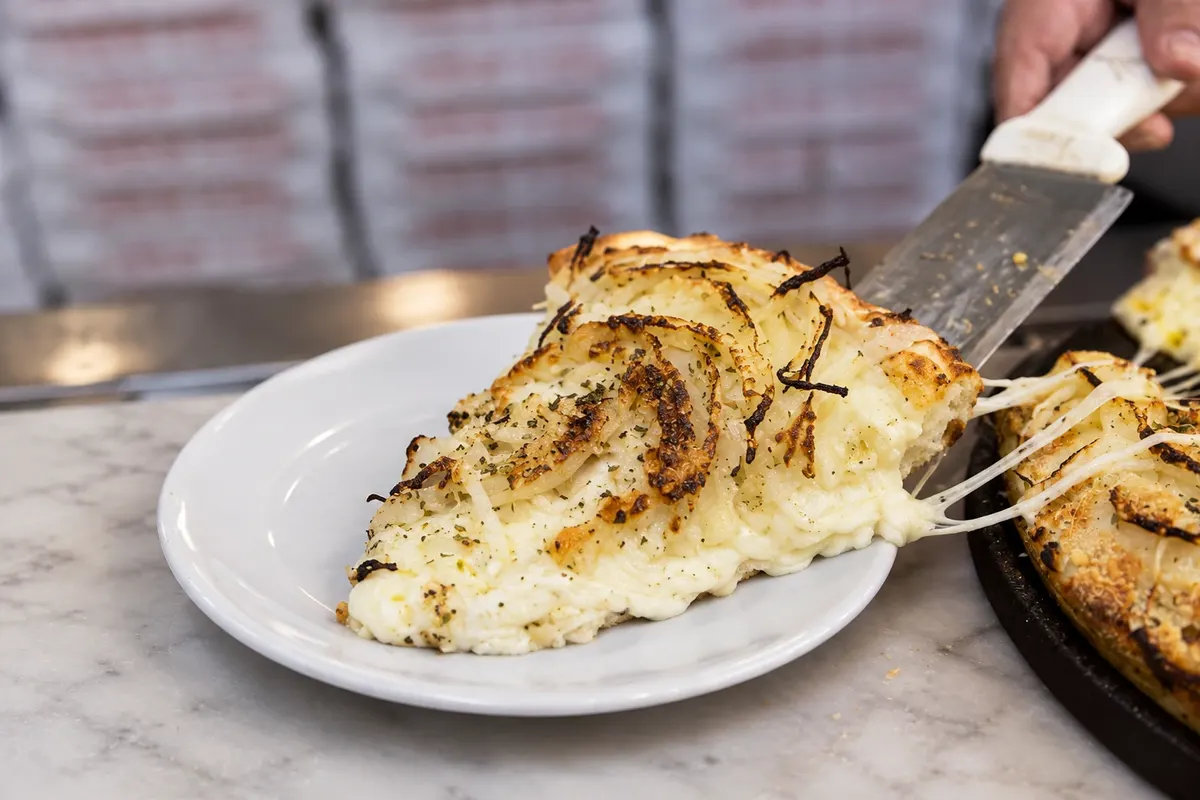
The Buenos Aires pizza: thick dough baked in a pan, topped with plenty of mozzarella and eaten in portions, often standing at the counter. It includes the fugazzeta, filled with cheese and topped with onion, and the fainá made from chickpea flour that accompanies it.

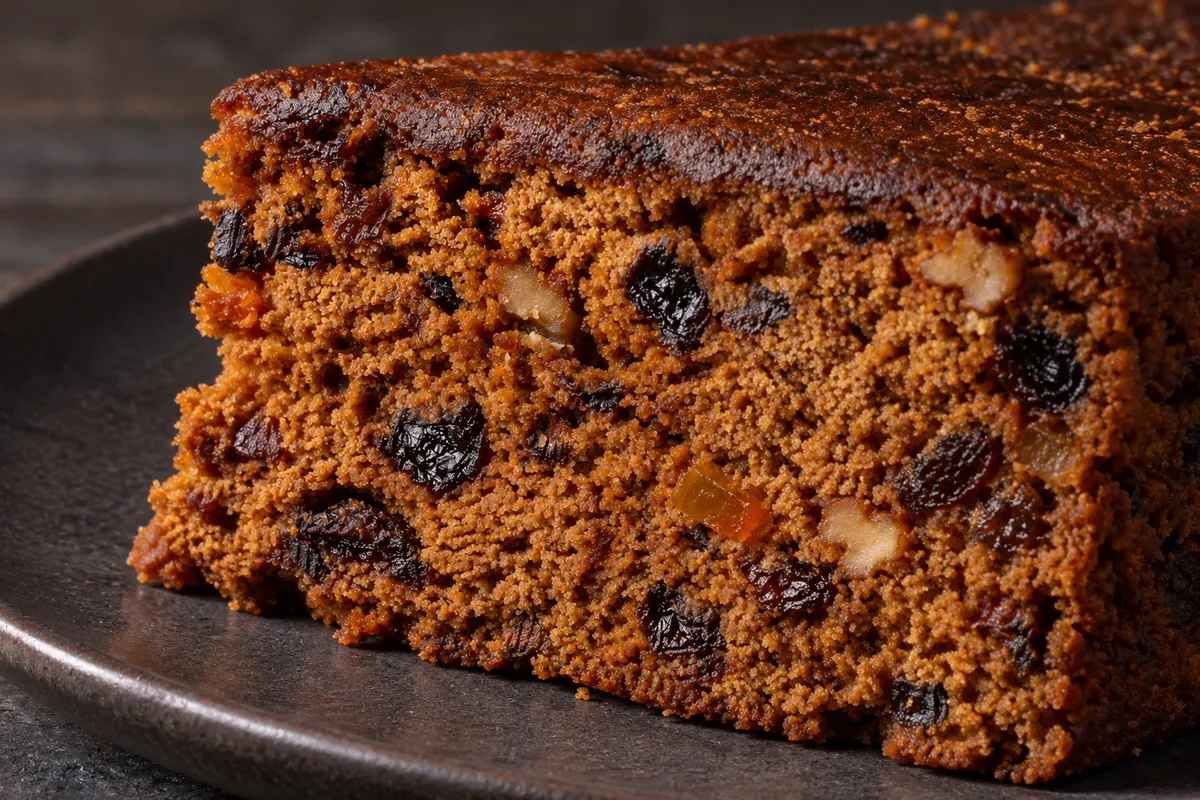
Dark, dense cake fragrant with dried fruit, nuts, brown sugar and spices — a legacy of the Welsh settlers who arrived in Chubut in 1865. It is the centerpiece of the Welsh tea and can be kept for a long time.

Alfajor from the province of Córdoba, with a soft dough made with honey, filled with fruit jam such as quince or pear, or with dulce de leche, and covered by a thin layer of white icing, without chocolate.

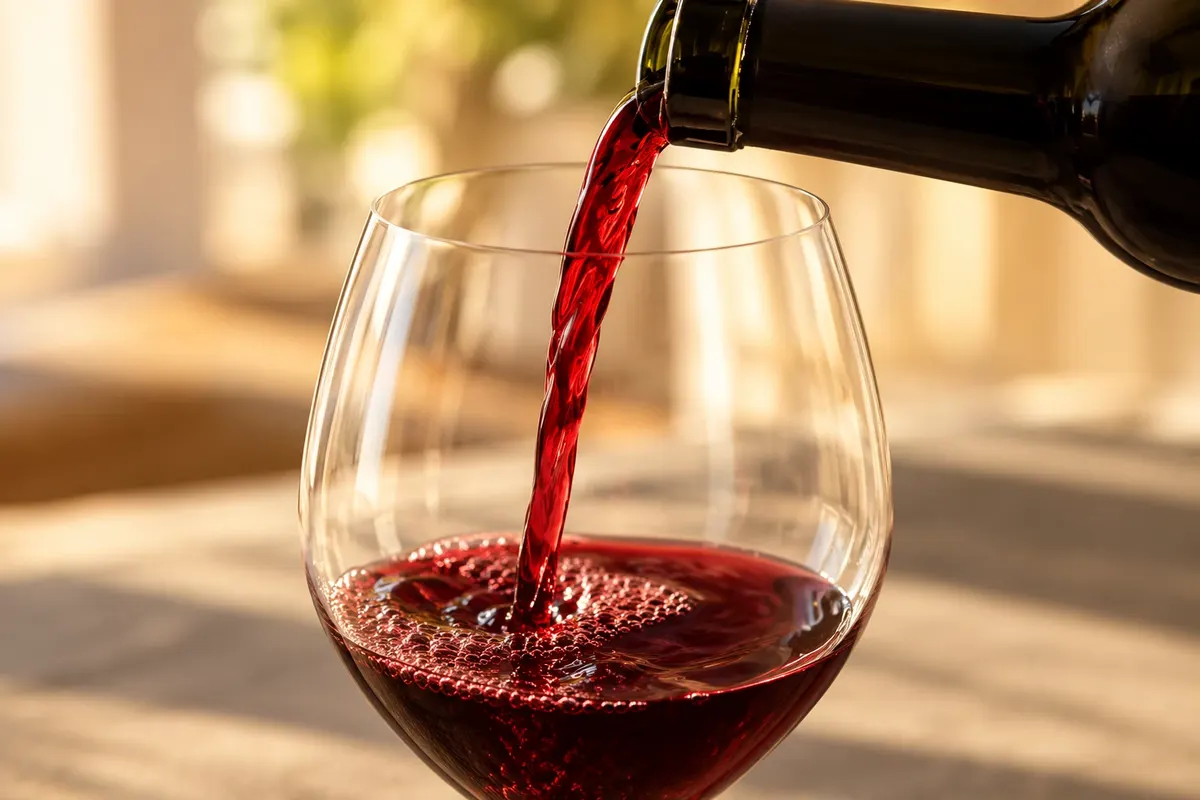
Malbec red wine from the old vineyards of Luján de Cuyo, in Mendoza, protected by the Denominación de Origen Controlada Luján de Cuyo, considered the first of the Americas, with rules on grape variety, alcohol content and aging.

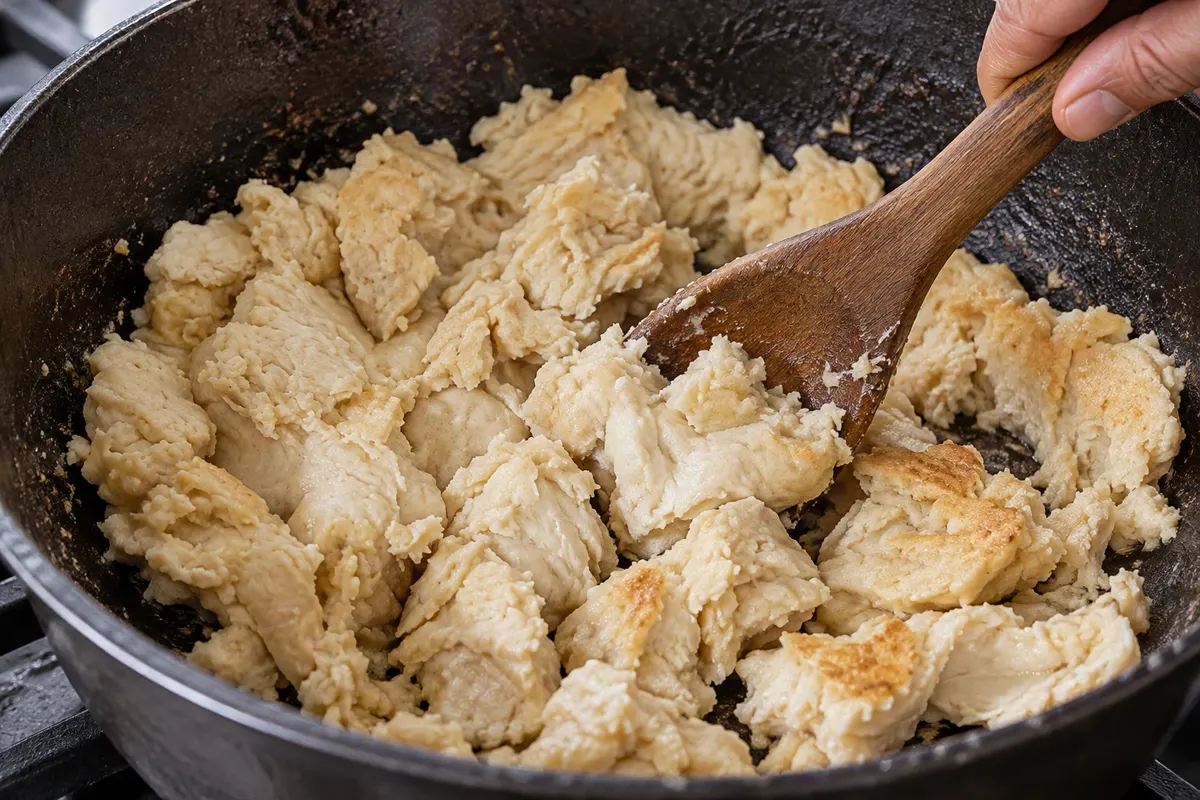
A simple dish from Misiones, made of flour, water and salt, sometimes with egg, stirred in the pot until it becomes a crumbly mass. It was born in the province’s yerba mate plantations, among the yerba-mate workers, and is eaten with mate cocido at breakfast.

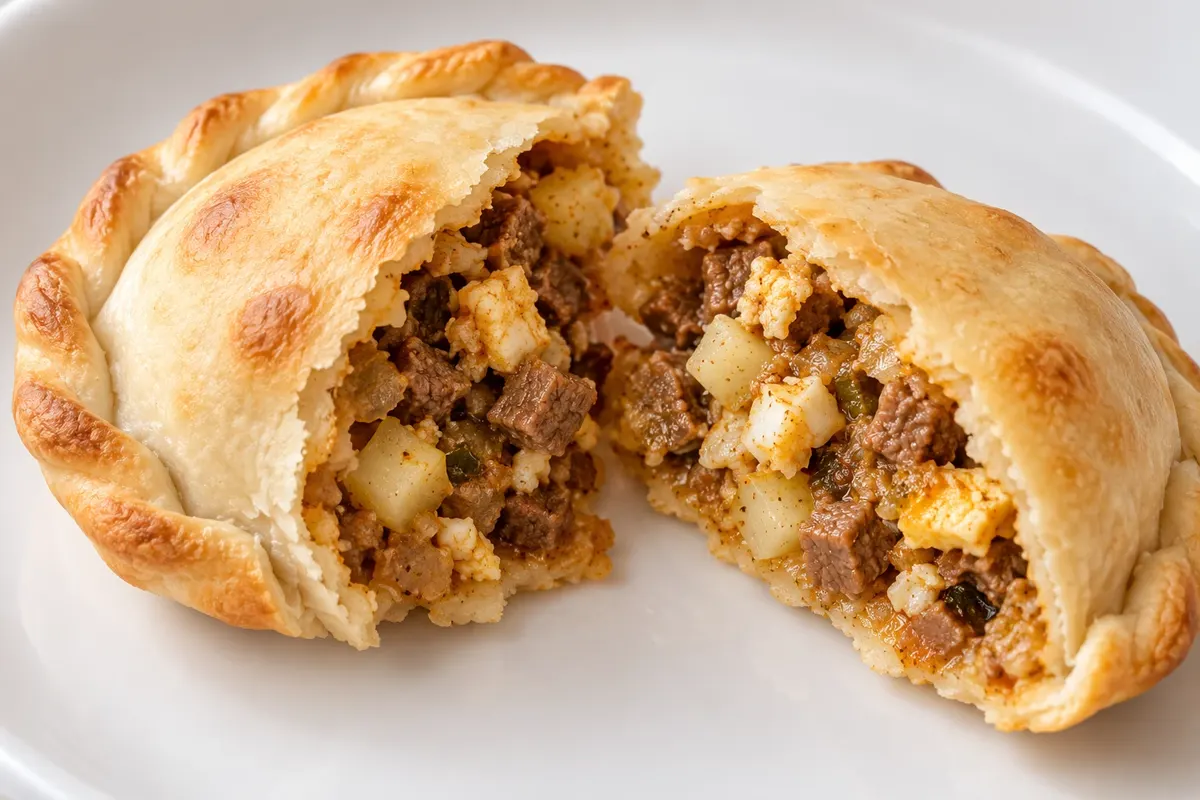
Small, very juicy empanada from Salta, filled with knife-cut beef in small cubes, potato, scallion, hard‑boiled egg, paprika and cumin, preferably baked in a clay oven and served very hot, with spicy sauce on the side.
Več kot vodnik