Asado
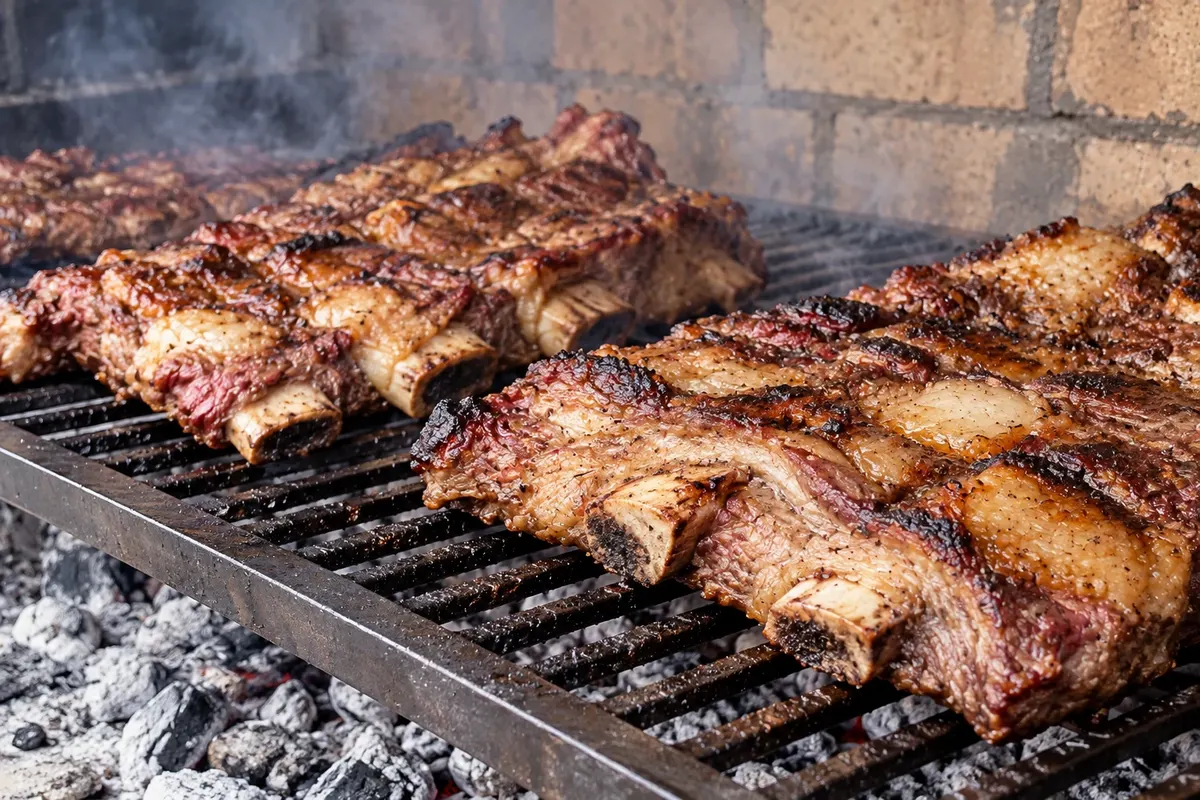
Beef and pork cuts, sausages and offal slowly roasted over embers, on a grate or on a cross. More than a dish, it’s a gathering around the fire led by the asador, and it bears the seal of Argentina’s cultural, food and gastronomic heritage.
AntarktikaOkusi · Salta
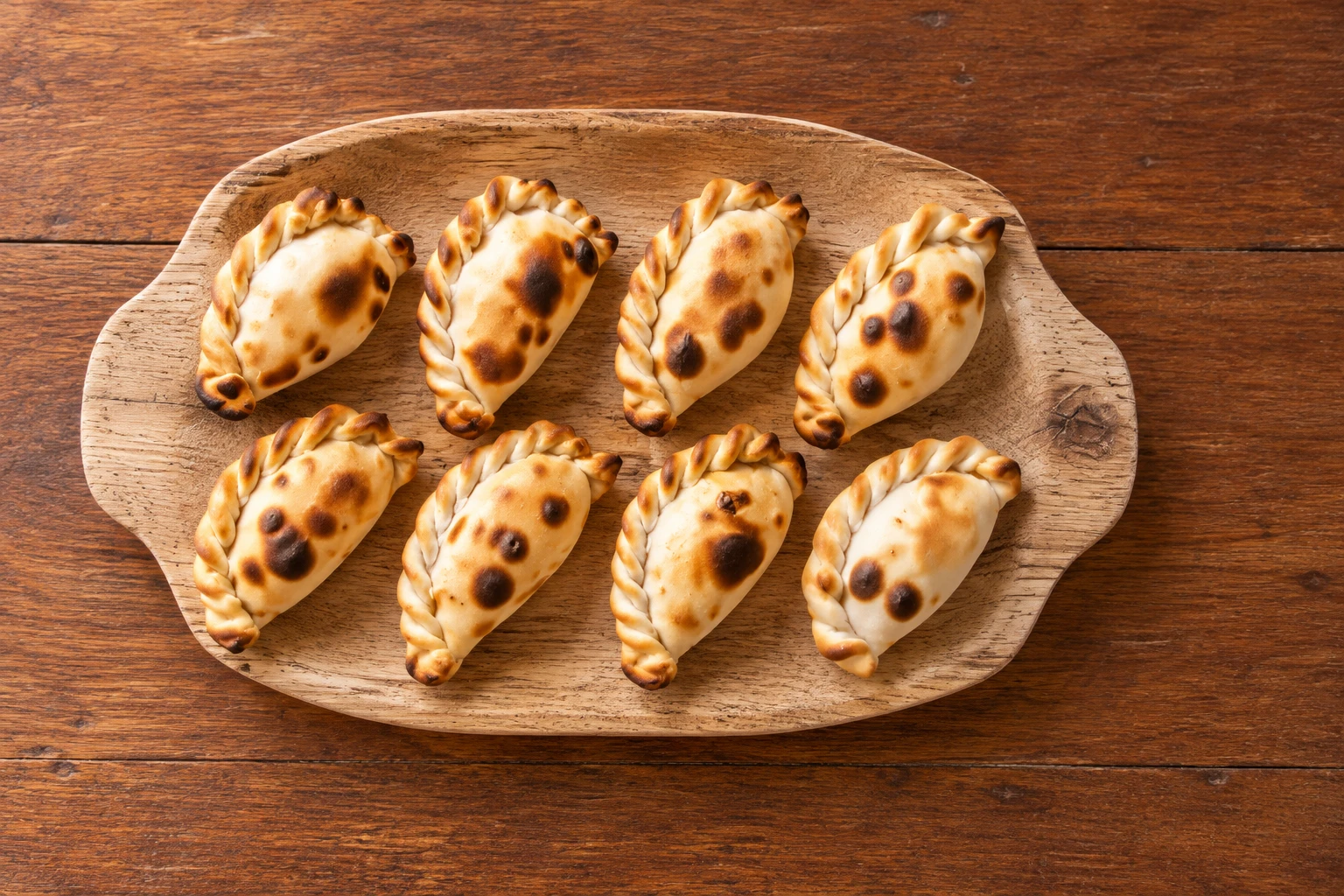
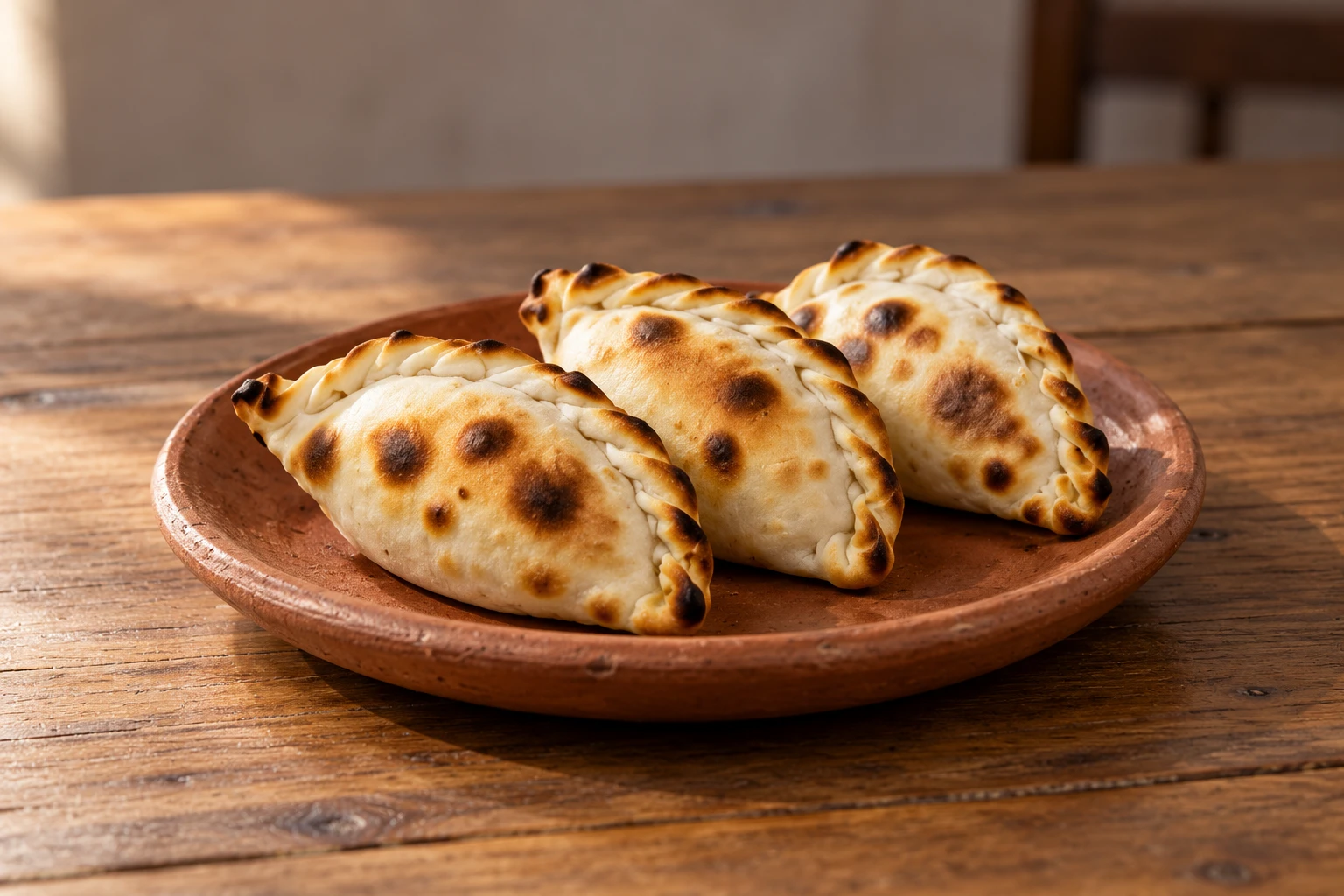
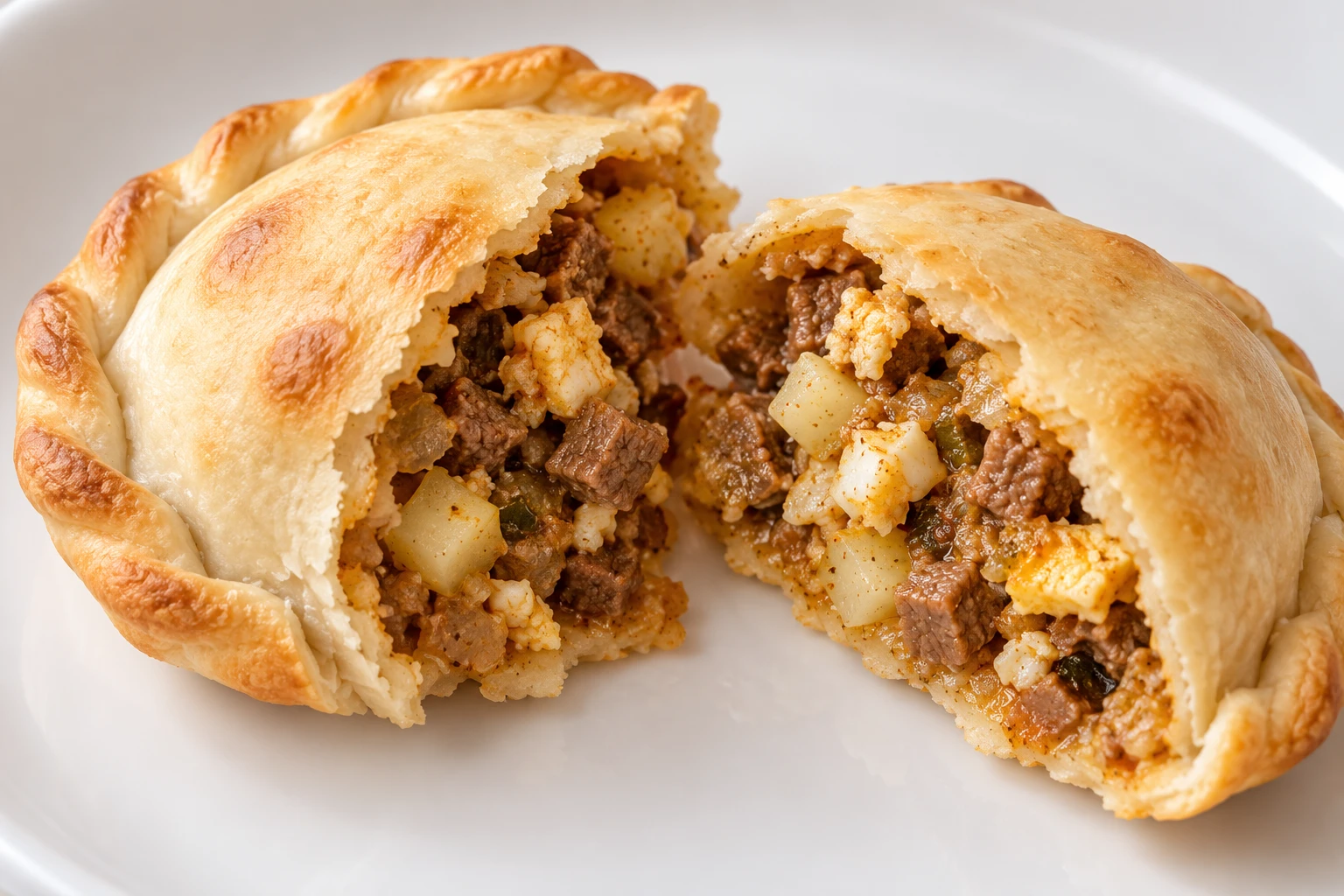
Small, very juicy empanada from Salta, filled with knife-cut beef in small cubes, potato, scallion, hard‑boiled egg, paprika and cumin, preferably baked in a clay oven and served very hot, with spicy sauce on the side.
Traditional jed izSalta, Salta
Druga imena: empanadas salteñas, empanada de Salta, empanada salteña de carne
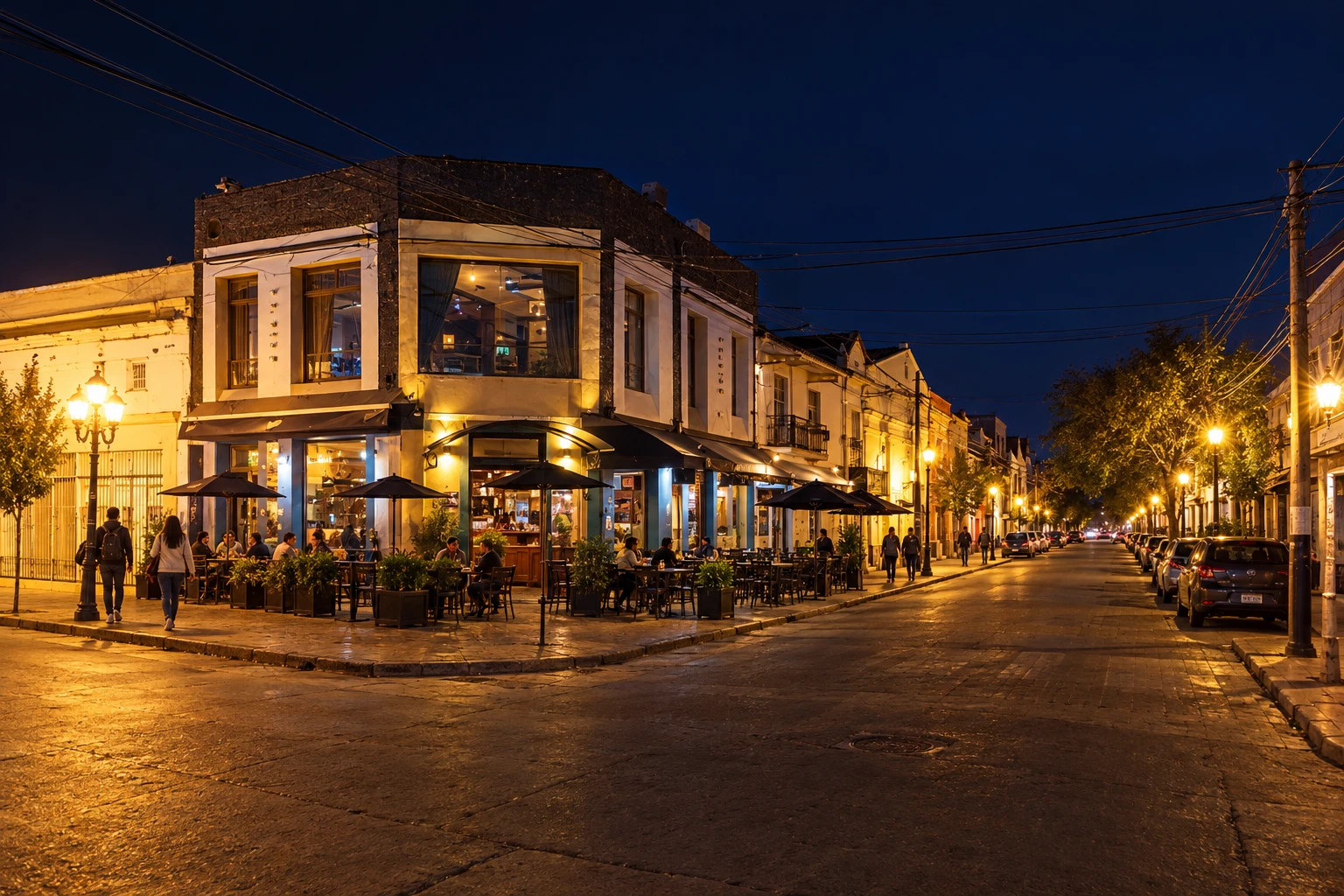
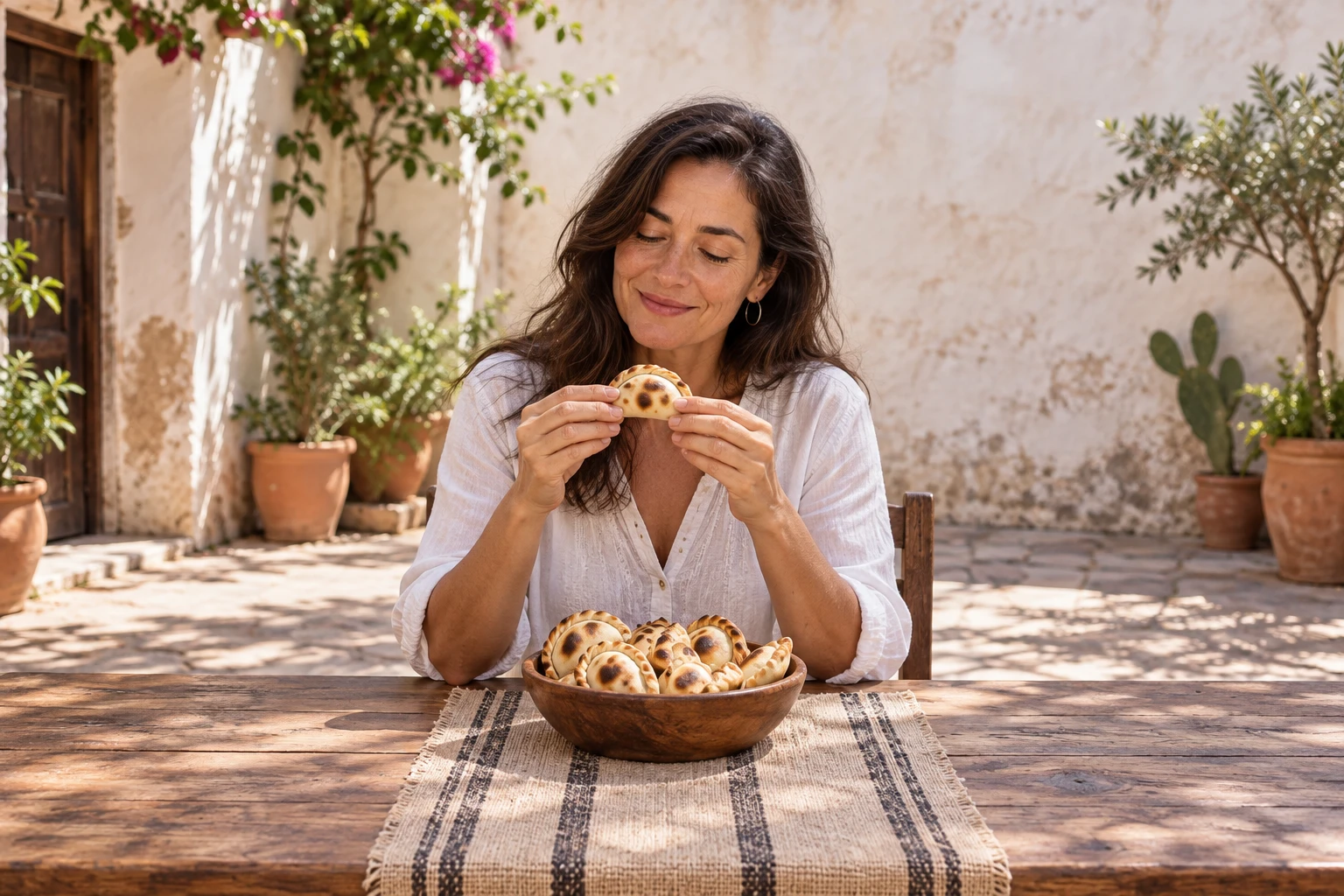
Illustrative images. The pictures in this guide are illustrations based on the real place, not photographs, and may differ from it.
Kliknite fotografijo za povečavo.
Empanada salteña — Salta, Argentina
The salteña empanada is the best-known specialty of Salta province in northwest Argentina, and the capital, Salta, is where visitors encounter it most. It is a small empanada with a thin homemade dough and a moist filling of knife‑cut beef, potato cubes, scallion and spices. Argentina’s official tourism bodies treat it as a gastronomic icon of the North, with a special place in Salta.
The filling, called recado, follows a careful preparation. The meat, usually a lean cut such as round (nalga), is cut with a knife into tiny cubes of a few millimeters, never ground. The onion is sautéed in grasa de pella (beef fat) and seasoned with paprika and ground pepper; then the meat is added, along with potato cooked in cubes of the same size, the hard‑boiled egg and the scallion. Many cooks let the filling rest before sealing the empanadas.
The potato is the feature that most distinguishes the salteña from empanadas of other provinces. The result is a soft, juicy filling that retains heat and releases broth at the first bite. That is why in Salta people say you must eat it with your legs apart, so you don’t stain your clothes. It is also called pata'bierta and two‑bite because of its small size.
The sealing is done with repulgue, the braided fold on the edge, and the traditional cooking method is in a high‑temperature wood‑fired clay oven. There are also fried versions and other fillings such as cheese, chicken or charque, but the most traditional is beef. Salteña cooks compete in provincial contests, and the empanada appears at festivals, fairs and peñas, the folk‑music gatherings.
The 19th‑century Salta writer Juana Manuela Gorriti is remembered in Salta as one who prepared this empanada with care. In Bolivia there is an empanada called salteña, with a broth and a different recipe; the origin of that name is debated among historians of both countries, and the salteña empanada of Salta has its own distinct recipe and identity.

Salta , Salta
The salteña empanada is the best‑known specialty of Salta province, and the capital is where it is most visible to visitors.
Dough made from flour and fat; filling of knife‑cut beef (such as nalga), potato cooked in cubes, onion, scallion, hard‑boiled egg, beef fat (grasa de pella), paprika, ground pepper and cumin.
By hand, just out of the oven, leaning forward because of the broth. It usually comes in portions of several units, with a tomato‑and‑chili spicy sauce on the side and wine or a soft drink to accompany.
All year round; appears at festivals, peñas and patriotic dates such as July 9.
Odgovori na vaša vprašanja
Diced potato is part of Salta’s traditional recipe and is what most distinguishes it from empanadas of other provinces. It makes the filling soft and helps hold the broth and heat.
It’s a saying from Salta: the empanada releases so much broth on the first bite that you need to spread your legs and lean forward so you don’t soil your clothes.
No. The Bolivian salteña is a different empanada, with a broth and its own recipe. The origin of that name is debated among historians; the salteña empanada of Salta has its own distinct recipe and identity.

Lokalni okusi – of Argentina

Beef and pork cuts, sausages and offal slowly roasted over embers, on a grate or on a cross. More than a dish, it’s a gathering around the fire led by the asador, and it bears the seal of Argentina’s cultural, food and gastronomic heritage.

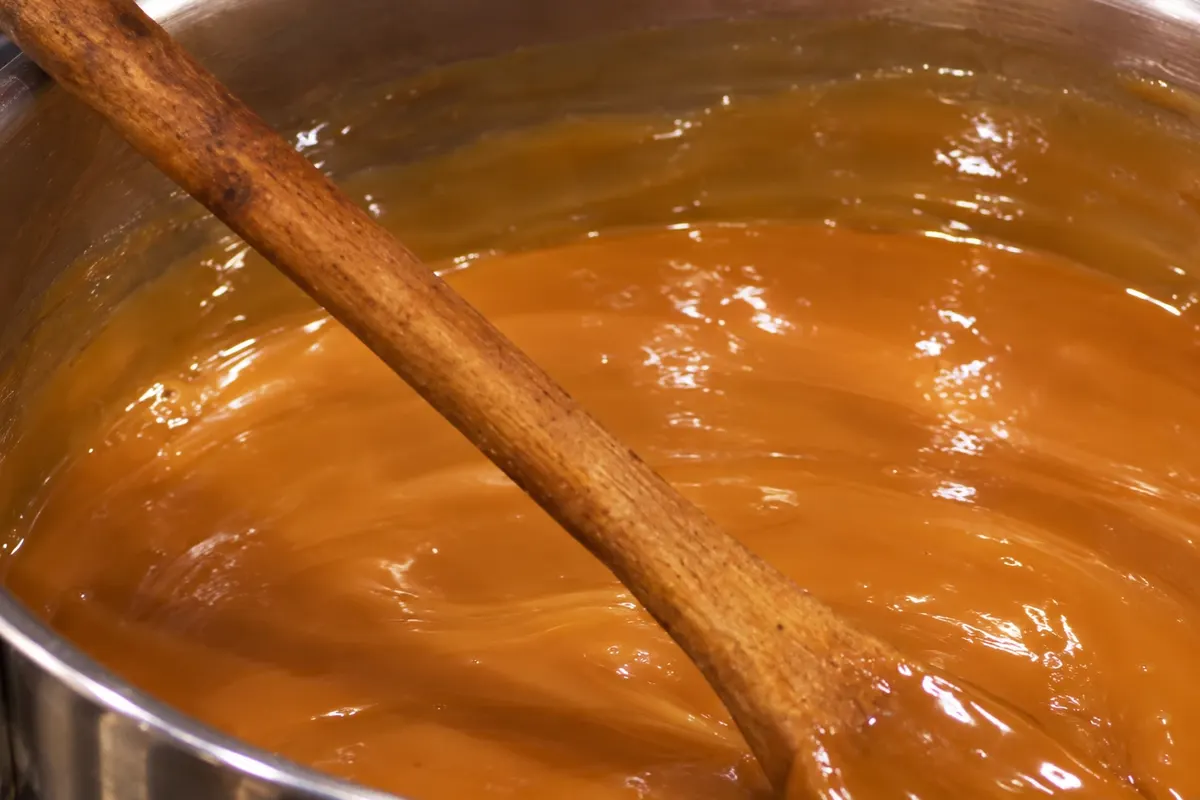
Milk and sugar cooked slowly while stirring until they form a thick, caramel-colored cream. In Argentina it fills alfajores, pancakes and cakes and is spread on bread at breakfast; the country recognizes it as culinary and food heritage and Uruguay also claims it as its own.

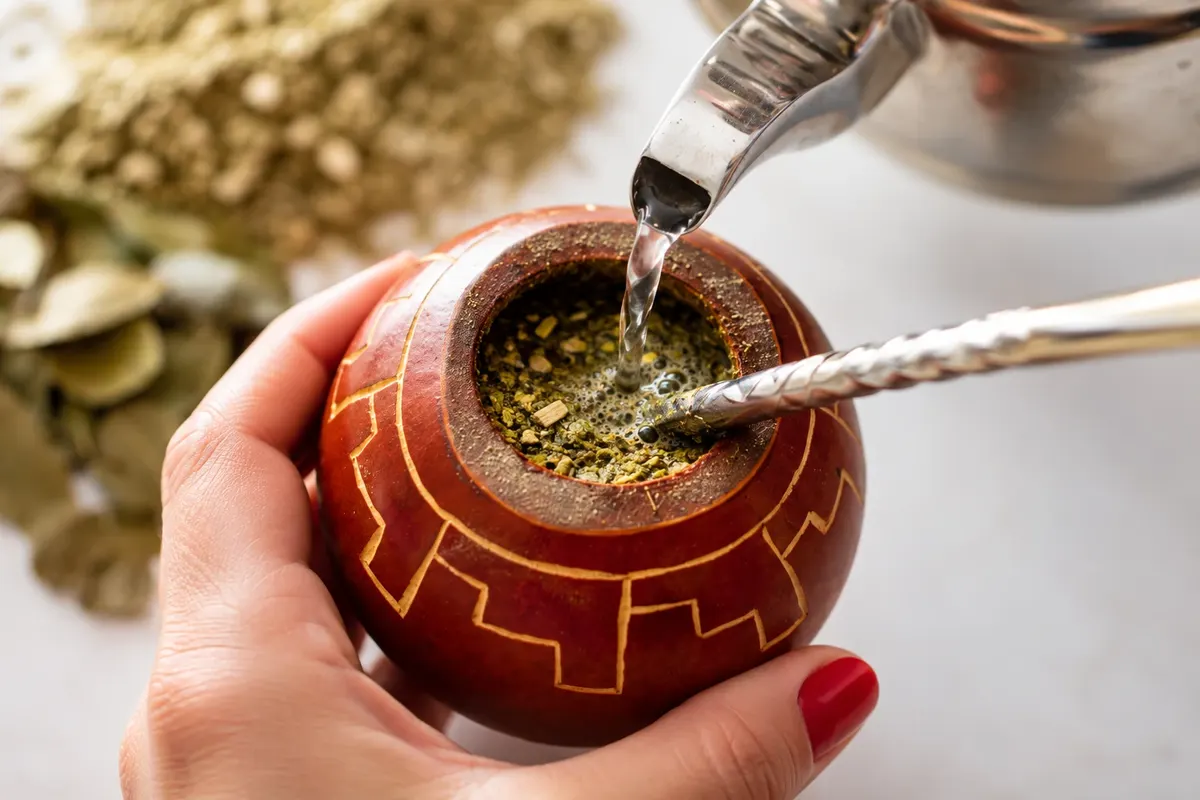
Infusion of yerba mate with hot water, drunk through a bombilla from a container also called a mate and shared in a circle. A 2013 law declared it Argentina’s national infusion, and November 30 is National Mate Day.

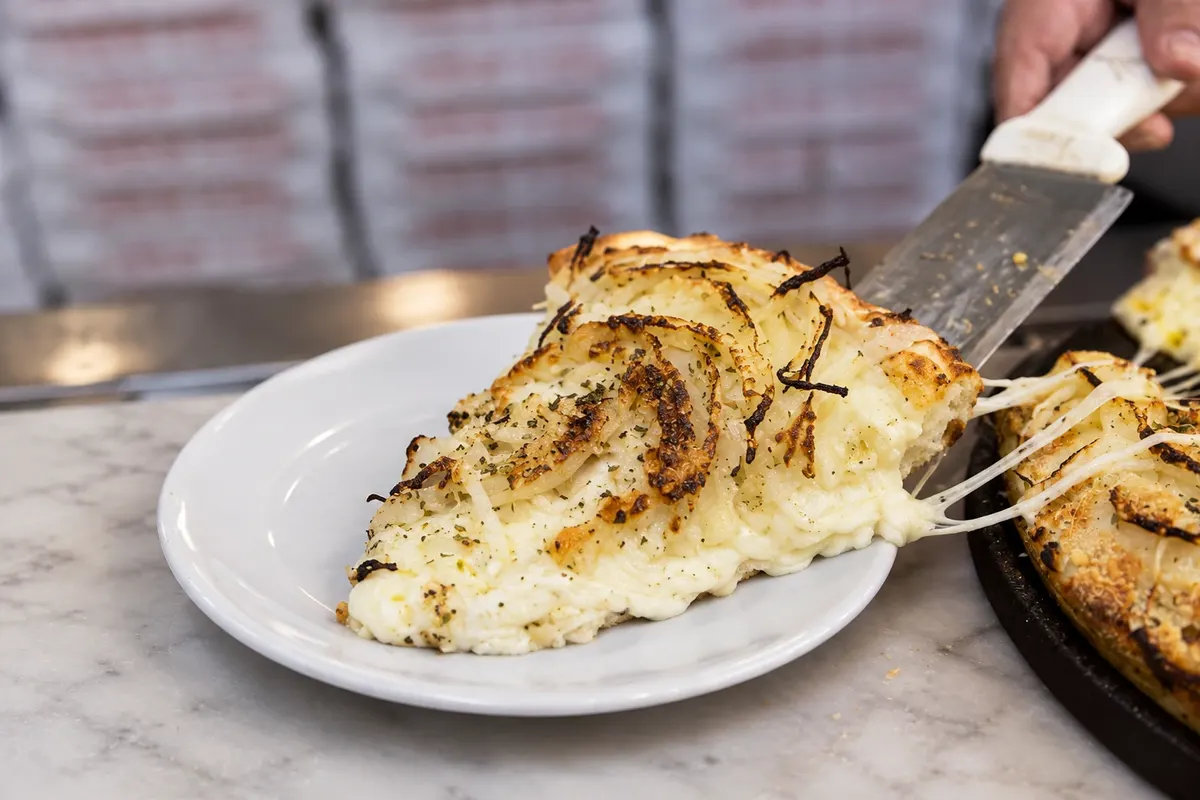
The Buenos Aires pizza: thick dough baked in a pan, topped with plenty of mozzarella and eaten in portions, often standing at the counter. It includes the fugazzeta, filled with cheese and topped with onion, and the fainá made from chickpea flour that accompanies it.

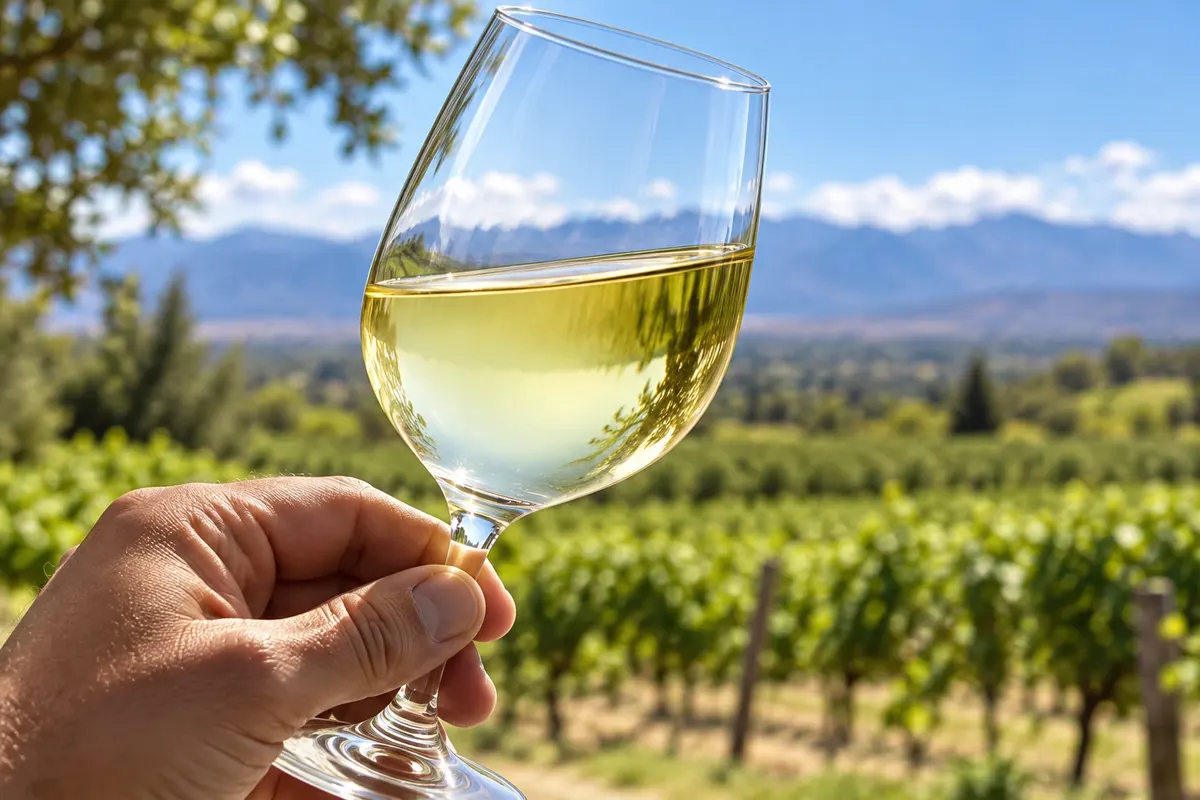
Aromatic white wine from a grape born in Argentina, with floral and fruity aroma. In the high vineyards of the Cafayate valley, in Salta, it has one of its best-known expressions and an annual week of celebrations.

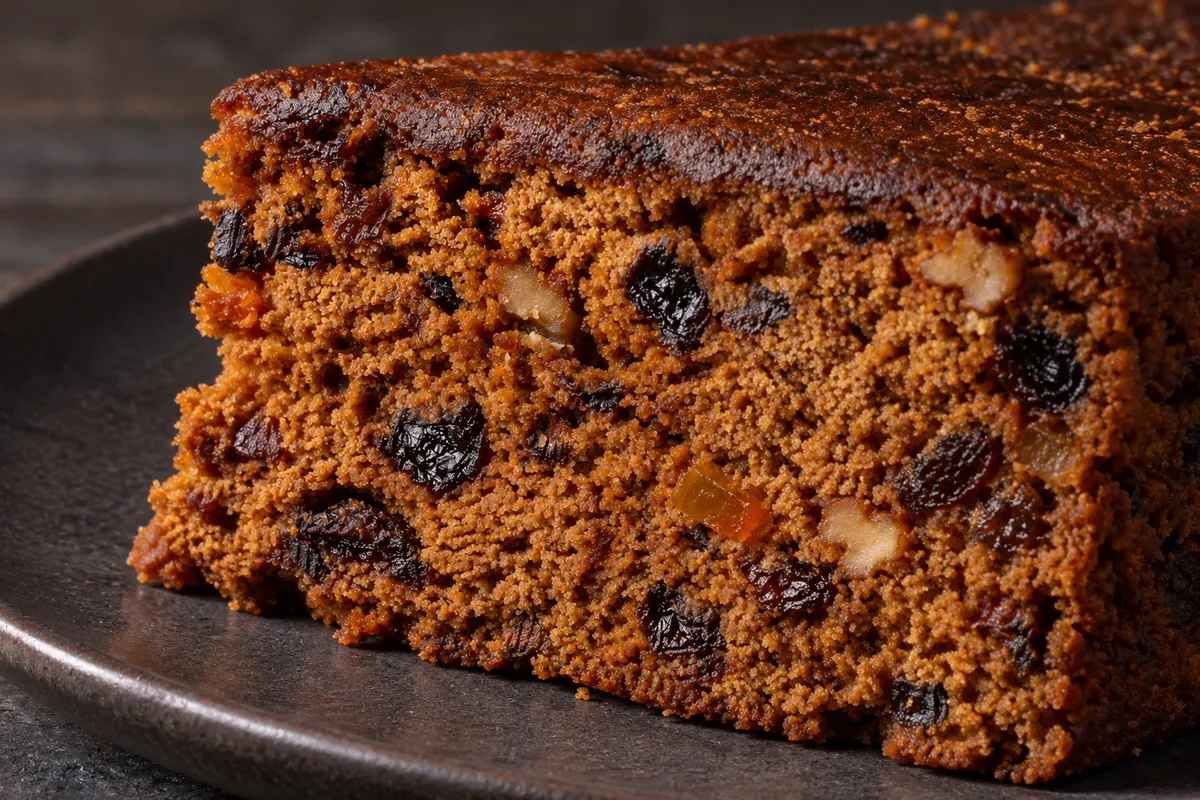
Dark, dense cake fragrant with dried fruit, nuts, brown sugar and spices — a legacy of the Welsh settlers who arrived in Chubut in 1865. It is the centerpiece of the Welsh tea and can be kept for a long time.

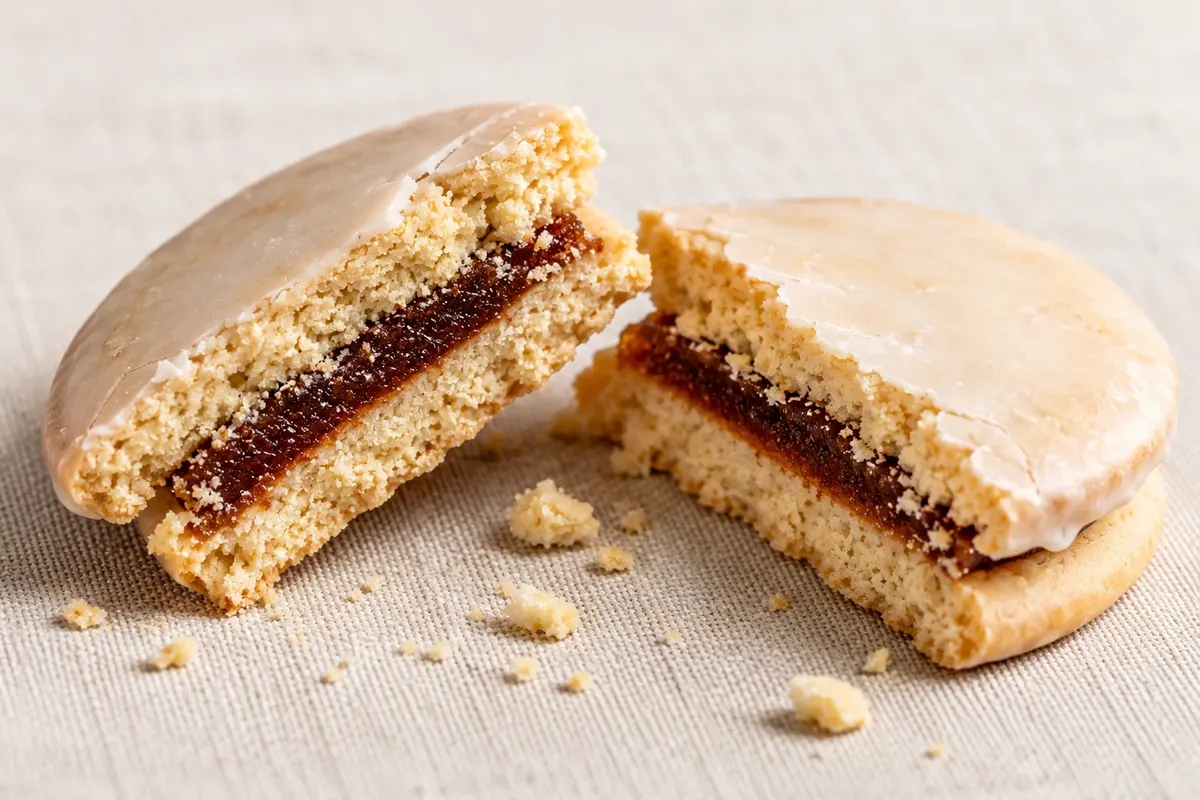
Alfajor from the province of Córdoba, with a soft dough made with honey, filled with fruit jam such as quince or pear, or with dulce de leche, and covered by a thin layer of white icing, without chocolate.

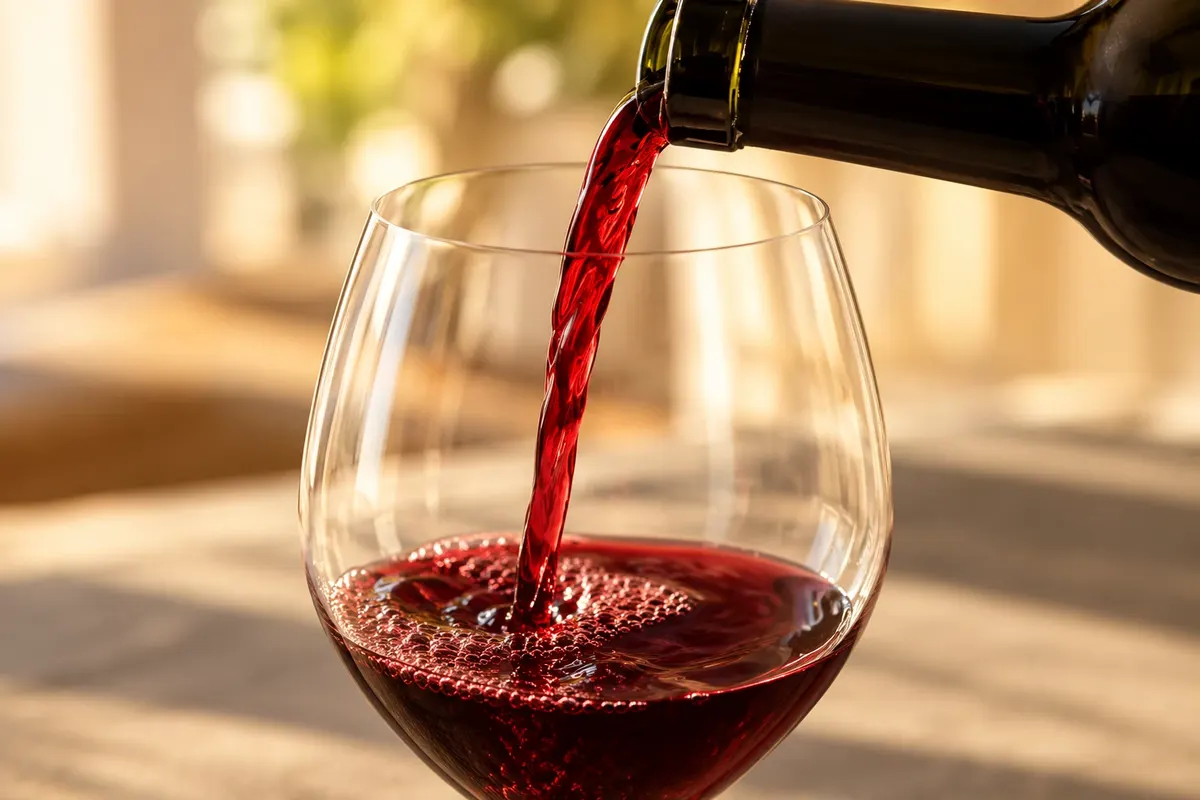
Malbec red wine from the old vineyards of Luján de Cuyo, in Mendoza, protected by the Denominación de Origen Controlada Luján de Cuyo, considered the first of the Americas, with rules on grape variety, alcohol content and aging.

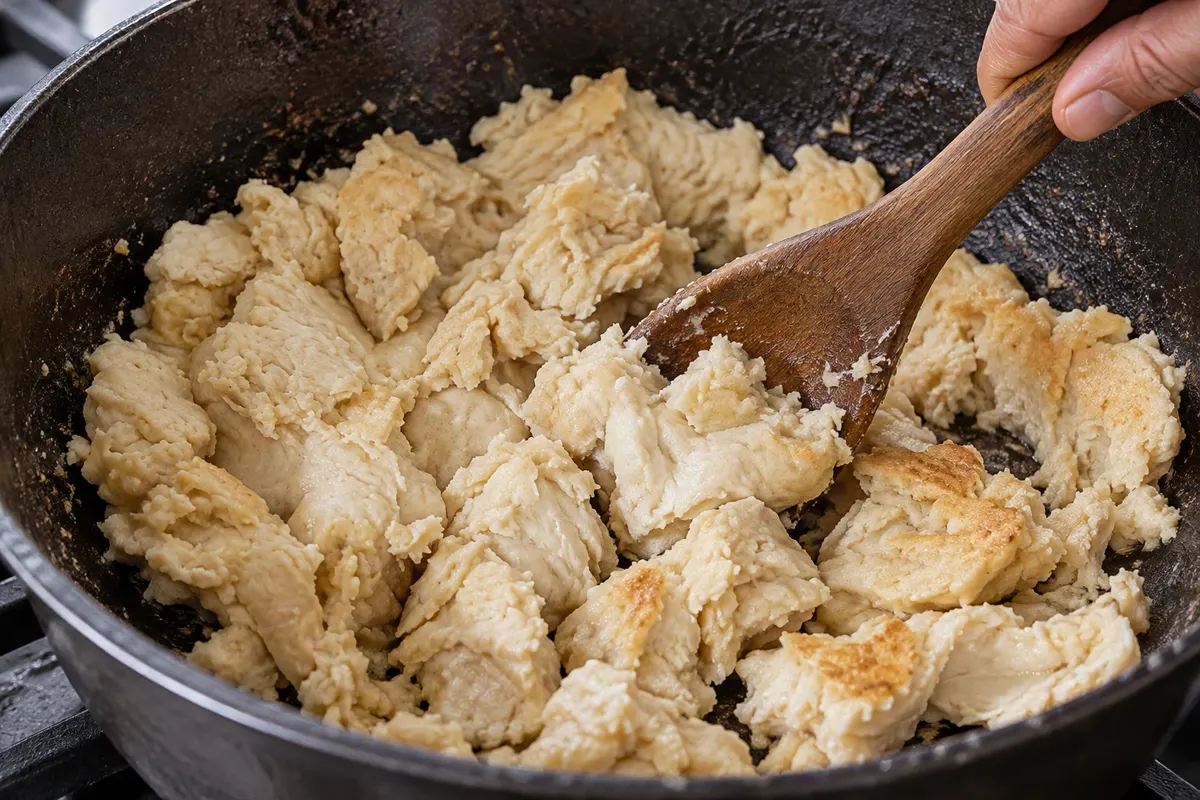
A simple dish from Misiones, made of flour, water and salt, sometimes with egg, stirred in the pot until it becomes a crumbly mass. It was born in the province’s yerba mate plantations, among the yerba-mate workers, and is eaten with mate cocido at breakfast.
Več kot vodnik