Asado
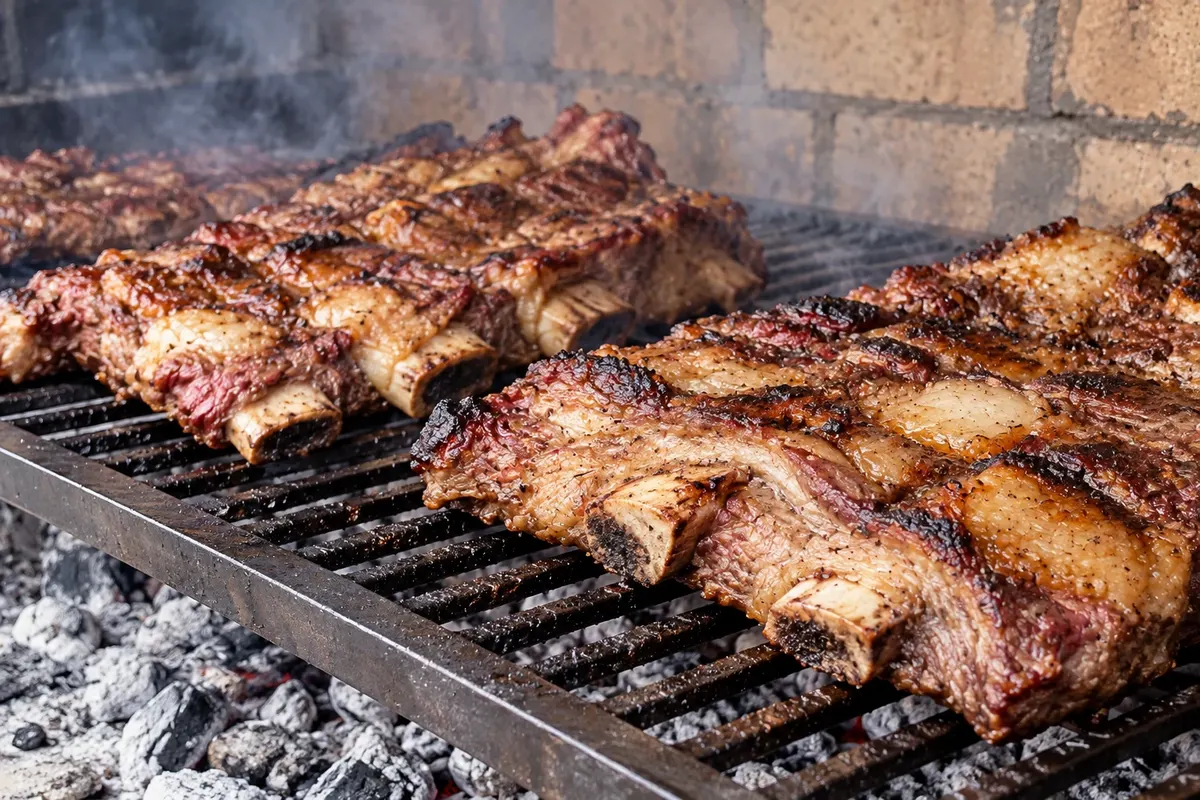
Beef and pork cuts, sausages and offal slowly roasted over embers, on a grate or on a cross. More than a dish, it’s a gathering around the fire led by the asador, and it bears the seal of Argentina’s cultural, food and gastronomic heritage.
AntarktikaOkusi · Luján de Cuyo
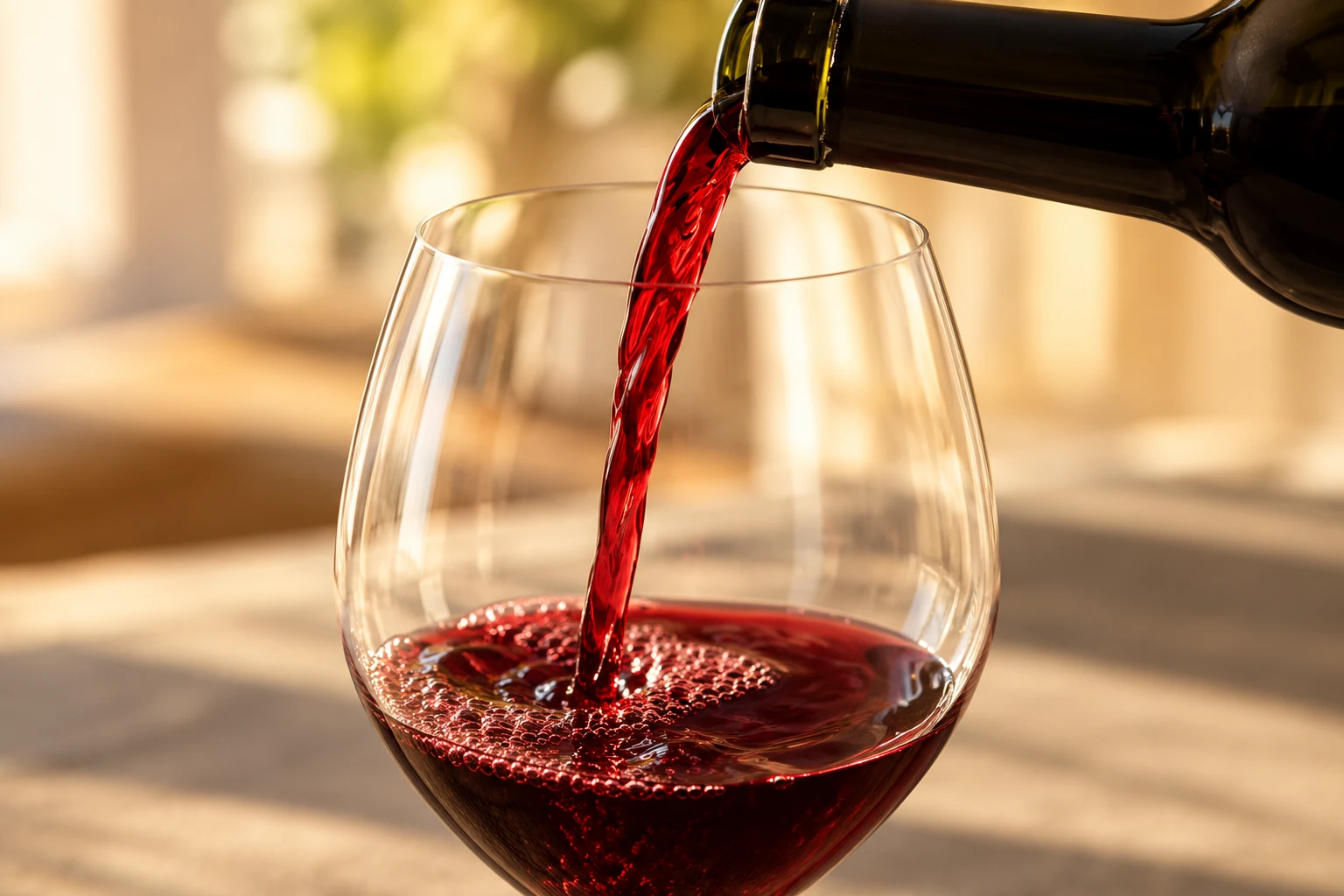
Malbec red wine from the old vineyards of Luján de Cuyo, in Mendoza, protected by the Denominación de Origen Controlada Luján de Cuyo, considered the first of the Americas, with rules on grape variety, alcohol content and aging.
Traditional pijača izLuján de Cuyo, Mendoza
Druga imena: DOC Luján de Cuyo, Malbec DOC Luján de Cuyo, Malbec Luján de Cuyo
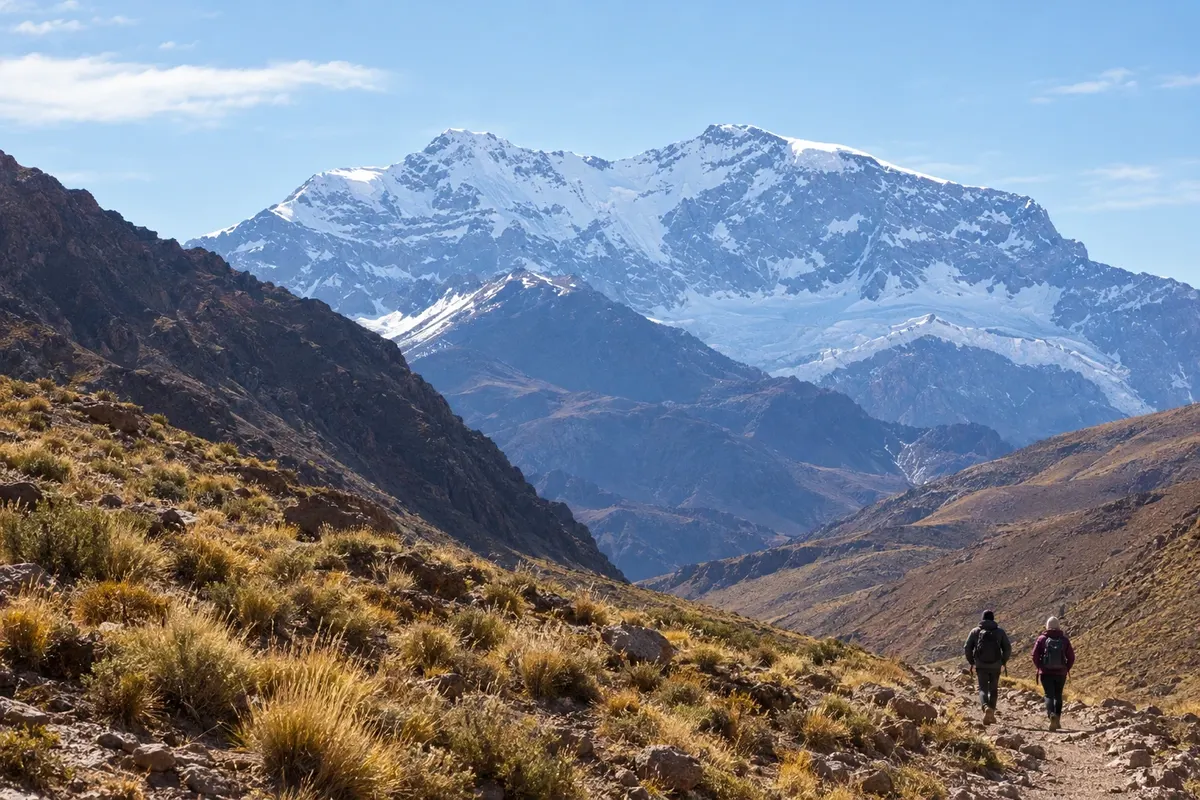
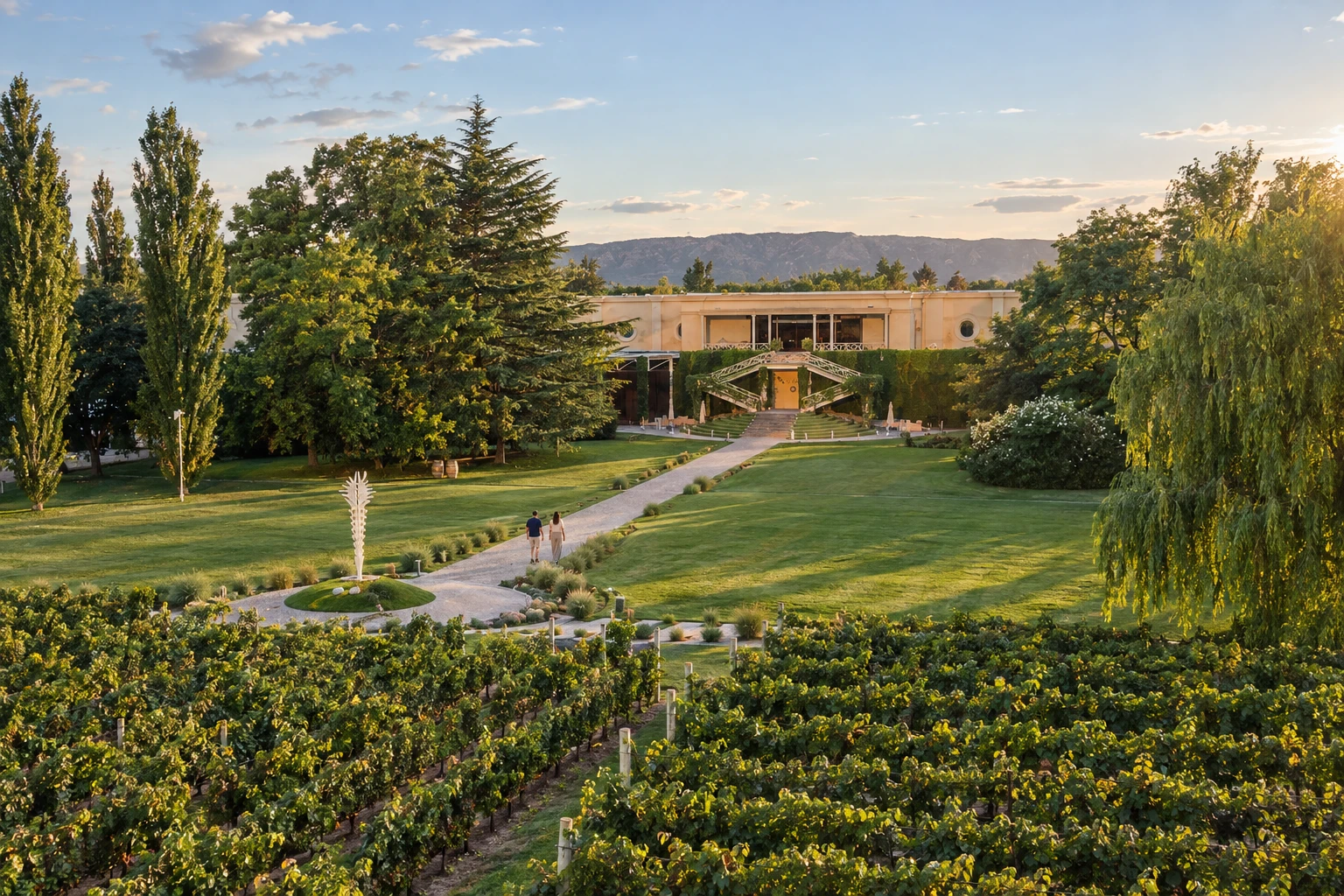
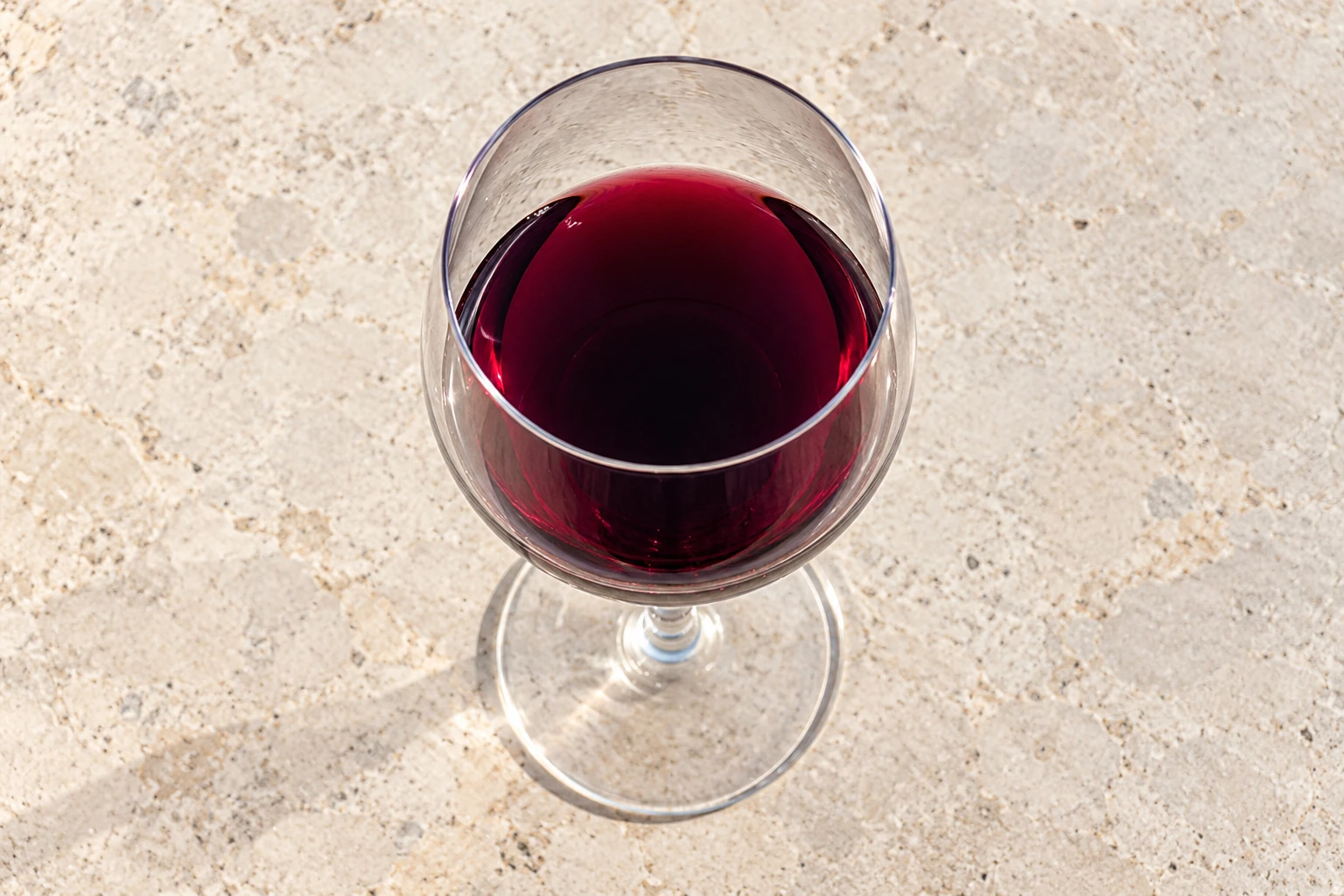
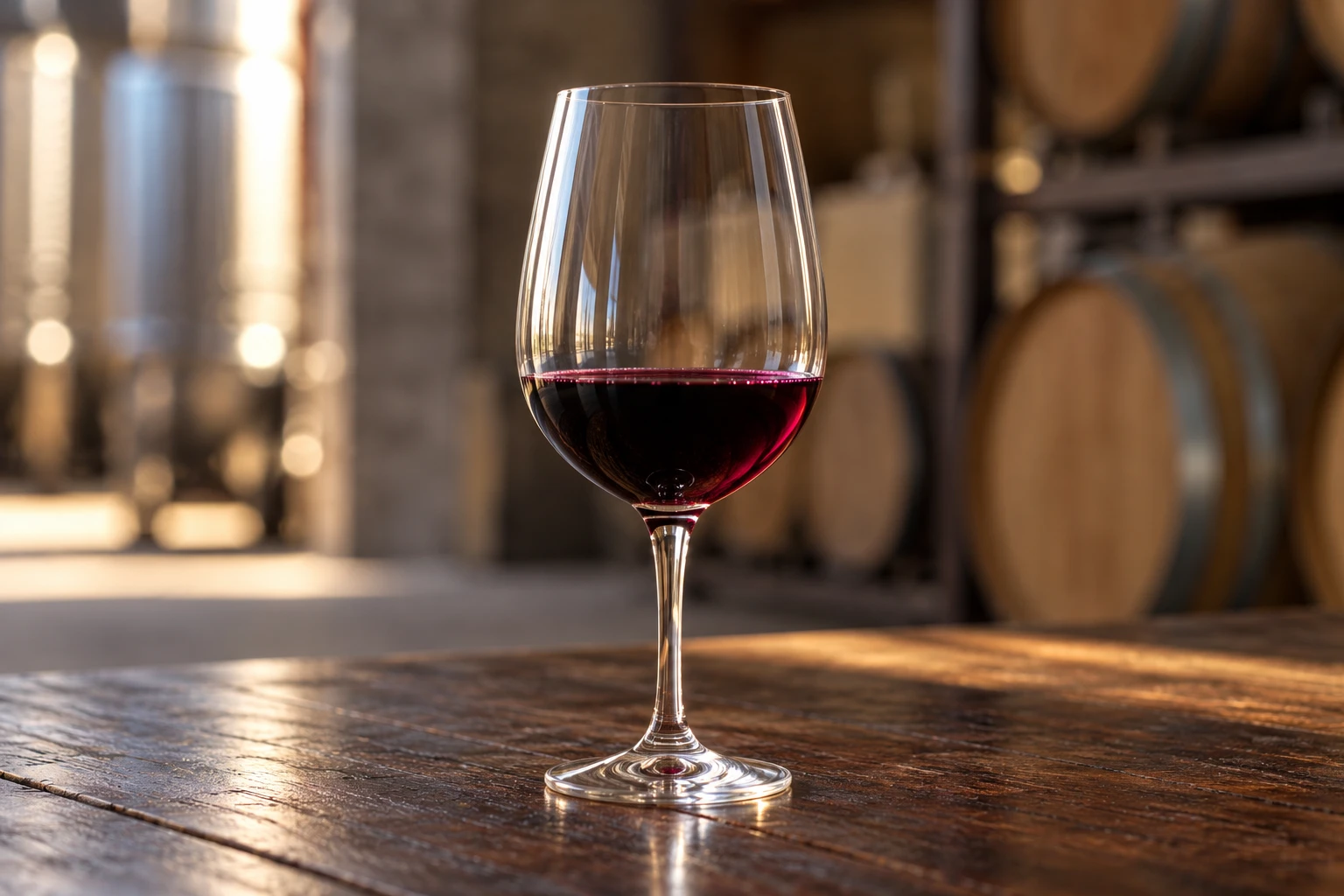
Illustrative images. The pictures in this guide are illustrations based on the real place, not photographs, and may differ from it.
Kliknite fotografijo za povečavo.
Malbec de Luján de Cuyo — Luján de Cuyo, Argentina
Malbec is a red grape of French origin that found its best-known home in Argentina. Mendoza contains most of the country’s vineyards, and Malbec has become the variety most associated with Argentine wine. Within Mendoza, Luján de Cuyo, south of the provincial capital, in the higher area of the Mendoza River, has a special relationship with this grape.
Luján de Cuyo and Maipú form the area traditionally called the Primera Zona, from which many of Mendoza’s most traditional Malbecs came. In Luján de Cuyo, moderate-altitude vineyards in districts such as Vistalba, Las Compuertas and Drummond preserve old vines, some centuries old. For producers in the region, these old vineyards are a heritage to protect.
To defend this wine, growers and winemakers in the region created the Denominación de Origen Controlada Luján de Cuyo in 1989, recognized by the Instituto Nacional de Vitivinicultura in 2005. It is presented as the first denominación de origen controlada in the Americas. Only wines that comply with the regulations may carry the DOC initials on the label, with oversight by the denominación’s council and the Instituto Nacional de Vitivinicultura and a numbered seal on each bottle.
In the regional category, the rules require at least 85% Malbec, a minimum alcohol level of 13.5%, grapes from Luján de Cuyo vineyards at least ten years old, vinification and bottling in the zone, and 18 months between harvest and sale, of which at least six must be in wood. The result is typically a wine with intense color, ripe fruit and soft tannins.
Malbec is also grown in other parts of Mendoza, such as the Valle de Uco, farther south and at higher altitude, and in other provinces, each with its own style. In Luján de Cuyo, the wine route brings together bodegas that welcome visitors. Enjoy in moderation.

Luján de Cuyo , Mendoza
The Malbec of Luján de Cuyo has the Denominación de Origen Controlada Luján de Cuyo, created in 1989 to protect the old vineyards of the area.
Malbec grape (minimum 85% in the DOC Luján de Cuyo wine), with up to 15% of other varieties authorized by the regulations.
In a red wine glass, at a temperature slightly below room temperature. Pairs with roasted meats, such as Argentine asado, and dishes with intense flavors.
All year. The Fiesta Nacional de la Vendimia celebrates the harvest in Mendoza, generally between late February and early March.
Odgovori na vaša vprašanja
That the wine follows the regulations of the Denominación de Origen Controlada Luján de Cuyo. In the regional category: at least 85% Malbec from vineyards in the zone, a minimum alcohol level of 13.5% and 18 months between harvest and sale, with oversight by the council and the Instituto Nacional de Vitivinicultura.
No. Malbec is of French origin, but in Argentina, especially in Mendoza, it became the variety most associated with the country’s wine.
Luján de Cuyo has old vineyards in the traditional area, near the city of Mendoza, and the denominación de origen controlada. The Valle de Uco lies farther south and at higher altitude, and its wines are often described as fresher.
Lokalni okusi – of Argentina

Beef and pork cuts, sausages and offal slowly roasted over embers, on a grate or on a cross. More than a dish, it’s a gathering around the fire led by the asador, and it bears the seal of Argentina’s cultural, food and gastronomic heritage.

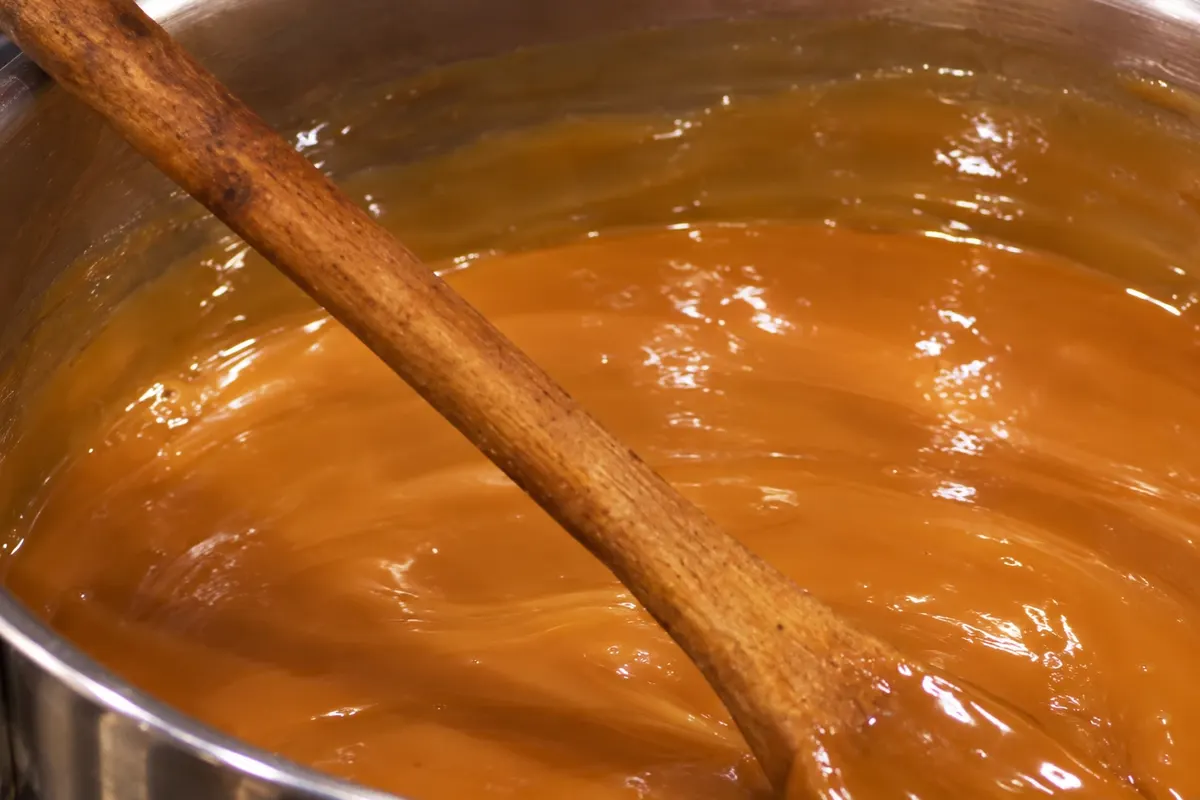
Milk and sugar cooked slowly while stirring until they form a thick, caramel-colored cream. In Argentina it fills alfajores, pancakes and cakes and is spread on bread at breakfast; the country recognizes it as culinary and food heritage and Uruguay also claims it as its own.

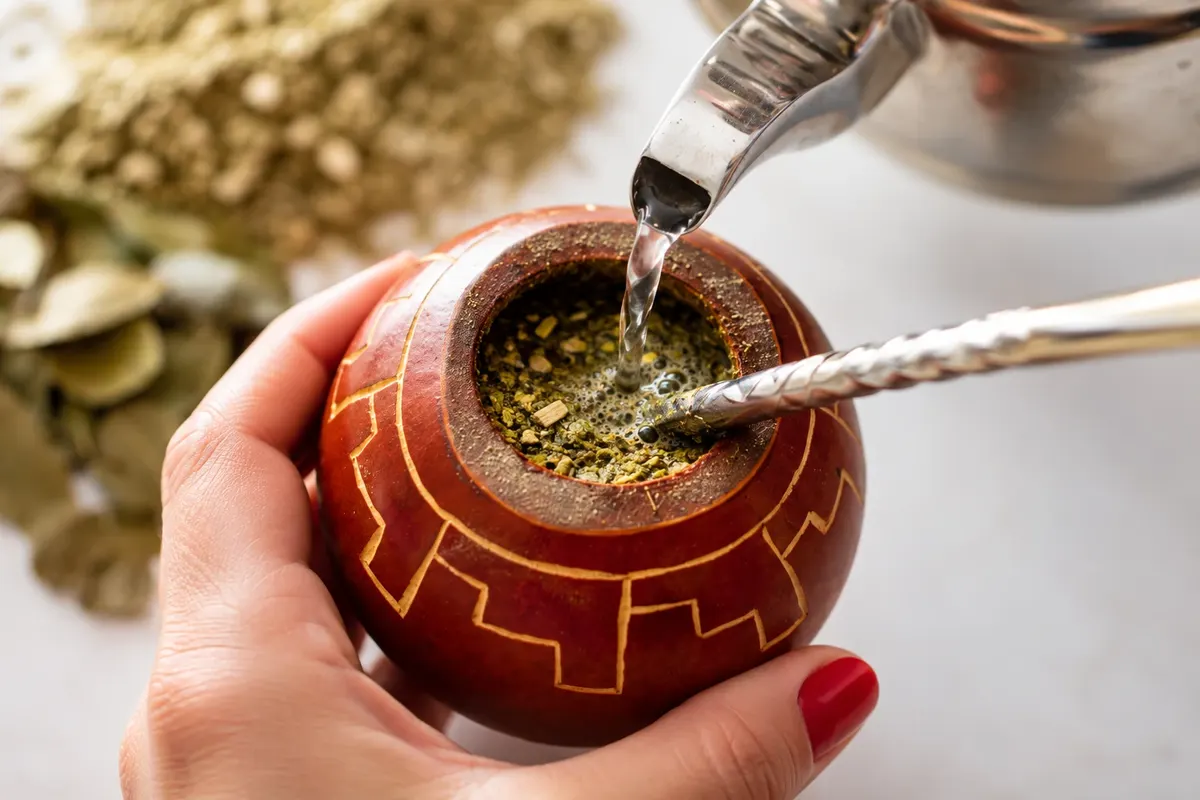
Infusion of yerba mate with hot water, drunk through a bombilla from a container also called a mate and shared in a circle. A 2013 law declared it Argentina’s national infusion, and November 30 is National Mate Day.

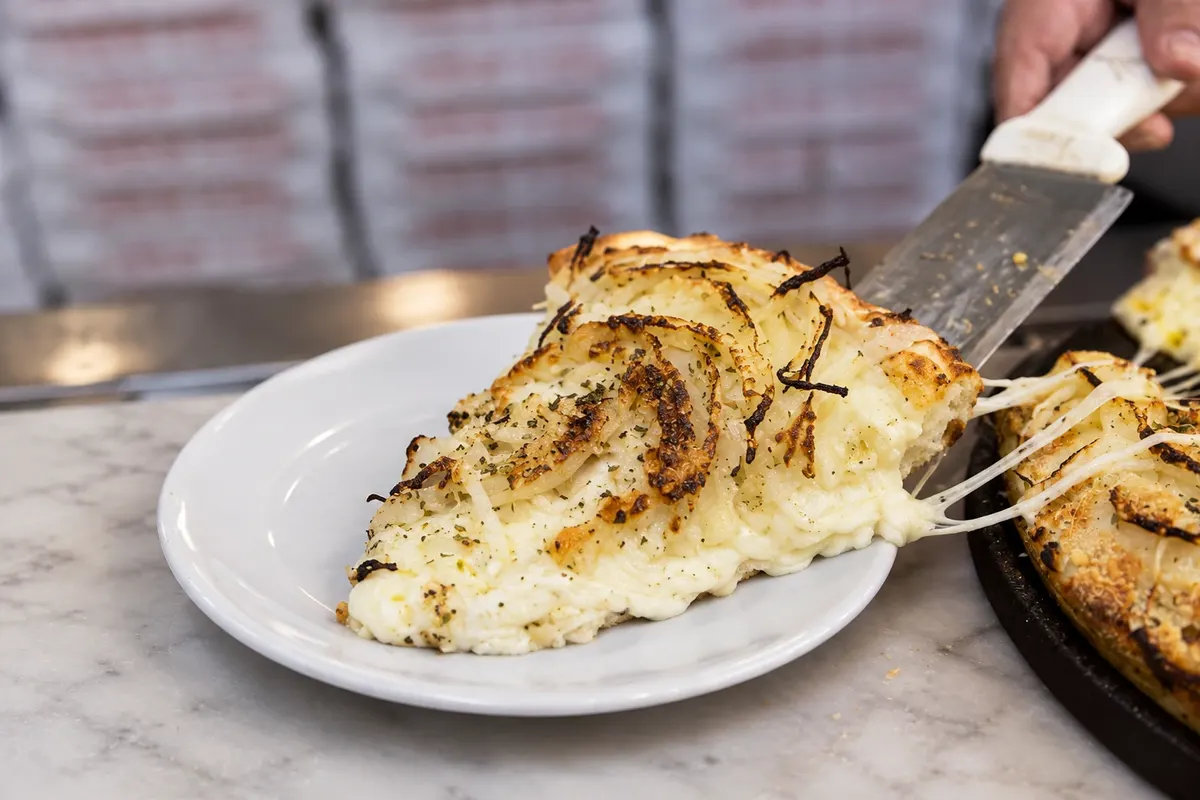
The Buenos Aires pizza: thick dough baked in a pan, topped with plenty of mozzarella and eaten in portions, often standing at the counter. It includes the fugazzeta, filled with cheese and topped with onion, and the fainá made from chickpea flour that accompanies it.

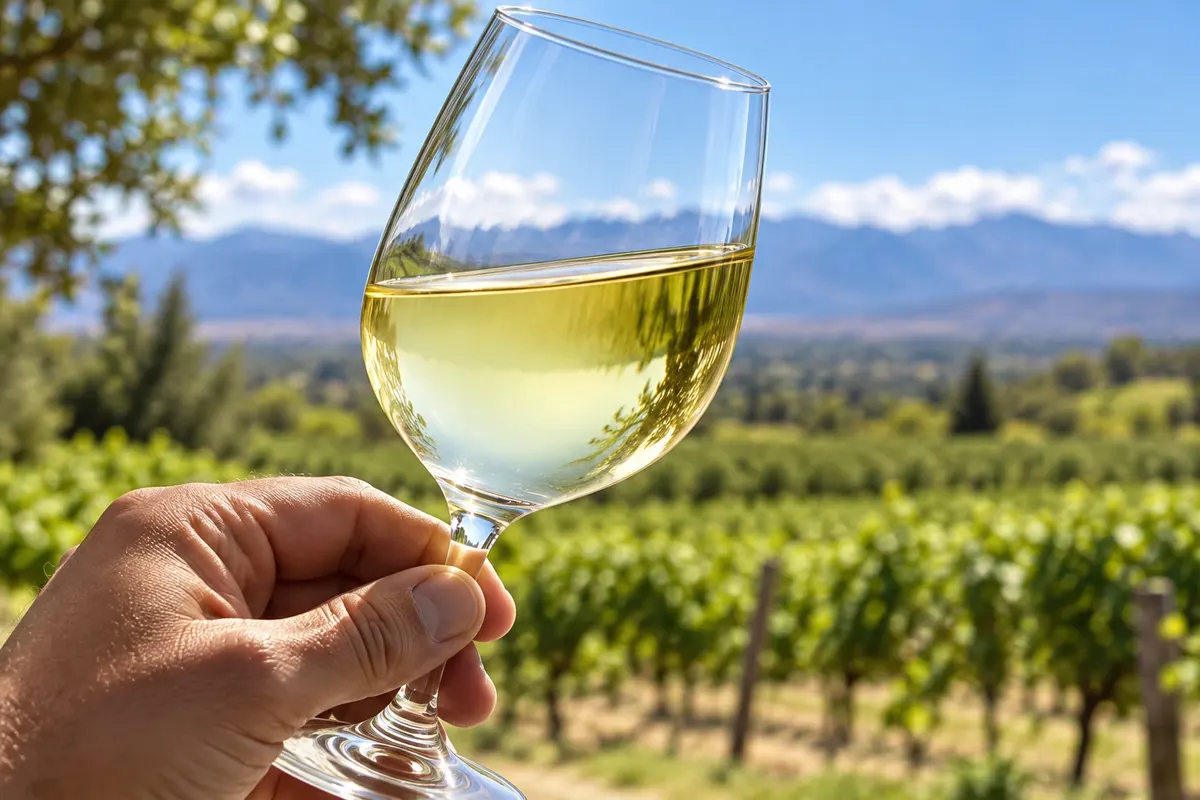
Aromatic white wine from a grape born in Argentina, with floral and fruity aroma. In the high vineyards of the Cafayate valley, in Salta, it has one of its best-known expressions and an annual week of celebrations.

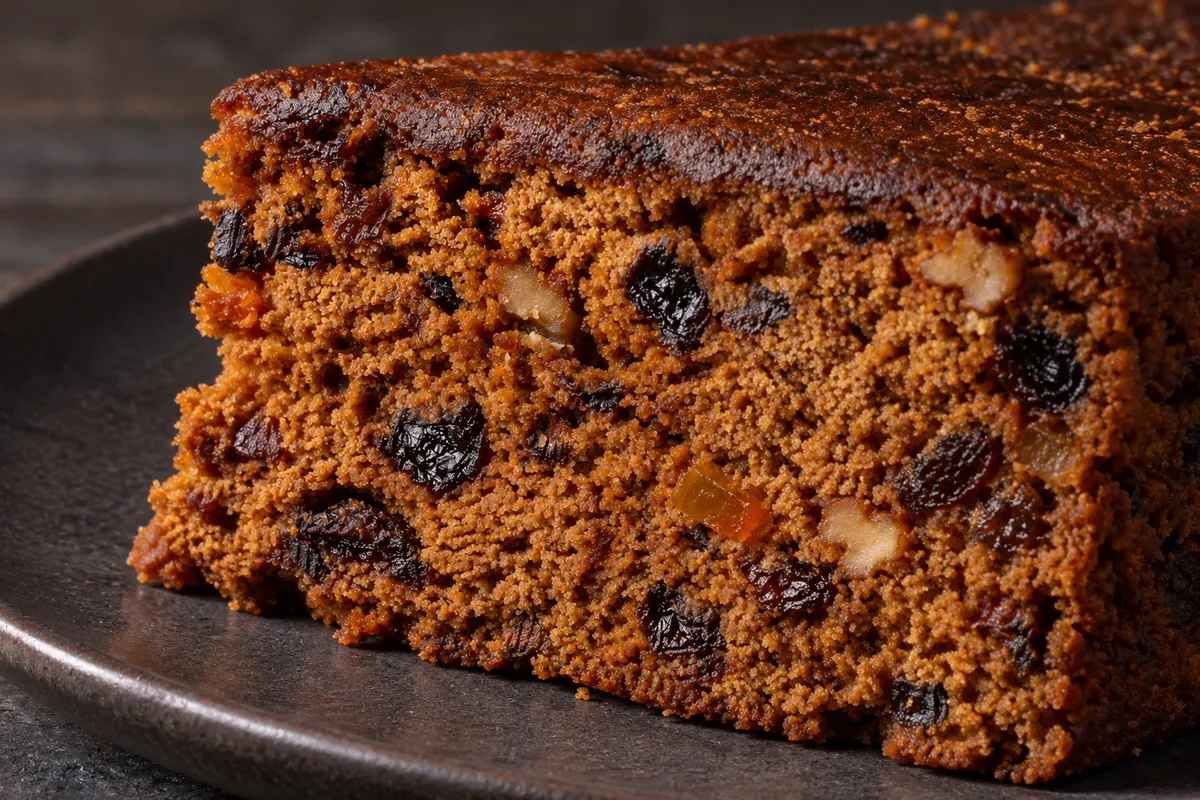
Dark, dense cake fragrant with dried fruit, nuts, brown sugar and spices — a legacy of the Welsh settlers who arrived in Chubut in 1865. It is the centerpiece of the Welsh tea and can be kept for a long time.

Alfajor from the province of Córdoba, with a soft dough made with honey, filled with fruit jam such as quince or pear, or with dulce de leche, and covered by a thin layer of white icing, without chocolate.

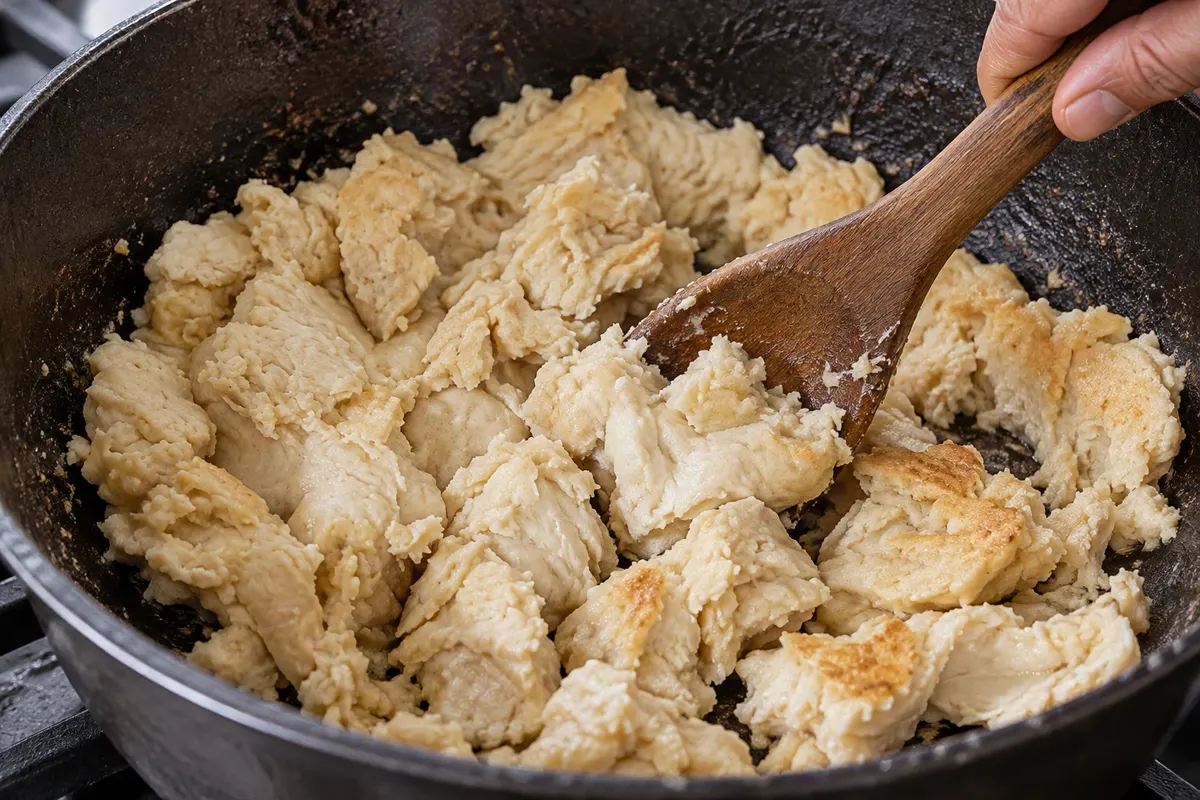
A simple dish from Misiones, made of flour, water and salt, sometimes with egg, stirred in the pot until it becomes a crumbly mass. It was born in the province’s yerba mate plantations, among the yerba-mate workers, and is eaten with mate cocido at breakfast.

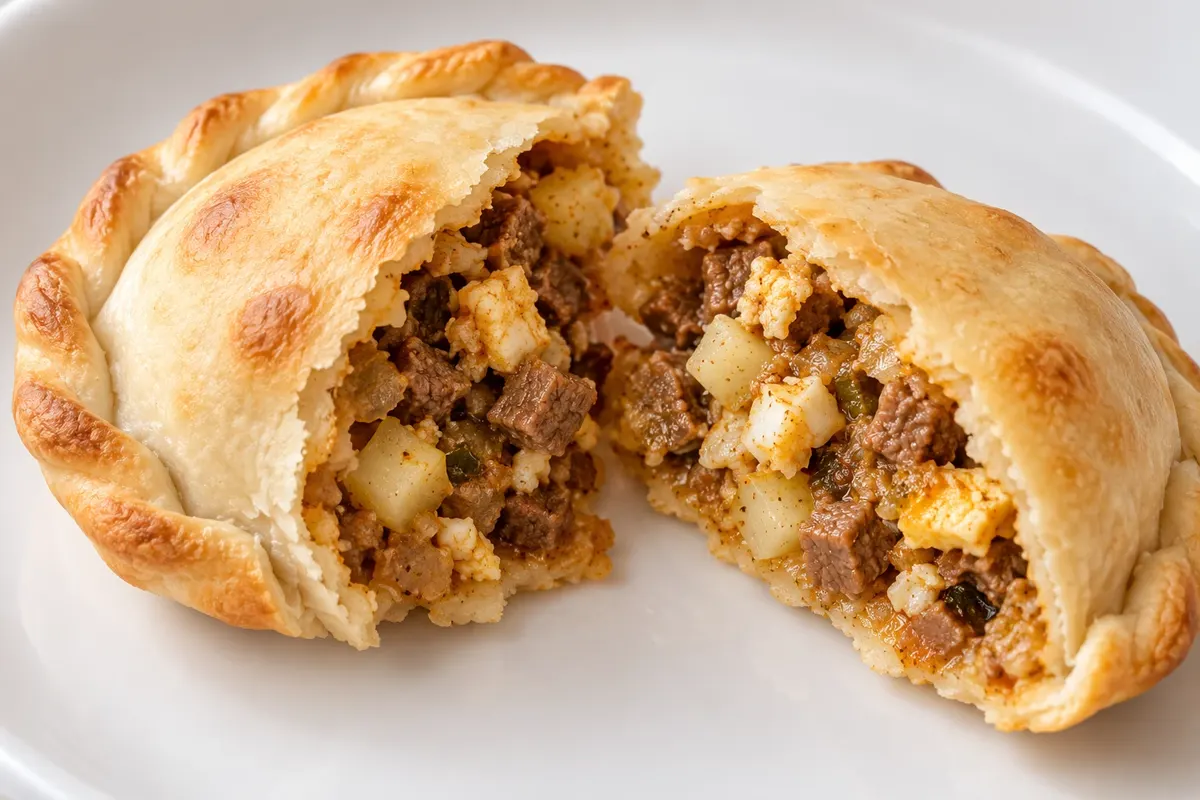
Small, very juicy empanada from Salta, filled with knife-cut beef in small cubes, potato, scallion, hard‑boiled egg, paprika and cumin, preferably baked in a clay oven and served very hot, with spicy sauce on the side.
Več kot vodnik