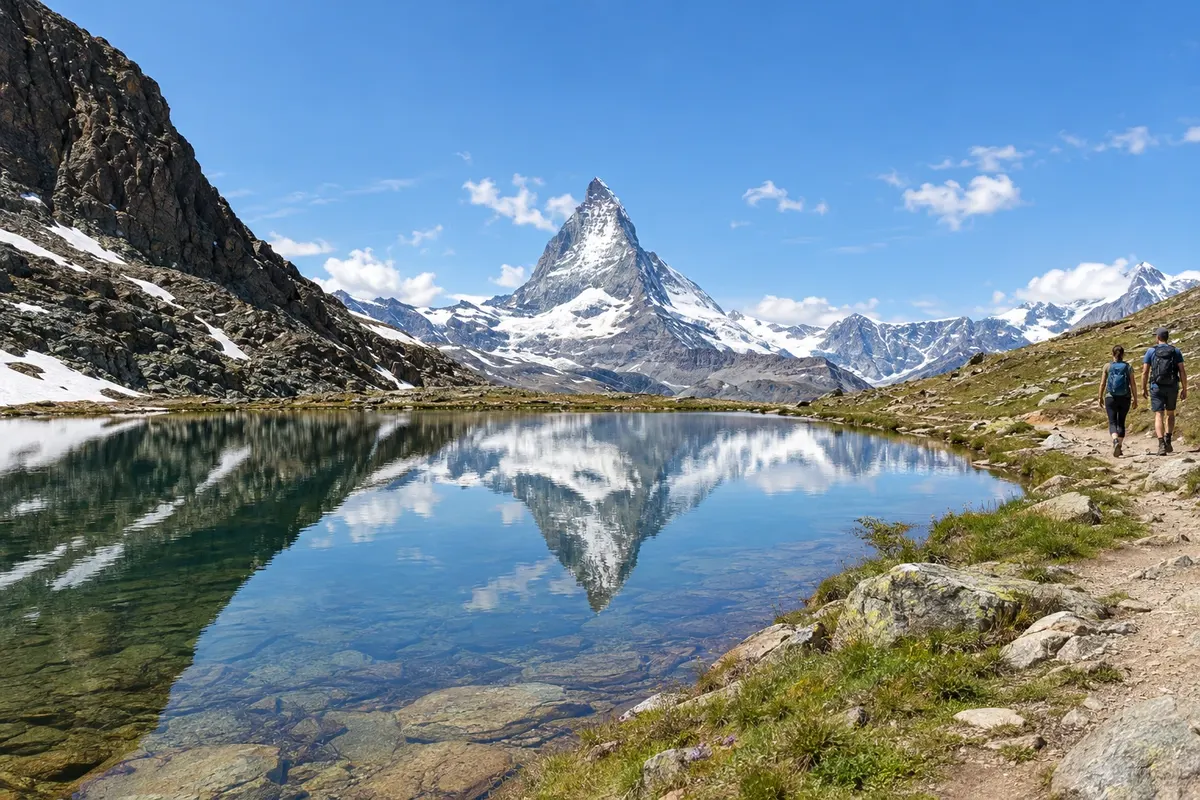
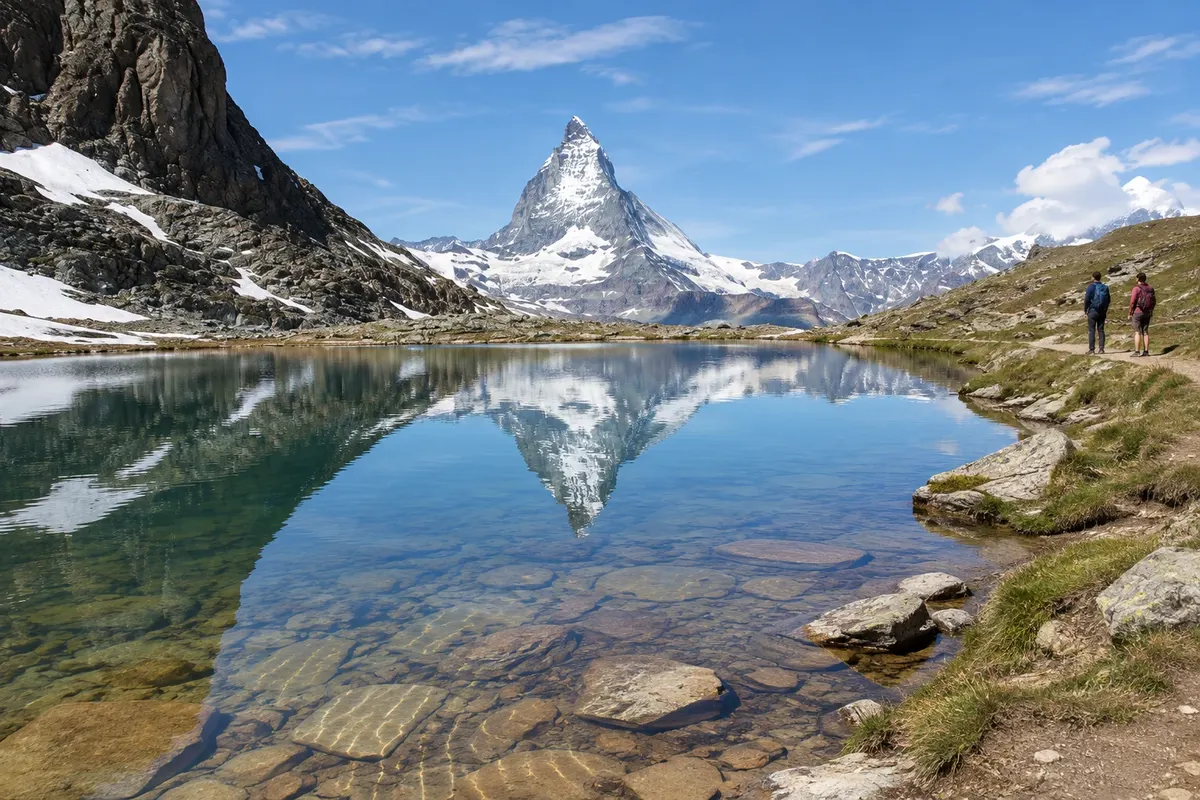
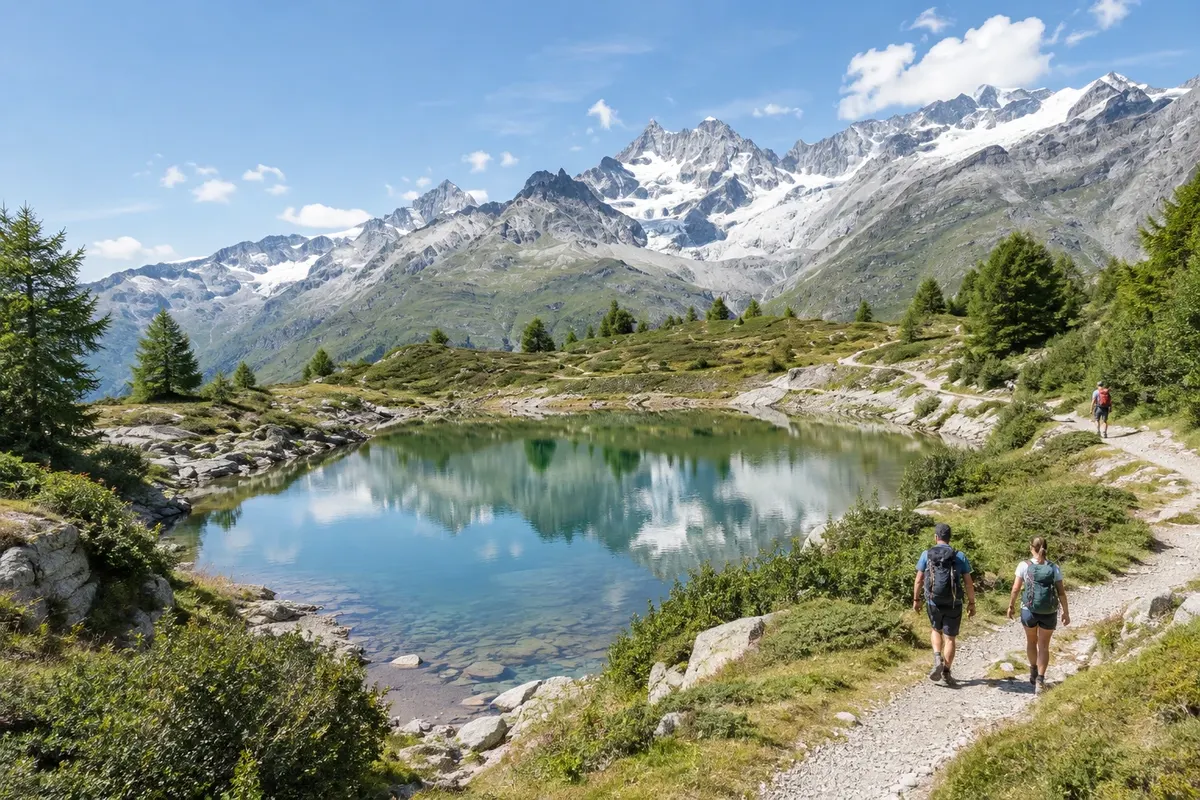
Zermatt sits at the end of the Mattertal valley, in the south of Valais, near the border with Itália. The village is at 1.608 m and its neighbor is the Matterhorn, at 4.478 m, a four-faced mountain that divides Switzerland and Itália. Around it, dozens of peaks exceed 4.000 m, including those of the Monte Rosa massif.
Valais is a bilingual canton: in the lower part, where the capital Sion is located, French is spoken; in Upper Valais, where Zermatt is, German is spoken, with the region's Swiss German dialect. English is widely used in tourism. The currency is the franco suíço, and Switzerland does not use the euro.
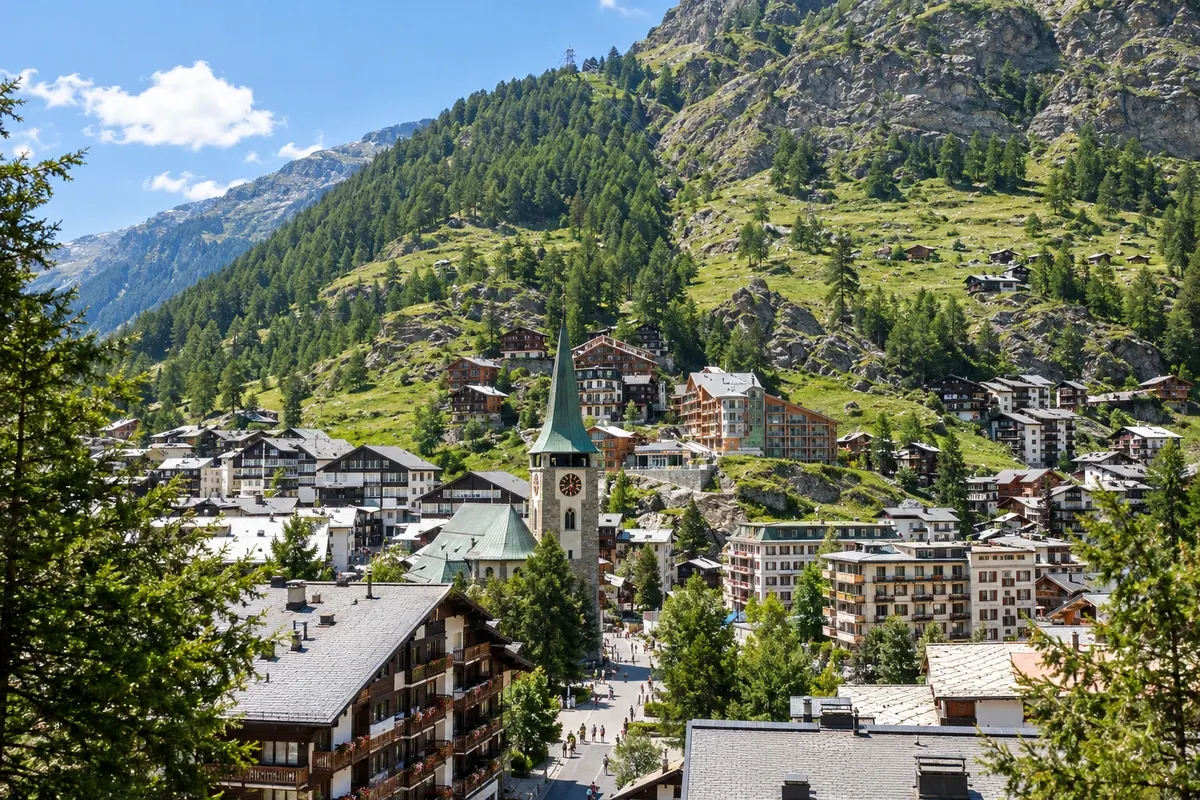
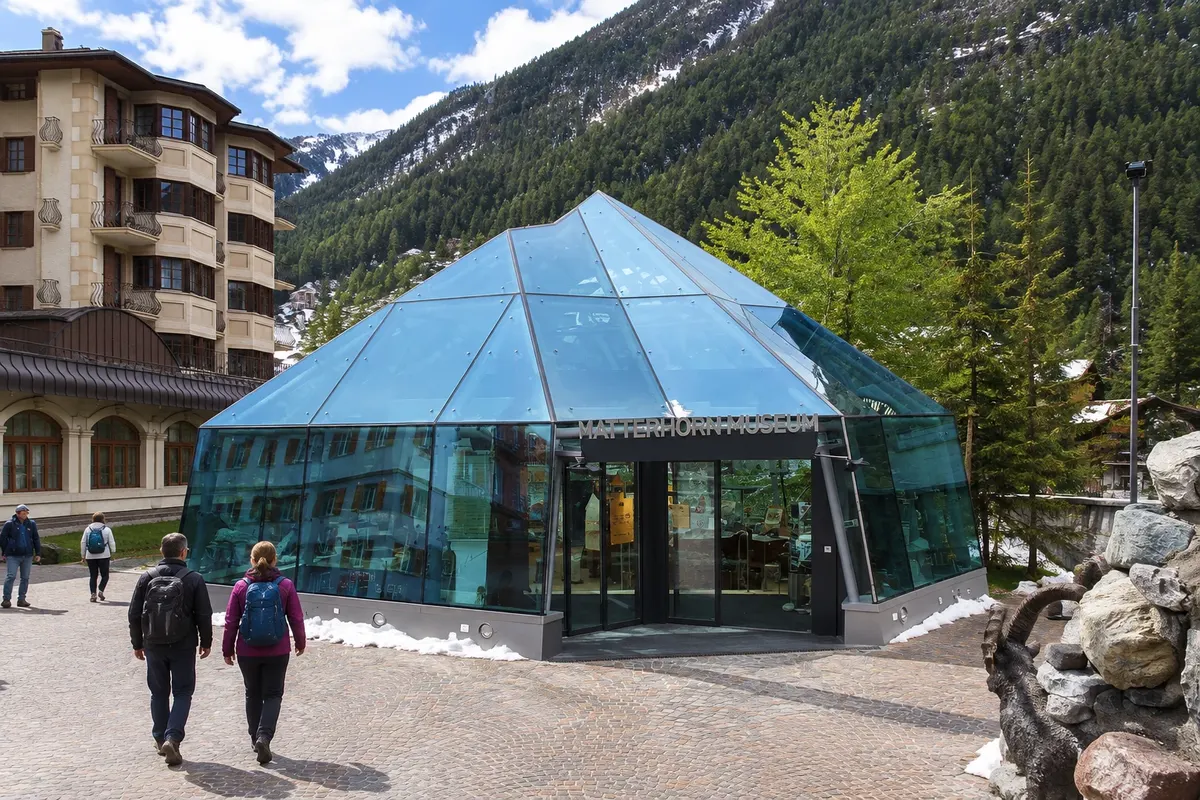
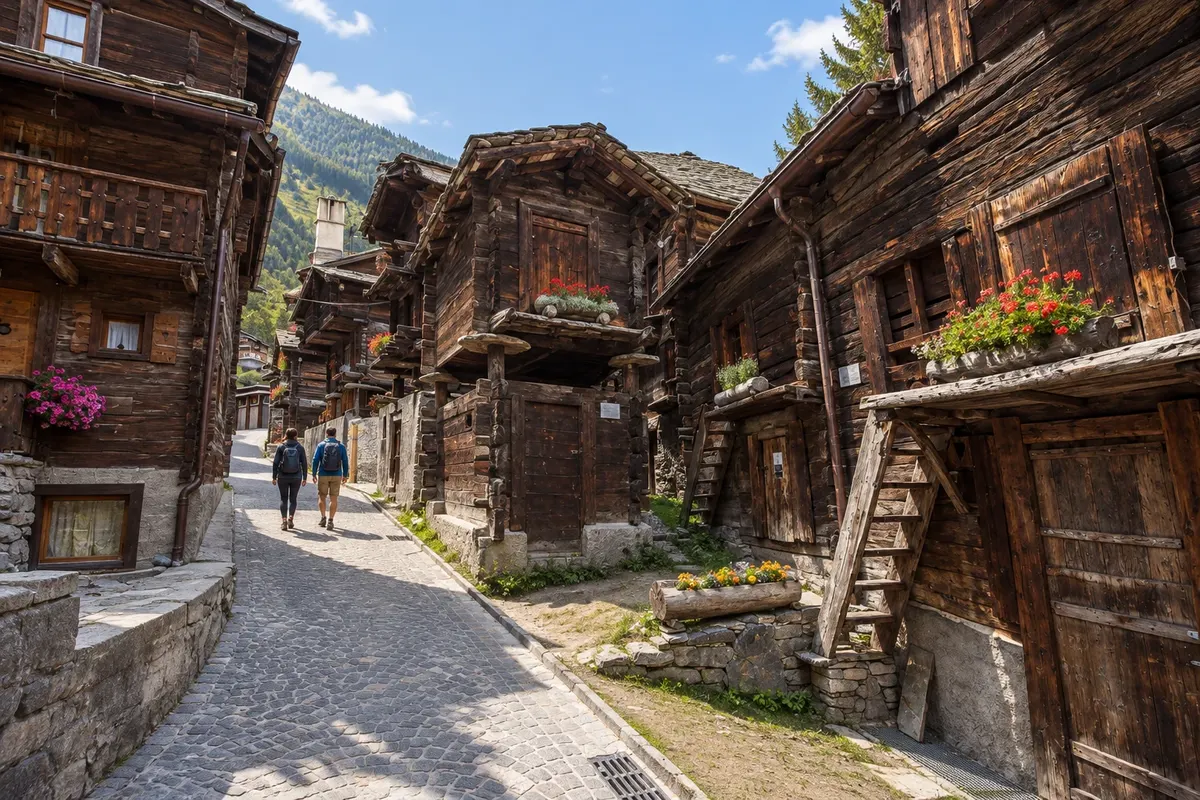
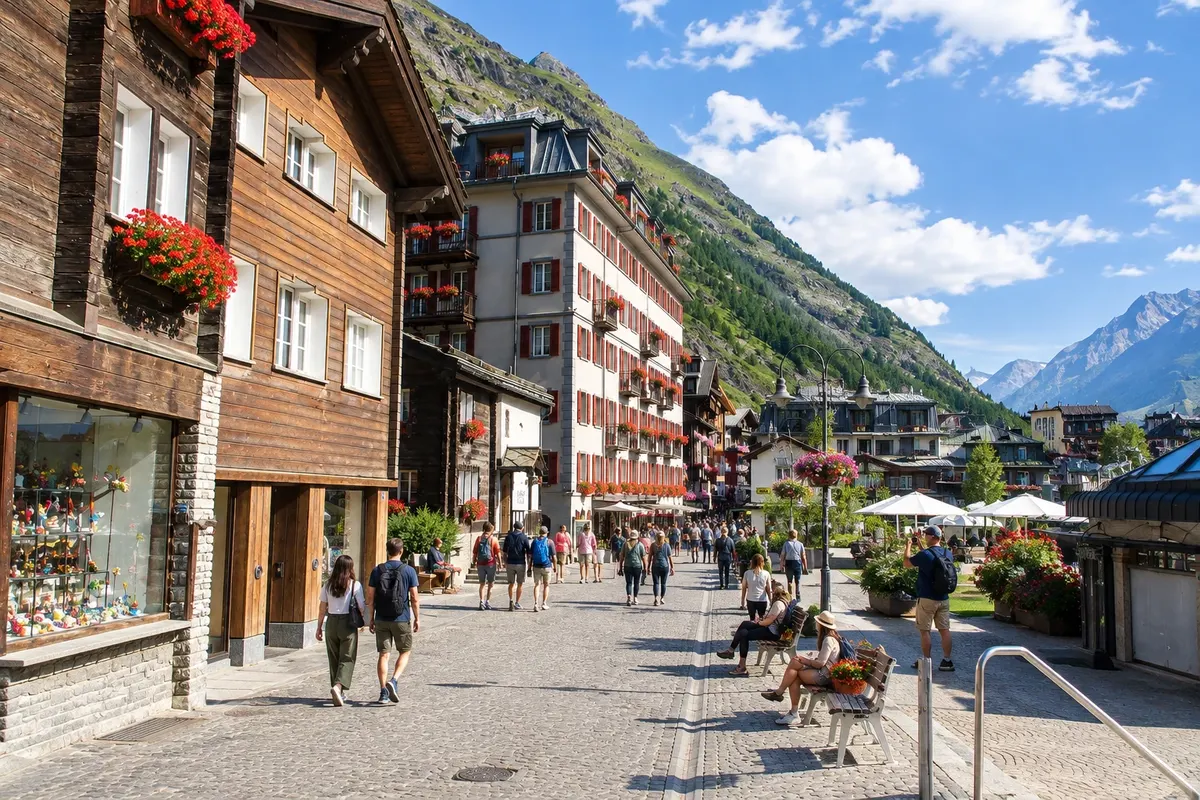
The village has no combustion-engine cars. Those who arrive by car leave the vehicle in Täsch, 5 km before, and continue by a 12-minute shuttle train. Inside Zermatt taxis and electric buses operate, and the center is walked on foot, from the station along the Bahnhofstrasse to the church, the Matterhorn Museum and the dark wooden houses of the Hinterdorf.
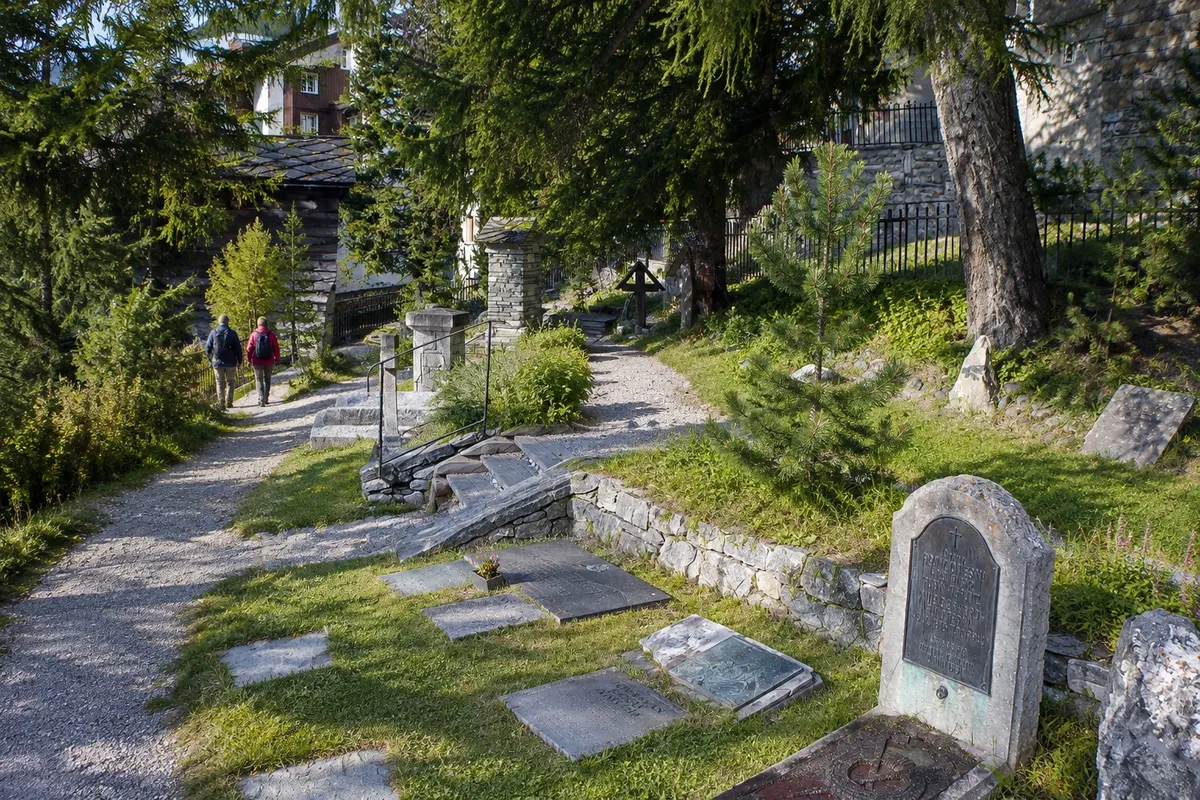
The history of tourism in the village is linked to the first ascent of the Matterhorn on July 14, 1865, which ended with the death of four of the seven climbers on the descent. The climbers' cemetery, next to the church, preserves that memory.
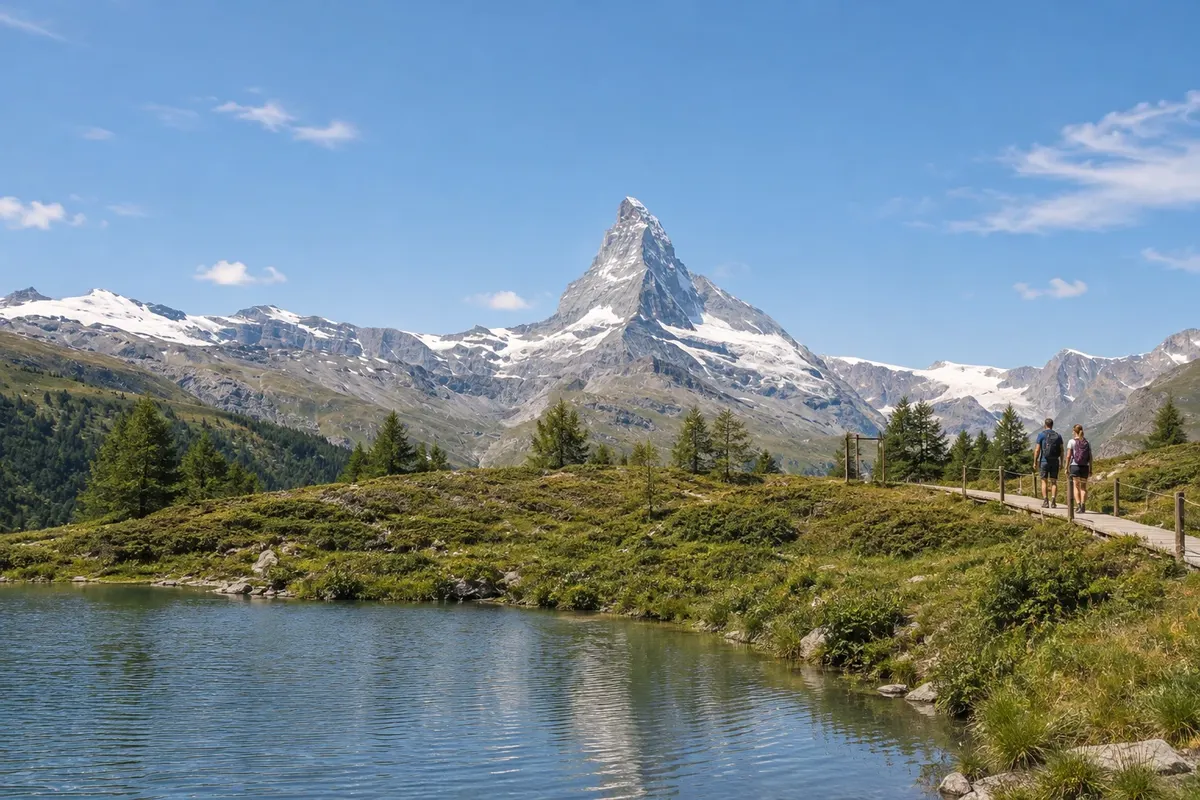
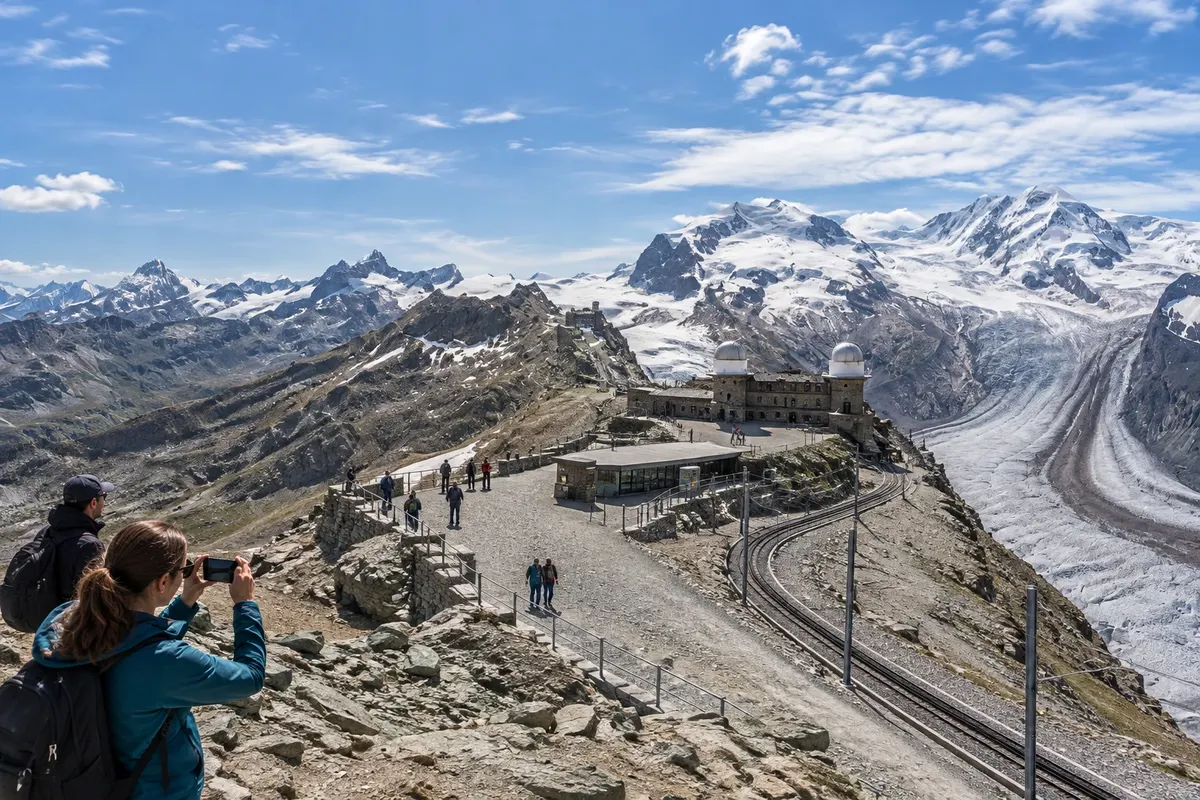
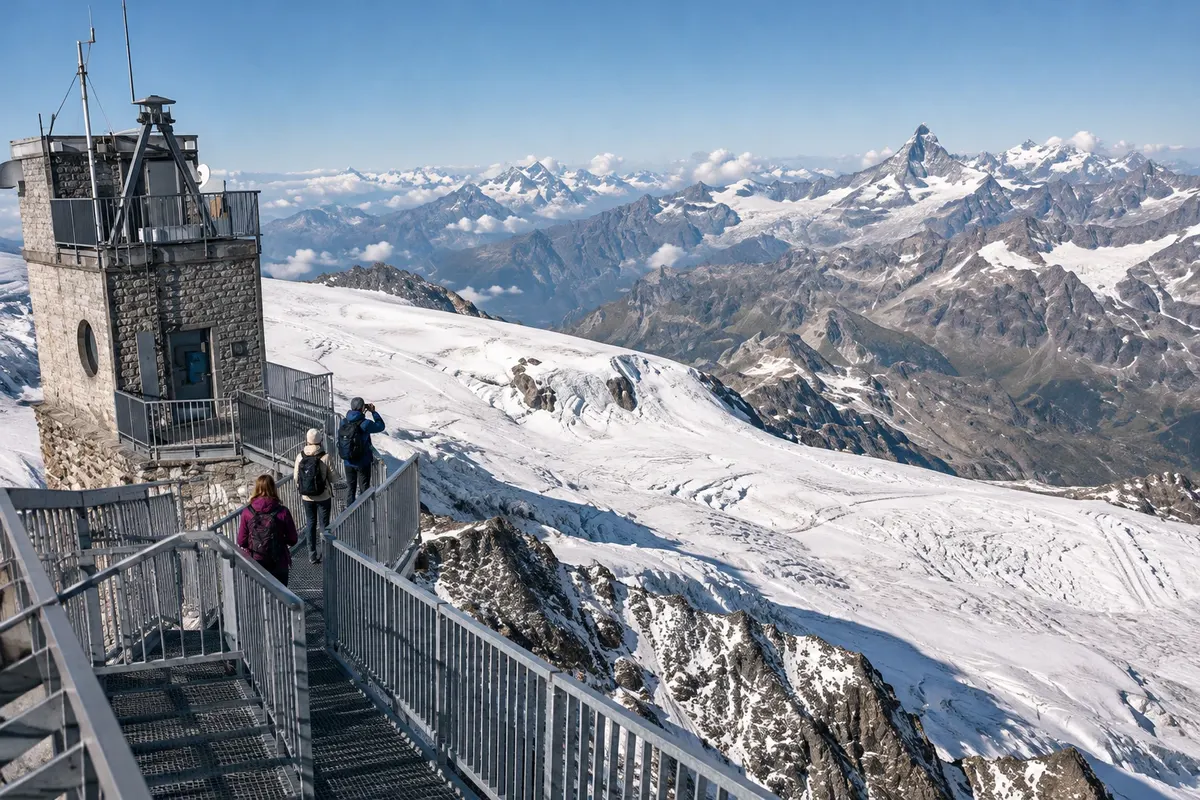
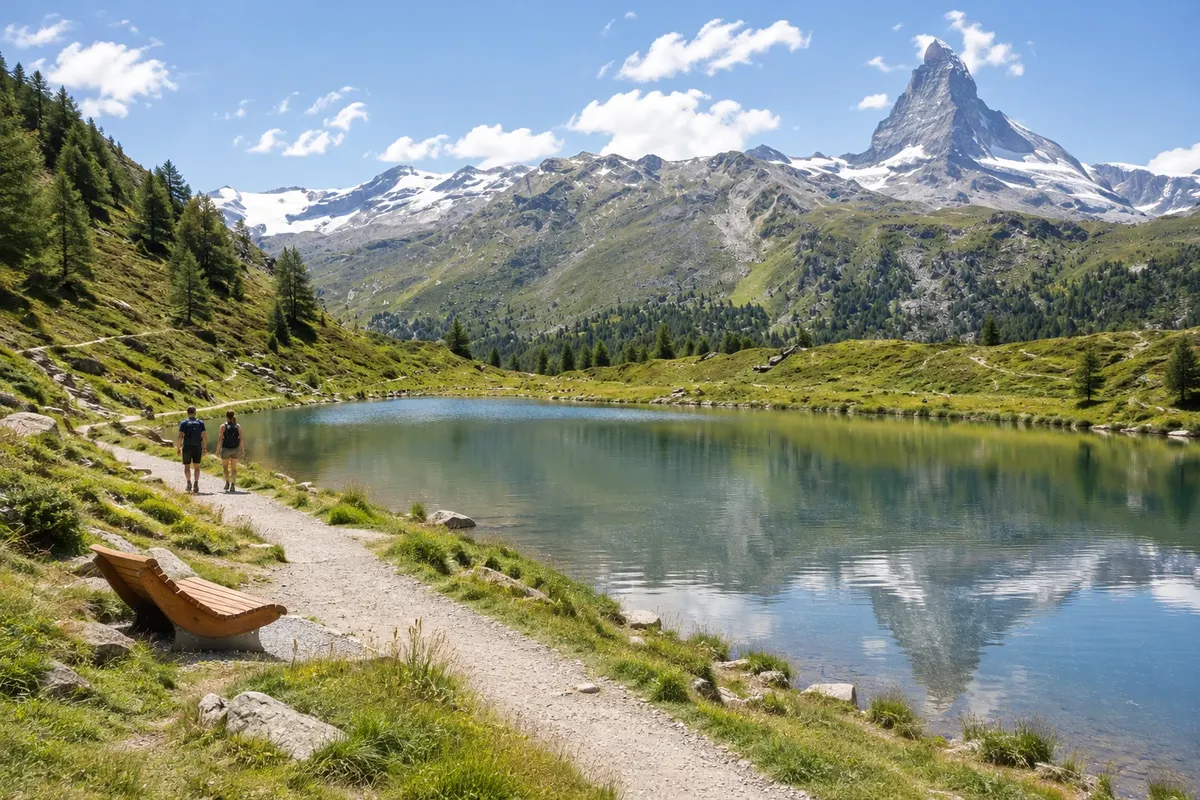
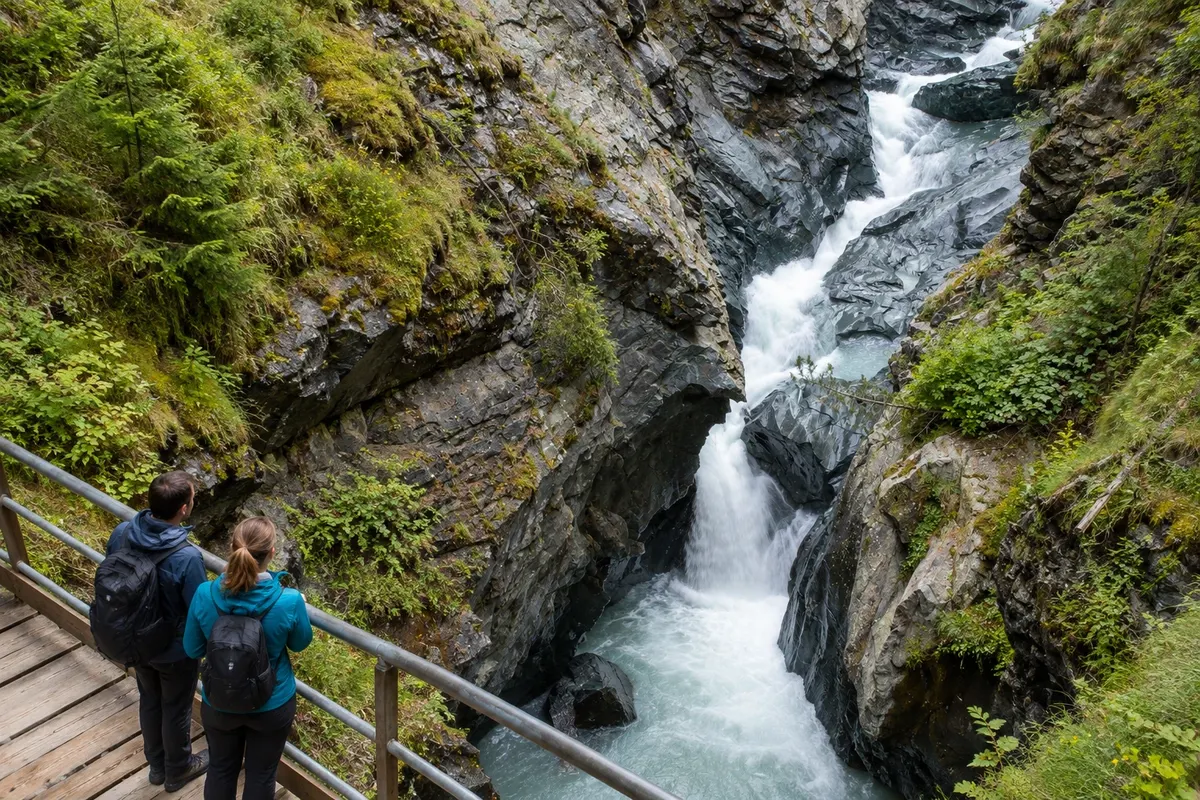
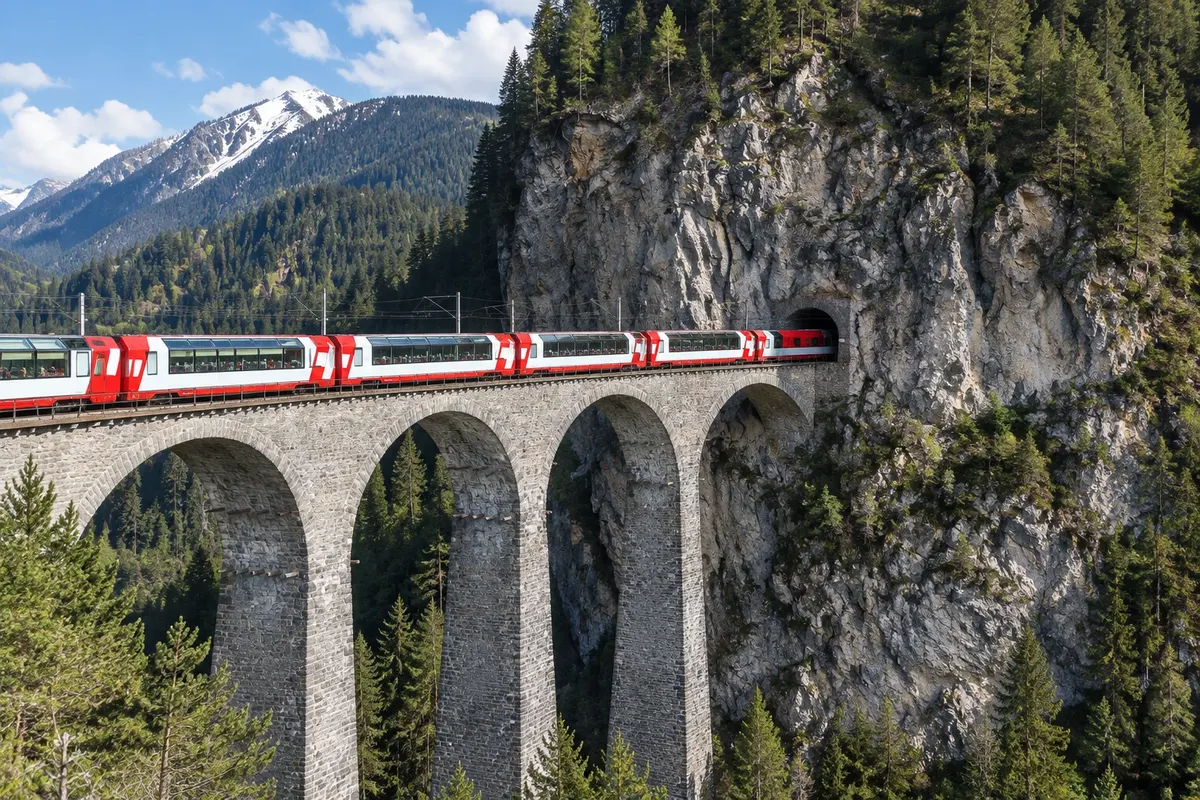
From the village depart the Gornergrat rack railway, the cable cars of the Matterhorn Glacier Paradise and Schwarzsee, and the Sunnegga funicular, where the five-lakes trail begins. In the European summer the Gornerschlucht gorge opens, with wooden walkways. Zermatt is also the departure point of the Glacier Express, a panoramic train that runs to St. Moritz, in the Grisons.
This destination brings together 1 city: Zermatt.


 Brazil
 Argentina
 Chile
Chile Colombia
 Peru
Peru Uruguay
 Germany
 Belgium
 Spain
Spain France
 Greece
 the Netherlands
 Ireland
 Italy
Italy Portugal
 the United Kingdom