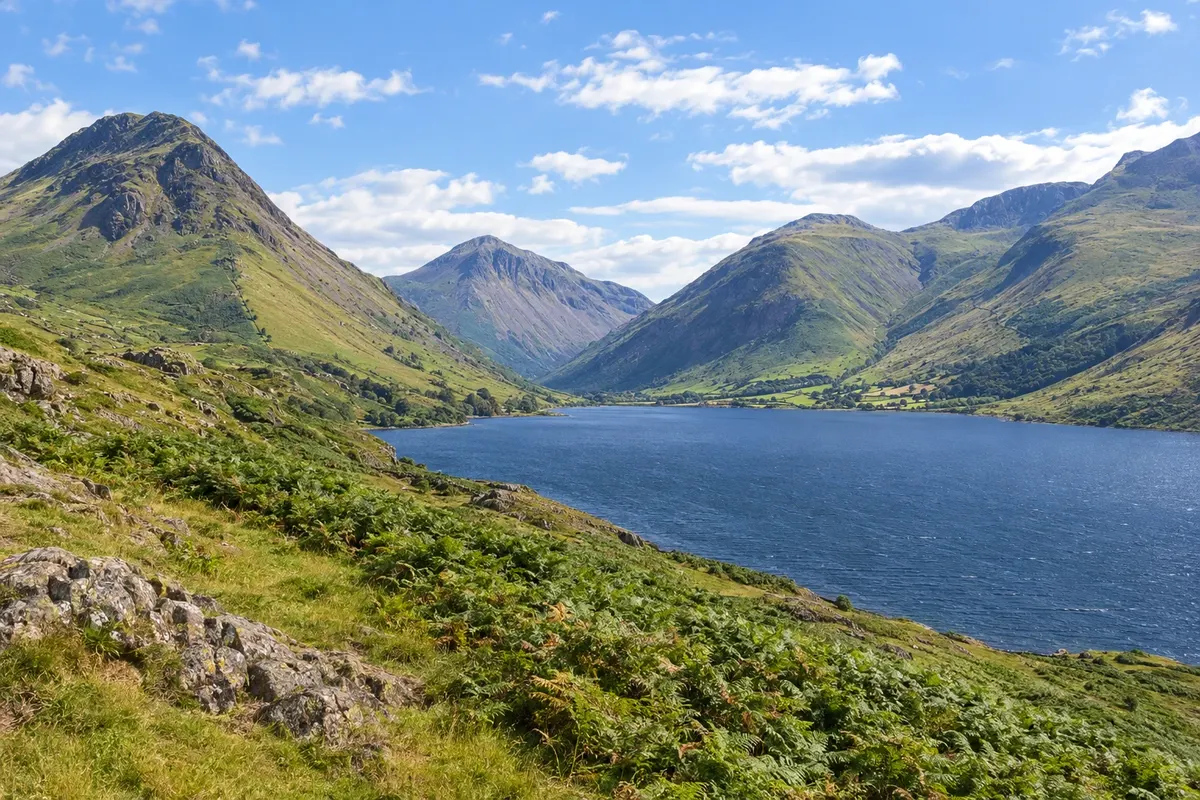
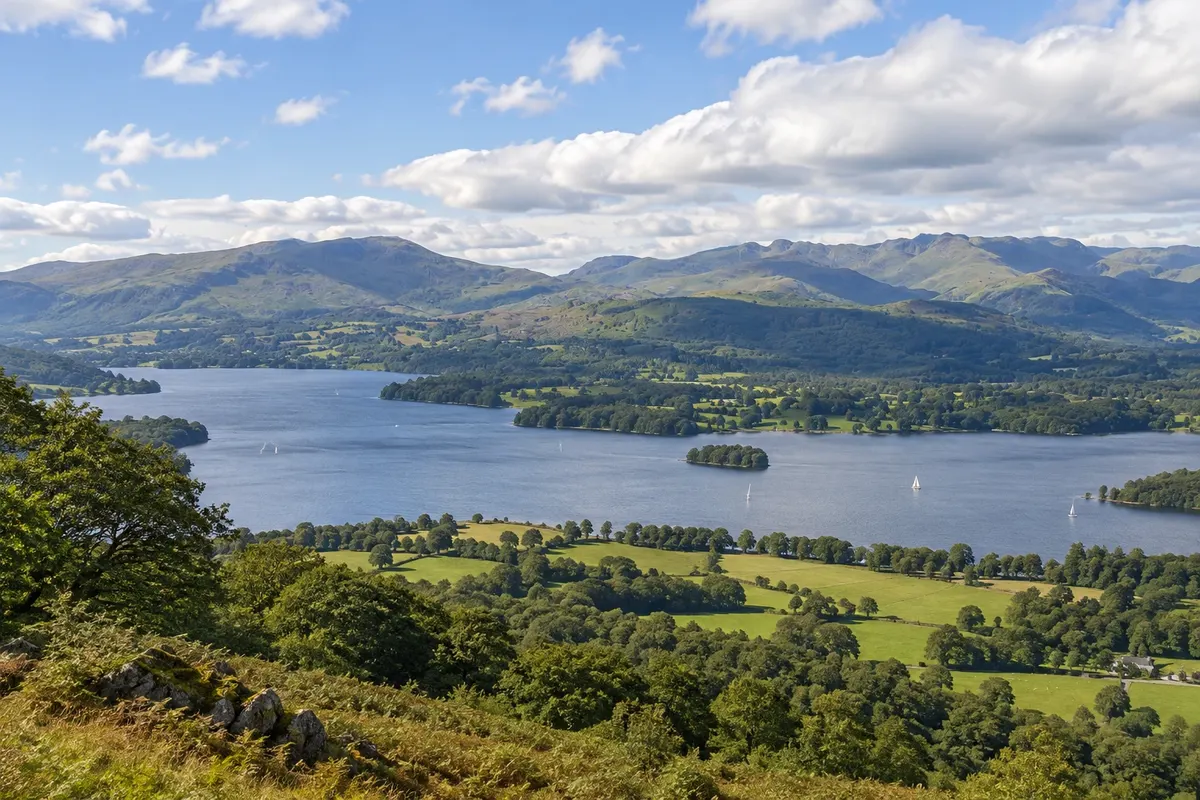
The Lake District lies in Cumbria in northwest England, near the border with Scotland, about 430 km from London. It is a national park of rounded mountains called fells, green valleys, dry-stone walls and some 16 large lakes and many smaller ones formed by glaciers. The region has been a UNESCO World Heritage Site since 2017 as a cultural landscape shaped by centuries of grazing and by the eye of poets and artists.
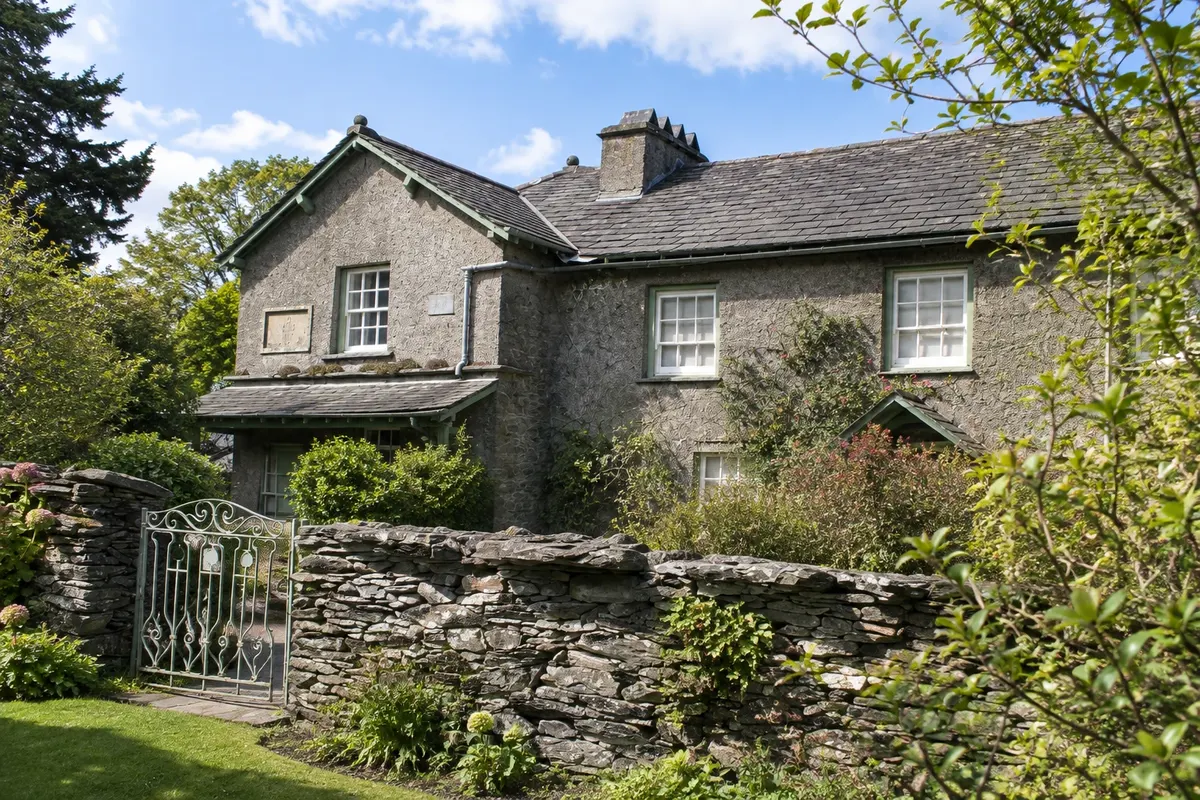
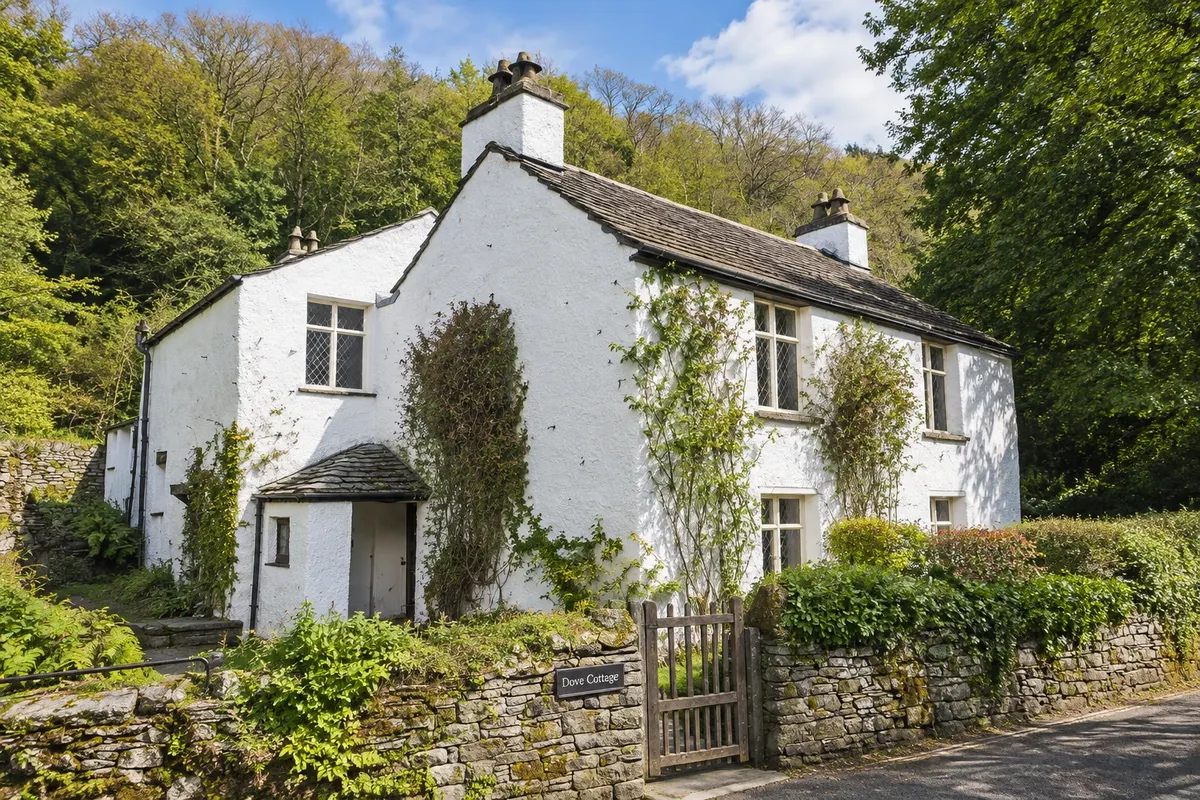
In the 19th century William Wordsworth and other Romantic poets made the place a symbol of English nature, and Wordsworth lived in Grasmere at Dove Cottage. Later the writer and illustrator Beatrix Potter, creator of Peter Rabbit, bought farms in the area, lived at Hill Top and left her land to the National Trust, helping to protect it. The National Trust itself was born, in part, from the struggle to preserve the Lake District.
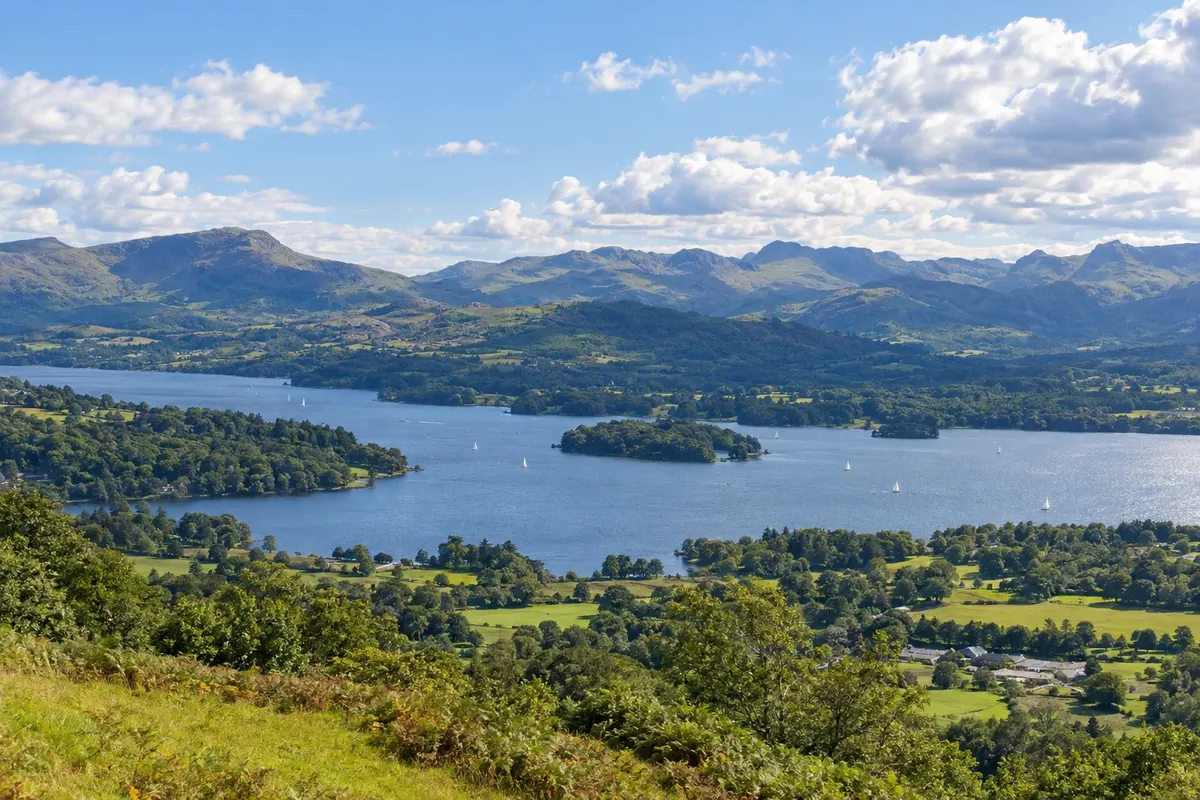
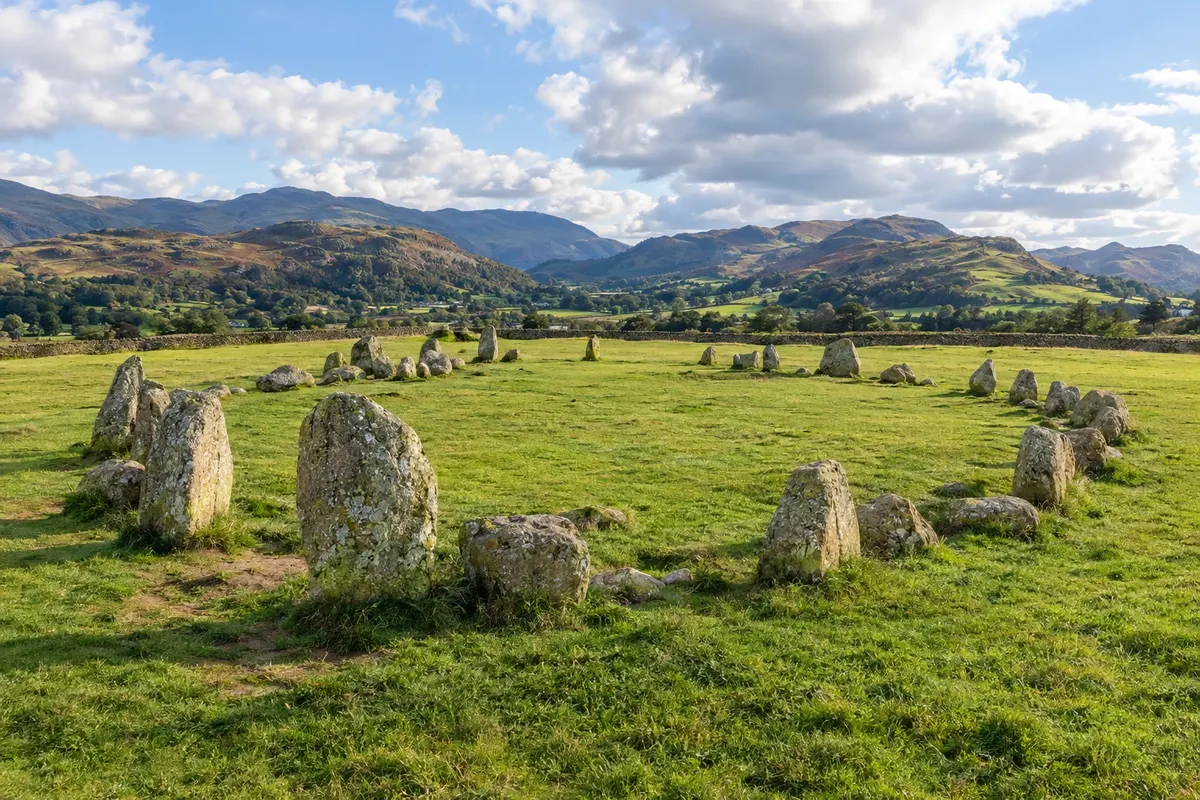
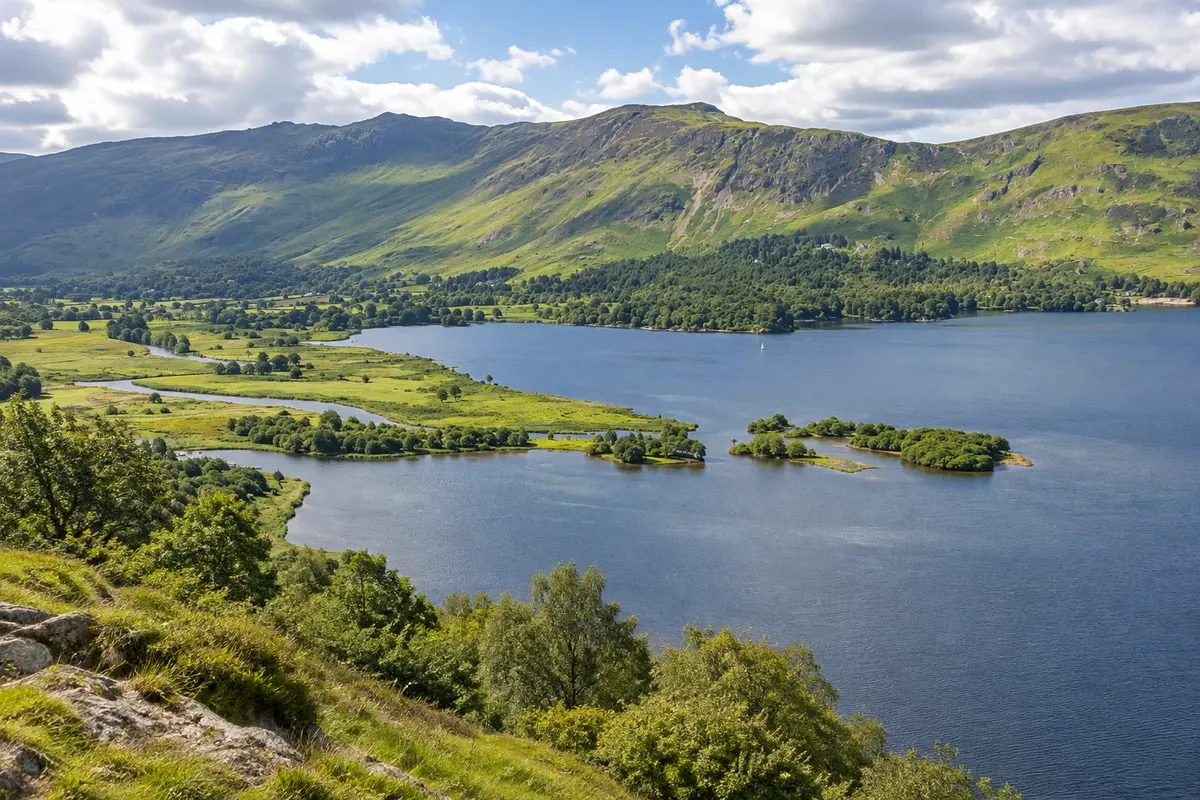
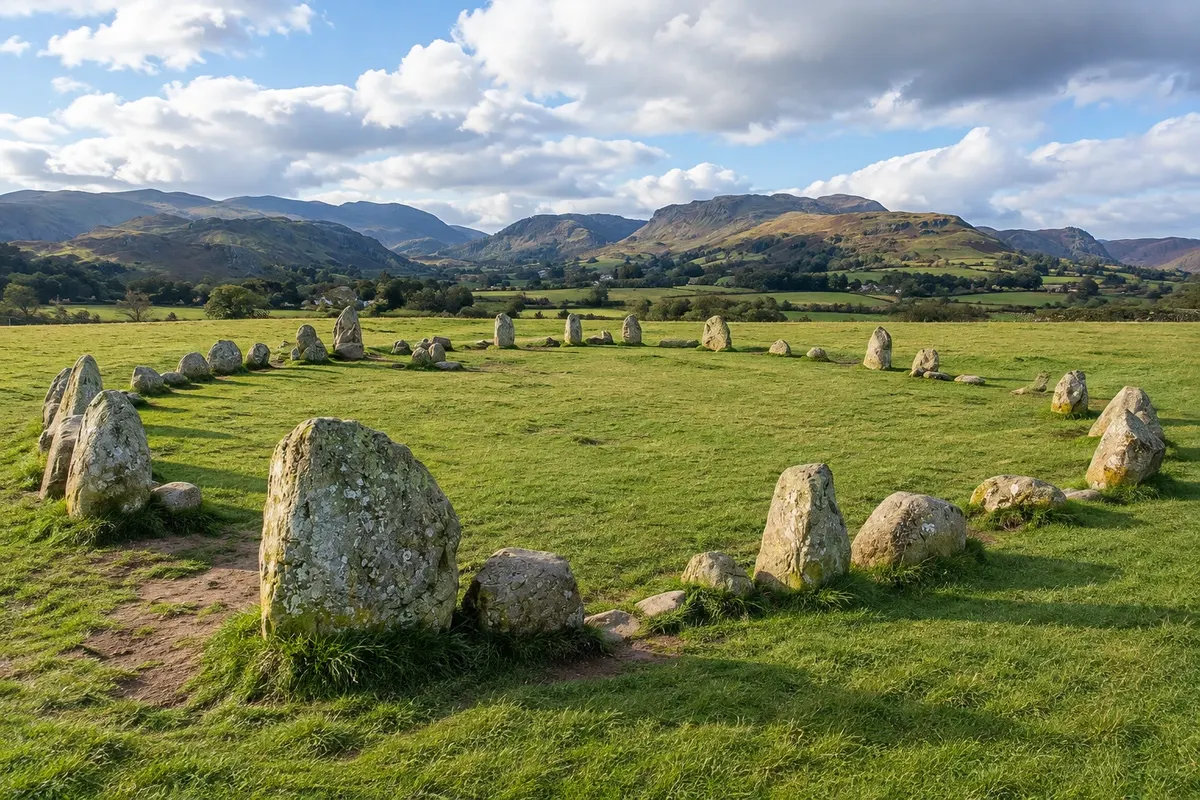
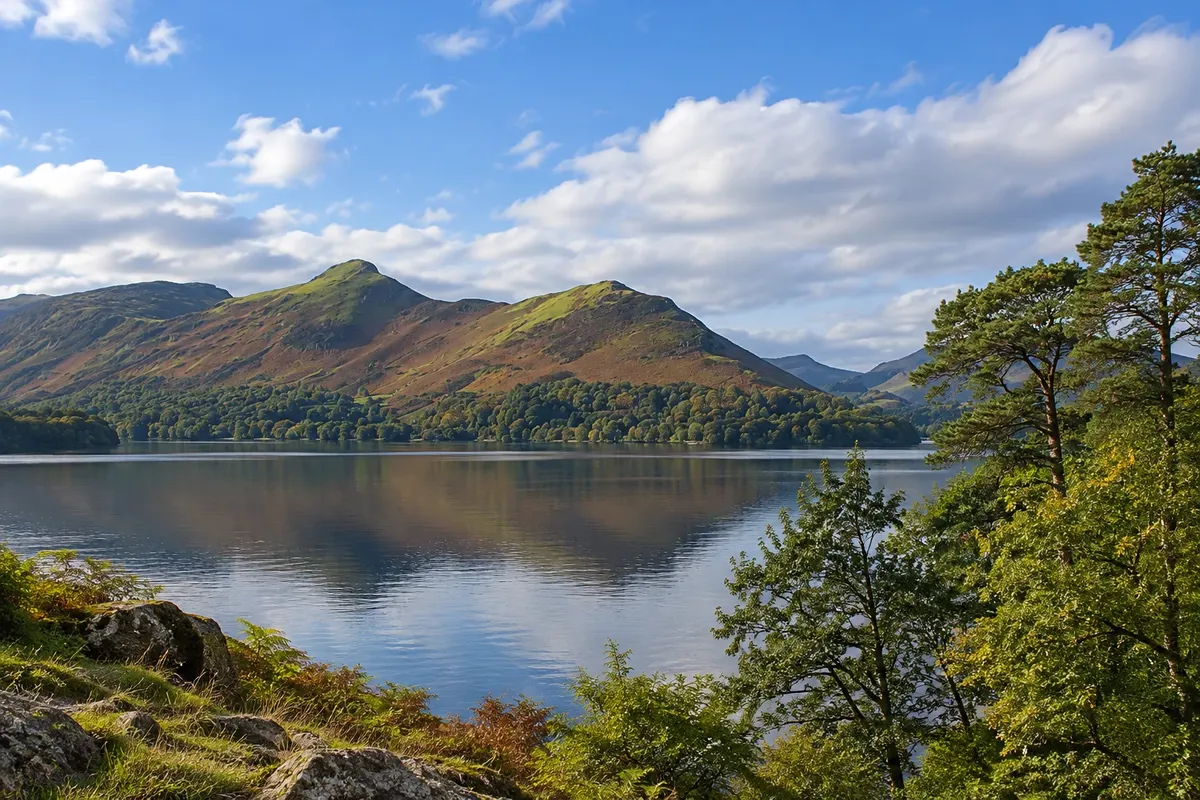
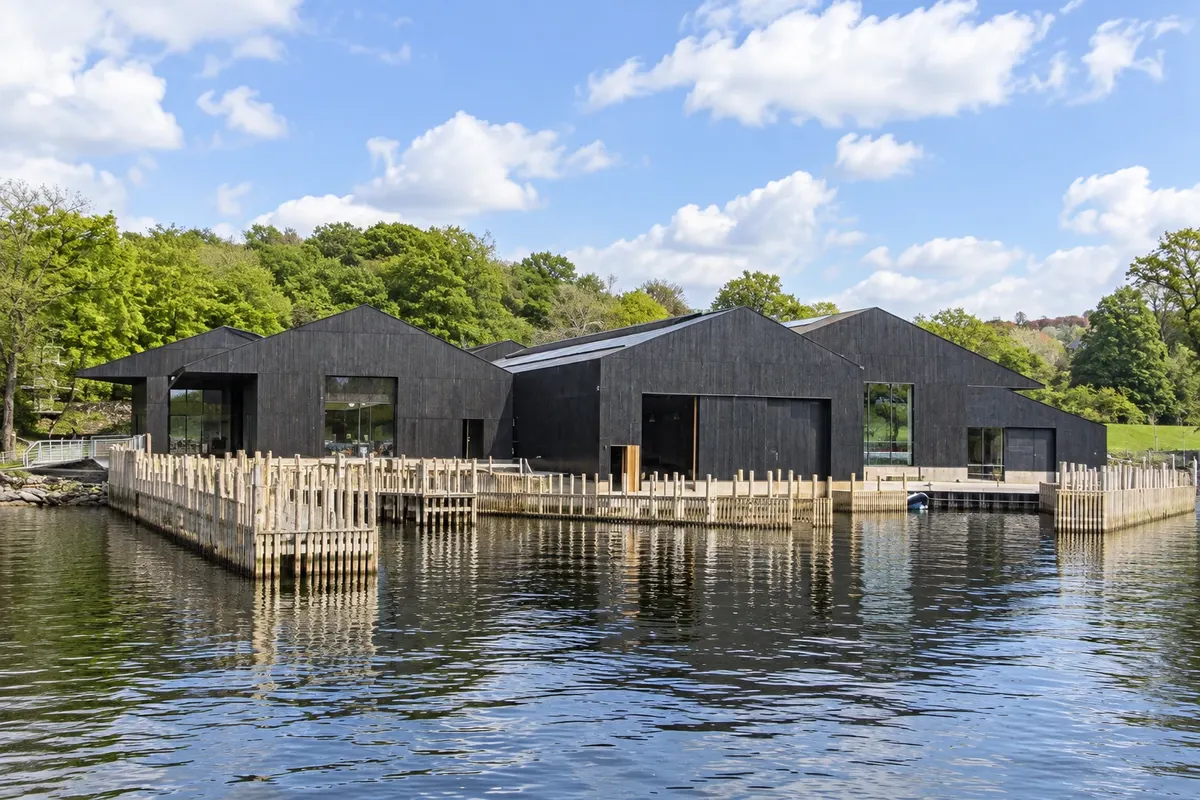
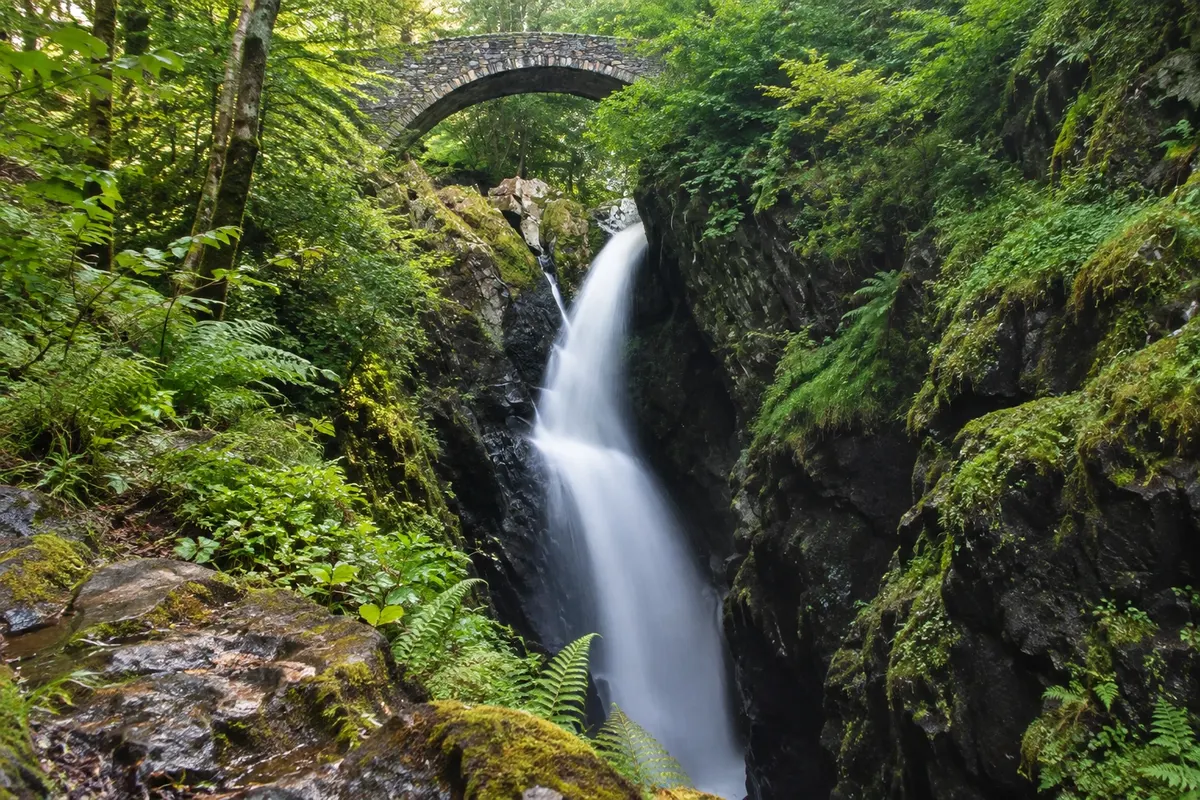
The southern part of the park revolves around Windermere, England’s largest lake, with the towns of Windermere and Bowness, pleasure boats and the steam boat museum. To the north, Keswick sits on the edge of Derwentwater, surrounded by fells, near the stone circle at Castlerigg and the Aira Force waterfall on Ullswater. Between them are Ambleside and Grasmere, villages of grey stone.
You can reach Windermere by train, changing at Oxenholme from London Euston. Buses link the main villages, but a car gives more freedom; you drive on the left on narrow roads and mountain passes. It rains a lot: it’s the wettest region in England.
This destination brings together 2 cities: Windermere, Keswick.


 Brazil
 Argentina
 Chile
Chile Colombia
 Peru
Peru Uruguay
 Germany
 Belgium
 Spain
Spain France
 Greece
 the Netherlands
 Ireland
 Italy
Italy Luxembourg
 Portugal
 Switzerland