Toscana

Toscana · Italy

Toscana

Pisa, Siena, San Gimignano and Lucca: medieval towers, whole stone squares and vineyard-covered hills a short train or bus ride from Florença.

Centro

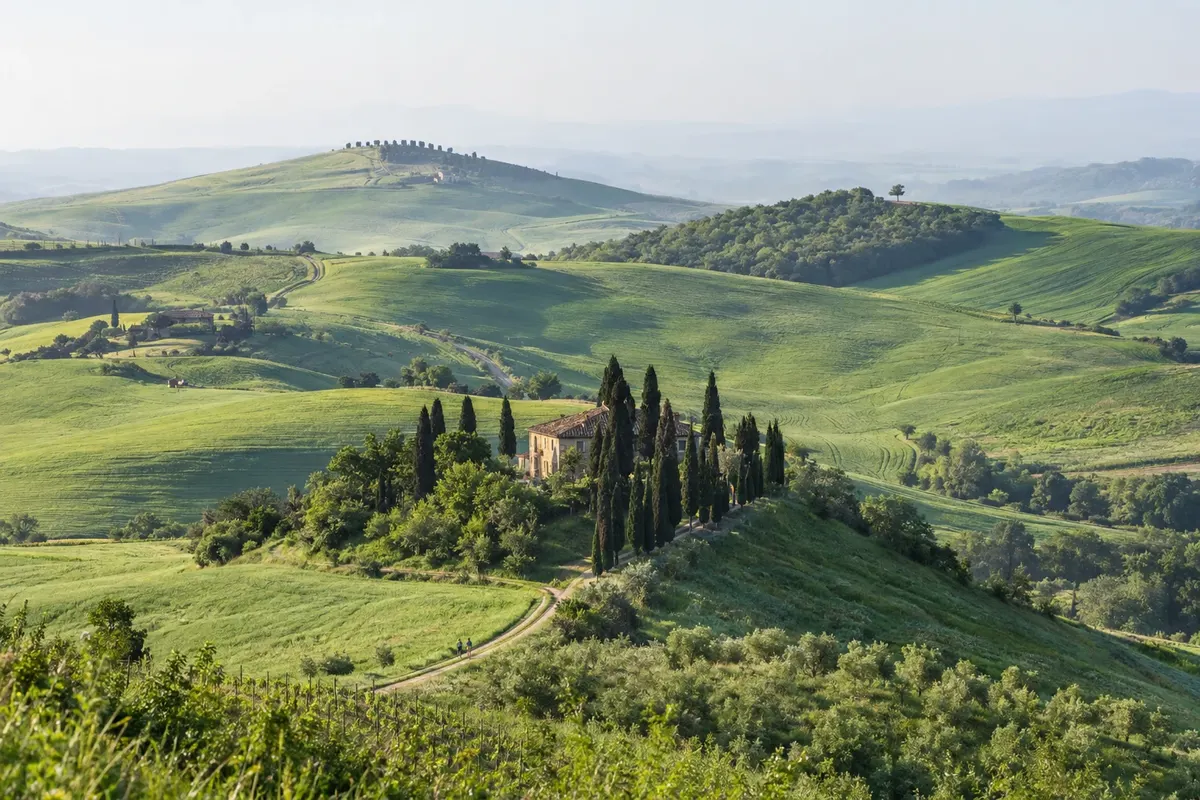
In the photo: Val d’Orcia, Toscana

Illustrative images. The pictures in this guide are illustrations based on the real place, not photographs, and may differ from it.

Get it on Google Play Send your photos

Get to know the place

A region to enjoy
at your own pace.

Toscana, in central Italy, is the region whose capital is Florença. Around it lie smaller towns that keep the medieval layout almost intact: Pisa, Siena, San Gimignano and Lucca. All are a little over an hour from Florença and can be visited on day trips or by spending one or two nights in each.

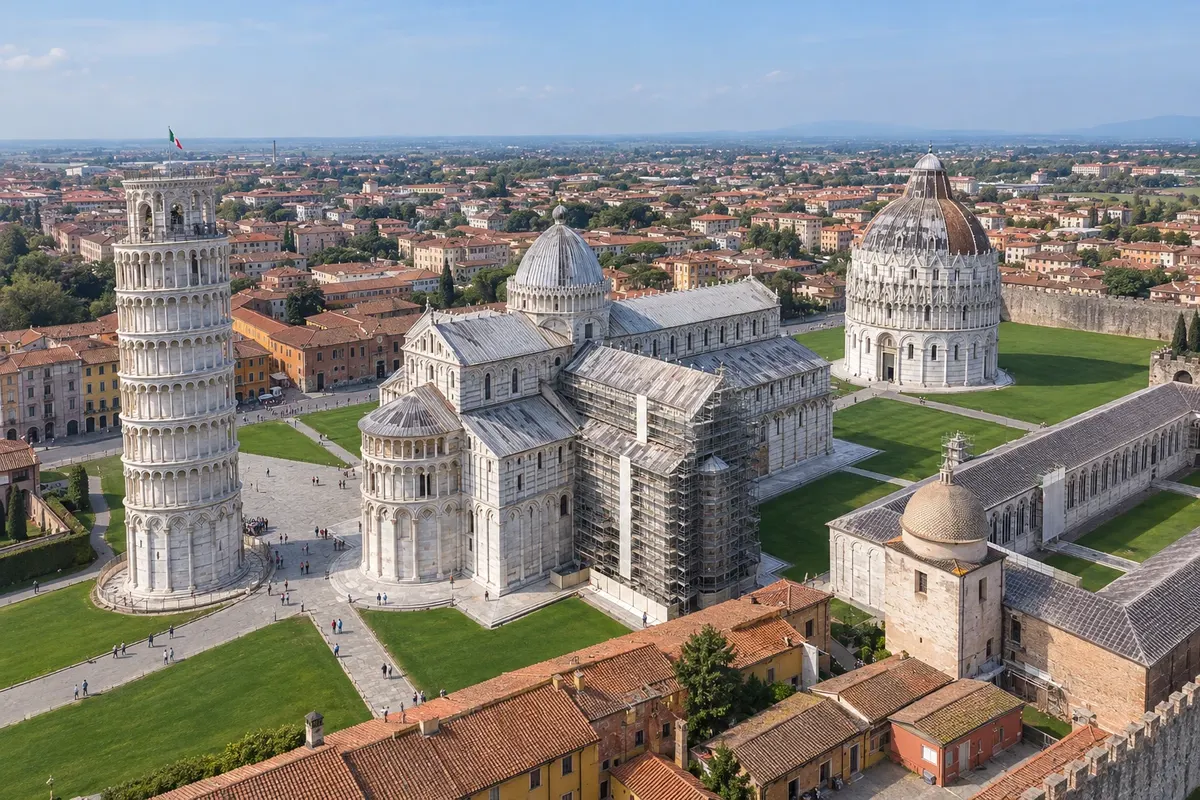
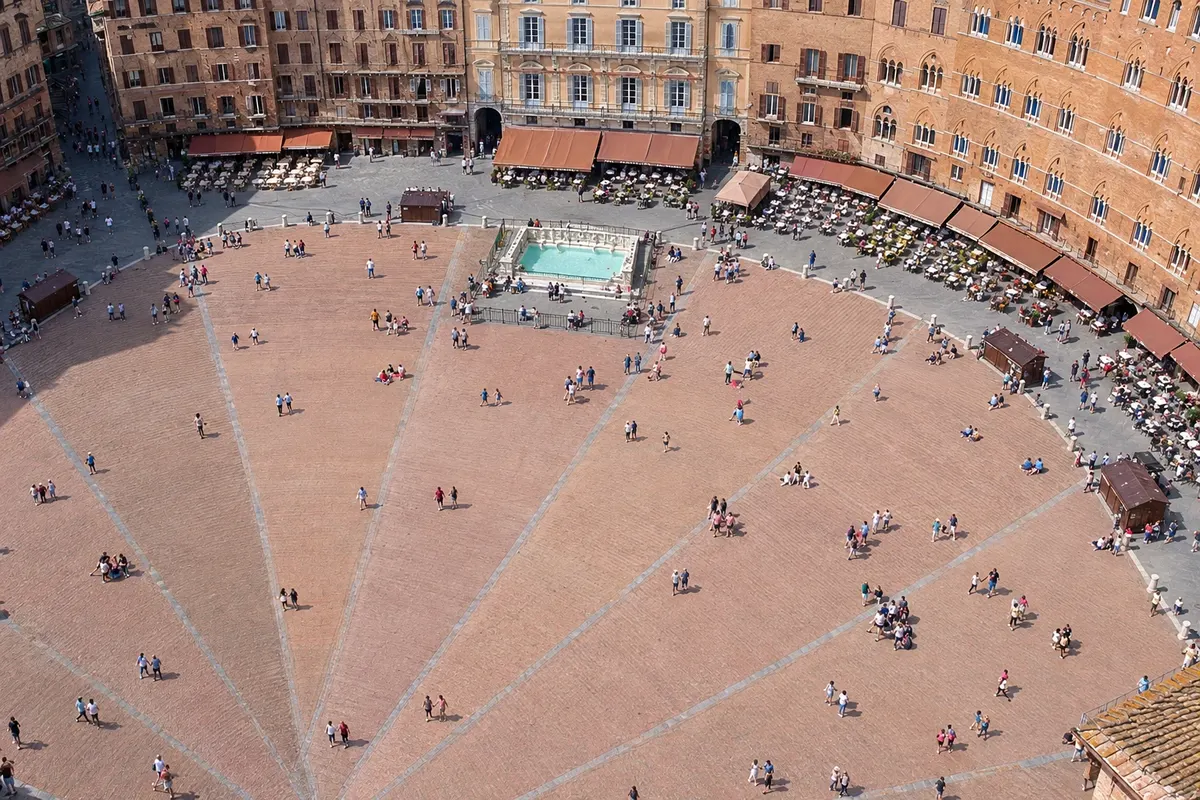
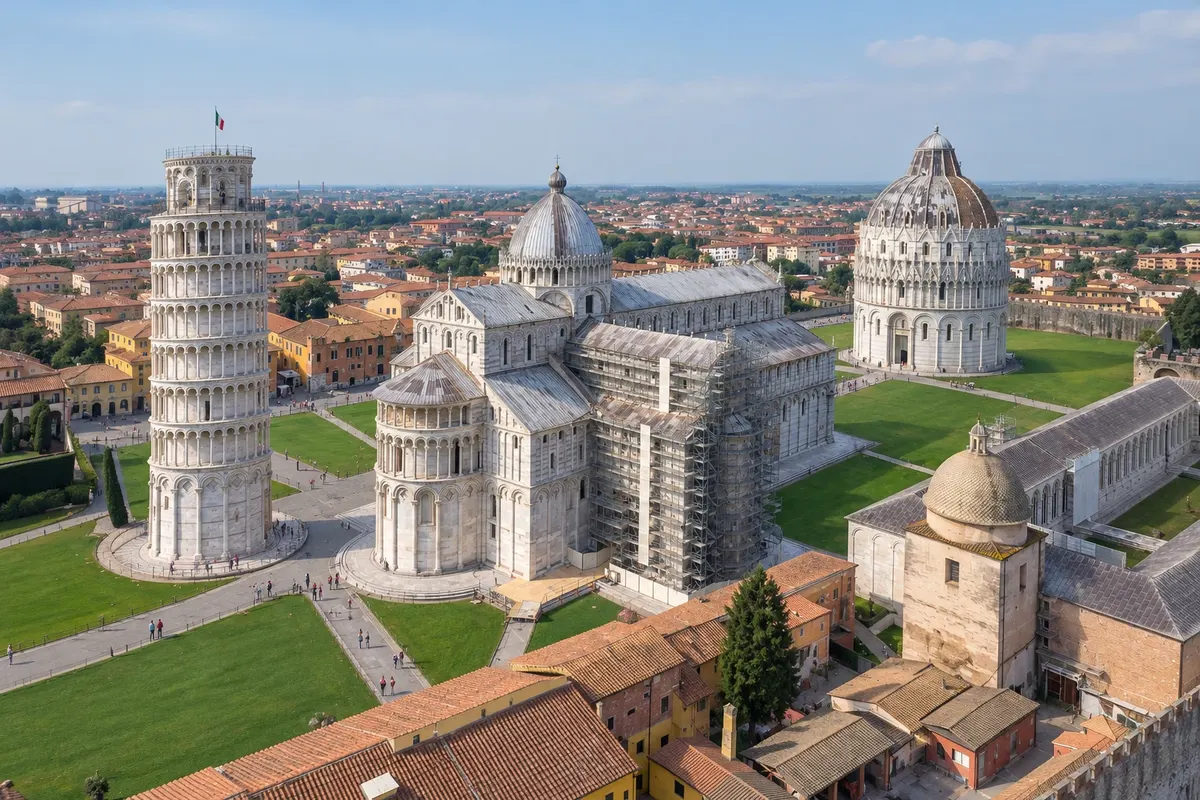
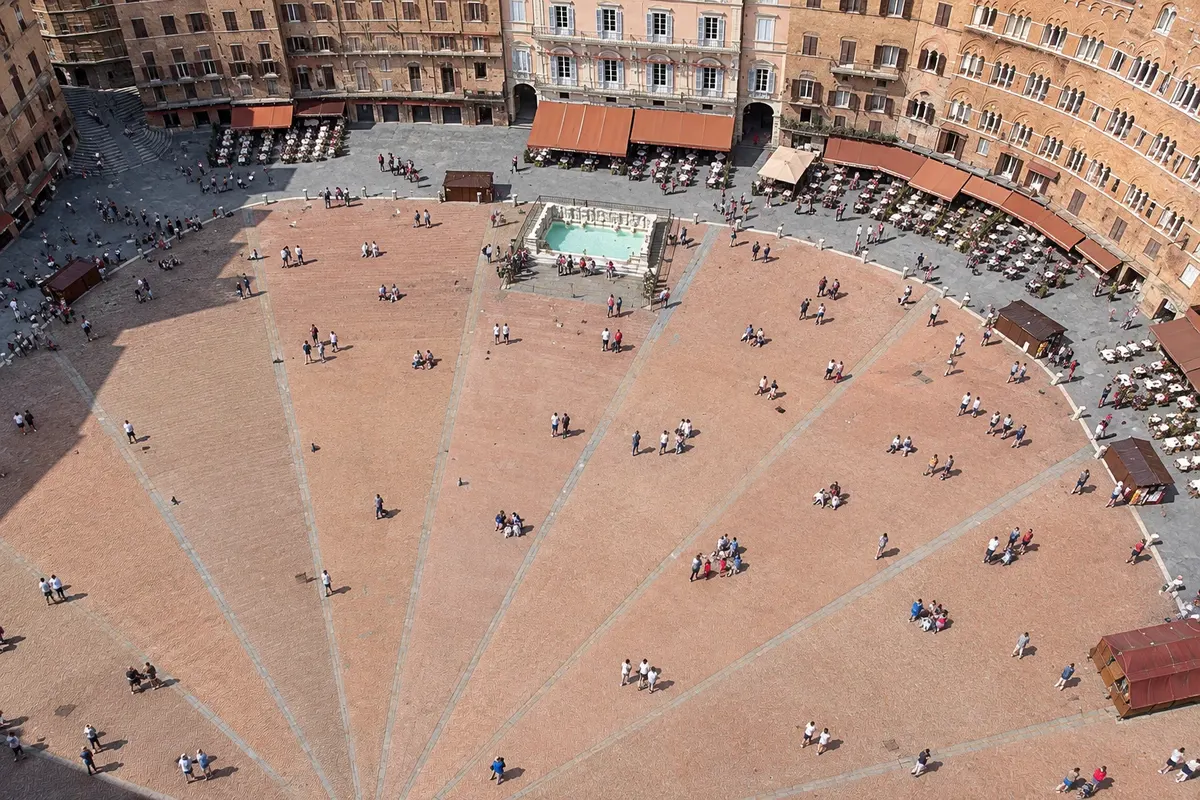
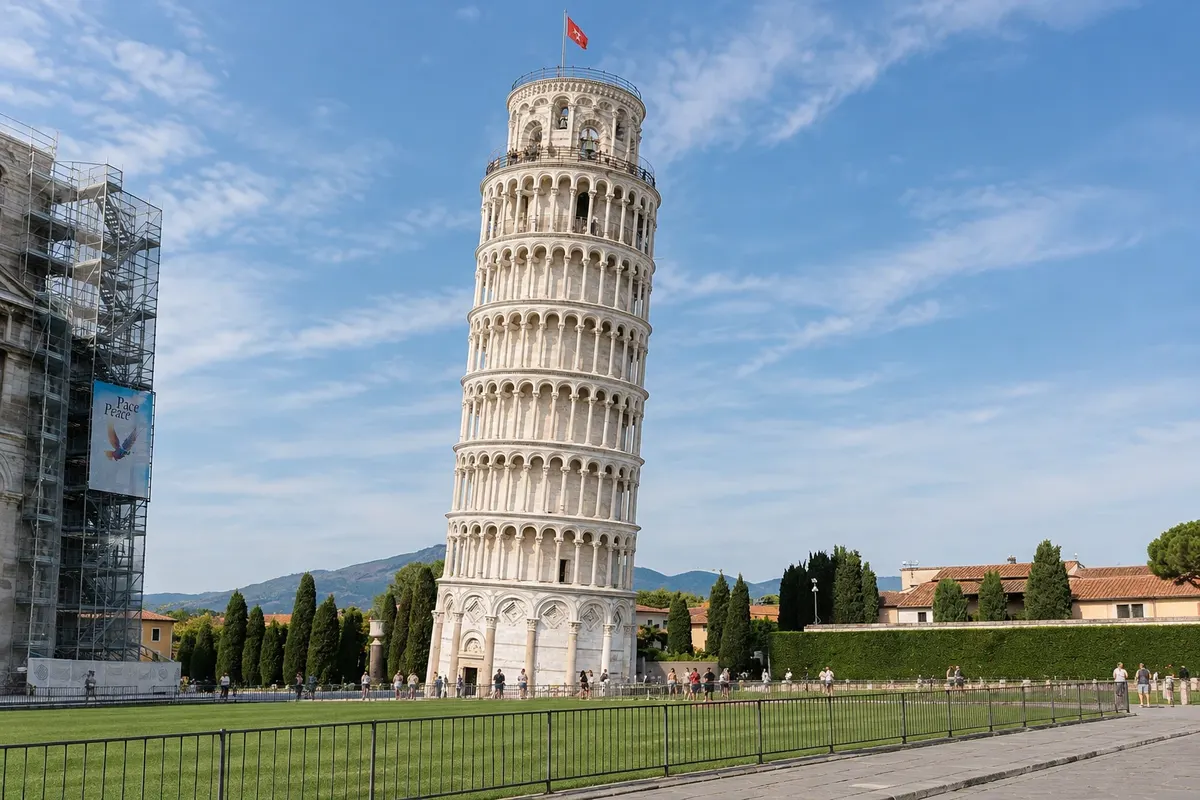
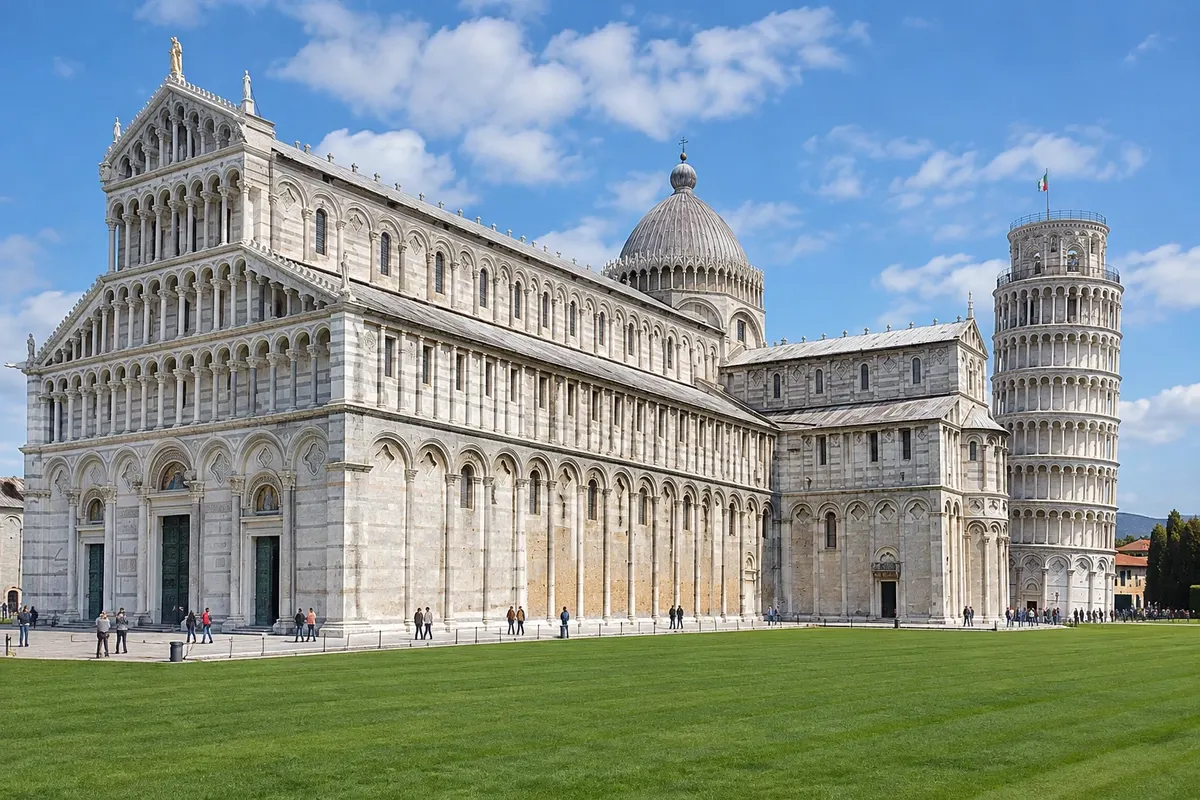
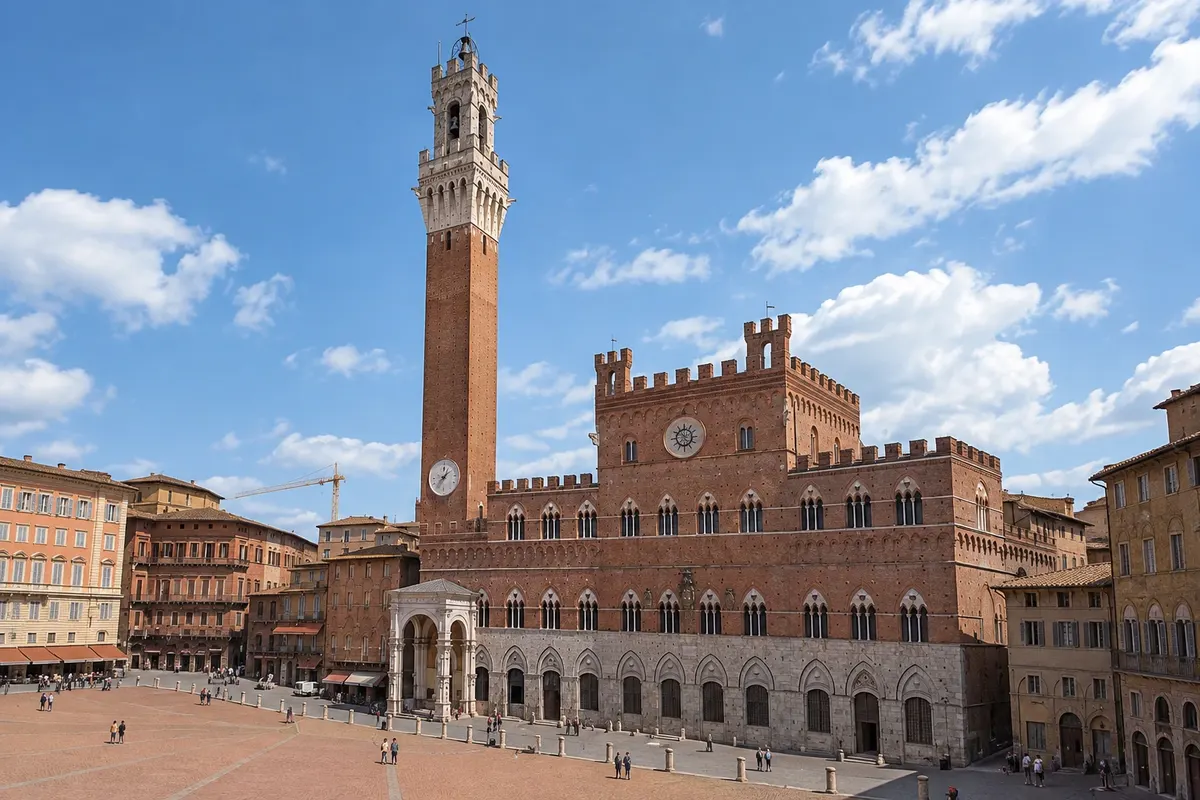
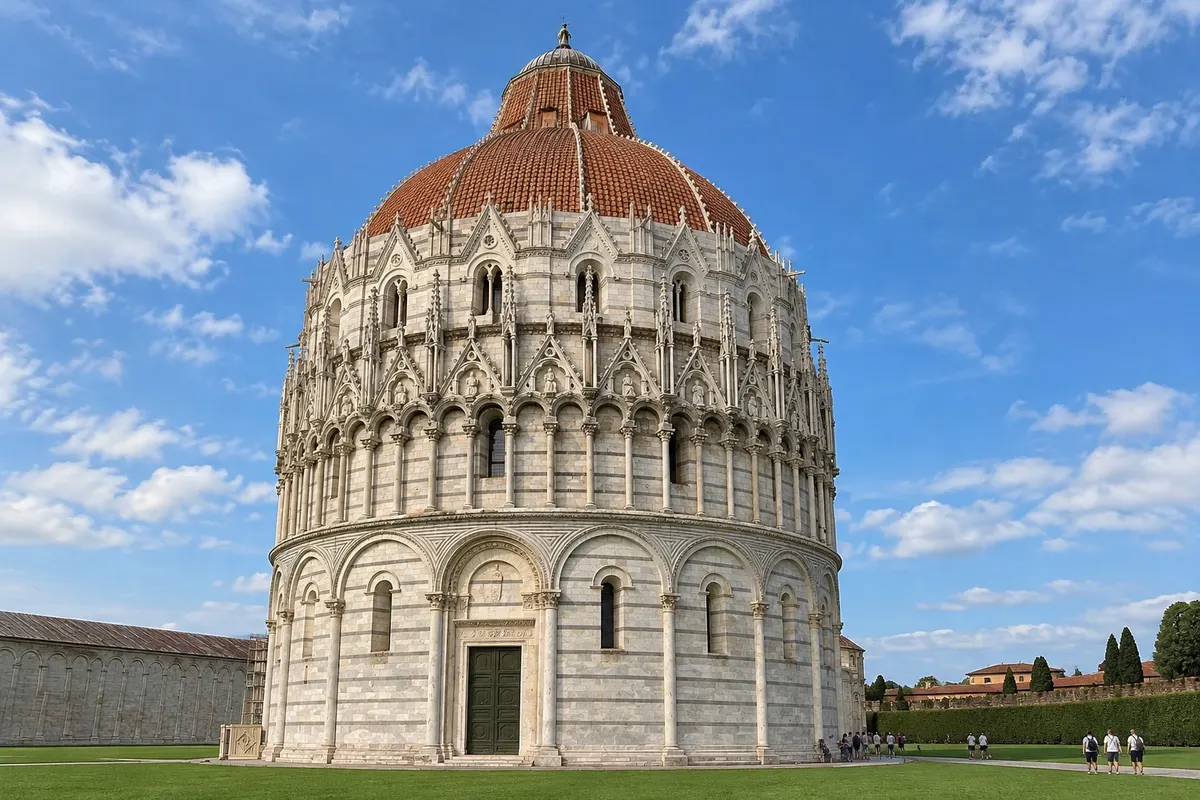
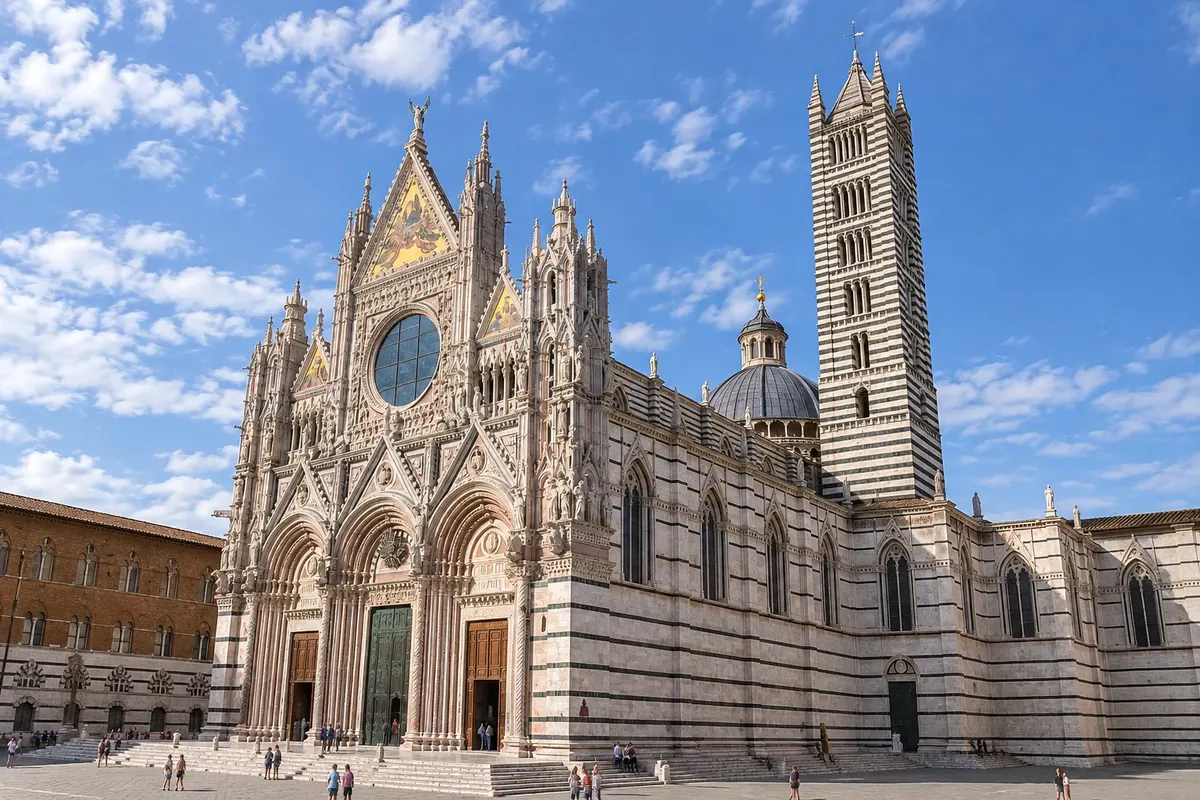
Pisa brings together on the Piazza dei Miracoli the leaning tower, the cathedral, the baptistery and the monumental cemetery, a complex that is a UNESCO World Heritage Site. Siena revolves around the Piazza del Campo, where the Palio takes place, the horse race between the city's neighborhoods, and has a cathedral of white-and-black striped marble.

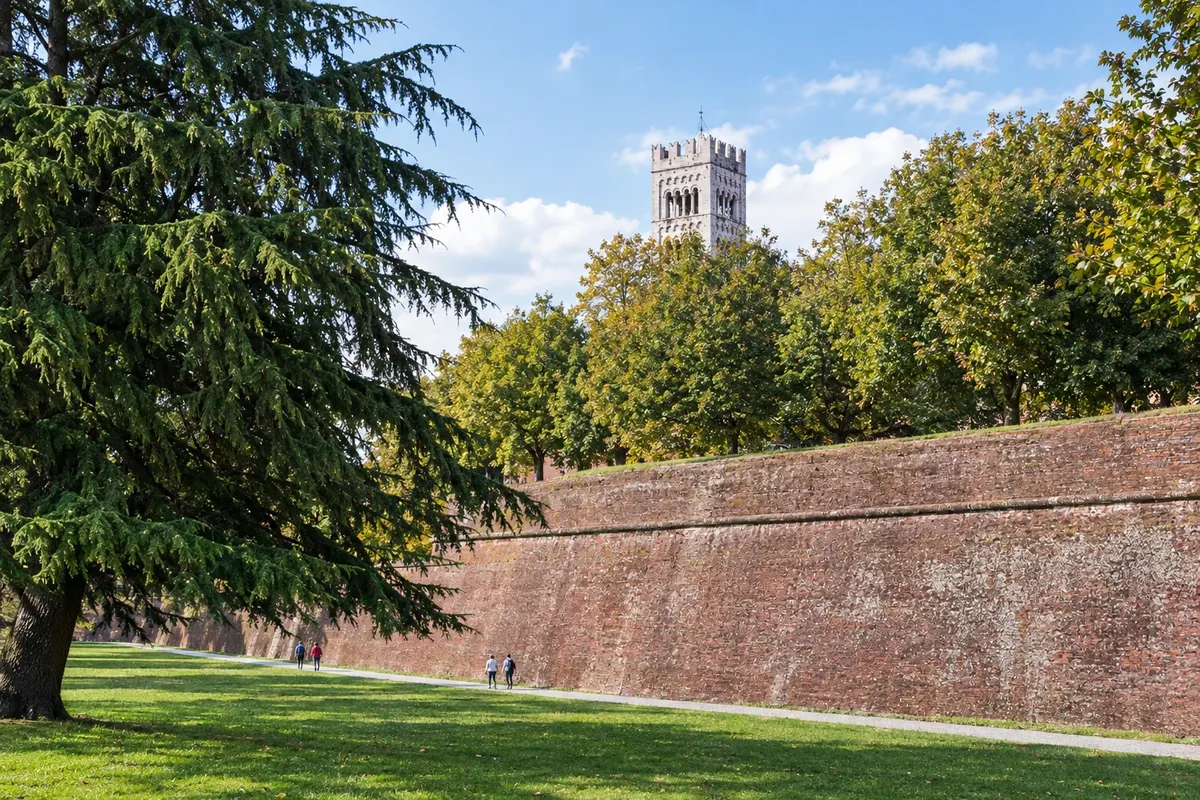
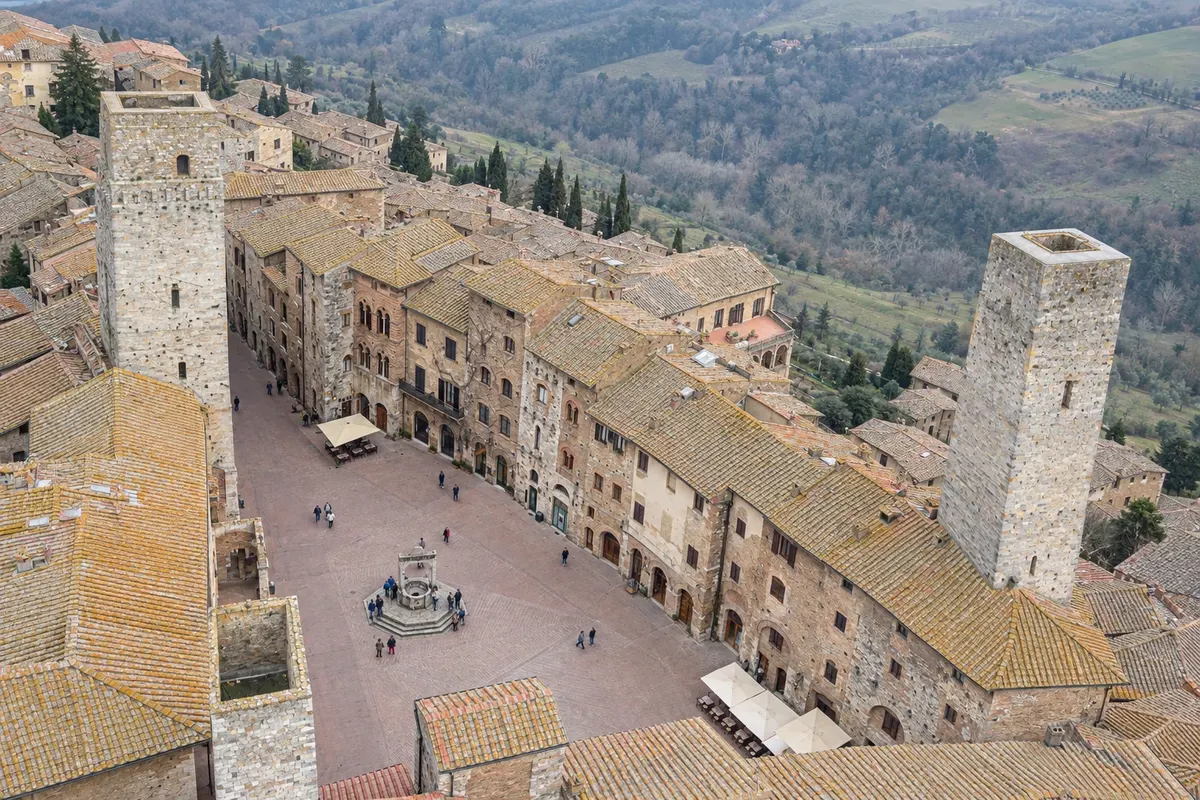
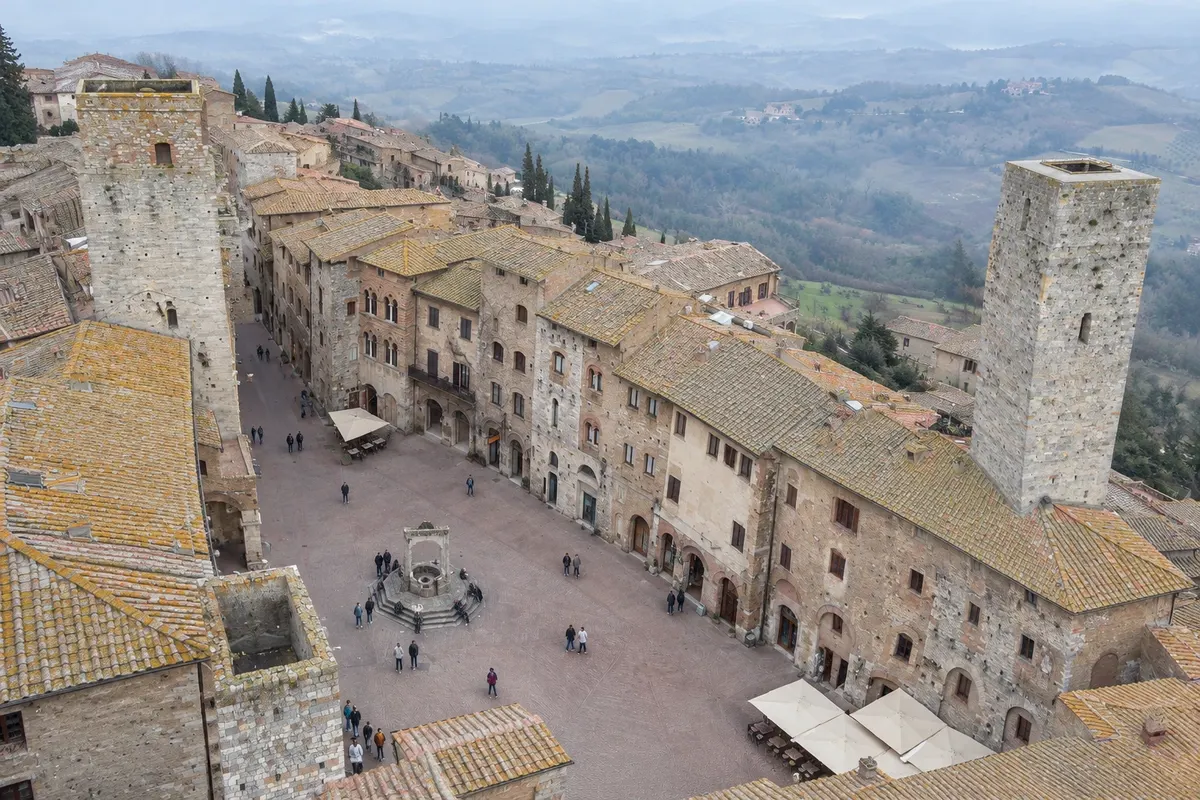
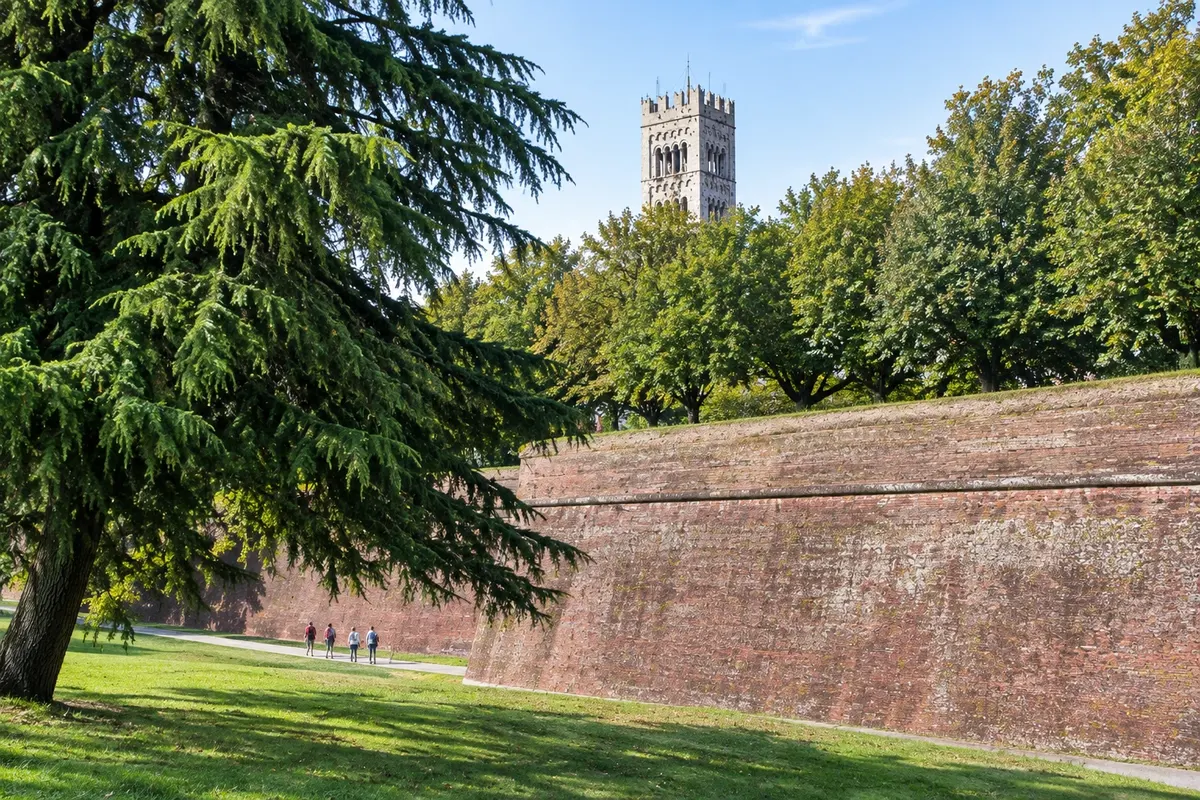
San Gimignano is the town of towers: of the dozens raised by wealthy families in the Middle Ages, about fourteen still stand on the hill. Lucca is entirely enclosed by wide Renaissance walls, which have become a tree-lined promenade for walking and cycling.

Between one town and another the hills appear with cypresses, olive trees and vineyards. South of Siena lie the Val d'Orcia, Pienza, Montalcino and Montepulciano, land of Brunello and Vino Nobile.

This destination brings together 4 cities: Pisa, Lucca, San Gimignano, Siena.

Share: WhatsApp
Traveler, share your experiences through photos Up to 5 photos of each place you visited.

One destination, many paths

The cities on this trip

Start with one city or combine several in your itinerary.

Where Toscana is
PisaLuccaSan GimignanoSiena

Contornos: ISTAT, limites administrativos 2026, CC BY 4.0. Adaptação do Cidade Turismo.

How to get there: Toscana

✈ Aeroporto di Pisa Galileo Galilei (PSA) · 3 km to Pisa

Check before buying. The most used entry point is Pisa airport; Florença's airport also receives flights from Europe. From Rome or Milan, take a high-speed train to Florença and from there regional trains to Pisa and Lucca or buses to Siena and San Gimignano.

Suggested arrival point: Pisa

San Gimignano
Toscana · Toscana

San Gimignano

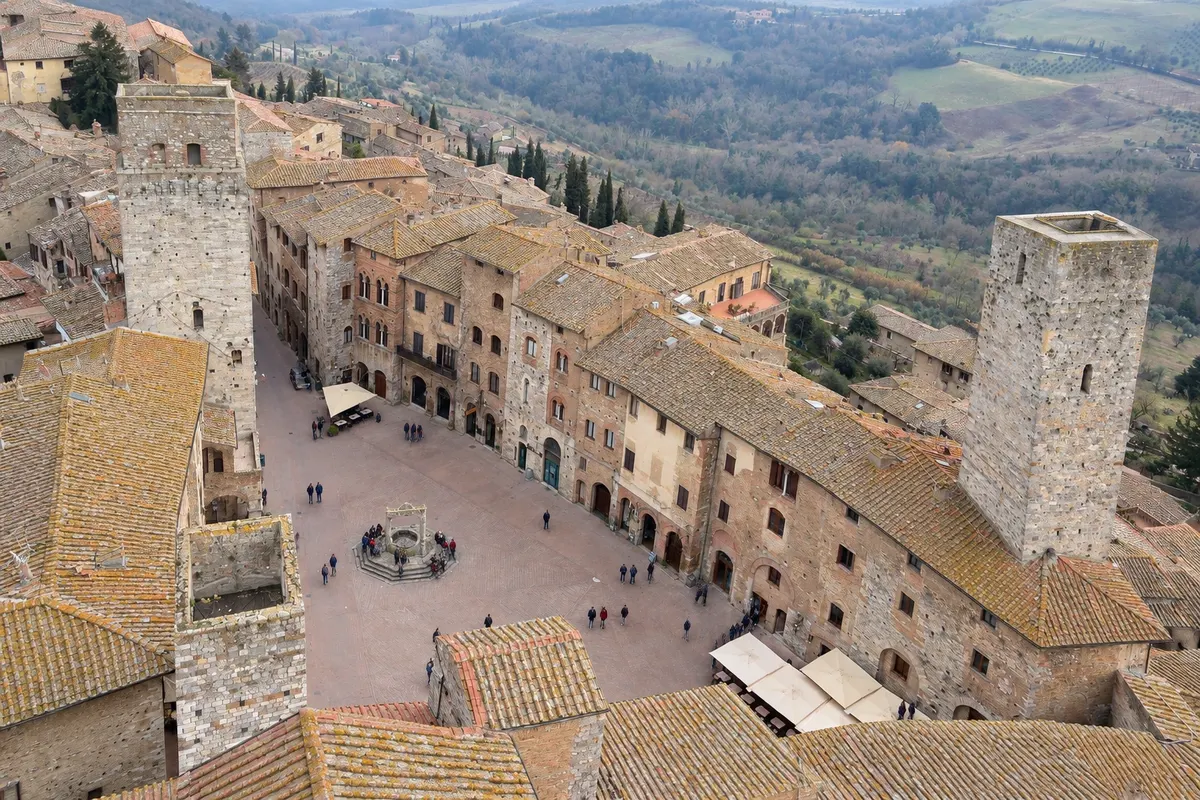
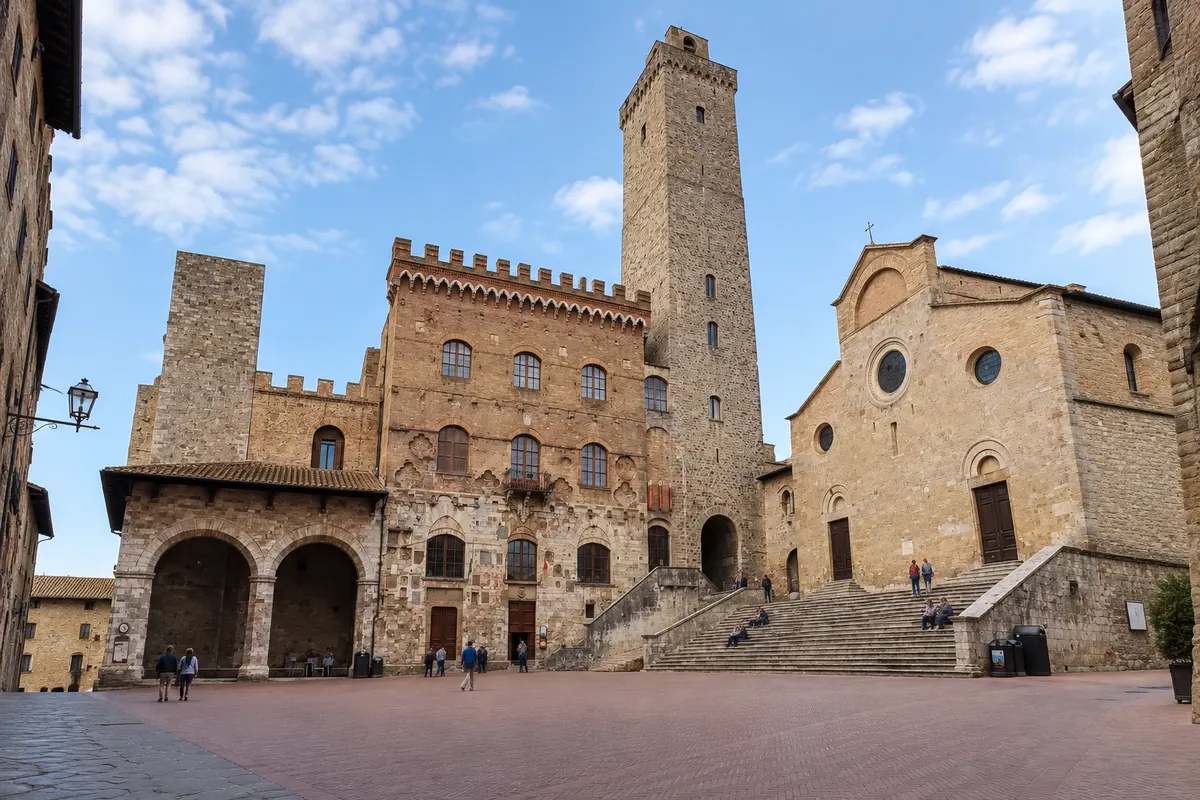
San Gimignano is a walled village atop a hill between Florence and Siena, known for the medieval towers that still mark the skyline: about fourteen remain standing. The historic centre is a UNESCO World Heritage site. The two neighbouring squares, the Piazza della Cisterna and the Piazza del Duomo, contain the Collegiata, covered in frescoes, and the Palazzo Comunale, from which you can climb the Torre Grossa. Around the village, vineyards produce Vernaccia di San Gimignano.

The local experience

Things to do in Toscana

Centro storico di San Gimignano
San Gimignano · Toscana · Historic neighborhood

Centro storico di San Gimignano

The medieval village within the walls, with stone streets, palaces and about fourteen towers. It has been a UNESCO World Heritage site since 1990.

Mura di Lucca
Lucca · Toscana · Monument

Mura di Lucca

The Renaissance walls that encircle the entire centre, with about 4 km of tree-lined promenade on top, for walking or cycling.

Piazza dei Miracoli
Pisa · Toscana · Square

Piazza dei Miracoli

The lawn where the leaning tower, the cathedral, the baptistery and the Camposanto stand, a complex in white marble that is a UNESCO World Heritage Site.

Piazza del Campo
Siena · Toscana · Square

Piazza del Campo

Siena's central square, shell-shaped and sloping, divided into nine segments, where the Palio is run on July 2 and August 16.

See 22 more places in Toscana
Palazzo Pubblico
Siena · Toscana · Palace

Palazzo Pubblico

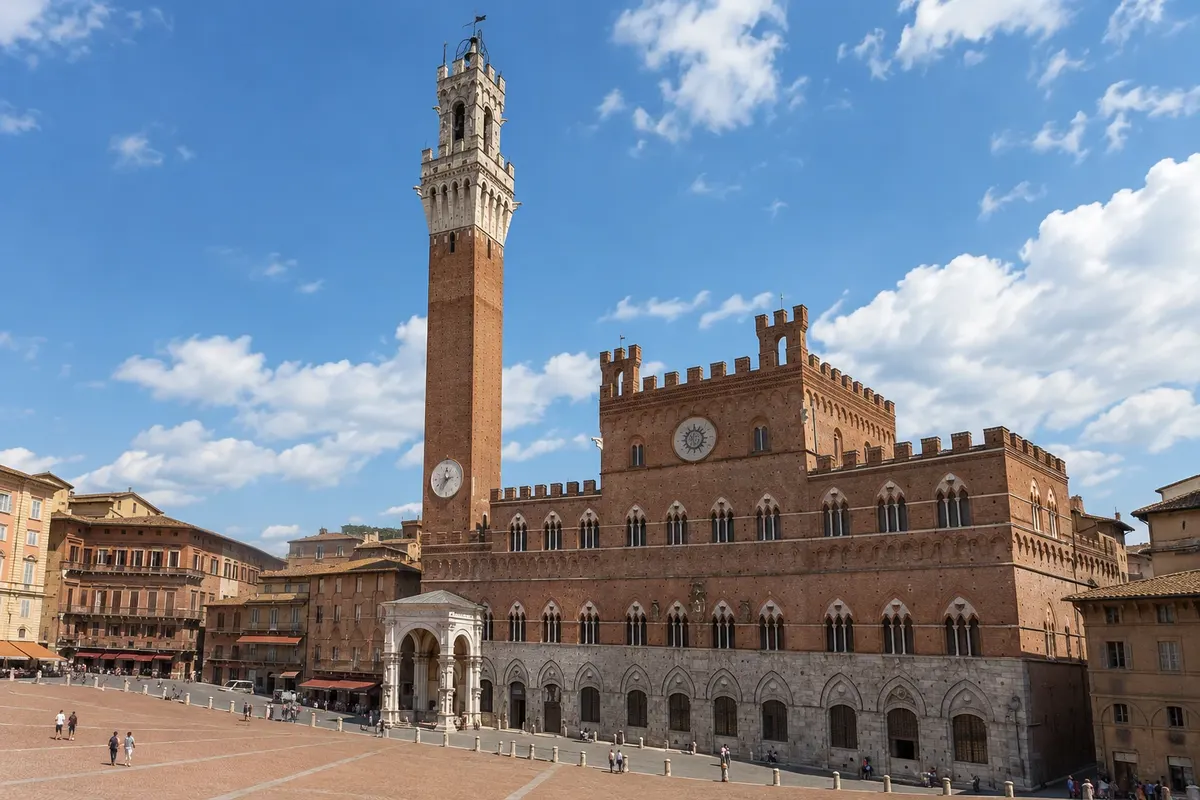
Siena's medieval town hall on Piazza del Campo, which houses the Museo Civico with Simone Martini's Maestà and the frescoes of the Good and Bad Government.

Piazza della Cisterna
San Gimignano · Toscana · Square

Piazza della Cisterna

The triangular square at the heart of San Gimignano, with a 13th-century stone well in the centre and medieval towers around it.

Torre di Pisa
Pisa · Toscana · Monument

Torre di Pisa

The cathedral's leaning bell tower, begun in 1173. The climb has 251 steps and is done in timed groups.

Torre Guinigi
Lucca · Toscana · Monument

Torre Guinigi

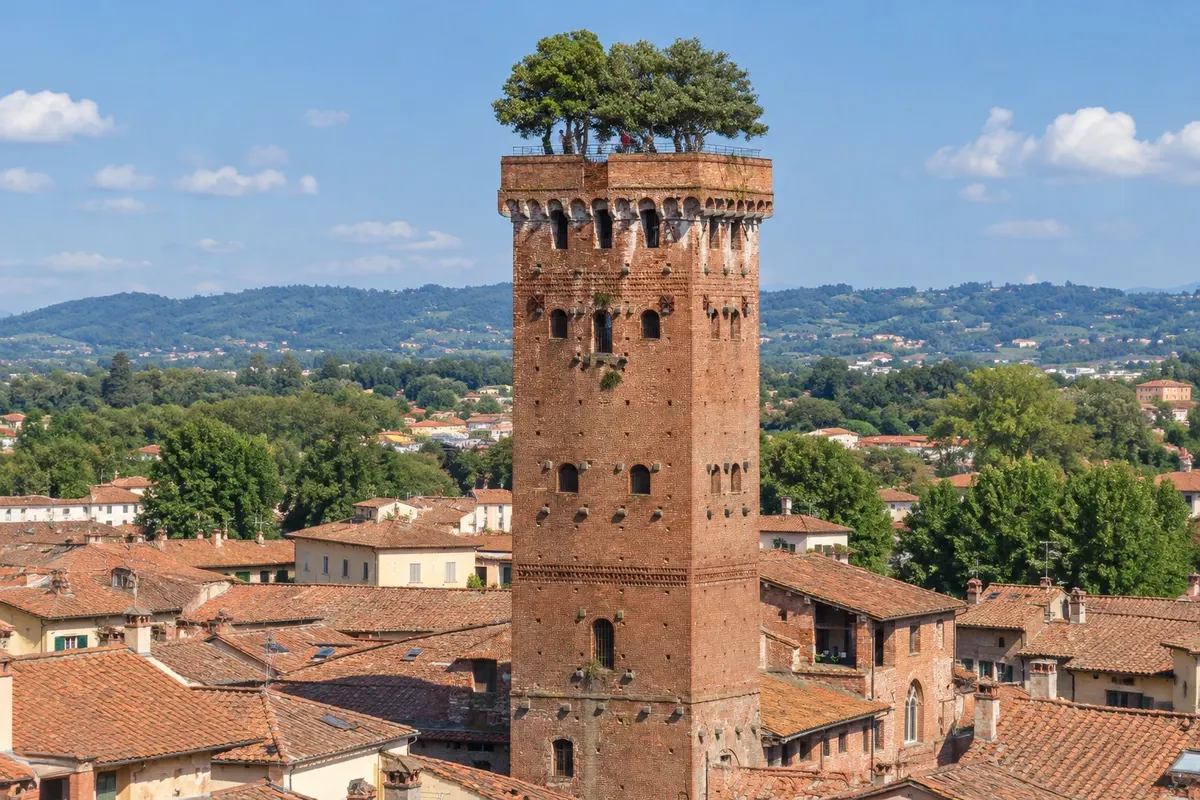
Medieval tower of about 44 metres belonging to the Guinigi family, with a small garden of centuries-old holm oaks planted on the top.

Cattedrale di Santa Maria Assunta
Pisa · Toscana · Cathedral

Cattedrale di Santa Maria Assunta

The cathedral of Pisa, begun in 1064, with a facade of marble arcades, a gilded ceiling and the pulpit sculpted by Giovanni Pisano.

Collegiata di Santa Maria Assunta
San Gimignano · Toscana · Church

Collegiata di Santa Maria Assunta

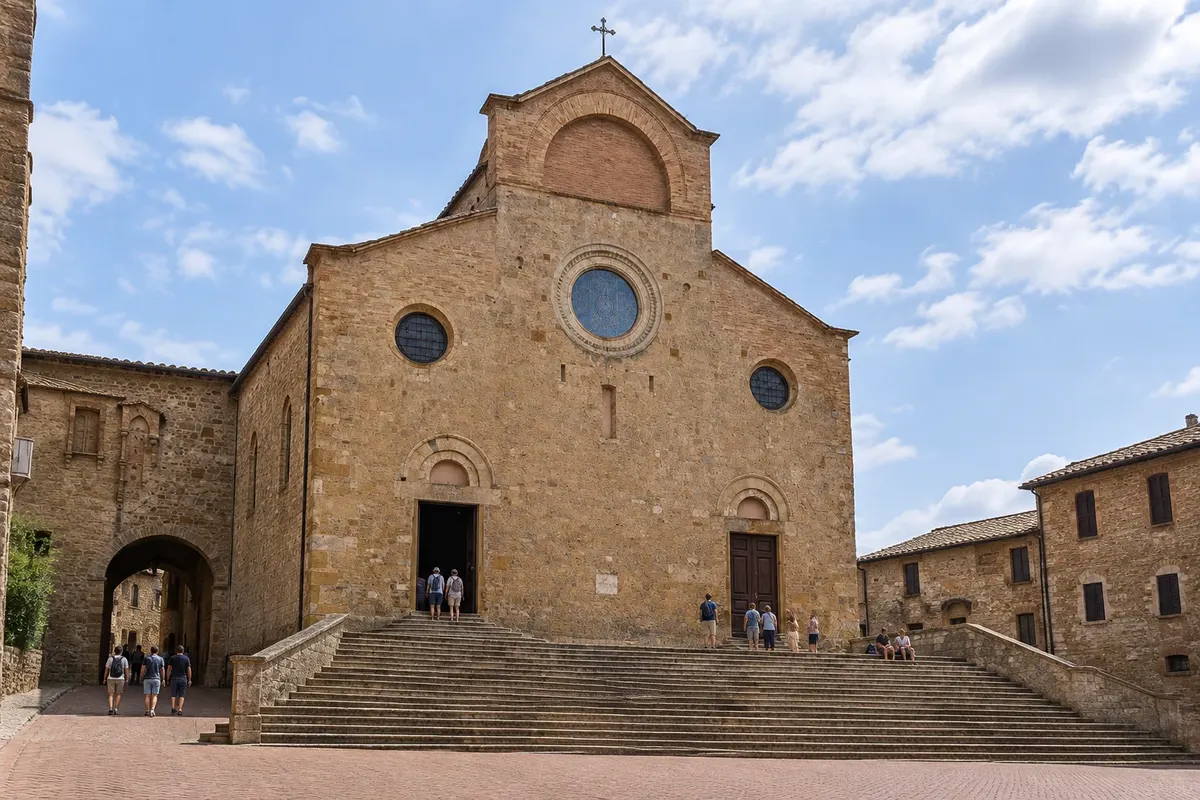
The main church of San Gimignano, with a simple façade and an interior entirely covered in 14th-century frescoes depicting scenes from the Old and New Testaments.

Piazza dell'Anfiteatro
Lucca · Toscana · Square

Piazza dell'Anfiteatro

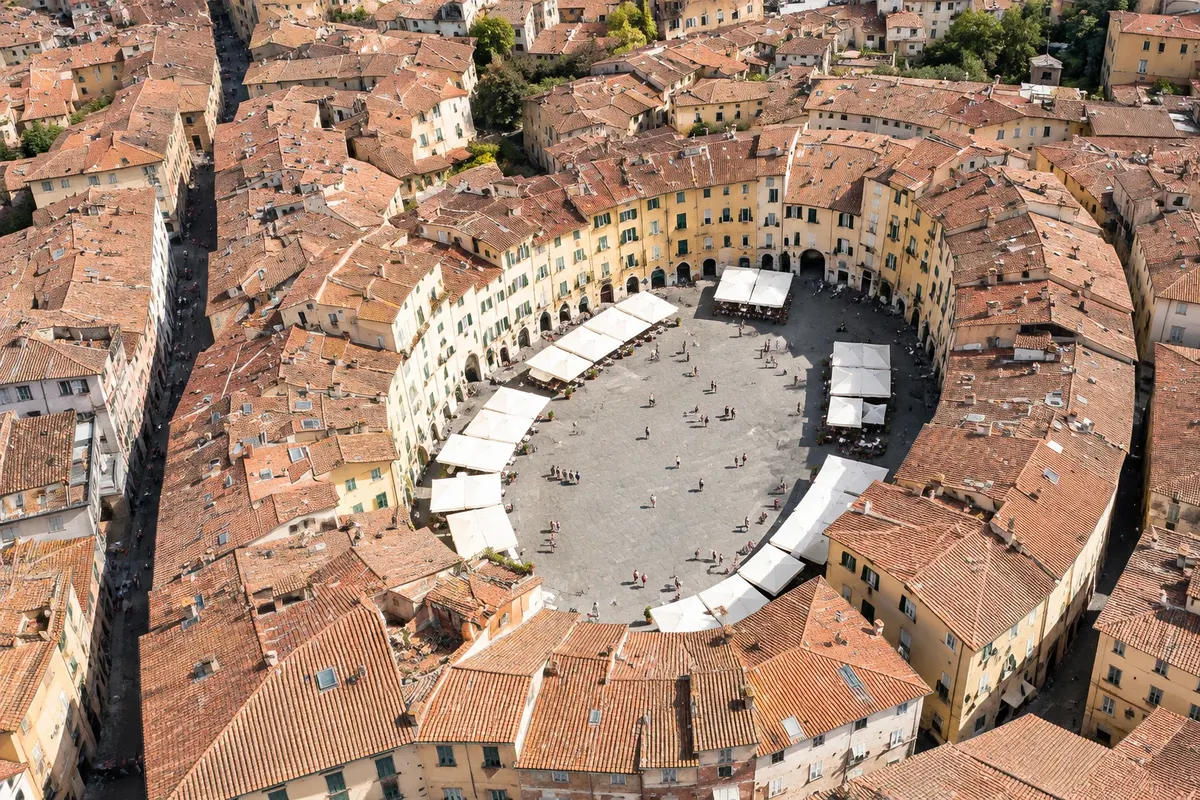
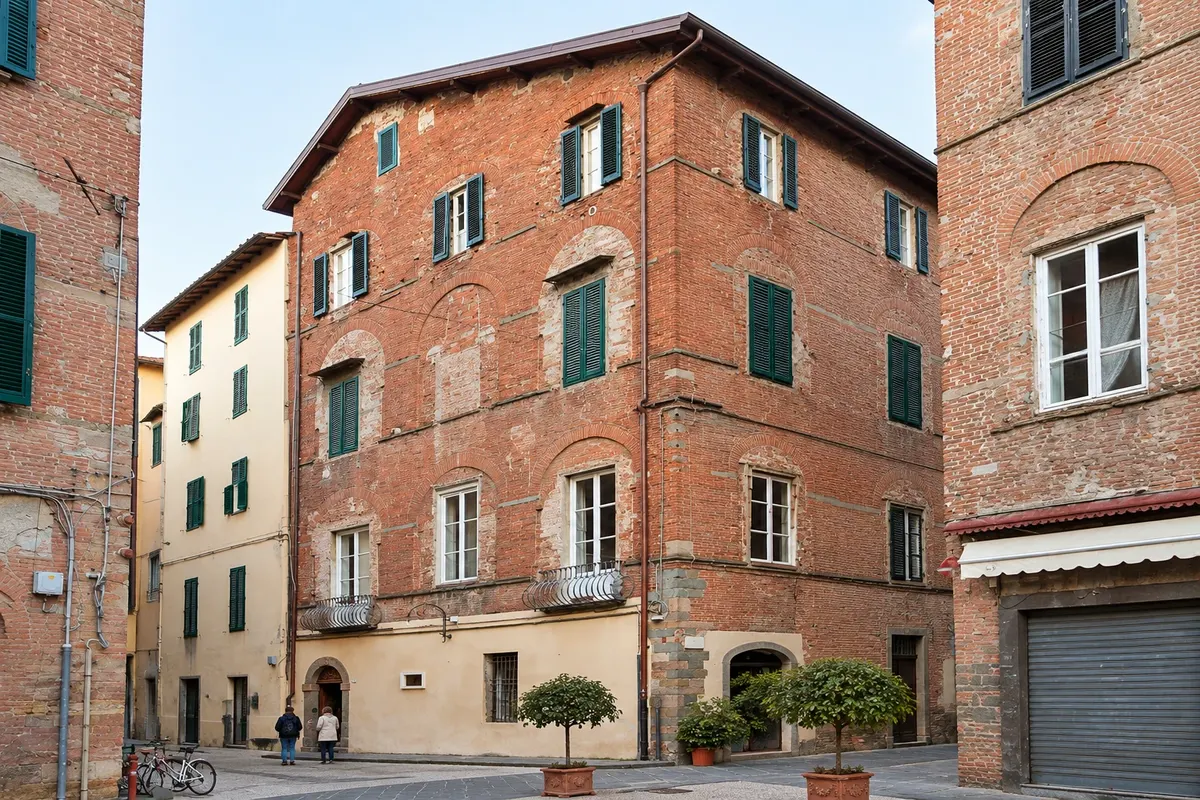
Oval plaza surrounded by houses, built over the ruins of a Roman amphitheatre, whose layout is still visible in the curve of the facades.

Torre del Mangia
Siena · Toscana · Monument

Torre del Mangia

The brick tower of the Palazzo Pubblico, built between 1338 and 1348. There are about 400 steps to the top, with views over all of Siena and the surrounding hills.

Battistero di San Giovanni
Pisa · Toscana · Monument

Battistero di San Giovanni

The largest baptistery in Italy, round, with the pulpit by Nicola Pisano and acoustics that guards often demonstrate by singing a few notes.

Cattedrale di San Martino
Lucca · Toscana · Cathedral

Cattedrale di San Martino

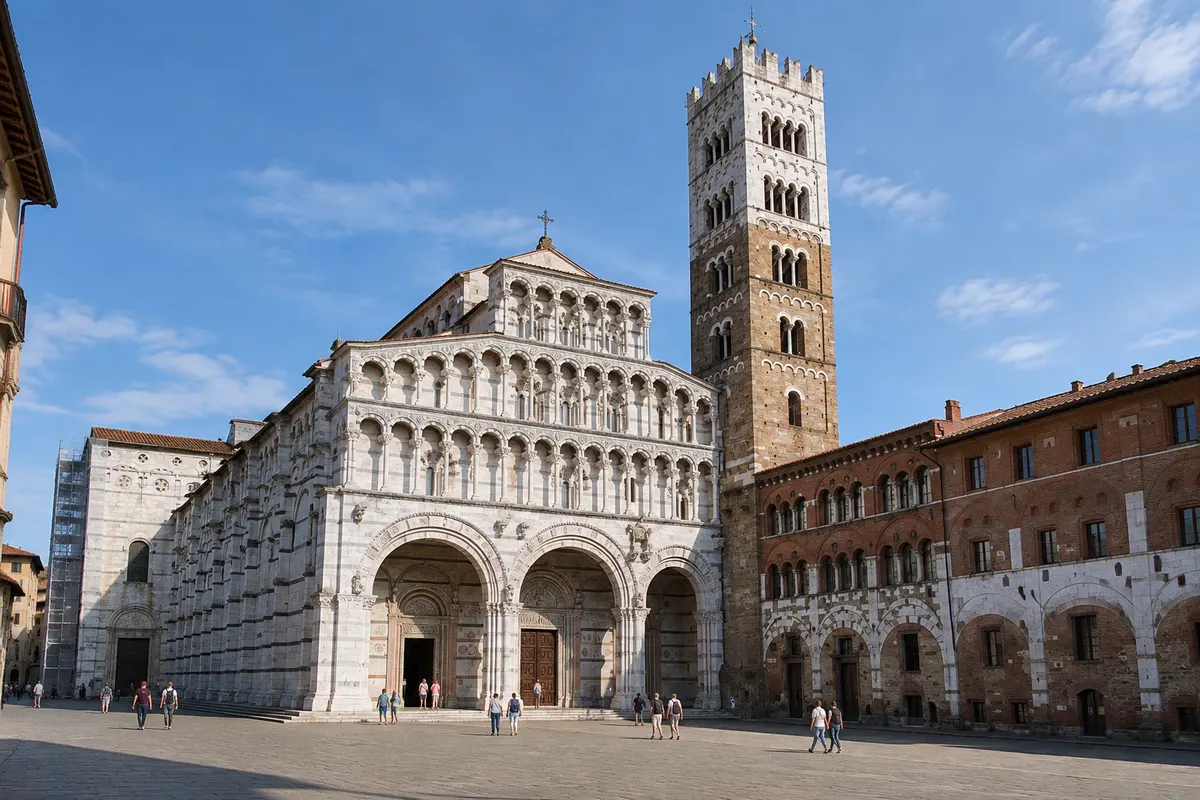
Lucca's cathedral, with a façade of superimposed arcades, the crucifix of the Volto Santo and the tomb of Ilaria del Carretto by Jacopo della Quercia.

Duomo di Siena
Siena · Toscana · Cathedral

Duomo di Siena

The cathedral of white-and-black striped marble, with a marble mosaic floor, Nicola Pisano's pulpit, the Libreria Piccolomini and the view from the Facciatone.

Palazzo Comunale e Torre Grossa
San Gimignano · Toscana · Museum

Palazzo Comunale e Torre Grossa

The medieval town hall of San Gimignano, home to the Musei Civici, with the Sala di Dante, the picture gallery and the ascent to the Torre Grossa, the tallest tower in the town.

Camposanto Monumentale
Pisa · Toscana · Monument

Camposanto Monumentale

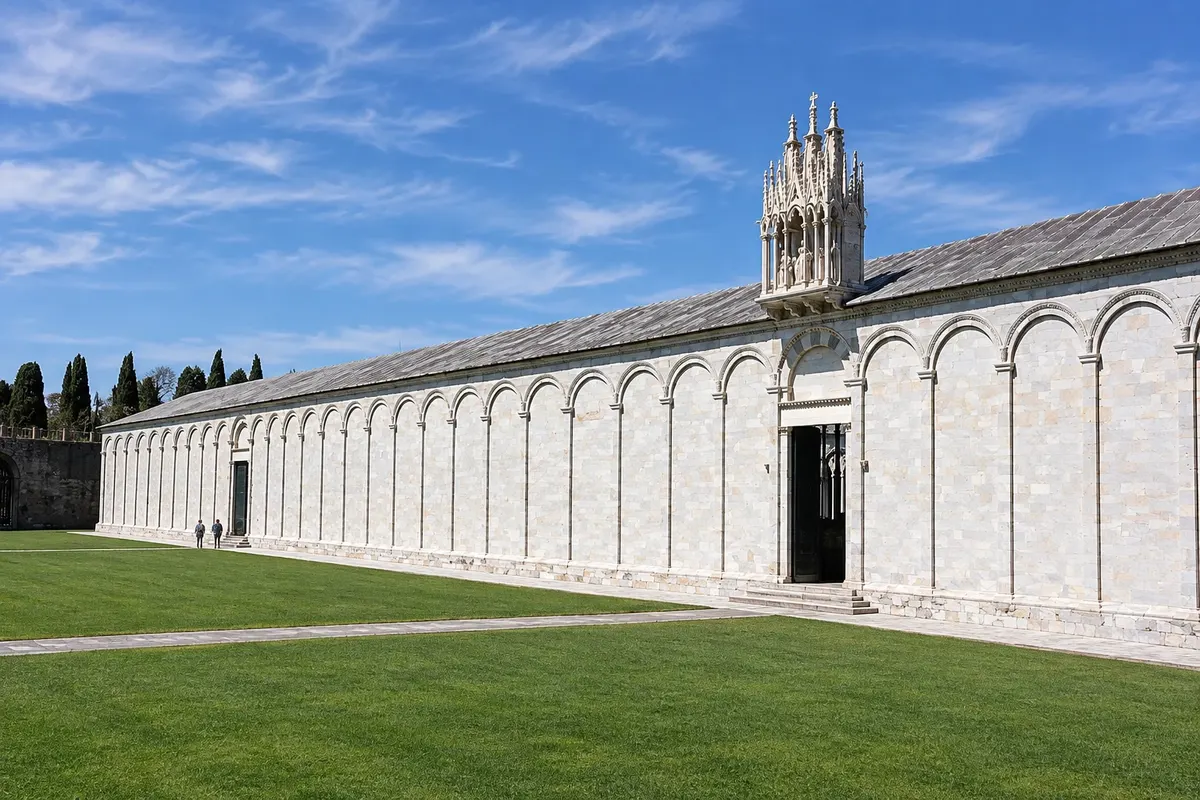
The former monumental cemetery, a marble cloister with Roman sarcophagi and medieval frescoes such as the Triumph of Death.

Chiesa di San Michele in Foro
Lucca · Toscana · Church

Chiesa di San Michele in Foro

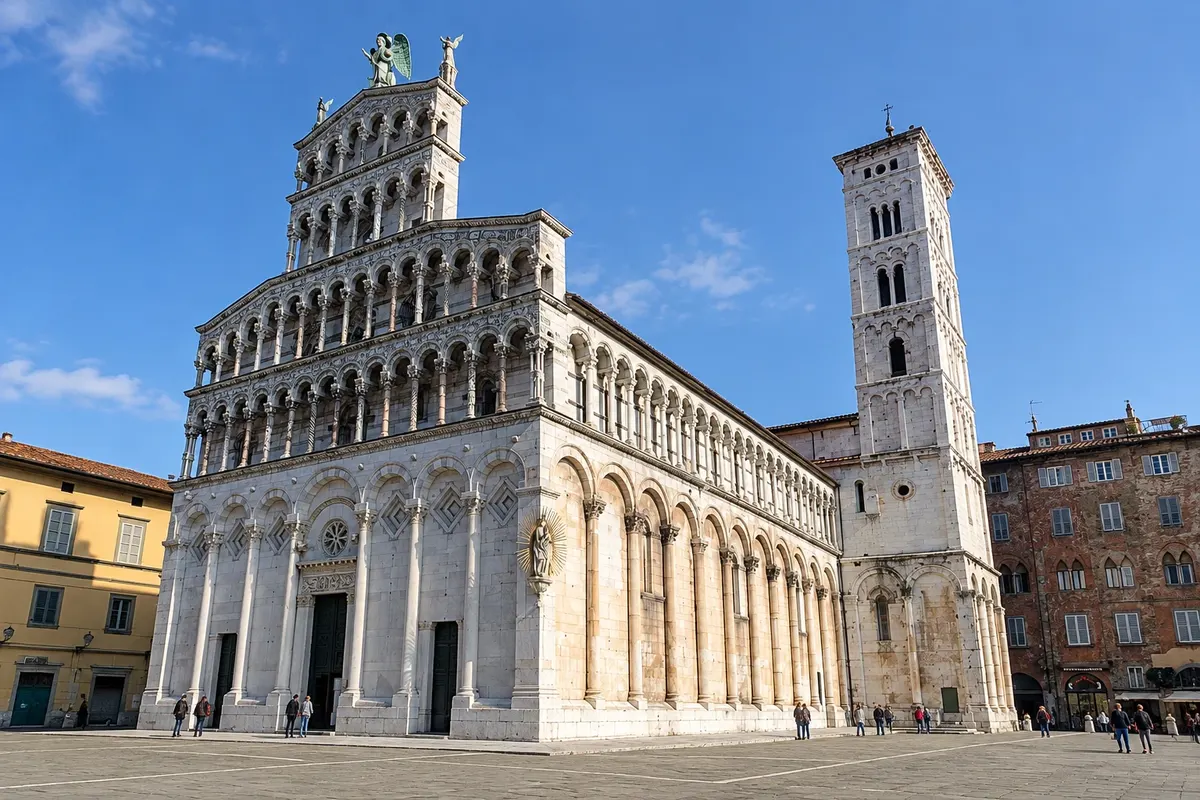
Romanesque church on the site of the ancient Roman forum, with a very tall façade of marble arcades and the statue of the archangel Michael on top.

Santa Maria della Scala
Siena · Toscana · Museum

Santa Maria della Scala

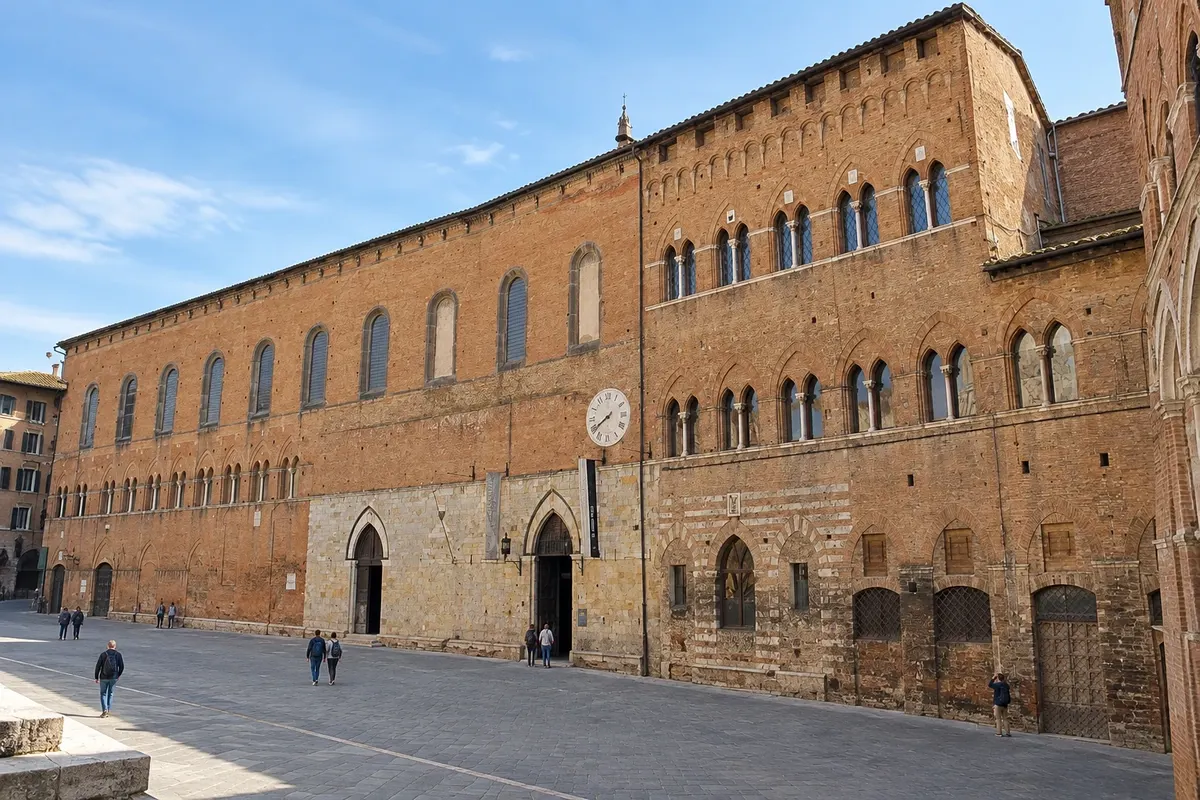
One of the oldest hospitals in Europe, opposite the Duomo, today a museum featuring the painted Pellegrinaio, the original Fonte Gaia and the archaeological museum.

Monteriggioni
Siena · Toscana · Castle

Monteriggioni

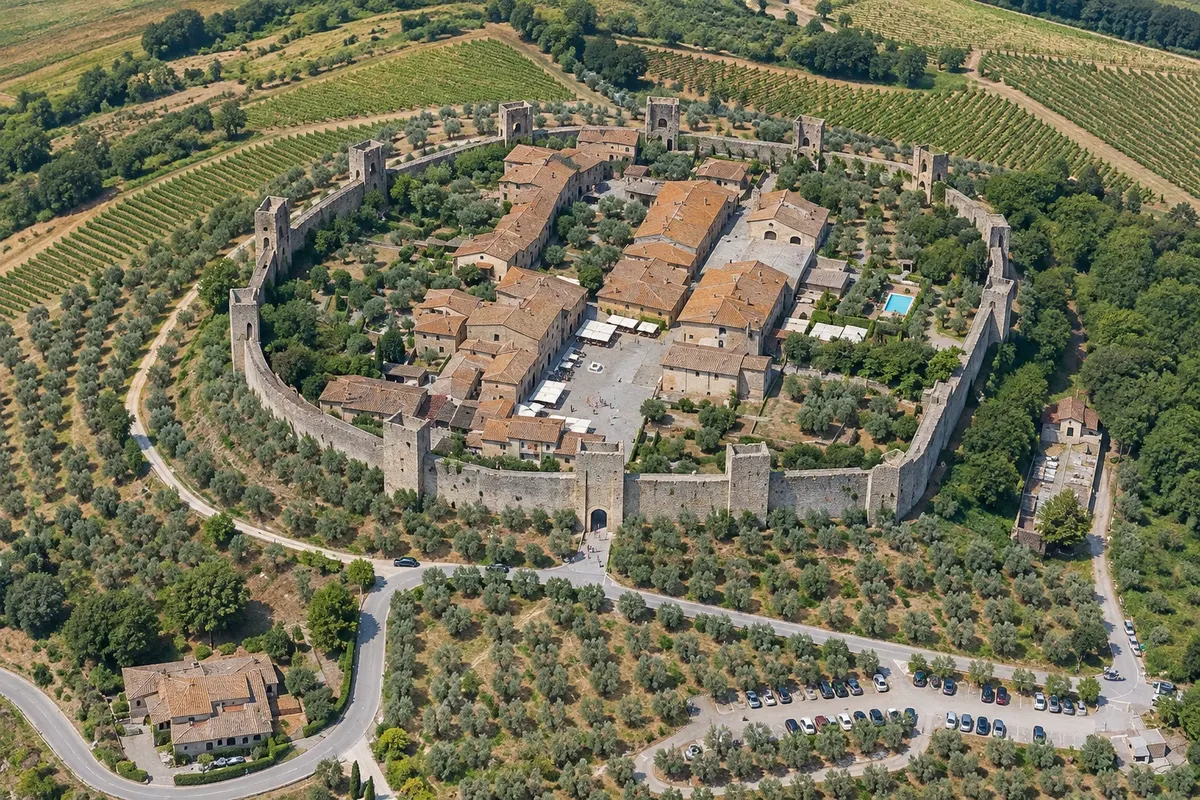
Walled village from the 13th century on a hill about 15 km from Siena, with 14 towers on the wall and a walk along the ramparts. Dante mentioned it in the Inferno.

Piazza dei Cavalieri
Pisa · Toscana · Square

Piazza dei Cavalieri

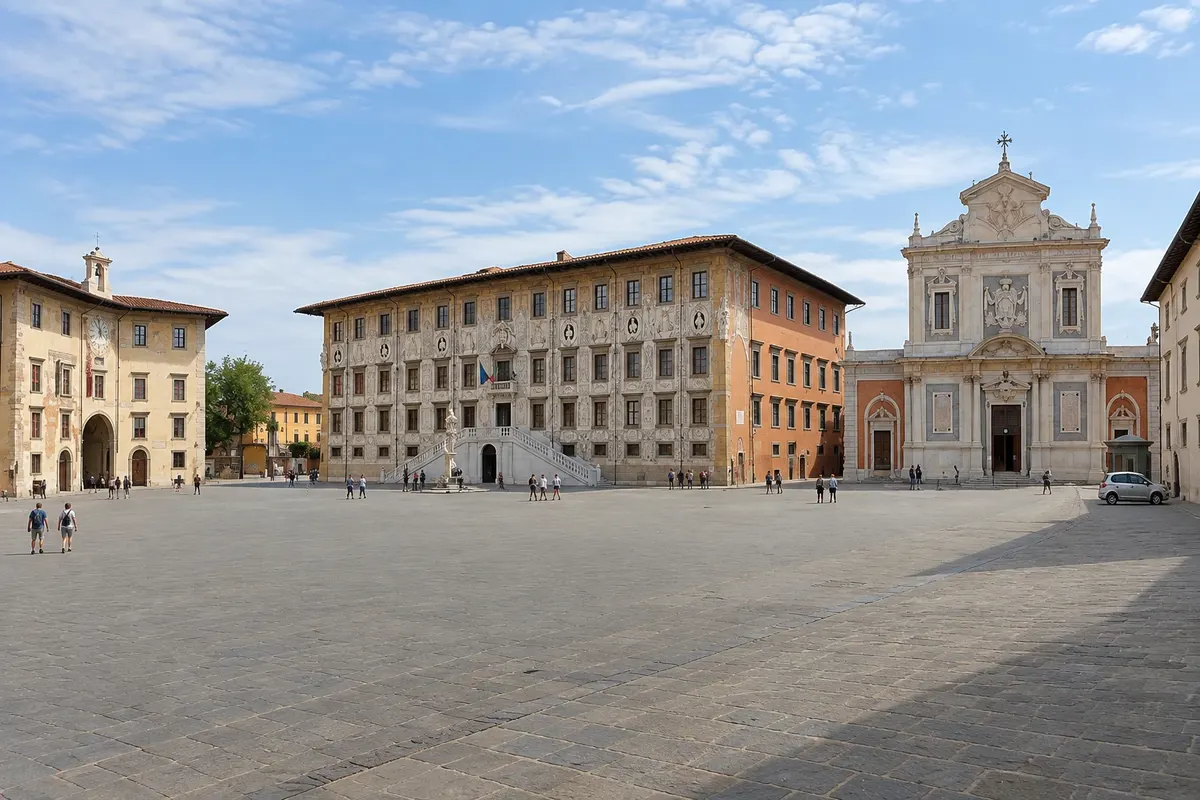
The Renaissance square of the Order of the Knights of Santo Stefano, with the Palazzo della Carovana featuring a decorated façade, and home to the Scuola Normale Superiore.

Puccini Museum - Casa natale
Lucca · Toscana · House museum

Puccini Museum - Casa natale

The house where composer Giacomo Puccini was born in 1858, now a museum with the family's furniture, scores, costumes and the piano on which he composed Turandot.

Lungarni di Pisa
Pisa · Toscana · Street

Lungarni di Pisa

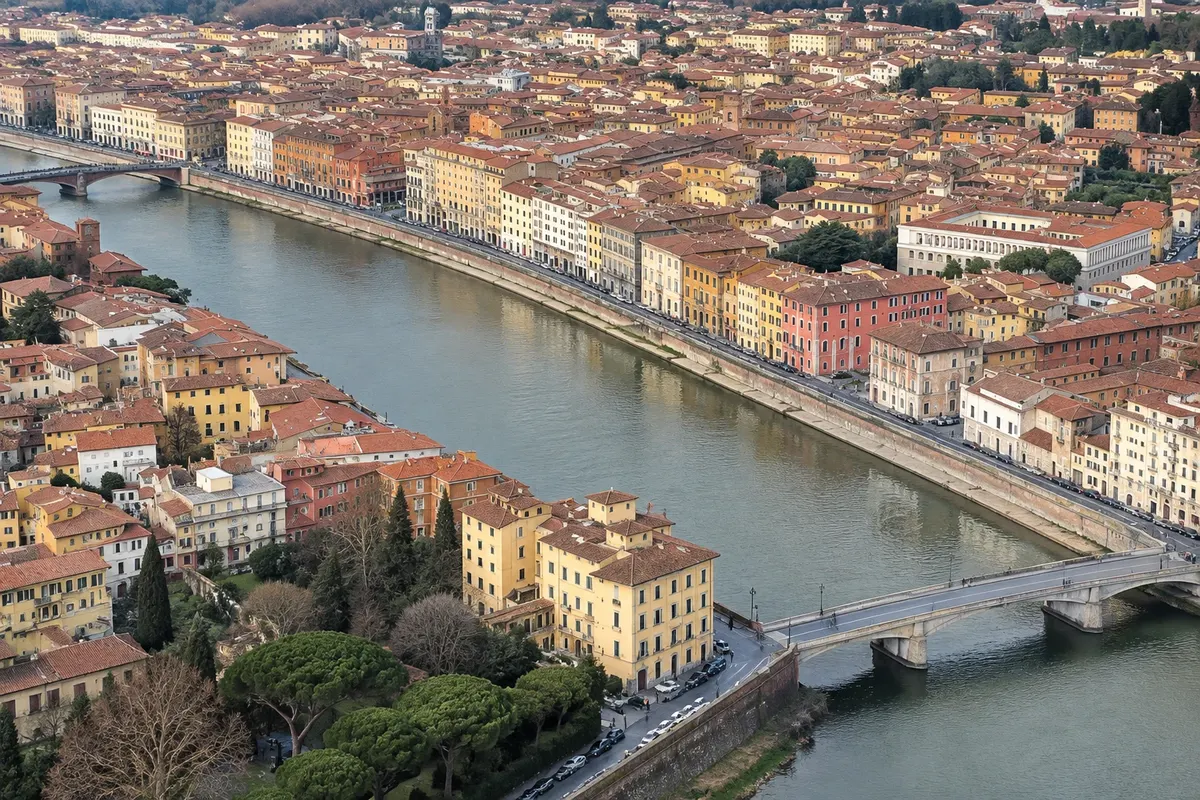
The avenues along the banks of the Arno River, with curved colorful palaces, the Ponte di Mezzo and the small Gothic church of Santa Maria della Spina.

Pienza
Siena · Toscana · Village

Pienza

Small town in the Val d'Orcia redesigned in the 15th century by Pope Pio II as an ideal Renaissance town, with wide views over the hills and a tradition of pecorino cheese.

Montalcino
Siena · Toscana · Village

Montalcino

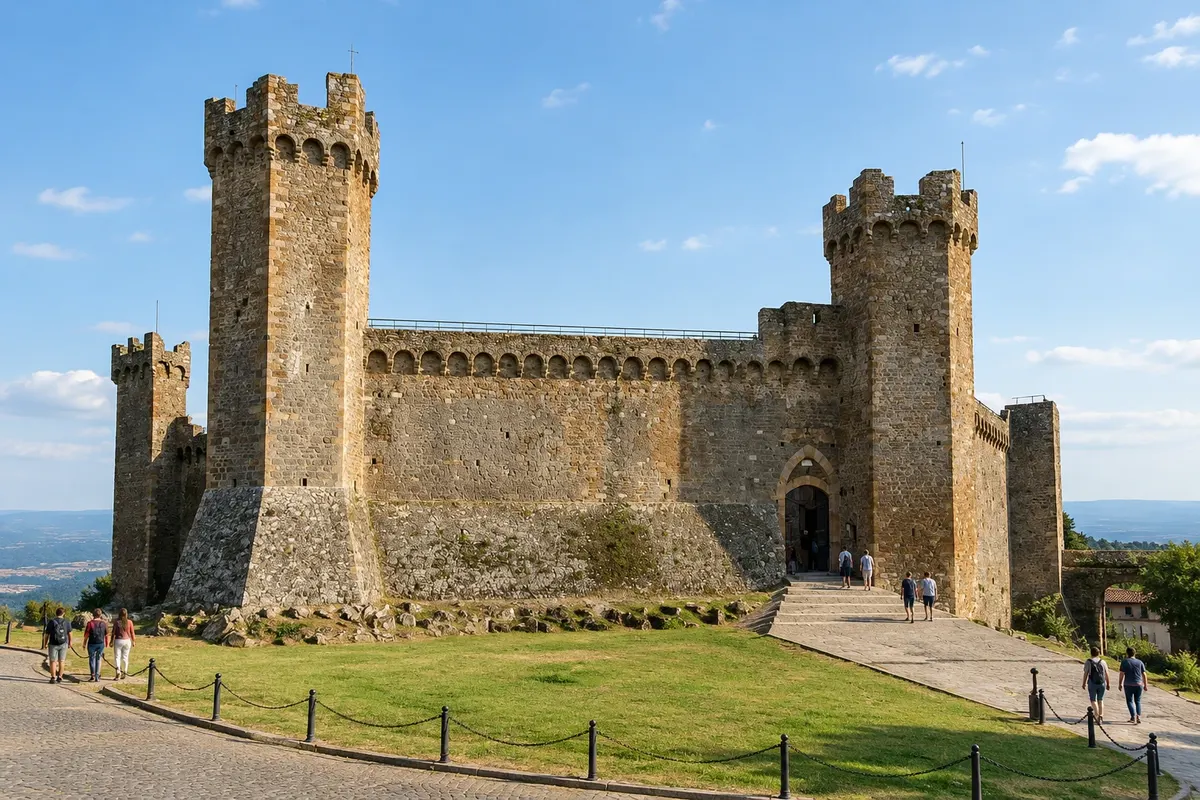
Small walled town on a hill in the Val d'Orcia, with a 14th-century fortress, known worldwide for the Brunello di Montalcino wine.

Montepulciano
Siena · Toscana · Village

Montepulciano

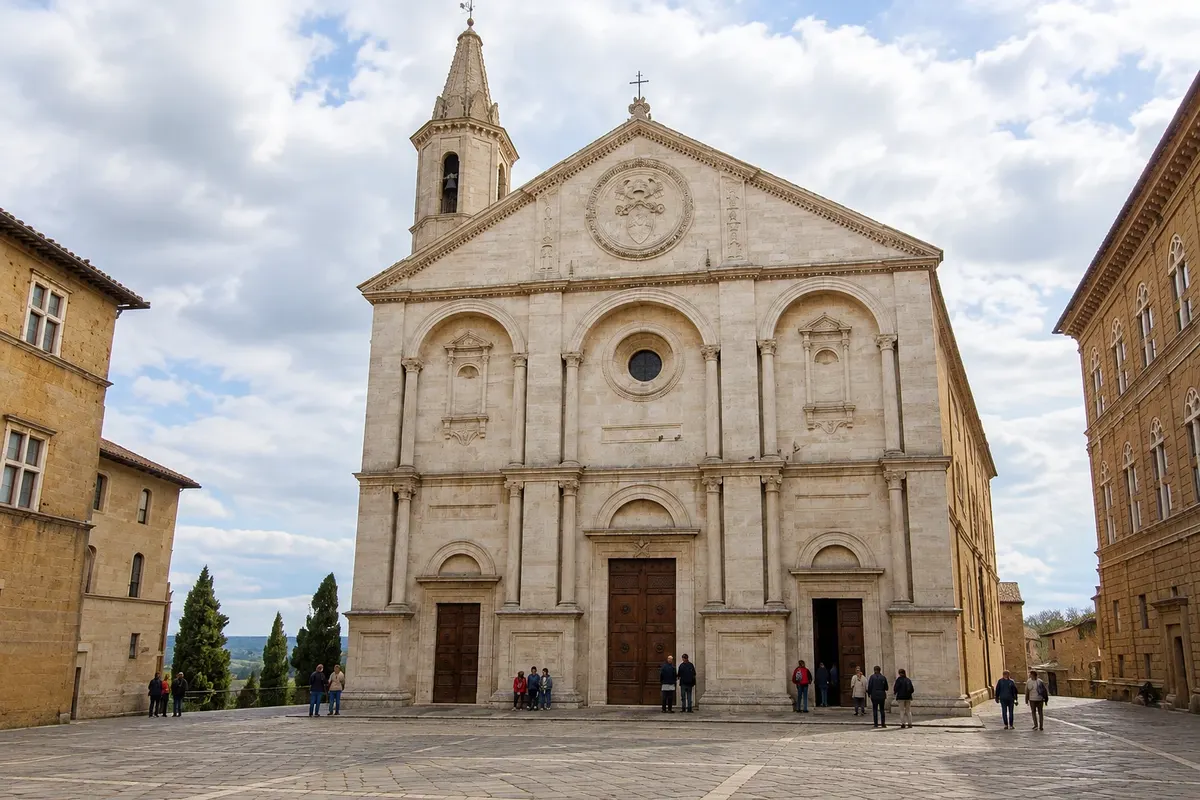
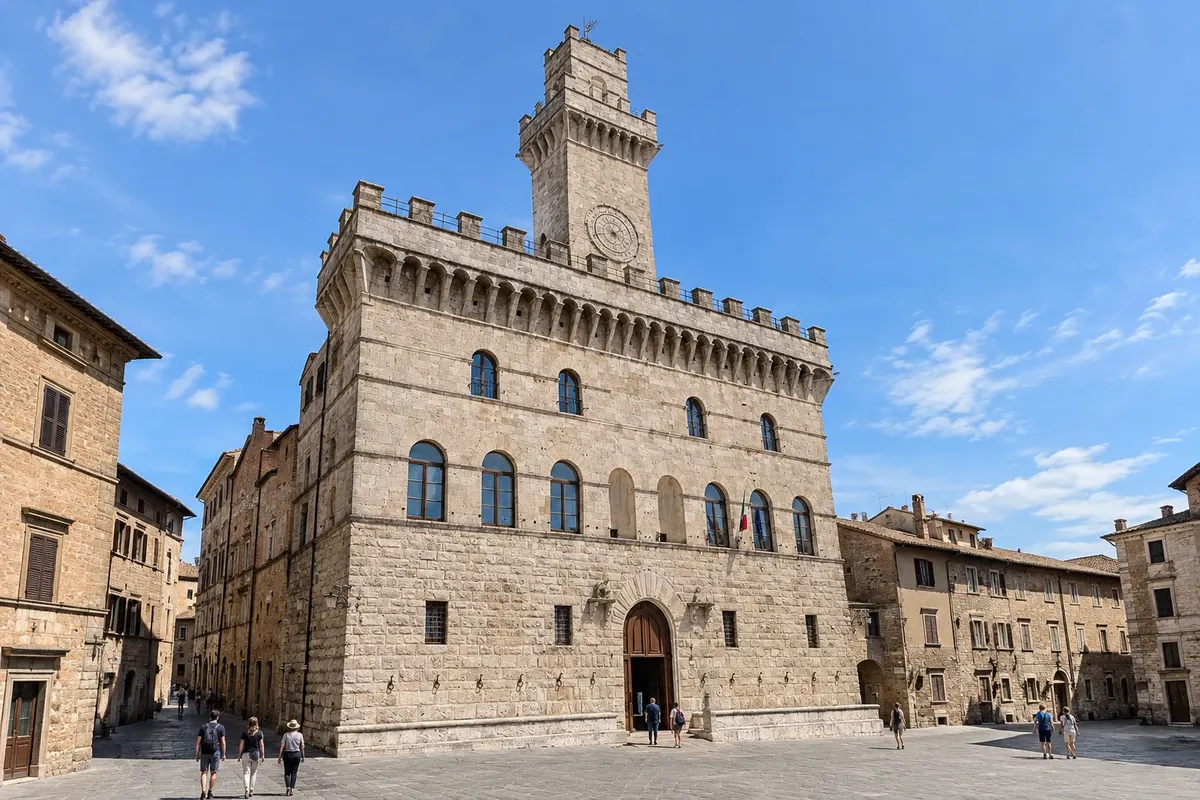
Renaissance town perched on a hill between the Val d'Orcia and the Val di Chiana, with the Piazza Grande, underground cellars and the Vino Nobile.

Before you go

Practical information

A little planning leaves more time to enjoy the journey.

When to go

April to June and September to October usually have mild temperatures and long days. From June to August it's very hot and the towns get crowded; Siena's Palio is on July 2 and August 16. From December to February is winter, colder and with less activity.

The seasons shown are the most usual ones; nature doesn't always follow the calendar.

How many days to stay

Using Florença as a base, allow one day for Pisa, one for Lucca and one for Siena, with San Gimignano on the way or as a separate day. Those who want to see the Val d'Orcia hills and Monteriggioni need one or two more days, preferably by car. Spending a night in Siena or San Gimignano lets you see the squares without the daytime tour groups.

Which city to stay in

Florença is the most practical base, because of the number of trains and buses to the other towns. In Pisa, the area between Pisa Centrale station and the Arno river makes connections easy; near the Piazza dei Miracoli it is quieter at night. In Siena, the historic center within the walls makes everything walkable, but hilly. In Lucca, staying inside the walls lets you cycle early in the morning. For the hills, agriturismos (farm stays) around Siena and in the Val d'Orcia are the option for those traveling by car.

Respect the place

Take your trash with you, follow the signs and support local businesses. In natural areas, follow the visiting guidelines.

Get your questions answered

Frequently asked questions about Toscana

Can you visit Pisa, Siena, San Gimignano and Lucca on day trips from Florença?

Yes. Pisa and Lucca have frequent regional trains departing from the Firenze Santa Maria Novella station, with journeys of about 1 to 1.5 hours; it's even possible to combine both in the same day. Siena has direct buses and trains in just over an hour. San Gimignano has no station: you go by train or bus to Poggibonsi and from there by local bus. Doing Siena and San Gimignano on the same day is rushed without a car.

Do I need to rent a car in Toscana?

For the towns in this itinerary, no: train and bus suffice. A car helps for the hills, for the Val d'Orcia, Pienza, Montalcino, Montepulciano and Monteriggioni, where public transport is scarce. The historic centers of all these towns have ZTL, a limited-traffic zone closed to outside cars: leave the car in parking lots outside the walls, because cameras record the entry and the fine arrives later.

How many days should I reserve for Toscana besides Florença?

Three to five days. One day for Pisa, one for Lucca, one for Siena and half or a full day for San Gimignano. With one or two extra days and a car, you can tour the Val d'Orcia and the small wine towns south of Siena.

What's the best time to travel around Toscana?

Spring, from April to June, and early autumn, from September to October, usually have pleasant weather for walking the hills. September and October are also grape-harvest season in the hills. Summer, June to August, is hot and crowded, and winter, December to February, is cold with fewer tourists.

How do regional trains between the towns work?

Trenitalia regional trains have no reserved seats and cost the same at any time. The ticket can be digital, in the company's app or website, or paper, bought at the station machines; paper tickets must be validated in the platform machines before boarding. Check the station screen for which platform (binario) the train departs from.

Explore other destinations Search by state and city
Back