Apúlia and Matera

Apúlia · Basilicata · Italy

Apúlia and Matera

The heel of the Italian boot: Bari and its old town, the cliffs of Polignano, the trulli of Alberobello, the baroque of Lecce and the Sassi of Matera.

South

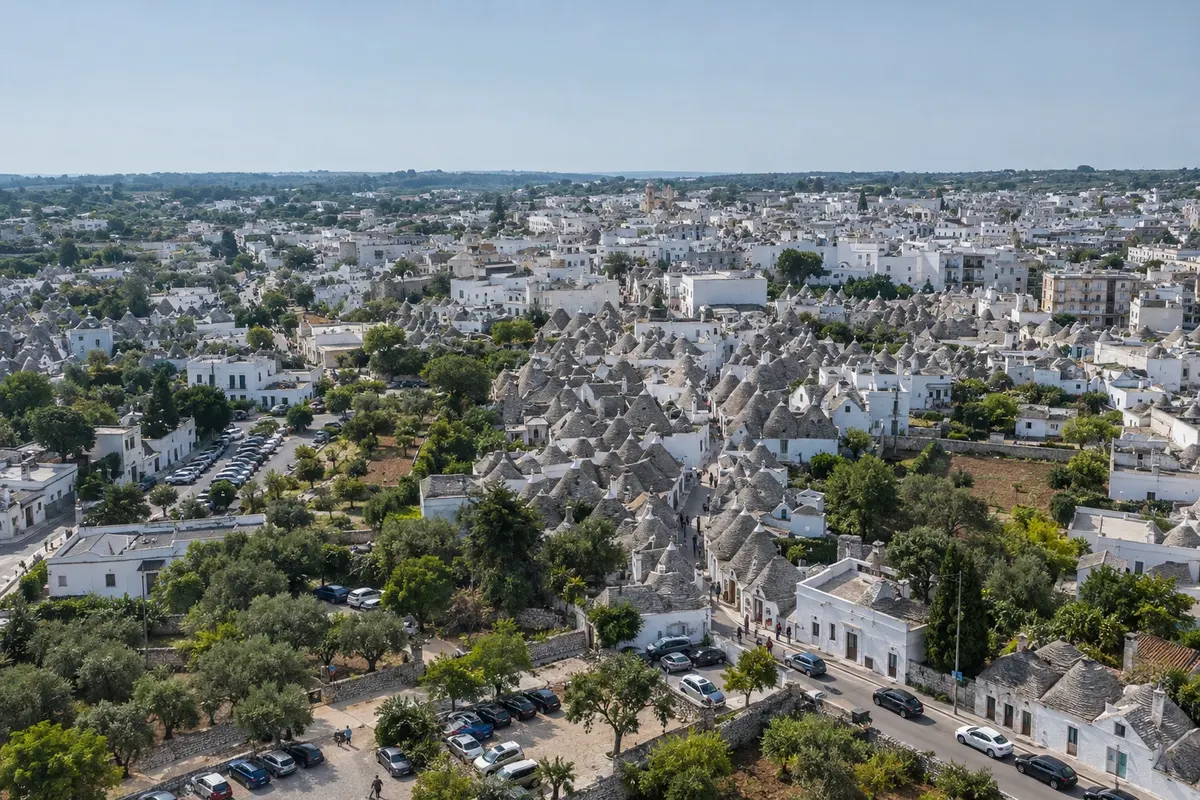
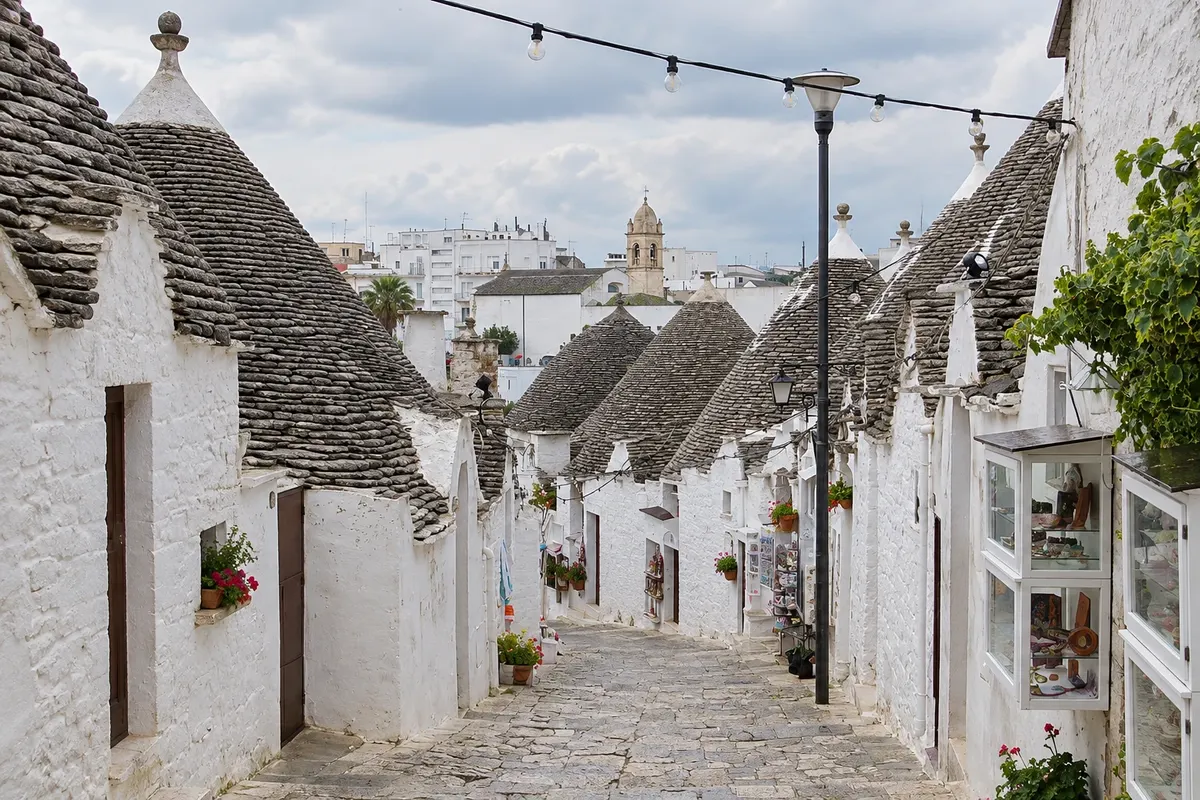
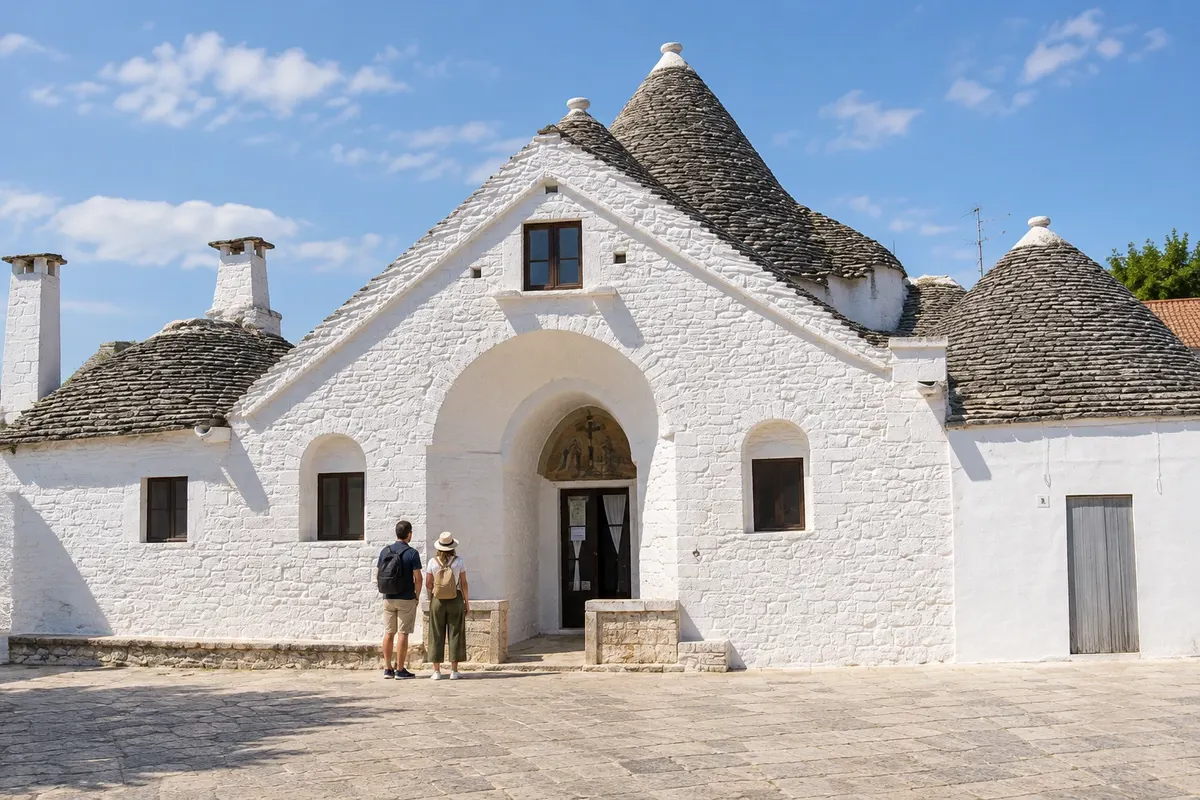
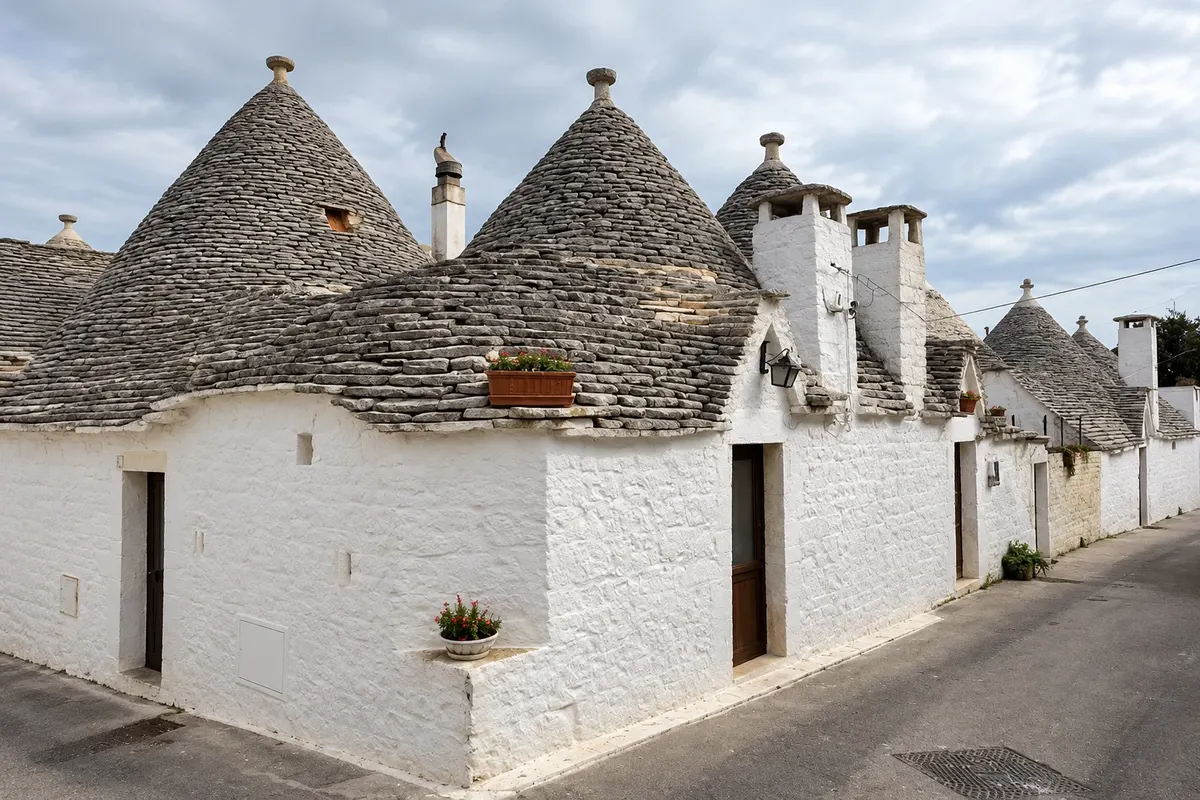
In the photo: Trulli di Alberobello

Illustrative images. The pictures in this guide are illustrations based on the real place, not photographs, and may differ from it.

Get it on Google Play Send your photos

Get to know the place

A region to enjoy
at your own pace.

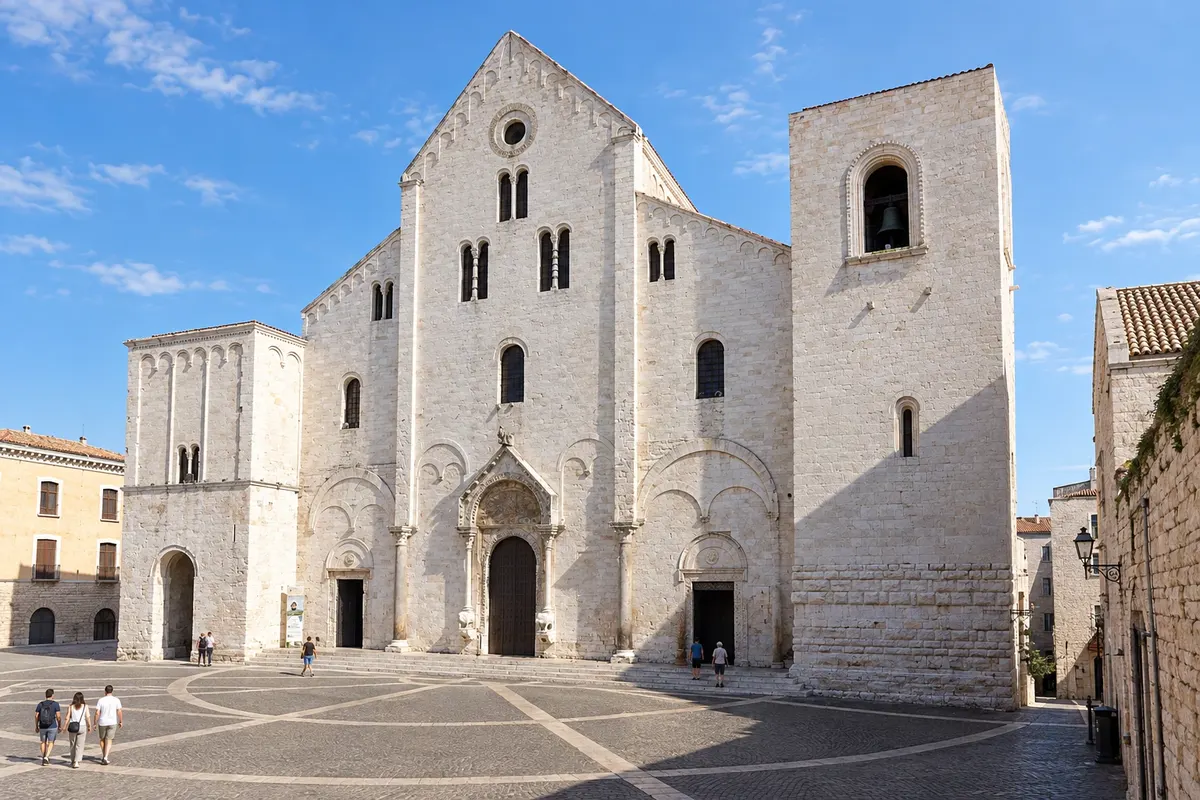
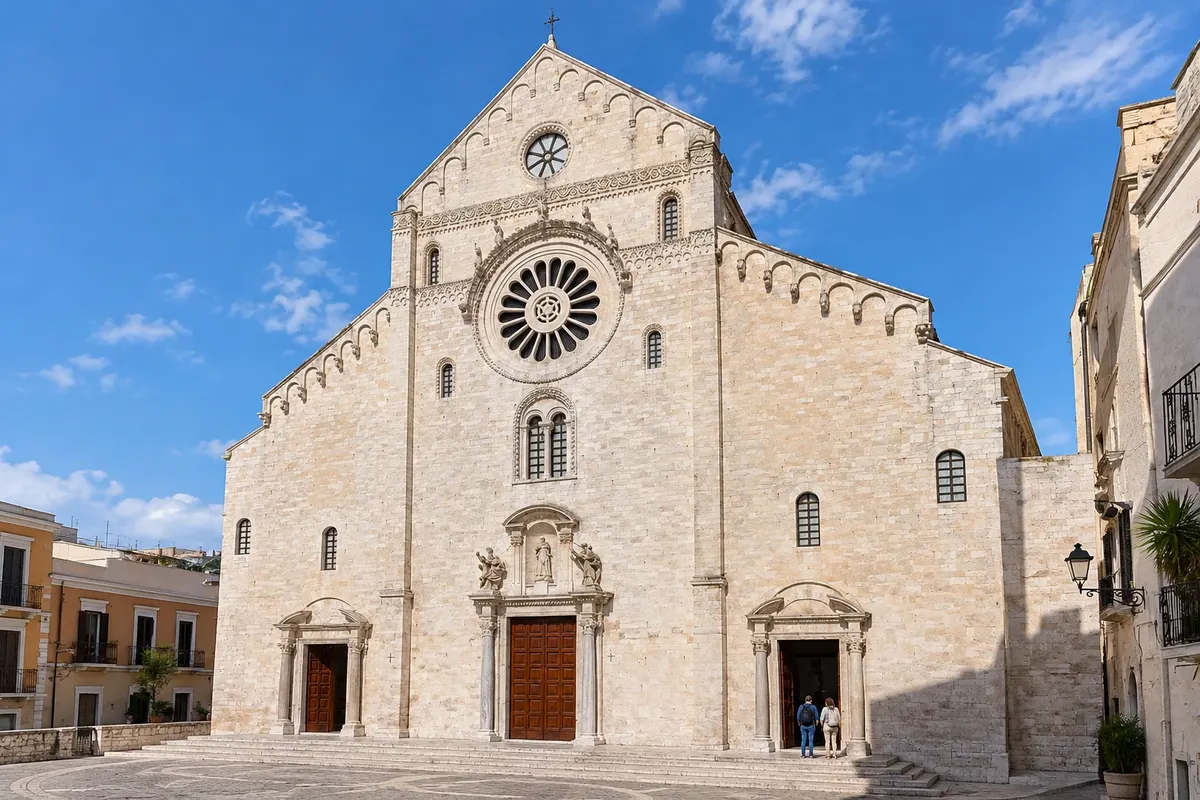
Apúlia (Puglia, in Italian) is the region of the heel of the boot, in southeastern Italy, washed by the Adriatic and the Ionian Sea. The capital is Bari, a port city with a medieval center enclosed by walls, where the Basilica di San Nicola is located, which houses the relics of Saint Nicholas. Bari is also the main gateway to the region, with an airport and trains to the rest of the country.

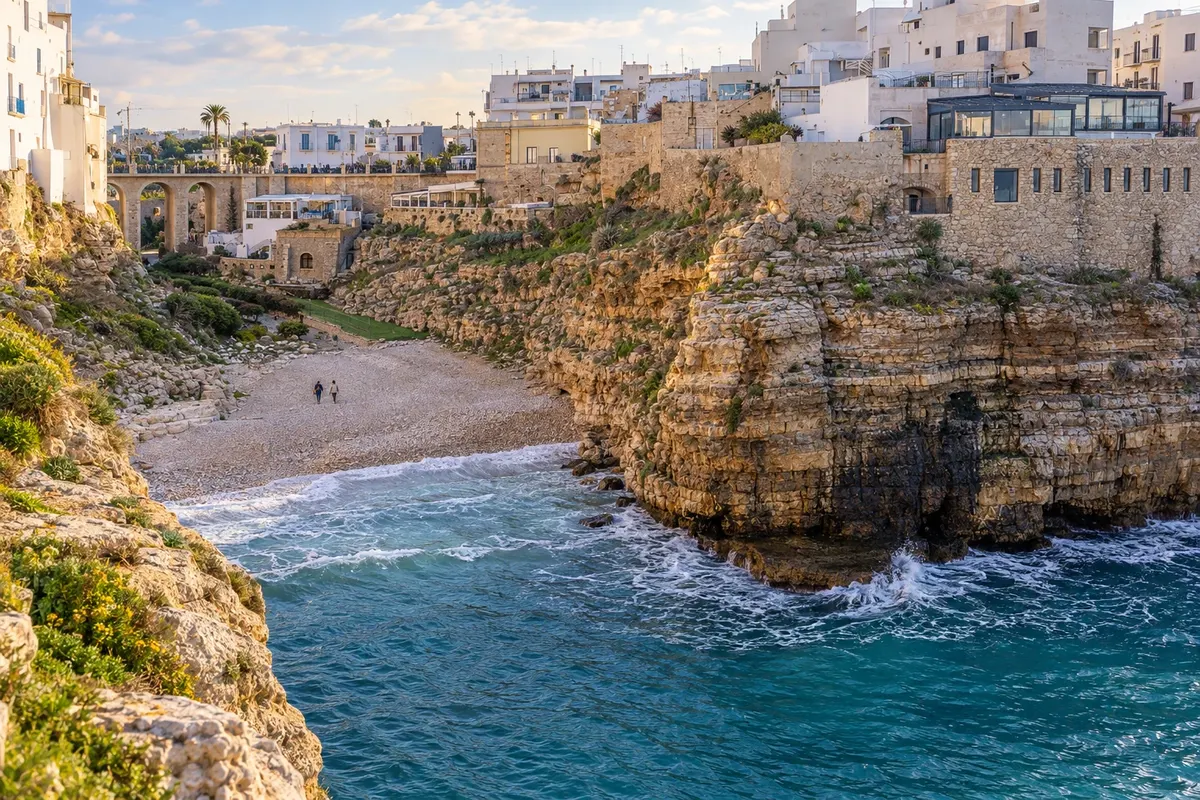
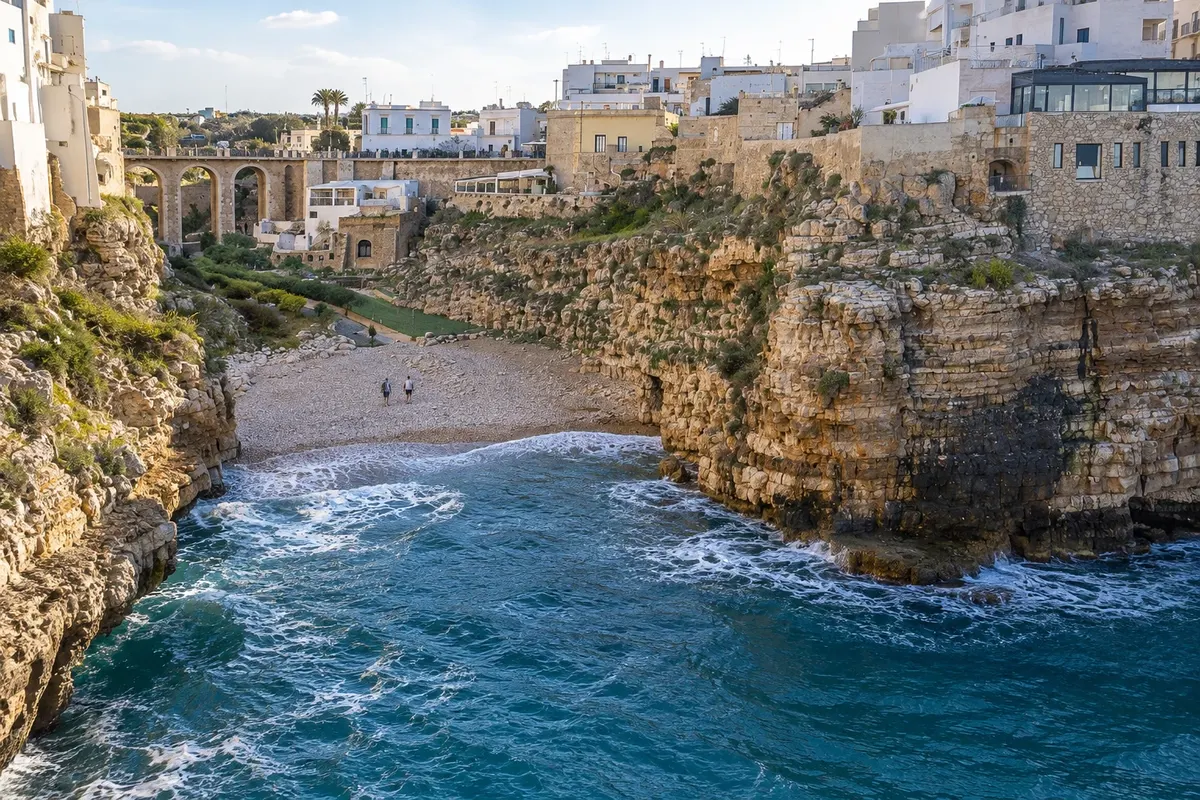
South of Bari, the high coastline forms coves and sea caves. Polignano a Mare, about 35 km away, has its historic center on a cliff and the small beach of Lama Monachile between rock walls. Inland, Alberobello concentrates more than 1,500 trulli, the dry-stone houses with conical roofs, recognized by UNESCO as a World Heritage Site in 1996, at the entrance to the Valle d'Itria.

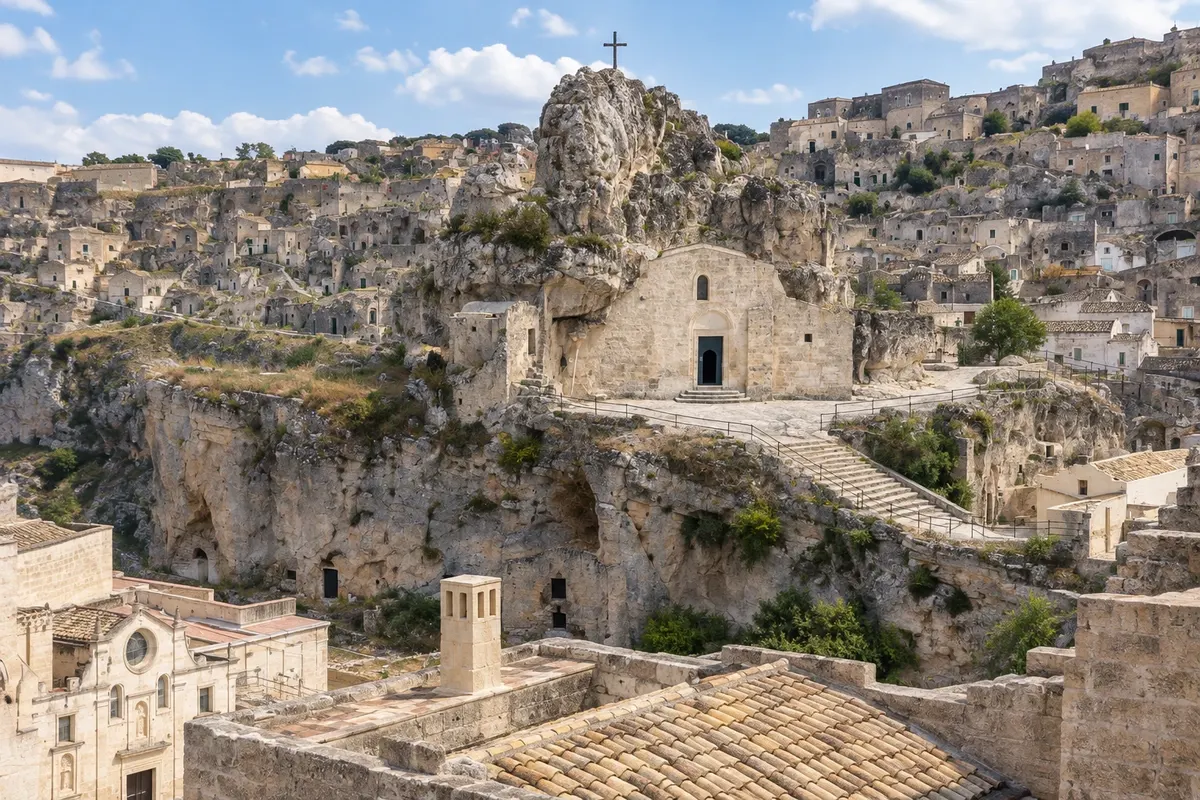
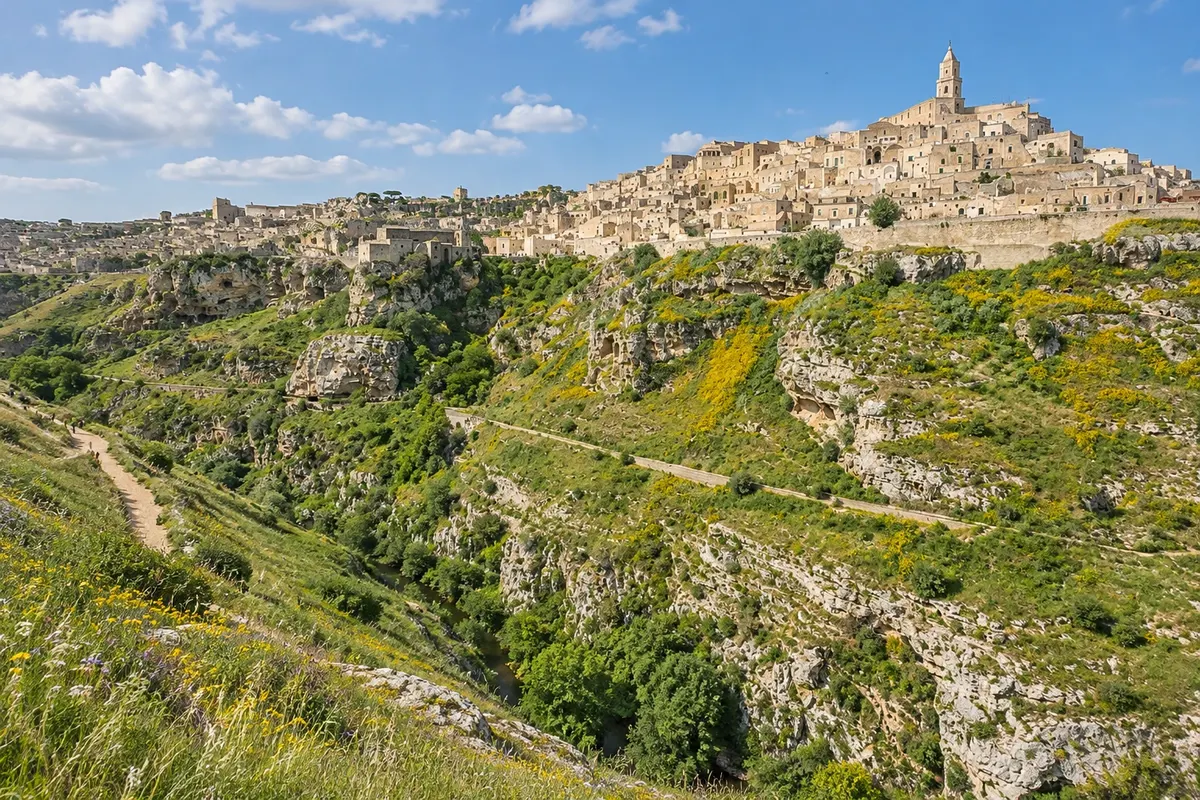
Further south, Lecce is known for churches and palaces with baroque façades carved in the region's pale stone. Matera, about 65 km from Bari, is already in the neighboring Basilicata: the Sassi, neighborhoods of houses and churches dug into the rock, have been a UNESCO World Heritage Site since 1993.

The region's cuisine is based on fresh pasta, such as orecchiette, olive oil, vegetables, bread and fish. The rhythm is that of southern Italy: lunch around 1 pm, shops that close in the early afternoon and activity that returns at the end of the day, with a walk through the central streets.

This destination brings together 5 cities: Bari, Alberobello, Polignano a Mare, Lecce, Matera.

Share: WhatsApp
Traveler, share your experiences through photos Up to 5 photos of each place you visited.

One destination, many paths

The cities on this trip

Start with one city or combine several in your itinerary.

Where Apúlia and Matera is
BariAlberobelloPolignano a MareLecceMatera

Contornos: ISTAT, limites administrativos 2026, CC BY 4.0. Adaptação do Cidade Turismo.

How to get there: Apúlia and Matera
✈ Aeroporto di Bari Karol Wojtyła (BRI) · 11 km to Bari

Confirm before booking. Bari Airport (BRI) and Brindisi Airport (BDS) receive flights from Rome, Milan and other European cities. From Rome, high-speed trains reach Bari Centrale in about 4 hours. From Bari depart trains to Polignano, Lecce, Alberobello and Matera.
Suggested arrival point: Bari

Bari
Apúlia · Apúlia and Matera Capital Suggested arrival point

Bari

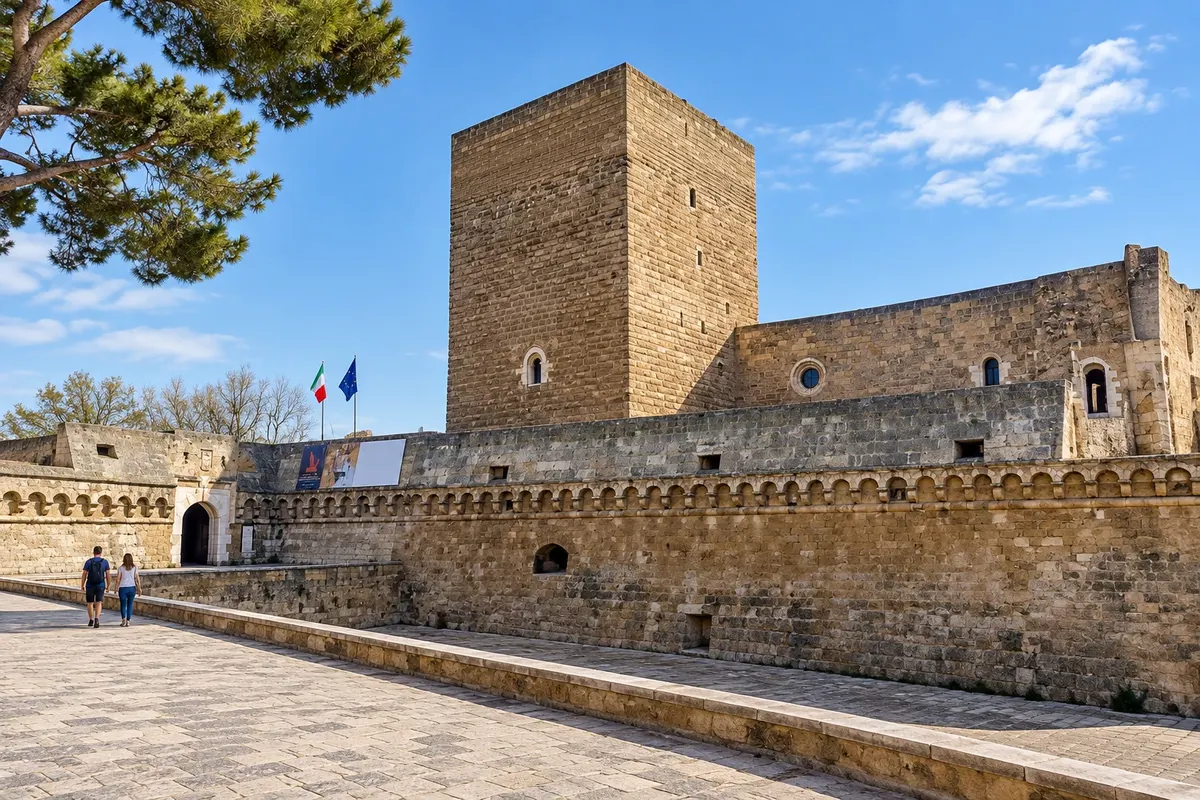
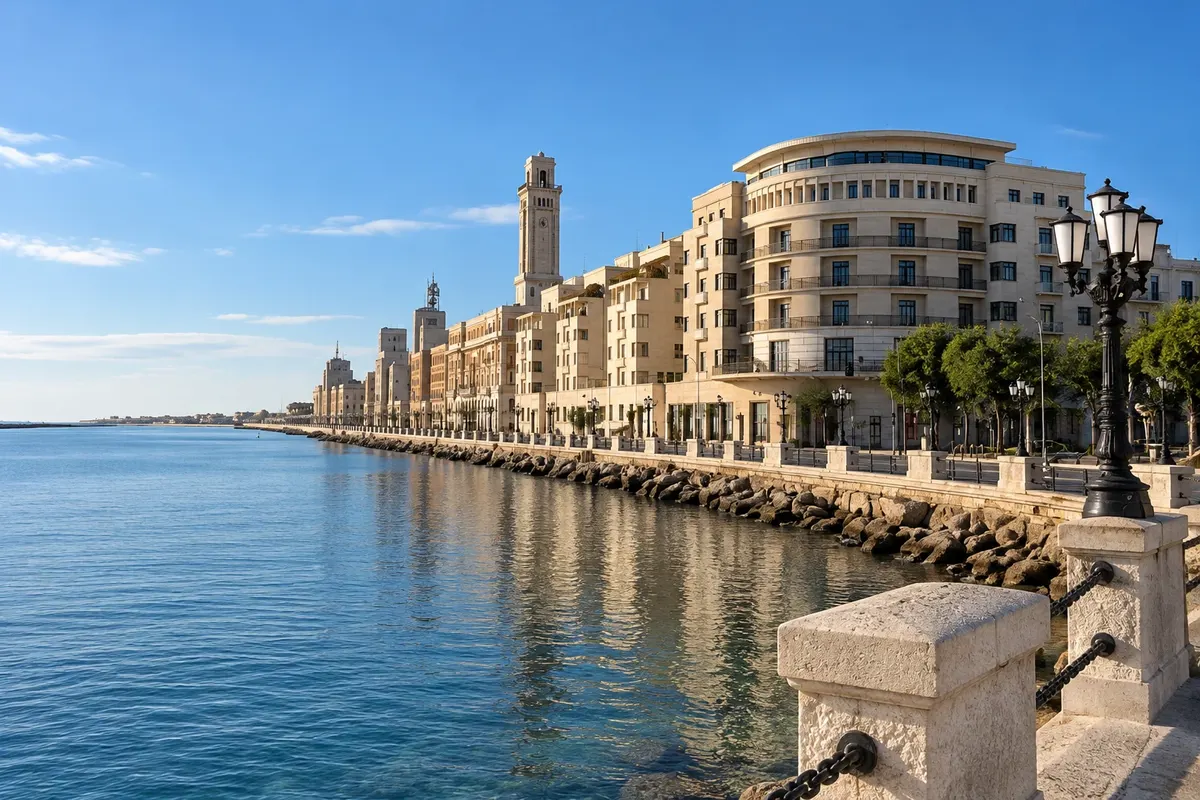
Bari, capital of Apulia, is the largest Italian city on the Adriatic and the gateway to the region. The old town, Bari Vecchia, sits on a peninsula between two harbors and houses the Basilica di San Nicola, with the relics of Saint Nicholas, the Cattedrale di San Sabino and the Castello Normanno-Svevo. Next to it, the Quartiere Murat, laid out in the 19th century, has shopping streets, and the Lungomare Nazario Sauro leads to the Pinacoteca Metropolitana Corrado Giaquinto.

Alberobello
Apúlia · Apúlia and Matera

Alberobello

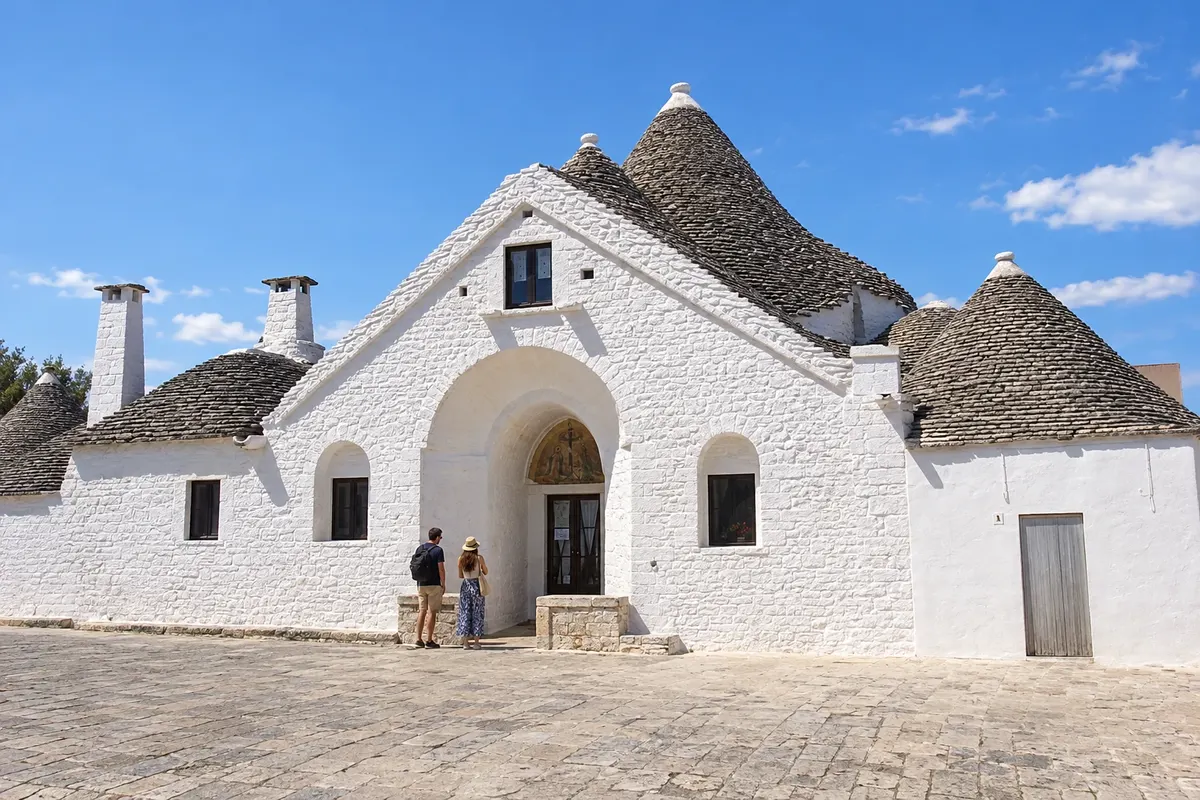
Alberobello, about 55 km from Bari, at the entrance to the Valle d'Itria, has the largest concentration of trulli, the dry-stone houses with conical roofs, recognized by UNESCO in 1996. The Rione Monti gathers about 1,030 trulli on the hillside, with the church of Sant'Antonio at the top. In the upper part are the Basilica dei Santi Medici and the Trullo Sovrano, the only two-storey trullo open as a house-museum, and in the center the Casa Pezzolla museum.

Lecce
Apúlia · Apúlia and Matera

Lecce

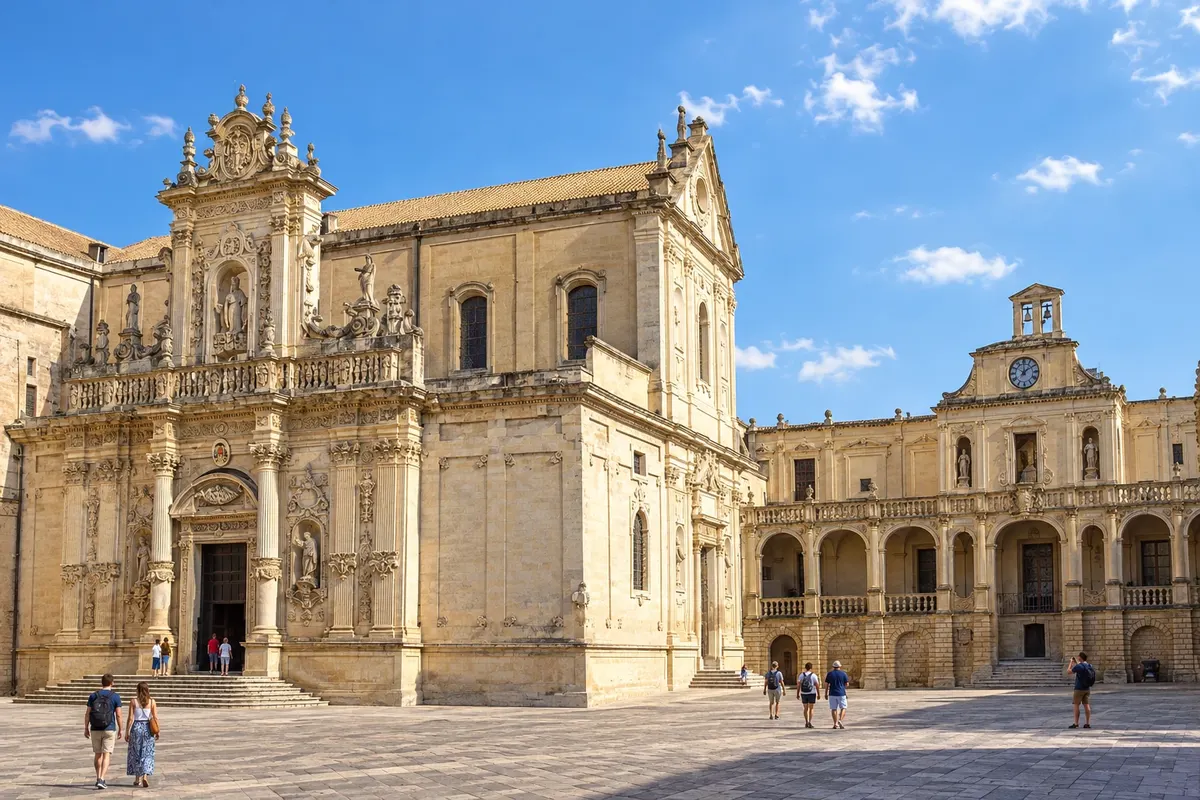
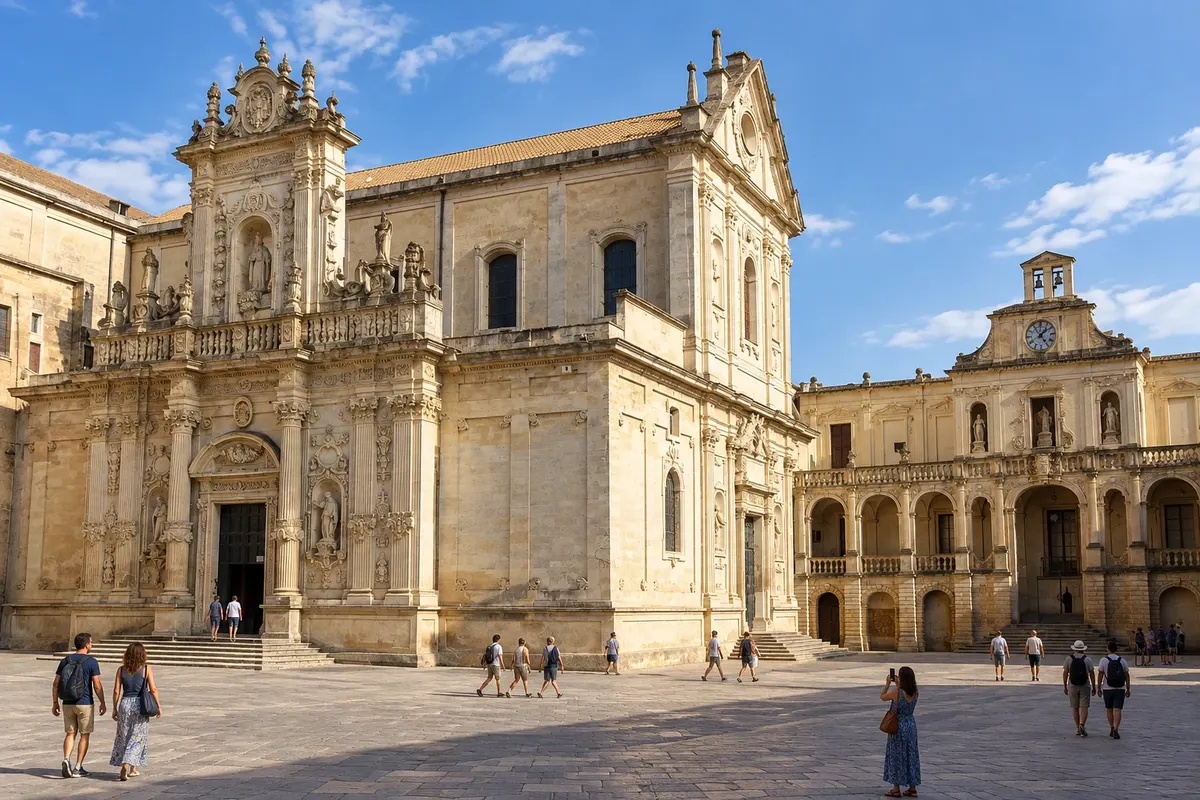
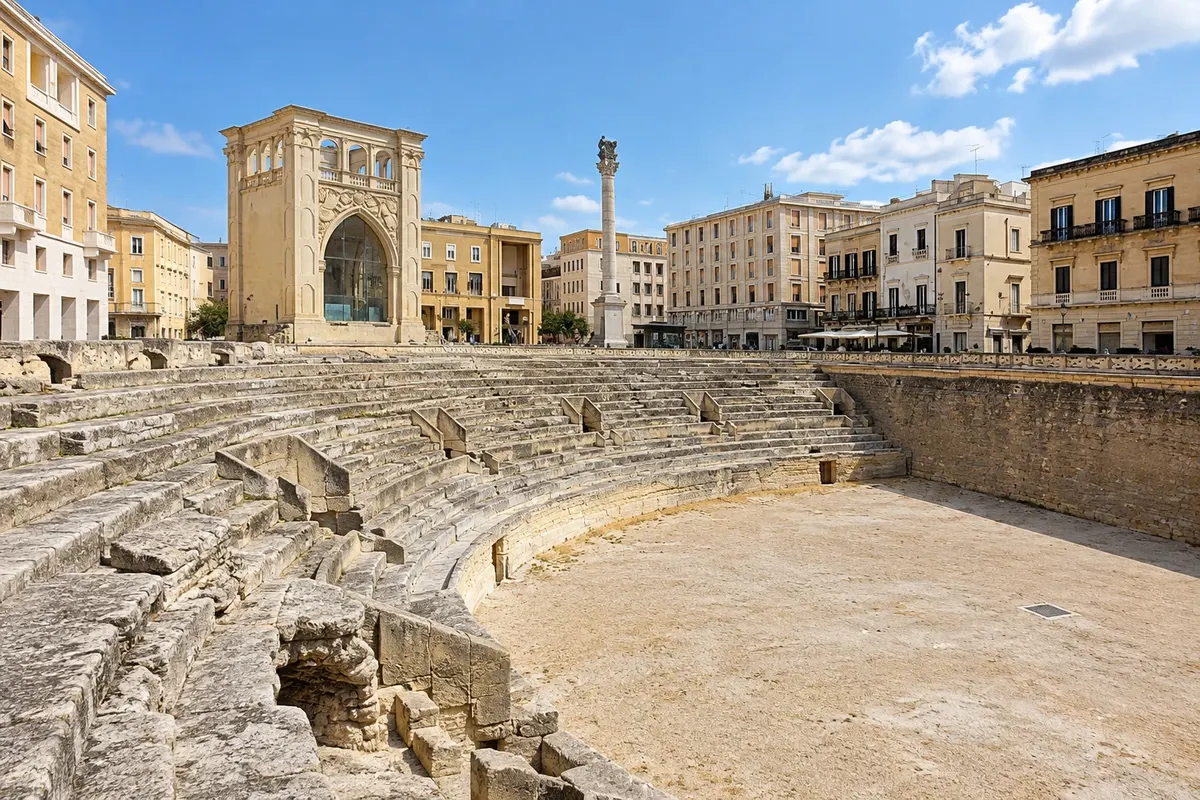
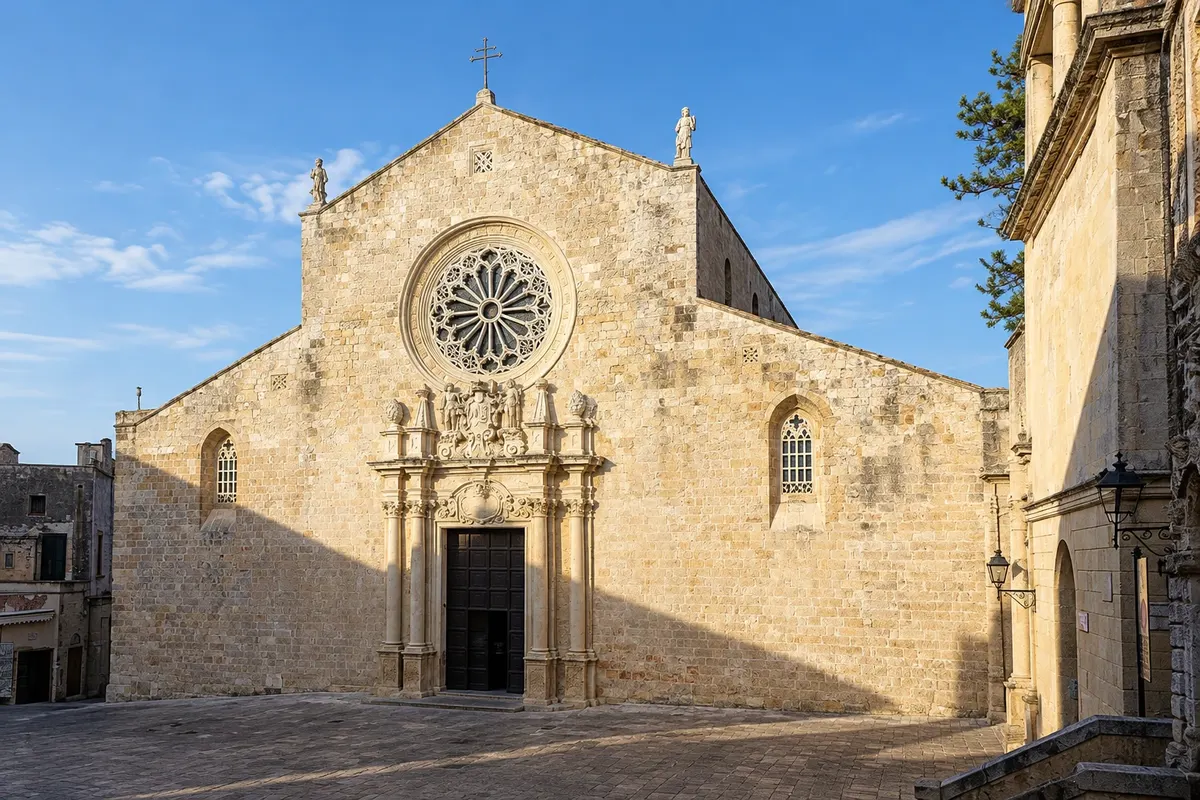
Lecce is the main city of the Salento, the heel of the Italian boot, and became famous for the barroco leccese, carved in the light, soft stone of the region between the 16th and 18th centuries. In the centro storico (historic center) are the Basilica di Santa Croce, the Piazza del Duomo with the cathedral and the 70-metre bell tower, the Piazza Sant'Oronzo with the Anfiteatro Romano, the Porta Napoli and the Castello Carlo V. Otranto, on the Adriatic, is about 45 km away.

Matera
Basilicata · Apúlia and Matera

Matera

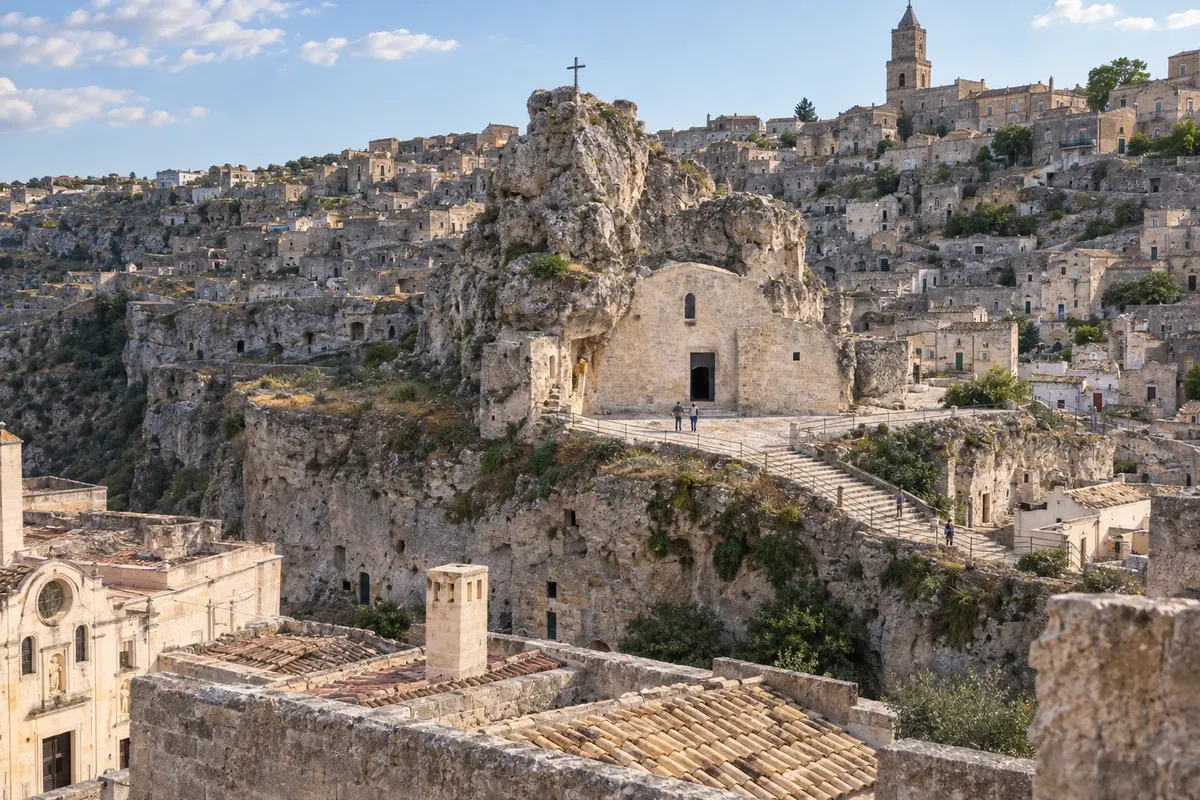
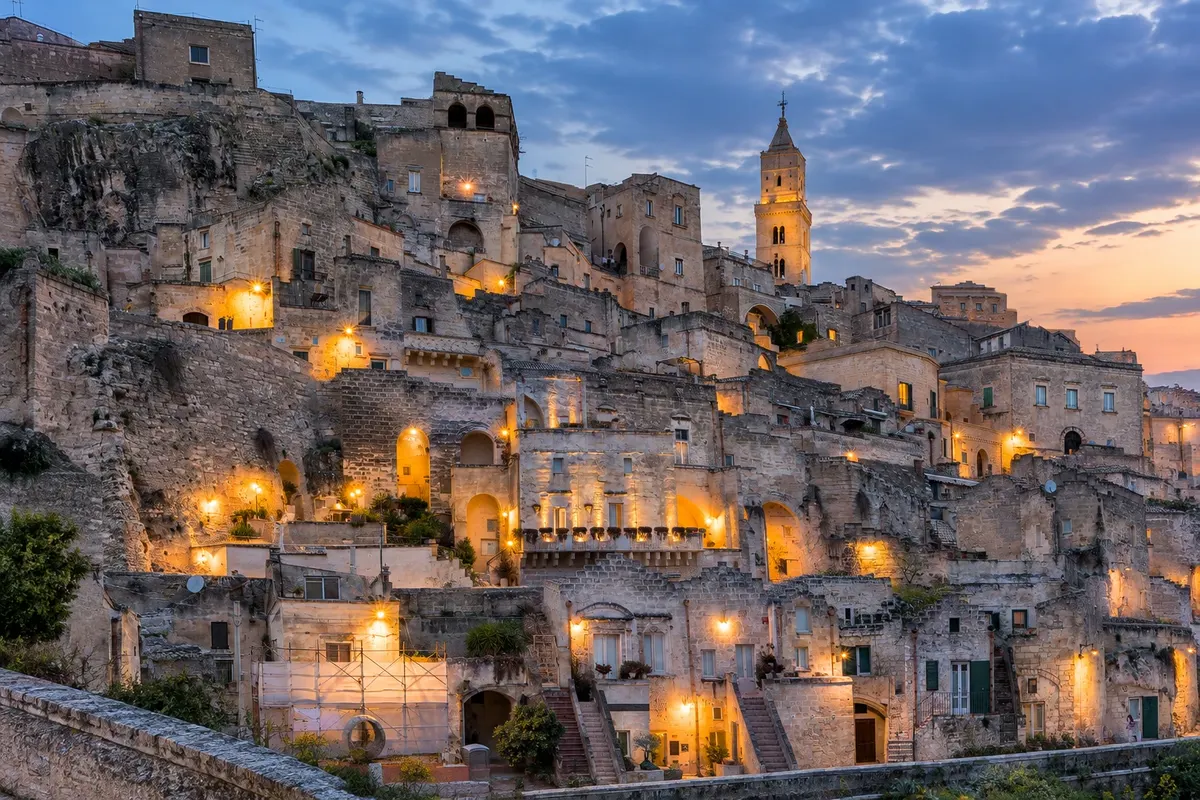
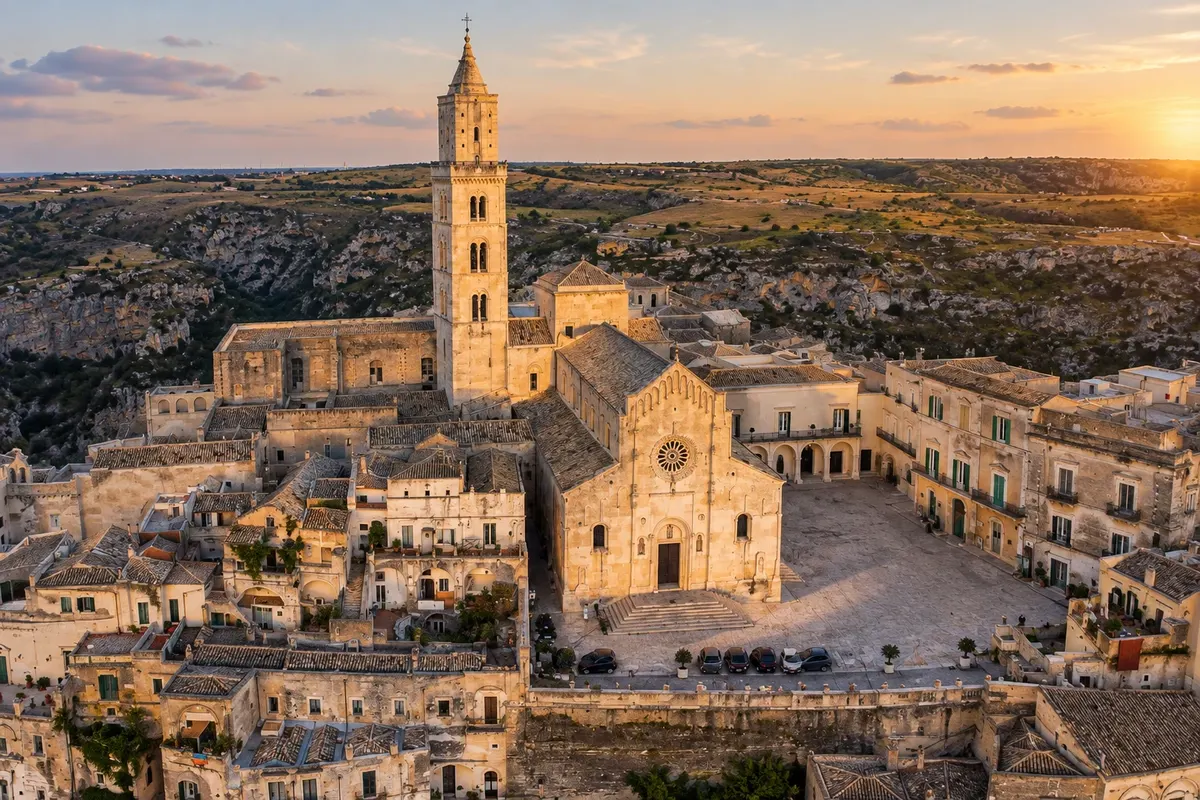
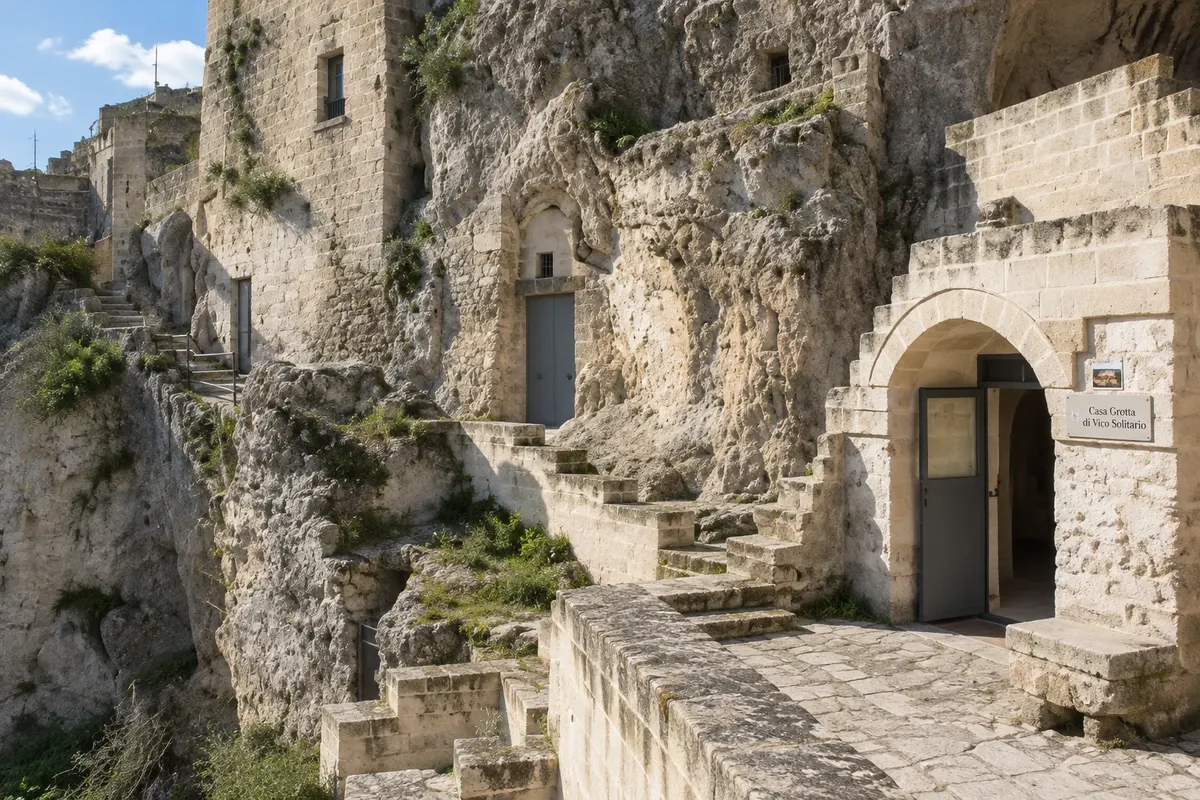
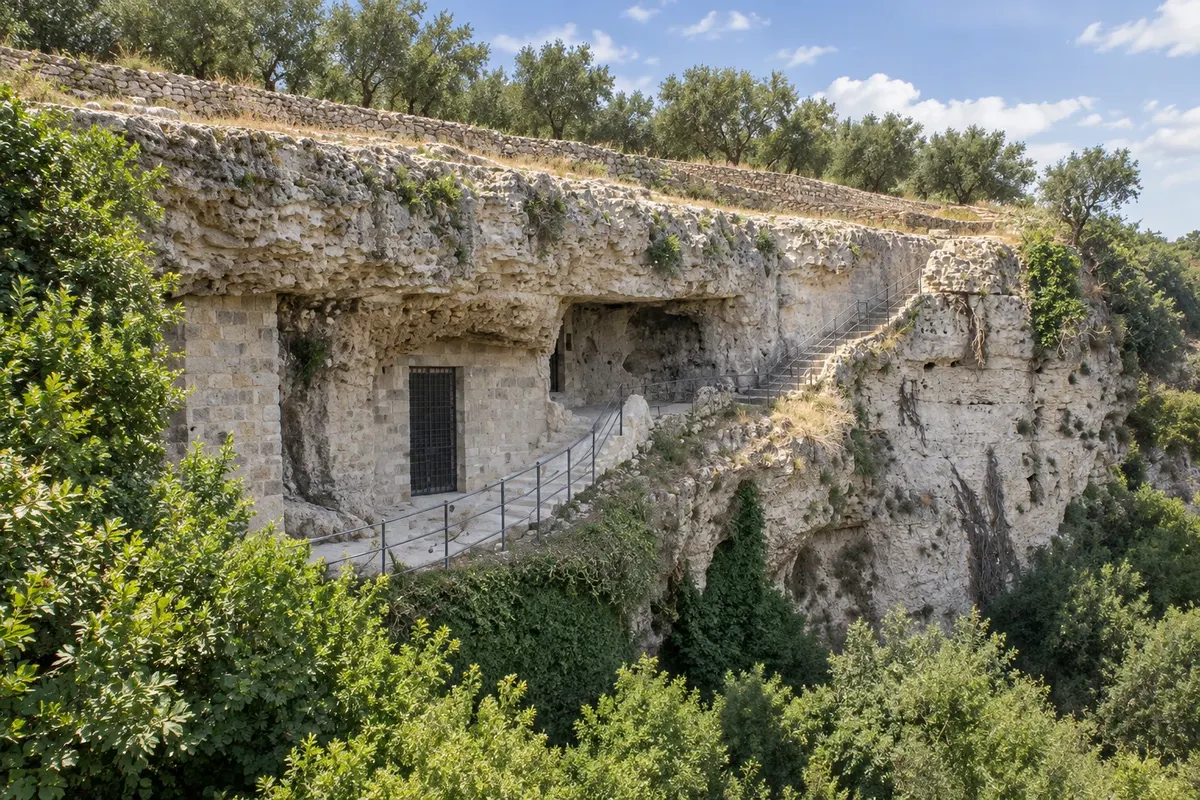
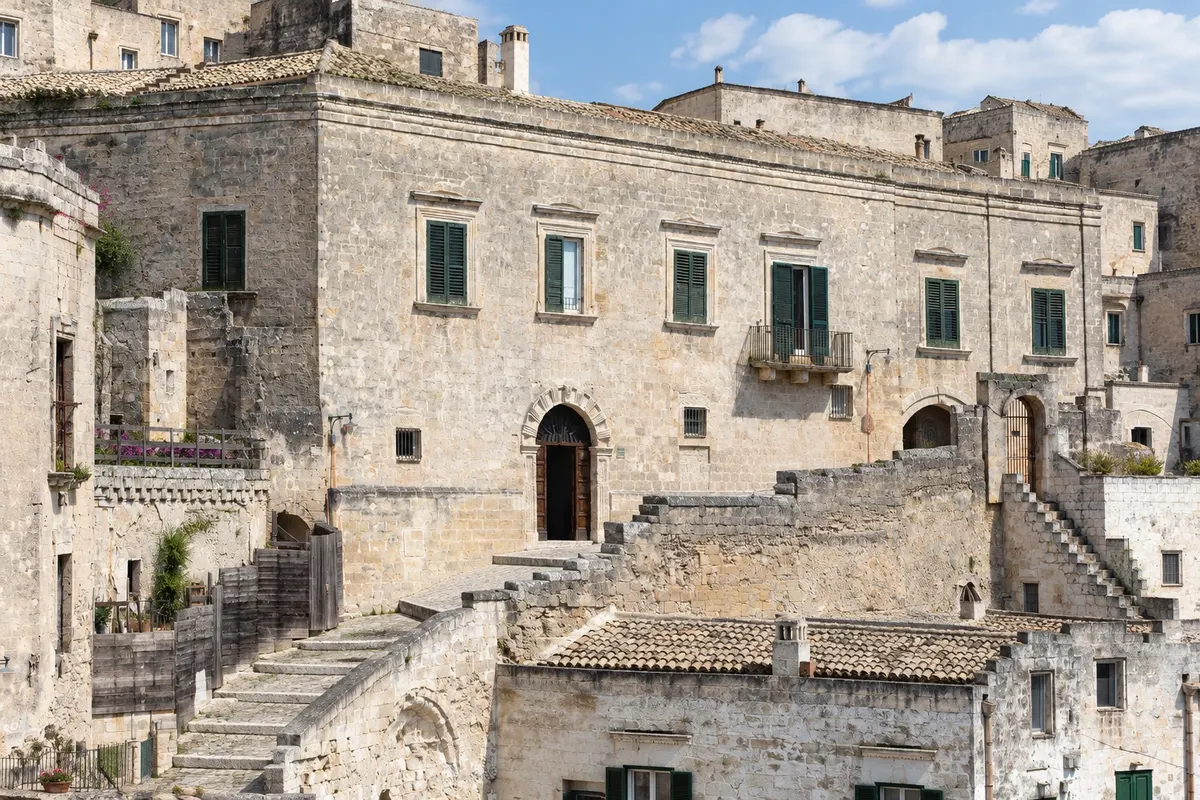
Matera, in the Basilicata region, near the border with Apulia, is known for the Sassi: the Sasso Caveoso and the Sasso Barisano, neighborhoods of houses and churches carved into the rock above the Gravina ravine, a UNESCO World Heritage Site since 1993. Between the two lies the Civita, with its Romanesque cathedral. There are rock-hewn churches with frescoes, the furnished Casa Grotta, the Palombaro Lungo cistern and viewpoints such as the one at Parco della Murgia Materana on the other side of the ravine.

The local experience

Things to do in Apúlia and Matera

Basilica di San Nicola
Bari · Apúlia · Church

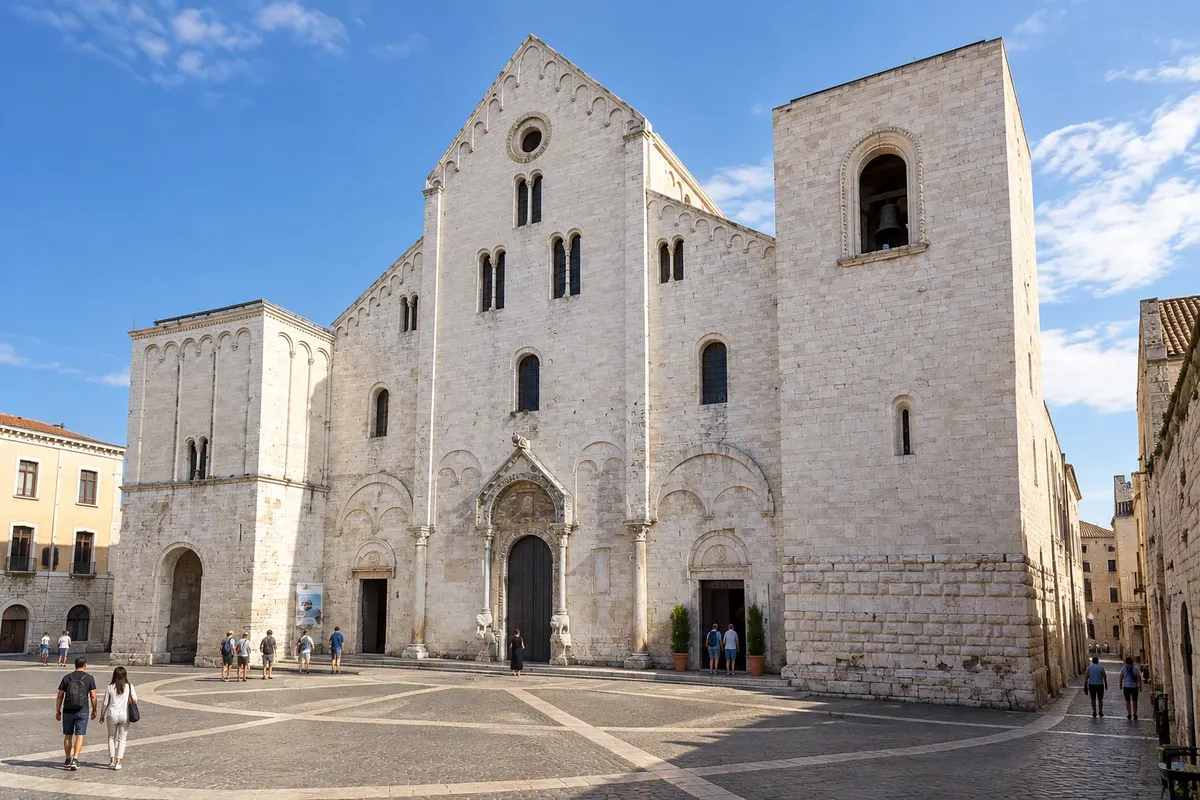
Basilica di San Nicola

Romanesque basilica from the 11th century, in the heart of Bari Vecchia, built to house the relics of Saint Nicholas, brought from the city of Myra (now in Turkey) in 1087. It is a destination for Catholic and Orthodox pilgrims.

Basilica di Santa Croce
Lecce · Apúlia · Church

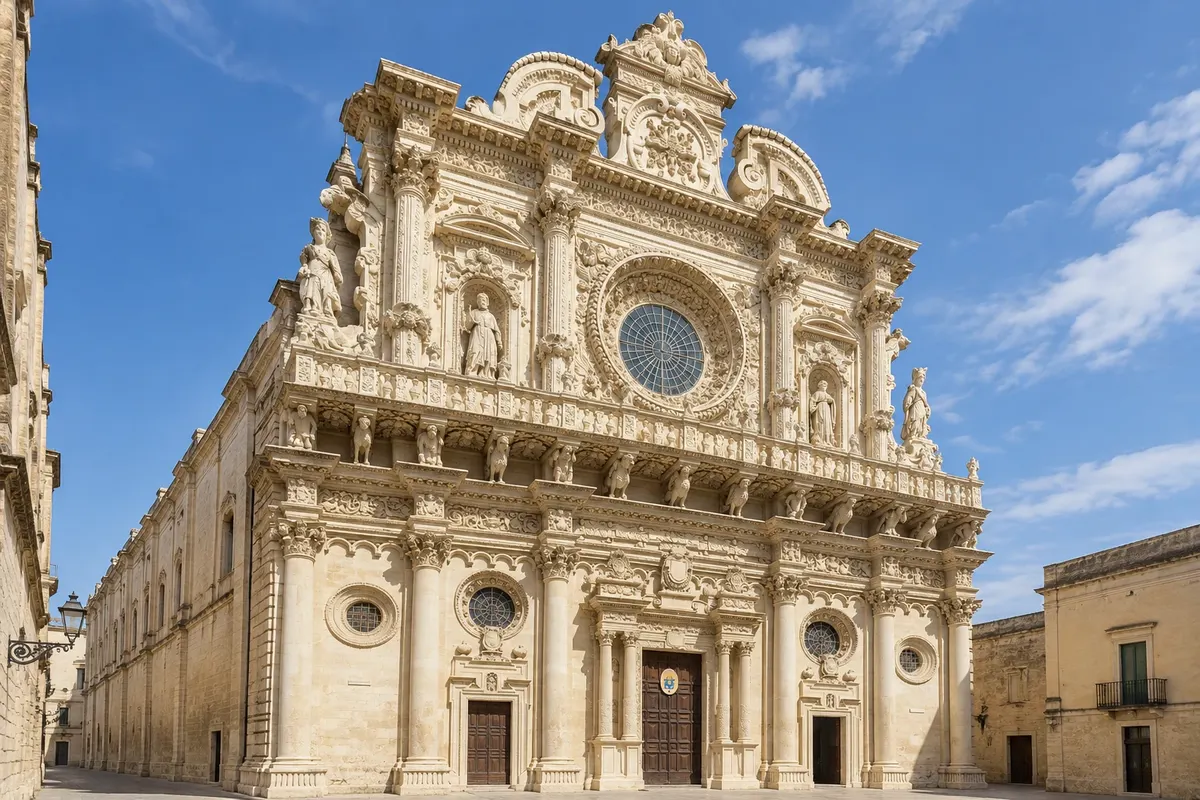
Basilica di Santa Croce

16th–17th century basilica considered the masterpiece of the barroco leccese, with a façade full of grotesque figures, animals and a large rose window. Beside it is the former convent of the Celestines.

Lama Monachile
Polignano a Mare · Apúlia · Beach

Lama Monachile

A small inlet between cliffs next to the historic center of Polignano, with a pebble beach and a stone bridge over the old Via Traiana. It's the town's most famous view.

Rione Monti
Alberobello · Apúlia · Historic neighborhood

Rione Monti

The trulli quarter of Alberobello, on the slope south of the center, with about 1,030 dry-stone houses and cone-shaped roofs. Together with Aia Piccola, it forms the ensemble recognized by UNESCO in 1996.

See 31 more places in Apúlia and Matera
Sasso Caveoso
Matera · Basilicata · Historic neighborhood

Sasso Caveoso

The oldest and most rustic of the two Sassi, with houses carved in steps like an amphitheater, the church of San Pietro Caveoso and, above, the rock churches of the Monterrone overlooking the Gravina ravine.

Cattedrale di San Sabino
Bari · Apúlia · Cathedral

Cattedrale di San Sabino

Bari's cathedral, in Apulian Romanesque style, was built between the 12th and 13th centuries over the ruins of older churches. It features a rose window on the façade, a Baroque crypt and remains of medieval mosaics.

Centro storico di Polignano a Mare
Polignano a Mare · Apúlia · Historic neighborhood

Centro storico di Polignano a Mare

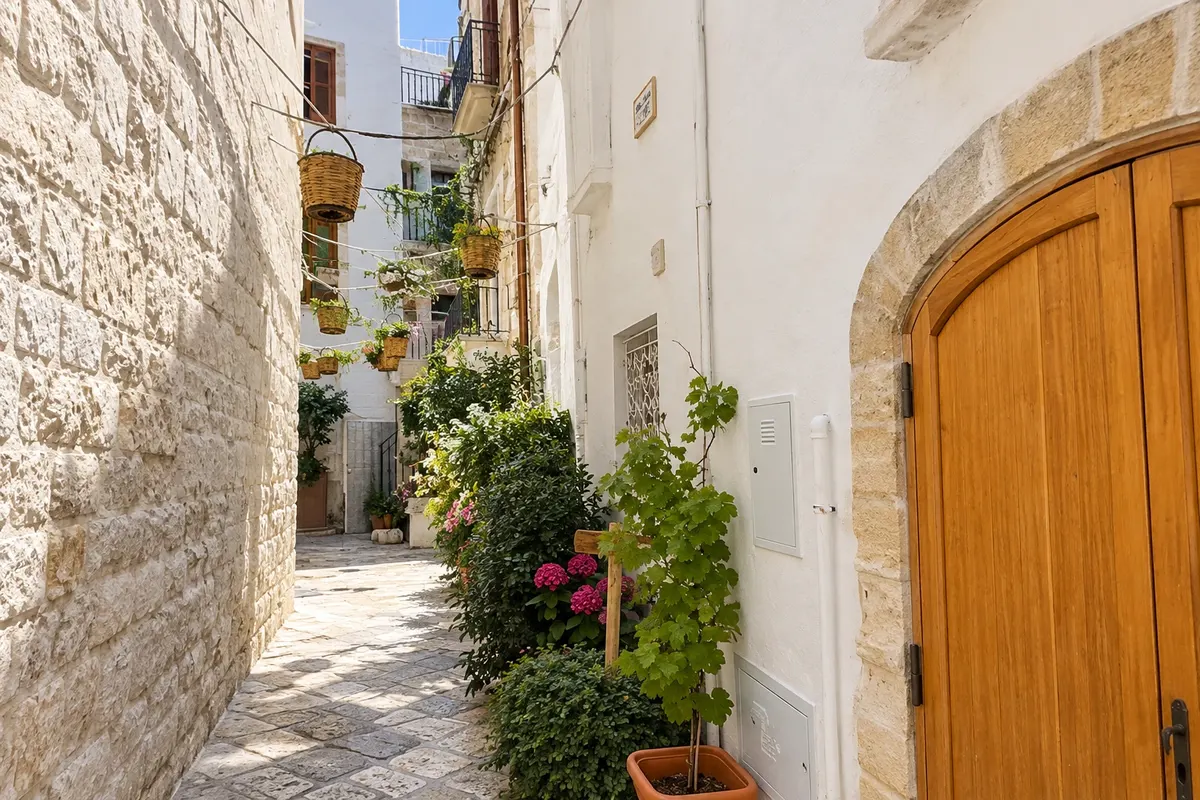
Polignano's old town sits on a rocky spur plunging into the Adriatic. White alleys, terraces over the sea and the main church on the central square.

Piazza del Duomo
Lecce · Apúlia · Square

Piazza del Duomo

An enclosed square, almost a courtyard, surrounded by the Cattedrale di Santa Maria Assunta, the 70-meter campanile, the episcopal palace and the former seminary, all in leccese Baroque.

Sasso Barisano
Matera · Basilicata · Historic neighborhood

Sasso Barisano

The Sasso facing north, toward Bari, with houses that have elaborately worked facades, carved portals and the rock church of San Pietro Barisano, the largest in the city.

Trullo Sovrano
Alberobello · Apúlia · House museum

Trullo Sovrano

The largest trullo in Alberobello and one of the rare two-storey ones, about 14 meters high. Built in the 18th century, it is a national monument and serves as a furnished house-museum.

Anfiteatro romano di Lecce
Lecce · Apúlia · Ruins

Anfiteatro romano di Lecce

Remains of the Roman amphitheatre from the time of Augustus, discovered in the early 20th century and exposed outdoors in Piazza Sant'Oronzo, the main square of Lecce, next to the patron's column.

Castello Normanno-Svevo
Bari · Apúlia · Castle

Castello Normanno-Svevo

Fortress on the edge of the old town, erected by the Normans in the 12th century and rebuilt by Frederick II in 1233. It has a moat, stone towers and rooms with exhibitions and a gipsoteca, a collection of plaster casts.

Cattedrale di Matera
Matera · Basilicata · Cathedral

Cattedrale di Matera

Romanesque cathedral of Apulia, built between 1230 and 1270 at the highest point of the Civita, between the two Sassi, dedicated to the Madonna della Bruna and Sant'Eustachio.

Chiesa di Sant'Antonio di Padova
Alberobello · Apúlia · Church

Chiesa di Sant'Antonio di Padova

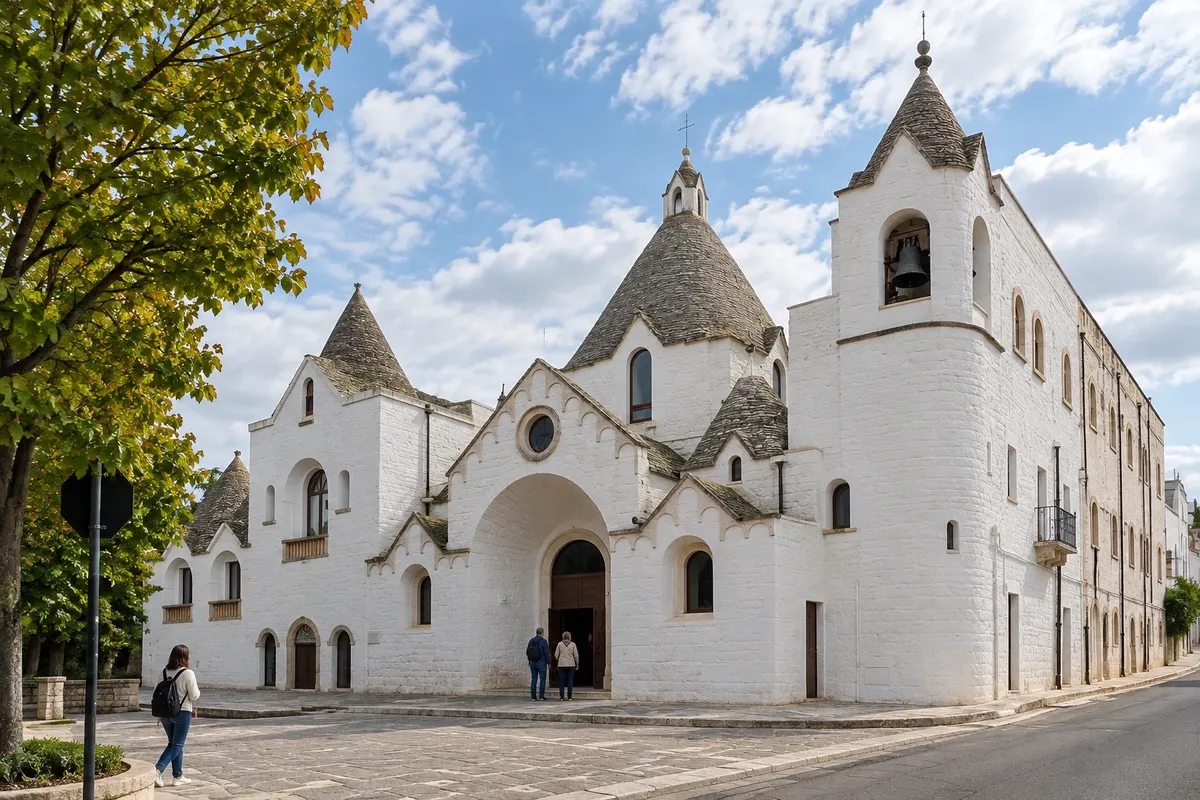
Church built in 1926 and 1927 at the top of Rione Monti, in the shape of a trullo, with a 21-meter conical dome and a bell tower alongside.

Statua di Domenico Modugno
Polignano a Mare · Apúlia · Monument

Statua di Domenico Modugno

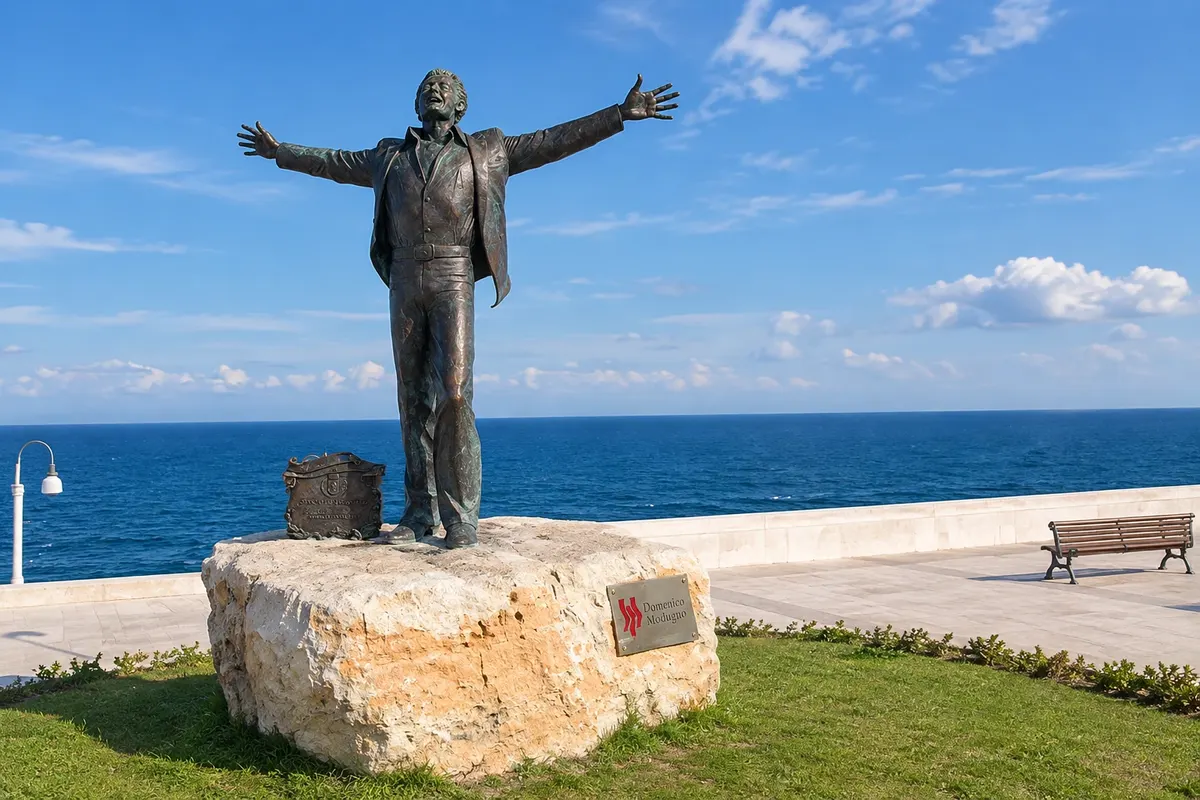
Bronze statue of singer Domenico Modugno, born in Polignano, with arms outstretched facing the sea. It honors the author of Nel blu dipinto di blu, the song known as Volare.

Bari Vecchia
Bari · Apúlia · Historic neighborhood

Bari Vecchia

Bari's old town occupies a small peninsula between the old port and the new port, surrounded by the ancient wall. Medieval lanes, squares, dozens of churches and the neighborhood life of its residents.

Basilica dei Santi Medici Cosma e Damiano
Alberobello · Apúlia · Church

Basilica dei Santi Medici Cosma e Damiano

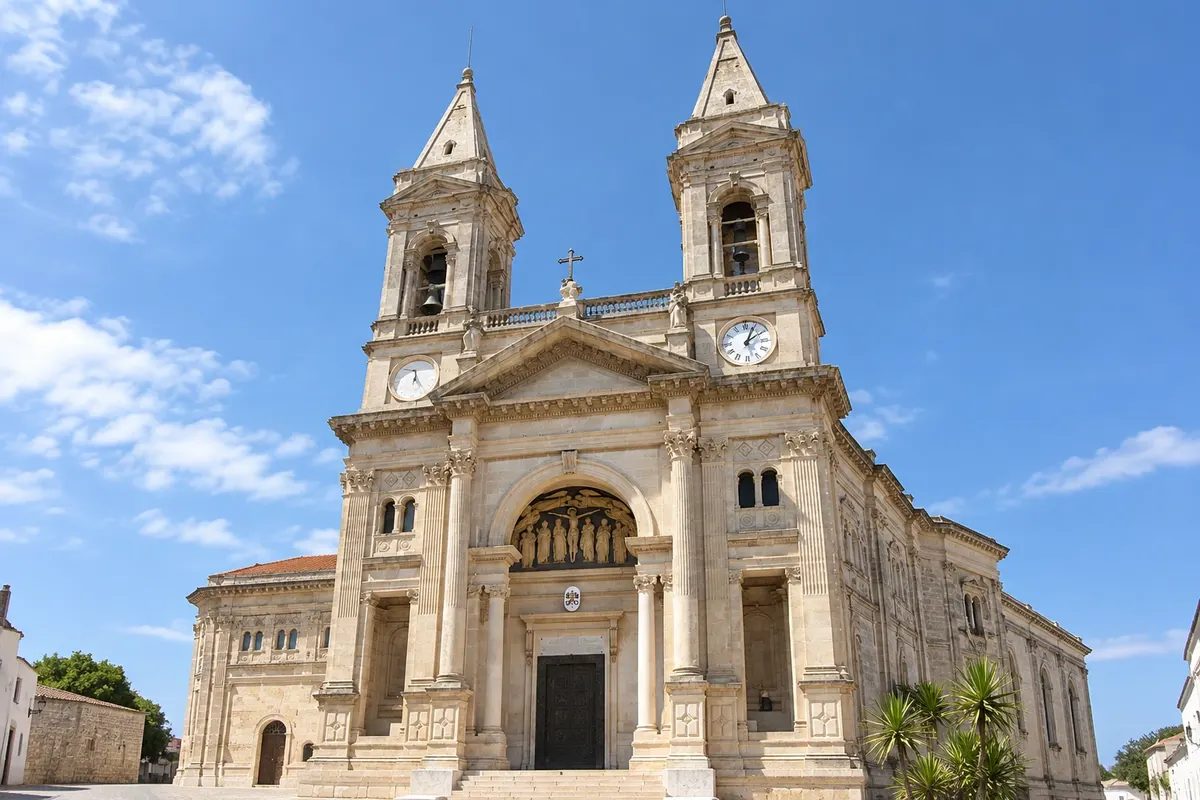
The mother church of Alberobello, in Neoclassical style, with a porticoed façade and two twin towers, was designed at the end of the 19th century by local architect Antonio Curri. It houses the relics of the patron saints.

Chiesa rupestre di Santa Maria de Idris
Matera · Basilicata · Church

Chiesa rupestre di Santa Maria de Idris

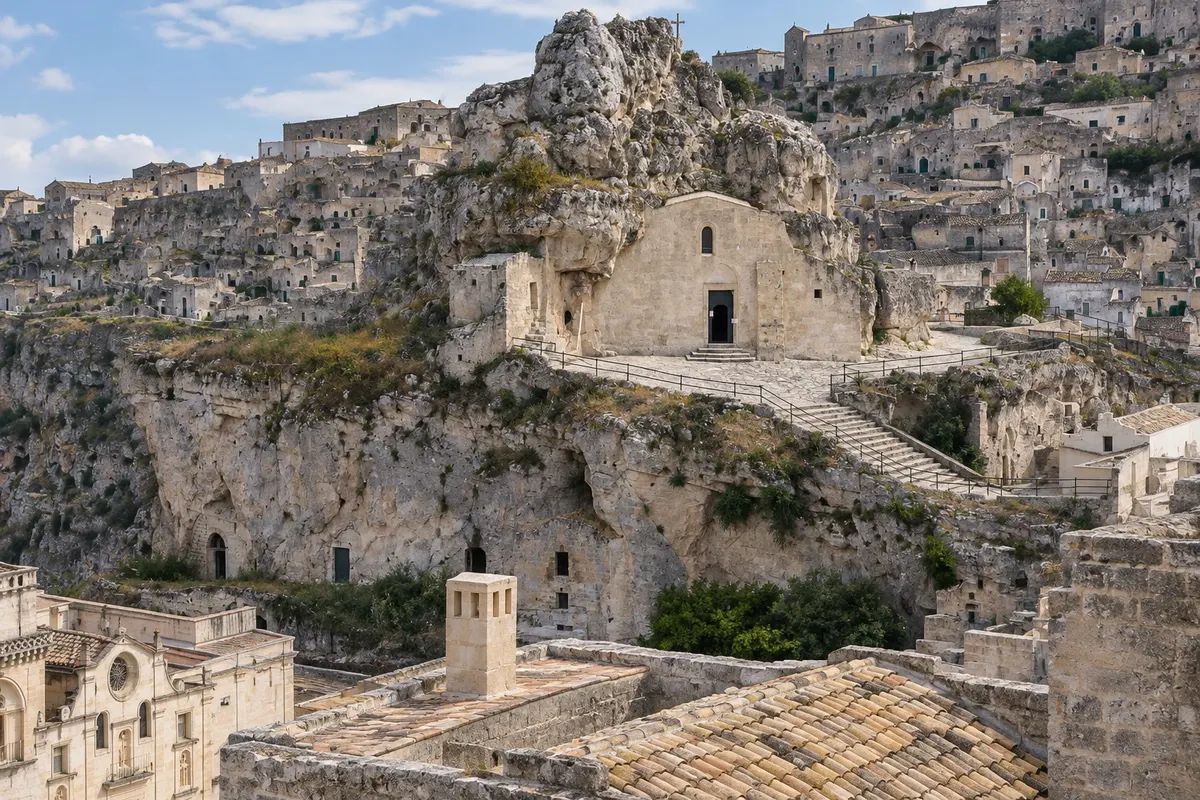
Rock-cut church atop the Monterrone, the rock in the middle of Sasso Caveoso, linked by a corridor to the crypt of San Giovanni in Monterrone, with frescoes dating from the 12th to the 17th centuries.

Fondazione Museo Pino Pascali
Polignano a Mare · Apúlia · Museum

Fondazione Museo Pino Pascali

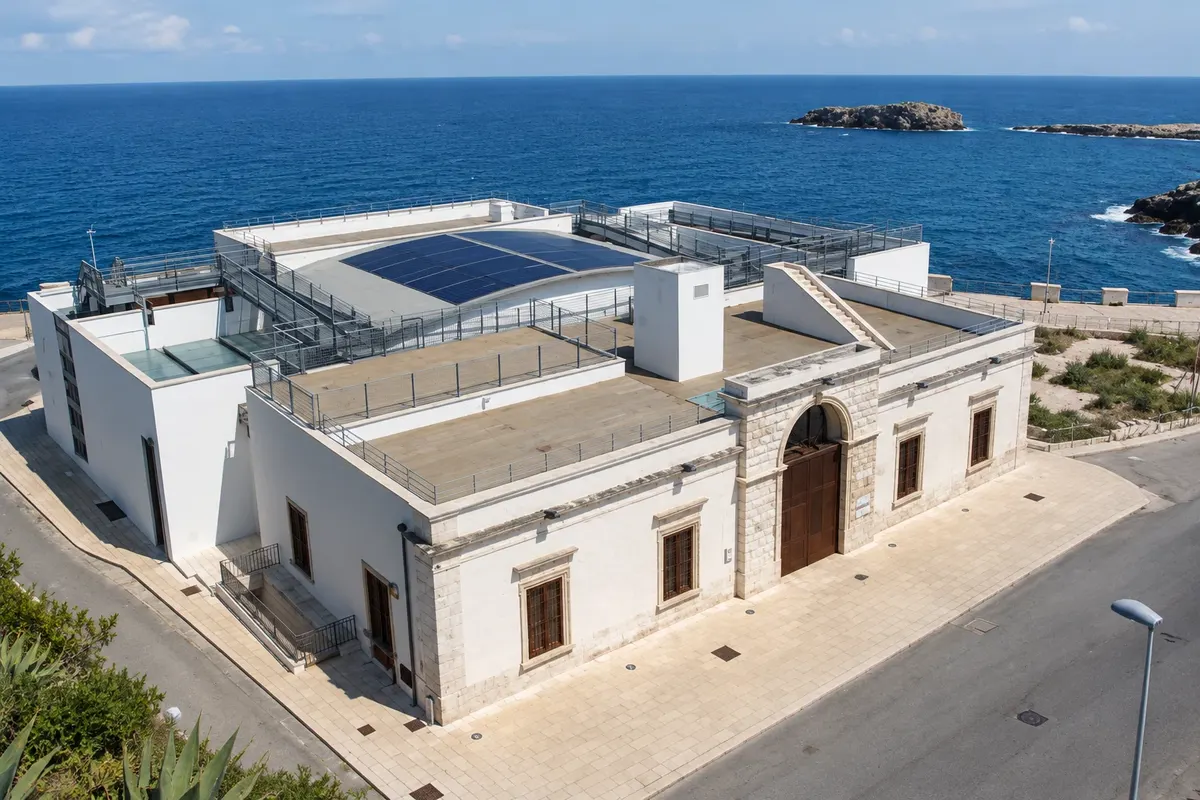
Contemporary art museum housed in the city's former slaughterhouse on the sea, dedicated to the artist Pino Pascali, a figure of arte povera. It has a permanent collection and temporary exhibitions.

Porta Napoli
Lecce · Apúlia · Monument

Porta Napoli

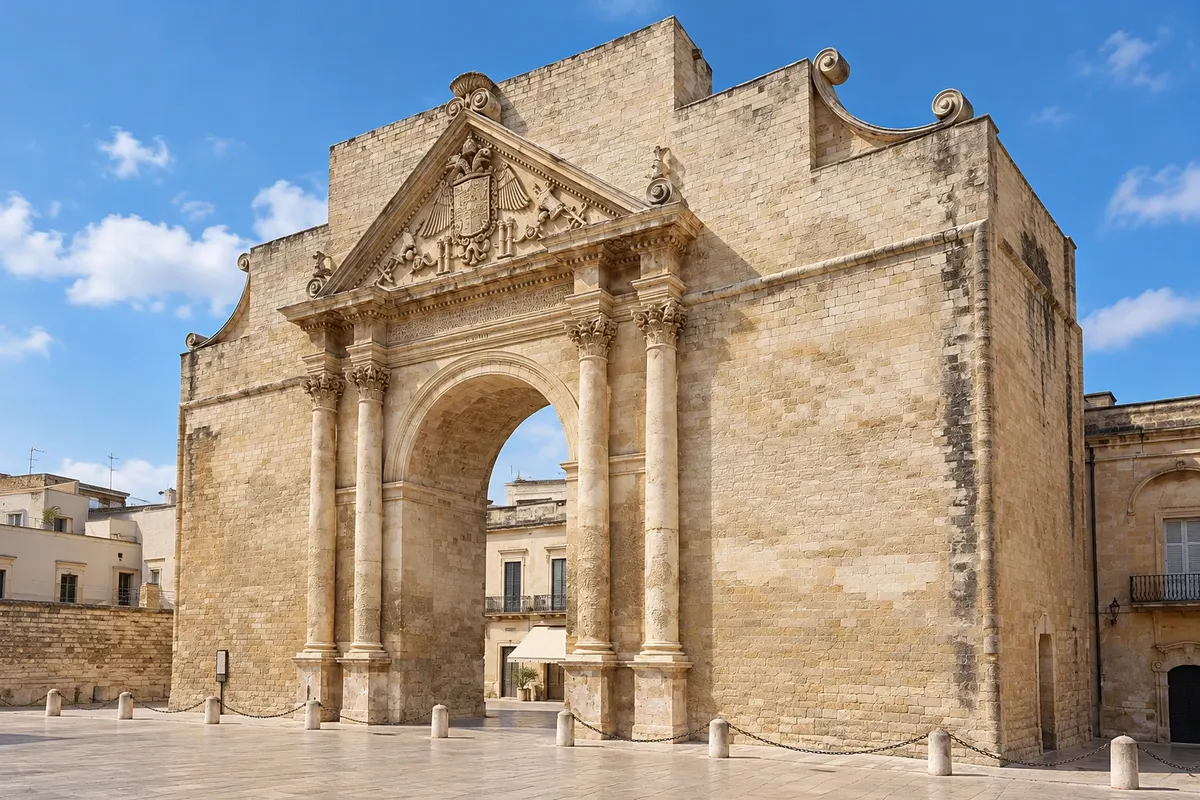
Triumphal arch from 1548 erected in honor of Emperor Charles V, at the northern entrance to the historic center of Lecce, facing a 19th-century obelisk.

Castello Carlo V
Lecce · Apúlia · Castle

Castello Carlo V

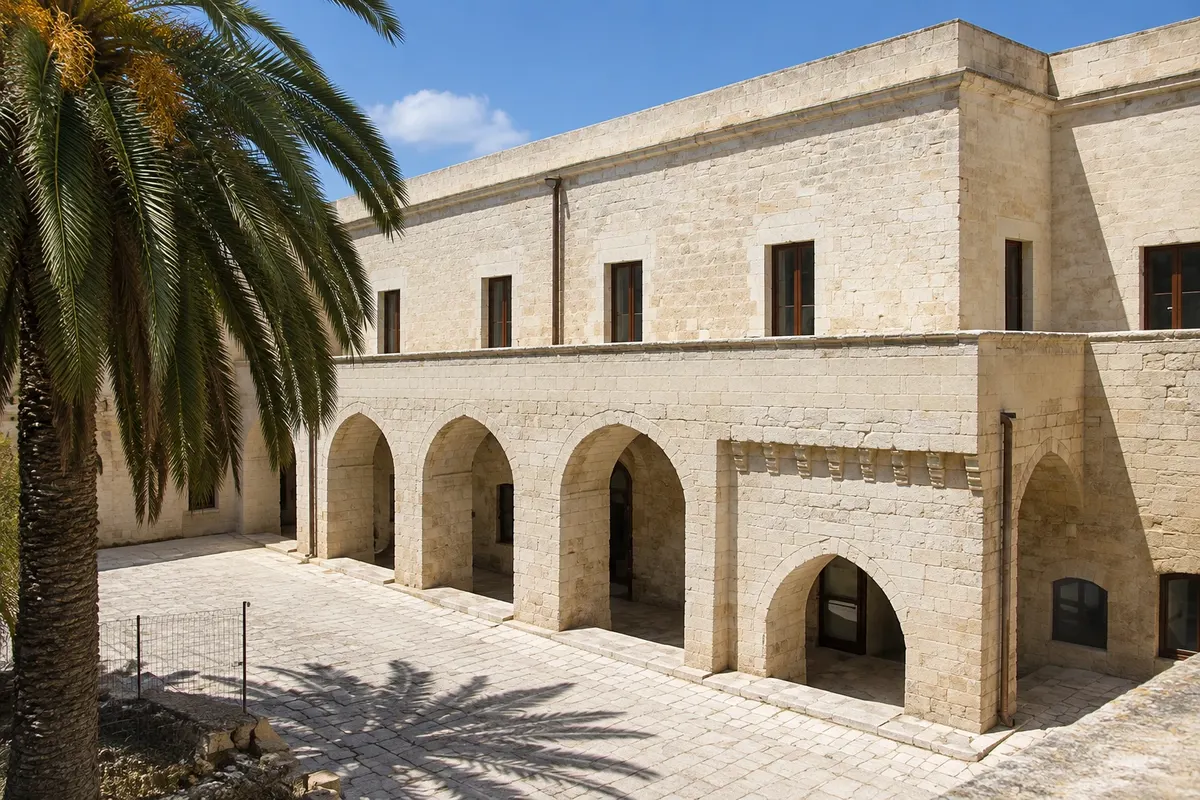
Fortress built from 1539 by order of Carlos V, next to the historic center. Today it serves as a cultural space run by the city council, hosting exhibitions and routes through the castle's former rooms.

Chiesa rupestre di Santa Lucia alle Malve
Matera · Basilicata · Church

Chiesa rupestre di Santa Lucia alle Malve

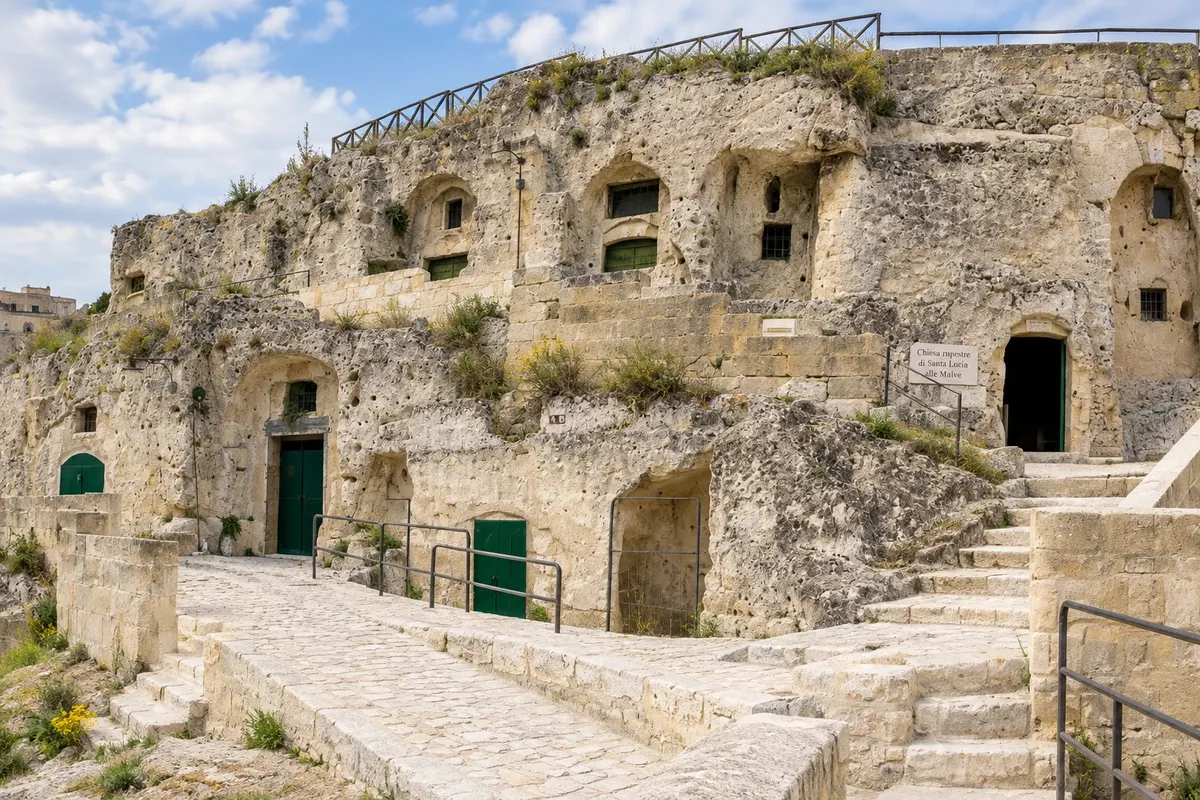
Rock‑cut church of Sasso Caveoso linked to an 11th‑century Benedictine nunnery, with 13th‑century frescoes, including a Nursing Madonna and the archangel Gabriel.

Lungomare Nazario Sauro
Bari · Apúlia · Street

Lungomare Nazario Sauro

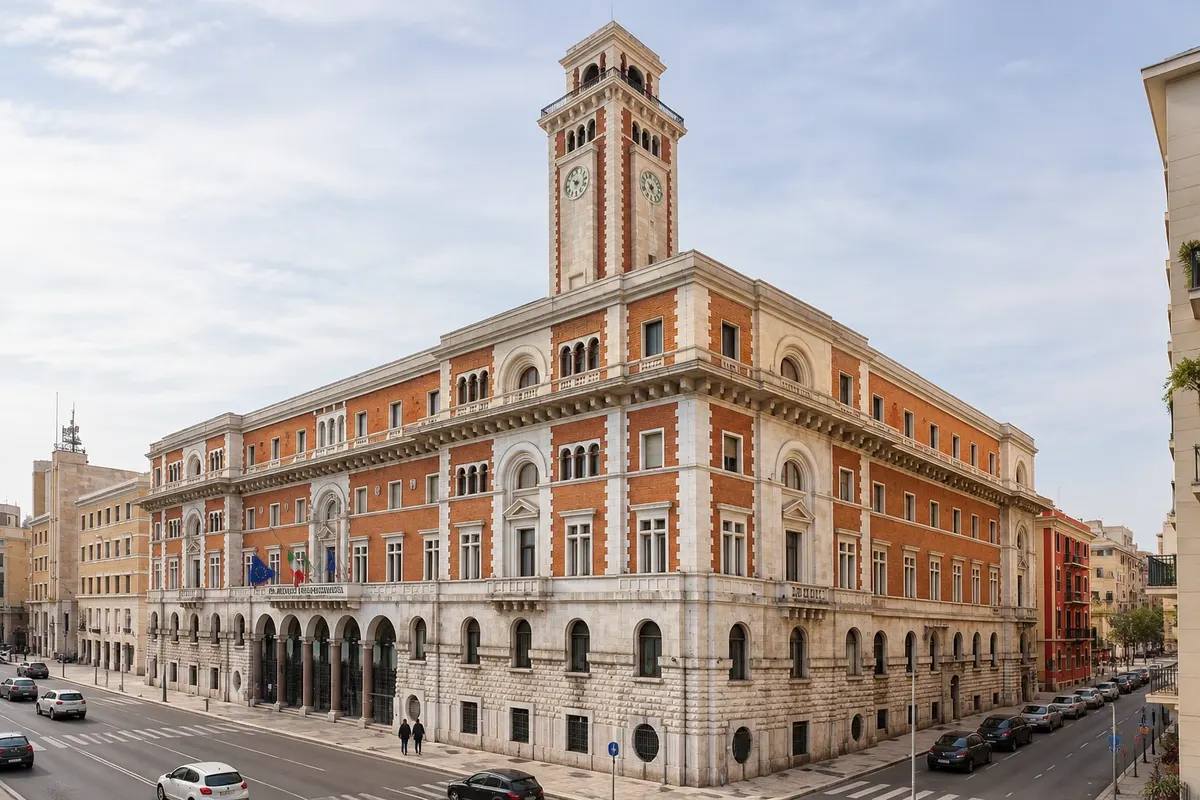
Seafront avenue that runs from the old town toward the south, with a promenade, public buildings from the 1920s and 1930s, and views of the Adriatic. It's the locals' late-afternoon stroll.

Museo del Territorio Casa Pezzolla
Alberobello · Apúlia · Museum

Museo del Territorio Casa Pezzolla

Museum set up in 15 trulli linked together, next to the Aia Piccola. It displays Alberobello's history, the trulli construction technique and rural life.

Casa Grotta di Vico Solitario
Matera · Basilicata · House museum

Casa Grotta di Vico Solitario

House dug into the rock in the Sasso Caveoso, furnished with original furniture and objects, showing how a family lived in the Sassi, together with the animals, before the evacuations of the 1950s.

Museo Faggiano
Lecce · Apúlia · Museum

Museo Faggiano

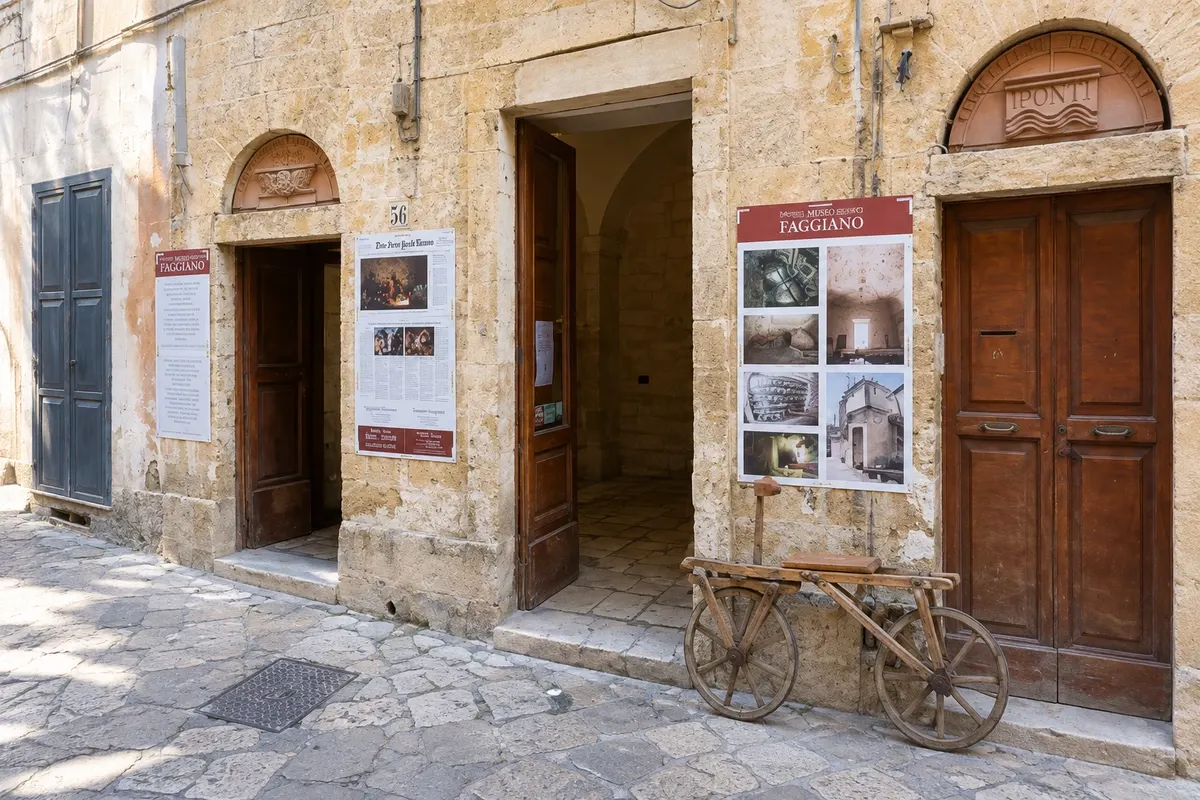
A private house in the historic center where, following plumbing work in 2001, layers of Lecce’s history were revealed: Messapian tombs, Roman silos, medieval remains and an old Templar house.

Pinacoteca Metropolitana Corrado Giaquinto
Bari · Apúlia · Museum

Pinacoteca Metropolitana Corrado Giaquinto

Museum of Apulia art in the Palazzo della Provincia by the sea, featuring medieval sculptures, Byzantine icons, Venetian paintings by Giovanni Bellini, Tintoretto and Veronese, and works of the Neapolitan Baroque.

Museo Sigismondo Castromediano
Lecce · Apúlia · Museum

Museo Sigismondo Castromediano

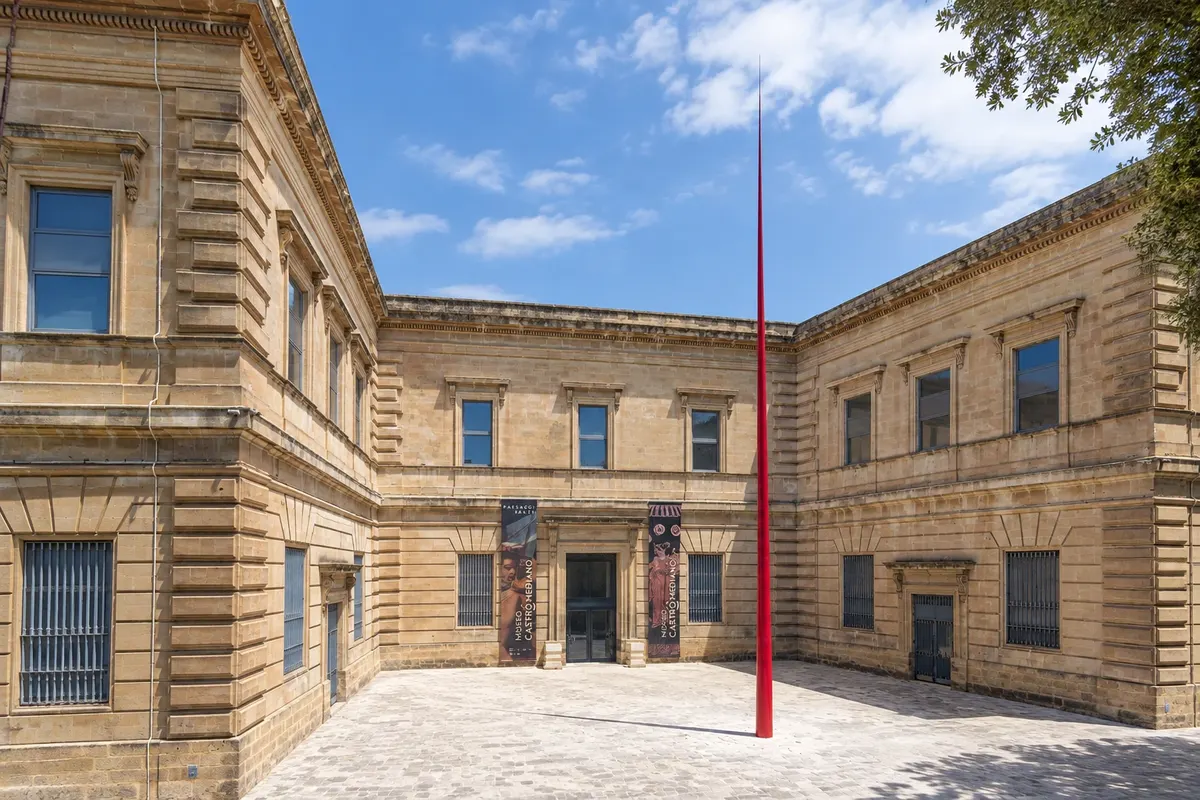
The oldest museum in Apúlia, founded in 1868, with Messapian and Roman pieces from the Salento, an art gallery and a reconstruction of the Grotta dei Cervi of Porto Badisco, featuring prehistoric paintings.

Palombaro Lungo
Matera · Basilicata · Historical site

Palombaro Lungo

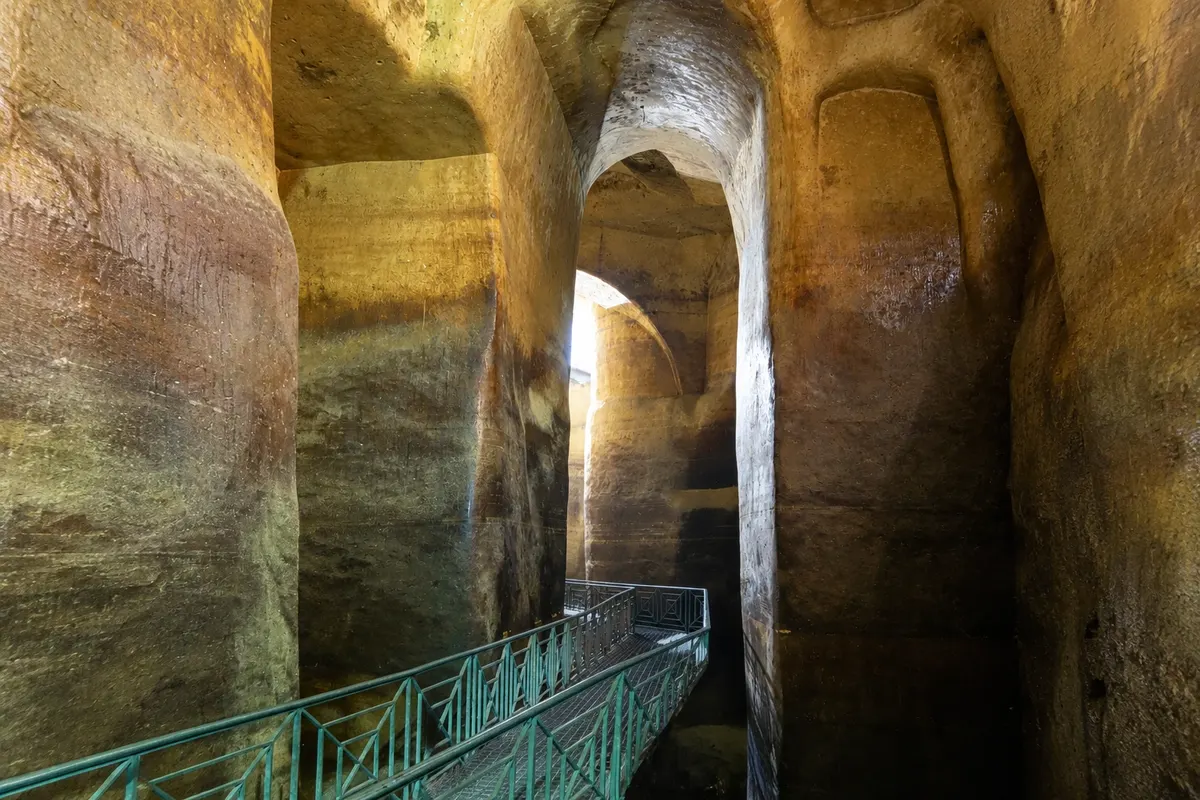
Huge cistern excavated beneath the Piazza Vittorio Veneto, about 16 meters deep and with a capacity of 5 million liters, visited in guided groups via walkways.

Quartiere Murat
Bari · Apúlia · Historic neighborhood

Quartiere Murat

The part of the city laid out in the 19th century, with straight streets, between the station and the old town. It includes Via Sparano, a pedestrian shopping street, Corso Vittorio Emanuele, the Teatro Petruzzelli and liberty-style buildings.

Cattedrale di Otranto
Lecce · Apúlia · Cathedral

Cattedrale di Otranto

Romanesque cathedral from the 11th century in Otranto, about 45 km from Lecce, with a floor mosaic from 1163–1165 that covers the entire nave and the chapel housing the remains of the Martyrs of Otranto.

MUSMA
Matera · Basilicata · Museum

MUSMA

Museum of contemporary sculpture housed in the Palazzo Pomarici and in caves carved into the rock, at the top of the Sasso Caveoso, with works by Italian and foreign artists.

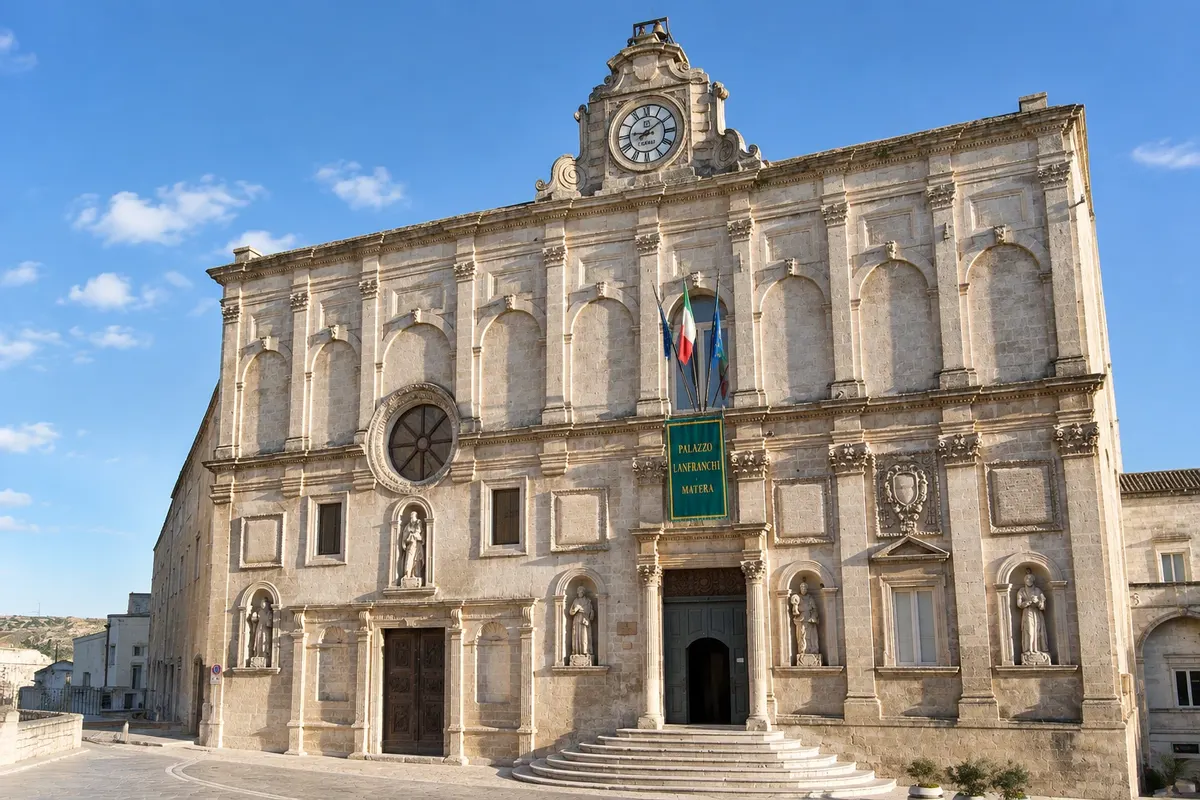
Palazzo Lanfranchi
Matera · Basilicata · Museum

Palazzo Lanfranchi

17th-century palace, former seminary, which houses the national museum of medieval and modern art of Basilicata, featuring the large panel Lucania '61 by Carlo Levi.

Parco della Murgia Materana
Matera · Basilicata · Park

Parco della Murgia Materana

Park of the rock-cut churches on the other side of the Gravina ravine, with dozens of excavated churches, Neolithic villages and the Belvedere di Murgia Timone, which faces Matera.

Cripta del Peccato Originale
Matera · Basilicata · Church

Cripta del Peccato Originale

Benedictine cave-church about 14 km from Matera with frescoes from the 8th and 9th centuries depicting the Creation and Original Sin. Visits by reservation only.

Before you go

Practical information

A little planning leaves more time to enjoy the journey.

When to go

From May to June and from September to October the weather is usually good for walking and for the sea. July and August are hot and crowded, especially August, due to Italians' vacations. The beach season usually runs from June to September. In winter, from December to February, the climate is mild, but part of the coastal trade closes.

The seasons shown are the most usual ones; nature doesn't always follow the calendar.

How many days to stay

Five to seven days allow you to see the essentials: 1 or 2 days in Bari, one day between Polignano a Mare and the coast, one day in Alberobello and the Valle d'Itria, 1 or 2 days in Lecce and 1 or 2 days in Matera. With less time, Bari serves as a base for day trips to Polignano, Alberobello and Matera.

Which city to stay in

In Bari, the quartiere Murat, the modern part with straight streets, is close to the station and the old town; Bari Vecchia has accommodations in the townhouses of its alleys. On the coast, Polignano a Mare and the neighboring Monopoli serve those who want the sea. In the Valle d'Itria there are accommodations in trulli in Alberobello and in masserie, former fortified farmhouses in the countryside. In Lecce, the historic center within the gates; in Matera, the Sassi or the upper part of the city, near Piazza Vittorio Veneto.

Respect the place

Take your trash with you, follow the signs and support local businesses. In natural areas, follow the visiting guidelines.

Get your questions answered

Frequently asked questions about Apúlia and Matera

How many days should I allocate for Apúlia and Matera?

Between 5 and 7 days. That way you can visit Bari, Polignano a Mare, Alberobello, Lecce and Matera without rushing. With 3 or 4 days, the most practical option is to stay in Bari and make day trips to Polignano, Alberobello and Matera.

Do I need to rent a car?

It's not mandatory. Regional trains connect Bari to Polignano a Mare and to Lecce; Alberobello is served by FS Sud Est by train or bus; and Matera by Ferrovie Appulo Lucane. A car helps to explore the Valle d'Itria and the masserie in the countryside. Historic centers have ZTL, a limited-traffic zone closed to outside cars: leave the car in parking outside it.

Can you do a day trip from Bari to Matera?

Yes. Matera is about 65 km from Bari, in Basilicata. Ferrovie Appulo Lucane trains depart from Bari and take about 1h30; there are also buses. By car the trip takes just over an hour. To see the Sassi at leisure, many people prefer to spend a night there.

Is it possible to visit Polignano and Alberobello on the same day?

Yes, especially by car: the two are about 30 km apart. By public transport it is possible, but you must combine the regional train to Polignano with FS Sud Est trains and buses to Alberobello, which have fewer departures on Sundays. Check schedules before you leave.

Explore other destinations Search by state and city
Back