Waterford and the southeast

Waterford · Wexford · Ireland

Waterford and the southeast

Waterford, the oldest city in Ireland, with the Viking Triangle and the crystal factory; the Copper Coast and its coves; and, in Wexford, the Irish National Heritage Park and the medieval lighthouse of Hook Head.

Munster

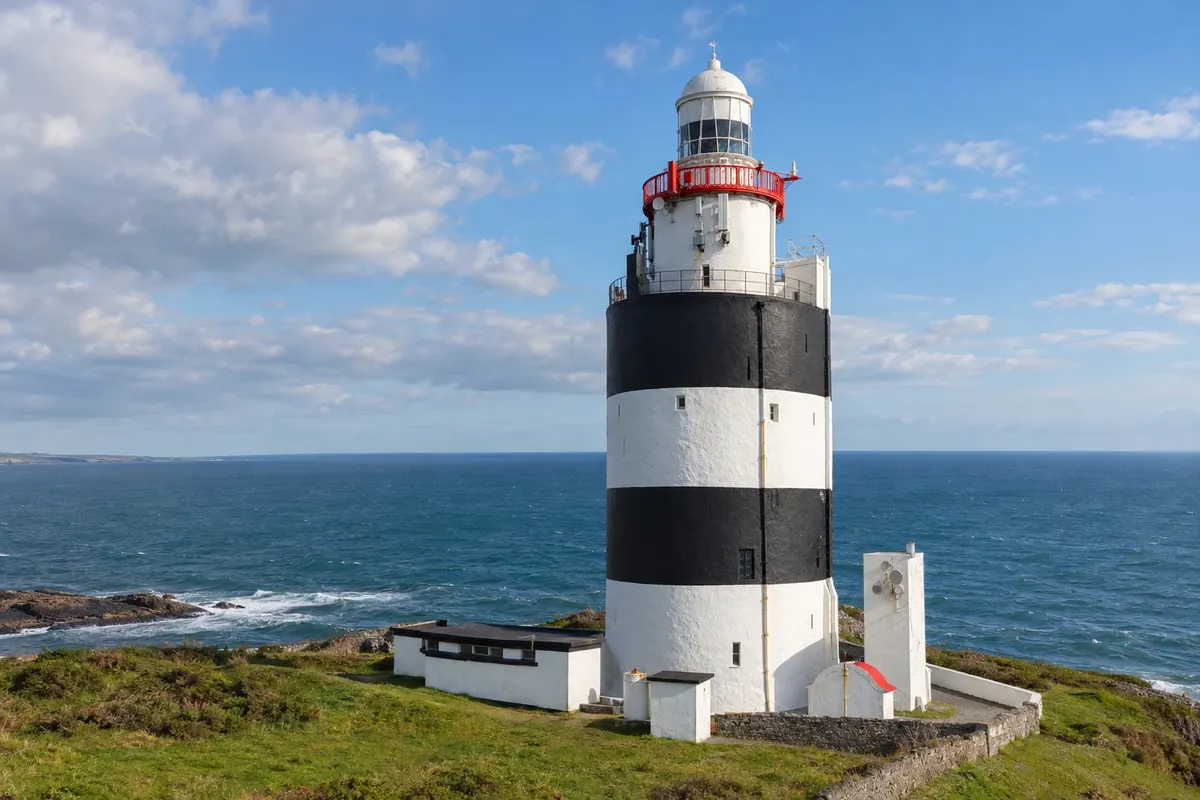
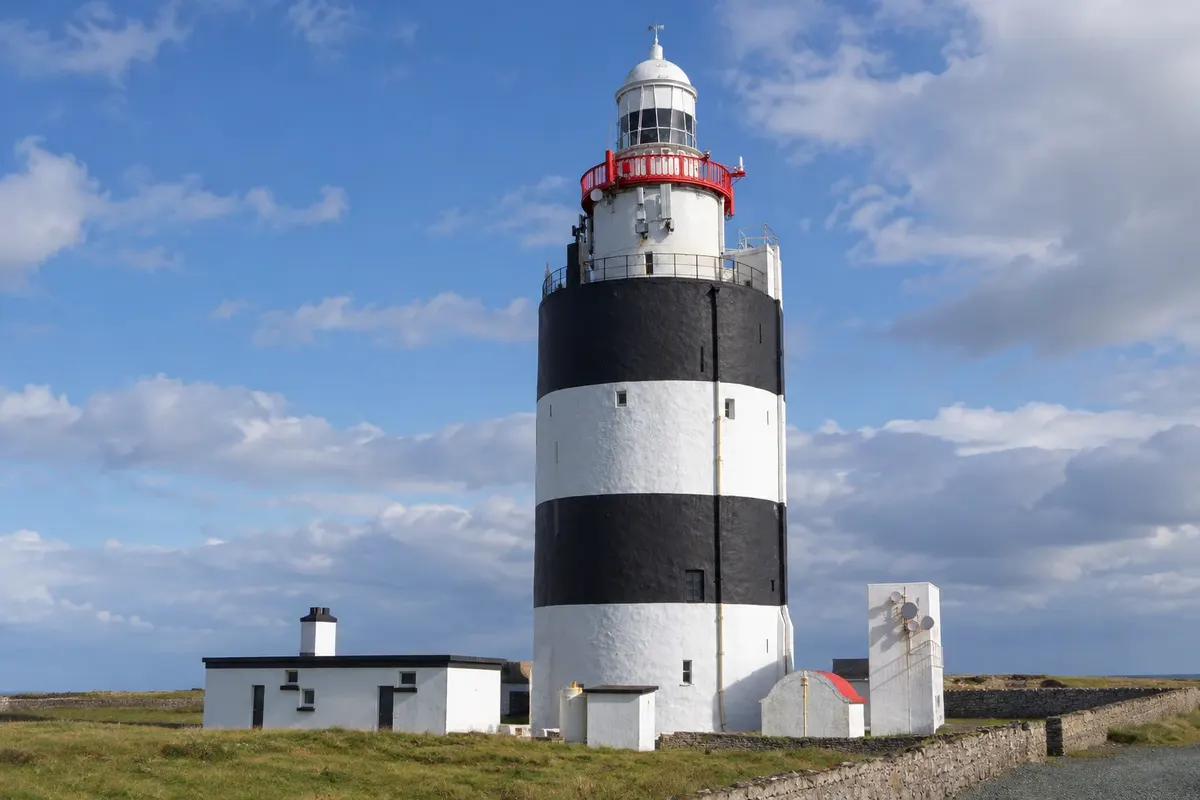
In the photo: Hook Lighthouse, Wexford

Illustrative images. The pictures in this guide are illustrations based on the real place, not photographs, and may differ from it.

Get it on Google Play Send your photos

Get to know the place

A region to enjoy
at your own pace.

The southeast of Ireland brings together the counties of Waterford and Wexford, on the coast facing the Celtic Sea, the sunniest and driest region of the country. It was there that the Vikings arrived in the 9th century, and the Normans in 1169, and the history of those arrivals can be seen in the towns, castles and lighthouses along the coast.

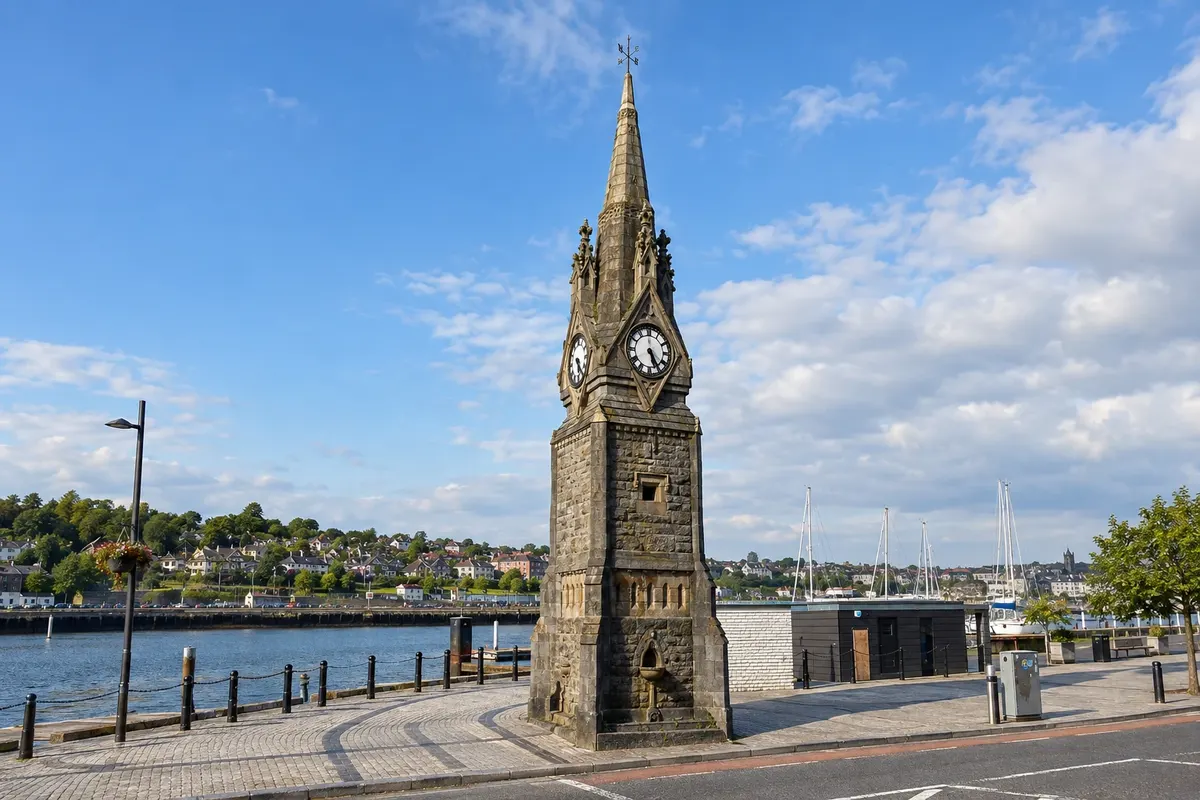
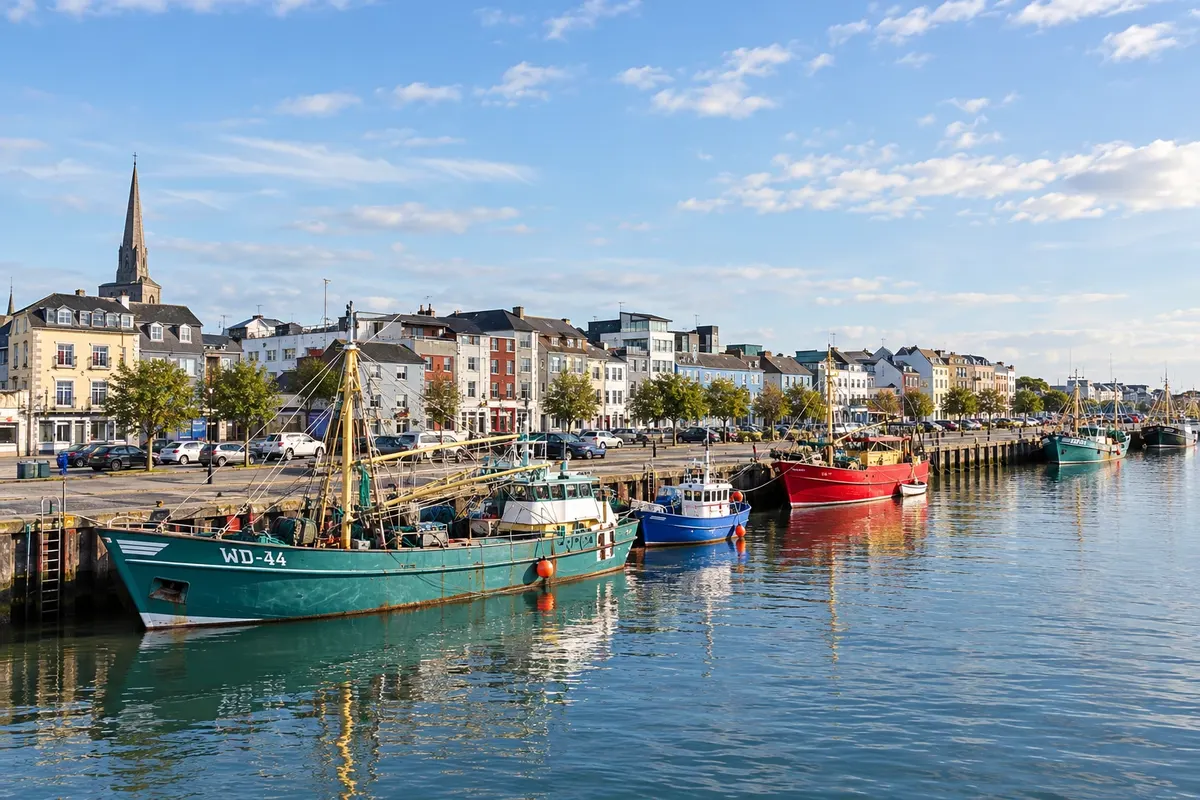
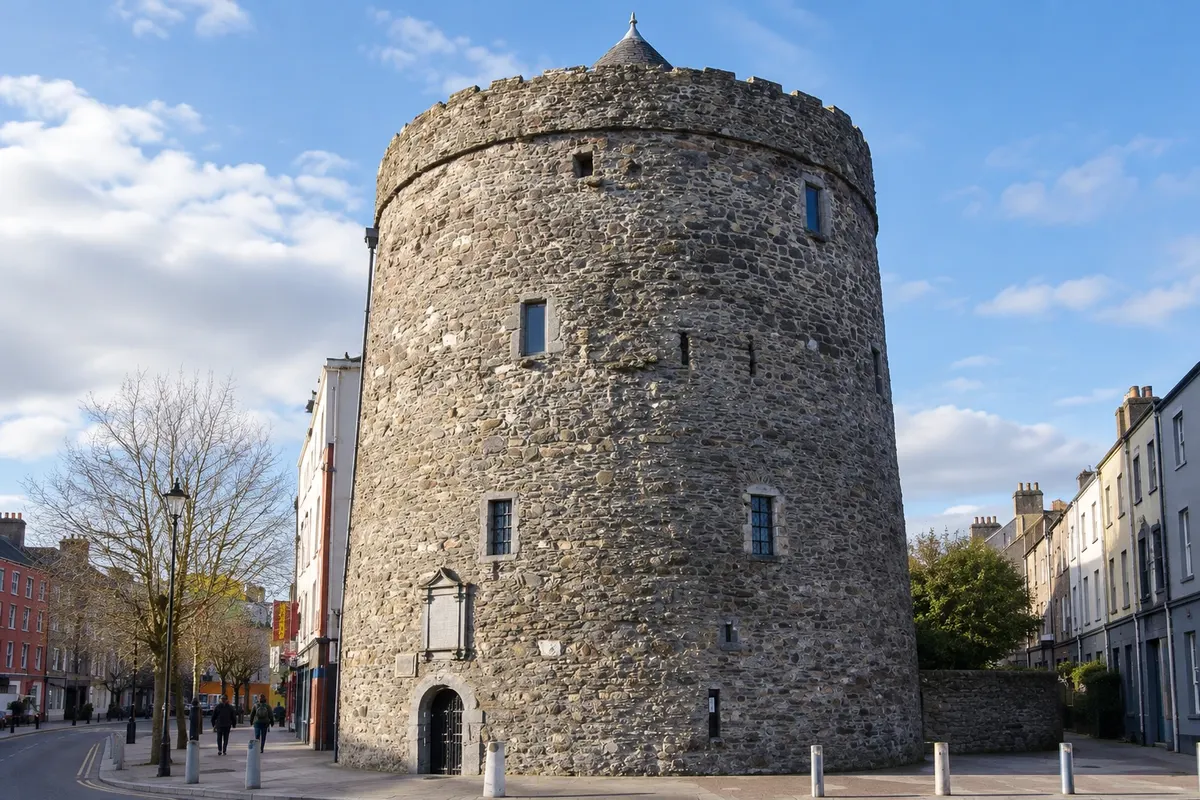
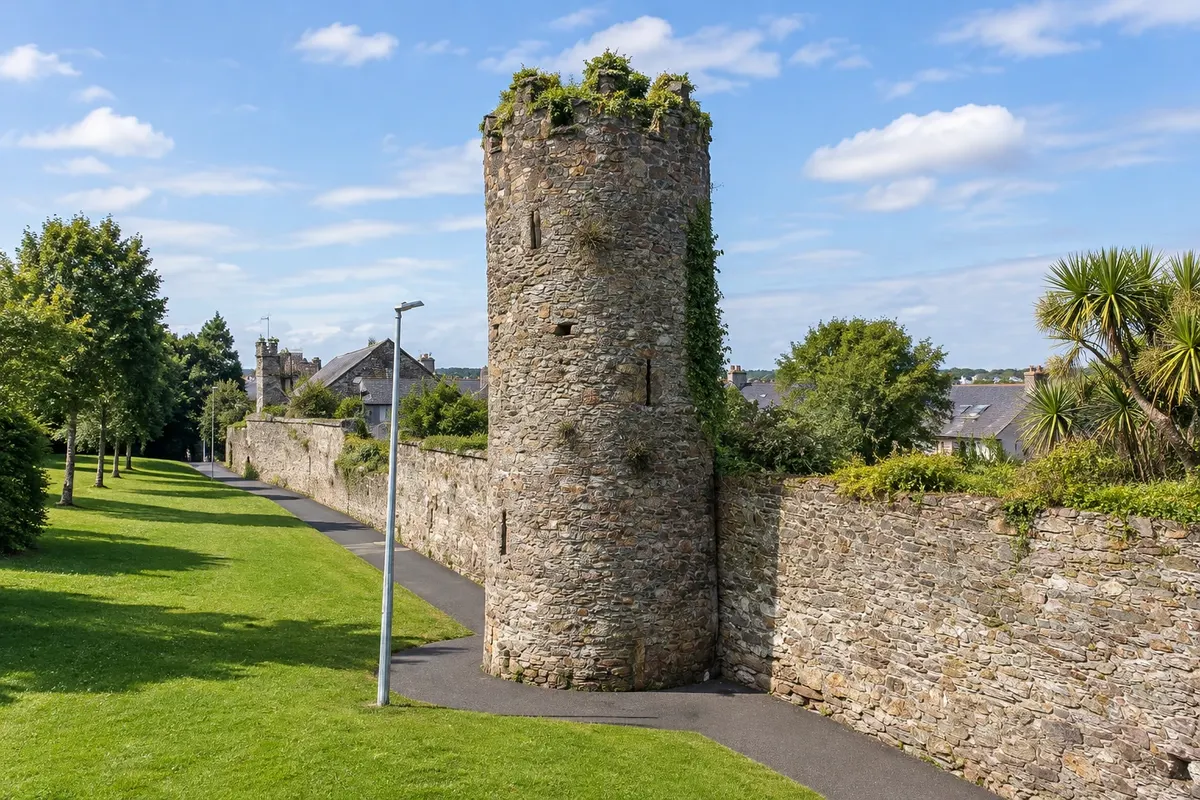
Waterford, founded by the Vikings in 914, is the oldest city in Ireland. The historic center, called the Viking Triangle, lies between the quay of the River Suir and the old walls, featuring Reginald's Tower, a 13th-century circular tower built on the Viking fortification, the Medieval Museum and the 18th-century Bishop's Palace, and two cathedrals by architect John Roberts. On The Mall is the House of Waterford Crystal, where you can watch glassblowers and cutters at work. The Waterford Greenway, a cycle path on the old railway to Dungarvan, starts in Waterford.

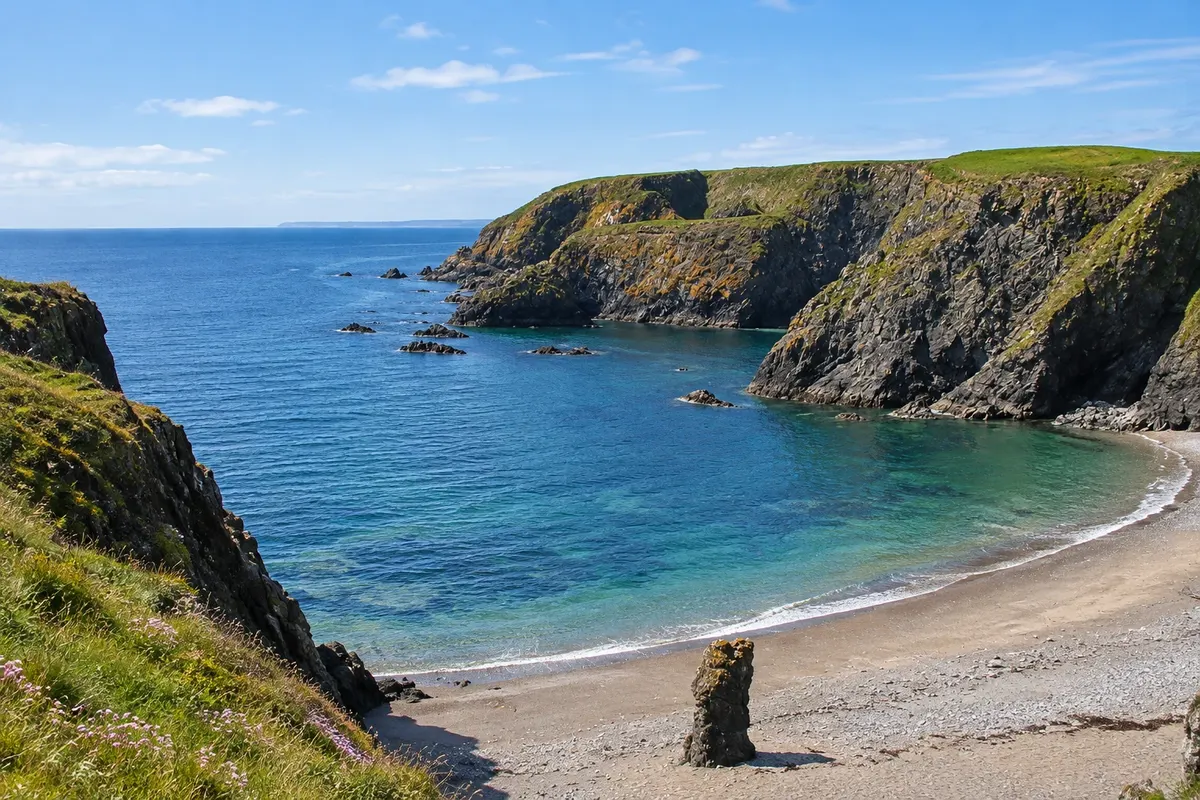
West of the city, the Copper Coast is a stretch of about 25 km of coastline with coves, beaches and cliffs of volcanic rock, recognized as a UNESCO Global Geopark, with the ruins of 19th-century copper mines. To the east, across the estuary, lies County Wexford, with the Hook peninsula and the Hook Head lighthouse, in operation for more than 800 years, and the town of Wexford on the Slaney estuary, with narrow streets, the Opera House and, 4 km away, the Irish National Heritage Park, which recreates 9,000 years of Irish history.

The weather tends to be more settled than in the west, but rain can occur at any time.

This destination brings together 2 cities: Waterford, Wexford.

Share: WhatsApp
Traveler, share your experiences through photos Up to 5 photos of each place you visited.

One destination, many paths

The cities on this trip

Start with one city or combine several in your itinerary.

Where Waterford and the southeast is
WaterfordWexford

Contornos: © Tailte Éireann, National Statutory Boundaries 2026, CC BY 4.0. Adaptação do Cidade Turismo.

How to get there: Waterford and the southeast

✈ Aeroporto de Cork (Cork Airport) (ORK), in Cork · 125 km to Waterford

✈ Aeroporto de Dublin (Dublin Airport) (DUB), in Dublin · 170 km to Waterford

Check before booking. The most used airports are Dublin, about 170 km from Waterford and 140 km from Wexford, and Cork, 125 km from Waterford. Trains from Dublin Heuston reach Waterford in about 2 hours, and from Dublin Connolly to Wexford in about 2h30. Buses link the two towns.

Suggested arrival point: Waterford

The local experience

Things to do in Waterford and the southeast

Irish National Heritage Park
Wexford · Wexford · Museum

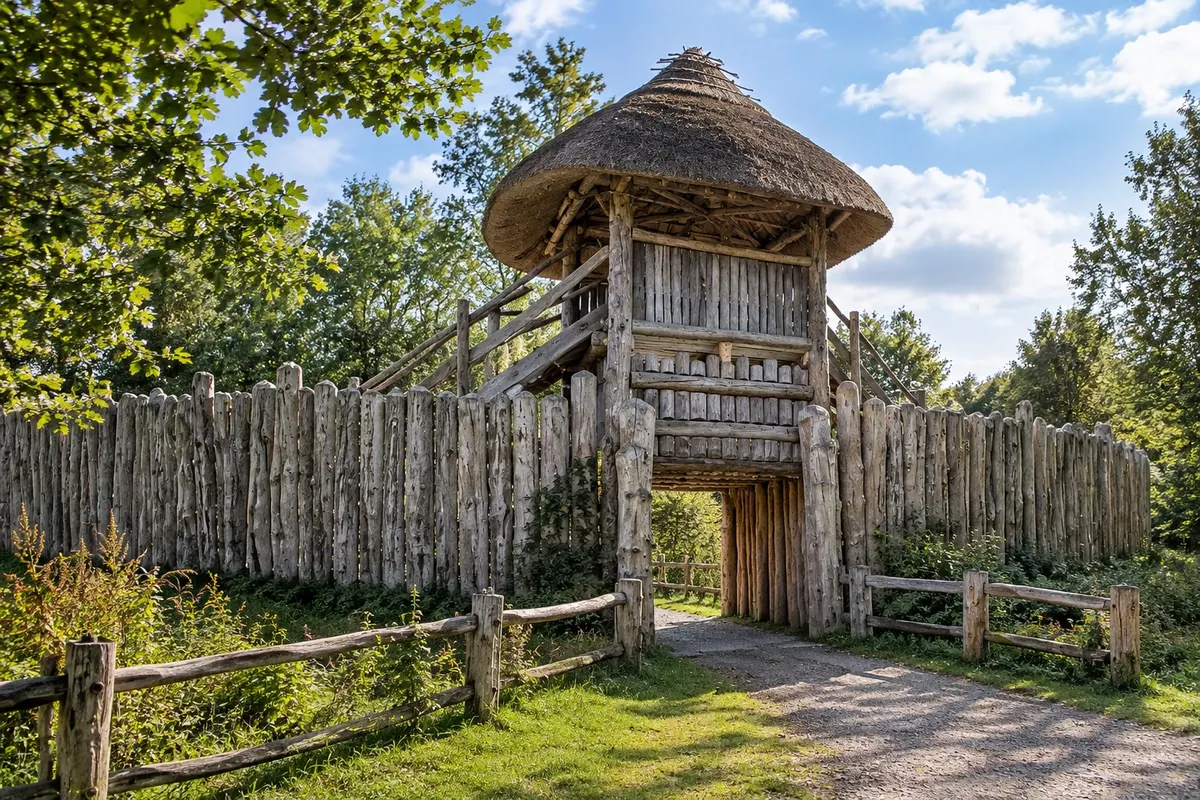
Irish National Heritage Park

Open-air park in Ferrycarrig, on the banks of the River Slaney, with reconstructions covering 9,000 years of Irish history: a Mesolithic camp, a crannóg, a ringfort, a monastery, a Viking shipyard and the country's first Norman fort.

Reginald's Tower
Waterford · Waterford · Tower

Reginald's Tower

13th-century circular stone tower on the site of Waterford's Viking fortification, the oldest civic building in Ireland, with an exhibition about the Viking town.

Hook Lighthouse
Wexford · Wexford · Tower

Hook Lighthouse

Lighthouse at the tip of the Hook peninsula, in operation for over 800 years, built in the early 13th century by William Marshal, with a guided tour of the medieval tower and sea views.

Waterford · Waterford · Museum

Medieval Museum e Bishop's Palace

Two neighbouring museums in the Viking Triangle: the Medieval Museum, with 13th-century halls and 15th-century cloth-of-gold vestments, and the Bishop's Palace, a 1743 palace showcasing Georgian Waterford and the city's oldest crystal.

See 5 more places in Waterford and the southeast
House of Waterford Crystal
Waterford · Waterford · Museum

House of Waterford Crystal

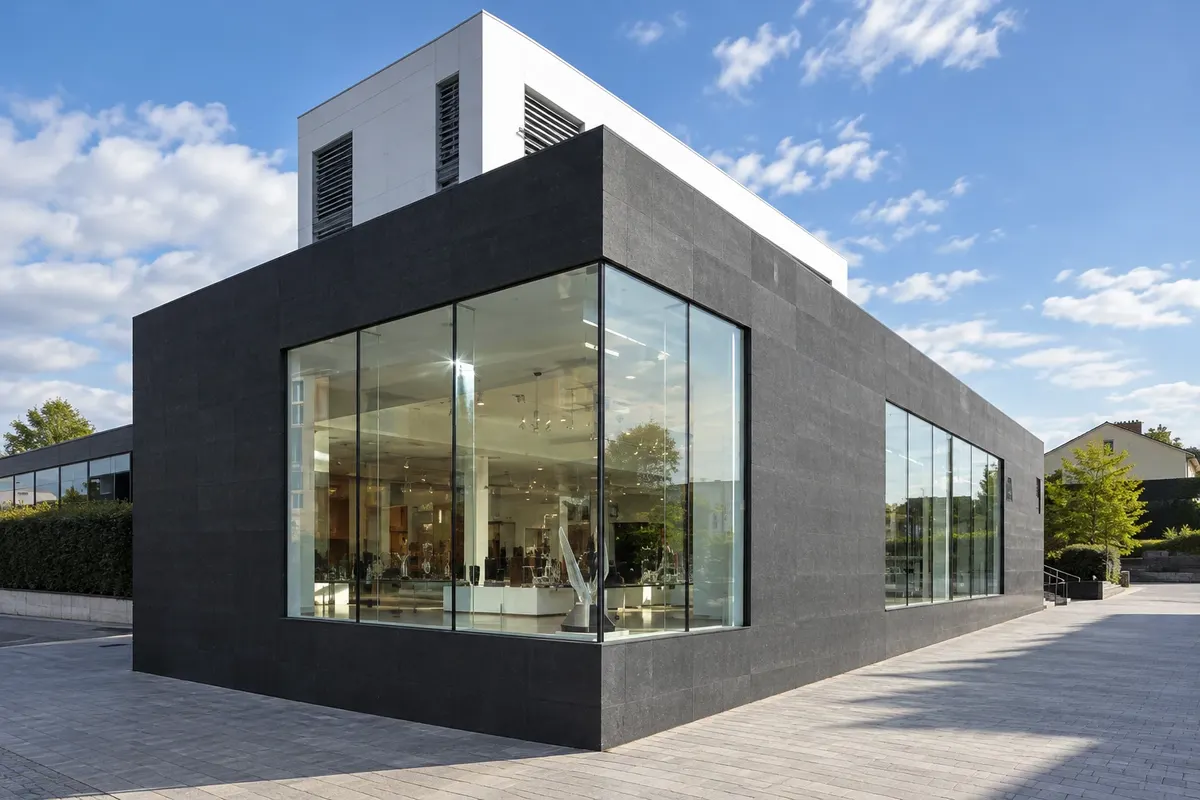
The Waterford Crystal factory and shop on The Mall, with a guided tour of the workshops where you can see craftsmen blowing, cutting and engraving pieces by hand.

Johnstown Castle
Wexford · Wexford · Castle

Johnstown Castle

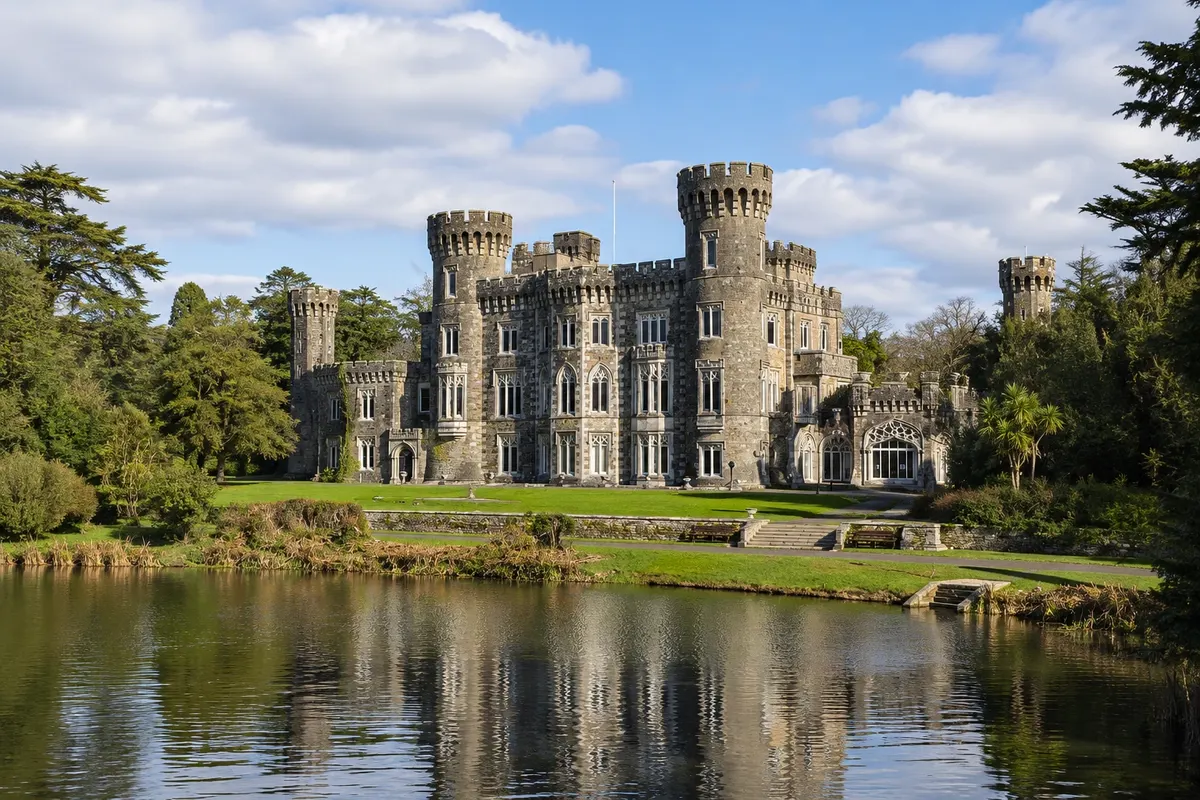
19th-century neo-Gothic castle south of Wexford, with restored rooms, the servants' passage, lakeside gardens, a walled garden and the Irish Agricultural Museum.

Copper Coast UNESCO Global Geopark
Waterford · Waterford · Viewpoint

Copper Coast UNESCO Global Geopark

About 25 km of coastline between Tramore and Dungarvan, with coves, beaches and cliffs of 460-million-year-old rock, the ruins of 19th-century copper mines and a visitor centre in Bunmahon.

Dunbrody Famine Ship
Wexford · Wexford · Museum

Dunbrody Famine Ship

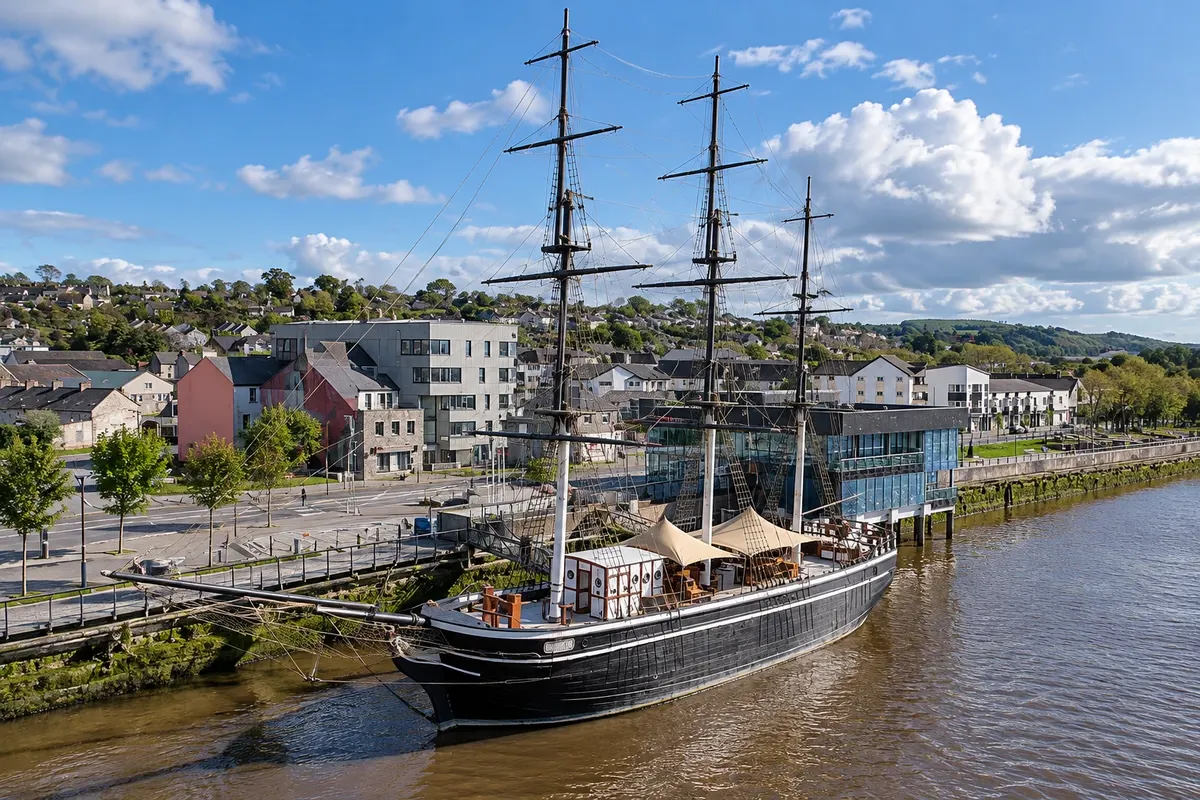
A replica of the Dunbrody, the 1845 emigrant ship, berthed at the New Ross quay, with a guided on-board tour and actors portraying the voyage.

Centro histórico de Wexford
Wexford · Wexford · Neighborhood

Centro histórico de Wexford

Wexford town centre, of Viking origin, with the narrow Main Street, the Bull Ring, the ruins of Selskar Abbey, the West Gate of the walls and the National Opera House.

Before you go

Practical information

A little planning leaves more time to enjoy the journey.

When to go

From May to September the days are long and the beaches of the Copper Coast and Wexford are busier. In October and November the Wexford Festival Opera usually takes place, drawing crowds to the town. April and September are generally quieter. In winter some attractions have reduced opening hours and it gets dark early. Rain can fall at any time.

The seasons shown are the most usual ones; nature doesn't always follow the calendar.

How many days to stay

Two days allow one for Waterford, with the Viking Triangle and the House of Waterford Crystal, and another for Wexford, with the Heritage Park and Hook Head. With three days, include the Copper Coast or a section of the Waterford Greenway by bike.

Which city to stay in

In Waterford, the center, between the Suir quay, The Mall and the Viking Triangle, makes everything walkable, with hotels and restaurants. Tramore, 13 km away, is the region's seaside town. In Wexford, the center, near the quay and Main Street, has hotels and guesthouses; the Hook peninsula has guest houses near the sea.

Respect the place

Take your trash with you, follow the signs and support local businesses. In natural areas, follow the visiting guidelines.

Get your questions answered

Frequently asked questions about Waterford and the southeast

How many days to book?

Two days for Waterford and Wexford; three to include the Copper Coast or the Waterford Greenway.

Do I need a car?

Not for the towns. For the Copper Coast, Hook Head and the Heritage Park, a car helps; there are buses on some stretches and tours. In Ireland you drive on the left.

What's the best time to visit?

From May to September, with long days. The region generally has more settled weather than the west, but it can rain at any time.

Can it be combined with Kilkenny?

Yes. Kilkenny is about 50 km from Waterford, and the three towns make a two- to four-day itinerary through the southeast.

Explore other destinations Search by state and city
Back