Côte d'Azur

Provença-Alpes-Costa Azul · France

Côte d'Azur

Nice, Cannes and Antibes linked by seaside trains on the Mediterranean: old towns, museums of Matisse, Chagall and Picasso, islands and villages atop the hills.

South

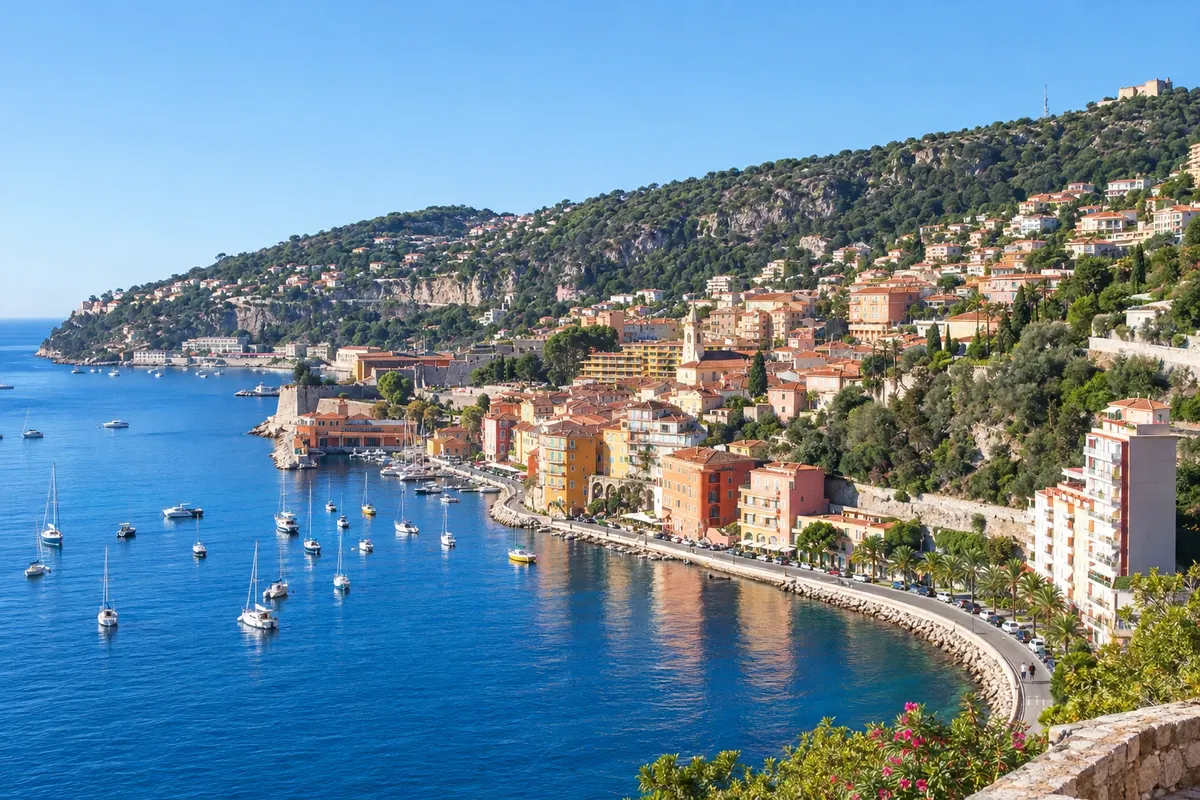
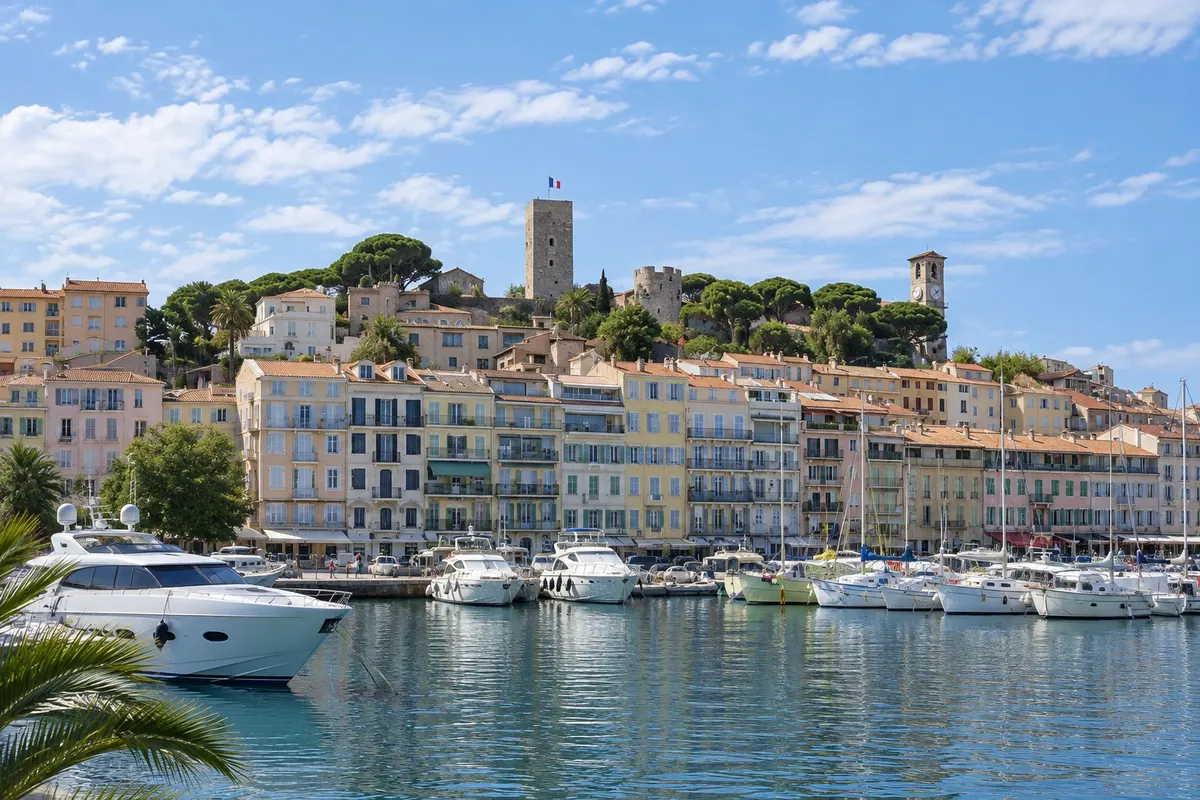
In the photo: Bay and port of Villefranche-sur-Mer

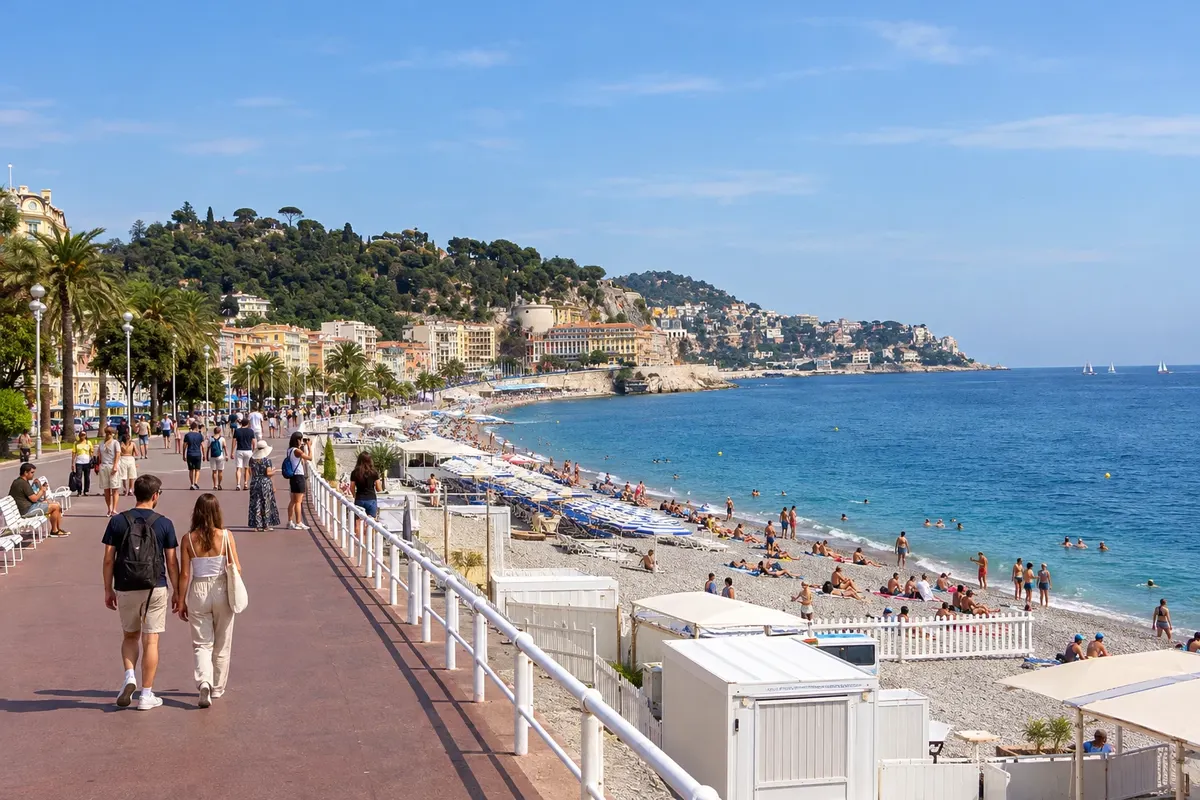
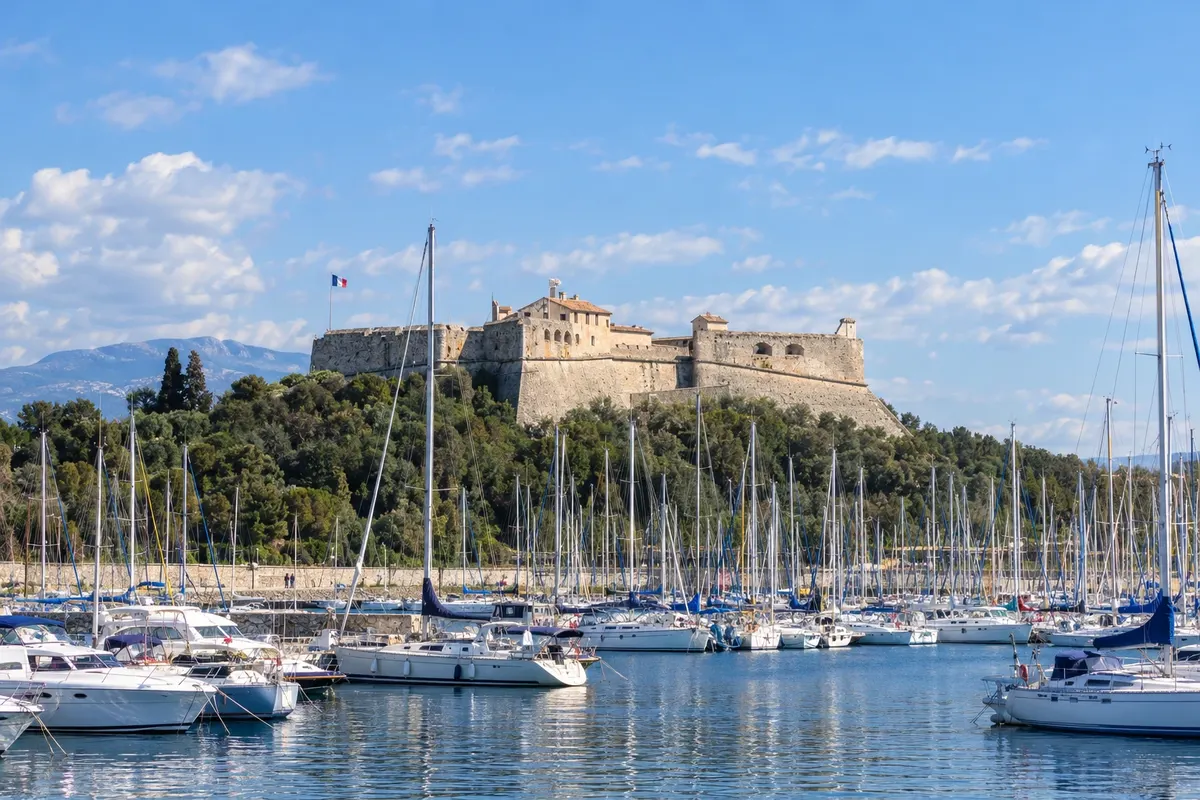
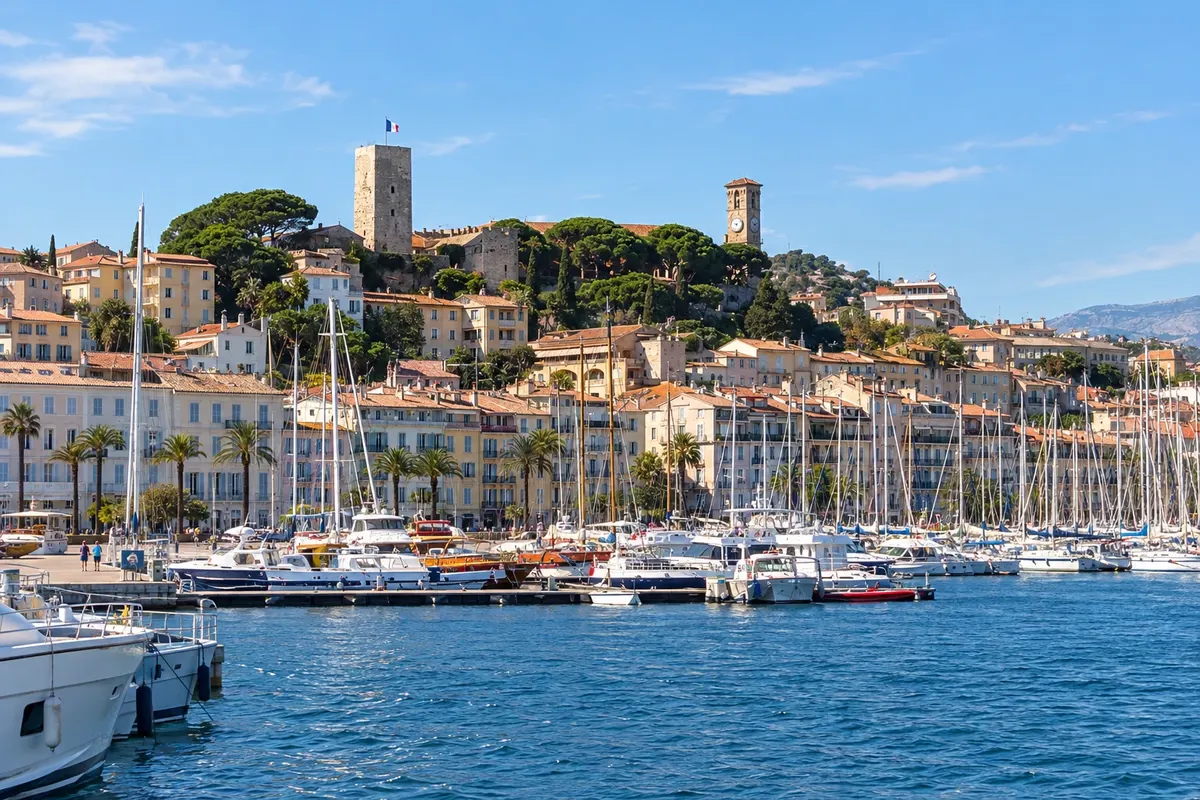
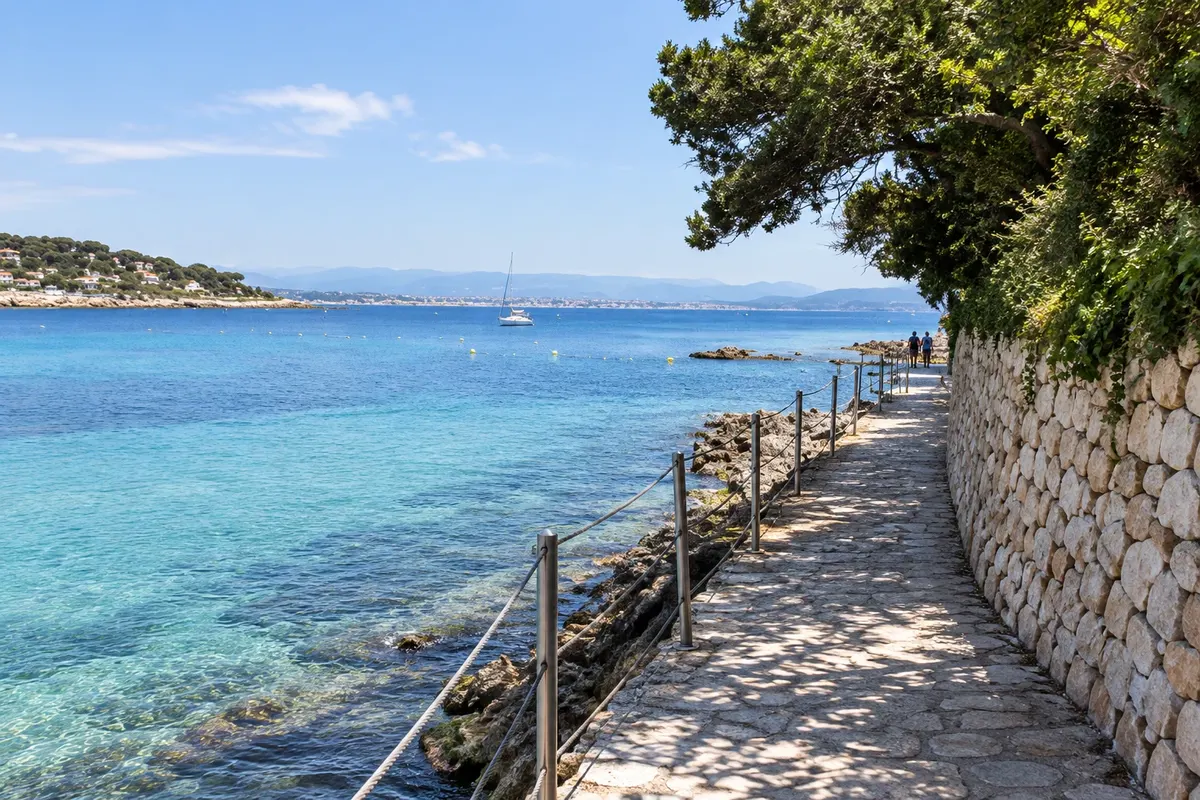
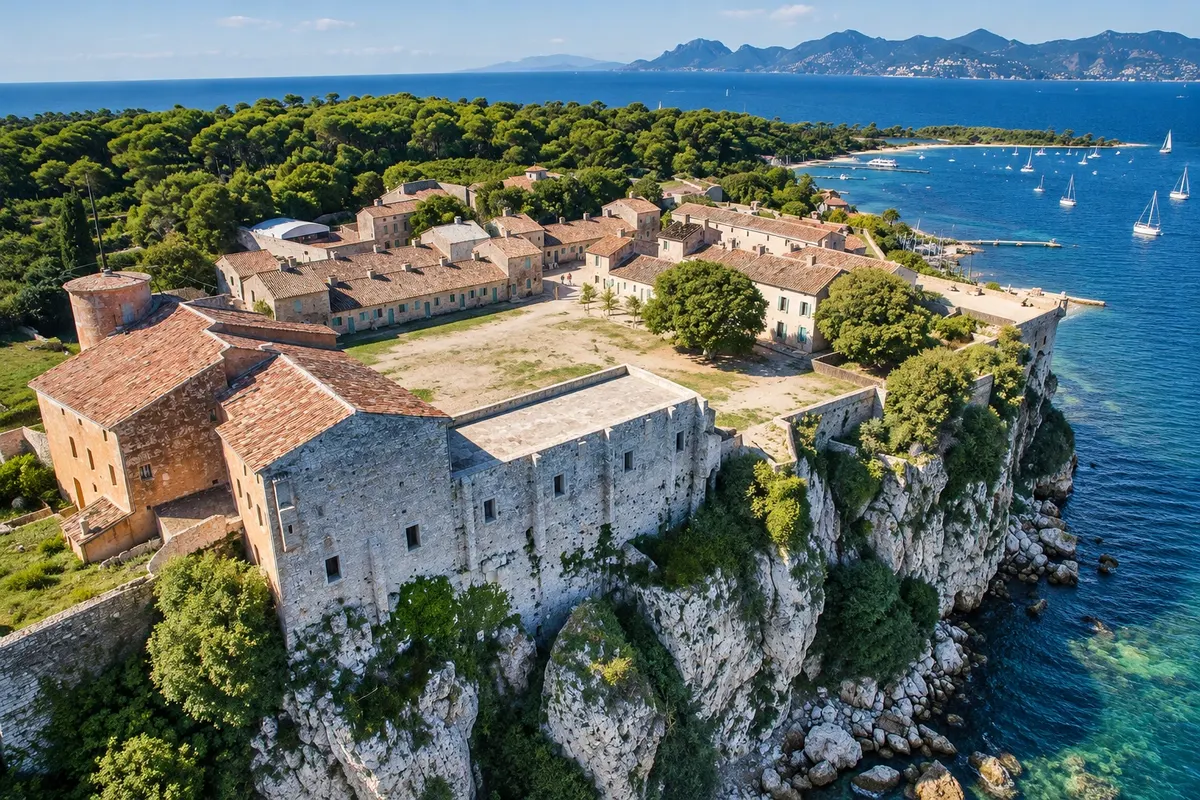
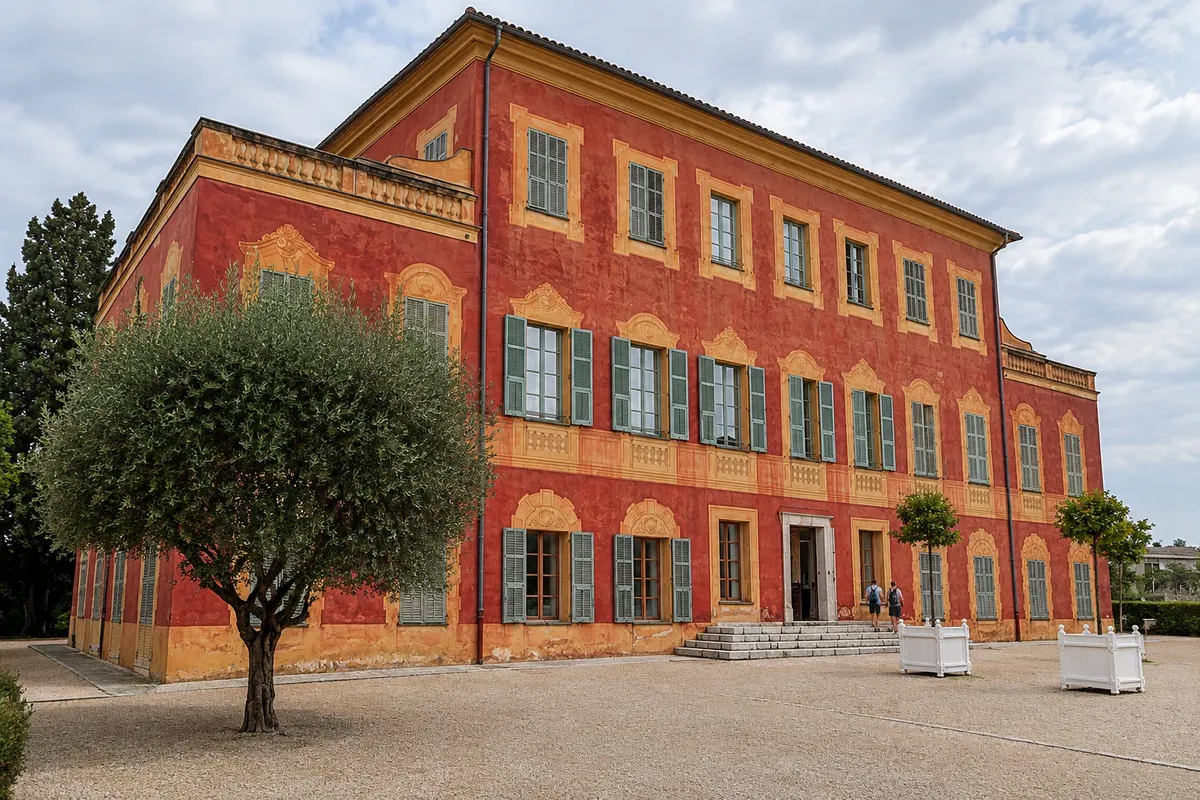
Illustrative images. The pictures in this guide are illustrations based on the real place, not photographs, and may differ from it.

Get it on Google Play Send your photos

Get to know the place

A region to enjoy
at your own pace.

The Côte d'Azur is the stretch of French Mediterranean coast that, roughly speaking, runs from Cannes to the Italian border after Menton. From there, regional TER trains run right along the sea and link Cannes, Antibes, Nice and Menton on short journeys, which makes it possible to stay in one hotel and visit several towns.

Nice is the largest city on the coast. It has the Promenade des Anglais on the Baie des Anges, the Vieux Nice with the Cours Saleya flower market, the Colline du Château and two museums dedicated to painters who lived in the city: Henri Matisse and Marc Chagall. Nearby are the medieval village of Èze, the Villa Ephrussi de Rothschild on Cap Ferrat and Saint-Paul-de-Vence with the Fondation Maeght. Monaco, which is a separate country, is a few minutes away by train and is often visited as a neighbouring excursion.

Cannes is the city of the film festival, held in May at the Palais des Festivals. Outside the festival, highlights include the Boulevard de la Croisette, the old quarter Le Suquet and the Îles de Lérins, two islands a few minutes by boat — one with the fort where the Man in the Iron Mask was imprisoned and the other with an active monk’s abbey.

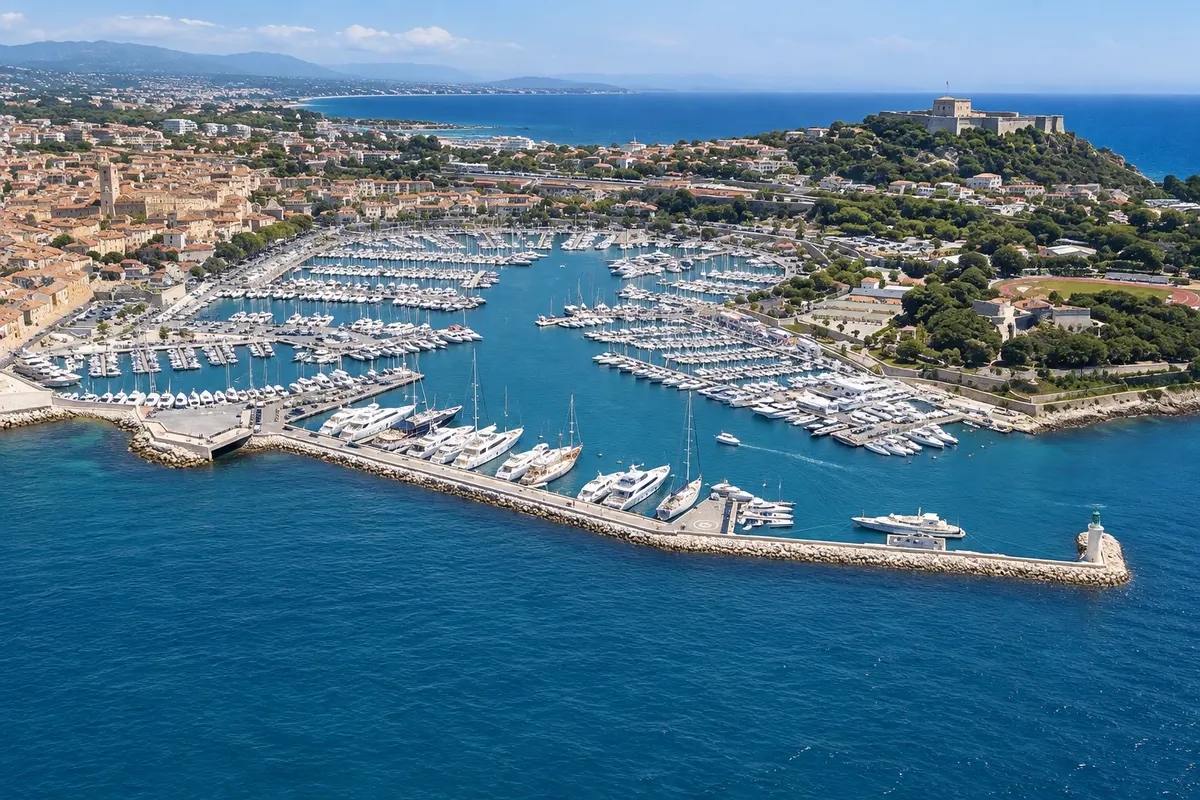
Antibes, between Cannes and Nice, combines a walled old town by the sea, the Musée Picasso in the Château Grimaldi, the Port Vauban full of yachts and the Cap d'Antibes with a coastal path over the rocks. Juan-les-Pins, part of Antibes, has sandy beaches and the Jazz à Juan festival in July.

Nice’s beaches are pebble beaches (galets), not sandy; bring water shoes. The sea is usually warmer from July to September.

This destination brings together 3 cities: Nice, Antibes, Cannes.

Share: WhatsApp
Traveler, share your experiences through photos Up to 5 photos of each place you visited.

One destination, many paths

The cities on this trip

Start with one city or combine several in your itinerary.

Where Côte d'Azur is
NiceAntibesCannes

Contornos: © IGN, ADMIN EXPRESS, Licence Ouverte 2.0. Adaptação do Cidade Turismo.

How to get there: Côte d'Azur

✈ Aéroport Nice Côte d'Azur (NCE), in Nice · 7 km to Nice

Nice Côte d'Azur Airport (NCE) is the main entry point. From Paris, the TGV arrives at Gare de Nice-Ville after a long, several-hours journey; many people prefer the domestic flight. Between the coastal towns, use the regional TER trains.

Suggested arrival point: Nice

The local experience

Things to do in Côte d'Azur

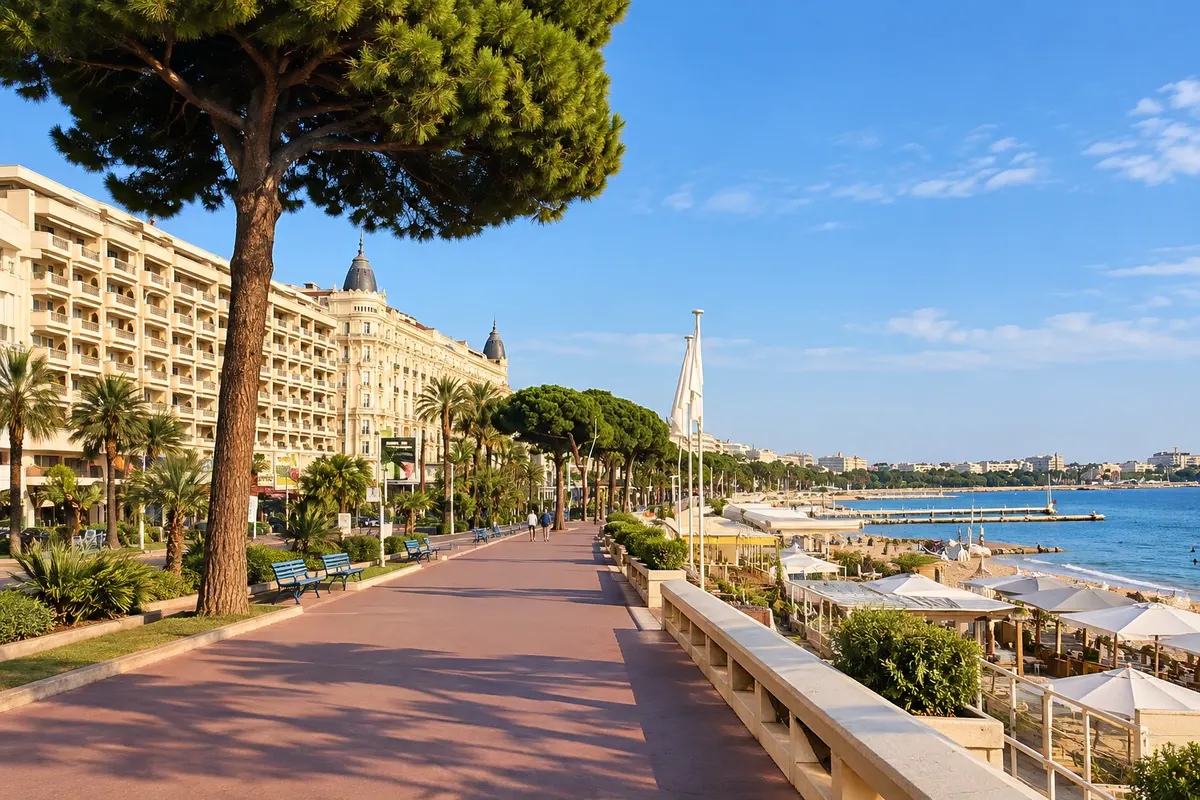
Boulevard de la Croisette
Cannes · Provença-Alpes-Costa Azul · Waterfront

Boulevard de la Croisette

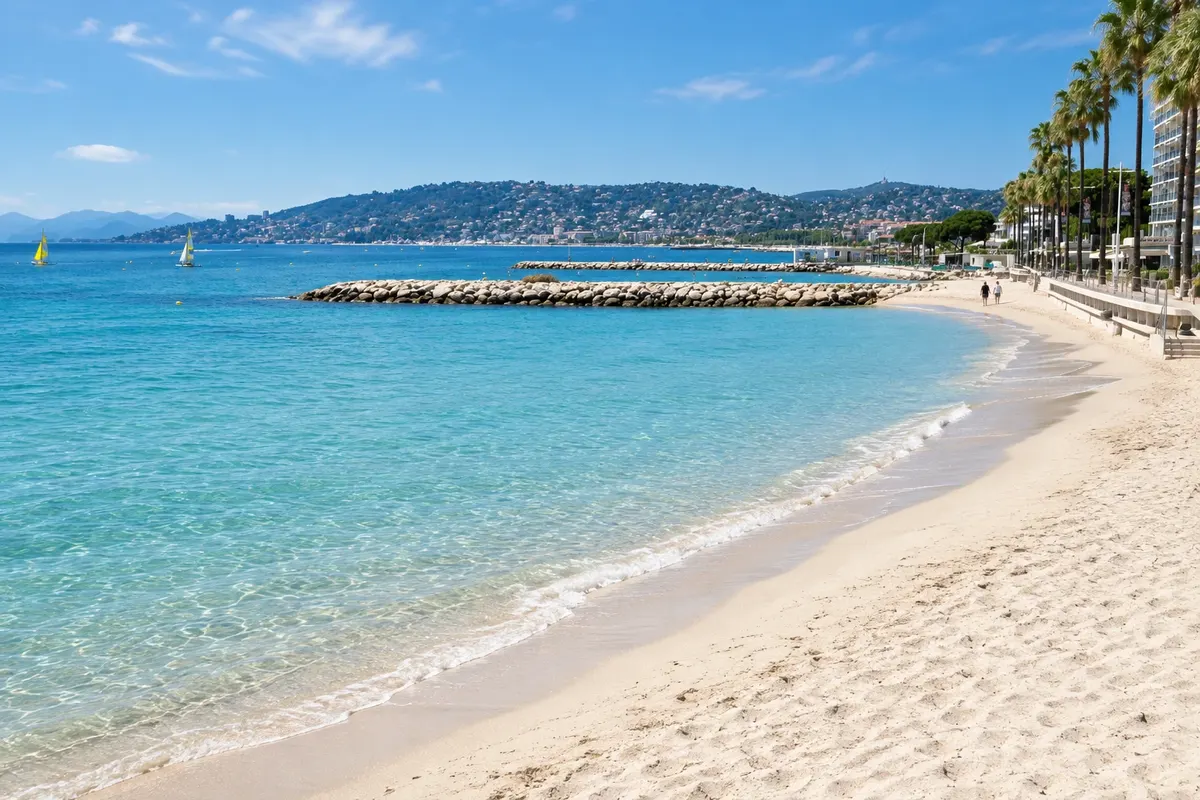
Seafront avenue in Cannes, lined with palm trees, sandy beaches, Belle Époque hotels and designer shops.

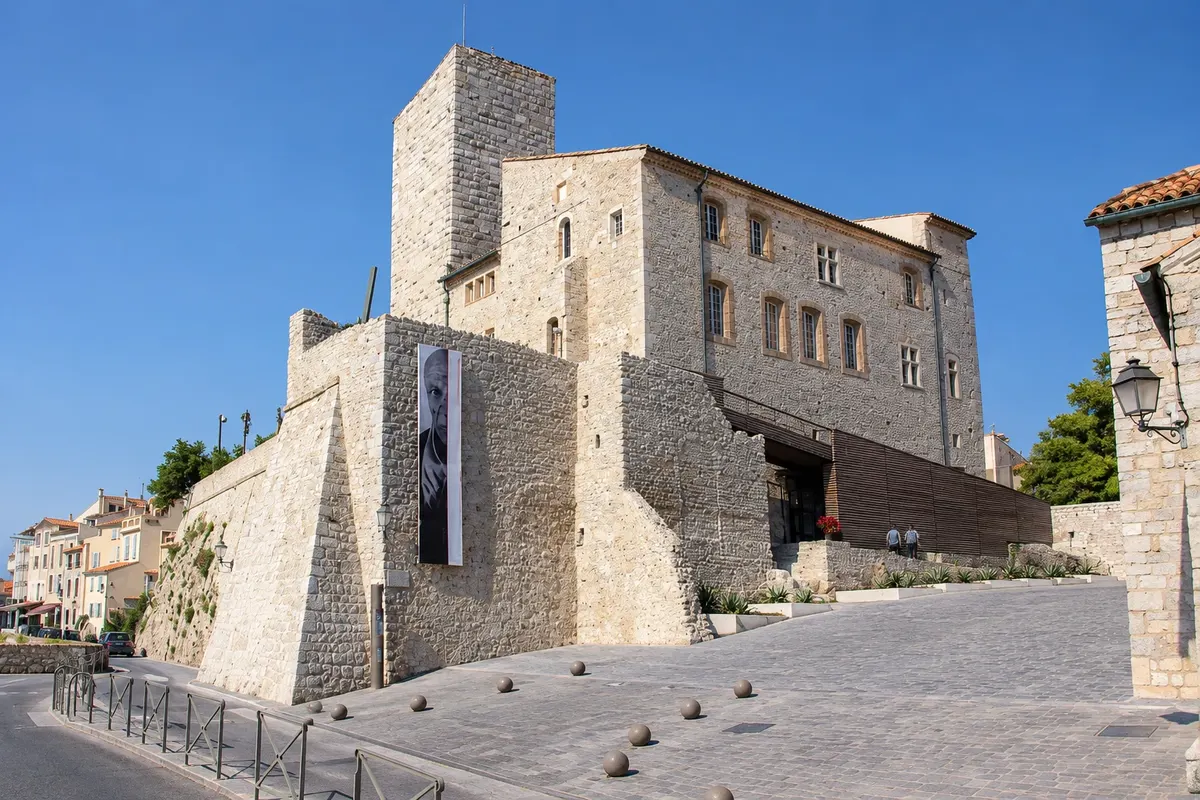
Musée Picasso
Antibes · Provença-Alpes-Costa Azul · Museum

Musée Picasso

Museum in the Château Grimaldi, facing the sea, where Picasso worked in 1946; it houses paintings, drawings and ceramics from that period.

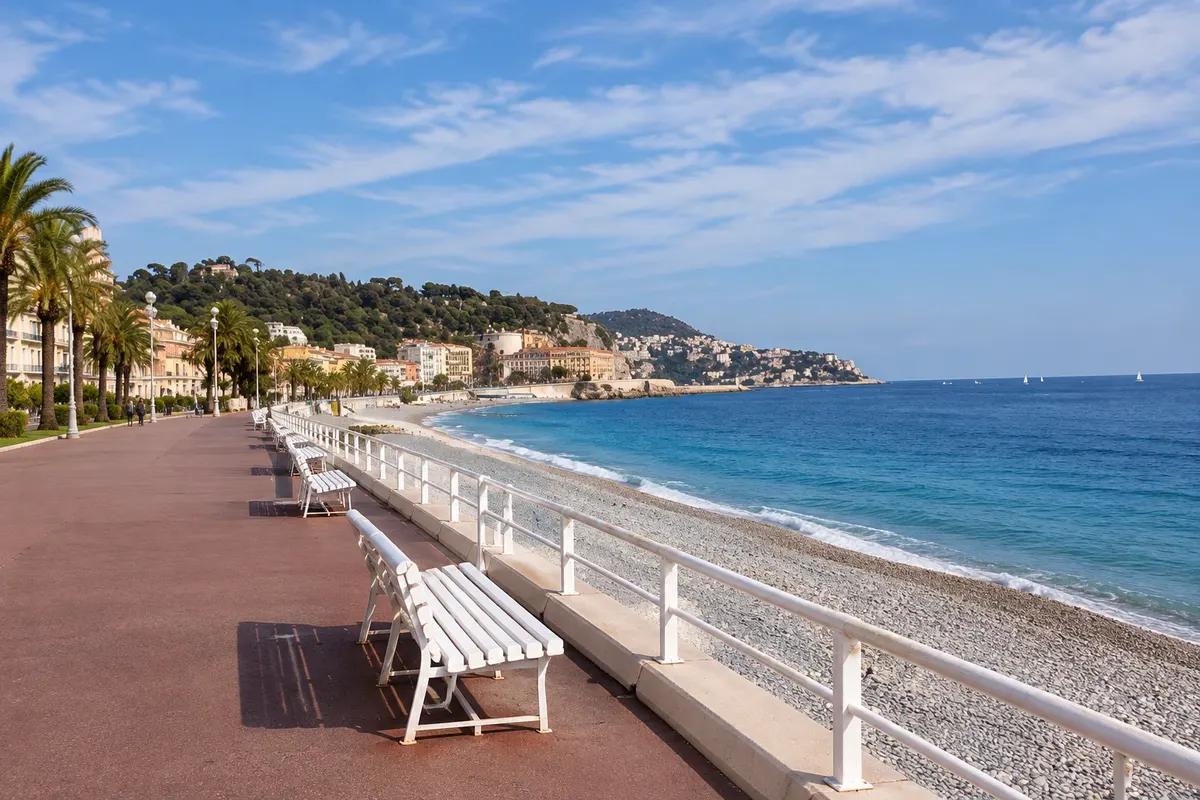
Promenade des Anglais
Nice · Provença-Alpes-Costa Azul · Waterfront

Promenade des Anglais

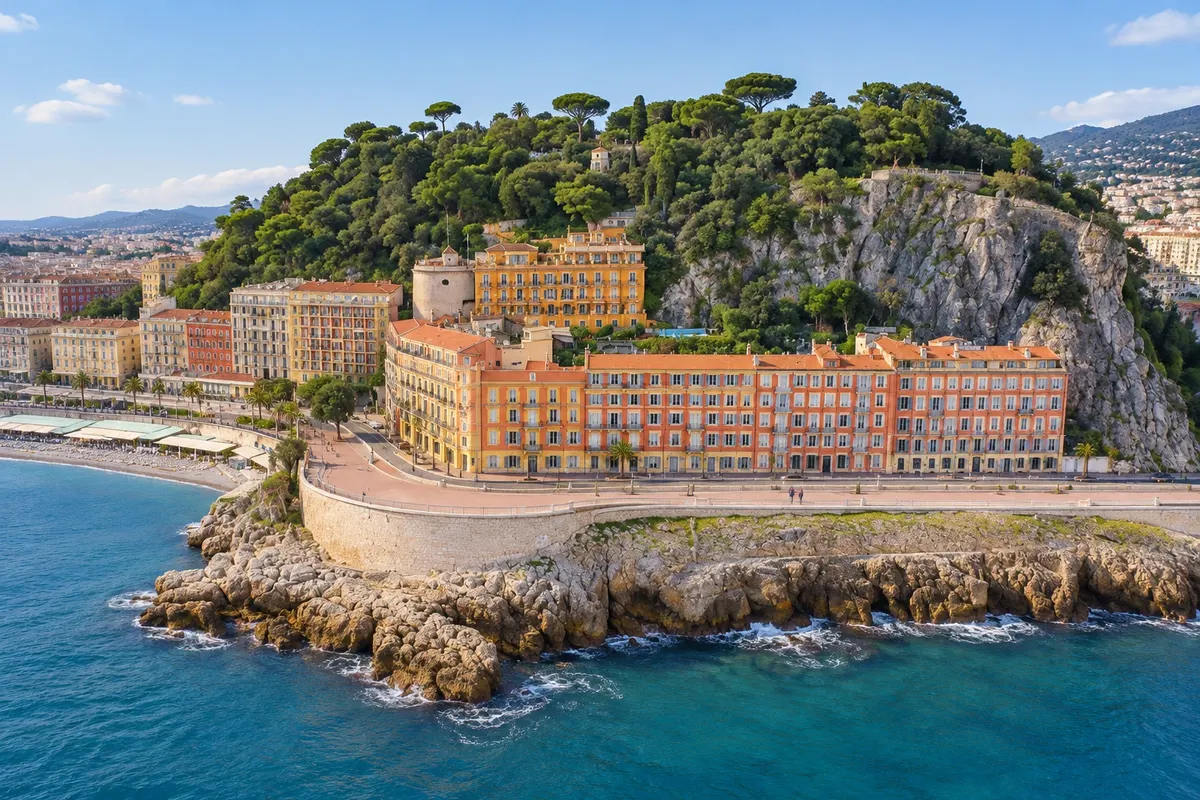
A promenade of about 7 km that runs along the Baie des Anges, with a pebble beach on one side and Belle Époque hotels on the other.

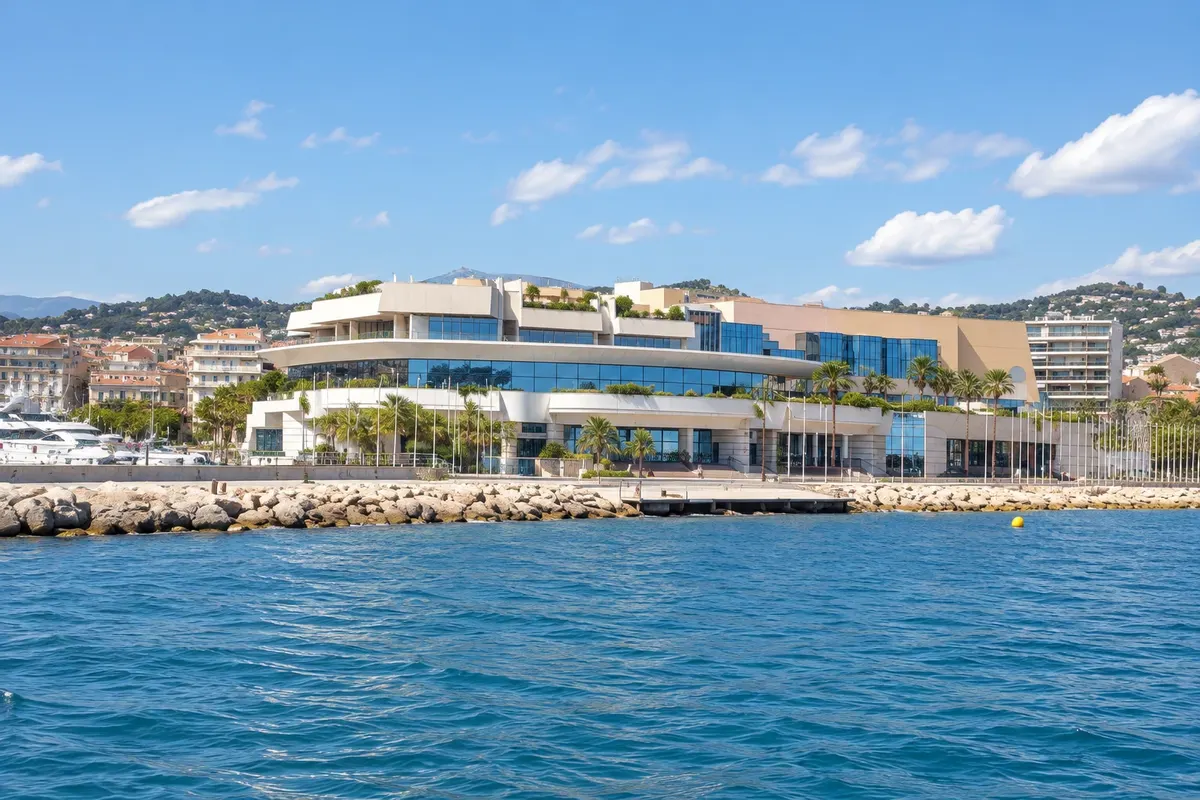
Palais des Festivals et des Congrès
Cannes · Provença-Alpes-Costa Azul · Events center

Palais des Festivals et des Congrès

Home of the Cannes Film Festival since 1983, with the red-carpet steps and the Allée des Étoiles bearing filmmakers' handprints.

See 18 more places in Côte d'Azur
Vieil Antibes et Port Vauban
Antibes · Provença-Alpes-Costa Azul · Historic neighborhood

Vieil Antibes et Port Vauban

Walled old town of Antibes, with narrow streets, the provençal market and the Plage de la Gravette by the ramparts, next to Port Vauban and its yachts.

Vieux Nice
Nice · Provença-Alpes-Costa Azul · Historic neighborhood

Vieux Nice

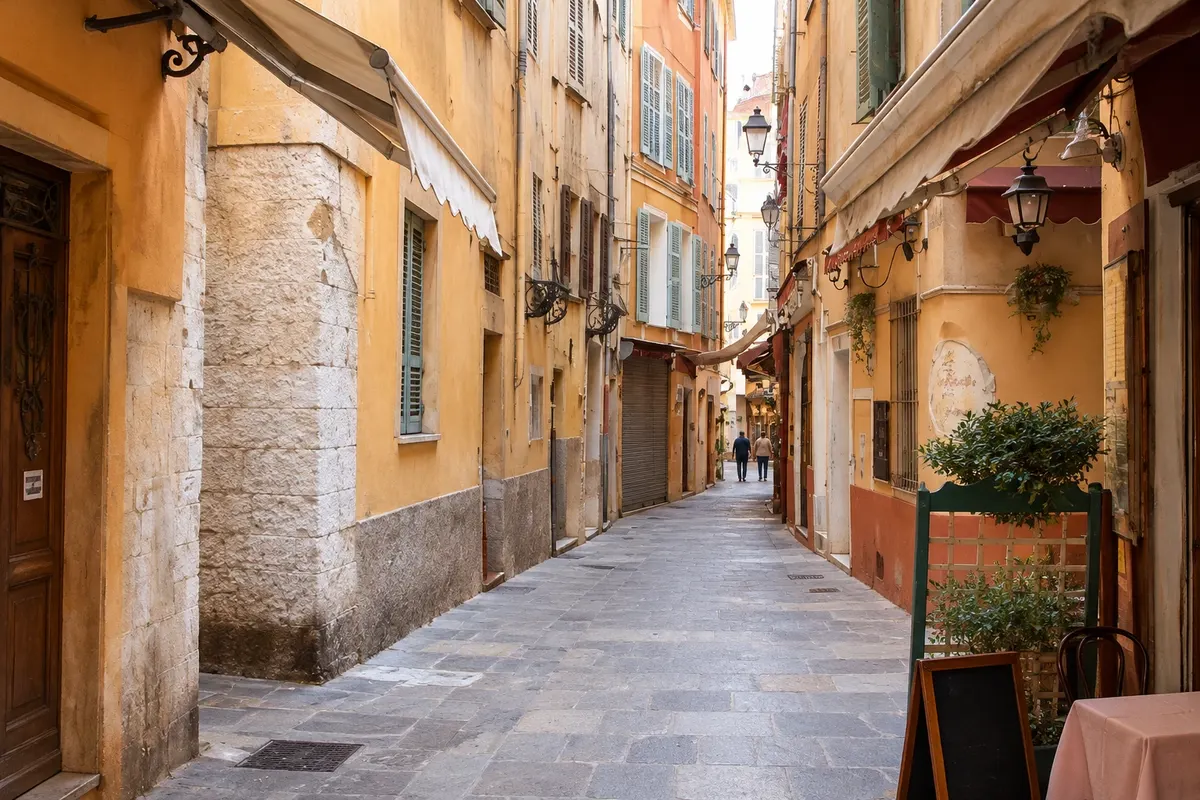
Nice's old town, with narrow streets, baroque churches and the Cours Saleya flower market.

Colline du Château
Nice · Provença-Alpes-Costa Azul · Park

Colline du Château

Hill of the old castle of Nice, now a park with viewpoints over the baía dos Anjos, Vieux Nice and the harbor.

Fort Carré
Antibes · Provença-Alpes-Costa Azul · Fort

Fort Carré

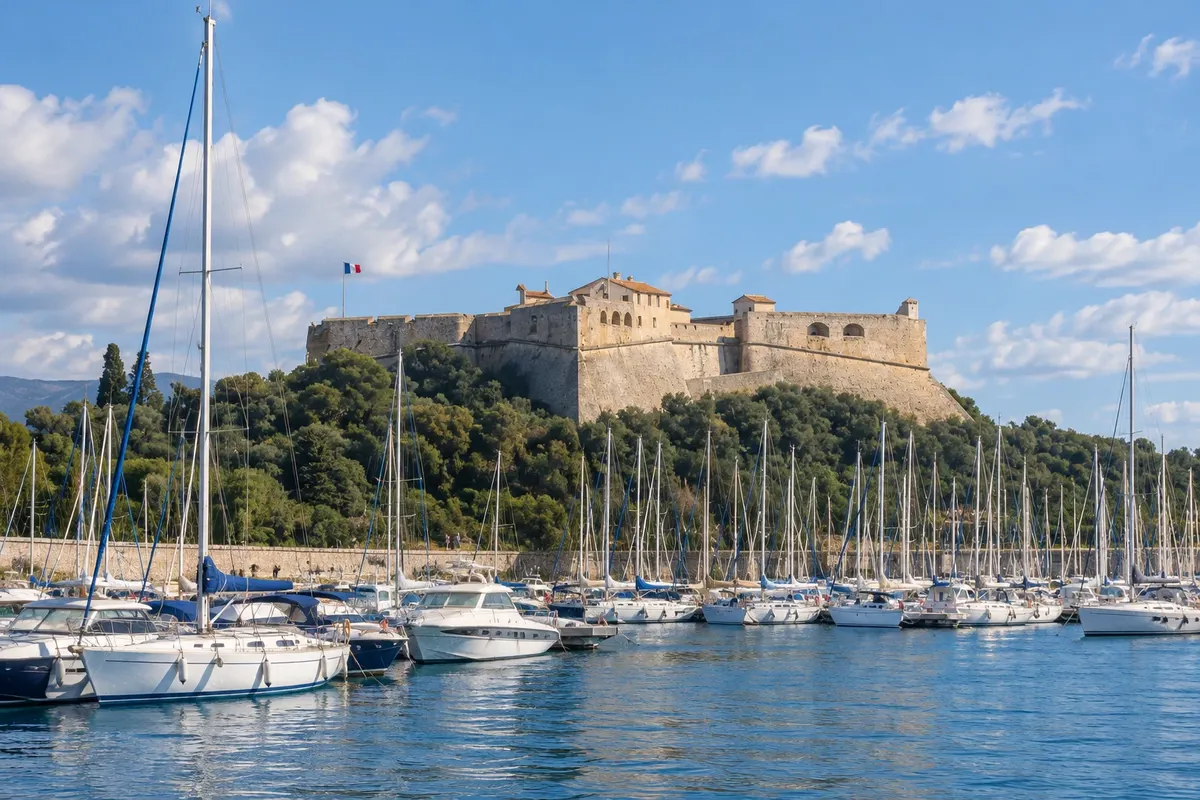
16th-century star-shaped fort on a rocky outcrop above the sea north of Port Vauban, with views over Antibes and the Alps.

Le Suquet
Cannes · Provença-Alpes-Costa Azul · Historic neighborhood

Le Suquet

Cannes's oldest neighborhood, on a hill above the Vieux Port, with narrow streets, the church of Notre-Dame d'Espérance and the museum in the old castle.

Cap d'Antibes
Antibes · Provença-Alpes-Costa Azul · Peninsula

Cap d'Antibes

Peninsula south of Antibes, featuring the Sentier du Littoral among rocky outcrops, the Villa Eilenroc and the Garoupe lighthouse.

Île Sainte-Marguerite
Cannes · Provença-Alpes-Costa Azul · Island

Île Sainte-Marguerite

The largest of the Îles de Lérins, opposite Cannes, with pine forest, trails and the Fort Royal, prison of the Man in the Iron Mask.

Musée Matisse
Nice · Provença-Alpes-Costa Azul · Museum

Musée Matisse

A municipal museum in a 17th-century Genoese villa in Cimiez, housing one of the largest collections of Henri Matisse.

Île Saint-Honorat
Cannes · Provença-Alpes-Costa Azul · Island

Île Saint-Honorat

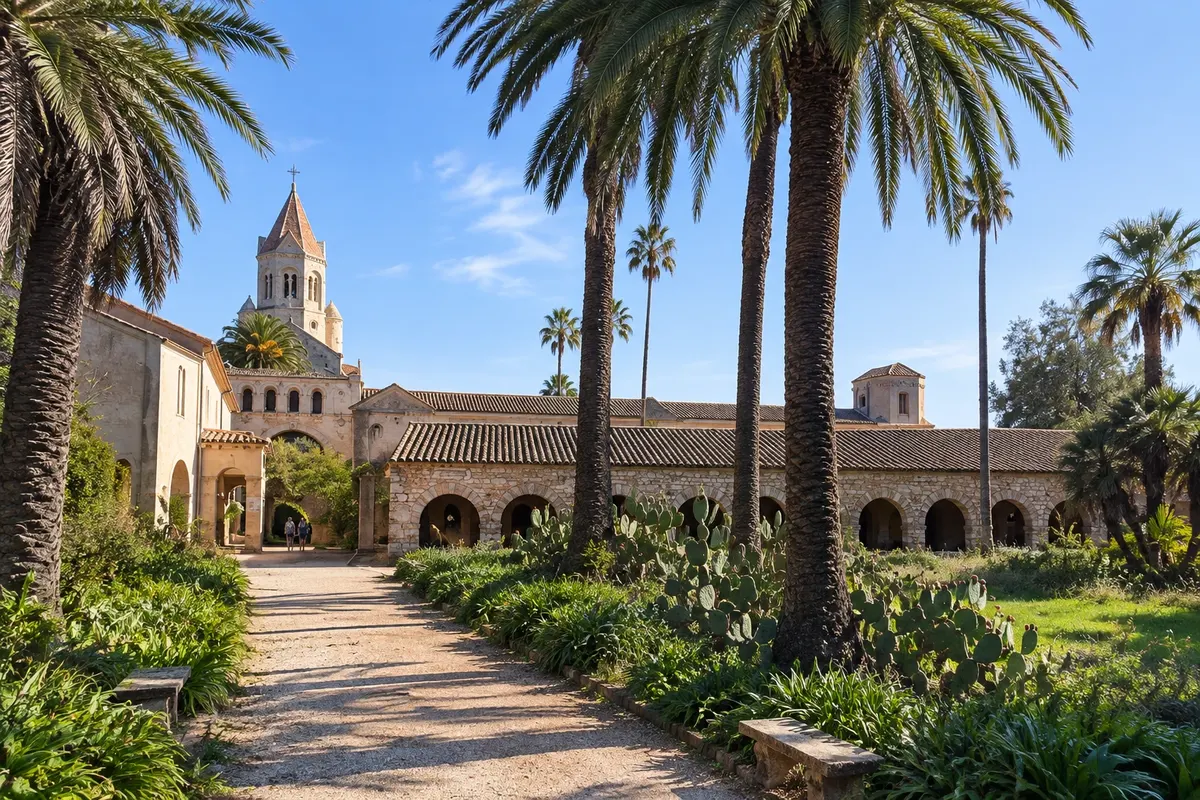
Island of the Îles de Lérins inhabited by Cistercian monks since the 5th century, with the abbey, vineyards and a fortified seaside monastery.

Juan-les-Pins
Antibes · Provença-Alpes-Costa Azul · Neighborhood

Juan-les-Pins

Antibes neighborhood and seaside resort with sandy beaches, a pine grove and the Jazz à Juan festival in July.

Musée national Marc Chagall
Nice · Provença-Alpes-Costa Azul · Museum

Musée national Marc Chagall

National museum created while Chagall was still alive to house the series of canvases of the Message Biblique, including stained glass and a mosaic by the painter.

Marché Forville
Cannes · Provença-Alpes-Costa Azul · Market

Marché Forville

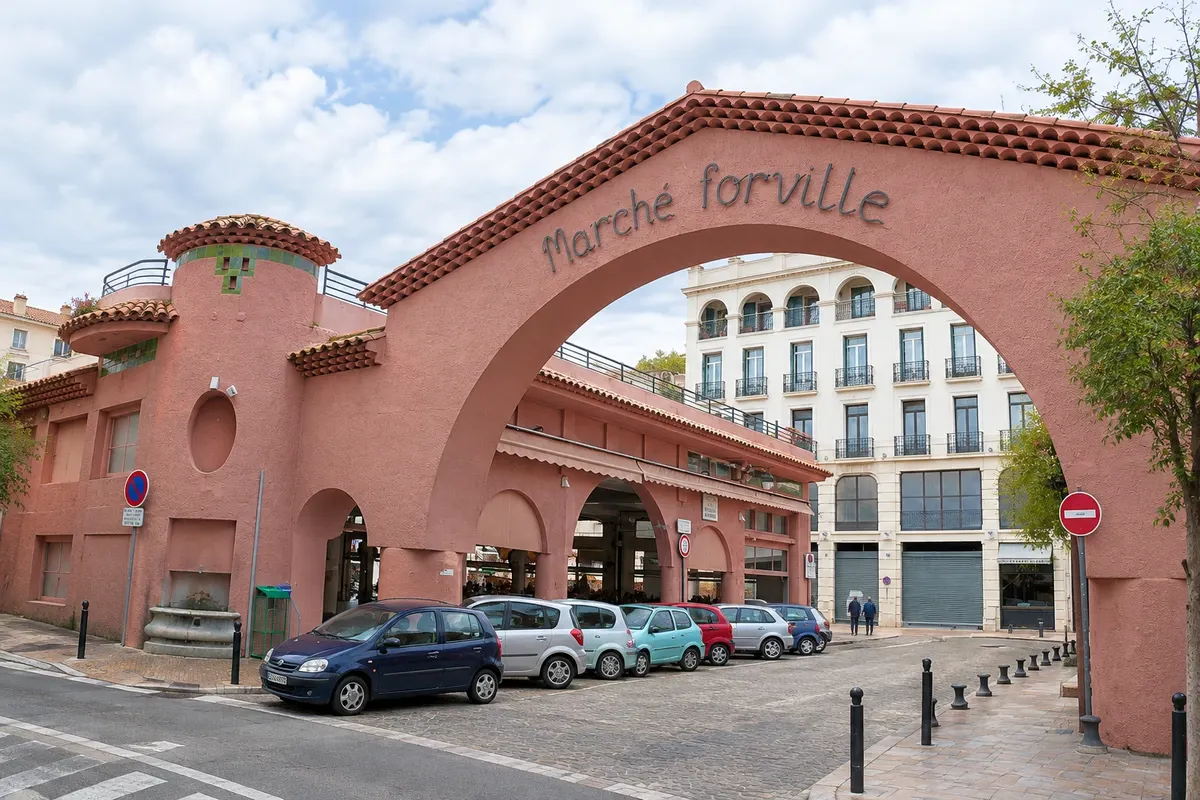
Cannes' covered market, at the foot of the Suquet, with fish, fruit, vegetables and Provençal products.

Place Masséna
Nice · Provença-Alpes-Costa Azul · Square

Place Masséna

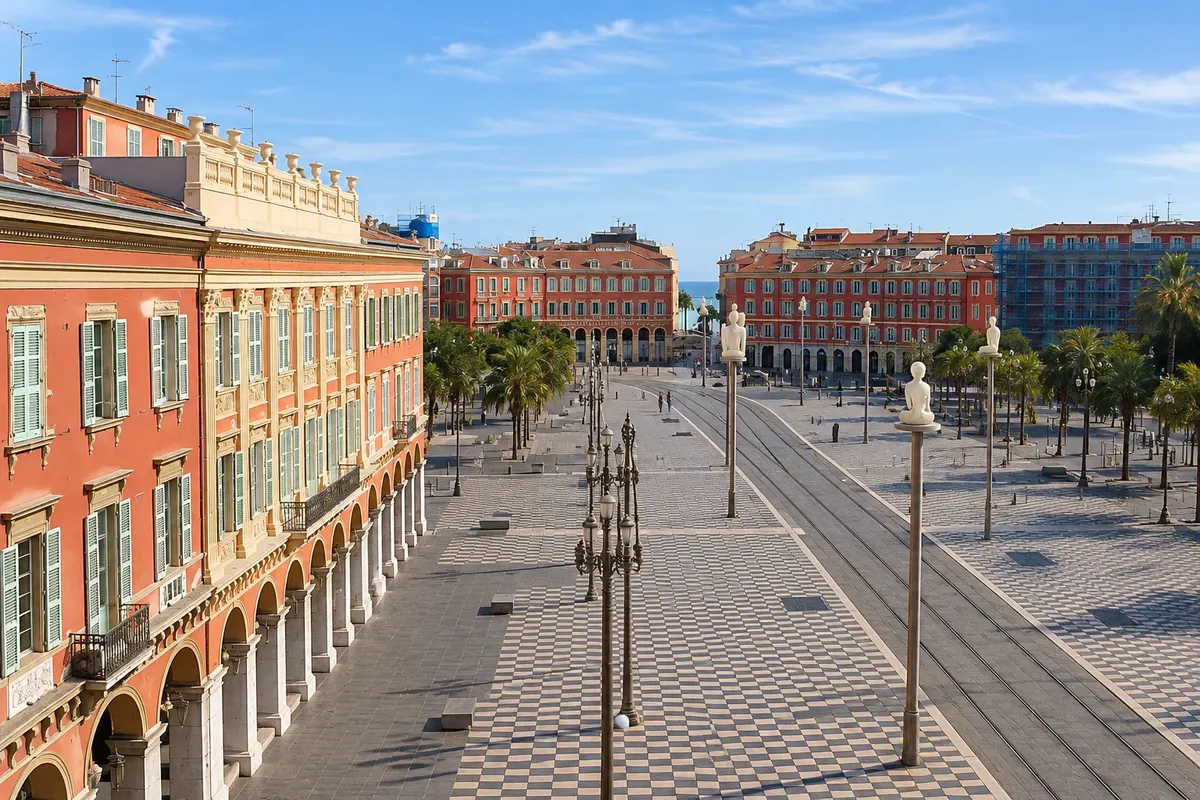
Nice’s central square, with red-ochre buildings, a checkerboard pavement, the Fontaine du Soleil and the illuminated statues by Jaume Plensa.

Cathédrale Saint-Nicolas
Nice · Provença-Alpes-Costa Azul · Cathedral

Cathédrale Saint-Nicolas

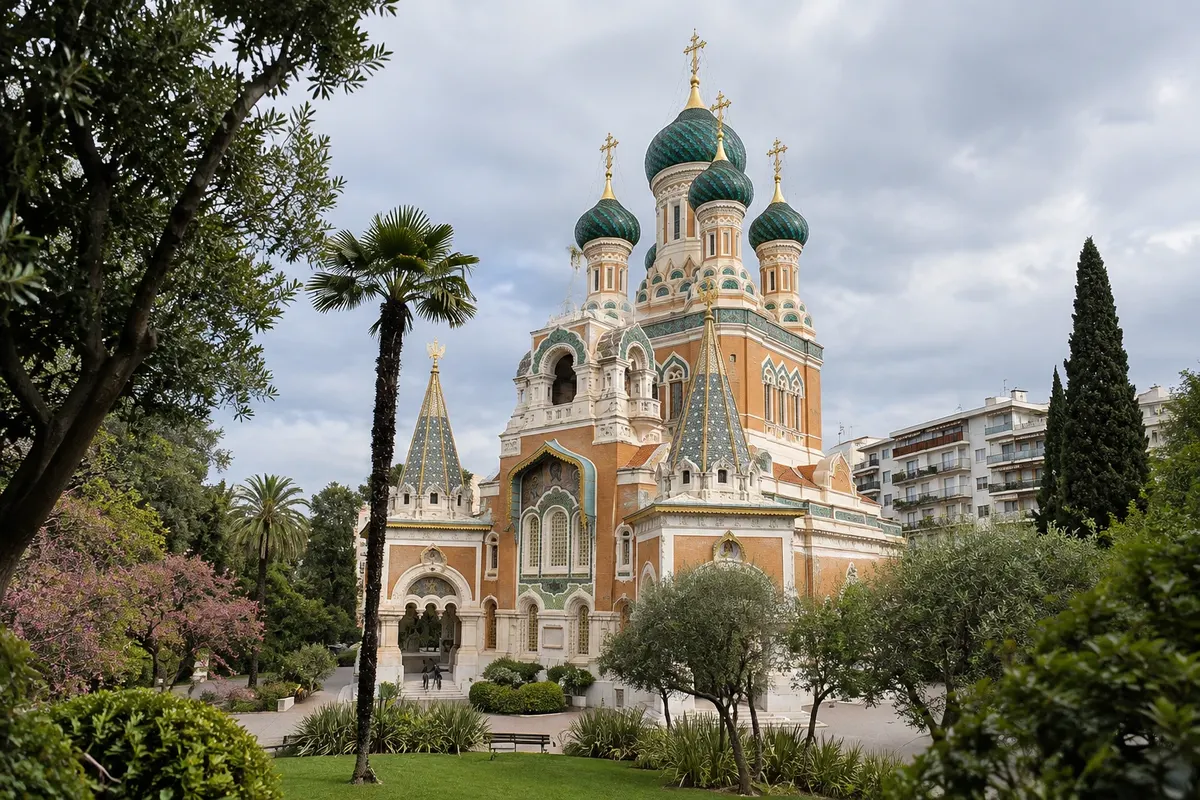
Russian Orthodox cathedral from the early 20th century, with onion-shaped domes, one of the largest outside Russia.

Èze
Nice · Provença-Alpes-Costa Azul · Historic village

Èze

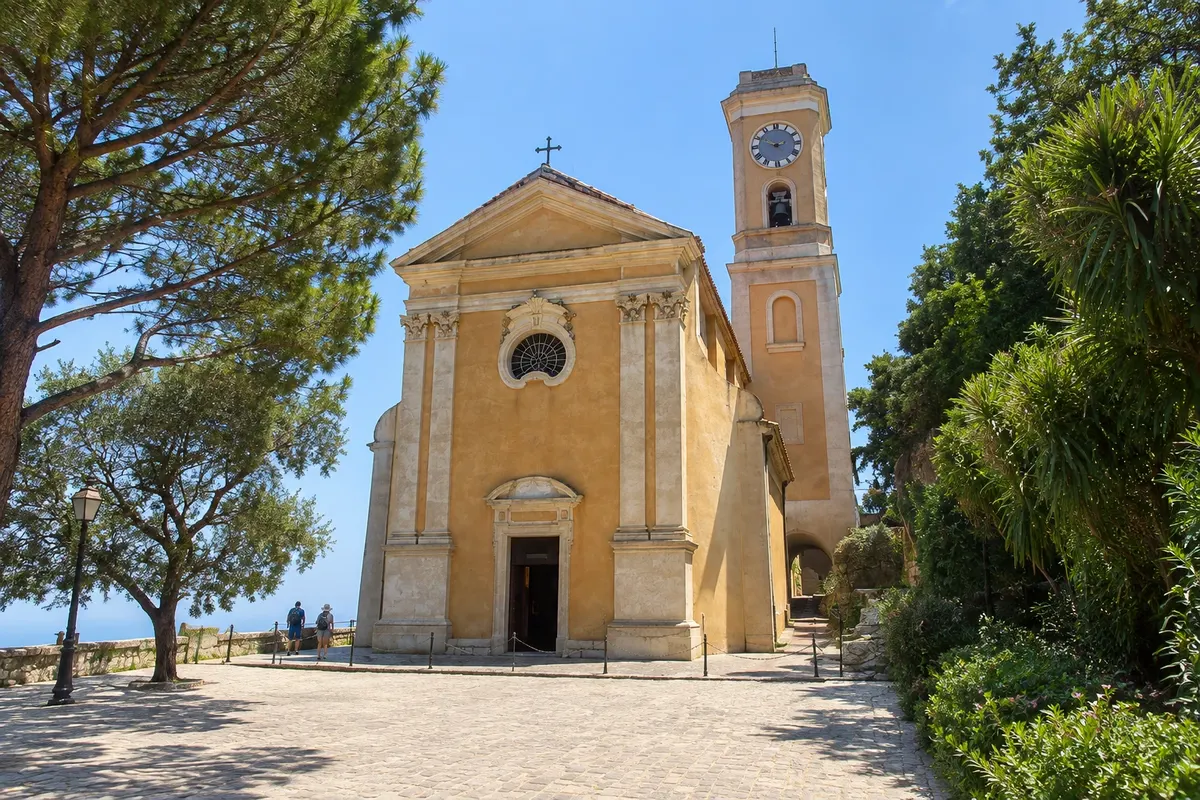
Medieval village atop a rock about 400 m above the sea, with stone alleys and the Jardin exotique at the top.

Villa Ephrussi de Rothschild
Nice · Provença-Alpes-Costa Azul · Palace

Villa Ephrussi de Rothschild

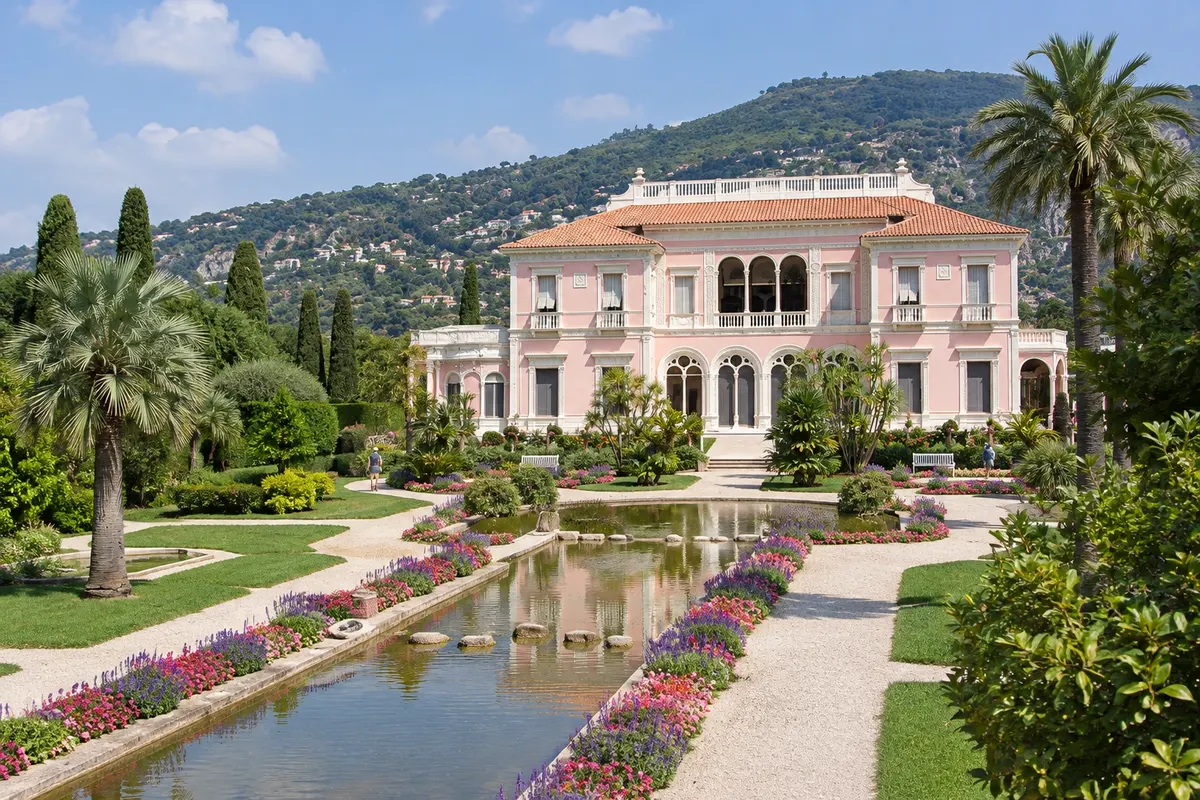
Renaissance-style palace on the top of cabo Ferrat, with art collections and nine themed gardens between two seas.

Saint-Paul-de-Vence
Nice · Provença-Alpes-Costa Azul · Historic village

Saint-Paul-de-Vence

Walled village on top of a hill, between Nice and Antibes, linked to 20th-century painters and full of art galleries.

Fondation Maeght
Nice · Provença-Alpes-Costa Azul · Museum

Fondation Maeght

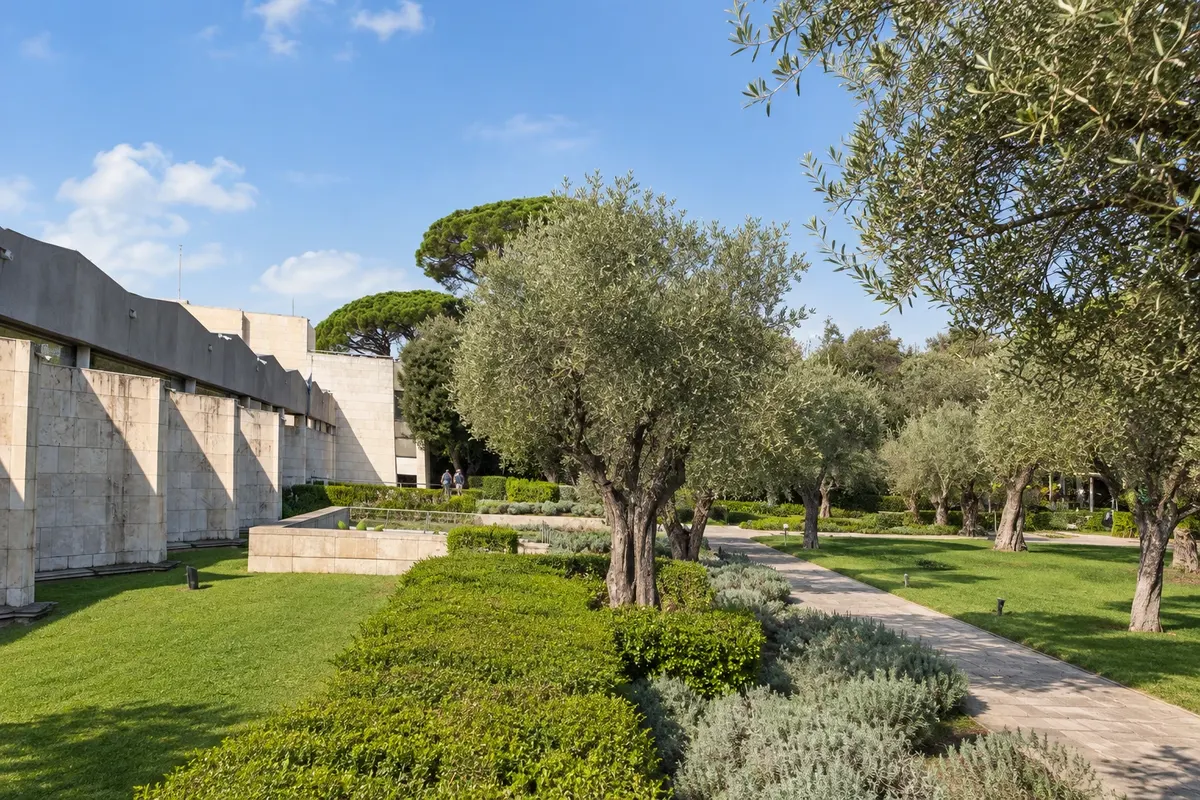
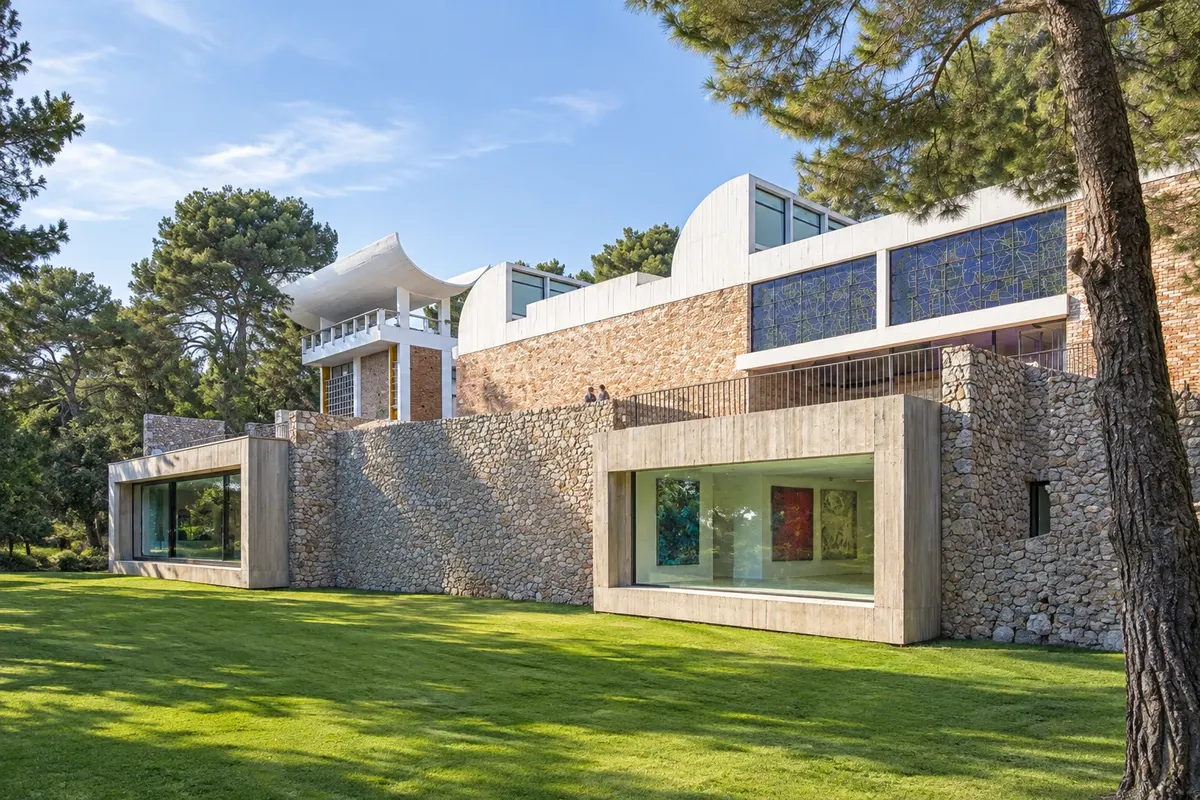
Modern art foundation near Saint-Paul-de-Vence, with works by Miró, Giacometti, Chagall and Braque integrated into the building and the garden.

Before you go

Practical information

A little planning leaves more time to enjoy the journey.

When to go

From May to June and in September the weather is usually pleasant and there are fewer crowds than at peak season. July and August are the busiest and hottest months; the sea tends to be warmer from July to September. In winter (December to February) it’s mildly cold and the days are short. February has the Nice Carnival; May has the Cannes Film Festival.

The seasons shown are the most usual ones; nature doesn't always follow the calendar.

How many days to stay

Four or five days allow you to see Nice at a relaxed pace, make a day trip to Cannes and another to Antibes, plus a visit to Èze or Cap Ferrat. With a week you can include Saint-Paul-de-Vence, the Îles de Lérins and Menton. With two or three days, stay in Nice and pick one of the other towns.

Which city to stay in

Nice is the most convenient base: staying near Gare de Nice-Ville or the centre (Place Masséna, avenue Jean-Médecin) makes trains and the tram to the airport easy. Vieux Nice is close to restaurants and the sea but has narrow streets. In Cannes, the area between the station and the Croisette keeps everything within walking distance. In Antibes, stay in the old town or near Port Vauban; Juan-les-Pins attracts those seeking sandy beaches in summer.

Respect the place

Take your trash with you, follow the signs and support local businesses. In natural areas, follow the visiting guidelines.

Get your questions answered

Frequently asked questions about Côte d'Azur

Do you need a car on the Côte d'Azur?

For Nice, Cannes, Antibes, Menton and Monaco, no: regional TER trains run along the coast with frequent departures, and there are buses to Èze and Saint-Paul-de-Vence. A car is useful for inland villages and scenic drives, but traffic in summer is heavy and parking in town centres is difficult.

How many days to allocate for the Côte d'Azur?

Four or five days is a good guideline: two in Nice and its surroundings, one in Cannes and one in Antibes, with time for Èze or Cap Ferrat. A week lets you include the Îles de Lérins, Saint-Paul-de-Vence and Menton without rushing.

What's the best time to go?

May, June and September usually combine good weather with fewer crowds. July and August are crowded, but they are when the sea is usually warm (July to September). February has the Nice Carnival; May sees the Cannes Film Festival, when the city gets very busy.

Can you visit Monaco from Nice?

Yes. Monaco is an independent country neighbouring France and is a few minutes by TER train from Gare de Nice-Ville; there are also buses along the coastal road. It makes for a half-day or full-day trip.

Are the beaches sandy?

In Nice, no: the Promenade des Anglais beach is pebble (galets), so water shoes are useful. In Cannes along the Croisette and in Juan-les-Pins (Antibes) there are sandy beaches, many with stretches of private clubs next to public areas.

Explore other destinations Search by state and city
Back