Champagne

Grande Leste · France

Champagne

Reims and Épernay, the cellars dug into the limestone, the vineyards on the slopes and the cathedral where the kings of France were crowned, 45 minutes by TGV from Paris.

Leste

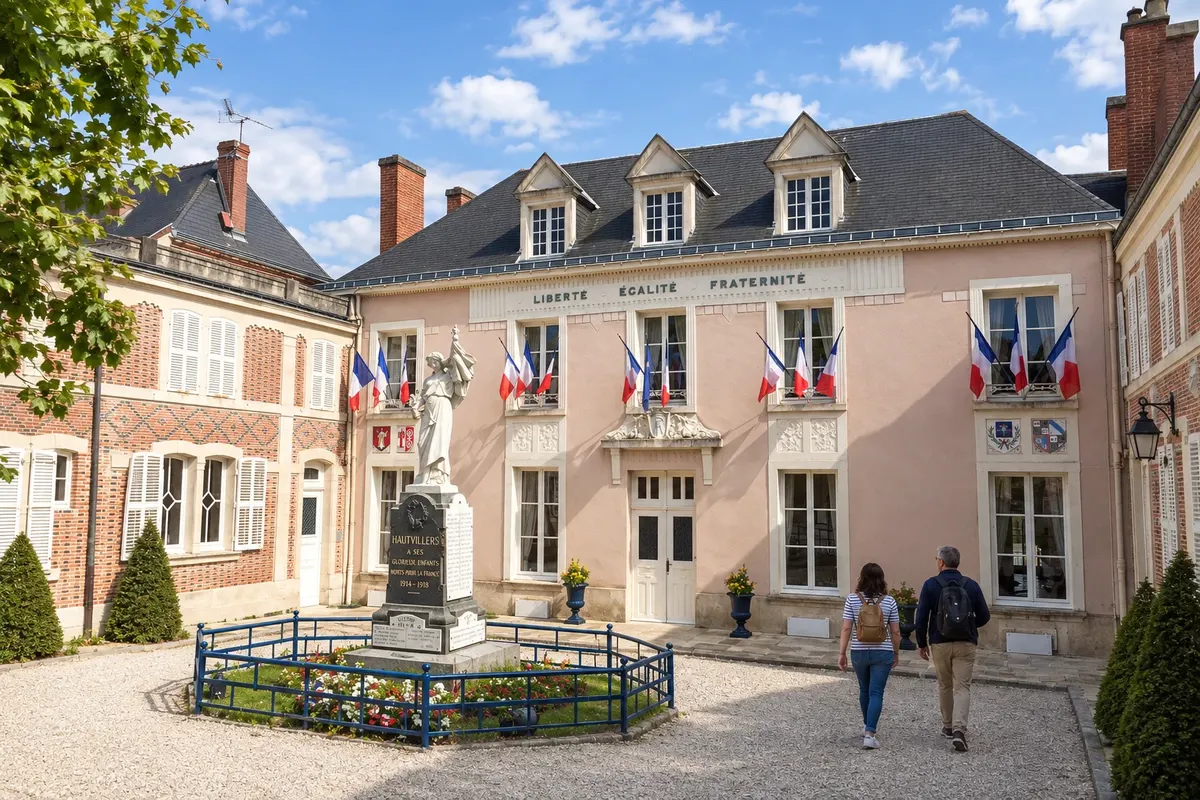
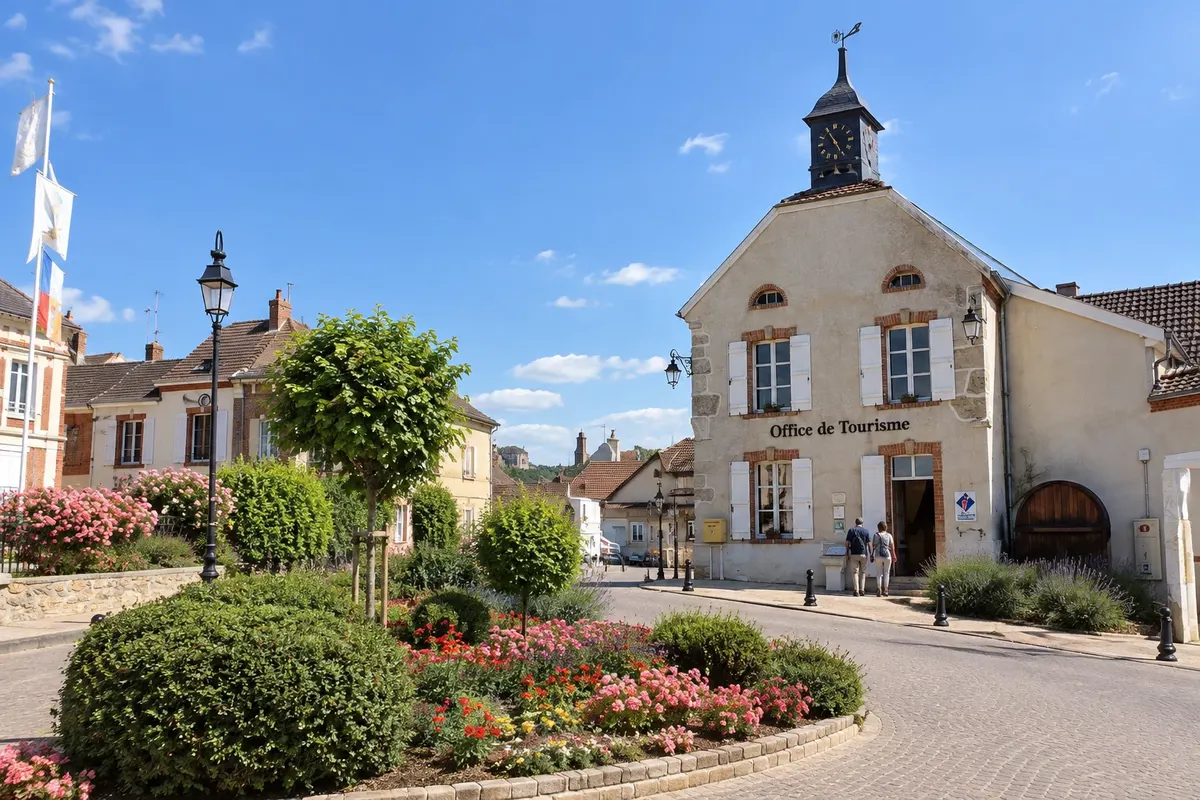
In the photo: Mairie and square of Hautvillers · Champagne

Illustrative images. The pictures in this guide are illustrations based on the real place, not photographs, and may differ from it.

Get it on Google Play Send your photos

Get to know the place

A region to enjoy
at your own pace.

Champagne is the region in northeastern France that gave its name to the world’s best-known sparkling wine. Only wine produced here, within the delimited area, can be called champagne, made from grapes such as chardonnay, pinot noir and meunier. For the traveler, the region revolves around two towns: Reims, the larger, and Épernay, smaller and surrounded by vineyards.

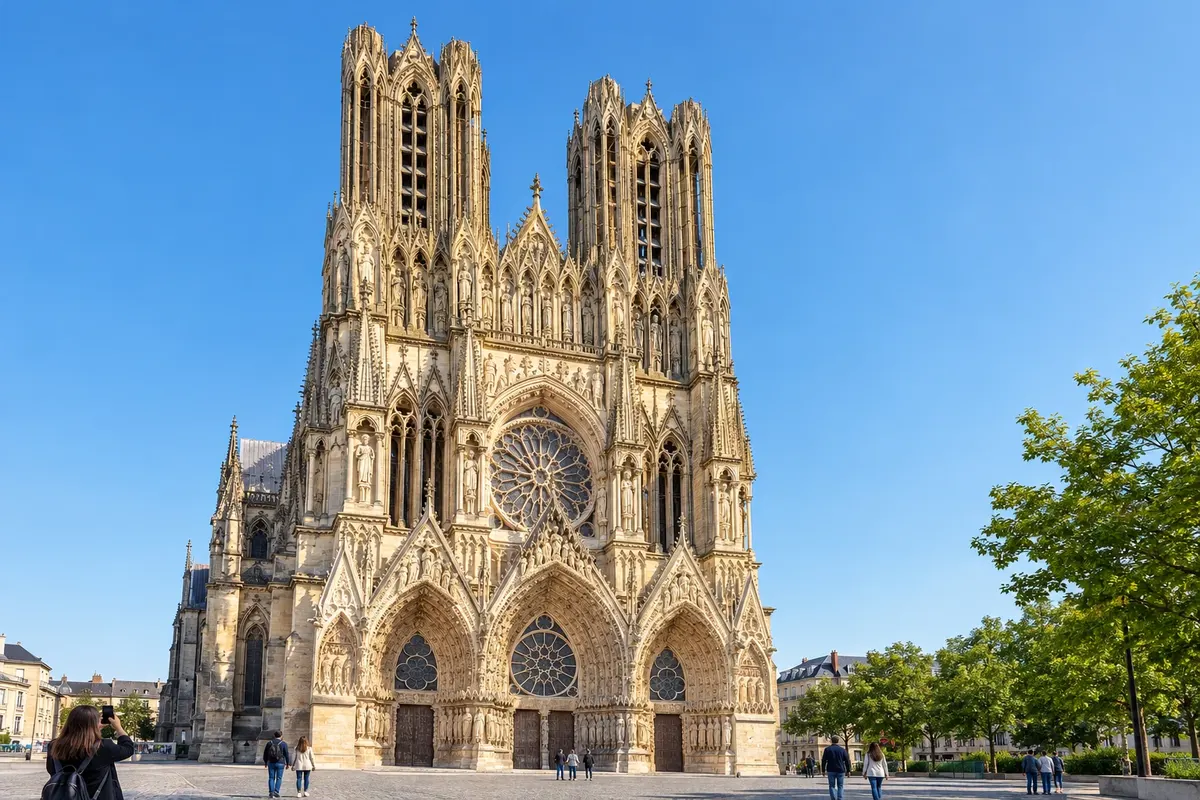
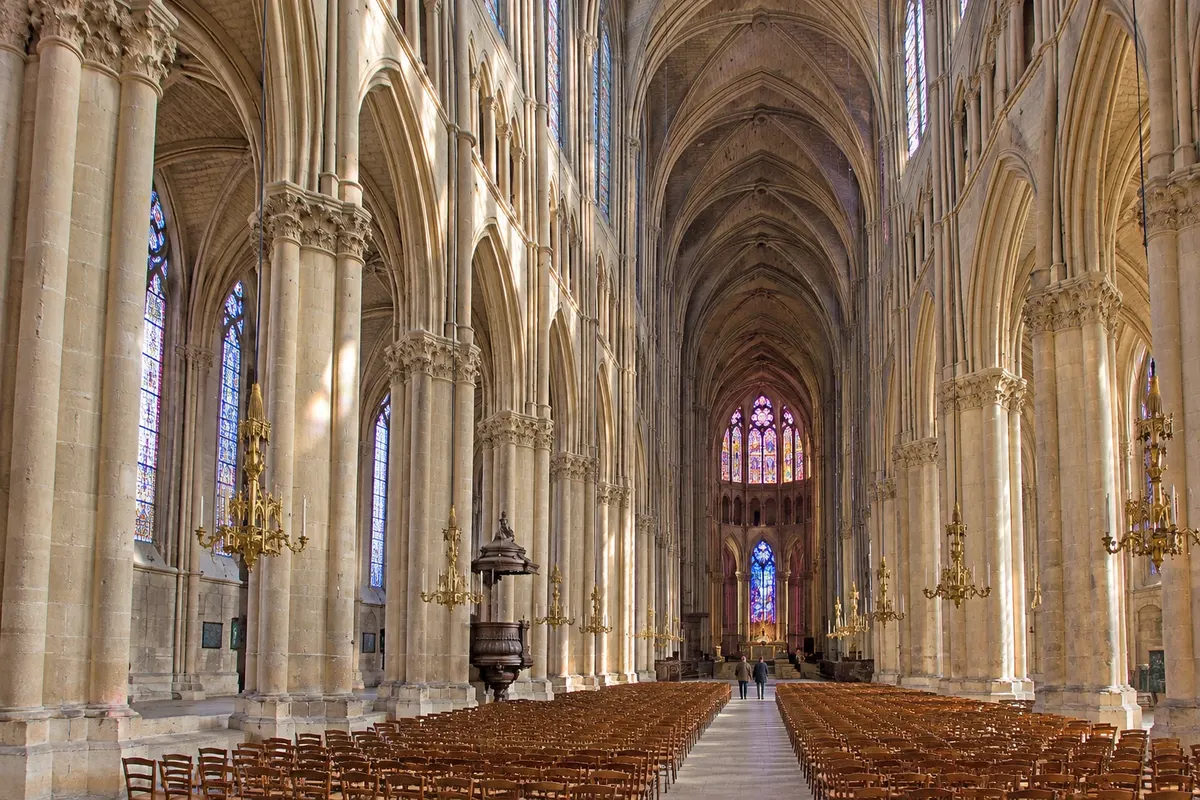
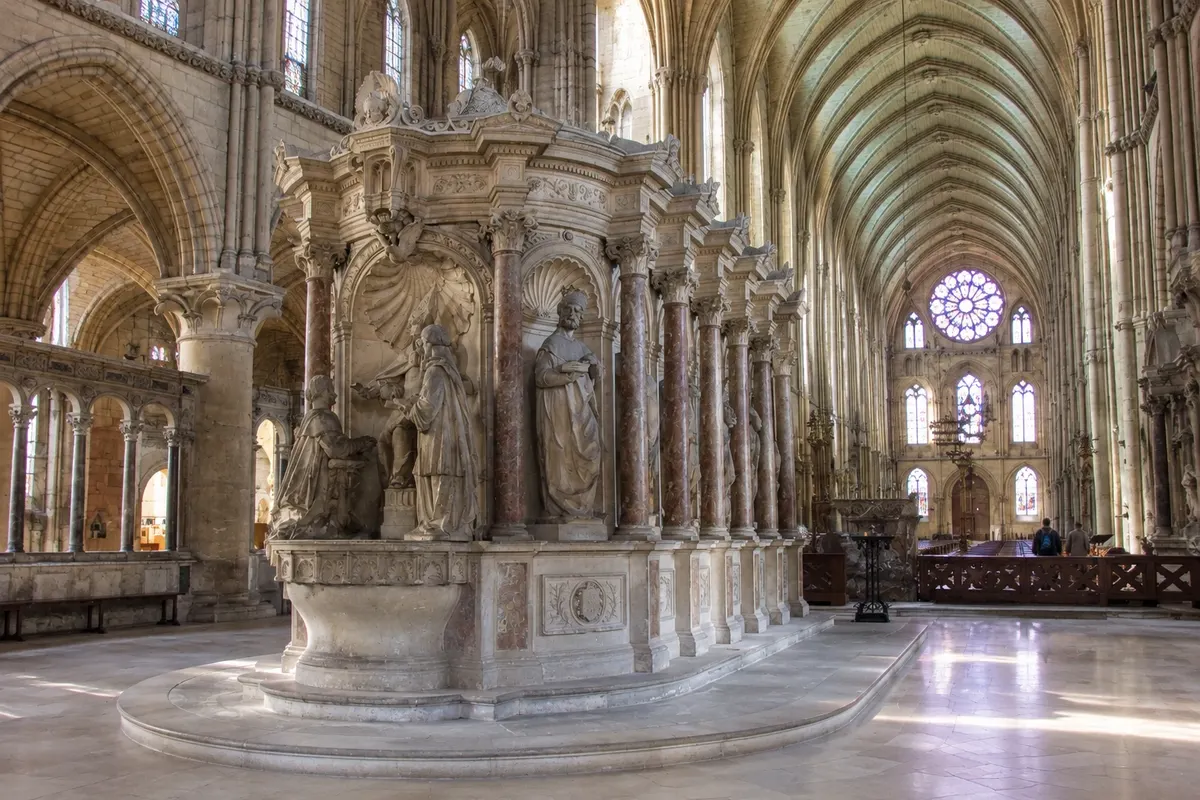
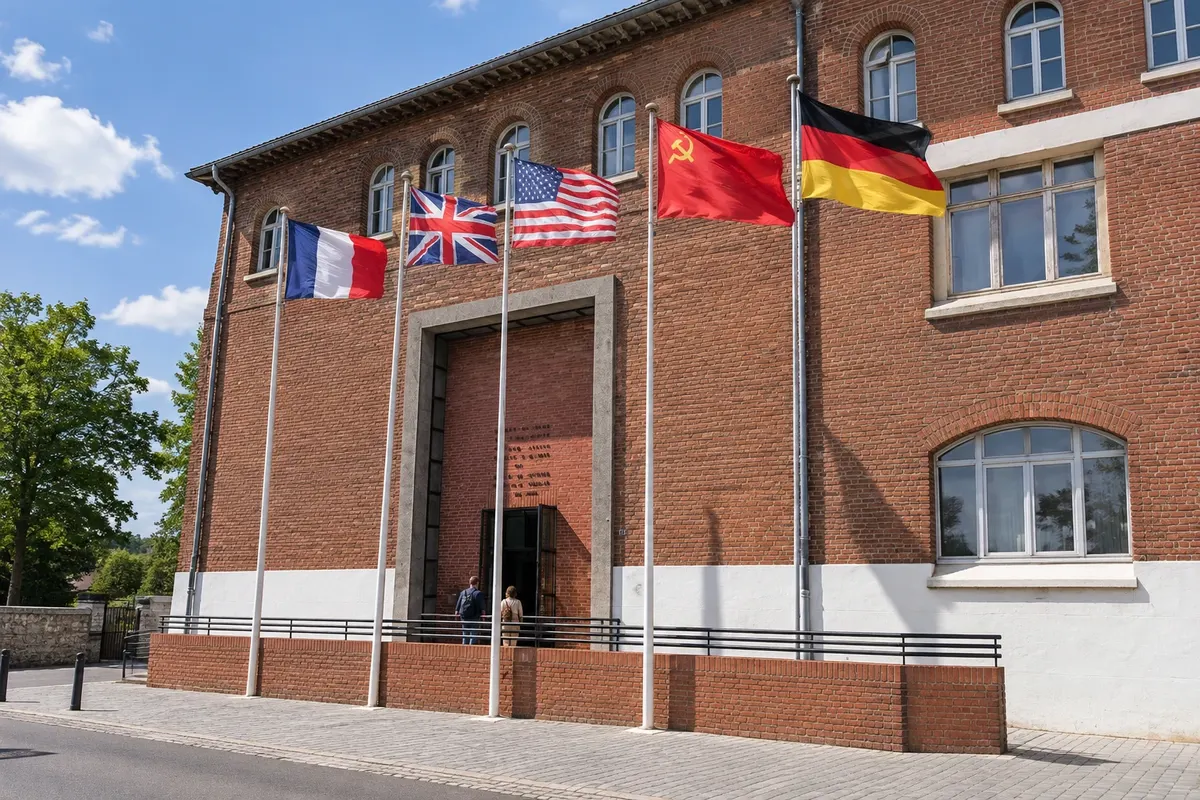
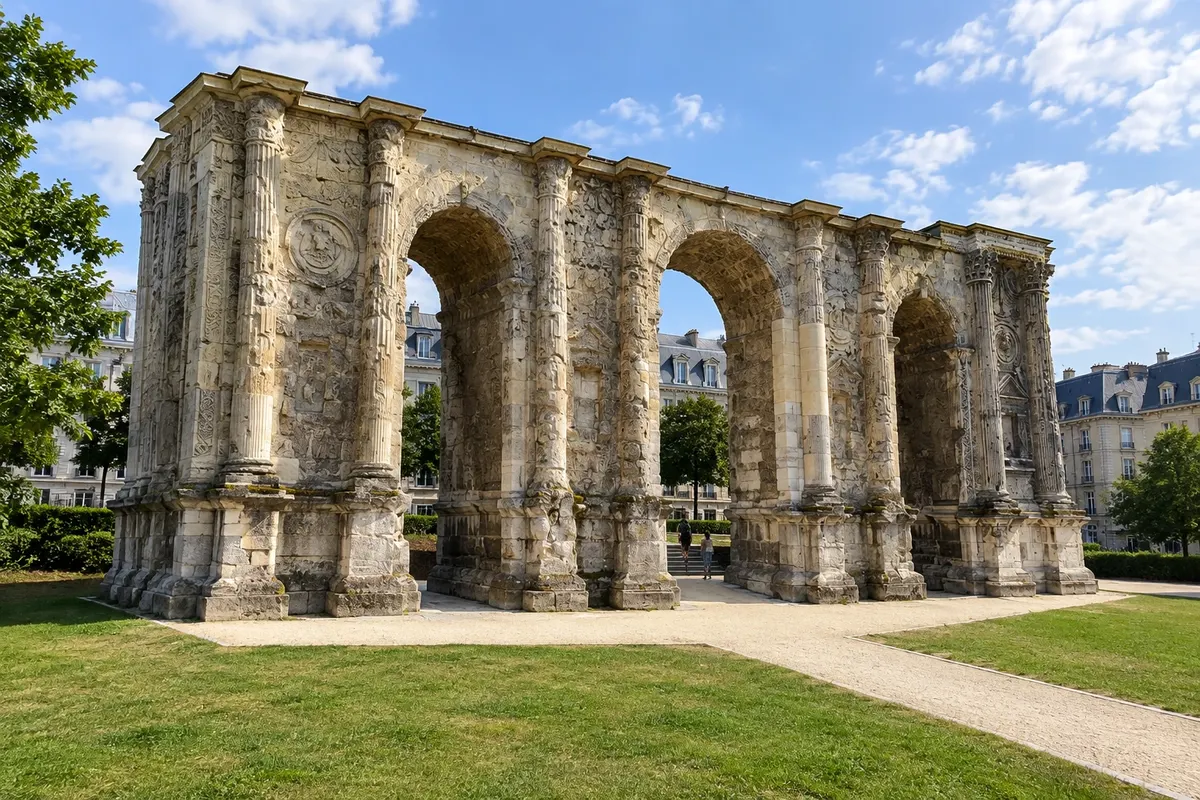
Reims has a history that goes far beyond wine. The city is home to the Cathédrale Notre-Dame, where nearly all the kings of France were crowned from the 11th century, and the Basilique Saint-Remi, which houses the tomb of the bishop who baptized Clovis, the first Christian Frankish king. The two monuments, together with the Palais du Tau, form a group inscribed as a UNESCO World Heritage Site since 1991. Reims also has a Roman arch, the Porte de Mars, and the hall where Germany signed the surrender in May 1945.

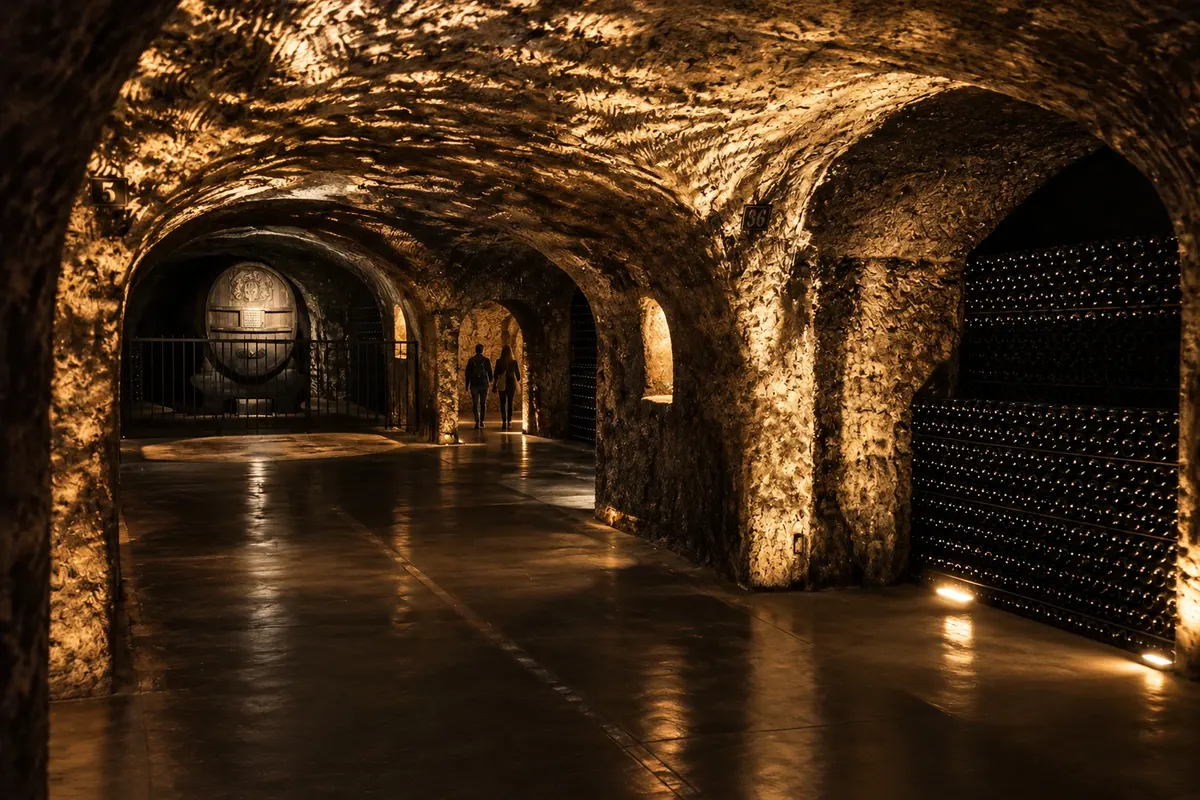
What makes the region unique lies beneath the ground: kilometers of galleries and former chalk quarries, the crayères, where bottles rest for years at a stable temperature. The champagne houses, called maisons, open those cellars for guided visits, almost always by prior reservation. Hills, Houses and Caves of Champagne entered the World Heritage list in 2015, including the Avenue de Champagne in Épernay and the hills of Saint-Nicaise in Reims.

Between the two towns lie the Montagne de Reims, a massif covered in forests and vineyards, and the valley of the Marne river. There are villages such as Hautvillers, where the monk Dom Pérignon lived, and Verzenay, with a lighthouse amid the vines. The harvest usually takes place in September. Champagne here appears as a culture and the work of generations: visits often end with a small tasting, and drinking in moderation is part of the experience.

This destination brings together 2 cities: Reims, Épernay.

Share: WhatsApp
Traveler, share your experiences through photos Up to 5 photos of each place you visited.

One destination, many paths

The cities on this trip

Start with one city or combine several in your itinerary.

Where Champagne is
ReimsÉpernay

Contornos: © IGN, ADMIN EXPRESS, Licence Ouverte 2.0. Adaptação do Cidade Turismo.

How to get there: Champagne

✈ Aéroport Paris-Charles de Gaulle (CDG), in Roissy-en-France · 145 km to Reims

From Paris-Charles de Gaulle airport there is a direct TGV to Champagne-Ardenne TGV station, south of Reims. From Paris-Est, the TGV reaches Reims in about 45 minutes. Épernay is around half an hour by regional train from Reims. Check before buying.

Suggested arrival point: Reims

The local experience

Things to do in Champagne

Avenue de Champagne
Épernay · Grande Leste · Street

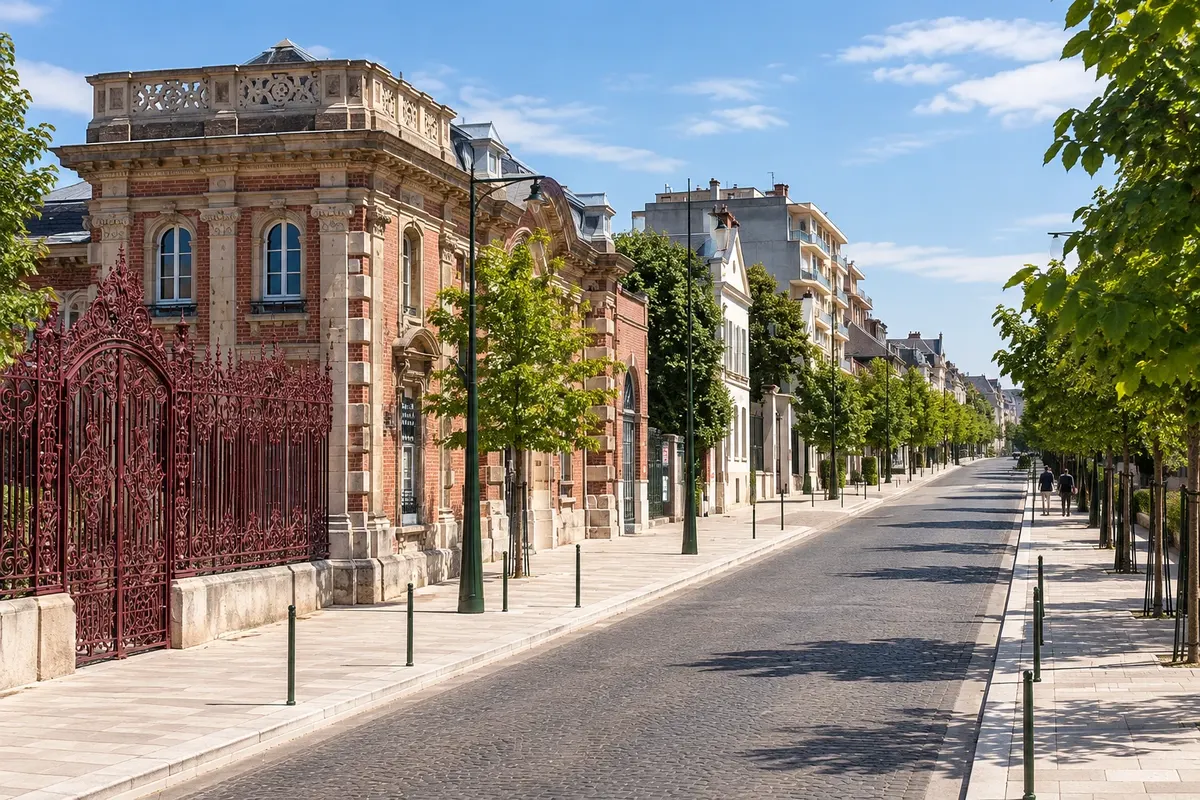
Avenue de Champagne

Avenue of about 1.5 km with the headquarters of the major champagne houses in 19th-century mansions. Underground, galleries hold millions of bottles. UNESCO World Heritage.

Cathédrale Notre-Dame de Reims
Reims · Grande Leste · Cathedral

Cathédrale Notre-Dame de Reims

Gothic 13th-century cathedral where nearly all the kings of France were crowned. It has more than 2,300 statues, including the Anjo Sorridente, and stained glass by Marc Chagall. A UNESCO World Heritage site.

Basilique Saint-Remi
Reims · Grande Leste · Church

Basilique Saint-Remi

Romanesque and Gothic basilica from the 11th century that houses the tomb of Saint Remi, the bishop who baptised Clovis. Next door, the Musée Saint-Remi occupies the former abbey. UNESCO World Heritage.

Maison Moët & Chandon
Épernay · Grande Leste · Winery

Maison Moët & Chandon

Champagne house founded in 1743 on the Avenue de Champagne. The guided visit goes through part of the caves dug into the chalk, 10 to 30 meters below ground. By reservation.

See 9 more places in Champagne
Maison Mercier
Épernay · Grande Leste · Winery

Maison Mercier

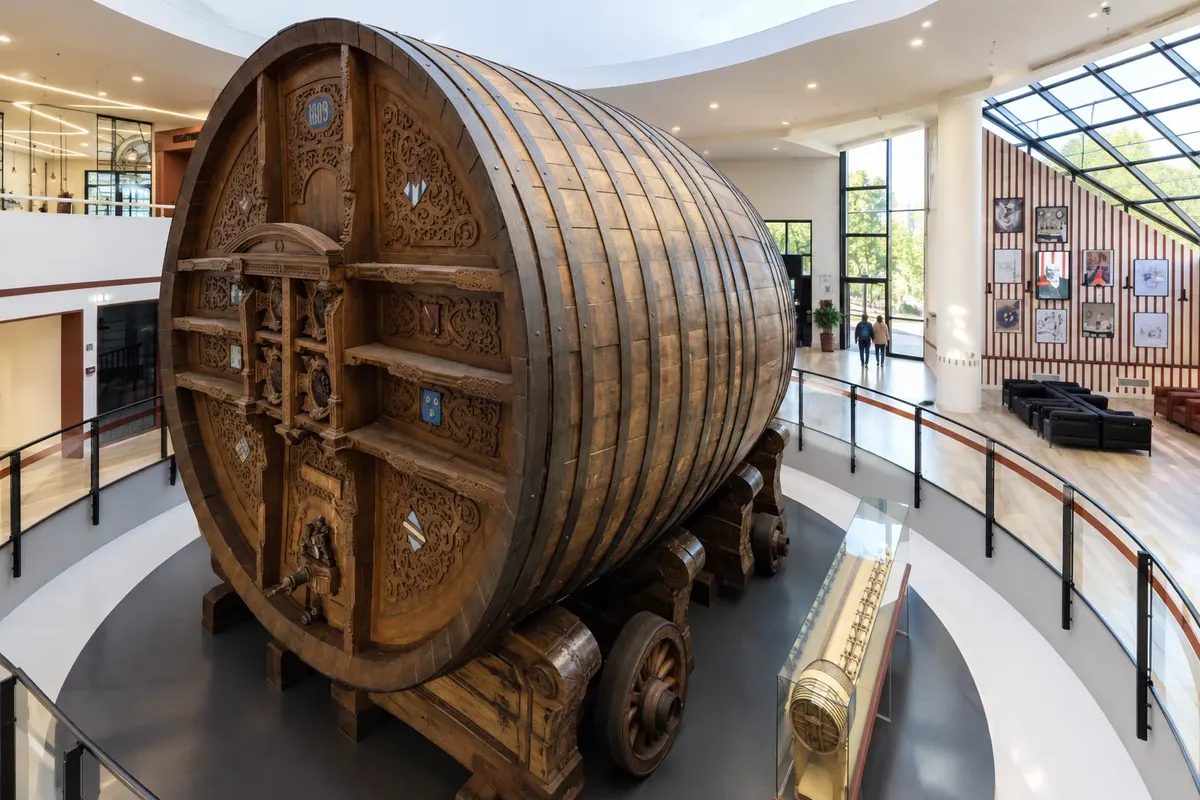
Champagne house founded in 1858 by Eugène Mercier at the end of the Avenue de Champagne. Panoramic elevators descend about 30 meters and a little train runs through part of the 18 km of galleries. Visits by reservation.

Musée de la Reddition
Reims · Grande Leste · Museum

Musée de la Reddition

Museum set up in the room where, on 7 May 1945, Germany signed the unconditional surrender that ended World War II in Europe. The map room has been preserved.

Musée du Vin de Champagne et d'Archéologie régionale
Épernay · Grande Leste · Museum

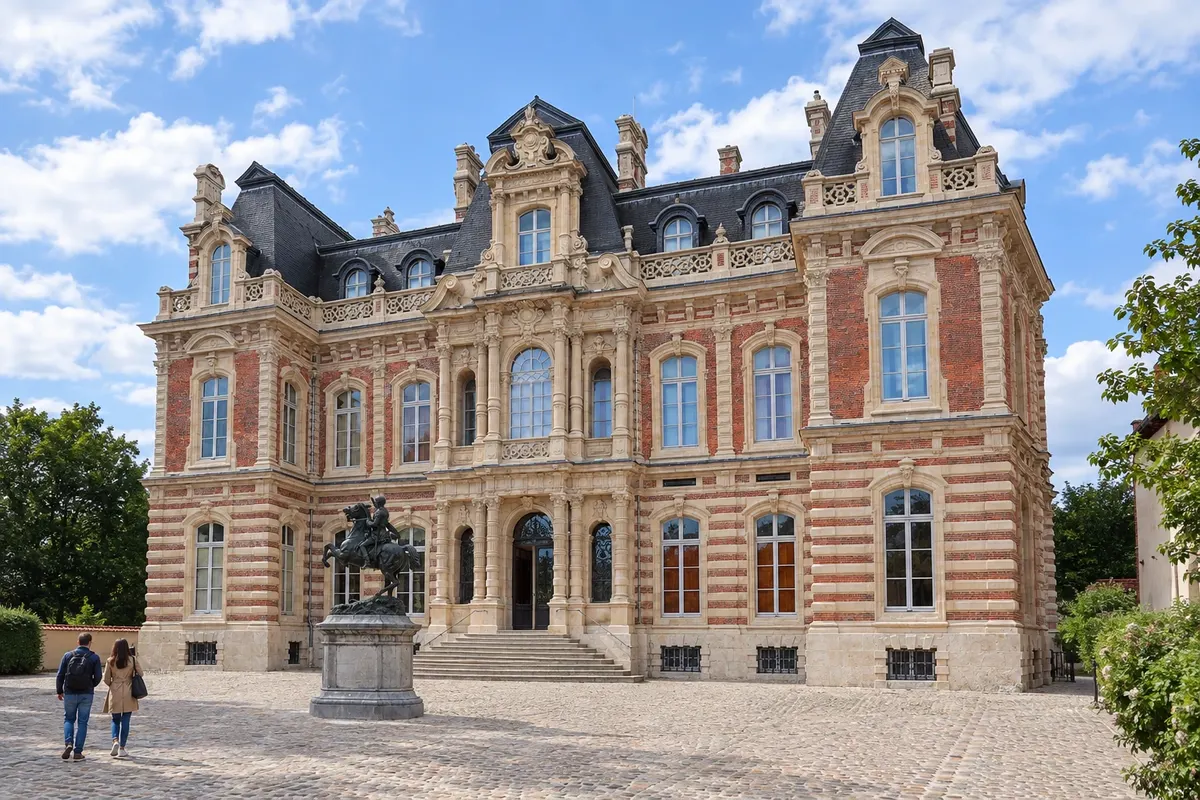
Musée du Vin de Champagne et d'Archéologie régionale

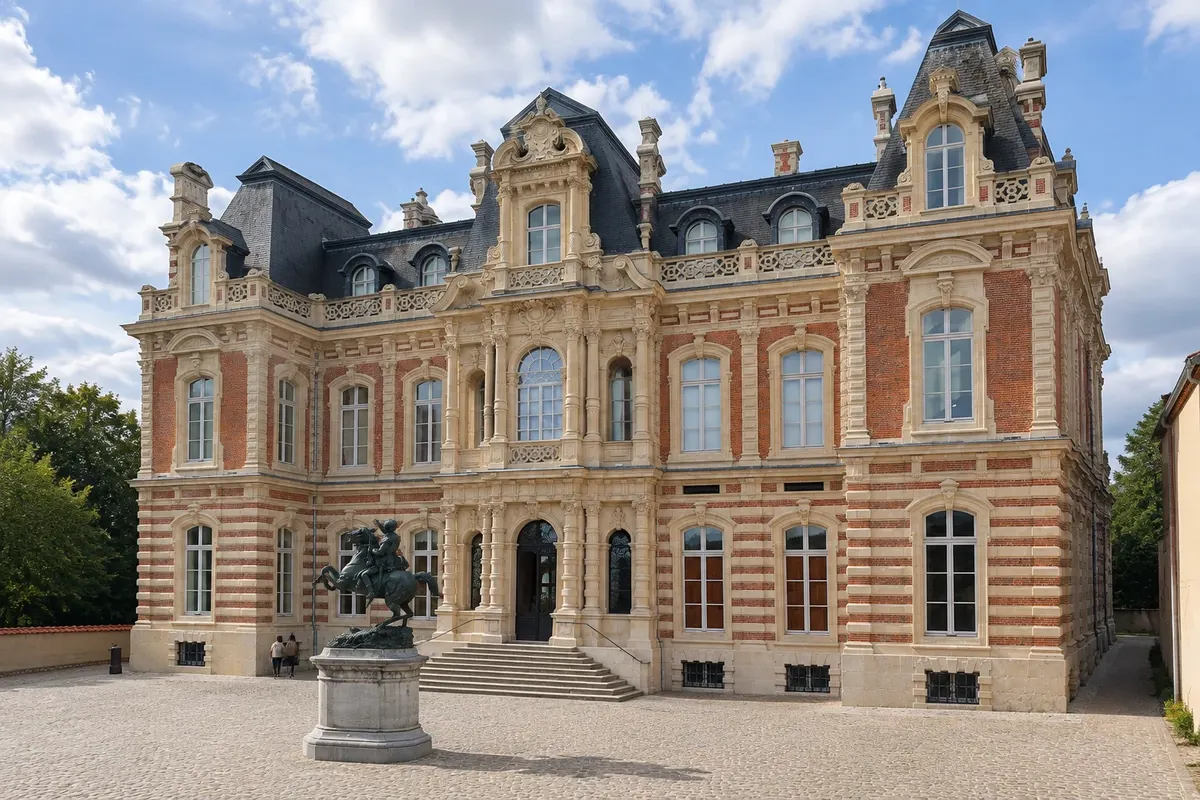
Museum in the Château Perrier, a 19th-century mansion on the Avenue de Champagne, which tells the story of the region from geology to champagne, with about 2,000 objects and interactive exhibits.

Porte de Mars
Reims · Grande Leste · Monument

Porte de Mars

Roman arch from the late 2nd or early 3rd century, about 32 meters wide: the widest arch in the Roman world. It was one of the gates of Durocortorum, ancient Reims.

Hautvillers
Épernay · Grande Leste · Village

Hautvillers

Village on the heights of the slopes above the Marne valley, about 6 km from Épernay, where the monk Dom Pérignon lived and is buried. It has more than 140 wrought-iron plaques on the façades.

Maison Pommery
Reims · Grande Leste · Winery

Maison Pommery

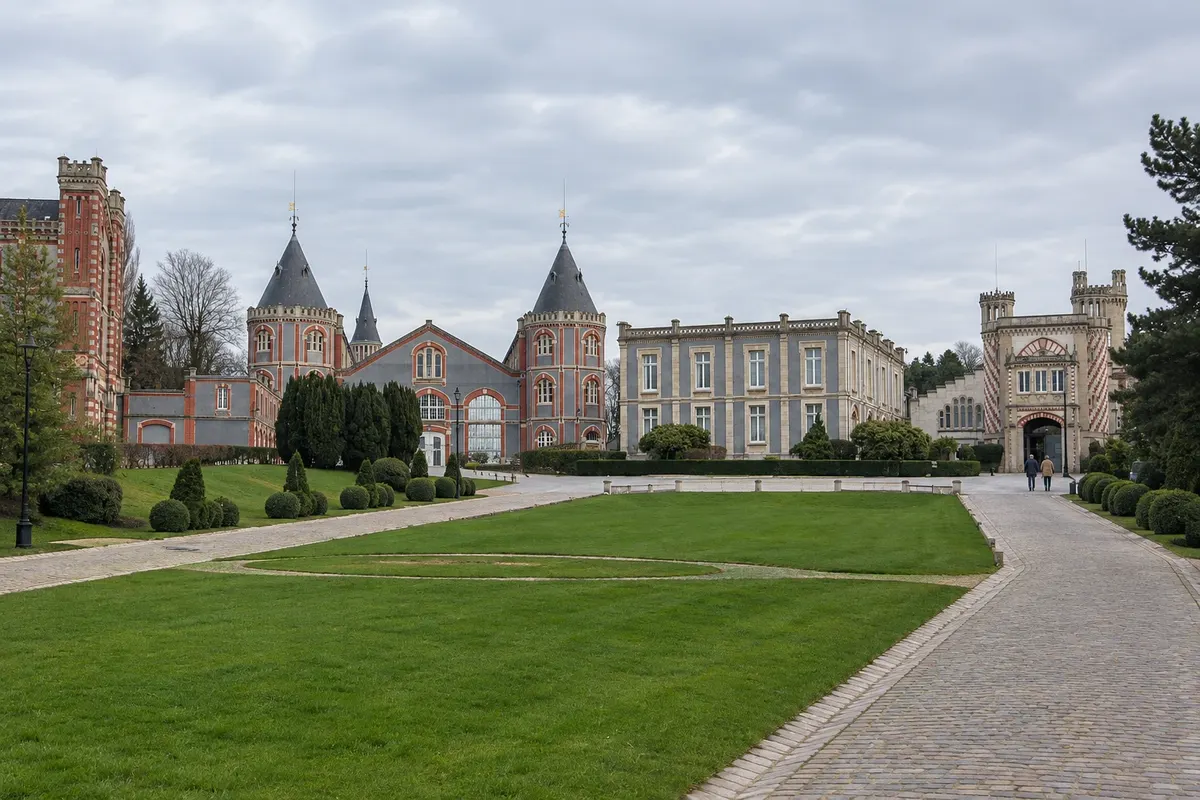
Champagne house on the Saint-Nicaise hills, with 19th-century Elizabethan-style buildings and cellars set in ancient chalk quarries from the Gallo-Roman period. Guided tours by reservation.

Maison Taittinger
Reims · Grande Leste · Winery

Maison Taittinger

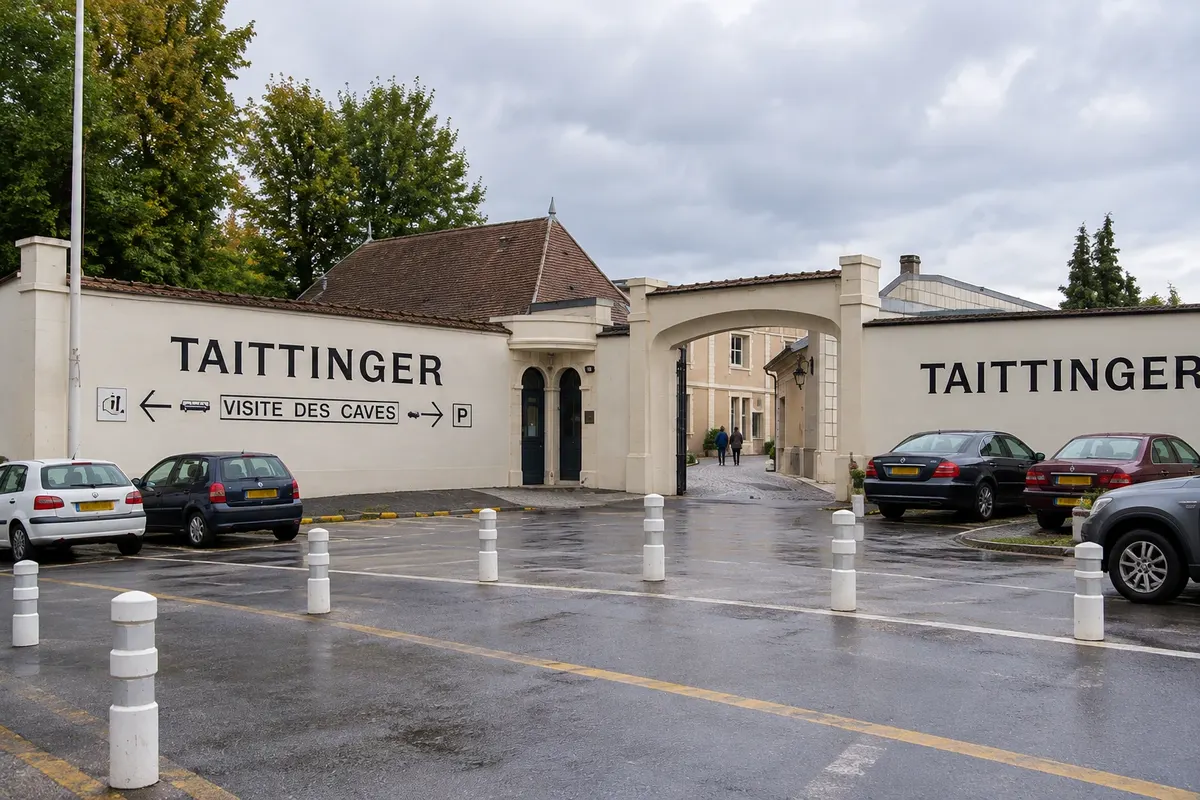
Champagne house on the Place Saint-Nicaise, with cellars in Gallo-Roman crayères and galleries beneath the site of the former Abbey of Saint-Nicaise, which was destroyed during the Revolution. Guided tours by reservation.

Maison Mumm
Reims · Grande Leste · Winery

Maison Mumm

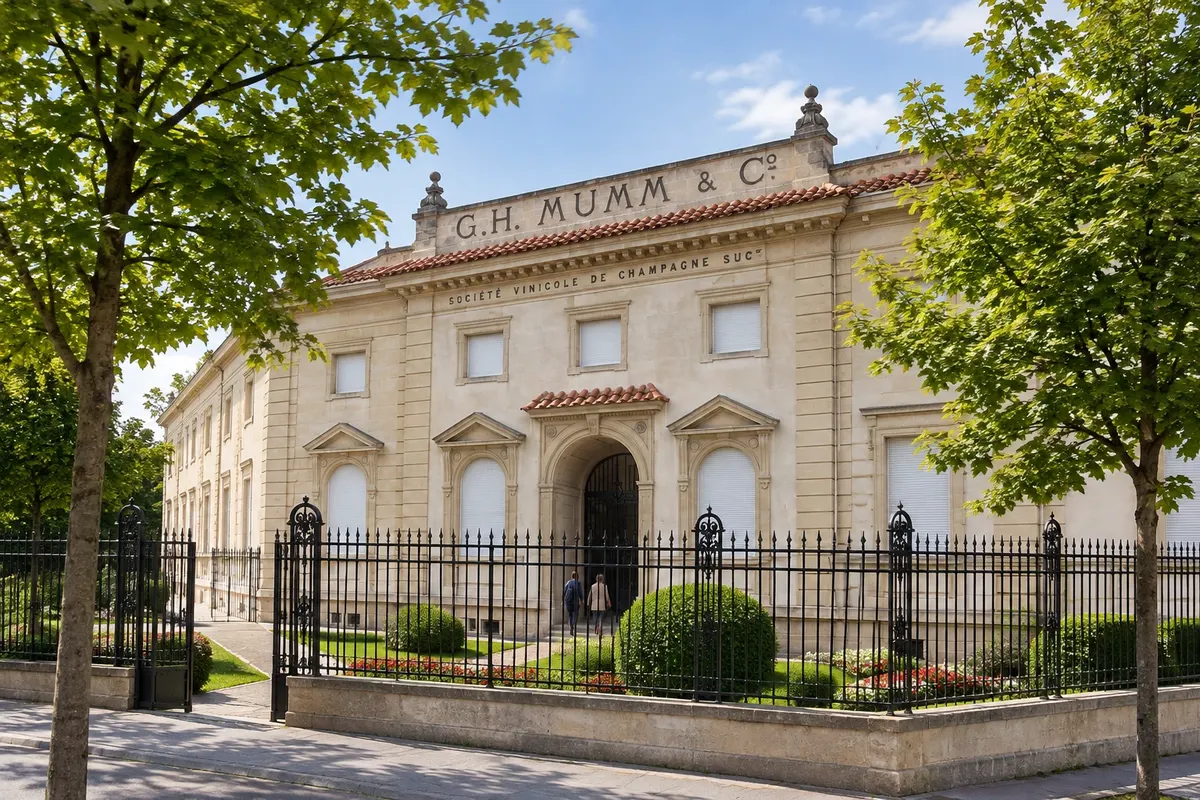
Champagne house founded in Reims in 1827, near the Porte de Mars and a few minutes from the station. The guided tour goes through cool cellars dug in chalk. By reservation.

Phare de Verzenay
Reims · Grande Leste · Observation deck

Phare de Verzenay

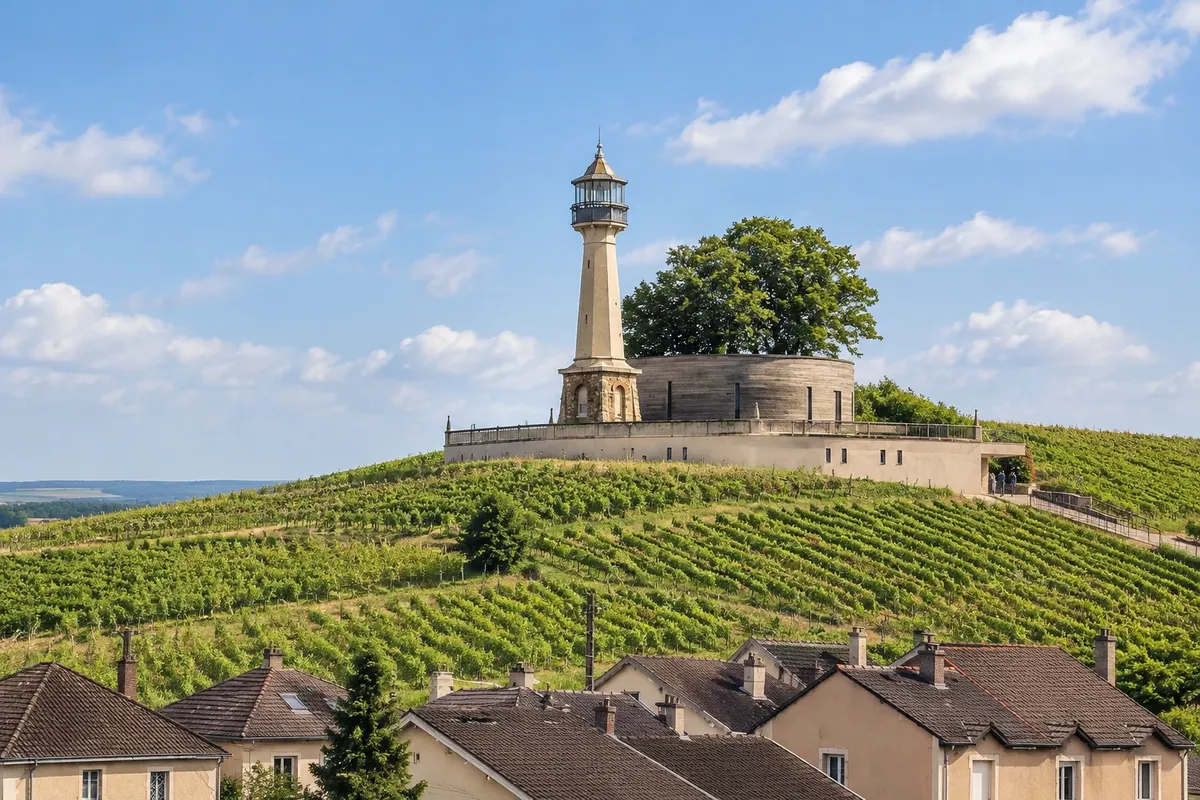
Lighthouse built in the early 20th century in the middle of the vineyards of the Montagne de Reims, with a 360-degree viewing platform reached by 101 steps and the Musée de la Vigne, about work in the vineyards.

Before you go

Practical information

A little planning leaves more time to enjoy the journey.

When to go

From May to September the days are long and the vineyards are green; the harvest usually takes place in September. October brings golden leaves on the slopes. In winter, from December to February, it is cold and it gets dark early, but the cellars operate year-round, with a stable temperature. In high season visits fill up: book in advance.

The seasons shown are the most usual ones; nature doesn't always follow the calendar.

How many days to stay

Two days are ideal: one in Reims, with the cathedral, the Basilique Saint-Remi and a cellar visit, and another in Épernay, with the Avenue de Champagne and Hautvillers. With only one day, do a day trip from Paris to Reims. A third day allows you to explore the vineyards of the Montagne de Reims and the Marne valley.

Which city to stay in

In Reims, the center around the cathedral and Place Drouet-d'Erlon, a pedestrian street full of restaurants, is within walking distance of Gare de Reims and most attractions. The Saint-Remi district, to the south, is quieter and close to the cellars on the hills of Saint-Nicaise. In Épernay, stay near the station or the Avenue de Champagne. Those with a car can sleep in villages amid the vineyards, such as Hautvillers or those in the Montagne de Reims, in chambres d'hôtes (guest rooms in family homes).

Respect the place

Take your trash with you, follow the signs and support local businesses. In natural areas, follow the visiting guidelines.

Get your questions answered

Frequently asked questions about Champagne

Can you visit Champagne on a day trip from Paris?

Yes. The TGV departs from Gare de l'Est and reaches Reims in about 45 minutes, and the station is a few minutes' walk from the cathedral. In one day you can see the cathedral, the Basilique Saint-Remi and do a cellar visit with a reservation. For Épernay and the vineyards, it’s ideal to spend at least one night in the region.

Do I need a car to visit the region?

For Reims and Épernay, no: both have central train stations, there is a regional train between them, and the main cellars are within walking distance or a short taxi ride. A car helps for vineyard villages like Hautvillers and Verzenay, where public transport is sparse. Those intending to taste may prefer a guided tour with transport. In France, the alcohol tolerance for driving is low.

What is the best time to visit Champagne?

From May to October, when the vineyards are full of leaves and the days are long. The harvest usually takes place in September, and many maisons are busier at that time. In the European winter, from December to February, it is cold and the days are short, but the cellars operate and there are fewer people.

Do I need to book visits to the champagne houses?

Yes, for most of them. Visits to the cellars are guided, at fixed times and with limited groups, and spots in English fill up quickly in high season. Book on the maison's website before traveling and confirm the language. Bring a coat: the cellars are underground and cool year-round.

Explore other destinations Search by state and city
Back