Bordéus and the vineyards

Nova Aquitânia · France

Bordéus and the vineyards

Bordéus, an 18th-century city on the banks of the Garonne, and the vineyards of Saint-Émilion and the Médoc, about 2 hours by TGV from Paris.

Oeste

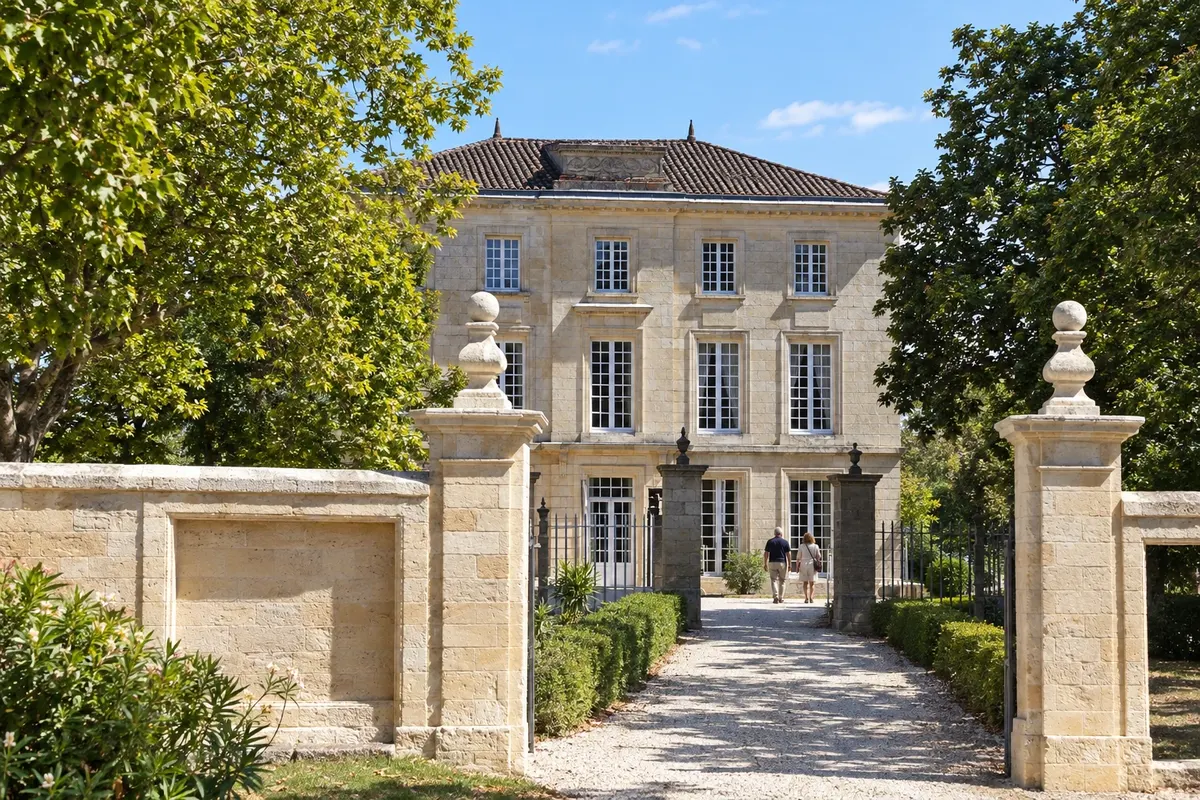
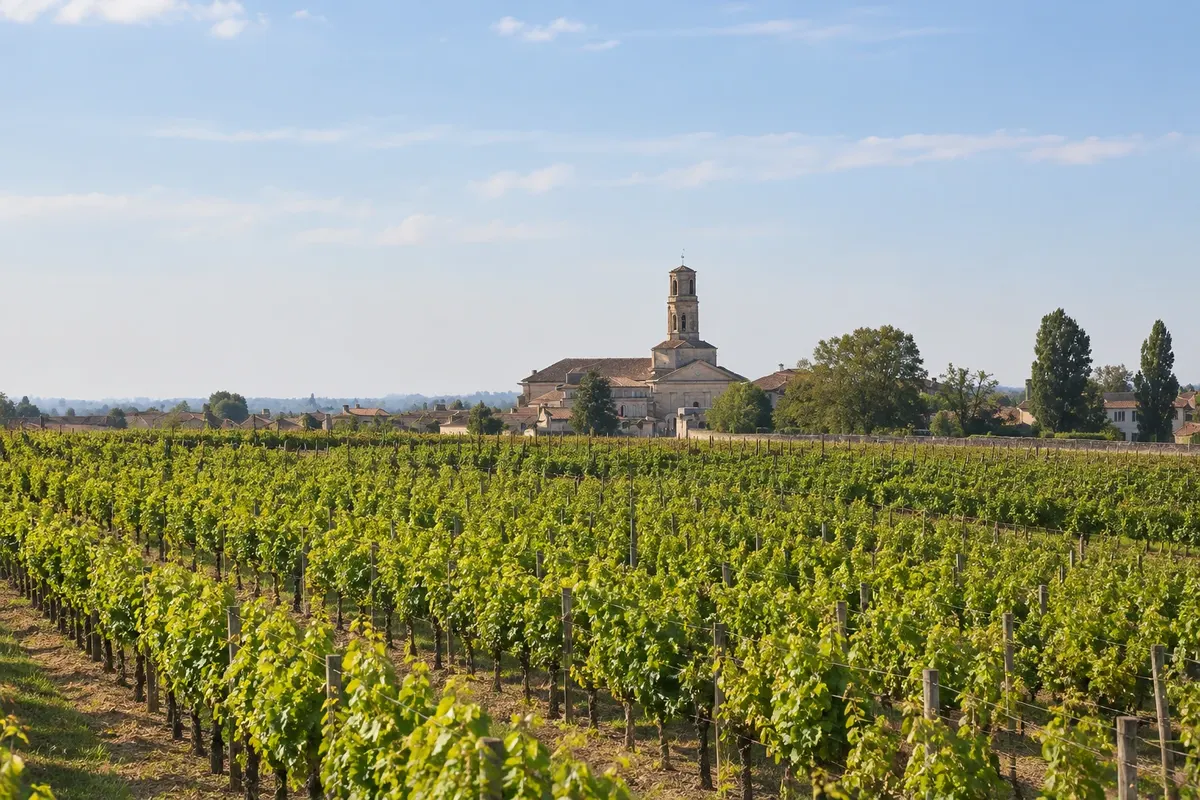
In the photo: Château Figeac · Saint-Émilion

Illustrative images. The pictures in this guide are illustrations based on the real place, not photographs, and may differ from it.

Get it on Google Play Send your photos

Get to know the place

A region to enjoy
at your own pace.

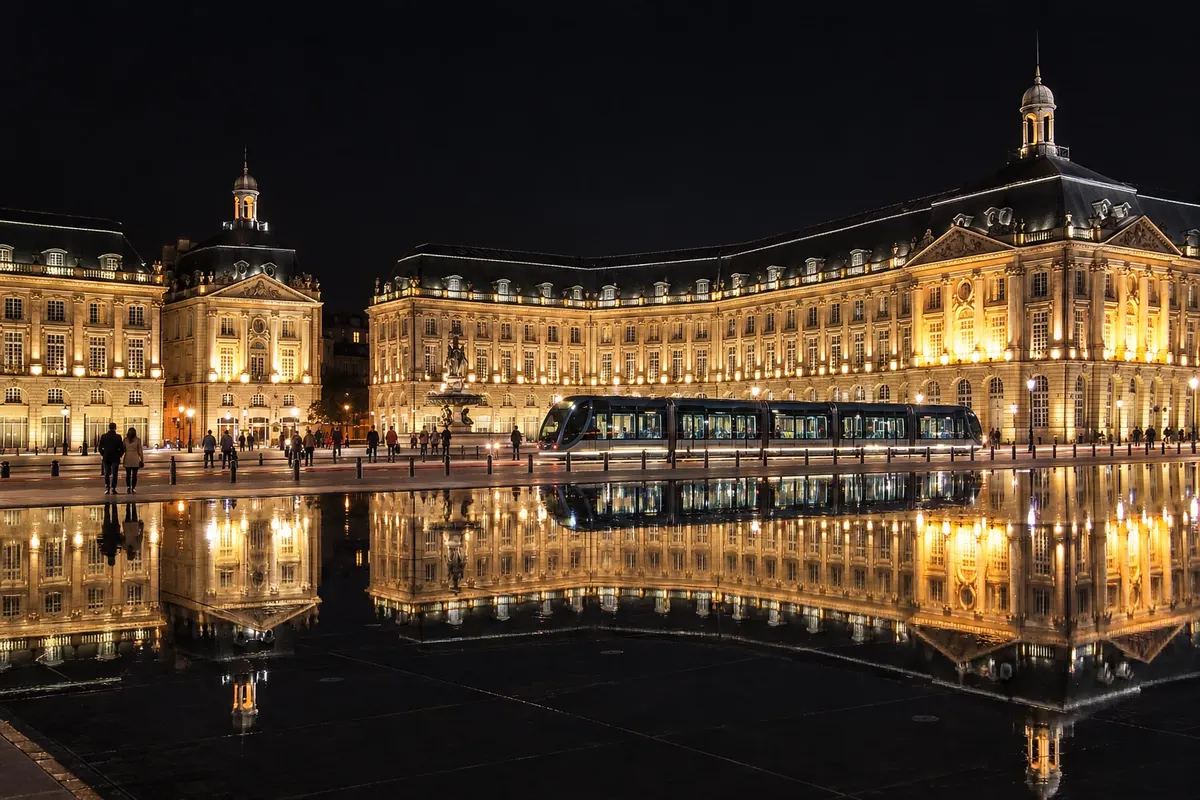
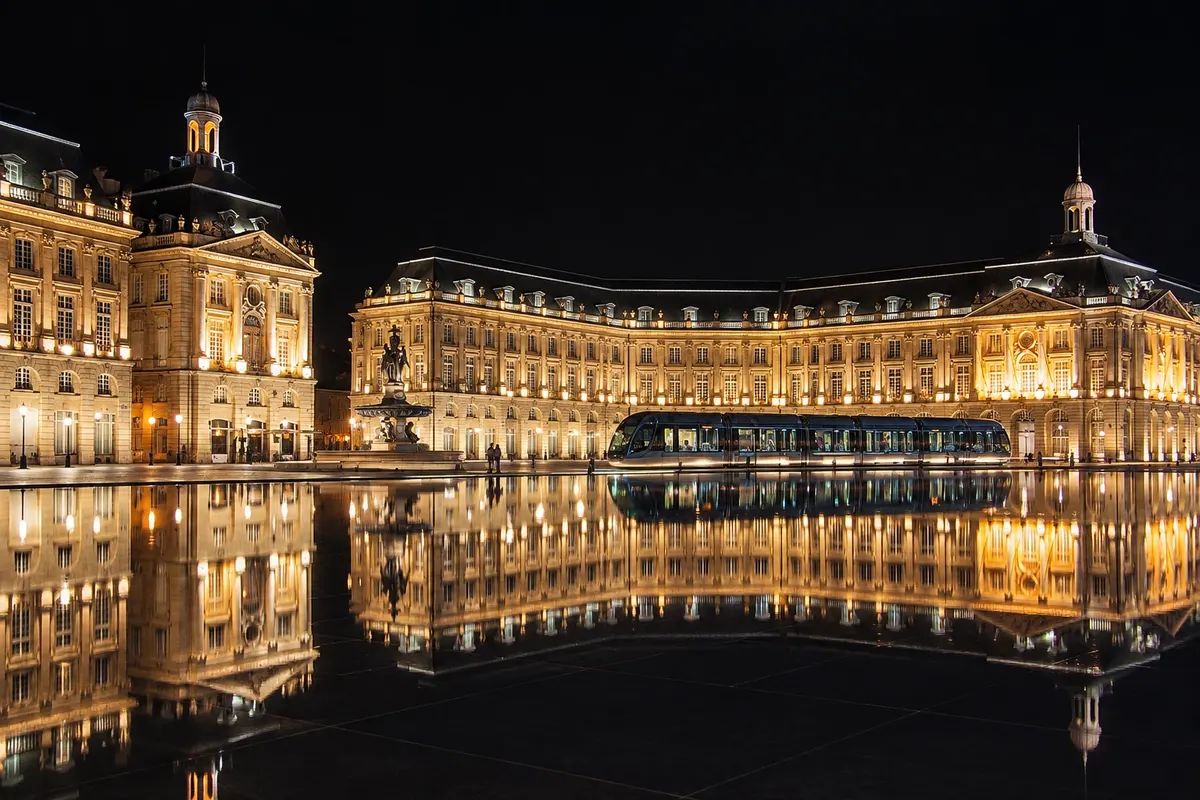
Bordéus (Bordeaux, in French) is the capital of Nova Aquitânia, in southwestern France, and developed on a crescent-shaped bend of the Garonne river. For that reason the port earned the nickname Port de la Lune, the name of the urban ensemble inscribed as a UNESCO World Heritage Site in 2007. The pale stone façades of the 18th century, the Place de la Bourse and the Miroir d'eau form the city's best-known image.

Wine is everywhere. The Cité du Vin, in the Bacalan district, tells the story of the drink worldwide, and roads and trains depart from the city to the wine regions: the Médoc to the north, with Pauillac and Margaux on the Route des Châteaux, and Saint-Émilion to the east, a medieval village surrounded by vineyards whose jurisdiction is also a World Heritage Site since 1999.

On signs and labels the word château always appears. For wine, it does not mean a castle: it denotes the wine estate, including vineyard, cellar and brand. Many estates welcome visitors, almost always by prior reservation. The grape harvest usually takes place in September and October.

From here you can do day trips to Saint-Émilion, the Médoc and the Dune du Pilat, the sand dune on the Atlantic coast.

This destination brings together 2 cities: Bordéus, Saint-Émilion.

Share: WhatsApp
Traveler, share your experiences through photos Up to 5 photos of each place you visited.

One destination, many paths

The cities on this trip

Start with one city or combine several in your itinerary.

Where Bordéus and the vineyards is
BordéusSaint-Émilion

Contornos: © IGN, ADMIN EXPRESS, Licence Ouverte 2.0. Adaptação do Cidade Turismo.

How to get there: Bordéus and the vineyards

✈ Aéroport de Bordeaux-Mérignac (BOD), in Mérignac · 12 km to Bordéus

✈ Aéroport Paris-Charles-de-Gaulle (CDG), in Roissy-en-France · 610 km to Bordéus

Check before booking. Some fly to Paris and continue by TGV: from Paris-Montparnasse to the Gare de Bordeaux-Saint-Jean is about 2 hours. Aéroport de Bordeaux-Mérignac (BOD) receives flights from other European cities.

Suggested arrival point: Bordéus

The local experience

Things to do in Bordéus and the vineyards

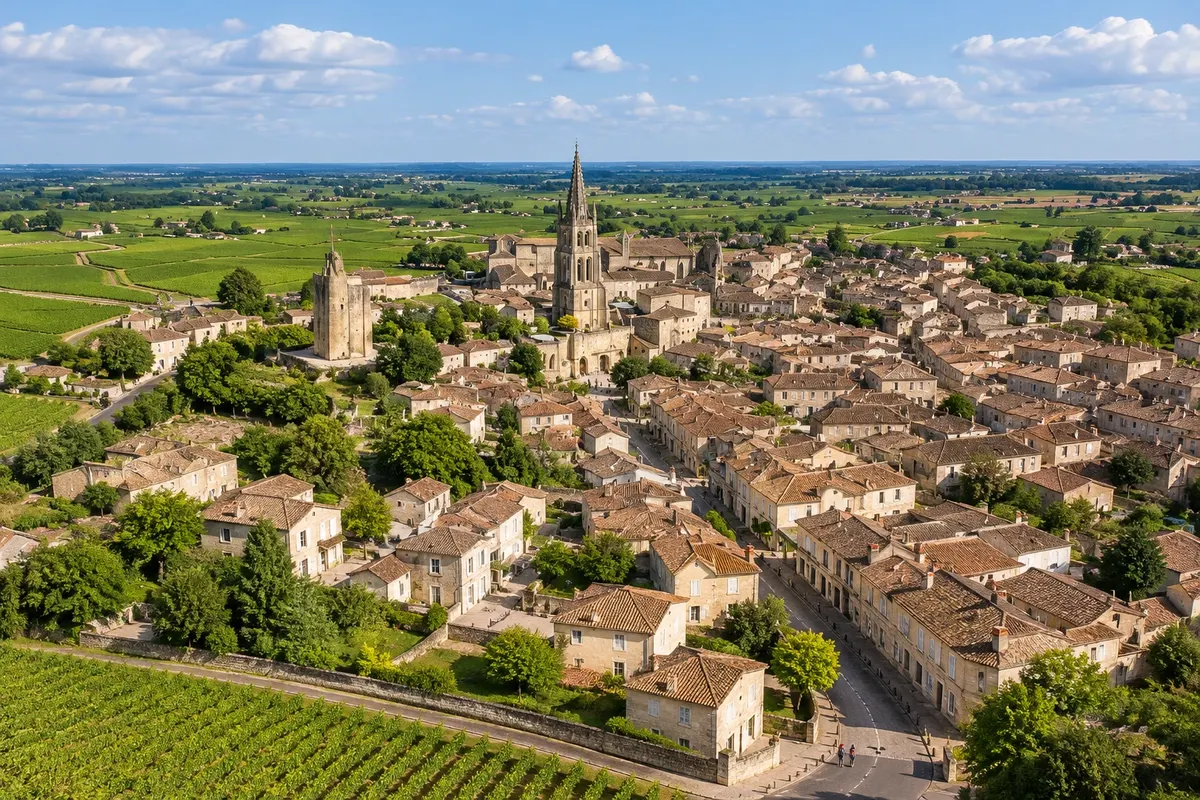
Cité médiévale de Saint-Émilion
Saint-Émilion · Nova Aquitânia · Historic neighborhood

Cité médiévale de Saint-Émilion

Medieval limestone village on a hill above the vineyards, with sloping streets called tertres, ramparts and monuments from the 12th to the 15th centuries.

Place de la Bourse et Miroir d'eau
Bordéus · Nova Aquitânia · Square

Place de la Bourse et Miroir d'eau

18th-century square open to the Garonne, framed by two palaces, with the Miroir d'eau in front: a shallow sheet of water that reflects the façades and emits mist.

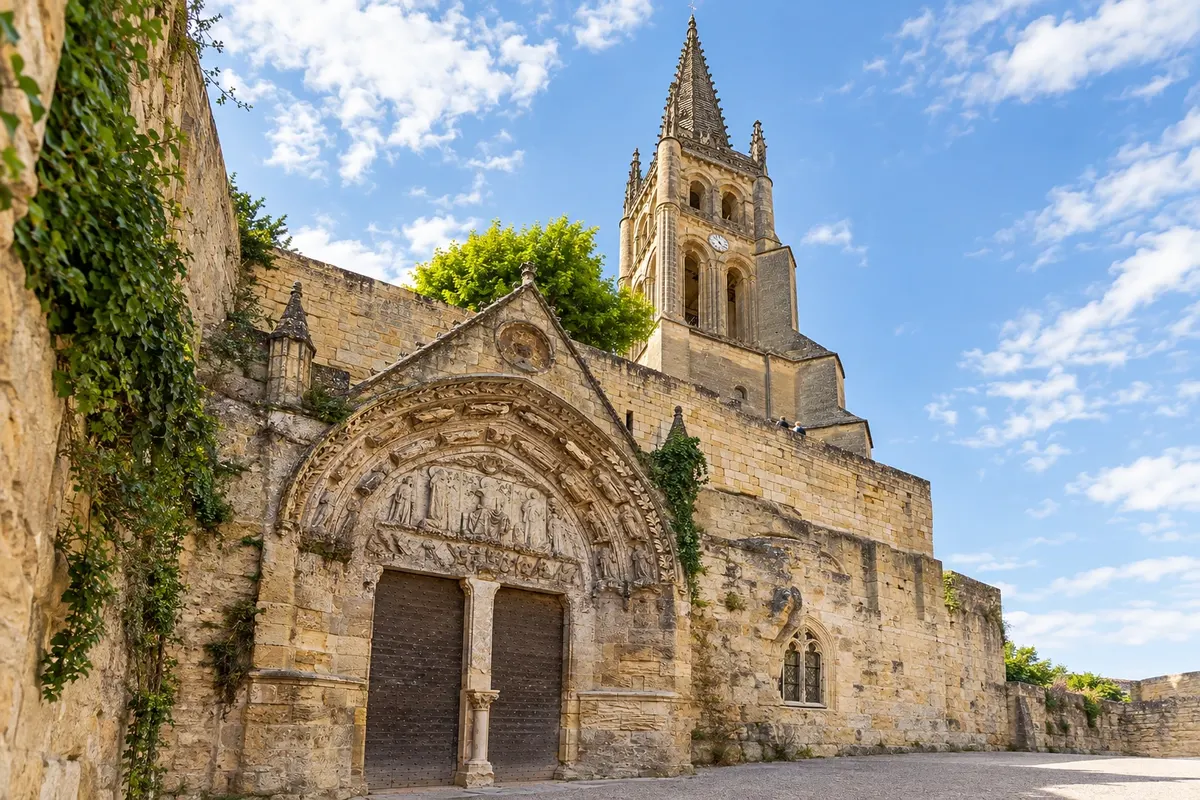
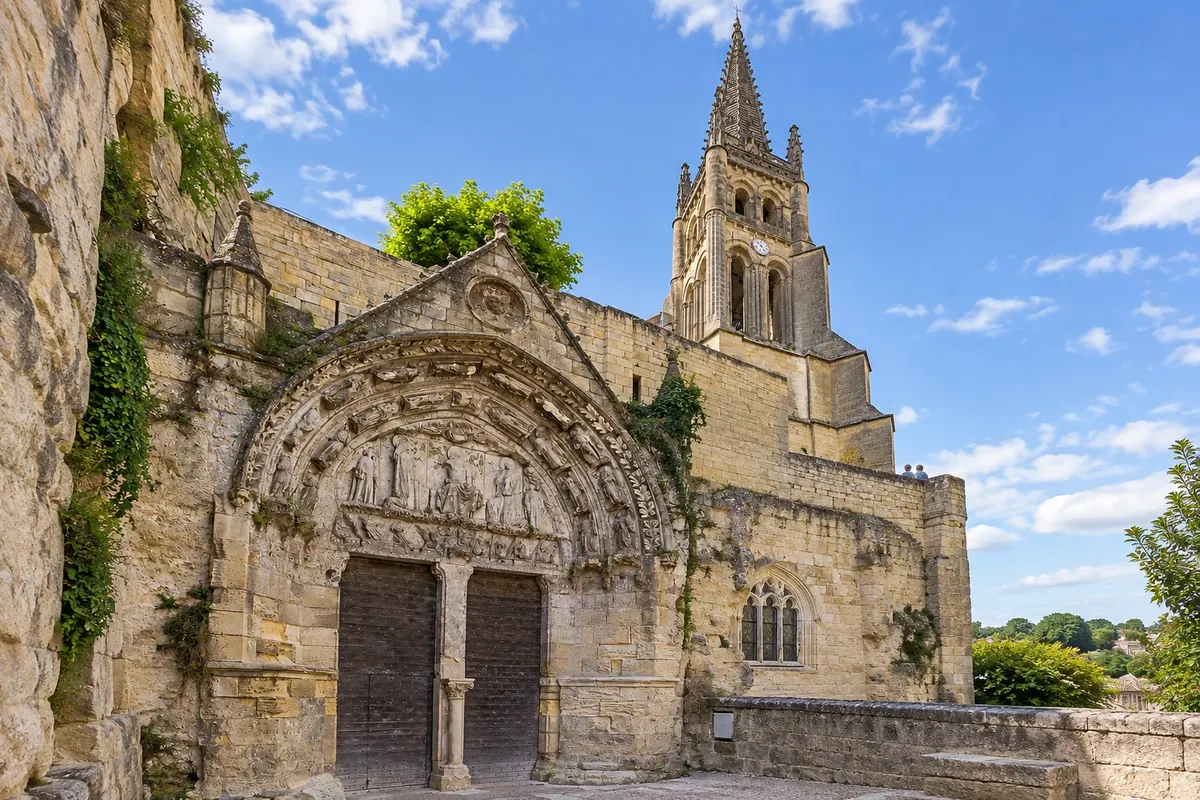
Église monolithe de Saint-Émilion
Saint-Émilion · Nova Aquitânia · Church

Église monolithe de Saint-Émilion

12th-century church carved into limestone, the largest underground church in Europe, visitable only with a guide from the tourist office.

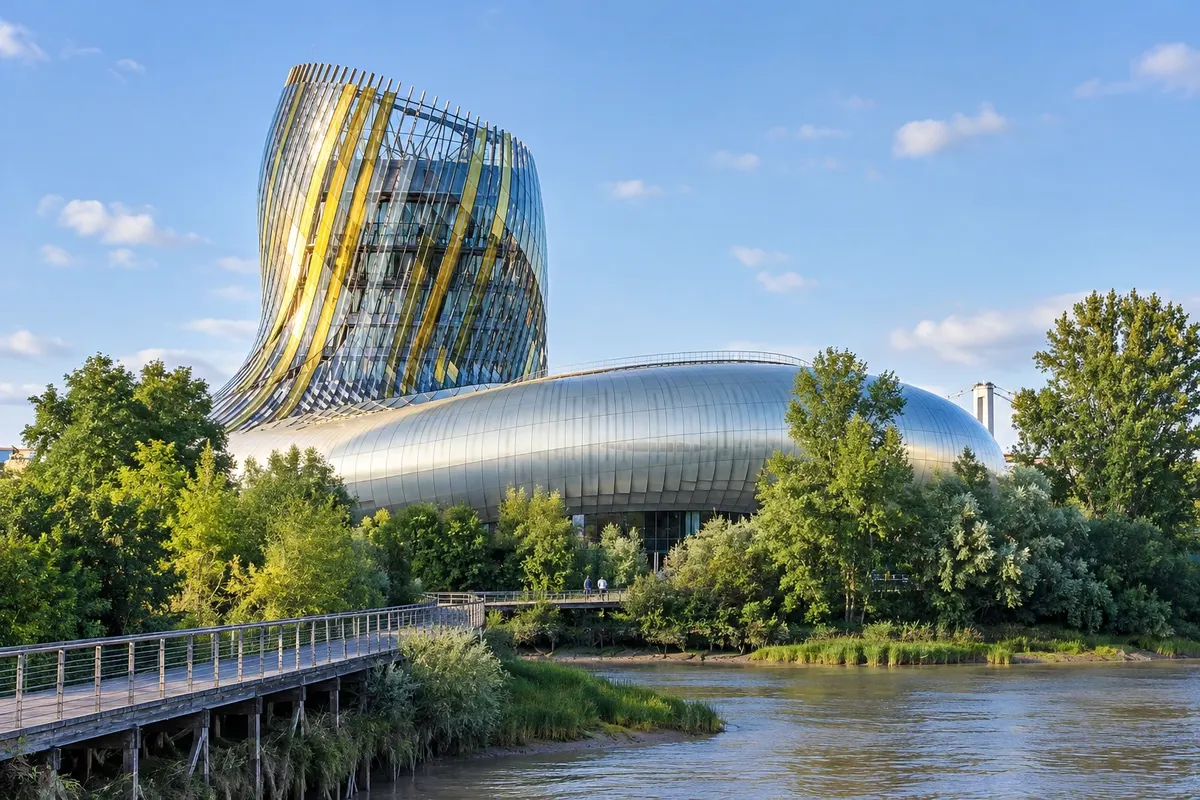
La Cité du Vin
Bordéus · Nova Aquitânia · Museum

La Cité du Vin

Cultural centre dedicated to wine worldwide, on the banks of the Garonne, with an interactive permanent exhibition, tasting workshops and a belvedere on the 8th floor.

See 14 more places in Bordéus and the vineyards
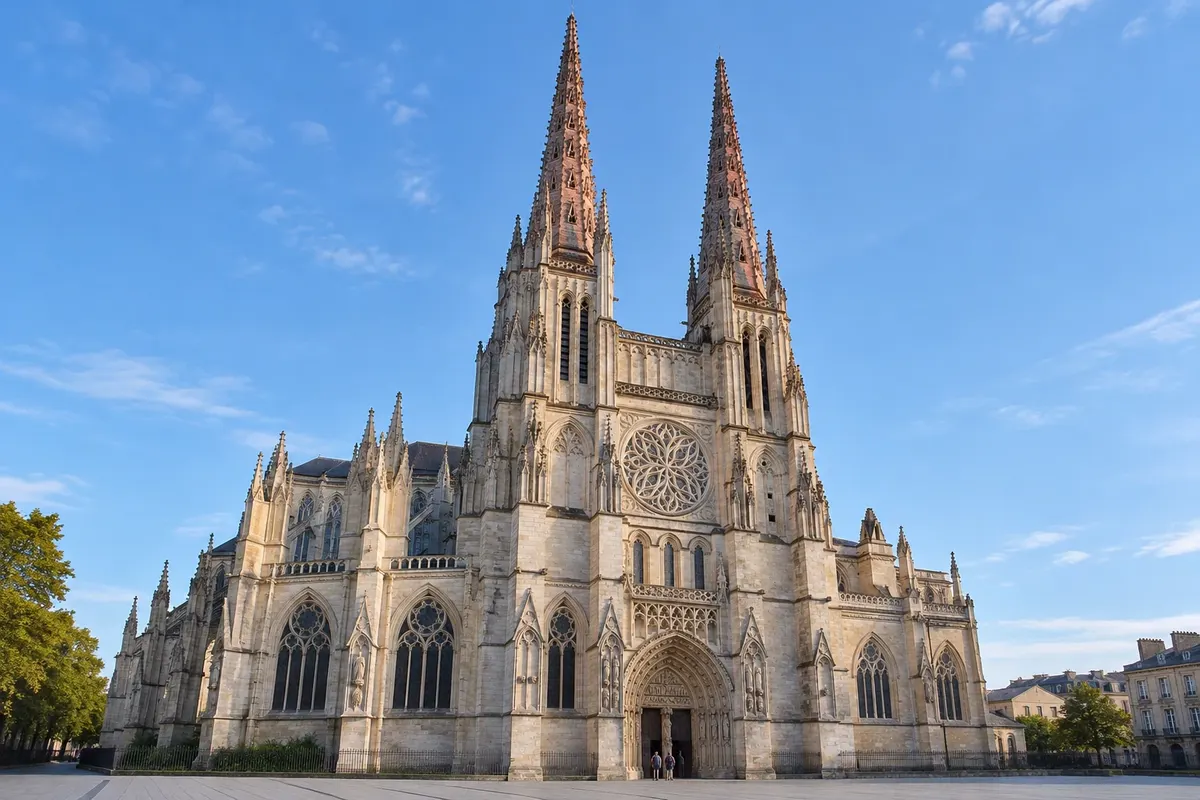
Cathédrale Saint-André de Bordeaux
Bordéus · Nova Aquitânia · Cathedral

Cathédrale Saint-André de Bordeaux

Gothic cathedral where Eleanor of Aquitaine was married in 1137, with a separate bell tower, the Tour Pey-Berland, which has a viewpoint over the centre.

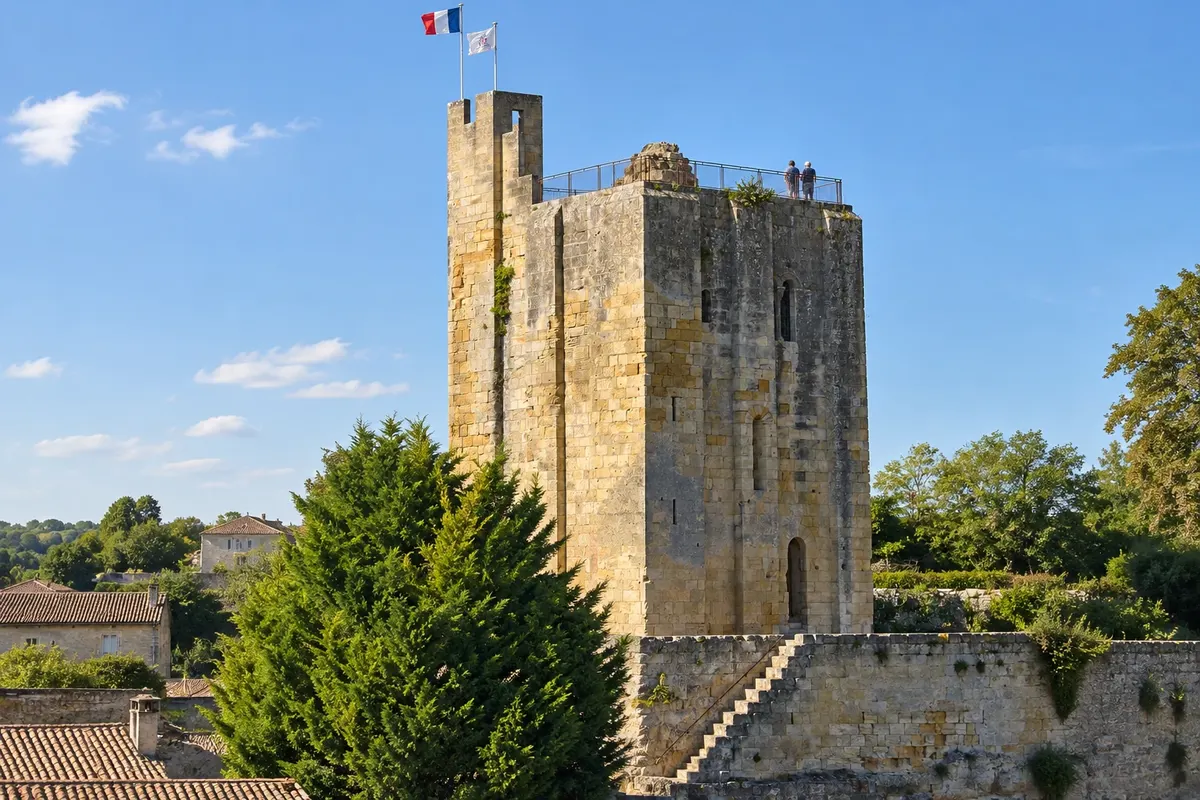
Tour du Roy
Saint-Émilion · Nova Aquitânia · Tower

Tour du Roy

Romanesque keep tower from the 13th century, the only intact one in the Gironde, with a panoramic terrace overlooking the village and the vineyards.

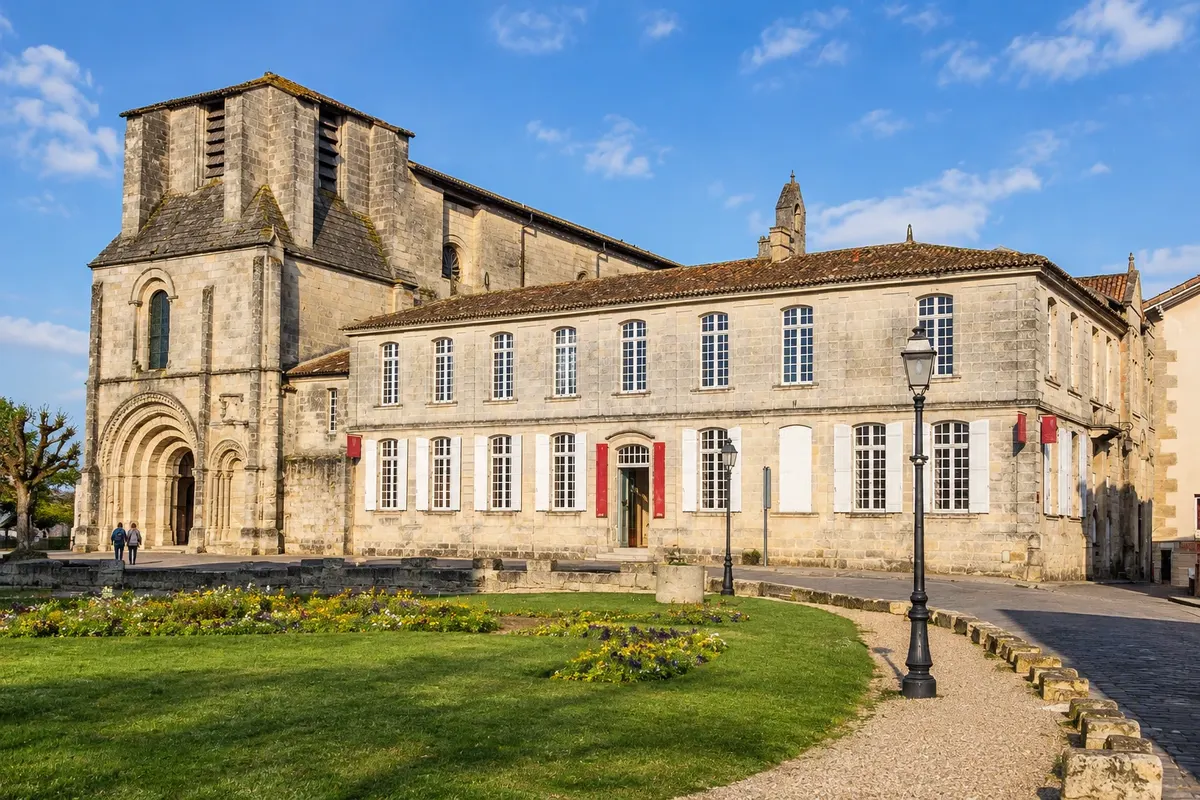
Collégiale de Saint-Émilion
Saint-Émilion · Nova Aquitânia · Church

Collégiale de Saint-Émilion

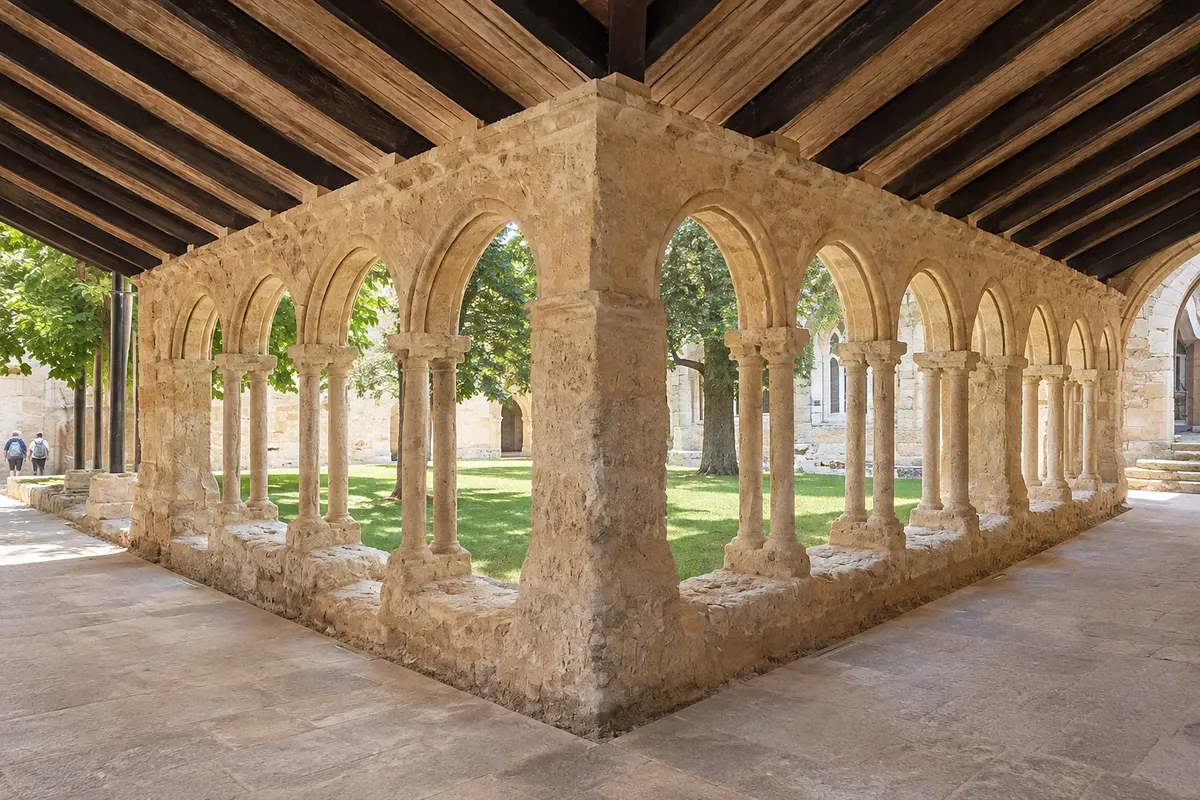
A 12th-century Romanesque and Gothic church, the largest in the upper part of the village, with a cloister housing the tourist office.

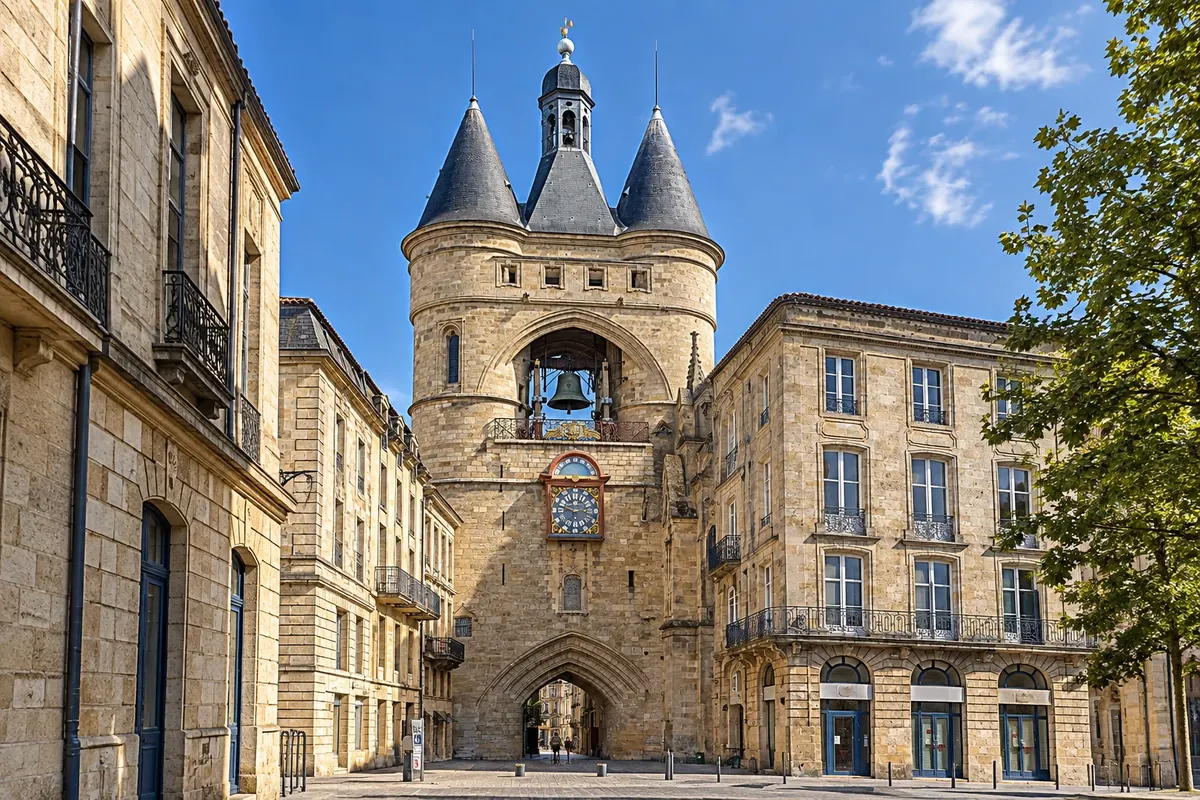
Grosse Cloche
Bordéus · Nova Aquitânia · Monument

Grosse Cloche

Former gate of the medieval wall and bell tower of the old town hall, with a bell of almost 8 tons that rings only on special dates.

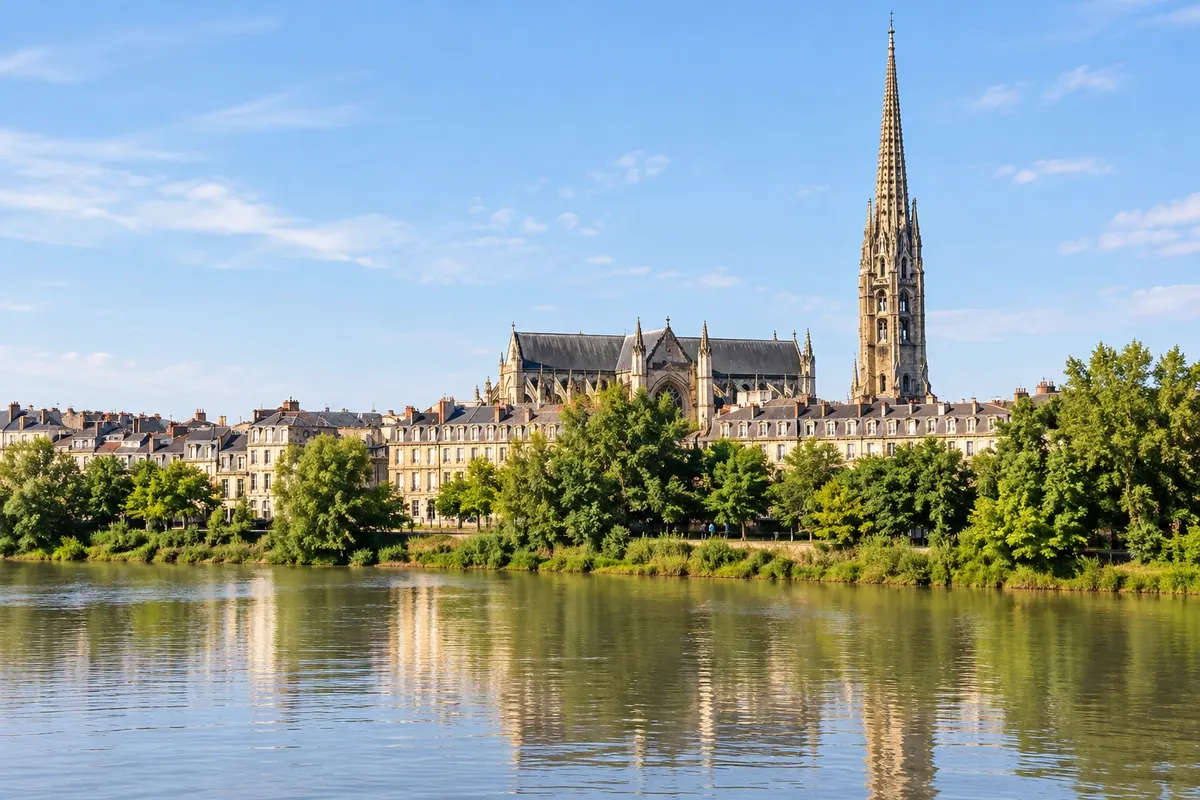
Basilique Saint-Michel de Bordeaux
Bordéus · Nova Aquitânia · Church

Basilique Saint-Michel de Bordeaux

Flamboyant Gothic basilica with a separate 114-metre bell tower, the Flèche Saint-Michel, which has a viewpoint over the city and the Garonne.

Cloître des Cordeliers
Saint-Émilion · Nova Aquitânia · Historical site

Cloître des Cordeliers

Ruins of the 14th-century Franciscan convent, with a columned cloister, garden and rock-cut cellars where sparkling wine is produced.

Grand-Théâtre de Bordeaux
Bordéus · Nova Aquitânia · Theater

Grand-Théâtre de Bordeaux

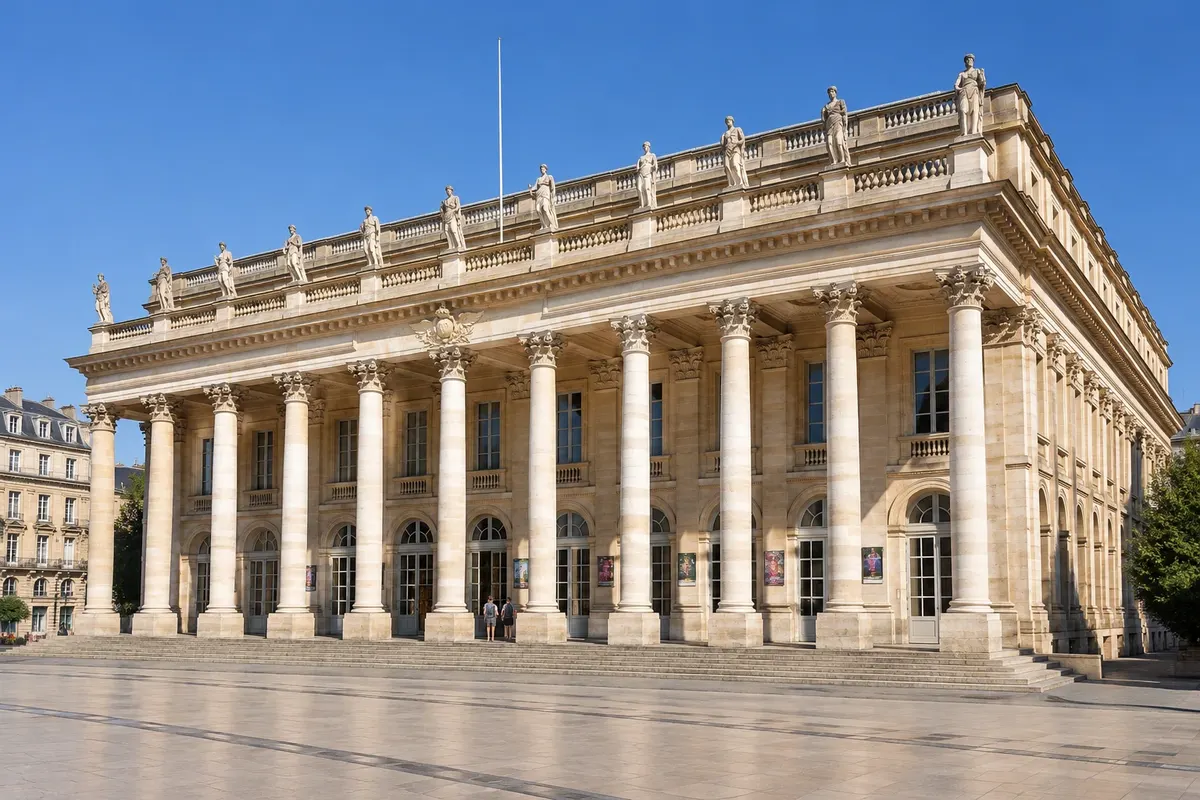
Neoclassical theatre from 1780, with a façade of twelve columns and statues, home of the Ópera Nacional de Bordéus.

Bassins des Lumières
Bordéus · Nova Aquitânia · Cultural center

Bassins des Lumières

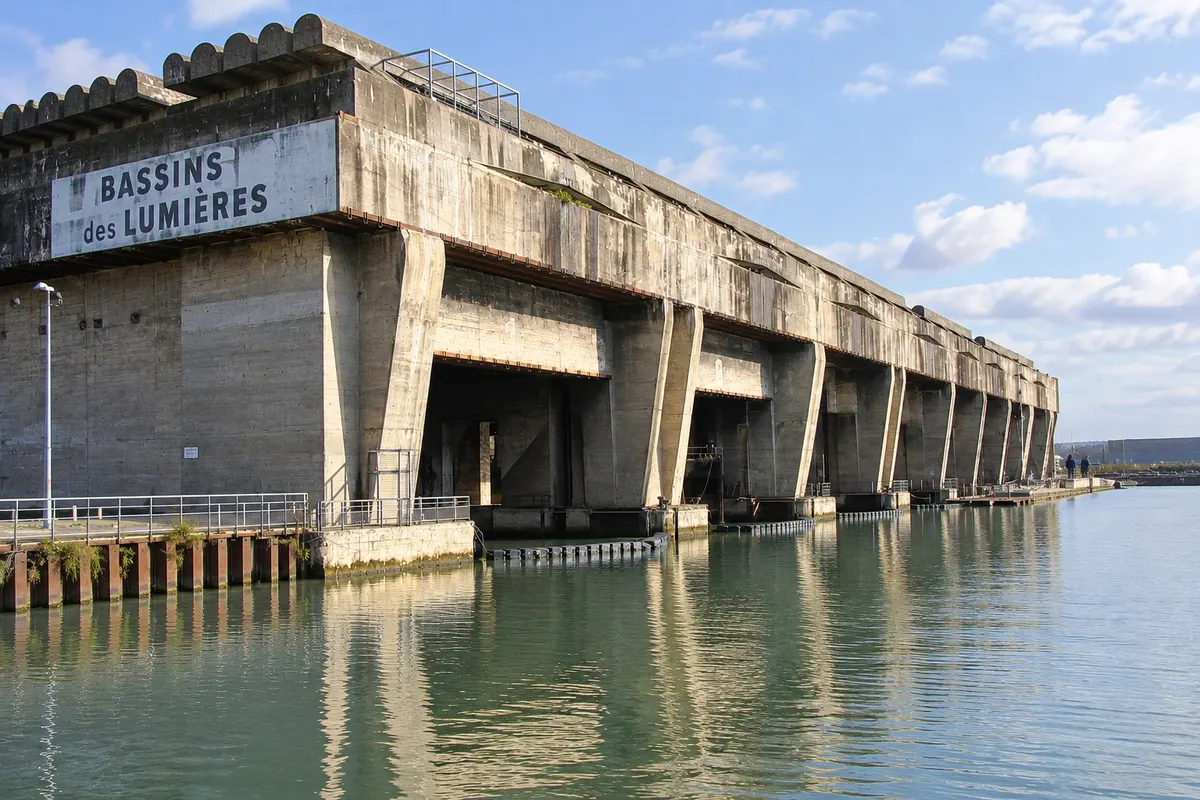
Digital art centre installed in the former World War II submarine base, with 360-degree projections reflected on the water of the tanks.

Musée d'Aquitaine
Bordéus · Nova Aquitânia · Museum

Musée d'Aquitaine

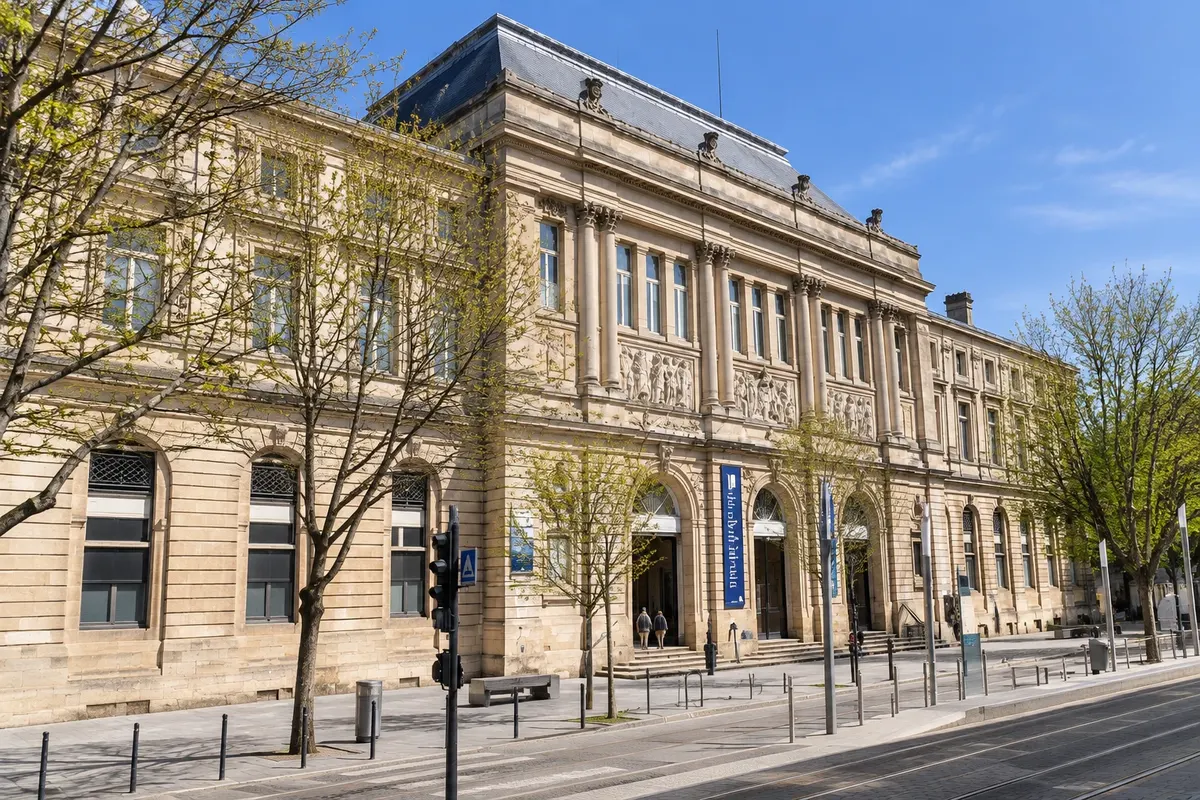
Museum of the history of Bordéus and Aquitaine, from Prehistory to the present day, with rooms on the port, Atlantic trade and slavery.

CAPC musée d'art contemporain de Bordeaux
Bordéus · Nova Aquitânia · Museum

CAPC musée d'art contemporain de Bordeaux

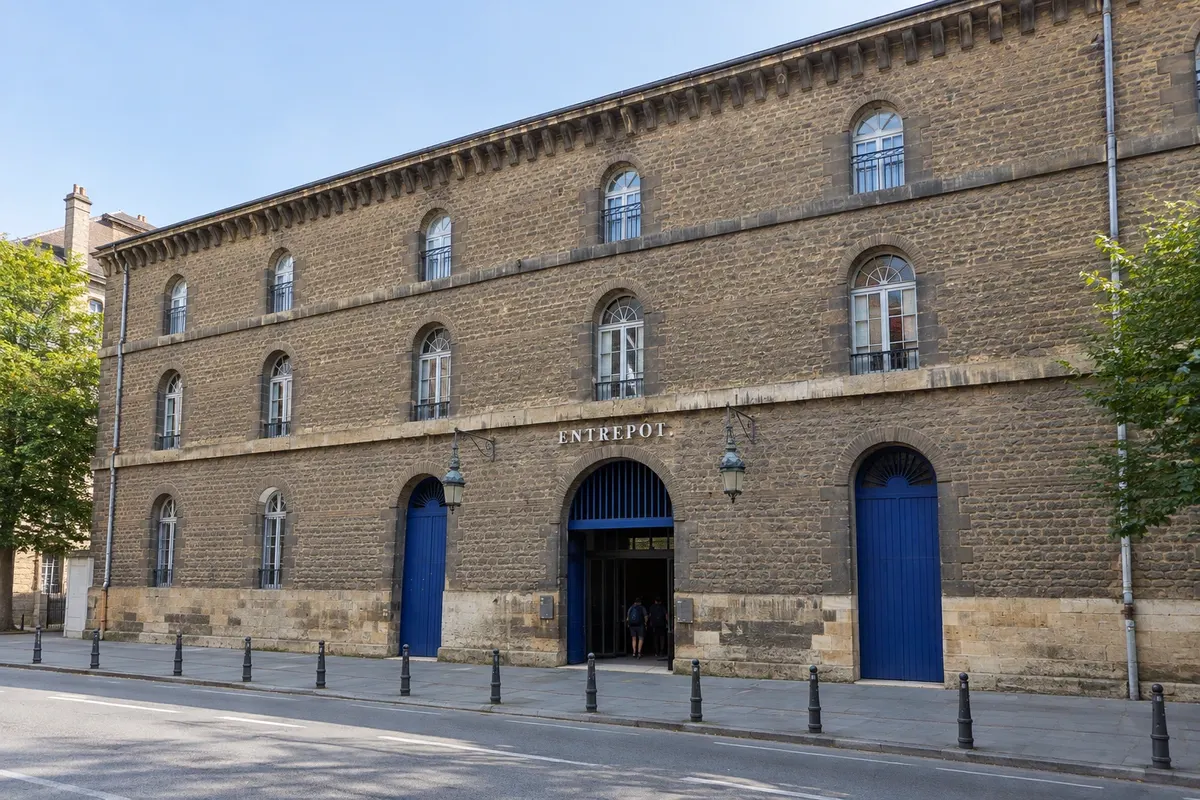
Contemporary art museum in a former colonial goods warehouse in the Chartrons district, with a central nave of stone arches.

Musée Mer Marine
Bordéus · Nova Aquitânia · Museum

Musée Mer Marine

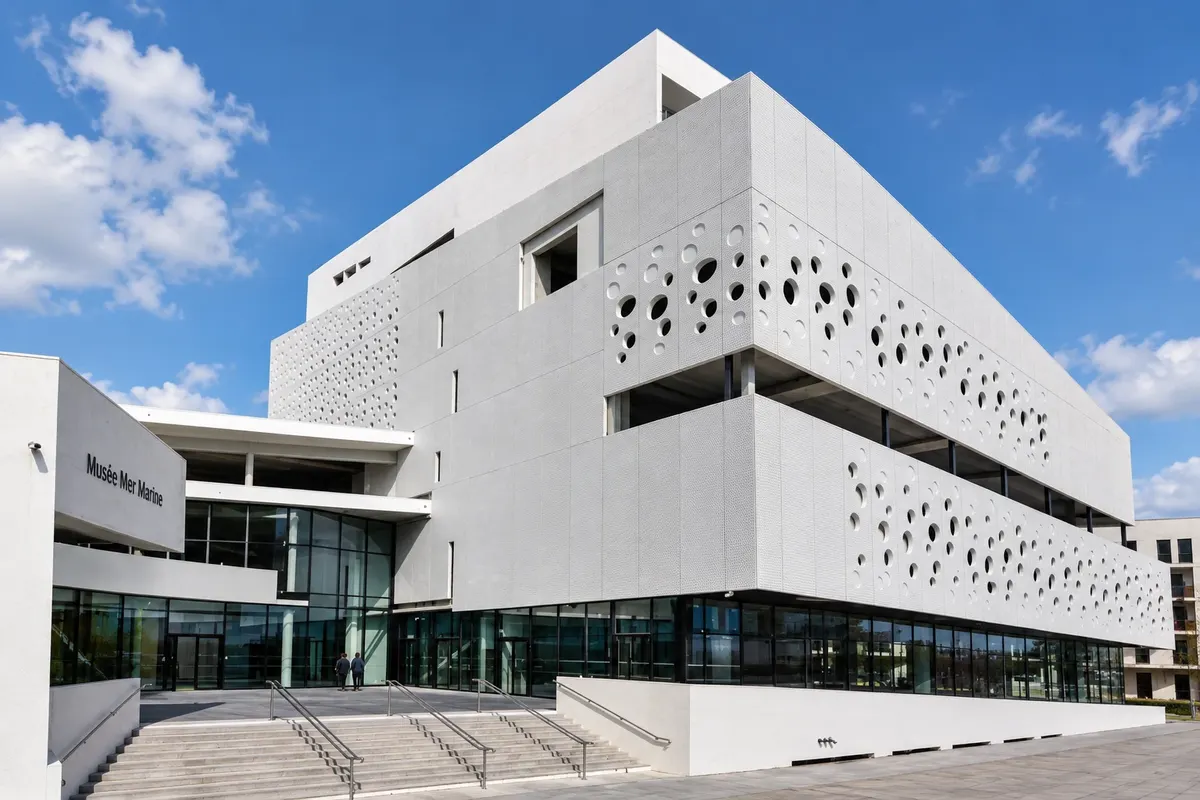
Private museum about the sea and navigation, in the Bassins à flot district, with models, instruments and marine paintings.

Jardin public de Bordeaux
Bordéus · Nova Aquitânia · Garden

Jardin public de Bordeaux

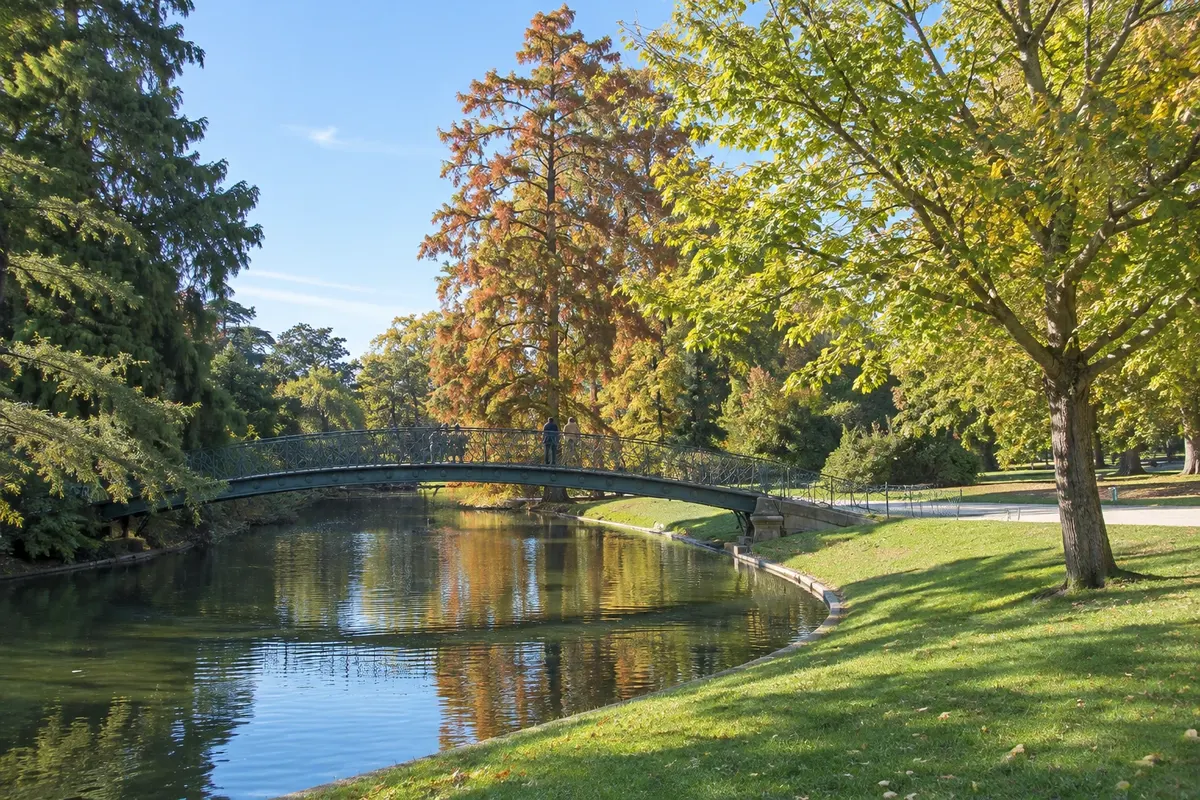
18th-century park in the city centre, redesigned in the English style in the 19th century, with a lake, century-old trees and the Muséum of natural history.

Pauillac et la Route des Châteaux
Bordéus · Nova Aquitânia · Wine region

Pauillac et la Route des Châteaux

Town on the shore of the Gironde estuary, in the heart of the Médoc, the starting point for the Route des Châteaux between Margaux and Saint-Estèphe.

Dune du Pilat
Bordéus · Nova Aquitânia · Natural landscape

Dune du Pilat

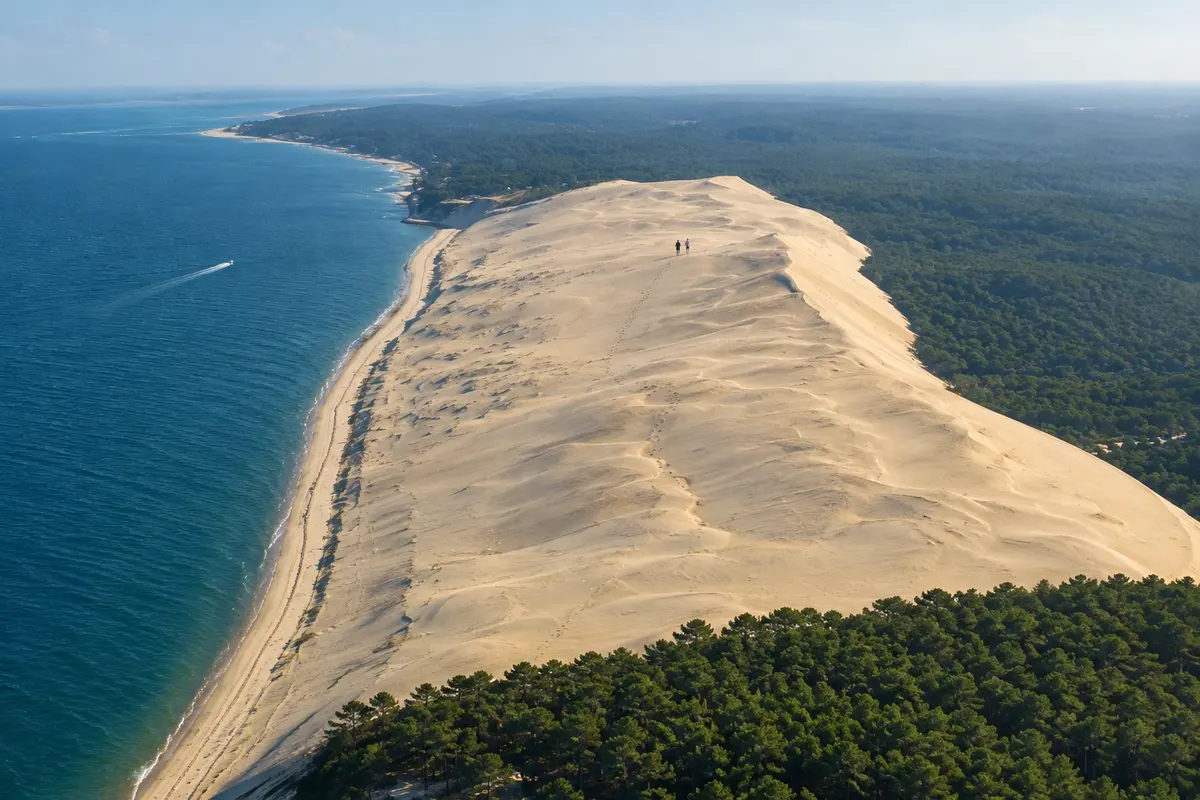
The highest sand dune in Europe, over 100 metres tall, between the pine forest and the entrance to the Arcachon basin.

Before you go

Practical information

A little planning leaves more time to enjoy the journey.

When to go

From April to October, with long days and winery visits in full swing. The grape harvest usually takes place in September and October. In the European summer, from June to August, it is warm and there are more people. In winter, from December to February, days are short and some visits have reduced hours.

The seasons shown are the most usual ones; nature doesn't always follow the calendar.

How many days to stay

Two days cover Bordéus's center, the Cité du Vin and one museum. With three days, add Saint-Émilion. With four or five, include the Médoc, with Pauillac and the Route des Châteaux, and the Dune du Pilat near Arcachon. Those with only one day stay in the historic center and on the quais (riverfront quays) of the Garonne.

Which city to stay in

In Bordéus, the historic center—between the Place de la Bourse, Place Pey-Berland and the Grand-Théâtre—leaves almost everything within walking distance. The Chartrons, the former wine traders' neighborhood, is quieter and close to the CAPC and the tram to the Cité du Vin. Near the Gare Saint-Jean is convenient for those arriving or departing by train. In Saint-Émilion there is accommodation inside the village and on wine estates in the surroundings, with fewer options and advance booking.

Respect the place

Take your trash with you, follow the signs and support local businesses. In natural areas, follow the visiting guidelines.

Get your questions answered

Frequently asked questions about Bordéus and the vineyards

How many days should I set aside for Bordéus and the vineyards?

At least three: two for Bordéus and one for Saint-Émilion. With four or five days you can include the Médoc, with Pauillac and the Route des Châteaux, and the Dune du Pilat on the Atlantic coast.

Do I need a car to visit the vineyards?

Not for Saint-Émilion or Pauillac, which have regional trains (TER) from Bordéus, though with limited schedules. To travel between several estates in a single day, a car or a guided tour with a driver is very helpful. Anyone who will be drinking at tastings should leave the driving to someone else: France enforces drink-driving rules.

What does château mean on a wine label?

In Bordéus, château means the wine estate: the vineyard, the cellar and the brand. Some have an actual stately house, others just a farmhouse. Visits and tastings usually require advance booking, made directly with the estate or through tourist offices.

Can you do a day trip to Saint-Émilion from Bordéus?

Yes. The village is about 40 km from Bordéus. The regional train departs from the Gare de Bordeaux-Saint-Jean and stops at the Saint-Émilion station, a little below the village; there are also half-day and full-day excursions. Check return times before you go.

What is the best time to see the grape harvest?

The grape harvest usually takes place in September and October, depending on the year and the grape variety. At that time estates are busier and some reduce visits. For a calmer visit, May, June and early September are often good choices.

Explore other destinations Search by state and city
Back