Alsácia

Grande Leste · France

Alsácia

Estrasburgo, Colmar and the villages of half-timbered houses along the Rota dos Vinhos, in a region bordering Alemanha.

Leste

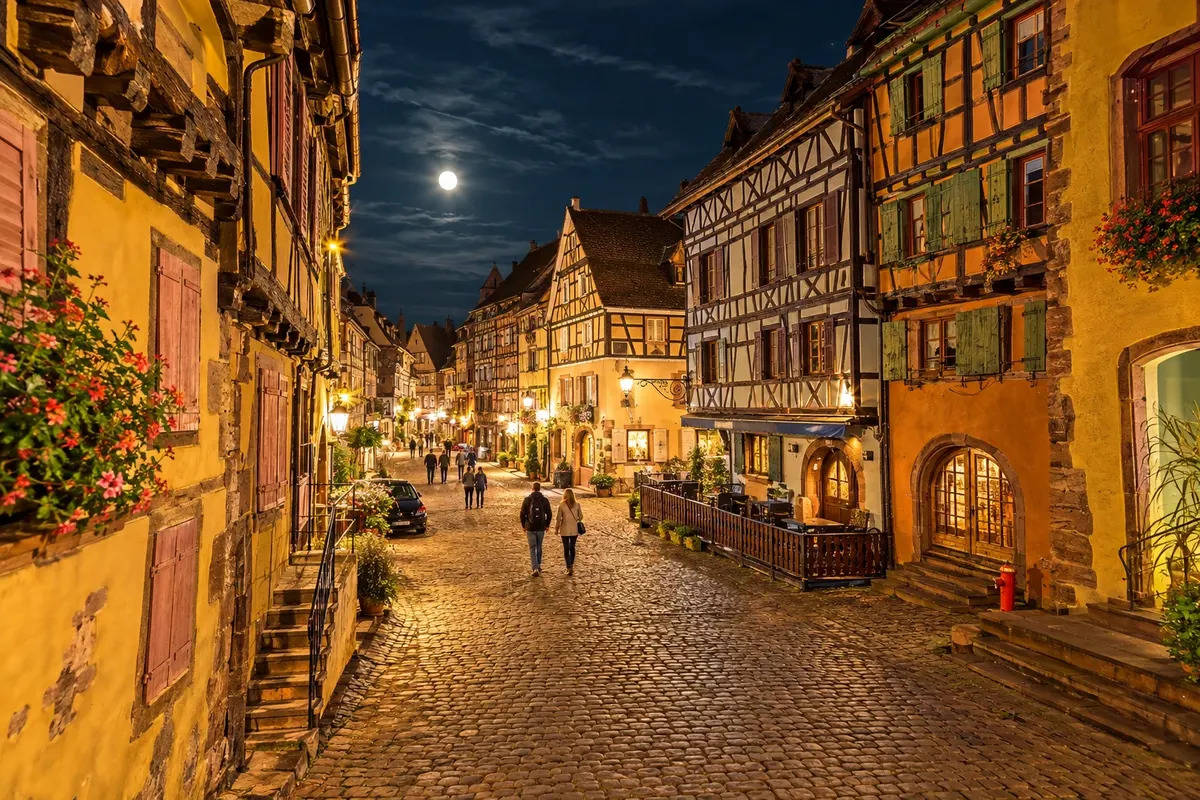
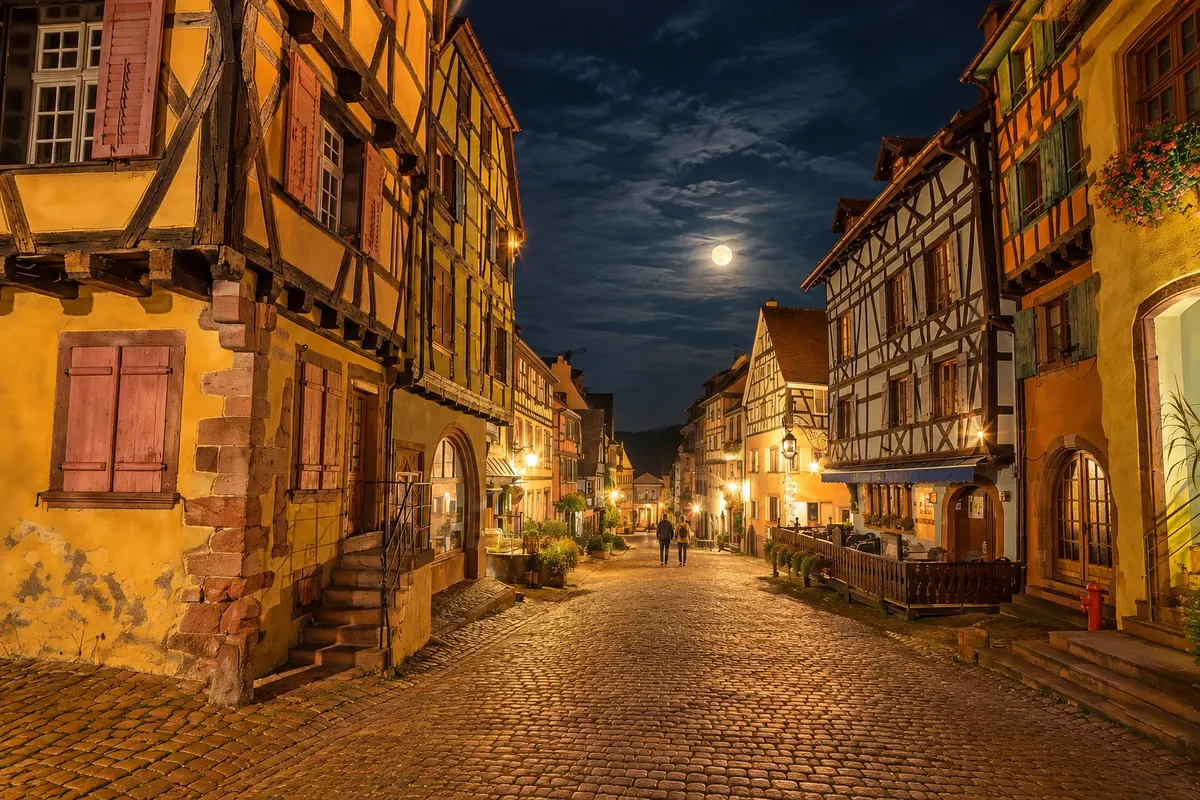
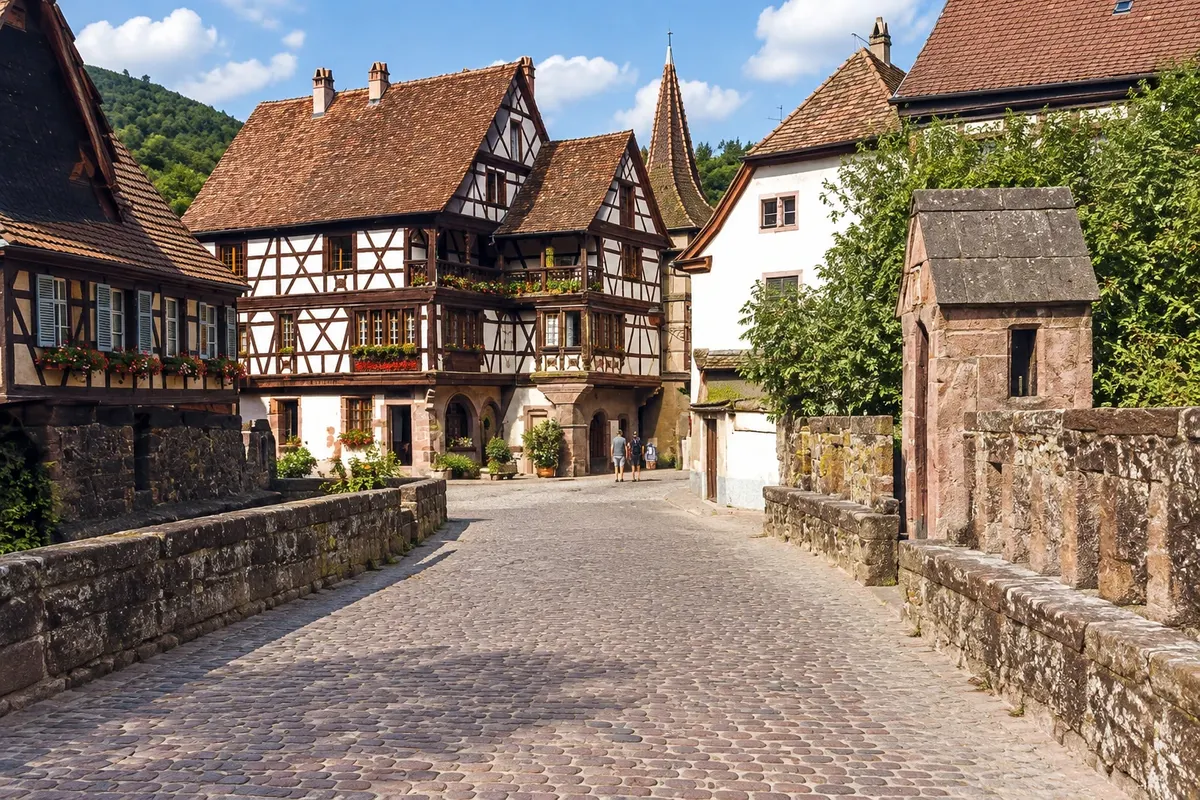
In the photo: Rue du Général de Gaulle · Riquewihr

Illustrative images. The pictures in this guide are illustrations based on the real place, not photographs, and may differ from it.

Get it on Google Play Send your photos

Get to know the place

A region to enjoy
at your own pace.

Alsácia is the strip in eastern França between the river Reno, which forms the border with Alemanha, and the Vosges mountains. The region changed hands between França and Alemanha several times over the centuries, and that shows up in everything: in street and town names, on bilingual signs, in the cuisine and in the Alsatian dialect, which is still spoken by some of the older residents.

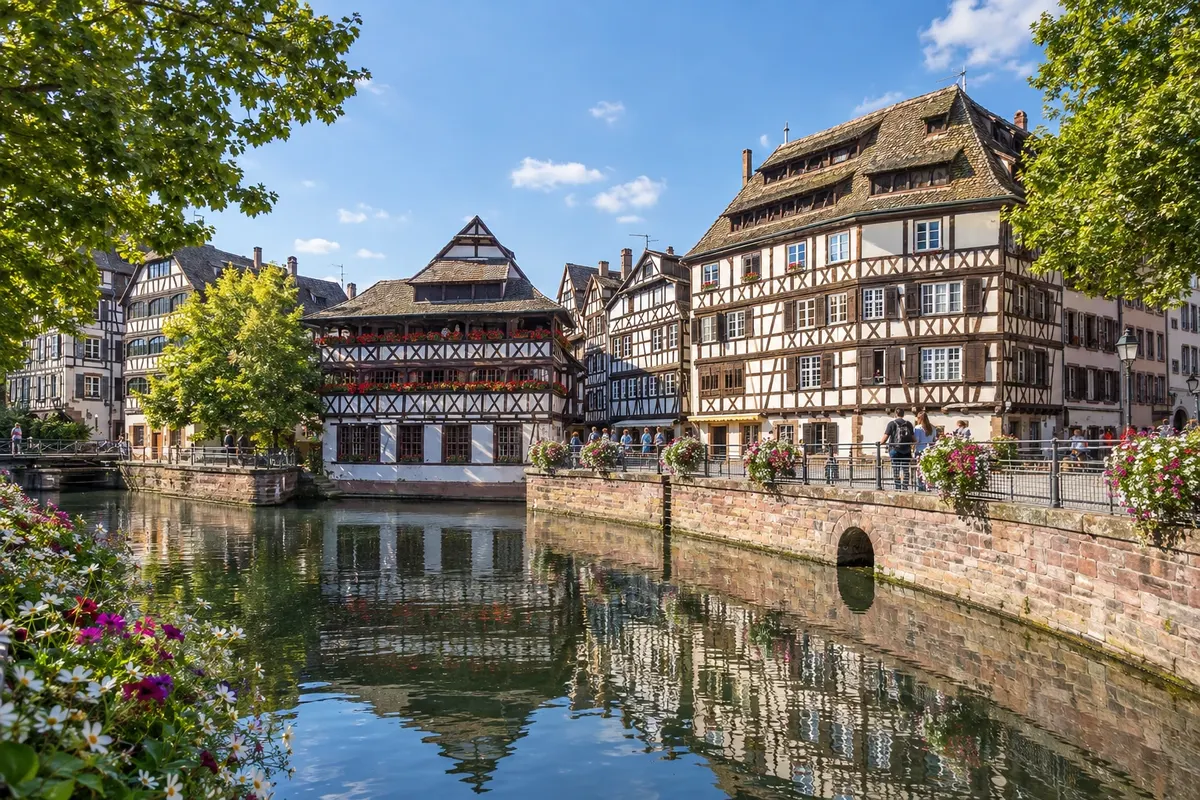
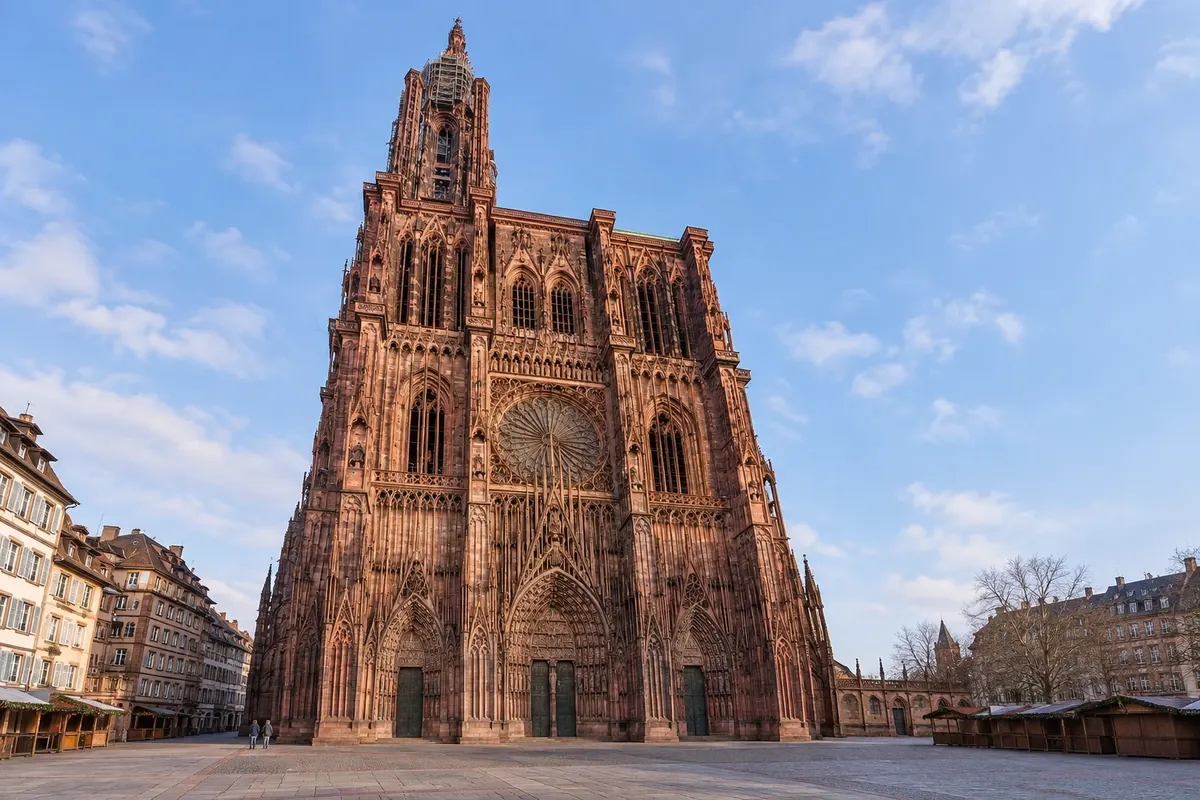
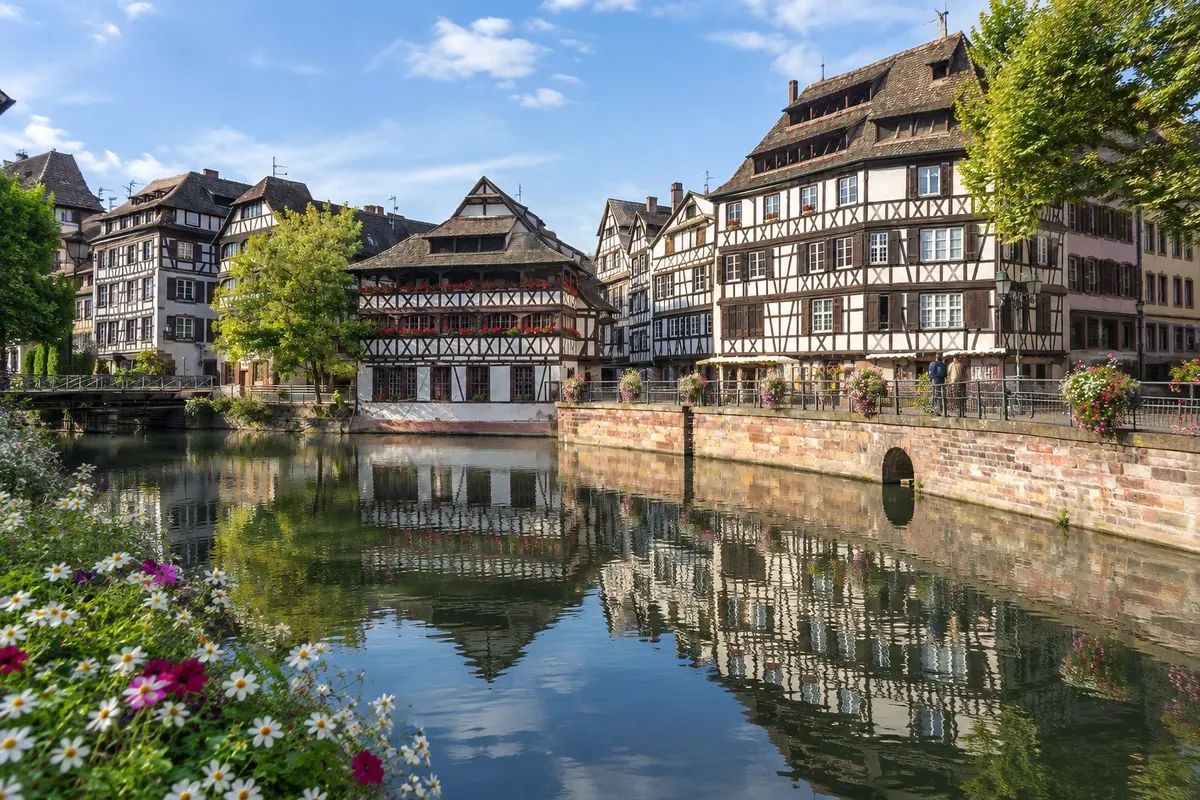
Estrasburgo is the gateway. The city has a pink sandstone cathedral, the historic center of the Grande Île and the Petite France quarter, both listed as World Heritage by Unesco, and it is home to the European Parliament. The TGV, the high-speed train, links Paris to Estrasburgo in about 1h50.

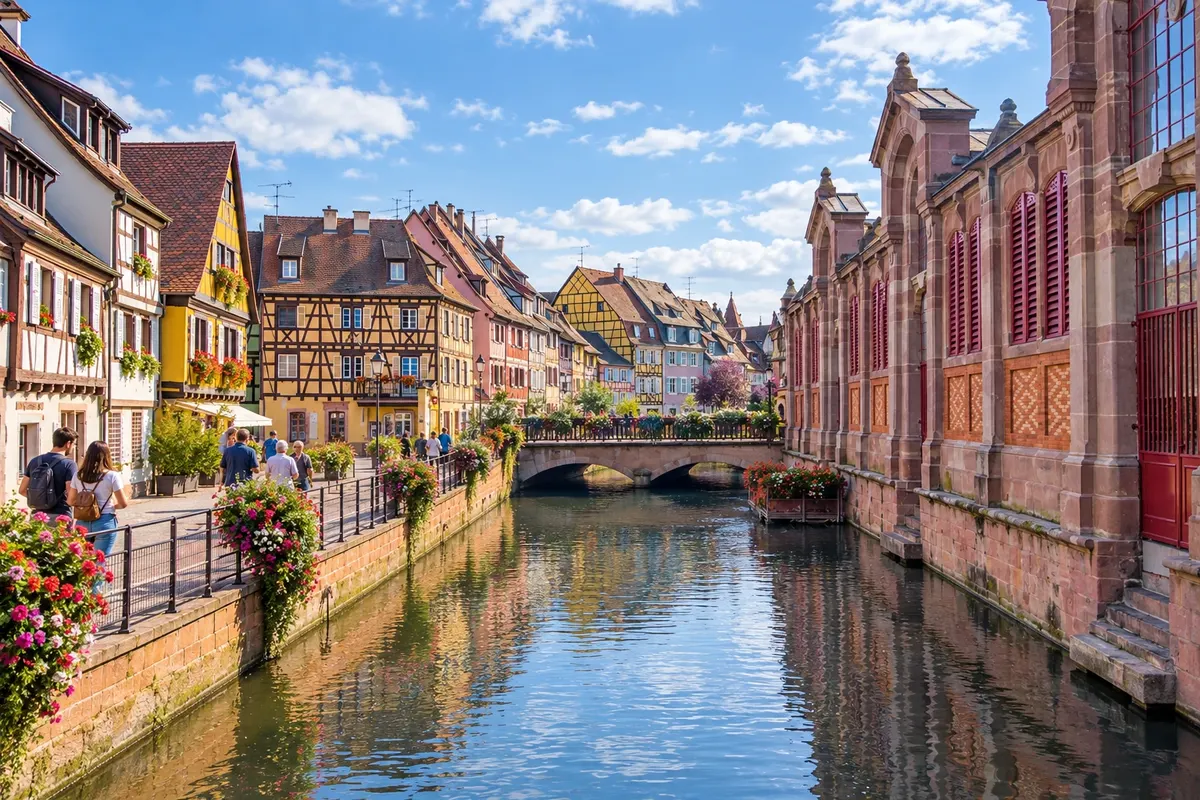
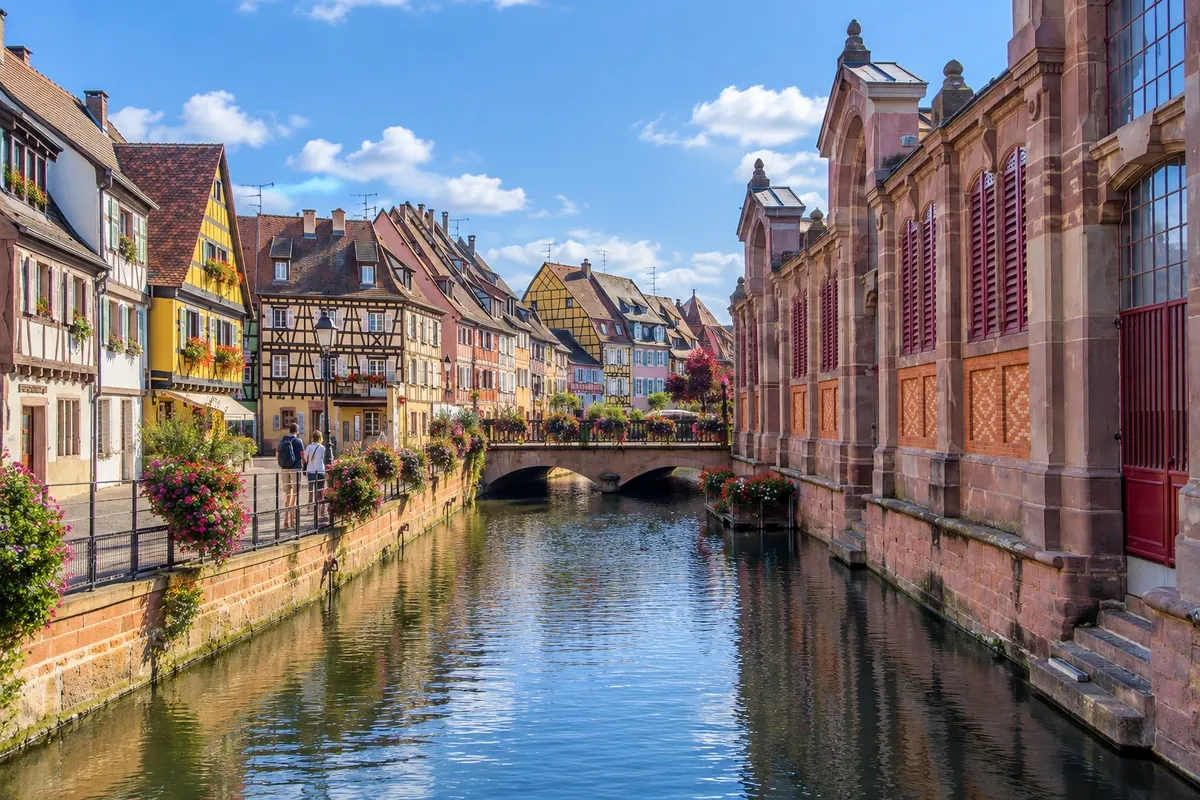
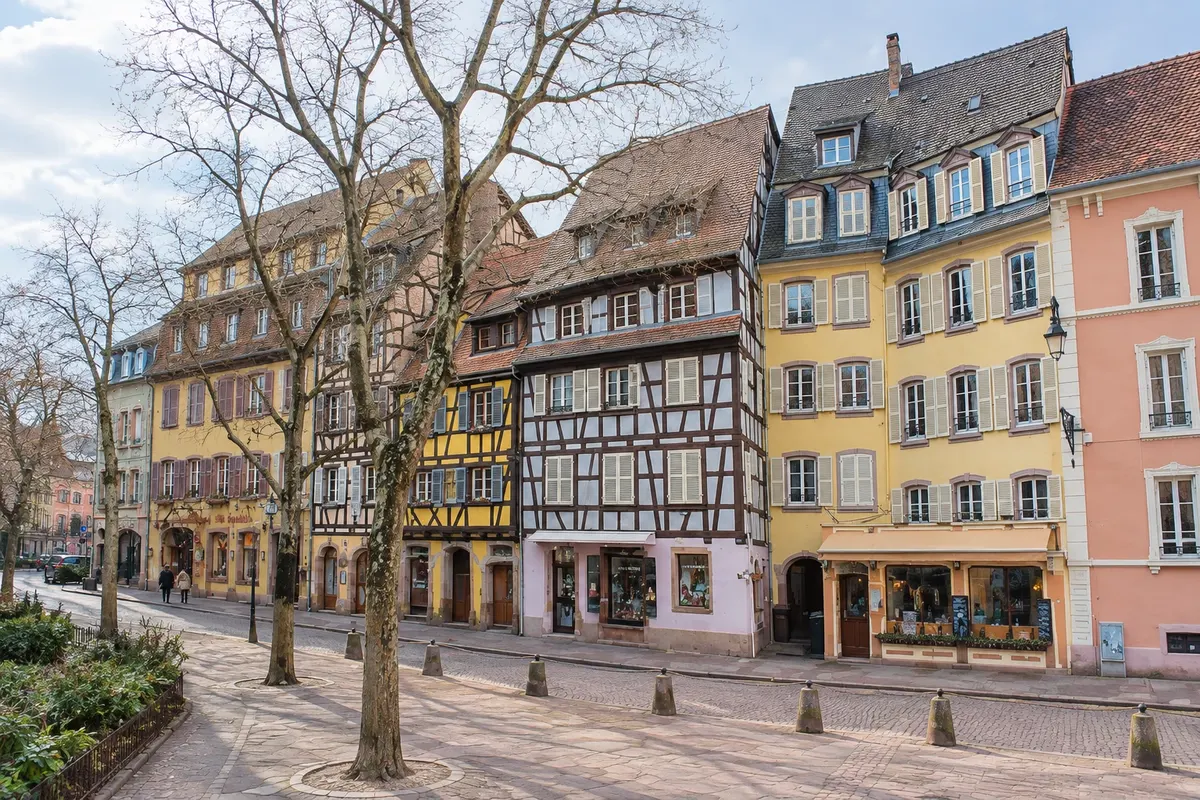
To the south is Colmar, with canals in the Petite Venise, colorful half-timbered houses and the Musée Unterlinden, which houses the Retábulo de Issenheim. Surrounding Colmar runs the Rota dos Vinhos da Alsácia, a road that connects villages such as Riquewihr, Eguisheim and Kaysersberg, amid vineyards of riesling and gewurztraminer. On top of a hill, the Château du Haut-Kœnigsbourg watches over the plain.

White wine is part of the local culture, as are choucroute (sauerkraut), flammekueche (a thin crust baked with cream, onion and bacon) and kougelhopf, a tall crown-shaped cake. Storks have become a symbol of the region and appear in nests on rooftops and on souvenirs everywhere.

In December, towns set up Christmas markets; Estrasburgo's, the Christkindelsmärik, is one of the oldest in Europe. Markets usually run from late November to late December, and it is the busiest time of the year.

This destination brings together 2 cities: Estrasburgo, Colmar.

Share: WhatsApp
Traveler, share your experiences through photos Up to 5 photos of each place you visited.

One destination, many paths

The cities on this trip

Start with one city or combine several in your itinerary.

Where Alsácia is
EstrasburgoColmar

Contornos: © IGN, ADMIN EXPRESS, Licence Ouverte 2.0. Adaptação do Cidade Turismo.

How to get there: Alsácia

✈ Aéroport Paris-Charles de Gaulle (CDG), in Roissy-en-France · 480 km to Estrasburgo

✈ Aéroport de Strasbourg-Entzheim (SXB), in Entzheim · 12 km to Estrasburgo

The most common route is to fly to Paris and take the TGV to Estrasburgo (about 1h50) or Colmar. There is also Estrasburgo airport (SXB) and EuroAirport Basel-Mulhouse-Freiburg (BSL/MLH) to the south. Check before buying.

Suggested arrival point: Estrasburgo

The local experience

Things to do in Alsácia

Cathédrale Notre-Dame de Strasbourg
Estrasburgo · Grande Leste · Cathedral

Cathédrale Notre-Dame de Strasbourg

Gothic cathedral of pink Vosges sandstone, with a single 142-meter tower, an astronomical clock with automatons and a platform high on the façade that is reached on foot.

Petite Venise
Colmar · Grande Leste · Historic neighborhood

Petite Venise

Section of Colmar on the banks of the Lauch river, with colourful half-timbered houses leaning over the water, former homes of horticulturists and fishermen.

Grande Île
Estrasburgo · Grande Leste · Historic neighborhood

Grande Île

Island formed by the river Ill that contains Strasbourg's historic centre, with the cathedral, squares, medieval streets and half-timbered houses; a UNESCO World Heritage Site since 1988.

Musée Unterlinden
Colmar · Grande Leste · Museum

Musée Unterlinden

Art museum of Colmar in a 13th-century convent, famous for the Retábulo de Issenheim by Matthias Grünewald, with a modern wing designed by Herzog & de Meuron.

See 12 more places in Alsácia
Collégiale Saint-Martin
Colmar · Grande Leste · Church

Collégiale Saint-Martin

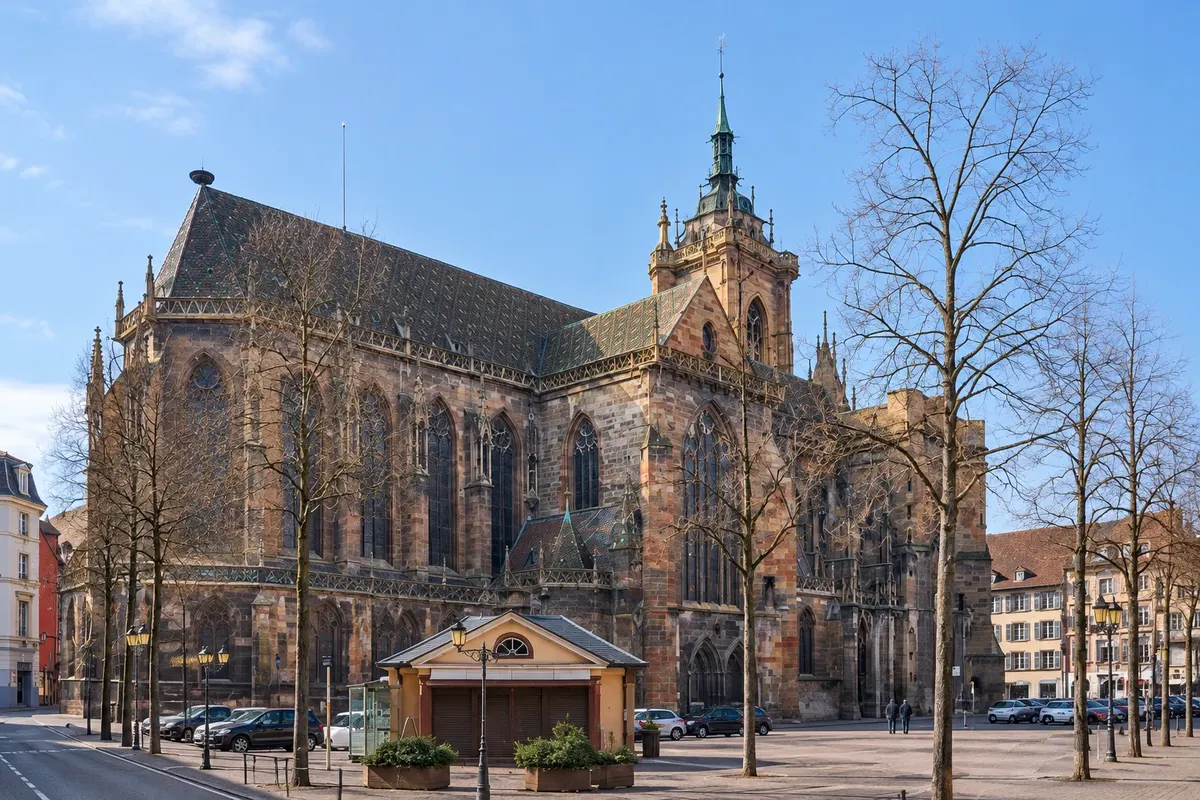
The largest church in Colmar, Gothic, built between 1234 and the mid-14th century, with a roof of colorful tiles and a bulb-shaped bell tower.

Petite France
Estrasburgo · Grande Leste · Historic neighborhood

Petite France

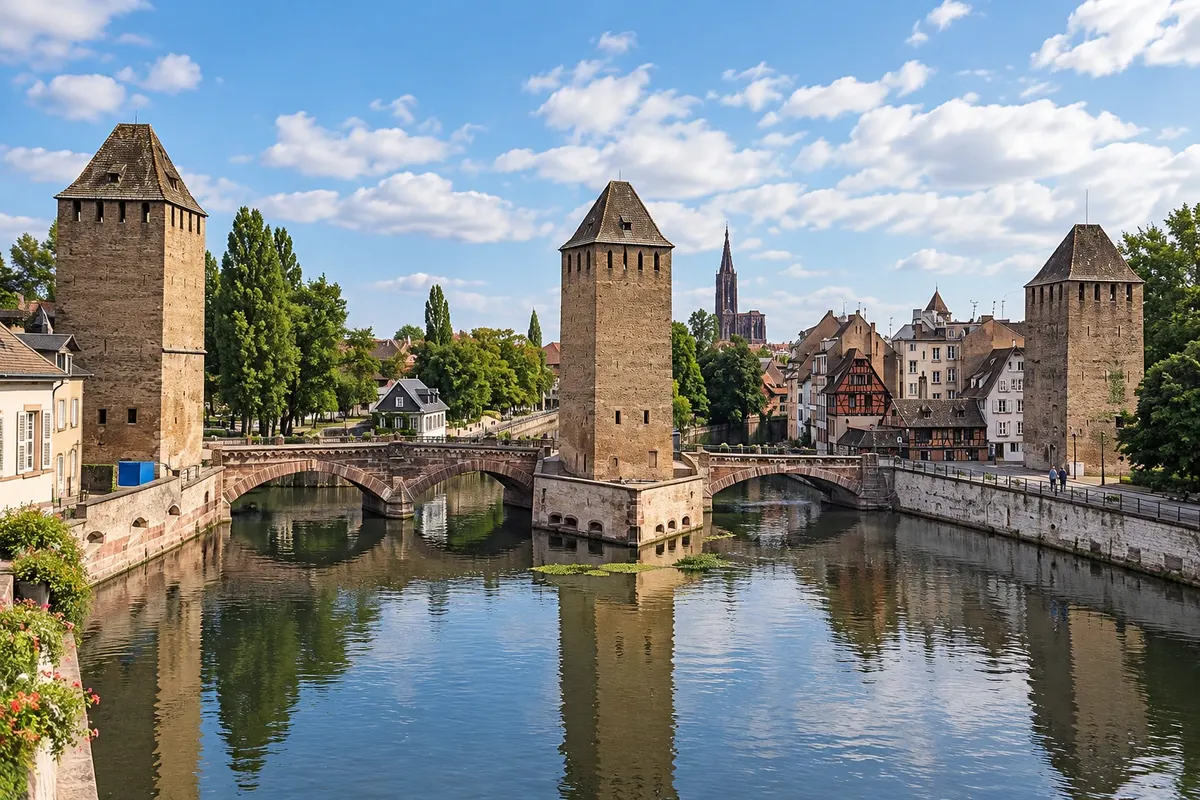
Former quarter of millers, fishermen and tanners on the banks of the Ill canals, with half-timbered houses, the Ponts couverts and the Barrage Vauban, from where you get a panoramic view of the neighbourhood.

Palais Rohan
Estrasburgo · Grande Leste · Palace

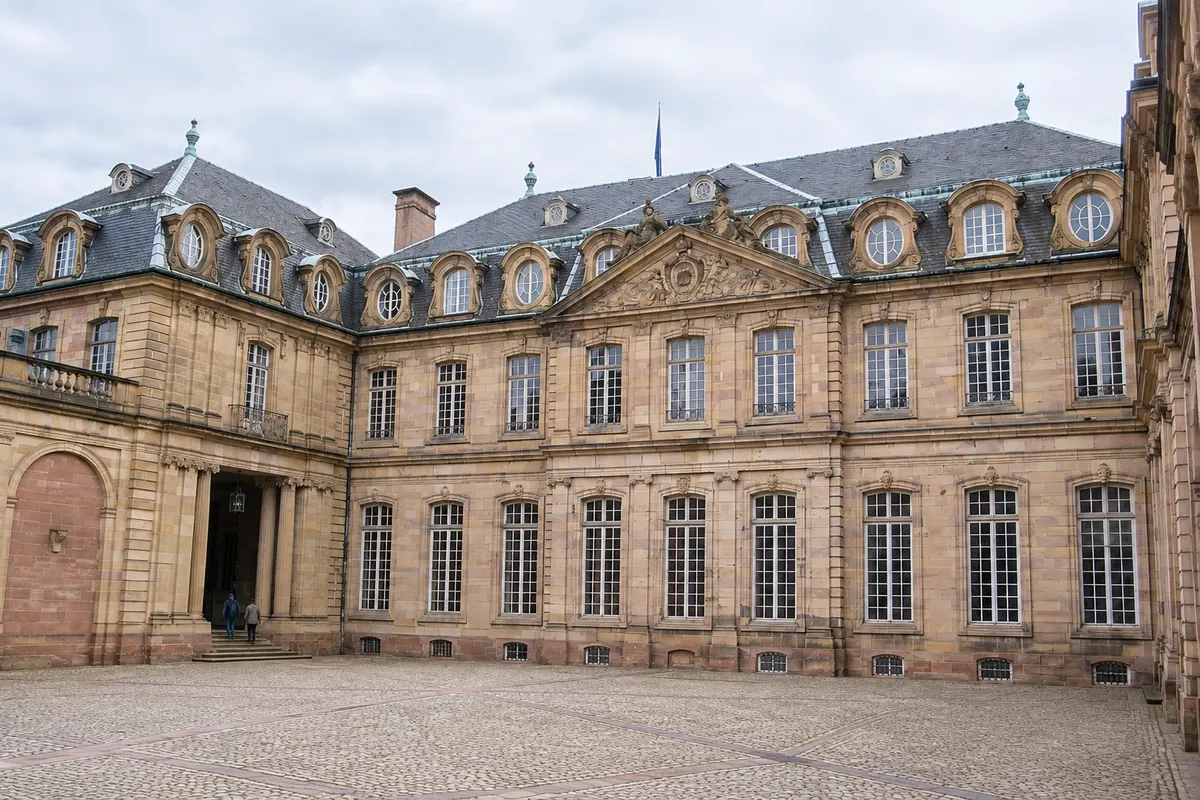
Palais Rohan

18th-century palace of the prince-bishops of Strasbourg, next to the cathedral, which houses three museums: Arts décoratifs, Beaux-Arts and Archéologique.

Quartier des Tanneurs
Colmar · Grande Leste · Historic neighborhood

Quartier des Tanneurs

Former leather-tanners' district of Colmar, with tall half-timbered houses and attics open to dry hides, between the Koïfhus and the canal.

Musée Bartholdi
Colmar · Grande Leste · Museum

Musée Bartholdi

House where Auguste Bartholdi was born, author of the Statue of Liberty, with models, drawings and sculptures by the artist and a room dedicated to the creation of the New York statue.

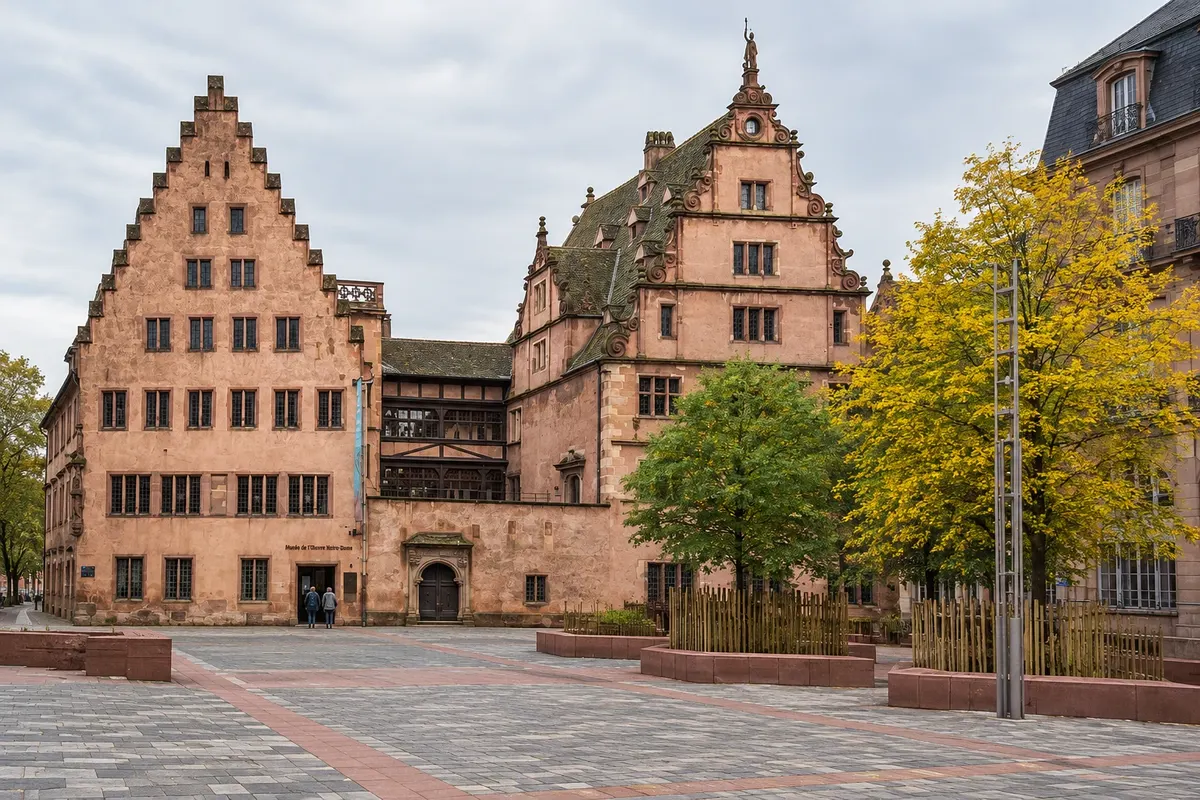
Musée de l'Œuvre Notre-Dame
Estrasburgo · Grande Leste · Museum

Musée de l'Œuvre Notre-Dame

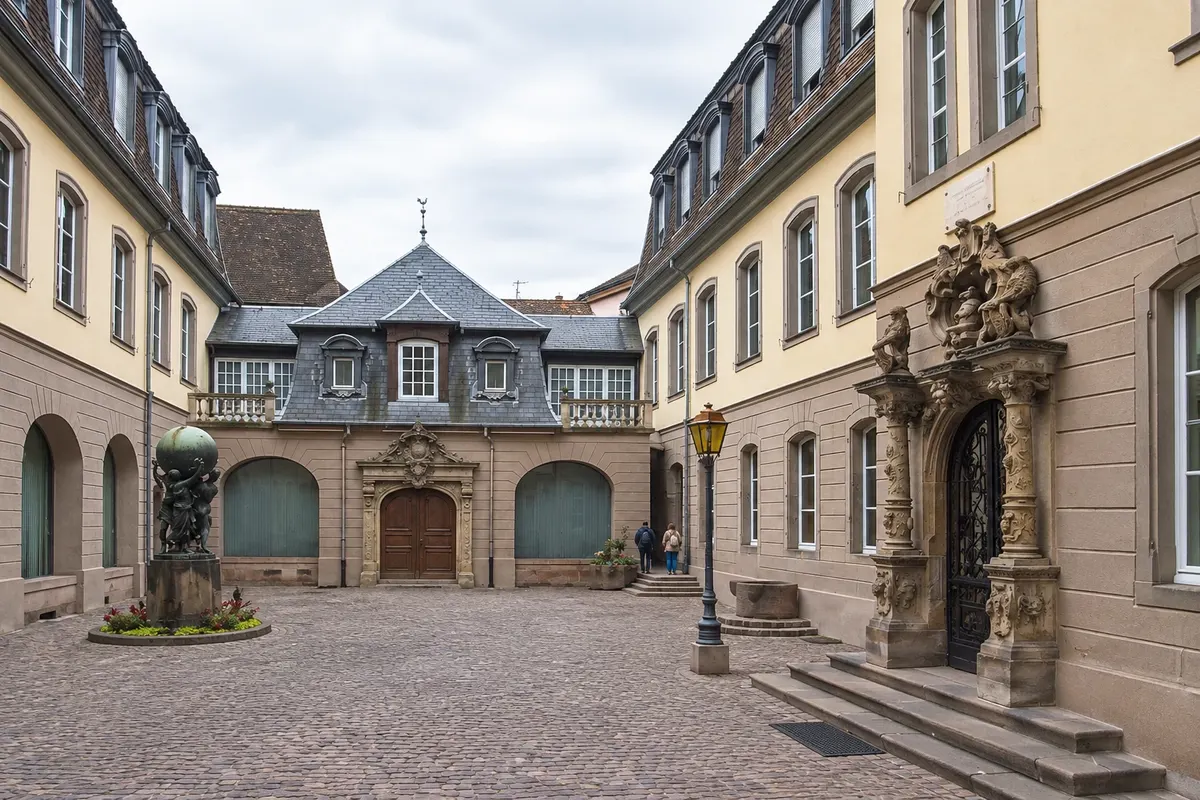
Museum of medieval and Renaissance art of the Upper Rhine, in the building of the foundation that has cared for the cathedral since the 13th century, with the original façade statues and a Gothic garden.

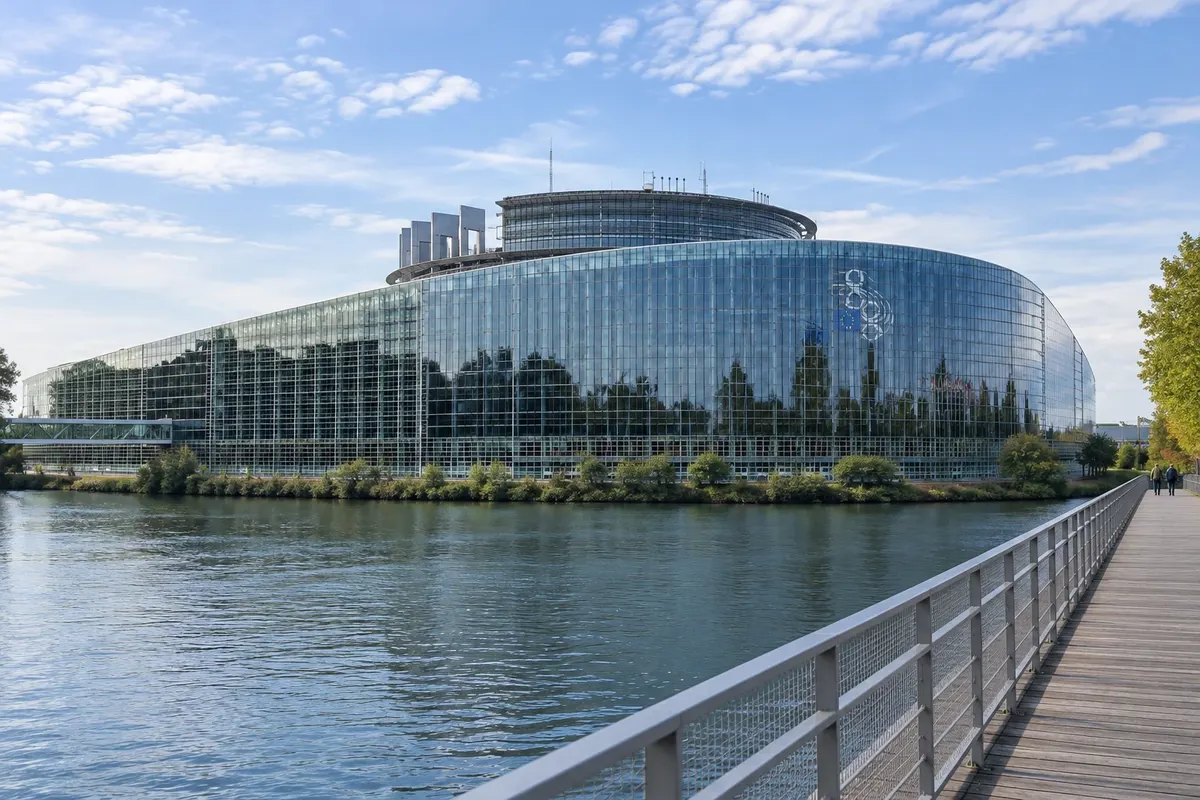
Parlement européen
Estrasburgo · Grande Leste · Seat of the Parliament

Parlement européen

Official seat of the European Parliament, in the Louise-Weiss building on the banks of the Ill. It welcomes visitors year-round, with the hemicycle, exhibitions and the Parlamentarium Simone Veil.

Riquewihr
Colmar · Grande Leste · Village

Riquewihr

Walled village on the Wine Route, 13 km from Colmar, with preserved 16th- and 17th-century houses, the Dolder tower, and Riesling vineyards around.

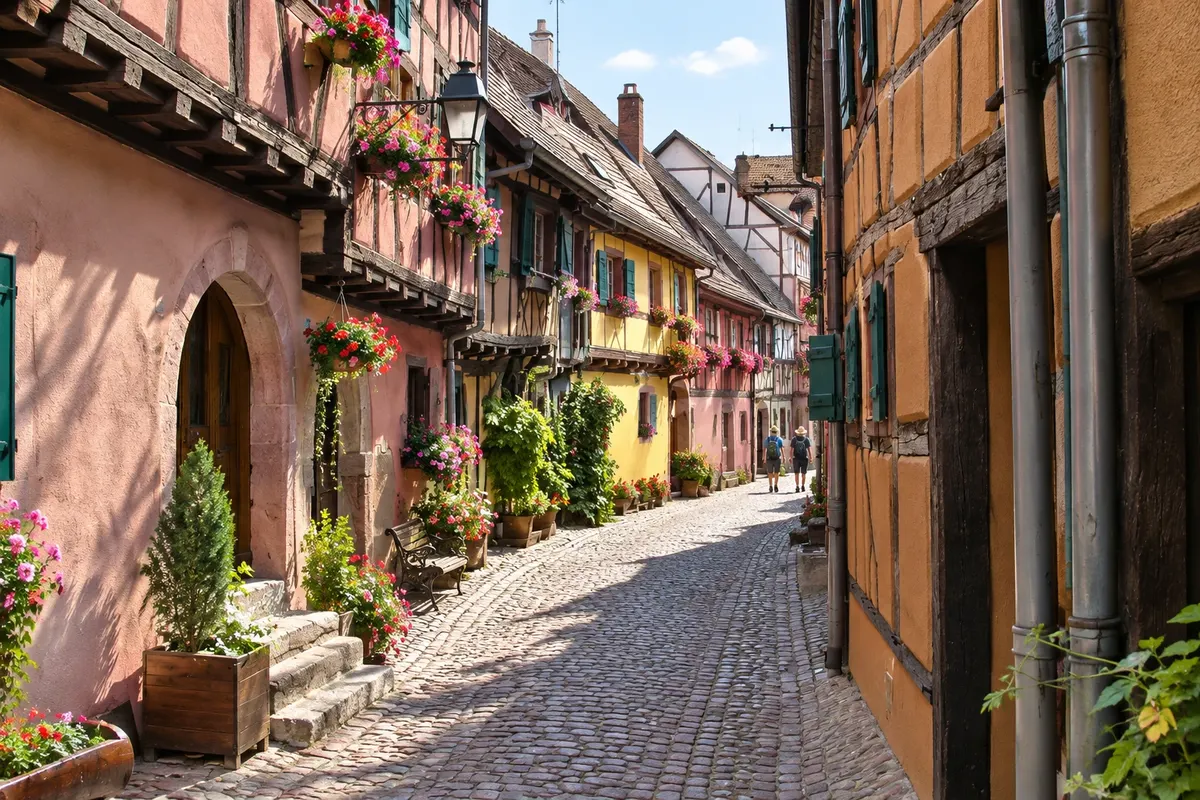
Eguisheim
Colmar · Grande Leste · Village

Eguisheim

Village on the Rota dos Vinhos, 5 km from Colmar, built in concentric circles around a castle, birthplace of Pope Leão IX.

Parc de l'Orangerie
Estrasburgo · Grande Leste · Park

Parc de l'Orangerie

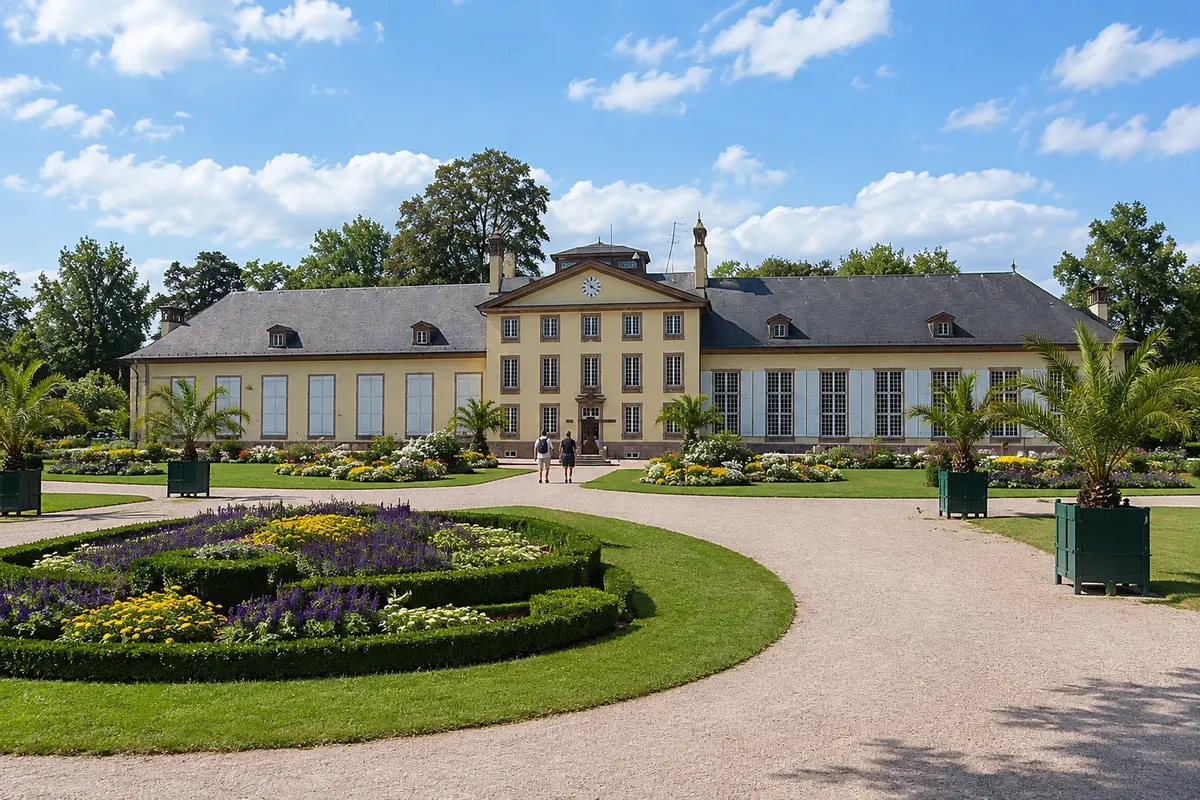
Estrasburgo's largest park, covering 26 hectares, with a lake and waterfall, the Pavillon Joséphine and an enclosure for storks, opposite the quarter of the European institutions.

Kaysersberg
Colmar · Grande Leste · Village

Kaysersberg

Medieval village on the Rota dos Vinhos, 12 km from Colmar, with a fortified bridge over the Weiss river, castle ruins on the hill and the birthplace of Albert Schweitzer.

Château du Haut-Kœnigsbourg
Colmar · Grande Leste · Castle

Château du Haut-Kœnigsbourg

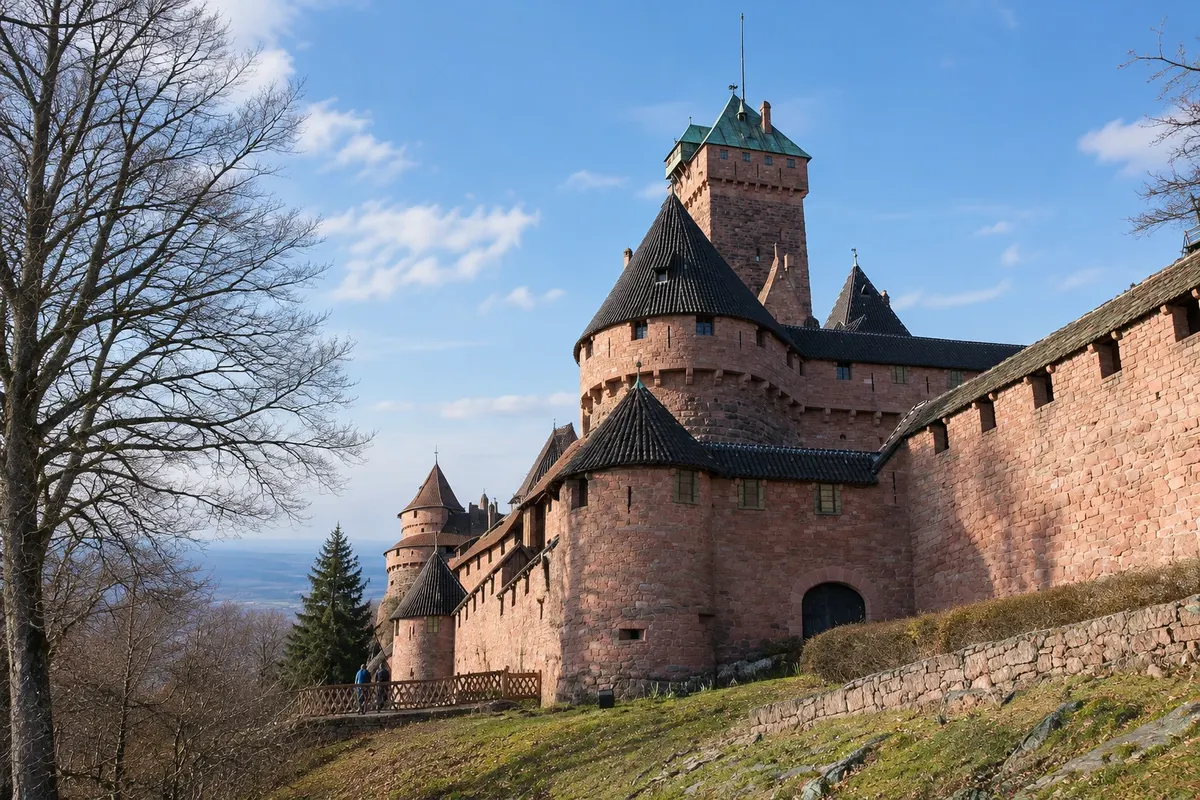
Medieval castle at 757 meters altitude, above the Alsace plain, restored in the early 20th century by Emperor Guilherme II; it is about 26 km from Colmar.

Before you go

Practical information

A little planning leaves more time to enjoy the journey.

When to go

From May to October the days are long and the villages are full of flowers in the windows; the harvest usually takes place from September to October. Christmas markets usually run from late November to late December, with cold weather and large crowds. Winter (December to February) is cold and the days are short.

The seasons shown are the most usual ones; nature doesn't always follow the calendar.

How many days to stay

Allow 3 to 4 days: 2 in Estrasburgo and 1 or 2 in Colmar, with a trip to the villages on the Rota dos Vinhos. With 5 days you can include the Château du Haut-Kœnigsbourg without rushing. Estrasburgo and Colmar are about 30 minutes apart by regional train.

Which city to stay in

In Estrasburgo, the Grande Île puts almost everything within walking distance; the Petite France is quieter at night; the area around Gare de Strasbourg is convenient for those arriving and departing by train; Krutenau, on the other side of the river, has bars and restaurants. In Colmar, the historic center and the Petite Venise are the most sought-after areas; near Gare de Colmar it's easier to take trains. If you have a car you can stay in one of the villages on the Rota dos Vinhos, such as Riquewihr, Eguisheim or Kaysersberg.

Respect the place

Take your trash with you, follow the signs and support local businesses. In natural areas, follow the visiting guidelines.

Get your questions answered

Frequently asked questions about Alsácia

How many days to book for Alsácia?

3 to 4 days is a good length: 2 days for Estrasburgo and 1 or 2 for Colmar and the vineyard villages. If you want to see the Château du Haut-Kœnigsbourg at a relaxed pace and more than one village on the Rota dos Vinhos, stay 5 days.

Do I need a car in Alsácia?

For Estrasburgo and Colmar, no: the two cities are connected by regional train and their historic centers are walkable. A car helps to visit several villages on the Rota dos Vinhos in one day and to reach the Château du Haut-Kœnigsbourg. Without a car there are regional buses and organized tours departing from Colmar.

Can you do a day trip from Paris to Estrasburgo?

You can, because the TGV takes about 1h50 each way, but the day will be rushed and you'll only see the center. Ideally spend at least one night and combine the trip with Colmar.

Is German spoken in Alsácia?

The official language is French. Many street and place names also appear in Alsatian, a Germanic dialect, and some residents understand German because of the border. In tourist areas, English usually suffices.

Explore other destinations Search by state and city
Back