Brazil
 Argentina
 Chile
Chile Colombia
 Peru
Peru Uruguay
 Germany
 Belgium
 France
 Greece
 the Netherlands
 Ireland
 Italy
Italy Luxembourg
 Portugal
 the United Kingdom
 Switzerland

Astúrias · Asturias and Cantabria
Capital
Suggested arrival point
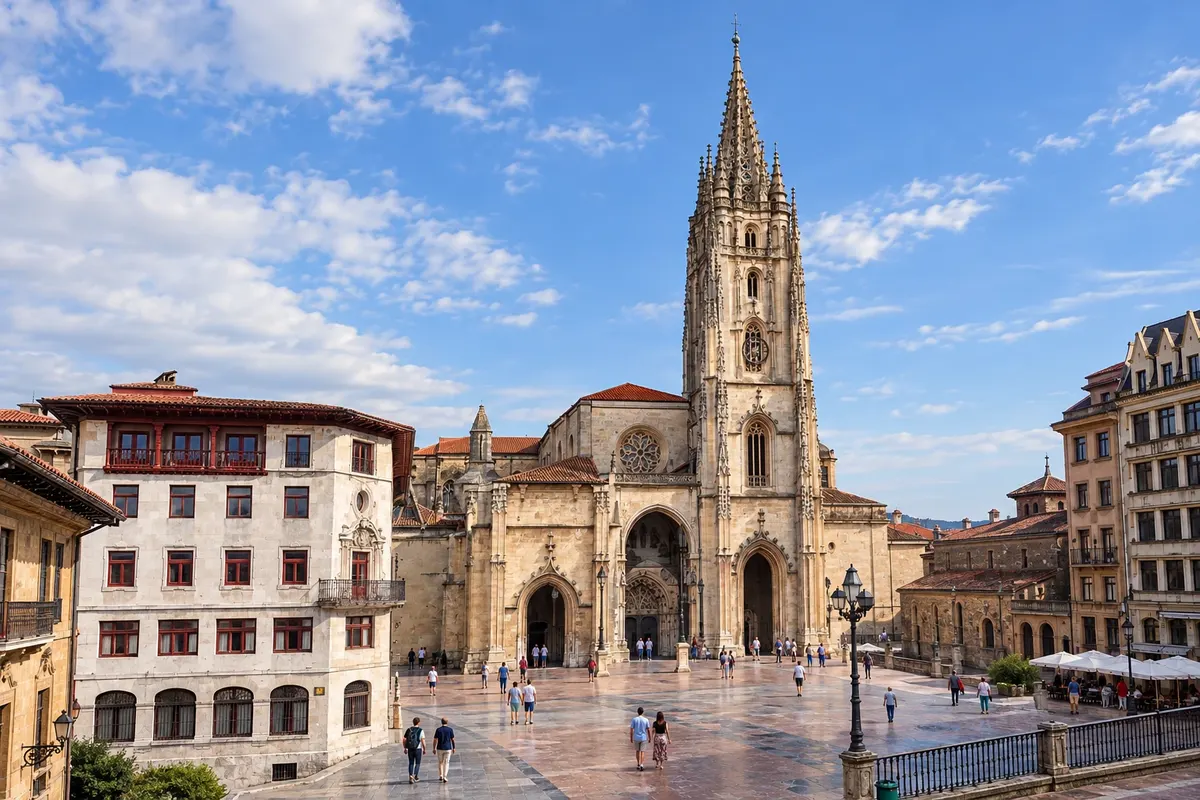
Oviedo
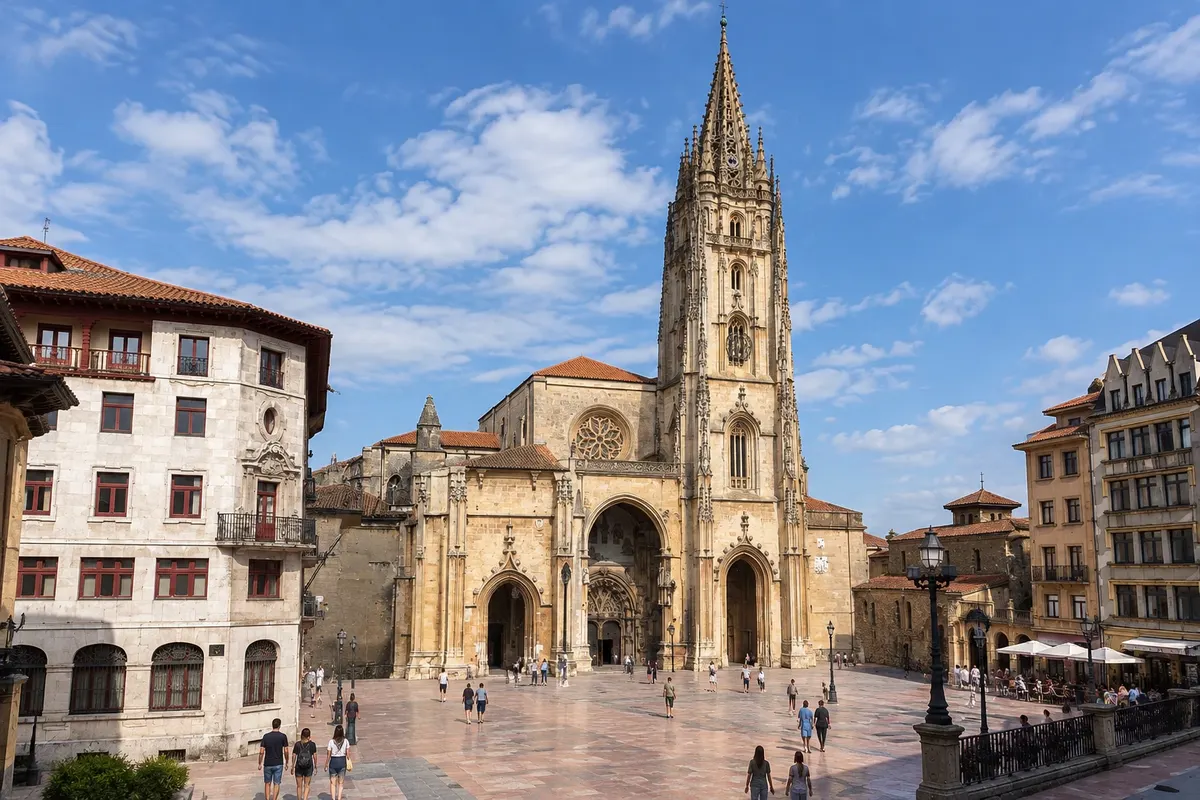
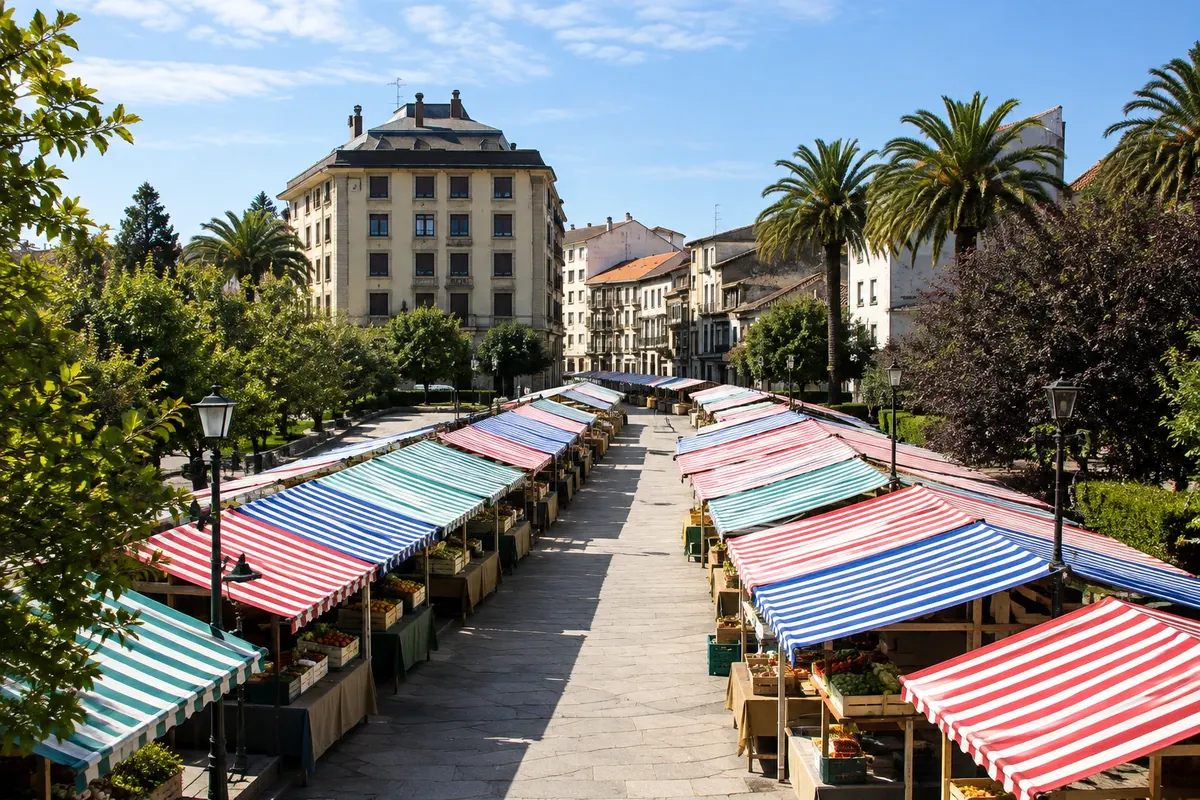
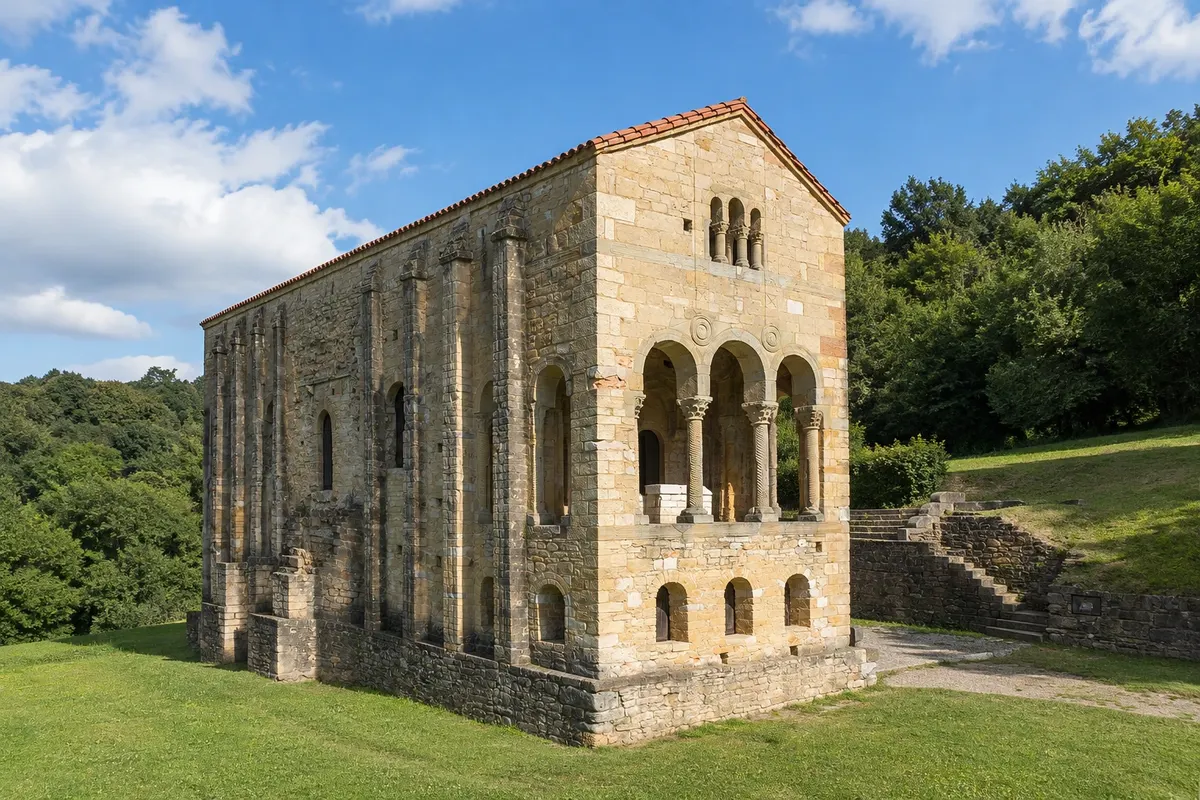
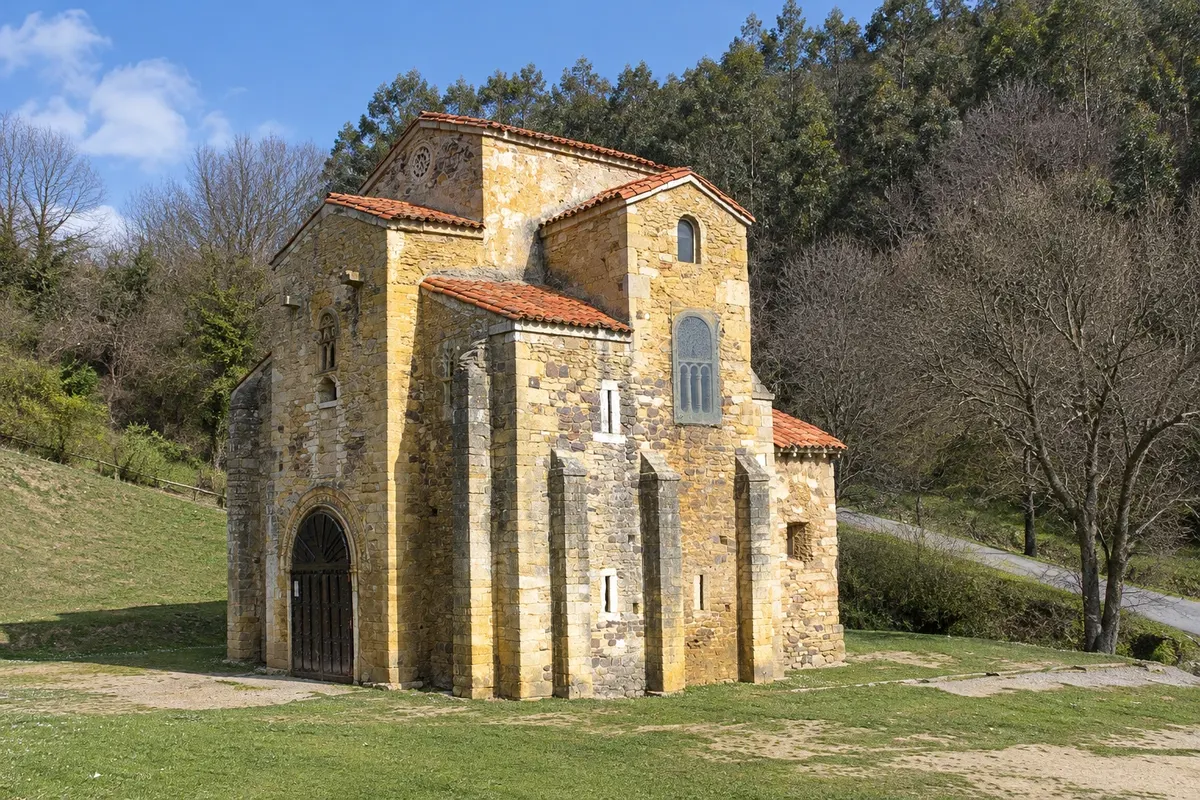
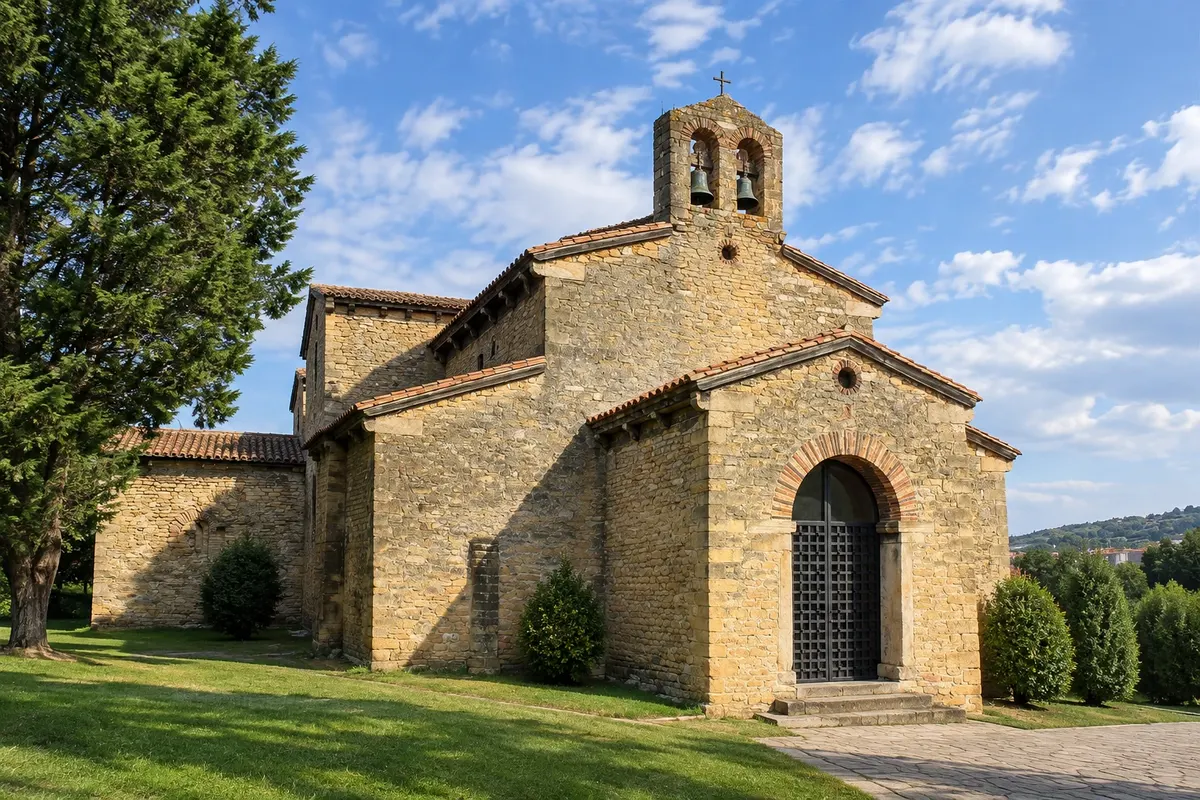
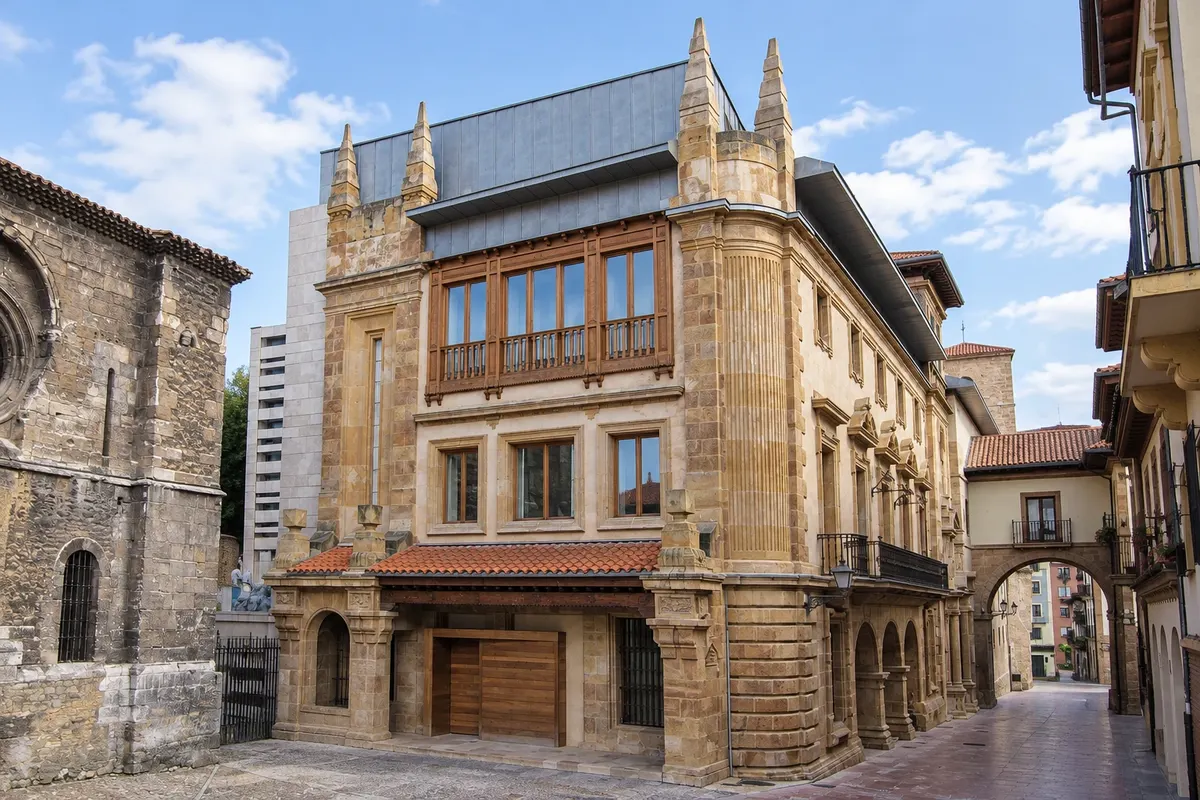
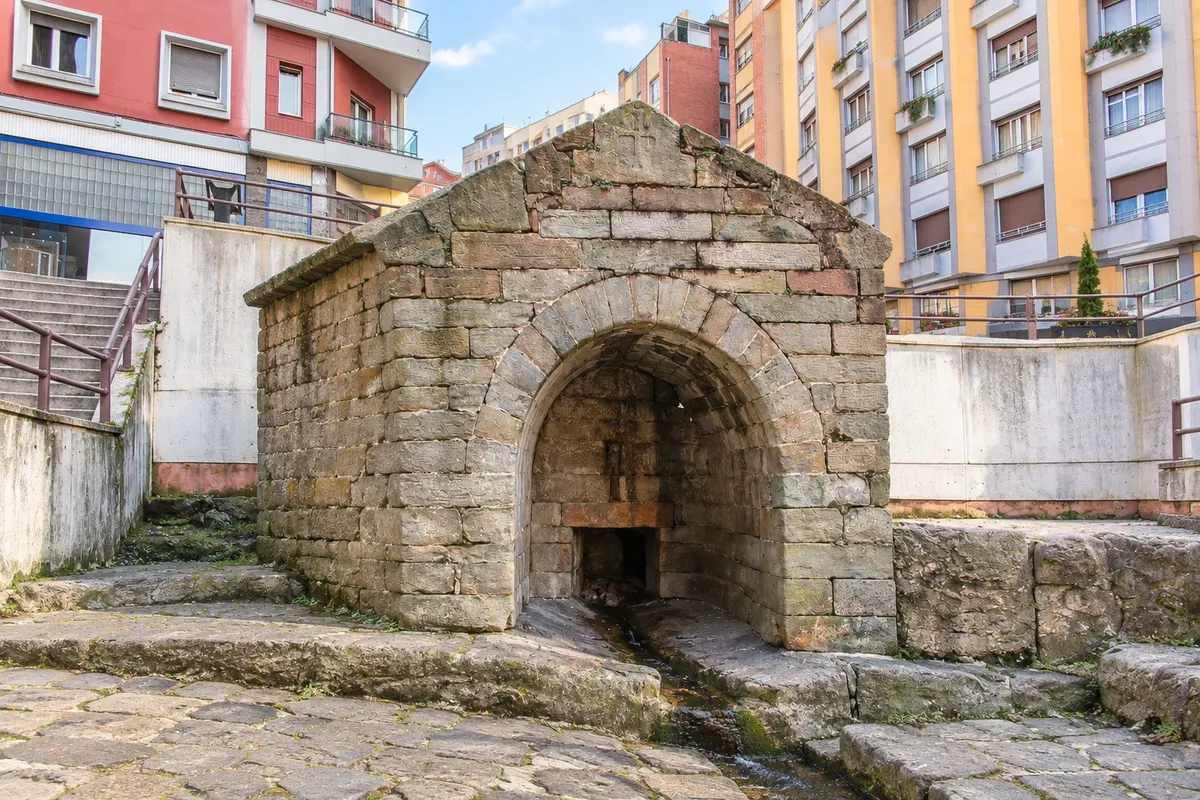
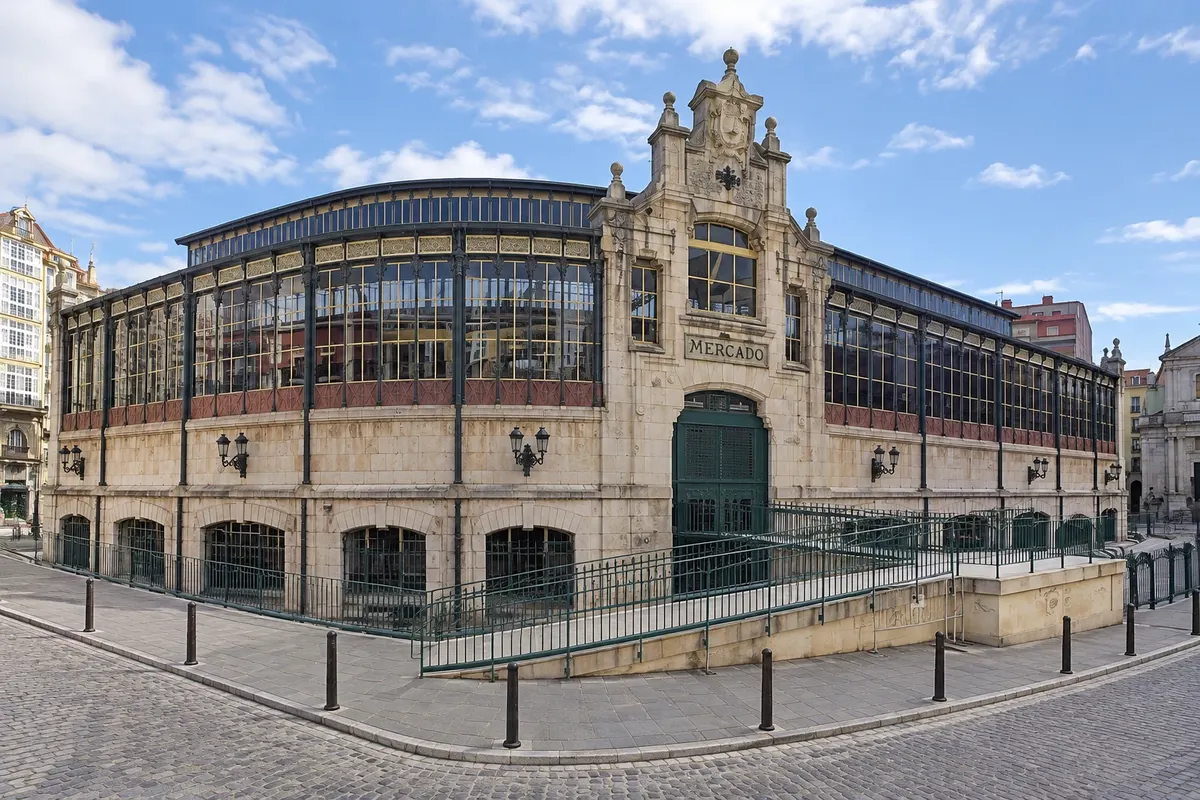
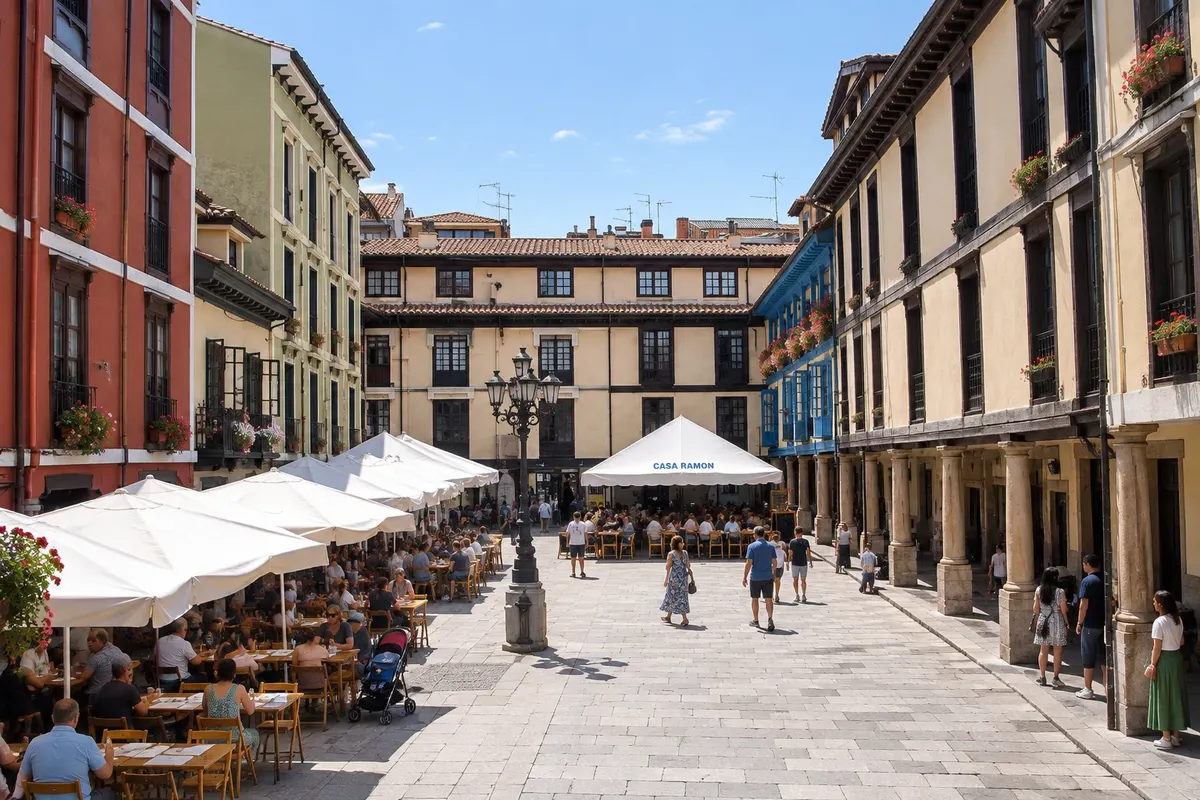
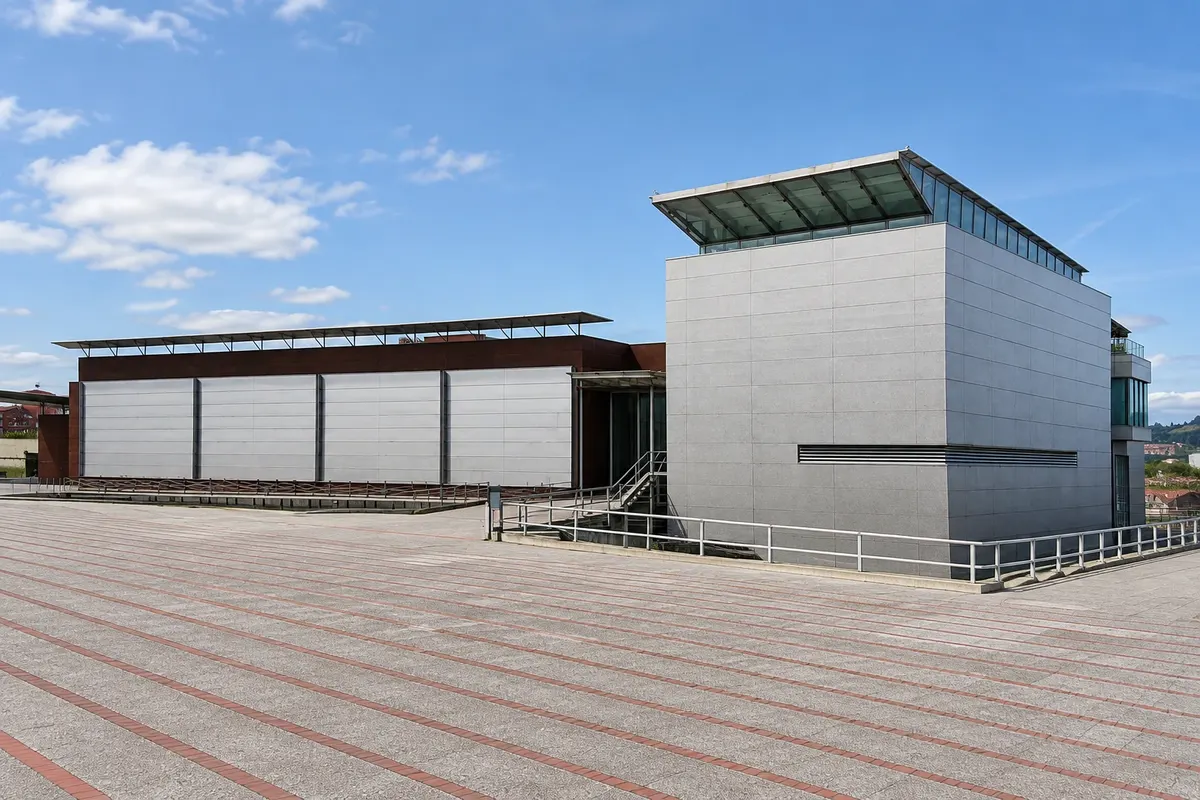
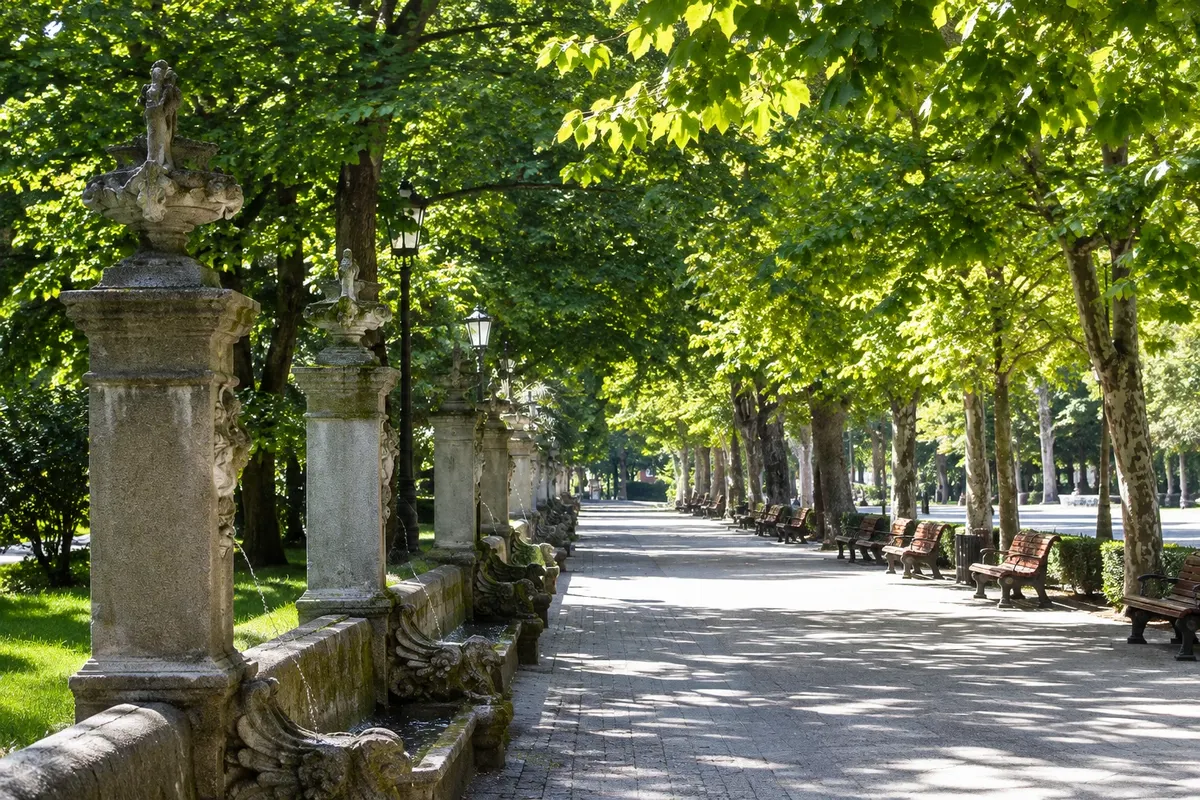
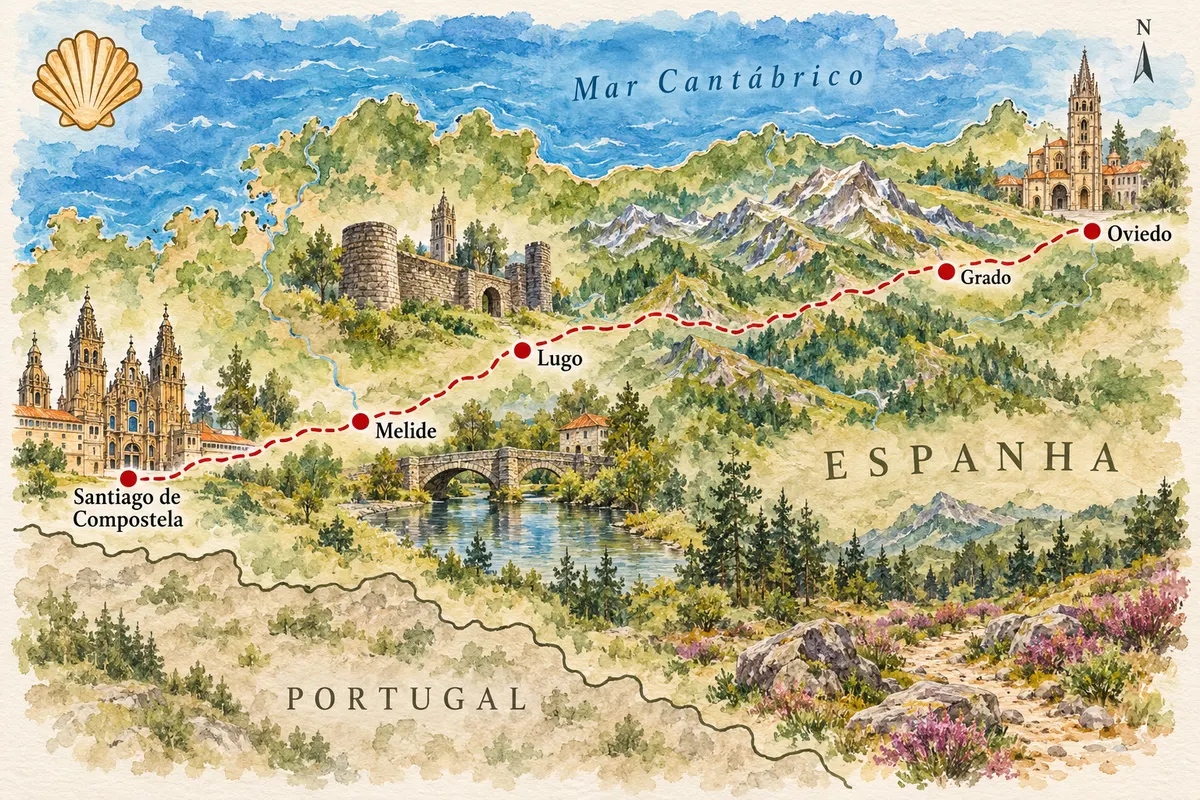
Oviedo is the capital of Asturias and was the capital of the former Kingdom of Asturias in the 9th and 10th centuries. From that time remain the monuments of Asturian pre-Romanesque, a World Heritage: the Cámara Santa, inside the Gothic cathedral, the church of San Julián de los Prados and, on Monte Naranco, Santa María del Naranco and San Miguel de Lillo. The old town has the square and market of Fontán, the street Gascona, known for its cider bars, with the Foncalada fountain, the Museo de Bellas Artes and the Museo Arqueológico. The Parque de San Francisco lies next to the teatro Campoamor. It is the starting point of the Caminho Primitivo.