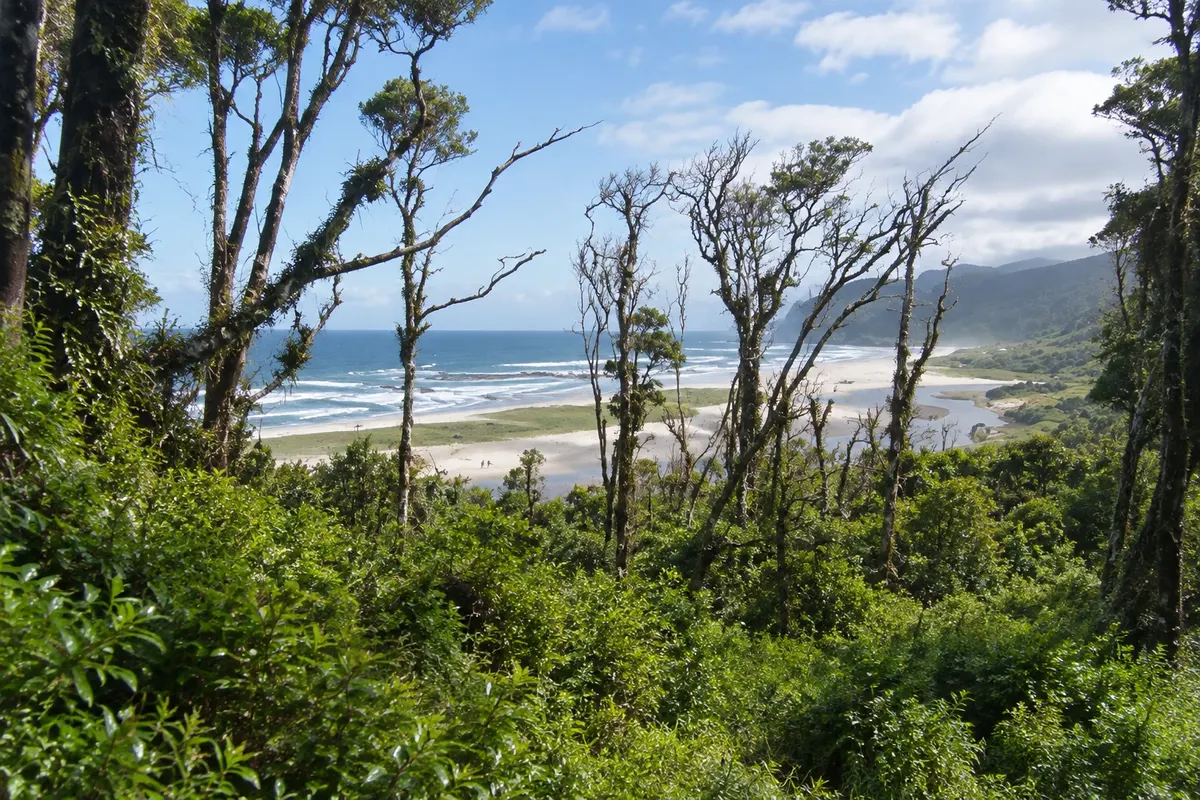
Chiloé is an archipelago in southern Chile, in the Los Lagos Region. Isla Grande, the largest of the islands, lies just south of Puerto Montt, separated from the mainland by the Canal de Chacao, which is crossed by ferry. The climate is oceanic: it can rain in any month, the greenery is intense and the sea sets the rhythm of life in the fishing villages.
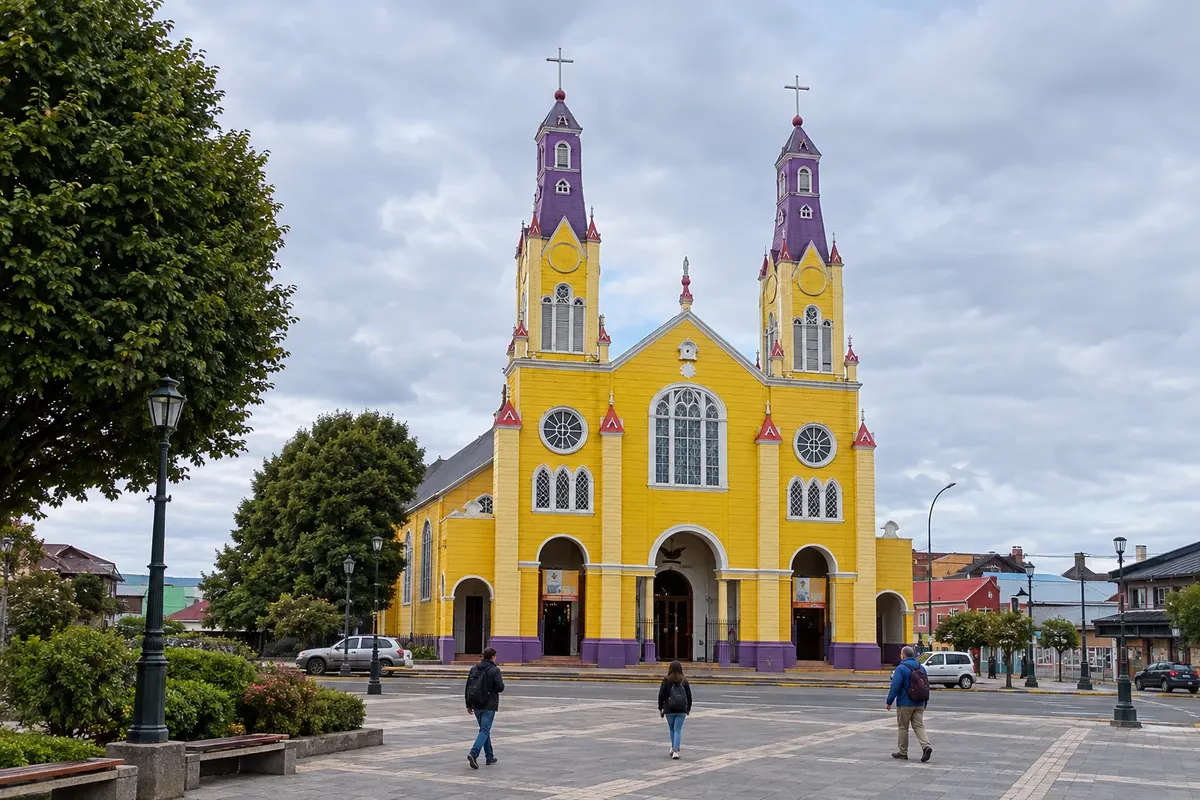
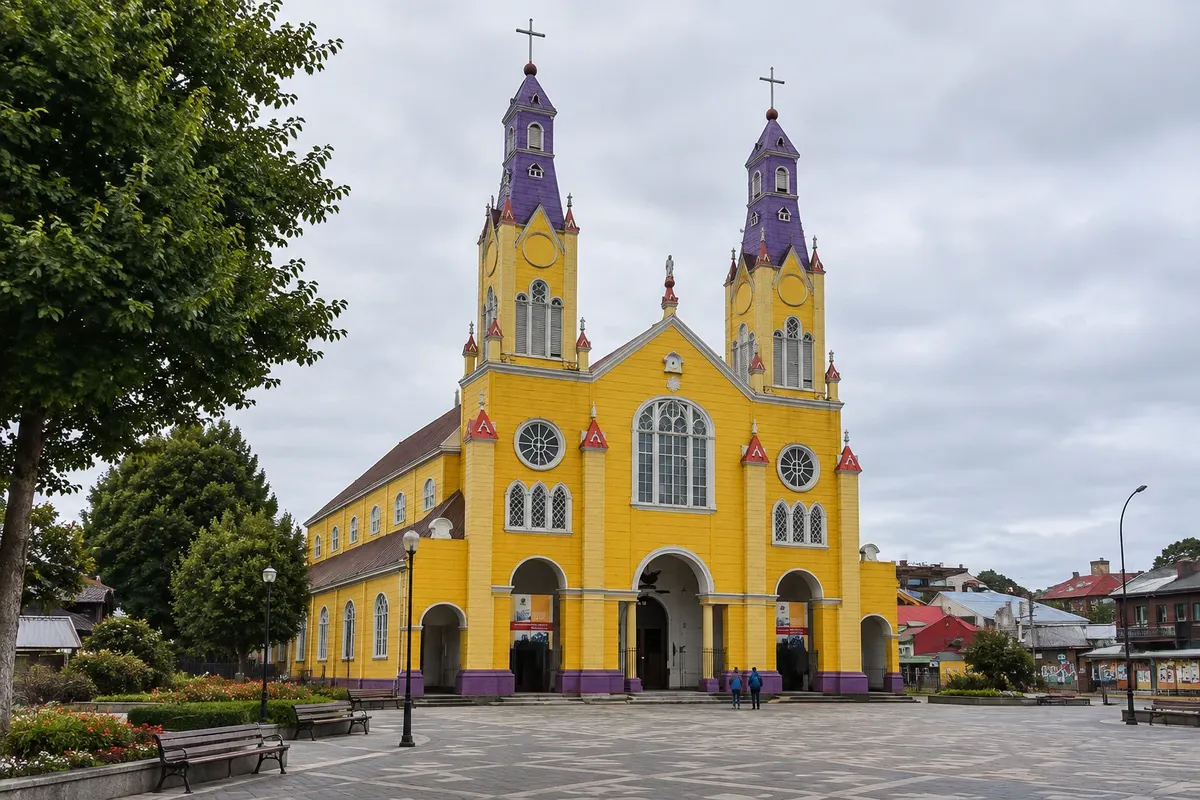
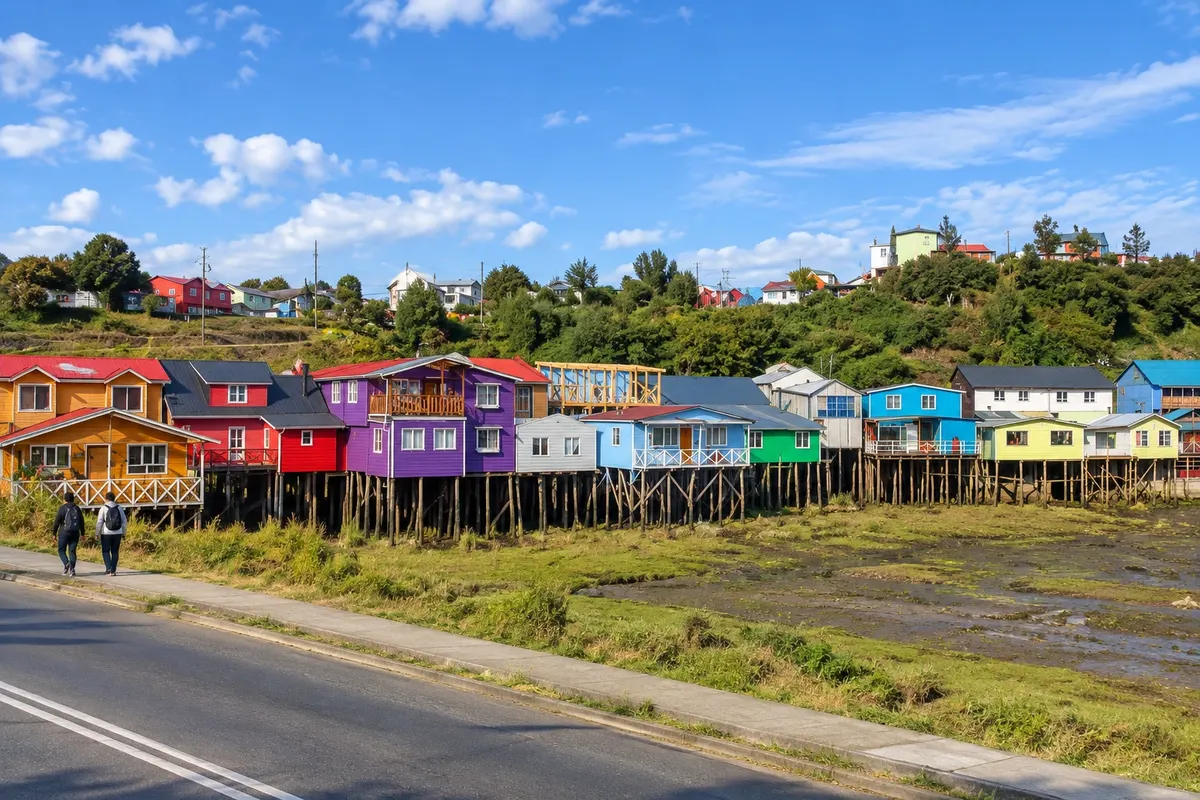
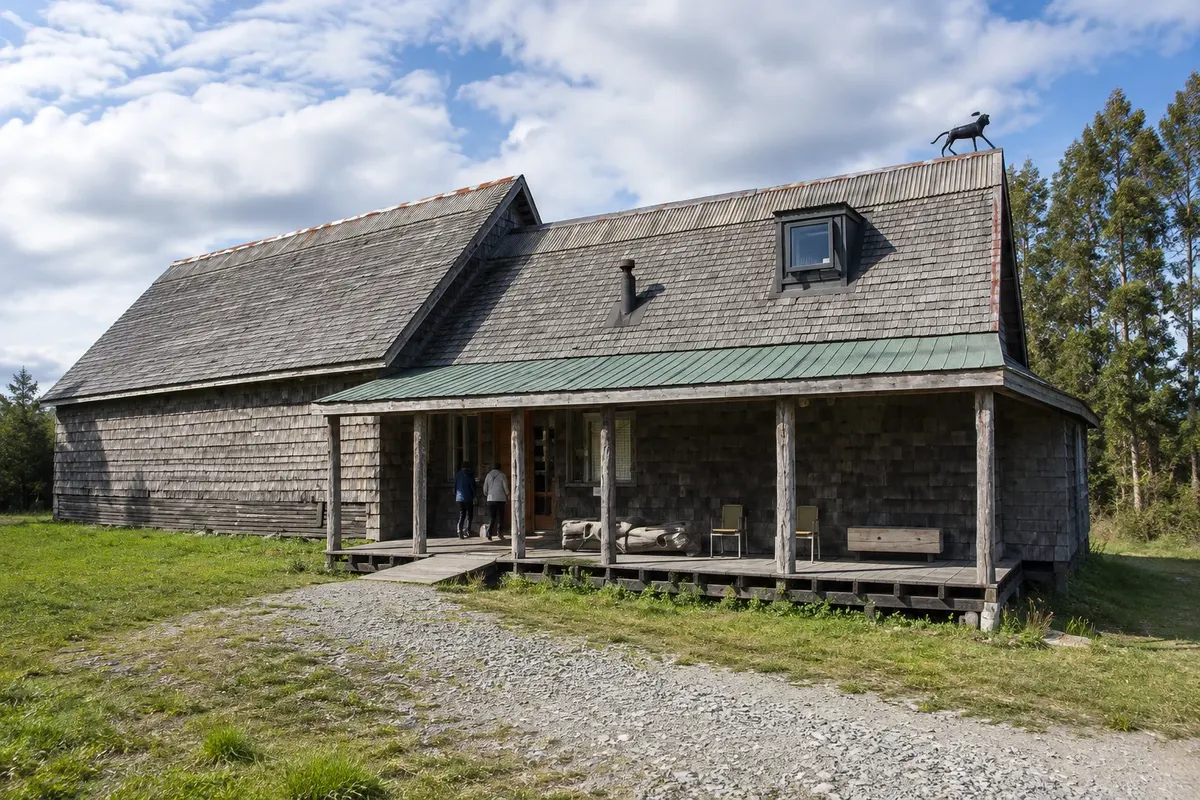
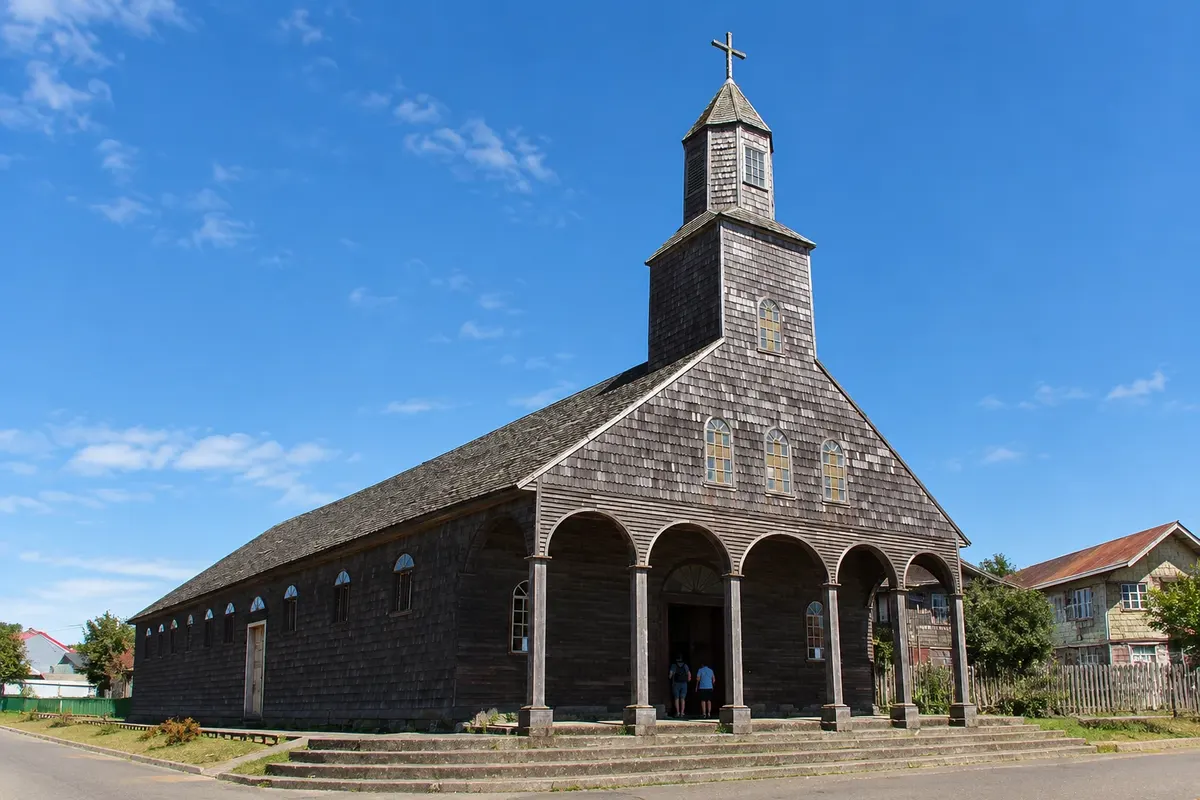
Castro, in the center of the island, is the base for most excursions. In the Plaza de Armas stands the Iglesia de San Francisco, with a yellow and lilac façade, one of the wooden churches of Chiloé inscribed as a UNESCO World Heritage Site. On the city's edges, the palafitos of Gamboa and Pedro Montt rise and fall with the tide. In the Parque Municipal, the Museo de Arte Moderno de Chiloé shows Chilean contemporary art.
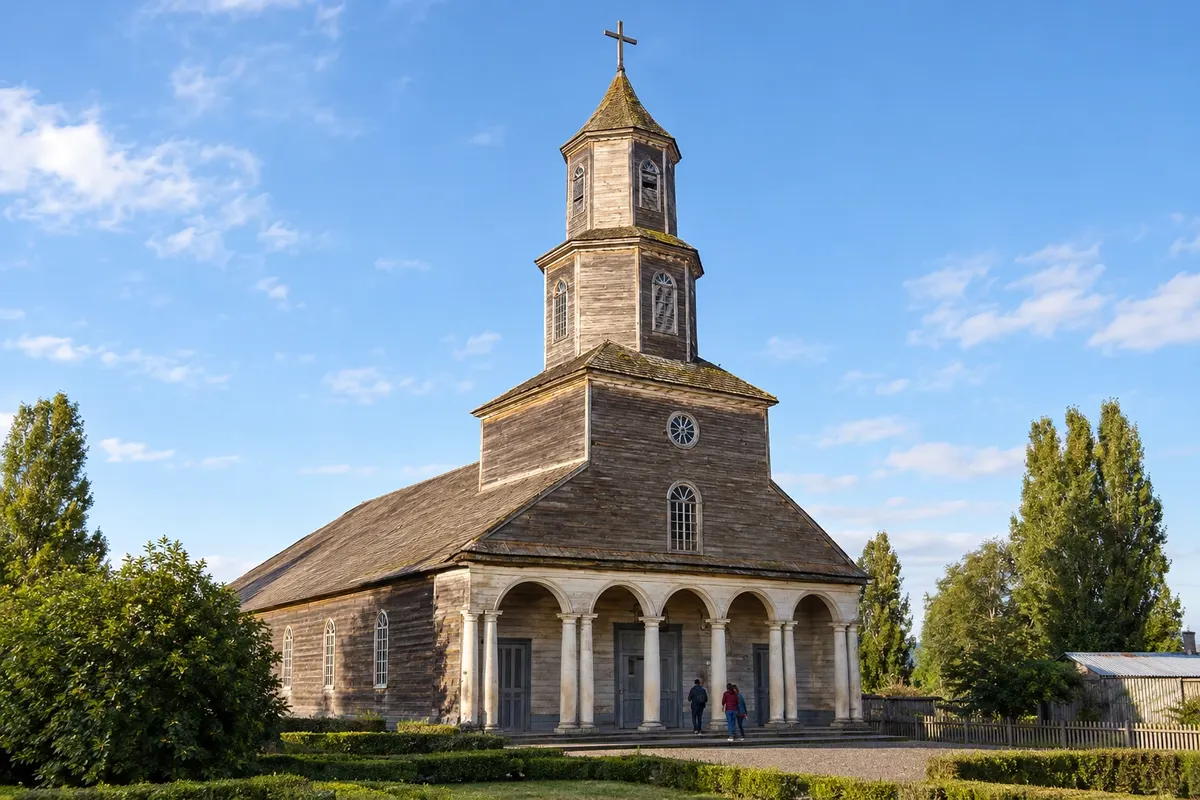
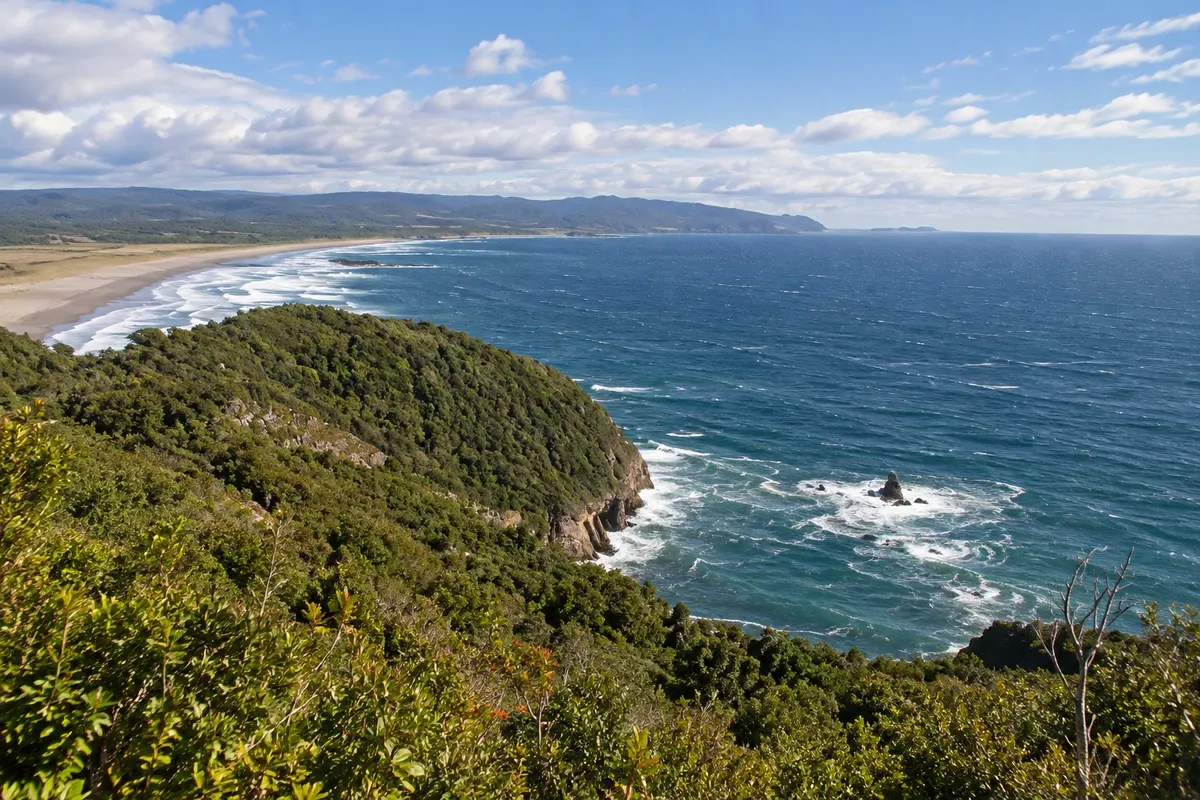
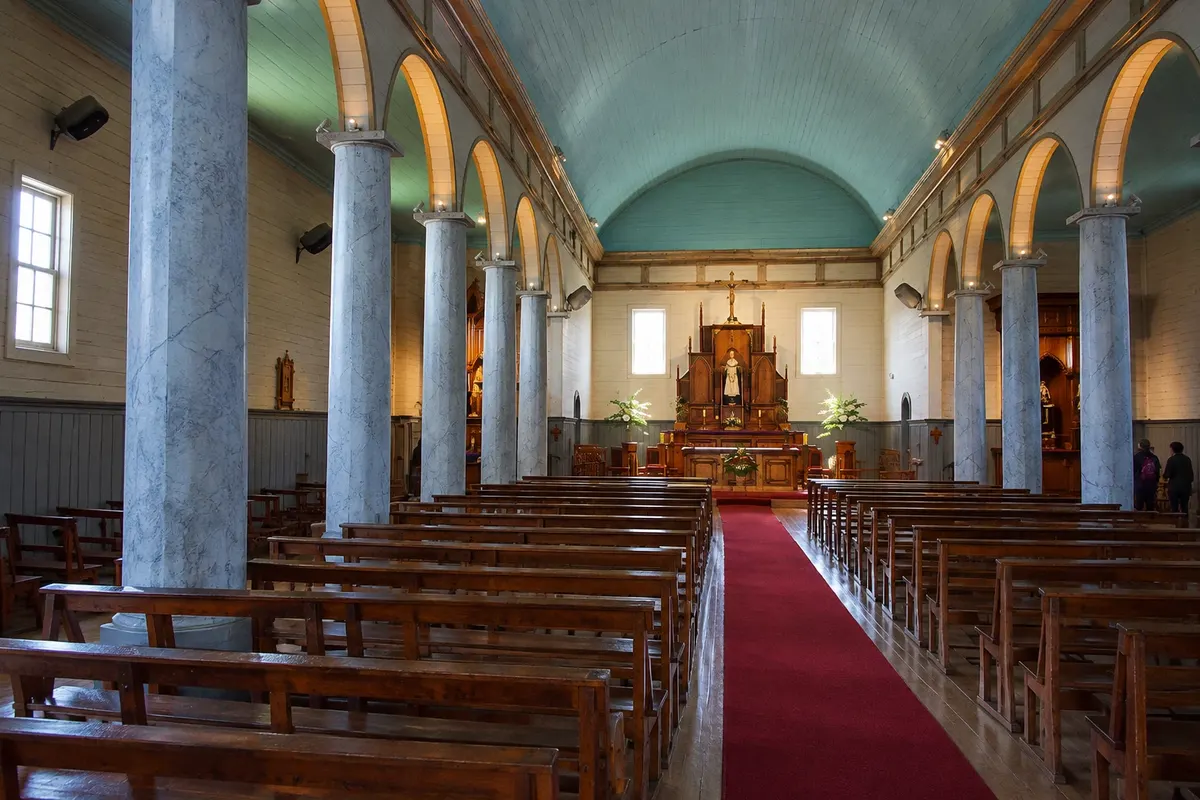
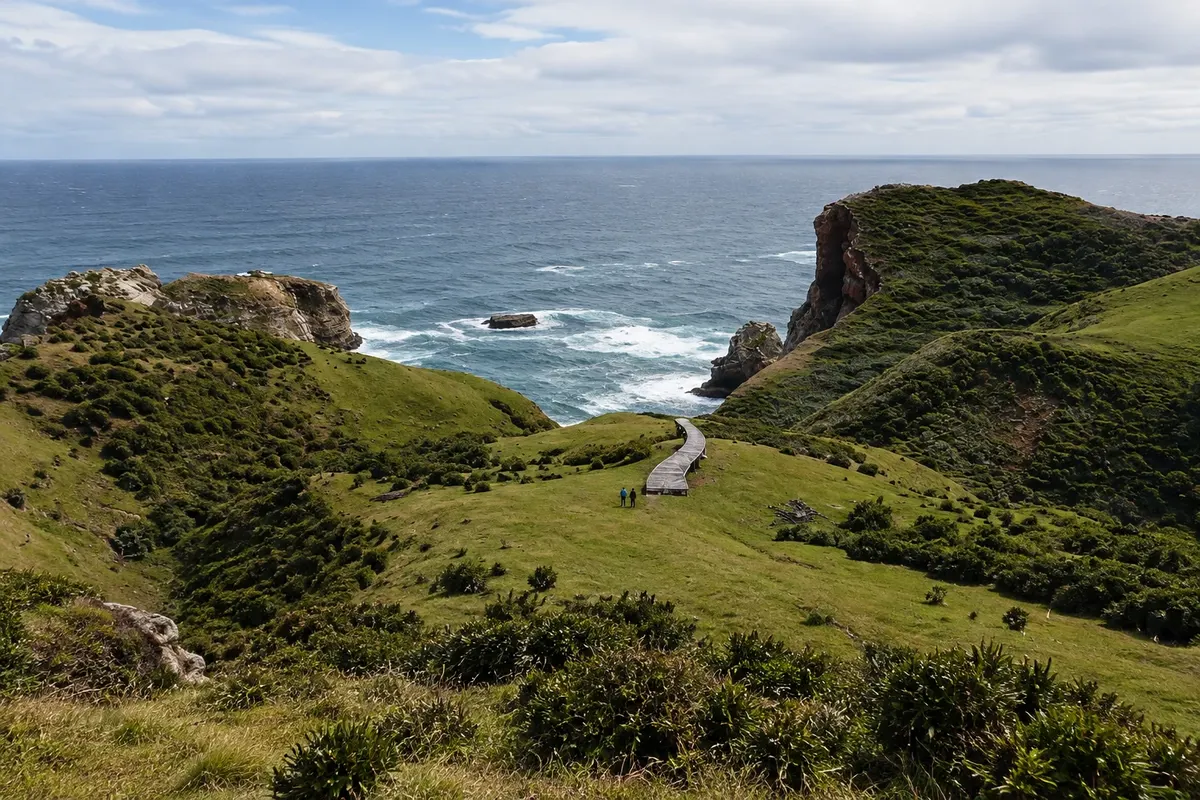
Near Castro are Dalcahue, with a church with an arched portico and a craft fair on the canal's edge, and Achao, on Isla Quinchao, where the church of Santa María de Loreto preserves a carved wooden interior from the Jesuit era. On the other side of the island, on the Pacific coast, are Parque Nacional Chiloé, with access via Cucao, and the Muelle de las Almas, a wooden walkway atop a cliff.
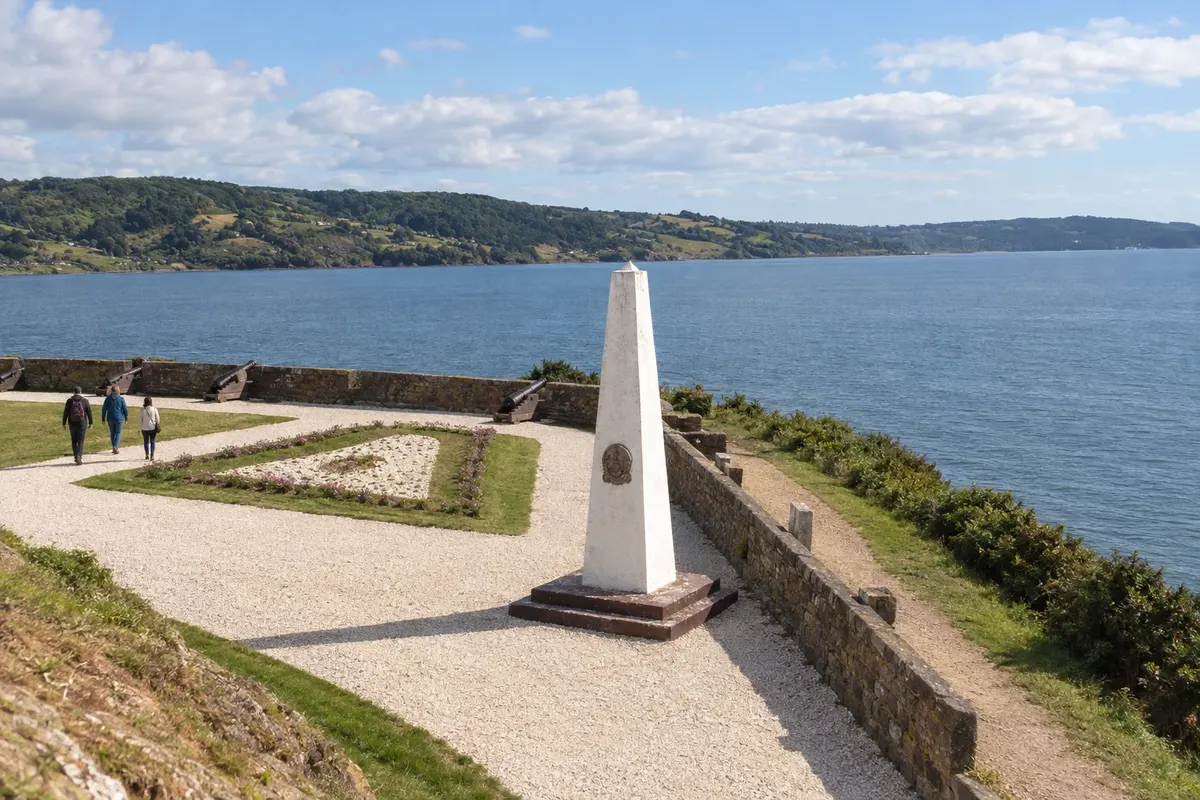
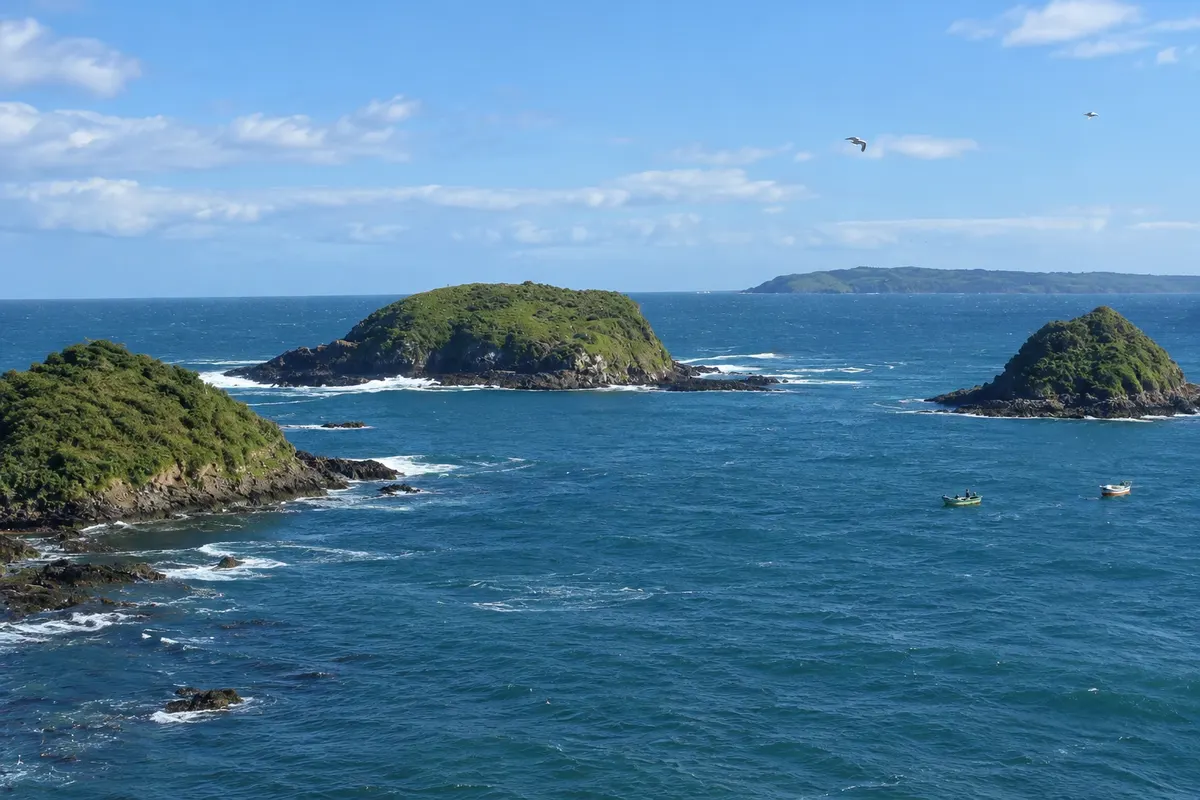
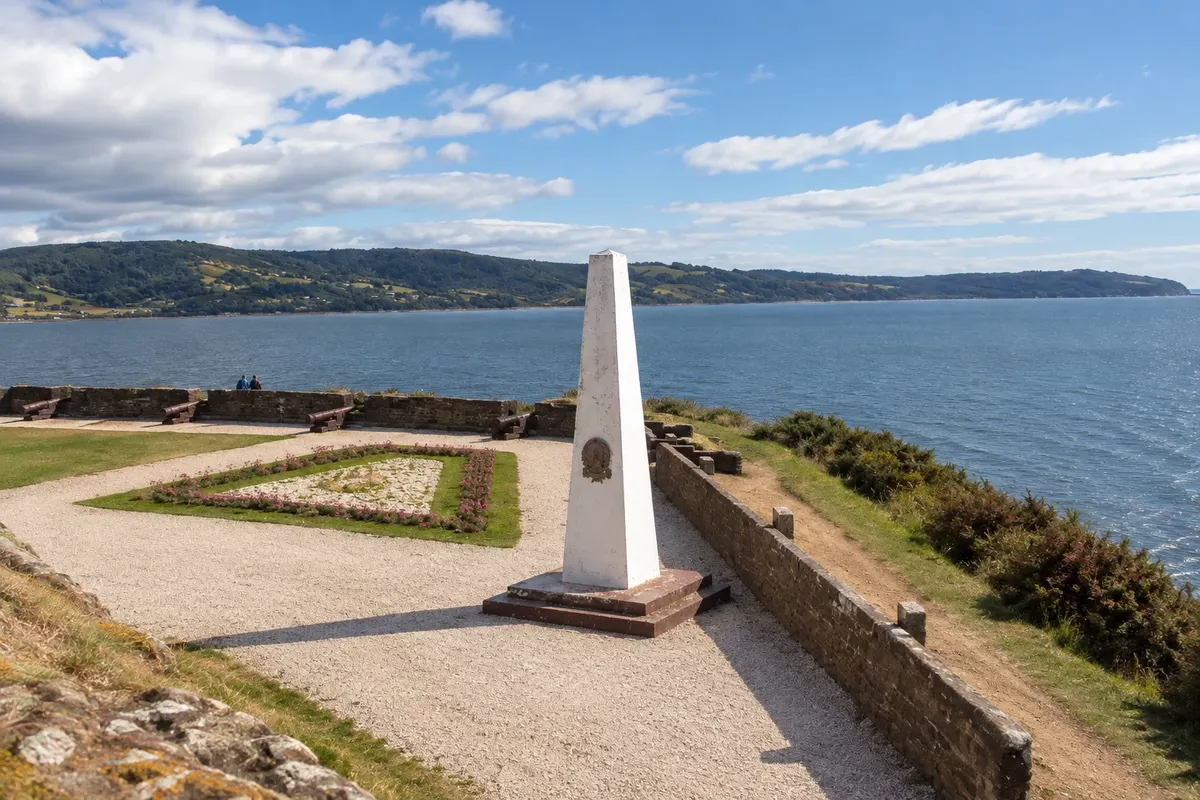
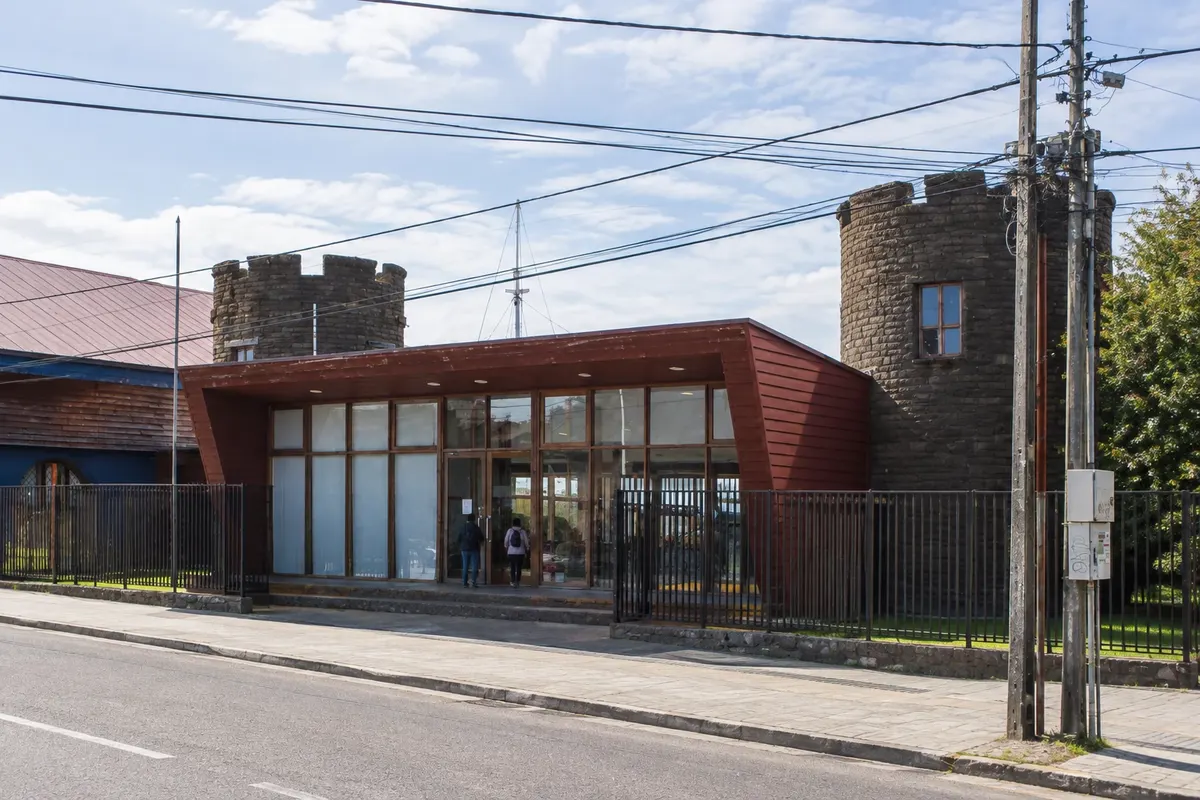
Ancud, in the north, was the last Spanish stronghold in South America and still preserves the cannons of Fuerte San Antonio. The Museo Regional de Ancud tells the archipelago's story. Less than 30 km away, boats from the Puñihuil cove circle islets where Humboldt and Magellanic penguins nest, and to the south the Chepu valley brings together river, wetland and sunken forest.
Chilote culture appears at the table and in conversations. The curanto, a stew of shellfish, meats and potatoes cooked over hot stones, is the island's dish. Locals tell stories of the Caleuche, the ghost ship, and the Pincoya, a sea spirit, which are part of the archipelago's oral tradition.
This destination brings together 2 cities: Castro, Ancud.


 Brazil
 Argentina
 Colombia
 Peru
Peru Uruguay
 Germany
 Belgium
 Spain
Spain France
 Greece
 the Netherlands
 Ireland
 Italy
Italy Portugal
 the United Kingdom
 Switzerland