Weimar and Erfurt

Turíngia · Germany

Weimar and Erfurt

Two neighboring towns in Turíngia: medieval Erfurt with the Krämerbrücke and the Domberg, and Weimar of Goethe, Schiller and the Bauhaus, 12 minutes by train.

Leste

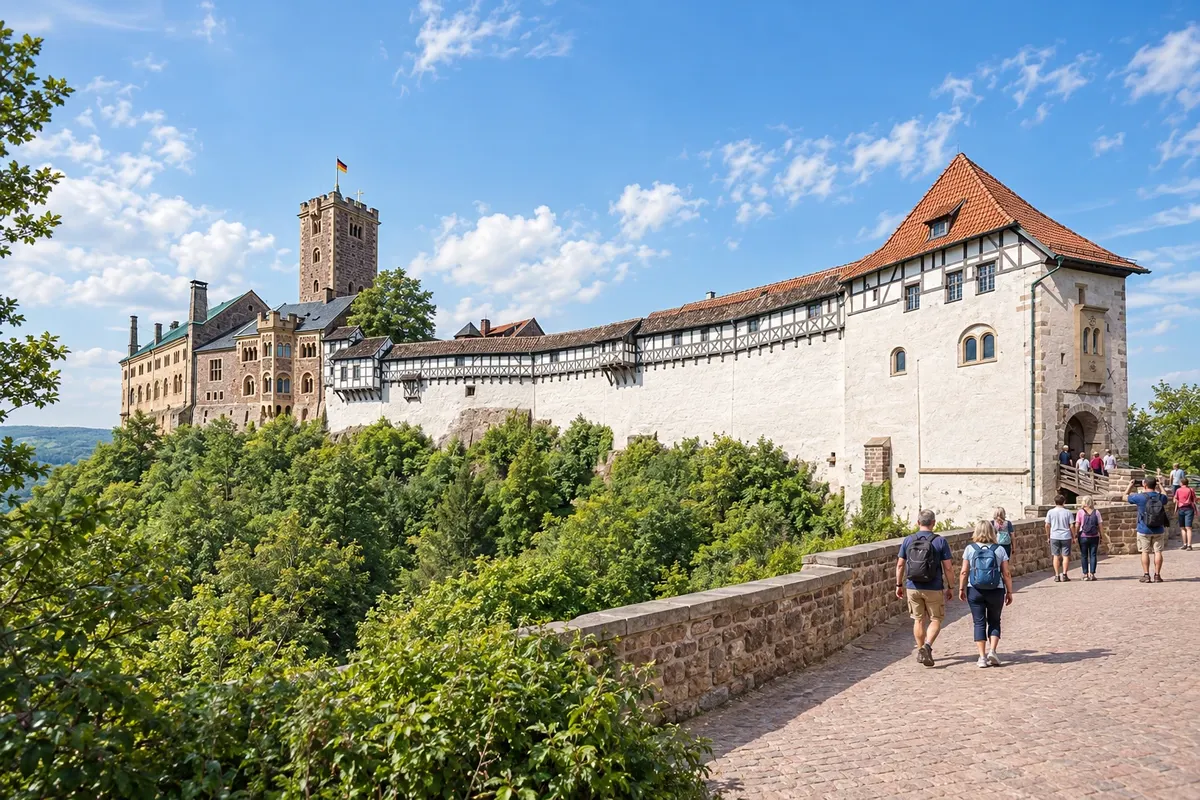
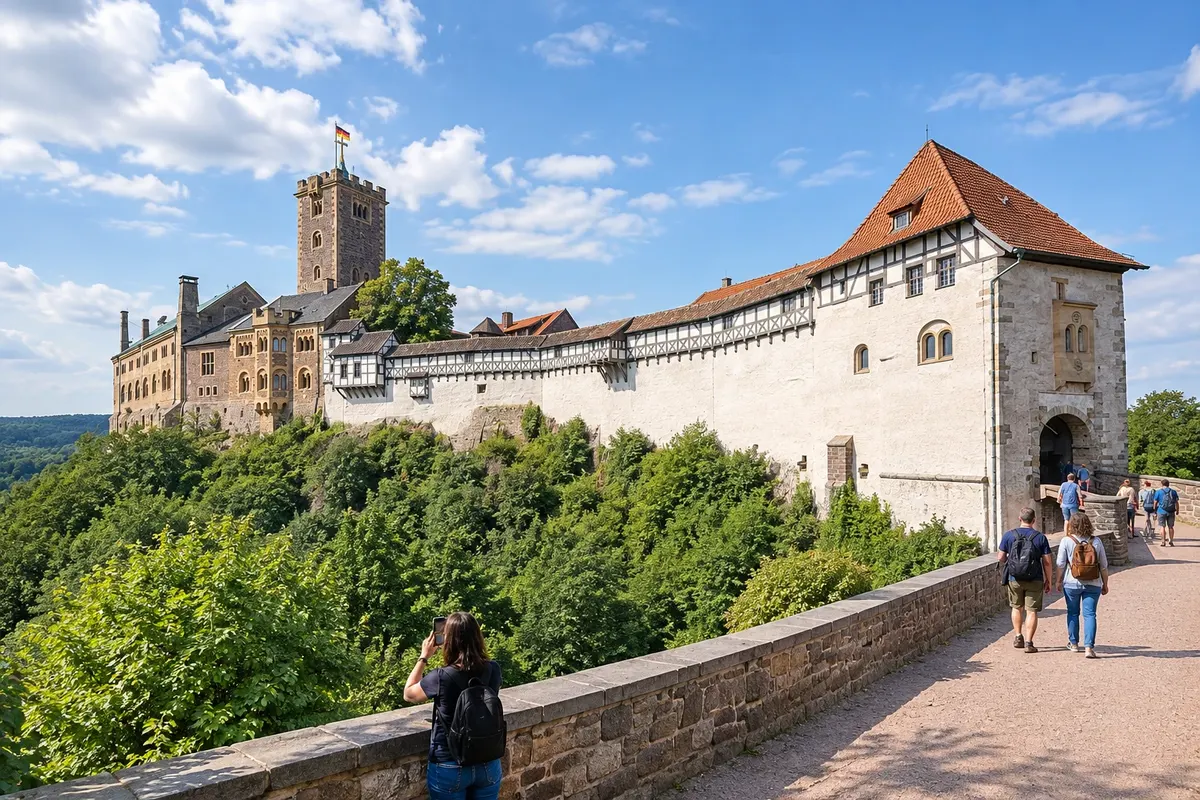
In the photo: Wartburg, in Turíngia

Illustrative images. The pictures in this guide are illustrations based on the real place, not photographs, and may differ from it.

Get it on Google Play Send your photos

Get to know the place

A region to enjoy
at your own pace.

Erfurt and Weimar lie in the heart of Turíngia, in east-central Germany, separated by just over 20 km. Erfurt is the state capital and one of the country's main high-speed rail hubs: the ICE links the city to Berlin, Munich, Frankfurt and Leipzig. Weimar, smaller and quieter, is a short regional train ride away.

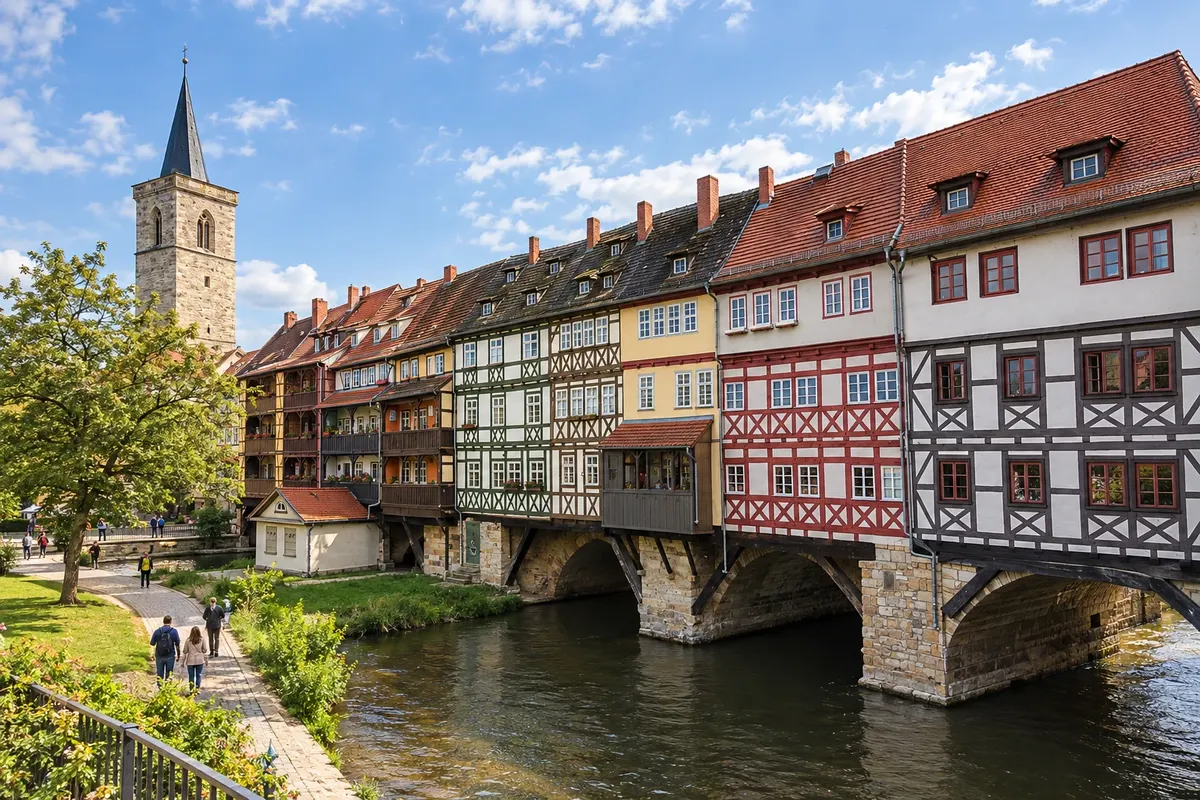
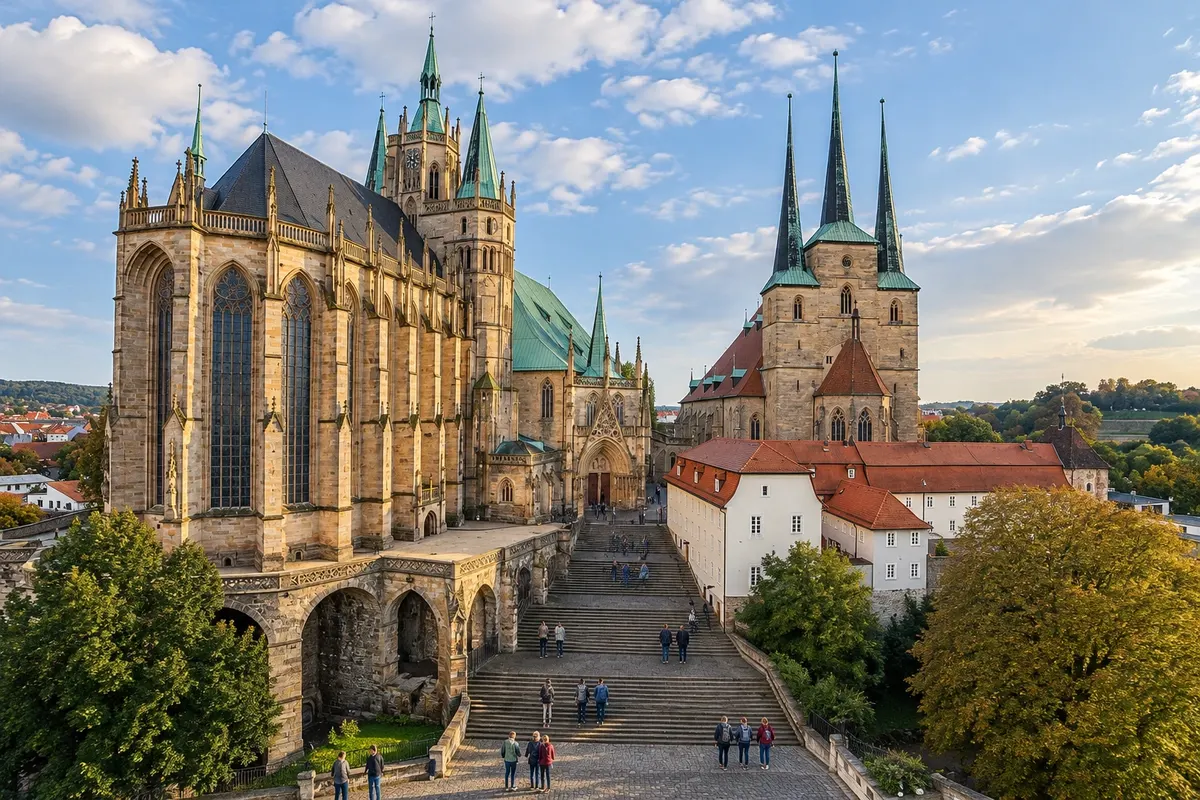
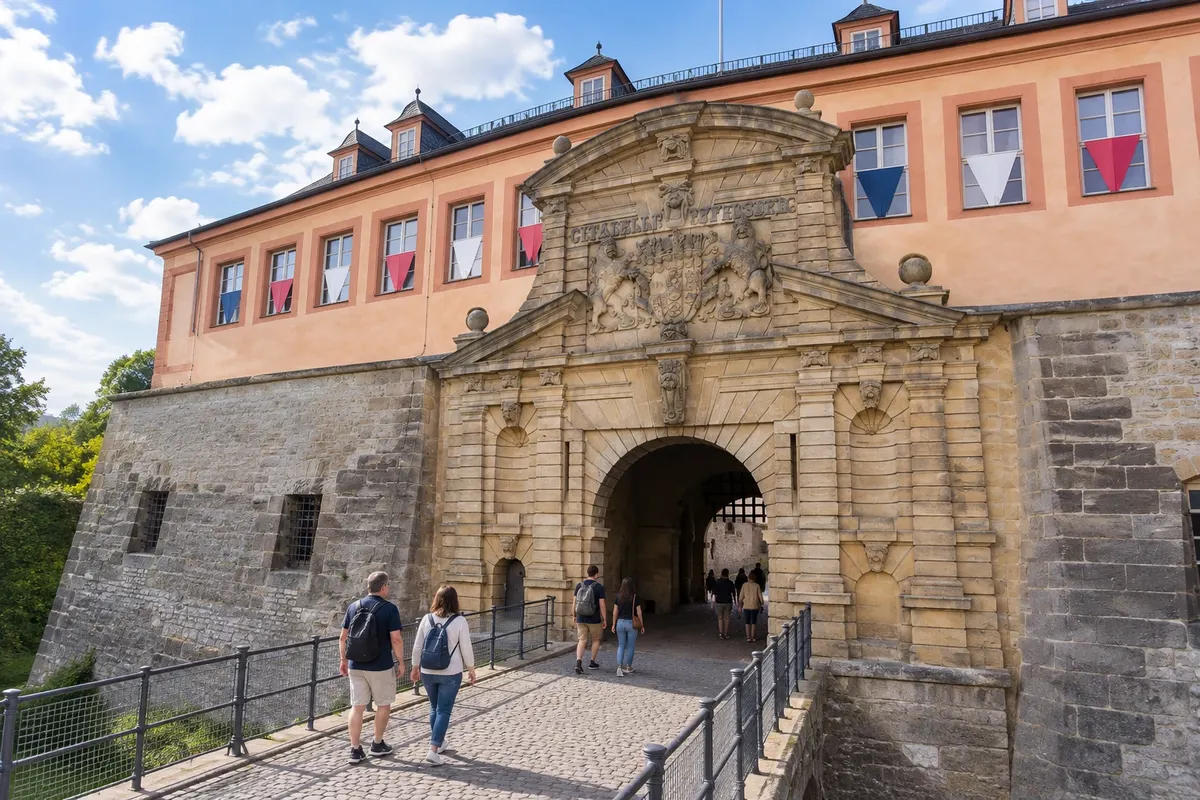
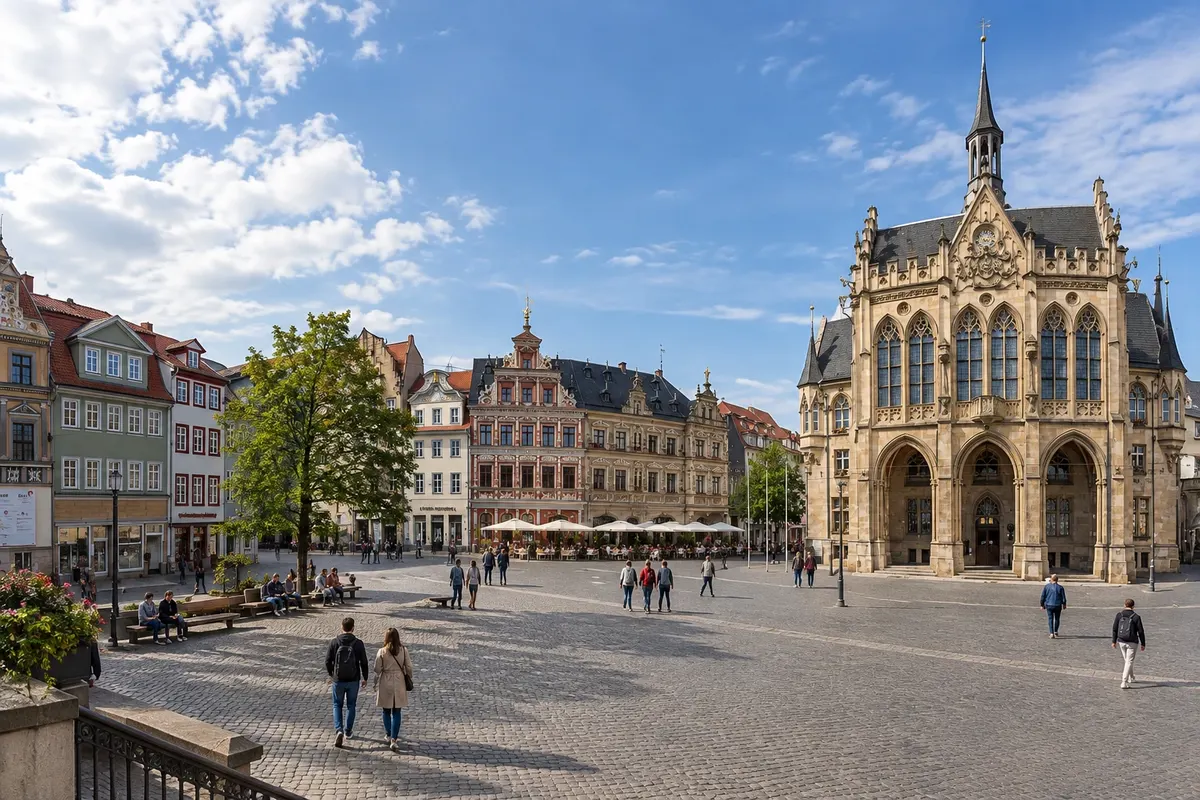
Erfurt preserves an old town (Altstadt) that largely escaped wartime destruction. The Krämerbrücke, a bridge lined with half-timbered houses over the river Gera, the cathedral and the Church of St Severus at the top of the Domplatz steps, and the baroque Petersberg fortress set the tone. It was in Erfurt that Martin Luther lived as a monk at the Augustinerkloster, and the city's medieval Jewish heritage is on the UNESCO list.

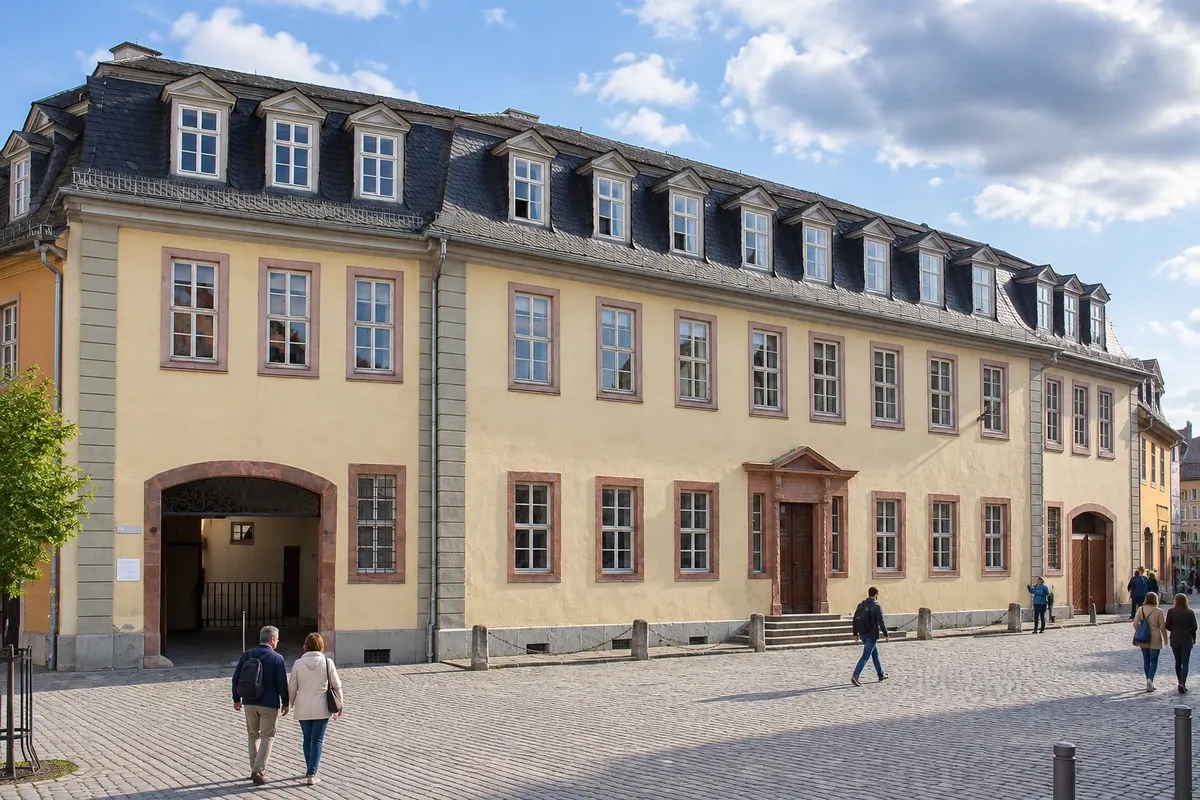
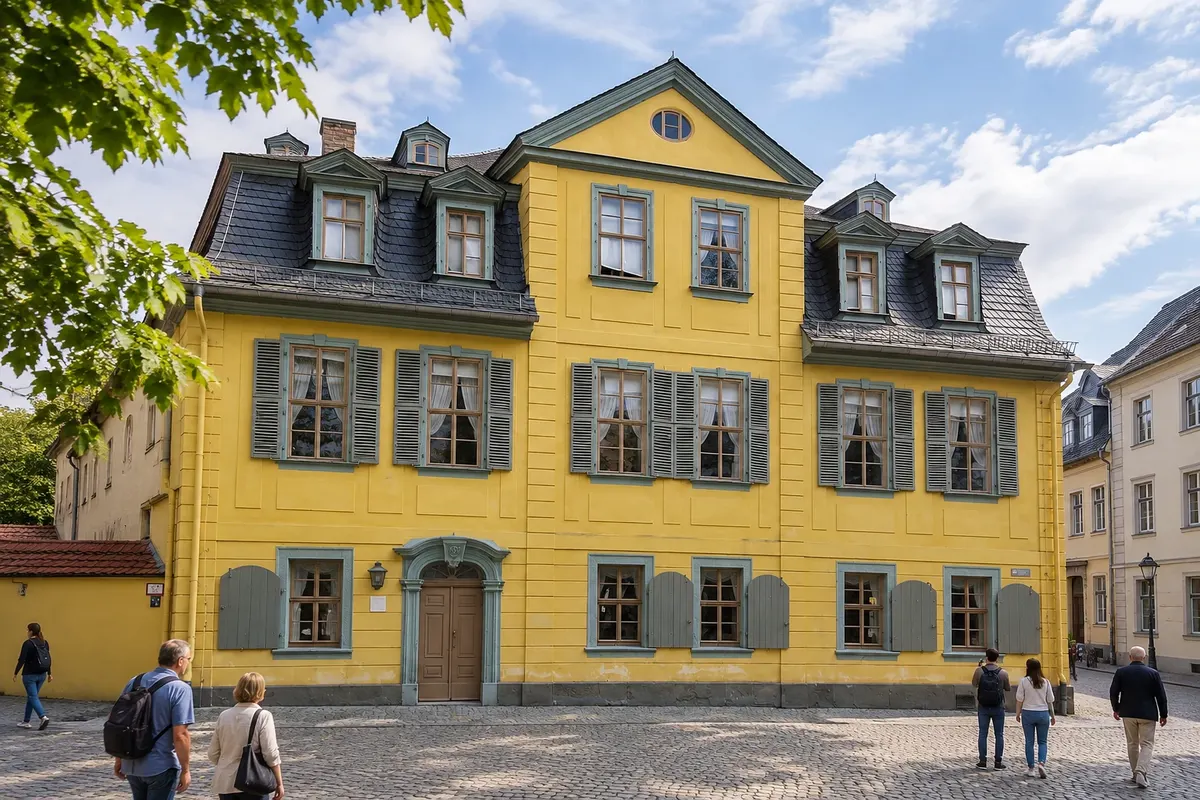
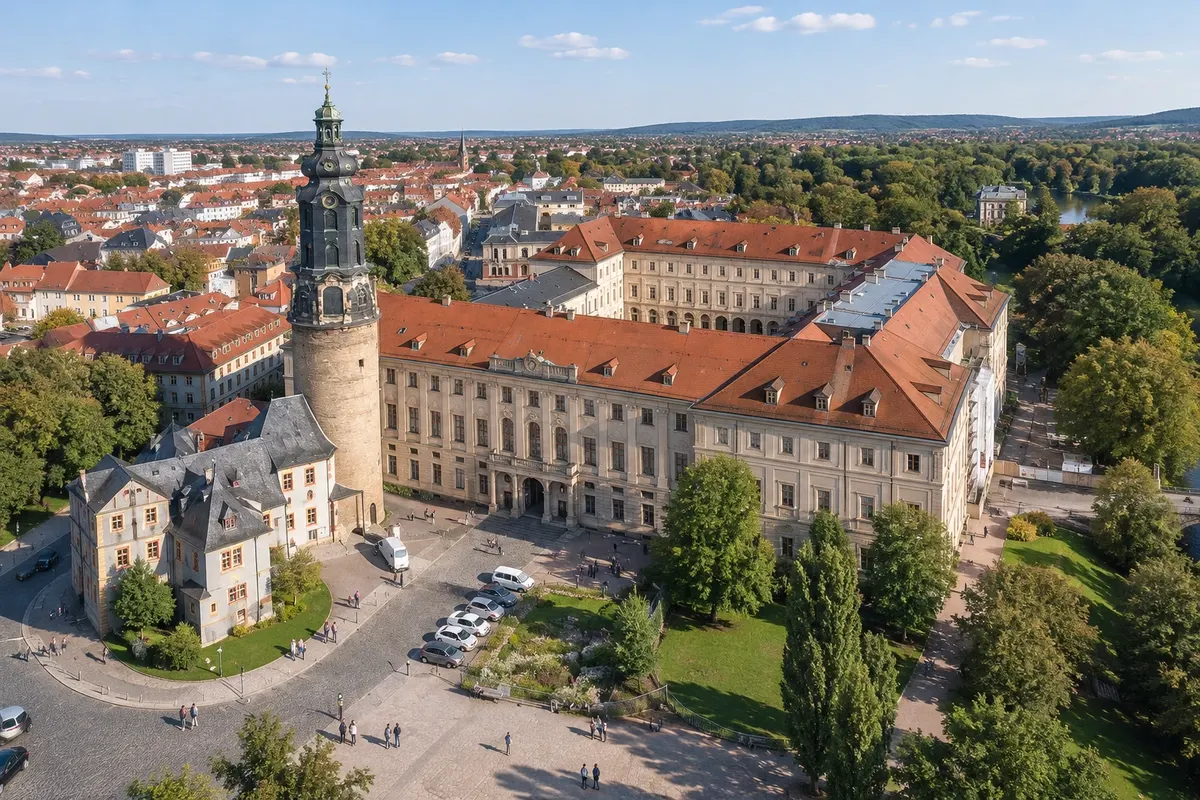
Weimar was the center of German literature in the late 18th and early 19th centuries. Goethe and Schiller lived and died there, and both of their houses can be visited. the Weimar Classicism ensemble and the Bauhaus sites, an art and design school founded in the city in 1919, are World Heritage. The Biblioteca Duquesa Anna Amalia, the Park an der Ilm and the city palace complete the itinerary.

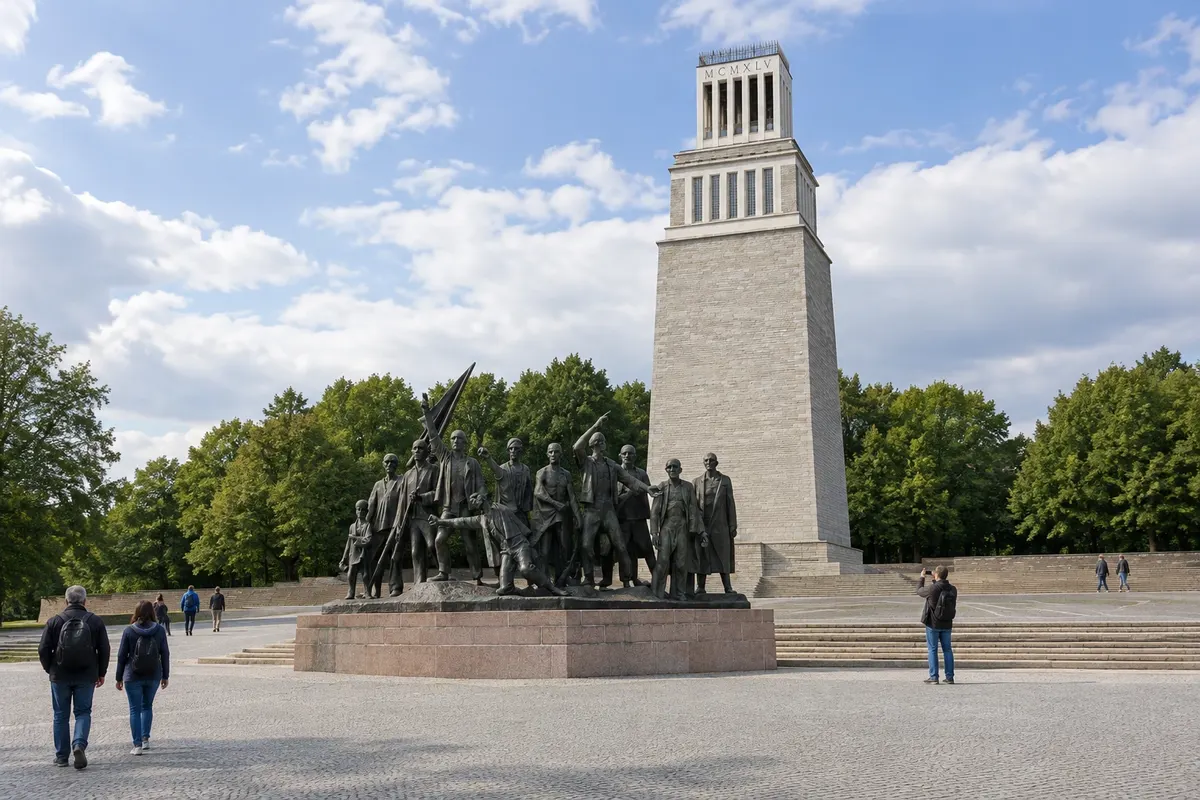
A few kilometres from Weimar is the Gedenkstätte Buchenwald, a memorial on the site of the former Nazi concentration camp. It is a place of remembrance, visited in silence and with respect. West of Erfurt, in Eisenach, Wartburg Castle, where Luther translated the New Testament, is worth a full day.

This destination brings together 2 cities: Erfurt, Weimar.

Share: WhatsApp
Traveler, share your experiences through photos Up to 5 photos of each place you visited.

One destination, many paths

The cities on this trip

Start with one city or combine several in your itinerary.

Where Weimar and Erfurt is
ErfurtWeimar

Contornos: © BKG (2026), dl-de/by-2-0. Adaptação do Cidade Turismo.

How to get there: Weimar and Erfurt

✈ Flughafen Frankfurt am Main (FRA), in Frankfurt am Main · 270 km to Erfurt

Check before booking. The most common route is to arrive in Frankfurt and continue by train: the ICE takes about 2 hours to Erfurt Hauptbahnhof. Erfurt also has direct ICE trains from Berlin and Munich. From Erfurt to Weimar the regional train takes 12 to 15 minutes.

Suggested arrival point: Erfurt

The local experience

Things to do in Weimar and Erfurt

Erfurter Dom
Erfurt · Turíngia · Cathedral

Erfurter Dom

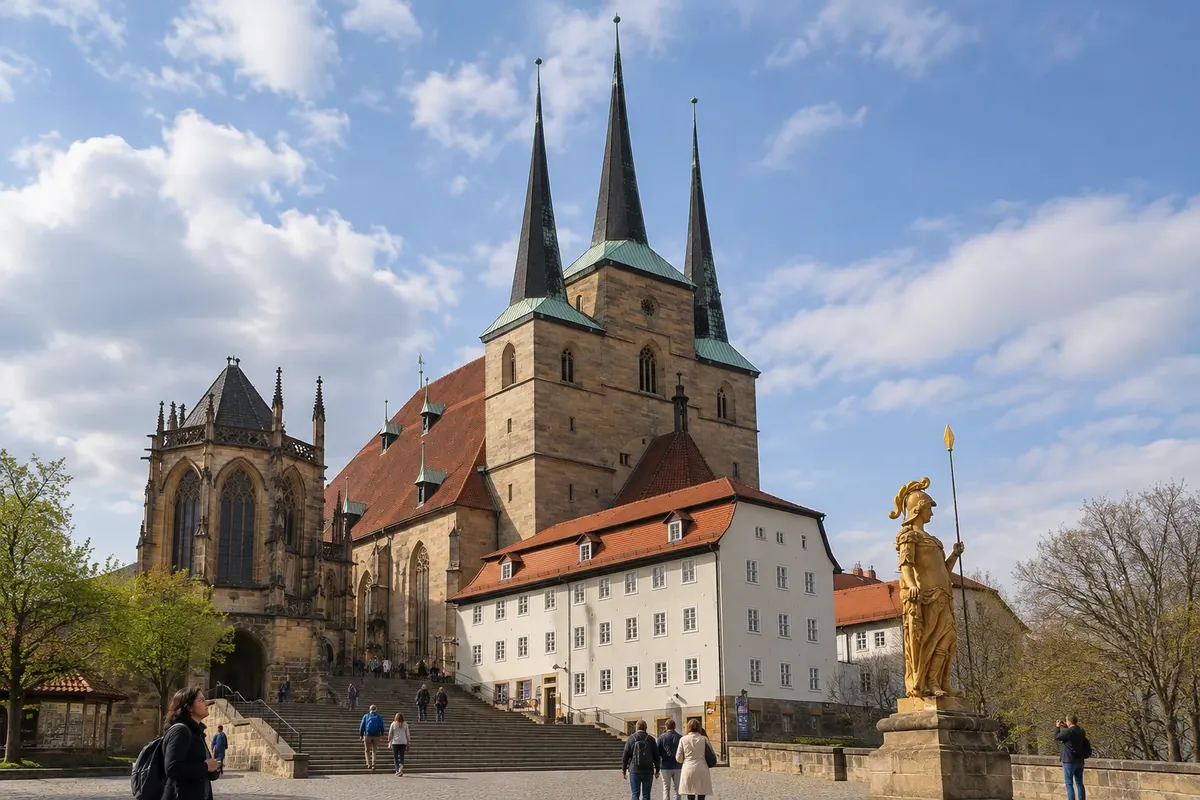
The Gothic cathedral of Santa Maria sits atop the steps of the Domplatz. It houses the Gloriosa, dating from 1497, the largest medieval bell still in use in the world, choir stained glass and the place where Luther was ordained as a priest.

Goethe-Nationalmuseum
Weimar · Turíngia · House museum

Goethe-Nationalmuseum

The house on the Frauenplan where Goethe lived for about 50 years and died in 1832, with original furniture, collections, a private library and the permanent exhibition about the writer.

Schillers Wohnhaus
Weimar · Turíngia · House museum

Schillers Wohnhaus

The house that Friedrich Schiller bought in 1802 and where he died in 1805. The study preserves the writer’s desk and bed; it was there that he wrote William Tell.

Severikirche
Erfurt · Turíngia · Church

Severikirche

Gothic church next to the cathedral, at the top of the Domberg. It is a five-aisled hall church with an almost square plan, three pointed towers and the sarcophagus of São Severo with 14th-century reliefs.

See 14 more places in Weimar and Erfurt
Domplatz
Erfurt · Turíngia · Square

Domplatz

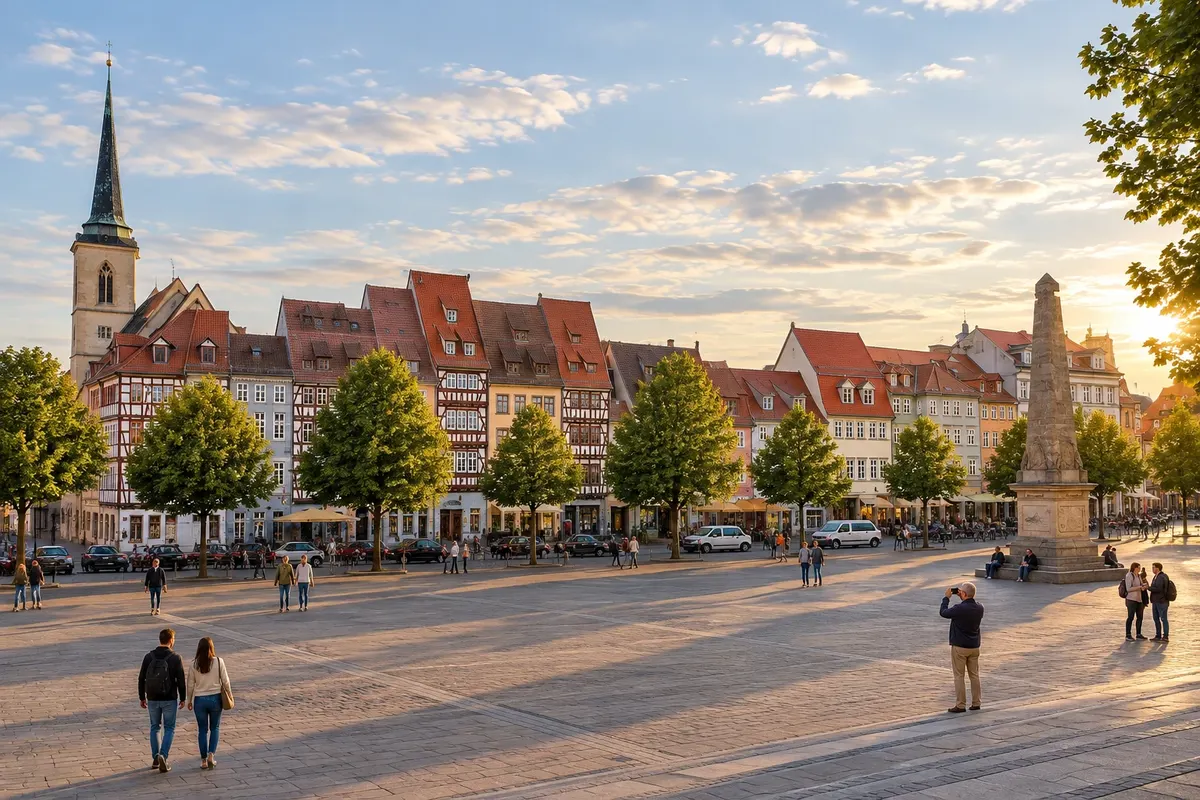
One of the largest squares in Germany, at the foot of the cathedral and São Severo. It features old houses, a market, summer performances and a Christmas market at the end of the year.

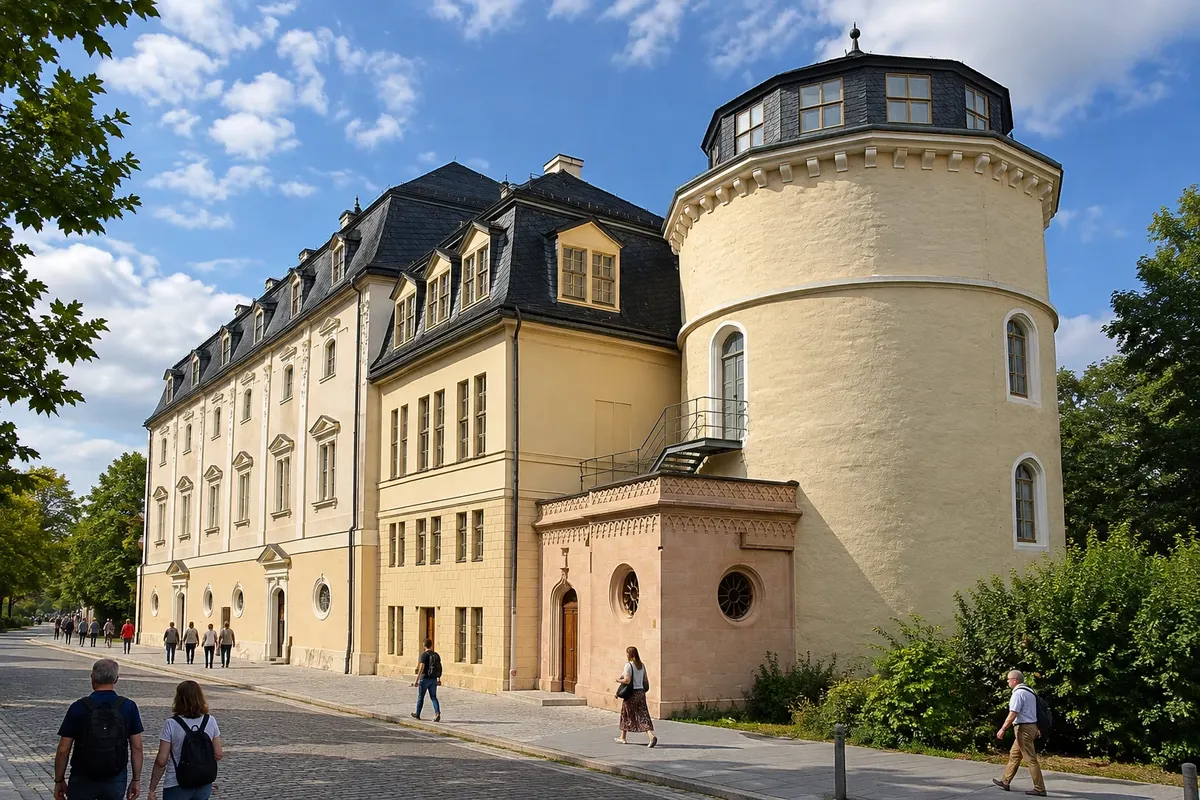
Herzogin Anna Amalia Bibliothek
Weimar · Turíngia · Architecture

Herzogin Anna Amalia Bibliothek

Historic library with the Rokokosaal, an oval hall from 1766, World Heritage. Goethe worked there for decades. Daily visitor numbers are limited.

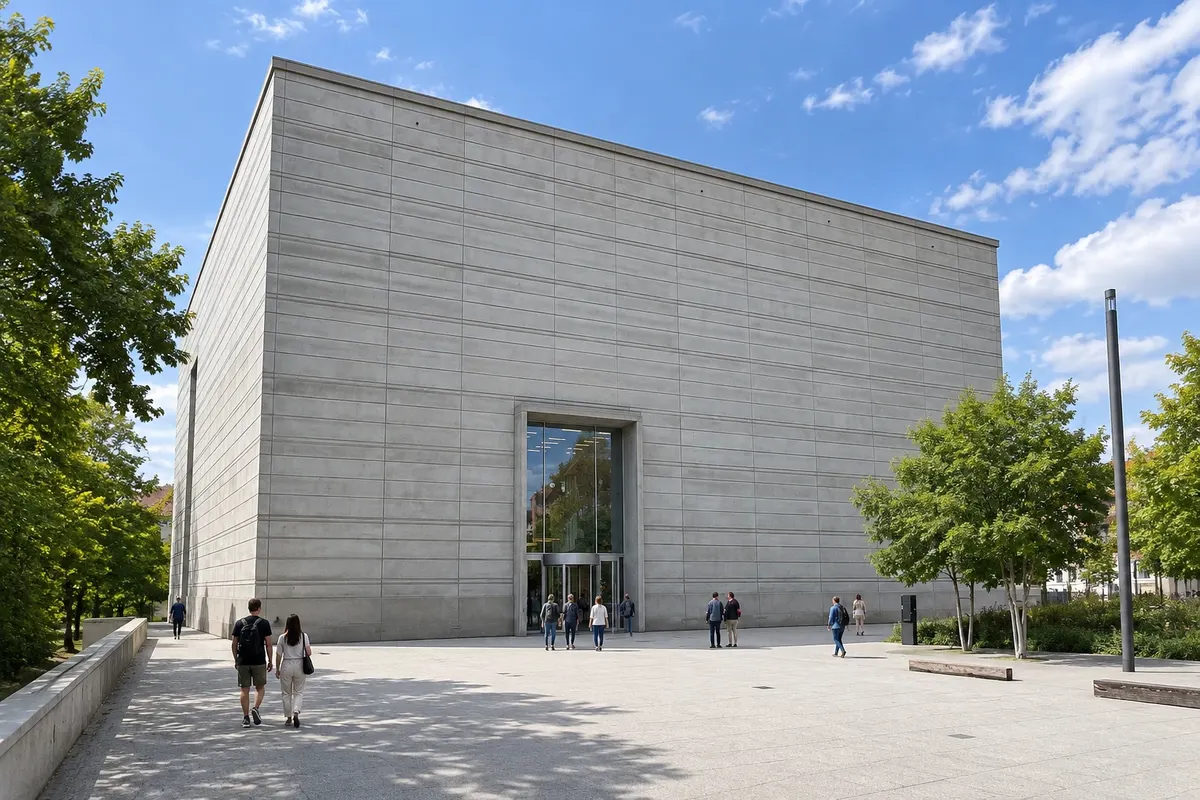
Bauhaus-Museum Weimar
Weimar · Turíngia · Museum

Bauhaus-Museum Weimar

Museum of the Bauhaus school, founded in Weimar in 1919, housed in a new building. The permanent exhibition displays furniture, objects and ideas of the school based on the Weimar collection.

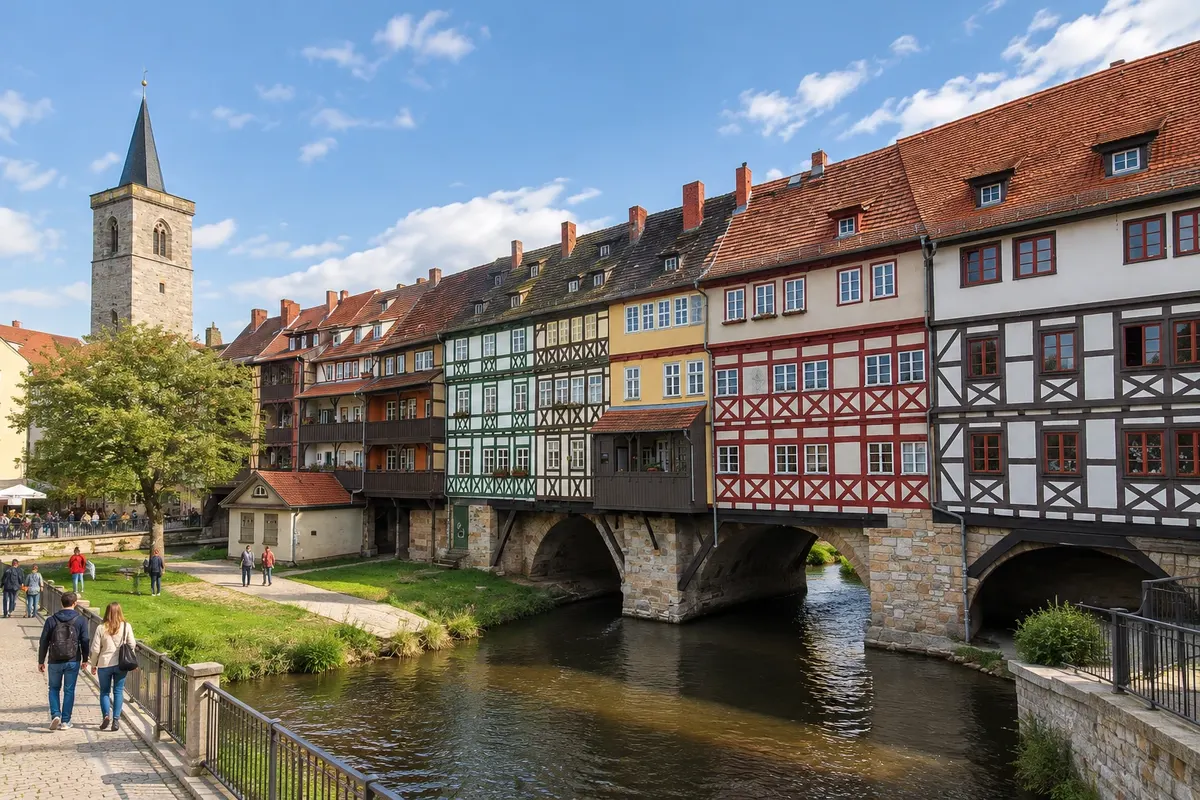
Krämerbrücke
Erfurt · Turíngia · Bridge

Krämerbrücke

Stone bridge dating from 1325 over the river Gera, lined on both sides with half-timbered houses. With 32 houses, it is the longest bridge in Europe with houses along its entire length.

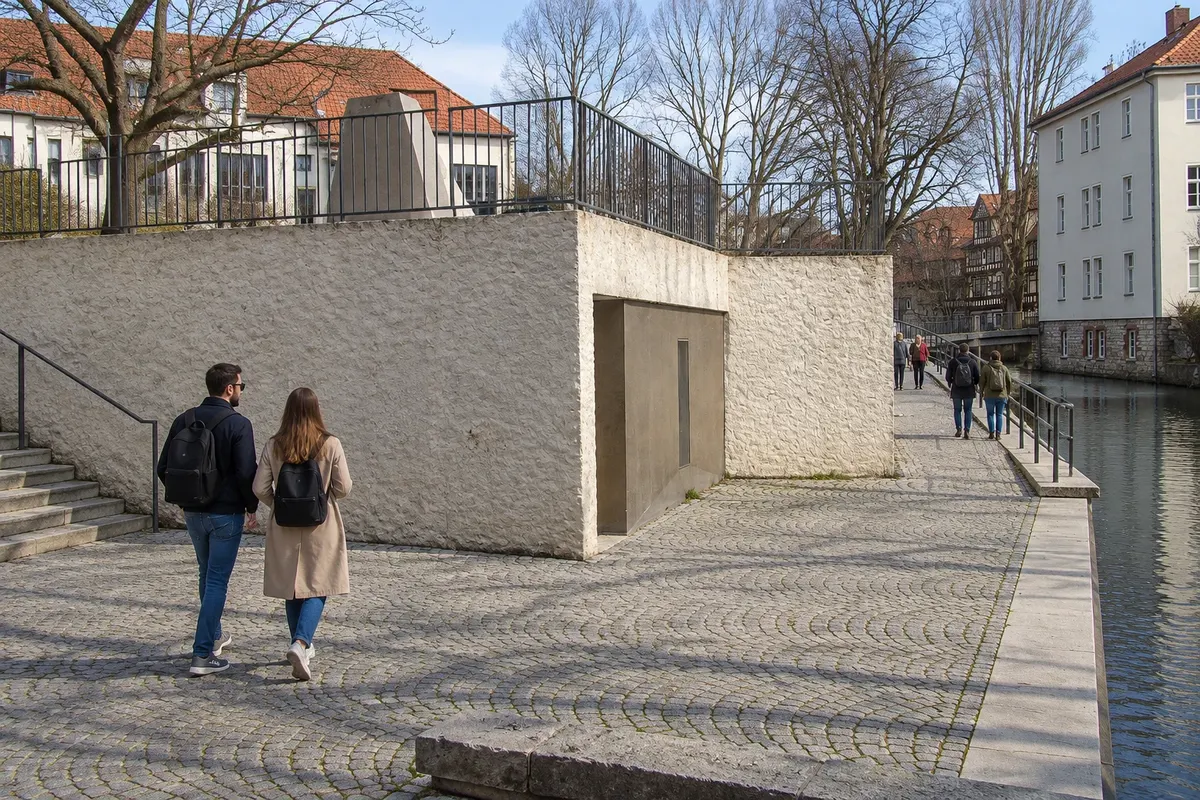
Mittelalterliche Mikwe
Erfurt · Turíngia · Historic site

Mittelalterliche Mikwe

13th-century Jewish ritual bath, beside the Gera River, rediscovered in 2007. It is part of the World Heritage of Erfurt’s medieval Jewish heritage and is visited with a guide.

Stadtschloss Weimar
Weimar · Turíngia · Palace

Stadtschloss Weimar

Former palace of the dukes of Weimar, rebuilt after the 1774 fire with Goethe leading the work. The restored east wing houses the permanent exhibition Weimarer Klassik.

Park an der Ilm
Weimar · Turíngia · Park

Park an der Ilm

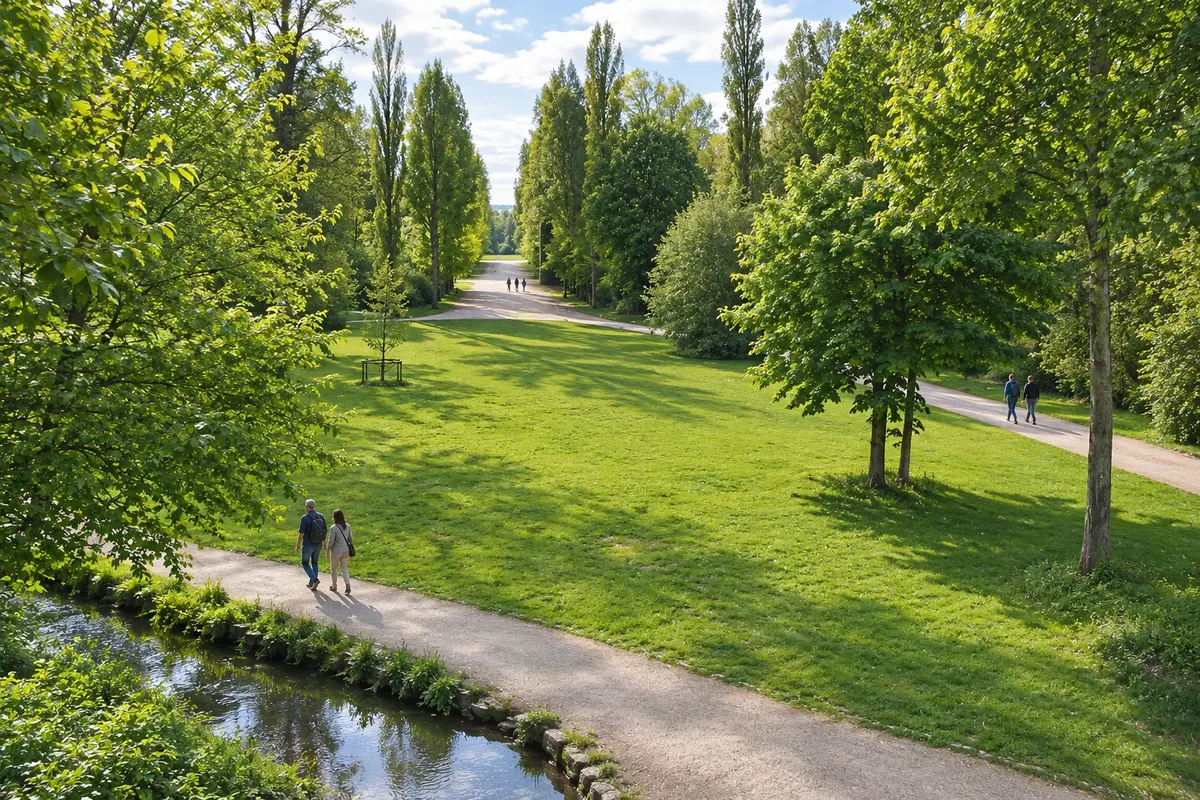
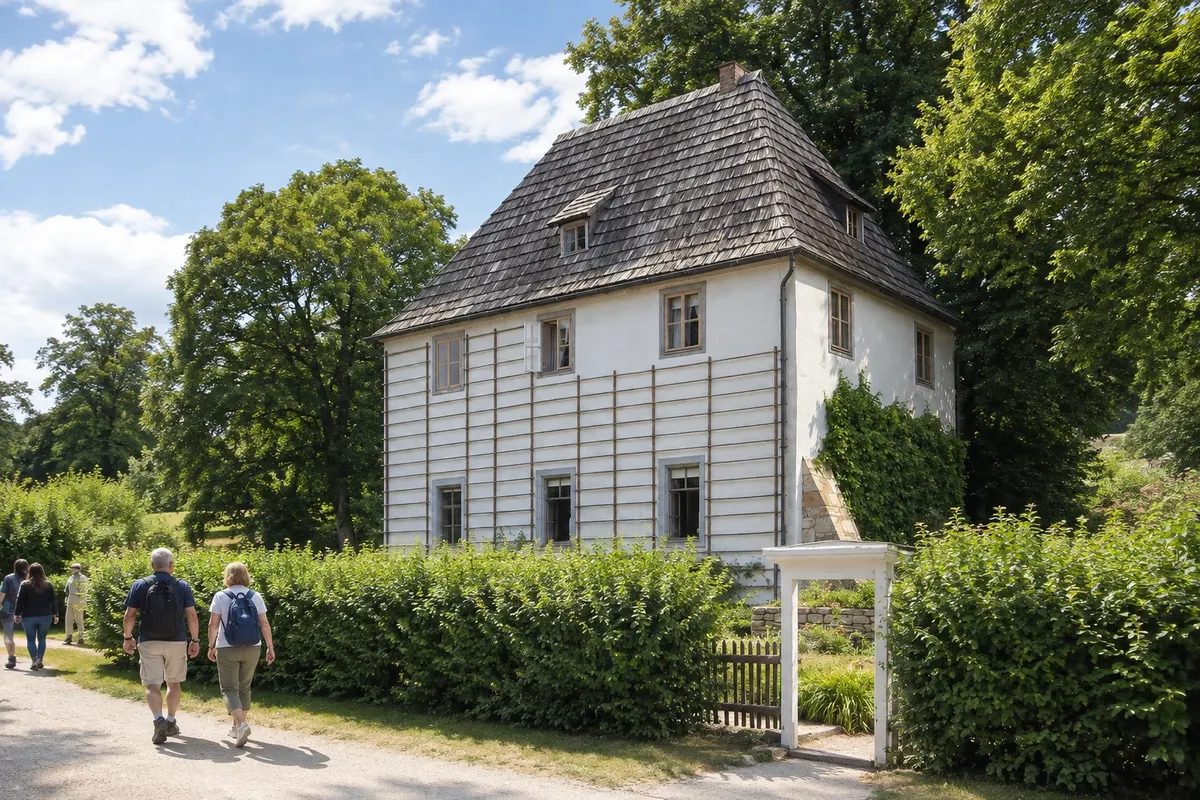
An English-style garden of 48 hectares along the Ilm river, created from 1776 with Goethe's involvement. It features the Römisches Haus, the Shakespeare monument and Goethe's garden house.

Zitadelle Petersberg
Erfurt · Turíngia · Castle

Zitadelle Petersberg

Baroque star-shaped fortress, built from 1665 on the hill behind the cathedral. It has bastions with views, an exhibition in the Kommandantenhaus and listening tunnels that are visited with a guide.

Augustinerkloster
Erfurt · Turíngia · Church

Augustinerkloster

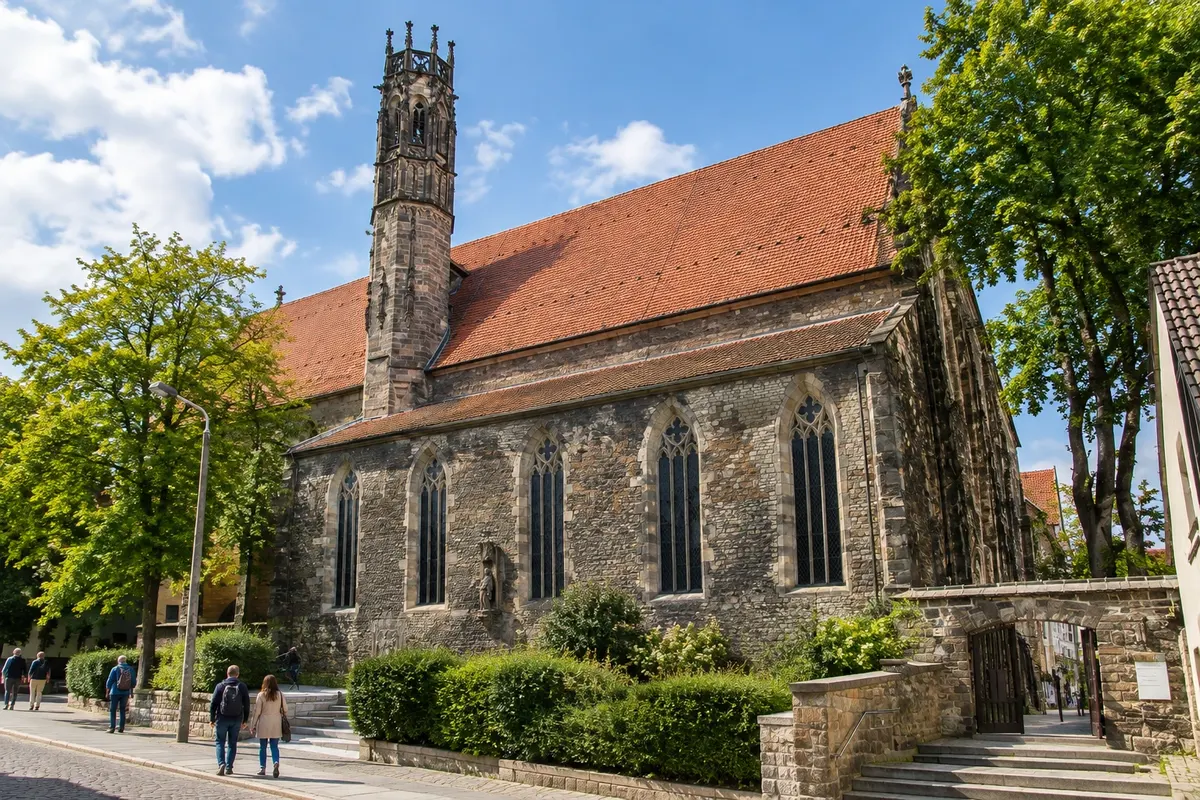
Convento agostiniano do século 13 onde Martin Lutero viveu como monge de 1505 a 1511. Tem igreja com vitrais do século 14, claustro, exposição sobre Lutero e visitas guiadas diárias.

Goethes Gartenhaus
Weimar · Turíngia · House museum

Goethes Gartenhaus

Small garden house on the slope of Park an der Ilm where Goethe lived from 1776 to 1782 after arriving in Weimar. Closed in winter.

Fischmarkt
Erfurt · Turíngia · Square

Fischmarkt

The historic heart of Erfurt’s old town, with the neo-Gothic town hall from 1875, Renaissance houses such as the Haus zum Breiten Herd, and the warrior column Römer from 1591.

Goethe-Schiller-Denkmal
Weimar · Turíngia · Monument

Goethe-Schiller-Denkmal

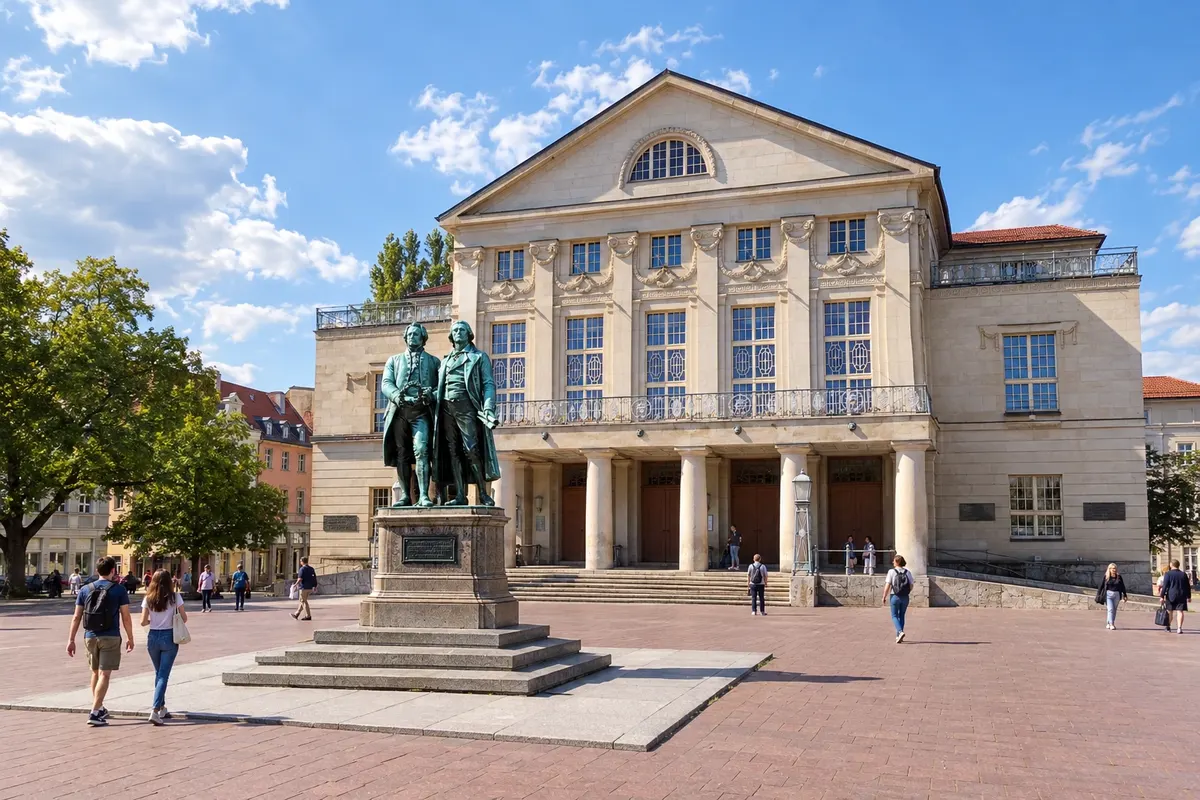
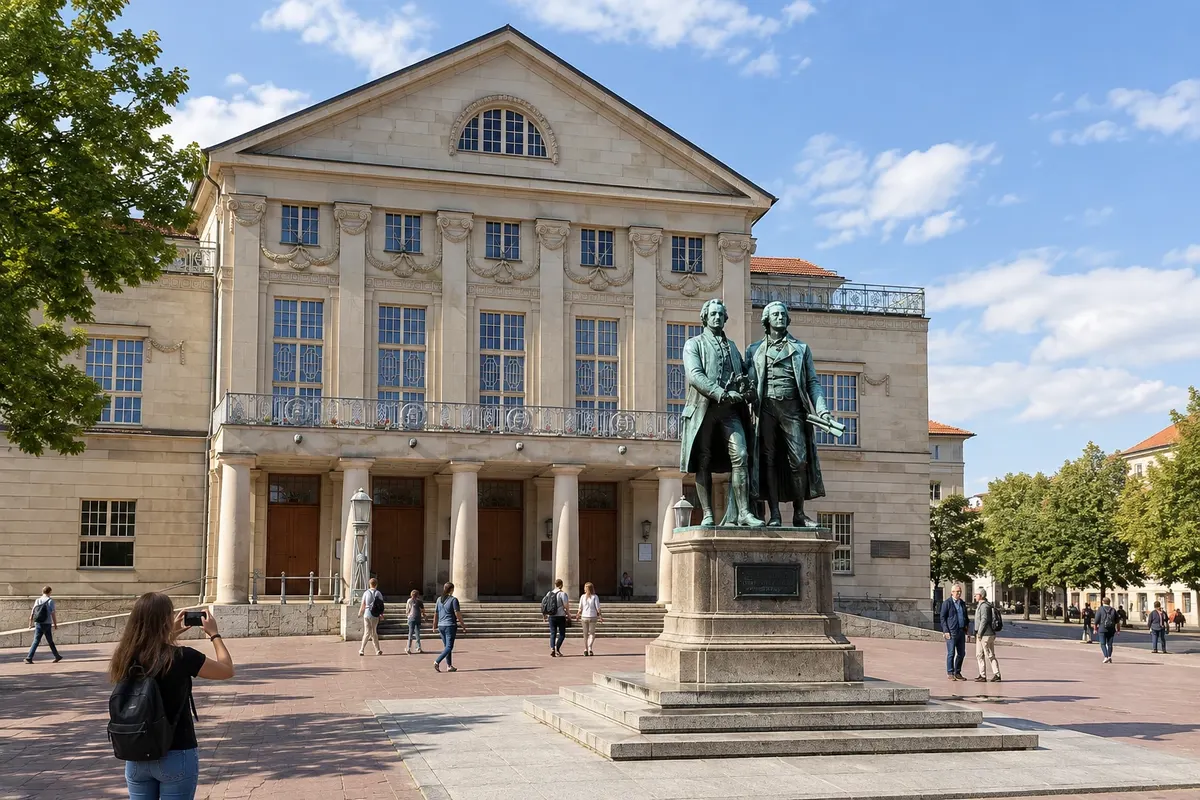
Bronze monument from 1857 showing Goethe and Schiller side by side, in front of the National Theatre on Theaterplatz. It was in that theatre that the Weimar Constitution was approved in 1919.

Gedenkstätte Buchenwald
Weimar · Turíngia · Memorial

Gedenkstätte Buchenwald

Memorial on the site of the Nazi concentration camp Buchenwald, on the Ettersberg hill near Weimar. Exhibitions about the prisoners and about the Soviet postwar camp. A place of remembrance.

Wartburg
Erfurt · Turíngia · Castle

Wartburg

Medieval castle above Eisenach, about 60 km from Erfurt, a World Heritage Site. Luther translated the New Testament there into German; the Romanesque Palas is seen on a guided tour.

Before you go

Practical information

A little planning leaves more time to enjoy the journey.

When to go

From May to September the days are long and Weimar’s parks are green. Autumn, from September to October, is quieter and still pleasant. In winter, from December to February, it’s cold and the days are short, but the Christmas markets usually run from late November until near Christmas, with Erfurt’s market set up at the Domplatz.

The seasons shown are the most usual ones; nature doesn't always follow the calendar.

How many days to stay

Two days allow one day in each city. With three or four days you can include a visit to the Gedenkstätte Buchenwald, which requires at least three hours, and the trip to Wartburg Castle in Eisenach, which takes up most of a day. If you’re short on time you can see the essentials of Weimar on a day trip from Erfurt.

Which city to stay in

In Erfurt, the Altstadt is the most practical choice: between the Domplatz, the Fischmarkt and the Krämerbrücke everything is within walking distance, and the tram takes you to the station in a few minutes. The area near the Hauptbahnhof and the Anger is convenient for those who will use the train frequently. In Weimar, the historic centre between Theaterplatz, Markt and Frauenplan concentrates Goethe’s and Schiller’s houses and is close to the Park an der Ilm. The area around Weimar station is further from the centre but makes train departures easier.

Respect the place

Take your trash with you, follow the signs and support local businesses. In natural areas, follow the visiting guidelines.

Get your questions answered

Frequently asked questions about Weimar and Erfurt

Do I need a car to visit Erfurt and Weimar?

No. Both towns have compact centres designed for walking, and the regional train between them runs several times an hour. The Gedenkstätte Buchenwald is served by a city bus from Weimar, and Eisenach, where Wartburg Castle is located, has a direct train from Erfurt. A car only helps if you want to explore villages in Turíngia that are off the rail lines.

Can you do a day trip to Weimar from Erfurt?

Yes. The regional train takes 12 to 15 minutes and there are frequent departures throughout the day. In one day you can see Goethe’s house, Schiller’s house, the Biblioteca Duquesa Anna Amalia and the Park an der Ilm. A visit to Buchenwald requires more time and works better on a separate day or by staying overnight in Weimar.

Is it worth visiting Buchenwald?

For those who want to understand Germany’s 20th-century history, yes. The Gedenkstätte Buchenwald is on the site of one of the largest Nazi concentration camps and has exhibitions about the prisoners’ lives and deaths. It is a place of remembrance: visit in silence, wear discreet clothing and do not take posed photos. Entry to the memorial is free, and the site advises against taking children under 12 into some areas.

How many days should I allocate for the two towns?

Two days cover the essentials, one in each town. Three days allow you to include Buchenwald at a relaxed pace, and four days leave room for Wartburg Castle in Eisenach, about 30 to 60 minutes by train from Erfurt depending on the service.

Explore other destinations Search by state and city
Back