Goethe-Nationalmuseum
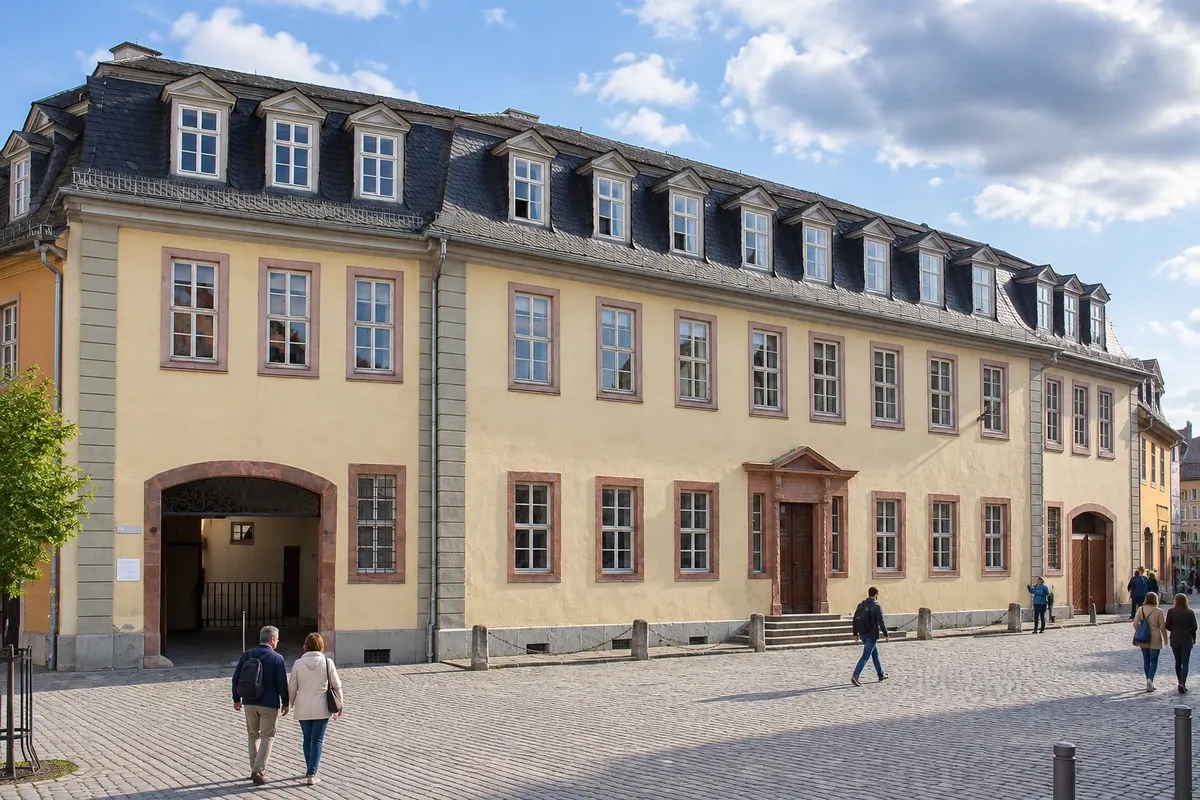
The house on the Frauenplan where Goethe lived for about 50 years and died in 1832, with original furniture, collections, a private library and the permanent exhibition about the writer.
Turíngia · Germany
In the destination Weimar and Erfurt.
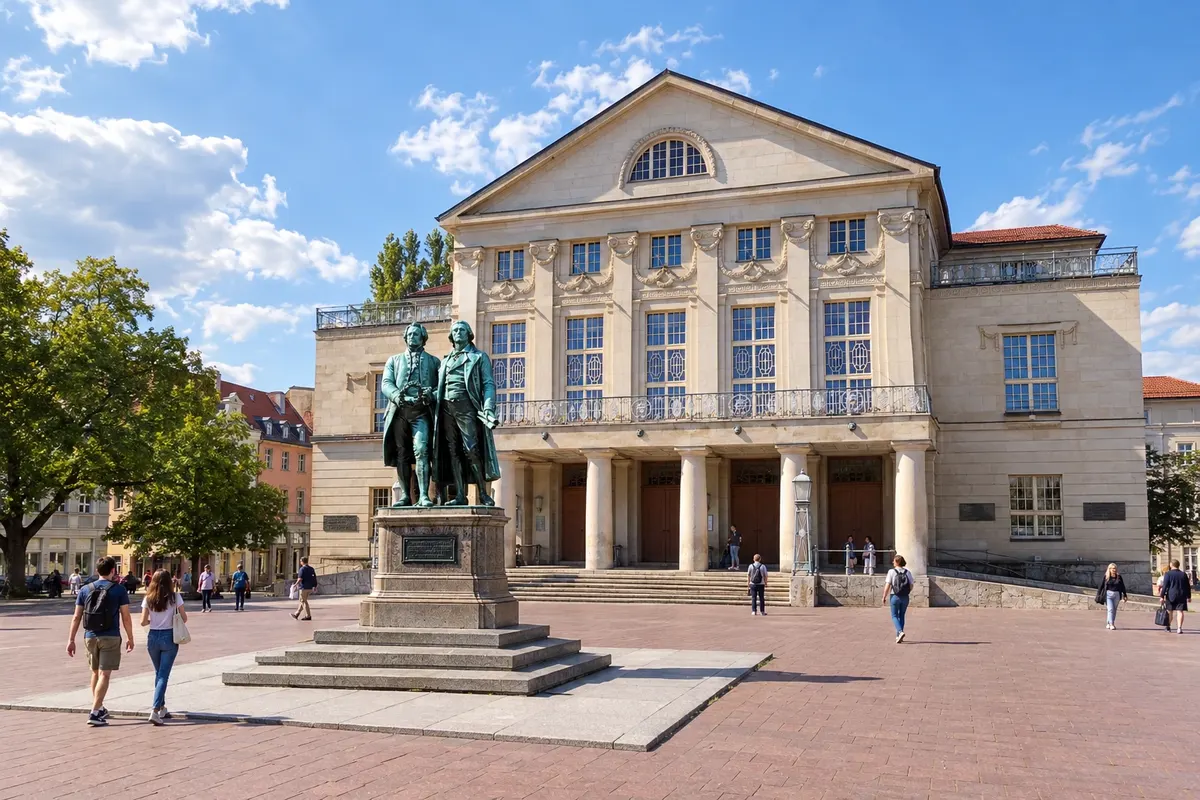
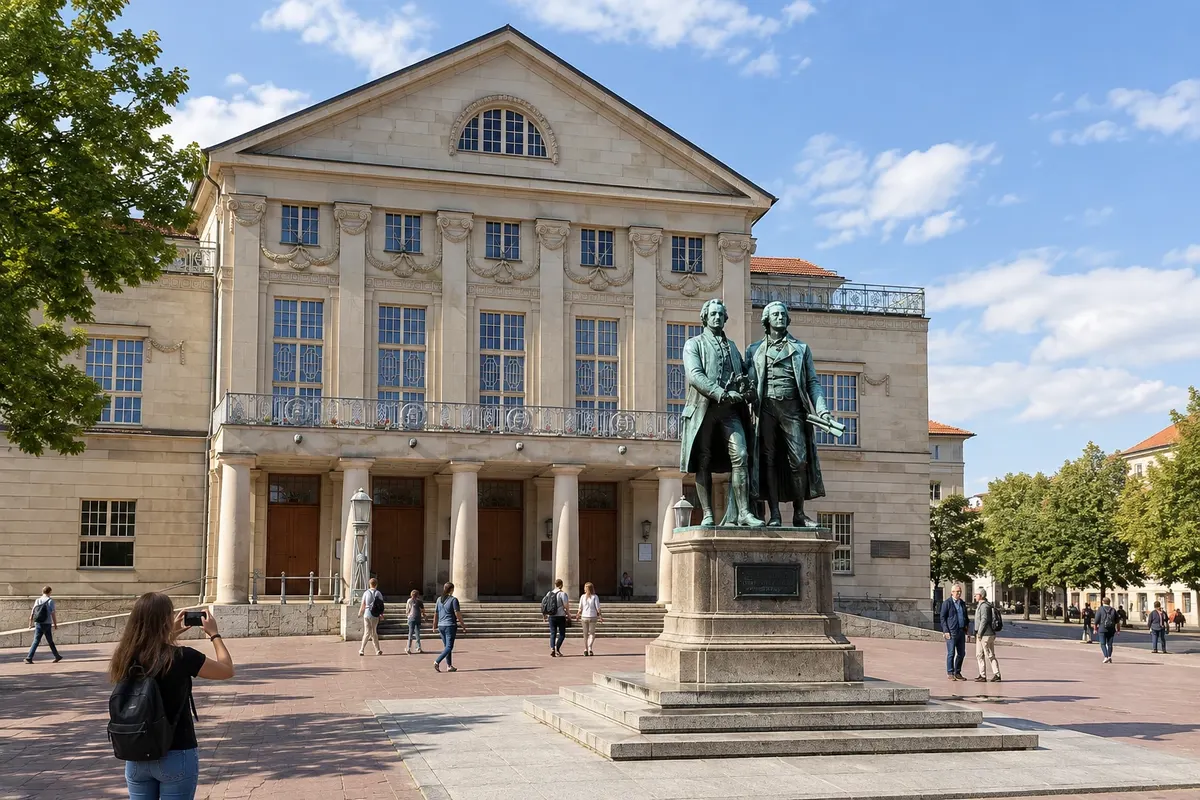
In the photo: Monument to Goethe and Schiller in Weimar
Illustrative images. The pictures in this guide are illustrations based on the real place, not photographs, and may differ from it.
The city
Small town in Thuringia that was the center of German literature in the time of Goethe and Schiller. The houses of both, the Duchess Anna Amalia Library, the Stadtschloss, the Park an der Ilm with Goethe's garden house and the Goethe-Schiller monument on Theaterplatz form the World Heritage Site of Weimar Classicism. The Bauhaus was founded there in 1919 and has its own museum. In the surroundings lies the Gedenkstätte Buchenwald, a place of remembrance.
There's no accommodation in the guide yet in Weimar.
There are no restaurants in the guide yet in Weimar.
Know a good one? Recommend it to ushow to get there · how many days · itinerary · questions
The local experience
The house on the Frauenplan where Goethe lived for about 50 years and died in 1832, with original furniture, collections, a private library and the permanent exhibition about the writer.
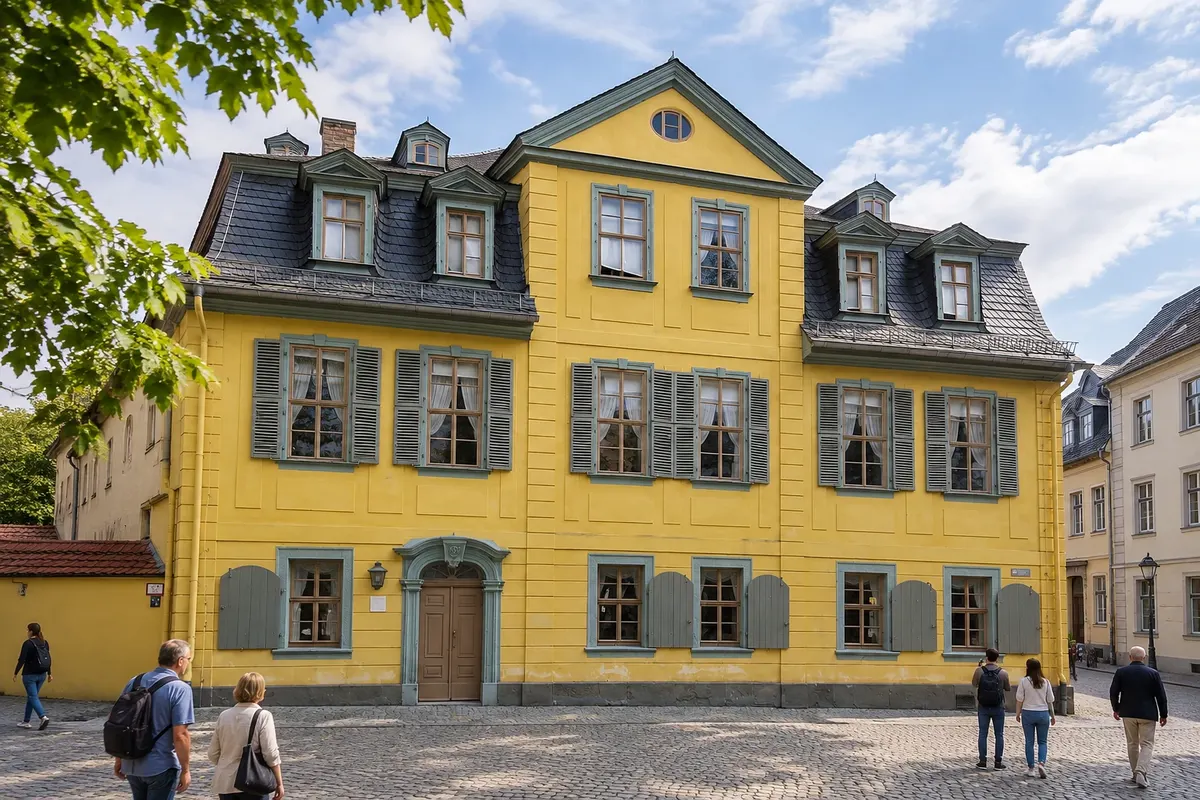
The house that Friedrich Schiller bought in 1802 and where he died in 1805. The study preserves the writer’s desk and bed; it was there that he wrote William Tell.
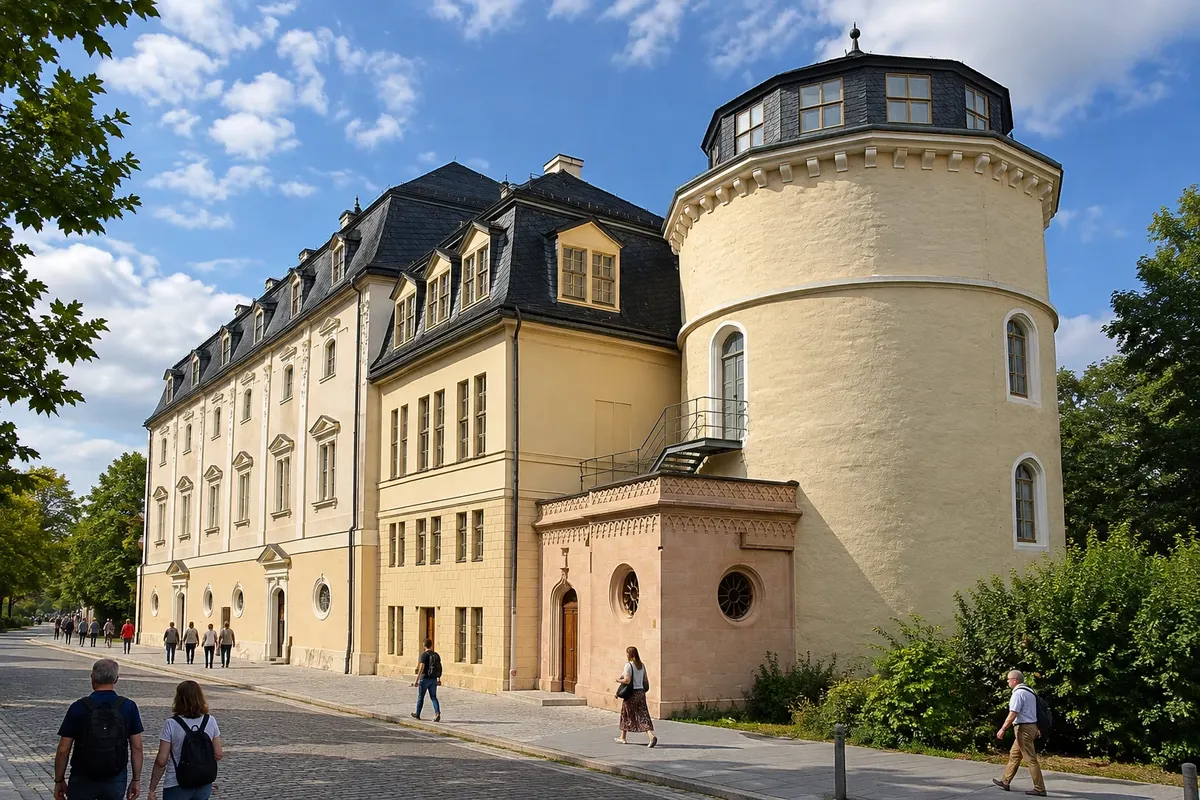
Historic library with the Rokokosaal, an oval hall from 1766, World Heritage. Goethe worked there for decades. Daily visitor numbers are limited.
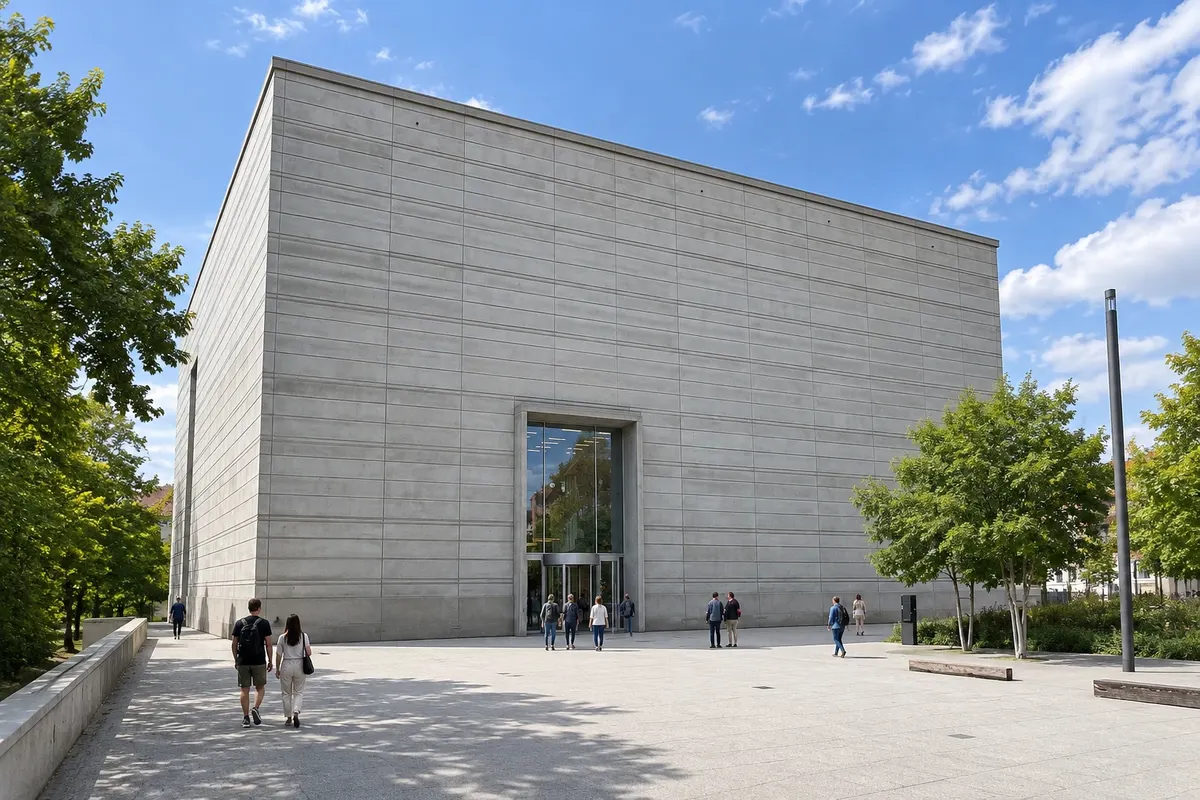
Museum of the Bauhaus school, founded in Weimar in 1919, housed in a new building. The permanent exhibition displays furniture, objects and ideas of the school based on the Weimar collection.

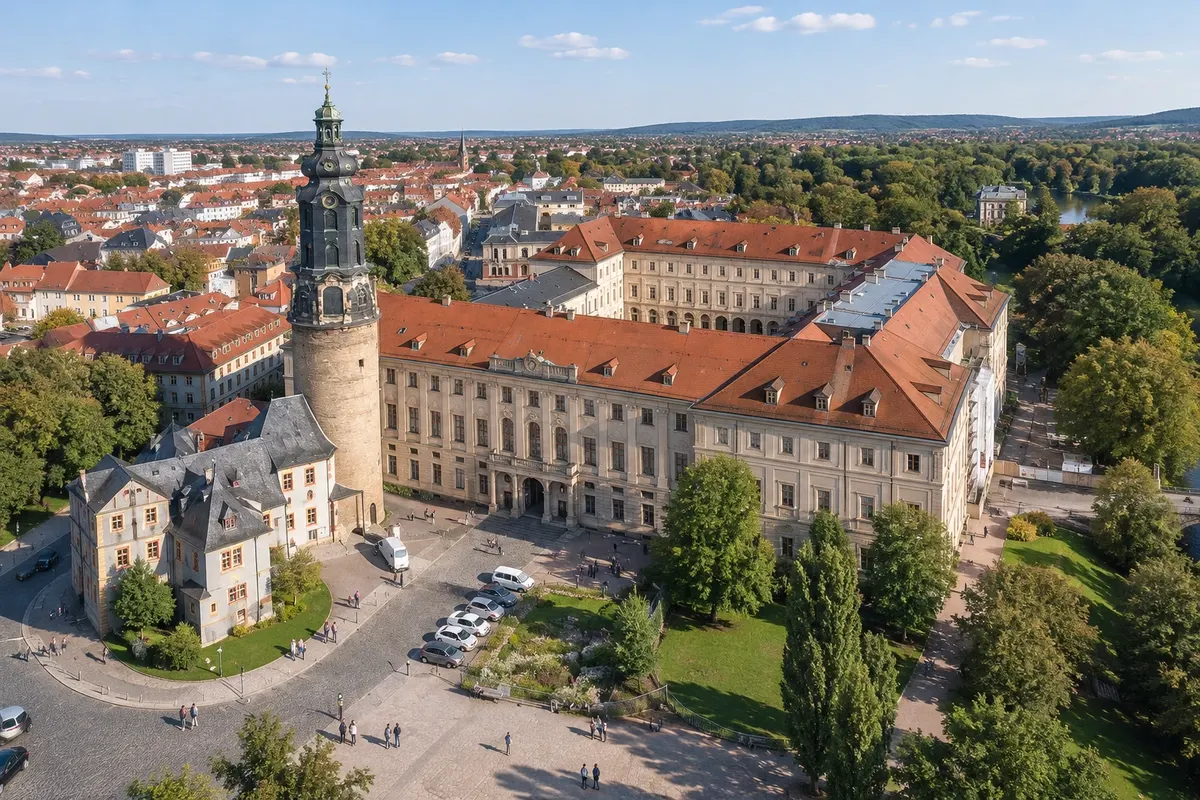
Former palace of the dukes of Weimar, rebuilt after the 1774 fire with Goethe leading the work. The restored east wing houses the permanent exhibition Weimarer Klassik.
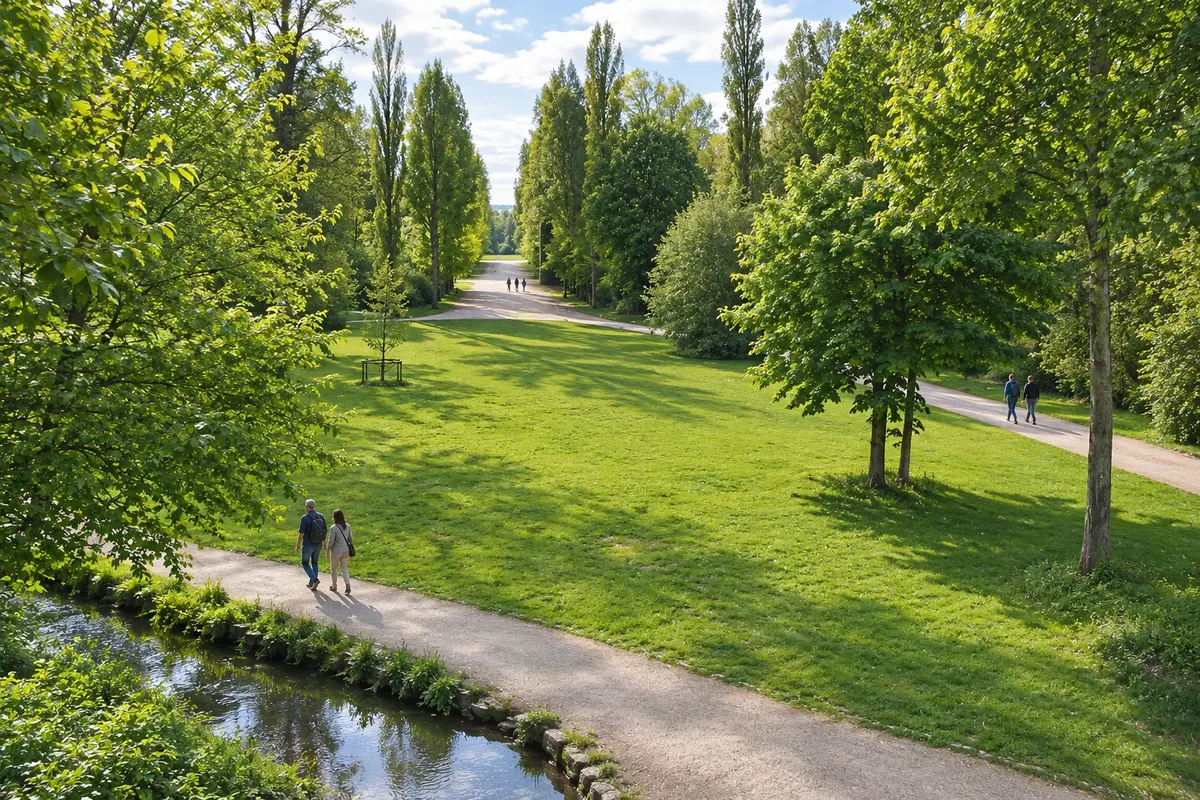
An English-style garden of 48 hectares along the Ilm river, created from 1776 with Goethe's involvement. It features the Römisches Haus, the Shakespeare monument and Goethe's garden house.
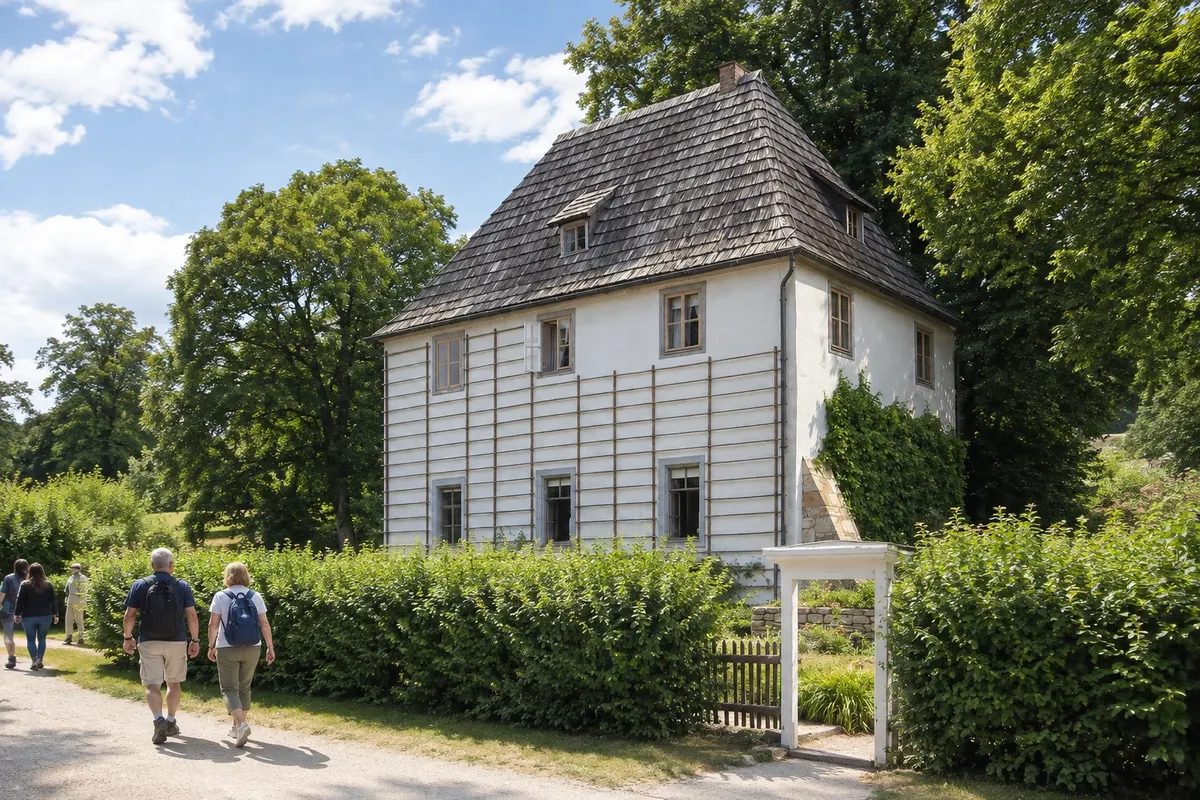
Small garden house on the slope of Park an der Ilm where Goethe lived from 1776 to 1782 after arriving in Weimar. Closed in winter.
Bronze monument from 1857 showing Goethe and Schiller side by side, in front of the National Theatre on Theaterplatz. It was in that theatre that the Weimar Constitution was approved in 1919.
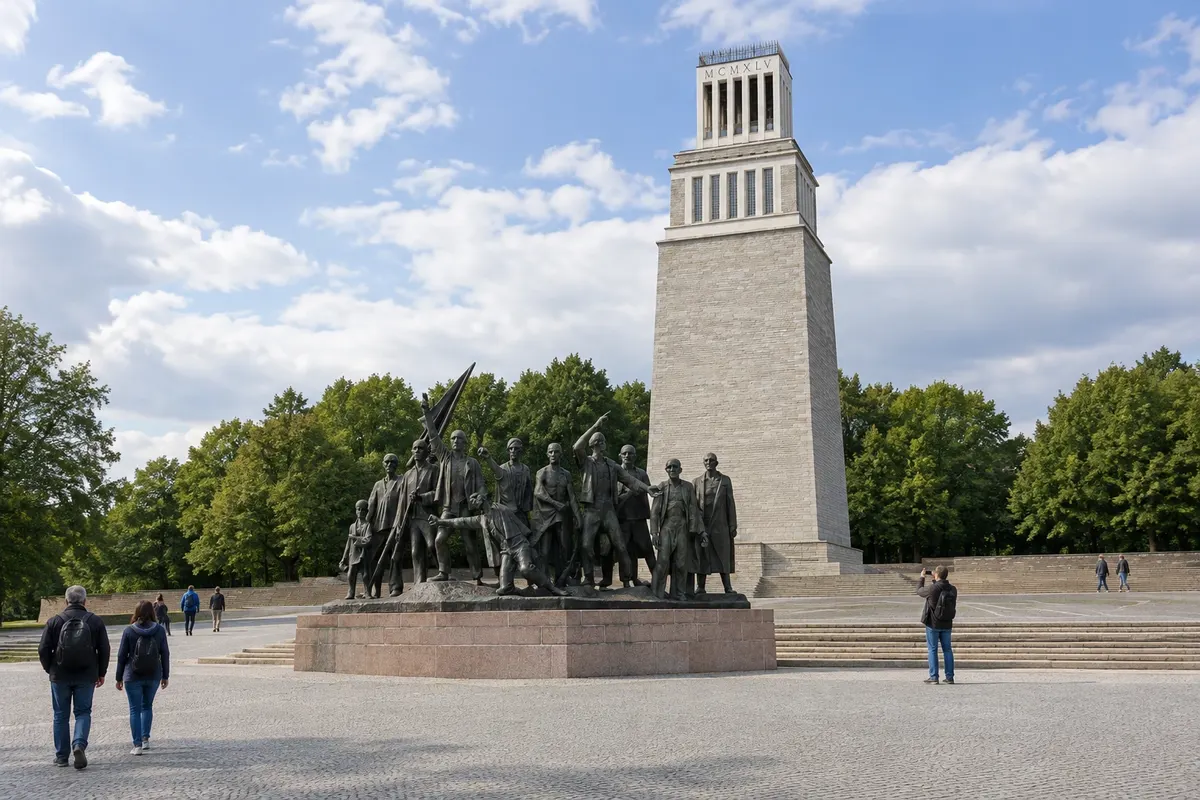
Memorial on the site of the Nazi concentration camp Buchenwald, on the Ettersberg hill near Weimar. Exhibitions about the prisoners and about the Soviet postwar camp. A place of remembrance.