Guarujá

São Paulo · Brazilija

Guarujá

Destinacija: Costa da Mata Atlântica.

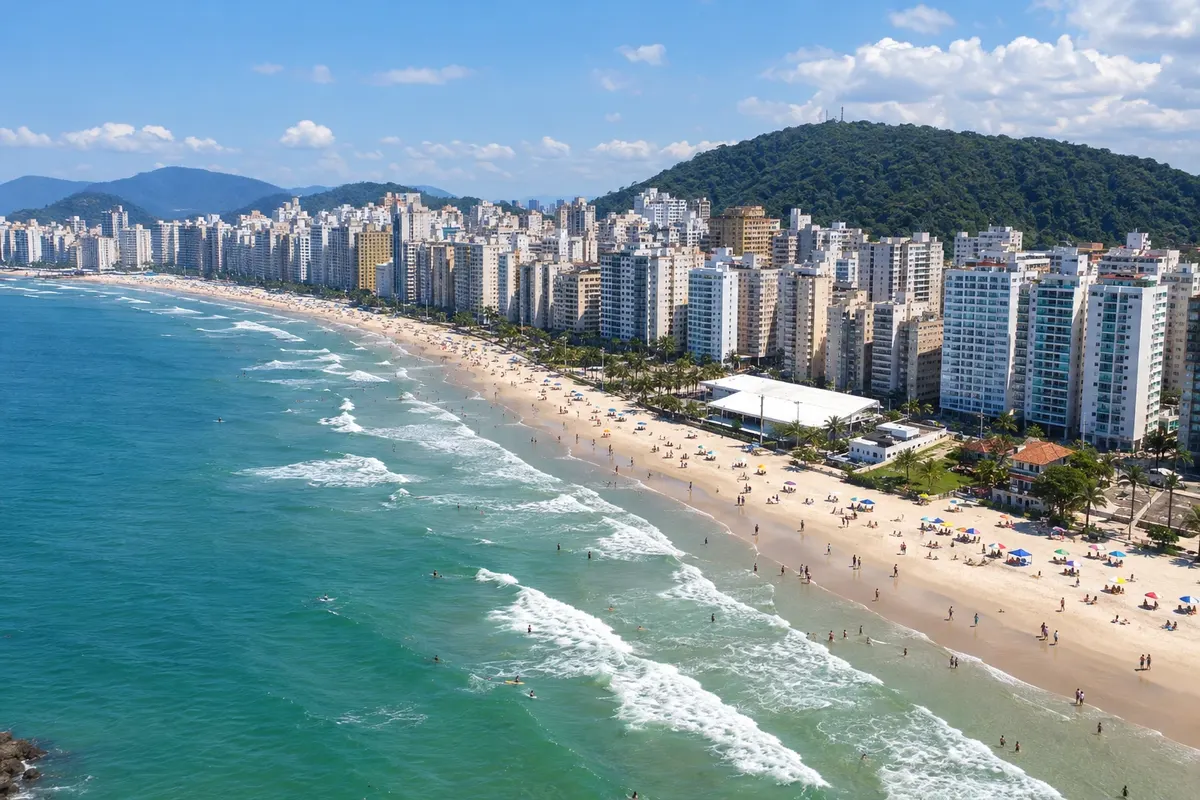
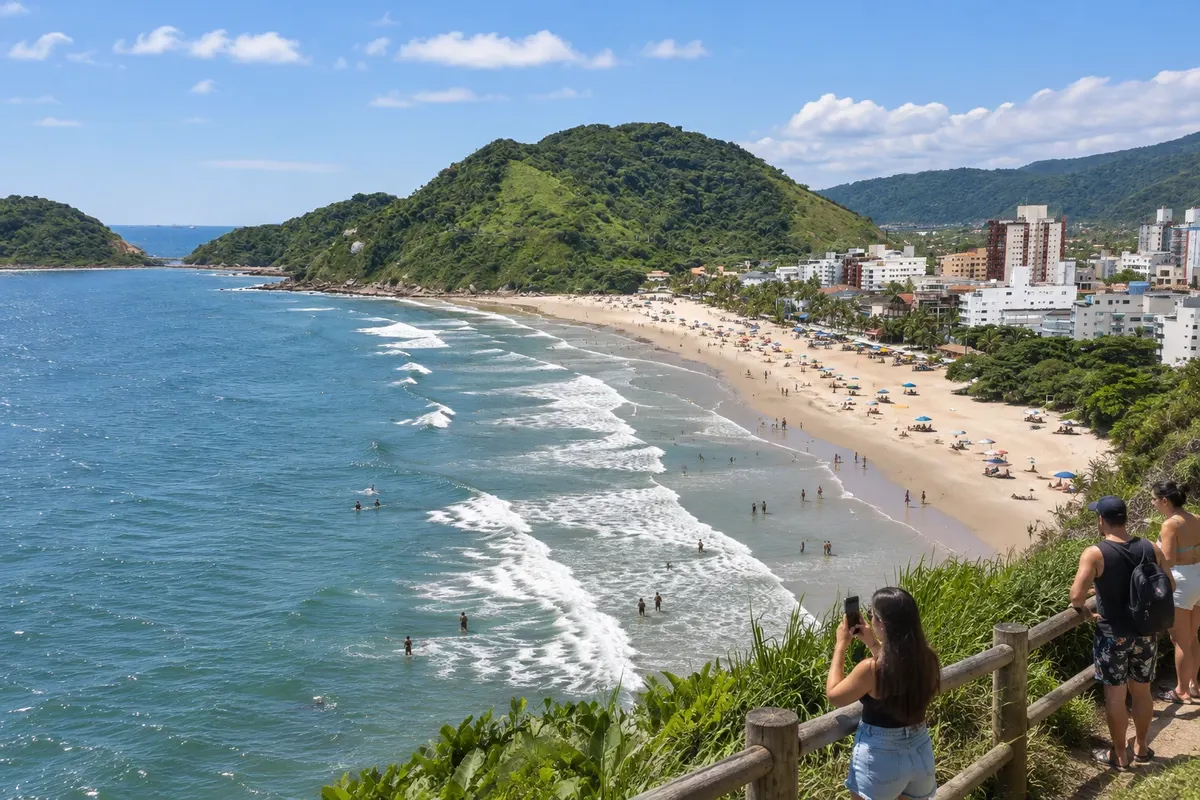
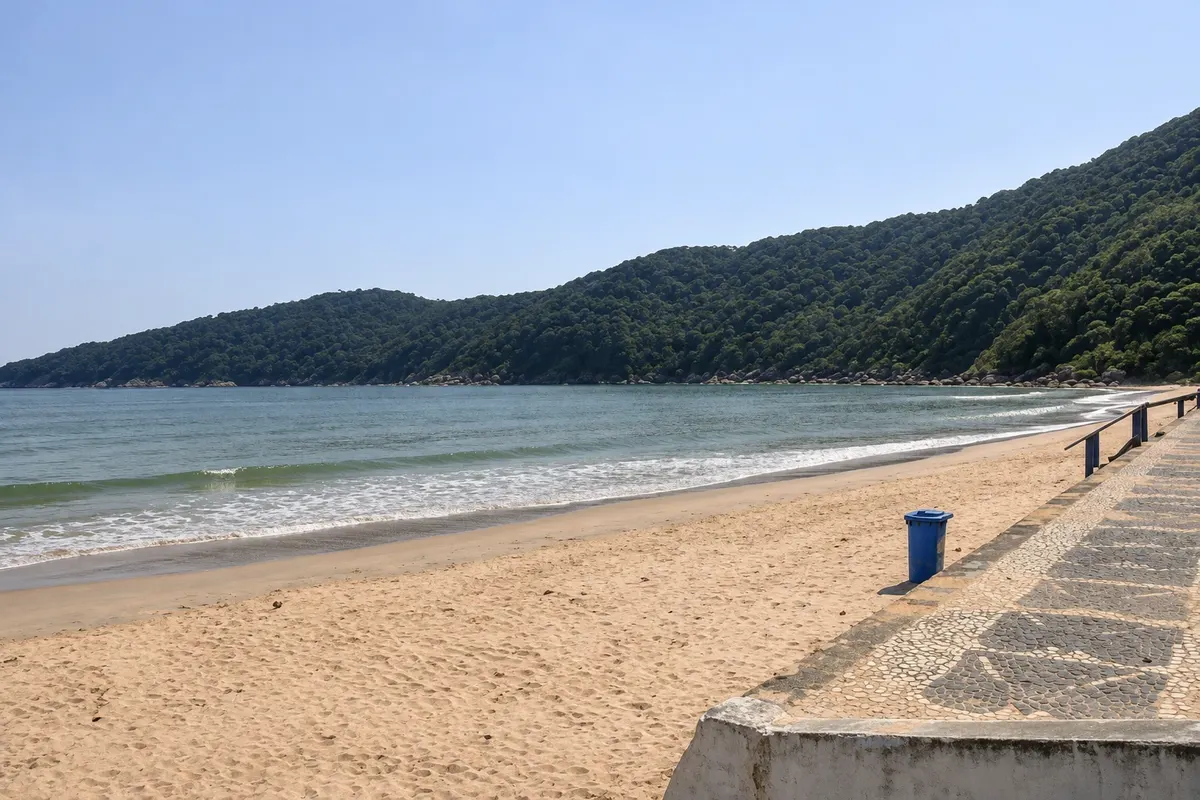
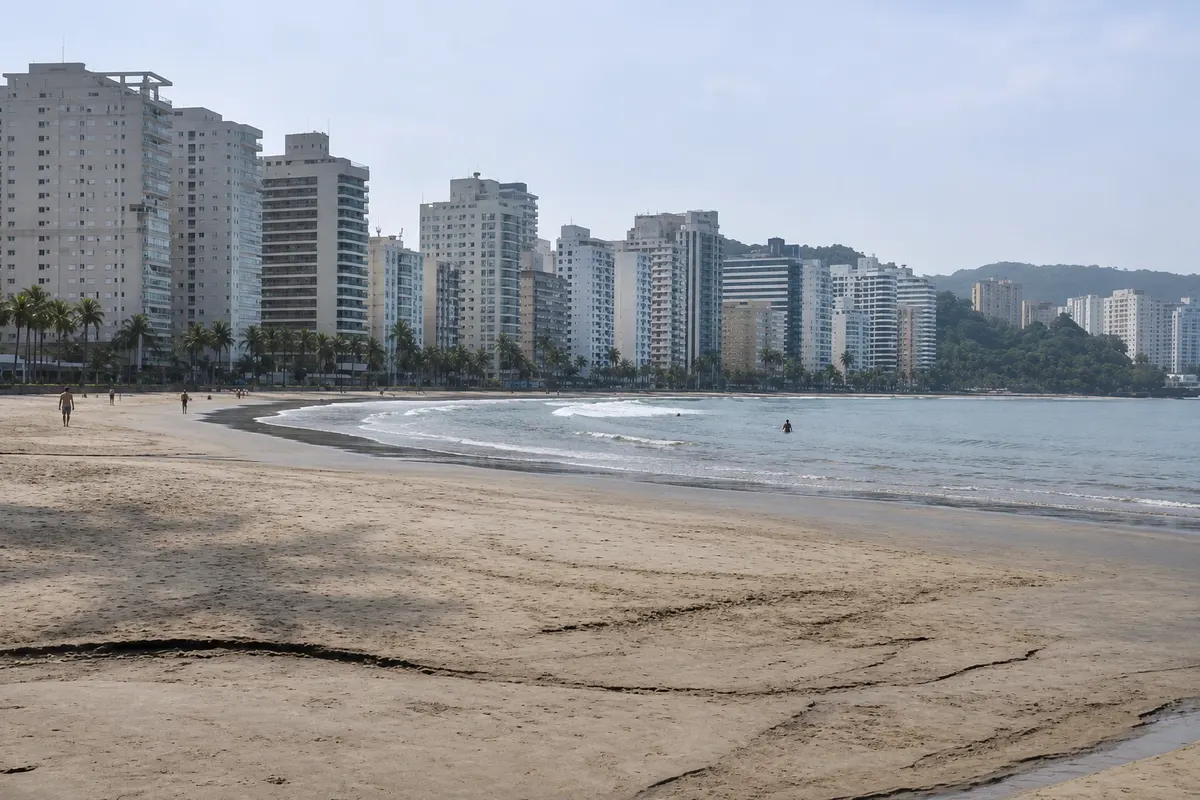
Na fotografiji: Praia das Pitangueiras, Guarujá (SP)

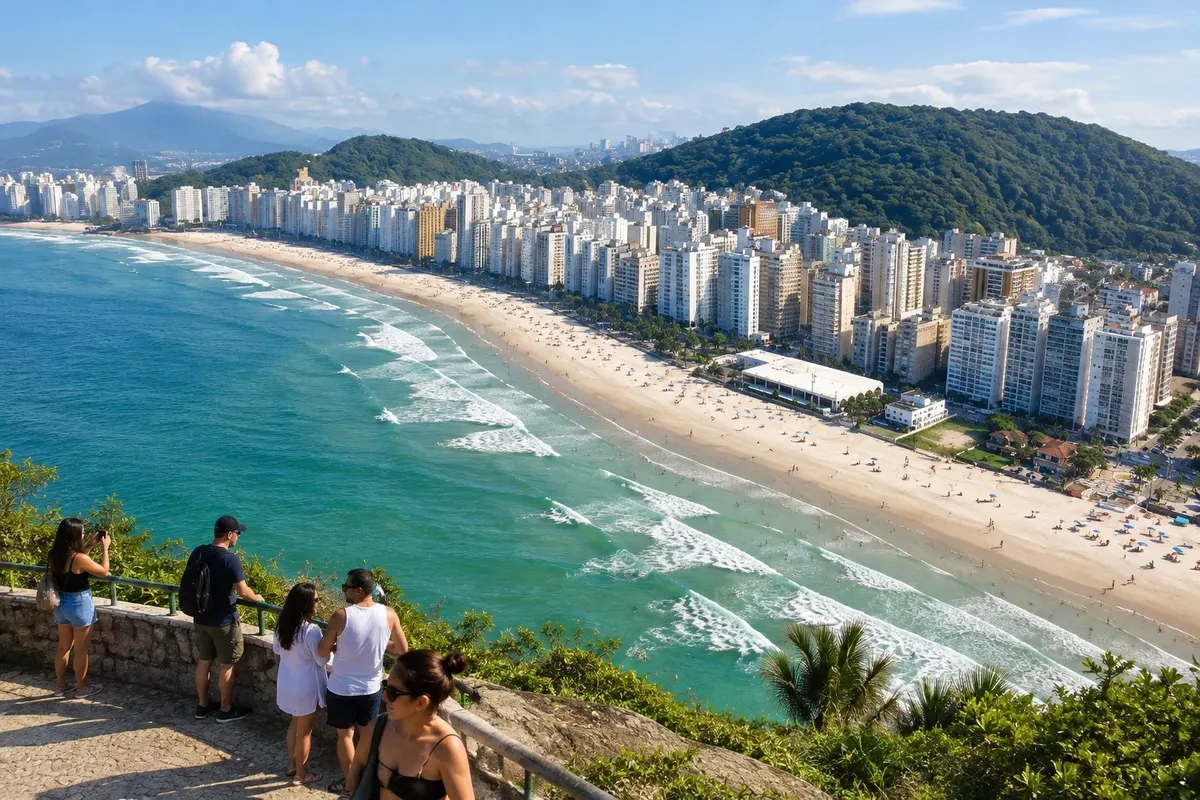
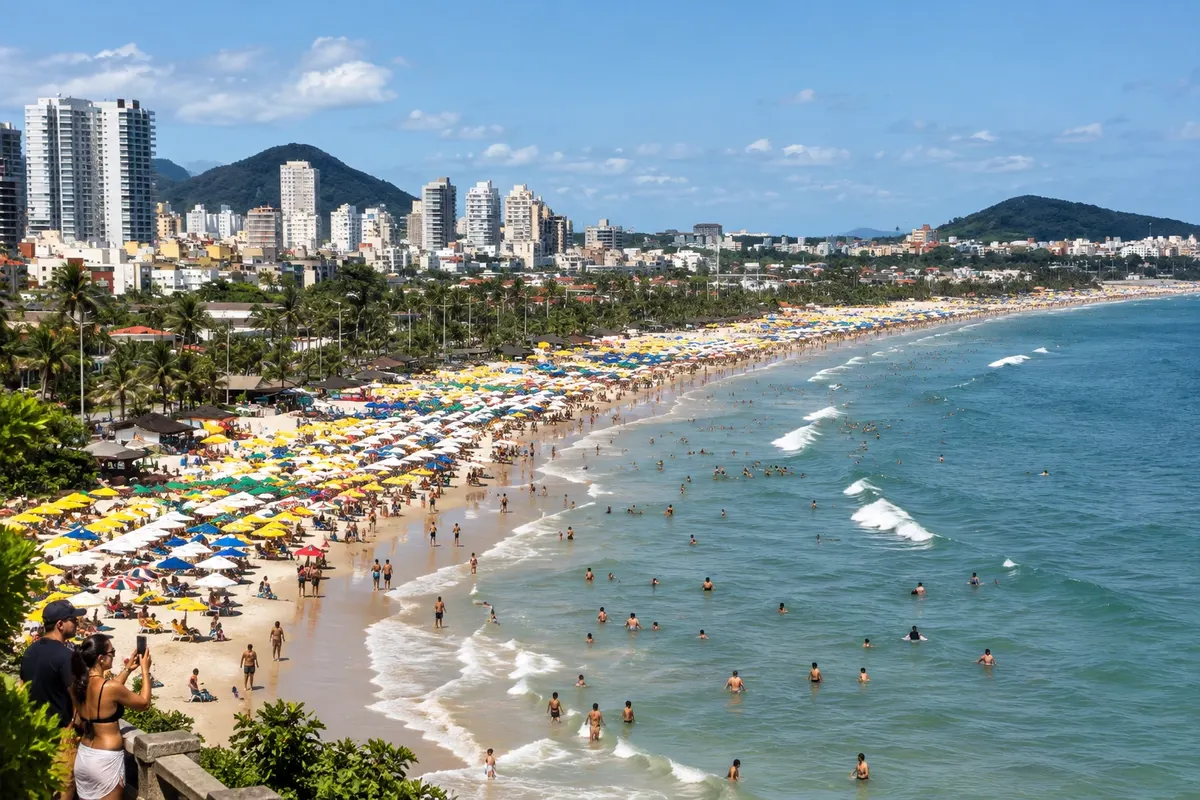
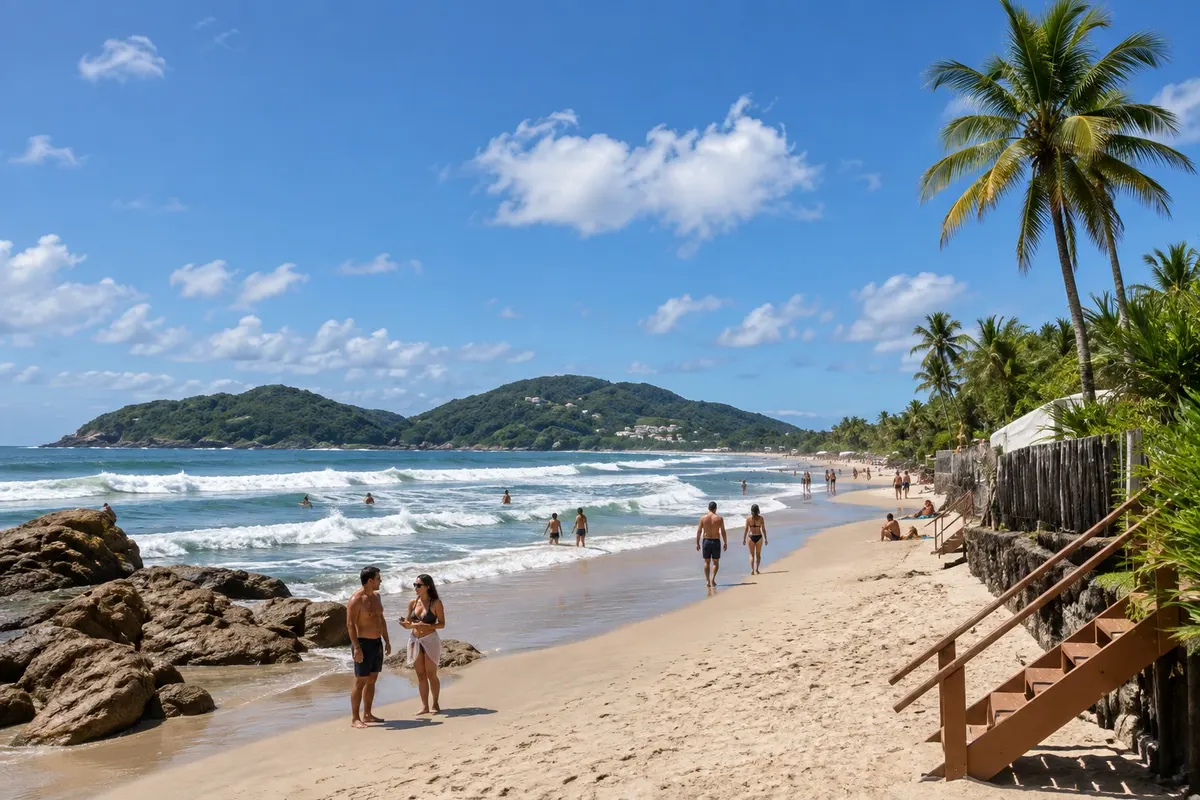
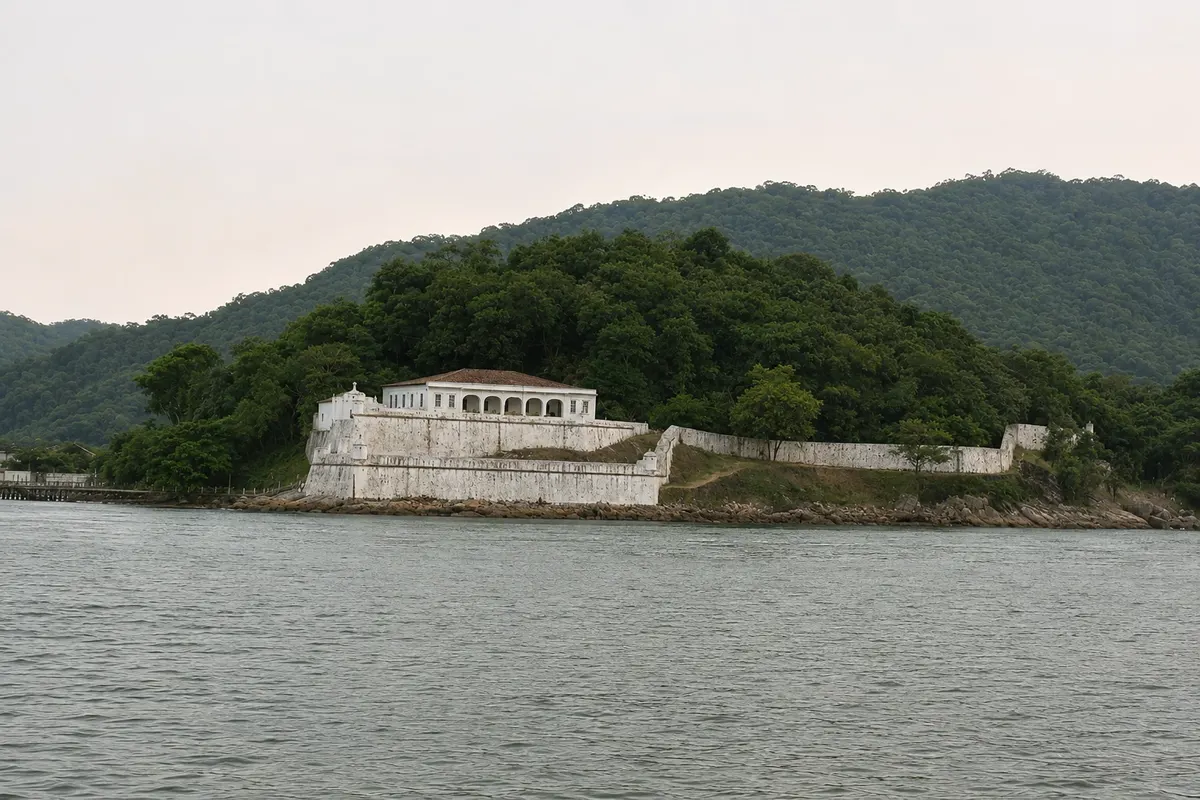
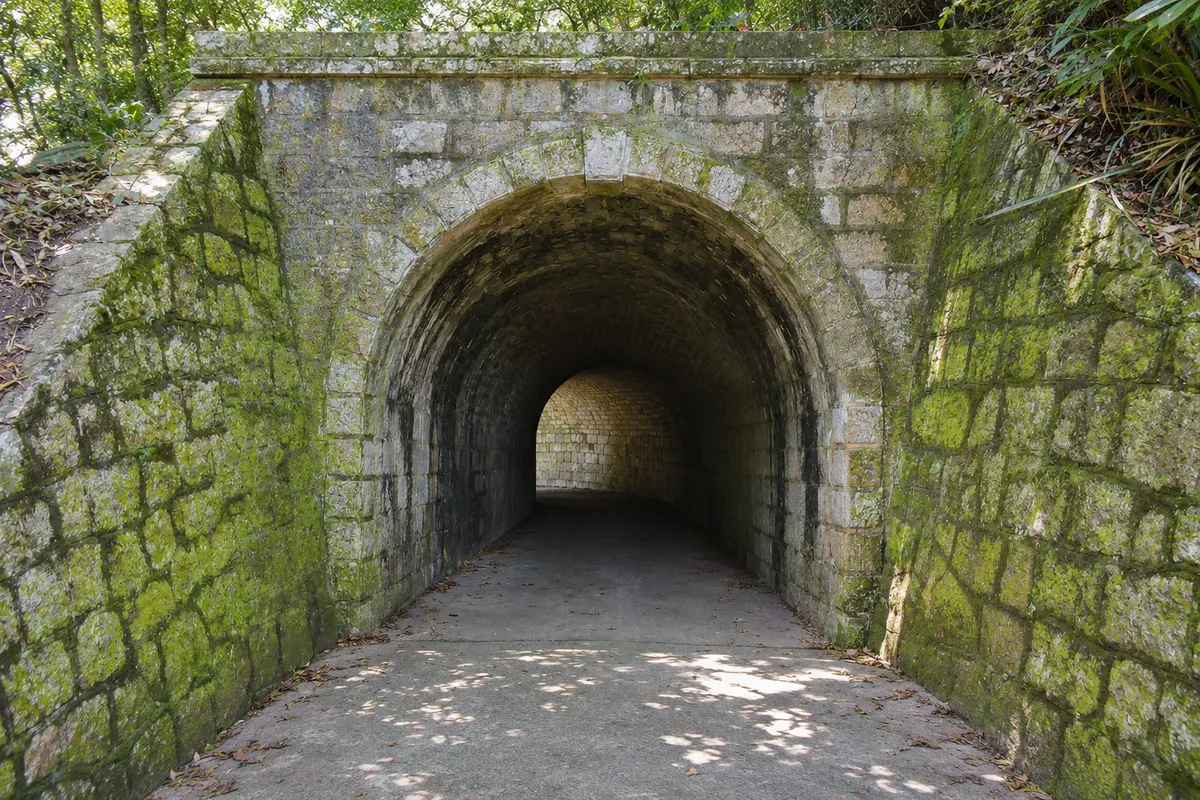
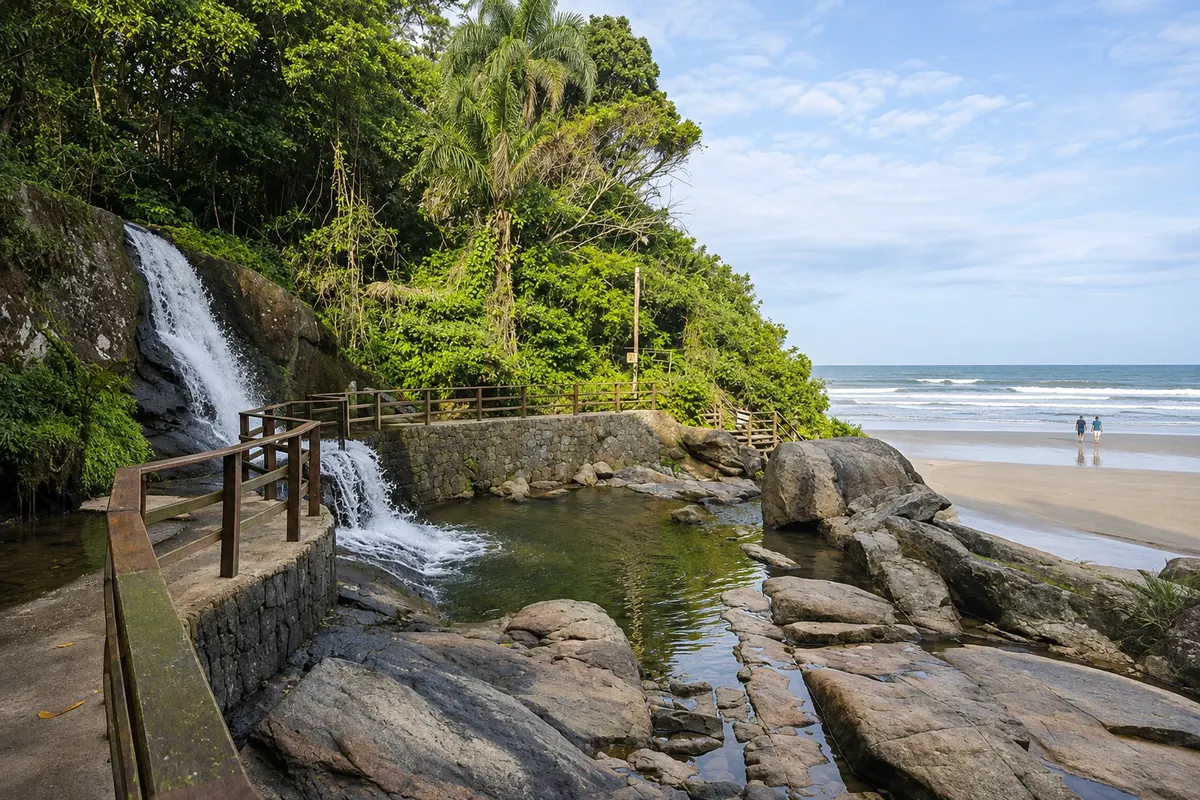
Illustrative images. The pictures in this guide are illustrations based on the real place, not photographs, and may differ from it.

Na voljo v trgovini Google Play Pošljite svoje fotografije

Mesto

Kaj lahko pričakujete – Guarujá.

Guarujá brings together beaches with different offerings on Ilha de Santo Amaro. Pitangueiras concentrates activity in the center, Enseada has an extensive stretch of sand and Tombo is known for surfing. Pernambuco allows you to extend the itinerary to another stretch of the coast, alternating scenery and rest.

Guarujá occupies the Island of Santo Amaro, on the coast of the state of São Paulo, about 90 km from the capital. The port estuary separates the city from Santos, and a narrow channel separates it from Bertioga. It is a beach city: there are 27 beaches along about 22 km of coast, from the urban, building-lined shores to those reachable only by trail or boat.

The center sits between two beaches. Pitangueiras, about 1.8 km long, has the liveliest waterfront, with shops, craft fairs and buildings facing the sea. Next to it, Astúrias, about 1.1 km, shelters fishing boats in one of its corners. Morro da Campina, which locals also call Morro do Maluf, separates Pitangueiras from Enseada, the city’s largest beach, with 5.6 km of sand, kiosks along the entire stretch, the highest concentration of hotels and the Acqua Mundo aquarium.

To the south, the city changes pace. Tombo Beach, 856 meters long, is the surf beach and hosts competitions; Guaiúba is a small cove between hills, with generally calm water. On the next hill is Forte dos Andradas, from the 20th century, visited by appointment. On the island’s southwest tip, facing the port channel, are the village of Santa Cruz dos Navegantes, Fortaleza de Santo Amaro da Barra Grande from 1584, and the small Praia do Góes.

To the east, after Enseada, come Praia do Éden, reached by a short trail, Mar Casado and Pernambuco Beach, connected by a sandbar at low tide, and Perequê, a fishing village sought for its fish restaurants. The road then continues through Serra do Guararu, a section of Atlantic Forest where São Pedro and Iporanga beaches are inside gated condominiums, and ends at the ferry to Bertioga, about 28 km from the center. From there the trail to Prainha Branca departs, a caiçara village without car access.

The climate is hot and humid. From December to March highs are near 30 °C and rain comes in showers, almost always in the afternoon; this is the beach season. From June to August highs are near 24 °C, lows near 15 °C, there is less rain and the sea cools. April, May, September, October and November are in between, with fewer people.

Crowds influence the choice of date. On summer weekends and long holidays the city fills up, and highways and the Santos ferry have waits. On weekdays outside school holidays the same beaches are quiet. In January the city celebrates Santo Amaro, the patron saint, and on June 30 it celebrates its anniversary.

Two days are enough for the center, the viewpoints and Enseada. With three or four days you can include the forts, Guaiúba and the northern beaches. A car helps for distant beaches; in the center you walk. Before entering the sea, check the bathing water quality report from the state environmental agency, which varies from beach to beach.

Delite: WhatsApp

Kje prenočiti

Guarujá – število nastanitev: 101.

Kje jesti

Guarujá – število lokalov: 30.

Guarujá – nazivi in posebnosti

Seaside resort town

Brazilske poti

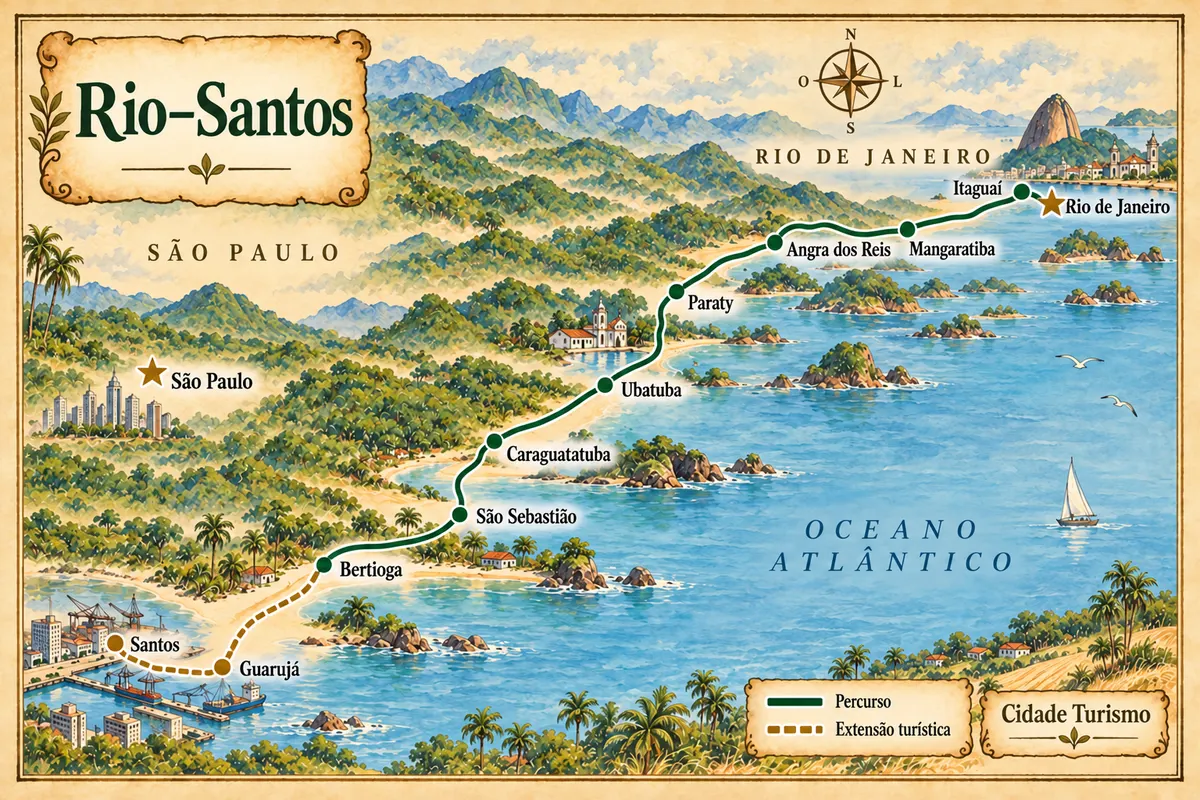
Guarujá – del poti z imenom Rio–Santos

From the Costa Verde to the São Paulo coast, with beaches, heritage and an extension via Guarujá to Santos.

Zemljevid je ilustrativen in ni v merilu. Dotaknite se mesta, da odprete njegovo stran.
Rio–Santos – ilustrirani zemljevid
Več o poti – Rio–Santos

Doživite kraj

Guarujá: kaj si ogledati

Plaža

Praia das Pitangueiras

Praia das Pitangueiras is located in Guarujá's central area and combines beach and urban activity. It is an option for walking on the sand or along the waterfront, taking breaks, and getting to know the daily life of the town center.

Raziščite Praia das Pitangueiras

Plaža

Enseada Beach

Praia da Enseada has an extensive stretch of sand in Guarujá and is popular for leisure and sports activities. The visit allows you to choose between walking, resting, and taking in the scenery.

Raziščite Enseada Beach

Plaža

Praia do Tombo

Praia do Tombo is known for surfing and is part of Guarujá's beach route. The scenery and the activity of surfers can also be enjoyed from the sand, without needing to enter the water.

Raziščite Praia do Tombo

Plaža

Praia de Pernambuco

Praia de Pernambuco extends Guarujá's itinerary to another stretch of the coast. The setting allows a visit with a walk along the sand and time set aside to enjoy the scenery, depending on sea conditions.

Raziščite Praia de Pernambuco

See 5 more places in Guarujá
Fort

Fort of the Andradas

Army fort on Morro do Monduba, in the southern part of Guarujá, inaugurated in 1942 to defend the Port of Santos. It contains tunnels and casemates carved into the rock and large coastal guns, seen on guided visits supervised by military personnel, by prior appointment.

Raziščite Fort of the Andradas

Plaža

Guaiuba Beach

Small cove on the south side of Guarujá, surrounded by hills covered in Atlantic Forest, with yellowish sand and usually calm, clear sea. It has a shaded promenade and kiosks, and sits next to the area of Forte dos Andradas.

Raziščite Guaiuba Beach

Plaža

Iporanga Beach

Beach surrounded by forest in the north of Guarujá, inside a gated condominium with controlled access on the Guarujá–Bertioga Highway. It has about 800 meters of sand, a sea with variable waves and a waterfall that descends at the left corner and forms a natural pool next to the sand.

Raziščite Iporanga Beach

Plaža

Asturias Beach

Urban beach about 1.1 km long between Pitangueiras and Tombo, in central Guarujá, with a shoreline of buildings, fishing boats at one corner and a craft fair. Morro das Galhetas, with a lookout, closes one side.

Raziščite Asturias Beach

Kaj izbrati pred odhodom

Izleti – Guarujá

Izhodišče, trajanje, potek, vključene storitve in okvirna cena vsakega izleta.

Central waterfront on foot: Pitangueiras, Tony Villela Pier and Astúrias

Odhod: Pitangueiras Beach, downtown Guarujá on foot, on your own 2 to 3 hours morning or late afternoon easy

This is the walk to get a feel for the city center without taking the car out of the garage. Pitangueiras is about 1.8 km long, between Morro da Campina and the Astúrias point, with apartment buildings, bars, shops and a shopping center facing the beach. The sea has waves, and the points are popular with surfers. The beach used to be called Laranjeiras, because of a former orange grove; when pitanga trees replaced the orange trees, the name changed. Walk along the waterfront toward the left-hand end when facing the sea. There, on an elevated street, Alameda Marechal Floriano Peixoto, is the Tony Villela Pier, a wooden deck with views of both central beaches and the line of buildings. The name honors a local surfer who died in 2008 after rescuing swimmers in that stretch of sea; a statue commemorates the story. From the pier, go down to Astúrias. The beach is about 1.1 km long, generally calmer than Pitangueiras, with fishing boats at the point near the fish market. It is frequented by longboard surfers. On the return, the craft fairs and the kiosks on the Pitangueiras waterfront fill up late in the afternoon. If you want to extend the outing you can drive up to Mirante das Galhetas, on the hill that closes off Astúrias.

Kraji na poti: Pitangueiras Beach, Tony Villela Pier, Astúrias Beach, Pitangueiras craft fair.

Vključuje: There is no charge to walk along the waterfront or to enter the pier. Chairs, umbrellas and purchases at the kiosks are paid separately.

Nasvet: The pier is one of the city’s popular spots to watch the sunset. On summer weekends, park away from the waterfront and walk in. Observe the lifeguard flags before entering the sea at Pitangueiras.

Najboljši čas za obisk: All year round. From December to March and on holidays the waterfront gets very crowded; weekdays are quieter.

Mirantes da Campina and das Galhetas

Odhod: Praia das Pitangueiras or Praia das Astúrias by car or on foot, on your own about 2 hours morning or late afternoon easy by car; uphill on foot

Two hills close off the central beaches, and each has a viewpoint facing a different side of the island. Mirante da Campina is on Morro da Campina, better known as Morro do Maluf, between Pitangueiras and Enseada. The spot is considered the city’s zero mark. From the top you can see the entire Enseada, with its 5.6 km of sand; it’s a popular place to watch sunrise. You can drive, ride a motorcycle or bicycle up, and there is parking; on foot, the climb from Pitangueiras takes about 15 minutes. The hill is also a point for rappelling, climbing and paragliding takeoffs, always with specialized companies. On some weekends there are performances by municipal orchestra musicians. Mirante das Galhetas is on Morro da Caixa d'Água, on the other side of downtown, between Astúrias and Tombo. It has a walkway with a glass floor suspended 45 meters above the sea, with views of Praia do Tombo and the open ocean. Access is via a street near the Astúrias fish market, with parking on site. The viewpoint may close in rain or strong wind. You can combine both in the same morning or afternoon, with a stop on the waterfront between them.

Kraji na poti: Mirante da Campina (Morro do Maluf), Mirante das Galhetas, Praia da Enseada, Praia do Tombo.

Vključuje: No entrance fee is charged at the viewpoints. At Mirante das Galhetas a donation of one kilogram of nonperishable food per person may be requested: confirm before you go. Rappelling and paragliding flights are contracted separately with operators.

Nasvet: Go with clear weather: in fog or rain the view disappears and the glass floor may be closed. For tandem paragliding or rappelling, arrange in advance with a licensed company and check the wind conditions on the day.

Najboljši čas za obisk: All year. From April to September the air is usually drier and the view clearer.

Tombo Beach and Guaiúba Beach, on the island’s south

Odhod: Guarujá downtown car, taxi or city bus half a day morning or afternoon easy

The two beaches sit side by side, south of downtown, and couldn’t be more different. Tombo is 856 meters long, between Astúrias and Guaiúba, and has strong waves that form troughs close to the sand. It’s the surf beach: it hosts competitions and has a permanent judging stand for events. In 2010 it received the Blue Flag, an international certification that evaluates water quality, safety, accessibility and environmental management. There are stretches where swimming is possible, but you must follow the lifeguards’ signs. Even if you don’t enter the water, it’s worth sitting and watching the surfers. Guaiúba, about 5 km from downtown, is a small cove surrounded by hills covered in Atlantic Forest. The sand is slightly yellowish, and most of the year the sea is calm and clear, good for children. Around Ilha do Mato, near the beach, the water is used for freediving. A tree-lined promenade runs along the sand, and kiosks serve snacks and seafood dishes. The neighborhood is residential and lacks the bustle of Pitangueiras. Between July and September, winter swells sometimes bring waves to Guaiúba as well, and the beach attracts surfers. The hill past Guaiúba is Army land, where Forte dos Andradas is located. Visitors who book a tour can combine both sites on the same day.

Kraji na poti: Tombo Beach, Guaiúba Beach, Ilha do Mato.

Vključuje: Access to both beaches is free. Parking, chairs, umbrellas and purchases at the kiosks are paid separately.

Nasvet: Bring a diving mask for Guaiúba on clear-water days. At Tombo, enter the water only in sections indicated by the lifeguards. On summer weekends street parking fills early.

Najboljši čas za obisk: December to March for swimming at Guaiúba; July to September usually has more waves. Tombo attracts surfers year-round.

Scheduled visit to Forte dos Andradas

Odhod: Fort gate, in the Guaiúba neighborhood guided visit monitored by military personnel, on foot about 2 hours morning or afternoon, on a scheduled day easy to moderate

Forte dos Andradas is on Morro do Monduba, at the far south of Ilha de Santo Amaro, between Praia do Guaiúba and the entrance to Baía de Santos. Construction began in 1938 to strengthen the defense of the port of Santos, and the fort was completed in November 1942, during World War II, originally named Forte do Monduba. The current name honors the Andrada brothers, politicians from Brazil’s independence era. What sets the site apart is the construction carved into the rock. Much of the facilities were excavated in the very hill to withstand bombardment: tunnels, chambers and casemates, with coastal guns facing the sea. The area remains military and houses an Army anti-aircraft artillery command. For this reason the visit is done in a group, accompanied by military personnel, and only by prior reservation, subject to approval. The route goes through the tunnels, the casemates and the artillery positions, with explanations about coastal defense during the war. From the top of the hill, the view reaches the open sea, Baía de Santos and the islands off the coast. Praia do Monduba, inside the fort area, is not part of the visit and requires separate authorization. Without a reservation you cannot get past the gate.

Kraji na poti: Forte dos Andradas, Morro do Monduba, Tunnels and casemates.

Vključuje: There is no fee for the monitored visit. Transportation to the fort gate is each visitor's responsibility.

Nasvet: Request a reservation in advance and check the visiting days, the contact channel and the required documents. Bring photo ID, wear closed-toe shoes and follow the instructions of the military personnel throughout the route.

Najboljši čas za obisk: All year, on the days of visit scheduled by the Army. From April to September the view from the top is usually clearer.

Barra Grande Fortress and Góes Beach

Odhod: Santa Cruz dos Navegantes, on the southwest of Guarujá car and walk; or ferry from Santos 3 to 4 hours morning or afternoon easy

The island’s southwest tip faces the channel through which ships enter the port of Santos. There you’ll find the city’s oldest fortress and two fishermen’s-village beaches. The Fortress of Santo Amaro da Barra Grande was built in 1584 to defend the village of Santos from seaborne attacks. It juts into the channel, between Santa Cruz dos Navegantes Beach and Góes Beach, and is a national historic site, recognized by Iphan in 1964. The city hall manages the site, which houses a museum about the history of the city and the port. From the walls you can see the Santos waterfront on the other side of the water and the ships that pass nearby. By land, access is via the Santa Cruz dos Navegantes road, with a paved trail of about 1.2 km to the fortress. From Santos you cross by ferry from Ponta da Praia in 10 to 15 minutes. After the visit, head to Góes Beach, a stretch of about 250 meters of sand and calm sea, inhabited by fishermen. There is no road: you reach it by trail from Santa Cruz dos Navegantes or by boat. There are a few kiosks and simple restaurants. Santa Cruz dos Navegantes Beach, about 650 meters long, also hosts a fishing village and has a view of the channel.

Kraji na poti: Fortress of Santo Amaro da Barra Grande, Santa Cruz dos Navegantes Beach, Góes Beach, Santos port channel.

Vključuje: There is no entrance fee for the fort. The ferry from Santos, parking and meals are paid separately. Groups must schedule visits.

Nasvet: The fort is usually open Wednesday through Sunday, with shorter hours on weekends: check with the city hall before you go. Wear closed shoes on the trail and bring water.

Najboljši čas za obisk: All year round, preferably with stable weather. Weekdays are less crowded.

Enseada Beach and Acqua Mundo aquarium

Odhod: Enseada Beach on foot along the waterfront; visit to the aquarium half a day to a day morning and afternoon easy

Enseada is Guarujá’s largest beach: 5.6 km of sand between Morro da Campina and the ascent to Éden Beach. There are kiosks along the entire stretch that offer chairs and umbrellas to customers, and most of the city’s hotels and guesthouses are concentrated there. The sea changes along the beach. The middle section and the corner by Morro da Campina have stronger waves and are popular for surfing. The opposite corner, known as Tortuga, has calmer water with weak waves and is the recommended stretch for children and for water sports; there are ramps for boats and jet skis there, and many boat tours depart from that point. On the beachfront avenue is Acqua Mundo, a private aquarium with 49 freshwater and saltwater tanks, aquaterrariums and terrariums, totaling about 1.4 million liters. The largest tank, the Ocean, holds 800,000 liters and houses schools of fish and sharks. There are penguins, a sea lion, turtles, caimans and a touch tank where you can touch starfish and sea urchins. The visit takes one to two hours. The aquarium is an alternative for a rainy day or when the sea is rough, and pairs well with the beach when the sun returns: a morning on the sand and an afternoon at the aquarium, or vice versa.

Kraji na poti: Enseada Beach, Tortuga Corner, Acqua Mundo.

Vključuje: Beach access is free. The aquarium charges an entrance fee, with reduced prices for children and seniors; special activities, such as diving, are paid separately and scheduled. Check the current price list.

Nasvet: With small children, stay at the Tortuga corner. During holidays and rainy days the aquarium gets crowded: go at the start of the opening period.

Najboljši čas za obisk: December to March for the beach. The aquarium is open year-round: confirm the days before you go.

Prikaži dodatne izlete (4)

Pernambuco Beach, Mar Casado and Éden Beach

Odhod: Praia da Enseada, via Estrada de Pernambuco car, taxi or city bus; short trail half a day to a day morning and afternoon easy; moderate trail at Éden

After Enseada the road climbs Morro do Sorocotuba and descends to a stretch of smaller, clearer-water beaches. The first is Éden Beach, a short strip of sand at the foot of the hill, inside the Sorocotuba condominium area. You descend by a stone-step trail through the forest in about 10 minutes; the climb back up is more tiring. The water is usually clear, good for freediving, and the sea can be rough. There are no kiosks. Further on are Mar Casado and Pernambuco, which form a set. Pernambuco is about 1.5 km, in an area of houses and condominiums, with stalls offering chairs, umbrellas and snacks, board rental and stand up paddle lessons. Mar Casado, about 400 meters long, has almost no waves and is popular with families with children. The name comes from the tide. At high tide, the waters of the two beaches join in front of Ilha do Mar Casado. At low tide, the sea becomes shallow and a sandbar appears that links the beach to the island; you can walk across it and see the beach from the front. From the Pernambuco side, the view reaches Ilha dos Arvoredos out to sea. Check the tide table to choose the time of your visit.

Kraji na poti: Pernambuco Beach, Mar Casado Beach, Ilha do Mar Casado, Éden Beach.

Vključuje: Access to the beaches is free. Parking by the Éden trail, chairs, umbrellas and purchases at the stalls are paid separately.

Nasvet: Go to Éden early, wear sneakers, and bring water and snacks; collect your trash on the way out. To cross to Ilha do Mar Casado, check the low-tide time and return before the water rises.

Najboljši čas za obisk: December to March for swimming; on weekdays the beaches are quieter.

Perequê: fishing village and seafood lunch

Odhod: Downtown Guarujá or Praia da Enseada car, taxi or city bus 2 to 3 hours late morning and lunch easy

Perequê is Guarujá’s lunch spot. The beach is 2.4 km long and takes its name from a small river that flows into it. It hosts the city’s largest fishing colony, in a caiçara village, as the traditional fishing communities of Brazil’s Southeast coast are called. The comings and goings of boats and fishers are part of the scenery. The village is the place in town to buy fresh fish and seafood, and along the sand there are restaurants and kiosks that prepare seafood dishes on the spot. It’s not a swimming beach: because of boat traffic, the sea here is not suitable for swimming. Go to eat and to watch. On the left-hand side as you face the sea there is a small waterfall. Perequê is after Pernambuco, on the road toward Bertioga, and pairs well with a morning at Mar Casado or with returning from the beaches of the Serra do Guararú. On summer weekends the restaurants fill up at lunchtime.

Kraji na poti: Praia do Perequê, Perequê fishing colony.

Vključuje: Meals and parking are paid separately. There is no charge to walk along the beach and the village.

Nasvet: Arrive before the lunch rush on weekends and ask for the fish of the day.

Najboljši čas za obisk: All year round.

Beaches of Serra do Guararu: Iporanga and São Pedro

Odhod: Guarujá–Bertioga road, after Perequê car, with controlled entry at the gate one day full day easy

The island’s northeast tip is occupied by the Serra do Guararu, a protected area of Atlantic Forest. There, beaches lie within residential condominiums, and visitor access is controlled. Iporanga Beach is in the condominium of the same name at km 17.5 of the Guarujá–Bertioga road. It has about 800 meters of fine sand, surrounded by forest. At the left corner, a river descends the slope as a waterfall and forms a natural pool next to the sand, the most iconic image of the beach. São Pedro Beach, about 1.3 km long, has rough water with waves popular among surfers; on the right side, calmer water forms natural pools among the rocks. Access is through neighboring condominiums. There are no kiosks or stalls. The rule is similar in both cases: the beach is public, but the number of cars is limited to the internal parking spaces. At the gate, visitors identify themselves with ID and say they are going to the beach. When the parking spaces are full, a line forms on the road, and only one car enters when another leaves. On a sunny weekend this happens early. Bring what you will consume and take your trash back with you. On the return, Perequê is on the way for a late lunch.

Kraji na poti: Iporanga Beach, São Pedro Beach, Serra do Guararu.

Vključuje: There is no entrance fee for the beaches. There are no kiosks in São Pedro: bring water and food.

Nasvet: Arrive early in the morning, especially in summer and on weekends, and carry photo ID for all adults. If the line is not moving, return the same way toward Mar Casado or Pernambuco, which have no entry control.

Najboljši čas za obisk: December to March for swimming; on weekdays outside school vacation it’s easier to find a parking spot.

Prainha Branca Trail

Odhod: Gateway next to the Guarujá–Bertioga ferry car to the ferry and trail on foot about 30 minutes each way, plus time at the beach full day easy to moderate

Praia Branca, which almost everyone calls Prainha Branca, is on the tip of the island facing Bertioga and has no car access. You reach it on foot via a trail that starts at a gateway next to the ferry landing, at the end of the Guarujá–Bertioga road, about 28 km from the center. The walk takes around half an hour at a comfortable pace. The main path is set with stones and well marked; it first climbs the hill, then descends, almost always in the shade of the trees. At the highest point the forest opens to a view of the beach and the small island in front of it. The trail ends in a village with sandy ground, about 350 residents, which keeps caiçara traditions of the traditional fishing communities of this coastline. There are campgrounds, simple guesthouses and some restaurants and snack bars on the beach. The cove has just over 1 km of pale sand, with strong waves on one side sought by surfers, and calmer water on the other. From the village, a longer and more difficult trail of about 2 hours continues to Praia Preta and Praia do Camburi; it is for experienced visitors and should be done with company. Those in Bertioga can reach it by boat, with short crossings arranged with boatmen on the far side of the channel.

Kraji na poti: Prainha Branca, Prainha Branca caiçara village, Guarujá–Bertioga ferry.

Vključuje: The trail is self-guided and free of charge. Parking near the ferry, meals in the village and boat crossings from Bertioga are paid separately.

Nasvet: Arrive early to get a spot in the parking lots next to the ferry. Wear sneakers, bring water and start the return while there is daylight. After rain, the rocks become slippery.

Najboljši čas za obisk: From April to November the trail is cooler and the beach less crowded. In summer, prefer weekdays.

Po dnevih

Guarujá – načrt poti. Število dni: 1, 2in3

Predlogi za načrtovanje poti. Vrstni red dni prilagodite vremenu in razpoložljivosti izletov.

1 dni · Guarujá in 1 day: downtown, viewpoints, and Enseada

Zapeople spending the day, from São Paulo or Santos · Izhodišče:Guarujá, in the Pitangueiras area
  1. Dan 1 · Central beaches and the view from above

    Arrive early, before the road and the ferry get crowded. Start at Mirante da Campina, on the hill between Pitangueiras and Enseada, with the whole Enseada in view. Go down to Pitangueiras and walk along the waterfront to Píer Tony Villela, at the corner of Astúrias. Reserve late morning for the sea. With children, the Tortuga corner in Enseada has the gentlest waves; if you want to watch surfing go to Tombo. Have lunch at the kiosks or the restaurants on the avenue by the waterfront. In the afternoon, choose depending on the weather. If sunny, stay at Enseada or go to Mar Casado, where low tide opens a sand path to the island. If it rains or the sea is rough, Acqua Mundo, in Enseada itself, takes one to two hours. Before leaving, climb to Mirante das Galhetas to see Tombo from above. Fortaleza da Barra Grande, Forte dos Andradas and Prainha Branca need more time and don’t fit into this day.

2 dni · Guarujá in 2 days: central beaches, the south of the island, and the fortress
Zawho’s coming for a weekend · Izhodišče:Guarujá, in Pitangueiras or in Enseada
  1. Dan 1 · Pitangueiras, viewpoints and Enseada

    Start at Mirante da Campina and go down to Pitangueiras. Walk along the waterfront to Píer Tony Villela and Praia das Astúrias, where the fishing boats are moored. After lunch, spend the afternoon at Enseada: the middle of the beach for those who like waves, the Tortuga corner for those who prefer calm water. If the weather turns bad, swap the beach for Acqua Mundo. At the end of the afternoon, return to the pier or climb to Mirante das Galhetas. At night, activity concentrates between Pitangueiras and Enseada.

  2. Dan 2 · Fortaleza da Barra Grande, Tombo and Guaiúba

    In the morning, go to Santa Cruz dos Navegantes and walk to Fortaleza de Santo Amaro da Barra Grande, facing the Santos port channel. Confirm in advance whether it’s an open‑visit day. If you have the energy, extend to Praia do Góes. Have lunch on the way back and head south on the island. Stop at Tombo to watch the surfers and finish the day at Guaiúba, usually with calm sea, a shaded promenade and kiosks. If you scheduled a visit to Forte dos Andradas you can swap the fortress for it, since that fort is next to Guaiúba. Leave for the road or the ferry outside the late Sunday peak.

3 dni · Guarujá in 3 days: from downtown to Prainha Branca
Zapeople who also want to visit the island’s northern beaches · Izhodišče:Guarujá, in Pitangueiras or in Enseada
  1. Dan 1 · Center, viewpoints and Enseada

    Devote the first day to the central beaches. Climb to Mirante da Campina in the morning, walk through Pitangueiras to Píer Tony Villela and descend to Astúrias. In the afternoon, beach at Enseada or visit Acqua Mundo, depending on the weather. End the day at Mirante das Galhetas, with a view of Tombo.

  2. Dan 2 · The two forts and the south of the island

    In the morning, visit Fortaleza de Santo Amaro da Barra Grande, in Santa Cruz dos Navegantes, with time for Praia do Góes. In the afternoon, head to Tombo and Guaiúba. If you managed to book Forte dos Andradas, fit the visit into the time slot set by the Army and adjust the rest of the day around it: the 16th‑century fortress and the World War II fort on the same day show four centuries of defense of the same port. Without a booking, spend more time at Guaiúba and bring a snorkeling mask for the water around Ilha do Mato.

  3. Dan 3 · Prainha Branca and lunch in Perequê

    Leave early on the Guarujá–Bertioga road to the ferry embarkation point, park the car in one of the lots and do the Prainha Branca trail, about half an hour. Spend the morning on the beach and in the caiçara village. On the way back, stop at Perequê for a late lunch of fish and seafood in the fishing village. If you have the afternoon free, Mar Casado and Pernambuco are along the route; check the low-tide times to cross to the island. If you prefer a beach without a trail, you can swap Prainha Branca for Iporanga or São Pedro in Serra do Guararu, knowing that entry depends on availability at the gate.

Najboljši čas za obisk

Kdaj se odpraviti:Guarujá po mesecih

The seasons shown are the most usual ones; nature doesn't always follow the calendar.

januar Veliko padavin

Feast of Saint Amaro, the patron (January 15) · High season

Hot, humid summer, with highs near 30 °C and monthly rainfall around 230 to 290 mm, in heavy showers. It’s the busiest month: the central beaches fill up, and the road and ferry to Santos have waits on weekends. The town celebrates Saint Amaro, the patron, around the 15th with religious programming and concerts. Go to the beach early, book accommodation in advance and save the aquarium for a rainy afternoon.

februar Veliko padavin

Carnival · Very hot

Highs around 31 °C and rain in the range of 200 to 220 mm, almost always in late-afternoon downpours. During Carnival the town fills up and access roads become slow; on weekdays outside the holiday the traffic decreases. After heavy rain, check the bathing water bulletin before entering the sea.

marec Veliko padavin

End of summer · Fewer people on weekdays

Still hot, with highs near 30 °C and rain in the range of 210 to 230 mm. After the holidays, beaches are quieter from Monday to Friday, and it’s easier to get a spot in Iporanga and São Pedro. The Éden and Prainha Branca trails become slippery after rain: go in sneakers.

april Zmerne padavine

Rain easing · Holy Week

Rain decreases to the range of 140 to 180 mm, and highs stay near 28 °C. Clear days become more frequent, good for the viewpoints and for the Prainha Branca trail. Holy Week, when it falls in April, fills the town again for a few days. The sea still allows swimming.

maj Zmerne padavine

Mild weather · Cold fronts

Highs near 26 °C, lows around 17 °C and rain in the range of 125 to 135 mm. Cold fronts bring some windy, rainy days and rough seas, followed by clear days. A good month to walk the waterfront, visit the fortress and climb the viewpoints without heat. Bring a light jacket for the evenings.

junij Malo padavin

City anniversary (June 30) · Dry month

One of the driest months, in the range of 90 to 100 mm, with highs near 25 °C and lows around 16 °C. The sea water is cold and the beach is more for walking and sunbathing. June 30 is a municipal holiday for the city’s anniversary, with programming organized by the city hall. A good period for the forts and the viewpoints.

julij Malo padavin

School holidays · Winter swells

It’s the coldest month: highs near 24 °C, lows around 15 °C, and rain in the range of 100 to 120 mm. Brazilian school holidays increase visitor numbers at the aquarium and the central beaches. winter swells improve the surf, and Guaiúba sometimes has waves. Clear days favor views from the lookouts.

avgust Malo padavin

Little rain · Rough sea

Rain in the range of 75 to 100 mm, highs near 24 °C and lows around 16 °C. Wind can make the sea rough and change boat plans. It’s a quiet month, with the town empty on weekdays—good for trails, forts, and lunch at Perequê.

september Zmerne padavine

Start of spring · Unstable weather

Variable weather, with rain in the range of 135 to 145 mm, highs near 25 °C and lows around 17 °C. Clear days alternate with cloudy, drizzly ones. Winter swells often still occur at the start of the month. Have a covered plan, such as the aquarium or the fortress museum.

oktober Zmerne padavine

Heat rising · October 12 holiday

Highs near 26 °C, lows around 19 °C and rainfall around 170 to 175 mm, in heavy showers. The beach becomes an all-day plan again. The October 12 holiday, when it extends into the weekend, fills the town; on other days the pace is calm.

november Zmerne padavine

Heat returns · November holidays

Highs near 27 °C, lows around 20 °C and rainfall around 180 to 190 mm, often late in the afternoon. The month’s holidays bring activity to the beaches and the ferry. Outside those dates, it’s a good time for uncrowded beach days. Do outdoor plans in the morning.

december Veliko padavin

Start of summer · New Year’s Eve

Highs near 29 °C, lows around 21 °C and rainfall around 185 to 240 mm, in heavy showers. Activity increases through the month and peaks at New Year’s, when the town receives many visitors and access roads are congested. Book accommodation well in advance and arrive outside peak hours.

Načrtujte pot

Kako do tja:Guarujá

By plane: via São Paulo’s airports

Guarujá has no airport with commercial flights. Arrival by air is via São Paulo, and the journey always finishes by road.

Congonhas Airport (CGH) in the city, serving domestic flights, is the closest: it is about 90 km from Guarujá. International arrivals usually land at São Paulo–Guarulhos International Airport (GRU) in the metropolitan area, which is farther away.

From the airports you continue by rental car, prebooked transfer or bus. Buses to Guarujá depart from Terminal Jabaquara in São Paulo’s south zone. Allow plenty of time for connections: traffic leaving the city varies greatly, especially on Fridays and holiday eves.

By bus: from Terminal Jabaquara, São Paulo

Buses from São Paulo to Guarujá depart from the Jabaquara Intermunicipal Terminal in the city’s south zone. Trips are direct, with several departures per day, and arrive at Guarujá’s bus terminal. The journey takes 1h25 to 1h45, depending on traffic descending the mountain. The companies operating the route are Viação Ultra and Rápido Brasil.

Another option is to take a bus to Santos, which has more lines and connections with other state capitals, and cross the ferry on foot from Ponta da Praia.

Between Guarujá and Bertioga there is a metropolitan bus that runs by road: the Bertioga channel ferry does not carry buses.

On holidays and summer weekends tickets sell out. Buy in advance, including the return, and confirm boarding and arrival points with the carrier.

By car: Anchieta or Imigrantes and Cônego Domênico Rangoni

From São Paulo it’s about 90 km. You descend the mountain via the Anchieta–Imigrantes system, via Rodovia Anchieta (SP-150) or Rodovia dos Imigrantes (SP-160), then follow Rodovia Cônego Domênico Rangoni, a 33 km stretch also known as Piaçaguera–Guarujá, which reaches the island by land. The system has tolls: check the current rates with the operator.

The other option is to go to Santos and cross by ferry from Ponta da Praia; this is worth it when the ferry line is short.

Those coming from Rio de Janeiro and São Paulo’s northern coast reach Bertioga via the Rio-Santos and then continue by road or by the Bertioga channel ferry, which lands on the north of the island.

On long holiday weekends and summer Sundays, the mountain ascent on the return often becomes congested. Leave early or plan to return at night.

Guarujá has a law creating an environmental preservation fee for visitor vehicles, charged per day of stay. The charge depends on whether the system is in operation: check the city hall’s page before you travel.

Ferry between Santos and Guarujá

The ferry links Ponta da Praia in Santos to Guarujá and carries cars, motorcycles, cyclists and pedestrians. It runs day and night every day; for most of the day departures follow demand, with intervals up to 30 minutes, and at night they are more spaced. Waiting times vary by day and hour.

Vehicle fares are charged in one direction only, at boarding in Guarujá, and cover both the outbound and return. Pedestrians and cyclists do not pay. Cash, debit and credit cards, instant payment and electronic-tag automatic charging are accepted. There is a paid, scheduled service for boarding with a reservation.

For pedestrians there are also boats between Santos city center and Vicente de Carvalho, a Guarujá district on the port side, for pedestrians and cyclists only, with a separate fare.

Buses do not make the crossing. On public holidays, compare the ferry wait with the road route via Rodovia Cônego Domênico Rangoni.

R$ 12,30 · by car or pickup, charged only at boarding in Guarujá, valid for both directions· uradna cena

Ferry between Guarujá and Bertioga

At the island’s far north, at the end of the Guarujá–Bertioga road, a ferry crosses the channel to downtown Bertioga. It carries cars, motorcycles, cyclists and pedestrians and runs every day, with departures every 20 minutes during busy periods and every 40 minutes otherwise.

Unlike the Santos ferry, here vehicles pay when boarding in both directions, with higher fares on Saturdays, Sundays and public holidays. Pedestrians and cyclists do not pay. Cash, cards, instant payment and automatic charging are accepted.

The ferry does not carry buses or heavy vehicles. The queue grows on summer weekends and holidays. The operator reports the wait time on each side; when it is high, the road route via Cônego Domênico Rangoni and the Rio-Santos may be faster.

The Guarujá-side boarding is next to the start of the Prainha Branca trail.

R$ 6,15 do R$ 9,20 · by car or pickup, per crossing (charged both ways; lowest fare on weekdays, highest on Saturdays, Sundays and public holidays)· uradna cena

How to get around Guarujá

The center is walkable: Pitangueiras, Píer Tony Villela and Astúrias are side by side, and Enseada begins on the other side of Morro da Campina.

For the southern beaches, Tombo and Guaiúba, about 5 km from the center, and for Enseada, Pernambuco and Perequê, there are urban buses, taxis and ride-hailing apps.

A car makes a difference at the ends of the island. Santa Cruz dos Navegantes, where the fortress is, the beaches of Serra do Guararu and the Bertioga ferry, about 28 km from the center, are far away and it can be hard to get a ride-hail on the return. Without a car, arrange your return with a driver beforehand.

In Iporanga and São Pedro you can only enter by car while there is space in the condominiums’ internal parking. In the central beaches, during summer, street parking fills up early: leave the car at your accommodation and walk.


Odgovori na vaša vprašanja

Frequently asked questions about Guarujá

What to see on a first visit to Guarujá?

Prioritize Praia das Pitangueiras and Praia da Enseada. With more time, include Praia do Tombo and Praia de Pernambuco, distributing visits according to travel between them.

How many days to reserve?

We suggest two to three days to do the excursions with breaks. On a short visit, reduce the number of trips between locations.

Is a car necessary?

A car makes it easier to combine different areas. If you prefer to travel without a car, confirm local transport and the return from the tours before leaving.

How to get there by plane?

One alternative is to use Aeroporto de São Paulo/Congonhas - Deputado Freitas Nobre, in São Paulo, and arrange the land transfer to your accommodation. Check flights for your travel dates.

How to organize the itinerary when the weather changes?

Check the conditions and operation of each excursion. Reorder visits, allow time for rest, and avoid keeping an outdoor program when conditions are unsuitable.

Which Guarujá beach is best for children?

The ones with calmer seas. Mar Casado has shallow water and almost no waves and is the most popular with families. At Enseada, the Tortuga corner has weak waves. Guaiúba, in the south, is a small cove with generally calm water most of the year and a shaded promenade. Pitangueiras and Tombo have stronger waves: follow the lifeguards’ signage.

Where to surf in Guarujá?

Tombo Beach is the best known, host of competitions, with strong waves. There are also waves at Pitangueiras, in the middle of Enseada, at the left corner of Pernambuco, at São Pedro and at Prainha Branca. Astúrias is frequented by those who use longboards. Between July and September, winter swells often improve conditions and sometimes bring waves to Guaiúba.

How to visit Forte dos Andradas?

Only by appointment. The fort is on Army land, on Morro do Monduba, next to Guaiúba Beach, and visits are done in groups, accompanied by military personnel after a prior request and approval. There is no charge for the visit, which lasts about 2 hours and goes through tunnels and casemates carved into the rock. Check beforehand the visiting days, the booking channel and the required documents, and bring photo ID.

How to get to Prainha Branca?

On foot, via a trail of about 30 minutes that starts at a gateway next to the Guarujá–Bertioga ferry, at the end of the road, about 28 km from downtown Guarujá. The path is paved with stones, with climbs and descents. There is no car access; leave vehicles in the paid parking lots near the ferry. From Bertioga you can go by boat, arranging the crossing with local boatmen.

Is it possible to enter the beaches of Iporanga and São Pedro?

Yes. The beaches are public but lie within condominium grounds, and car entry is limited to the spots in the internal parking. At the gate, visitors show ID and say they are going to the beach. When spaces run out, you must wait in line until a car leaves. Arrive early in the morning, especially in summer and on weekends.

Does Guarujá charge a fee for people arriving by car?

The municipality has a law that establishes an Environmental Preservation Fee for visitor vehicles, calculated per day of stay, with exemptions for residents and regional vehicles. Charging depends on whether the system is in operation. Before driving, check the city hall website to see if the fee is active and how to pay.

How long does it take from São Paulo to Guarujá?

It’s about 90 km. By bus from Terminal Jabaquara, the trip takes 1h25 to 1h45. By car, travel time is similar when the road is clear. On Friday afternoons, holiday eves and Sunday returns, the highway through the hills can multiply that time.

Is it possible to do a day trip from São Paulo to Guarujá?

Yes, and it’s common. Leaving early, one day lets you see the viewpoints, walk the central beaches and spend the afternoon at Enseada. Avoid summer Sundays and holidays, when the return over the mountain road gets congested. To include the forts or Prainha Branca, it’s worth staying at least one night.

Is it worth going to Guarujá in winter?

Yes, if you don’t insist on swimming in the sea. From June to August it rains less, highs are around 24 °C and the town is empty on weekdays. It’s a good time for the viewpoints, the forts, the Prainha Branca trail and surfing. The sea water is cold, and cold fronts bring some windy days and rough seas.

How to get from Guarujá to Bertioga?

By car, take the Guarujá–Bertioga road to the ferry that crosses the channel at the north of the island. The crossing is short, runs every day and vehicles are charged in both directions; pedestrians and cyclists don’t pay. On summer weekends the line can be long, and the highway route may be faster. There is also a metropolitan bus between the two towns that follows the highway.

Where to stay in Guarujá: Pitangueiras or Enseada?

Pitangueiras is downtown, with shops, restaurants and the liveliest waterfront; it’s practical if you arrive without a car. Enseada has the largest offer of hotels and pousadas, kiosks along the whole beach and calmer water at the Tortuga corner. Those seeking quiet usually prefer Guaiúba, a residential area, or the Pernambuco region, with houses and gated communities.

Where to eat fish and seafood in Guarujá?

The traditional spot is Perequê, a fishing village with restaurants and kiosks along the beach serving seafood prepared on the spot. On the beaches, the kiosks serve seafood snacks, and the avenues along Enseada gather fish restaurants. On summer weekends, arrive at Perequê before the lunch peak.

What to do in Guarujá when it rains?

Acqua Mundo, the aquarium on Praia da Enseada, is the most popular indoor option and takes one to two hours. The museum at Fortaleza de Santo Amaro da Barra Grande tells the story of the city and the port; check opening days. A visit to Forte dos Andradas, when scheduled, goes largely through tunnels. Viewpoints and trails are for clear days.

Does the ferry between Santos and Guarujá accept cards? Do pedestrians pay?

Pedestrians and cyclists don’t pay. Vehicles pay only when boarding in Guarujá, and the fare covers both directions. Payment can be made in cash, with debit or credit card, via instant transfer or by automatic toll charge with an electronic tag. Check the current table on the operator’s website.

Delite svoja popotniška doživetja s fotografijami Pošljite fotografije vsakega kraja, ki ste ga obiskali. Največje število fotografij na kraj: 5.
Ogled destinacije Costa da Mata Atlântica Poiščite drugo mesto

Več kot vodnik