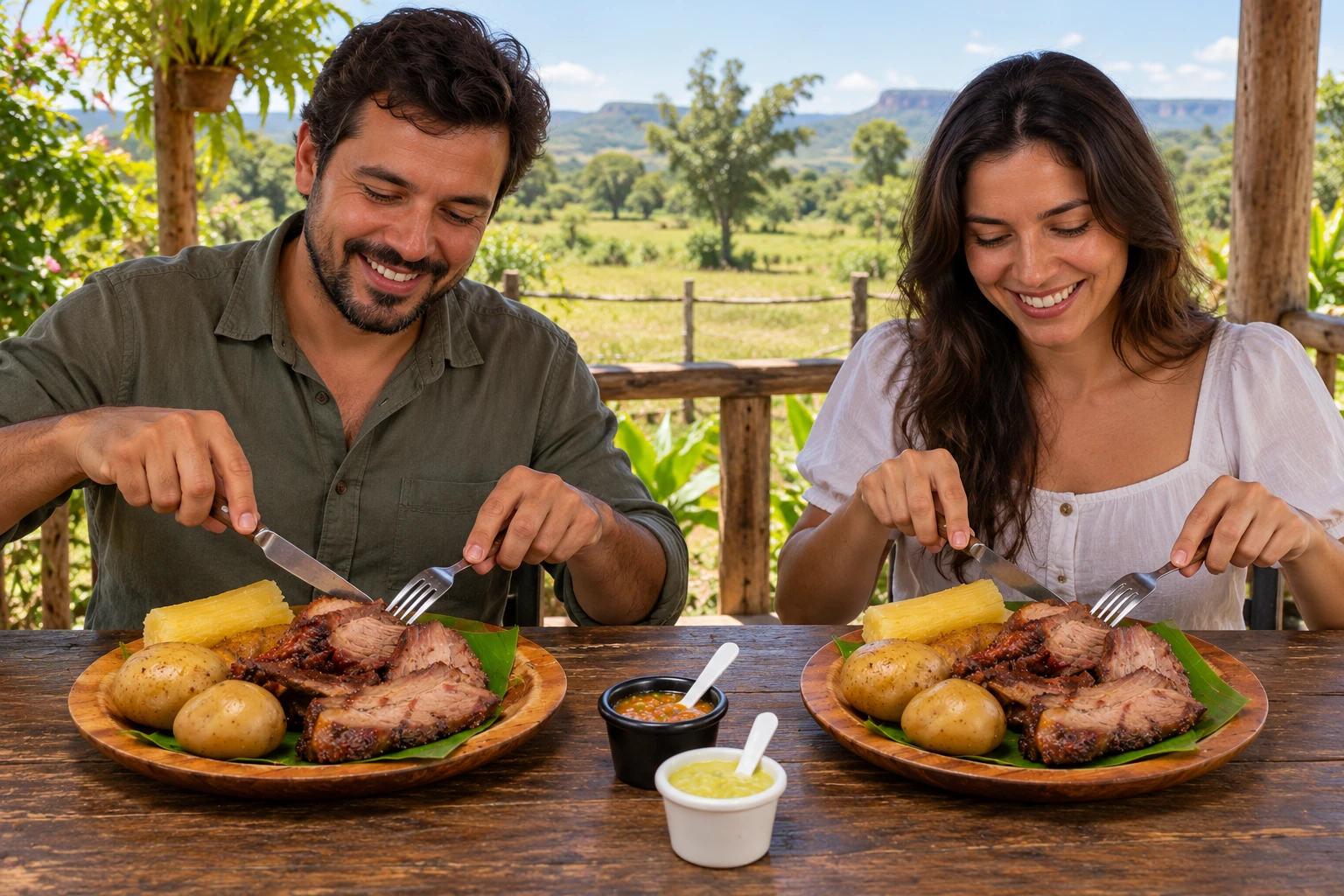
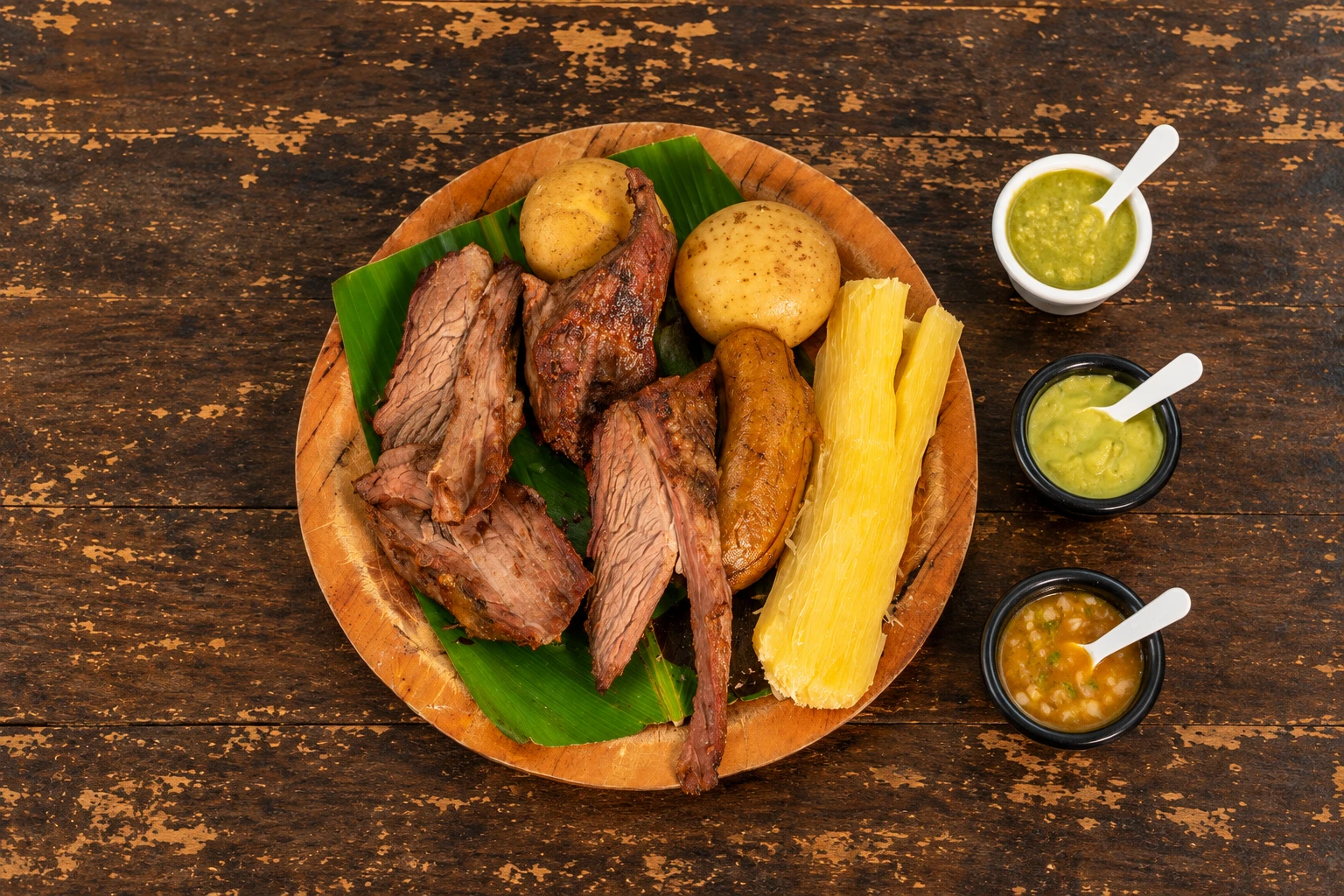
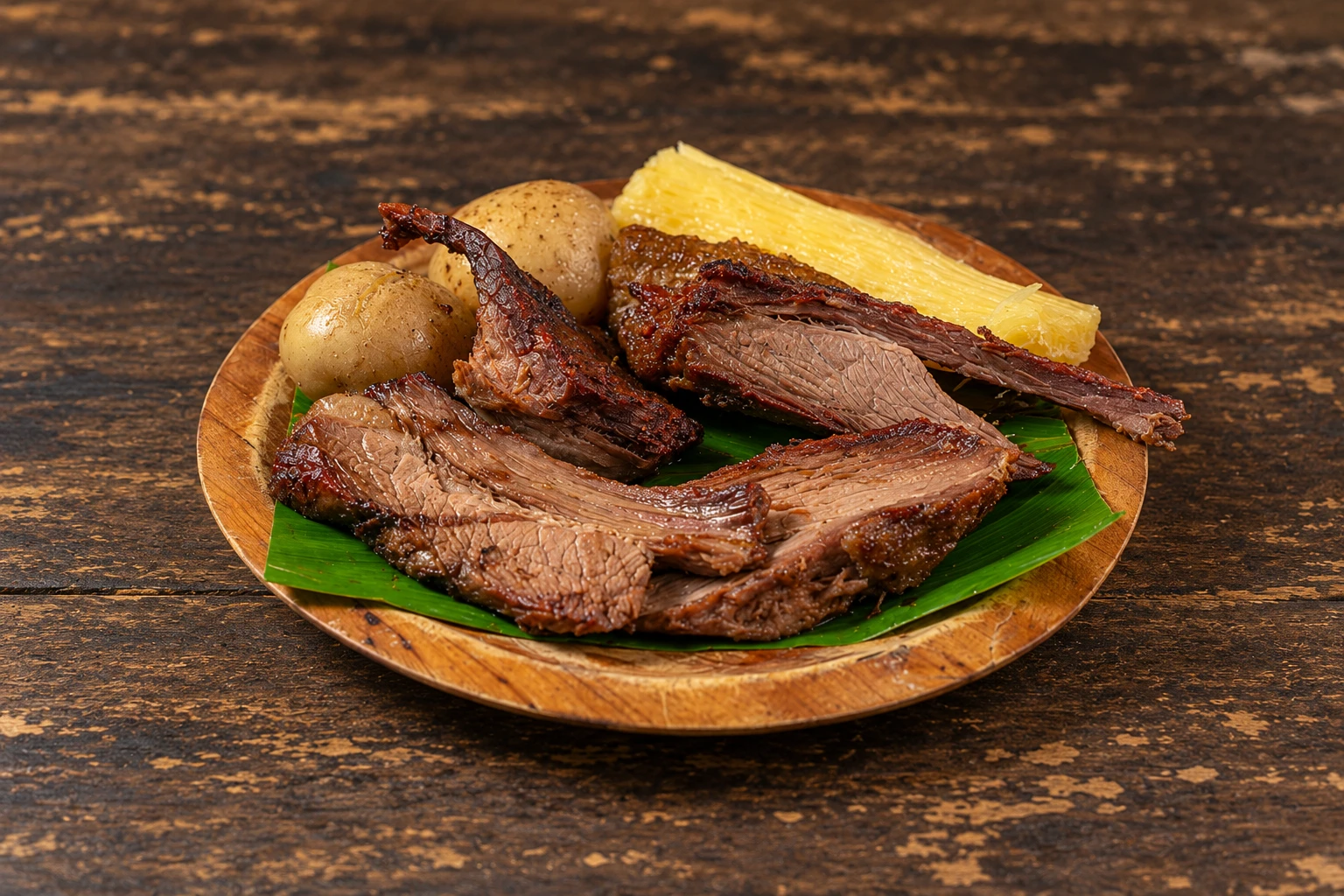
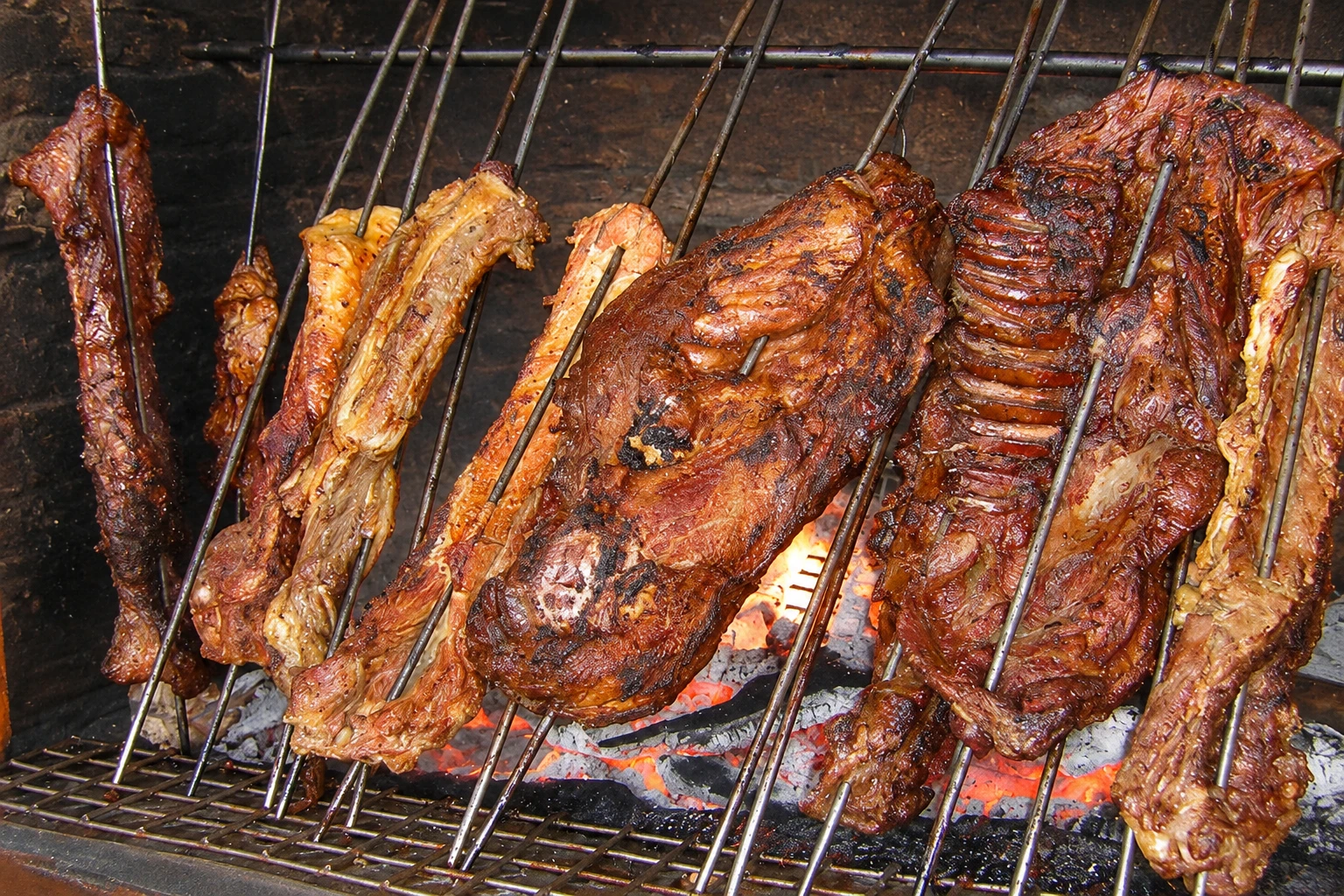
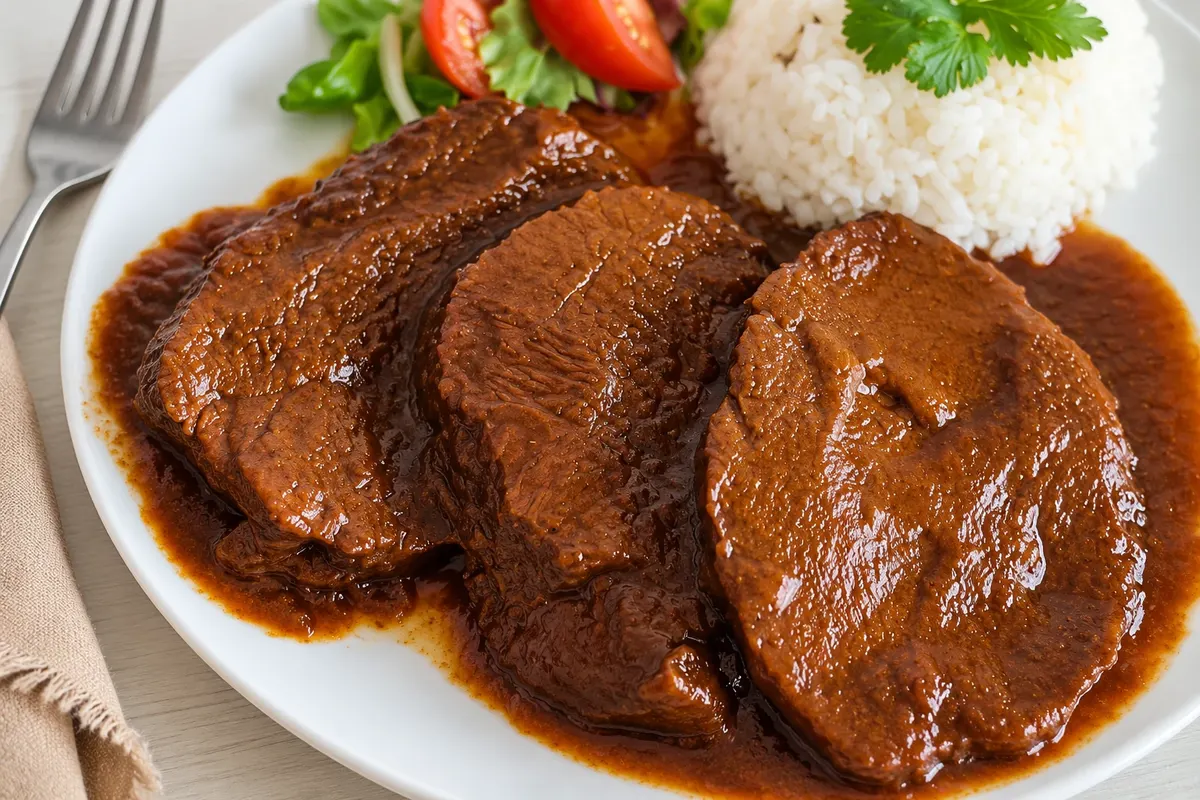
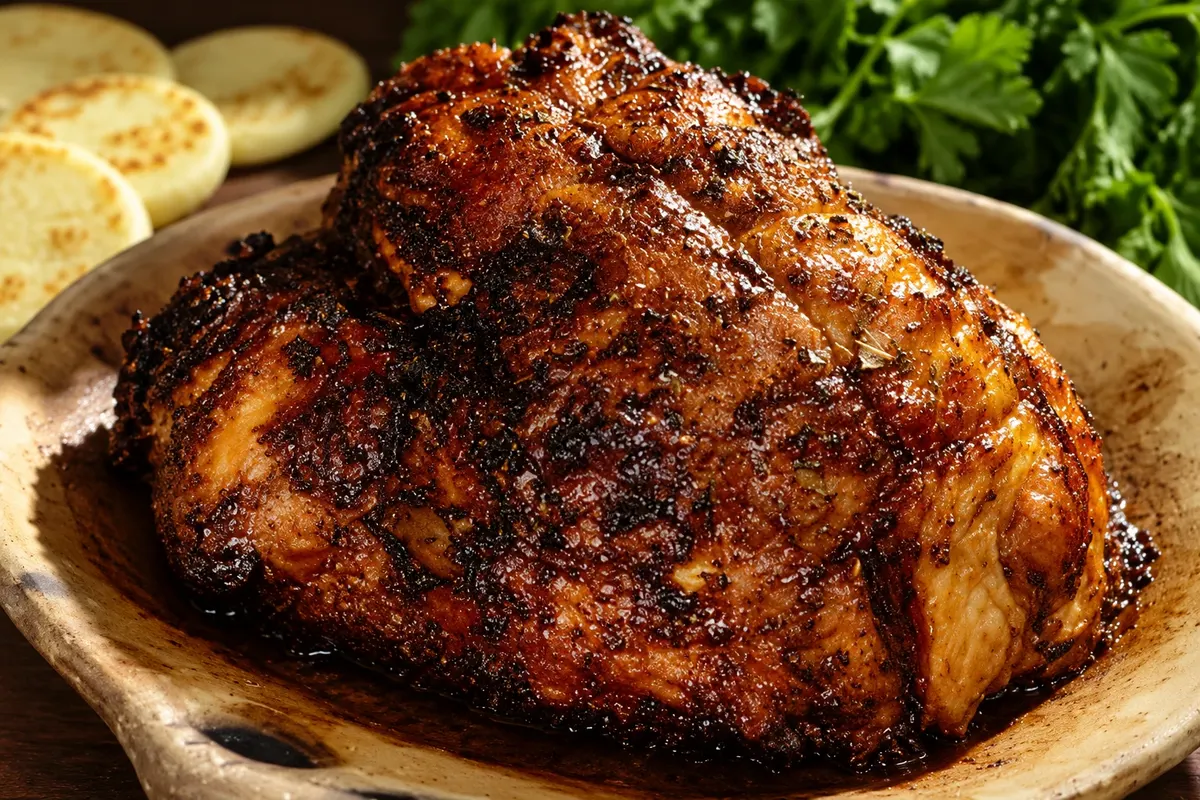
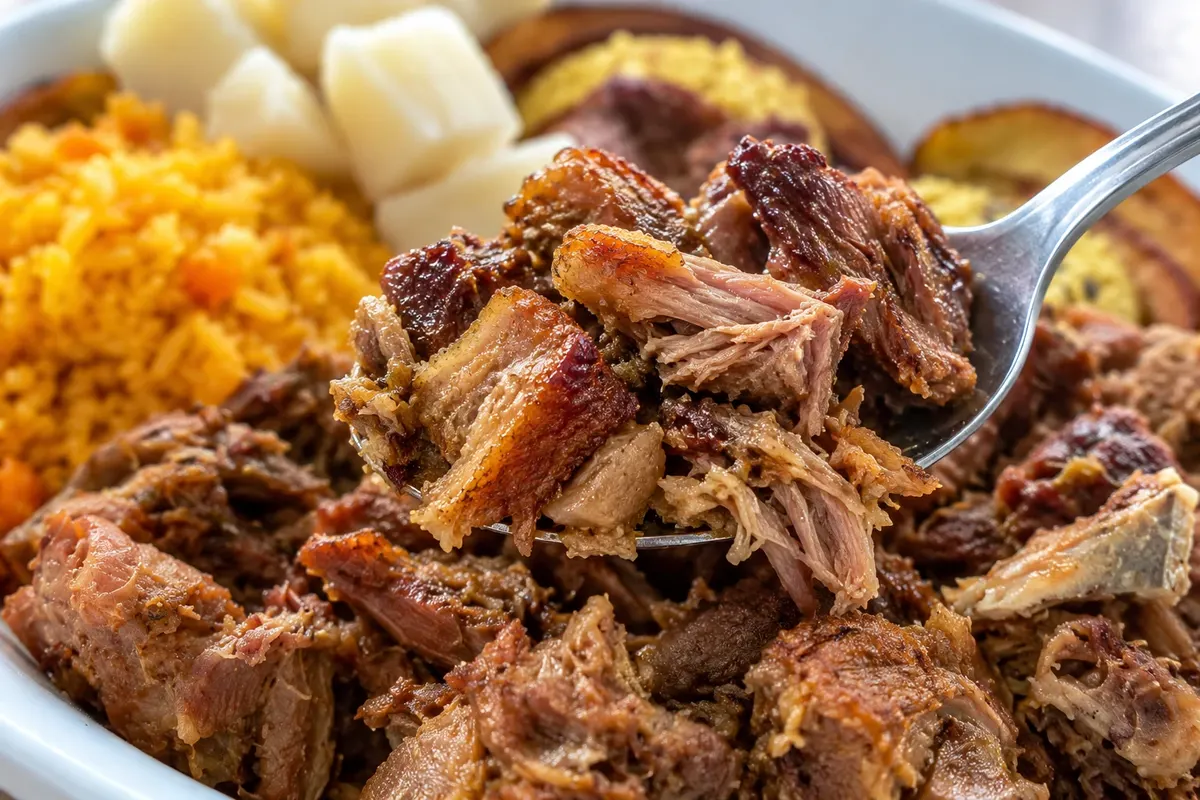
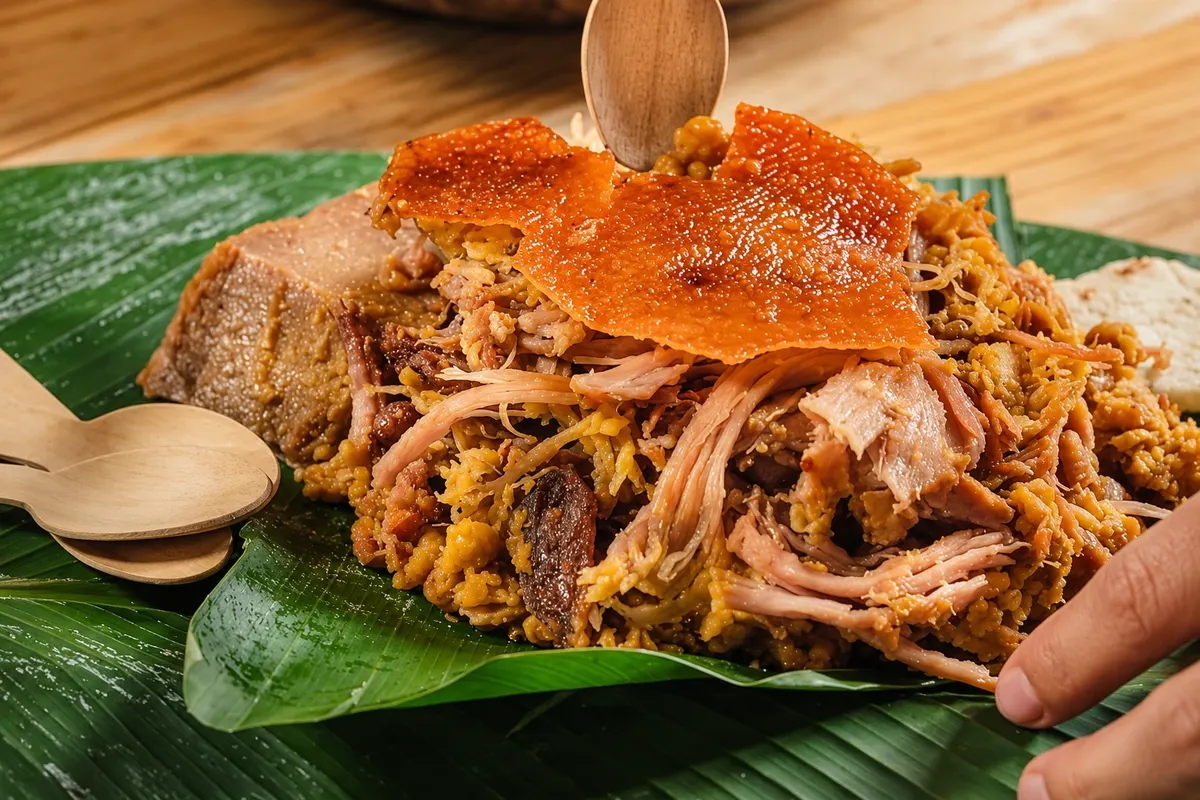
Mamona is the meat of a calf that is still nursing, hence the name. Large cuts are skewered on wooden stakes, set around a low wood fire, and slow-roasted for hours, seasoned only with salt and their own juices. The fire is not stoked so the meat does not burn on the outside.
Fedegan, the federation of Colombian cattle ranchers, tells the dish’s history on its Contexto Ganadero portal. Cattle raising in the Llanos began with Jesuit missions, and the practice of roasting meat outdoors came with the Spanish colonizers. On the hatos, the large cattle ranches of the plains, the owner would have a milk-fed steer slaughtered to share with the cowboys at the end of the workday.
In the 1950s and 1960s, when the old cattle routes reached Villavicencio, the capital of Meta, asaderos — restaurants specialized in roast meat — appeared, and mamona became a symbol of Llanos tourism. The press points to it as Meta’s most recognized dish, and the municipality of Cumaral holds a festival dedicated to carne a la llanera.
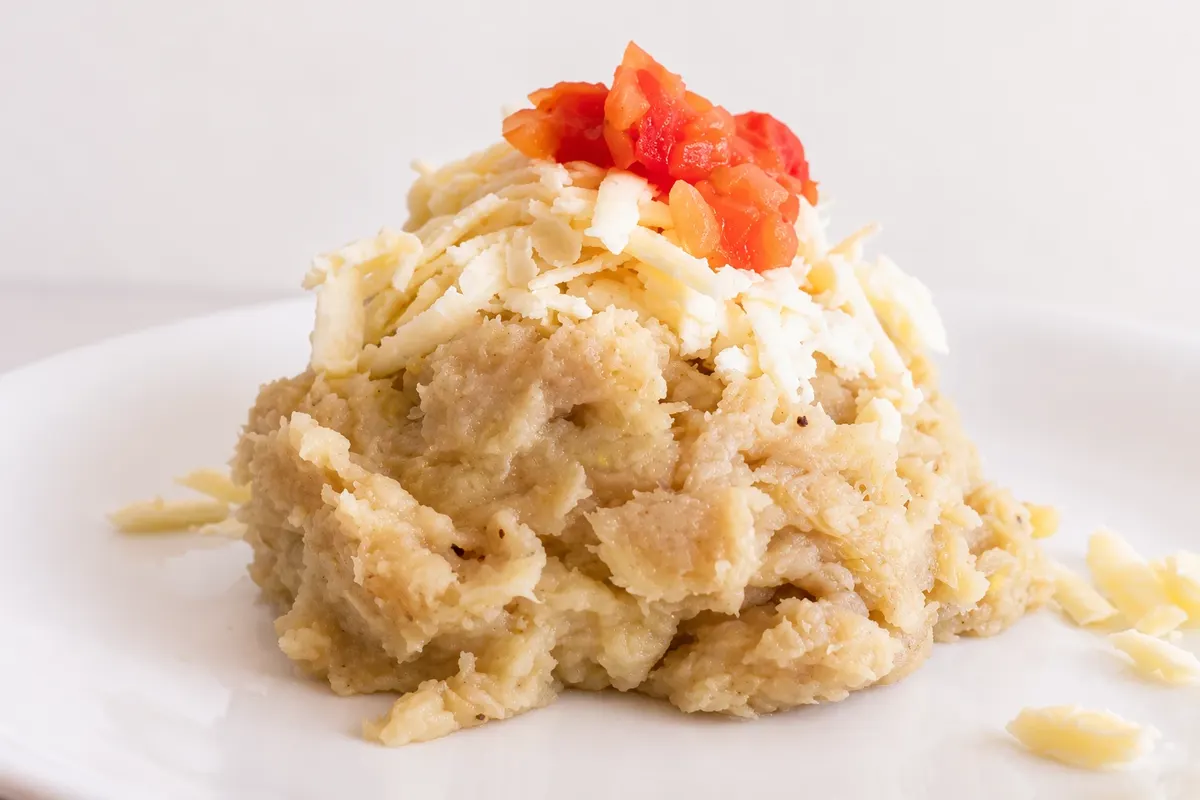
The traditional llanera version comes with cassava and plantain; potato was introduced under the influence of neighboring highland areas. Mamona is also prepared in other departments of the Llanos, such as Casanare and Arauca.


 Brazilija
 Antarktika
 Argentina
 Bolivija
 Čile
 Ekvator
 Gvajana
 Francoska Gvajana
 Falklandski otoki (Malvini)
 Paragvaj
 Peru
 Surinam
 Urugvaj
 Venezuela
 Nemčija
 Avstrija
 Belgija
 Hrvaška
 Danska
 Slovaška
 Slovenija
 Španija
 Finska
 Francija
 Grčija
 Nizozemska
 Madžarska
 Irska
 Islandija
 Italija
 Luksemburg
 Norveška
 Poljska
 Portugalska
 Združeno kraljestvo
 Češka
 Švedska
 Švica
 Turčija
 Bermudi
 Kanada
 Združene države Amerike
 Grenlandija
 Mehika
 Sveta Peter in Mihael
 Dominikanska republika
 Japonska
 Južnoafriška republika
 Egipt
 Avstralija
 Fidži
 Nova Zelandija
 Papua Nova Gvineja