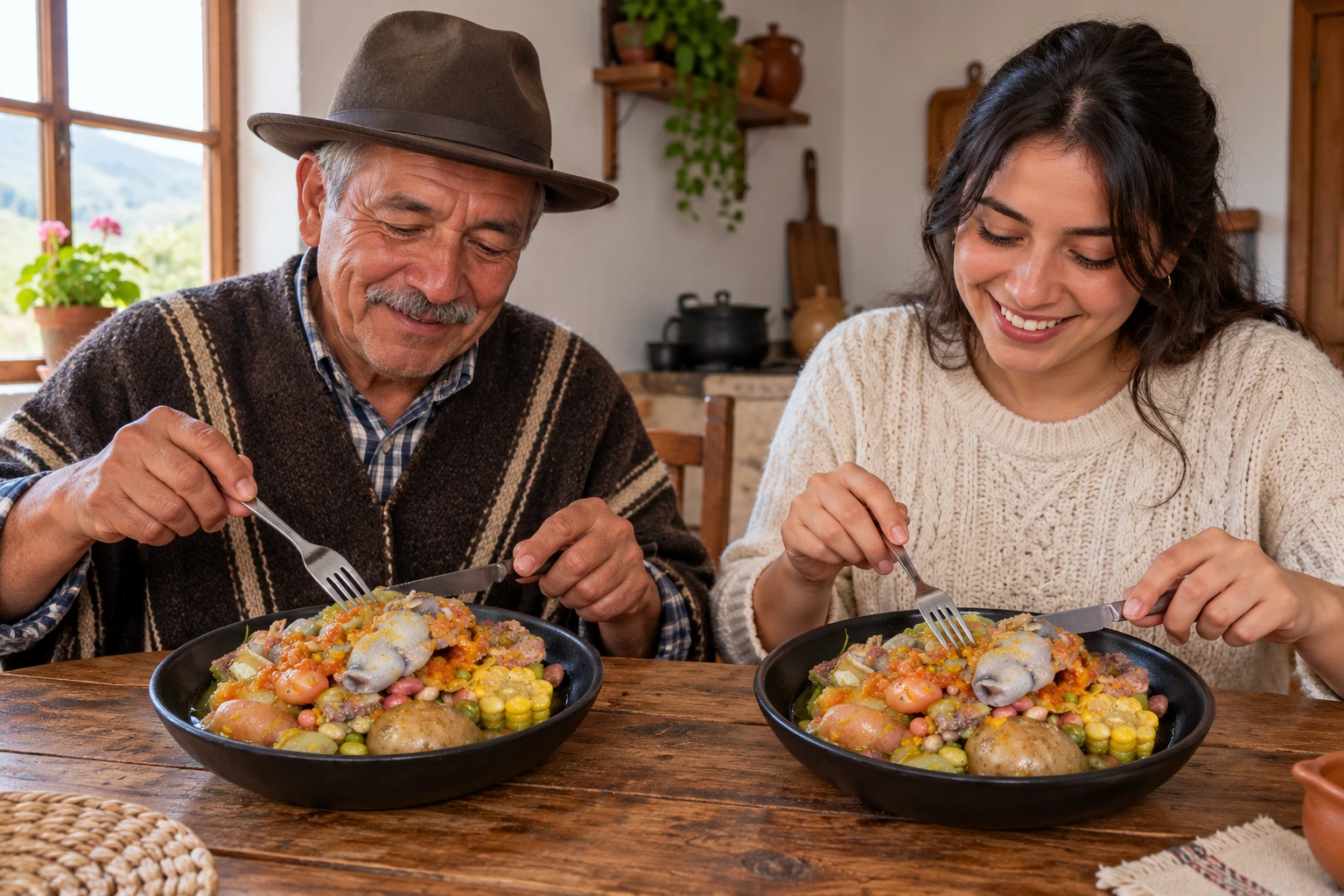
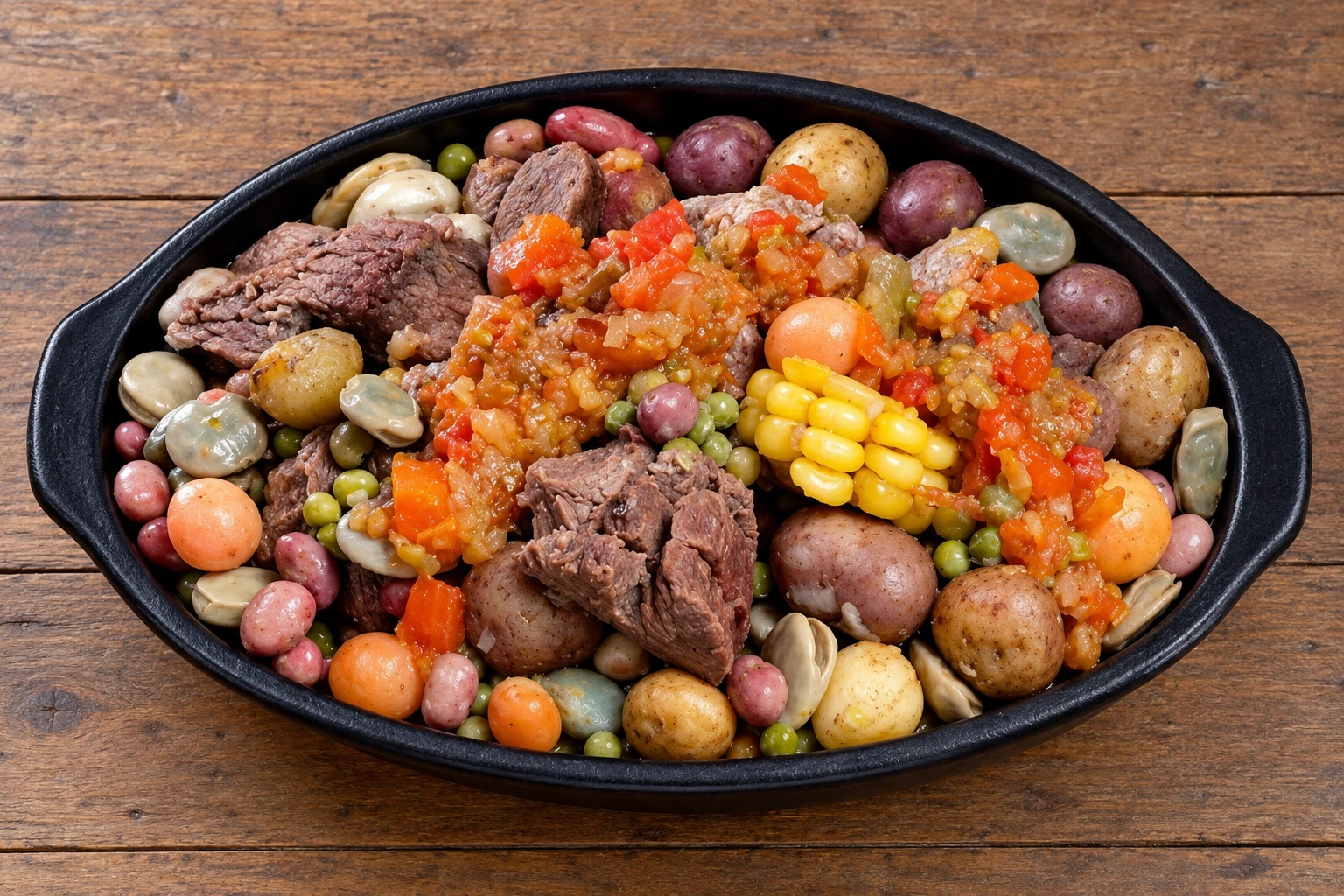
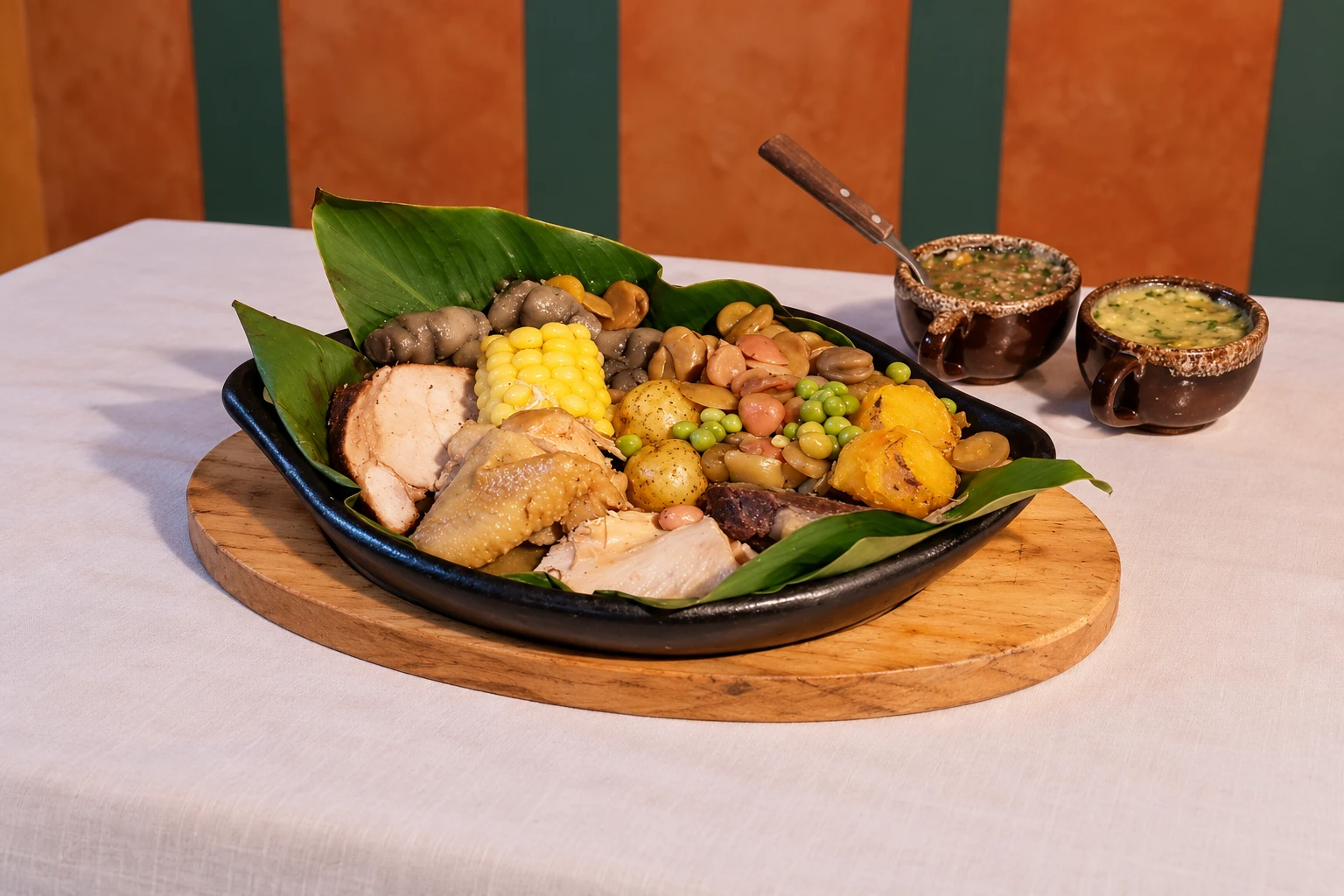
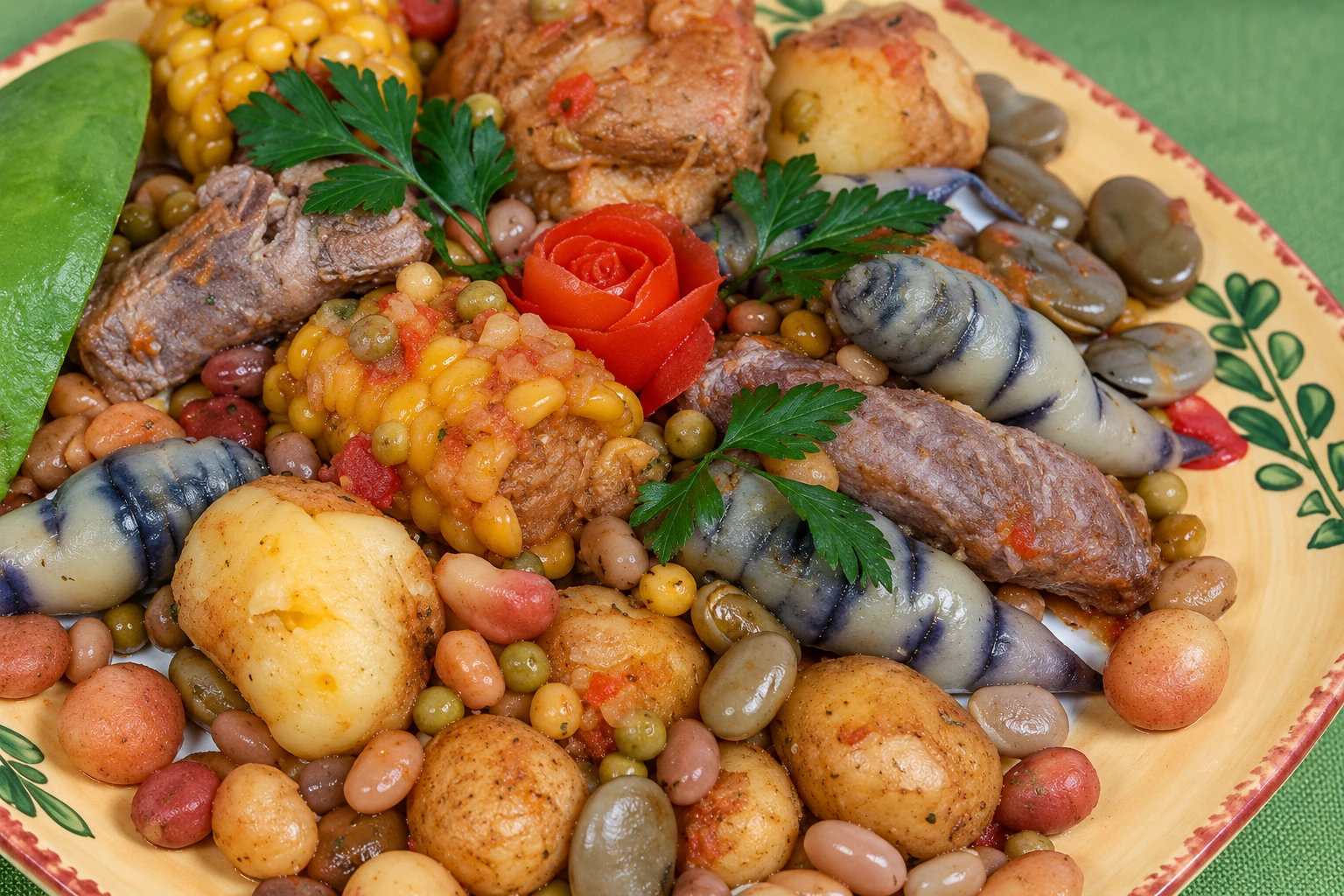
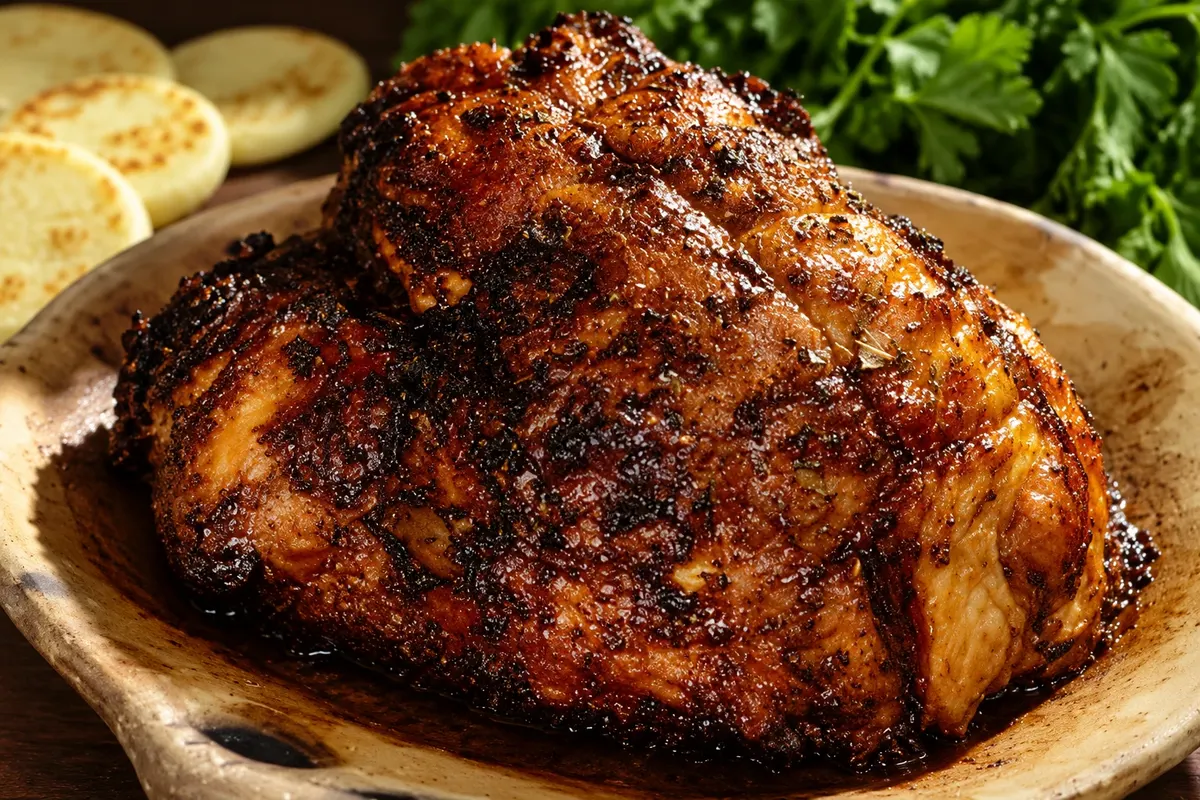
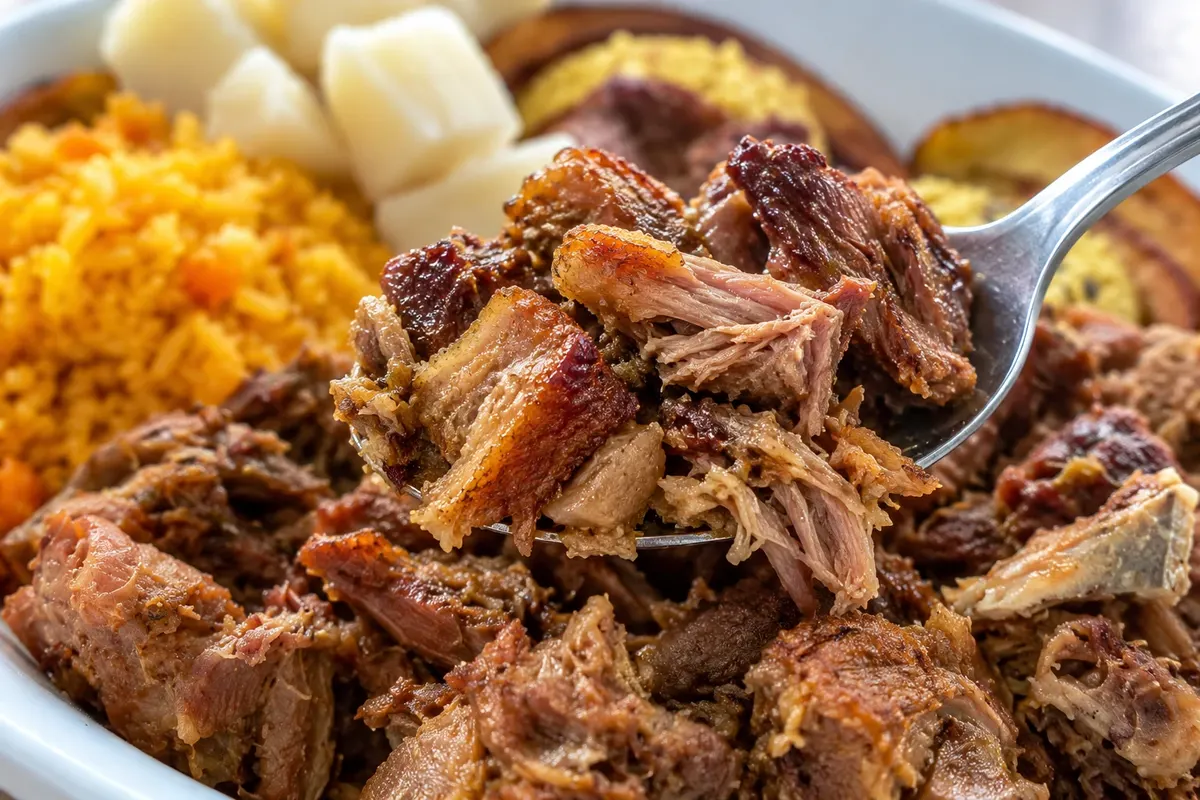
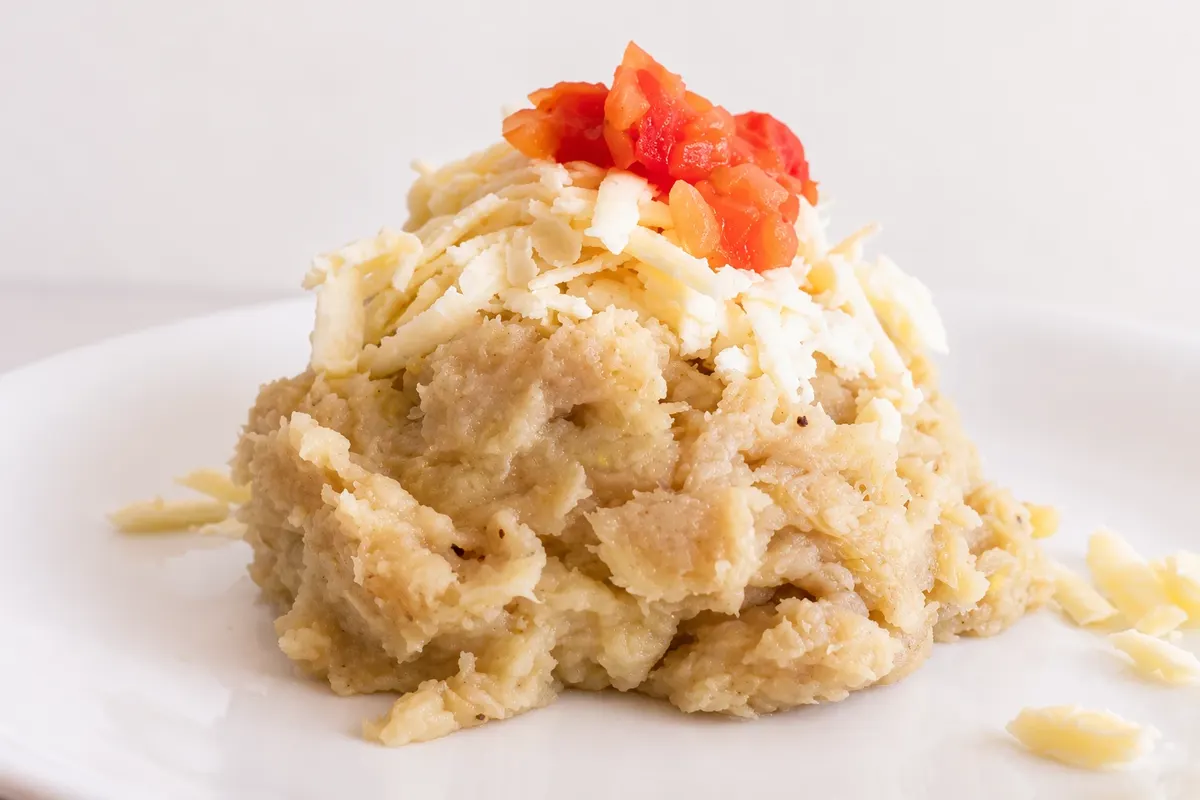
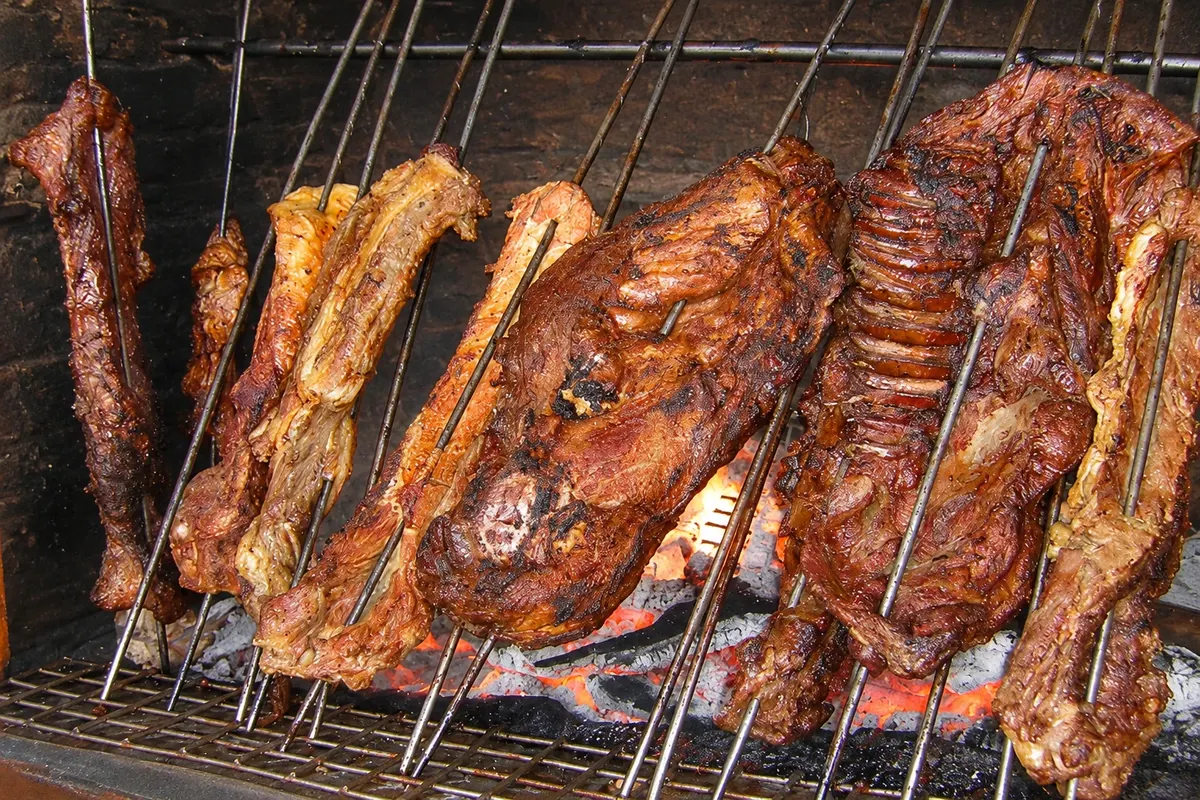
The Boyacá cocido brings together meats such as free-range chicken, pork and longaniza with the tubers of Boyacá’s highlands: cubios, chuguas, ibias, arracacha and various potatoes. It also includes fresh corn in pieces, fava beans and peas in the pod. Everything is cooked together, and each ingredient keeps its shape.
Radio Nacional de Colombia calls it one of Boyacá's emblematic dishes and highlights the role of native tubers, which are increasingly hard to find. There is no standard recipe: ingredients vary according to altitude and locality within the department.
The most told history links the cocido to the 'olla podrida', the Spanish stew that arrived with colonization. Locals are said to have exchanged some of the meats, which were expensive at the time, for the tubers they already cultivated.
In Boyacá, cocido is served as a gesture of hospitality and on special occasions, with the family gathered. The most common way is to eat the ingredients on the plate, without the broth, topped with hogao, a sauté of scallion and tomato; some prefer it with broth, like a soup.


 Brazilija
 Antarktika
 Argentina
 Bolivija
 Čile
 Ekvator
 Gvajana
 Francoska Gvajana
 Falklandski otoki (Malvini)
 Paragvaj
 Peru
 Surinam
 Urugvaj
 Venezuela
 Nemčija
 Avstrija
 Belgija
 Hrvaška
 Danska
 Slovaška
 Slovenija
 Španija
 Finska
 Francija
 Grčija
 Nizozemska
 Madžarska
 Irska
 Islandija
 Italija
 Luksemburg
 Norveška
 Poljska
 Portugalska
 Združeno kraljestvo
 Češka
 Švedska
 Švica
 Turčija
 Bermudi
 Kanada
 Združene države Amerike
 Grenlandija
 Mehika
 Sveta Peter in Mihael
 Dominikanska republika
 Japonska
 Južnoafriška republika
 Egipt
 Avstralija
 Fidži
 Nova Zelandija
 Papua Nova Gvineja