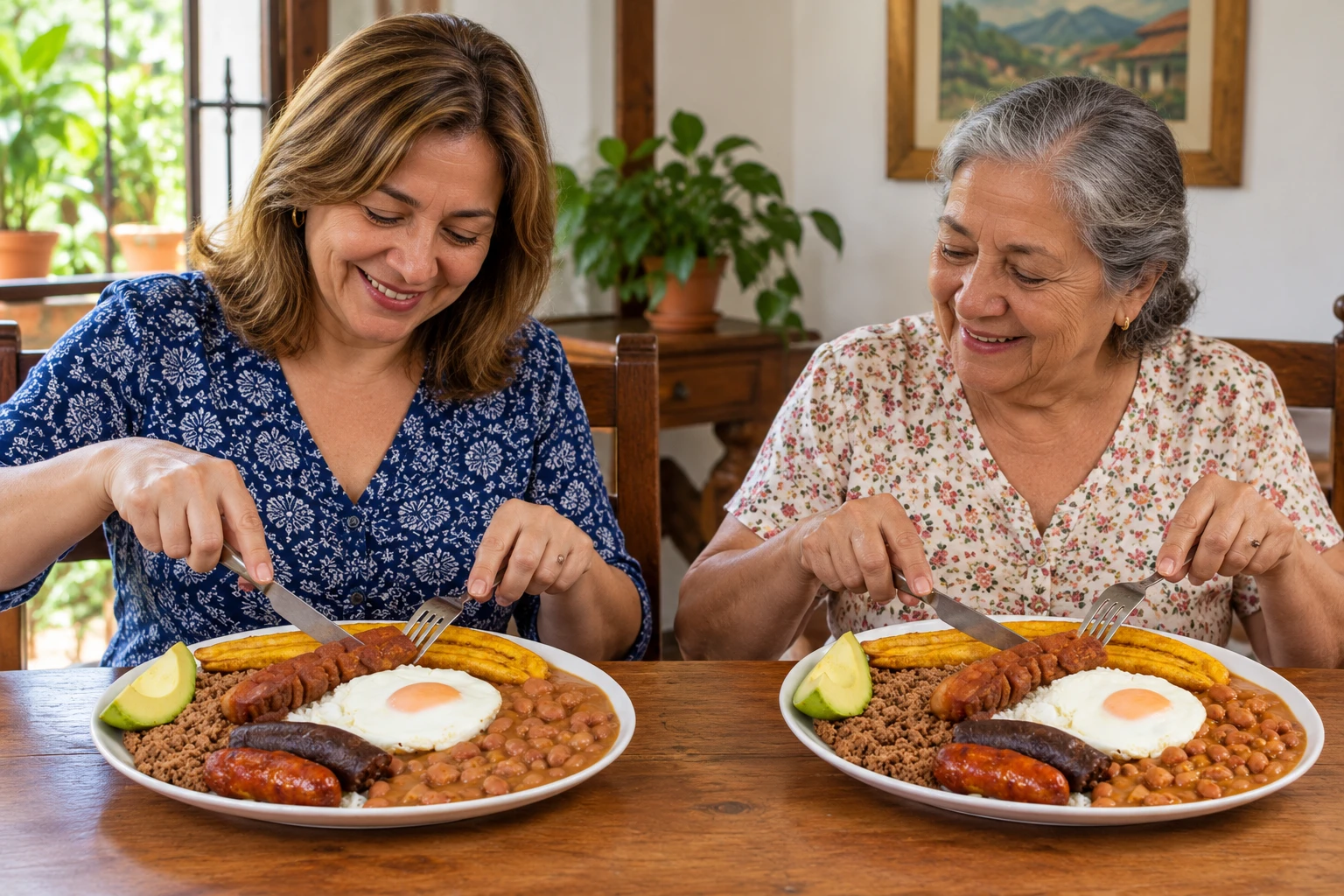
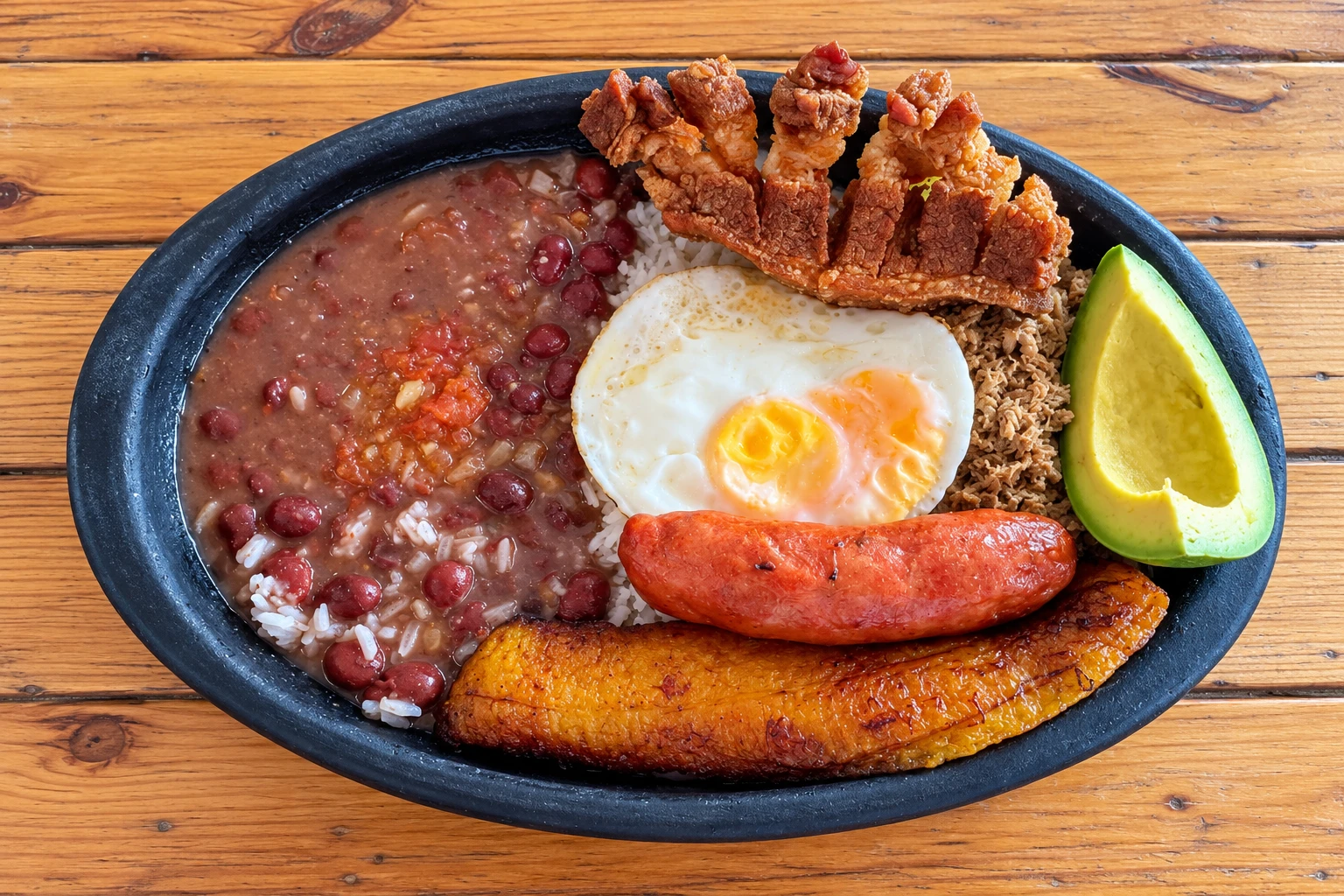
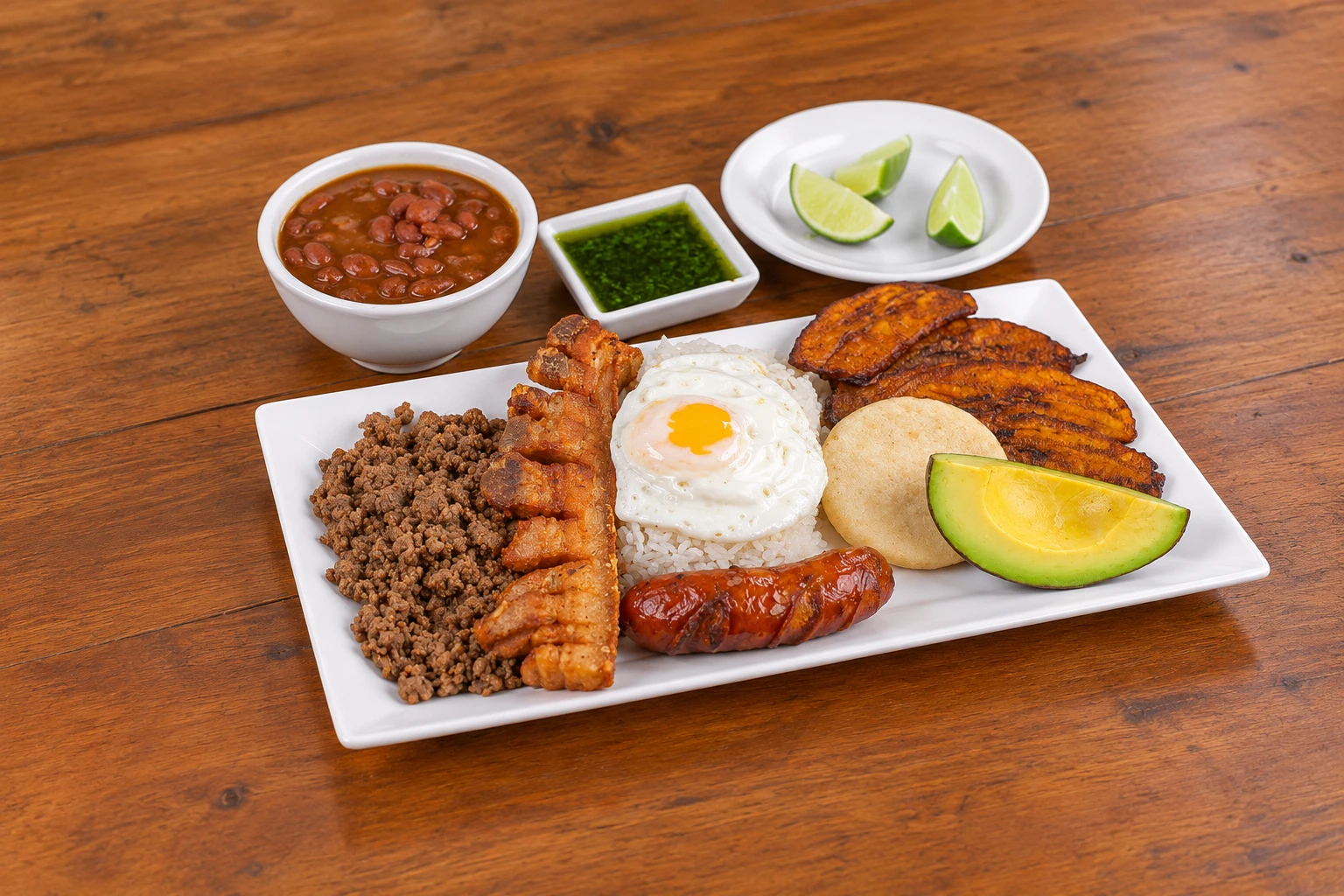
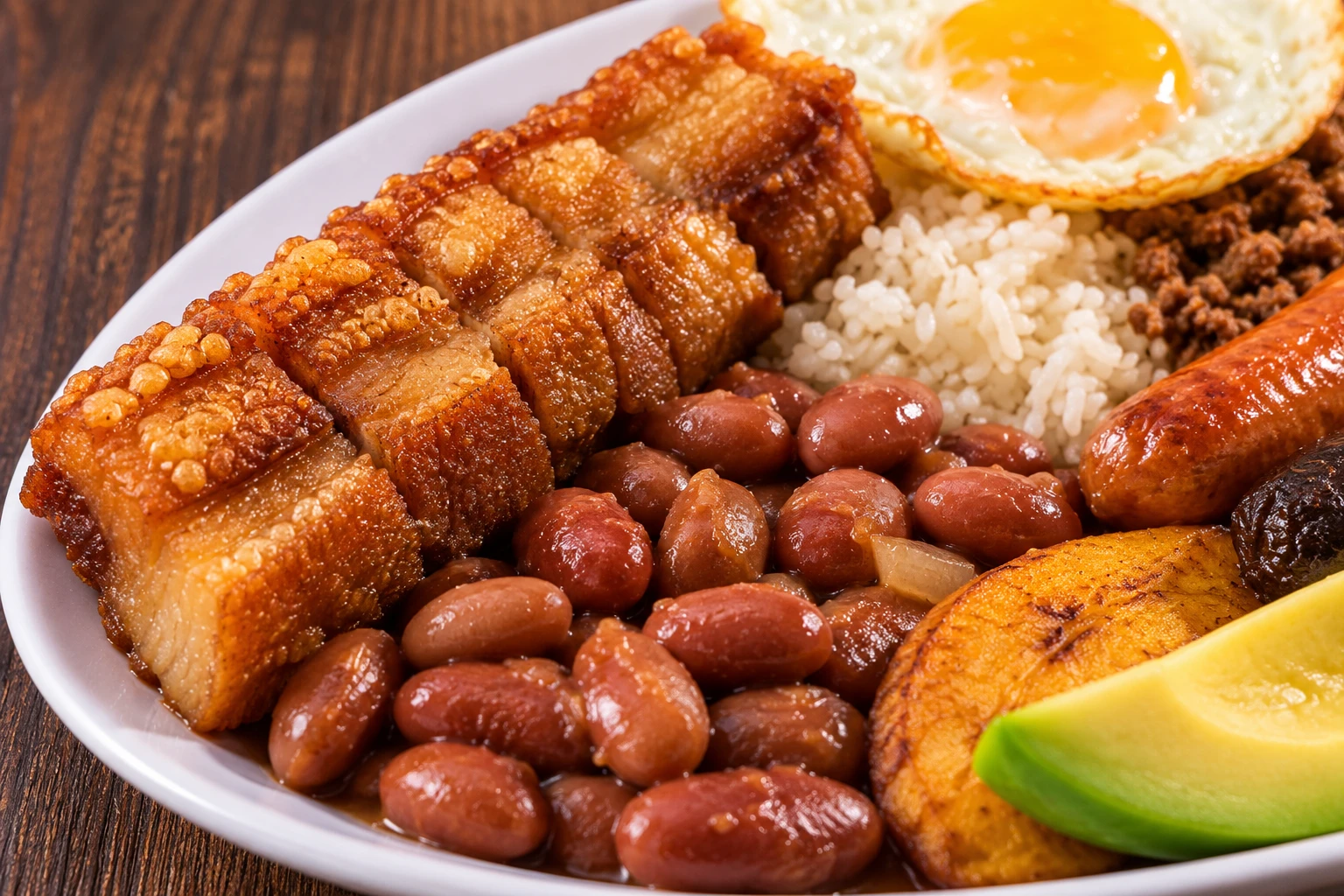
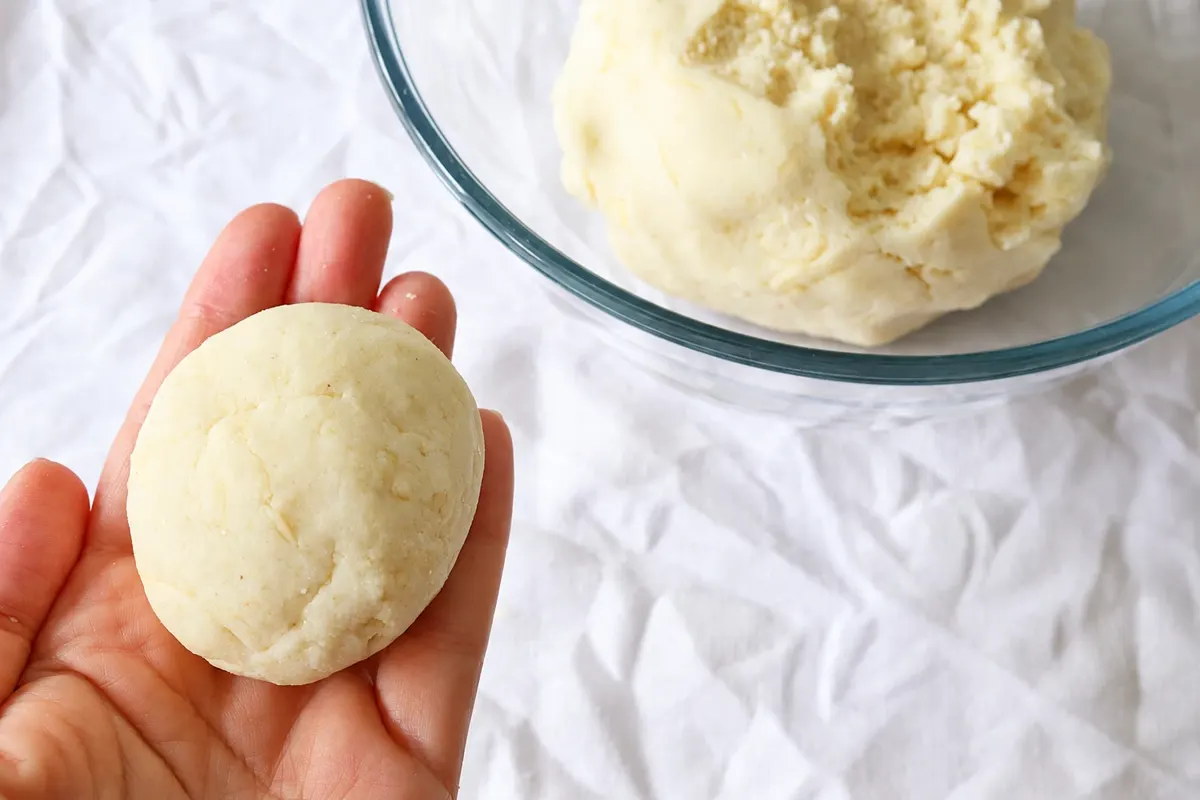
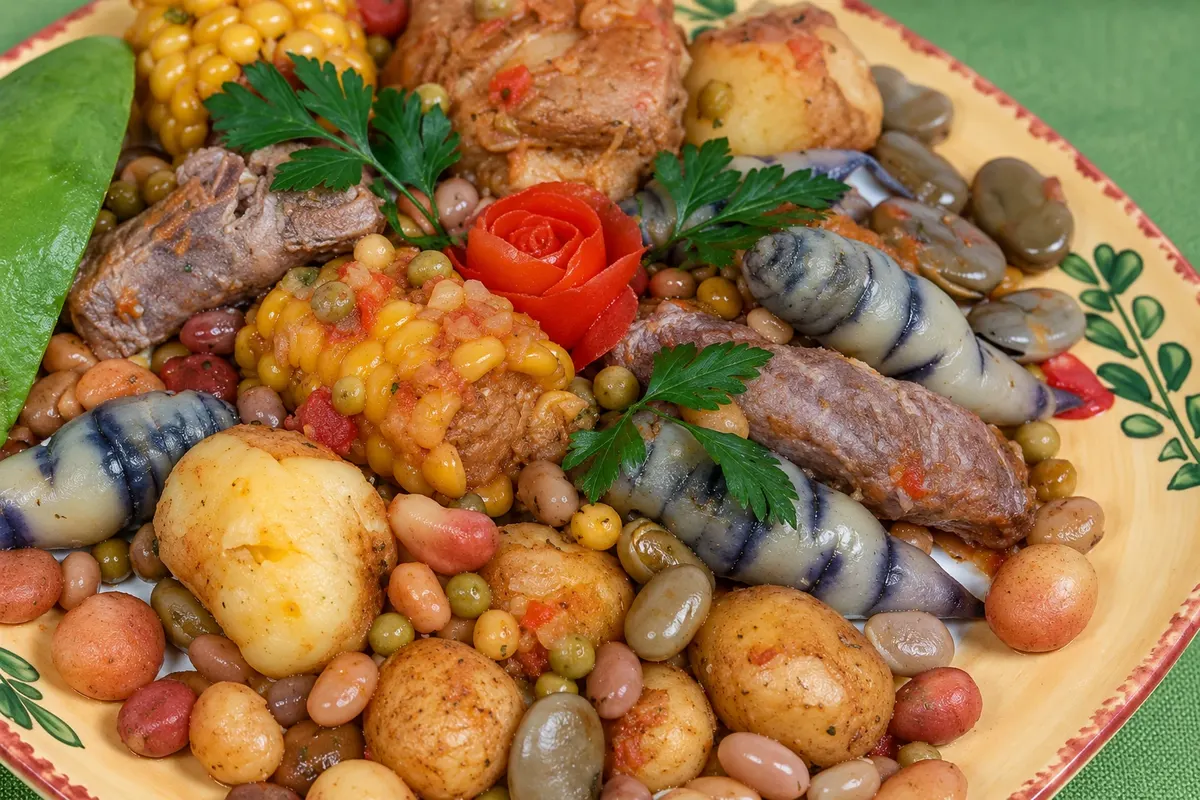
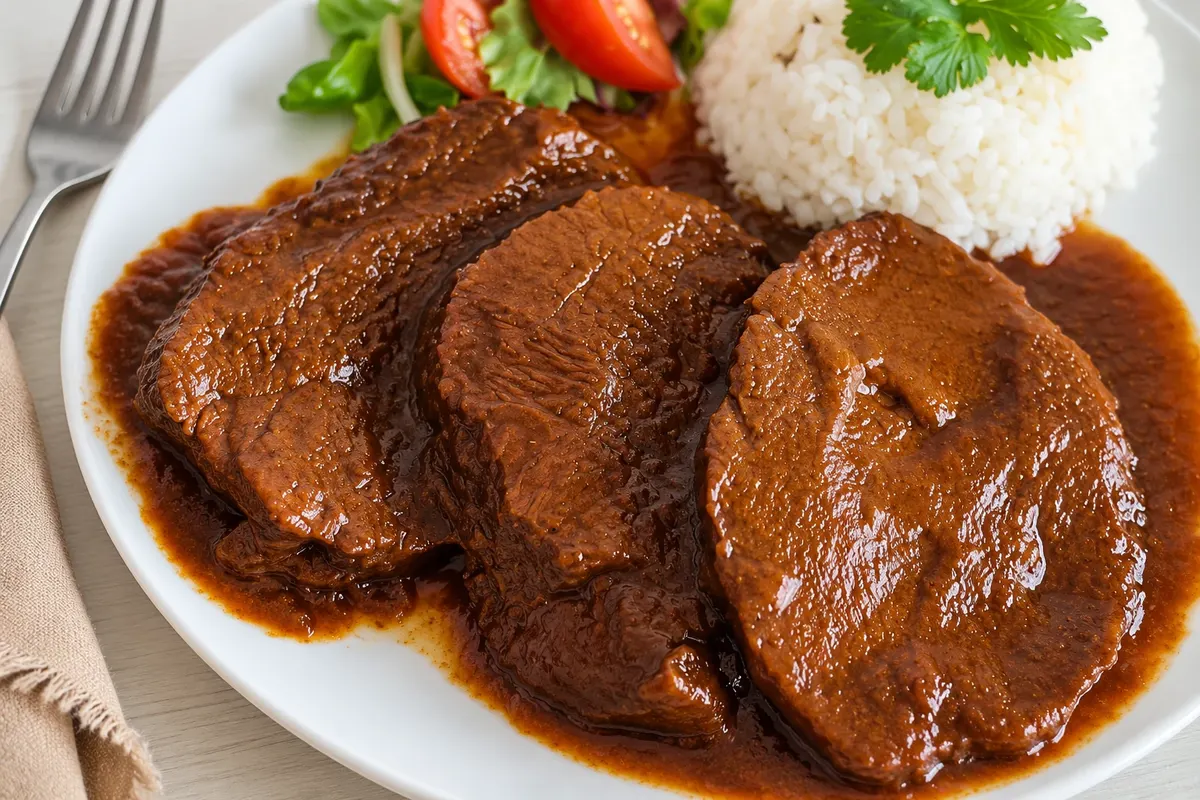
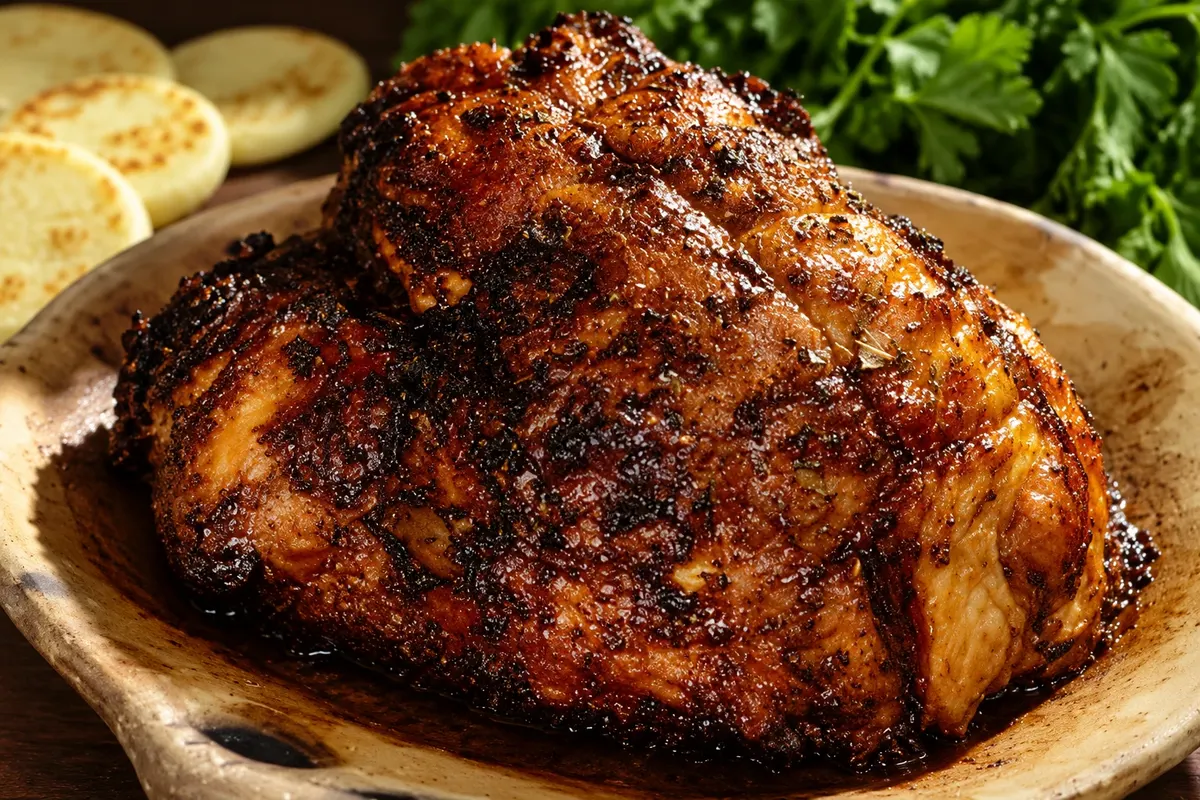
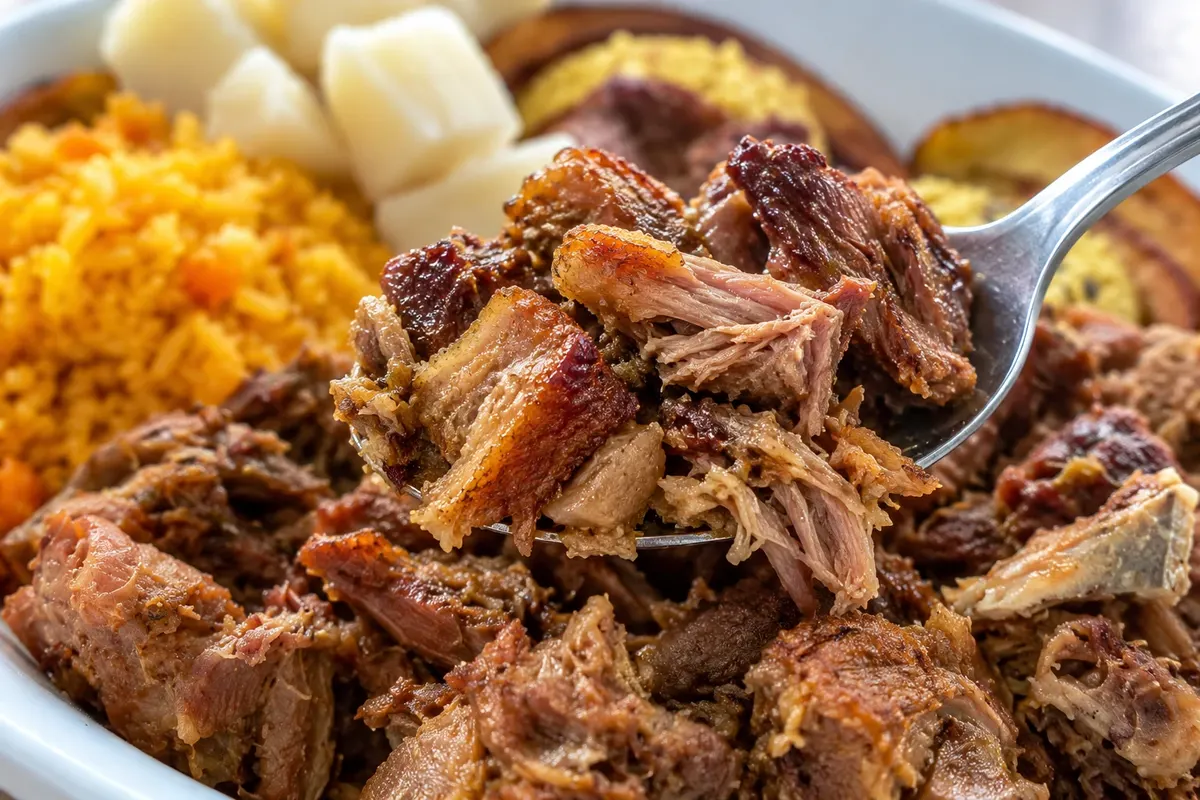
The bandeja paisa brings together on one large plate the foods of the Antioquian farm: cooked red beans, white rice, ground beef, chicharrón (pork crackling), chorizo, fried egg, fried ripe plantain, arepa and avocado. Many versions include blood sausage and salad. Beans are the base, and in many homes they are still cooked on a wood-fired stove.
Radio Nacional de Colombia calls it an emblem of Antioquia’s gastronomic heritage, a dish whose ingredients are produced in the region itself. It is linked to the hearty food of peasant farmers and of arrieros, the mule drivers who crossed the mountains carrying loads and needed energy for long journeys.
The name is more recent than the ingredients. According to Radio Nacional and a BBC Mundo report, it was given in the 1950s at a meeting of Colombia’s hotel and tourism association in Bogotá, which was compiling a list of typical dishes and called the Antioquian lunch known as ‘seco’ the bandeja paisa. Anthropologist Clara Grisales notes that, in homes of the region, the complete combination was never an everyday dish.
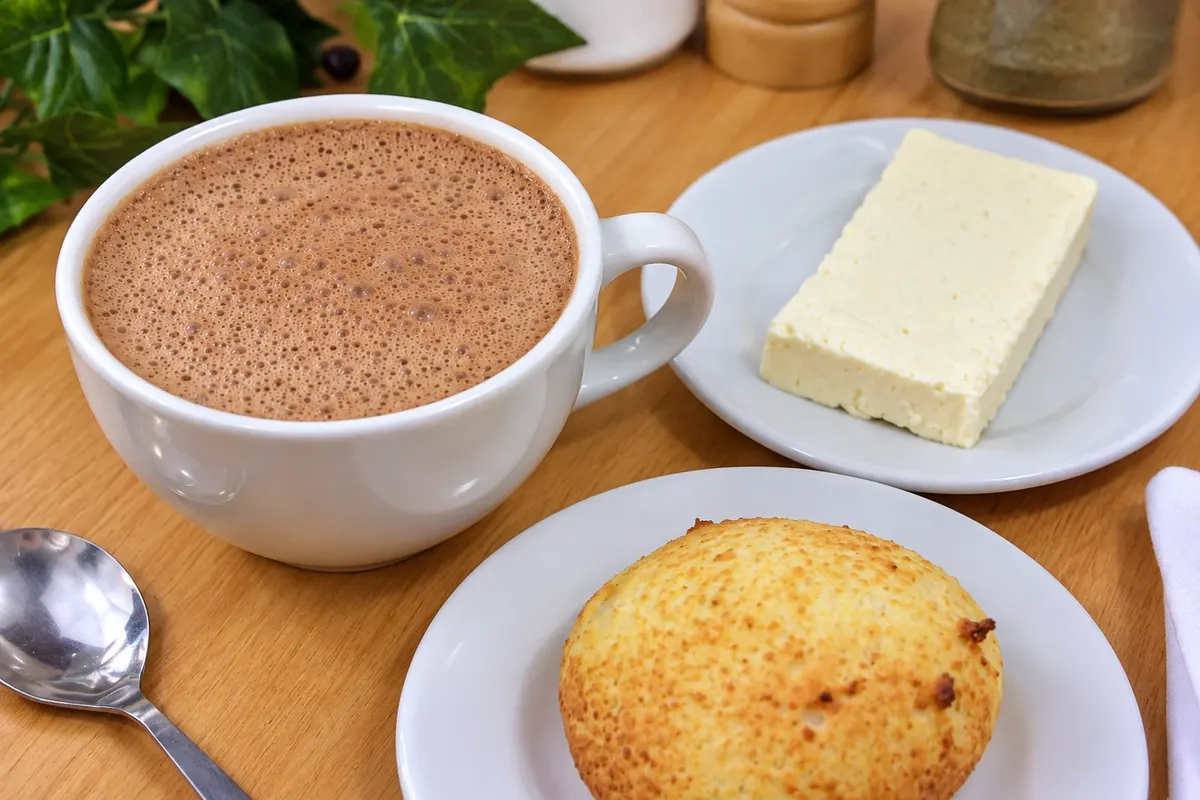
Even so, the bandeja became a symbol of paisa identity. In Medellín and towns in Antioquia, it appears on the menus of typical-food restaurants, almost always with mazamorra or a piece of panela to finish the meal.


 Brazilija
 Antarktika
 Argentina
 Bolivija
 Čile
 Ekvator
 Gvajana
 Francoska Gvajana
 Falklandski otoki (Malvini)
 Paragvaj
 Peru
 Surinam
 Urugvaj
 Venezuela
 Nemčija
 Avstrija
 Belgija
 Hrvaška
 Danska
 Slovaška
 Slovenija
 Španija
 Finska
 Francija
 Grčija
 Nizozemska
 Madžarska
 Irska
 Islandija
 Italija
 Luksemburg
 Norveška
 Poljska
 Portugalska
 Združeno kraljestvo
 Češka
 Švedska
 Švica
 Turčija
 Bermudi
 Kanada
 Združene države Amerike
 Grenlandija
 Mehika
 Sveta Peter in Mihael
 Dominikanska republika
 Japonska
 Južnoafriška republika
 Egipt
 Avstralija
 Fidži
 Nova Zelandija
 Papua Nova Gvineja