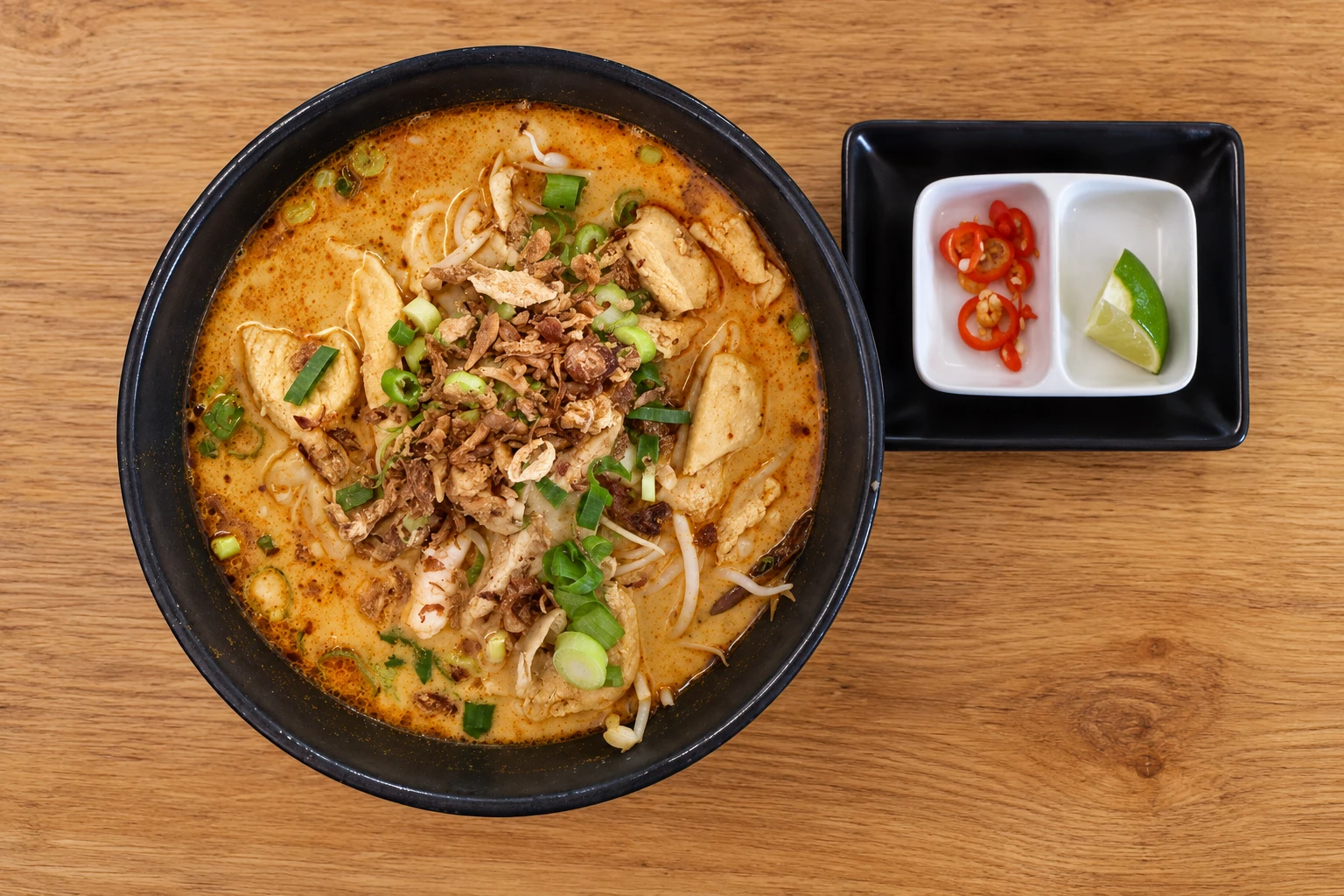
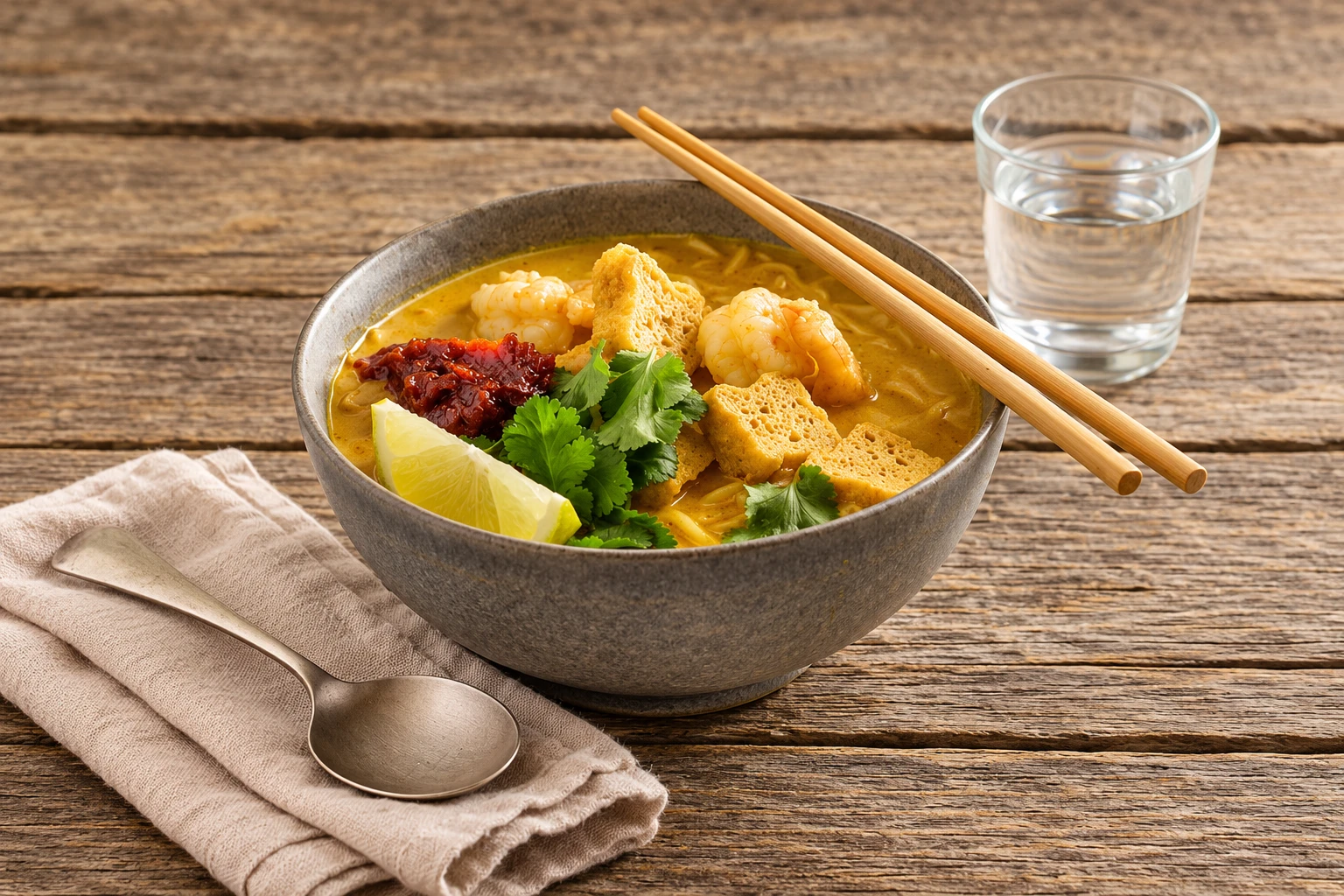
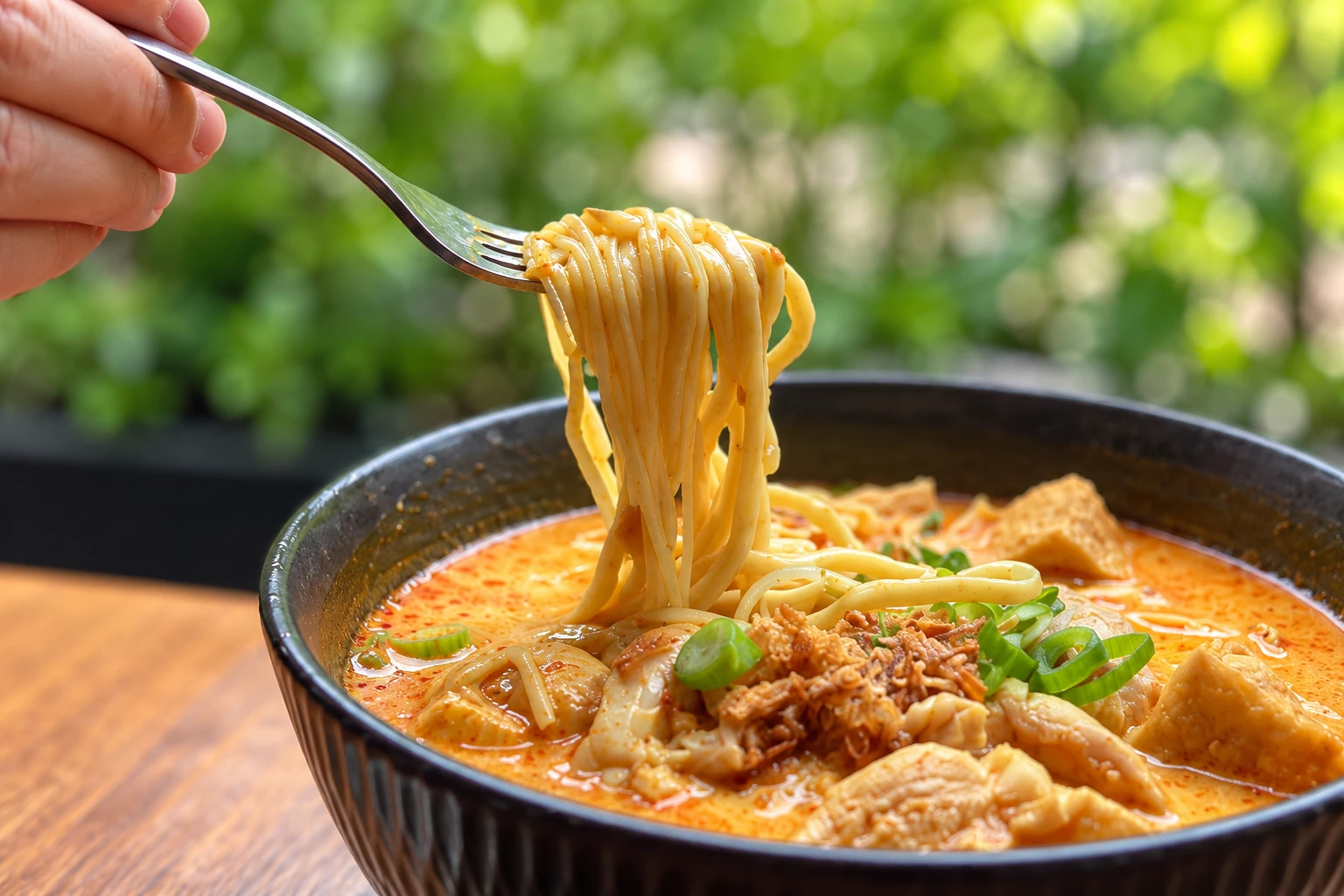
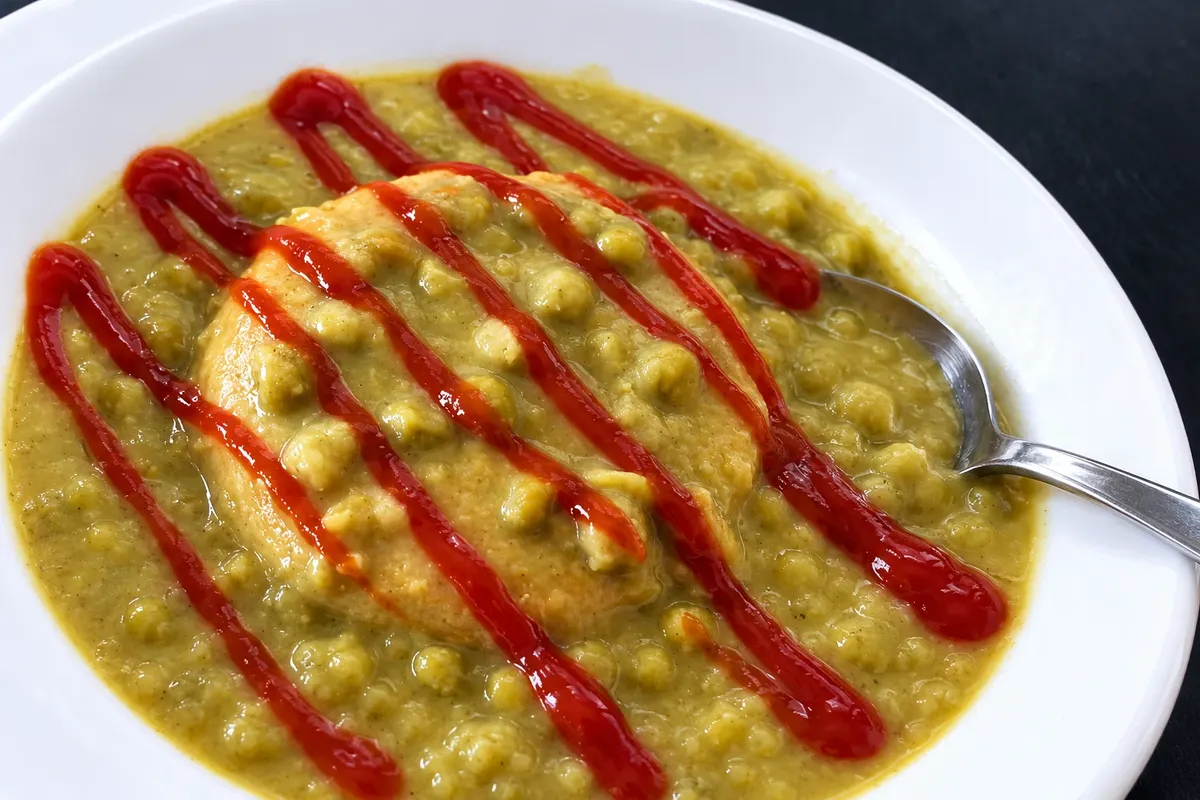
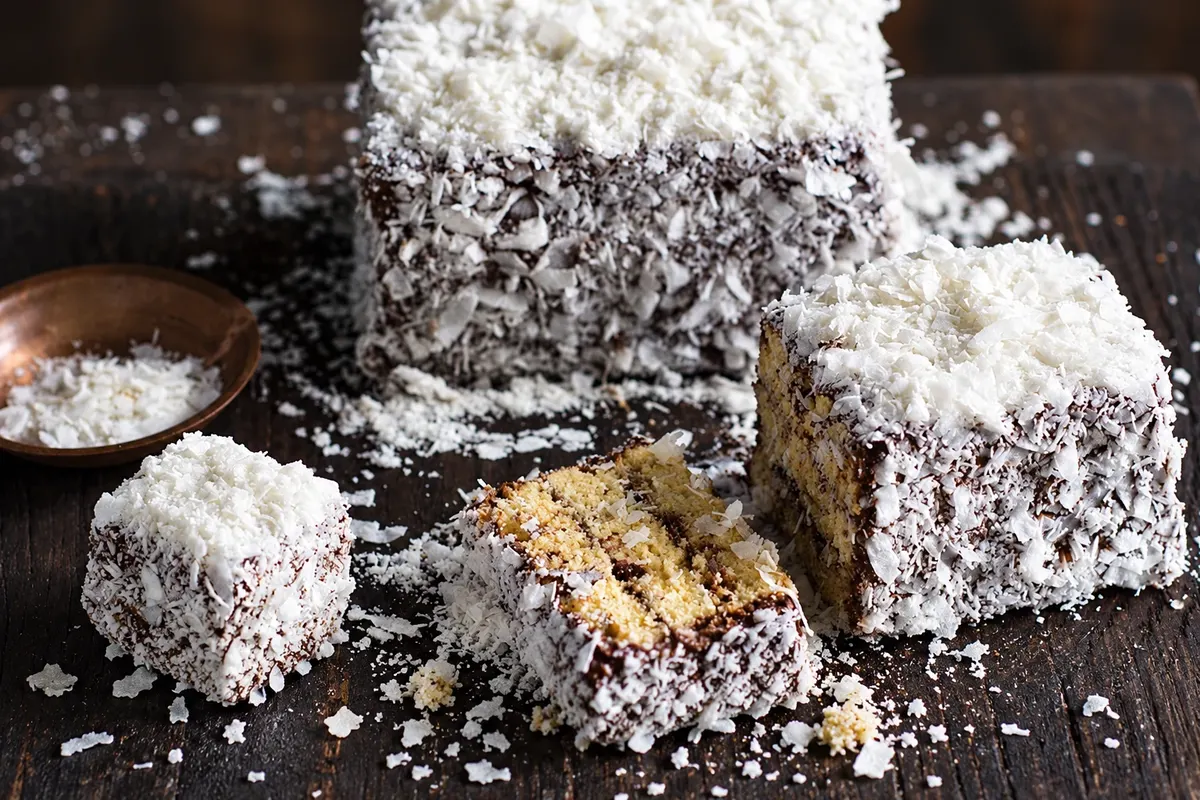
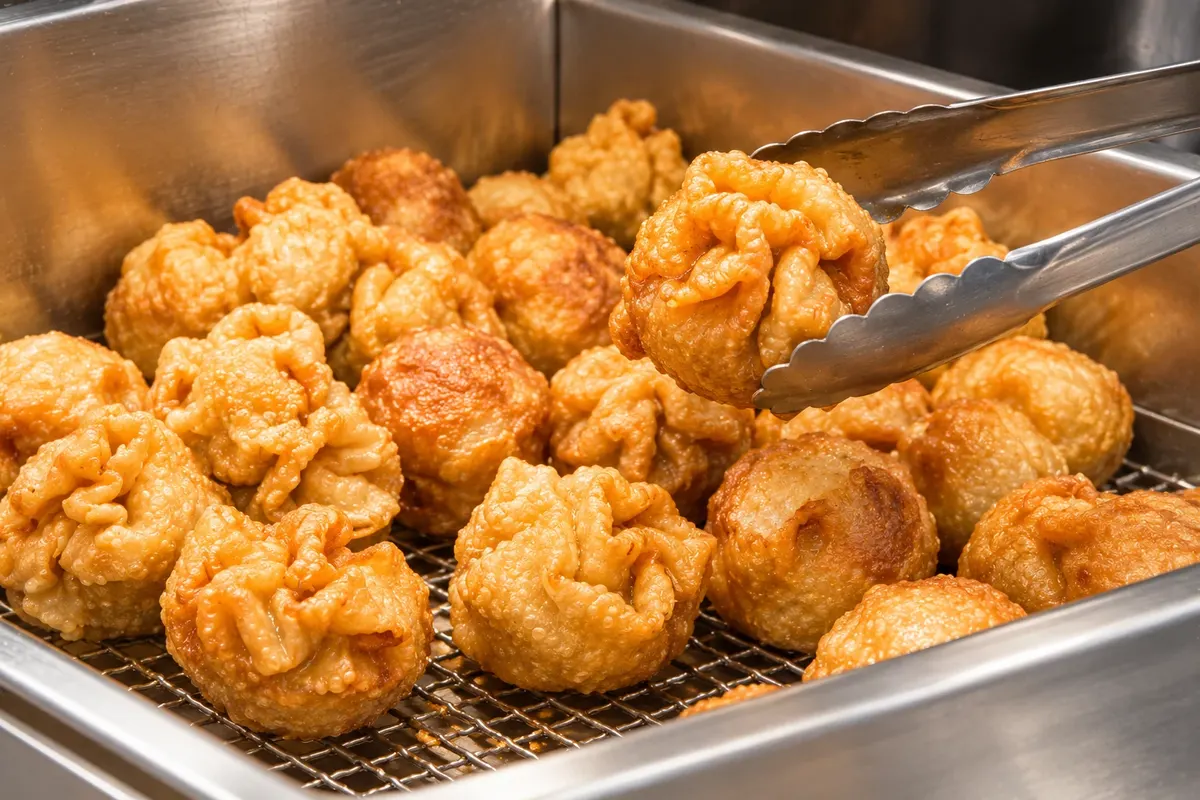
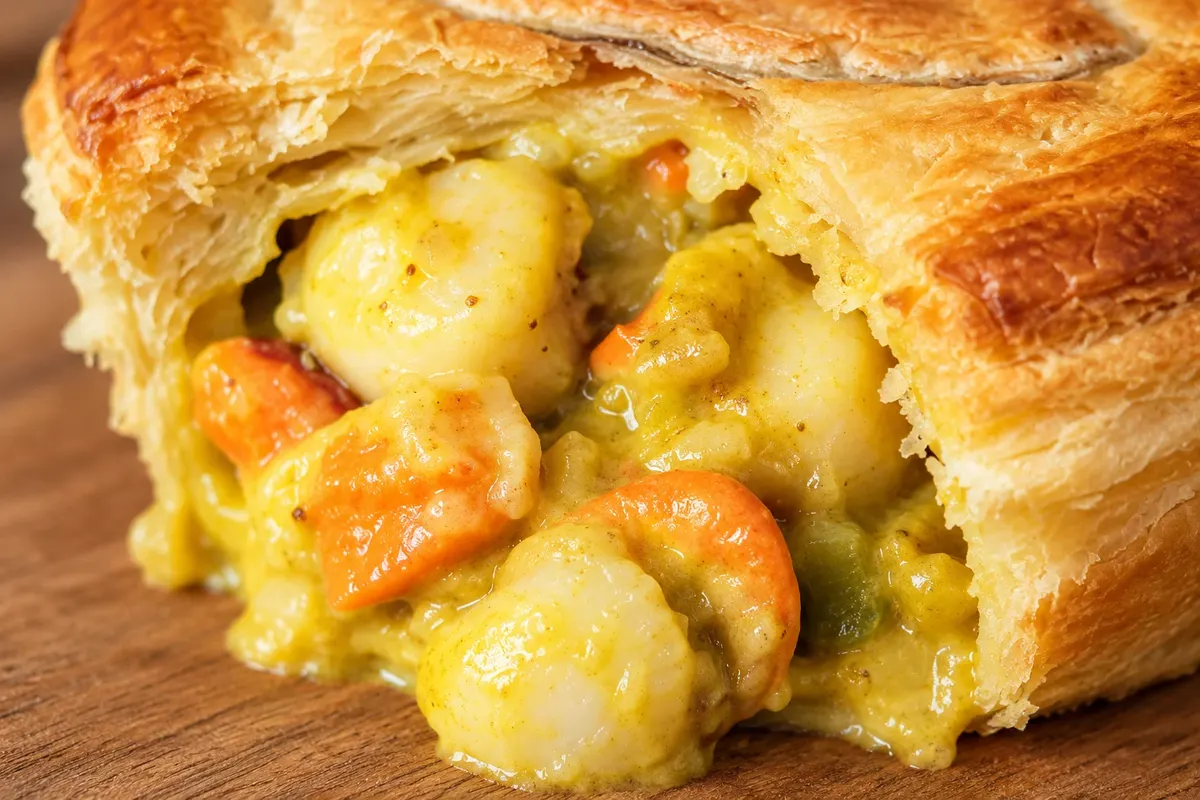
Laksa is a Southeast Asian noodle soup. In Darwin, the most common version is curry laksa: a curry broth with coconut milk, scented with lemongrass and galangal, served in a deep bowl with noodles, chicken or prawns, fish cakes, wonton, fried tofu and bean sprouts, finished with cilantro, fried shallots and chili oil. Each cook keeps their own recipe for the spice paste, and there are Malay-style and Indonesian versions, yellow-broth variants, and even ones with crocodile meat.
The dish originated with the Peranakan, communities formed by the meeting of Chinese merchants with the peoples of Malaysia, Singapore and Indonesia. There, Chinese noodles acquired chiles, spices and coconut milk. There are two main families: creamy curry laksa, and assam laksa, without coconut, with fish and tamarind, featuring a sour broth.
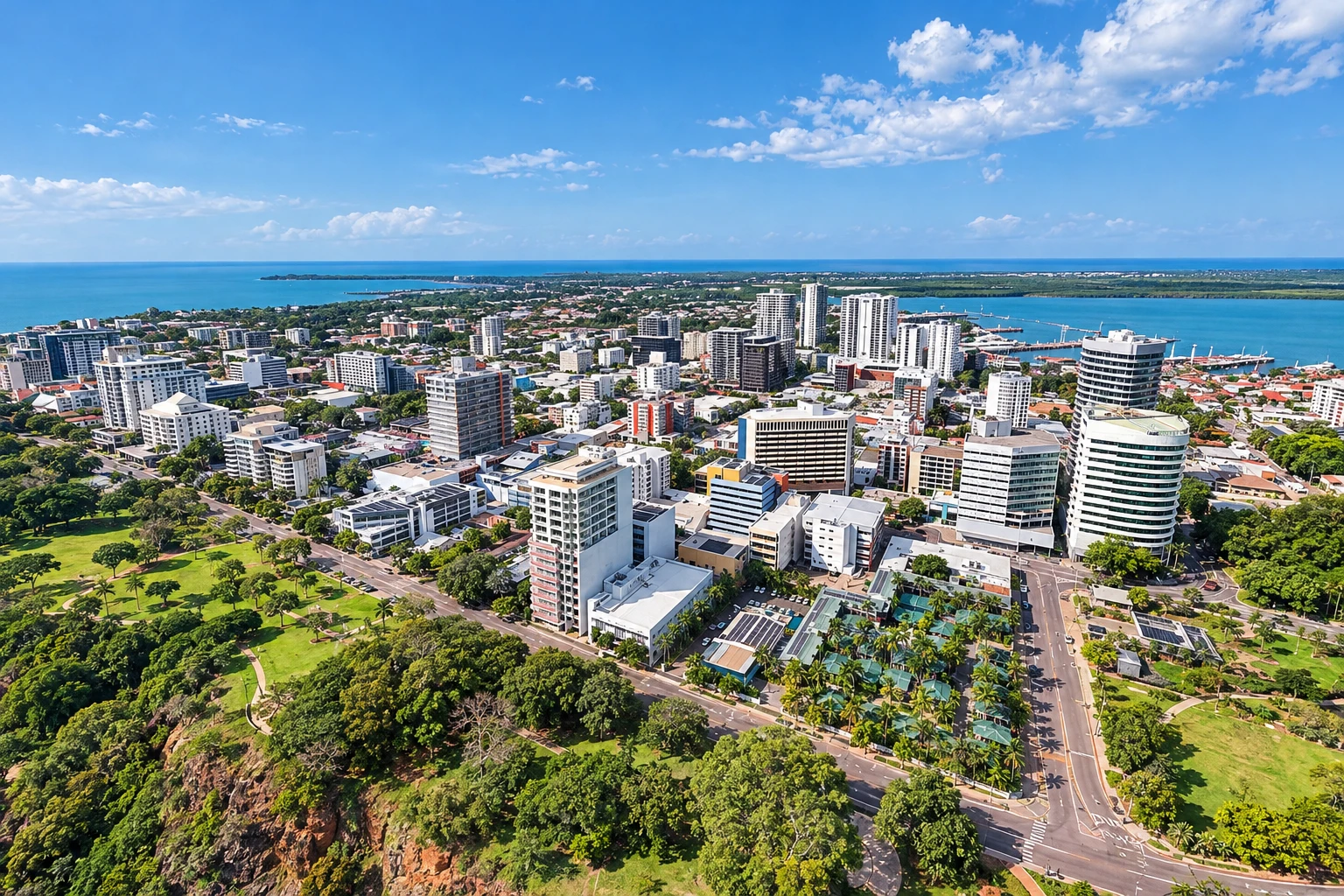
Laksa did not originate in Darwin, and there is no precise record of how it reached northern Australia. The city is closer to Jakarta than to Sydney and has a long history of Asian immigration. By the late 19th century the Chinese community already numbered thousands in the Northern Territory, and later families arrived from across Southeast Asia. More than three in ten residents were born outside Australia, and laksa became a dish common to all those communities.
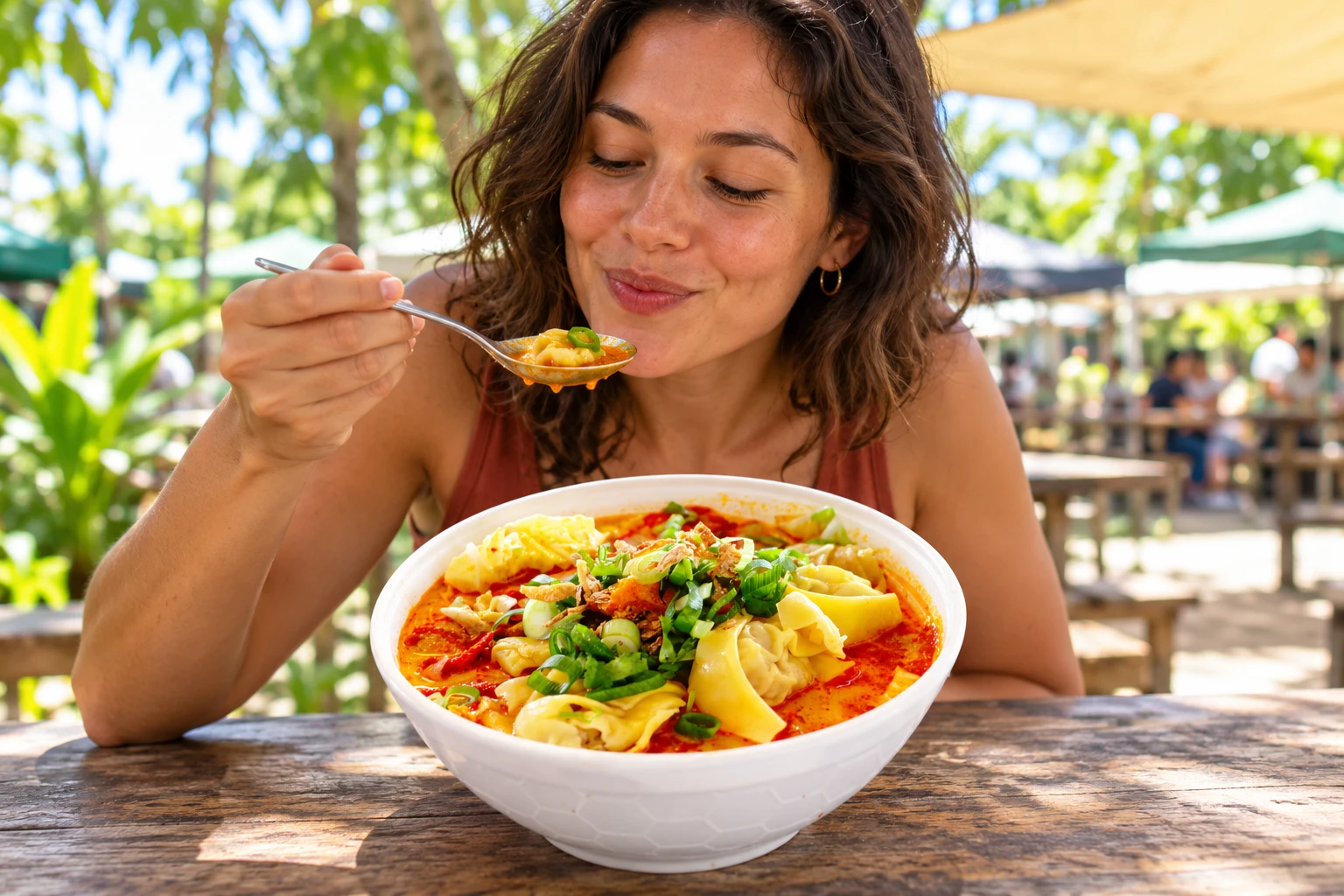
On weekends many people have laksa for breakfast at the outdoor markets of Parap on Saturdays and Rapid Creek on Sundays. Some arrive early and bring their own bowl.
In 2019 the Territory government created the Darwin International Laksa Festival. For about a month, in October or November depending on the edition, a laksa trail runs through restaurants, stalls and cafés in the region, and on the festival day a blind tasting chooses the best version, awarded the Golden Bowl. Darwin is called Australia’s laksa capital, a phrase used by the government itself and by official tourism bodies.


 Brazilija
 Antarktika
 Argentina
 Bolivija
 Čile
 Kolumbija
 Ekvator
 Gvajana
 Francoska Gvajana
 Falklandski otoki (Malvini)
 Paragvaj
 Peru
 Surinam
 Urugvaj
 Venezuela
 Nemčija
 Avstrija
 Belgija
 Hrvaška
 Danska
 Slovaška
 Slovenija
 Španija
 Finska
 Francija
 Grčija
 Nizozemska
 Madžarska
 Irska
 Islandija
 Italija
 Luksemburg
 Norveška
 Poljska
 Portugalska
 Združeno kraljestvo
 Češka
 Švedska
 Švica
 Turčija
 Bermudi
 Kanada
 Združene države Amerike
 Grenlandija
 Mehika
 Sveta Peter in Mihael
 Dominikanska republika
 Japonska
 Južnoafriška republika
 Egipt
 Fidži
 Nova Zelandija
 Papua Nova Gvineja