Lugano and the Ticino

Ticino · Switzerland

Lugano and the Ticino

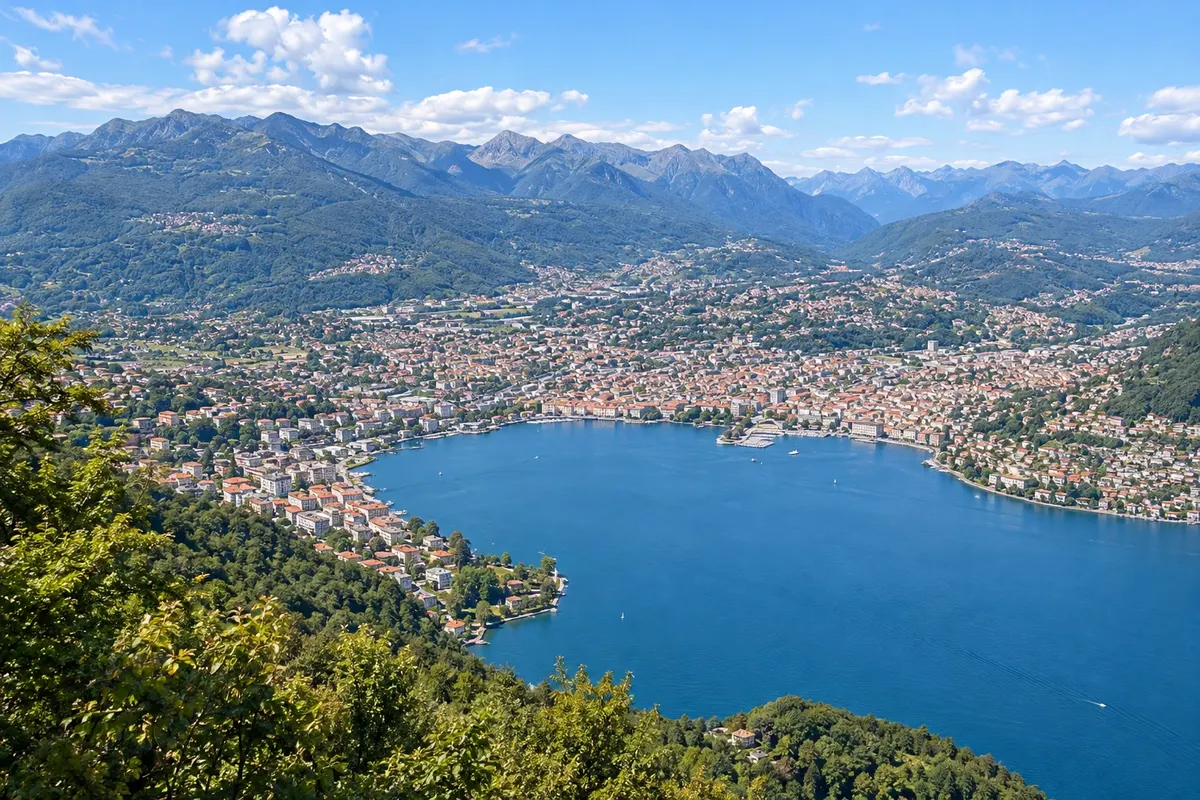
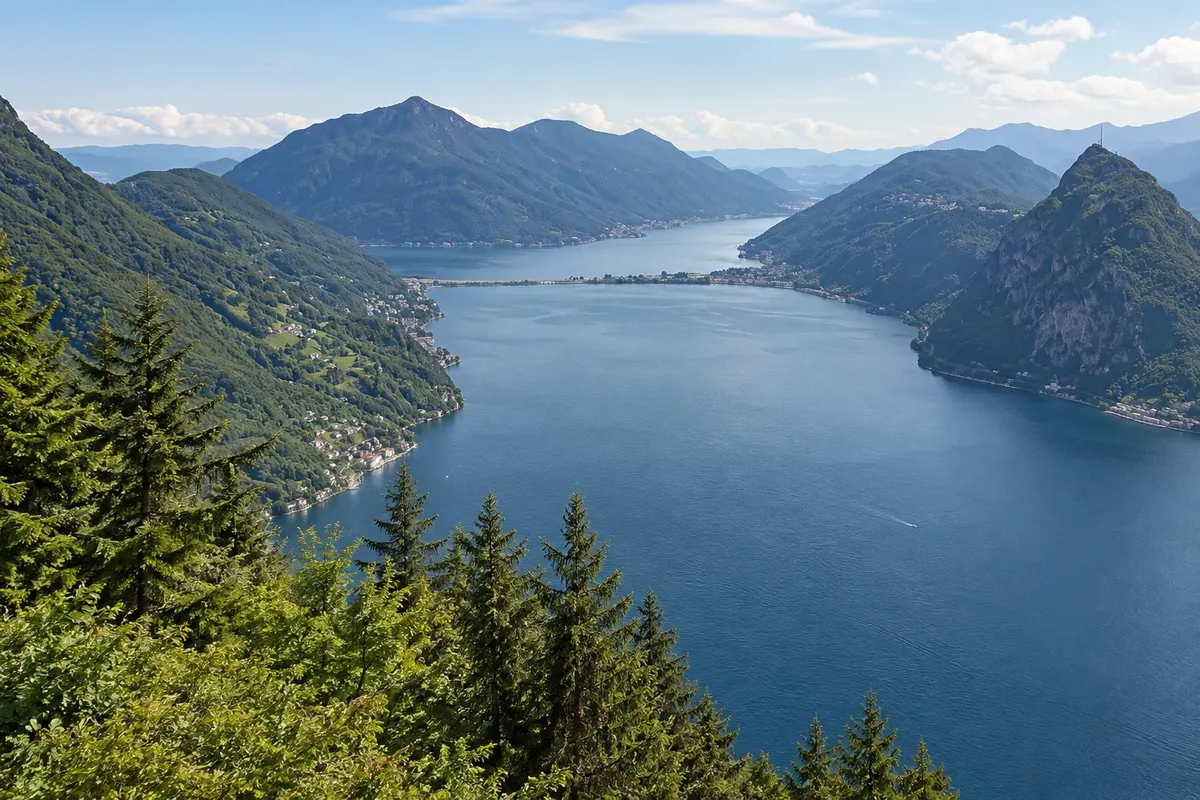
The Italian-speaking Switzerland: Lugano on the lake shore, between the San Salvatore and Brè hills, with trains to Milão and to Zurique via the Gotardo.

Suíça italiana

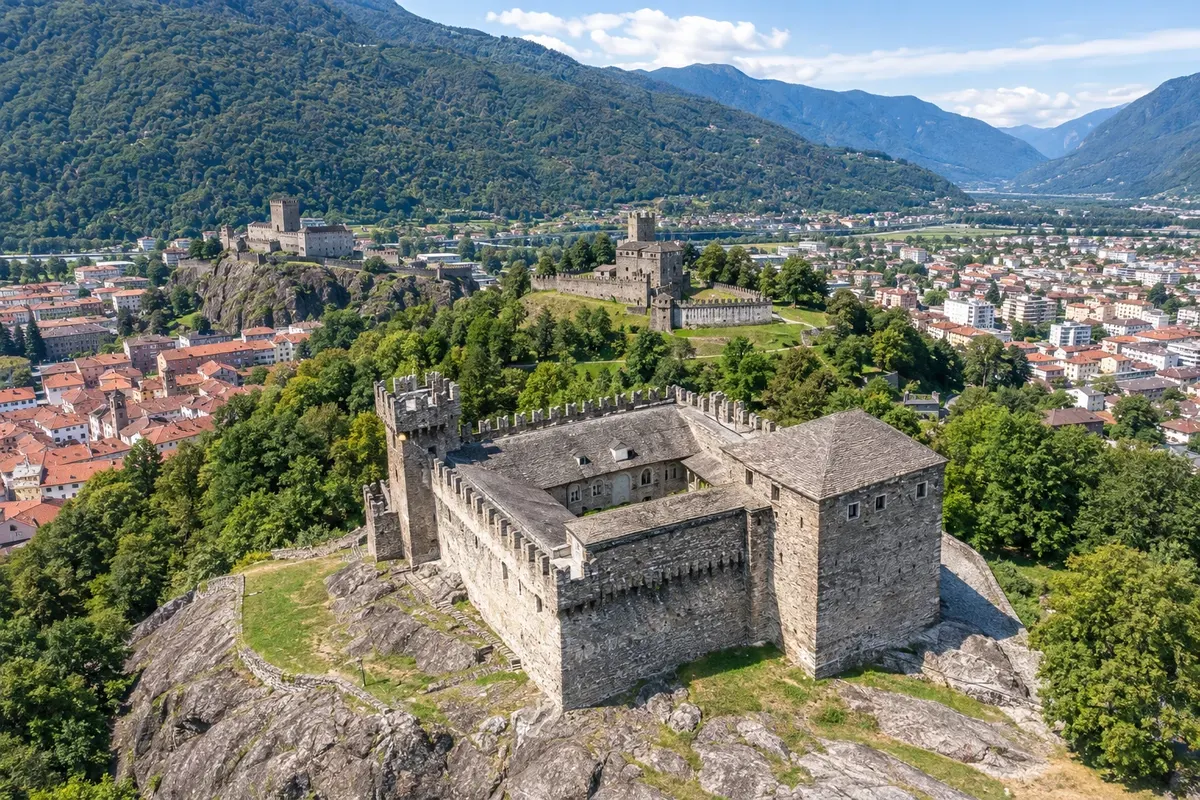
In the photo: Castles of Bellinzona

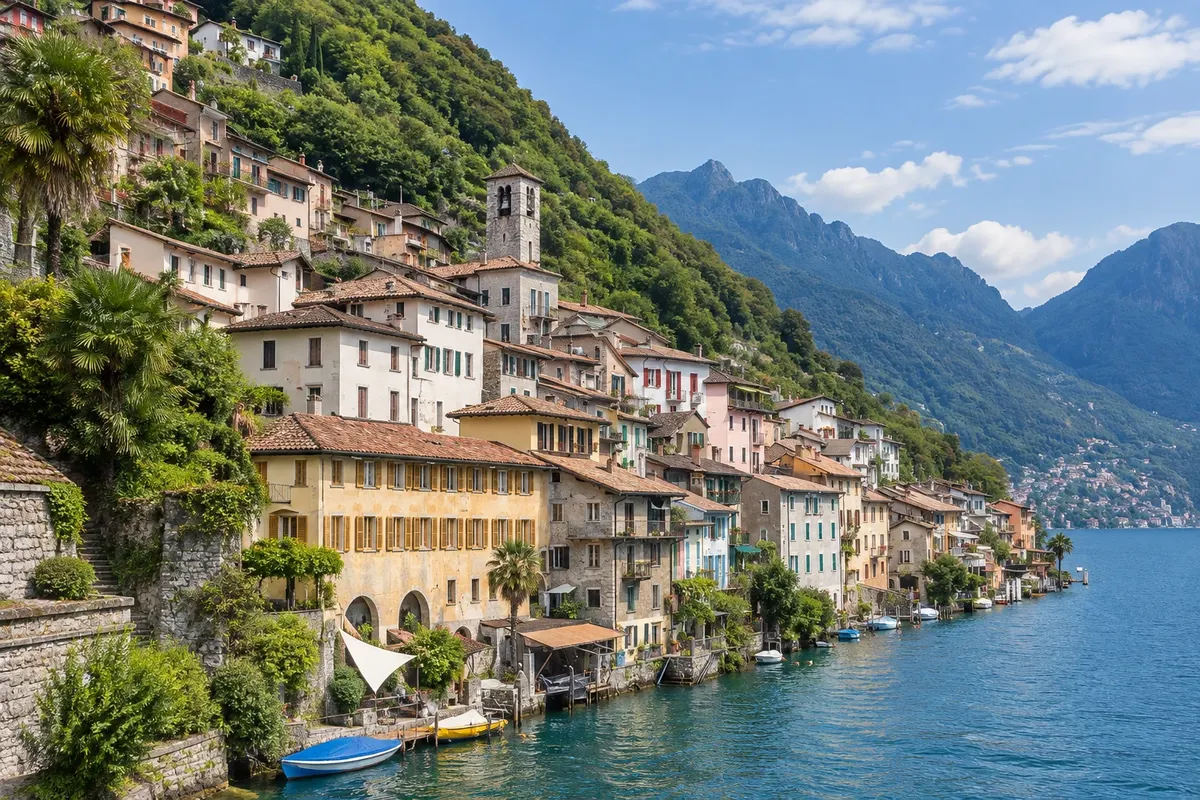
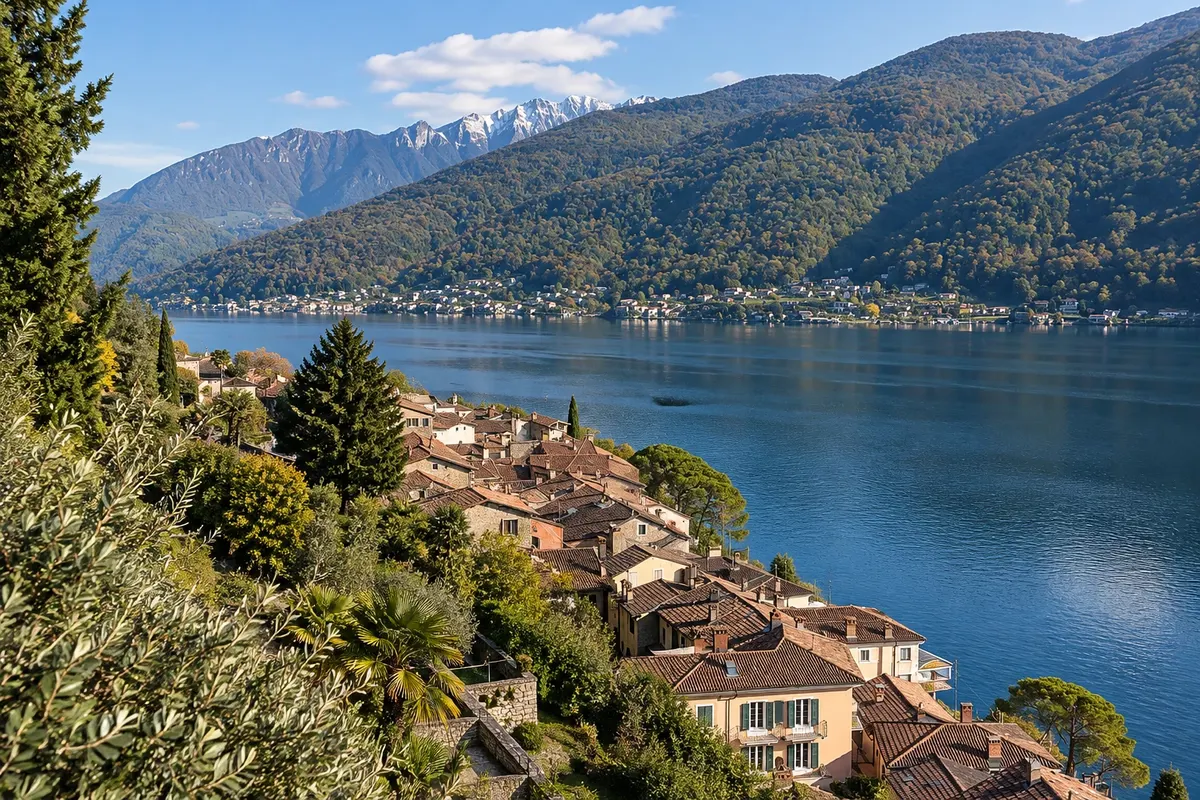
Illustrative images. The pictures in this guide are illustrations based on the real place, not photographs, and may differ from it.

Get it on Google Play Send your photos

Get to know the place

A region to enjoy
at your own pace.

Ticino is the southern canton of Switzerland, on the other side of the Alps, where Italian is spoken. It lies between the São Gotardo massif and the border with Italy, with mountain valleys to the north and, to the south, the lakes of Lugano and Maior. The climate is milder than in the rest of Switzerland, with palm trees, camellias and merlot vineyards, and the cuisine and way of life are reminiscent of neighboring Lombardia, combined with Swiss organization.

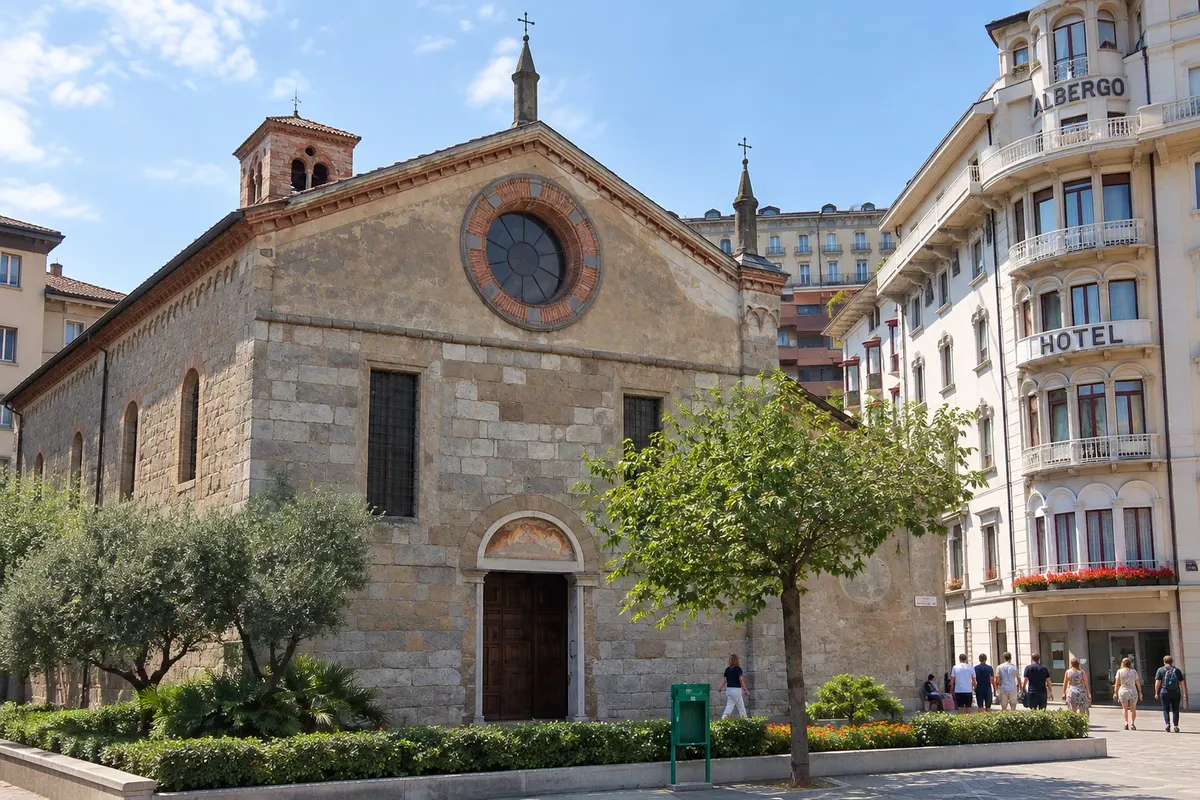
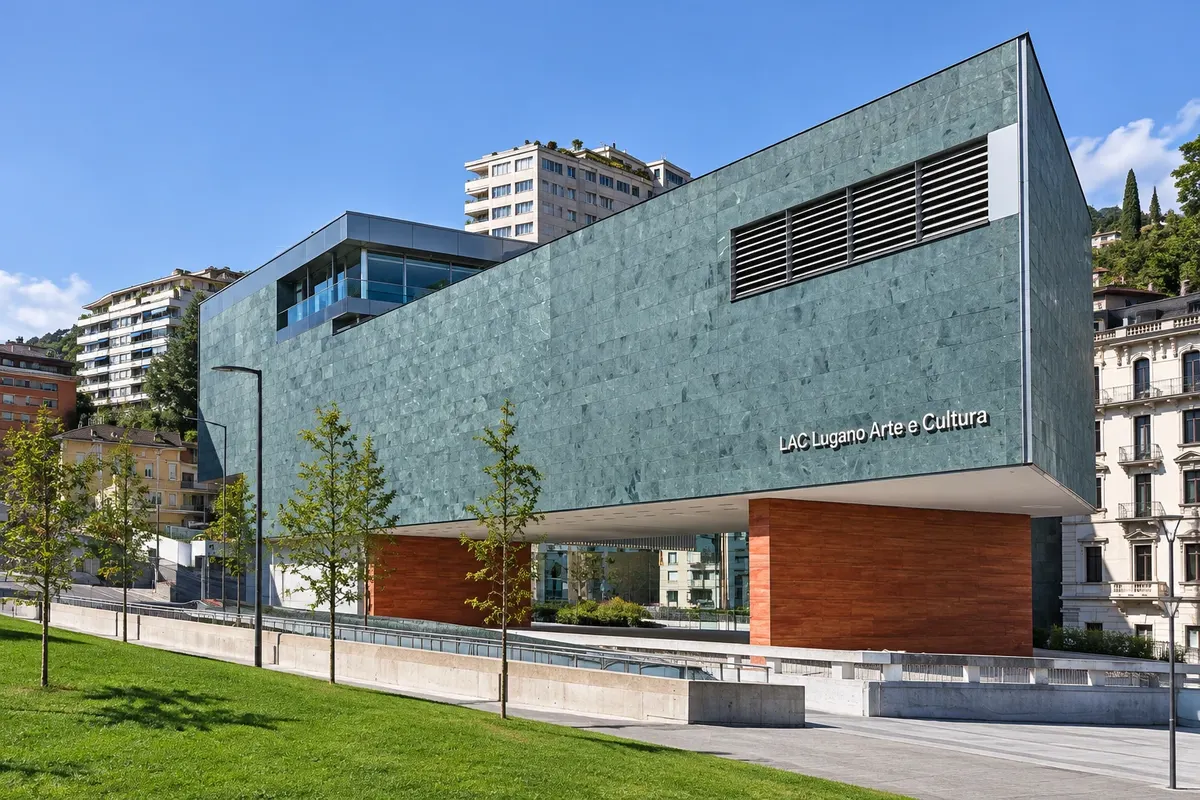
Lugano, the canton’s largest city, sits on the shore of the lake of the same name, between two hills served by funiculars: San Salvatore to the south and Brè to the east, both offering views over the lake and the Alps. The center has the Piazza della Riforma, arcaded streets like Via Nassa, the cathedral of San Lorenzo and the church of Santa Maria degli Angioli, with Bernardino Luini’s large Passion fresco. On the lakeside are the LAC cultural center and the Parco Ciani, and boats take visitors to villages such as Gandria and Morcote.

Ticino has other well-known towns: Bellinzona, the capital, with three medieval castles, and Locarno on the shore of Lago Maior. Regional trains link the three in a short time.

Italian is spoken, and the currency is the Swiss franc.

This destination brings together 1 city: Lugano.

Share: WhatsApp
Traveler, share your experiences through photos Up to 5 photos of each place you visited.

One destination, many paths

The cities on this trip

Start with one city or combine several in your itinerary.

Where Lugano and the Ticino is
Lugano

Contornos: ©swisstopo. Adaptação do Cidade Turismo.

How to get there: Lugano and the Ticino

✈ Aeroporto de Milão Malpensa (Aeroporto di Milano Malpensa) (MXP), in Ferno, Itália · 70 km to Lugano

✈ Aeroporto de Zurique (Flughafen Zürich) (ZRH), in Kloten · 200 km to Lugano

Confirm before buying. The nearest international airport is Milão Malpensa, about 70 km away, with train and bus links. Zurique airport is around 200 km away. By train, Lugano is about 1h15 from Milão and roughly 2 hours from Zurique, via the São Gotardo tunnel.

The local experience

Things to do in Lugano and the Ticino

Piazza della Riforma
Lugano · Ticino · Square

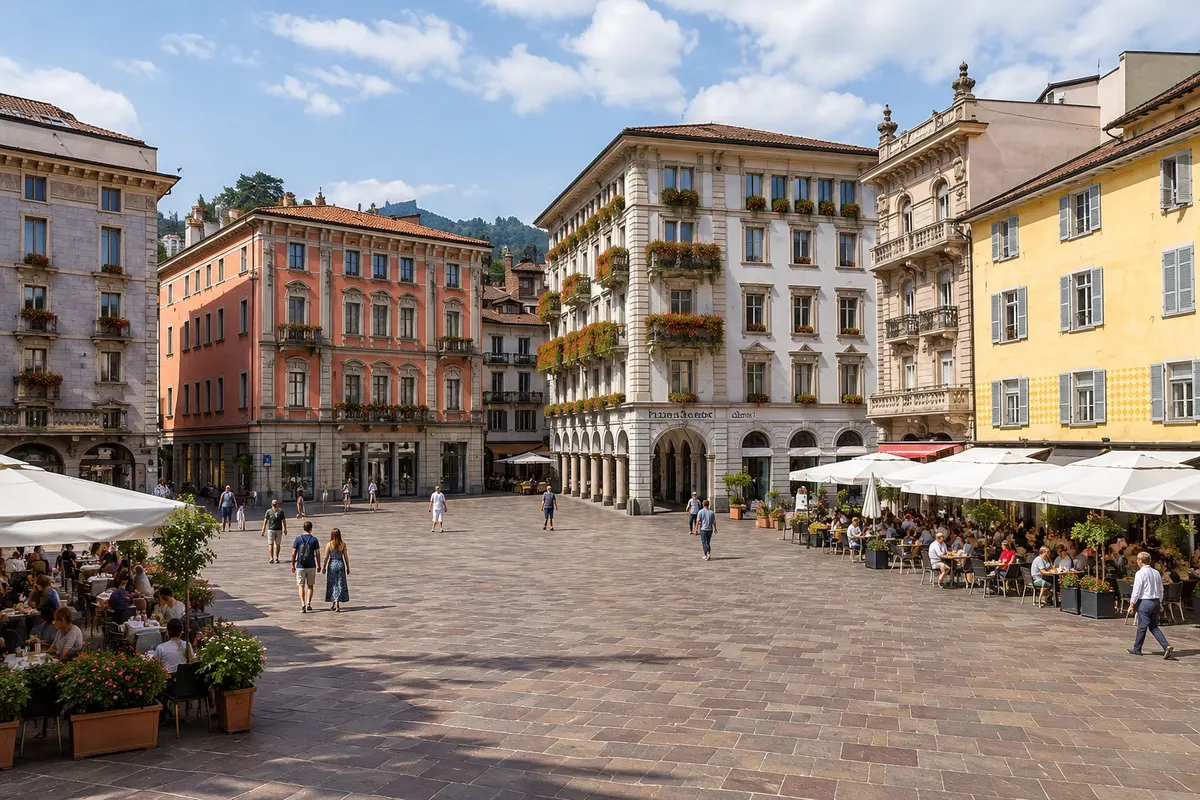
Piazza della Riforma

The main square of Lugano, with the neoclassical town hall and cafés with outdoor tables, the starting point for the arcaded streets of the center, such as Via Nassa.

Cattedrale di San Lorenzo
Lugano · Ticino · Church

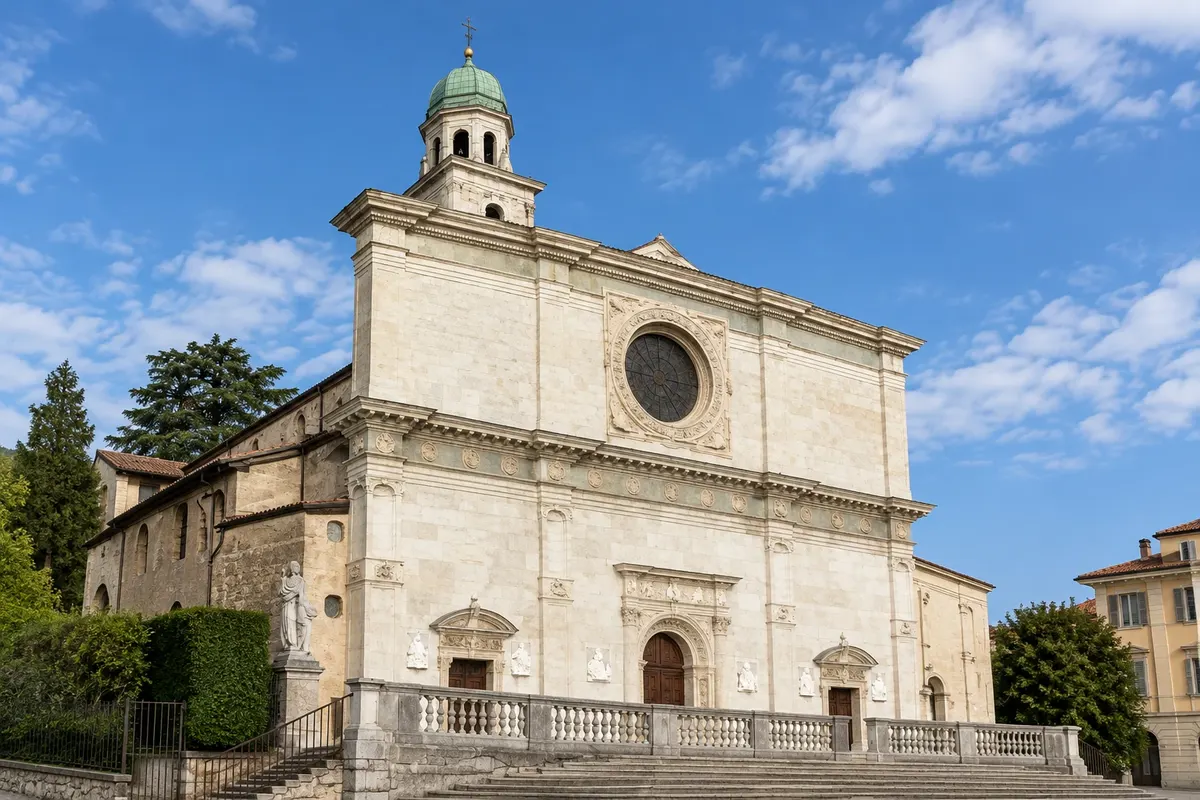
Cattedrale di San Lorenzo

Lugano's cathedral, on a terrace above the center and below the station, with a Renaissance marble façade and a view of the lake.

Chiesa di Santa Maria degli Angioli
Lugano · Ticino · Church

Chiesa di Santa Maria degli Angioli

Franciscan church consecrated in 1515, at the end of Via Nassa, with the large fresco of the Passion and Crucifixion painted by Bernardino Luini in 1529.

LAC Lugano Arte e Cultura
Lugano · Ticino · Museum

LAC Lugano Arte e Cultura

Lakeside cultural center, opened in 2015, housing the Museu de Arte da Suíça Italiana, the MASI, and a concert and theater hall.

See 5 more places in Lugano and the Ticino
Parco Ciani
Lugano · Ticino · Park

Parco Ciani

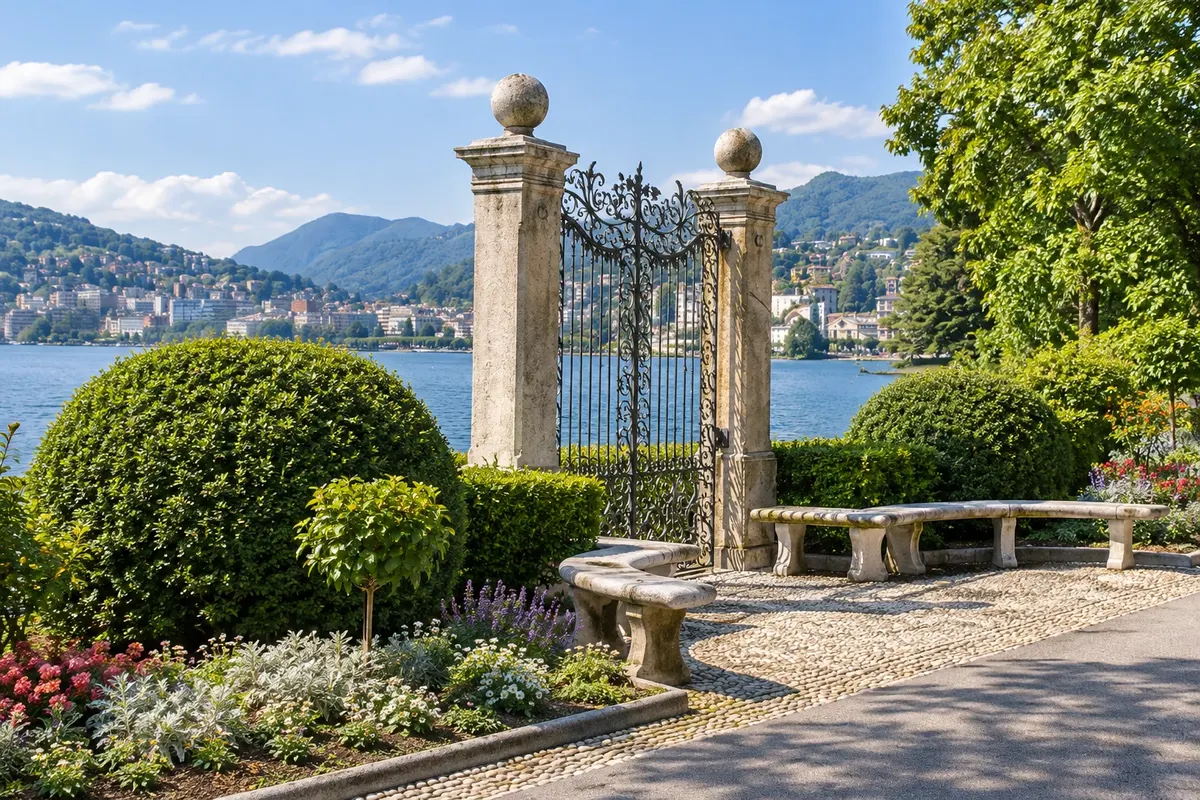
Lugano's main park on the lakeshore, with Villa Ciani, palm trees, camellias, azaleas, sculptures and waterside paths.

Monte San Salvatore
Lugano · Ticino · Viewpoint

Monte San Salvatore

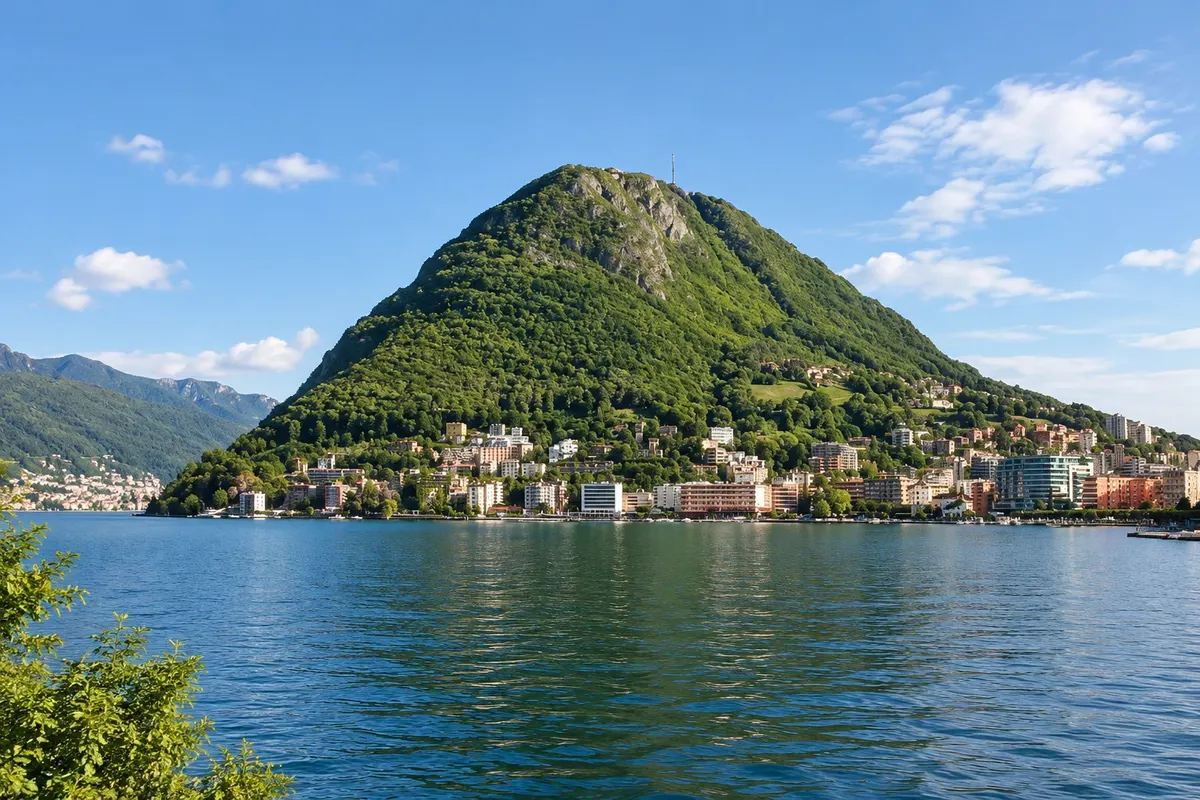
Hill of about 912 metres above Lake Lugano, reached by funicular since 1890, with a church and terrace at the top and views of the lake and the Alps.

Monte Brè
Lugano · Ticino · Viewpoint

Monte Brè

Hill of about 925 metres east of Lugano, with a funicular since 1912 from Cassarate, offering views of the gulf and the village of Brè with its stone houses.

Gandria
Lugano · Ticino · Village

Gandria

Medieval fishing village on the shore of Lake Lugano, with houses clinging to the hillside and narrow stepped lanes, reachable by boat or via the Sentiero dell'Olivo.

Morcote
Lugano · Ticino · Village

Morcote

Lakeside village on Lake Lugano, at the foot of Monte Arbostora, with arcaded houses along the waterfront and the stairway that climbs to the church of Santa Maria del Sasso.

Before you go

Practical information

A little planning leaves more time to enjoy the journey.

When to go

From April to October the weather is usually mild, with boats and funiculars in operation. In spring camellias and azaleas bloom. July and August are warm and busy. In winter some funiculars stop for maintenance and boat schedules are reduced.

The seasons shown are the most usual ones; nature doesn't always follow the calendar.

How many days to stay

Two days are enough for the center, the cathedral, Santa Maria degli Angioli, the LAC and the two hills. With three days you can include Gandria and Morcote by boat, or a trip to Bellinzona or Locarno.

Which city to stay in

Lugano’s center, between the station and the lake, leaves everything within walking distance and close to the boats. Paradiso, to the south on the lakeshore, is next to the San Salvatore funicular and is quieter. Castagnola, to the east, near Parco Ciani and the Brè funicular, has lake views and access to the Gandria trail.

Respect the place

Take your trash with you, follow the signs and support local businesses. In natural areas, follow the visiting guidelines.

Get your questions answered

Frequently asked questions about Lugano and the Ticino

What language is spoken in Lugano?

Italian. Ticino is the Italian-speaking canton of Switzerland, and signs, menus and timetables are in Italian.

How to get from Milão to Lugano?

By train, in about 1h15 from Milão central station. From Malpensa airport there are trains and buses.

How to get from Zurique to Lugano?

By train, in about 2 hours, via the São Gotardo base tunnel.

What is the currency of Ticino?

The Swiss franc, as in the rest of Switzerland. In tourist places the euro is sometimes accepted, but change usually comes back in francs; check before paying.

Is Lugano the capital of Ticino?

No. Lugano is the largest city of the canton; the capital is Bellinzona, about 30 km away, known for its three medieval castles.

Rotas entre países

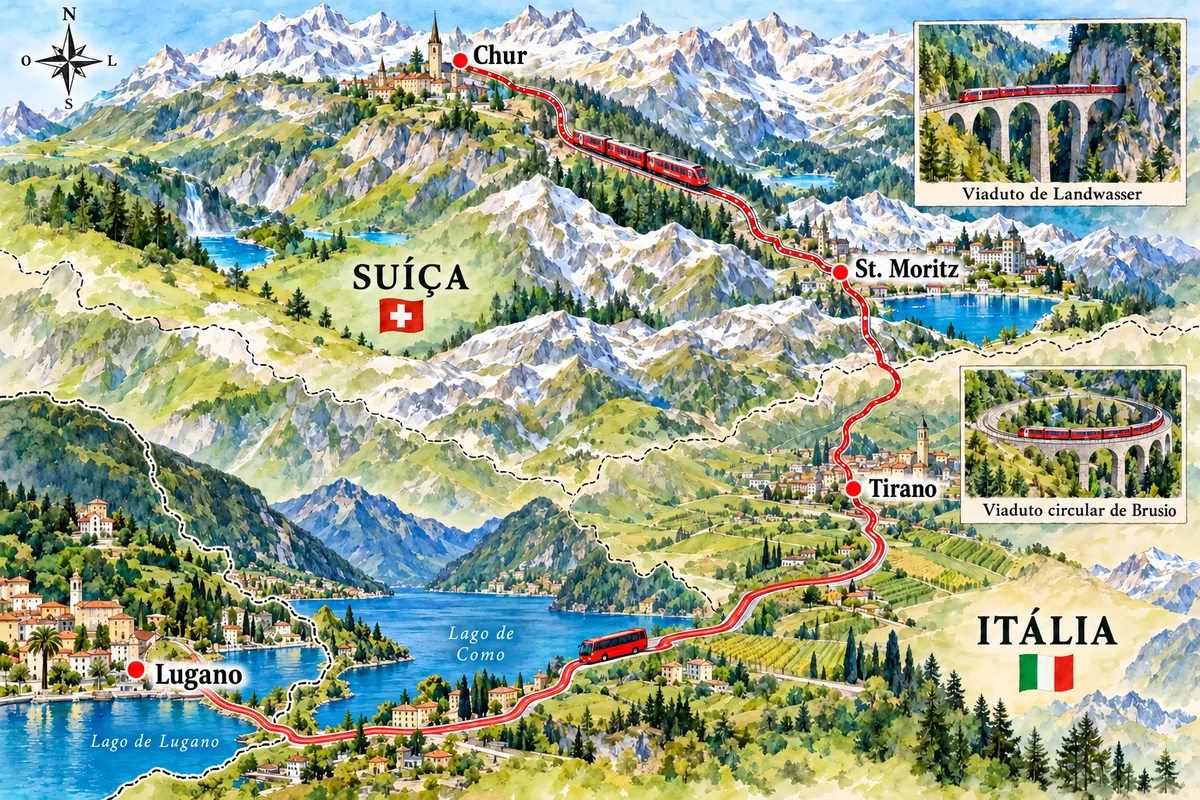
Lugano and the Ticino is on the Bernina Express: Chur–St. Moritz–Tirano

The red train that crosses the Alps from Suíça to Itália: viaducts, spiral tunnels, glaciers and the lago Bianco, from Chur to Tirano in about four hours, with a bus to Lugano.

Illustrative map, not to scale. Tap a city to open its page.
Illustrated map of Bernina Express: Chur–St. Moritz–Tirano
Explore the Bernina Express: Chur–St. Moritz–Tirano
Explore other destinations Search by state and city
Back