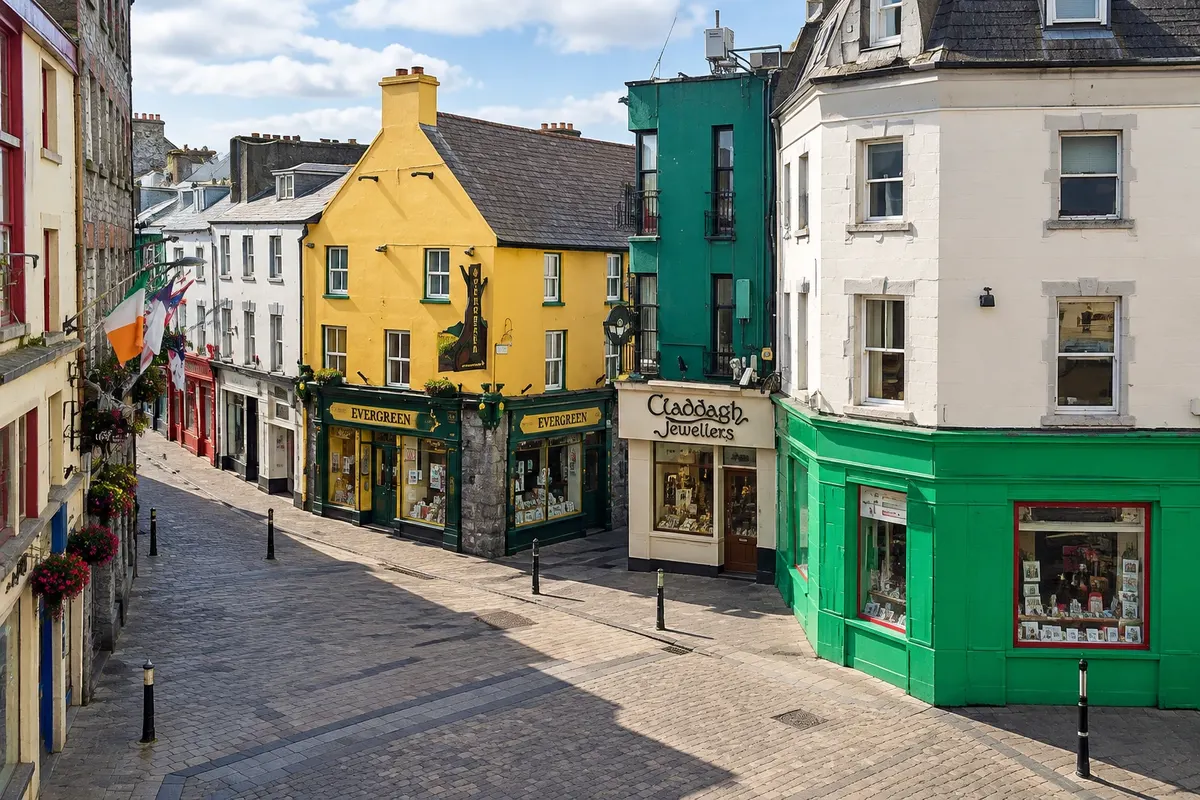
Galway is on Ireland’s west coast, at the mouth of the river Corrib, in Galway Bay, about 210 km from Dublin. A medieval trading town once ruled by 14 merchant families called the "tribes", it still has the narrow-street layout of the Latin Quarter, with pubs, shops and street musicians from Shop Street to Quay Street. It’s a university town and youthful, with a calendar of art, music and horse-racing festivals in summer.
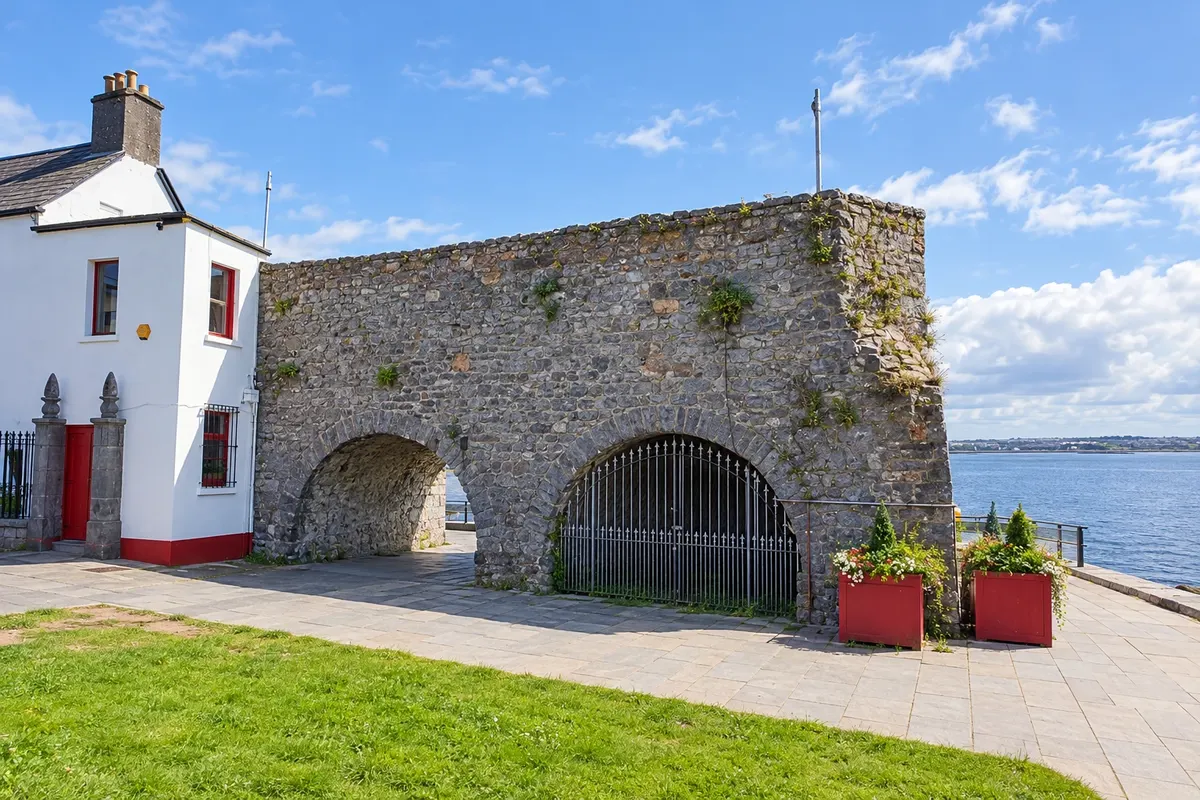
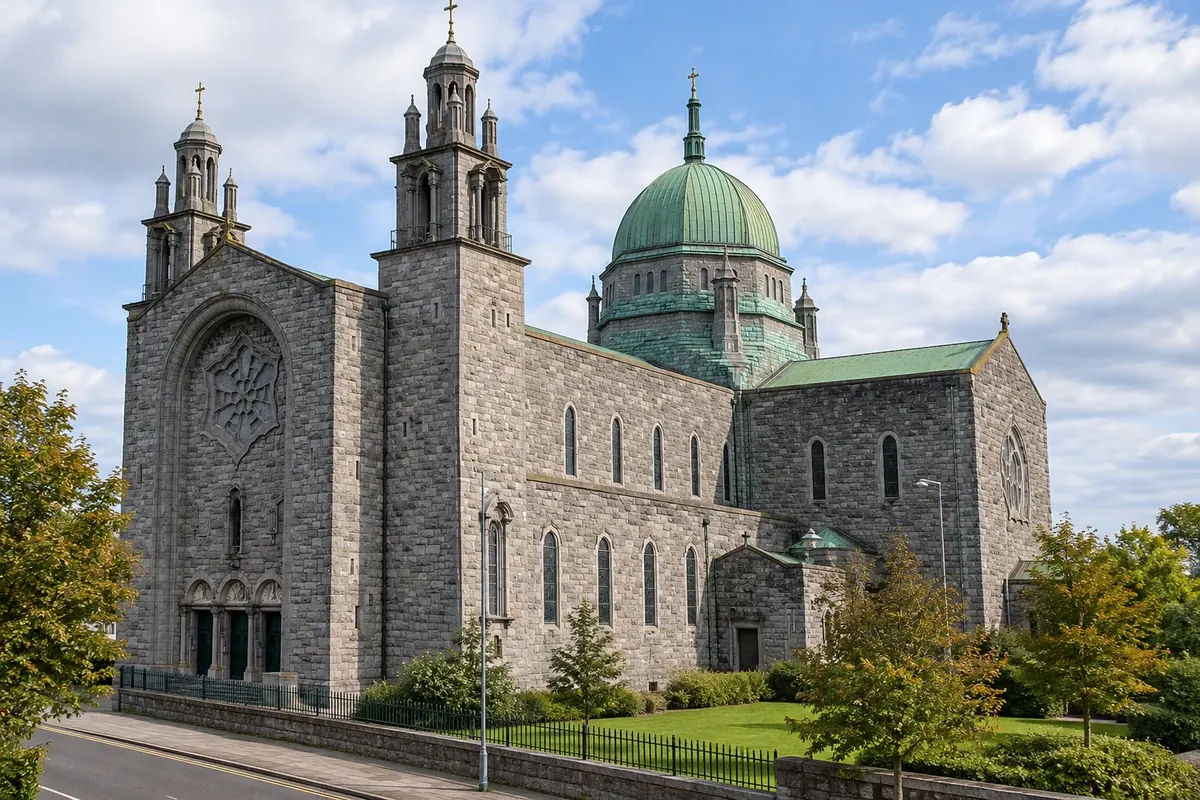
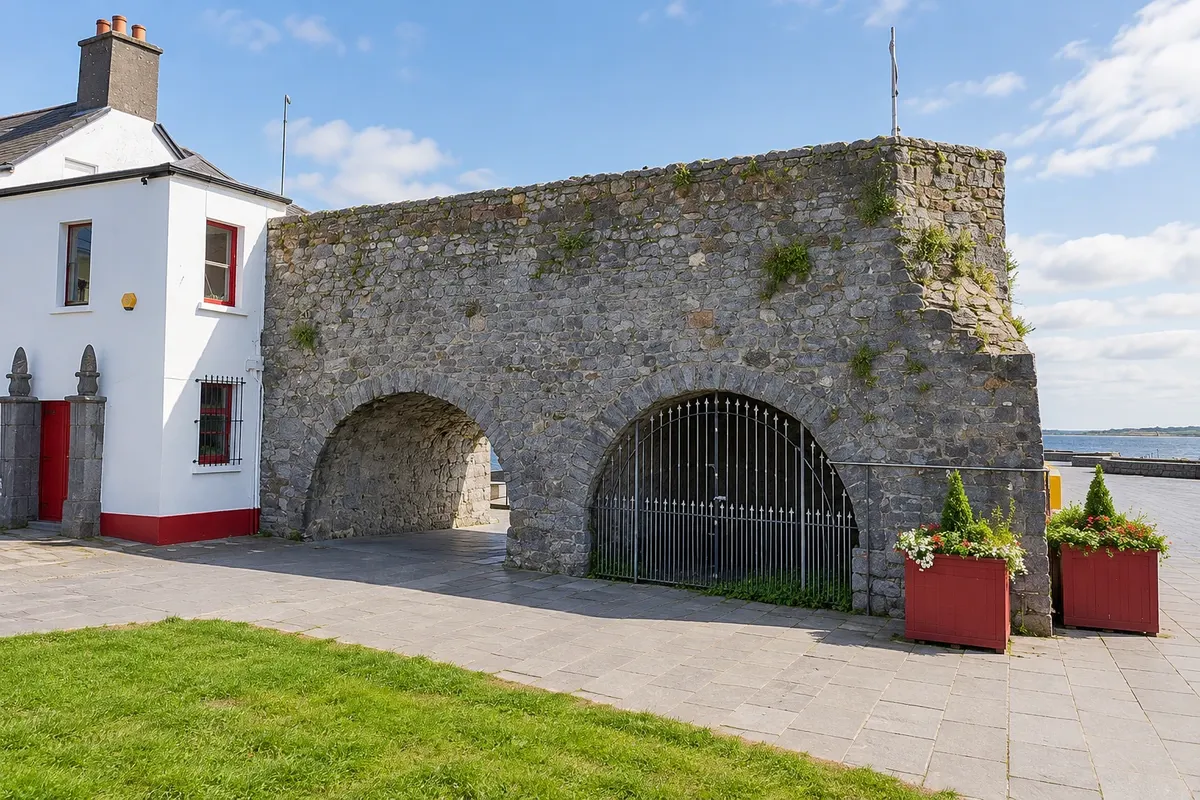
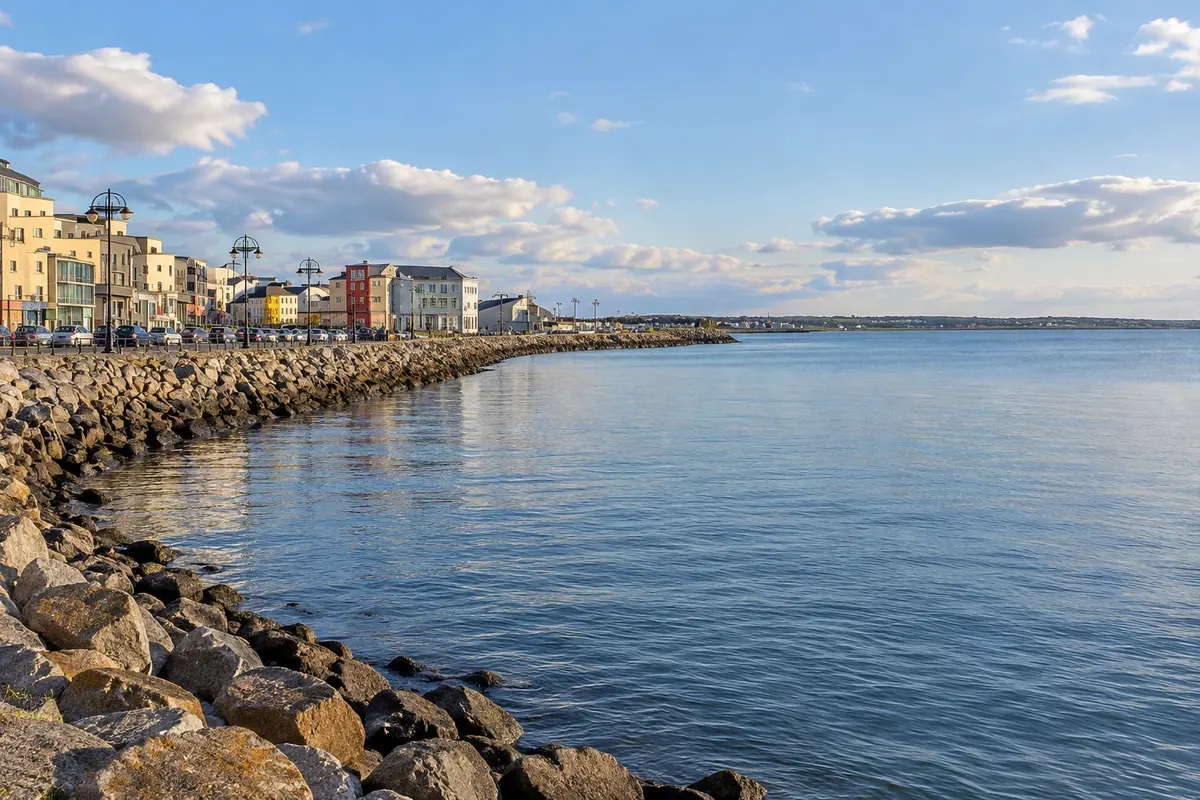
In the centre, the Spanish Arch, a remnant of the 16th-century walls, marks where the Corrib meets the sea. Across the river is the Claddagh, the old fishing village that gave its name to the ring with two hands holding a heart. Galway Cathedral, built in 1965, raises its green dome by the river, and the Salthill seaside promenade runs 3 km along the bay to the Blackrock diving board.
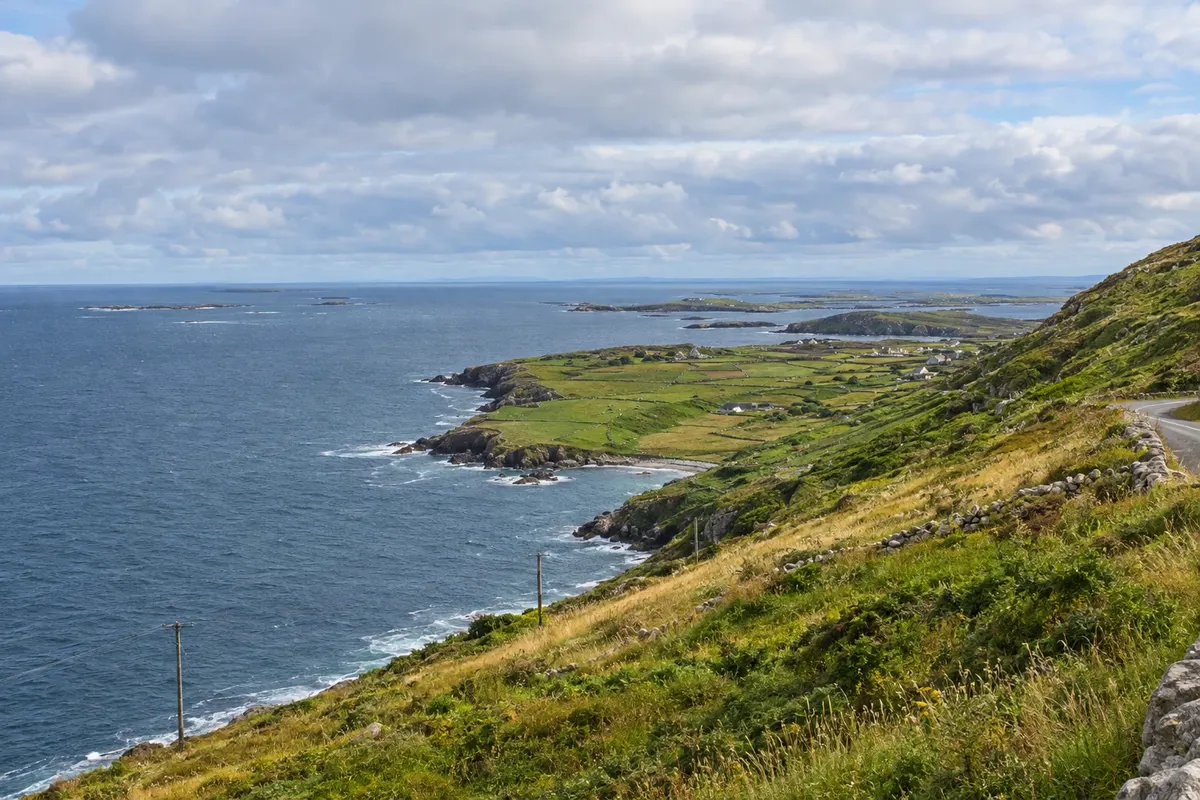
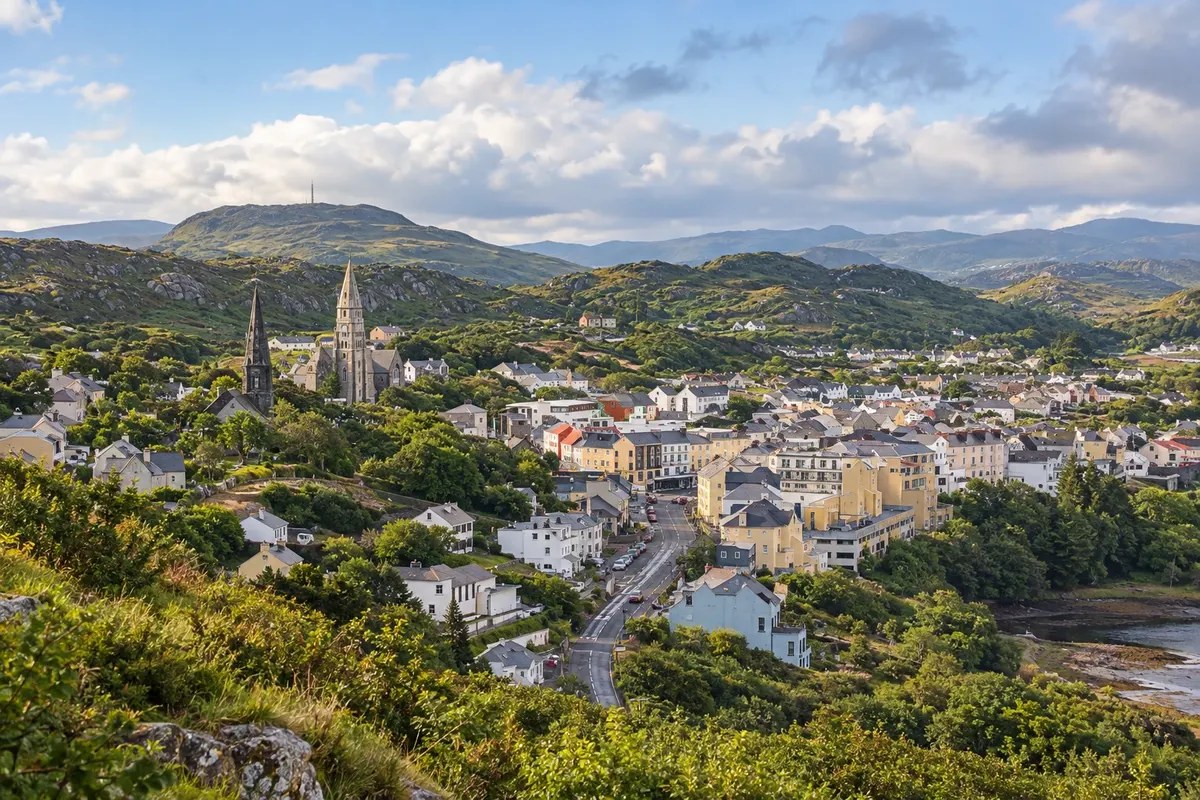
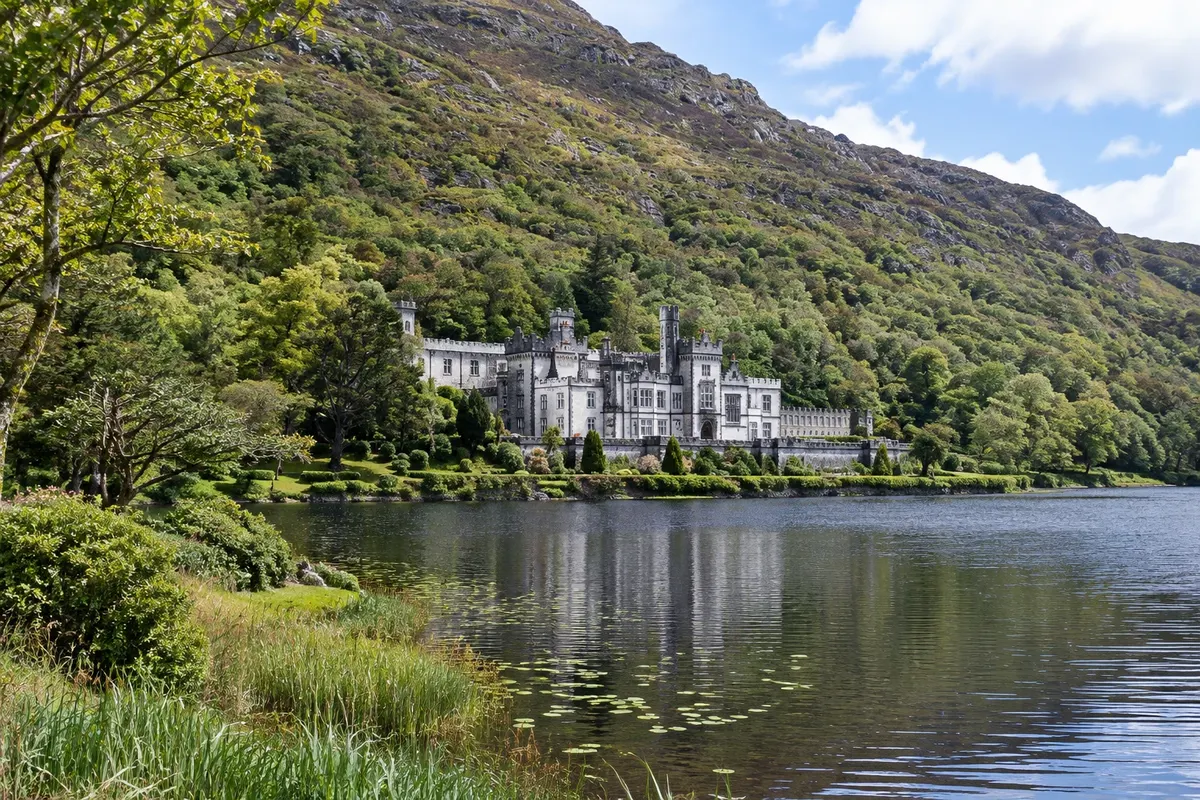
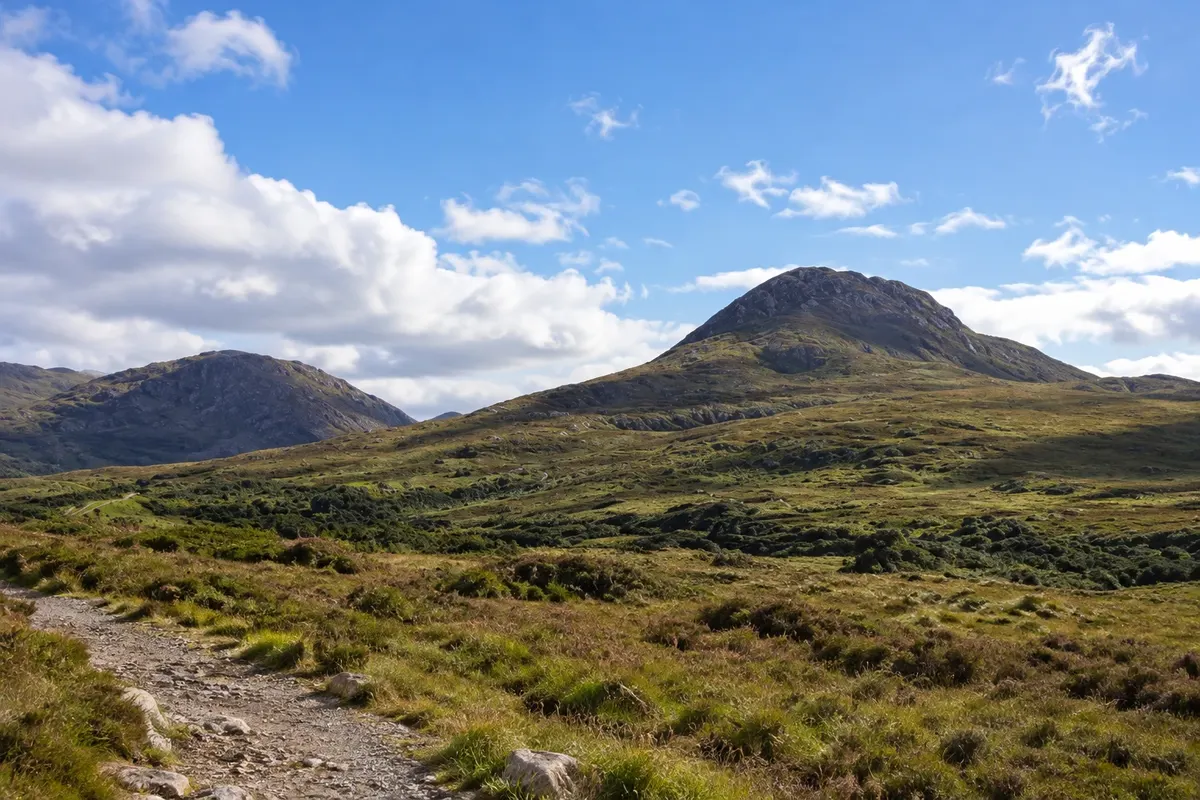
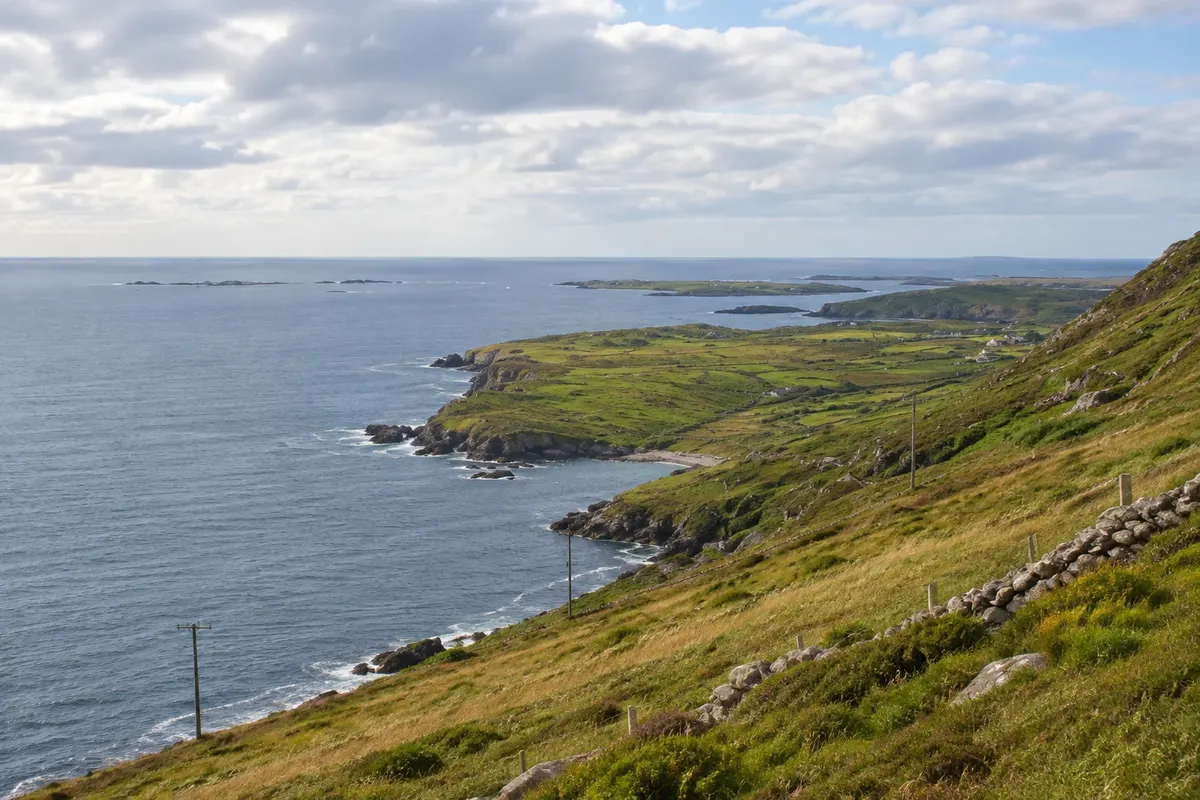
To the west of the city Connemara begins — a region of quartzite mountains, lakes, bogs, stone walls and ponies, where some people speak Irish daily and the signs appear only in that language. The N59 road crosses the region to Clifden, the small town with two church towers that serves as a base for the Sky Road, the coastal high road, and for Connemara National Park and Kylemore Abbey, the Victorian castle of the Benedictine nuns by the lake.
It pairs well with Clare to the south and with Dublin, two and a half hours by train. It rains a lot in the west at any time of year, and the weather can change several times in the same day.
This destination brings together 2 cities: Galway, Clifden.


 Brazil
 Argentina
 Chile
Chile Colombia
 Peru
Peru Uruguay
 Germany
 Belgium
 Spain
Spain France
 Greece
 the Netherlands
 Italy
Italy Luxembourg
 Portugal
 the United Kingdom
 Switzerland